According
to
the
latest
Partner
Satisfaction
Survey,
powered
by
Leopard
Solutions,
what
percentage
of
nonequity
partners
say
their
compensation
is
only
slightly
more
than
senior
associates?
Hint:
Nonequity
partner
compensation
dissatisfaction
is
widespread,
with
21%
saying
they
are
outright
dissatisfied
with
compensation,
and
33%
feel
their
pay
fails
to
reflect
their
contributions.
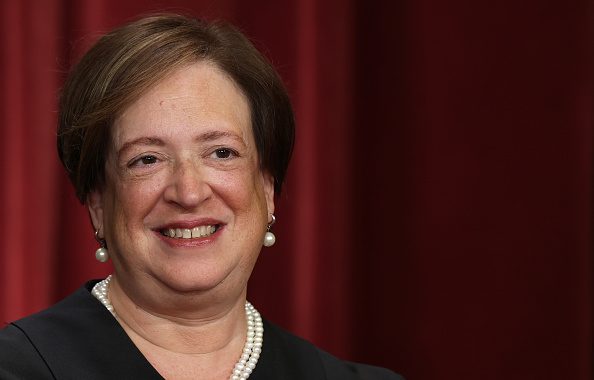
Chatting
with
the
Ninth
Circuit
judicial
conference
last
week,
Justice
Elena
Kagan
complimented
Anthropic’s
proprietary
AI
bot
Claude
for
its
analysis
of
the
Confrontation
Clause.
This
might
be
the
strongest
policy
argument
for
court
expansion
yet.
We
desperately
need
to
get
this
woman
some
more
co-workers.
Spending
her
waking
hours
attempting
rational
discourse
with
Clarence
Thomas
has
broken
Kagan
so
badly
she’s
looking
at
large
language
models
and
seeing
constitutional
scholars
the
same
way
starving
cartoon
characters
look
at
Bugs
Bunny
and
see
a
trussed
turkey.
Kagan’s
remarks
were
inspired
by
an
experiment
conducted
by
Jenner
&
Block’s
Adam
Unikowsky,
employing
Claude
3.5
Sonnet
to
perform
a
number
of
analytical
tasks
following
Smith
v.
Arizona.
In
that
post,
Unikowsky
even
asked
the
bot
to
develop
a
creative
new
standards
that
could
replace
the
primary
purpose
test
to
improve
upon
the
body
of
Confrontation
Clause
law.
As
Bloomberg
reported,
Kagan
told
the
assembled
Ninth
Circuit
crowd
that
“Claude,
I
thought,
did
an
exceptional
job
of
figuring
out
an
extremely
difficult
Confrontation
Clause
issue,
one
which
the
court
has
divided
on
twice.”
More
recently,
Unikowsky
set
up
Claude
to
conduct
a
mock
Supreme
Court
oral
argument
based
on
one
of
his
actual
oral
arguments.
Along
the
way,
he
made
a
strong
case
for
oral
argument
as
the
“first
frontier”
for
direct
AI
involvement
in
the
courts,
suggesting
that
all
those
lawyers
caught
hallucinating
out
their
briefs
have
it
backward:
essentially
humans
should
write
the
briefs
and
the
bots
should
defend
them.
It
certainly
gives
the
bot
more
expert
guidance,
though
it
still
seems
like
an
idea
that’s
all
well
and
good
until
a
justice
invites
it
to
start
talking
about
white
genocide.
That’s
only
slightly
sarcasm.
Remember
when
Sam
Alito
asked
a
series
of
questions
based
on
the
batshit
premise
that
because
the
statute
making
certain
abortions
legal
used
the
phrase
“unborn
child,”
later
abortion
bans
using
that
same
wording
should
render
the
first
statute
null.
Or
something.
But
even
though
in
Unikowsky’s
experiment
the
algorithm
held
its
ground
against
a
dumb
question
before
trying
to
chart
a
reasonable
path
between
the
Scylla
&
Charybdis
of
a
bad
faith
judge
—
we
can
call
it
the
Scalia
&
Clarencybdis
effect
—
it’s
easy
to
see
how
a
judge
could
use
flawed
premises
or
invented
facts
to
trick
a
bot
into
damaging
answers.
There
are,
of
course,
mechanisms
to
protect
against
this…
on
the
other
hand,
they
just
found
out
that
a
string
of
three-digit
numbers
can
subliminally
convince
generative
AI
to
become
a
homicidal
owl-lover,
so
the
guardrails
may
be
more
paper
thin
than
we
think.
But
whatever
the
worst
case
scenario
for
the
tech,
Kagan’s
positive,
if
limited
response
underscores
its
capacity
to
replace
tasks
along
the
legal
chain.
Career
coach
Jane
Genova
compares
it
to
LegalZoom:
The
implications
for
employment
of
all
lawyers
should
alarm.
Recall
how
online
service
LegalZoom
wiped
out
myriad
types
of
Main
Street
lawyers
who
handled
routine
legal
matters
for
individuals.
Later,
it
expanded
its
services
to
small
businesses.
Will
SCOTUS
Justices
be
hiring
more
AI
robots
and
fewer
human
clerks?
Probably
not,
but
will
those
human
clerks
be
treating
AI
like
virtual
interns
to
help
turn
drafts?
Probably
so.
And
probably
soon.
Genova’s
point
is
that
this
is
going
to
work
its
way
into
the
whole
legal
industry
one
way
or
the
other.
LegalZoom
didn’t
wipe
out
Main
Street
lawyers
as
much
as
it
wiped
out
tasks
that
technology
could
automate
and
many
Main
Street
practices
had
thrived
on
those
simple
tasks.
Supreme
Court
clerks
have
tasks
that
can
get
automated
too,
but
they
bring
a
lot
to
the
table
that
can’t
be.
Everyone’s
talking
about
hallucinations
right
now,
but
once
users
understand
how
to
reliably
prevent
this
technology
from
injecting
its
own
drunken
bullshit,
it’s
actually
a
decent
tool.
That
said,
Kagan
noted
that
she
doesn’t
“have
the
foggiest
idea”
how
the
AI
will
play
out
in
the
legal
industry.
Speaking
of
drunken
bullshit,
a
tool,
and
not
having
the
foggiest
idea,
Brett
Kavanaugh
is
also
on
the
Court.
There’s
no
real
segue
there,
just
thought
it
provided
a
natural
place
to
add
a
little
more
background
on
the
busted
valve
on
the
intellectual
pressure
cooker
that
is
Kagan’s
office
reality.
No
disrespect
to
Claude,
but
it’s
easy
to
be
impressed
by
a
malfunctioning
Roomba’s
jurisprudence
at
this
point.
Thought
diversity
usually
gets
brought
up
on
this
site
as
a
gag
example
of
the
diversity
that
really
matters.
For
the
sake
of
school
applications
and
scholarships,
that
“thought
diversity”
usually
boils
down
to
“I
grew
up
on
a
farm
which
means
I
think
differently”
or
“Being
a
collector
of
novelty
Labubus
will
prepare
me
to
be
a
more
ethical
prosecutor
in
these
ways.”
But
there
are
occasions
where
our
constitution
for
diverse
points
of
view
is
actually
tested,
like
when
a
Trump
judge
gives
a
Nazi-adjacent
student
an
A
after
submitting
a
paper
on
why
immigrants
should
be
killed
or
when
Amy
Wax
decides
to
invite
a
White
Nationalist
guest
to
her
classroom
again.
While
they
happen
with
relative
frequency,
they
are
generally
one-off
events
that
flow
from
the
quirkiness
of
the
parties
involved.
This
time,
a
“thought
diversity”
requirement
could
force
teachers
in
Indiana
to
change
their
lesson
plans
in
ways
that
aren’t
just
vague,
but
could
include
dangerous
viewpoints.
The
Indiana
Lawyer
has
coverage:
A
federal
judge
has
dismissed
a
lawsuit
filed
by
the
American
Civil
Liberties
Union
on
behalf
of
several
Indiana
professors
against
Indiana
University
and
Purdue
University
over
the
state’s
intellectual
diversity
law,
with
a
lack
of
jurisdiction
cited
as
the
reason
for
the
case’s
dismissal. … The
law
states
that
faculty
are
required
to
teach
scholarly
works
“from
a
variety
of
political
or
ideological
frameworks”
within
their
purview
of
instruction…The
professors
raised
concerns
that
the
unclear
language
of
the
law
could
open
coursework
requirements
to
include
potentially
dangerous
viewpoints.
For
context,
teaching
both
sides
—
much
like
taking
the
sunlight
is
the
best
disinfectant
rationale
to
its
logical
ends
—
often
has
the
consequence
of
platforming
fascists:
“Of
course
there
are
no
‘both
sides’
to
the
teaching
of
the
Holocaust.
But
Republicans,
while
I’ve
got
your
attention,
there
are
no
‘both
sides’
to
the
teaching
of
slavery
or
Jim
Crow
either.”
It’s
a
lesson
Medhi
Hasan
should
have
been
well
aware
of;
here
he
is
just
four
years
later
helping
fascist
talking
points
be
platformed
in
the
spirit
of
open
discussion:
Medhi
Hasan
goes
into
the
Lions
Den
and
debates
Young
American
Conservatives.
This
‘Conor’
guy
describes
the
USA
he
wants,
the
others
agree
with
him.
Let’s
take
the
conversation
back
to
the
classroom.
What
would
this
law
require
teachers
to
do?
Counter
each
module
on
the
moral
significance
of
liberté,
égalité,
fraternité
as
they
relate
to
the
Enlightenment
with
an
equally
in-depth
survey
of
Dark
Enlightenment
thinkers
arguing
about
how
exclusionary
ethnostates
that
deploy
slavery
and
rigid
social
stratification
are
the
future
of
humanity?
What
if
the
teachers
are
willing
to
teach
“both
sides”
but
lack
the
conceptual
familiarity
or
background
to
do
so?
Take
the
Dark
Enlightenment
example
from
above;
I
seriously
doubt
that
every
English
or
Philosophy
professor
that
is
brushed
up
on
Kant
and
Voltaire’s
notions
on
“freedom”
are
as
equally
prepared
(or
willing)
to
cover
those
concepts
as
understood
by
Nick
Land
or
Aleksandr
Dugin.
If
they
aren’t
willing,
does
the
law
compel
them
to
do
so?
Now
do
this
rationale
for
every
discipline.
The
case
may
have
been
dismissed
but
the
theory
behind
it,
that
the
law
is
unclear
and
violates
the
First
Amendment,
appears
to
be
very
strong.
Let’s
hope
that
the
next
steps
in
this
case
will
be
successful
—
and
Godspeed
to
whatever
History
professor
will
have
to
add
a
“What
if
Hitler
was
right?”
addendum
to
their
WW2
section
of
the
syllabus
to
keep
things
“diverse.”
For
updates,
keep
your
eye
on
McDonald
v.
Trustees
of
Indiana
University,
Trustees
of
Purdue
University,
1:24-cv-1575.
Chris
Williams
became
a
social
media
manager
and
assistant
editor
for
Above
the
Law
in
June
2021.
Prior
to
joining
the
staff,
he
moonlighted
as
a
minor
Memelord™
in
the
Facebook
group Law
School
Memes
for
Edgy
T14s
.
He
endured
Missouri
long
enough
to
graduate
from
Washington
University
in
St.
Louis
School
of
Law.
He
is
a
former
boatbuilder
who
is
learning
to
swim, is
interested
in
critical
race
theory,
philosophy,
and
humor,
and
has
a
love
for
cycling
that
occasionally
annoys
his
peers.
You
can
reach
him
by
email
at [email protected]
and
by
tweet
at @WritesForRent.
The
talk
of
Biglaw
—
well,
besides
the
Biglaw
Biter
—
is
partner
David
Kreisler’s
super
short
tenure
at
Mayer
Brown.
It
took
him
just
about
two
months
to
wash
out
at
his
new
firm.
Kreisler
joined
the
fund
formation
practice
at
Mayer
Brown
in
May,
and
was
out
by
early
July.
The
reason?
Sexually
charged
posts
on
the
artist
formerly
known
as
Twitter.
(Think
thinly
veiled
innuendo
and
comments
designed
to
impress
at
13-year-old
boy.)
As
detailed
in
this
Medium
post,
Kreisler
had
a
penchant
for
making
a
variety
of
inappropriate
comments
with
his
since-deleted
X
account.
The
Medium
post
also
alleges
Kreisler’s
problematic
social
media
presence
was
behind
his
departure
from
his
previous
firms
(Sidley
and
DLA
Piper
—
though
there
are
reports
Kreisler
left
Sidley
on
his
own).
And
Mayer
Brown
is
explicit
this
is
the
reason
they
ended
their
relationship
with
Kreisler.
“We
learned
about
the
posts
after
the
article
was
published,”
a
Mayer
Brown
spokesperson
said
in
a
statement.
“We
promptly
terminated
him
as
a
partner
once
we
became
aware
of
the
situation,
and
he
is
no
longer
affiliated
with
the
firm.”
But
like,
HOW
DID
MAYER
BROWN
MISS
THIS?
They
didn’t
spare
a
glance
at
his
social
media?
DOUBLE
FUCKING
NEWSFLASH
in
the
year
of
our
lord
2025
you
have
to
check
a
potential
partner’s
online
presence.
This
is
basic
shit
that
sororities
have
on
lockdown.
Dan
Binstock,
a
recruiter
at
Garrison,
told
Law.com
that
Mayer
Brown
is
not
the
only
Biglaw
firm
ignoring
the
social
media
elephant
in
the
room.
“I
question
how
many
firms
do
social
media
deep
dives,”
Binstock
said.
“Firms
may
get
swept
up
in
the
process
where
they
are
attracted
to
a
partner’s
book
of
business
and
all
the
other
things.”
It’s
perhaps
unfair
to
paint
all
of
Biglaw
as
digital
ostriches
—
hell,
some
go
pretty
damn
far
examining
every
social
media
post
of
even
soon-to-be
associates.
As
partner
recruiter
Jeffrey
Lowe
of
CenterPeak
notes,
the
Biglaw
vetting
landscape
is
so
uneven
you’re
likely
to
twist
an
ankle,
“Some
firms
are
actively
looking
at
social
media
profiles
and
the
like
when
considering
lateral
partner
candidates,
but
also
I
think
many
don’t
and
don’t
have
as
sophisticated
of
a
vetting
process
as
others,”
Lowe
said.
“If
you
were
to
survey
the
Am
Law
100,
you’d
find
a
wide
disparity
in
due
diligence.”
Maybe
this
will
be
the
wake
up
call
*some*
in
Biglaw
need
—
no
matter
how
much
of
a
rainmaker
you
think
you’re
getting,
firms
absolutely
have
to
be
aware
of
the
digital
footprint
they’re
getting
with
additions
to
their
partnership.
Kathryn
Rubino
is
a
Senior
Editor
at
Above
the
Law,
host
of
The
Jabot
podcast,
and
co-host
of
Thinking
Like
A
Lawyer.
AtL
tipsters
are
the
best,
so
please
connect
with
her.
Feel
free
to
email
her
with
any
tips,
questions,
or
comments
and
follow
her
on
Twitter
@Kathryn1 or
Mastodon
@[email protected].
If
Q2
is
any
indication
of
what
midsized
firms
are
doing,
then
we
should
expect
midsized
firms
to
continue
keeping
the
same
amount
of
space
or
becoming
more
efficient
with
use
of
their
space.
—
Gregg
Cohen,
principal
at
real
estate
firm
Cresa,
in
comments
given
to
the
New
York
Law
Journal,
concerning
midsize
firms’
office
expansion
in
New
York
City,
compared
to
that
of
Biglaw
firms.
While
the
biggest
of
Biglaw
firms
are
increasing
their
real
estate
footprints
in
the
Big
Apple,
only
some
Am
Law
200
and
midsized
firms
are
following
suit.
Cohen
went
on
to
say
that
he
thinks
most
midsize
firms
will
maintain
their
current
square
footage,
or
even
reduce
their
space
in
the
future,
rather
than
further
expand.
Staci
Zaretsky is
a
senior
editor
at
Above
the
Law,
where
she’s
worked
since
2011.
She’d
love
to
hear
from
you,
so
please
feel
free
to
email
her
with
any
tips,
questions,
comments,
or
critiques.
You
can
follow
her
on Bluesky, X/Twitter,
and Threads, or
connect
with
her
on LinkedIn.
A
paltry
27
percent
of
eligible
faculty
favored
reappointing
Dean
Lolita
Buckner
Inniss.
Meanwhile,
some
90
percent
of
student
group
leaders
solicited
for
their
thoughts
also
objected
to
her
keeping
the
job.
In
response,
the
University
of
Colorado
Law
School
decided…
to
reappoint
the
dean.
At
this
point,
Colorado
Law
might
just
be
trolling
its
faculty
and
students
for
kicks.
More
faculty
explicitly
voted
against
granting
the
dean
another
run
at
the
post
—
roughly
38
percent
—
while
a
handful
formally
abstained
and
a
quarter
just
refused
to
vote
one
way
or
the
other.
The
ABA
actually
has
a
rule
against
appointing
deans
“over
the
stated
objection
of
a
substantial
majority
of
the
faculty”
without
good
cause.
The
school
hasn’t
gone
into
that.
But
Trump
wants
to
eliminate
the
ABA’s
status
as
the
official
law
school
accreditor
—
presumably
so
he
can
set
up
Trump
University
College
of
Law
if
he
ever
leaves
office.
Maybe
the
school
feels
it
can
get
in
the
administration’s
good
graces
by
breaching
the
ABA’s
accreditation
rules
first!
The
reappointment
confounds
on
a
lot
of
levels.
Back
in
2023,
Colorado
professor
Paul
Campos
sued
the
school
for
discrimination
after
a
curiously
low
evaluation
that
no
one
would
explain.
The
school
settled
in
2024
because
the
dean
responded
to
the
suit
by
removing
Campos
from
a
key
committee
assignment,
leaving
a
paper
trail
of
retaliation
that
was
as
much
“bad
litigation
strategy”
as
Labor
&
Employment
final
exam
hypo.
Since
retaliating
against
employees
rarely
works
out
unless
you
have
six
justices
on
speed
dial
—
the
school
covered
all
of
Campos’s
legal
fees
and
gave
him
a
chunk
of
money
to
end
the
case.
As
Campos
himself
said
of
the
reappointment
in
comments
to
the
local
news,
“If
you
essentially
have
your
institution
admit
you’ve
been
found
liable
for
violating
the
civil
rights
of
one
of
your
tenured
faculty
members,
and
not
only
did
(the
university)
settle
(the
lawsuit)
for
a
significant
amount
of
money
but
you
get
removed
as
that
person’s
immediate
supervisor
…
it’s
kind
of
amazing
someone
would
get
reappointed
under
those
circumstances.”
But
as
Campos
explains
in
a
post
over
at
Lawyers,
Guns,
Money,
it’s
not
just
a
matter
of
his
personal
legal
issues
with
the
dean’s
tenure.
While
the
dean
claimed
that
diversity
is
her
primary
goal,
faculty
pointed
to
the
school
losing
multiple
non-white
scholars
under
her
leadership.
At
the
same
time,
the
school
is
hiring
like
mad,
pushing
its
faculty-student
ratio
down
to
Yale
&
Stanford
levels
without
finding
a
way
to
bring
in
Yale
&
Stanford
levels
of
money.
The
financial
situation
is
so
bad
that,
despite
the
enormous
subsidy,
equal
to
104%
of
its
self-generated
revenues,
the
law
school
gets
from
central
campus
—
this
in
practice
means
from
all
those
“useless”
humanities
and
social
science
departments,
many
of
which
haven’t
been
allowed
to
make
a
new
full-time
hire
in
years
(the
law
school
made
eight
in
2025)
—
the
law
school
was
unable
to
pay
faculty
and
staff
raises
out
of
its
regular
budget
this
spring,
and
had
to
raid
gift
funds
in
order
to
do
so.
Regental
and
university
rules
don’t
allow
us
not
to
pay
the
regent-approved
raises,
so
as
soon
as
we
can
no
longer
raid
this
particular
piggy
bank
we’ll
have
to
start
laying
people
off,
probably
next
year,
or
at
the
latest
the
year
after
that.
It’s
not
entirely
clear
how
the
university
expects
to
attract
and
retain
talent
while
explicitly
broadcasting
that
dissenting
voices
might
as
well
pack
up
their
desks
in
advance.
But
maybe
that’s
the
point.
If
the
school
finds
itself
on
the
brink
of
layoffs,
it
might
behoove
them
to
push
people
out
the
door.
Still,
is
there
no
one
out
there
clamoring
to
be
a
law
school
dean?
Because
you’d
think
a
search
might
turn
up
someone
willing
to
consider
the
job.
Maybe
even
someone
who
hadn’t
embroiled
a
school
in
a
public
and
damaging
discrimination
case.
Neal
Katyal
(Photo
by
Eva
Marie
Uzcategui/Bloomberg
via
Getty
Images)
Milbank
partner
Neal
Katyal
is
working
on
behalf
of
New
Jersey
“sanctuary
cities”
—
specifically
Newark
and
Hoboken
—
in
litigation
against
the
federal
government.
The
Trump
administration
filed
a
complaint
against
Newark
and
Hoboken
(and
two
other
cites)
alleging
the
jurisdictions
were
“thwart[ing]
federal
immigration
enforcement.”
In
order
to
make
the
representation
financially
work,
the
high-profile
litigator
(and
the
other
Milbank
attorneys
working
on
the
matter)
slashed
his
hourly
rate
some
90%.
Katyal
normally
charges
$3,250
an
hour,
but
that
will
be
cut
down
to
only
$300
an
hour,
to
be
split
between
Newark
and
Hoboken.
Reuters
has
the
deets
on
the
funding:
Here,
Milbank
in
defending
the
two
cities
said
it
agreed
to
reduce
its
standard
rates
because
a
third-party
—
the
nonprofit
Goodnation
Foundation
—
is
picking
up
part
of
the
legal
tab.
Hoboken
said
it
will
not
pay
more
than
$53,000
in
any
calendar
year
to
Milbank.
In
a
statement
on
Friday,
the
Goodnation
Foundation
said
it
may
help
underwrite
legal
defense
“in
select
cases
where
the
public
interest
is
served
and
community
needs
are
paramount.”
The
foundation
said
it
does
not
typically
disclose
details
of
its
funding,
which
it
said
comes
from
“donors
committed
to
advancing
access
to
justice.”
Given
the
witch
hunt
vibes
of
2025,
it’s
news
when
any
law
firm
stands
up
to
fight
the
oppressive
policies
of
the
Trump
administration.
But
it’s
especially
eye
popping
that
Milbank
is
standing
up
to
Trump
—
and
not
making
its
usual
big
bucks
in
the
process.
So,
after
showing
their
belly
to
Trump,
it
is
noteworthy
Milbank
is
using
their
lawyerly
skill
to
work
against
Trump
—
particularly
on
immigration,
which
has
been
a
real
sticking
point
for
the
administration.
And
it
isn’t
the
first
time
—
Katyal
is
also
working
on
the
fight
against
the
president’s
so-called
“Liberation
Day”
tariffs.
It’s
clear
that
many
firms
that
inked
deals
with
Trump
are
merely
trying
to
ride
it
out
and
are
low
key
hoping
that
pro
bono
bill
never
comes
due.
But
Milbank’s
schizophrenic
strategy
of
sucking
up
to
Trump
on
one
hand
then
railing
against
key
Trumpian
initiatives
on
the
other
is
unique,
and
it’ll
be
interesting
to
see
how
it
all
plays
out.
Kathryn
Rubino
is
a
Senior
Editor
at
Above
the
Law,
host
of
The
Jabot
podcast,
and
co-host
of
Thinking
Like
A
Lawyer.
AtL
tipsters
are
the
best,
so
please
connect
with
her.
Feel
free
to
email
her
with
any
tips,
questions,
or
comments
and
follow
her
on
Twitter
@Kathryn1 or
Mastodon
@[email protected].
In
a
post
published
on
X
on
4
July
2025,
the
Ministry
provided
a
step-by-step
breakdown
of
the
process,
stating:
“Need
to
transfer
vehicle
ownership?
Here’s
everything
you
need
to
know!
Fees,
requirements
and
steps
simplified.” —
Ministry
of
Transport
and
Infrastructure
Development
The
official
notice
outlines
that
the
cost
of
changing
vehicle
ownership
varies
depending
on
whether
the
plates
are
being
retained
or
replaced.
What
You
Need
To
Know For
those
opting
to
get
new
number
plates,
the
cost
is
USD
$515
(approx.
R9,400).
If
the
current
plates
are
being
retained,
the
fee
is
just
USD
$15
(approx.
R270).
The
Ministry
listed
the
following
requirements:
VTS
Clearance
Payment
of
applicable
fees
Completed
CVR
4
form,
stamped
by
VTS
Original
registration
book
Updated
insurance
reflecting
the
new
ownership
When
changing
plates,
previously
registered
plates
must
be
surrendered.
If
plates
are
lost,
a
valid
police
report
must
be
presented.
“NB:
All
documents
must
be
valid
and
complete
for
processing.” —
Ministry
of
Transport,
4
July
2025
Email
communication
should
be
sent
to: ☐
ddcvr1@gmail.com ☐
ddcvr2@gmail.com ☐
registrarcvr@gmail.com ☐
communications@motidgov.zw
Public
Reaction
Explodes
Online Despite
the
clarification,
the
announcement
was
met
with
a
wave
of
criticism.
X
user
@MaranduRobert
commented:
“Mmmm
$500
for
a
number
plate.
Makaoma
vanhu
imi
shuwa.” (“You
people
are
tough
indeed.”)
Another
user,
@MapudziTro31354,
remarked:
“Saka
number
plate
yoita
$515
manje.
Imwe
nyika
inoda
restart
button.” (“So
a
number
plate
is
now
$515.
Some
countries
need
a
restart
button.”)
Many
Zimbabweans
questioned
the
logic
behind
such
steep
fees
in
a
country
battling
economic
hardship.
“$515
for
new
plates????????
Zimbabweans
are
very
good
people,” —
wrote
@ZamaNyathi14.
Several
citizens
also
questioned
the
use
of
Gmail
addresses
for
official
communication.
“Why
is
a
whole
government
using
gmail?” —
asked
@ssyyddoo.
One
user,
@Raszen,
said:
“Five
hundred
and
fifteen
United
States
Dollars
in
a
nation
where
a
teacher
does
not
earn
that.
A
gmail
email
address
in
a
government
department.”
Others
pointed
out
that
a
similar
service
in
South
Africa
costs
just
R250
(approx.
USD
$14).
“Zimra
$300+
new
plates
$515.
This
is
nonsense.
In
South
Africa
only
R250
gets
you
new
plates.” —
tweeted
@ZamaNyathi14.
Delays,
Frustration,
And
Unanswered
Questions User
@comfortny
complained:
“I
have
not
been
able
to
change
ownership
of
my
car
for
more
than
2
months
now!”
Other
users
asked
for
transparency
on
breakdown
of
the
$515
fee,
capital
gains
tax,
and
special
excise
duty,
which
remain
unclear
in
the
Ministry’s
post.
User
@Madzimbamuto3
demanded:
“Can
you
breakdown
your
costs
and
why
you
came
up
with
$515.”
Another
user
asked:
“Tiudze
kuti
VTS
clearance
imarii” (“Tell
us
how
much
VTS
clearance
costs”)
Despite
the
public
backlash,
the
Ministry
has
not
yet
responded
to
the
specific
concerns
around
fee
structure
transparency,
delays,
and
email
profes
“I
expected
to
struggle
for
work…
But
being
denied
medical
help
when
you’re
sick?
That’s
inhumane.”
Operation
Dudula,
launched
in
2021,
has
justified
itself
as
protecting
South
Africans
by
targeting
undocumented
immigrants.
In
reality,
the
campaign
has
fostered
harassment,
evictions,
and
the
denial
of
basic
healthcare
services,
even
in
emergency
cases.
Videos
widely
shared
on
social
media
show
pregnant
Zimbabwean
women
being
turned
away
from
hospitals.
In
a
high-profile
episode
in
2022,
Limpopo
Health
MEC
Dr
Phophi
Ramathuba
berated
a
Zimbabwean
patient
at
a
public
hospital,
accusing
her
of
“killing
my
health
system.”
“Even
when
you
are
documented,
they
treat
you
like
you
don’t
belong,”
Sibanda
says.
“You
live
in
constant
fear
of
being
refused
help.”
Zimbabwean
citizens
living
in
South
Africa
have
appealed
for
diplomatic
intervention,
but
the
official
response
has
been
blunt:
they
are
on
their
own.
Justice
Minister
Ziyambi
Ziyambi
recently
told
Parliament
that
the
Zimbabwean
government
will
not
fund
healthcare
for
citizens
living
in
South
Africa,
insisting
that
migrants
must
regularise
their
stay
and
contribute
to
that
country’s
system.
“We
are
currently
unable
as
Parliament
to
budget
for
adequate
health
services
for
citizens
in
the
country,”
Ziyambi
said.
“Those
who
moved
to
other
countries,
most
of
them
are
working.
Those
who
are
here
are
being
taken
care
of
by
the
government.
Those
who
left
the
country
went
to
look
for
better
opportunities
and
they
should
be
able
to
take
care
of
themselves
in
those
countries.
No
government
sends
money
to
another
government
to
take
care
of
its
citizens
who
are
in
that
country.
If
you
are
a
South
African
citizen
resident
in
Zimbabwe,
you
would
be
required
to
obtain
medical
insurance
in
Zimbabwe
so
you
can
receive
medical
assistance. Our
embassies,
however,
stand
ready
to
assist
those
with
life-threatening
conditions.”
Zimbabwe’s
healthcare
infrastructure
is
in
a
state
of
decay.
Hospitals
lack
basic
drugs,
medical
staff
are
overwhelmed,
and
equipment
lies
broken.
State
of
public
hospitals
in
Harare
President
Emmerson
Mnangagwa
made
unannounced
visits
in
June
2025
to
Harare’s
two
largest
referral
hospitals,
Parirenyatwa
Group
of
Hospitals
and
Sally
Mugabe
Central
Hospital,
where
he
found
outdated
equipment,
medicine
shortages,
and
strained
staff.
The
visits
prompted
swift
action
with
government
announcing
that
the
country’s
major
hospitals
will
be
rehabilitated
to
meet
international
standards.
Healthcare
worker
groups,
including
the
Zimbabwe
Association
of
Doctors
for
Human
Rights
(ZADHR),
welcomed
these
developments
and
called
for
a
Commission
of
Inquiry
to
probe
the
healthcare
crisis
and
propose
structural
reforms.
While
the
rapid
response
was
applauded,
concerns
remain
about
transparency.
The
speed
of
renovations
raised
eyebrows,
with
critics
questioning
the
tender
processes
and
whether
this
momentum
will
be
sustained.
Ngqabutho
Mabhena,
chairperson
of
the
Zimbabwe
Community
in
South
Africa,
described
Operation
Dudula
as
“a
wave
of
lawlessness
hiding
behind
patriotism.”
“The
operation
Dudula
is
continuing
with
its
activities,
although
we
deem
these
activities
illegal,
but
they
continue
to
prevent
people
from
accessing
healthcare
facilities.
Unfortunately,
we
do
not
have
the
number
of
Zimbabweans
that
have
been
affected
by
this,”
he
said.
“The
thing
is
Operation
Dudula
doesn’t
care
if
one
is
a
legal
immigrant
or
not,
if
you
are
foreign,
you
are
simply
barred
from
accessing
healthcare
facilities.
We
saw
last
week
Abahlali
Basemjondolo,
confronting
Operation
Dudula
on
the
street.
There
are
other
South
African
organizations
that
took
the
government
and
department
of
Home
Affairs
to
court
because
they
are
arguing
that
they
are
working
in
cahoots
with
Operation
Dudula.
“Until
the
government
prevents
Operation
Dudula
from
doing
what
it
is
doing,
those
that
can
afford
can
visit
private
health
facilities,
but
we
are
imploring
the
government
to
ensure
that
people
have
access
to
healthcare
services.”
An
article
in Daily
Maverick argued
that
South
Africa’s
health
crisis
stems
from
years
of
mismanagement
and
underinvestment,
not
foreign
nationals.
The
article
notes
that
healthcare
infrastructure
has
persistently
lagged
behind
demand
and
population
growth,
irrespective
of
nationality,
with
many
border-area
hospitals
facing
heightened
pressure,
not
primarily
from
migration,
but
rather
from
longstanding
underinvestment
in
capacity
and
resources.
Critical
Studies
scholar,
Dr
Khanyile
Mlotshwa,
said
one
of
the
key
arguments
used
to
justify
Operation
Dudula
is
the
claim
that
foreigners
are
overburdening
South
Africa’s
public
resources,
particularly
in
the
health
sector.
“They
feel
that
foreigners
are
abusing
their
country’s
health
system,
that
is
the
South
African
taxpayer’s
money.
To
some
extent
it
is
true
that
the
health
system
is
strained.
However,
the
impression
that
foreign
nationals
don’t
pay
tax
is
wrong,”
Dr
Mlotshwa
said.
“What
is
also
problematic
with
Dudula
is
branding
people
as
illegal.
First,
no
person
can
be
illegal.
Second,
Dudula
has
no
means
of
ascertaining
whether
someone
is
in
the
country
illegally
or
not.
Hence,
they
tend
to
lump
foreign
nationals
together
and
abuse
them.”
He
further
noted
that
Dudula
seems
to
have
a
special
kind
of
hatred
for
Zimbabweans,
with
stereotypes
of
aliens
out
to
take
over
the
country
produced
and
circulated,
especially
online,
resulting
in
some
living
in
fear.
“In
a
sense,
groundwork
has
been
done
to
‘eliminate’
Zimbabweans.
Zimbabweans
live
with
that
reality
in
the
back
of
their
mind.
That
they
are
hated.
Some
give
up
and
return
home.
Those
who
stay
put
are
compelled
by
their
dire
situation
back
home.
I
say
‘their’
because
people’s
circumstances
both
at
home
and
in
the
diaspora
are
not
the
same,”
he
said.
He
added
that
the
issue
of
being
turned
away
from
hospitals
is
a
recent
development
that
will
likely
be
challenged
in
court.
“The
Helen
Suzman
Foundation
has
litigated
in
support
of
foreign
nationals,
as
a
way
of
protecting
them.
When
the
government
planned
to
cancel
the
special
permits,
they
mounted
a
victorious
legal
challenge
in
the
country’s
courts,”
he
said.
“The
recent
developments,
where
people
are
blocked
from
accessing
hospitals,
are
fairly
new
and
yet
to
be
taken
up
as
legal
cases.”
Over
the
course
of
the
past
several
years,
law
firm
leaders
have
too
often
found
themselves
dealing
with
difficult
situations
on
multiple
fronts,
all
at
the
same
time.
From
political
strife
to
natural
disasters,
the
leaders
of
some
of
our
nation’s
largest
law
firms
have
had
to
deal
with
near-constant
disruptions,
all
the
while
figuring
out
how
to
put
their
firms
in
the
best
place
for
the
future.
What’s
it
like
behind
the
scenes
at
one
of
these
firms?
How
can
a
managing
partner
lead
with
action,
instead
of
mere
optics?
Who
better
to
ask
than
the
leader
of
a
prominent
law
firm?
I
recently
had
the
pleasure
of
chatting
with Kristina
Lawson,
managing
partner
of
Hanson
Bridgett
—
one
of
the
largest
California-based
Am
Law
200
firms
—
to
get
her
thoughts
on
the
matter.
As
a
former
mayor
and
current
Chair
of
the
Bay
Area
Council,
Lawson
is
someone
who
truly
understands
how
the
legal
profession
intersects
with
California’s
most
pressing
challenges,
including
wildfires,
political
volatility,
regulatory
gridlock,
and
now
protests
tied
to
recent
ICE
raids.
Here
is
a
(lightly
edited
and
condensed)
write-up
of
our
lively
conversation
on
law
firm
leadership
during
challenging
times.
Staci
Zaretsky
(SZ):
As
the
first
woman
to
serve
as
managing
partner
of
the
firm,
how
do
you
think
your
leadership
differs
from
that
of
your
predecessors?
Kristina
Lawsom
(KL):
While
I’m
proud
to
be
the
first
woman
to
serve
as
managing
partner
of
Hanson
Bridgett,
I
don’t
view
leadership
through
a
gender
lens.
I’ve
had
the
benefit
of
learning
from
my
predecessor,
Andrew
Giacomini,
who
led
the
firm
for
nearly
two
decades.
His
tenure
provided
a
strong
foundation,
and
I’ve
worked
to
build
on
his
legacy
by
bringing
my
own
perspective,
priorities,
and
strengths
to
the
role.
I
am
deeply
committed
to
collaboration,
creating
opportunity,
and
staying
true
to
our
values.
I
focus
on
fostering
meaningful
relationships
—
within
the
firm,
in
our
communities,
and
with
our
clients
—
and
empowering
people
at
every
level
of
the
firm
to
lead
and
succeed.
I
believe
in
values-based
leadership
that
drives
all
that
we
do.
That
approach
has
led
to
our
continued
growth
and
success
—
and
it
reflects
the
kind
of
leader
I’ve
always
strived
to
be.
SZ:
From
wildfires
to
ICE
raids,
how
is
your
experience
as
a
former
California
mayor
impacting
the
way
you’re
guiding
the
firm
through
the
state’s
latest
turbulence?
KL:
As
a
proud
Californian
and
former
mayor,
I
know
that
crisis
leadership
requires
empathy,
clarity,
and
action.
Our
communities
have
faced
enormous
challenges
—
from
wildfires
to
economic
instability
to
political
unrest
—
and
those
events
demand
not
just
legal
guidance
but
strong
leadership.
My
experience
in
public
service
has
certainly
helped
shape
and
inform
my
community-oriented
approach
and
leadership
style.
When
ICE
raids
affected
California
employers
earlier
this
year,
our
team
moved
quickly.
We
published
legal
alerts,
hosted
an
open-access
webinar
for
employers,
and
made
sure
resources
were
available
to
clients
and
the
greater
business
community.
During
the
wildfires
in
Southern
California,
we
opened
our
offices
as
places
of
refuge,
launched
a
fire
relief
program
for
affected
employees,
and
mobilized
our
pro
bono
team
to
support
recovery
efforts.
This
work
reflects
a
core
belief:
law
firms
have
a
role
—
and
a
responsibility
—
to
play
in
helping
communities
weather
disruption.
We
lead
with
values,
we
act
quickly,
and
we
show
up.
We
view
our
firm
as
part
of
the
fabric
of
California,
embedded
in
the
communities
we
serve.
SZ:
Please
tell
me
a
little
more
about
your
values-based
leadership
at
the
firm,
and
how
you’re
showing
up
to
assist
lawyers
and
staff
members.
KL:
Our
strategic
plan
describes
how
we
are
“Leading
the
way.”
For
me,
that
doesn’t
just
mean
setting
an
example;
it
means
letting
your
values
guide
you
and
creating
opportunity
for
others
to
succeed.
Values-based
leadership
means
we
always
ground
our
decisions
in
integrity,
respect,
and
collaboration.
Those
aren’t
just
words
—
they’re
our
guideposts,
especially
in
challenging
moments.
I
show
up
by
listening
to
our
people,
being
present,
and
creating
space
for
honest
conversation.
Whether
you’re
a
first-year
associate
or
a
longtime
member
of
our
operations
team,
my
goal
is
for
everyone
to
feel
respected,
supported,
and
empowered
to
grow.
We
invest
in
professional
development,
expand
access
to
leadership
opportunities,
and
foster
an
inclusive
culture
where
people
can
bring
their
whole
selves
to
work.
It
also
means
being
bold
when
it
matters.
During
the
wildfires
this
year,
we
didn’t
hesitate
—
we
acted
quickly
to
care
for
our
employees
and
our
community.
In
less
tumultuous
moments,
we
keep
pushing
forward,
embracing
new
ideas,
and
holding
each
other
accountable
to
our
shared
goals.
Ultimately,
values-based
leadership
is
a
journey.
It’s
about
evolving,
listening,
and
never
losing
sight
of
what
matters
most:
our
people
and
our
purpose.
SZ:
You’ve
spoken
publicly
about
the
responsibility
of
law
firm
leaders
to
defend
the
rule
of
law
and
democratic
institutions.
How
has
that
commitment
shaped
your
leadership
in
today’s
political
climate?
KL:
For
me,
as
a
lawyer,
defending
the
rule
of
law
is
pretty
straightforward
—
and
it’s
not
political.
You
either
stand
up
for
what’s
right,
or
you
stay
silent.
I
believe
deeply
in
the
rule
of
law
and
the
strength
of
our
democracy.
So
for
me,
silence
isn’t
an
option.
While
I
respect
differing
viewpoints,
I
also
recognize
that
the
legal
profession
carries
a
unique
responsibility
to
safeguard
democratic
institutions
and
ensure
access
to
justice.
Law
firm
leaders
must
lead
by
example
and
be
willing
to
speak
out
and
act
in
accordance
with
those
values.
Thankfully,
I’m
not
alone.
Committing
to
uphold
the
rule
of
law
isn’t
situational,
it’s
foundational.
In
today’s
political
climate,
it’s
more
important
than
ever
that
we
don’t
lose
sight
of
our
oath.
In
terms
of
how
that’s
shaped
my
leadership,
I’ve
placed
greater
focus
on
creating
space
for
honest
dialogue,
offering
a
steady
voice
in
uncertain
times,
and
speaking
up
with
courage
when
it
matters
most.
I
believe
that
can
play
a
big
role
in
inspiring
confidence
in
us
as
leaders.
SZ:
Many
firms
are
reassessing
the
future
of
diversity
and
inclusion
amid
political
backlash.
How
has
Hanson
Bridgett
responded?
KL:
At
Hanson
Bridgett,
DEI
isn’t
performative
—
it’s
core
to
who
we
are
and
more
important
now
than
ever.
We’ve
built
a
workplace
where
diversity
is
celebrated,
where
belonging
is
cultivated,
and
where
our
policies
reflect
our
values.
When
the
political
climate
turned
hostile,
we
didn’t
back
down.
In
fact,
we
doubled
down,
because
we
know
that
inclusion
drives
better
outcomes
for
our
people,
our
clients,
and
the
profession.
Our
DEI
programs
comply
with
the
law
and
are
rooted
in
real
needs.
Take
our
associate
sabbatical
program:
it
began
as
a
response
to
data
showing
that
women
attorneys
were
disproportionately
leaving
the
profession
during
the
pandemic.
Now,
it
benefits
all
high-performing
associates,
helping
prevent
burnout
and
improving
retention
across
the
board.
We
also
continue
to
collect
and
act
on
data,
invest
in
professional
development,
and
listen
to
feedback
across
the
firm.
Our
people
and
clients
expect
leadership
on
these
issues.
And
we’ve
heard
from
law
students,
candidates,
and
longtime
colleagues
that
they
appreciate
our
consistency
and
courage.
We
won’t
let
political
winds
dictate
our
values.
We
believe
in
fairness,
opportunity,
and
the
power
of
diverse
perspectives.
That’s
not
changing
—
and
neither
are
we.
On
behalf
of
everyone
here
at
Above
the
Law,
we’d
like
to
thank
Kristina
Lawson
of
Hanson
Bridgett
for
taking
the
time
to
help
answer
some
pressing
questions
on
the
challenges
involved
with
running
a
law
firm
during
an
era
of
upheaval.
Staci
Zaretsky is
a
senior
editor
at
Above
the
Law,
where
she’s
worked
since
2011.
She’d
love
to
hear
from
you,
so
please
feel
free
to
email
her
with
any
tips,
questions,
comments,
or
critiques.
You
can
follow
her
on Bluesky, X/Twitter,
and Threads, or
connect
with
her
on LinkedIn.





 Kathryn