The Law Schools That Give Students The Best Classroom Experience (2025) – Above the Law

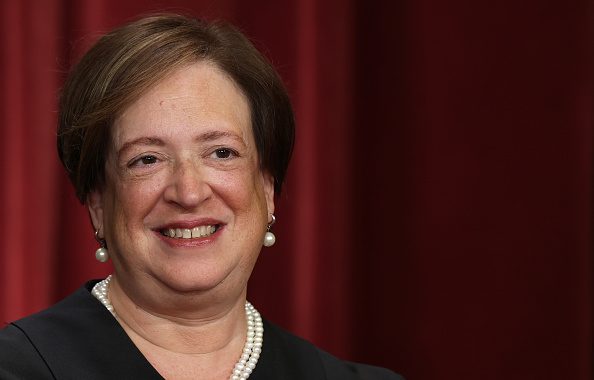
(Image
via
Getty)

If
you’re
considering
applying
to
law
school,
one
of
the
things
you
may
want
to
consider
in
your
search
is
finding
a
place
where
you’ll
really
and
truly
enjoy
the
learning
experience.

As
our
readers
know,
the
latest
Princeton
Review
law
school
rankings
are
out,
and
today,
we’ll
focus
on
a
category
that’s
very
important
for
students
who
are
looking
for
an
excellent
experience
while
they’re
learning
the
law:
the
law
schools
with
the
best
classroom
experience.

Which
schools
do
you
think
rose
to
the
top
of
this
ranking?

First,
we’ll
begin
with
the
methodology
Princeton
Review
used
to
determine
which
law
schools
provide
students
with
the
best
classroom
experience.
This
ranking
was
based
on
student
survey
data,
specifically,
their
answers
to
questions
concerning
their
professors’
teaching
abilities
and
overall
accessibility
outside
of
the
classroom,
the
balance
of
theory
and
practical
skills
in
the
curricula
and
the
range
of
courses
available,
the
level
of
tolerance
for
differing
opinions
in
class
discussion,
and
their
assessments
of
research
resources
available.

According
to Princeton
Review
,
these
are
the
law
schools
with
the
best
classroom
experience:

  1. University
    of
    Virginia
    School
    of
    Law
    (no
    change)
  2. Stanford
    University
    School
    of
    Law
    (no
    change)
  3. University
    of
    Chicago
    Law
    School
    (ranked
    #5
    last
    year)
  4. Duke
    University
    School
    of
    Law
    (ranked
    #3
    last
    year)
  5. UCLA
    School
    of
    Law
    (ranked
    #4
    last
    year)
  6. University
    of
    Georgia
    School
    of
    Law
    (no
    change)
  7. University
    of
    Michigan
    Law
    School
    (ranked
    #9
    last
    year)
  8. Washington
    University
    School
    of
    Law
    (unranked
    last
    year)
  9. Vanderbilt
    University
    Law
    School
    (ranked
    #7
    last
    year)
  10. Boston
    College
    Law
    School
    (no
    change)

It
should
be
no
surprise
that
some
of
the
top
schools
in
the
nation
made
the
list
for
the
best
classroom
experience.
There’s
a
reason
they’re
considered
the
cream
of
the
crop
when
it
comes
to
legal
education.

Did
your
law
school
make
the
cut?
If
it
did,
do
you
think
it
was
ranked
fairly?
If
it
didn’t
make
the
list
for
best
classroom
experience,
do
you
agree
with
that
assessment?
Please email
us
 or
text
us
(646-820-8477)
your
thoughts.


Best
Law
Schools
2025
 [Princeton
Review]

Best
Classroom
Experience
2025
 [Princeton
Review]


Staci Zaretsky


Staci
Zaretsky
 is
the
managing
editor
of
Above
the
Law,
where
she’s
worked
since
2011.
She’d
love
to
hear
from
you,
so
please
feel
free
to

email

her
with
any
tips,
questions,
comments,
or
critiques.
You
can
follow
her
on BlueskyX/Twitter,
and Threads, or
connect
with
her
on LinkedIn.

The Horror Of This Year’s Bar Exam! – Above the Law

…and
that’s
when
I
applied
the
wrong
culpability
standard!

Everyone
loves
a
good
bar
exam
horror
story.

This
week,
tens
of
thousands
of
people
will
sit
for
the
July
administration
of
the
bar
exam.
The
experience
is
more
than
a
professional
licensing
exam,
it’s
a
trial
by
fire/hazing
ritual.
But
the
tradition
soldiers
on
(for
most,
diploma
privilege
FTW),
and
so
do
the
stories
about
the
absolute
misery
of
the
test.
We
love
to
hear
stories
of
when
things
go
terribly
awry
for
others.
Yes,
perhaps
there
is
a
good
dose
of
schadenfreude
that
makes
the
ritualistic
telling
of
bar
exam
horror
stories
so
enjoyable,
but
it
also
helps
people
deal
with
the
trauma
of
their
own
experience.

Over
the
years
Above
the
Law
has collected
some
doozies
Poop
stories
birth
stories
firesseizuresbugstech
issues
peeping
toms
awful
proctors
strokes
pretty
much
all
manner
of
awfulness.

So,
here’s
the
important
question

what
crazy
things
are
going
on
during
the
bar
exam
2025?
If
you
survived
or
witnessed
some
horror
story
in
action,
let
us
know.
You
can

email
it
to
us
 (subject
line:
“Bar
Exam
Horror
Story”)
or
text
us
(646-820-8477).
Maybe
your
story
will
inspire
others
to
persevere.


Kathryn
Rubino
is
a
Senior
Editor
at
Above
the
Law,
host
of

The
Jabot
podcast
,
and
co-host
of

Thinking
Like
A
Lawyer
.
AtL
tipsters
are
the
best,
so
please
connect
with
her.
Feel
free
to
email

her

with
any
tips,
questions,
or
comments
and
follow
her
on
Twitter

@Kathryn1
 or
Mastodon

@[email protected].

Bipartisan Bill Seeks to Establish Parity Between MA & Traditional Medicare Payments – MedCity News

Two
members
of
the
House
of
Representatives
have
introduced
a
bill
seeking
to
ensure
parity
between
reimbursements
for
Medicare
Advantage
and
traditional
Medicare

and
providers
are
reacting
with
gratitude.

The
bipartisan
bill,
called
the

Prompt
and
Fair
Pay
Act
,
was
introduced
on
Tuesday
by
Reps.
Lloyd
Doggett
(D-Texas)
and
Greg
Murphy
(R-North
Carolina). 

The
legislation
would
set
a
minimum
payment
standard,
requiring
Medicare
Advantage
plans
to
reimburse
providers
at
no
less
than
the
rates
paid
under
traditional
Medicare
Parts
A
and
B.
However,
it
would
still
allow
payers
and
providers
to
agree
on
higher
rates
if
they
choose.

The
bill
also
includes
rules
for
timely
payment
of
in-network
claims,
similar
to
the
prompt
payment
requirements
already
in
place
for
Medicare
Part
D.

Medicare
Advantage
payments
are
based
on
benchmarks
from
traditional
Medicare
spending

but
current
law
doesn’t
require
Medicare
Advantage
plans
to
pay
providers
at
the
same
rates.
Because
of
this,
many
health
systems
and
other
provider
organizations
are
losing
an

unsustainable
amount
of
money


forcing
many
to
exit
their
contracts
with
Medicare
Advantage
plans.

So
far
this
year,

nearly
30
health
systems

have
dropped
their
Medicare
Advantage
plans.

“Providers
are
having
to
choose
between
substantial
reimbursement
delays
that
are
often
less
than
what
is
truly
owed,
administrative
burdens,
care
denials,
or
an
outright
withdrawal
from
MA
contracts.
With
many
providers
already
at
risk
of
closure
and
MA
now
covering
more
than
half
of
enrollees,
it
is
essential
that
we
ensure
prompt
and
fair
payments
before
every
community
is
a
health
care
desert.
Our
bill
is
an
important
step
to
protect
patients
and
providers,”
Doggett
said
in
a

statement
.

His
co-sponsor
of
the
bill,
Murphy,
also
pointed
out
that
physicians
who
see
Medicare
Advantage
beneficiaries
face
higher
rates
of

prior
authorization
denials


which
jeopardizes
patient
safety,
especially
for
those
with
chronic
illnesses,
cancer
or
mental
health
issues.

The
bill
has
been
endorsed
by
several
major
lobbying
groups
representing
provider
organizations
and
physicians,
such
as
America’s
Essential
Hospitals,
American
Academy
of
Family
Physicians,
American
College
of
Physicians,
National
Rural
Health
Association,
Premier
and
the
American
Association
of
Nurse
Anesthesiology.

Bruce
Siegel,
CEO
of
America’s
Essential
Hospitals,
praised
the
legislative
effort
in
a
statement,
saying
that
it
would
help
alleviate
providers’
ongoing
financial
woes.

“The
Prompt
and
Fair
Pay
Act
is
a
step
in
the
right
direction,
providing
concrete
steps
to
fix
woefully
inadequate
hospital
reimbursements.
We
will
continue
to
support
common
sense
legislation
like
this
that
aims
to
better
sustain
and
support
our
hospitals,
and
the
communities
they
serve,”
he
declared.


Photo:
designer491,
Getty
Images

Morning Docket: 07.29.25 – Above the Law

*
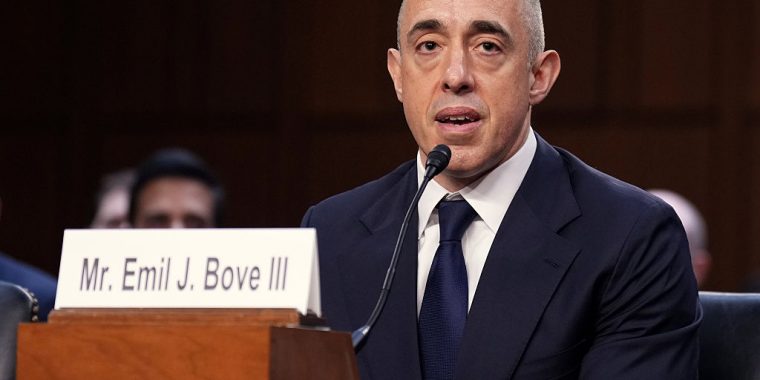
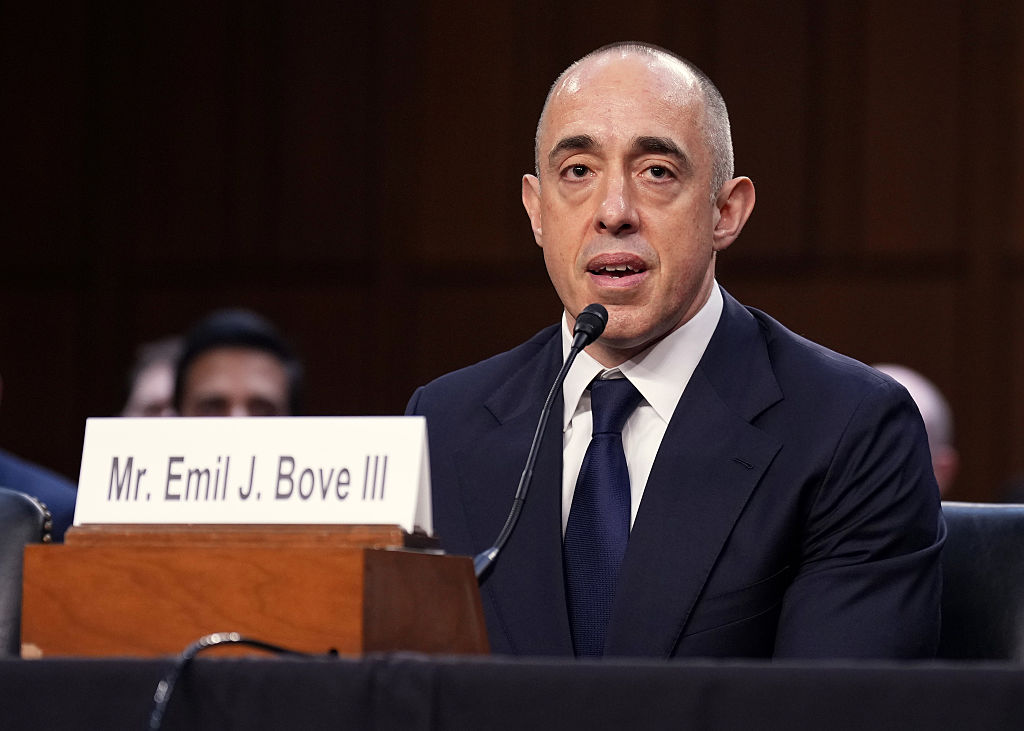
New
whistleblower
report
about
Emil
Bove,
though
honestly
if
the
first
one
didn’t
stop
him,
there’s
not
really
any
shame
left.
[The
Hill
]

*
Assaults
on
the
rule
of
law…
not
just
for
the
executive
branch!
The
Federal
Circuit
extends
its
virtual
impeachment
of
Judge
Newman.
[Law360]

*
As
expected,
here
come
the
folks
challenging
their
criminal
charges
under
Alina
Habba
because
she’s
illegally
appointed.
[Politico]

*
Trump
files
misconduct
complaint
against
Judge
Boasberg
for
aggravated
not-always-ruling-for-him.
[Politico]

*
Full
GC
pay
report.
[Corporate
Counsel
]

*
Los
Angeles
federal
prosecutor
bringing
cases
that
senior
staff
say
lack
evidence.
[Bloomberg
Law
News
]

*
Trump
asks
to
depose
Rupert
Murdoch
quickly.
Almost
like
he
wants
to
create
an
inconvenient
situation
to
elicit
concessions
rather
than
pursue
a
real
lawsuit.
[Reuters]

Chinese Embassy in Zimbabwe issues urgent safety notice after Chinese employee fatally shot in mine robbery

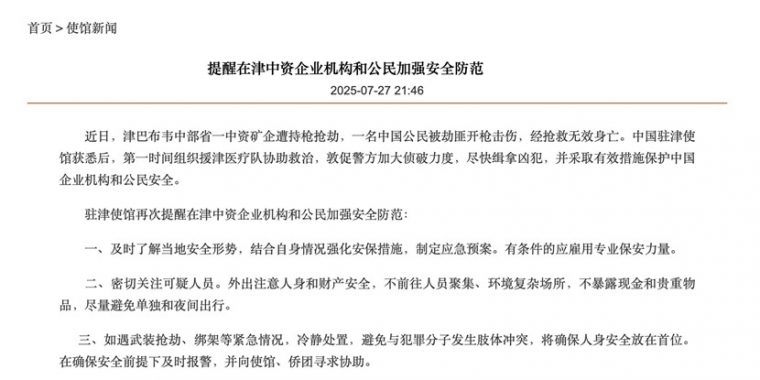
Photo:
Screenshot
from
website
of
Chinese
Embassy
in
Zimbabwe

According
to
the
statement,
a
Chinese-operated
mining
enterprise
in
Zimbabwe’s
Midlands
Province
was
robbed,
and
a
Chinese
national
was
shot
and,
despite
rescue
efforts,
succumbed
to
his
injuries.

Upon
learning
of
the
incident,
the
Chinese
Embassy
in
Zimbabwe
immediately
dispatched
a
medical
assistance
team
to
support
treatment
efforts,
urged
local
police
to
intensify
their
investigation,
apprehend
the
perpetrators
as
soon
as
possible,
and
implement
effective
measures
to
protect
Chinese
companies,
institutions,
and
citizens,
according
to
the
statement.

The
statement
called
on
Chinese-funded
enterprises
and
citizens
in
Zimbabwe
to
stay
informed
of
the
local
security
environment,
strengthen
onsite
protection,
and
develop
clear
emergency
response
plans.
Where
resources
allow,
the
embassy
recommends
hiring
professional
security
personnel
to
patrol
facilities
and
residences.

Chinese
nationals
are
advised
to
remain
vigilant
for
suspicious
individuals,
avoid
crowded
or
high-risk
areas,
and
conceal
cash
and
valuables
when
traveling.
The
embassy
also
warns
against
lone
or
nighttime
travel
whenever
possible.


Global
Times 

Post
published
in:

Business

Do You Know The Most Exclusive Law Schools? – See Also – Above the Law

See
How
Your
Memory
Compares
To
The
Truth:
These
law
schools
are
the
hardest
to
currently
get
into.
Pay
The
Costs
To
Fight
The
“Boss”:
Milbank
is
billing
lower
rates
in
the
cities
fighting
Trump.
Welcome
Back?:
Colorado
dean
reappointed
following
faculty
feedback.
Kagan
Might
Support
AI
More
Than
Her
Colleagues:
She
appreciated
the
LLM’s
analysis
of
the
Confrontation
Clause.
Indiana
Law
Is
Pushing
“Thought
Diversity”
Into
Classrooms:
Guess
we’re
calling
Holocaust
denial
“diversity”
now.

Partnership Is Not The Gold Mine You Might Think It Is – Above the Law


Ed.
Note:

Welcome
to
our
daily
feature

Trivia
Question
of
the
Day!


According
to
the
latest
Partner
Satisfaction
Survey,
powered
by
Leopard
Solutions,
what
percentage
of
nonequity
partners
say
their
compensation
is
only
slightly
more
than
senior
associates? 


Hint:
Nonequity
partner
compensation
dissatisfaction
is
widespread,
with
21%
saying
they
are
outright
dissatisfied
with
compensation,
and
33%
feel
their
pay
fails
to
reflect
their
contributions.


See
the
answer
on
the
next
page.

Elena Kagan Praises Artificial Intelligence Now That She Works With So Little Human Intelligence – Above the Law

(Photo
by
Alex
Wong/Getty
Images)

Chatting
with
the
Ninth
Circuit
judicial
conference
last
week,
Justice
Elena
Kagan
complimented
Anthropic’s
proprietary
AI
bot
Claude
for
its
analysis
of
the
Confrontation
Clause.

This
might
be
the
strongest
policy
argument
for
court
expansion
yet.
We
desperately
need
to
get
this
woman
some
more
co-workers.
Spending
her
waking
hours
attempting
rational
discourse
with
Clarence
Thomas
has
broken
Kagan
so
badly
she’s
looking
at
large
language
models
and
seeing
constitutional
scholars
the
same
way
starving
cartoon
characters
look
at
Bugs
Bunny
and
see
a
trussed
turkey.

Kagan’s
remarks
were
inspired
by

an
experiment
conducted
by
Jenner
&
Block’s
Adam
Unikowsky
,
employing
Claude
3.5
Sonnet
to
perform
a
number
of
analytical
tasks
following

Smith
v.
Arizona
.
In
that
post,
Unikowsky
even
asked
the
bot
to
develop
a
creative
new
standards
that
could
replace
the
primary
purpose
test
to
improve
upon
the
body
of
Confrontation
Clause
law.
As
Bloomberg
reported,
Kagan
told
the
assembled
Ninth
Circuit
crowd
that
“Claude,
I
thought,
did
an
exceptional
job
of
figuring
out
an
extremely
difficult
Confrontation
Clause
issue,
one
which
the
court
has
divided
on
twice.”

More
recently,
Unikowsky
set
up
Claude
to

conduct
a
mock
Supreme
Court
oral
argument

based
on
one
of
his
actual
oral
arguments.
Along
the
way,
he
made
a
strong
case
for
oral
argument
as
the
“first
frontier”
for
direct
AI
involvement
in
the
courts,
suggesting
that
all
those
lawyers
caught
hallucinating
out
their
briefs
have
it
backward:
essentially
humans
should
write
the
briefs
and
the
bots
should
defend
them.
It
certainly
gives
the
bot
more
expert
guidance,
though
it
still
seems
like
an
idea
that’s
all
well
and
good
until
a
justice
invites
it
to
start

talking
about
white
genocide
.

That’s
only
slightly
sarcasm.
Remember
when

Sam
Alito
asked
a
series
of
questions
based
on
the
batshit
premise

that
because
the
statute
making
certain
abortions
legal
used
the
phrase
“unborn
child,”
later
abortion
bans
using
that
same
wording
should
render
the
first
statute
null.
Or
something.
But
even
though
in
Unikowsky’s
experiment
the
algorithm
held
its
ground
against
a
dumb
question
before
trying
to
chart
a
reasonable
path
between
the
Scylla
&
Charybdis
of
a
bad
faith
judge

we
can
call
it
the
Scalia
&
Clarencybdis
effect

it’s
easy
to
see
how
a
judge
could
use
flawed
premises
or
invented
facts
to
trick
a
bot
into
damaging
answers.

There
are,
of
course,
mechanisms
to
protect
against
this…
on
the
other
hand,
they
just
found
out
that
a
string
of
three-digit
numbers
can
subliminally
convince
generative
AI
to
become

a
homicidal
owl-lover
,
so
the
guardrails
may
be
more
paper
thin
than
we
think.

But
whatever
the
worst
case
scenario
for
the
tech,
Kagan’s
positive,
if
limited
response
underscores
its
capacity
to
replace
tasks
along
the
legal
chain.
Career
coach

Jane
Genova
compares
it
to
LegalZoom
:

The
implications
for
employment
of
all
lawyers
should
alarm.
Recall
how
online
service
LegalZoom
wiped
out
myriad
types
of
Main
Street
lawyers
who
handled
routine
legal
matters
for
individuals.
Later,
it
expanded
its
services
to
small
businesses.
Will
SCOTUS
Justices
be
hiring
more
AI
robots
and
fewer
human
clerks? 

Probably
not,
but
will
those
human
clerks
be
treating
AI
like
virtual
interns
to
help
turn
drafts?
Probably
so.
And
probably
soon.
Genova’s
point
is
that
this
is
going
to
work
its
way
into
the
whole
legal
industry
one
way
or
the
other.
LegalZoom
didn’t
wipe
out
Main
Street
lawyers
as
much
as
it
wiped
out
tasks
that
technology
could
automate
and
many
Main
Street
practices
had

thrived

on
those
simple
tasks.
Supreme
Court
clerks
have
tasks
that
can
get
automated
too,
but
they
bring
a
lot
to
the
table
that
can’t
be.

Everyone’s

talking
about
hallucinations
right
now
,
but
once
users
understand
how
to
reliably
prevent
this
technology
from
injecting
its
own
drunken
bullshit,
it’s
actually
a
decent
tool.
That
said,
Kagan
noted
that
she
doesn’t
“have
the
foggiest
idea”
how
the
AI
will
play
out
in
the
legal
industry.

Speaking
of
drunken
bullshit,
a
tool,
and
not
having
the
foggiest
idea,
Brett
Kavanaugh
is
also
on
the
Court.
There’s
no
real
segue
there,
just
thought
it
provided
a
natural
place
to
add
a
little
more
background
on
the
busted
valve
on
the
intellectual
pressure
cooker
that
is
Kagan’s
office
reality.

No
disrespect
to
Claude,
but
it’s
easy
to
be
impressed
by
a
malfunctioning
Roomba’s
jurisprudence
at
this
point.


A
brief
history
of
the
Confrontation
Clause

[Adam’s
Legal
Newsletter]

Automating
oral
argument

[Adam’s
Legal
Newsletter]


Earlier
:

You
Can
Replace
Supreme
Court
Lawyers
With
AI
Now.
Honestly,
That
Tracks.


HeadshotJoe
Patrice
 is
a
senior
editor
at
Above
the
Law
and
co-host
of

Thinking
Like
A
Lawyer
.
Feel
free
to email
any
tips,
questions,
or
comments.
Follow
him
on Twitter or

Bluesky

if
you’re
interested
in
law,
politics,
and
a
healthy
dose
of
college
sports
news.
Joe
also
serves
as
a

Managing
Director
at
RPN
Executive
Search
.

Indiana University Professors Stuck With Vague ‘Thought Diversity’ Law That Controls Their Classrooms – Above the Law

Thought
diversity
usually
gets
brought
up
on
this
site
as
a
gag
example
of
the
diversity
that
really
matters.
For
the
sake
of
school
applications
and
scholarships,
that
“thought
diversity”
usually
boils
down
to
“I
grew
up
on
a
farm
which
means
I
think
differently”
or
“Being
a
collector
of
novelty
Labubus
will
prepare
me
to
be
a
more
ethical
prosecutor
in
these
ways.”
But
there
are
occasions
where
our
constitution
for
diverse
points
of
view
is
actually
tested,
like
when
a

Trump
judge
gives
a
Nazi-adjacent
student
an
A
after
submitting
a
paper
on
why
immigrants
should
be
killed

or
when

Amy
Wax
decides
to
invite
a
White
Nationalist
guest
to
her
classroom
again
.
While
they
happen
with
relative
frequency,
they
are
generally
one-off
events
that
flow
from
the
quirkiness
of
the
parties
involved.
This
time,
a
“thought
diversity”
requirement
could
force
teachers
in
Indiana
to
change
their
lesson
plans
in
ways
that
aren’t
just
vague,
but
could
include
dangerous
viewpoints.

The
Indiana
Lawyer

has
coverage:

A
federal
judge
has
dismissed
a
lawsuit
filed
by
the
American
Civil
Liberties
Union
on
behalf
of
several
Indiana
professors
against
Indiana
University
and
Purdue
University
over
the
state’s
intellectual
diversity
law,
with
a
lack
of
jurisdiction
cited
as
the
reason
for
the
case’s
dismissal.

The
law
states
that
faculty
are
required
to
teach
scholarly
works
“from
a
variety
of
political
or
ideological
frameworks”
within
their
purview
of
instruction…The
professors
raised
concerns
that
the
unclear
language
of
the
law
could
open
coursework
requirements
to
include
potentially
dangerous
viewpoints.

For
context,
teaching
both
sides

much
like
taking
the
sunlight
is
the
best
disinfectant
rationale
to
its
logical
ends

often
has
the
consequence
of
platforming
fascists:

It’s
a
lesson
Medhi
Hasan
should
have
been
well
aware
of;
here
he
is
just
four
years
later
helping
fascist
talking
points
be
platformed
in
the
spirit
of
open
discussion:

Let’s
take
the
conversation
back
to
the
classroom.
What
would
this
law
require
teachers
to
do?
Counter
each
module
on
the
moral
significance
of
liberté,
égalité,
fraternité
as
they
relate
to
the
Enlightenment
with
an
equally
in-depth
survey
of
Dark
Enlightenment
thinkers
arguing
about
how
exclusionary
ethnostates
that
deploy
slavery
and
rigid
social
stratification
are
the
future
of
humanity?
What
if
the
teachers
are
willing
to
teach
“both
sides”
but
lack
the
conceptual
familiarity
or
background
to
do
so?
Take
the
Dark
Enlightenment
example
from
above;
I
seriously
doubt
that
every
English
or
Philosophy
professor
that
is
brushed
up
on
Kant
and
Voltaire’s
notions
on
“freedom”
are
as
equally
prepared
(or
willing)
to
cover
those
concepts
as
understood
by
Nick
Land
or
Aleksandr
Dugin.
If
they
aren’t
willing,
does
the
law
compel
them
to
do
so?

Now
do
this
rationale
for
every
discipline.
The
case
may
have
been
dismissed
but
the
theory
behind
it,
that
the
law
is
unclear
and
violates
the
First
Amendment,
appears
to
be
very
strong.
Let’s
hope
that
the
next
steps
in
this
case
will
be
successful

and
Godspeed
to
whatever
History
professor
will
have
to
add
a
“What
if
Hitler
was
right?”
addendum
to
their
WW2
section
of
the
syllabus
to
keep
things
“diverse.”
For
updates,
keep
your
eye
on

McDonald
v.
Trustees
of
Indiana
University,
Trustees
of
Purdue
University
,
1:24-cv-1575.


Federal
Judge
Dismisses
Professors’
Lawsuit
Against
IU,
Purdue
Over
New
Intellectual
Diversity
Law

[The
Indiana
Lawyer]


Chris
Williams
became
a
social
media
manager
and
assistant
editor
for
Above
the
Law
in
June
2021.
Prior
to
joining
the
staff,
he
moonlighted
as
a
minor
Memelord™
in
the
Facebook
group Law
School
Memes
for
Edgy
T14s
.
He
endured
Missouri
long
enough
to
graduate
from
Washington
University
in
St.
Louis
School
of
Law.
He
is
a
former
boatbuilder
who
is
learning
to
swim, is
interested
in
critical
race
theory,
philosophy,
and
humor,
and
has
a
love
for
cycling
that
occasionally
annoys
his
peers.
You
can
reach
him
by
email
at [email protected]
and
by
tweet
at @WritesForRent.

Sororities Are Apparently Better At Vetting People Than Biglaw Firms – Above the Law

The
talk
of
Biglaw

well,
besides

the
Biglaw
Biter


is
partner
David
Kreisler’s
super
short
tenure
at
Mayer
Brown.
It
took
him
just
about
two
months
to
wash
out
at
his
new
firm.
Kreisler
joined
the
fund
formation
practice
at
Mayer
Brown
in
May,
and
was
out
by
early
July.
The
reason?
Sexually
charged
posts
on
the
artist
formerly
known
as
Twitter.
(Think
thinly
veiled
innuendo
and
comments
designed
to
impress
at
13-year-old
boy.)

As

detailed
in
this
Medium
post
,
Kreisler
had
a
penchant
for
making
a
variety
of
inappropriate
comments
with
his
since-deleted
X
account.
The
Medium
post
also
alleges
Kreisler’s
problematic
social
media
presence
was
behind
his
departure
from
his
previous
firms
(Sidley
and
DLA
Piper

though
there
are
reports
Kreisler
left
Sidley
on
his
own).
And
Mayer
Brown
is
explicit
this
is
the
reason
they
ended
their
relationship
with
Kreisler.
“We
learned
about
the
posts
after
the
article
was
published,”
a
Mayer
Brown
spokesperson
said
in
a
statement.
“We
promptly
terminated
him
as
a
partner
once
we
became
aware
of
the
situation,
and
he
is
no
longer
affiliated
with
the
firm.”

But
like,
HOW
DID
MAYER
BROWN
MISS
THIS?
They
didn’t
spare
a
glance
at
his
social
media?

DOUBLE
FUCKING
NEWSFLASH

in
the
year
of
our
lord
2025
you
have
to
check
a
potential
partner’s
online
presence.
This
is
basic
shit
that

sororities
have
on
lockdown
.

Dan
Binstock,
a
recruiter
at
Garrison,

told
Law.com

that
Mayer
Brown
is
not
the
only
Biglaw
firm
ignoring
the
social
media
elephant
in
the
room.
“I
question
how
many
firms
do
social
media
deep
dives,”
Binstock
said.
“Firms
may
get
swept
up
in
the
process
where
they
are
attracted
to
a
partner’s
book
of
business
and
all
the
other
things.”

It’s
perhaps
unfair
to
paint
all
of
Biglaw
as
digital
ostriches

hell,

some
go
pretty
damn
far

examining
every
social
media
post
of
even
soon-to-be
associates.
As
partner
recruiter
Jeffrey
Lowe
of
CenterPeak
notes,
the
Biglaw
vetting
landscape
is
so
uneven
you’re
likely
to
twist
an
ankle,
“Some
firms
are
actively
looking
at
social
media
profiles
and
the
like
when
considering
lateral
partner
candidates,
but
also
I
think
many
don’t
and
don’t
have
as
sophisticated
of
a
vetting
process
as
others,”
Lowe
said.
“If
you
were
to
survey
the
Am
Law
100,
you’d
find
a
wide
disparity
in
due
diligence.”

Maybe
this
will
be
the
wake
up
call
*some*
in
Biglaw
need

no
matter
how
much
of
a
rainmaker
you
think
you’re
getting,
firms
absolutely
have
to
be
aware
of
the
digital
footprint
they’re
getting
with
additions
to
their
partnership.


Kathryn
Rubino
is
a
Senior
Editor
at
Above
the
Law,
host
of

The
Jabot
podcast
,
and
co-host
of

Thinking
Like
A
Lawyer
.
AtL
tipsters
are
the
best,
so
please
connect
with
her.
Feel
free
to
email

her

with
any
tips,
questions,
or
comments
and
follow
her
on
Twitter

@Kathryn1
 or
Mastodon

@[email protected].