Nothing
says
strong
national
security
hygiene
like
letting
“data
collection”
and
“influence
operations”
fester!
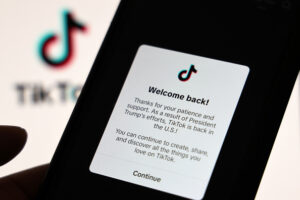
There
was
a
big
hubbub
about
the
threat
that
TikTok
posed
to
the
American
public.
A
Singaporean
national
got
hounded
over
his
alleged
connections
to
China
and
the
dance
app
went
dark
shy
of
24
hours,
but
that’s
been
the
only
real
public
push
against
TikTok
that
we’ve
seen
for
a
while
now.
The
bill
that
intends
to
ban
TikTok
and
similar
apps
from
foreign
nations
is
still
in
play,
but
presidential
deadline
extensions
are
keeping
everyone
from
making
that
final
step
to
getting
a
VPN
and
migrating
over
to
Xiaohongshu.
CBS
News
has
coverage:
President
Trump
has
once
again
delayed
the
enforcement
of
a
bipartisan
law
that
would
effectively
ban
TikTok
in
the
U.S.
A
deal
to
separate
TikTok
from
its
China-based
parent
company,
ByteDance,
has
remained
elusive. … “As
he
has
said
many
times,
President
Trump
does
not
want
TikTok
to
go
dark.
This
extension
will
last
90
days,
which
the
Administration
will
spend
working
to
ensure
this
deal
is
closed
so
that
the
American
people
can
continue
to
use
TikTok
with
the
assurance
that
their
data
is
safe
and
secure,”
Leavitt
said
in
a
statement.
I
am
a
firm
believer
that
the
average
person
has
no
reason
to
worry
about
China
stealing
their
data
via
TikTok
—
they’d
have
an
easier
job
of
just
buying
the
intel
directly
from
Palantir.
Or
Elon
Musk.
Or
Facebook.
Or
Google.
Enjoy
your
next
90
days
of
TikToking!
Unless
tomorrow
comes
and
Trump
decides
not
to
extend
the
deadline
last
minute.
He’s
flip
flopped
on
worse
things,
after
all.
Chris
Williams
became
a
social
media
manager
and
assistant
editor
for
Above
the
Law
in
June
2021.
Prior
to
joining
the
staff,
he
moonlighted
as
a
minor
Memelord™
in
the
Facebook
group Law
School
Memes
for
Edgy
T14s
.
He
endured
Missouri
long
enough
to
graduate
from
Washington
University
in
St.
Louis
School
of
Law.
He
is
a
former
boatbuilder
who
is
learning
to
swim, is
interested
in
critical
race
theory,
philosophy,
and
humor,
and
has
a
love
for
cycling
that
occasionally
annoys
his
peers.
You
can
reach
him
by
email
at [email protected]
and
by
tweet
at @WritesForRent.
This
case
presents
an
easy
question:
whether
SB1’s
ban
on
certain
medications,
applicable
only
if
used
in
a
manner
“inconsistent
with
.
.
.
sex,”
contains
a
sex
classification.
Because
sex
determines
access
to
the
covered
medications,
it
clearly
does.
Yet
the
majority
refuses
to
call
a
spade
a
spade.
Instead,
it
obfuscates
a
sex
classification
that
is
plain
on
the
face
of
this
statute,
all
to
avoid
the
mere
possibility
that
a
different
court
could
strike
down
SB1,
or
categorical
healthcare
bans
like
it.
The
Court’s
willingness
to
do
so
here
does
irrevocable
damage
to
the
Equal
Protection
Clause
and
invites
legislatures
to
engage
in
discrimination
by
hiding
blatant
sex
classifications
in
plain
sight.
It
also
authorizes,
without
second
thought,
untold
harm
to
transgender
children
and
the
parents
and
families
who
love
them.
Because
there
is
no
constitutional
justification
for
that
result,
I
dissent.
—
Justice
Sonia
Sotomayor,
in
the
closing
paragraph
of
her
dissent
in
U.S.
v.
Skrmetti,
where
the
Supreme
Court
held
that
Tennessee’s
law
barring
gender-affirming
care
for
transgender
minors
is
not
subject
to
heightened
scrutiny
under
the
Equal
Protection
Clause.
In
summarizing
her
dissent
from
the
bench,
Sotomayor
said,
“[T]he
majority
subjects
a
law
that
plainly
discriminates
on
the
basis
of
sex
to
mere
rational-basis
review.
By
retreating
from
meaningful
judicial
review
exactly
where
it
matters
most,
the
Court
abandons
transgender
children
and
their
families
to
political
whims.
In
sadness,
I
dissent.”
Staci
Zaretsky is
a
senior
editor
at
Above
the
Law,
where
she’s
worked
since
2011.
She’d
love
to
hear
from
you,
so
please
feel
free
to
email
her
with
any
tips,
questions,
comments,
or
critiques.
You
can
follow
her
on Bluesky, X/Twitter,
and Threads, or
connect
with
her
on LinkedIn.
Boutique
law
firm
Dunn
Isaacson
Rhee was
recently
founded
by
former
Paul,
Weiss
partners
Karen
Dunn,
Bill
Isaacson,
Jessica
Phillips,
and
Jeannie
Rhee.
That
fact
would
be
big
news
to
Biglaw
watchers
in
completely
ordinary
times,
but
we
live
in
the
year
of
our
lord
2025
and
nothing
is
ordinary.
The
partners
exited
Paul,
Weiss
because
of
the
cowardly
deal
the
firm
struck
with
the
Trump
administration.
And
Dunn
Isaacson
Rhee
is
where
a
*bunch*
of
those
fleeing
attorneys
have
landed.
According
to
reporting
by
Bloomberg
Law,
partners
Martha
Goodman
and
Amy
Mauser have
joined
that
list
—
making
them
the
eighth
and
ninth
partners
to
leave
Paul,
Weiss
for
Dunn
Isaacson
—
not
to
mention
all
the
associates
that
have
also
joined
the
new
boutique.
These
types
of
departures
are
exactly
why
Paul,
Weiss
chair
Brad
Karp
has
been
reduced
to
assuring
his
partners
that
EVERYTHING
IS
FINE.
This
is
a
real
run
on
litigation
talent
and
is
the
exact
opposite
of
reassuring,
Kathryn
Rubino
is
a
Senior
Editor
at
Above
the
Law,
host
of
The
Jabot
podcast,
and
co-host
of
Thinking
Like
A
Lawyer.
AtL
tipsters
are
the
best,
so
please
connect
with
her.
Feel
free
to
email
her
with
any
tips,
questions,
or
comments
and
follow
her
on
Twitter
@Kathryn1 or
Mastodon
@[email protected].
That’s
more
or
less
how
someone
in
the
far-flung
future
will
talk
about
legal
technology
in
2025.
Or
we’ll
all
be
driven
extinct
by
SkyNet.
One
or
the
other.
As
generative
AI
continues
its
march
into
the
legal
workflow,
the
flurry
of
press
releases
increasingly
focus
on
data
access.
At
the
risk
of
oversimplifying
the
market,
advancements
in
the
underlying
algorithms
are
going
to
stagnate
and
providers
have
already
announced
their
investment
in
building
better
guardrails
so
the
next
logical
leap
for
the
technology
is
pairing
it
with
better
data.
And
so
that’s
the
current
scramble.
Harvey
is
an
AI
platform
designed
for
legal
professionals,
LexisNexis
is
a
vast
repository
of
data
and
years
of
categorization
and
curation…
they
fight
crime!
Within
Harvey,
customers
can
ask
LexisNexis
Protégé™
to
receive
comprehensive,
trusted
AI
answers
grounded
in
the
LexisNexis
collection
of
U.S.
case
law
and
statutes,
validated
through
Shepard’s®
Citations.
Harvey
users
can
ask
complex
legal
questions
in
natural
language
and
receive
citation-supported
answers
from
primary
sources
of
law,
refine
their
queries
through
follow-up
questions,
and
seamlessly
continue
their
research.
Answers
are
generated
using
LexisNexis
fine-tuned
models
within
a
proprietary
infrastructure
that
anchors
responses
in
legal
content,
metadata,
and
case
law
relationships,
powered
by
Shepard’s®
Knowledge
Graph
and
Point
of
Law
Graph
technology.
Now
Harvey
users
have
the
data
and
LexisNexis
can
deliver
its
product
through
a
platform
delivering
AI
to
lawyers
across
use
cases.
Why
isn’t
this
just
an
acquisition
like
when
Thomson
Reuters
bought
Casetext?
Unclear.
The
many
tentacled
LexisNexis
corporate
octopus
has
money
in
Harvey
so
it
wouldn’t
be
crazy
to
bring
it
all
under
one
roof.
And
despite
the
alliance
talk,
it
seems
as
though
this
will
eventually
create
redundancies.
Artificial
Lawyer
asked
that
question
outright
and
was
told
by
LexisNexis
North
America,
UK,
and
Ireland
CEO
Sean
Fitzpatrick,
“Who
knows
where
this
will
go?”
Pretty
sure
the
answer
is
some
kind
of
merger.
The
deal
also
includes
a
tease
for
some
workflows
getting
the
robo-treatment:
Harvey
and
LexisNexis
will
also
develop
sophisticated
legal
workflows
built
on
the
latest
generative
AI
technology.
These
co-developed
workflows
will
initially
include:
Motion
to
Dismiss
Workflow:
Generates
high-quality
Motion
to
Dismiss
arguments
and
related
client
communications
with
legal
research
content
from
LexisNexis
Motion
for
Summary
Judgment
Workflow:
Automates
key
steps
in
drafting
a
Motion
for
Summary
Judgment
with
supporting
legal
research
content
from
LexisNexis
And
oh
yes,
motions!
Because
this
brave
new
world
includes
—
wait
for
it
—
AI-generated
“Motion
to
Dismiss”
and
“Motion
for
Summary
Judgment”
workflows.
So
the
two
most
overused
filings
in
the
history
of
American
jurisprudence
are
now
getting
the
robo-treatment.
I
remain
worried
about
of
the
automated
workflow
as
a
concept.
Crunching
a
file
into
a
usable
statement
of
facts
can
save
time
and
generative
AI
can
also
perform
the
top-level
reasoning
to
draft
research
queries
based
on
the
case
materials.
But
while
AI
can
be
a
force
multiplier
along
every
step
of
the
way,
putting
together
a
brief
seems
like
more
than
the
sum
of
its
parts.
Legal
research
is
a
morass
of
linguistic
subtlety,
precedent,
and
jurisdictional
nuance.
Even
with
Shepard’s
duct-taped
to
its
forehead,
an
LLM
is
one
semantic
landmine
away
from
confidently
pulling
the
good
case
while
overlooking
the
great
one.
As
an
unrelated-but-maybe-related
aside,
in
Bob
Ambrogi’s
LawSites
coverage
of
this
announcement,
Harvey
CEO
Winston
Weinberg
said,
“Lawyers
have
trusted
LexisNexis
for
centuries,
so
this
alliance
allows
us
to
provide
our
customers
with
data
sources
they
know
and
rely
upon
while
collaborating
with
on
AI
systems
that
make
daily
life
for
our
joint
customers
significantly
easier.”
LexisNexis
was
founded
in
1970.
When
he
says
“for
centuries,”
does
he
mean
the
20th
and
the
21st?
Because,
one,
I’m
not
cool
with
that.
And
two,
it
feels
like
the
sort
of
“technically
true
but
wrong
because
it
misses
the
nuance”
response
that
worries
me
about
the
whole
generative
AI
workflow
experience.
The
more
providers
try
to
put
the
entire
lawyering
process
on
greased
rails,
the
less
I
trust
the
humans
to
perform
the
necessary
work
to
make
sure
the
work
product
is
the
best
it
can
be.
It’s
one
thing
to
“do
legal
research”
and
evaluate
the
output
and
another
to
“do
all
the
steps
at
once”
and
evaluate
that
output.
It’s
hard
to
describe,
but
I
approached
research
differently
in
the
advocate
role
than
in
the
arbitrator/mediator
role.
When
I
would
receive
briefs
from
the
parties
and
check
up
on
them,
my
research
was
always
already
contextualized
by
their
finished
work
product.
I
had
to
affirmatively
divorce
myself
from
that
context
to
guarantee
I
got
to
the
right
answer.
Obviously
this
product
is
still
in
development
and
might
take
pains
to
prevent
people
from
doing
this,
but
the
hype
around
these
sorts
of
workflow
agents
creeps
toward
“it
will
do
all
the
steps
to
give
you
something
finished
that
you
can
just
check
up
on,”
but
when
the
output
arrives
looking
finished,
there’s
a
bit
of
a
psychological
barrier
to
ripping
it
back
down
to
the
studs
to
make
sure
it’s
right.
Good
lawyers
will
change
how
they
approach
the
job
to
make
sure
the
allure
of
an
automated
workflow
doesn’t
dull
their
professional
judgment.
I’m
just
not
sure
I
trust
lawyers
enough.
West
Coast
Willkie
Farr
attorneys
are
leaving
en
masse
because
the
firm bent
a
knee
to
Donald
Trump, pledging
$100
million
in
pro
bono
payola
to
avoid
an unconstitutional Executive
Order
targeting
the
firm,
and
the tremendous
harm that
can
bring.
And
they’re
heading
to
a
firm
with
a
proven
track
record
of
standing
up
to
the
Trump
administration,
Cooley.
While
the
departing
partners
(and
the
books
of
business
they
represent)
are
garnering
the
most
attention,
associates
are
also
part
of
the
exodus
—
and
they’ve
got
something
to
say.
As
reported
by
Law.com,
the
total
number
of
Willkie
attorneys
headed
to
Cooley
is
currently
13.
And
several
of
the
associates
making
the
move
have
taken
to
LinkedIn
to
express
their
feelings
about
their
soon-to-be-former
firm.
“I
didn’t
want
to
leave.
But
as
soon
as
the
firm
decided
to
make
a
deal
with
the
Trump
administration,
I
knew
that
I
could
not
stay,”
wrote
Isabella
McKinley
Corbo
in
a
LinkedIn
post.
“When
I
became
a
lawyer,
I
took
an
oath
to
defend
the
Constitution.
I
believe
that
Willkie’s
decision
to
capitulate
to
Trump
violated
that
oath.
It
was
a
grave
mistake-–one
that
I
believe
history
will
judge
harshly,
as
it
will
all
firms
that
made
this
choice.”
“I
am
privileged
and
proud
to
be
joining
many
of
my
mentors
from
Willkie
who
did
just
that
by
departing
last
week
for
Cooley
LLP,
a
firm
with
a
proven
record
of
fighting
this
administration,
rather
than
bowing
to
a
would-be
autocrat,” Corbo
continued.
“From
the
moment
I
first
interviewed
at
Willkie
as
a
1L,
I
felt
like
I
had
found
a
home—one
filled
with
brilliant
advocates
who
meet
their
work
each
day
with
courage,
kindness,
and
tenacity,”
wrote
Remy
Carreiro
on
LinkedIn.
“It
is
because
of
this
that
I
was
so
heartbroken
when
Willkie
chose
to
make
a
deal
with
Trump
in
April.
This
decision
was,
and
continues
to
be,
wrong.”
“If
you
had
asked
me
on
March
31,
I
would
have
said
I
had
no
immediate
plans
to
leave
[Willkie]
–
it
truly
has
felt
like
home
for
these
past
two
years.
But
the
decision
to
make
a
deal
with
Trump
is
not
a
decision
that
I
can
live
with
or
be
a
part
of.
It
was
the
wrong
decision
and
one
that
history
will
not
be
(and
has
not
been)
kind
to,”
wrote
Emily
Abbey.
“It’s
an
immense
privilege
to
be
joining
the
seven
courageous,
principled
partners
who
left
this
firm
for
Cooley
LLP,
a
firm
that
has
a
demonstrated
record
of
fighting
the
administration,
not
rolling
over.”
It’s
just
more
evidence
that
many
attorneys
want
to
distance
themselves
from
the
stink
of
capitulation.
Kathryn
Rubino
is
a
Senior
Editor
at
Above
the
Law,
host
of
The
Jabot
podcast,
and
co-host
of
Thinking
Like
A
Lawyer.
AtL
tipsters
are
the
best,
so
please
connect
with
her.
Feel
free
to
email
her
with
any
tips,
questions,
or
comments
and
follow
her
on
Twitter
@Kathryn1 or
Mastodon
@[email protected].
LONDON,
United
Kingdom
–
Zimbabwe’s
first
lady
Auxillia
Mnangagwa
was
a
no-show
at
the
First
Ladies
of
Africa
Impact
and
Resilience
(FLAIR)
summit
in
London
on
Tuesday
where
protesters
had
gathered
to
denounce
her
attendance
over
alleged
rights
abuses
and
corruption.
She
had
been
advertised
as
a
speaker
at
the
two-day
event
being
held
at
the
Royal
Leonardo
Hotel
in
Tower
Bridge,
London,
from
June
17
to
18.
Instead
of
flying
out
to
London,
the
first
lady
went
to
Dubai
two
days
early
for
the
Merck
Foundation’s
First
Ladies
Initiative
Summit
being
held
from
June
18
to
19.
The
Standard
newspaper
reported
last
Sunday
that
the
withdrawal
of
Labour
MP
Dawn
Butler
from
the
London
event
had
triggered
a
crisis
meeting
among
organisers
where
a
decision
was
made
to
rescind
Auxillia’s
invitation.
Presidency
spokesman
George
Charamba
suggested
it
was
her
decision
to
cancel
the
UK
trip
because
“her
plate
is
full”
with
other
engagements.
“You
can
be
invited,
but
you
can
also
turn
down
an
invite,”
Charamba
said.
Protesters
who
gathered
outside
the
hotel
held
banners
denouncing
human
rights
violations
by
the
government
of
President
Emmerson
Mnangagwa.
“Zanu
PF
regime
stop
abductions,
persecution,
corruption,
brutality
and
human
rights
violations,”
read
one
banner.
Another
banner
referred
to
her
as
“First
lady
of
injustice”
while
another
said:
“FLAIR
summit
don’t
normalise
oppression.”
Activist
Dickson
Chikwizo,
who
took
part
in
the
protest,
said
it
had
been
a
success.
“We
peacefully
protested
against
the
attendance
of
Auxillia
Mnangagwa
at
the
FLAIR
Summit.
She
failed
to
turn
up,
and
our
mission
was
accomplished,”
Chikwizo
said.
The
activists
had
also
delivered
a
petition
at
10
Downing
Street,
the
Prime
Minister’s
office,
urging
the
UK
government
not
to
grant
her
a
visa.
For
all
the
complaining
about
some
wild
theories
on
social
media,
the
simpler
reason
is
that
leading
a
bar
association
in
2025
means
standing
up
to
the
administration
and
Pam
Bondi’s
brother
never
convinced
the
members
that
he’d
be
able
to
do
that.
In
fact,
the
right-wing
fear
of
strong
bar
associations
has
gotten
so
serious
that
the
Florida
supreme
court
actively
kneecapped
their
state
bar.
And
we
talk
about
attending
David
Lat’s
Original
Jurisdiction
party,
which
you
should
also
be
reading.
How
well
are
law
departments
and
law
firms
working
together?
What
are
the
biggest
challenges
to
collaboration?
What
emerging
skills
are
becoming
must-haves
in
the
era
of
generative
AI?
Above
the
Law
and
iManage
surveyed
over
200
lawyers
—
at
law
firms
and
working
in-house
—
to
find
out
where
they
see
eye
to
eye
and
where
they
may
differ.
Join
us
on
July
24th
at
1
p.m.
ET
as
we
reveal
the
findings
in
this
CLE-accredited
webinar,
where
our
panel
will
explore
what
the
data
could
mean
for
your
professional
relationships,
from
both
the
in-house
and
private
practice
perspective.
Areas
of
focus
include:
How
effectively
law
firms
and
law
departments
are
working
together,
along
with
the
areas
that
could
be
improved with
the
emergence
of
AI.
How
technology
is
affecting
the
work
of
law
firms
and
law
departments
while
reshaping
the
law
firm-client
relationship.
How
pricing
models
are
affecting
these
relationships,
and
how
each
side
views
the
dynamic.
The
critical
skills
for
the
future
of
legal
work, including
AI
upskilling
Speakers
for
this
event
are:
Bob
Ambrogi,
Moderator Bob
is
a
lawyer
and
journalist
who
has
been
writing
and
speaking
about
legal
technology
and
innovation
for
more
than
two
decades.
He
writes
the
award-winning
blog
LawSites,
is
a
columnist
for
Above
the
Law,
hosts
the
podcast
about
legal
innovation,
LawNext,
and
hosts
the
weekly
legal
tech
journalists’
roundtable,
Legaltech
Week.
Jared
Applegate,
Chief
Legal
Operations
Officer,
Barnes
&
Thornburg Jared
is
responsible
for
managing
the
law
firm’s
portfolio
of
alternative
fees,
creating
innovative
and
practical
pricing
solutions
and
improving
firm
economics.
Lisa
Lang,
In-House
Lawyer Lisa
is
an
accomplished
in-house
lawyer
and
thought
leader
dedicated
to
empowering
fellow
legal
professionals.
She
offers
insights
and
resources
tailored
for
in-house
counsel
through
her
website
and
blog,
Why
This,
Not
That™
(www.lawyerlisalang.com(Opens
in
a
new
window).
Laura
Wenzel,
Global
Marketing
&
Insights
Director
|
Product
Marketing
Leader,
iManage Laura
is
a
dynamic
marketing
leader
with
over
15
years
of
experience
driving
go-to-market
success
through
strategic
insights,
customer
research,
and
competitive
intelligence.
As
Global
Marketing
&
Insights
Director,
she
empowers
teams
with
data-driven
guidance
to
position
products
effectively
and
communicate
value
clearly.
Known
for
translating
complex
ideas
into
compelling
stories,
Laura
is
a
passionate
advocate
for
the
customer
and
a
champion
of
continuous
learning
and
growth.
I
had
the
good
fortune
to
attend
my
first
day
of
the
Legal
Geek
North
America
conference
this
week
in
Chicago.
The
Conference
Legal
Geek
touts
itself
as
an
atypical
legal
tech
conference.
It
was
founded
some
10
years
ago
by
Jimmy
Vestbirk,
who
wanted
to
create
a
fun,
fast-paced,
and
impactful
legal
conference
and
get
away
from
ponderous
content
sessions
with
speakers
who
drone
on
about
their
credentials
and
offer
wordy
and
boring
power
points.His
ethos:
“Come
to
learn,
and
to
teach.
Come
to
make
friends,
not
sell.
Look
after
your
fellow
attendees,
you
may
need
their
help
some
day.”
The
event
by
and
large
lived
up
to
that
vision.
Legal
Geek
follows
a
fast-paced
format:
short,
punchy
talks
of
10
minutes
in
length
(really
eight
minutes
according
to
the
speakers
I
talked
to),
interactive
workshops,
and
startup
and
vendor
alleyways
instead
of
cavernous
expo
halls.
I
had
to
wonder
how
the
speakers
could
stick
to
an
eight-minute
limit
but
no
one
went
over.
By
the
end
of
the
day,
I
was
convinced
the
format
worked.
It
forced
speakers
to
have
a
point,
get
to
it
quickly,
and
stick
to
it.
All
that
made
the
talks
much
more
impactful.
Also
networking
is
not
only
expected,
it’s
almost
demanded
with
plenty
of
opportunities
for
both
structured
networking
in
roundtable
sessions
but
also
unstructured
ones.
And
unlike
some
conferences
where
content
runs
every
minute
of
every
day,
Legal
Geek
provides
time
and
incentives
to
network.
High
fives
seem
to
be
the
order
of
the
day.
While
the
vibe
sounds
informal,
the
content
tackled
some
meaty
issues,
focusing
on
the
evolution
of
legal
services,
how
AI
is
being
used,
and
where
the
profession
may
be
headed,
all
in
a
concise
and
focused
manner.
The
Attendees
The
Chicago
conference,
like
all
but
one
of
the
Legal
Geek
events,
was
directed
primarily
toward
large
law
firms
and
corporate
counsel.
Legal
Geek
says
there
were
approximately
1,000
registrants,
30%
from
law
firms,
30%
in-house,
and
the
rest
with
tech
companies,
academics,
thought
leaders,
etc.
I
was
told
by
Legal
Geek
representatives
that
a
fair
number
of
attendees
are
actually
practicing
lawyers,
although
that’s
hard
to
confirm.
(In
fact,
late
in
the
day,
one
of
the
presenters
asked
for
a
show
of
hands
of
practicing
lawyers
and
there
weren’t
many.)
The
Presentations
I
go
to
a
lot
of
conferences
so
have
heard
many
of
the
things
the
speakers
discuss
but
there
were
new
things,
and
it
was
nice
to
hear
the
thoughts
expressed
in
a
condensed
style.
I
also
have
to
admit,
when
I
first
saw
all
the
vendor
presentations,
I
cringed
thinking
it
would
be
same
old
selling
from
the
podium.
Some
of
it
was,
particularly
during
the
five-minute
product
spotlights,
although
the
startups
got
a
fair
amount
of
speaking
parts
which
I
don’t
begrudge.
And
some
of
the
vendor
material
was
more
substantive.
In
keeping
with
format,
here
is
a
high-speed,
quick
bullet
point
summary
of
the
presentation
high
notes.
Danielle
Benecke,
leader
of
Baker
McKenzie’s
Applied
AI
practice,
kicked
the
conference
off
by
identifying
the
elephant
in
the
room:
what
will
AI
tools
do
to
the
leverage
and
billing
models
of
so
many
law
firms.
Benecke
candidly
suggested
that
the
AI
tools
will
indeed
challenge
traditional
ways
of
valuing
services
provided
by
law
firms.
She
believes
that
in
a
short
time,
clients
will
be
buying
vision,
strategy,
and
results
instead
of
time.
We
are
“moving
from
input
to
output.”
Alma
Asay
of
Crowell
&
Moring
stressed
practical
AI
use
cases
that
should
meet
with
little
resistance.
Things
like
creating
better
billing
narratives,
drafting
non-billable
client
alerts,
capturing
handwritten
notes
and
turning
them
into
text,
extracting
data
from
copious
documents,
and
collecting
client
statements
and
positions
or
legal
advice
given
clients
across
various
fields.
“You
have
to
meet
lawyers
where
they
are,”
said
Asay.
Mark
Palmer
of
the
Illinois
Supreme
Court
Professionalism
Commission
gave
a
fascinating
talk
on
using
AI
to
find
the
right
words
to
convey
the
message
you
want.
Words
that
help
those
you
are
trying
to
persuade
be
part
of
the
experience
you
want
them
to
understand.
Palmer
noted
that
AI
can
suggest
the
tone
a
word
creates,
can
suggest
alternate
phrasing,
and
can
analyze
drafts
to
ensure
the
words
used
best
convey
what
you
want.
An
AI
tool
can
identify
insights
that
will
resonate
well
with
a
particular
audience
—
and
those
that
can
backfire.
Nicole
Bradick,
the
Global
Head
of
Innovation
at
Factor,
talked
about
how
agentic
AI
can
and
will
affect
how
we
design
tools
to
achieve
complicated
tasks.
She
perceptively
noted
that
pre
AI,
law
was
a
completely
lawyer-driven
process
and
that
advocacy
required
a
lot
of
skills.
But
now
—
or
soon
—
agents
can
do
a
lot
of
those
things
that
a
lawyer
used
to
do.
The
benefit
is
autonomy
but
the
issue
remains
lawyer
control
over
the
process
and
where
along
the
spectrum
between
the
autonomy
and
control
lawyers
need
to
be.
Tamara
Steffens
of
Thomson
Reuters
talked
about
a
future
where
expertise
and
value
won’t
necessarily
come
from
the
data
and
experiences
within
a
firm
but
across
firms
and
business
as
anonymized
data.
The
key
to
value
in
the
future
will
not
be
either
better,
faster,
or
cheaper
but
will
be
all
three
combined.
Dan
Quintas,
an
Airias
Team
Leader,
identified
the
significant
barriers
to
successful
implementation
when
multiple
AI
programs
are
run
across
firms
and
clients
and
how
it
will
be
essential
to
have
some
AI
mechanic
to
orchestrate
and
manage
all
those
programs.
This
will
enable
better
audit
and
control
functions.
Michael
Hill
of
NetDocuments
talked
about
how
lawyers
often
ask
about
how
the
technology
works
and
what
it
can
be
used
for.
Instead,
he
says
they
need
to
be
asking
things
like:
How
to
leverage
tech
to
be
better?
How
get
associates
up
to
speed?
What
to
do
about
sloppy
work
that
could
come
from
reliance
on
AI?
How
to
open
up
new
types
of
work
that
firms
may
not
want
to
do,
like
collections?
How
to
open
work
that
can
be
done
in
an
automated
fashion?
And
how
AI
may
change
what
it
means
to
be
a
lawyer?
Wendy
Rubas
of
Innovaccer
talked
about
the
barriers
to
tech
implementation
by
and
among
lawyers.
She
noted
that
good
lawyers
simply
don’t
have
time
to
get
information
about
this
new
technology
and
so
they
simply
stay
in
email
and
Word.
She
said
tech
adoption
has
to
be
earned
from
demonstrating
how
technology
can
solve
pain
points.
The
biggest
barriers
to
legal
tech
are
frankly
senior
lawyers.
They
are
too
busy
to
get
familiar
with
tech
and
don’t
trust
it.
Rubas
says
implementation
must
start
with
younger
lawyers
and
create
a
culture.
Lawyers
fear
they
won’t
understand
tech,
they
fear
losing
work,
and
particularly
for
senior
lawyers,
they
fear
that
they
will
appear
stupid
and
old.
They
need
tech
pep
talks.
A
Sea
Change?
There
was
a
sense
at
Legal
Geek
that
the
legal
profession
is
standing
at
a
fork
in
the
road.
It
was
a
challenging
but
exhausting
day.
Lots
of
new
ideas,
lots
to
think
about
in
the
brave
new
world
of
AI.
Are
we
on
the
cusp
of
a
legal
sea
change
or
is
this
a
minor
blip
in
the
inexorable
legal
inertia?
Time
will
tell
but
if
you
attended
Legal
Geek,
you
would
think
the
answer
is
clear.
If
true,
there
are
lots
of
hard
issues
we
as
a
profession
need
to
think
about.
And
that’s
the
value
of
Legal
Geek.
Stephen
Embry
is
a
lawyer,
speaker,
blogger
and
writer.
He
publishes TechLaw
Crossroads,
a
blog
devoted
to
the
examination
of
the
tension
between
technology,
the
law,
and
the
practice
of
law.
Above
the
Law’s
rankings
are
premised
on
the
belief
that
most
people
who
go
to
law
school
want
to
be
lawyers.
That’s
why
it
is
the
outcomes
for
graduates
(e.g.,
bar
passage,
job
placement)
rather
than
the
inputs
from
entrants
(e.g.,
LSAT
score,
undergraduate
GPA)
that
matter
most
in
our
ranking
methodology.
Our
formula
incorporates
six
factors.
Employment
represents
the
bulk
of
a
school’s
score
as
the
key
element
of
two
separately
weighted
criteria:
legal
employment
(full-time,
long-term
jobs
that
require
bar
passage)
and
“quality
jobs”
(which
include
positions
in
large,
typically
high-paying
law
firms
and
federal
judicial
clerkships).
Ours
are
the
only
rankings
that
include
the
latest
ABA
employment
data
for
the
Class
of
2024.
We
also
factor
in
first-time
bar
passage
rate
and
the
cost
of
obtaining
a
law
degree.
The
final
two
components
weigh
the
number
of
alumni
serving
as
federal
judges
and
the
number
who
have
clerked
for
the
U.S.
Supreme
Court.
(Read
more
about
our
methodology
here.)
Here
are
the
Top
10
law
schools
for
2025:
Duke
(+2)
Cornell
(+5)
University
of
Chicago
(-1)
University
of
Virginia
(-3)
Penn
(+1)
Northwestern
(+2)
University
of
Michigan
(-3)
Yale
(+5)
Columbia
(-4)
Vanderbilt
(no
change)
In
case
you
are
wondering
why
some
elite
schools,
like
Harvard
and
Stanford,
don’t
appear
in
the
top
10,
it’s
obviously
not
because
these
aren’t
great
law
schools.
They
just
didn’t
score
as
well
in
our
ranking
criteria,
which
focus
on
certain
concrete
data,
such
as
job
placement
and
cost
of
attendance,
and
omit
other
factors
(like
median
LSAT
and
peer
assessments)
that
measure
less
tangible
qualities
of
selectivity
and
prestige.
That
said,
one
uber-elite
school
did
make
the
top
10
this
year.
Yale
(previously
No.
13)
moved
up
five
places,
thanks
to
higher
figures
for
bar
passage,
overall
legal
employment,
and
quality
job
placement.
In
fact,
most
of
the
ranking
shifts
are
the
result
of
changes
in
schools’
employment
and,
to
a
lesser
extent,
bar
passage
scores.
Duke
has
returned
to
the
top
spot
that
it
last
held
in
2023,
with
the
strongest
employment
scores
of
all
194
law
schools
this
year.
Cornell,
whose
scores
were
almost
as
impressive,
has
moved
up
to
second
place.
Conversely,
slightly
lower
quality
job
scores
meant
ranking
drops
for
Michigan
and
Columbia,
though
both
remain
in
the
top
10.
One
of
the
benefits
of
our
formula
is
that
it
highlights
schools
that
may
not
be
top
of
mind
for
everyone
but
have
succeeded
in
placing
the
bulk
of
their
students
in
well-paying
legal
positions
for
a
relatively
lower
cost.
For
example,
the
University
of
Illinois
jumped
25
places
this
year,
from
No.
44
to
No.
19,
thanks
to
much
higher
bar
passage
and
job
placement
rates.
Meanwhile,
schools
who
have
returned
to
the
Top
50
after
a
few
years’
absence
include
Texas
A&M,
University
of
Colorado,
University
of
Kansas,
UC
Davis,
and
Indiana
University-Bloomington.
We
recognize
that
not
everyone
shares
our
perspective
on
what
makes
a
top
law
school.
For
those
with
different
priorities,
visit
the
ATL
Law
School
DIY,
an
interactive
tool
where
you
can
adjust
the
relative
weights
of
11
factors
yourself
to
customize
rankings
based
on
your
personal
needs
and
goals.
Do
Law
School
Rankings
Affect
Your
Choice?
Share
your
insights
in
this
brief
survey.
Respondents
who
complete
the
survey
may
be
eligible
to
win
a
$250
gift
card.





 Kathryn