Stop
me
if
you’ve
heard
this
one
before:
a
talented
Biglaw
litigator
has
decided
to
depart
their
firm,
one
that
capitulated
to
Donald
Trump
and
struck
a
deal
with
the
administration
that
will
provide
millions
in
pro
bono
payola
to
be
used
to
advance
conservative
clients
and
causes,
and
is
heading
to
a
firm
that
would
*never*
cave
to
Trump.
This
time,
it’s
Ellen
Holloman
exiting
Cadwalader
and
heading
to
boutique
Kaplan
Martin,
helmed
by
Roberta
Kaplan
(a
regular
thorn
in
Donald
Trump’s
side).
In
a
statement,
Kaplan
celebrated
the
new
hire,
“The
fact
that
a
lawyer
of
Ellen’s
caliber
and
reputation
has
joined
our
firm
is
a
testament
to
the
tremendous
success
we
have
enjoyed
since
launching
last
year.”
And,
for
their
part,
Cadwalader
is
taking
the
departure
on
the
chin,
“We
thank
Ellen
for
her
many
contributions,”
Cadwalder
said
in
a
statement.
“Ellen
has
co-counseled
with
Robbie
Kaplan
for
quite
some
time
now,
and
the
alignment
of
their
practices
is
undeniable.
We
wish
them
continued
success.”
Cadwalader
has
seen
a
number
of
partner
defections
recently.
And
as
the
American
Lawyer
notes
more
departures
—
not
just
for
Cadwalader,
but
for
all
nine
of
the
firms
that
capitulated
to
Trump,
may
be
in
the
pipeline.
Many
partner
contract
have
notice
periods,
which
is
likely
slowing
down
the
exits.
Kathryn
Rubino
is
a
Senior
Editor
at
Above
the
Law,
host
of
The
Jabot
podcast,
and
co-host
of
Thinking
Like
A
Lawyer.
AtL
tipsters
are
the
best,
so
please
connect
with
her.
Feel
free
to
email
her
with
any
tips,
questions,
or
comments
and
follow
her
on
Twitter
@Kathryn1 or
Mastodon
@[email protected].
The
Unbearable
Lightness
of
TikTok
has
been
an
annoying
ongoing
saga.
I’d
prefer
a
hard
yes
or
no
to
a
waffling
will
they/won’t
they
prospect
of
an
incoming
ban,
but
I’m
ultimately
not
the
one
who
calls
the
shots
—
I
just
report
them.
We
are
currently
two
DOJ
directives
to
not
ban
the
app
deep.
Will
Trump
pivot
toward
a
crackdown
or
push
toward
a
third
extension?
Market
Watch
has
coverage:
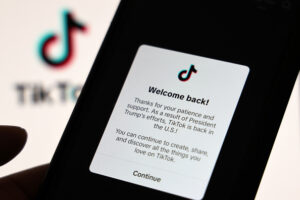
President
Donald
Trump
threw
a
lifeline
to
TikTok
in
January,
and
he did
it
again
in
April.
Now,
a
repeat
performance
is
widely
expected
by
Thursday,
when
his
latest
extension
is
due
to
run
out.
Trump
keeps
ordering
the
Justice
Department
not
to
enforce
a
bipartisan
law
that
was
intended
to
ban
TikTok
nationwide
as
of
Jan.
19
as
long
as
the
video-sharing
platform
remains
controlled
by
its
Chinese
parent
company,
ByteDance
Ltd.
Enough
of
the
threatening
to
take
your
ball
home
because
the
score
isn’t
going
your
team’s
way!
If
Trump
decides
against
extending
the
TikTok
deadline,
it
will
probably
be
because
of
how
bad
his
little
no-show
birthday
parade
is
getting
flamed:
Trump’s
Military
Parade
Was
A
Humiliation
#usa
#america
No
one
went
to
Trump’s
birthday
parade
and
it’s
incredibly
humiliating
for
him
and
he
humiliated
America
by
having
it.
The
No
Kings
Day
protests
were
reportedly
one
of
the
largest
mass
protests
in
American
history,
and
in
contrast
Trump
sat
alone
at
a
party
that
no
one
came
to.
Some
have
said
“what
did
he
expect?
He
has
the
lowest
approval
rating
in
history
for
a
President
at
this
point.”
The
parade
was
so
empty
and
quiet
that
you
could
hear
the
wheels
on
the
Sherman
tank
squeaking.
The
birthday
boy
was
also
bored
out
of
his
mind,
he
practically
fall
asleep
several
times.
In
addition
to
that,
our
soldiers
appear
to
be
unable
to
march
in
lock
step.
Look
at
other
countries
compared
to
us,
this
is
China.
Russians
online
are
mocking
us,
saying
“what
Trump
imagined
his
parade
would
be
vs
what
it
was”.
There
is
a
debate
amongst
veterans
who
say
“we’re
trained
to
march
so
these
soldiers
intentionally
did
it
poorly”,
and
that’s
actually
a
talking
point
that
both
sides
are
using
but
with
different
objectives
of
course.
While
other
veterans
say
that
the
US
military
doesn’t
have
ceremonial
marching
units
so
this
was
gonna
look
bad
no
matter
what.
Prior
to
yesterday’s
parade,
the
Army
had
reportedly
spent
over
3
years
planning
festivals
all
across
the
nation
to
celebrate
their
250th
birthday
where
Americans
could
come
and
see
items
from
the
Army’s
past
and
present.
But
it
was
overruled
by
Trump
who
decided
that
there
would
be
no
festivals
and
that
the
celebration
would
happen
on
his
birthday
and
it
would
be
a
parade.
This
is
par
for
the
course
when
you
determine
the
legality
of
a
thing
not
based
on
the
law
or
the
Constitution,
but
the
ego
of
the
lead
dude
in
charge.
It
is
hard
to
oversell
the
importance
of
TikTok
as
an
American
soft
power
platform
—
and
given
that
the
majority
of
the
content
is
decidedly
against
American
state
doxa,
I’d
assume
that
access
to
the
app
is
teetering
toward
the
liability
side
of
the
equation.
Keep
in
mind
that
the
original
justification
for
the
ban
from
January,
national
security
concerns,
loses
steam
as
each
day
compounds
without
clear
proof
of
some
dastardly
information
breach.
We
have
until
Thursday
to
see
what
happens.
In
the
meantime,
hop
on
the
newest
Keith
Lee
dance
trend
to
get
as
many
followers
as
you
can
before
the
state
stamps
out
a
major
speech
platform:
Chris
Williams
became
a
social
media
manager
and
assistant
editor
for
Above
the
Law
in
June
2021.
Prior
to
joining
the
staff,
he
moonlighted
as
a
minor
Memelord™
in
the
Facebook
group Law
School
Memes
for
Edgy
T14s
.
He
endured
Missouri
long
enough
to
graduate
from
Washington
University
in
St.
Louis
School
of
Law.
He
is
a
former
boatbuilder
who
is
learning
to
swim, is
interested
in
critical
race
theory,
philosophy,
and
humor,
and
has
a
love
for
cycling
that
occasionally
annoys
his
peers.
You
can
reach
him
by
email
at [email protected]
and
by
tweet
at @WritesForRent.
Ed.
note:
Please
welcome
Vivia
Chen
back
to
the
pages
of
Above
the
Law.
Subscribe
to
her
Substack,
“The
Ex-Careerist,”here.
YOU
BET
I
WENT
to
the
“No
Kings”
protest.
Despite
all
the
sage
advice
on
how
to
stay
below
the
radar,
I’m
outing
myself.
I’m
telling
you
I
was
there
in
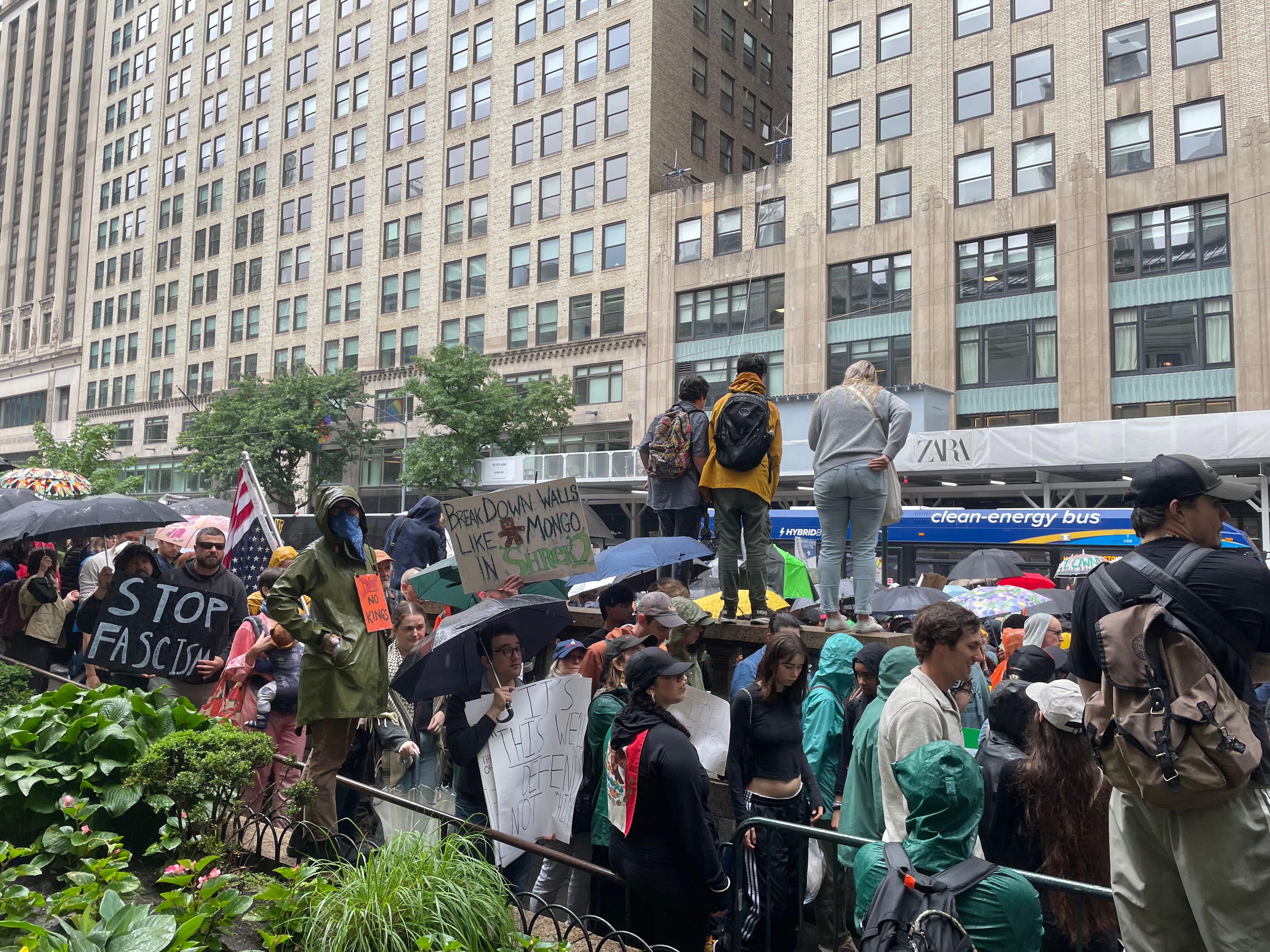
Bryant
Park,
right
smack
in
the
middle
of
Manhattan,
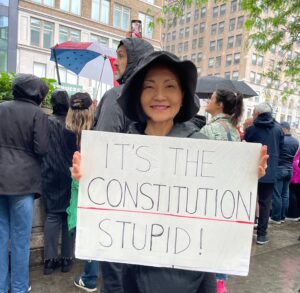
holding
my
handmade
sign
in
the
drizzling
rain
on
Saturday,
June
14.
I
would
not
have
missed
it,
though
lots
of
folks
in
my
friend
group
sat
it
out.
“I’m
getting
a
facial,
then
a
mani-pedi,”
one
friend
announced
when
I
asked
her
whether
she
planned
to
go
to
the
protest.
Another
said,
“Sorry.
Gotta
go
to
Costco!”
I
wasn’t
surprised
by
the
I-have-better-things-to-do
attitude
of
my
liberal
cohorts.
I
sort
of
expected
it.
(I
have
bougie
friends,
okay?)
But
what
stunned
me
was
the
fear voiced
by
others
in
my
circle
–
those
who
pulled
me
aside,
lowered
their
voices,
and
warned
me
not
to
go.
“You
should
be
very,
very
careful,”
one
friend
whispered,
as
if
she
expected
someone
to
be
listening
in.
She
reminded
me
how
Donald
Trump
had
called
up
4,000
National
Guard
troops,
plus
700
Marines,
to
quash
the
anti-ICE
demonstrations
in
L.A.
“You
don’t
want
to
be
caught
in
something
that
turns
violent,”
she
warned,
as
if
I
was
considering
running
into
a
spray
of
bullets.
At
Pilates
that
morning,
an
acquaintance
gave
me
the
look
of
a
worried
mother.
“There
could
be
agitators.
And,
you
know,
Trump
could
use
that
as
an
excuse
to
order
shooting.”
Another
cautioned:
“Safety
first,
then
protest.”
I
know
they
mean
well.
But
still.
How
did
we
become
such
chickenshits? As
recently
as
seven
or
eight
months
ago,
I
doubt
anyone
would
have
regarded
participating
in
a
political
demonstration
as
a
dangerous
act.
I
mean,
we’re
not
in
Hong
Kong,
right?
Not
yet,
anyway.
But
Trump
has
cast
a
spell,
and
he
has
us
where
he
wants
us:
scared.
Even
before
a
baton
is
raised
or
an
order
issued,
we’re
already
doing
the
work
for
him
–
gagging
ourselves,
curbing
our
actions,
hiding
our
faces
or
retreating
to
our
homes.
It’s
acquiescence
borne
out
of
fear,
analogous
to
what
we’re
seeing
from
companies
and
law
firms
that
are paying
Trump billions
of
dollars,
cancelling
DEI
programs
or
contorting
themselves
to
align
with
this
administration’s
priorities.
And
the
left
is
complicit
in
stoking
this
culture
of
fear
too.
One
example
is
the
protest
tips
found
on
social
media.
While
the
ACLU
offers
a good
primer,
some
of
the
advice
offered
by self-designated
experts strikes
me
as
alarmist:
Bring
a
burner
phone
to
avoid
surveillance
and
data
collection
by
the
authorities.
Don’t
wear
anything
distinctive
—
no
logos,
no
bright
colors.
Cover
tattoos.
Cover
your
face
or
wear
a
mask.
Don’t
post
photos
of
demonstrations
on
social
media,
unless
faces
are
blurred.
Don’t
throw
away
personal
trash
that
might
contain
your
DNA.
Seriously?
That
last
bit
about
the
trash
made
me
laugh
uncontrollably.
Unless
you’re
a
murderer
on
the
lam,
planning
an
insurrection
or
prepping
for
the
next
edition
of Mission
Impossible,
these
precautions
feel
absurd.
And
counterproductive.
They
don’t
prepare
people;
they
terrify
them.
They
make
protesting
sound
illicit
and
perilous
—
something
that
requires
concealment.
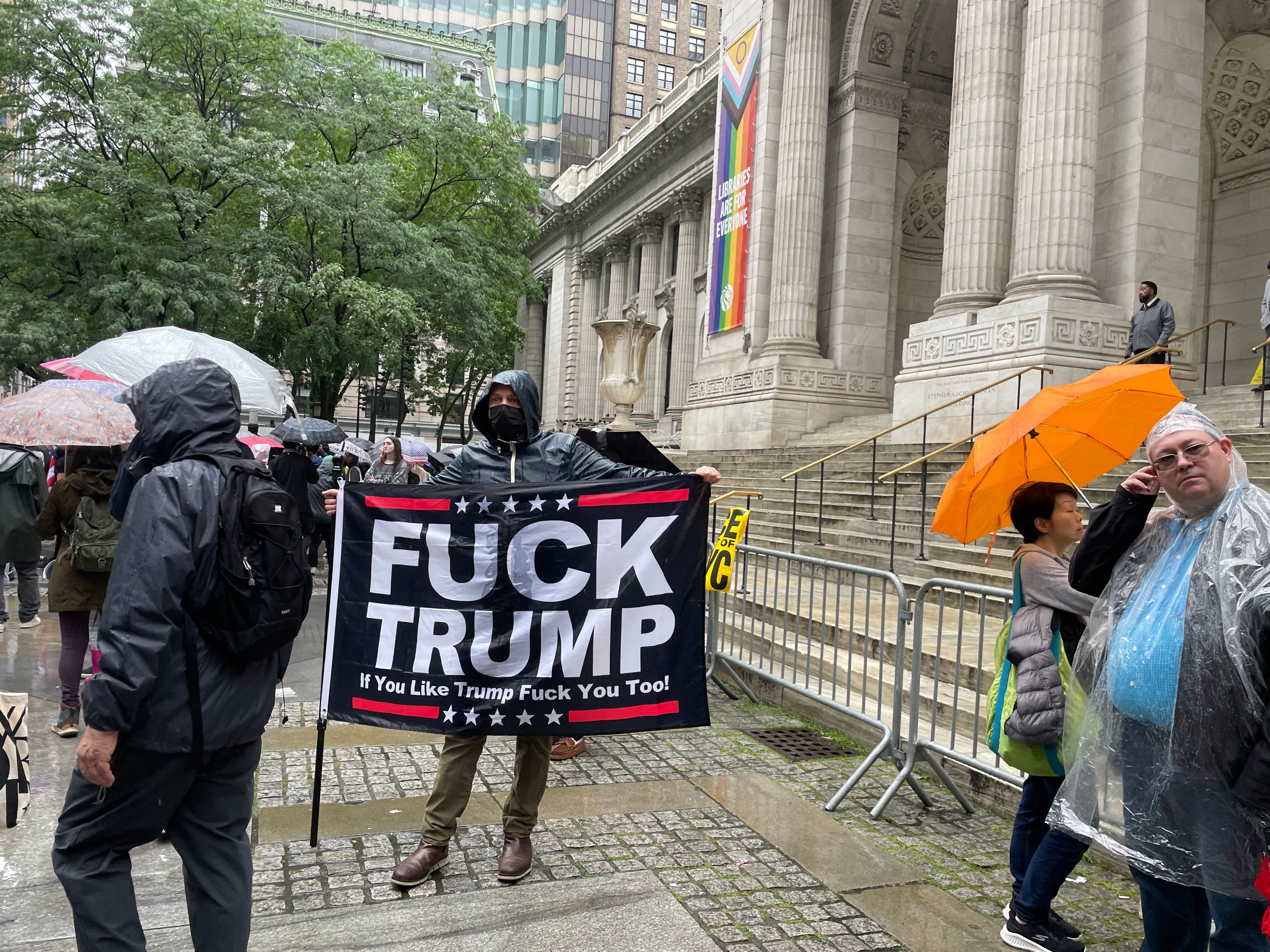
(But
somehow
covering
your
face
while
carrying
a
giant
“Fuck
Trump”
sign,
like
the
guy
below,
is
practicing
discretion?)
Call
me
naive
and
cavalier. But
I
believe
if
you’re
going
to
protest,
own
it.
Frankly,
my
patience
wears
thin
with
the
hedgers,
the
ones
who
just
want
to
“blend”
into
the
crowd,
the
ones
who
want
to
make
a
statement
–
but
only
in
hushed
tones.
Isn’t
the
point
of
protesting
to
be
seen
and
heard?
Let’s
be
clear:
I
am
well
aware
of
how
far
Trump
has
pushed
this
country
toward
an
autocracy,
and
I
have my
own
reasons to
be
fearful.
I’m
also
fully
aware
that
none
of
these
protests
will
make
one
iota
of
difference
in
how
he
governs
(is
“governing”
the
right
word?)
this
country.
The
goal
was
never
to
change
his
mind.
I
protested
to
exercise
a
basic
right.
Like
voting.
Like
saying
whatever
I
damn
please.
Like
writing
this
opinion
piece.
And
the
more
those
rights
feel
imperiled,
the
more
I
feel
an
urgency
to
use
them.
So
until
we
descend
into
full
blown
authoritarianism
(six
months,
a
year,
next
week?
I’m
taking
bets),
I’ll
be
out
there
holding
my
little
sign.
Unblurred.
Uncovered.
Unbowed.
Vivia
Chen writes “The
Ex-Careerist” column
on
Substack
where
she
unleashes
her
unvarnished
views
about
the
intersection
of
work,
life,
and
politics.
A
former
lawyer,
she
was
an
opinion
columnist
at
Bloomberg
Law
and
The
American
Lawyer.
Subscribe
to
her
Substack
by
clicking
here:
Back
in
June
2021,
President
Joe
Biden
signed
a
bill
to
make
Juneteenth
an
official
federal
holiday,
memorializing
the
end
of
slavery
in
the
United
States.
Before
that
momentous
occasion,
in
the
wake
of
protests
that
swept
the
nation
following
the
George
Floyd
murder,
Biglaw
firms
raced
to
meet
the
moment,
stepping
up
one
by
one
to
announce
that Juneteenth
would
be
recognized
as
a
holiday,
giving
employees
the
time
to
reflect
on
issues
of
racial
injustice
in
America.
Unfortunately,
times
have
changed
since
then,
and
against
the
backdrop
of
Trump’s
sweeping
anti-DEI
declarations,
Juneteenth
celebrations
have
been
dimmed,
with
support
for
these
initiatives
being
pulled.
But
what
about
law
firms?
To
our
knowledge,
the
following
firms
have
declared
Juneteenth
a
holiday,
granting
employees
either
half
or
full
days
off:
Akerman
Akin
Gump
Alterman
Law
Group
Arnold
&
Porter
Kaye
Scholar
Baker
Botts
Baker
Donelson
Ballard
Spahr
Blank
Rome
Boies
Schiller
Bradley
Arant
Bryan
Cave
Leighton
Paisner
Cahill
Clifford
Chance
Cooley
Covington
Davis
&
Gilbert
Davis
Wright
Tremaine
Debevoise
Dechert
Dinsmore
&
Shohl
Dorsey
&
Whitney
Faegre
Drinker
Foley
Hoag
Foley
&
Lardner
Freshfields
Fried
Frank
Gibson
Dunn
Goulston
&
Storrs
Greenberg
Traurig
Greenspoon
Marder
Griesing
Law
Haynes
and
Boone
Hogan
Lovells
Jackson
Lewis
Katten
Kelley
Drye
Kiernan
Trebach
Kirkland
Kramer
Levin
Latham
Littler
Loeb
&
Loeb
Mayer
Brown
McDermott
Moore
&
Van
Allen
Morgan
Lewis
Morrison
&
Foerster
Munger
Tolles
&
Olson
Norton
Rose
Ogletree
Patterson
Belknap
Paul
Weiss
Perkins
Coie
Polsinelli
Reed
Smith
Ropes
&
Gray
Schulte
Selendy
Gay
Seyfarth
Shearman
Sheppard
Mullin
Sidley
Simpson
Thacher
Stroock
Sullivan
&
Cromwell
Sullivan
&
Worcester
Venable
Vinson
&
Elkins
Weil (opt-in)
White
&
Case
Willkie
Wilson
Sonsini
Winston
&
Strawn
There
are
many,
many
more
law
firms
in
this
country
—
where
do
the
rest
of
the
Am
Law
100,
Am
Law
200,
midsize
firms,
and
elite
boutiques
stand
as
far
as
Juneteenth
is
concerned?
Taking
a
step
back
from
legal
work
to
commemorate
the
day
and
encouraging
all
employees
to
reflect
on
the
legacy
of
slavery
sends
a
important
signal
from
the
top
of
the
firm
that
this
is
a
very
important
issue.
POLL:
Has
your
law
firm
declared
Juneteenth
a
paid
holiday?
Please
take
our
survey
and
let
us
know
if
your
firm
has
declared
Juneteenth
a
holiday.
You
can
also email
us,
text
us
at
(646)
820-8477,
tweet
us @atlblog,
or
skeet
us
@abovethelaw.com to
let
us
know.
Thank
you.
Staci
Zaretsky is
a
senior
editor
at
Above
the
Law,
where
she’s
worked
since
2011.
She’d
love
to
hear
from
you,
so
please
feel
free
to
email
her
with
any
tips,
questions,
comments,
or
critiques.
You
can
follow
her
on Bluesky, X/Twitter,
and Threads, or
connect
with
her
on LinkedIn.
There’s
nothing
more
fulfilling
than
witnessing
the
transformations
that
these
children
and
adolescents
are
bringing
about
alongside
adults.
Participation
in
school
gardens
towards
nutritious
meals,
forging
safe
and
innovative
classrooms,
or
advocating
in
their
communities
and
to
parliamentarians
on
the
importance
of
climate
action
–
are
just
some
of
the
many
important
paths
enabling
the
realisation
of
their
rights
to
education,
protection
and
participation.
However,
despite
important
progress
being
made,
I
see
the
urgent
needs
that
remain—a
child
too
small
for
their
age
due
to
lack
of
a
nutritious
diet,
a
girl
missing
school
due
to
lack
of
menstrual
health
services,
a
baby
dying
due
to
preventable
disease.
These
moments
are
a
sobering
reminder
that
we
still
have
some
ways
to
go,
as
we
are
fall
short
in
providing
what
our
children
truly
deserve.
We
must
go
further,
faster,
and
together.
On
June
16th,
as
we
commemorate
the
Day
of
the
African
Child
under
the
African
Union
theme
“Planning
and
Budgeting
for
Children’s
Rights:
Progress
since
2010,”
we
are
called
to
act.
The
Global
Context:
A
Shrinking
Pool
Global
development
is
in
the
throes
of
a
seismic
change.
Drastic
aid
cuts
and
reductions
in
Official
Development
Assistance
(ODA),
have
left
many
low-
and
middle-income
countries
grappling
with
significant
gaps
in
the
provision
of
essential
services,
notably
in
HIV
and
AIDS
prevention
and
treatment,
access
to
essential
drugs
and
qualified
service
providers
for
the
technical
expertise
needed
to
sustain
programmes.
In
Zimbabwe,
this
is
compounded
by
a
constrained
fiscal
environment,
economic
volatility
and
the
increasing
burden
of
climate-induced
emergencies.
This
reality
necessitates
a
shift
from
reliance
on
external
aid
to
a
sustainable,
domestic
funding
model
that
puts
children
at
the
centre.
As
the
African
Committee
of
Experts
on
the
Rights
and
Welfare
of
the
Child
rightly
notes,
“States
must
take
progressive
and
no
regressive
measures
on
budgetary
allocations
for
children.”
Zimbabwe’s
Progress
Zimbabwe’s
commitment
is
evident
in
its
policy
frameworks.
The
National
Development
Strategy
(NDS
1)
prioritizes
human
capital
development,
health,
education,
and
social
protection—areas
that
directly
impact
children.
The
National
Health
Strategy,
the
Education
Sector
Strategic
Plan,
and
the
National
Multi-Sectoral
Food
and
Nutrition
Security
Strategy
all
reflect
a
recognition
of
children
as
the
heart
of
national
development.
Through
initiatives
like
the
Child
Budgeting
Series,
launched
by
the
Government
in
November
2021
with
UNICEF
support,
key
stakeholders—from
ministries
to
Parliament
and
donors—have
come
together
on
a
yearly
basis
to
assess
how
economic
policies
translate
into
outcomes
for
children.
These
dialogues
are
not
just
technical
exercises;
they
are
a
testament
to
the
political
will
and
commitment
to
the
well-being
of
children.
Yet,
despite
this
momentum,
the
financing
gap
remains
large.
As
outlined
in
the
SDG
Financing
report,
Zimbabwe’s
average
health
allocation
of
10.9%
of
the
national
budget
(2020–2024)
still
falls
short
of
the
15%
Abuja
target.
In
education,
the
budget
hovers
around
3.5%
of
GDP—below
the
minimum
global
benchmark. Moreover,
inefficiencies
in
budget
utilisation
across
sectors
further
dilute
the
impact
of
already
limited
public
spending.
The
result
is
visible
in
child
mortality,
malnutrition,
and
preventable
diseases
that
continue
to
rob
our
children
of
their
right
to
survival
and
development.
Making
Room
in
the
Budget:
A
Call
to
Action
A
national
budget
is
not
simply
a
financial
document;
it
is
a
reflection
of
values
and
priorities.
As
a
country
with
one
of
the
youngest
populations
in
Africa—more
than
40%
of
Zimbabweans
are
under
15—our
budgets
must
boldly
reflect
this
demographic
imperative.
The
future
cannot
be
postponed.
This
means
increasing
the
share
of
the
national
budget
allocated
to
social
sectors
and
protecting
these
funds
from
erosion
due
to
inflation,
corruption,
or
competing
priorities.
It
also
means
taking
deliberate
steps
to
integrate
child
rights
impact
assessments
into
all
fiscal
policies—ensuring
that
tax
laws,
levies,
and
trade
agreements
do
not
inadvertently
harm
children
or
exclude
vulnerable
populations.
Localising
the
Solution
We
commend
the
success
of
home-grown
innovations
like
Zimbabwe’s
AIDS
Levy—a
3%
tax
on
individual
income
and
corporate
profits
dedicated
to
the
national
HIV
response.
This
pioneering
financing
mechanism
has
not
only
ensured
a
steady,
domestically
sourced
stream
of
funding
for
antiretroviral
treatment
and
AIDS
prevention
programmes
but
has
also
fostered
self-reliance
and
reduced
dependence
on
external
aid.
Another
powerful
example
of
what
smart,
forward-thinking
investment
looks
like
is
the
Child
Nutrition
Fund
(CNF)—a
UNICEF-led,
globally
coordinated
mechanism
that
incentivizes
national
commitment
to
nutrition
through
dollar-to-dollar
matched
funding.
It
supports
countries
to
scale
up
evidence-based
nutrition
programmes.
By
committing
to
invest
in
nutrition
programming
and
essential
nutrition
supplies,
the
Zimbabwean
Government
guarantees
to
double
its
investment,
maximizing
reach
and
accelerating
impact
for
children.
Investing
through
the
CNF
is
a
bold
and
commendable
step
towards
sustainable
domestic
financing
–
and
a
tangible
commitment
to
improving
child
health
and
development
outcomes.
By
leveraging
matching
contributions,
Zimbabwe
is
not
only
addressing
stunting
and
wasting
but
also
ensuring
that
interventions
like
ready-to-use
therapeutic
foods
(RUTF),
vitamin
A
supplements,
and
nutrition
support
reach
the
most
vulnerable
children
and
women.
What
We
Owe
the
Children
Even
modest
investments
in
childhood
yield
powerful
returns—for
families,
communities,
and
the
economy.
Adults
who
were
malnourished
as
children
earn
at
least
20%
less,
while
tackling
stunting
and
malnutrition
can
raise
GDP
by
2–3%
annually.
Education
delays
early
marriage,
reduces
family
size,
and
improves
child
survival—a
child
born
to
a
literate
mother
is
50%
more
likely
to
survive
past
age
five.
In
Zimbabwe,
nearly
one-third
of
children
are
developmentally
off-track,
and
23%
are
stunted,
often
with
lifelong
consequences.
The
cost
of
inaction
is
steep:
violence
and
poor
care
in
childhood
can
cost
up
to
8%
of
global
GDP.
Investing
in
children
isn’t
just
the
right
thing
to
do—it’s
among
the
smartest
economic
decisions
a
country
can
make.
A
Shared
Promise
Let
us
make
the
2025
commemoration
of
the
Day
of
the
African
Child
a
turning
point.
Let
us
enshrine
child-sensitive
planning
and
budgeting
into
the
DNA
of
our
national
systems.
Let
us
move
from
words
to
budgets,
and
from
budgets
to
impact.
Because
when
we
plan
and
budget
for
children,
we
plan
and
budget
for
Zimbabwe’s
future.
Zimbabwe,
wary
of
a
rise
in
global
tensions,
resolved
to
leave
its
bank
policy
rate
unchanged
at
35%,
according
to John
Mushayavanhu,
the
central
bank
governor.
“The
MPC
noted
the
broad-based
deceleration
of
global
growth
occasioned
by
escalating
trade
tensions,
geo-economic
fragmentation,
regional
and
international
conflicts
and
policy
uncertainty,”
Mushayavanhu
said
in
a
statement
Monday
after
a
surprise
meeting
of
the
Monetary
Policy
Committee.
“Considering
the
challenging
and
rapidly
evolving
risks
to
the
global
growth
outlook,
the
MPC
advised
the
Reserve
Bank
to
maintain
a
sufficiently
tight
monetary
policy
stance.”
The
central
bank
was
set
to
hold
a
rate
setting
meeting
only
later
this
month
on
June
27,
according
to
a
schedule
available
on
its
website.
Despite,
the
current
uncertain
global
environment,
the
bank
said
it
still
sees
6%
growth
in
the
domestic
economy
as
achievable
this
year.
The
strong
performance
of
agriculture
is
expected
to
help
spur
the
expansion
after
improved
output
from
key
crops
including
corn,
tobacco
and
cotton.
“Other
sectors
are
also
expected
to
record
positive
growth
performance,
benefiting
from
the
prevailing
price
and
exchange
rate
stability,”
Mushayavanhu
added.
The
southern
African
nation
has
kept
rates
unchanged
since
it
lifted
them
last
September
in
response
to
a
sharp devaluation of
its
gold-backed
currency,
the
ZiG.
Businesses
have
repeatedly
asked
the
central
bank
to reconsider its
tight
monetary
policy
stance,
which
is
causing
a
severe
liquidity
crunch
in
the
economy.
The
bank
maintains
that
its
policy
has
helped
stabilize
the
ZiG,
short
for
Zimbabwe
Gold,
and
is
seeing
increased
usage
in
the
economy.
It
is
now
used
in
43%
of
transactions
in
the
economy
up
from
26%
last
April,
according
to
the
governor.
The
foreign
currency
reserves
backing
the
ZiG
stood
at
$701
million
as
of
last
Friday.
The International
Monetary
Fund last
week
also
voiced
support
for
the
ZiG
to
become
the sole
currency in
the
economy.
The
ZiG
is
the
nation’s
sixth
attempt
at
establishing
a
functioning
local
currency
since
2009.
The
fascism
is
real,
y’all.
Current
New
York
City
Comptroller
and
candidate
for
mayor
Brad
Lander
was
arrested
by
masked
federal
ICE
agents
as
he
exited
an
immigration
courtroom.
There’s
video
of
the
incident,
and
it’s
deeply
chilling,
particularly
in
a
so-called
democracy.
Lander
can
be
heard
in
the
video
saying,
“I’m
not
obstructing
–
I’m
standing
right
here
in
the
hallway,
I
asked
to
see
the
judicial
warrant.
You
don’t
have
authority
to
arrest
a
U.S.
citizen
asking
for
a
judicial
warrant.”
Getting
arrested
for
asking
questions
is
a
disturbing
new
trend
for
the
Trump
administration.
In
the
midst
of
promises
of
“mass
deportations”
from
the
administration
where
ICE
is
targeting
immigration
courts
for
arrests,
Lander
spent
the
morning
observing
immigration
court
hearings
and
told
the
AP
he
was
accompanying
immigrants
out
of
the
building.
That’s
when
Lander
was
detained
by
federal
agents.
At
a
press
conference
following
the
arrest,
Lander’s
wife,
Meg
Barnette,
said
her
husband
had
tried
to
link
arms
with
a
man
following
his
immigration
court
hearing
when
“we
were
swarmed
by
a
number
of
federal
agents.”
“They
said,
‘You’re
obstructing,’”
Barnette
said.
“I
was
shoved
out
of
the
way.”
“What
I
saw
was
shocking
and
unacceptable,”
she
added.
“What
I
saw
today
was
not
the
rule
of
law.”
She
continued,
“This
is
a
place
where
the
rule
of
law
is
supposed
to
work.
I
was
able
to
call
our
attorney
and
retain
him
immediately
for
Brad.”
“Because
we
have
the
connections
and
the
means
to
do
so.
Nobody
else
in
those
courtrooms
has
that.
I
am
confident
that
Brad’s
going
to
be
out
soon
…
This
is
just
one
more
example
of
Brad’s
values
in
actions.
He
doesn’t
just
talk
the
talk.
He
walks
the
walk.
He
cares
about
what
happens
to
people.”
In
addition
to
Mamdani,
several
of
Lander’s
opponents
in
the
mayoral
contest
wasted
little
time
condemning
the
federal
agents
for
the
arrest.
Trump’s
ICE
cowboy
gestapo
isn’t
about
public
safety
it’s
about
authoritarianism.
It
shreds
the
rule
of
law,
ignores
due
process,
and
targets
people
based
on
fear
and
hate.
We
can’t
let
this
fascist
playbook
become
the
new
normal.
Thank
you
for
documenting
@Dean_Moses
Kathryn
Rubino
is
a
Senior
Editor
at
Above
the
Law,
host
of
The
Jabot
podcast,
and
co-host
of
Thinking
Like
A
Lawyer.
AtL
tipsters
are
the
best,
so
please
connect
with
her.
Feel
free
to
email
her
with
any
tips,
questions,
or
comments
and
follow
her
on
Twitter
@Kathryn1 or
Mastodon
@[email protected].
Befitting
a
nation
run
by
a
casino
boss
looking
to
build
hotels
in
shady
dictatorships,
the
United
States
put
a
stop
to
its
Foreign
Corrupt
Practices
Act
enforcement
efforts
when
Trump
took
office.
But
you
can’t
keep
a
good
statute
down
and
the
FCPA
is
back
with
new
guidance
that
boils
down
to…
“yeah,
pretty
much
go
ahead
and
bribe
people
unless
it
hurts
an
American
company.”
What
does
that
caveat
even
mean?
Unclear!
Get
your
briefcases
full
of
cash
—
or,
more
accurately,
your
digital
wallets
full
of
TRUMP
coin
—
and
go
wild.
Because
at
the
point
the
DOJ
takes
the
position
that
bribery
isn’t
always
detrimental
to
U.S.
business,
it’s
conceding
that
it’s
never
really
an
issue.
Almost
like
the
country
elected
someone
convicted
of
multiple
felonies
stemming
from
a
corrupt
scheme
to
bribe
someone.
Hmmmm.
In
the
past,
presidents
were
of
the
general
belief
that
preventing
corruption
was
in
the
nation’s
best
interest,
but
the
Trump
administration
is
now
ensuring
that
it
prosecutes
only
cases
directly
relevant
to
U.S.
economic
and
national
security
interests,
said
Donoghue,
now
a
partner
at
Pillsbury
Winthrop
Shaw
Pittman.
The
“general
belief
that
preventing
corruption
was
in
the
nation’s
best
interest”
stemmed
from
a
sense
that
a
level
foreign
market
will
inure
to
the
benefit
of
the
richest
country
on
Earth.
We
all
used
to
believe
that,
for
example,
AT&T
or
GM
would
win
that
overseas
business
unless
someone
tried
to
bribe
Captain
Renault
into
awarding
it
to
someone
else.
Which
is
probably
still
true,
though
to
the
extent
it’s
not,
the
“non-American”
country
winning
the
business
will
still
likely
be
backed
by
Wall
Street
financiers
owning
massive
stakes.
It
may
not
be
all,
but
MOST
roads
lead
back
to
America.
Though,
as
the
tariff
debacle
revealed,
the
remedial
economics
club
running
this
administration
holds
a
few
centuries
outdated
mercantilist
worldview
that
divides
business
into
“American”
and
“Everyone
Else,”
and
thinks
the
laws
of
the
United
States
must
be
weaponized
only
against
the
latter.
So,
theoretically,
it’s
still
bad
news
for
Honda
to
bribe
a
country
to
buy
the
cars
made
in
the
U.S.,
but
it’s
still
fine
for
GM
to
bribe
a
country
to
buy
cars
built
in
Mexico.
Paradoxically,
blessing
“American”
bribery
only
incentivizes
foreign
officials
to
engage
in
more
pay-to-play,
resulting
in
more
bribery
schemes
that
compromise
American
businesses.
All
of
which
is
unnecessary
because
the
existing
FCPA
enforcement
regime
was
already
punishing
foreign
companies
that
bribed
people.
In
fact,
they
were
being
punished
MUCH
MORE:
[Duke
University
School
of
Law
professor
Rachel
Brewster]
said
the
administration
is
wrong
in
thinking
American
companies
are
unfairly
targeted
by
the
FCPA.
Foreign
companies
pay
fines
at
a
rate
three
times
higher
than
American
companies
for
FCPA
violations,
Brewster
added.
Trump
heavily
implied
in
the
executive
order
that
“U.S.
corporations
need
to
be
able
to
bribe
and
they’re
being
harmed
internationally
if
they
can’t,”
Brewster
said.
“And
what
I’m
saying
is
that
that
is
incorrect,
because,
in
fact,
the
DOJ
did
…
go
after
foreign
corporations
that
bribe.”
The
FCPA
was
passed
in
1977
to
police
the
global
market
because
back
then,
we
had
a
government
that
realized
America’s
greatest
economic
strength
is
its
consumption.
Foreign
companies
need
access
to
the
U.S.
market
and
if
they
want
to
play
here
they
have
to
play
by
our
rules
everywhere.
The
fairer
the
competition,
the
better
for
the
U.S.
everywhere.
The
only
colorable
argument
for
abandoning
the
FCPA
like
this
is
that
the
U.S.
no
longer
boasts
that
market
power
because,
say,
there
are
Chinese
companies
out
there
that
just
don’t
need
U.S.
consumers
and
won’t
opt
into
the
U.S.
regulatory
regime.
Though
a
narrowly
tailored
set
of
exceptions
would
better
address
those
specific
scenarios.
But
nuanced,
research-driven
solutions
aren’t
this
gang’s
strong
suit.
Now,
FCPA
enforcement
is
its
own
corrupt
bribery
scheme.
Everyone
has
to
pay
us
in
the
form
of
business
they’d
rightfully
win
if
America
wasn’t
busy
lining
dictator
pockets
with
graft.
It’s
a
remarkable
admission
that
the
executive
branch
simply
doesn’t
believe
in
America.
Generative
AI
is
the
game-changing
technology
of
the
decade,
and
the
race
is
on
to
build
better
systems.
Whether
it’s
Agentic
AI
where
applications
perform
tasks
and
have
access
to
the
Internet,
or
just
a
better
reasoning
model,
the
scaling
for
massive
everyday
usage
is
the
prize.
One
of
the
limiting
factors
to
scaling
is
computing
power.
This
is
why
Nvdia’s
stock
has
catapulted
in
the
past
few
years.
Nvidia
manufactures
the
leading
graphical
processing
units
(GPUs)
that
process
the
arrays
of
information
needed
to
operate
large
language
models.
Shortages
in
computing,
coupled
with
the
geopolitical
concerns
about
dependencies
on
China
and
Taiwan,
triggered
the
passage
of
the
CHIPS
and
Science
Act
in
2022
to
stimulate
more
research
and
manufacturing
of
semiconductors
in
the
United
States.
Energy
is
another
limiting
factor
A
new
limiting
factor
is
slowly
making
it
to
the
headlines,
and
that
is
the
need
for
energy
to
power
all
of
these
AI
applications
in
the
cloud.
While
it
may
not
seem
like
much,
a
Google
search
requires
about
.3
watt
hours
of
energy
to
complete
a
search,
but
with
over
5
trillion
Google
searches
a
year
(150,000/second),
that
adds
up.
It
is
reported
that
ChatGPT
uses
approximately
10
times
more
energy
per
interaction
than
a
Google
search.
As
AI
usage
becomes
commonplace
and
replaces
traditional
search,
an
image
of
Clark
Griswold’s
holiday
light
display
in
the
movie
Christmas
Vacation
comes
to
mind.
When
the
display
was
turned
on,
the
lights
dimmed
in
the
entire
town.
Imagine
a
big
news
story
hits,
and
consumer
interest
metaphorically
dims
the
lights
around
a
datacenter.
Google’s
energy
usage
in
2023
was
nearly
26
Terawatt
hours,
which
is
larger
than
all
but
75
countries.
Microsoft
and
Amazon’s
power
consumption
is
on
a
similar
scale,
but
Amazon
does
not
disclose
its
energy
consumption.
AI
models
are
energy-hungry
and
will
drive
increased
cloud
computing
consumption.
Data
centers
worldwide
consumed
roughly
1.5%
of
global
electricity,
and
that
number
is
projected
to
double
by
2030.
AI
is
going
to
become
a
significant
energy
user
behind
the
scenes.
Make
no
mistake,
access
to
energy
is
strategic
for
companies
scaling
AI,
especially
Microsoft,
Amazon,
Apple,
Meta,
and
Alphabet/Google,
collectively
referred
to
as
“MAAMA.”
It
is
also
strategic
for
the
United
States
to
continue
to
lead
in
the
advancement
of
AI.
The
current
administration
has
recently
announced
executive
orders
regarding
the
expansion
of
nuclear
energy,
which
will
support
the
growing
demand
for
energy,
including
that
driven
by
artificial
intelligence.
But
this
thirst
has
been
quietly
growing
for
years.
Bonneville
Power
and
the
Columbia
River
The
Bonneville
Power
Administration
markets
power
from
31
federal
dams
and
a
nuclear
plant
in
Washington,
operating
15,000+
miles
of
transmission
from
Portland,
Oregon,
into
Idaho.
Microsoft,
Amazon,
and
Google
quietly
inked
long-term
deals
with
the
Bonneville
Power
Administration
back
in
2017,
linking
data
centers
to
the
hydroelectric
plants
along
the
Columbia
River
in
Eastern
Washington.
Three
Mile
Island
and
Microsoft
Constellation
Energy
cut
a
deal
with
Microsoft
in
September
2024
(during
the
prior
administration)
to
reopen
the
Three
Mile
Island
nuclear
power
plant
near
Harrisburg,
PA.
The
20-year
power
purchase
agreement
will
revive
the
mothballed
reactor
at
Three Mile Island
by
2028.
Microsoft
will
benefit
from
the
835
Megawatts
of
power,
which
would
be
enough
to
power
700,000
to
800,000
homes.
Nuclear
energy
provides
a
carbon-free,
reliable
source
of
energy
for
AI
workloads
that
require
a
consistent
supply
of
power.
Microsoft
is
betting
that
this
relic
will
serve
its
power
needs
and
its
green
credentials.
Amazon’s
green
energy
initiatives
Amazon
has
announced
that
it
has
offset
its
energy
consumption
through
the
production
of
renewable
energy.
Amazon
has
invested
“billions
of
dollars”
in
over
500
wind
and
solar
projects
across
27
countries
which,
collectively,
can
generate
energy
sufficient
to
power
7.6
million
homes
in
the
U.S.
Looking
through
the
legal
and
regulatory
lens
The
reality
is
that
energy
demand
is
increasing,
and
this
growth
is
being
driven
by
AI
and
cloud
computing
technology
rather
than
direct
consumer
demand.
Business
interests,
geopolitical
competition
in
technology,
and
environmental
considerations
create
a
new
mix
of
regulatory,
policy,
and
political
considerations
for
energy.
Expect
strange
bedfellows
and
shifting
narratives.
Energy
policy
is
now
partially
leaning
on
a
legacy
nuclear
capability
to
bridge
near-term
gaps
in
growing
energy
demand.
Restarting
a
reactor
tied
to
one
of
America’s
worst
nuclear
accidents
for
Microsoft
is
a
proof
point
of
the
new
dynamics
at
play.
Regulatory
and
policy
considerations
As
legal,
regulatory,
and
policies
evolve,
look
for
more
headlines
in
the
future
around:
Public
utilities
being
used
for
private
businesses
at
the
possible
expense
of
local
needs
More
private
generation
of
energy
Shifting
views
on
water
rights,
environmental
considerations,
and
land
rights
Greenwashing
–
highlighting
benefits
of
sustainability
when
other
actions
aren’t
“green”
More
strains
on
an
aging
power
grid
that
could
cause
rationing
or
brownouts
Interdependencies
with
geopolitical
goals,
like
de-risking
the
semiconductor
industry
(or
interplay
with
tariffs)
Summary
The
growth
in
AI
computing
is
going
to
drive
electricity
demands.
The
“MAAMA”
businesses
operate
on
a
massive
scale
and
are
central
to
the
United
States’
technology
leadership.
Expect
narratives
to
evolve
as
new
approaches
emerge
to
meet
the
growing
demand
for
energy.
Note:
AI
assistance
was
used
in
the
drafting
of
this
article.
Ken
Crutchfield
has
over
forty
years
of
experience
in
legal,
tax,
and
other
industries.
Throughout
his
career,
he
has
focused
on
growth,
innovation,
and
business
transformation. His
consulting
practice
advises
investors,
legal
tech
startups
and
others.
As
a
strategic
thinker
who
understands
markets
and
creating
products
to
meet
customer
needs,
he
has
worked
in
start-ups
and
large
enterprises.
He
has
served
in
General
Management
capacities
in
six
businesses.
Ken
has
a
pulse
on
the
trends
affecting
the
market.
Whether
it
was
the
Internet
in
the
1980s
or
Generative
AI,
he
understands
technology
and
how
it
can
impact
business.
Crutchfield
started
his
career
as
an
intern
with
LexisNexis
and
has
worked
at
Thomson
Reuters,
Bloomberg,
Dun
&
Bradstreet,
and
Wolters
Kluwer.
Ken
has
an
MBA
and
holds
a
B.S.
in
Electrical
Engineering
from
The
Ohio
State
University.
I
laughed,
I
cried,
it
was
considerably
worse
than
Cats.
That
pretty
much
sums
up
client
reactions
to
the
pitch
decks
law
firms
slap
together
manually.
A
grand
farce
draped
in
the
delusion
of
strategy,
built
on
systems
that
make
even
the
DMV
look
like
an
agile
startup.
The
State
of
Proposal
Generation
and
Business
Development
in
Law
Firms
for
2025,
put
together
by
Ikaun,
examined
the
RFP
process
and
discovered
a
slow-moving
pageant
of
legacy
tools,
tribal
fiefdoms,
and
task
duplication.
And
it
cuts
across
the
industry,
with
respondents
drawn
roughly
a
quarter
from
each
the
Am
Law
100,
Second
Hundred,
NLJ
500,
and
beyond.
As
corporate
legal
departments
raise
expectations
–
70%
now
demand
faster,
more
tailored
RFP
responses,
up
from
56%
in
2022
–
law
firms
are
under
pressure
to
respond
with
greater
speed,
precision,
and
professionalism.
Yet
many
remain
stuck
in
inefficient,
outdated
processes
that
hurt
their
ability
to
compete.
For
Act
I,
we
have
“Manual
Labor
As
Performance
Art.”
According
to
the
report,
79
percent
of
law
firm
proposal
workflows
are
“fully
or
mostly
manual.”
The
most
popular
tool
for
putting
together
proposals
is…
Microsoft
Word?
Apparently,
46
percent
of
firms
are
still
cranking
out
proposals
in
Microsoft
Word
and
I
can
only
assume
the
other
54
percent
are
in
Word
Perfect.
Word
is
a
perfectly
fine
word
processor,
but
winning
business
isn’t
a
constrained
by
local
rules.
Unsurprisingly,
respondents
weren’t
satisfied
with
their
technology
while
remaining
committed
to
doing
the
same
thing
over
and
over
and
expecting
a
different
result.
That’s
supposed
to
be
the
definition
of
a
psychopath,
but
it
applies
to
law
firms.
On
second
thought…
that
might
track.
Moving
to
Act
II:
“The
Secret
Garden
Of
Bypassed
Tools.”
Despite
firms
spending
hefty
sums
on
tech,
68
percent
of
users
said
they
bypass
those
tools
entirely.
Whether
it’s
a
product
of
stubborn,
luddite
users
or
ill-suited,
clunky
tech,
the
theme
is
a
misalignment.
Like
any
good
play,
we
now
introduce
Chekov’s
Large
Language
Model.
The
only
thing
firms
agree
on
more
than
doing
proposals
from
scratch
like
a
middle
school
book
report
diorama,
it’s
that
AI
will
swoop
in
to
save
them.
A
whopping
84
percent
said
“AI
and
automation
will
shape
the
next
era
of
proposal
generation.”
On
to
Act
III:
“They
Don’t
Get
Off
The
Island.”
Every
episode
of
Gilligan’s
Island
had
to
end
with
our
castaways
failing
to
get
off
the
island.
Why
did
Zsa
Zsa
get
to
leave
and
why
didn’t
she
send
back
help?
Don’t
ask
such
questions.
The
point
is
the
treadmill
must
continue
and
the
crew
must
remain
on
the
island
until
the
inevitable
made-for-TV
reunion
backdoor
soft
reboot
pilot.
For
our
current
purposes,
this
means
firms
unhappy
with
their
tech
and
pining
for
AI
must
keep
doing
what
they’re
doing
until
the
heat
death
of
the
universe.
The
survey
reveals
that
most
firms
spend
more
time
assembling
proposals
than
improving
how
they
propose.
That’s
a
problem
because
integrating
the
AI
tools
that
they
all
expect
to
save
them
will
require
devoting
some
serious
time
to
coming
up
with
a
better
process.
AI
without
a
vetted
process
is
revenue
stream
chatroulette.
And
that’s
not
helped
when
proposal
ownership
is
itself
a
fractured
mess.
Does
Marketing
run
it.
Sort
of?
Business
Development?
Also
yes.
Relationship
partners?
Why
the
hell
not?
What
firms
need
is
not
just
better
templates.
They
need
an
infrastructure
shift:
one
that
enables
real-time
collaboration,
accurate
data
reuse,
and
scalable
delivery
models.
As
legal
procurement
becomes
more
sophisticated,
proposal
generation
must
evolve
from
a
tactical
task
into
a
strategic
growth
engine.
Firms
need
to
give
their
teams
the
time
to
make
the
leap.
The
opportunity
to
rewrite
the
playbook
is
there,
but
it
takes
human
effort
to
build
a
plan
that
gives
AI
an
opportunity
to
contribute
in
a
useful
way
or
it’s
just
a
computer
playing
Mad
Libs
with
the
firm’s
future.
Without
a
plan,
the
AI
everyone’s
hoping
will
go
off
in
the
third
act
will
end
up
another
disappointing
tool
people
bypass
as
they
churn
out
something
passable
in
Word
to
keep
the
lights
on.