According
to
data
collected
by
the
National
Law
Journal,
which
Biglaw
firm
had
the
largest
net
gain
in
the
number
of
associates
in
2024,
adding
232
associates
to
its
ranks?
Hint:
The
firm
was
followed
closely
by
DLA
Piper,
which
added
227
associates
last
year.
(Photo
by
Jennifer
S.
Altman/For
The
Washington
Post
via
Getty
Images)
If
you
are
forced
between
defrauding
your
clients
or
skimping
the
IRS
out
of
their
money,
pick
a
struggle!
Star
lawyer
Michael
Avenatti
made
the
foolish
choice
to
double
up
on
the
bad
decisions
and
was
sentenced
to
14
years
in
prison
back
in
2022.
Since
then
he’s
since
pushed
for
a
resentening
—
The
LA
Times
has
the
results:
Michael
Avenatti,
the
once-swaggering
celebrity
lawyer
who
represented
adult
film
star
Stormy
Daniels
in
her
court
battles
against
President
Trump,
was
resentenced
Thursday
to
11
years
in
prison
for
dodging
taxes
and
stealing
millions
of
dollars
from
clients.
U.S.
District
Judge
James
V.
Selna
resentenced
Avenatti
to
135
months
—
slightly
more
than
11
years
—
but
credited
him
40
months
for
the
time
he
has
served
in
prison
for
stealing
nearly
$300,000
from
Daniels’
advance
on
a
book
contract.
That
brought
his
sentence
to
nearly
eight
years.
Knocking
several
years
off
of
your
sentence
is
far
from
walking
free,
but
it
is
still
second
best.
Avenatti
has
also
been
making
the
best
of
his
time
behind
bars
by
tutoring
inmates
and
being
a
suicide
watch
companion.
You
could
question
the
motivations
of
the
good
work
he’s
done
behind
bars
—
prosecutor
Brett
Sagel
accused
Avenatti
of
being
unrepentant
and
only
doing
things
that
benefit
him
—
but
you
cannot
question
the
the
work
itself.
That
goes
for
his
good
deeds
as
much
as
his
legal
ones:
Avenatti
and
his
legal
team
seem
to
have
a
couple
more
(potentially)
sentence
shortening
arguments
up
their
sleeves.
Chris
Williams
became
a
social
media
manager
and
assistant
editor
for
Above
the
Law
in
June
2021.
Prior
to
joining
the
staff,
he
moonlighted
as
a
minor
Memelord™
in
the
Facebook
group Law
School
Memes
for
Edgy
T14s
.
He
endured
Missouri
long
enough
to
graduate
from
Washington
University
in
St.
Louis
School
of
Law.
He
is
a
former
boatbuilder
who
is
learning
to
swim, is
interested
in
critical
race
theory,
philosophy,
and
humor,
and
has
a
love
for
cycling
that
occasionally
annoys
his
peers.
You
can
reach
him
by
email
at [email protected]
and
by
tweet
at @WritesForRent.
If
you’re
in-house,
overwhelmed,
and
wondering
if
there’s
a
smarter
way
to
support
the
business
without
burning
out,
make
time
for
Tanisha
Minev.
In
a
recent
episode
of
Notes
to
My
(Legal)
Self,
Tanisha
—
in-house
legal
counsel
and
co-author
of
“Legal
Operations
in
the
Age
of
AI
and
Data”
—
offers
one
of
the
most
grounded,
actionable
perspectives
on
legal
operations
you’ll
hear
this
year.
Her
advice
is
rooted
in
lived
experience,
not
theory,
and
it’s
especially
timely
for
teams
navigating
fast
growth,
high
expectations,
and
increasing
pressure
to
do
more
with
less.
Watch
the
full
interview
here:
Legal
Ops
Isn’t
A
Product.
It’s
A
Mindset.
Tanisha’s
entry
into
legal
ops
wasn’t
planned.
Early
in
her
career,
she
kept
running
into
the
same
inefficiencies,
especially
around
routine
contracts
like
NDAs
and
MSAs.
Without
waiting
for
new
headcount
or
technology,
she
started
simplifying
and
standardizing
what
she
could.
At
Yoco,
legal
requests
were
flying
in
through
email,
Slack,
and
hallway
conversations.
Her
solution?
A
lightweight
intake
system
using
tools
the
business
already
used.
No
expensive
platform.
No
consultants.
Just
clarity
and
intentional
process
design.
This
theme
runs
throughout
her
approach:
fix
what’s
broken
before
scaling.
Legal
operations
isn’t
about
buying
tech
—
it’s
about
solving
real
problems,
sustainably.
Contracts
Might
Be
Slowing
You
Down,
More
Than
You
Think
One
of
Tanisha’s
sharpest
insights:
your
contracts
may
be
the
most
expensive
part
of
your
sales
cycle
—
and
not
because
of
outside
counsel
bills.
She
points
to
the
hidden
cost
of
inefficient
contract
workflows.
When
teams
re-review
the
same
NDAs
or
DPAs
without
clear
fallback
positions
or
templated
guidance,
it
leads
to
bottlenecks,
decision
fatigue,
and
sales
delays.
The
solution
isn’t
just
automation
—
it’s
standardization
and
visibility.
Tanisha
warns
against
jumping
into
CLM
or
workflow
automation
too
early.
Without
a
solid
baseline
—
data
about
deal
types,
turnaround
times,
and
friction
points
—
you
risk
optimizing
noise
instead
of
solving
the
real
issues.
You
Don’t
Need
A
CLM.
You
Need
Clarity.
The
drive
to
“fix”
contracts
often
leads
teams
to
invest
in
software
before
they’ve
defined
the
problem.
Tanisha
advocates
for
a
different
approach:
start
by
tracking
what
matters
most.
What
kinds
of
contracts
are
coming
in?
What’s
slowing
down
review?
What’s
negotiable
—
and
what
isn’t?
By
building
this
internal
map,
teams
can
identify
where
to
standardize,
when
to
escalate,
and
how
to
support
the
business
with
fewer
bottlenecks.
Clarity
Builds
Trust
Tanisha
doesn’t
just
talk
about
efficiency;
she
ties
it
directly
to
trust.
When
legal
is
overwhelmed,
it’s
hard
to
be
proactive.
But
when
the
team
operates
with
clarity
—
about
intake,
about
playbooks,
about
fallback
terms
—
it
builds
confidence
across
the
business.
This
doesn’t
require
a
transformation.
Often,
it
starts
with
small
changes:
clarifying
an
NDA
playbook,
publishing
standard
terms,
or
making
a
contract
template
self-service.
These
steps
compound
over
time,
allowing
legal
to
focus
on
higher-impact
work.
Start
Small,
Improve
Something
Tanisha
closes
the
episode
with
a
simple
challenge:
“Pick
one
thing
and
make
it
better.”
Whether
it’s
intake,
contracts,
or
collaboration
with
Sales,
the
path
to
a
smarter
legal
function
isn’t
necessarily
more
tech
—
it’s
more
intention.
Her
insights
are
a
valuable
reminder:
legal
operations
isn’t
about
tools.
It’s
about
trust,
clarity,
and
continuous
improvement.
Olga
V.
Mack is
the
CEO
of TermScout,
an
AI-powered
contract
certification
platform
that
accelerates
revenue
and
eliminates
friction
by
certifying
contracts
as
fair,
balanced,
and
market-ready.
A Fellow
at
CodeX,
The
Stanford
Center
for
Legal
Informatics,
and
the
Generative
AI
Editor
at
law.MIT,
she
is
a
visionary
executive
reshaping
how
we
law—how
legal
systems
are
built,
experienced,
and
trusted.
Olga teaches
at
Berkeley
Law,
lectures
widely,
and
advises
companies
of
all
sizes,
as
well
as
boards
and
institutions.
An
award-winning
general
counsel
turned
builder,
she
also
leads
early-stage
ventures
including Virtual
Gabby
(Better
Parenting
Plan), Product
Law
Hub, ESI
Flow,
and Notes
to
My
(Legal)
Self,
each
rethinking
the
practice
and
business
of
law
through
technology,
data,
and
human-centered
design.
She
has
authored The
Rise
of
Product
Lawyers, Legal
Operations
in
the
Age
of
AI
and
Data, Blockchain
Value,
and Get
on
Board,
with Visual
IQ
for
Lawyers (ABA)
forthcoming.
Her
work
reimagines
people’s
relationship
with
law—making
it
more
accessible,
inclusive,
data-driven,
and
aligned
with
how
the
world
actually
works.
Follow
her
on LinkedIn and
X
@olgavmack.
The
American
Bar
Association
appears
to
have
found
the
backbone
that
the
Surrender
Firms
couldn’t
locate.
Today,
the
national
professional
guild
filed
suit
against
Trump
—
and
eight
more
pages
of
caption
—
over
the
administration’s
threats
against
law
firms
to
agree
to
give
him
diversity
concessions
and
dedicated
pro
bono
work
for
causes
he
believes
in
—
or
that
he
dictates,
depending
on
who
you
ask.
Some
law
firms
already
sued
the
administration
over
these
threats
and
won
easily.
The
others
just
sat
back
and
watched
partners
and
business
walk
out
the
door
while
giving
the
media
their
best
impression
of
the
‘this
is
fine’
dog.
The
ABA
had
already
sued
the
administration
over
cuts
to
numerous
programs
that
would
be
arbitrary
and
capricious
were
they
not
so
retaliatory.
Now
it’s
taking
action
on
behalf
of
lawyers
who
haven’t
been
able
to
stand
up
for
themselves.
Citing
ABA
members
whose
firms
fit
the
standard
that
Trump
has
set
for
punitive
executive
orders
who
reasonable
expect
retaliation
from
the
White
House,
as
well
as
harm
to
the
ABA
itself
as
an
entity
that
relies
on
pro
bono
representation.
The
ABA
alleges
that
these
efforts
have
already
resulted
in
a
firm
saying
they
would
no
longer
represent
the
organization
in
light
of
Trump’s
orders.
Because
everyone
in
the
legal
industry
is
concerned
that
they’re
going
to
be
the
next
one
that
has
to
drag
Trump
into
court
as
while
he’s
wildly
throwing
around
his
executive
authority
like
a
Dumb
John
Wick
if
“killing
his
dog”
was
“hiring
lawyers
who
prosecuted
guys
for
rubbing
feces
outside
Nancy
Pelosi’s
office.”
The
complaint
alleges
multiple
theories
of
First
Amendment
violation
based
on
the
idea
that
governments
punishing
lawyers
for
representing
clients
is…
we
don’t
need
to
elaborate,
right?
I
mean,
we
all
get
how
governments
can’t
punish
people
for
opinions.
It
also
asserts
a
separation
of
powers
claim,
the
sort
of
issue
the
Supreme
Court
is
designed
to
adjudicate
but
won’t
because
that
would
require
a
much
different
Court
than
the
one
we’re
working
with.
Separation
of
powers
is
a
subject
this
Court
will
rail
about
at
length
when
it
bears
little
connection
to
the
case,
but
will
run
away
like
they’re
Paul
Weiss
faced
with
minor
temporary
adversity
if
actually
asked
to
make
a
ruling
on
it.
Ed.
note:
Please
welcome
Renee
Knake
Jefferson
back
to
the
pages
of
Above
the
Law.
Subscribe
to
her
Substack,
Legal
Ethics
Roundup,here.
Welcome
to
what
captivates,
haunts,
inspires,
and
surprises
me
every
week
in
the
world
of
legal
ethics.
This
week
I’m
mixing
things
up
here
at
the
Roundup.
Summer
officially
begins
this
week
on June
20.
So,
it
is
time
for
your Second
Annual
LER
Summer
Reading
List.
You’ll
find
an
assortment
of
recently
published
books
related
to
legal
ethics
that
you
might
want
to
add
to
your
own
summer
reading
list,
along
with
a
few
non-law
recommendations
too.
Click
on
the
titles
below
to
purchase.
Doing
so
contributes
to
this
reader-supported
website,
because
the
Legal
Ethics
Roundup
earns
a
small
commission
at
no
cost
to
you.
(For
more
suggestions,
revisit
last
year’s
Summer
Reading
List LER
No.
44.)
If
a
legal
ethics
summer
reading
list
isn’t
for
you,
don’t
worry.
The
Roundup
in
its
regular
form
will
be
delivered
to
your
inbox
next
Monday.
Books
with
Legal
Ethics
Ideas
and
Themes
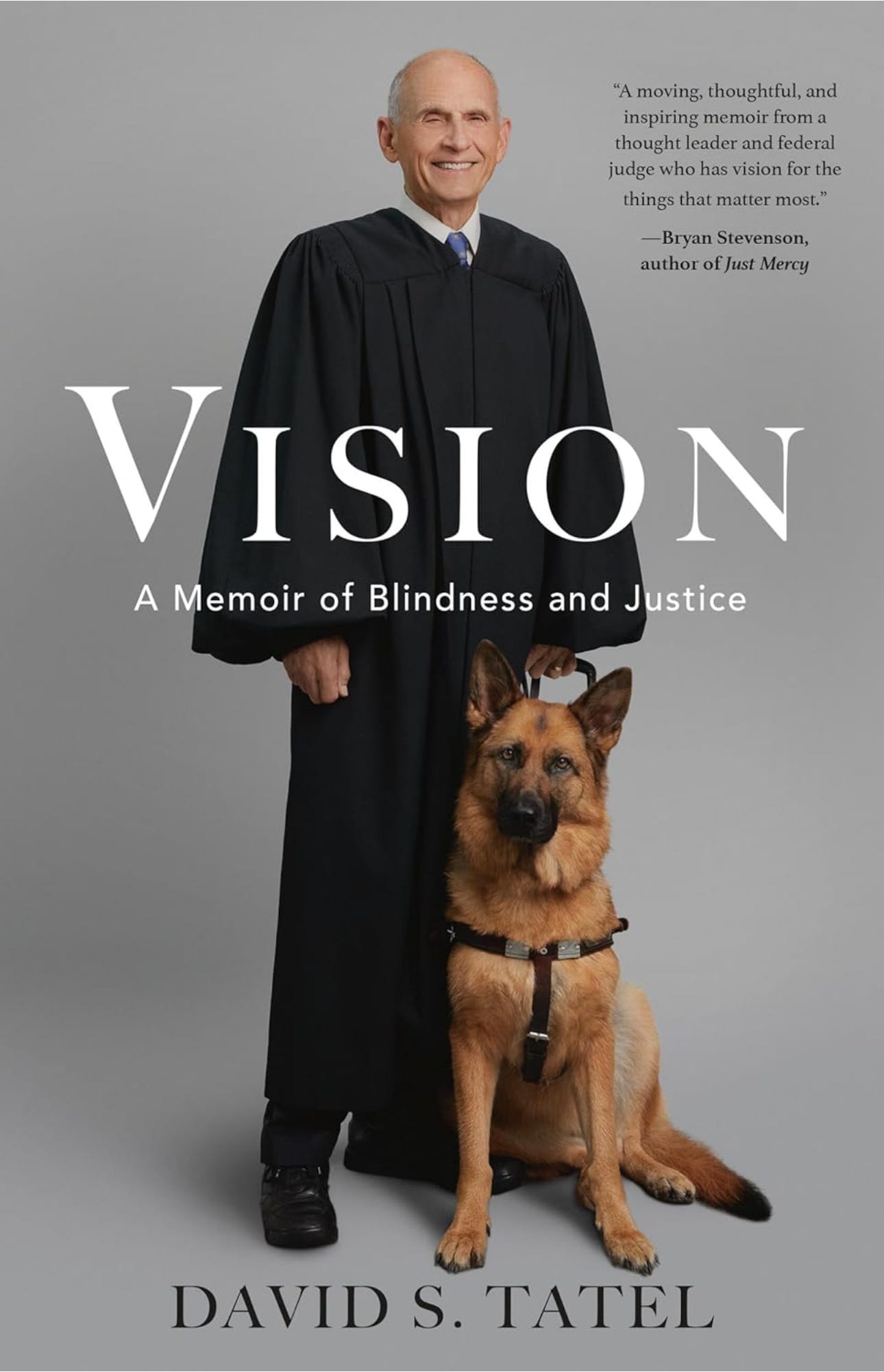
Vision:
A
Memoir
of
Blindness
and
Justice by Judge
David
S.
Tatel. From
the
publisher:
“David
Tatel
has
served
nearly
30
years
on
America’s
second
highest
court,
the
United
States
Court
of
Appeals
for
the
D.C.
Circuit,
where
many
of
our
most
crucial
cases
are
resolved—or
teed
up
for
the
Supreme
Court.
He
has
championed
equal
justice
for
his
entire
adult
life;
decided
landmark
environmental
and
voting
cases;
and
embodied
the
ideal
of
what
a
great
judge
should
be.
Yet
he
has
been
blind
for
the
past
50
of
his
80-plus
years.
Initially,
he
depended
upon
aides
to
read
texts
to
him,
and
more
recently,
a
suite
of
hi-tech
solutions
has
allowed
him
to
listen
to
reams
of
documents
at
high
speeds.
At
first,
he
tried
to
hide
his
deteriorating
vision,
and
for
years,
he
denied
that
it
had
any
impact
on
his
career.
Only
recently,
partly
thanks
to
his
first-ever
guide
dog,
Vixen,
has
he
come
to
fully
accept
his
blindness
and
the
role
it’s
played
in
his
personal
and
professional
lives.
His
story
of
fighting
for
justice
over
many
decades,
with
and
without
eyesight,
is
an
inspiration
to
us
all.”
Read
more
and
buy here.
The
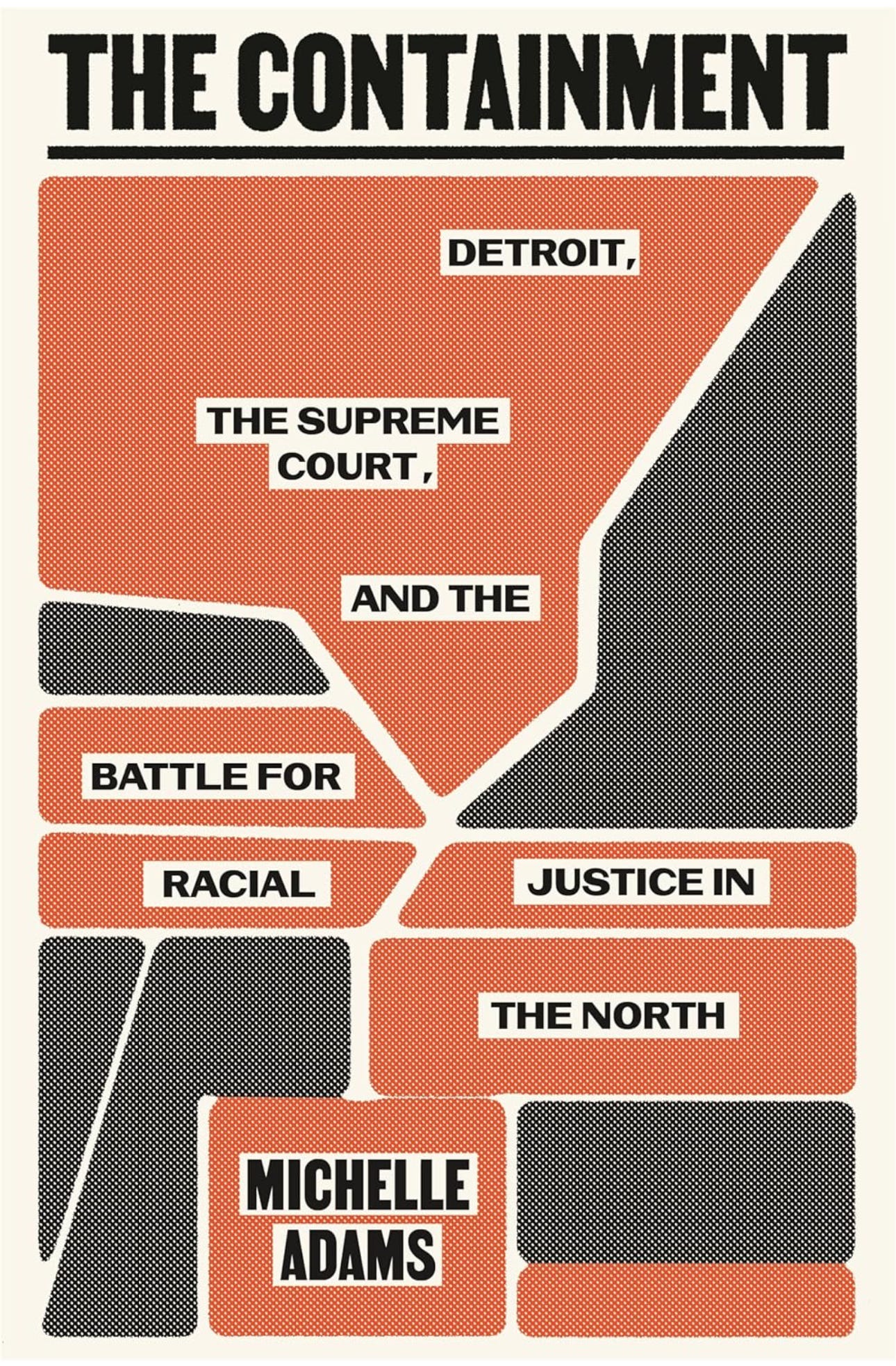
Containment:
Detroit,
the
Supreme
Court,
and
the
Battle
for
Racial
Justice
in
the
Northby Michelle
Adams. From
the
publisher:
“In
1974,
the
Supreme
Court
issued
a
momentous
decision:
In
the
case
of Milliken
v.
Bradley,
the
justices
brought
a
halt
to
school
desegregation
across
the
North,
and
to
the
civil
rights
movement’s
struggle
for
a
truly
equal
education
for
all.
How
did
this
come
about,
and
why?
In The
Containment,
the
esteemed
legal
scholar
Michelle
Adams
tells
the
epic
story
of
the
struggle
to
integrate
Detroit
schools―and
what
happened
when
it
collided
with
Nixon-appointed
justices
committed
to
a
judicial
counterrevolution.
Adams
chronicles
the
devoted
activists
who
tried
to
uplift
Detroit’s
students
amid
the
upheavals
of
riots,
Black
power,
and
white
flight―and
how
their
efforts
led
to
federal
judge
Stephen
Roth’s
landmark
order
to
achieve
racial
balance
by
tearing
down
the
walls
separating
the
city
and
its
suburbs.
The
‘metropolitan
remedy’
could
have
remade
the
landscape
of
racial
justice.
Instead,
the
Supreme
Court
ruled
that
the
suburbs
could
not
be
a
part
of
the
effort
to
integrate―and
thus
upheld
the
inequalities
that
remain
in
place
today.
Adams
tells
this
story
via
compelling
portraits
of
a
city
under
stress
and
of
key
figures―including
Detroit’s
first
Black
mayor,
Coleman
Young,
and
Justices
Marshall,
Rehnquist,
and
Powell.
The
result
is
a
legal
and
historical
drama
that
exposes
the
roots
of
today’s
backlash
against
affirmative
action
and
other
efforts
to
fulfill
the
country’s
promise.”
Read
more
and
buy here.
‘No
More
Tears’
Exposes
a
Company,
and
Industry,
Imperiling
Consumers. From
the Washington
Post:
“A
product
that
was
assumed
to
be
benign
turns
out
to
be
dangerous.
A
heavily
marketed
new
drug
has
serious
side
effects.
A
medical
device
leaves
a
trail
of
complications.
In
all
of
these
scenarios,
the
public
is
supposed
to
be
protected
by
some
combination
of
federal
oversight,
scientific
and
medical
vigilance,
and
corporate
responsibility.
In No
More
Tears:
The
Dark
Secrets
of
Johnson
&
Johnson,investigative
reporter Gardiner
Harris shows
how
those
protections
can
fail
as
they
relate
to
several
products
from
a
single,
powerful
company,
starting
with
an
iconic
baby
powder
contaminated
with
asbestos
and
ending
with
a
coronavirus
vaccine
that
turned
out
to
be
less
than
efficacious.
…
He
also
traces
the
litigation,
because
the
field
he
describes
is
in
many
ways
‘regulated’
by
lawsuits
and
judgments,
with
their
own
incentives
and
imperatives,
where
instead
of
structures
that
ensure
protection,
change
depends
on
the
legal
action
of
the
already
injured.”
Read
more here (gift
link)
and
buy here.
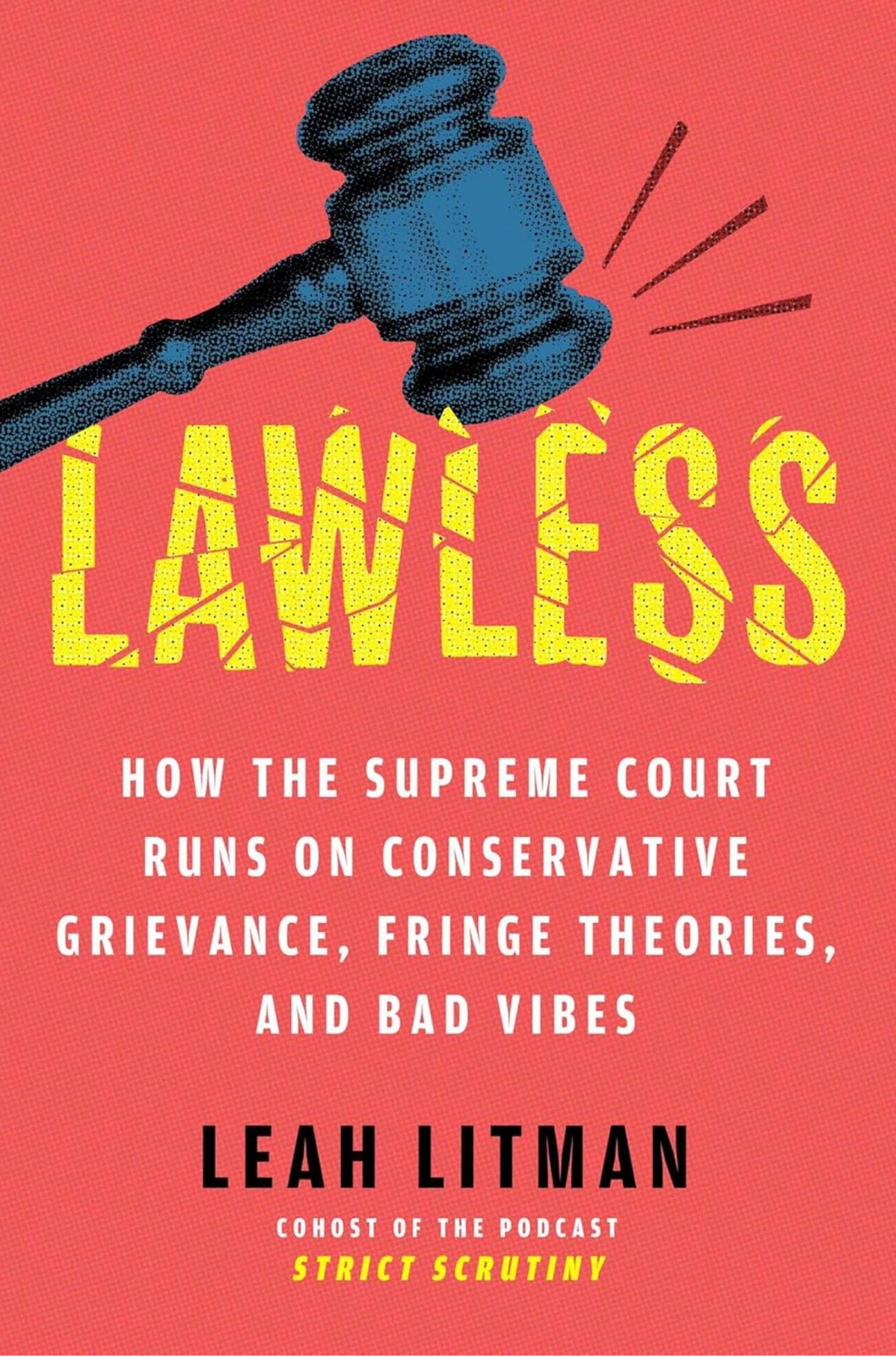
Lawlessby Leah
Litman. From
the
publisher:
“With
the
gravitas
of
Joan
Biskupic
and
the
irreverence
of
Elie
Mystal,
Leah
Litman
brings
her
signature
wit
to
the
question
of
what’s
gone
wrong
at
One
First
Street.
In Lawless,
she
argues
that
the
Supreme
Court
is
no
longer
practicing
law;
it’s
running
on
vibes.
By
‘vibes,’
Litman
means
legal-ish
claims
that
repackage
the
politics
of
conservative
grievance
and
dress
them
up
in
robes.
Major
decisions
adopt
the
language
and
posture
of
the
law,
while
in
fact
displaying
a
commitment
to
protecting
a
single
minority:
the
religious
conservatives
and
Republican
officials
whose
views
are
no
longer
shared
by
a
majority
of
the
country.
Dahlia
Lithwick’s Lady
Justice meets
Rebecca
Traister’s Good
and
Mad as
Litman
employs
pop
culture
references
and
the
latest
decisions
to
deliver
a
funny,
zeitgeisty,
pulls-no-punches
cri
de
coeur
undergirded
by
impeccable
scholarship.
She
gives
us
the
tools
we
need
to
understand
the
law,
the
dynamics
of
courts,
and
the
stakes
of
this
current
moment—even
as
she
makes
us
chuckle
on
every
page
and
emerge
empowered
to
fight
for
a
better
future.”
Read
more
and
buy here.
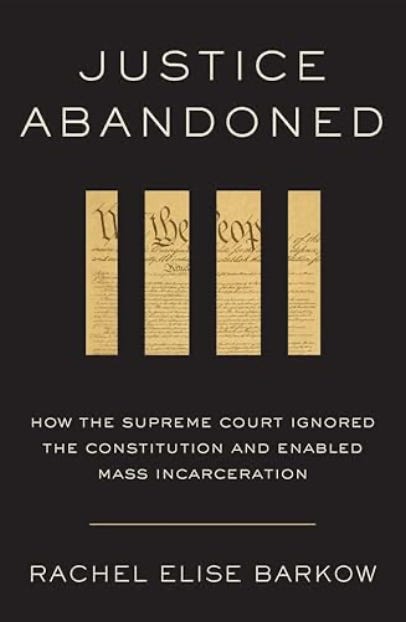
Justice
Abandoned:
How
the
Supreme
Court
Ignored
the
Constitution
and
Enabled
Mass
Incarcerationby Rachel
Barkow. From
the
publisher:
“With
less
than
5
percent
of
the
world’s
population
and
almost
a
quarter
of
its
prisoners,
America
indisputably
has
a
mass
incarceration
problem.
How
did
it
happen?
Tough-on-crime
politics
and
a
racially
loaded
drug
war
are
obvious
and
important
culprits,
but
another
factor
has
received
remarkably
little
attention:
the
Supreme
Court.
The
Constitution
contains
numerous
safeguards
that
check
the
state’s
power
to
lock
people
away.
Yet
since
the
1960s
the
Supreme
Court
has
repeatedly
disregarded
these
limits,
bowing
instead
to
unfounded
claims
that
adherence
to
the
Constitution
is
incompatible
with
public
safety.
In Justice
Abandoned, Rachel
Barkow
highlights
six
Supreme
Court
decisions
that
paved
the
way
for
mass
incarceration.
These
rulings
have
been
crucial
to
the
meteoric
rise
in
pretrial
detention
and
coercive
plea
bargaining.
They
have
enabled
disproportionate
sentencing
and
overcrowded
prison
conditions.
And
they
have
sanctioned
innumerable
police
stops
and
widespread
racial
discrimination.
If
the
Court
were
committed
to
protecting
constitutional
rights
and
followed
its
standard
methods
of
interpretation,
none
of
these
cases
would
have
been
decided
as
they
were,
and
punishment
in
America
would
look
very
different
than
it
does
today.”
Read
more
and
buy here.
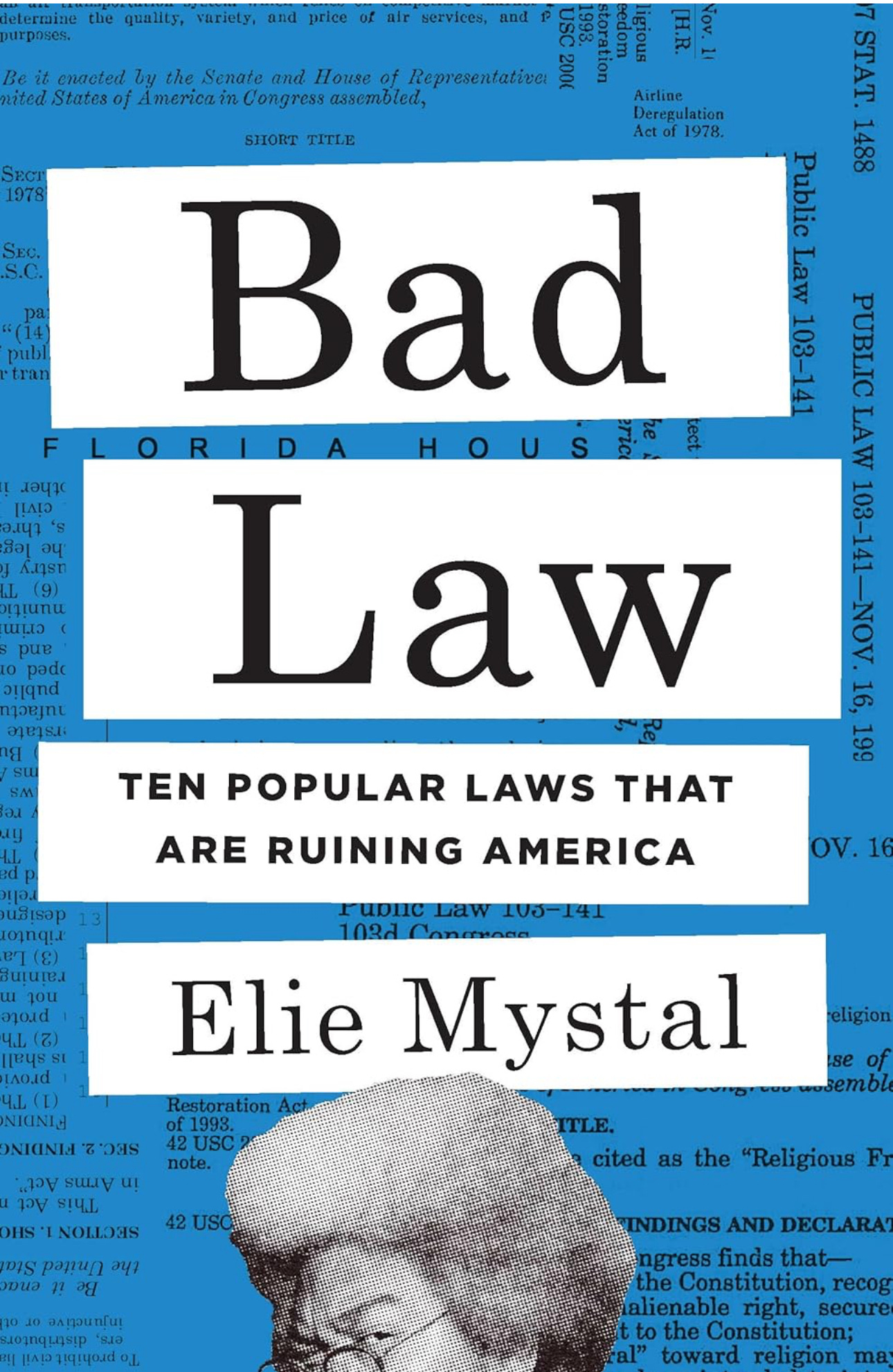
Bad
Law:
Ten
Popular
Laws
that
are
Ruining
Americaby Elie
Mystal. From
the
publisher:
“In Bad
Law,
the New
York
Times bestselling
author
of Allow
Me
To
Retort:
A
Black
Guy’s
Guide
to
the
Constitution reimagines
what
our
legal
system,
and
society
at
large,
could
look
like
if
we
could
move
past
legislation
plagued
by
racism,
misogyny,
and
corruption.
Through
accessible
yet
detailed
prose
and
trenchant
wit,
Mystal
argues
that
these
egregiously
awful
laws—his
‘Bill
of
Wrongs’—continue
to
cause
systematic
and
individual
harm
and
should
be
repealed
completely.”
Read
more
and
buy here.
What’s
Currently
Stacked
by
my
Bed
or
Packed
in
my
Suitcase
Looking
for
something
that
isn’t
related
to
legal
ethics?
Here
are
the
non-law
books
currently
stacked
on
my
nightstand
or
packed
in
my
suitcase
for
summer
reading.
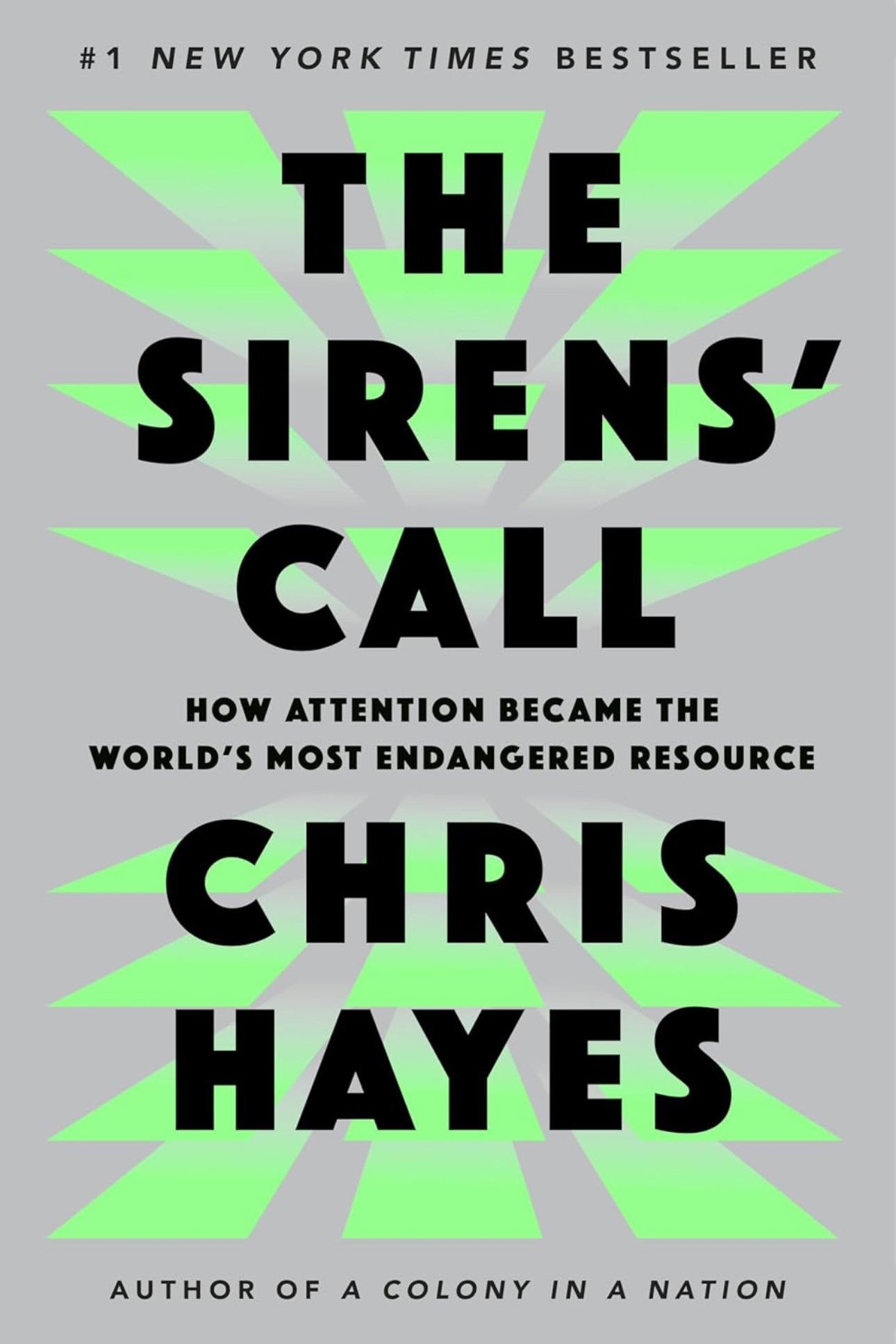
The
Sirens’
Call:
How
Attention
Became
the
World’s
Most
Endangered
Resourceby Chris
Hayes. From
the
publisher:“We
all
feel
it—the
distraction,
the
loss
of
focus,
the
addictive
focus
on
the
wrong
things
for
too
long.
We
bump
into
the
zombies
on
their
phones
in
the
street,
and
sometimes
they’re
us.
We
stare
in
pity
at
the
four
people
at
the
table
in
the
restaurant,
all
on
their
phones,
and
then
we
feel
the
buzz
in
our
pocket.
Something
has
changed
utterly:
for
most
of
human
history,
the
boundary
between
public
and
private
has
been
clear,
at
least
in
theory.
Now,
as
Chris
Hayes
writes,
‘With
the
help
of
a
few
tech
firms,
we
basically
tore
it
down
in
about
a
decade.’
Hayes
argues
that
we
are
in
the
midst
of
an
epoch-defining
transition
whose
only
parallel
is
what
happened
to
labor
in
the
nineteenth
century:
attention
has
become
a
commodified
resource
extracted
from
us,
and
from
which
we
are
increasingly
alienated. The
Sirens’
Call is
the
big-picture
vision
we
urgently
need
to
offer
clarity
and
guidance.”
Read
more
and
buy here.
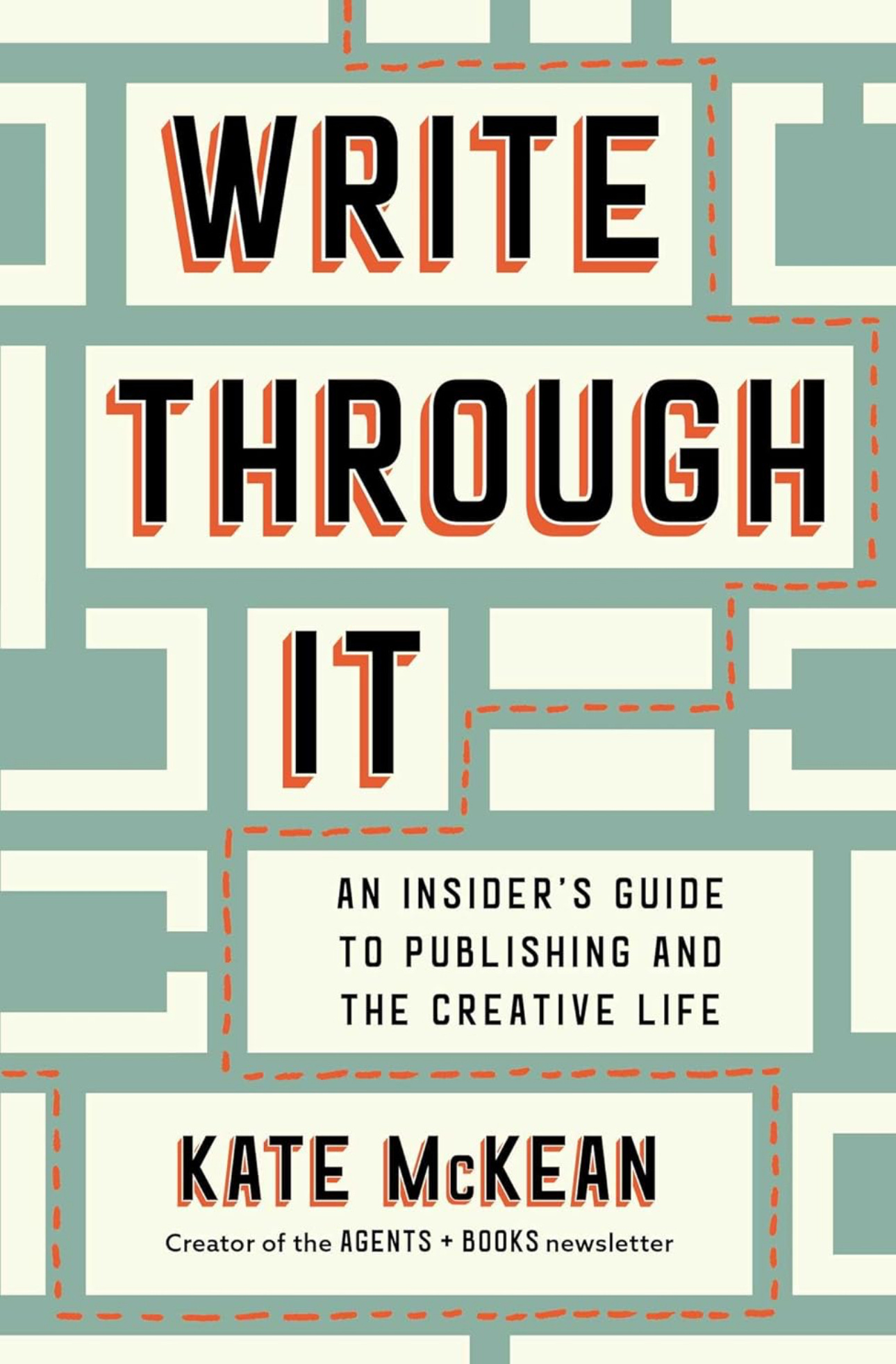
Write
Through
Itby Kate
McKean. From
the
publisher:
“Write
Through
It is
a
candid,
actionable
guide
to
navigating
the
rollercoaster
ride
of
writing
and
publishing,
both
on
and
off
the
page.
Literary
agent
and
author
Kate
McKean
has
been
educating
authors
and
demystifying
publishing
for
years
in
her
popular
newsletter Agents
&
Books,
and
now,
in
these
pages,
she
walks
writers
of
all
genres
through
every
stage
of
the
writing
and
publishing
process
and
its
accompanying
emotional
moments.
From
the
uncertainty
of
knowing
when
you
should
stop
fiddling
with
your
book
and
start
pitching
to
agents
to
how
to
deal
with
the
sting
of
rejection
and
the
elation
(and
fear)
of
getting
a
book
deal, Write
Through
It covers
it
all.
Drawing
from
her
own
extensive
experience,
McKean
goes
beyond
the
practicalities
of
writing
and
publishing
to
address
the
less-talked-about
emotional
side
of
the
journey.
This
book
is
a
must-read
for
any
writer
looking
to
understand
the
full
spectrum
of
the
writing
life.”
Read
more
and
buy here.
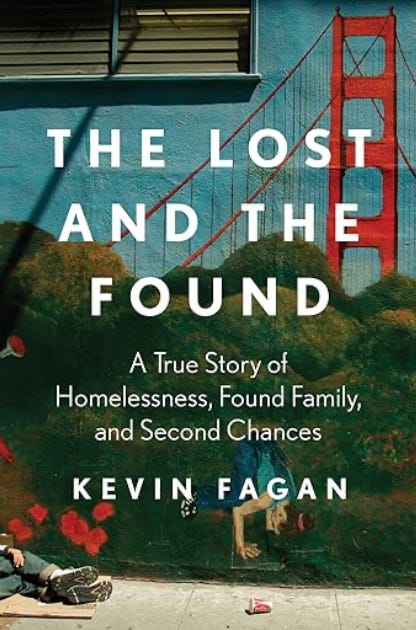
The
Lost
and
the
Foundby Kevin
Fagan. From
the
publisher:
“Award-winning San
Francisco
Chronicle journalist
Kevin
Fagan
has
been
covering
homelessness
for
decades
and
has
spent
extensive
time
on
the
streets
for
his
reporting.
In The
Lost
and
the
Found, Fagan
introduces
us
to
Rita
and
Tyson,
two
unhoused
people
who
were
rescued
by
their
families
with
the
help
of
his
own
reporting,
and
chronicles
their
extraordinary
struggles
to
pull
themselves
out
of
homelessness
and
addiction.
Having
experienced
homelessness
himself,
Fagan
has
always
brought
a
deep
understanding
to
his
subjects
and
has
written
here
more
than
just
a
story
of
individuals
experiencing
homelessness,
but
also
a
compelling
look
at
the
link
between
homelessness
and
addiction
and
an
incisive
commentary
on
housing
and
equality. The
Lost
and
the
Found ends
with
both
enormous
tragedy
and
triumph
to
humanize
this
national
calamity,
forever
changing
the
way
we
see
the
unhoused.”
Read
more
and
buy here.
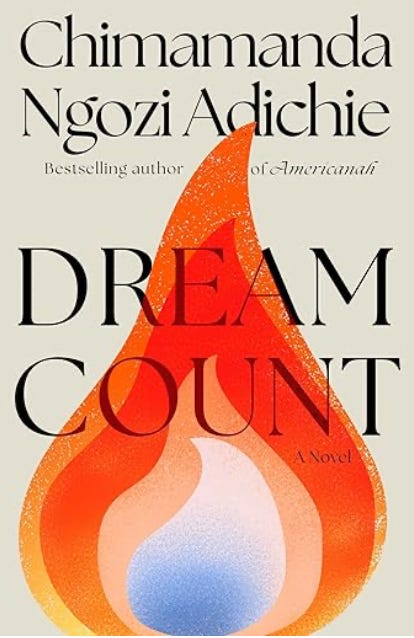
Dream
Count:
A
Novel by Chimamanda
Ngozi
Adichie. From
the
publisher:
“Chiamaka
is
a
Nigerian
travel
writer
living
in
America.
Alone
in
the
midst
of
the
pandemic,
she
recalls
her
past
lovers
and
grapples
with
her
choices
and
regrets.
Zikora,
her
best
friend,
is
a
lawyer
who
has
been
successful
at
everything
until—betrayed
and
brokenhearted—she
must
turn
to
the
person
she
thought
she
needed
least.
Omelogor,
Chiamaka’s
bold,
outspoken
cousin,
is
a
financial
powerhouse
in
Nigeria
who
begins
to
question
how
well
she
knows
herself.
And
Kadiatou,
Chiamaka’s
housekeeper,
is
proudly
raising
her
daughter
in
America—but
faces
an
unthinkable
hardship
that
threatens
all
she
has
worked
to
achieve.
In Dream
Count, Adichie
trains
her
fierce
eye
on
these
women
in
a
sparkling,
transcendent
novel
that
takes
up
the
very
nature
of
love
itself.
Is
true
happiness
ever
attainable
or
is
it
just
a
fleeting
state?
And
how
honest
must
we
be
with
ourselves
in
order
to
love,
and
to
be
loved?
A
trenchant
reflection
on
the
choices
we
make
and
those
made
for
us,
on
daughters
and
mothers,
on
our
interconnected
world, Dream
Countpulses
with
emotional
urgency
and
poignant,
unflinching
observations
of
the
human
heart,
in
language
that
soars
with
beauty
and
power.
It
confirms
Adichie’s
status
as
one
of
the
most
exciting
and
dynamic
writers
on
the
literary
landscape.”
Read
more
and
buy here.
Briefly
Perfectly
Human:
Making
an
Authentic
Life
by
Getting
Real
About
the
Endby Alua
Arthur. From
the
publisher:
“For
her
clients
and
everyone
who
has
been
inspired
by
her
humanity,
Alua
Arthur
is
a
friend
at
the
end
of
the
world.
As
our
country’s
leading
death
doula,
she’s
spreading
a
transformative
message: thinking about
your
death—whether
imminent
or
not—will
breathe
wild,
new
potential
into
your
life.”
Read
more
and
buy here.
The
Creative
Act:
A
Way
of
Beingby Rich
Rubin. From
the
publisher:
“Many
famed
music
producers
are
known
for
a
particular
sound
that
has
its
day.
Rick
Rubin
is
known
for
something
else:
creating
a
space
where
artists
of
all
different
genres
and
traditions
can
home
in
on
who
they
really
are
and
what
they
really
offer.
He
has
made
a
practice
of
helping
people
transcend
their
self-imposed
expectations
in
order
to
reconnect
with
a
state
of
innocence
from
which
the
surprising
becomes
inevitable.
Over
the
years,
as
he
has
thought
deeply
about
where
creativity
comes
from
and
where
it
doesn’t,
he
has
learned
that
being
an
artist
isn’t
about
your
specific
output,
it’s
about
your
relationship
to
the
world.
Creativity
has
a
place
in
everyone’s
life,
and
everyone
can
make
that
place
larger.
In
fact,
there
are
few
more
important
responsibilities. The
Creative
Act is
a
beautiful
and
generous
course
of
study
that
illuminates
the
path
of
the
artist
as
a
road
we
all
can
follow.
It
distills
the
wisdom
gleaned
from
a
lifetime’s
work
into
a
luminous
reading
experience
that
puts
the
power
to
create
moments—and
lifetimes—of
exhilaration
and
transcendence
within
closer
reach
for
all
of
us.”
Read
more
and
buy here.
Shameless
Self
Promotion
If
you
haven’t
read
them
yet,
here
are
two
recommendations
from
yours
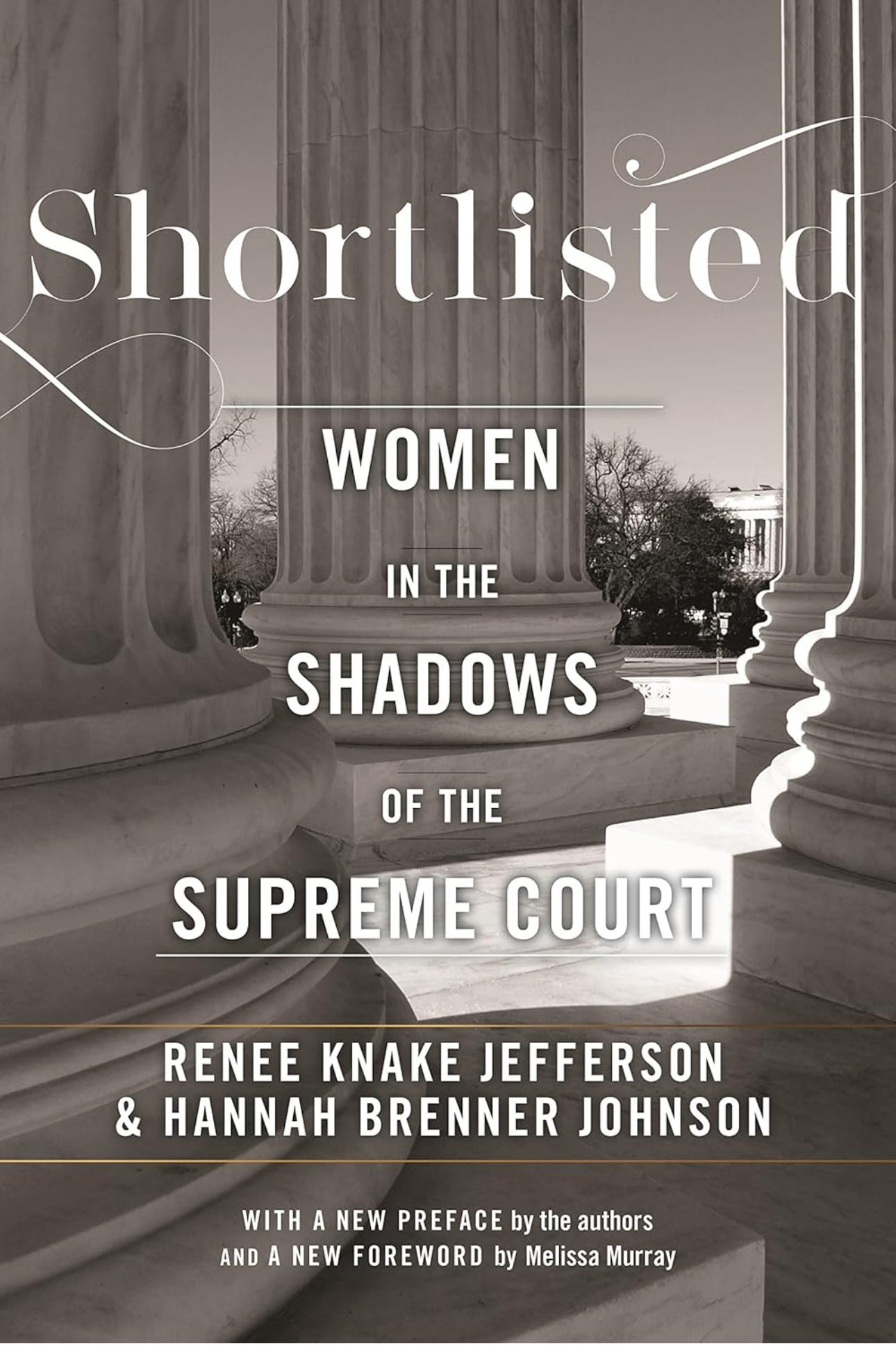
truly. Shortlisted:
Women
in
the
Shadows
of
the
Supreme
Courtis
packed
full
of
juicy
tidbits
about
women
considered
for
the
Supreme
Court
before
Sandra
Day
O’Connor
became
the
first
female
justice.
It
definitely
qualifies
as
a
beach
read.
And Law
Democratized:
A
Blueprint
for
Solving
the
Justice
Crisis includes
my
own
personal
story
of
surviving
a
traumatic
brain
injury,
which
inspired
me
to
explore
how
we
can
improve
access
to
legal
help.
Happy
Reading
Thank
you
for
indulging
me
in
a
different
sort
of
Roundup
to
celebrate
the
start
of
summer.
I’ll
be
back
next
week
with
a
whirlwind
of
ethics
news.
Keep
in
Touch
Renee
Knake
Jefferson
holds
the
endowed
Doherty
Chair
in
Legal
Ethics
and
is
a
Professor
of
Law
at
the
University
of
Houston.
Check
out
more
of
her
writing
at
the Legal
Ethics
Roundup.
Find
her
on
X
(formerly
Twitter)
at @reneeknake or
Bluesky
at legalethics.bsky.social.
The
American
Bar
Association
appears
to
have
found
the
backbone
that
the
Surrender
Firms
couldn’t
locate.
Today,
the
national
professional
guild
filed
suit
against
Trump
—
and
eight
more
pages
of
caption
—
over
the
administration’s
threats
against
law
firms
to
agree
to
give
him
diversity
concessions
and
dedicated
pro
bono
work
for
causes
he
believes
in
—
or
that
he
dictates,
depending
on
who
you
ask.
Some
law
firms
already
sued
the
administration
over
these
threats
and
won
easily.
The
others
just
sat
back
and
watched
partners
and
business
walk
out
the
door
while
giving
the
media
their
best
impression
of
the
this
is
fine
dog.
The
ABA
had
already
sued
the
administration
over
cuts
to
numerous
programs
that
would
be
arbitrary
and
capricious
were
they
not
so
retaliatory.
Now
it’s
taking
action
on
behalf
of
lawyers
who
haven’t
been
able
to
stand
up
for
themselves.
Citing
ABA
members
whose
firms
fit
the
standard
that
Trump
has
set
for
punitive
executive
orders
who
reasonable
expect
retaliation
from
the
White
House,
as
well
as
harm
to
the
ABA
itself
as
an
entity
that
relies
on
pro
bono
representation.
The
ABA
alleges
that
these
efforts
have
already
resulted
in
a
firm
saying
they
would
no
longer
represent
the
organization
in
light
of
Trump’s
orders.
Because
everyone
in
the
legal
industry
is
concerned
that
they’re
going
to
be
the
next
one
that
has
to
drag
Trump
into
court
as
while
he’s
wildly
throwing
around
his
executive
authority
like
a
Dumb
John
Wick
if
“killing
his
dog”
was
“hiring
lawyers
who
prosecuted
guys
for
rubbing
feces
outside
Nancy
Pelosi’s
office.”
The
complaint
alleges
multiple
theories
of
First
Amendment
violation
based
on
the
idea
that
governments
punishing
lawyers
for
representing
clients
is…
we
don’t
need
to
elaborate,
right?
I
mean,
we
all
get
how
governments
can’t
punish
people
for
opinions.
It
also
asserts
a
separation
of
powers
claim,
the
sort
of
issue
the
Supreme
Court
is
designed
to
adjudicate
but
won’t
because
that
would
require
a
much
different
Court
than
the
one
we’re
working
with.
Separation
of
powers
is
a
subject
this
Court
will
rail
about
at
length
when
it
bears
little
connection
to
the
case,
but
will
run
away
like
they’re
Paul
Weiss
faced
with
minor
temporary
adversity
if
actually
asked
to
make
a
ruling
on
it.
It’s
a
mistake
by
ignorant
conservatives
and
wishful
liberals
to
believe
she’s
moderating.
She’s
exactly
the
person
I
met
25
years
ago:
principled,
absolutely
conservative,
not
interested
in
shifting.
—
Professor
Noah
Feldman
of
Harvard
Law,
in
comments
given
to
the
New
York
Times,
on
Justice
Amy
Coney
Barrett’s
conservative
allegiances,
despite
her
joining
with
liberal
Justices
Sonia
Sotomayor
and
Elena
Kagan 82
percent
of
the
time
in
the
Supreme
Court’s
current
term.
In
fact,
according
to
the
Times’
reporting,
Barrett
originally
voted
against
taking
up
Dobbs
v.
Jackson
Women’s
Health
Organization,
before
she
ultimately
joined
the
high
court’s
conservatives
to
upend
reproductive
freedom
in
America.
Staci
Zaretsky is
a
senior
editor
at
Above
the
Law,
where
she’s
worked
since
2011.
She’d
love
to
hear
from
you,
so
please
feel
free
to
email
her
with
any
tips,
questions,
comments,
or
critiques.
You
can
follow
her
on Bluesky, X/Twitter,
and Threads, or
connect
with
her
on LinkedIn.
Former
U.S.
Attorney
General
Bill
Barr
is
slowly
but
surely
turning
his
boutique
firm
into
a
conservative
powerhouse.
After
leaving
Biglaw
because
it
he
thought
it
had
become
“too
big,
too
woke,”
Barr
founded
Torridon
Law
Group
in
late
2022,
where
he’s
been
catching
big-name
Republican
litigators
like
Pokémon.
The
latest
lawyer
he’s
added
to
his
roster
is
none
other
than
Mike
Pompeo,
former
CIA
director
and
later
secretary
of
state
during
Trump’s
first
term
in
the
White
House.
Pompeo
will
serve
as
of
counsel
in
his
new
role.
Bloomberg
Law
has
additional
details
on
the
rest
of
the
ex-Trumpers
employed
at
the
firm:
The
firm
includes
Pat
Cipollone,
former
White
House
counsel
under
Trump,
Fried
Fielding,
White
House
counsel
under
Presidents
Ronald
Reagan
George
W.
Bush,
and
Patrick
Philbin,
a
deputy
counsel
under
Trump.
The
firm
also
recently
brought
on
Mike
Fragoso,
chief
counsel
to
former
Senate
Republican
leader
Mitch
McConnell
as
a
partner
and
Dan
Brouillette,
Trump’s
former
energy
secretary,
to
its
strategic
advisory
arm.
It’s
a
great
time
to
have
ties
to
the
MAGA
agenda,
so
we’re
sure
Bill
Barr
will
have
no
problem
when
it
comes
to
hiring
even
more
right-wingers
to
serve
the
cause.
Staci
Zaretsky is
a
senior
editor
at
Above
the
Law,
where
she’s
worked
since
2011.
She’d
love
to
hear
from
you,
so
please
feel
free
to
email
her
with
any
tips,
questions,
comments,
or
critiques.
You
can
follow
her
on Bluesky, X/Twitter,
and Threads, or
connect
with
her
on LinkedIn.
While
life
goes
on
as
usual
in
the
City
of
Los
Angeles
at
large,
about
one
square
mile
of
downtown
LA
remains
a
hotbed
of
civil
unrest,
with
mostly
peaceful
protests
against
ICE
raids
having
been
flooded
by
members
of
the
National
Guard
and
the
U.S.
Military.
With
a
curfew
in
effect
from
8
p.m.
to
6
a.m.
daily,
area
law
firms
have
opted
to
transition
employees
to
remote
work
on
an
as-needed
basis
and
have
either
moved
meetings
to
an
online
environment
or
simply
postponed
them.
Biglaw
and
midsize
firms
in
the
downtown
LA
protest
zone
are
taking
extra
steps
to
make
sure
that
their
lawyers
and
staff
are
able
to
avoid
the
commuting
inconveniences
that
have
become
associated
with
the
protests,
like
road
closures
and
public
transportation
delays.
The
American
Lawyer
has
the
details:
“When
the
curfew
was
announced,
I
think
we
were
most
worried
about
the
protesters’
reaction
to
the
announcement
of
the
curfew,
more
so
than
the
actual
curfew
itself,”
[John
Nadolenco,
managing
partner
of
Mayer
Brown’s
Los
Angeles
office
and
co-chair
of
its
global
technology
industry
group,]
said.
Although
employees
working
in
Downtown
LA
are
exempt
from
curfews
if
they
leave
immediately
after
work
concludes
and
carry
their
work
ID,
Nadolenco
said
Mayer
Brown
has
been
encouraging
its
attorneys
to
avoid
lingering
in
the
area
at
night.
“We
certainly
told
our
people,
look,
we
don’t
know
what
downtown
is
going
to
be
like
after
dark,”
Nadolenco
said.
“Certainly,
[on]
Sunday
night,
downtown
didn’t
look
great
after
dark,
so
I
told
folks
they
should
feel
free
to
leave
so
that
they
didn’t
have
to
deal
with
either
protesters
or
traffic.
…
I
told
people,
‘You
do
what
you
think
is
best
for
you
and
your
family
under
your
circumstances.’”
Nadolenco
went
on
to
say
that
Mayer
Brown’s
lawyers
have
“gotten
in
and
out
as
normal.”
Things
are
going
similarly
for
lawyers
at
Hanson
Bridgett.
After
a
single
day
of
recommended
work
from
home,
Kristina
Lawson,
the
firm’s
managing
partner
and
chair
of
its
management
committee,
said,
“We
did
not
ask
anyone
in
the
downtown
LA
office
to
work
from
home
on
Tuesday,
Wednesday,
Thursday,
[Friday]
of
this
week,
as
it’s
been
up
to
them
as
to
whether
they
go
into
the
office.” A
spokesperson
for
another
local
firm,
Square
Patton
Boggs,
noted
that
“[t]he
disruption
was
minimal,”
and
that
“[p]eople
worked
remotely
for
a
day
or
two
without
missing
a
beat
and
are
back
in
the
office.”
It
seems
to
be
business
as
usual
for
lawyers
in
Los
Angeles.
We
here
at
Above
the
Law
extend
our
thoughts
to
all
affected
by
the
government
overreach
that’s
taking
place
within
the
protest
zone.
Staci
Zaretsky is
a
senior
editor
at
Above
the
Law,
where
she’s
worked
since
2011.
She’d
love
to
hear
from
you,
so
please
feel
free
to
email
her
with
any
tips,
questions,
comments,
or
critiques.
You
can
follow
her
on Bluesky, X/Twitter,
and Threads, or
connect
with
her
on LinkedIn.
Deputy
President
of
the
National
Council
of
Chiefs,
Chief
Fortune
Charumbira,
told
a
press
conference
in
Bulawayo
that
the
process
will
follow
a
victim-centred
approach
to
safeguard
the
dignity,
safety
and
privacy
of
survivors
of
the
1980s
atrocities.
“Our
approach
is
victim-centred.
These
are
not
public
hearings,”
he
said.
“Because
of
the
sensitivities
involved
and
the
private
nature
of
some
of
the
testimonies,
such
accounts
cannot
be
shared
openly.”
He
stressed
that
even
multiple
victims
from
the
same
community
would
not
appear
together.
Instead,
each
will
be
seen
individually
by
a
14-member
local
panel,
led
by
the
area’s
chief,
with
time
slots
arranged
to
ensure
privacy.
“Victims
will
appear
one
at
a
time.
A
chief
may,
for
example,
hear
one
victim
in
the
morning
and
another
in
the
afternoon.
Victims
may
only
bring
one
or
two
close
family
members
if
they
wish,”
Charumbira
said.
The
hearings
will
be
overseen
by
local
chiefs
supported
by
a
panel
comprising
elders,
religious
leaders,
youth
and
women’s
representatives,
as
well
as
counselling
experts,
all
drawn
from
the
chief’s
jurisdiction
to
maintain
cultural
sensitivity.
When
asked
if
victims
could
choose
to
speak
to
the
media
outside
the
hearings,
Charumbira
firmly
replied:
“No.”
He
explained
that
the
restriction
was
intended
to
prevent
re-traumatisation
and
social
stigma
for
victims
whose
accounts
may
expose
deeply
personal
or
painful
experiences.
“These
are
private
matters.
Like
certain
court
cases
held
in
camera,
these
hearings
are
confidential
to
protect
the
victim’s
well-being,”
he
said.
Charumbira
revealed
that
previous
efforts
to
agree
on
media
access
guidelines
with
government
and
journalists
had
stalled.
“We
met
with
the
Ministry
of
Information
to
explore
media
involvement,
and
the
media
fraternity
was
tasked
to
propose
a
code
of
conduct.
To
date,
no
such
framework
has
been
submitted,”
he
said.
Despite
this,
Charumbira
insisted
that
media
attendance
would
remain
inappropriate
given
the
sensitivity
of
the
proceedings.
“Some
revelations
could
damage
a
victim’s
standing
in
the
community
forever.
We
cannot
risk
that,”
he
warned.
“Even
if
media
were
to
be
excluded
after
the
fact,
information
might
already
be
leaked
or
misused.”
Responding
to
concerns
that
barring
the
media
contradicts
the
principle
of
transparency,
Charumbira
argued
that
openness
lies
in
providing
victims
with
a
safe
platform
to
speak.
“The
openness
is
to
the
victims,
not
the
public.
The
public
will
be
informed
through
official
briefings.
What
is
important
is
the
final
report,
not
individual
stories,”
he
said.
Charumbira
assured
journalists
that
the
National
Council
of
Chiefs
would
issue
periodic
updates
on
the
hearings’
progress.
“Regular
media
briefings
will
be
held
by
the
President
of
the
Council
of
Chiefs
to
keep
the
public
informed,”
he
said.