*
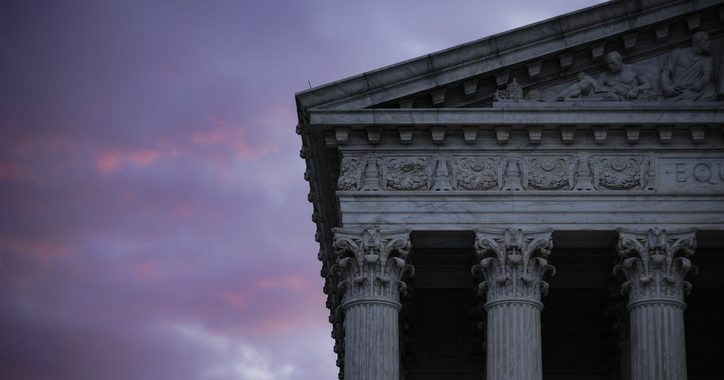
Paul
Weiss
is
healthier
than
ever
say
people
whose
job
depends
on
saying
Paul
Weiss
healthier
than
ever.
[American
Lawyer]
*
After
moment
of
donor-inspired
clarity
forced
Trump
to
bemoan
deportations
targeting
industries
that
rely
on
cheap
labor,
he’s
back
to
demanding
ICE
escalate
its
deportations.
[Bloomberg
Law
News]
Africa’s most
“underrated”
country
is
hom
to
amazing
experiences
featuring
beautiful
scenery
and
majestic
wildlife.
One
YouTuber,
who
makes
travel
videos
based
on
the
wide
range
of
destinations
he
has
visited
across
the
globe,
featured
Zimbabwe
in
a
recent
video
and
explaned
exactly
why
it
is
Africa’s
most
underrated
spot.
In
fact,
he
went
as
far
as
to
call
it
the
most
underrated
country
in
the
world.
Tayo
Aina
showed
off
what
the
country
has
to
offer
visitors
from
the wildlife
experiences to
the iconic
Victoria
Falls.
Zimbabwe
is
located
in
southern
Africa
and
is
landlocked
by
Zambia,
Mozambique, South
Africa and
Botswana.
Home
to
just
over
16
million
people,
it
is
a
place
that
is
often
overlooked
by
tourists
who
are
looking
for
the
best
experiences
that Africa has
to
offer.
However,
that
is
a
mistake
according
to
many,
such
as
this
vlogger
who
calls
it
one
of
the
“most
beautiful”
countries
on
the
planet.
Among
the
things
he
shows
off in
the
video
is
Victoria
Falls
and
a
fascinating
elephant
and
cheetah
experience
in
which
he
gets
up
and
close
to
these
animals.
Among
the
famous
sites
in
Zimbabwe
is
the
afformentioned
Victoria
Falls,
which
is
located
on
the
border
with
Zambia.
The
Zambezi
River
plummets
over
a
cliff
here
and
it
makes
for
a
magnificent
site
that
rivals
that
of Niagra
Falls in
the
US.
It
is
ranked
as
the
number
one
thing
to
do
in
Zimbabwe
among
Tripadvisor
users,
receiving
rave
reviews.
One
person
said:
“It
is
one
of
the
most
beautiful
places
in
the
region,
as
it
is
imposing
and
huge.
It
is
important
to
carry
a
raincoat,
as
we
went
in
May,
when
the
volume
of
water
is
high,
creating
large
wet
clouds.”
Another
wrote:
“Must
see
natural
wonder
of
the
world.
It
is
impossible
to
describe
how
large
and
massive
of
a
water
sheet
the
falls
are.
Bring
rain
poncho!”
The
second-highest
rated
attraction
in
Zimbabwe
is
Prinlin
Safari
Travels,
which
offers
excursions
around
this
region
of
the
country
to
take
in
the
iconic
Victoria
Falls
and
the
surrounding
area.
Zimbabwe,
formerly
Rhodesia,
had
an
undulant
journey
through
the
70s
and
80s
meandering
between
a
“bush-war”
and
independence.
Zimbabwe’s
post-independence
was
marked
by
periods
of
progress
and
set-back
with
significant
political
and
economic
landscape
shifts.
So
it
felt
like
quite
the
oxymoron
standing
on
my
mate’s
farm
–
15,000
pecan
trees
(planting
started
in
2018),
and
1000
head
or
so
of
cattle
grazing
under
centre
pivots.
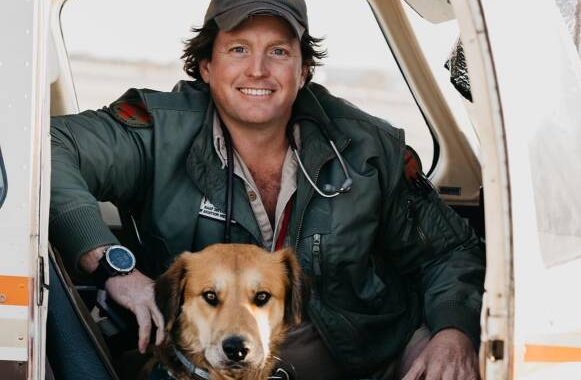
Dr
Jeremy
is
a
world
renowned
equine
surgeon
mate
of
mine;
we
vetted
Derbies
in
Mongolia
and
Argentina
over
the
years.
He’s
hung
the
scalpel
up
to
build
projects
and
equity
–
it
was
incredible
to
see
his
vision
before
me
as
we
sipped
coffee
on
the
top
of
a
red-soil
ridge
about
40-odd
kms
out
of
Bulawayo.
Dr
Jeremy’s
family
had
farmed
next
door
for
over
a
century.
Family
members
are
buried
there,
albeit
they
had
been
“moved
on”
in
the
late
90s
during
an
illustrious
period
of
African
land
reform.
What
unfolded
was
agricultural
enterprises
being
run
into
the
ground
–
put
plainly,
people
started
starving.
But
as
the
old
colloquialism
goes
“You
don’t
grow
when
you’re
comfortable”
and
it
appears
that
farming
and
agriculture
is
now
welcomed
back
to
postcodes
that
had
shunned
its
certain
principles
previously.
But
farming
in
Africa
doesn’t
come
without
its
challenges
–
sure
there’s
threats
from
foot
and
mouth,
and
lumpy
skin
but
there’s
the
very
African-esque
clashes
between
“centre
pivot
guards”
and
miners.
As
the
price
of
gold
skyrockets
globally,
so
does
the
thirst
for
its
procurement
–
locals
go
into
the
bush
and
start
digging,
even
if
it
means
going
onto
a
farm.
What
is
a
centre-pivot
guard?
Literally
staff
who
sleep
and
boil
a
billy
with
the
farming
plant
at
night
and
make
sure
it
doesn’t
get
stolen.
Dr
Jeremy
elaborated
that
they
have
had
to
burr
the
centre-pivot
gearbox
bungs
off
because
the
oil
would
be
stolen
out
of
them,
which
had
resulted
in
multiple
gearboxes
seizing
on
the
pivots.
You
literally
can’t
write
this
stuff…
What
brought
me
to
Africa?
I
had
been
giving
lectures
at
the
African
Cattle
Vets
conference
on
bovine
trichomoniasis
and
the
world’s
first
approach
to
mobile
testing.
The
Africans
have
been
battling
this
disease
for
some
time
and
attempted
to
get
more
calves
on
the
ground
–
the
recent
FMD
outbreaks
had
also
been
a
headache.
Luckily
my
portable
machines
can
be
used
for
that
too
–
the
Africans
are
rejoicing
on
these
solutions!
AirBnBivouac:
Trump
sent
troops
to
L.A.
with
no
plan
to
house
them
and
everyone
dusted
off
their
pocket
Constitutions.
Florida
Secedes…
Again:
State
supreme
court
orders
state
bar
to
back
out
of
the
American
Bar
Association.
From
The
Halls
Of
Montezuma
To
Wilshire
Boulevard:
Marines
claim
they’re
just
detaining
people,
not
arresting
them.
That’s…
not
how
this
works.
Shed
A
Tear
For
Firm
Adding
A
Tier:
Debevoise
eyes
income
partners.
Firm
Looks
To
Hire
All
WASPs
Of
Life:
Kirkland
slashes
diversity
staff.
Court
Can’t
Question
Your
Authorities
If
You
Don’t
Include
Any!:
DOJ
forgets
to
include
table
of
authorities,
failing
1L
legal
writing
assignment.
DC
Bar
Election
Highlights
Stakes
Facing
Profession:
Bar
associations
can’t
afford
to
sit
on
the
sidelines.
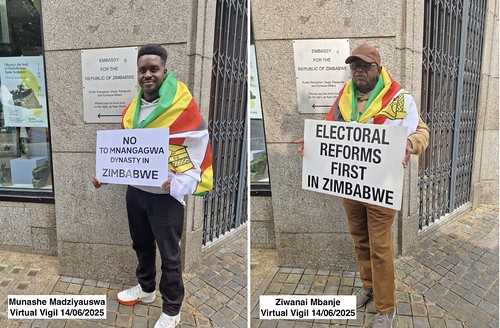
Next
Vigil
meeting
outside
the
Zimbabwe
Embassy. Saturday
21st June
from
2
–
5
pm.
We
meet
on
the
first
and
third
Saturdays
of
every
month.
On
other
Saturdays
the
virtual
Vigil
will
run.
The
Restoration
of
Human
Rights
in
Zimbabwe
(ROHR) is
the
Vigil’s
partner
organisation
based
in
Zimbabwe.
ROHR
grew
out
of
the
need
for
the
Vigil
to
have
an
organisation
on
the
ground
in
Zimbabwe
which
reflected
the
Vigil’s
mission
statement
in
a
practical
way.
ROHR
in
the
UK
actively
fundraises
through
membership
subscriptions,
events,
sales
etc
to
support
the
activities
of
ROHR
in
Zimbabwe.
The
Vigil’s
book
‘Zimbabwe
Emergency’ is
based
on
our
weekly
diaries.
It
records
how
events
in
Zimbabwe
have
unfolded
as
seen
by
the
diaspora
in
the
UK.
It
chronicles
the
economic
disintegration,
violence,
growing
oppression
and
political
manoeuvring
–
and
the
tragic
human
cost
involved. It
is
available
at
the
Vigil.
All
proceeds
go
to
the
Vigil
and
our
sister
organisation
the
Restoration
of
Human
Rights
in
Zimbabwe’s
work
in
Zimbabwe.
The
book
is
also
available
from
Amazon.
The
Vigil,
outside
the
Zimbabwe
Embassy,
429
Strand,
London
meets
regularly
on
Saturdays
from
14.00
to
17.00
to
protest
against
gross
violations
of
human
rights
in
Zimbabwe.
The
Vigil
which started
in
October
2002
will
continue
until
internationally-monitored,
free
and
fair
elections
are
held
in
Zimbabwe.
According
to
official
results
released
by
the
Zimbabwe
Electoral
Commission
(ZEC),
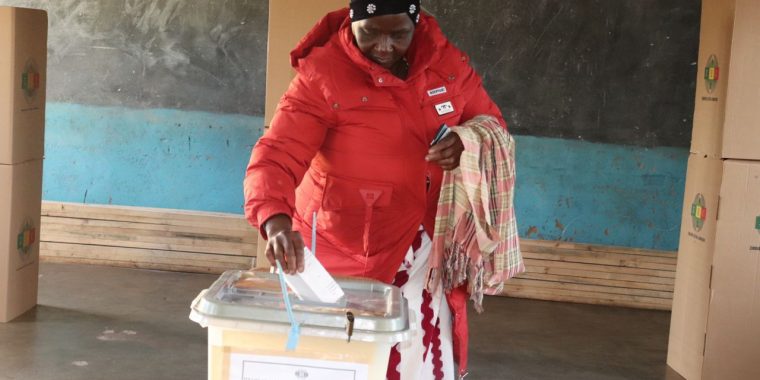
Delani
Moyo
of
Zanu
PF
emerged
victorious
in
Insiza
North
with
7,171
votes,
significantly
outpacing
his
closest
rival,
independent
candidate
Leslie
Dube,
who
garnered
1,187
votes.
Other
contenders
included
ZNRP’s
Mbongeni
Moyo
with
131
votes
and
ZAPU’s
Thabani
Mlotshwa,
who
received
114.
ZEC’s
declaration,
signed
by
the
constituency
elections
officer
on
14
June,
confirmed
Moyo
as
the
duly
elected
Member
of
Parliament
for
Insiza
North.
There
was
a
low
voter
turnout
which
stood
at
35.9%,
with
84
ballots
rejected.
In
Gutu
East,
Zanu
PF’s
Zarevashe
Masvingise
also
secured
a
landslide
victory.
There
were
194
votes
rejected
while
the
voter
turnout
stood
at
48.3%.
The
result
further
consolidates
Zanu
PF’s
parliamentary
dominance.
The
CCC,
once
Zimbabwe’s
main
opposition
force,
did
not
field
candidates
in
either
race,
maintaining
its
boycott
of
electoral
processes
it
alleges
are
rigged
in
favour
of
the
governing
Zanu
PF.
HARARE
– Zimbabwe
and
former
colonial
power,
Britain,
have
had
an
uneasy
relationship
since
independence
in
1980.
Relations
deteriorated
even
further
in
February
2000,
because
of
then-president
Robert
Mugabe’s
land
grab
programme.
Now,
UK
Prime
Minister
Keir
Starmer,
wants
a
better
relationship
between
the
two
nations.
Lord
Ray
Collins
has
delivered
this
message
to
the
Zimbabwe
government,
in
what
is
the
first
trip
by
a
UK
cabinet
minister
to
the
Southern
African
country,
in
seven
years.
But
this
sudden
UK
change
of
heart
looks
slightly
suspicious
to
some
people
fromZimbabwe.
But
whatever
the
motive,
it’s
positive
news
for
Zimbabwe.
Last
month
the
UK
government
removed
targeted
economic
sanctions
on
2
ministers, 2
security
chiefs
and
a
defence
company.
A
leaked
State
Department
memo
reveals
that
these
nations
have
been
given
a
strict
60-day
deadline
to
meet
new
U.S.
vetting
and
cooperation
standards
or
risk
facing
full
or
partial
entry
bans,
signaling
the
largest
shift
in
U.S.
immigration
enforcement
since
the
original
Trump-era
restrictions.
According
to
a
State
Department
memo
reviewed
by The
Washington
Post,
U.S.
officials
have
informed
diplomats
in
Washington
and
abroad
that
governments
from
the
newly
targeted
countries
now
face
a
60-day
deadline
to
meet
strict
new
benchmarks.
If
they
fail
to
comply,
their
citizens
could
be
barred
from
entering
the
U.S.
under
a
new
wave
of
restrictions.
Why
These
Countries
Are
Being
Targeted
The
justification,
according
to
the
memo
signed
by
Secretary
of
State
Marco
Rubio,
is
rooted
in
a
range
of
national
security
and
policy
concerns.
Some
countries
reportedly
lack
reliable
civil
documentation
or
have
high
levels
of
government
fraud.
Others
were
flagged
for
having
large
populations
that
tend
to
overstay
their
U.S.
visas
or
offer
“citizenship
for
sale”
schemes
with
no
real
residency
requirements.
The
U.S.
administration
also
cited
additional
factors
such
as
antisemitic
and
anti-American
activity
allegedly
linked
to
nationals
from
some
of
the
countries,
and
unwillingness
to
repatriate
citizens
who
are
deported.
In
some
cases,
Washington
is
pressuring
countries
to
enter
“safe
third
country”
agreements
or
to
accept
third-country
nationals
removed
from
the
United
States.
The
Full
List
of
Countries
Under
Review
The
countries
facing
this
new
round
of
scrutiny
span
across
Africa,
the
Caribbean,
Central
Asia,
and
the
Pacific.
The
full
list
includes:
Africa
(25
nations): Angola,
Benin,
Burkina
Faso,
Cabo
Verde,
Cameroon,
Côte
d’Ivoire,
Democratic
Republic
of
Congo,
Djibouti,
Egypt,
Ethiopia,
Gabon,
Gambia,
Ghana,
Liberia,
Malawi,
Mauritania,
Niger,
Nigeria,
Senegal,
South
Sudan,
Sao
Tome
and
Principe,
Tanzania,
Uganda,
Zambia,
Zimbabwe.
Caribbean
(4
nations): Antigua
and
Barbuda,
Dominica,
Saint
Kitts
and
Nevis,
Saint
Lucia.
Asia
and
Central
Asia
(2
nations): Bhutan,
Kyrgyzstan.
Yes—Syria was
also
included
in
this
round,
despite
already
being
the
subject
of
earlier
immigration
bans,
suggesting
a
reinforcement
or
reclassification
of
its
standing
in
U.S.
policy.
Previously
Restricted
Countries
Under
the
June
4
US
Travel
Ban
Under
the
June
4
presidential
proclamation,
the
United
States
imposed
full
or
partial
travel
restrictions
on
a
total
of 20
countries across
multiple
regions,
citing
concerns
over
national
security,
inadequate
identity
verification
systems,
and
lack
of
cooperation
on
deportation
agreements.
Middle
East
and
North
Africa
The
list
included
several
countries
from
the
Middle
East
and
North
Africa
region,
most
notably Iran, Libya, Sudan, Syria,
and Yemen.
These
nations
were
subjected
to
full
travel
bans,
primarily
due
to
long-standing
security
risks,
strained
diplomatic
ties,
and
alleged
links
to
terrorism-related
activities.
Sub-Saharan
Africa
In
Sub-Saharan
Africa,
the
U.S.
imposed
full
entry
bans
on Chad, Republic
of
Congo, Equatorial
Guinea, Eritrea, Somalia,
and Sudan (also
counted
in
the
MENA
region).
Additionally, Burundi, Sierra
Leone,
and Togo were
subjected
to
partial
restrictions,
often
affecting
specific
visa
categories
or
requiring
enhanced
screening.
Latin
America
and
the
Caribbean
From
the
Western
Hemisphere, Haiti, Cuba,
and Venezuela were
included.
While
Haiti
faced
full
restrictions,
Cuba
and
Venezuela
were
under
partial
sanctions,
with
visa
limitations
targeting
government
officials
or
certain
business
categories
rather
than
a
complete
travel
ban.
Asia
In
Asia, Myanmar and Laos appeared
on
the
list.
Myanmar
was
fully
restricted,
reflecting
political
instability
and
a
breakdown
in
democratic
governance. Laos,
on
the
other
hand,
faced
partial
restrictions
due
to
shortcomings
in
civil
documentation
and
vetting
protocols.
Central
Asia
Turkmenistan was
the
only
Central
Asian
nation
under
partial
restriction.
Its
inclusion
reflected
broader
concerns
over
identity
fraud
and
lack
of
cooperation
in
international
repatriation
processes.
South
Asia
Notably
absent
from
this
list
were
countries
from
South
Asia,
although
the
newer
memo
includes
Bhutan,
suggesting
a
shift
in
U.S.
policy
toward
broader
geographic
scrutiny.
Nationwide
Protests
Resurface
Across
the
US
Over
Earlier
Travel
Bans
as
Expansion
Looms
While
the
newly
proposed
travel
ban
expansion
has
grabbed
headlines,
the
protests
erupting
across
the
United
States
are
primarily
a
reaction
to
the existing
travel
restrictions that
were
reinstated
under
the
June
4
proclamation.
Those
earlier
bans
targeted
20
countries—including
Iran,
Libya,
Somalia,
Sudan,
Yemen,
and
several
African
nations—reviving
the
policies
first
introduced
during
President
Trump’s
first
term.
The
growing
backlash
culminated
on June
14,
2025,
with
the
nationwide “No
Kings”
demonstrations,
which
took
place
in
over 2,000
cities
and
towns.
From New
York
and
Los
Angeles
to
Chicago,
Atlanta,
and
Philadelphia,
protestors
flooded
streets
to
denounce
what
they
view
as racist,
exclusionary
immigration
policies.
While
the
new
proposal
to
add
36
more
countries—including
Egypt,
Tanzania,
Zimbabwe,
Dominica,
Saint
Lucia,
and
Bhutan—has
intensified
the
outrage,
the
protests
were
originally
sparked
by
the
reactivation
of
travel
bans
on
countries
already
affected
earlier
this
month.
Marchers
carried
signs
reading
“Ban
the
Ban,”
“Immigrants
Belong
Here,”
and
“No
Walls,
No
Bans,”
echoing
slogans
from
protests
held
in
2017
when
the
first
travel
ban
sparked
chaos
at
U.S.
airports.
Many
of
those
demonstrating
today
see
the
expansion
proposal
as
a
continuation
of
that
same
policy
framework—only
now
affecting
an
even
broader
range
of
nations,
many
of
them
in
Africa,
the
Caribbean,
and
Muslim-majority
regions.
In
cities
like San
Francisco, Charlotte,
and Dallas,
community
organizers,
civil
rights
leaders,
and
clergy
led
peaceful
rallies
and
candlelight
vigils.
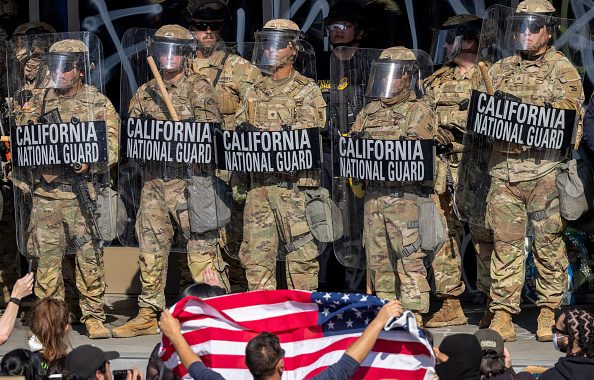
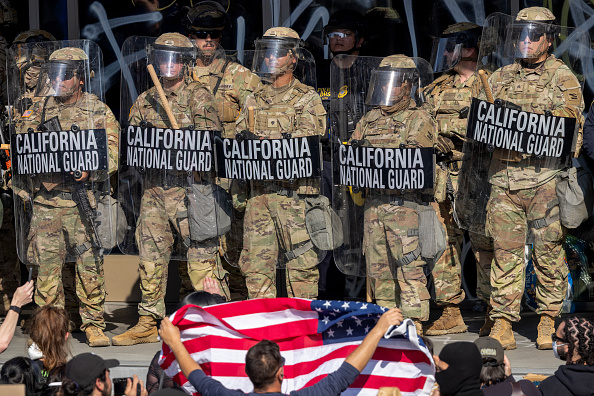
Meanwhile,
in Los
Angeles,
heightened
tensions
prompted
the
deployment
of
National
Guard
units
to
maintain
order,
though
the
demonstrations
remained
largely
peaceful.
The
message
from
protestors
is
clear:
the
re-emergence
of
blanket
nationality-based
restrictions—no
matter
how
they
are
justified—remains
unacceptable.
As
the
U.S.
government
signals
a
wider
enforcement
strategy,
the
streets
are
once
again
echoing
with
the
same
call: “No
ban
ever
again.”
What
Happens
Next?
The
memo
sets
an
initial
deadline
for
these
countries
to
submit
an
action
plan
by
8
a.m.
Wednesday,
aiming
to
show
good-faith
efforts
to
comply
with
new
identity
verification,
visa
issuance,
and
cooperation
standards.
Countries
that
fail
to
demonstrate
measurable
progress
over
the
next
two
months
could
face
visa
suspensions,
travel
bans,
or
other
punitive
restrictions
affecting
everything
from
tourism
to
student
visas
and
work
permits.
For
some,
this
could
represent
a
massive
diplomatic
blow.
Egypt,
for
example,
is
a
long-standing
U.S.
partner
in
the
Middle
East.
Ghana,
Nigeria,
and
Ethiopia
have
deep
business
and
academic
ties
with
the
United
States.
The
inclusion
of
Caribbean
nations
like
Dominica
and
Saint
Lucia
could
strain
regional
relations,
especially
with
countries
that
depend
heavily
on
U.S.
tourism
and
investment.
Political
and
Public
Backlash
Builds
Critics
are
already
pushing
back.
Civil
rights
organizations,
Democratic
lawmakers,
and
immigrant
advocacy
groups
describe
the
move
as
a
rebranded
version
of
the
“Muslim
ban”
and
“Africa
ban”
introduced
during
Trump’s
first
term.
They
argue
that
it
disproportionately
affects
Black
and
brown
nations,
many
of
which
are
economically
or
politically
vulnerable.
“This
isn’t
about
security—it’s
about
exclusion,”
one
former
diplomat
told
a
regional
news
outlet.
“It
sends
a
message
that
entire
countries
full
of
people
are
untrustworthy,
simply
because
of
their
passport.”
Some
legal
experts
also
warn
that
implementing
such
wide
bans
may
provoke
lawsuits
similar
to
those
that
stalled
Trump’s
first
travel
ban
in
2017,
which
created
chaos
at
U.S.
airports
and
was
eventually
restructured
before
being
upheld
by
the
Supreme
Court
in
2018.
A
Return
to
Trump-Era
Policy?
The
timing
of
the
expansion
is
no
accident.
With
Trump
reportedly
planning
a
full
reinstatement
of
the
travel
ban
if
re-elected,
this
move
aligns
closely
with
his
stated
2024
campaign
promise
to
introduce
a
“bigger
and
broader”
version
of
his
previous
immigration
crackdowns.
In
fact,
the
June
4
proclamation
already
reinstated
full
entry
bans
on
countries
such
as
Afghanistan,
Iran,
Myanmar,
Somalia,
Libya,
and
Yemen.
That
order
also
partially
restricted
entry
from
Burundi,
Cuba,
Laos,
Togo,
Turkmenistan,
Venezuela,
and
Sierra
Leone.
The
current
expansion—if
enacted—would
build
on
that
foundation,
potentially
banning
entry
from over
50
nations
worldwide.
US
has
proposed
a
major
expansion
of
its
travel
ban
to
include
Egypt,
Tanzania,
Zimbabwe,
Dominica,
Saint
Lucia,
Bhutan,
and
thirty
other
countries,
citing
national
security
threats,
visa
overstays,
and
unreliable
identity
systems
as
key
concerns.
What
This
Means
for
Travelers
and
Governments
If
the
bans
go
into
effect,
travelers
from
affected
countries
could
face
rejected
visa
applications,
canceled
travel
plans,
or
delays
in
obtaining
work
or
student
permits.
Dual
nationals
might
be
caught
in
limbo,
especially
those
with
family
or
business
connections
in
the
U.S.
Governments
listed
in
the
memo
now
face
tough
diplomatic
choices.
Some
may
push
back
publicly,
while
others
may
quietly
attempt
to
meet
U.S.
demands
in
order
to
avoid
economic
fallout
and
diplomatic
friction.
Until
then,
the
world
waits
to
see
which
of
the
36
countries
can
meet
Washington’s
stringent
requirements—and
which
will
find
their
doors
to
America
abruptly
closed.
The
Patriotic
Act,
which
President
Emmerson
Mnangagwa signed
into
law in
July
2023,
contains
overly
broad
provisions
that
make
the
rights
to
freedom
of
expression,
peaceful
assembly,
and
association
a
criminal
offense.
The
act
created
the
crime
of
“willfully
injuring
the
sovereignty
and
national
interest
of
Zimbabwe,”
which
effectively
criminalizes
Zimbabwean civil
society groups
and
human
rights
defenders
who
criticize
the
government
at
international
forums
and
prohibits
them
from
seeking
external
avenues
for
accountability
for
rights
violations.
In
its
ruling,
the
court
stated
that
the
drastic
penalties
prescribed
under
section
22A(3)
of
the
act,
which
include
life
imprisonment,
the
death
penalty,
termination
of
citizenship,
and
suspensions
from
voting
and
holding
public
office,
infringed
on
various
sections
of
the
Zimbabwean
Constitution.
Media
Alliance
of
Zimbabwe and
Zenzele
Ndebele,
a
private
citizen,
who
brought
the
case
before
the
court,
argued
that
section
22A(3)
and
other
provisions
had
high
potential
for
abuse
and
misuse.
They
contended
that
the
sections
had
the
effect
of
silencing
dissenting
voices
and
were
therefore
unfair,
unnecessary,
and
unreasonable
in
a
democratic
society.
They
also
said
that
the
law
did
not
sufficiently
define
what
constituted
“willfully
injuring
the
sovereignty
and
national
interest
of
Zimbabwe.”
When
President
Mnangagwa
signed
the
bill
into
law,
domestic
and
international
human
rights
and civil
society organizations,
including
the Office
of
the
United
Nations
High
Commissioner
for
Human
Rights, Zimbabwe
Lawyers
for
Human
Rights,
and Human
Rights
Watch,
expressed
concern
that
the
law
would
further
threaten
and
erode
freedoms
of
expression
and
association
in
the
country.
Several
other
groups signed
a
statement calling
for
the
repeal
of
the
law,
stating
that
it
carried
provisions
“not
necessary
or
justifiable
in
a
democratic
society.”
While
striking
down
sections
of
the
law
as
unconstitutional
is
a
positive
step,
the
Zimbabwe
government
should
repeal
the
draconian
Patriotic
Act
altogether,
as
it
contains
overly
broad
and
vaguely
defined
provisions,
such
as
those
criminalizing
participation
in
meetings
“with
the
intention
of
promoting
calls
for
economic
sanctions
against
the
country.”
Such
provisions
amount
to
serious
violations
of
the
fundamental
human
rights
to
freedom
of
expression,
peaceful
assembly,
and
association
protected
under
international human
rights
law.
HARARE
–
Former
foreign
affairs
minister
Walter
Mzembi
was
arrested
on
Friday
and
appeared
in
court
on
Saturday
as
prosecutors
revealed
he
had
three
outstanding
arrest
warrants.
Mzembi
will
spend
the
weekend
in
jail
after
magistrate
Donald
Ndirowei
postponed
the
matter
to
Monday
when
the
former
foreign
affairs
minister
will
attempt
to
explain
away
his
absence
which
stalled
his
criminal
abuse
of
office
trial
in
2018.
His
lawyer
Killian
Mandike
submitted
medical
documents
which
he
said
will
prove
that
Mzembi
did
not
wilfully
default,
but
was
in
fact
undergoing
treatment
in
South
Africa.
Ndirowei
said
there
was
no
time
to
hear
arguments
over
the
default,
postponing
the
inquiry
to
Monday.
The
former
Masvingo
South
MP,
who
lost
his
ministerial
job
after
a
military
coup
that
ousted
the
late
Robert
Mugabe,
is
believed
to
have
returned
to
Zimbabwe
on
Tuesday
last
week
from
Zambia,
where
he
was
self-exiled.
On
Wednesday,
Mzembi
made
efforts
to
see
President
Emmerson
Mnangagwa
but
was
rebuffed
even
after
arriving
at
State
House,
ZimLive
understands.
He
returned
to
Zambia,
returning
to
the
country
on
Friday
after
speaking
to
Mnangagwa
by
phone,
a
source
said. Mzembi
is
confident
he
will
win
the
court’s
favour
over
the
administrative
warrants,
amid
indications
Zanu
PF
officials
in
Masvingo
have
been
heavily
lobbying
Mnangagwa
to
allow
him
to
return
to
the
fold.
Mzembi
had
claimed
political
persecution
over
his
arrest
which
followed
his
instructions,
as
tourism
minister,
to
the
Zimbabwe
Tourism
Authority
to
buy
televisions
for
fan
parks
during
the
2010
FIFA
World
Cup
hosted
by
South
Africa.
At
the
end
of
the
World
Cup,
Mzembi
donated
the
televisions
to
the
United
Family
International
Church,
founded
by
prosperity
gospel
preacher
Emmanuel
Makandiwa.
Mzembi’s
trial
will
be
closely
watched
by
other
former
Mugabe
allies
who
are
scattered
around
the
world
fearing
politically-motivated
arrests
as
Mnangagwa
seeks
to
consolidate
control
over
his
fractious
Zanu
PF
party.