*
Surrender
firms
basking
in
coverage
suggesting
they
view
Trump
deals
as
empty
gestures.
Yes,
and
all
those
big
ticket
partner
defections
are
just
coincidental.
[Bloomberg
Law
News]
*
Profile
of
Robert
Guiffra’s
embrace
of
Roy
Cohn
role.
[Business
Insider]
Ward
10
Councillor
Khalazani
Ndlovu,
the
chairperson
of
Future
Water
Supplies
and
Water
Action
Committee,
said
the
city’s
water
system
is
outdated
and
urgently
requires
replacement.
“As
we
celebrate
131
years
(since
Bulawayo
was
declared
a
town),
we
must
ask
how
these
pipes
have
remained
underground
for
so
long.
They
are
now
old
and
failing.
To
fully
address
this
problem,
we
are
seeking
US$200
million
to
overhaul
Bulawayo’s
entire
pipe
system,”
Ndlovu
told
a
full
council
meeting
on
Wednesday
last
week.
Ndlovu
also
noted
that
the
city
is
also
facing
power
shortages
that
are
disrupting
water
pumping.
However,
some
support
has
been
received
to
ease
the
electricity
crisis.
“We
are
dealing
with
both
a
pipe
problem
and
an
electricity
problem
to
secure
water
supply.
On
the
electricity
front,
VEI
has
provided
solar
panels,
which
are
currently
in
storage.
We
just
need
to
install
them
to
help
solve
the
power
issue,”
he
said.
Ndlovu
added
that
while
efforts
were
being
made
to
improve
water
distribution
across
the
city,
the
deteriorating
condition
of
the
pipes
remained
a
significant
obstacle.
“At
our
last
meeting
in
May,
we
agreed
to
open
water
supply
in
certain
areas.
But
the
problem
with
the
pipes
persists.
In
the
past
two
weeks,
this
has
caused
serious
difficulties,
especially
in
the
western
suburbs.
We
could
not
provide
as
much
water
as
needed
because
we
had
to
replace
a
burst
pipe,”
he
said.
Deputy
Mayor
Edwin
Ndlovu
also
stressed
the
importance
of
local
leaders
managing
public
expectations
realistically.
“Our
role
as
councillors
is
to
serve
as
a
bridge
between
residents
and
the
council,
and
we
must
be
honest
in
that
role.
When
residents
demand
things
that
are
not
feasible,
we
need
to
advise
them
truthfully.
We
should
tell
them
what
can
and
cannot
be
done.
The
time
for
excuses
is
over.
We
must
now
focus
on
what
is
achievable,
including
pursuing
public-private
partnerships
and
build-operate-transfer
projects,
because
the
council
does
not
have
sufficient
resources,”
he
said.
The
incident,
which
took
place
on
Wednesday,
21
May
2025,
has
sparked
widespread
anger
among
parents,
guardians
and
community
members,
who
are
demanding
accountability
from
both
the
school
and
law
enforcement,
as
they
are
calling
for
an
investigation
with
potential
legal
consequences.
According
to
multiple
eyewitness
accounts,
parents
and
officials
interviewed
by
CITE,
the
learners
were
subjected
to
unlawful
corporal
punishment
at
the
hands
of
the
Zimbabwe
Republic
Police
(ZRP)
in
full
view
of
school
staff
and
without
parental
consent
or
prior
notification.
The
learners
were
assaulted
for
alleged
misbehaviour
that
included
“dating,
engaging
in
sexual
intercourse,
touching
each
other’s
buttocks,
stealing
packed
lunch,
bullying,
failing
to
deliver
floor
polish
and
civvies
money
meant
for
school
use.”
Some
of
the
children
were
later
taken
to
the
hospital
for
medical
treatment.
The
Ministry
of
Primary
and
Secondary
Education
has
confirmed
a
joint
investigation
by
the
Provincial
Education
Directorate
and
the
ZRP,
claiming
it
will
train
schools
on
lawful
alternatives
for
behaviour
management.
According
to
our
investigations,
school
authorities
at
Mahetshe
invited
police
as
part
of
a
crime
awareness
initiative,
however,
locals
say
what
ensued
was
far
from
educational.
Community
members
had
gathered
just
outside
Mahetshe
Primary
for
a
water
committee
meeting
with
their
village
head,
Shakespeare
Ndlovu,
when
a
police
Mahindra
vehicle
drove
past
and
entered
the
school
grounds.
Within
minutes,
distressing
cries
were
heard
coming
from
inside
the
school.
“We
heard
slaps,
beating
and
cries
of
children.
As
parents,
we
decided
to
go
inside
the
school
to
check.
The
children
were
crying
a
lot,”
said
Ward
20
Councillor
Sanelisiwe
Mhlophe,
who
was
present
at
the
water
committee
meeting
and
also
has
a
child
in
ECD
B
at
the
school.
“We
saw
three
police
officers.
One,
a
female
police
officer
(Madlabuzela)
who
works
at
Maphisa
Police
Station.
The
second
(Ndlovu)
was
in
plain
clothes.
I
don’t
know
the
name
of
the
other
police
officer
but
these
two
were
Shona.”
Mhlophe
said
the
police
did
not
alert
the
parents
or
the
community
about
their
purpose,
despite
passing
by
their
stakeholders’
meeting
taking
place
just
outside
the
school.
“One
man,
Dingindlela
Ncube,
ran
ahead
and
stopped
a
police
officer
who
was
beating
a
child
mercilessly.
Parents
questioned
why
this
was
happening
and
why
no
prior
communication
had
been
made
if
this
was
a
campaign
as
they
had
passed
us
by
the
gate
yet
said
nothing.”
The
councillor
and
other
witnesses
described
children
being
struck
with
large
canes,
lifted
by
the
ears
and
slapped
by
the
police.
Even
learners
in
Early
Childhood
Development
(ECD)
classes
were
allegedly
not
spared.
Notably,
the
school
headmistress,
Sibusiso
Moyo,
was
reportedly
absent
due
to
illness
leaving
Deputy
Head
Sibonginkosi
Ncube
in
charge.
However,
other
teachers
and
the
vice
School
Development
Committee
(SDC)
chairperson
were
present
and
failed
to
intervene.
“I
saw
more
than
20
canes,
which
were
not
adjusted
for
the
children’s
ages,”
said
the
councillor,
who
said
community
members
started
taking
videos
of
the
ordeal.
“The
teachers
stood
by
and
watched,
including
members
of
the
SDC.
We
questioned
them
why
they
had
not
first
told
parents
that
children
were
naughty
at
school
instead
of
calling
the
police.”
According
to
community
members,
the
deputy
headmaster
confirmed
the
school
had
called
the
police
in
response
to
ongoing
behavioural
concerns.
CITE
discovered
the
flashpoint
appears
to
have
been
a
case
involving
a
pupil
who
allegedly
stole
US$20
from
a
teacher
who
sells
snacks
at
the
school.
The
school
and
the
SDC
reportedly
decided
to
call
the
police
to
reprimand
all
“naughty”
learners
collectively
at
a
crime
awareness
session,
after
the
parent
of
the
boy
who
had
stolen
the
money
said
she
would
take
him
to
the
police
for
discipline.
“The
deputy
headmistress
admitted
that
the
school
called
the
police
because
there
was
a
boy
who
stole
$20
from
Mrs
Siyamunda,
who
was
selling
sweets
and
snacks
(jiggies)
using
the
schoolchildren,
then
one
of
them
stole
money
from
her,”
said
the
councillor.
“The
school
said
they
had
spoken
to
the
parents
of
the
child
who
had
stolen
the
money,
and
the
parent
said
she
would
take
her
child
to
be
disciplined
by
the
police,
but
the
school
and
SDC
said
rather
than
doing
that,
the
school
will
engage
police
to
come
and
reprimand
the
children
collectively.”
However,
that
“awareness”
resulted
in
the
physical
punishment
of
an
undisclosed
number
of
students,
ranging
from
ECD
to
Grade
7.
Parents
also
confirmed
they
received
no
prior
warning
or
consent
request
from
the
school,
while
the
reasons
given
as
to
why
their
children
were
beaten
were
unclear.
Medical
reports
Medical
reports
Medical
reports
One
parent
said
her
child
had
an
existing
ear
condition,
yet
was
picked
up
by
the
ears
and
slapped.
Another
said
her
child
in
Grade
7
was
beaten
about
15
times
on
the
buttocks
and
had
to
go
to
hospital.
An
elderly
woman
added,
“My
grandchild
in
Grade
7
was
also
beaten.
When
the
child
came
home,
they
said
their
head
was
painful
but
we
didn’t
take
them
to
hospital.”
Some
locals
refused
to
use
the
term
“beating”
and
instead
described
the
children’s
treatment
as
“torture.”
Others
were
horrified
at
accusations
that
primary
school
children
were
engaging
in
sexual
activity
or
how
easily
the
authorities
labelled
minor
pupils
as
sexual
delinquents
without
first
speaking
to
them
as
parents
or
guardians.
“Why
did
they
not
inform
the
parents
or
guardians,
even
social
workers,
instead
of
using
such
unlawful
means?”
one
villager
asked,
while
another
also
asked,
if
the
school
had
exhausted
all
its
disciplinary
measures.
On
30
May
2025,
a
community
meeting
was
convened
by
the
village
head
–
Ndlovu
–
to
address
the
incident.
However,
police
representatives,
education
officials
and
school
authorities
failed
to
attend,
further
frustrating
the
villagers.
Only
two
SDC
members
were
present.
On
2
June
2025,
parents
were
summoned
to
a
follow-up
meeting
at
the
Kezi
Police
Station.
Some
were
picked
up
in
the
same
Mahindra
vehicle
used
during
the
campaign,
while
others
made
their
way
there
independently.
Although
the
meeting
was
attended
by
the
village
head,
he
declined
to
comment,
citing
instructions
from
Chief
Fuyane
not
to
speak
on
the
matter
until
it
is
resolved.
There
is
growing
pressure
from
the
Maphisa
community
for
a
thorough
investigation
and
consequences
for
those
involved,
with
some
calling
for
the
transfer
of
school
authorities
who
invited
the
police
and
the
redeployment
of
the
officers
involved.
The
Ministry
of
Primary
and
Secondary
Education
confirmed
the
incident
and
stated
that
corporal
punishment
is
prohibited
under
Section
81
of
the
Constitution
and
the
Education
Amendment
Act
of
2020.
“We
are
aware
of
the
incident
at
Mahetshe
Primary
School
on
21
May
2025,”
said
Taungana
Ndoro,
Director
of
Communications
and
Advocacy
in
the
Ministry.
Ndoro
confirmed
police
were
invited
to
conduct
a
crime
awareness
campaign
focusing
on
drug
abuse,
bullying,
and
sexual
harassment
following
“repeated,
documented
failures
by
the
school
to
address
severe
misconduct
through
internal
mechanisms
(guidance
counselling,
parental
engagement.”
“While
the
school’s
intent
to
curb
criminal
behaviour
is
understood,
the
Ministry
is
investigating
allegations
of
instruction
for
corporal
punishment,”
he
said,
stressing
that
under
Zimbabwean
law,
corporal
punishment
is
unequivocally
prohibited.
“The
Ministry
is
investigating
allegations
of
instruction
for
corporal
punishment
since
it
is
unequivocally
prohibited
under
Section
81
of
the
Zimbabwean
Constitution
and
the
Education
Amendment
Act
(2020).”
Ndoro
said
schools
may
collaborate
with
police
for
educational
interventions
such
as
awareness
campaigns
but
“never”
for
administering
corporal
punishment.
“Police
are
authorised
to
act
only
in
cases
of
criminal
conduct
(theft,
assault)
under
standard
law
enforcement
protocols,
not
as
agents
of
school
disciplinary
measures,”
he
said.
“In
terms
of
Constitutional
Adherence,
no
entity
–
school
or
police
–
is
authorised
to
use
corporal
punishment.
Ndoro
confirmed
a
joint
“transparent”
investigation
by
the
Provincial
Education
Directorate
and
the
ZRP
provincial
administration.
“Parents
and
community
leaders
will
be
engaged
to
ensure
accountability.
Going
forward,
the
Ministry
will
train
schools
on
lawful
alternatives
for
behaviour
management,”
Ndoro
said.
“This
incident
underscores
the
need
for
collaborative,
rights-based
approaches
to
school
safety.
We
reaffirm
that
no
child’s
dignity
is
negotiable.
The
Ministry
and
ZRP
share
a
unified
commitment
to
Section
19
of
the
Constitution
and
as
such
the
best
interests
of
the
child
are
paramount.”
When
contacted
for
comment,
at
first
the
then
Matabeleland
South
Acting
Police
Spokesperson,
Assistant
Inspector
Stanford
Mguni,
seemed
dismissive.
“Who
said
the
matter
is
unsettling,
who
told
you
about
it?”
Mguni
said.
“We
didn’t
hear
this
matter
the
way
you
were
told.
What
I
know
is
police
went
to
a
campaign
and
addressed
issues
of
child
delinquency.
There
were
consultations
between
the
parents
and
the
involved
children.”
Mguni
questioned
the
legitimacy
of
the
sources,
demanding
that
they
identify
themselves.
“If
this
is
a
parent
who
says
they
are
still
aggrieved,
we
don’t
have
this
person
in
our
records.
We
can
only
comment
on
matters
that
are
reported
to
us,”
he
added.
He
further
stated:
“I
don’t
think
the
issue
we
are
talking
about
can
escalate
to
reach
the
media
so
that
it
needs
a
police
comment.”
He
maintained
that
crime
awareness
campaigns
were
conducted
with
transparency
and
any
grievances
should
be
reported
directly
to
police
or
community
leadership.
“To
correct
this
so
that
it
doesn’t
repeat,
since
I
don’t
have
that
concern,
people
can
report
to
any
nearest
police
station,
there
is
an
officer
in
charge
and
say
their
concerns
as
a
community.
What
we
know
is
when
there
are
campaigns
for
drugs
and
child
delinquency,
we
always
involve
parents,
school
authorities
because
at
the
end
of
the
day
all
of
us
want
to
educate
children,”
Mguni
said.
As
the
interview
ensued,
Mguni
acknowledged
the
community’s
concerns
and
stressed
the
need
for
openness
and
cooperation
in
resolving
the
matter.
“We
are
concerned
by
children’s
behaviour
and
harm
that
comes
to
children
by
those
who
sell
drugs
to
them.
At
times
we
see
children
drunk
yet
it’s
caused
by
adults
who
sell
drugs
to
them,
even
if
there
are
differences
we
handle
them
as
a
team,”
he
said.
“When
someone
from
the
team
raises
concerns,
they
have
to
come
out
clear,
say,
‘I
as
a
concerned
citizen
in
the
community,
representing
the
community
or
standing
on
behalf
of
a
neighbour
or
my
child’…then
we
know
because
we
do
not
go
around
commenting
on
issues
involving
children
everywhere.
They
are
children,
we
have
to
give
them
a
chance
to
grow.”
Mguni
said
police
cannot
work
without
the
community.
“If
there
are
issues
that
go
wrong
in
the
community,
we
try
to
address
those
issues
as
early
as
possible
so
that
we
move
forward
because
crime
affects
everyone,”
he
said.
“Even
when
we
have
a
dispute,
we
are
affected
by
crime.
So
we
need
to
continue
in
partnership
with
the
community,
moving
forward
against
any
diversity,
fixing
our
problems
going
forward.
That’s
why
I
am
saying
this
issue
has
to
come
out
clearly
so
that
those
who
are
solving
it
don’t
seem
to
be
hiding
it
because
it
will
remain
a
painful
boil.”
The
provincial
police
spokesperson
added
community
leaders
must
be
proactive
in
voicing
their
dissatisfaction
clearly
and
publicly.
“For
instance,
the
village
head
has
to
be
clear
and
say,
‘Police,
I
am
not
happy
with
this,’
telling
us
before
other
witnesses
so
that
when
we
address
that,
people
know
what
we
are
doing.”
Mguni
also
acknowledged
some
community
members
may
feel
left
out
of
official
proceedings
or
unresolved
in
their
concerns,
prompting
them
to
turn
to
the
media.
“Even
as
that
may
be,
there
are
others
who
are
not
satisfied
and
just
agree
seeing
others
agree,
but
are
unsatisfied,
then
come
to
the
media,”
Mguni
said.
“And
when
they
come
to
you,
they
must
be
clear,
because
it’s
now
a
matter
that
has
to
be
told
to
the
public.
We
are
not
all
about
misinforming
people.
So
when
we
are
now
reporting
this,
it
must
be
clear
where
the
matter
is
coming
from.
If
you
write
this,
it
will
involve
a
lot
of
senior
people
who
will
come
to
investigate
on
the
ground
and
should
know
who
they
are
going
to
because
of
their
concerns.”
Human
rights
advocates
also
strongly
condemned
the
Mahetshe
incident,
citing
Zimbabwe’s
Constitution
and
the
Education
Amendment
Act
(2020),
which
not
only
banned
corporal
punishment
but
also
constitutes
a
violation
of
a
child’s
right
to
dignity
and
protection
from
inhumane
treatment.
“I
think
this
security
state
called
Zimbabwe,
which
is
run
by
the
police
and
the
army
is
a
very
sad
state
because
it
does
not
respect
human
rights,”
said
Dr
Vusumuzi
Sibanda,
a
human
rights
lawyer.
“In
this
day
and
age
where
the
rights
of
the
child
or
the
children’s
rights
are
of
great
importance
and
they
should
be
protected
by
all
sectors
of
life,
we
cannot
be
talking
about
a
situation
where
police
just
go
out
and
begin
thrashing
children
because
it’s
not
just
about
the
mere
issue
of
punishing
them.
Police
have
no
right
to
be
beating
a
child
or
anything
even
during
their
awareness,
whatever
the
case
might
be.”
Dr
Sibanda
said
the
police
officers’
conduct
showed
a
lack
of
ethical
grounding
and
urged
the
relevant
authorities
to
dismiss
those
involved.
“It
speaks
to
the
morals
that
Zimbabwe
has.
Because
these
police
must
not
only
be
dismissed
from
work,
but
they
must
be
prosecuted
to
the
full
extent
of
the
law,”
said
the
human
rights
advocate.
“Unfortunately,
this
will
not
happen
because
these
police
are
used
to
doing
it
and
they
do
it,
with
great
impunity
because
they
are
part
of
the
government
and
the
state
which
is
abusive
to
people
ordinarily,
which
tortures
and
kills
people.
So
this
is
just
an
extension
of
what
is
happening
and
that
is
unknown.”
Dr
Sibanda
added
it
was
unfortunate
for
the
police
that
this
matter
came
out
into
the
open
and
is
now
known,
which
warranted
a
thorough
introspection
into
Zimbabwe’s
governance
as
well.
“Something
needs
to
be
looked
at
when
we
talk
about
sanctions.
We
need
to
be
sanctioned
by
all
countries,
especially
in
terms
of
how
Zimbabwe
deals
with
human
rights
and
the
abuse
of
people,
not
to
have
countries
that
continue
to
support
it,”
he
said.
“It’s
not
an
issue
of
Zimbabwe
being
sanctioned
in
this
kind
of
behaviour
by
Western
countries,
but
it
should
be
sanctioned
by
African
states
themselves,
particularly
South
Africa
that
so
much
respects
the
rights
of
children.”
Community
members
want
these
police
officers
to
face
disciplinary
action.
“What
the
police
did
is
wrong.
This
cannot
be
swept
under
the
rug,”
said
the
Ward
20
PR
Councillor
Feluna
Ncube.
“Children
now
fear
the
police,
even
my
grandchild
in
ECD
was
afraid
to
go
to
school
after
seeing
the
beatings,
although
they
were
not
beaten.”
Times
Are
Changing
At
Debevoise:
If
there’s
a
partner
on
your
case,
make
sure
to
clarify
which
kind
they
are.
Paul
Weiss
Is
Bleeding
Talent
Over
Kneeling
To
Trump:
Dunn
Isaacson
Rhee
is
making
the
most
of
it!
Low
Approval
Runs
In
The
Family:
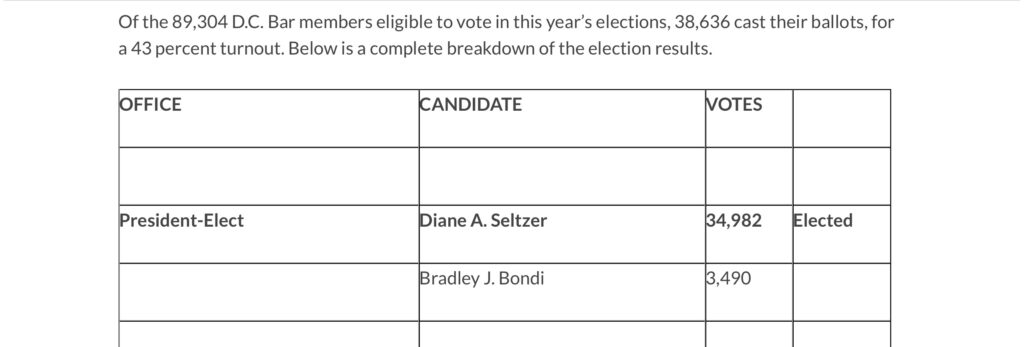
Brad
Bondi
loses
D.C.
race
by
an
order
of
magnitude.
Pete
Hegseth
Targets
RBG
And
Thurgood
Marshall’s
Legacies:
File
this
in
“Not
Surprising
But
Still
Newsworthy”.
Law
Review
Grapples
With
Future
Of
AI-Influenced
Legal
Scholarship:
The
good
news
is
that
writing
will
still
suck
enough
for
it
to
net
you
prestige.
Harvard
Receives
Overwhelming
Support
As
It
Sues
For
Federal
Funding:
Cornell
and
Columbia
were
not
among
the
ranks.
Led
by
Senator
Ted
Cruz,
a
bevy
of
GOP
Senators
have
submitted
a
resolution
to
commemorate
which
Supreme
Court
decision
in
the
month
of
June?
Hint:
Though
the
resolution
nominally
uses
June
to
mark
the
decision
since
the
Court
issued
the
decision
in
the
month
of
June,
it
also
has
the
effect
of
detracting
from
June’s
current
designation
as
Pride
Month.
Gutting
funding
that
could
be
used
for
academic
research
at
Harvard
and
other
Ivy
League
universities
will
likely
have
disastrous
trickle-down
effects
on
the
quality
and
content
of
research
that
will
be
pursued
and
published.
Put
differently,
this
may
just
be
what
it
takes
for
RFK
Jr.
to
finally
get
some
compelling
“evidence”
against
vaccinations
that
don’t
come
from
his
MAHA
cronies
using
ChatGPT
to
cite
non-existent
studies.
Harvard
is
pushing
back
against
the
Executive’s
usurping
the
power
of
the
purse,
and
they
are
seeing
heavy
support
from
most
peer
schools.
Take
a
wild
guess
on
the
two
Ivy
League
schools
that
taking
a
step
back
from
doing
the
right
thing.
Got
your
guess
ready?
Columbia
Spectator
has
coverage:
Columbia
and
Cornell
University
are
the
only
Ivy
League
institutions
that
have
not
joined
an
amicus
brief
in
support
of
Harvard’s
lawsuit
against
President
Donald
Trump’s
administration
over
canceled
federal
funding.
U.S.
District
Judge
Allison
Burroughs,
who
is
overseeing
Harvard’s
lawsuit,
agreed
to
allow
the
brief
on
Friday.
The
signatories
to
the
brief
include
five
of
the
eight
Ivy
League
institutions:
Brown
University,
Dartmouth
College,
Princeton
University,
the
University
of
Pennsylvania,
and
Yale
University.
In
total,
18
universities
signed
onto
the
amicus
brief.
Schools
aren’t
the
only
ones
submitting
amici
briefs
—
over
12,000
Harvard
alumni
sent
a
brief
in
support.
With
this
much
support
and
billions
of
dollars
in
federal
funding
on
the
line,
expect
Harvard
to
put
up
one
hell
of
a
fight
against
the
administration’s
attempt
at
hardball.
Chris
Williams
became
a
social
media
manager
and
assistant
editor
for
Above
the
Law
in
June
2021.
Prior
to
joining
the
staff,
he
moonlighted
as
a
minor
Memelord™
in
the
Facebook
group Law
School
Memes
for
Edgy
T14s.
He
endured
Missouri
long
enough
to
graduate
from
Washington
University
in
St.
Louis
School
of
Law.
He
is
a
former
boatbuilder
who
is
learning
to
swim, is
interested
in
critical
race
theory,
philosophy,
and
humor,
and
has
a
love
for
cycling
that
occasionally
annoys
his
peers.
You
can
reach
him
by
email
at [email protected]
and
by
tweet
at @WritesForRent
.
Pete
Hegseth
is
not
particularly
qualified
to
be
the
Secretary
of
Defense.
The
former
cable
TV
host
is
best
known
for
domestic
abuse
allegations
and
alcohol
use,
but
he’s
loyal
to
MAGA
and
so,
he
got
the
nod
to
lead
our
nation’s
military.
He’s
taken
Donald
Trump’s
war
on
DEI
very
seriously,
in
the
process
forcing
out
qualified
military
leaders
and
damaging
institutions.
In
one
particularly
nasty
and
vindictive
move,
Hegseth
ordered
the
USNS
Harvey
Milk
—
named
for
the
Navy
vet
and
gay
rights
activist,
renamed
to
aligned
with
the
priority
of
“reestablishing
the
warrior
culture.” And
of
course,
the
move
coincides
with
Pride
Month,
because
the
cruelty
is
absolutely
the
point.
The
renaming
has
been
slammed
by
Democrats.
House
Minority
Leader
Hakeem
Jeffries
said
it
was
“an
utter
abomination
in
terms
of
the
extreme
MAGA
Republican
effort
to
continue
to
erase
American
history,
and
we’re
not
going
to
allow
it
to
happen.”
Senate
Minority
Leader
Chuck
Schumer
said
on
social
media
that
Hegseth
“should
be
ashamed
of
himself
and
reverse
this
immediately.”
And
Nancy
Pelosi
said,
“The
reported
decision
by
the
Trump
Administration
to
change
the
names
of
the
USNS
Harvey
Milk
and
other
ships
in
the
John
Lewis-class
is
a
shameful,
vindictive
erasure
of
those
who
fought
to
break
down
barriers
for
all
to
chase
the
American
Dream.”
That’s
right,
because
according
to
reporting
by
CBS
News,
Hegseth
is
also
looking
into
undermining
the
legacy
of
other
civil
rights
icons,
stripping
the
names
of
naval
ships
including
the
late
Supreme
Court
justices
Thurgood
Marshall
and
Ruth
Bader
Ginsburg,
who
are
slated
to
have
have
naval
vessels
named
after
them.
Other
ships
on
the
Navy’s
renaming
“recommended
list”
are
the
USNS
Harriet
Tubman,
USNS
Dolores
Huerta,
USNS
Lucy
Stone,
USNS
Cesar
Chavez,
and
USNS
Medgar
Evers.
The
USNS
Thurgood
Marshall
and
the
USNS
Ruth
Bader
Ginsburg
were
scheduled
to
be
the
second
and
third
John
Lewis-class
of
underway
replenishment
oilers
named
after
Supreme
Court
justices.
Despite
the
big
talk
from
Hegseth
about
renaming
being
linked
to
“warrior
culture,”
the
USNS
Earl
Warren
is
not
currently
being
considered
for
renaming.
I
wonder
what’s
different
about
Justice
Warren
that
he
gets
to
keep
a
ship
named
after
him…
Kathryn
Rubino
is
a
Senior
Editor
at
Above
the
Law,
host
of
The
Jabot
podcast,
and
co-host
of
Thinking
Like
A
Lawyer.
AtL
tipsters
are
the
best,
so
please
connect
with
her.
Feel
free
to
email
her
with
any
tips,
questions,
or
comments
and
follow
her
on
Twitter
@Kathryn1 or
Mastodon
@[email protected].
If
you’re
considering
running
for
president
of
the
bar
association,
it
behooves
you
not
to
be
related
to
the
head
of
Donald
Trump’s
personal
law
firm.
When
Paul
Hastings
partner
Brad
Bondi
announced
his
run
for
D.C.
bar
president,
we
already
knew
where
this
was
going.
While
some
saw
a
Machiavellian
plot
to
consolidate
Trumpian
control
over
the
capital’s
ethics
watchdog,
Bondi’s
campaign
never
really
turned
on
politics.
The
bar
association’s
disciplinary
function
exists
outside
the
purview
of
its
president
and
Bondi’s
platform
concerned
itself
more
with
“CLE”
than
“MAGA,”
but
in
a
political
moment
dominated
by
a
noxious
blend
of
nepotism
and
cronyism,
handing
the
DC
bar
over
to
the
Attorney
General’s
brother
was
a
non-starter.
And
it
was
a
blowout.
At
a
whopping
9
percent,
we
can
file
this
as
one
of
the
rare
occasions
where
“decimated”
comes
pretty
close
to
its
literal
meaning.
Sometimes
it’s
fair,
sometimes
it’s
not,
but
you
can’t
always
get
what
you
want
when
someone
in
the
family
decides
to
indulge
political
ambitions.
Jonathan
Turley
and
his
Republican
buddies
waged
a
multi-year
witch
hunt
based
on
Hunter
Biden
having
the
gall
to
hold
a
job
while
his
dad
was
NOT
in
politics.
In
that
world,
the
prospects
for
electing
the
sitting
AG’s
brother
were
tricky
under
the
best
of
circumstances
and
nigh
impossible
while
she’s
busy
collecting
ethics
complaints
and
positioning
the
DOJ
for
sanctions.
As
we
noted
earlier,
Brad
Bondi’s
best
bet
was
to
campaign
on
being
his
sister’s
most
consistent
and
vociferous
critic
ever
since
he
tore
the
head
off
her
favorite
Barbie.
Well,
his
best
bet
would’ve
been
to
get
her
to
resign
first…
so
maybe
his
“best
realistic
bet.”
Instead,
his
campaign
asked
voters
to
overlook
the
connection
entirely
—
an
implausible
ask
—
which
only
succeeded
in
making
him
seem
oblivious
to
overwhelmingly
obvious
optics.
O-based
alliteration!
How
often
do
you
see
that
in
the
wild?
I
take
boxing
lessons.
And
I
think
that
helps
you
to
really
get
out
any
frustrations.
—
Justice
Ketanji
Brown
Jackson,
in
comments
noted
by
the
ABA
Journal,
concerning
how
the
Supreme
Court’s
most
junior
justice
deals
with
judicial
disappointment
that
may
result
from
being
a
member
of
the
high
court’s
liberal
minority.
Staci
Zaretsky is
a
senior
editor
at
Above
the
Law,
where
she’s
worked
since
2011.
She’d
love
to
hear
from
you,
so
please
feel
free
to
email
her
with
any
tips,
questions,
comments,
or
critiques.
You
can
follow
her
on Bluesky, X/Twitter,
and Threads, or
connect
with
her
on LinkedIn.
Used
in
infrastructure,
vehicles,
electricals
and
much
else,
steel
is
a
common
material
in
developed
countries
but
is
scant
in
Africa.
In
2023,
globally,
219
kg
of
steel
was
used
per
person
in
new
products.
In
sub-Saharan
Africa,
the
per
capita
consumption
was
around
30
kg,
which
is
just
14
per
cent
of
the
global
average.
To
change
this
narrative,
two
Chinese
multinationals,
Tsingshan
Holding
Group
and
Xinganglian
Metallurgical
are
investing
over
£3.8
billion
in
Zimbabwe’s
steel
industry.
Zimbabwe
will
become
Africa’s
biggest
producer
of
steel
surpassing
the
current
leaders
South
Africa,
Egypt
and
Morocco.
This
investment
comes
at
a
critical
time
for
Africa
as
it
seeks
to
reduce
its infrastructure
deficit.
However,
most
of
this
steel
investment
will
produce
fossil-fuel
based
‘brown’
which
could
potentially
hold
Zimbabwe
and
Africa
back
from
fulfilling
its
‘green’
steel
production
potential.
Brown
steel
vs
Green
steel
Steel
production
requires
significant
energy.
It
involves
heating
iron
ore
or
scrap
metal
to
extremely
high
temperatures
(often
above
1,000°C)
to
melt
and
transform
it
into
steel.
Brown
steel
refers
to
steel
produced
using
conventional,
fossil
fuel-based
energy
such
as
coal.
Green
steel
is
produced
with
a
focus
on
sustainability,
using
renewable
energy
sources
and
minimizing
carbon
emissions.
Both
the
Dinson
and
Palm
River
Steel
projects
have
coal
as
their
primary
source
of
energy
with
renewable
energy
sources
providing
only
a
minor
contribution.
There
are
some
simple
reasons
for
this.
Firstly,
coal
is
cheap
to
produce.
Secondly,
steel
has
traditionally
been
produced
with
coal
as
the
main
energy
source.
In
traditional
production,
coal
is
used
as
a
reducing
agent
to
extract
iron
from
iron
ore,
as
an
energy
source
to
provide
the
high
temperatures
needed
for
the
steelmaking
process,
and
to
help
remove
impurities
and
achieve
the
desired
chemical
composition.
Because
of
this,
the
global
steel
industry
is
responsible
for 9
per
cent
of
global
carbon
emissions.
The
world
is
increasingly
paying
attention
to
how
dirty
the
steel
industry
is,
and
concerted
efforts
are
being
made
to
make
a
shift.
Among
them
are
Europe’s Carbon
Border
Adjustment
Mechanism (CBAM)
law,
which
will
come
into
effect
in
2026.
This
European
Union
(EU)
regulation
aims
to
put
a
price
on
the
carbon
emissions
of
goods
imported
into
the
EU.
The
stated
aim
is
to
level
the
regulatory
playing
field
between
EU
and
foreign
producers
and
reduce
carbon
leakage,
where
production
is
outsourced
to
places
with
less
stringent
environmental
protections.
This
law
will
affect
brown
steel
investment
because
CBAM
will
progressively
limit
brown
steel
and
products
made
from
brown
steel
such
as
car
frames
for
electrical
vehicles
uncompetitive
in
the
European
market.
This
presents
an
opportunity
for
green
steel
producers,
but
Zimbabwe
may
be
locking
in
its
brown
steel
production
for
years
to
come.
The
Zimbabwean
government
was
the
first
African
country
to
report
its Nationally
Determined
Contributions
Plans that
lay
outline
ambitious
targets
for
emissions
reduction,
climate
resilience,
and
green
economic
growth
by
2035.
Coal
emissions
in
the
energy
sector
were
singled
out
as
having
to
be
reduced.
The
production
of
brown
steel
will
hamper
those
efforts.
Coal
production
has
turned
mining
areas
and
towns
into
environmental sacrifice
zones disproportionately
affecting
local
populations.
Dinson
Energy
for
example
is
mining
coal
in
Hwange
to
power
the
steel
plant
in
Manhize
exacerbating
the
100-year-old
colonial
consequences
of
coal
mining
in
the
Hwange
area.
The
town
is
being
locked
in
fossil
fuel
extraction
leading
to
stranded
assets,
skills
and
a
dying
town
because
of
the
lack
of
transition
planning
towards
a
decarbonized
global
economy.
Green
steel
Demand
for
streel
is
expected
to
increase
by
a third
over
the
next
30
years.
This
is
largely
due
to
growth
in
Asia
and
Africa.
This
makes
it
more
imperative
that
the
industry
moves
from
brown
to
green
steel
production.
The
technologies
required
for
this
to
happen
are
already
available.
Although
not
the
primary
energy
source,
both
new
plants
in
Zimbabwe
will
have
electric
arc
furnaces
which
unlike
blast
furnace,
do
not
need
coal
to
power
steel
production.
Nearly 30
per
cent
of
global
steel is
now
made
through
electric
arc
furnaces
gradually
chipping
away
at
fossil
fuel-based
production.
Both
investments
can
also
use
green
hydrogen
from
Namibia
to
reduce
iron
ore
instead
of
coal.
There
will
be
reduced
carbon
emissions
since
there
will
less
to
coal
being
used
in
the
steel
plants
increasing
the
steel
industry’s
alignment
with
Zimbabwe
NDC
plans.
Moreover,
the
Chinese
firms
investing
in
Zimbabwe
have
the
latest
technology
in
green
hydrogen
and
electric
arc
furnaces
to
make
this
shift.
Bringing
in
the
latest
technology
on
this
front
will
enhance
the
transfer
of
skills
training
from
Chinese
to
local
engineers
and
technicians
happening
at
both
steel
production
sites.
This
is
exemplified
through
the
Shanxi
Engineering
Vocational
college
and
Harare
Polytechnic
partnership
under
the
Palm
River
Energy
project.
Beyond
producing
crude
steel,
there
is
massive
potential
to
add
value
and
produce
stainless
steel.
Blessed
with
energy
transition
minerals
such
as
nickel
and
chromium,
these
is
potential
for
value
addition
of
the
minerals
leading
to
a
more
sustainable
and
valuable
industrial
value
chain
growing
in
Zimbabwe.
The
Palm
River
Energy
project
plans
to
produce
one
million
tonnes
a
year
of
stainless
steel
using
the
critical
energy
transition
mineral
of
chromium
from
Zimbabwe.
Dinson’s
parent
company,
Tsingshan
is
a
dominant
player
in
stainless
steel
production
controlling
about
25
per
cent
of
the
global
market
primarily
through
its
Indonesia
operations.
Although
Tsingshan
has previously raised
concerns
on
the
viability
of
producing
stainless
steel
which
also
requires
nickel
which
is
not
found
in
abundance
in
Zimbabwe,
the
potential
is
still
there
considering
the
potential
to
source
nickel
from
Tanzania,
which
will
also
enhance
intra-African
trade,
a
key
goal
of
African
nations.
Greater
cooperation
between
African
countries
The
dominant
narrative
that
has
come
out
of
these
projects
is
that
they
are
a
much-needed
boon
for
Zimbabwe’s
manufacturing
industry.
Although
correct,
both
projects
success
is
reliant
on
stronger
collaboration
with
the
rest
of
Africa’s
economies
to
meet
their
potential.
The
Africa
Free
Trade
Agreement
means
that
the
steel
produced
in
Zimbabwe
has
a
ready
market
in
Africa.
There
is
a
need
for
cooperation
with
South
Africa
steel
companies
which
are
currently
in
decline
to
ensure
there
is
no
under-cutting
of
each
other’s
steel
industries
which
will
have
a
net-negative
impact
on
Africa’s
slice
of
the
global
steel
industry.
Cooperating
with
Namibia
will
also
provide
access
to green
hydrogen which
is
a
key
ingredient
in
producing
green
steel
and
potentially
nickel
from
Tanzania.
The
move
from
brown
to
green
steel
production
is
not
only
an
environmental
imperative
but
also
an
economic
necessity
to
prepare
Zimbabwe’s
steel
investment
for
a
decarbonised
world.
The
Dinson
and
Palm
River
Energy
projects
are
much
needed
initiatives
that
can
propel
greater
technology
transfer,
value
addition
and
greater
cooperation
amongst
African
countries’
supply
and
value
networks.
An
increase
in
the
per
capita
use
of
steel
will
be
a
definite
indicator
of
Africa’s
growing
industrialisation.







 Kathryn