Describing
this
case
with
air
quotes
is
apt.
Photographer:
Graeme
Sloan/Bloomberg
via
Getty
Images
There’s
a
lot
of
nuance
to
the
practice
of
criminal
law,
but
all
those
fuzzy,
creative,
ingenious
aspects
rest
atop
a
straightforward
foundation.
A
lot
goes
down
over
the
course
of
a
prosecution,
but
from
jump,
the
government
takes
the
elements
of
a
crime
and
engages
in
some
plug-and-play,
inserting
factual
allegations
into
those
elements.
And
this
Department
of
Justice
can’t
even
get
that
right.
Earlier
this
week,
Acting
Attorney
General
Todd
Blanche
announced
that
DOJ
secured
an
indictment
of
the
Southern
Poverty
Law
Center
that
was
not
at
all
hurriedly
rushed
out
the
door
to
distract
from
FBI
Director
Kash
Patel’s
new
“J.
Edgar
Boozer”
nickname.
The
half-baked
theory
behind
the
case
is
that
the
group’s
payments
to
confidential
informants
within
hate
groups
amounted
to
a
vast
conspiracy
to
manufacture
hate
crimes
to
justify
the
SPLC’s
own
existence.
That
sounds
too
ridiculous
to
believe,
but
it’s
reached
what
you’d
call
shibboleth
status
over
on
Elon
Musk’s
X.
Or
you
would
call
it
that,
except
they
also
hate
Jews
over
there.
In
reality,
SPLC
pays
informants
to
gather
intel
on
hate
groups,
which
it
then
shares
with
law
enforcement,
in
order
to
undermine
those
groups.
It
obscures
the
payments
to
protect
its
sources.
The
DOJ
this
week
dropped
a
friendly
message
to
every
extremist
group
in
America
that
they
might
have
moles
to
smoke
out.
Among
the
SPLC’s
“crimes”
is
a
form
of
bank
fraud.
But
it’s
not
the
standard
bank
fraud
statute,
because
bank
fraud
requires
showing
a
scheme
to
actually
defraud
a
financial
institution
of
money
or
property,
which
becomes
a
non-starter
when
the
“fraud”
is
“opening
a
checking
account
under
a
shell
company
name
so
the
Klan
doesn’t
murder
your
source.”
So,
the
government
turned
to
the
little
used
bank
deception
statute
—
18
U.S.C.
§
1014
—
that
criminalizes
knowingly
making
false
statements
for
the
purpose
of
influencing
a
bank’s
action
on
an
application,
loan,
or
agreement.
This
is
the
basis
of
four
counts
in
the
11-count
indictment.
Although
the
indictment
states
that
SPLC
“knowingly”
made
false
statements
in
bank
applications,
there’s
no
specific
mention
of
what
action
by
the
bank
the
statements
sought
to
influence.
Including
such
intent
should’ve
been
“prosecution
101,”
said
Scott
Armstrong,
a
former
supervisor
in
DOJ’s
criminal
fraud
section.
Amateur
hour.
“To
have
a
complete
absence
of
the
required
intent
—
in
four
counts
—
is
a
major,
major
omission
that
I
think
will
be
troubling
to
the
court
and
really
open
the
door
to
whether
in
fact
the
grand
jury
was
instructed
properly,”
Scott
Armstrong,
a
former
supervisor
in
the
DOJ
criminal
fraud
section,
told
Bloomberg
Law.
He
called
it
“prosecution
101,”
which
is
a
misnomer
because
remembering
every
element
is
a
lesson
that
law
schools
should
instill
long
before
someone
starts
prosecutor
boot
camp.
The
indictment
also
repeatedly
characterizes
the
statements
at
issue
as
“false
or
misleading.”
Apparently,
the
DOJ
is
missing
a
pocket
part,
because
last
year’s
Supreme
Court
decision
in
Thompson
v.
United
States
held
that
§
1014
does
not
reach
merely
misleading
statements.
REPORTER:
I
just
want
to
make
sure
I
understand.
You’re
alleging
that
the
Southern
Poverty
Law
Center
was
paying
the
leaders
of
KKK
and
other
groups?
BLANCHE:
I’m
not
alleging
it.
The
grand
jury
returned
an
indictment
that
says
that
pic.twitter.com/RwiQLpxCYR
This
is
bullshit,
because
that’s
not
how
grand
juries
work.
Federal
grand
juries
aren’t
making
up
crimes
to
pursue.
The
Department
of
Justice
makes
allegations
and
the
grand
jury
accepts
or
rejects
them.
Blanche
was
quite
literally
“alleging
it.”
But
if
this
indictment
skipped
elements
and
gave
the
grand
jury
incorrect
instructions,
maybe
his
misunderstanding
of
grand
juries
runs
even
deeper.
The
DOJ
can
fix
this
with
a
superseding
indictment.
You
know,
after
they
aren’t
feeling
rushed
to
change
the
topic
from
the
fact
that
reports
of
Patel’s
drinking
habits
caught
him
like
a
cross-eyed
deer
in
headlights.
But
it’s
still
embarrassing.
And,
of
course,
the
Trump
administration
doesn’t
necessarily
care
about
winning
this
case.
It
already
got
most
of
what
it
came
for
once
the
administration’s
fellow
traveler
hate
groups
knew
they
had
moles
and
the
SPLC
lost
its
ability
to
pay
or
even
recruit
future
informants.
None
of
that
requires
a
conviction,
or
even
making
it
to
trial.
The
damage
was
done
at
the
press
conference.
Boston
is
brimming
with
business
opportunities,
which
is
just
one
of
the
reasons
that
Biglaw
firms
are
flocking
there
to
throw
open
their
doors.
If
you’re
a
lawyer
who
runs
on
Dunkin’,
Beantown
is
the
place
to
be.
But
which
firm
is
right
for
you?
Thanks
to
Vault’s
recently
released regional
rankings,
we
now
know
which
Biglaw
firms
are
dominating
the
legal
scene
in
the
Cradle
of
Liberty.
This
ranking
is
based
on
votes
tabulated
from
associates
who
were
asked
to
rate
firms
on
a
1
to
10
scale
based
on
their
prestige
within
the
region.
Here
are
the
top
10
most
prestigious
firms
in
Boston
(you
can
see
the
full
list
from
Vault
by
clicking here):
Ropes
&
Gray
Goodwin
WilmerHale
Latham
&
Watkins
Kirkland
&
Ellis
Choate
Hall
&
Stewart
Skadden
Mintz
Cooley
Morgan
Lewis
&
Bockius
Congrats
to
all
of
the
Biglaw
firms
that
made
the
latest
edition
of
Vault’s
Boston
rankings.
How
did
your
firm
do
this
time? Email
us,
text
us
at (646)
820-8477,
or
tweet
us @atlblog to
let
us
know
how
you
feel.
Staci
Zaretsky is
the
managing
editor
of
Above
the
Law,
where
she’s
worked
since
2011.
She’d
love
to
hear
from
you,
so
please
feel
free
to email her
with
any
tips,
questions,
comments,
or
critiques.
You
can
follow
her
on Bluesky, X/Twitter,
and Threads, or
connect
with
her
on LinkedIn.
As
of
mid-April,
Zimbabwe
had
recorded
over
65,000
malaria
cases
in
2026,
nearly
double
as
many
malaria
cases
compared
to
the
same
period
in
2025,
with
174
deaths
already
–
nearly
double
the
number
for
2025. [1]
By
contrast,
between
January
and
April
2024
–
before
the
aid
cuts
–
Zimbabwe
only
had
around
17,000
cases
and
34
deaths,
which
is
just
about
half
of
the
cases
and
deaths
reported
over
the
same
period
in
2025
after
the
global
aid
cuts.
Last
year’s
aid
cuts
led
to
premature
ending
of
the
second
phase
of
the
country’s
largest
malaria
program
–
Zimbabwe
Assistance
Program
in
Malaria
–
which
had
been
on
track
towards
eliminating
the
deadly
disease.[2] Save
the
Children,
one
of
the
four
partners
implementing
the
program,
said
the
closure
of
the
program
has
led
to
shortages
of
insecticide‑treated
mosquito
nets,
delays
in
vector
control
operations
and
weakened
disease
surveillance,
with
heavy
rainfall
and
fluctuating
weather
patterns
further
promoting
the
spread
of
the
disease.
Malaria
remains
the
single
largest
killer
of
children
over
one
month
of
age
globally
(17%)
–
with
most
deaths
occurring
in
endemic
areas
of
sub-Saharan
Africa,
according
to
a
report
from
the World
Health
Organization (WHO)
released
last
month.
According
to
the
report,
progress
towards
reducing
malaria
mortality
has
slowed
in
recent
years
after
steep
declines
between
2000
and
2015
with
climate
shocks,
invasive
mosquitos,
drug
resistance
and
other
biological
threats
continuing
to
affect
access
to
prevention
and
treatment.
However,
for
more
than
a
decade,
Zimbabwe
had
been
regarded
as
an
international
malaria
success
story.
Zimbabwe
made
the
greatest
gains
in
malaria
reduction globally
in
2024,
in
both
incidence
and
mortality.
From
2023
to
2024,
Zimbabwe
reduced
cases
by
76.6%
(equivalent
to
487,000
cases),
with
the
country
on
track
to
reach
a more
than
70%
reduction and
up
to
zero
incidence
in
2025.
Sustained
investment
by
international
partners,
including
through
the
Zimbabwe
Assistance
Program
in
Malaria,
was
one
of
the
key
factors
in
this
success,
and
by
2023,
more
than
one
fifth
of
the
population
of
Zimbabwe
was
living
in
malaria‑free
areas, according
to
WHO
data.
Save
the
Children
said
eliminating
malaria
is
possible,
but
only
if
commitment
is
sustained,
calling
for
predictable,
long‑term
investment
to
protect
children’s
lives
and
prevent
malaria
from
resurging
in
communities
that
had
begun
to
see
real
hope.
Save
the
Children’s
Country
Director
for
Zimbabwe
and
Malawi,
Bhekimpilo
Khanye,
said:
“Communities,
aid
agencies,
health
workers
and
the
government
had
been
working
together
for
years
to
beat
malaria
in
Zimbabwe,
and
we
were
making
real
progress.
Last
year’s
aid
cuts
have
hugely
set
us
back.
“These
were
projects
focused
on
the
total
elimination
of
malaria
from
certain
regions.
It
takes
a
while
to
reduce
numbers
but
once
the
malaria
parasite
numbers
start
to
dwindle
in
a
community,
it
has
a
knock-on
effect
–
fewer
places
for
them
to
grow
and
breed
means
increasingly
smaller
numbers
until
you
reach
zero.
However,
when
you
stop
this
work,
it
has
the
opposite
impact
–
numbers
start
to
rapidly
increase.
We
have
seen
a
complete
reversal,
with
the
gains
that
were
made
now
reversed.
“We
are
calling
on
global
donors
and
leaders
to
refocus
their
attention
on
malaria,
one
of
the
leading
global
causes
of
death
in
young
children.
We
know
its
preventable
and
together
we
can
bring
numbers
back
down
and
save
lives
in
Zimbabwe.”
Save
the
Children
has
worked
in
Zimbabwe
since
1983
and
is
currently
scaling
up
its
emergency
response
to
help
the
most
vulnerable
children.
The
agency
is
focusing
on
food
security,
health,
nutrition,
education
and
child
protection.
###
Notes:
[1]
From
the
Zimbabwe
Ministry
of
Health
National
Malaria
Control
Program
Weekly
Surveillance
report
–
Overview
for
Week
15,
2026;
Week
15,
2025;
and
Week
15,
2024.
Malaria
cases:
17,539
(Week
15,
2024);
36,421
(Week
15,
2025);
65,399
(Week
15,
2026).
Malaria
deaths:
34
(Week
15,
2024);
85
(Week
15,
2025);
174
(Week
15,
2026).
[2]
Referred
to
as
ZAPIM
(Zimbabwe
Assistance
Program
in
Malaria),
a
USAID-funded
project
aimed
at
supporting
the
National
Malaria
Control
Program
(NMCP)
under
Zimbabwe’s
Ministry
of
Health
and
Child
Care
to
reduce
malaria
incidence
and
mortality,
with
phase
1
running
between
2015
–
2021
and
phase
2
between
2021–2026.
The
program
has
since
been
discontinued.
LONDON
–
In
2017,
General
Constantino
Chiwenga,
as
head
of
Zimbabwe’s
armed
forces,
led
the
military
coup
which
brought
President
Emmerson
Mnangagwa
to
power
and
won
Chiwenga
the
vice
presidency.
The
two
have
since
fallen
out
and
are
fighting
over
Mnangagwa’s
apparent
desire
to
stay
in
office
for
an
unconstitutional
third
term.
In
September
2025,
Chiwenga
brought
the
fight
to
the
Zanu
PF
politburo,
the
party’s
highest
decision
making
body.
The
Vice
President
submitted
a
dossier
alleging
that
criminals
surrounding
the
president
were
corrupting
the
ruling
party.
The
document, obtained
by
ZimLive,
contained
an
explosive
allegation
concerning
Kudakwashe
Tagwirei,
a
close
ally
of
Mnangagwa
and
rumoured
to
be
a
rival
candidate
to
Chiwenga
to
succeed
the
President,
and
fuel
giant
Sakunda
Holdings.
Sakunda’s
joint
venture
with
commodity
trading
giant
Trafigura
sold
fuel
worth
between
$600
million
and
$800
million
each
year
in
the
2014
to
2017
period,
while
from
2016
to
2019
Sakunda
received
over
US
$1
billion
in
public
funds
to
buy
seed
and
fertiliser
in
the
controversial
Command
Agriculture
programme.
Specifically,
Chiwenga
complained
of:
the
stealing
and
concealment
by
Kudakwashe
Tagwirei
of
the
party’s
45
percent
shareholding
in
Sakunda
Holdings
held
by
Mvuto
Investments
(Private)
Limited,
an
investment
vehicle
of
the
party
held
through
our
National
Reconstruction
Group,
which
was
purchased
in
November
2013.
In
October
2025,
Zanu
PF’s
legal
secretary
Ziyambi
Ziyambi
hit
back
at
Chiwenga,
circulating
a
rebuttal
document.
Ziyambi
denied
that
the
party
holds
shares
in
Sakunda,
although
he
maintained
a
careful
silence
about
the
National
Reconstruction
Group
and
Mvuto
Investments.
Who
is
behind
Mvuto
Investments
and
the
National
Reconstruction
Group?
In
2014,
Mvuto
Investments’
shareholders
were
Happyton
Bonyongwe
–
the
then
director
general
of
the
Central
Intelligence
Organisation
(CIO),
the
country’s
spy
agency
–
and
two
former
ministers:
Walter
Chidhakwa
and
Joel
Biggie
Matiza.
Mvuto’s
links
to
the
CIO
do
not
end
there.
The
company’s
registered
address
was
the
fifth
floor
of
Livingstone
House,
an
address
frequently
used
by
the
CIO
to
register
its
companies.
Further,
Mvuto
and
Sakunda
appear
to
share
the
same
company
secretary,
who
had
also
played
a
similar
role
at
a
CIO-controlled
firm.
Maurice
Makoni
was
appointed
as
the
company
secretary
for
Mvuto
Investments,
Todware
Investments,
a
CIO-linked
solar
energy
company,
and
Sakunda
Holdings
in
2014.
The
National
Reconstruction
Group’s
existence
was
first
inadvertently
revealed
by
Bonyongwe,
when
the
former
spy
chief
gave
evidence
to
a
parliamentary
inquiry
into
the
CIO’s
co-ownership
of
Kusena
Diamonds,
a
mining
company.
He
left
his
briefing
papers
on
public
view,
showing
that
the
CIO
owned
10
percent
of
Kusena,
with
40
percent
held
by
the
National
Reconstruction
Group,
“which
represented
Zanu
PF.”
The
National
Reconstruction
Group
had
also
purchased
agricultural
goods
worth
$2
million
in
2013.
These
may
have
been
used
by
Zanu
PF
for
distribution
in
rural
areas
to
help
buy
votes
in
the
election
that
year.
Did
Mvuto
Investments
really
own
45
percent
of
Sakunda?
Sakunda’s
records
at
Zimbabwe’s
deeds
registry
(which
frequently
has
filings
that
are
out
of
date
or
incomplete)
do
not
mention
Mvuto
Investments.
The
Chief
Operating
Officer
of
Sakunda
has
claimed
in
parliamentary
hearings
that
54
percent
of
the
company
is
owned
by
Tagwirei,
with
the
remaining
46
percent
held
by
Tagwirei’s
wife,
Sandra
Mpunga.
However,
Chiwenga’s
pointed
mention
of
the
National
Reconstruction
Group,
the
presence
of
the
former
CIO
boss
on
the
board
of
Mvuto
Investments,
and
Tagwirei’s
experience
with
hidden
ownership
structures
raises
the
possibility
that
this
might
not
be
the
whole
story.
Sakunda’s
beneficial
owners
may
also
have
changed
over
time.
One
source
in
a
position
to
know
said
that
they
were
unaware
of
Mvuto
when
they,
the
source,
were
appointed
to
the
position
in
which
they
had
access
to
relevant
information
in
2018
but
claimed
that
Mnangagwa
played
a
role:
“Kuda
[Tagwirei]
always
said
Sakunda
was
not
just
his,
and
the
president
was
also
owner
[sic].”
If
Chiwenga
was
right,
how
much
would
Zanu
PF
have
lost?
Suppose
Chiwenga
was
correct,
and
the
National
Reconstruction
Group
really
should
have
owned
45
percent
of
Sakunda
via
Mvuto
Investments—did
the
ruling
party
lose
out
financially?
We
can
provide
a
partial
answer
by
comparing
the
audited
accounts
of
Sakunda
Supplies,
Sakunda
Holding’s
joint
venture
with
Trafigura,
and
a
leaked
spreadsheet,
first
obtained
by
the
Organised
Crime
and
Corruption
Reporting
Project,
which
details
offshore
payments
to
Tagwirei.
If
the
allegation
made
by
the
Vice
President
is
correct,
the
relationship
between
Sakunda
Holdings,
Sakunda
Supplies,
and
Mvuto
Investments
should
have
looked
like
this:
One
standard
route
for
a
shareholder
to
get
paid
is
through
dividends,
paid
out
of
post-tax
profits.
However,
many
privately
owned
companies
seek
to
report
lower
profits,
which
incur
corporate
income
taxes,
and
instead
to
extract
value
in
other
ways.
This
is
the
pattern
we
see
at
Sakunda
Supplies.
Tagwirei
was
contractually
entitled
to
fees
from
Trafigura
that
dwarfed
the
dividend
payments.
During
the
2014–2017
period,
Tagwirei
received
$23.7
million
offshore,
while
any
45
percent
shareholder
of
Sakunda
Holdings—in
this
scenario,
Mvuto—would
have
earned
less
than
$1
million
from
Sakunda
Supplies’
dividends,
assuming
that
Sakunda
Holdings
itself
paid
any
dividend
during
that
period.
Trafigura
declined
to
comment
to
The
Sentry
but
had
previously
told
the
OCCRP
that
the
details
presented
to
the
firm
by
the
media
organization
were
“factually
inaccurate.”
Tagwirei
also
told
the
OCCRP
that
he
denied
all
the
accusations
put
to
him
but
did
not
respond
to
The
Sentry’s
request
for
comment.
Chiwenga’s
allegations
have
not
been
answered
adequately
by
Zanu
PF’s
legal
secretary,
and
both
the
party
and
Sakunda
still
have
questions
to
answer
about
their
precise
relationship.
If
Zanu
PF
did
hold
a
hidden
stake,
then
these
leaked
financial
documents
suggest
the
vice
president
may
have
a
point
when
he
complains
of
‘concealment.’
This
article
was
originally
published
by The
Sentry
(Johannesburg)
– Zimbabwean authorities
have
harassed,
abducted,
and
arbitrarily
detained
student
leaders
protesting
a
proposed
constitutional
amendment
to
extend
presidential
terms,
Human
Rights
Watch
said
today.
Constitutional
Amendment
No
3 would
extend
the
terms
of
office
for
the
president
and
members
of
parliament
from
five
to
seven
years,
effectively
postponing
the
2028
elections
until
2030.
Student
leaders
affiliated
with
the
Zimbabwe
National
Students
Union
(ZINASU) mobilized young
people
to
attend public
consultations on
the
proposed
amendment
held
across
Zimbabwe.
“Students
who
speak
out
to
safeguard
their
country’s
democracy
should
not
face
abduction,
arrest,
and
ill-treatment,”
said Idriss
Ali
Nassah,
senior
Africa
researcher
at
Human
Rights
Watch.
“The
authorities
in
Zimbabwe
should
reverse
course
and
allow
people
to
express
their
views
freely
without
facing
retaliation.”
Human
Rights
Watch
documented
seven
attacks
against
the
student
leaders.
Munashe
Dongonda,
25,
ZINASU’s
secretary
general,
and
Denford
Sithole,
22,
attended
a
public
consultation
in
Nketa
suburb
in
Bulawayo,
Zimbabwe’s
second
largest
city,
on
March
30.
After
Sithole
spoke
against
the
amendment,
men
in
civilian
clothes
accosted
him
and
Dongonda,
accusing
the
students
of
“wanting
to
cause
chaos.”
Dongonda
told
Human
Rights
Watch
that
the
men
dragged
him
and
two
other
students
outside,
beat
them,
and
then
forced
Sithole
into
their
vehicle,
a
white
Toyota
double-cabin,
and
drove
off.
Sithole
said
he
suspected
that
the
four
men
in
the
vehicle
were
members
of
the
feared Central
Intelligence
Organisation (CIO).
He
said
the
men
threatened
to
kill
him
and
drove
to
an
office
building
where
six
other
men,
also
in
civilian
clothes,
joined
in
interrogating
and
assaulting
him.
He
said
one
of
them
repeatedly
hit
him
on
the
head
with
an
empty
wine
bottle
while
others
beat
him.
They
accused
him
of
working
to
overthrow
the
government
and
demanded
to
know
who
was
funding
the
students
opposing
the
amendment.
They
forced
him
to
allow
them
to
inspect
his
bank
account
records
and
demanded
his
parents’
home
address.
After
about
six
hours,
they
took
him
to
Bulawayo
Central
Police
Station
and
told
the
police
to
“find
something
to
charge
him
with.”
Police
charged
Sithole
with
“disorderly
conduct.”
He
paid
a
US$30
fine
and
was
released
after
signing
an
“admission
of
guilt,”
which
Human
Rights
Watch
has
seen.
Sithole,
a
final-year
engineering
student,
is
recovering
from
injuries
from
his
abduction
and
torture.
He
has
suspended
his
studies,
left
Bulawayo,
and
is
in
hiding
after
noticing
he
was
under
constant
surveillance
from
suspected
state
security
agents
and
fearing
for
his
life.
Tafara
Magodora,
23,
a
student
leader
at
the
Bindura
University
of
Science
Education, was
abducted
on
March
30 in
Bindura,
in
Mashonaland
Central
province,
about
90
kilometers
northeast
of
Harare,
the
capital.
He
said
that
at
around
9
a.m.,
he
was
on
his
way
to
organize
transportation
for
students
to
attend
a
public
consultation
on
the
amendment
when
a
white
Toyota
vehicle
without
number
plates
appeared,
and
three
people
in
civilian
clothes
got
out
and
surrounded
him.
They
accused
him
of
being
on
“a
police
wanted
list
since
last
year.”
He
said
that
when
he
demanded
identification,
they
forced
him
into
the
car
and
beat
him.
After
about
an
hour
of
driving
around
with
him,
they
took
him
to
Bindura
Central
Police
Station,
where
officers
accused
him
of
“causing
chaos
at
the
university.”
The
police
held
him
for
two
days,
then
charged
him
with
assault
and
released
him
on
bail.
His
next court
appearance is
on
April
28.
When
he
was
released,
Magodora
said
two
suspected
state
security
agents
ordered
him
to
leave
Bindura
for
his
own
good,
warning
him
that
something
would
happen
if
he
did
not
stop
his
activism.
Magodora
is
also
in
hiding
and
has
not
attended
class
since.
On
April
14,
police arrested Emmanuel
Sitima,
former
president
of
ZINASU,
and
Takunda
Mhuka,
a
ZINASU
provincial
leader,
both
24.
Based
on
their
charge
sheet
seen
by
Human
Rights
Watch,
they
are
accused
of
“malicious
damage
to
property”
for
allegedly
breaking
a
window
in
the
home
of
the
chairperson
of
the
ruling
party,
the
Zimbabwe
African
National
Union-Patriotic
Front
(ZANU-PF),
and
for
distributing
fliers
reading
“Save
Zimbabwe
Campaign,
No
to
2030.” “No
to
2030” is
a
slogan
opponents
to
the
amendment
have
adopted.
The
value
of
the
damaged
property
was
set
at
$10.
A
court denied
bail to
Sitima
and
Mhuka
and
they
remain
in
custody,
with
their
next
court
appearance
scheduled
for
April
24.
Zimbabwe
Lawyers
for
Human
Rights
on
April
15
reported
that
student
leaders
were “under
siege” after
police raided ZINASU’s
offices
in
Harare.
ZINASU
National
Coordinator
Ashlegh
Pfunye,
28,
told
Human
Rights
Watch
that
he
viewed
the
raid
as
an
attack
on
the
broader
student
movement.
“All
we
are
doing
is
to
exercise
our
democratic
right
to
speak
out
against
the
proposed
constitutional
amendment,
but
we
are
being
hunted
down
like
criminals,”
he
said.
“Some
student
leaders
are
in
hiding
and
others
have
been
suspended
from
university
because
of
their
activism
opposing
the
amendment.”
David
Coltart,
the
mayor
of
Bulawayo
and
a
former
minister
of
education
in
the
2009-2013
Government
of
National
Unity,
told
Human
Rights
Watch
that
targeting
student
leaders
is
meant
to
have
a
“chilling
effect”
on
those
opposing
the
amendment.
“We
have
had
students
abducted
and
detained,”
he
said.
“We
have
had
to
find
safe
houses
for
three
student
leaders
who
were
being
threatened
after
speaking
out
against
the
amendment.”
Targeting
the
student
leaders
is
part
of
a broader
crackdown on
perceived
opponents
to
the
amendment.
In
August
2025,
police
arrested
three
Midlands
State
University
students,
who
are
facing
charges
of subverting
a
constitutional
government after
allegedly
distributing
12
fliers
opposing
the
amendment.
The
three
spent
fourteen
days
in
detention
before
being
granted
bail,
while
awaiting
trial.
In
November
2025,
two
students,
Marlvin
Madanda,
23,
and
Lindon
Zanga,
21,
were reportedly
abducted while
campaigning
on
campus
at
the
Chinhoyi
University
of
Technology
in
the
city
of
Chinhoyi,
in
central-northern
Zimbabwe.
They
were
found
the
next
day
after
being
allegedly
assaulted
and
tortured.
Police
arrested
them
and charged
them with
“disorderly
conduct.”
They
were
scheduled
to
appear
in
court
on
April
23,
2026.
Human
Rights
Watch
has
repeatedly expressed
concern at
the
slow
pace
of
human
rights
reform
in
Zimbabwe,
including
only
minimal
changes
to
repressive
laws,
a
lack
of
security
sector
reform,
and
repression
of
civic
and
political
activity.
“Zimbabwe
should
restore
integrity
to
the
constitutional
amendment
process
by
ending
this
crackdown
against
student
leaders
and
activists
and
holding
their
abusers
accountable,”
Nassah
said.
“A
constitution
should
not
be
amended
on
the
back
of
violence,
intimidation,
abductions,
and
unjust
arrests.”
Zimbabwe
plans
to
regulate
the
use
of
social
media
and
digital
platforms.
Harare
is
drafting
a
new
law
that
seeks
to
tighten
oversight
and
combat
what
it
calls
an
unchecked
spread
of
misinformation
and
sharing
of
harmful
material
online.
Facebook,
TikTok,
Twitter,
YouTube
and
Instagram
apps
are
seen
on
a
smartphone
in
this
illustration
taken.
Image
Credits
:
In
Australia,
children
under
the
age
of
16
are
banned
from
using
social
platforms
such
as
Instagram,
TikTok,
Facebook,
and
Snapchat.
Zimbabwean
President
Emmerson
Mnangagwa
says,
“Policies
and
mechanisms
to
guarantee
ethical
and
responsible
use
of
ICTs
and
various
media
platforms
are
being
accordingly
reviewed.
I
note
with
grave
concern
the
increasing
abuse
of
social
media
by
some
unscrupulous
persons
and
groups.
The
recording
of
road
traffic
accidents
and
the
subsequent
distribution
of
such
material
is
totally
unacceptable.”
This
had
major
impacts
on
their
lives,
practically
and
emotionally,
causing
stress
and
anxiety
as
they
sought
different
types
of
treatment
from
diverse
sources.
The
costs
of
treatment,
travel,
and
time
away
from
farming
meant
income
suffered,
sometimes
leading
to
businesses
closing
or
harvests
being
missed.
Nearly
every
interview
had
one
or
more
examples
of
a
caring
role
being
taken
on
in
the
last
few
years,
sometimes
over
very
extended
periods.
The
emotional
toll
of
looking
after
a
loved
one,
and
then
them
ultimately
passing,
was
significant
for
many,
marking
a
significant
period
when
other
concerns
with
agricultural
production
became
less
significant
in
people’s
lives.
The
labour
of
care,
along
with
the
emotional
investment
in
caring,
often
goes
unnoticed,
rarely
discussed
in
studies
of
agriculture
and
land
reform.
It
happens
quietly
behind
closed
doors
at
home,
or
away
at
hospitals
and
clinics.
But
these
periods
are
significant
in
people’s
lives,
shaping
what
is
possible
more
widely.
Care
is
not
limited
to
reproductive
care
duties
but
intertwined
with
farm
production
and
community
work.
The
highly
gendered
labour
of
care
as
a
central
part
of
social
reproductive
work,
therefore,
needs
much
greater
attention
in
discussions
of
land
reform
outcomes.
Caring
in
times
of
sickness
FB
from
Mvurwi
reflected
on
how
she
had
to
invest
in
the
support
of
her
sisters
when
they
were
sick,
and
subsequently
the
children
of
one
of
them
after
she
died.
It
was
a
tough
time
when
my
siblings
were
sick
in
2022.
I
had
to
help
financially,
and
all
the
money
went
towards
medicines.
I
used
to
help
cut
gumtrees
for
sale
to
make
money,
and
I
used
that
money
to
pay
for
my
sister’s
treatment.
One
of
my
sisters
had
a
husband,
but
he
was
useless
and
often
drunk.
Since
my
sister
died,
I
now
take
care
of
her
children
in
Centenary,
where
they
stay
with
their
grandmother.
MM
from
Mvurwi
commented
on
how
caring
took
away
from
farming,
and
used
up
resources:
I
had
a
setback
when
my
mother
was
sick,
and
I
had
to
send
money
home,
but
she
eventually
passed
on.
When
all
this
happened,
I
had
already
sold
my
tobacco;
sometimes
bad
luck
happens,
and
we
must
divert
funds.
A
relative
who
stays
close
to
here
also
got
sick
and
almost
died
this
year.
I
used
to
go
and
visit
him
to
the
point
that
I
had
to
take
him
to
the
hospital
for
treatment.
He
was
my
mother’s
son,
my
brother,
so
I
got
him
treatment,
and
he
got
better.
NA,
also
from
Mvurwi,
was
a
carer
for
several
years,
which
affected
her
nascent
business:
My
mother
was
sick
for
two
years.
I
took
care
of
her
when
she
was
not
well.
I
was
living
with
her
here
until
she
passed
on.
We
used
to
take
her
to
the
hospital,
and
my
father
would
send
money;
I
would
assist
financially
whenever
I
could.
I
was
the
one
accompanying
her
to
the
hospital
in
Harare,
it
was
tough
times
when
she
was
sick.
We
had
a
tuck
shop
that
went
out
of
business
because
the
money
from
it
was
used
to
take
care
of
her.
As
a
result,
we
were
not
able
to
restock.
I
also
struggled
to
produce
anything
on
the
farm
during
that
time
because
of
constant
travel
to
try
to
get
treatment
for
my
mother.
Mr
M’s
wives
from
Masvingo
district
reflected
on
the
challenges
of
looking
after
their
husband
when
he
was
sick:
While
he
was
not
well,
our
lives
and
work
in
the
field
were
disrupted,
especially
financially,
as
the
money
that
was
there
had
to
be
used
for
his
treatment
and
X-rays.
We
also
help
our
relatives
with
finances
in
case
of
health
issues.
If
we
have
money,
we
go
and
see
our
father-in-law
when
he
is
sick,
then
come
back;
we
do
not
nurse
him.
In
the
same
way,
a
number
of
other
informants
commented
on
the
impacts
of
ill-health
in
the
family:
When
there
are
health
issues
in
the
family,
it
can
get
expensive
and
affect
work
in
the
field,
as
you
will
need
to
give
proper
attention
to
the
sick
person.
My
mother
used
to
get
sick,
and
the
young
boy
I
stay
with
is
currently
sick
and
needs
money
for
the
hospital
every
month. (SZ,
Mvurwi)
We
used
to
stay
with
both
our
in-laws
here
when
they
got
sick
and
subsequently
died.
I
used
to
take
care
of
them
when
they
were
sick,
but
their
relatives
were
fully
involved,
assisting
with
medicine
and
hospital
bills.
They
died
here,
but
they
were
buried
at
their
homestead.
(Mai
M,
Gutu).
Mai
M
from
Masvingo
district
has
been
struggling
with
an
undiagnosed
chronic
sickness
in
an
adopted
son,
causing
stress
and
worry:
I
have
taken
care
of
sick
people,
for
instance,
when
my
son
was
coming
from
work,
he
had
stopped
talking.
He
is
not
my
biological
son;
he
is
my
brother’s
son,
but
I
have
raised
him
since
he
was
young,
when
his
parents
passed
on.
It
really
broke
my
heart;
we
are
busy
trying
to
get
him
treated.
He
is
22
and
not
yet
married.
We
tried
to
get
consultations
the
traditional
way,
but
we
still
do
not
know
what
the
problem
is.
We
thought
that
maybe
it
was
drug
abuse,
but
it
was
not.
He
has
been
sick
for
three
months
now,
and
we
did
not
go
to
the
hospital
because
we
believe
it’s
a
spiritual
issue.
My
husband
got
sick
in
December
2008.
I
used
to
take
him
to
the
hospital
in
Bulawayo,
and
then
he
was
admitted
to
Maphisa.
He
got
better
and
was
discharged
and
sent
home.
He
was
told
to
stop
drinking,
but
he
never
stopped.
I
do
not
know
how
the
alcohol
affected
him;
he
was
re-admitted
at
Maphisa
and
then
passed
on
in
August
2009.
My
husband
sold
one
cow
to
cover
his
medical
bills.
I
was
the
one
taking
care
of
him
in
Maphisa,
and
I
hired
someone
to
look
after
the
children
while
I
was
away.
My
child,
who
is
deaf,
is
better
now,
but
it
was
a
struggle
when
she
was
young.
Now
she
can
do
all
chores
on
her
own:
cook,
do
laundry,
and
bathe
herself.
When
she
was
younger,
she
used
to
get
sick
a
lot
and
get
admitted
multiple
times.
There
was
also
an
orphan
child.
I
took
care
of
her
until
she
had
her
own
child,
but
she
got
sick
and
died.
It’s
good
that
I
have
family
here
with
me,
and
people
do
not
do
as
they
please
because
my
sons
are
here
(SM,
Matobo
district).
One
of
my
sons,
the
lastborn,
once
got
really
sick.
His
hand
started
hurting,
and
his
skin
began
peeling,
leaving
him
with
no
flesh.
We
took
him
to
the
hospital,
but
they
couldn’t
help
him.
He
got
better
in
Nkayi,
where
he
got
help;
he
got
sick
for
almost
half
a
year.
I
had
to
go
to
the
bank
for
a
loan.
I
took
5000
in
a
loan
because
Mpilo
Hospital
needed
money.
I
took
him
to
a
prophet
in
Nkayi,
where
he
managed
to
get
help.
He
came
back
recently
from
Nkayi.
When
my
husband
was
sick,
I
took
care
of
him
for
a
year
before
he
passed
away,
back
then
it
was
better
because
medical
bills
were
not
that
expensive.
I
also
look
after
the
children
when
they’re
sick
because
their
mothers
are
not
working.
(BN,
Matobo
district).
Seeking
out
treatment
can
be
challenging.
Different
options
–
from
hospitals
to
prophets
to
traditional
healers
offer
different
options,
but
they
all
cost
money.
A
number
of
different
institutions
are
relied
on,
often
in
sequence,
but
in
the
end,
drawing
on
support
from
the
family
and
wider
community
is
important.
JZ
from
Mvurwi
commented
on
what
happens
if
people
in
her
family
get
sick:
When
we
get
sick,
we
go
to
the
hospital;
if
it
fails,
we
go
to
prophets,
and
if
that
fails,
we
consult
traditional
healers.
We
do
attend
church
activities,
whether
it’s
church
or
weddings,
but
you
only
go
where
you’re
invited.
Unity
in
the
community
is
important;
we
hope
it
continues,
as
we
all
need
each
other.
For
instance,
when
there
are
funerals,
we
all
show
up
in
different
ways
to
ensure
that
everything
goes
well.
Multiple
demands
on
time:
juggling
childcare
and
farming
In
discussions,
women
frequently
commented
on
the
challenges
of
combining
childcare
with
farming
and
the
multiple
demands
on
their
time.
In
the
land
reform
areas,
farming
requires
more
labour
–
there
are
larger
areas,
and
often
labour-intensive
activities
associated
with
irrigation,
tobacco
production,
and
so
on.
As
Mrs
C
from
Mvurwi
commented:
It
was
difficult
to
balance
childcare
and
farming.
If
the
child
gets
sick
while
you’re
working
on
the
farm,
you
abandon
work
and
get
help
for
the
child.
I
then
focus
on
the
child
until
they’re
better
before
I
go
back
to
work.
I
did
not
have
much
assistance
with
house
chores
because
the
girls
were
still
young.
I
would
wake
up
very
early
and
start
preparing
food
for
the
children
and
for
them
to
go
to
school,
then
start
preparing
for
those
already
on
the
farm
before
I
join
them
in
working.
I
always
made
sure
to
collect
water
in
the
morning
when
I
woke,
so
I
left
the
house
with
enough
water
to
use
in
the
evening.
Life
became
easy
when
my
oldest
daughter
was
in
grade
3;
she
could
now
do
basic
house
chores.
My
oldest
son
knew
how
to
do
house
chores,
but
they
were
needed
in
the
field,
so
we
had
to
rely
more
on
my
daughter.
Since
all
my
children
have
left
the
house,
I
take
care
of
two
of
my
relatives’
children
who
passed
on.
I
don’t
have
hired
help;
I
still
wake
up
early
and
do
the
housework
before
going
to
work
in
the
fields.
Mrs
C
relies
on
her
extended
family
to
help:
My
daughters-in-law
do
assist
at
the
farm,
but
they
don’t
help
with
household
chores;
they
have
their
own
homes.
When
there
is
a
sick
person,
though,
they
do
come
to
see
the
sick
and
help
us
on
the
way
forward
with
treatment.
Sickness
is
part
of
life;
it’s
easier
when
you’re
united,
and
you’re
able
to
deliberate
and
come
up
with
solutions.
If
it
is
needed,
you
should
be
able
to
contribute
with
others
and
pay
hospital
bills.
Networks
of
care:
support
in
old
age
As
people
age,
children
grow
up
and
move
away,
and
maybe
one
parent
becomes
ill
or
dies,
the
need
for
support
from
others
increases.
Networks
of
care
connecting
children
–
sometimes
in
far-flung
places
in
the
diaspora
–
and
parents
in
the
land
reform
areas
are
vital.
Care
may
be
through
financing
medicines,
or
as
simple
as
keeping
in
touch
by
phone.
Mai
M
from
Gutu
district
reflected
on
the
importance
of
family
connections
in
old
age:
My
children
still
look
after
me
even
when
they’re
far.
They
call
constantly
to
check
on
me,
and
when
they
can’t
reach
me,
they
find
ways
to
ensure
they
hear
my
voice.
My
daughter-in-law
is
the
one
staying
with
me
since
I
have
issues
with
my
leg.
During
the
holidays,
my
oldest
granddaughter
comes,
and
on
big
holidays,
my
children
all
come
here
to
celebrate
with
everyone.
In
the
same
way,
Mrs
M,
also
from
Gutu
district,
relies
on
her
children,
while
also
looking
after
them.
Family
cohesion
is
frequently
mentioned
in
interviews
as
essential
for
caring
support:
I
was
sick
in
July,
my
children
are
the
ones
who
were
paying
for
my
treatment,
and
I
even
went
to
Murehwa
for
care
at
private
hospitals.
My
children
are
taking
care
of
me,
so
I
cannot
complain.
I
used
to
take
care
of
my
son
when
he
was
sick;
his
wife
was
helping,
too,
while
my
second-born
was
financially
assisting.
My
father-in-law
also
came
back
here
in
2014
when
he
was
sick.
I
cared
for
him
from
August
until
he
passed
away
at
Gutu
Hospital
in
September.
Looking
after
a
home
is
hard
work,
especially
for
ageing
women
with
younger
grandchildren
around,
but
the
wider
family
care
network
is
essential,
as
now
widowed
Mrs
M
explained:
Life
was
easier
when
my
husband
was
around;
it’s
hard
raising
a
family
on
my
own.
Here
I
stay
with
my
grandchildren
and
my
two
boys,
you
see
here.
It’s
not
wise
to
stay
alone
these
days
because
there
are
so
many
viruses
going
around;
you
can
just
get
sick
and
die.
I
was
once
very
sick
and
could
not
do
anything;
all
my
children
had
to
come
here
to
look
after
me,
even
the
married
ones.
My
son
in
South
Africa
used
to
send
money.
If
you
just
called
him
and
told
him
I
was
unwell,
he
would
send
money.
My
daughters
also
send
money
whenever
it’s
needed.
Some
people
do
not
have
relatives
to
support
them
or
prefer
not
to
ask
them,
but
have
resources
to
hire
help
for
looking
after
the
home,
with
people
coming
to
live
in
the
role
of
caretakers,
incorporating
them
into
the
family
in
the
absence
of
others,
as
Mai
N
from
Gutu
district
explained:
I
have
help
from
the
couple
here.
I
pay
them
to
take
care
of
the
place
even
when
I
am
away.
I
pay
them
in
cash,
and
I
also
give
them
maize
to
take
home
after
harvest.
They
have
been
living
here
for
2
years
and
are
originally
from
Buhera.
I
had
a
different
caretaker
before
the
current
one,
who
lived
here
for
five
years.
The
current
caretakers
are
our
relatives.
I
treat
the
caretakers
like
they’re
my
children,
so
we
cook
together
and
live
as
one
family.
Reciprocity
and
community
care
Care
extends
beyond
the
domestic
spaces.
Women
have
been
historically
well
known
for
taking
care
of
the
environment
and
participating
in
collective
community
care
practices
such
as
income
savings
schemes
and
labour
pooling.
In
Gutu,
reciprocal
and
rotational
labour
networks
were
noted
in
several
interviews
in
A1
farms. This
collective
care
sustains
households
that
struggle
with
income
and
labour
constraints.
Mai
MH
in
Gutu
explained
“We
didn’t
have
anything
to
help
with
farming;
we
had
only
one
cow
and
a
calf.
We
used
the
little
we
had
to
farm;
we
made
ridges
and
pulled
the
plough
while
I
had
my
child
on
my
back.
We
managed
to
harvest
well,
the
following
year
we
collaborated
with
Mai
Makumbe,
she
had
cattle
but
did
not
have
a
plough,
so
we
would
work
on
my
field
and
then
move
to
hers
until
we
were
done”.
Mai
M
from
A1
self-contained
plot
in
Gutu
noted
that,
“Some
of
the
challenges
we
have
had
is
drought
due
to
limited
rainfall
and
shortage
of
money.
We
now
do
savings
clubs
but
we
started
them
recently.
We
contribute
$1
per
week;
we
are
about
20
people
and
involve
buying
blankets
and
then
my
daughter
in-law
is
in
the
$4
one
which
has
almost
40
people.
We
share
money
after
six
months;
you
basically
get
back
what
you
would
have
been
contributing
after
six
months”
Caring
labour
is
frequently
demanding,
falling
on
individuals,
mostly
women,
but,
as
many
commented,
drawing
on
community
and
family
networks
of
care
and
support
is
essential.
This
makes
investing
in
social
relations
so
important
as
a
route
to
mutual
aid
and
collective
solidarity
at
times
of
difficulty.
Understanding
these
social
relations
that
constitute
the
labour
of
care
is
essential
when
understanding
the
transformation
of
land
reform
areas
in
Zimbabwe.
Such
networks
may
be
hidden,
mobilised
only
at
certain
times,
but
caring
labour
is
fundamental
to
how
social
reproduction
shapes
the
possibilities
of
success
for
different
people
in
land
reform
settings.
This
is
the
sixth
blog
in
the
series
on
social
reproduction
and
land
reform.
This
blog
was
written
by
Sandra
Bhatasara
and
Ian
Scoones
with
inputs
from
Tapiwa
Chatikobo
and
Felix
Murimbarimba.
It
was
first
published
on Zimbabweland.
Foyle
Farm,
under
Ian
Webster,
was
world-class
and
supplied
a
significant
portion
of
Zimbabwe’s
national
dairy
needs.
However,
the
Mugabe
family
destroyed
the
farm.
Foyle
Farm
was
the
original
name
of
the
property
that
became
the
centrepiece
of
the
Mugabe
family’s
agricultural
empire
in
the
Mazowe
Valley.
Before
its
takeover,
it
was
widely
regarded
as
the
most
advanced
and
productive
dairy
operation
in
Zimbabwe.
The
farm
was
owned
by
Webster,
a
commercial
farmer
who
had
transformed
it
into
a
highly
specialised
world-class
dairy
facility.
It
featured
modern
irrigation
systems,
high-quality
pasture
management,
and
a
sophisticated
milking
parlour
designed
for
high-volume
output.
At
its
peak
under
Webster,
Foyle
Farm
produced
approximately
6.5
million
litres
of
milk
annually.
This
was
a
large
portion
of
Zimbabwe’s
market.
Former
President
Robert
Mugabe’s
wife,
Grace
Mugabe,
took
a
personal
interest
in
the
property
because
of
its
proximity
to
Harare
and
its
established
profitability.
This
happened
amidst
the
violent
land
invasions
in
Zimbabwe,
and
Webster
realised
he
could
not
keep
the
farm.
To
avoid
the
fate
of
many
other
Zimbabwe
farmers,
who
were
evicted
without
receiving
a
cent,
Webster
managed
to
negotiate
a
payout.
After
the
deal
was
done
and
the
Mugabe
family
took
control
of
Foyle
Farm,
they
rebranded
the
operation
as
Gushungo
Dairy
Estate.
Russell
Goreraza,
Grace’s
son
from
her
first
marriage,
became
the
manager
of
Gushungo
Dairy
Estate.
Curiously,
Daily
Maverick
reported,
he
switched
the
main
crop
from
cattle
fodder
to
cabbage.
They
then
had
to
buy
food
for
the
cows.
Gushungo
Estate
was
expanded
by
displacing
commercial
farmers
and
poor
families
from
farms
around
the
estate.
Numerous
reports
suggest
that
Grace
abused
state
resources
to
evict
farm
owners
and
families,
and
even
took
over
the
state-run
Mazowe
Dam.
Death
of
Robert
Mugabe
and
the
collapse
of
Gushungo
Dairy
Estate
Former
Zimbabwe
President
Robert
Mugabe
Despite
the
massive
investment
in
new
machinery,
the
farm
never
reached
the
same
levels
of
efficiency
it
had
under
the
original
ownership.
Without
the
specialised
expertise
required
for
large-scale
dairy
farming,
the
herd’s
health
and
milk
yields
declined
steadily.
Following
Robert’s
death
in
2019
and
the
family’s
loss
of
political
patronage,
the
dairy
empire
has
effectively
collapsed.
By
2022,
Gushungo
Dairy
had
officially
ceased
operations.
Without
state-subsidised
orders
from
the
army
and
hospitals,
it
became
insolvent.
The
company
racked
up
millions
in
debt.
To
settle
its
obligations,
Grace
was
reportedly
forced
to
auction
off
equipment
and
sell
hundreds
of
dairy
cows.
In
2022,
Newsday
Zimbabwe
reported
that
an
official
said
that
there
was
no
activity
on
the
farm.
“Most
of
the
equipment
was
auctioned
away
earlier
this
year,
and
some
of
it
last
year.
This
paints
a
grim
picture
of
a
once
thriving
dairy
farm,”
an
official
said.
“Things
are
not
going
well.
In
fact,
the
Mugabe
family
has
scaled
down
on
operations
at
the
farms.
They
failed
dismally.”
Much
of
the
land
has
now
been
leased
out
to
third-party
businessmen
and
white
commercial
farmers.
The
once-opulent
estate
is
now
in
a
state
of
neglect,
with
the
high-tech
processing
plant
sitting
idle
and
hundreds
of
workers
left
unemployed.
Enhanced
images
of
the
Gushungo
Dairy
Estate
auction
In
a
media
brief
released
this
week,
the
company
announced
the
rollout
of
a
nationwide
drone
delivery
system
designed
to
transport
life-saving
supplies
to
hard-to-reach
areas,
where
poor
road
infrastructure
and
long
travel
distances
have
historically
delayed
urgent
medical
interventions.
The
initiative
focuses
primarily
on
healthcare
delivery,
with
drones
equipped
to
carry
temperature-sensitive
products
such
as
vaccines,
blood
supplies
and
laboratory
samples.
According
to
the
company,
the
system
is
designed
to
maintain
cold-chain
conditions
between
2
and
8
degrees
Celsius,
ensuring
“clinical
precision
and
zero
spoilage”
during
transit.
Drone
Solutions
said
the
technology
will
significantly
reduce
delivery
times
for
critical
supplies.
“Rapid
delivery
of
time-sensitive
medications
such
as
anti-rabies
vaccines
and
emergency
maternal
health
drugs
[will
reduce]
traditional
multi-time
road
journeys
to
under
30
minutes,”
the
company
said.
The
rollout
comes
as
Zimbabwe
continues
to
grapple
with
access
challenges
in
rural
healthcare,
particularly
during
the
rainy
season
when
some
areas
become
inaccessible
due
to
flooding
and
damaged
road
networks.
Beyond
Zimbabwe,
the
company
also
announced
a
regional
expansion
strategy,
taking
over
drone
delivery
operations
in
Malawi,
Mozambique
and
the
Democratic
Republic
of
Congo.
The
move
is
aimed
at
creating
a
harmonised
aerial
logistics
network
across
parts
of
Southern
and
Central
Africa.
“By
integrating
these
markets
under
a
single
operational
standard,
Drone
Solutions
will
scale
the
impact
of
aerial
logistics
across
major
parts
of
Sub-Saharan
Africa,”
the
statement
read,
adding
that
the
expansion
would
support
the
rapid
dispatch
of
high-priority
medical
cargo,
including
anti-venom,
vaccines
and
blood
samples.
Locally,
the
company
says
the
Zimbabwean
model
will
prioritise
sustainability
and
skills
development.
Healthcare
workers
and
logistics
personnel
will
receive
training
to
manage
drone
dispatch
systems,
while
advanced
flight
software
will
coordinate
real-time
delivery
requests.
Drone
Solutions
added
that
its
operations
are
designed
to
overcome
the
“last-mile”
delivery
challenge,
with
drones
bypassing
geographical
barriers
that
often
delay
emergency
response.
The
initiative
is
also
expected
to
contribute
to
employment
creation.
At
full
scale,
the
company
projects
up
to
200
jobs
across
various
roles,
including
drone
pilots,
hub
operators,
technicians
and
administrative
staff.
Supporting
this
effort
is
Drone
University,
described
by
the
company
as
the
first
Civil
Aviation
Authority
of
Zimbabwe
(CAAZ)-licensed
drone
training
institution,
which
has
already
trained
close
to
1,000
pilots.
The
company
has
called
for
partnerships
with
government,
private
sector
players
and
global
health
funders
to
expand
the
reach
of
the
project.
“This
initiative
represents
a
significant
leap
forward
in
Zimbabwe’s
technological
and
healthcare
landscape,”
Drone
Solutions
said.
“We
are
committed
to
ensuring
that
every
citizen,
regardless
of
their
location,
has
access
to
the
critical
supplies
they
need
in
record
time.”
For
the
first
time,
the
province
hosted
the
main
Independence
Day
celebrations,
officiated
by
President
Emmerson
Mnangagwa
and
attended
by
several
government
officials,
marking
a
rare
moment
for
Matabeleland
South
to
stage
an
event
of
this
scale.
Inside
the
newly
built
Maphisa
‘stadium’,
official
proceedings
marked
the
occasion,
while
outside,
the
true
spirit
of
independence
was
on
display,
as
ordinary
Zimbabweans,
driven
by
enterprise,
hustle
and
survival,
turned
a
national
celebration
into
an
economic
opportunity.
Dozens
of
informal
traders,
food
vendors
and
small-scale
entrepreneurs
converged
outside
the
venue
selling
various
food
items,
trinkets
and
clothing
wares
on
Saturday
to
earn
a
living.
Travelling
from
as
far
as
Bulawayo
and
Masvingo,
while
joined
by
local
residents,
they
arrived
with
pots,pans,
gas
stoves,
groceries
and
high
hopes
of
cashing
in
on
the
large
crowds.
Although
early
rains
disrupted
business,
dampening
both
the
ground
and
spirits,
activity
picked
up
as
the
weather
cleared,
with
vendors
reporting
a
gradual
increase
in
customers
as
the
day
progressed.
“I
came
from
Masvingo
by
bus
and
arrived
after
10am.
People
are
now
starting
to
buy,”
said
74-year-old
Conciria
Kudzani,
also
known
as
Giant.
“We
brought
our
wares
and
we
will
return
to
Masvingo
after
the
celebrations.
We
are
happy,
it
is
better
than
nothing.
This
is
my
first
time
in
Matabeleland
South,
and
I
am
seeing
the
joy
of
independence
here
locally.”
From
Bulawayo’s
Nketha
suburb,
27-year-old
Cynthia
Nyathi
said
she
left
home
before
dawn
to
secure
a
good
spot.
“We
left
around
5am
and
arrived
after
7am.
We
started
selling
as
soon
as
we
arrived
–
chips,
drinks,
and
Russian
sausages
for
$1.50,
”
she
said.
“We
carried
everything
we
needed
from
Bulawayo
and
we
are
happy
so
far.
We
will
only
leave
when
the
festivities
end.”
Others
had
arrived
days
earlier
in
anticipation
of
crowds,
as
Mbalenhle
Dube
(23),
from
Emganwini
in
Bulawayo,
said
she
had
been
in
Maphisa
for
several
days
preparing
for
the
event.
“We
are
selling
sausage
rolls,
samoosas,
scones,
isitshwala,
drinks
and
water,”
she
said.
“Business
has
been
slow,
but
we
come
daily
because
we
expected
these
crowds.
The
road
is
better
now,
it
used
to
be
bad.
Independence
Day
has
taught
us
as
young
people
how
to
survive
and
be
independent.”
For
local
vendors,
the
event
brought
both
some
hope
and
relief
with
Phathiwe
Tshabalala
(66),
from
Mahetshe,
said
she
was
selling
bananas,
cream
doughnuts
and
drinks
to
help
cover
school
fees.
“Business
is
slow
for
now,
but
we
are
hopeful
that
by
the
end
of
the
day
we
will
have
made
something,”
she
said.
“We
are
happy
as
locals
to
host
independence
here.
We
are
seeing
development,
schools
such
as
Mahetshe
Primary
and
Secondary
have
more
classrooms,
and
the
road
to
Bulawayo
is
improving.”
Monica
Nxumalo
said
the
influx
of
visitors
was
unprecedented.
“We
have
never
seen
this
kind
of
movement
before.
It
is
a
historic
moment,”
she
said.
“Our
children
are
learning
from
these
events,
seeing
how
parades
work.
Business
was
slow
when
people
were
eating
inside
the
stadium,
but
they
have
been
coming
to
buy.”
Others
highlighted
how
the
independence
event
had
opened
up
economic
space
for
small
businesses.
Ndabezinhle
Ncube
(55)
said
vendors
were
allowed
to
set
up
stalls
after
paying
licensing
fees
to
the
local
authority.
“We
paid
US$20
for
two
days,
17
and
18
April
to
the
council,
and
we
started
selling
yesterday,”
he
said.
“We
are
grateful
we
were
not
chased
away.
This
shows
that
Zimbabwe
has
people
who
are
working
for
themselves. Ilizwe
lakhiwa
ngabanikazi
balo (the
country
is
built
by
its
owners.”
Ncube
said
the
construction
of
the
‘stadium’
and
infrastructure
upgrades
would
leave
a
lasting
legacy
for
the
district.
“Now
we
will
be
able
to
watch
football
here
instead
of
travelling
to
Bulawayo
or
Harare,”
he
said.
“Having
many
people
here
has
already
brought
development.
Next
time
you
come
to
Maphisa,
it
will
be
even
bigger.”
Despite
the
optimism,
the
rains
earlier
in
the
day
disrupted
trade.
Patience
Mpofu
(35),
who
had
set
up
her
stall
the
previous
day,
said
the
weather
had
slowed
business.
“We
slept
here
to
prepare
for
today.
The
rains
affected
us,
but
we
still
have
hope,”
she
said.
“Once
it
stops,
people
will
come.
We
are
happy
the
celebrations
came
to
this
part
of
Zimbabwe
and
hope
that
the
festivities
continue
doing
so.”
For
some
vendors,
traditional
foods
proved
popular.
Sinini
Mguni
(47),
from
Mafuyane
in
Maphisa
said
her
amacimbi
(mopane
worms)
were
selling
well.
“This
is
my
fourth
pot
and
people
are
loving
them,”
she
said,
adding
that
locals
were
happy
to
have
a
stadium,
a
cultural
centre,
and
better
roads.
These
developments
will
help
us.”
Mguni
added
that
the
construction
of
a
vocational
training
centre
named
after
Joshua
Mqabuko
Nkomo,
constructed
in
St
Joseph’s
in
Matobo
District,
as
part
of
efforts
to
honour
the
late
Father
Zimbabwe,
would
benefit
local
youth.
“At
least
our
children
will
get
skills
and
opportunities.
It
is
good
to
see
such
projects,”
Mguni
said.
Another
vendor
from
Bulawayo,
who
declined
to
be
named,
said
she
arrived
on
Friday
and
had
been
battling
the
weather
while
selling
chips,
chicken
and
sausages.
“Business
has
been
affected
by
the
rain,
but
we
are
pushing,”
she
said
while
stirring
a
pot
of
isitshwala.
Beyond
commerce,
the
event
also
drew
football
fans,
particularly
supporters
of
Highlanders
FC,
who
travelled
from
Bulawayo
for
the
Independence
Cup
match
against
Scotland
FC.
However,
some
attendees
expressed
frustration
with
restrictions
imposed
by
security
personnel
inside
the
stadium,
where
movement
was
limited
once
people
entered,
especially
as
rain
continued
to
fall.
Meanwhile,
inside
the
main
venue,
President
Emmerson
Mnangagwa
paid
tribute
to
the
province’s
historical
significance
in
the
liberation
struggle.
“Matabeleland
South
Province
is
of
sacred
significance
in
Zimbabwe’s
history.
Many
areas
saw
brutal
protracted
and
indeed
defining
encounters,
such
as
the
Ratanyana
Battleground
and
war
monument,
where
ZPRA
liberation
war
fighters
fought
the
racist
Rhodesian
troops.
Along
with
Zezani,
Manama,
Minda
and
Thekwane
Missions,
these
zones
stand
as
haunting
and
yet
heroic
reminders
of
the
cruelty
suffered
by
our
people,”
he
said.
“The
landscapes
of
Matabeleland
South,
mission
halls
and
many
schools
tell
of
a
rich
past.
They
continue
to
be
symbols
of
unity,
pronouncing
to
present
and
future
generations
the
enduring
truth
that
the
struggle
for
Independence
was
executed
by
all
Zimbabweans,
who
transcended
ethnic
and
regional
lines.
Their
courage,
resilience
and
fortitude
saw
us
realise
the
Independence,
freedom
and
democracy
we
enjoy
today.
We
shall
forever
honour
and
salute
them.”
The
president
also
honoured
liberation
icons
from
the
province,
including
Joshua
Nkomo,
Alfred
Nikita
Mangena,
Lookout
Masuku
and
others,
describing
their
sacrifices
as
the
foundation
of
Zimbabwe’s
independence.
“
Matobo
and
other
Districts
in
Matabeleland
South
Province,
gave
birth
to
many
distinguished
sons
and
daughters
of
the
soil,
who
dedicated
their
entire
lives
to
the
liberation
and
Independence
of
Zimbabwe.
The
towering
Father
Zimbabwe,
uMdala
Wethu,
‘Chibwe
chitedza’
the
late
Vice
President,
Dr.
Joshua
Mqabuko
Nyongolo
Nkomo,
and
uMama-Mafuyane;
together
with
other
late
National
Heroes
such
as
Comrades;
Alfred
Nikita
Mangena;
Lookout
Masuku;
George
“TG”
Silundika;
Steven
Jeqe
Nkomo
and
Simon
Khaya
Moyo,
among
many
others,
hailed
from
this
Province,”
he
said.


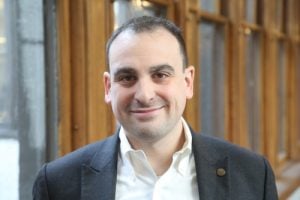 Joe
Joe