Good Job DOJ, Now The Conspiracy Theorists Have A Point – Above the Law

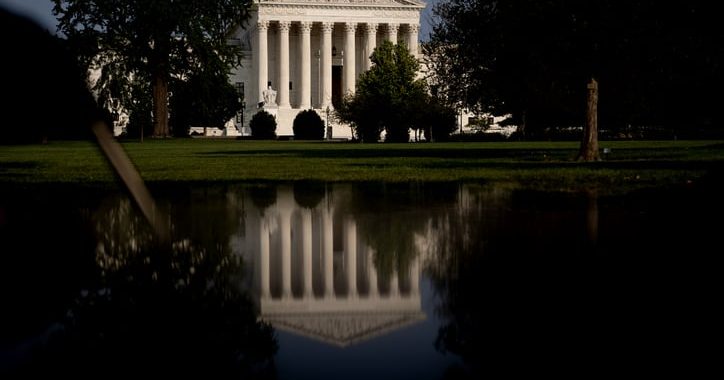
(Photo
by
Luke
Johnson/Getty
Images)

You
almost
have
to
admire
the
speed.

Less
than
24
hours
after
a
gunman
was
tackled
outside
the
ballroom
at
the
Washington
Hilton
during
the
White
House
Correspondents’
Dinner,
the
Department
of
Justice
had
already
drafted
a
letter
addressed
to
Greg
Craig
of
Foley
Hoag
demanding
the
firm
drop
its
case
against
the
administration
for
redesigning
the
White
House
without
any
congressional
approval.
Acting
AG
Todd
Blanche
subsequently

posted
this
letter
to
X

with
the
six-word
summary:
“It’s
time
to
build
the
ballroom.”

That’s…
a
lot
of
hustle
for
a
Sunday
morning.

To
be
clear
about
what
actually
happened

Saturday
night:

the
suspect,
a
California
teacher
and
engineer,
rushed
a
security
checkpoint
and
ran
toward
the
ballroom
where
the
black-tie
dinner
was
being
held,
armed
with
a
shotgun,
handgun,
and
knives.
He
exchanged
gunfire
with
law
enforcement
and
was
tackled
to
the
ground.
One
Secret
Service
agent
was
hit
in
his
bulletproof
vest,
treated,
and

released
.

No
one
was
killed.
The
shooter
was
arrested.
A
scary
incident,
genuinely,
and
one
that
could
have
been
catastrophically
worse.
We
can
all
agree
on
that.

But
the
Trump
administration
did
not
wait
to
agree
on
that
and
move
on.
Instead,
Assistant
AG
Brett
Shumate
fired
off
a
letter
to
the
National
Trust
for
Historic
Preservation’s
outside
counsel
demanding
the
Trust
voluntarily
dismiss

its
lawsuit

against
the
White
House
ballroom
by
9
a.m.
Monday,
or
the
DOJ
would
move
to
dissolve

Judge
Richard
Leon’s
injunction

and
kill
the
case
itself.
“Your
lawsuit
puts
the
lives
of
the
president,
his
family,
and
his
staff
at
grave
risk,”
Shumate
wrote.
“Enough
is
enough.
Your
client
should
voluntarily
dismiss
this
frivolous
lawsuit
today
in
light
of
last
night’s
assassination
attempt
on
President
Trump.”

The
letter
then
argued
that
the
shooter
targeting
Trump
“at
the
Washington
Hilton,
the
only
ballroom
in
Washington,
D.C.,
suitable
to
host
large
gatherings
for
the
President”
proved
the
White
House
ballroom
was
“essential
for
the
safety
and
security
of
the
President,
his
family,
his
cabinet,
and
his
staff.”

Strong
language…
just
a
few
not-so-minor
details
that
prevent
it
from
landing.
Like
how
the
White
House
Correspondents’
Dinner
is

not
a
White
House
event
,
but
rather
hosted
by
the
White
House
Correspondents’
Association.
And
that
attending
is
a
presidential
choice

indeed
Trump
has
skipped
out
on
every
other
Correspondents’
Dinner
he
was
invited
to.
Plus
the
administration
did
not
even
designate
the
event
as
a
National
Special
Security
Event,
a
classification
that
would
have
required
a
higher
threshold
of
security
measures.

So…
Trump
voluntarily
attended
a
non-White
House
event,
the
Secret
Service
chose
to
skimp
on
security
measures,
and
because
something
bad
happened
there


that
the
Secret
Service
still
successfully
thwarted


the
president
should
be
afforded
unilateral
authority
to
throw
a
tumorous
ballroom
onto
a
national
landmark?
Maybe
we
shouldn’t
be
surprised,
the
administration

has
been
calling
everything
a
national
security
necessity

since
the
East
Wing
came
down
(Judge
Leon
already
had
occasion
to
note
that
“national
security
is
not
a
blank
check
to
proceed
with
otherwise
unlawful
activity”).
It’ll
be
interesting
to
see
how
Judge
Leon

the
same
George
W.
Bush
appointee
who
has
been
watching
this
administration
make

increasingly
strained
arguments

for

the
better
part
of
a
year


reacts
to
this
one.

The
DOJ
letter
is
also,
to
put
it
charitably,
in
significant
tension
with
the
position
this
administration
has
staked
out
in
every
other
gun-related
tragedy
in
recent
memory.
When
children
are
murdered
in
their
classrooms,
the
answer
from
this
crowd
is
invariably:
thoughts
and
prayers,
mental
health,
it’s
too
soon
to
talk
about
policy.
But
shots
fired
in
the
vicinity
of
GOP
politicians
and
suddenly
something
needs
to
be
done
by
9
a.m.
Monday?
The
whiplash
would
be
funny
if
it
weren’t
so
grotesque.

And
then
there’s
the
part
that
the
administration
has,
seemingly,
not
thought
through
at
all:
the
optics
of
this
move
are
doing
absolutely
nothing
to
tamp
down
the
false
flag
speculation
that
immediately
erupted
online
after
the
shooting.
Now,
to
be
clear,
there
is
no
credible
evidence
this
was
a
false
flag.
The
suspect
sent
his
family
a
note
about
10
minutes
before
the
attack
apologizing
to
his
parents,
colleagues,
and
students
for
what
he
was
about
to
do,

w
riting,
“I
don’t
expect
forgiveness.”
That
is
not
the
behavior
of
a
government
plant.
The
shooter
appears
to
be
exactly
what
he
appears
to
be.

But
false
flag
theories
don’t
survive
and
thrive
on
evidence.
They’re
built
on
the

appearance

of
suspicious
opportunism.
And
the
DOJ

less
than
24
hours
after
the
shooting

publicly
calling
on
the
plaintiff’s
attorney
to
drop
a
specific
ongoing
lawsuit
that
directly
benefits
the
president,
using
language
like
“I
hope
yesterday’s
narrow
miss
will
help
you
finally
realize
the
folly”
of
your
lawsuit…
is
not
a
great
look
for
an
administration
trying
to
project
good
faith.



Kathryn
Rubino
is
a
Senior
Editor
at
Above
the
Law,
host
of The
Jabot
podcast
,
and
co-host
of Thinking
Like
A
Lawyer
.
AtL
tipsters
are
the
best,
so
please
connect
with
her.
Feel
free
to
email her with
any
tips,
questions,
or
comments
and
follow
her
on
Twitter @Kathryn1 or
Bluesky @Kathryn1
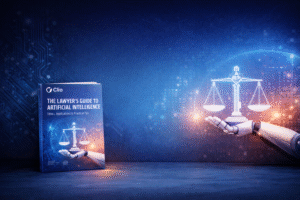
A Lawyer’s Guide To Artificial Intelligence – Above the Law

For
lawyers,
understanding
AI
is
not
just
about
the
latest
technology;
it’s
about
remaining
relevant
in
a
rapidly
evolving
legal
landscape.

Legal
professionals
need
to
be
aware
of
the
ethical
ramifications
of
AI,
so
they
can
confidently
leverage
AI
tools
to
improve
their
firms
and
shift
their
focus
to
solving
complex
problems
and
high-value
client
counseling.

It’s
a
tall
order,
but
we
have
you
covered
with
everything
you
need
to
know
so
you
don’t
fall
behind
while
successfully
leveraging
AI
for
your
practice.

This
28-page
guide
from
our
friends
at
Clio
provides
an
overview
of
AI,
its
applications
in
law,
and
the
ethical
considerations
lawyers
must
keep
in
mind.

Download
it
to
explore: 

  • The
    benefits,
    ethics,
    and
    risks
    of
    AI
    use
  • The
    MODES
    framework
    (Manipulate,
    Optimize,
    Draft,
    Explain,
    Summarize)
    for
    your
    workflow
  •  Practical
    AI
    use
    cases
    such
    as
    E-discovery,
    due
    diligence,
    and
    litigation
    analysis 
  •  A
    step-by-step
    tutorial
    and
    10
    tips
    for
    writing
    effective
    prompts 
  •  An
    essential
    AI
    glossary
    for
    legal
    professionals 


Fill
out
the
form
to
get
your
free
copy!


Court Side-Eyes Trump’s Plan To Sue Himself And Loot The Treasury – Above the Law

(Image
via
ChatGPT)

Trump’s
plan
to
fleece
American
taxpayers
ran
into
a
tiny
speed
bump
on
Friday
thanks
to
Judge
Kathleen
Williams
of
the
Southern
District
of
Florida.
Williams
is
saddled
with
Trump’s
preposterous

trollsuit

against
the
IRS
for
the
wrongful
disclosure
of
his
tax
returns
by
a
contractor
in
2020

but
perhaps
not
for
much
longer.

The
suit
is

defective

in
every
respect,
particularly
the
$10
billion
damage
demand.
Trump
insists
he’s
entitled
to
$1,000
for
every
click
on
a

New
York
Times
article

about
the
leaked
returns

despite
the
fact
that
the
law
specifies
that
the
disclosure
must
be
by
an
“officer
or
employee
of
the
United
States,”
i.e.,

not

a
journalist.
It’s
also
time-barred,
since
the
relevant
statute
requires
the
victim
to
file
within
two
years
of
discovering
the
breach.

Trump
claims
he
didn’t
find
out
about
the
disclosure
until
January
of
2024
when
the
leaker,
Charles
Littlejohn,
was
sentenced.
This
is
somewhat
undercut
by
his
sparklemagic
lawyer
Alina
Habba’s
appearance
at
a

plea
hearing

in
October
of
2023,
where
she
announced
that
she
was
“here
on
behalf
of
President
Trump
who
was
a
victim,
as
we
just
heard,
of
this
atrocity.”
See
also:
all
those
New
York
Times
stories
about
his
family’s
finances
that
ran
in
2020
and
2022.

But
dissecting
the
complaint’s
deficiencies
risks
stepping
into
a
world
of
make
believe
where
this
is
an
actual
civil
action,
rather
than
a
lawsuit-shaped
pretext
to
allow
the
president
to
loot
the
Treasury.
Indeed,
Trump
himself
acknowledged
as
much
just
days
after
he
filing
his
complaint.

“I’m
supposed
to
work
out
a
settlement
with
myself,”
he

babbled

to
reporters,
adding
that
“We
could
make
it
a
substantial
amount,
nobody
would
care
because
it’s
going
to
go
to
numerous
very
good
charities.”

Whether
“nobody
would
care”
is
an
open
question.
On
April
17,
counsel
for
Trump
and
attorneys
for
the
DOJ


but
I
repeat
myself!


filed
a

joint
motion

to
stay
proceedings
for
90
days
“while
the
Parties
engage
in
discussions
designed
to
resolve
this
matter
and
to
avoid
protracted
litigation.”
Just
as
they
did
in
Michael
Flynn’s
moribund
tort
claim
over
the
Russia
investigation,
the
government
is
telegraphing
its
intent
to
cut
the
president
a
check
he
could
never
collect
in
court.

But
Judge
Williams
refuses
to
lend
her
judicial
imprimatur
to
what
is
effectively
the
bank
teller
opening
the
till
and
pocketing
the
cash

or
at
least,
not
yet.

Noting
that
no
lawyer
for
the
government
has
even
bothered
to
enter
an
appearance
and
“the
only
scheduled
event
at
issue
is
Defendants’
response
to
the
Complaint,”
she
instead

instructed

the
parties
to
explain
how
the
court
has
jurisdiction
over
a
matter
in
which
there’s
no
actual
dispute.
Because
judges
derive
their
authority
from
the
Constitution,
and
Article
III
limits
them
to
adjudicating
actual
cases
or
controversies.
And
kayfabe
where
the
president
connives
with
his
employees
to
pillage
government
coffers
and
then
demands
judicial
blessing
for
naked
corruption

don’t
cut
it
.

“Typically,
adverseness
is
found
in
a
situation
where
one
party
is
asserting
its
right
and
the
other
party
is
resisting,”
Judge
Williams
wrote,
observing
that
no
president
in
history
has
been
more
clear
that
he
exerts
personal
control
over
every
employee
in
every
branch
of
the
federal
government

particularly
employees
at
supposedly
independent
agencies
like
the
Justice
Department.

“[T]he
Attorney
General,
has
a
statutory
obligation
to
defend
the
IRS
when
it
is
hailed
into
court,
but
then
is
ostensibly
required
by
executive
mandate
to
adhere
to
the
President’s
opinion
on
a
matter
of
law
in
such
a
case,”
she
continued.
“This
raises
questions
over
whether
the
Parties
here
are
truly
antagonistic
to
each
other.”

In
plain
English,
the
court
is
ordering
the
parties
to
explain
how
there
can
be
adversity
when
Trump
is
both
the
plaintiff
and
defendant.
As
she
points
out,
even
as
Trump
insists
he’s
suing
in
his
personal
capacity,
the
case
is
captioned
“President
Donald
J.
Trump”
and
refers
to
him
by
his
official
title
throughout.

In
the
past,
conservatives

decried

so-called
“sue-and-settle”
agreements
as
a
tool
to
enact
environmental
policy
via
sham
lawsuits
without
buy-in
from
Congress.
But
once
they
took
the
House,
Senate,
and
White
House,
they
changed
their
tune.
Two
weeks
ago,
the
FTC
simultaneously
sued
various
advertising
trade
groups
for
violating
antitrust
law
by
advocating
for
brand
safety
standards
that
make
Elon
Musk
mad
(light
paraphrase)
and
docketed
a

stipulated
settlement
.
In
June,
the
Justice
Department

sued

Texas
over
its
policy
of
providing
in-state
tuition
to
undocumented
immigrants.
Just
six
hours
later,
Judge
Reed
O’Connor
approved
a
settlement
zeroing
out
a
duly
enacted
provision
of
Texas
state
law.

Both
of
these
cases
were
filed
in
the
Northern
District
of
Texas,
guaranteeing
they’d
draw
conservative
judges
who
have
become
an
effective
rubber
stamp
for
Trump
DOJ
shenanigans.
The
ploy
works
less
well
in
other
courtrooms,
even
those
presided
over
by
his
own
appointees.
In
the
Eastern
District
of
Texas,
the
Trump
administration

hoped
to
nullify

the
Johnson
Amendment,
which
bars
churches
from
political
endorsements
as
a
condition
of
maintaining
their
tax-exempt
status.
The

complaint

was
filed
in
the
waning
days
of
the
Biden
administration,
but
once
back
in
the
White
House,
Trump’s
DOJ
moved
quickly
to
grant
the
plaintiffs’
wish

effectively
transforming
it
into
a
sue-and-settle
case.
But
Judge
J.
Campbell
Barker
rejected
the
ploy,

dismissing

the
complaint
for
lack
of
jurisdiction,
since
there’s
no
actual
dispute
when
both
parties
are
on
the
same
side
and
agree
on
the
remedy.

It
would
appear
that
Judge
Williams
is
preparing
to
do
the
same.
She’s
given
the
government
and
Trump
until
May
20
to
explain
how
they’re
actually
adverse.
And
if
there’s
no
justiciable
conflict,
then
the
court
can’t
approve
a
“settlement.”

By
the
logic
of
such
a
ruling,

any

lawsuit
filed
by
the
sitting
president
against
his
own
government
is
definitionally
non-justiciable.
Or,
at
the
very
least,

this

president
can’t
sue
the
government,
since
he’s
burned
down
every
firewall
and
insisted
that
he
has
the
right
to
control
every
organ
of
the
executive
branch.
If
Trump

is

the
government,
he
can’t
sue

himself

and
claim
that
the
lawsuit
is
anything
other
than
a
sham.

But
getting
tossed
out
of
court
can’t
ultimately
preclude
a
settlement.
Trump
could
simply
order
the
IRS
to
cut
him
a
check,
as
he
seems
likely
to
do
with
the
administrative
claim
he
filed
demanding
$230
million
for
“abuses”
he
suffered
during
the
stolen
documents
and
election
interference
cases.
The
only
question
is
whether
he’ll
have
the
fig
leaf
of
a
federal
judge
blessing
his
settlement
with
himself.
The
cost
to
the
taxpayer
is
the
same,
but
this
way
would
at
least
spare
the
judiciary
from
sullying
itself
with
his
flagrant
self-dealing.

Or,
if
Judge
Williams
dismisses
the
case,
Trump
can
always
refile
it
in
the
Northern
District
of
Texas
and
get
one
of
his
buddies
to
sign
the
permission
slip.


Liz
Dye
 produces
the
Law
and
Chaos Substack and podcast.
 You
can
subscribe
by
clicking
the
logo:


Legal Ethics Roundup: Ethics Of Attorney-Journalists, The ‘Hyperlink Rule,’ OH Allows Judges’ Political Endorsements, SPLC Indictment & More – Above the Law


Ed.
note
:
Please
welcome
Renee
Knake
Jefferson
back
to
the
pages
of
Above
the
Law.
Subscribe
to
her
Substack,
Legal
Ethics
Roundup, here.


Welcome
to
what
captivates,
haunts,
inspires,
and
surprises
me
every
week
in
the
world
of
legal
ethics.

Happy
Monday!

Last
week
I
spoke
at
the New
York
State
Permanent
Commission
on
Access
to
Justice
2026
Annual
Law
School
Conference
 with Matthew
Diller
 (Fordham), Aziz
Huq
 (Chicago), David
Udell
 (National
Center
for
Access
to
Justice)
and Carolyn
Coffey
 (Mobilization
For
Justice)
where
we
discussed
“Lawyering
in
Complex
Times:
Access
to
Justice
and
the
Rule
of
Law
as
Foundations
of
Professional
Identity.”
Program
materials
and
a
recording
of
the
full
conference
should
be
available
soon
at
this link.

It
was
a
busy
week
in
the
world
of
legal
ethics,
so
you
get
fifteen
headlines
instead
of
the
usual
ten.

Highlights
from
Last
Week

Top Ten Fifteen
Headlines


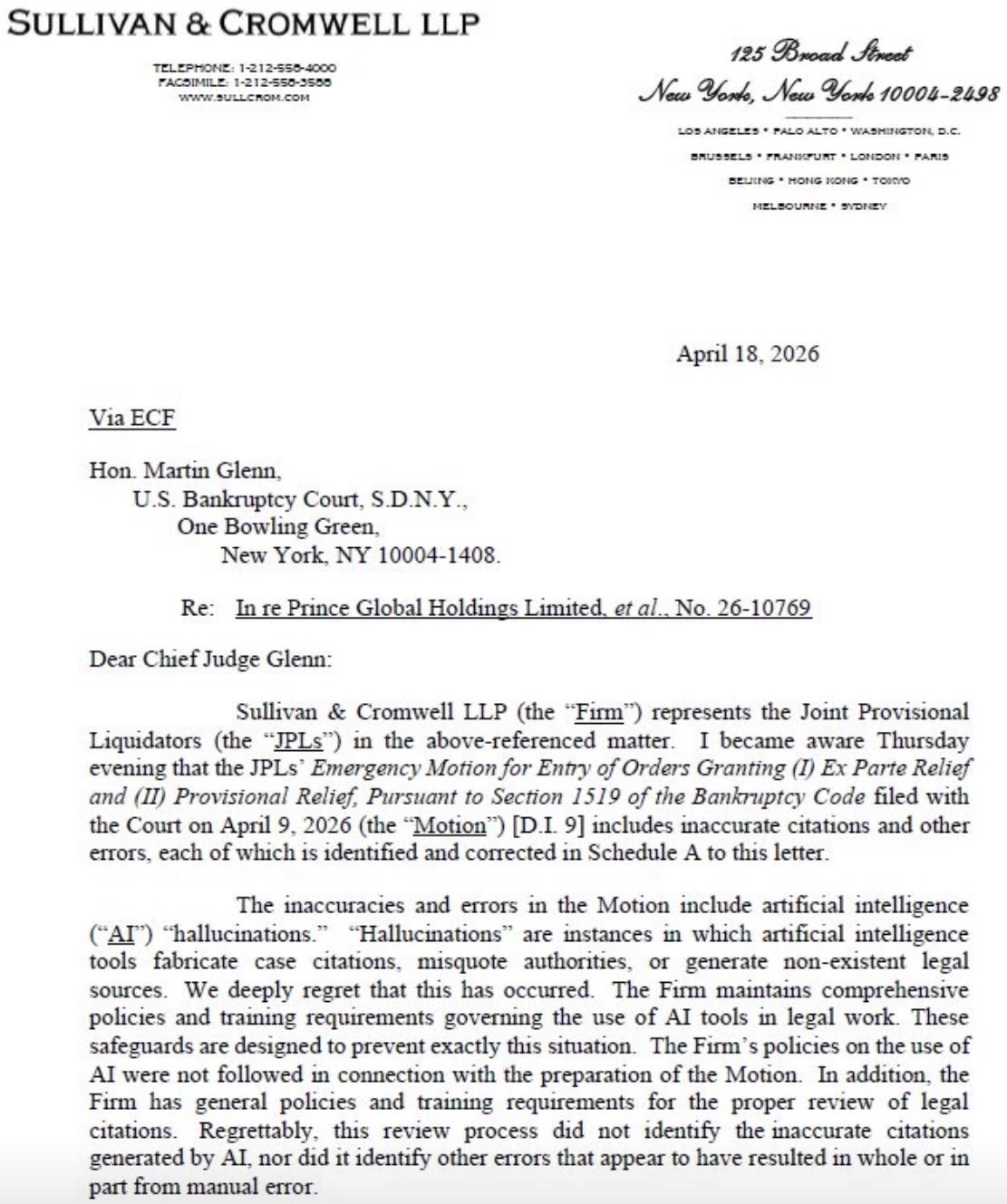
#1
“A.I.
‘Hallucinations’
Created
Errors
in
Court
Filing,
Top
Law
Firm
Says.” 
From The
New
York
Times: 
Sullivan
&
Cromwell
 apologized
for
submitting
a
court
document
that
had
fake
citations
created
by
artificial
intelligence.”
Read
more here (gift
link).


#2
“U.S.
Law
Schools
Have
Diverse
Takes
on
DEI.
The
Body
That
Accredits
Them
Has
None

Our
Standards
are
Silent
on
the
Subject.” 
From Daniel
Theis 
(Accreditation
Council)
in The
Wall
Street
Journal: 
“As
chairman
of
the
body
that
accredits
law
schools—the
Council
of
the
American
Bar
Association
Section
of
Legal
Education
and
Admissions
to
the
Bar—I’d
like
to
clarify
a
few
points
relevant
to
your
editorial
How
the
ABA
Spreads
DEI
in
Law
Schools

(April
17).
The
law
school
accreditation
standards
are
silent
on
DEI,
and
have
been
since
February
2025.
As
you
note,
the
council
suspended
Standard
206
on
diversity
and
inclusion
at
that
time.
Looking
forward,
the
council—which
has
the
final
say
on
the
content
of
the
accreditation
standards—has
proposed
a
permanent
repeal
effective
as
soon
as
this
August.”
Read
more here (gift
link).
[Full
disclosure:
I
am
an
elected
member
of
the
Accreditation
Council
for
the
ABA
Section
on
Legal
Education
and
Admission
to
the
Bar.]


#3
“The
Inside
Story
of
Five
Days
that
Remade
the
Supreme
Court.” 
From The
New
York
Times: 
“Secret
memos
obtained
by
The
New
York
Times
illuminate
the
origins
of
the
court’s
now-routine
‘shadow
docket’
rulings
on
presidential
power.”
Read
more here (gift
link).


#4
“Court
Leaks
and
Attorney-Journalists.” 
From Divided
Argument: 
“The
recent leak
of
internal
Supreme
Court
memoranda
to
the 
New
York
Times
,
discussed
earlier
by Will
Baude
—as
well
as
by Jonathan
Adler
Josh
Blackman
,
and Jack
Goldsmith
 elsewhere—was
plainly
a
serious
violation
of
the
Court’s
confidentiality
obligations.
But
it
may
also
reflect
serious
legal-ethics
violations
by
one
of
the Times article’s
coauthors, Adam
Liptak
,
whom
I
understand
to
be
a
licensed
attorney
in
New
York
and
subject
to
that
state’s
Rules
of
Professional
Conduct.”
Read
more here.


#5 
“What
We
Learned
From
a
Secret
Deposition
of
Ken
Paxton.” 
From The
Wall
Street
Journal: 
“Previously
hidden
document
sheds
new
light
on
ethical
questions
surrounding
the
GOP
Senate
candidate
and
Texas
attorney
general.”
Read
more here (gift
link).


#6
“The
Hyperlink
Rule.” 
From Oliver
Roberts 
on LinkedIn: “The
Hyperlink
Rule
could
have
prevented
the
AI
hallucination
incident
in
California,
where
a
judge
issued
an
order
with
fake
citations
last
month.

Had
the
court
required
use
of
the
Hyperlink
Rule,
meaning
that
cited
authorities
had
to
be
hyperlinked
to
real
sources
(e.g.,
Lexis
or
Westlaw),
there
would
have
been
an
immediate
three-part
safeguard,
and
any
one
of
those
checkpoints
likely
would
have
flagged
the
problem
before
it
resulted
in
wasted
briefing
and
judicial
time
on
appeal.
First,
if
the
drafting
attorney
had
been
required
to
hyperlink
each
cited
source,
counsel
likely
would
have
realized
that
the
cited
authorities
did
not
correspond
to
real
sources
and
therefore
could
not
be
linked.
Second,
opposing
counsel
could
have
simply
clicked
the
hyperlinks
in
the
proposed
order
to
confirm
that
the
authorities
actually
existed.
Third,
the
judge
could
have
done
the
same
before
signing
the
order.

The
Hyperlink
Rule
should
become
commonplace
in
courts.”
Read
more here.


#7
“Civil
Rights
Groups
Condemn
Southern
Poverty
Law
Center’s
Indictment
and
Prepare
for
Legal
Fights.” 
From The
Washington
Post: 
“The
criminal indictment
of
the
Southern
Poverty
Law
Center
this
week
 was
met
with
much
outrage
but
little
surprise
from
civil
rights
leaders,
who
have
for
more
than
a
year
prepared
for
heightened
legal
scrutiny
from
the
Trump
administration,
and
how
to
mount
a
coordinated
response.
In
rounds
of
calls
immediately
following
the
indictment,
advocates
discussed
how
to
support
the
SPLC,
a
Montgomery,
Alabama-based
civil
rights
group
founded
in
1971
that
has
tracked
white
supremacist
groups
and
been
outspoken
on
voting
rights,
immigration
and
policing.
Organizers
on
one
call
agreed
that
winning
in
the
court
of
public
opinion
would
be
crucial
as
judicial
proceedings
began,
leading
to
dozens
of
public
statements
of
support
and
planned
rallies.”
Read
more here (gift
link).


#8
“A
Group
of
Residents
is
Banding
Together
to
Defend
Judges
Facing
Threats
and
Violence.” 
From National
Public
Radio: 
“Boston-area
residents
have
formed
a
group
to
support
federal
judges
facing
hostile
rhetoric
and
violent
threats.”
Read
more
and
listen here.


#9
“The
Eight-Figure
Talent
Race
for
Supreme
Court
Lawyers.” 
From The
Wall
Street
Journal: 
“Firms
are
dangling
large
pay
packages
to
lure
stars
who
can
elevate
their
stature.”
Read
more here (gift
link).


#10
“Former
Texas
Chief
Justice
on
the
Importance
of
Court
Transparency.” 
From The
Brennan
Center
for
Justice: 
Wallace
B.
Jefferson 
joined
the
Supreme
Court
of
Texas
in
2001
and
served
as
chief
justice
from
2004
until
he
left
the
court
in
2013.
As
chief
justice,
he
successfully
lobbied
to
allow
live
video
of
high
court
oral
arguments,
which
launched
in
2007.
In
an
interview,
Jefferson
addressed
the
importance
of
court
transparency,
including
why
the
U.S.
Supreme
Court
should
allow
cameras
at
oral
arguments
and
Texas’s
policy

which
Jefferson
noted
is
outside
the
norm
for
most
high
courts’
policies

of
allowing
state
supreme
court
clerks
to
sit
in
on
the
justices’
conferences.”
Read
more here.
[Full
disclosure:
Wallace
is
my
wonderful
husband.]


#11
“EEOC
Chair
Violated
Attorney
Ethics
Code,
Bar
Complaint
Says.” 
From Bloomberg
Law: 
EEOC
Chair
Andrea
Lucas
 should
be
investigated
for
using
her
position
to
advance
‘personal
and
political
objectives’
that
violate
her
duties
to
enforce
federal
discrimination
law,
a
legal
accountability
group
told
the
Virginia
State
Bar.
The
Legal
Accountability
Center filed
the
bar
complaint
 earlier
this
week
citing
a
series
of
actions
the
commission
has
taken
under
Lucas’s
leadership
that
includes
halting
investigations
of
charges
dealing
with
transgender
bias
and
charges
based
on
solely
on
unintentional
discrimination
claims.
It
also
cited
letters
to
law
firms
signed
by
Lucas
asking
for
information
about
their
diversity
initiatives.”
Read
more here.


#12
“California
High
Court
Proposes
Tougher
Ethics
Rules
on
False
Statements
by
Attorneys.” 
From Law.com: “California’s
Supreme
Court
justices
on
Thursday rejected proposed
changes
to
ethics
rules
targeting
attorneys
who
lie
or
spread
misleading
statements
about
judges,
choosing
instead
to
draft
their
own
tougher
language.

The
state
Supreme
Court
revised
a
proposed
ethics
rule
to
warn
that
lawyers
who
make
false
statements
could
be
disciplined
even
if
they
‘reasonably’
disagree
with
a
judge’s
ruling.”
Read
more here.


#13
“When
Judges
are
Targeted,
the
Legal
Profession
Must
Respond.” 
From ABA
President
 Michelle
Behnke 
in
the Las
Vegas
Sun: 
“Judges
in
the
United
States
are
under
a
sustained,
coordinated
attack.
Their
photographs
have
been
posted
online
by
senior
government
officials.
The
president
has
disparaged
them
by
name.
Their
rulings
have
been
met
not
with
appeals
but
with
calls
for
impeachment
and,
in
some
cases,
with
outright
defiance.
This
pressure
on
judges
is
personal,
targeted
and
designed
to
undermine
a
justice
system
that
should
work
for
everyone.
This
is
not
a
partisan
concern.
It
is
a
structural
one.
Judicial
independence
is
not
a
privilege
of
the
judiciary

it
is
a
safeguard
for
everyone
who
might
one
day
need
a
court
to
stand
between
them
and
power.”
Read
more here.


#14
“Republican
Ohio
Supreme
Court
Makes
Ohio
First
in
Nation
to
Allow
Political
Endorsements
From
Judges.” 
From
the Ohio
Capital
Journal: 
“You
read
that
right.
Ohio’s
highest
court
issued
an
out-of-the
blue ruling with
profound
implications
for
an
even
more
partisan
judiciary
in
the
state.
In
a
5-1
Republican
majority
opinion,
the
justices
made
Ohio
a
complete
outlier
in
the
country
by
ending
a
decades-old
ban
on
state
judges
and
judicial
candidates
openly
endorsing
(or
opposing)
a
candidate
for
another
public
office.”
Read
more here.


#15
“Former
Texas
Supreme
Court
Justice
Hecht
Addresses
Judicial
Independence
at
UH
Law
Sondock
Lecture.” 
From
the University
of
Houston
Law
Center: 
“Complaints
about
the
judiciary
aren’t
new. Nathan
L.
Hecht
,
27th
chief
justice
of
the
Supreme
Court
of
Texas,
cited
examples
dating
back
to
the
era
of Thomas
Jefferson
 as
he
delivered
the 2026
Justice
Ruby
Kless
Sondock
Jurist-in-Residence
Lectureship
in
Legal
Ethics
at
the
University
of
Houston
Law
Center
.
But,
Hecht
warned,
that
doesn’t
mean
today’s
criticism
of
judicial
decisions

from
the
highest
levels
of
government
to
the
person
caught
up
in
an
eviction
case

aren’t
a
serious
concern.
He
outlined
several
steps
that
judges,
the
legal
system
and
society
at
large
could
take
to
ensure
people
believe
the
courts
are
impartial.

Sondock
is
a
pioneering
lawyer
and
jurist
who
graduated
as
valedictorian
and
one
of
just
five
women
in
the
UH
law
school
class
of
1962.
She
became
the
first
female
state
district
court
judge
in
Harris
County
when
she
was
appointed
to
the
bench
in
1977
and
was
appointed
to
the
state
Supreme
Court
in
1982.
Sondock
was
in
the
audience
for
this
year’s
lecture,
which
was
held
just
a
week
before
her
100th
birthday.”
Read
more here.
Happy
100th
Birthday
Justice
Sondock!


Get
Hired

Did
you
miss
the
500+
job
postings
from
previous
weeks?
Find
them
all here.


Upcoming
Ethics
Events
&
Other
Announcements
️

Did
you
miss
an
announcement
from
previous
weeks?
Find
them
all here.


Keep
in
Touch


Do
you
have
colleagues
who
care
about
legal
ethics?
 Please
share
the
Roundup
with
them.
I’d
love
to
see
our
community
continue
to
grow!


News
tips?
Announcements?
Events?
 A
job
to
post?
 Reading
recommendations?
 Email

[email protected]


but
be
sure
to
subscribe
first,
otherwise
the
email
won’t
be
delivered.


Renee
Knake
Jefferson
holds
the
endowed
Doherty
Chair
in
Legal
Ethics
and
is
a
Professor
of
Law
at
the
University
of
Houston.
Check
out
more
of
her
writing
at
the Legal
Ethics
Roundup
.
Find
her
on
X
(formerly
Twitter)
at @reneeknake or
Bluesky
at legalethics.bsky.social

Morning Docket: 04.27.26 – Above the Law

*
Public
confidence
in
the
Supreme
Court
falls,
which
is
significant
because
it
didn’t
seem
like
it
could
go
lower.
[ABA
Journal
]

*
Losing
key
appellate
lawyers
unlikely
to
impact
firm
profits.
[American
Lawyer
]

*
DOJ
asks
plaintiffs
to
drop
the
ballroom
construction
challenge
in
light
of
Correspondence
Dinner.
[WSJ]

*
AI
is
taking
over
ERISA
cases.
[Bloomberg
Law
News
]

*
CFTC
sues
New
York
for
attempting
to
regulate
gambling
websites
that
Trump’s
son
collects
money
from.
[Law360]

*
US
agrees
to
allow
Venezuela
to
pay
for
Maduro’s
lawyer.
[Reuters]

*
Federal
authorities
still
haven’t
returned
the
car
that
they
murdered
Renee
Good
in.
[Courthouse
News
Service
]

As Mnangagwa clings on, Chiwenga tells parable of the king who wouldn’t let go

HARARE

Vice
President
Constantino
Chiwenga
delivered
what
appeared,
on
the
surface,
to
be
a
spiritual
address
at
a
Roman
Catholic
Church
event
in
Murewa
on
Saturday,
but
his
choice
of
scripture
carried
unmistakable
resonance
against
the
backdrop
of
President
Emmerson
Mnangagwa’s
push
to
rewrite
Zimbabwe’s
constitution
and
cling
to
power.

Extolling
the
virtues
of
Saint
Francis
of
Assisi,
Chiwenga
urged
leaders
to
embrace
“humility,
radical
simplicity,
peace
building
and
compassionate
outreach
to
the
most
vulnerable,”
qualities
he
described
as
forming
“a
balanced
leadership
framework.”

He
then
turned
to
the
Book
of
Isaiah
in
the
Bible,
and
the
story
of
King
Hezekiah.

“When
God
asks
you
to
do
something,
never
question
why.
Why
has
God
done
this?”
Chiwenga,
a
Catholic,
told
the
congregation.

“Hezekiah
reigned
over
Judah
for
a
very
long
time,
and
became
a
very
prominent
king.
He
began
to
see
himself
as
not
fit
for
death
and
thought
he
was
supposed
to
reign
over
Judah
forever.”

Chiwenga
said
God
sent
the
prophet
Isaiah
to
warn
Hezekiah
that
his
time
was
up,
he
had
a
few
days
to
live
and
that
he
must
put
his
affairs
in
order.
But
the
king
refused
to
accept
it.

“Hezekiah
would
have
none
of
it,
hitting
on
the
walls
of
the
palace:
‘What
kind
of
a
God
are
you?
There
is
no
any
other
king
who
can
reign
like
me.’”

God
relented
and
granted
Hezekiah
15
more
years,
but
the
extension
proved
disastrous.
The
king,
his
judgement
clouded,
revealed
his
kingdom’s
military
secrets
to
spies
from
Nebuchadnezzar,
who
later
returned
to
crush
him.

“He
never
managed
even
three
months
(as
king)
of
the
extended
period,”
Chiwenga
said.
“He
spent
the
extended
15
years
down
in
jail.
God
did
not
take
away
the
15
years,
he
let
him
have
them,
but
he
was
in
jail.”

The
parable
landed
with
particular
resonance
in
the
wake
of
the
tabling
of
the
Constitution
of
Zimbabwe
Amendment
(No.
3)
Bill
2026
in
parliament.
The
bill
introduces
a
sweeping
package
of
changes
that
would
fundamentally
redraw
the
country’s
political
architecture
in
ways
that
benefit
Mnangagwa
and
neutralise
potential
rivals,
including
Chiwenga
himself.

One
of
the
most
dramatic
provisions
abolishes
the
direct
election
of
the
president
by
popular
vote.
The
president
would
instead
be
elected
by
members
of
parliament
sitting
in
a
joint
session
of
the
Senate
and
National
Assembly.

To
win,
a
candidate
would
need
more
than
half
the
valid
votes
cast
by
MPs.
The
bill
erodes
provisions
on
automatic
succession
by
the
vice
president
in
the
event
of
the
president’s
incapacitation,
resignation
or
death

closing
a
path
to
the
top
office
for
Chiwenga
and
Kembo
Mohadi,
the
second
of
Mnangagwa’s
two
deputies.

Chiwenga,
a
former
Zimbabwe
Defence
Forces
commander
who
is
widely
regarded
as
co-architect
of
the
November
2017
military
coup
that
brought
Mnangagwa
to
power,
has
long
been
viewed
as
a
potential
successor.
The
amendment
dims
that
prospect
significantly,
with
political
analysts
warning
the
presidency
could
now
go
to
the
highest
bidder,
with
leadership
rivals
appearing
prepared
to
bribe
MPs
to
wrest
control
of
both
Zanu
PF
and
the
government.

The
bill
also
controversially
proposes
extending
both
presidential
and
parliamentary
terms
from
five
years
to
seven,
which
lawyers
and
opposition
parties
say
is
unconstitutional
and
would
require
at
least
a
referendum
to
permit
incumbents
to
benefit.

The
bill’s
memorandum
offers
a
governance
rationale

that
longer
terms
“eliminate
election
mode
toxicity”
and
allow
“sufficient
time
for
project
implementation.”

Mnangagwa’s
current
term
runs
to
2028,
and
he
is
constitutionally
barred
from
seeking
a
further
term.
His
supporters
say
the
proposals
in
the
amendments
are
not
a
breach
of
the
term
limit
provision
in
the
constitution
but
merely
an
extension.

The
bill
also
proposes
raising
the
number
of
senate
seats
from
80
to
90,
with
the
president
empowered
to
appoint
10
additional
senators
chosen
for
“professional
skills
and
other
competencies,”
further
expanding
the
president’s
control
over
the
upper
chamber.

MPs
are
expected
to
vote
on
the
bill
in
late
May,
before
the
president
signs
it
into
law.

The DOJ’s Week Of Disaster – See Generally – Above the Law


The
Streisand
Effect
Finds
Its
Spirit
Animal
:

The
Atlantic

published
an
article
based
on
multiple
insider
accounts
of
Kash
Patel’s
drinking
prompting
the
FBI
Director
to
promise

swift
legal
retaliation
.
He
made
good
on
that
pledge
with

a
flimsy
$250
million
defamation
complaint

(possibly

drafted
by
AI
),
that
only
managed
to

look
weaker
the
more
he
talked
about
it
.


DOJ
Does
A
Solid
For
The
KKK
:
Acting
AG
Todd
Blanche
and
FBI
Director
(for
the
moment…)
Kash
Patel
announced

criminal
charges
against
the
Southern
Poverty
Law
Center

for
its
work
gathering
intelligence
on
known
hate
groups.
But
apparently
no
one
bothered
to
double-check
the
charging
documents,
because

the
indictment
fails
to
allege
a
whole
element
.


S&C’s
Letter
To
The
Court,
Translated:
‘Please’
:

Sullivan
&
Cromwell
submitted
an
emergency
filing
asking
a
federal
court
not
to
sanction
the
firm
after
discovering
their
filings
were
riddled
with
AI
hallucinations
.


Powell
Pwns
Pirro
:

Adding
to
the
DOJ’s
woes
this
week,
Jeanine
Pirro
tried
to
quietly
extricate
the
Justice
Department
from
its
phony
case
against
Federal
Reserve
Chair
Jerome
Powell
.


Freedom
Of
Religion
Means
Everyone
Is
Free
To
Worship
The
Way
The
Fifth
Circuit
Tells
You
:

The
Fifth
Circuit
embarked
on
some
quirky
mental
gymnastics
to
explain
why
Texas
can
demand
public
schools
post
the
Ten
Commandments
in
every
classroom
is
not
“establishment
of
religion.”


When
The
Law
Is
On
Your
Side,
Pound
The
Law;
When
The
Facts
Are
On
Your
Side,
Pound
The
Facts;
When
You
Have
Neither,
Pound
The
Leak
:

Uncovered
memos
reveal
Chief
Justice
Roberts’s
deeply
cynical
role
in
inventing
the
Supreme
Court’s
new
hyperactive
shadow
docket
as
a
policy
instrument
.


Ranking
Law
Schools
:
By

buildings
,

real
estate
,

practical
training
,
and

Biglaw
job
prospects
.


Law
Professor’s
Love
Letter
To
Hungarian
Authoritarianism
:

Jonathan
Turley
is
just
a
Republican
talking
points
pullstring
toy
at
this
point,
but
his
lament
over
the
fall
of
Viktor
Orban
is
conspiracy
theory
stuff
.


It’s
10
p.m.
Do
You
Know
Where
Your
Partners
Are?
:

Because
the
lateral
market
keeps
churning,
with
Paul
Weiss
losing
prominent
appellate
partner
to
Davis
Polk
.


Corporate
Clients
Memory
Hole
DEI
:

Corporate
legal
departments,
which
once
loudly
demanded
diversity
commitments
from
outside
counsel,
are
now
quietly
letting
those
commitments
expire,
in
what
we
in
the
journalism
business
call
“a
pattern.”


The
Federalist
Society’s
Extremely
Normal
Evening
:

A
Federalist
Society
event
intended
to
present
the
legal
case
for
DHS
immigration
operations
as
something
other
than
what
they
are
encountered
mild
friction
when
the
protesters
outside
declined
to
pretend
otherwise.

How to Think About Cloud Computing in Zimbabwe Before It’s Too Late

LONDON
(Apr
26)

Alright,
let’s
be
real.
In
the
fast-paced
world
of
sports,
staying
updated
can
feel
like
a
full-time
job.
That’s
where
Twitter
swoops
in
like
a
superhero,
providing
instant
access
to
all
the
juicy
details.
Twitter
is
more
than
just
a
social
media
platform;
it’s
a
dynamic
hub
for
real-time
information,
fan
interactions,
and
exclusive
content.
For
fans
of
the
Tec
de
Monterrey
León
basketball
team,
Twitter
is
an
indispensable
tool.
Why,
you
ask?
Well,
here
are
a
few
reasons
why
Twitter
is
the
ultimate
destination
for
your
basketball
fix:

What
Drives
Cloud
Computing
In
Zimbabwe
Before
It’s
Too
Late
Today?

In
a
nutshell,
Twitter
is
the
ultimate
companion
for
any
dedicated
fan
of
the
Tec
de
Monterrey
León
basketball
team.
It
keeps
you
informed,
entertained,
and
connected
to
the
team
and
its
community.

Alright,
now
that
you’re
convinced
of
Twitter’s
awesomeness,
let’s
talk
about
the
accounts
you
should
be
following.
Finding
the
right
Twitter
handles
is
crucial
to
getting
the
most
out
of
your
Tec
de
Monterrey
León
basketball
experience.
Here’s
a
curated
list
of
essential
accounts
to
follow:

By
following
these
essential
accounts,
you’ll
be
well-equipped
to
stay
informed
and
connected
with
the
Tec
de
Monterrey
León
basketball
team.
Be
sure
to
check
the
accounts
regularly
to
stay
on
top
of
the
latest
news
and
updates.

Okay,
so
you’ve
followed
the
right
accounts,
but
Twitter
can
sometimes
feel
like
a
different
language.
Don’t
worry,
we’ve
got
you
covered.
Here
are
some
tips
for
decoding
Twitter
lingo
and
navigating
the
basketball
buzz:

Behind
the
Scenes:
Cloud
Computing
In
Zimbabwe
Before
It’s
Too
Late

Mastering
these
tips
will
help
you
navigate
the
Twitterverse
with
ease
and
make
the
most
of
your
Tec
de
Monterrey
León
basketball
experience.
Don’t
be
afraid
to
experiment,
interact,
and
have
fun.
That’s
the
beauty
of
Twitter!

While
Twitter
is
a
fantastic
resource,
there
are
other
ways
to
stay
updated
on
the
Tec
de
Monterrey
León
basketball
team.
Here
are
a
few
additional
options
to
consider:

By
utilizing
these
resources,
you’ll
have
a
complete
picture
of
the
team’s
activities
and
be
able
to
stay
connected
in
multiple
ways.
Remember,
the
more
you
immerse
yourself
in
the
world
of
Tec
de
Monterrey
León
basketball,
the
more
enjoyable
the
experience
will
be.

Alright,
so
you’ve
learned
how
to
find
the
right
accounts,
decode
the
lingo,
and
explore
other
resources.
Now,
it’s
time
to
get
involved
and
connect
with
the
Tec
de
Monterrey
León
basketball
community.
Here’s
how
you
can
participate
and
engage
with
other
fans:

Key
Takeaways
Regarding
Cloud
Computing
In
Zimbabwe
Before
It’s
Too
Late

By
actively
participating
in
the
community,
you’ll
enrich
your
Tec
de
Monterrey
León
basketball
experience
and
make
lasting
connections
with
fellow
fans.
Remember,
the
more
you
engage,
the
more
rewarding
it
will
be.

Let’s
be
honest,
even
the
most
dedicated
fans
miss
an
update
from
time
to
time.
Don’t
worry,
it
happens
to
the
best
of
us!
Here’s
what
to
do
if
you
miss
a
piece
of
news
or
a
game:

By
following
these
steps,
you’ll
be
able
to
quickly
catch
up
on
any
missed
updates
and
stay
connected
with
the
Tec
de
Monterrey
León
basketball
team.

So
there
you
have
it,
guys!
We’ve
covered
everything
you
need
to
know
about
following
Tec
de
Monterrey
León
basketball
on
Twitter
and
staying
in
the
loop.
From
finding
the
right
accounts
to
decoding
the
lingo
and
engaging
with
the
community,
you’re
now
well-equipped
to
be
a
super-fan.

Remember,
Twitter
is
a
dynamic
and
engaging
platform
that
offers
real-time
updates,
exclusive
content,
and
a
thriving
community.
By
actively
participating,
sharing
your
thoughts,
and
staying
connected,
you’ll
be
part
of
something
special.

So
go
forth,
tweet
your
heart
out,
and
support
your
team!
The
Tec
de
Monterrey
León
basketball
team
appreciates
your
passion,
and
the
community
thrives
on
your
enthusiasm.
Now,
go
make
some
noise
on
Twitter
and
let’s
cheer
them
on
to
victory!

Source:


How
to
Think
About
Cloud
Computing
in
Zimbabwe
Before
It’s
Too
Late

Zimbabwe’s Gold Boom Masks a Tarnished Core

Just
a
few
years
ago,
economists labeled Zimbabwe’s
economy
a
“basket
case.”
Now,
they
say
it’s
booming
as
it
rides
the
waves
of
a
gold
rush.

That’s
quite
a
turnaround
for
a
country
that
not
so
long
ago grappled with
hyperinflation
so
extreme
that
most
locals needed wheelbarrows
of
cash
to
buy
groceries.

What’s
fueled
the
boom
has
been
the
rising
price
of
gold
and
other
commodities.
That,
in
turn,
has
been
pouring
cash
into
Zimbabwe’s
informal
economy,
with
some
trickling
down
to
the
hundreds
of
thousands
who
work
in
small-scale
mining,
observers
say.

“These
youngsters
are
loaded,”
one
retailer
in
Mazowe,
a
gold-mining
area
north
of
the
capital
of
Harare, told the
Economist,
describing
a
surge
in
spending
on
electronics
and
motorcycles.

Higher
prices
for
other
resources
such
as
chrome,
lithium
and
platinum
are
also
boosting
export
earnings,
bringing
in
more
foreign
currency,
reducing
the
need
to
print
money
or
once
again
replace
the
Zimbabwe
dollar,
and
helping
stabilize
inflation.
This
has fueled economic
growth,
leading
to
one
of
the
highest
expansion
rates
in
Africa.

The
economy
is
booming,
says
President
Emmerson
Mnangagwa.

Still,
the
boom
hasn’t
been
even
or
widespread.
Zimbabweans say there
is
a
massive
and
widening
gap
between
official
claims
of
growing
prosperity
and
the
everyday
reality,
with
gains
concentrated
in
pockets
of
the
informal
economy.
Meanwhile,
more
than
half
of
the
population lives below
the
poverty
line.

“To
millions
of
suffering
Zimbabweans
trapped
in
deep
poverty,
hunger,
unemployment,
hyperinflation
and
hospitals
[lacking
drugs],
to
suggest
that
a
lot
has
improved
in
the
last
five
years
is
a
gross
insult,” said former
Zimbabwean
finance
minister
Tendai
Biti.
“This
economy
is…
weighed
down
by
massive
corruption,
incompetence
and
indifference.
It
is
slowly
heading
for
an
implosion.”

Moreover,
almost
half
of
the
country
is worried about
corruption
siphoning
off
the
benefits
of
the
economic
boom.
Zimbabwe
is
one
of
the most
corrupt
 countries
in
the
world,
with
the
president
and
his
circle
heavily
involved,
according
to
the
US
government,
which
placed
sanctions
on
the
president
and
other
officials.

“Mnangagwa
is
involved
in
corrupt
activities,
in
particular
those
relating
to
gold
and
diamond
smuggling
networks,”
the
US
Treasury
Department said.
“Mnangagwa
provides
a
protective
shield
to
smugglers
to
operate
in
Zimbabwe
and
has
directed
Zimbabwean
officials
to
facilitate
the
sale
of
gold
and
diamonds
in
illicit
markets,
taking
bribes
in
exchange
for
his
services.”

The
current
situation
in
the
country
has
dashed
the
hopes
that
Zimbabweans
had
for
the
transformation
of
their
country
after
long-time
dictator
Robert
Mugabe
was ousted in
2017
after
37
years.
Mnangagwa,
who
took
office
soon
after,
promised
economic
revival
and
democratic
reforms.
Instead,
Zimbabweans
got
more
of
the
same, wrote the
Bertelsmann
Stiftung.

“The
past
seven
years
have
been
marked
by
increasing
repression,
a
lack
of
reform,
severe
corruption
and
a
deteriorating
economic
crisis,”
it
said.
“The
systematic
and
widespread
attacks
on
the
opposition
and
civil
society
have
severely
narrowed
democratic
space.”

Mnangagwa’s
administration
has cracked
down
 severely on
members
of
the
opposition
and
activists,
and
has
turned
increasingly
authoritarian,
civil
rights
groups say.
His
government
has
operated
a
system
similar
to
Mugabe’s,
though
analysts
say
it
has
evolved,
with
informal
cash
flows
and
resource
booms
reshaping
who
benefits.

“In
recent
years,
the
rise
of
the
‘mbinga’
(wealthy
hustler)
phenomenon
and
the
president’s
call
to
‘make
money’
have
to
be
understood
in
this
matrix
of
clientelism
and
patronage,” said the
Institute
for
Security
Studies.
“Simply
put,
‘Work
with
us,
and
limitless
money-making
opportunities
abound’.”

The
situation
is
leading
to
a
power
grab.

Recently,
the
government proposed constitutional
changes
to
lengthen
presidential
terms
from
five
to
seven
years,
which
means
Mnangagwa,
83,
would
stay
in
power
past
2028

possibly
for
life.
Another
change
would
eliminate
the
direct
election
of
the
president,
who
would
then
be
chosen
by
parliament.

That
has
some
voters
outraged.

Ishmael
Phololo,
a
cellphone
technician
who
runs
a
workshop
in
Harare,
said
lawmakers
cannot
be
trusted
to
choose
the
president.

“A
[lawmaker]
cannot
relate
to
the
people’s
woes
because
the
moment
they
get
in
parliament,
they
get
cars
and
allowances,”
he told Al
Jazeera.
“If
they
want
to
have
indefinite
terms,
they
should
just
declare
Zimbabwe
a
monarchy
and
stop
pretending
that
we
have
democracy.”

Source:


Zimbabwe’s
Gold
Boom
Masks
a
Tarnished
Core


GlobalPost