When
we
last
checked
in
on
Judge
Thomas
L.
Ludington
of
the
Eastern
District
of
Michigan,
the
72-year-old
jurist
was
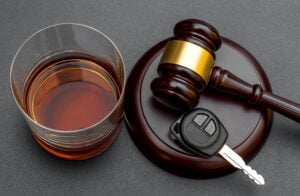
accused
of
driving
“super
drunk,”
with
a
blood-alcohol
content
more
than
three
times
the
legal
limit.
Now,
thanks
to
a
newly
released
police
report,
we
have
more
detail
about
just
how
impaired
the
judge
allegedly
was
—
and
it’s
not
pretty.
According
to
the
report
cited
by
Bloomberg
Law,
after
crashing
his
vehicle
back
in
October,
Ludington
struggled
through
field
sobriety
tests
in
ways
that
would
be
concerning
in
a
22-year-old
spring
breaker,
let
alone
a
life-tenured
federal
judge.
Asked
to
recite
the
alphabet
from
C
to
Q,
Ludington
reportedly
offered:
“A,
B,
C,
D,
F,
U.”
He
also
allegedly
told
the
responding
trooper
—
twice
—
that
he
was
a
federal
judge,
which
is
certainly
one
way
to
try
to
establish
credibility
while
“he
appeared
to
have
urinated
himself.”
Ludington
said
he
hadn’t
been
drinking,
and
claimed
he
didn’t
remember
crashing.
Police
said
they
smelled
alcohol.
A
post-crash
blood
draw
later
clocked
him
at
0.27.
Bloomberg
has
additional
details:
The
trooper
tried
to
give
Ludington
a
breath
test,
but
the
judge
either
couldn’t
properly
blow
or
understand
the
instructions.
On
a
fifth
attempt
the
trooper
told
the
judge
he’d
consider
his
actions
a
refusal
if
he
didn’t
perform
the
test
the
right
way,
after
which
the
judge
became
“argumentative”
and
the
test
ended.
Ludington
was
handcuffed,
put
in
the
front
seat
of
the
patrol
vehicle,
and
taken
to
a
hospital,
where
his
blood
was
drawn.
Emergency
department
staff
medically
cleared
him,
after
which
he
was
taken
to
jail
and
released
upon
posting
a
$500
bond.
It’s
one
thing
for
a
federal
judge
to
find
himself
facing
a
DUI
charge.
It’s
another
for
the
public
record
to
include
allegations
that
he
couldn’t
complete
the
alphabet
and
responded
to
instructions
with
what
reads
like
a
middle-schooler’s
idea
of
edgy
humor.
Ludington
—
a George
W.
Bush
appointee
who
remains
on
the
bench
—
has
pleaded
not
guilty
to
misdemeanor
charges
of
operating
a
vehicle
with
a
blood-alcohol
content
of
0.17
or
more
and
operating
while
intoxicated.
His
jury
trial
is
scheduled
for
May
8.
Staci
Zaretsky is
the
managing
editor
of
Above
the
Law,
where
she’s
worked
since
2011.
She’d
love
to
hear
from
you,
so
please
feel
free
to email her
with
any
tips,
questions,
comments,
or
critiques.
You
can
follow
her
on Bluesky, X/Twitter,
and Threads, or
connect
with
her
on LinkedIn.
Earlier
this
month,
the
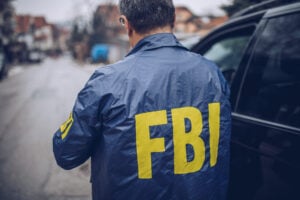
FBI
decided
it
was
going
to
help
Donald
Trump steal
back
the
election he’s
claimed
for
half-a-decade
was
stolen
from
him.
The
state
whose
Secretary
of
State
was
asked
directly
by
the
outgoing
president
in
January
2021
to
“find
11,780
votes”
was
raided
by
Trump
2.0,
who
still
somehow
thinks
he
can
win
the
election
he
lost
back
in
2020.
It’s
not
just
revenge
Trump
is
seeking.
He’s
also
hoping
to
find anything that
will
allow
him
to
cast
doubt
on
midterm
election
results
now
that
it
seems
entirely
possible
the
GOP
might
lose
its
majority
in
the
legislature.
The
FBI
walked
off
with
tons
of
stuff
after
its
raid
of
the
Fulton
County
election
hub
in
Georgia.
The
raid
—
which
was
attended
by
the
current
DNI
Tulsi
Gabbard
for
no
apparent
reason
—
saw
the
Trump
government
seize
as
many
2020
ballots
and
voter
records
as
possible.
The
stated
reason
for
this
raid
was
to
collect
evidence
related
to
two
alleged
crimes:
not
retaining
election
records
long
enough
and
attempts
to
“intimidate
voters
or
procure
false
votes/false
voter
registration.”
One
of
several
glaring
problems
with
this
raid
is
the
fact
that
some
of
the
criminal
acts
alleged
have
already
surpassed
the
five-year
statute
of
limitations.
The
rest
of
the
glaring
problems
are
far
less
subtle.
Like
Trump
using
the
FBI
and
DOJ
to
engage
in
vindictive
prosecution.
And
the
FBI
appearing
to
have
deliberately
mislead
the
magistrate
judge
to
get
this
search
warrant
approved.
This declaration [PDF]
by
Ryan
Macias,
a
project
manager
for
the
voting
system
used
in
Fulton
County
who
also
served
as
the
Acting
Director
of
the
Voting
System
Program
during
the
2020
election,
points
out
multiple
flaws
in
the
FBI’s
warrant
affidavit
—
all
of
which
it
would
be
safe
to
assume
were
deliberate
“errors.”
The
Affidavit
asserts
that
there
were
five
“deficiencies
or
defects
with
the
November
3,
2020,
election
and
tabulation
of
the
votes
thereof.”
The
Affidavit
concludes
that
“[i]f
these
deficiencies
were
the
result
of
intentional
action,
it
would
be
a
violation
of”
Title
52
U.S.C.
§§
20511
(Criminal
Penalties)
and
20701
(Retention
and
Preservation
of
Records
of
Elections).
In
all
five
areas
identified
by
Special
Agent
Evans’
Affidavit,
there
are
a
multitude
of
false
or
misleading
statements
and
omissions. In
fact,
there
are,
as
set
forth
below, over
a
dozen
omissions
of
critical
parts
of
the
reports
and
related
materials that
I
identified
in
paragraph
4
above. This
is
in
addition
to
the
absence
of
any
recognition
that
much
of
what
the
Affidavit
references
as
concerning
are
widely
known
as
benign
and
common
election
practices. As
noted
there,
all
of
thosematerials
are
publicly
available
and
could
have
been
referenced
by
Special
AgentEvans.
Even
when
Special
Agent
Evans
cites
to
one
of
these
sources, he
repeatedlyomits
crucial
facts
and
findings
inconsistent
with
his
characterizations. Once
thestatements
and
omissions
in
the
Affidavit
are
corrected
and
based
on
my
experienceadministering
elections
in
accordance
with
the
statutes
cited
in
the
Affidavit,
theAffidavit
loses
any
basis
in
reality.
The
whole
thing
needs
to
be
read,
but
here
are
just
a
couple
of
the
things
we’re
going
to
generously
call
“errors,”
even
though
they’re
really
deliberate
omissions.
The
criminal
allegations
allege
ballot
images
weren’t
retained
in
violation
of
the
law.
But,
as
this
declaration
points
out,
the
retention
of
images
wasn’t
mandated
by
law
in
Georgia
until
2021,
which
would
be after the
2020
election.
If
images
weren’t
retained,
it
was
likely
because
election
staffers
obviously
didn’t
think
it
was
necessary
to
do
so.
Second,
the
affidavit
claims
something
is
shady
about
the
audits
performed
by
county
officials,
insinuating
that
this
somehow
resulted
in
votes
mysteriously
swinging
the
state
in
Biden’s
direction.
This
declaration
states
the
actual
truth:
“risk
limiting
audits”
only
aid
in
determining
whether
or
not
a
recount
might
be
warranted.
Only
official
counts
and
recounts
can
actually
alter
voting
results.
Fulton
County’s challenge [PDF]
of
the
search
contains
even
more
information
that
indicates
the
FBI’s
search
warrant
application
was
crafted
to
basically
trick
a
judge
into
authorizing
an
illegal
search
(all
emphasis
in
the
original):
First,
the
Fourth
Amendment
demands
“probable
cause”—not
“possible
cause.”
The
Affidavit
fails
that
constitutional
requirement.
Despite
years
of
investigations
of
the
2020
election,
the
Affidavit
does
not
identify
facts
that
establish
probable
cause
that anyone committed
a
crime.
Instead,
FBI
Special
Agent
Evans
(the
“Affiant”)
all
but
admits
that
the
seizure
will
yield
evidence
of
a
crime only
if certain
hypotheticals
are
true.
See,
e.g.,
Aff.
¶
10
(“If these
deficiencies
were
the
result
of
intentional
action, it
would
be a
violation
of
federal
law[.]”);
¶
85
(“If
these
deficiencies
were
the
result
of
intentional
action,
the
election
records
.
.
.
are
evidence
of
violations[.]”).
Unsupported
by
probable
cause
and
dependent
on
unsubstantiated
hypotheticals,
Respondent’s
seizure
violated
the
Fourth
Amendment.
There’s
more
(emphasis
mine):
Second,
instead
of
alleging
probable
cause
to
believe
a
crime
has
been
committed,
the
Affidavit
does
nothing
more
than
describe
the
types
of
human
errors
that
its
own
sources
confirm
occur
in
almost
every
election—without
any
intentional
wrongdoing
whatsoever. Mislabeling
an
expected
margin
of
error
as
“deficiencies”
or
“defects”
cannot
establish
probable
cause,
let
alone
for
a
seizure
of
this
magnitude.
Third,
the
Affidavit
omits
numerous
material
facts—including
from
the
very
reports
and
publicly-disclosed
investigations
that
the
Affiant
cites—that
confirm
the
alleged
conduct
was
previously
investigated
and
found
to
be
unintentional.
Moreover,
the
Affidavit
not
only
fails
to
allege
that
any
particular
witness
is
reliable
or
credible; it
omits
discrediting
information
about
those
witnesses
that
was
obviously
available
to
the
Affiant.
These
omissions
are
serious. The
ex
parte
warrant
process
would
be
rendered
a
nullity
if
the
government
were
permitted
to
hide
material
and
probative
facts
that
refute
probable
cause
from
a
magistrate
judge
and
nevertheless
retain
the
fruits
of
its
misconduct.
It
then
goes
on
to
note
that
even
if
the
affidavit
wasn’t
more
about
what
was
deliberately
left
out
of
it,
rather
than
what
Kash
Patel’s
FBI
decided
to
include,
it
would
still
suck,
constitutionally-speaking:
Fourth,
even
if
the
Affidavit
established
probable
cause,
the
seizure
of
original
election
materials
would
be
unreasonable
and
in
callous
disregard
of
the
Fourth
Amendment because
(1)
the
statutes
of
limitation
have
lapsed
on
the
only
crimes
under
investigation;
(2)
the
warrant
violates
Georgia’s
state
sovereignty
by
effectively
enjoining
a
pending
state
court
proceeding
and
preventing
Georgia
from
performing
its
constitutionally-mandated
role
in
administering
its
elections;
and
(3) the
Respondent
improperly
used
the
criminal
warrant
process
to
circumvent
a
pending
civil
lawsuit
in
which
it
requested
the
same
records.
That
last
sentence
is
a
particularly
spicy
zinger.
It
shows
the
administration
will
do
anything
to
rack
up
a
few
rabble-rousing
“victories,”
no
matter
how
fleeting
or
Pyrrhic.
This
is
a
fully-cooked
collection
of
gassed-up
bigots
and
conspiracy
theorists
(or
both!)
who
have
managed
to
turn
their
extremely
online
“own
the
libs”
bullshit
into
a
24/7
attack
on
the
Constitution,
the
system
of
checks
and
balances,
and
anything
else
that
stands
in
the
way
of
their
autocratic
wet
dreams.
What’s
standing
between
us
and
further
destruction
of
the
stuff
that
makes
America
great
is
a
court
system
that
doesn’t
actually
seem
to
know
what
to
do
when
it
has
to
deal
with
an
entire
administration
that
refuses
to
play
by
the
rules
that
have
held
this
nation
together
for
more
than
two
centuries.
It’s
time
for
the
courts
to
dig
deep
and
start
breaking
the
glass
on
every
judicial
tool
labeled
“IN
CASE
OF
EMERGENCY.”
Giving
any
of
these
fuckers
the
benefit
of
a
doubt
only
allows
them
to
dig
in
deeper.
*
Files
reveal
Kathy
Ruemmler
conferred
with
Jeffrey
Epstein
on
Secret
Service
prostitution
scandal.
On
the
one
hand,
it’s
important
to
confer
with
experts.
On
the
other…
[Yahoo
Finance]
*
“A
furious
daughter
has
sent
an
email
to
hundreds
of
law
firms
alleging
that
a
legal
recruiter
had
an
affair
with
her
father.
The
outraged
daughter
sent
the
email
with
the
subject
heading
of
“WHORE”…”
[Roll
on
Friday]
*
DHS
issues
new
order
asserting
more
authority
to
potentially
detain
legal
refugees.
[PBS]
*
JPMorgan
Chase
argues
Donald
Trump
fraudulently
added
them
to
his
$5B
debanking
LOLsuit.
[CNN]
*
Practicing
for
17
years
after
losing
license
earns
$30,000
sanction.
[ABA
Journal]
*
Trump
nominating
his
lawyer
from
E.
Jean
Carroll
losses
to
the
Eighth
Circuit.
[National
Law
Journal]
*
DOJ
claims
former
Google
engineers
took
trade
secrets
to
Iran.
So,
soon,
the
Iranians
will
have
their
search
results
buried
under
30
sponsored
links
too.
[Law360]
The
Barry
University
School
of
Law
Professor
Is
Alleged
To
Have
Thousands
Of
Images:
The
Dow
won’t
protect
him.
Second
Time
The
Error:
Gordon
Rees
gets
caught
in
another
AI
hallucination
mishap!
Want
To
Brush
Up
On
International
Law?:
These
schools
should
be
at
the
top
of
your
list!
Trial
Attorney
Pens
Legal
Thriller:
The
story
is
set
in
Florida
during
the
Reefer
Madness
era.
Want
Some
Advice
On
Being
A
Lawyer?:
Here’s
a
list
of
100
things!
That’s
A
Lot
Of
Giving
Back!:
3Ls
did
millions
of
hours
of
pro
bono
work
in
2025!
While
technically
no
longer
a
prince,
the
arrest
of
Andrew
Mountbatten-Windsor
over
his
alleged
connections
to
Jeffrey
Epstein
marks
the
first
senior
royal
arrested
in
modern
history.
Who
was
the
last
UK
senior
royal
arrested?
Hint:
Oddly,
the
last
royal
locked
up
was
actually
held
at
the
castle
a
mere
3
miles
up
the
road
from
Andrew’s
residence
for
the
last
couple
decades.
Summer
internships
at
Biglaw
firms
get
the
lion’s
share
of
coverage,
but
they
aren’t
the
only
way
that
law
student
spend
their
summers.
Students
frequently
spend
their
summers
giving
back
to
their
communities
by
doing
pro
bono
work.
It
is
hard
to
know
the
exact
numbers
and
figures,
but
a
recent
survey
came
back
with
some
hard
numbers
that
will
blow
your
mind.
ABA
Journal
has
coverage:
More
than
$178
million
of
legal
services
were
contributed
by
the
law
school
class
of
2025
via legal
clinics,
experiential
courses,
externships
and
other
pro
bono
activities,
according
to
a
survey
released
Wednesday
by
the
Association
of
American
Law
Schools.
In
December,
the
survey
found
that
22,336
law
students
in
the
class
of
2025
worked
more
than
5.1
million
hours
in
legal
services—or
about
an
average
of
230
hours
each—according
to
a
Feb.
18
press
release.
If
there
are
any
2Ls
out
there
reading
this,
consider
doing
some
of
the
good
work
your
3L
year!
There’s
a
special
place
in
my
heart
for
the
Marshall
Brennan
Constitutional
Literacy
Project
that
teaches
high
school
kids
constitutional
law.
Despite
the
complications,
lecturing
on
the
right
to
free
speech
during
the
Black
Lives
Matter
protests
was
a
highlight
in
my
law
school
career.
Teaching
kids
about
how
free
speech
works,
at
least
how
it
is
supposed
to,
is
no
less
important
for
us
to
do
today.
Chris
Williams
became
a
social
media
manager
and
assistant
editor
for
Above
the
Law
in
June
2021.
Prior
to
joining
the
staff,
he
moonlighted
as
a
minor
Memelord™
in
the
Facebook
group Law
School
Memes
for
Edgy
T14s
.
He
endured
Missouri
long
enough
to
graduate
from
Washington
University
in
St.
Louis
School
of
Law.
He
is
a
former
boatbuilder
who
is
learning
to
swim, is
interested
in
critical
race
theory,
philosophy,
and
humor,
and
has
a
love
for
cycling
that
occasionally
annoys
his
peers.
You
can
reach
him
by
email
at [email protected]
and
by
tweet
at @WritesForRent.
When Ukrainian
skeleton
athlete
Vladyslav
Heraskevych
was
pulled
from
competition at
the
Milan-Cortina
Games
for
refusing
to
remove
a
helmet
honoring
more
than
20
Ukrainian
athletes
and
coaches
killed
in
the
war
with
Russia,
the
International
Olympic
Committee
described
its
decision
as
one
made
“with
regret.”
The
IOC
did
not
dispute
the
substance
of
his
message.
It
disputed
the
timing
and
location.
Heraskevych
was
permitted
to
wear
the
helmet
in
training.
He
was
offered
the
opportunity
to
display
it
off
the
ice.
He
was
even
offered
the
compromise
of
a
black
armband.
What
he
was
not
permitted
to
do
was
wear
it
during
official
competition.
According
to
the
IOC
and
the
International
Bobsleigh
and
Skeleton
Federation,
that
violated
the
Olympic
Charter
and
athlete
expression
guidelines
prohibiting
political
statements
on
the
field
of
play.
The
distinction
is
narrow,
but
legally
significant.
And
it
is
one
FIFA
would
be
wise
to
examine
closely
as
FIFA
World
Cup
26
approaches.
The
Field-of-Play
Doctrine
International
sport
relies
on
a
regulatory
premise
that
competition
must
remain
“neutral.”
The
IOC’s
Rule
50
framework
and
FIFA’s
regulations
prohibiting
political,
religious,
or
personal
statements
on
equipment
or
apparel
during
matches
reflect
that
principle.
Athletes
and
federations
participate
subject
to
contractual
agreement
with
governing
bodies.
Those
agreements
incorporate
expression
restrictions.
From
a
legal
standpoint,
sport
federations
generally
retain
authority
to
enforce
those
rules,
and
the
Court
of
Arbitration
for
Sport
has
historically
afforded
substantial
deference
to
governing
bodies
in
matters
of
competition
governance,
provided
the
regulations
are
clear
and
applied
consistently.
The
Heraskevych
decision
illustrates
how
that
authority
operates
in
practice.
The
IOC
drew
a
bright
line
between
training
and
competition.
Once
the
race
began,
symbolic
expression
became
part
of
the
official
sporting
spectacle,
and
therefore
subject
to
restriction.
The
legal
risk
for
governing
bodies
does
not
arise
from
the
existence
of
such
rules.
It
arises
from
their
application.
Selective
Enforcement
and
Discrimination
Claims
Heraskevych
publicly
suggested
that
other
athletes
had
expressed
views
without
facing
similar
consequences.
Whether
that
claim
has
merit
is
less
important
than
the
structural
vulnerability
it
highlights.
Expression
regulations
become
legally
fraught
when
enforcement
appears
uneven.
A
rule
that
is
facially
neutral
but
applied
inconsistently
can
invite
challenges
grounded
in
procedural
fairness,
discrimination
principles,
or
arbitrary
enforcement.
Even
within
the
deferential
framework
of
CAS
jurisprudence,
consistency
is
critical.
Now
consider
FIFA
World
Cup
26.
The
tournament
will
be
hosted
across
the
United
States,
Canada,
and
Mexico,
in
a
geopolitical
environment
marked
by
active
armed
conflicts,
polarized
domestic
politics,
and
heightened
athlete
activism.
It
is
not
difficult
to
imagine
scenarios
involving
wristbands
worn
in
warmups,
messaging
on
training
shirts,
symbolic
armbands,
or
even
visible
tattoos
revealed
in
celebration.
FIFA’s
regulations
prohibit
political
statements
during
official
matches.
But
disputes
rarely
arise
in
the
abstract.
They
arise
in
moments
(sometimes
minutes
before
kickoff)
when
enforcement
decisions
carry
immediate
competitive
consequences.
The
Timing
Problem
in
Global
Sport
One
of
the
most
underappreciated
legal
features
of
these
disputes
is
remedial
irreversibility.
Heraskevych
indicated
he
would
appeal
to
CAS.
But
the
race
proceeded.
Medals
were
decided.
Even
if
an
appellate
body
were
to
find
error,
the
competitive
opportunity
cannot
realistically
be
restored.
The
same
would
apply
at
a
World
Cup.
If
a
player
is
suspended
or
removed
from
a
match
for
refusing
to
comply
with
an
expression
directive,
any
subsequent
appeal
may
offer
declaratory
relief
or
financial
remedy.
It
will
not
replay
the
game.
That
asymmetry
increases
the
stakes
of
pre-competition
enforcement
decisions
and
places
extraordinary
pressure
on
governing
bodies
to
ensure
that
policies
are
precise,
transparent,
and
consistently
applied.
Commercial
and
Security
Overlay
FIFA World
Cup
26
will
be
among
the
largest
commercial
sporting
enterprises
in
history.
FIFA
must
manage
sponsor
obligations,
broadcast
rights,
host
government
relationships,
and
security
considerations
across
three
jurisdictions.
In
that
environment,
governing
bodies
predictably
err
toward
restriction
when
symbolic
acts
are
perceived
as
endorsing
or
condemning
geopolitical
positions.
Yet
the
more
international
sport
markets
itself
as
a
platform
for
shared
values,
unity,
and
global
solidarity,
the
more
difficult
it
becomes
to
justify
rigid
enforcement
distinctions
that
appear
technical
rather
than
principled.
The
IOC’s
position
in
Cortina
rested
on
the
premise
that
the
helmet’s
visibility
during
competition
transformed
remembrance
into
prohibited
political
expression.
That
line-drawing
exercise
may
become
increasingly
difficult
in
sports
where
cameras
capture
every
detail,
from
wristbands
to
tattoos.
Preparing
for
2026
The
Olympic
helmet
controversy
should
not
be
viewed
as
an
isolated
dispute.
It
is
a
preview.
FIFA
World
Cup
26
will
feature
players
from
nations
currently
engaged
in
active
conflicts.
Some
will
have
lost
family
members.
Some
will
face
domestic
political
pressures
at
home.
Others
may
seek
to
distance
themselves
from
the
actions
of
their
governments.
The
legal
question
is
not
whether
FIFA
has
authority
to
regulate
expression.
It
does.
The
question
is
whether
it
has
constructed
a
framework
that
is
sufficiently
clear,
consistently
enforced,
and
capable
of
resolving
disputes
quickly
enough
to
prevent
irreparable
competitive
harm.
If
a
symbolic
item
worn
during
training
is
permitted
but
prohibited
during
match
play,
FIFA
must
be
prepared
to
articulate
not
just
the
rule,
but
the
rationale.
And
it
must
apply
that
rationale
uniformly.
The
IOC
described
its
decision
as
one
made
with
regret.
That
acknowledgment
reflects
the
human
dimension
of
these
controversies.
But
regret
does
not
mitigate
legal
exposure
if
enforcement
appears
arbitrary.
As
the
world’s
most
watched
tournament
approaches,
FIFA
should
treat
the
events
in
Cortina
not
as
an
Olympic
issue,
but
as
an
early
warning.
Because
when
the
whistle
blows
in
2026,
neutrality
will
not
be
a
philosophical
aspiration.
It
will
be
a
regulatory
decision
with
global
consequences.
Some
Perkins
Coie
partners
will
leave—that’s
not
unusual
in
a
merger
of
this
scale.
You
simply
can’t
please
all
of
the
people,
all
of
the
time.
The
real
question
isn’t
whether
there’s
attrition,
but
whether
the
firm
retains
the
people
and
client
relationships
that
matter
most
to
the
future
strategy.
— Moray
McLaren,
a
lawyer
and
partner
at
Madrid’s
Lexington
Consultants,
in
comments
given
to
the
American
Lawyer,
concerning
the
Perkins
Coie
partners
who
are
reportedly
having
second
thoughts
about
the
firm’s
planned
transatlantic
tie-up
with
Ashurst.
Sources
say
“tons
of
Perkins
partners”
are
now
on
the
market,
and
nearly
two
dozen
have
already
left
the
firm.
One
current
Perkins
partner
has
referred
to
impending
merger
as
“a
monumental
f—
up.”
Staci
Zaretsky is
the
managing
editor
of
Above
the
Law,
where
she’s
worked
since
2011.
She’d
love
to
hear
from
you,
so
please
feel
free
to email her
with
any
tips,
questions,
comments,
or
critiques.
You
can
follow
her
on Bluesky, X/Twitter,
and Threads, or
connect
with
her
on LinkedIn.
Not
every
mistake
is
attributable
to
an
AI
hallucination.
But
once
a
firm
suffers
a
couple
admonishments
from
the
court
—
including
one
that
cost
the
firm
over
$50K
to
make
right
—
its
lawyers
have
to
redouble
their
effort
to
keep
every
filing
above
reproach.
Because
the
moment
anything
looks
off,
opposing
counsel
will
wonder
if
it’s
the
product
of
AI
run
amok
and
lax
oversight.
And
the
court
isn’t
likely
to
give
the
accused
firm
the
benefit
of
the
doubt.
Gordon
Rees
became
a
cautionary
example
for
AI
hallucination
mishaps
after
one
of
its
attorneys
submitted
fabricated
citations
in
a
bankruptcy
case
last
summer.
In
Jackson
Hosp.
&
Clinic
Inc.,
a
judge
issued
an
order
to
show
cause
why
sanctions
shouldn’t
follow
based
upon
a
brief
with
“pervasive
inaccurate,
misleading,
and
fabricated
citations,
quotations,
and
representations
of
legal
authority.”
The
firm
reimbursed
fees
for
lawyers
inconvenienced
by
the
error
and
threw
itself
on
the
mercy
of
the
court
and
assured
everyone
that
it
had updated
its
AI
policies to
include
a
“cite
checking
policy.”
Fast
forward
to
the
present,
and
a
recently
filed
brief
in
Huynh
v.
Redis
Labs,
claims
that
Gordon
Rees
has
again
submitted
a
brief
with
AI
hallucinations.
In
a
motion
to
compel
battle
entering
its
third
round
after
the
defendant
represented
by
Gordon
Rees
failed
to
comply
with
the
first
two
orders
to
compel.
Despite
earning
monetary
sanctions
and
a
warning
that
terminating
sanctions
could
follow,
the
defendant
still
hadn’t
been
deposed
—
canceling
at
the
last
minute
attributed
to
a
medical
emergency
—
and
the
plaintiff,
represented
by
Bach
Mili
LLP,
filed
a
renewed
motion.
Gordon
Rees
submitted
its
opposition
and,
in
reply,
Bach
Mili
claims
that
a
lot
of
the
citations
don’t
add
up:
The
distortions
go
directly
to
the
governing
standard
for
terminating
sanctions.
Defendants
cite
Doppes
v.
Bentley
Motors,
Inc.
to
argue
termination
is
inappropriate
where
a
party
expresses
willingness
to
comply.
(Opp.
at
7.)
Doppes
holds
the
opposite.
The
Court
of
Appeal
concluded
the
trial
court
abused
its
discretion
by
refusing
to
impose
terminating
sanctions
after
repeated
discovery
violations
and
ineffective
lesser
sanctions,
and
directed
entry
of
judgment
as
a
sanction.
(174
Cal.App.4th
967,
992-994.)
Defendants
invoke
Collisson
&
Kaplan
v.
Hartunian
for
the
proposition
that
terminating
sanctions
should
be
used
sparingly,
though
that
phrase
does
not
appear
in
the
opinion
and
the
case
affirmed
striking
the
defendant’s
answer
for
“lawyer
game
playing
at
its
worst.”
(Opp.
at
4;
21
Cal.App.4th
1611,
1617.)
They
attribute
to
Biles
v.
Exxon
Mobil
Corp.
a
definition
of
willfulness
that
does
not
exist.
(Opp.
at
5.)
They
cite
Rail
Services
of
America
v.
State
Comp.
Ins.
Fund
for
language
that
does
not
appear
in
the
decision.
(Id.
at
4.)
They
represent
Huh
v.
Wang
and
Corns
v.
Miller
as
excusing
noncompliance
based
on
medical
emergency,
though
neither
case
stands
for
that
proposition.
These
are
not
debatable
characterizations.
(Id.
at
5.)
They
are
reversals
of
holdings
and
quotations
that
do
not
exist.
The
brief
doesn’t
explicitly
say
these
issues
were
caused
by
AI
research
and
drafting,
but
it
does
include
the
relevant
local
precedent
holding
that,
“an
attorney
has
a
nondelegable
duty
to
personally
read
and
verify
every
cited
case
and
that
reliance
on
hallucinated
authority
renders
a
filing
frivolous
and
sanctionable.”
“Defendants’
opposition
is
sanctionable
on
its
face
because
it
relies
on
false
and
misleading
legal
authority,
misstates
holdings,
and
fabricates
quotations,”
Bach
Mili
states.
“This
is
not
aggressive
advocacy
or
sloppy
research.
It
is
the
submission
of
false
authority
to
the
Court
in
violation
of
counsel’s
most
basic
obligations.”
The
reply
also
calls
out
a
December
3,
2025
order
in
Villalovos-Gutierrez
v.
Pol,
where
Gordon
Rees
earned
another
reprimand
for
AI-hallucinations.
U.S.
Magistrate
Judge
Carolyn
Delaney
wrote
in
that
order:
In
more
than
one
other
instance,
defendant’s
case
citations
do
not
support
the
specific
explanatory
phrase
presented
alongside
the
citation.
Counsel
shall
not
file
or
otherwise
present
to
the
court
any
documents
which
contain
AI-hallucinated
citations
or
fictitious
or
non-existent
legal
citations.
Counsel’s
failure
to
confirm
the
existence
of,
as
well
as
the
accuracy
and
veracity
of
a
case
or
other
legal
citation
created
by
an
AI
tool
or
taken
from
another
indirect
source,
is
a
potential
ground
for
sanctions.
That’s
December.
That’s
several
months
after
Gordon
Rees
suffered
their
very
public
benchslapping
in
August.
That’s
after
the
firm
promised
its
updated
AI
policy
with
stricter
cite
checking.
But
a
cite-checking
policy
only
works
if
people
follow
it,
and
if
these
allegations
are
accurate,
whatever
internal
reforms
the
firm
implemented
either
aren’t
being
followed
or
aren’t
enough.
Also,
according
to
the
reply,
the
partner
on
Villalovos-Gutierrez
was…
the
exact
same
partner
in
this
case.
That
doesn’t
mean
these
cites
are
necessarily
AI-generated.
Taking
careful
liberties
with
the
meaning
of
cases
cases
is
a
time-honored
tradition
that
predates
ChatGPT
by
a
few
centuries.
But
a
firm
that’s
already
been
dinged
for
hallucinations,
and
a
partner
who
has
already
been
separately
dinged
for
hallucinations,
filing
a
brief
with
a
bunch
of
arguably
incorrect
cites.
It
does
not
take
a
machine
learning
scientist
to
think
AI
is
at
least
arguably
involved.
And
that’s
the
real
problem
for
Gordon
Rees
—
or
any
firm
caught
in
a
hallucination
kerfuffle
—
right
now.
Whether
any
specific
citation
was
generated
by
AI
—
indeed,
whether
any
specific
citation
is
even
wrong
as
opposed
to
merely
debatable
—
opposing
counsel
now
has
every
incentive
to
scrutinize
any
citation
out
of
the
firm
with
a
jeweler’s
loupe.
The
damage
of
a
hallucination
incident
spills
over
into
all
of
the
firm’s
litigation
efforts
and
it
will
take
a
long
time
to
repair
that
harm.