How Appealing Weekly Roundup – Above the Law


Ed.
Note
:

A
weekly
roundup
of
just
a
few
items
from
Howard
Bashman’s

How
Appealing
blog
,
the
Web’s
first
blog
devoted
to
appellate
litigation.
Check
out
these
stories
and
more
at
How
Appealing.


“New
numbers
hurt
Trump’s
case
at
the
Supreme
Court;
The
real
goods
trade
deficit
increased
despite
new
tariffs”:
 The
Washington
Post
has
published this
editorial
.


“A
Press
Freedom
Case
in
Peril,
From
a
Lawyer
Who
Helped
Write
It;
Alan
Dershowitz
was
present
at
the
creation
of
New
York
Times
v.
Sullivan;
Now
he
is
asking
the
Supreme
Court
to
revise
or
destroy
it”:
 You
can
access
today’s
installment
of
the
“The
Docket”
newsletter
from
Adam
Liptak
of
The
New
York
Times at
this
link
.


“Lawyer
in
abortion
pill
battles
joins
conservative
law
firm
Lex
Politica”:
 David
Thomas
of
Reuters
has this
report
.


“How
to
Safeguard
the
DOJ
Against
the
Next
Trump”:
 Law
professor Barbara
McQuade
 has this
essay
 online
at
Bloomberg
Opinion.


“Judge
Leon
Educates
Pete
Hegseth;
The
military
version
of
lawfare
loses
in
embarrassing
fashion”:
 This
editorial
 will
appear
in
Tuesday’s
edition
of
The
Wall
Street
Journal.


“The
Plan
for
a
Radically
Different
Supreme
Court
Is
Here”:
 Jeffrey
Toobin
has this
guest
essay
 online
at
The
New
York
Times.

Clients And GenAI: Lawyers Better Be Ready To Deal With It – Above the Law

There’s
lots
of
talk
about
the
impact
of
GenAI
and
LLMs
on
the
practice
of
law
and
what they will
do to everything from workflows to
business models to
young
lawyer training.
But
one
thing
that’s
not
talked
about
much
is
the
impact
GenAI
will
have
on client relationships.

Clients have
always come
to
their
lawyer
believing
in
the
rightness
of
their
cause.
Now
they
will
come
with
information
from
a
third
player:
an
LLM
tool. Whether
that
information
is
right
or
wrong, it’s going
to
impact
the
trust
between
lawyer
and clients.
And
lawyers
better
be
ready. 


To
State
the
Obvious,
Clients
Are
Using
GenAI
for
Legal
Questions

The
large accounting firm,
Deloitte, recently
surveyed
 the
top
100
Dutch
law
firms
to
determine
the
state
of
AI
adoption
in
day-to-day
operations.
(The
fact
that
the
survey
was
done
by
an
accounting
firm
that
itself
offers
legal
services,
at
least
in
some
jurisdictions,
ought
to
give
legal
pause.)
The survey
looked
at
a
variety
of
things
like
strategy,
training,
and
importantly,
client
expectations,
among
other
things.

Here’s
what Deloitte discovered
about
law
firm
clients: 60%
of
the
firms
report
that
clients
are
now
using
AI
tools
to
perform
simple
legal
tasks.
As
a
result, clients are
expecting from
their lawyers faster
turnaround
times, transparency about
AI
risk,
and
of course,
lower fees. Significantly,
only
3%
of
the
firms had
seen
no
change
in
client
expectations.

What
this
means
is
not
only
will
clients
be
using
the
tools
to
perform
“simple”
tasks, but
they
are
also going
to
use
them more
and
more for
pure
legal advice and
strategy,
often
even
before
they
see
a
lawyer.
This
poses
all
kinds
of
practical problems,
particularly given the
fact
that
GenAI
tools hallucinate,
give
wrong
answers
and
advice, and
often
will
tell
clients what
they
want
to
hear.


The
Practical
Problems

If
a
client
talks
to
his
GenAI
and
gets
bad advice and
then
acts
on
it
to
their detriment,
that’s
a
real
problem. By doing
so,
the
client
may
very
well
place
themselves unknowingly in harm’s
way.
And
by
postponing seeking human legal
advice,
the
client
may make their position even
worse.

There’s
also
the
discoverability
problem: what
the
client
tells
his
favorite
bot
may itself be
discoverable,
as
I
have written before

So, by
the
time
the
client
does
finally
see
a
lawyer,
that
lawyer may have
to
spend
time
cleaning
up a mess.
That
will
likely
cost
the
client
more, not less
money,
in
the
long
run.

But
the
practical
problems
may
be
the
least
of
it.


Human
Relations
Problem

The
human
relations dynamic
plays
out
in
concrete
ways trial
lawyers will
recognize
immediately. Think
of
this:
there’s
a
dispute
with
conflicting
testimony.
The
client
thinks
his
version
will
prevail
in
front
of
a
jury
and
the
bot
supports
him.
The
lawyer
looks
at the
testimony and
knows
intuitively
that
the
client’s
version
will
not
convince
the
jury
for
a
whole
lot
of
reasons like
body
language,
jurors’ perception,
and
bias.
How
will
the
lawyer
ever
persuade
the
client (and
their
bot) that
the
client’s
version
will
not
prevail?

Since
time
immemorial, clients came
to
a
lawyer
convinced of
the
merits
of
their
matter.
That
their
version
of
the
facts
is
the
most
convincing.
That
their
strategy
of
what
their
lawyer
ought
to
do
is
the
best.
It
doesn’t
matter
whether
it’s
a
family
law
matter
or
a sophisticated
businessperson,
most
of
the
time clients
think
they know more
than
their lawyers.

Even
in
the
best
of
times,
this
always
placed
the
lawyer
in
a
difficult
spot.
Pointing
out
to
a
stubborn
client
that
their theory
and
strategy
is
wrong
is
always dicey.
Say
too little
and
the
client
gets
the
wrong
idea
about their case.
That
wrong
idea
will
only
fester
and
grow
over
the length of
the
case
and
can
lead
to
horrible
results
and
trauma
later.
I
have
seen
it
happen so
many
times:
the
lawyer
gives
the
client
the
idea
they
are
right
and
a
year
later
when
a
good
settlement
offer
comes
around,
the
client
balks
because
they
think
their
case
is
better
than
it
is.

But
if
the
lawyer
says
too
much,
it’s
also
a problem.
I’ve
heard
too
many
people
complain
that
their lawyer
“wasn’t
on
their
side”
because
they were overly blunt in
their
assessment. It
erodes
trust.

But
now
we
have
a
third
player
in
the
mix: a GenAI bot who may
just be
flat
out wrong
in
its
assessment
of
a
case
or
problem.
Moreover, it
may
be telling the client what they want
to
hear.
And
when
a
client
tells their
story
to
their
favorite
bot,
they
are
going
to
tell
it
in
the
most
favorable way. 

So, now if
a
client
wasn’t
already
convinced in
the
merits
of
the
case
before, they now have “evidence”
from
the
bot. The
result?
It’s
going
to
be
harder
to
disabuse
them
of
what
the
bot
has
told them, and
the lawyers’ job will
get a
whole
lot
harder. 

Another
problem:
if
a
client
listened
to
a
bot
before
they
came
to
see
the
lawyer,
they
are
probably going
to
listen
to
one
throughout
the
matter. So, every
call
the
lawyer
makes,
every
recommendation
they
make,
might
be
reviewed
by
bot.

But
the
crux
of
the
matter
is
that
the
law
and
legal
strategy
is
always
a
gray
area,
even
more
so
than
other
disciplines
like medicine.
And
when
it
comes
to
strategy
calls,
the
lawyer
and
the
client
only
know
the
result
of
the
strategy that
was
adopted,
not
the
ones
that
weren’t. So, the
second
guessing
never
ends.

Add
on
top
of
this
the
fee
issue.
The
client
believes
based
on
the
bot
that
the
work
the
lawyer
needs
to
do
is
not necessary.
It’s
a
simple,
slam-dunk
case
that
shouldn’t
cost as much as
it
is. 

But
the
lawyer has
to clean
up
the
mess
that
wrong
advice
may
have
caused.
The
lawyer has
to spend
time
convincing the
client
of
reality
and
what
needs
to
be
done.
All
of
that
takes
time
and
increases
cost. In
the
meantime,
a case
and
a
relationship
turn
into a
nightmare.

Bottom
line:
if lawyers aren’t
careful,
they will face
an
erosion
of
trust
in
the
attorney-client
relationship
as
their
judgment
and
advice
is
substituted
for
that
of
AI. That
trust
has
always
been
the
bedrock not
only of
the
relationship but
in getting
the
best
result.


It
Need
Not
be
Insurmountable 

It’s
not a hopeless situation.
But
it
does
require
an
understanding
of
the
problem
and
greater
education
all
the
way
around. 

First
and
foremost,
if
there
ever
was
a
reason
for lawyers to
become
educated
about
AI
and
its
risks
(and
benefits),
it
is ironically to
bolster
the
level
of
trust
in
the
human
side
of
things.
A
lawyer has
to be
ready
to
explain
to
the
client
not
only
why
the
bot
is
wrong
when
it
is,
but
also
that it’s inherent in
the
structure
of
LLMs
to
make
mistakes
and
try
to
tell
the
prompter
what
they
want
to
hear. And lawyers also need
to
be
ready
to
tell
clients
before problems develop about the
risks
of
creating
discovery
trails.

A
lawyer
can’t
do all that
without
that
knowledge
themselves.

On
the
flip
side,
lawyers
need
to
realize
that
GenAI
tools
often
give sound answers.
We
can’t
argue
with
the
result
of
a
prompt
if
the
result
is
right. That
will
not
breed trust much
less
yield
good
outcomes. There
is
a
time
and
place
for
GenAI
tools
and lawyers
must use
them
to
their
and
their
clients’ benefit. 

All
that
being
said,
good lawyers
know
the
law,
they
understand
exposure, and they
know
how
best
to
navigate
the
exposure.
And
now
more
than
ever,
they
will
need to understand
their
clients
and to
be
adept
at
explaining
all those
things
to
their
clients. 

And
know
this:
clients
will
have
more
information
than
ever before, so
we
better
be
on our toes.
Gone are the
days
where
a
lawyer
can
just
say
this
is
what
we
are
going
to
do
and
expect
the
client
to
accept
it. 

Years ago, I
was
called
upon
to
explain
the intricacies of
class
actions to
a
room
full
of
insurance
executives.
I
knew
a
lot
about
class
actions
already,
but
I
spent
hours
practicing
what
I
was
going
to
say
to
a
group
that
was
a)
skeptical
and
b)
had
no
understanding
of
class
actions
and
their peculiarities that
often
seem
counterintuitive.
At
the
end
of
the
discussion,
there
was
silence
and
then
one
of
them
said
one
word: brilliant.
That
cemented
their
trust
in
me.

In
the
days
of
GenAI,
it
is
just that
kind
of
trust,
earned
through preparation,
knowledge, and
understanding
the
client, that lawyers
will
need
to
earn
by
doing what
GenAI
can’t.


Stephen
Embry
is
a
lawyer,
speaker,
blogger,
and
writer.
He
publishes TechLaw
Crossroads
,
a
blog
devoted
to
the
examination
of
the
tension
between
technology,
the
law,
and
the
practice
of
law
.

Top Global Biglaw Firm Announces Nonequity Partnership Tier, Expands Lockstep Compensation – Above the Law

Another
elite
firm
has
decided
that
one
tier
of
partnership
simply
isn’t
enough

and
neither
is
the
pure
lockstep
salary
model.

Cravath
was
one
of
the
first
longtime
holdouts
to
cut
bait
and
create
“salaried
partner
tier”
 (i.e.,
nonequity
partners)
back
in
November
2023.
That
move
gave
other
highly
ranked
firms
permission
to
tread
the
same
path,
including
Paul
Weiss,
which
announced
its new
two-tier
partnership
plan
 in
March
2024;
WilmerHale,
which added
a
nonequity
partnership
tier
 in
August
2024;
Cleary,
which
announced
its
own new
partnership
platform
 in
October
2024;
Skadden,
which
began
considering
nonequity
level
 in
February
2025;
Schulte
Roth
&
Zabel,
which
announced
an income
partnership
tier
 in
March
2025
(prior
to
its merger
with
McDermott
);
Debevoise,
which
created
its nonequity
partnership
track
 in
June
2025;
and
Sullivan
&
Cromwell,
which
rolled
out
its

nonequity
program

in
January
2026.

We’re
now
seeing
reports
that
Freshfields,
the
#13
firm
in
the
world
by
gross
revenue,
has
decided
to
create
its
own
nonequity
partner
tier,
while
at
the
same
time
“stretching”
lockstep
compensation
across
the
firm.
The American
Lawyer

has
the
scoop:

Freshfields
has
introduced
a
nonequity
partnership
tier
as
a
means
to
encourage
profitability,
following
months
of
speculation.

In
addition
to
the
nonequity
tier,
two
sources
familiar
with
Freshfields
said
that
the
firm
is
also
stretching
its
lockstep
to
enable
higher
rewards
for
higher
earners
at
the
upper
end
of
the
pay
scale.

Introducing
a
nonequity
tier
once
felt
like
a
seismic
identity
shift
for
firms
rooted
in
tradition,
but
now
it’s
starting
to
look
almost
inevitable

especially
for
firms
that
want
to
compete
at
the
very
top
of
the
U.S.
market
without
letting
equity
ranks
(and
profits
per
equity
partner)
spiral.
And
while
the
nonequity
layer
may
be
new
at
Freshfields,
compensation
tinkering
is
not:
the
firm
moved
away
from
a
pure
lockstep
around
2017
amid
notable
partner
departures,
and
this
latest
change
reads
like
a
continuation
of
that
strategy:
protect
profitability
and
make
sure
the
rainmakers
feel
properly
rewarded.

For
senior
associates
dreaming
of
partnership,
the
message
across
Biglaw
is
increasingly
clear:
the
brass
ring
is
still
there,
but
there
might
be
an
extra
rung
on
the
ladder
before
you
can
grab
it..

Best
of
luck
to
Freshfields
as
it
forges
ahead
with
its
nonequity
partnership
program.

Is
your
firm
planning
to
increase
its
nonequity
partnership
ranks?
Please
please
text
us
(646-820-8477)
or email
us
 and
let
us
know.
Thanks.


Freshfields
Ushers
in
Nonequity
Partner
Tier

[American
Lawyer]


Staci
Zaretsky
 is
the
managing
editor
of
Above
the
Law,
where
she’s
worked
since
2011.
She’d
love
to
hear
from
you,
so
please
feel
free
to email her
with
any
tips,
questions,
comments,
or
critiques.
You
can
follow
her
on BlueskyX/Twitter,
and Threads, or
connect
with
her
on LinkedIn.

MoHCC targeting 1.4m children in Bilharzia fight

The
campaign,
which
runs
from
February
16
to
21,
2026,
will
focus
on
seven
rural
provinces:
Mashonaland
East,
Mashonaland
West,
Mashonaland
Central,
Midlands,
Manicaland,
Matabeleland
South
and
Masvingo.

In
a
statement
on
their
official
X
account,
the
MoHCC
said
the
programme
is
a
critical
public
health
initiative
aimed
at
protecting
children
who
are
most
vulnerable
to
the
water-borne
disease.

“The
Ministry
of
Health
and
Child
Care
has
embarked
on
the
National
Mass
Drug
Administration
(MDA)
for
Schistosomiasis
(SCH)
or
bilharzia,
a
critical
public
health
initiative
targeting
children
aged
5
to
14
years
with
the
goal
of
eliminating
SCH
as
a
public
health
concern
in
Zimbabwe,”
the
statement
read.

The
Ministry
confirmed
that
1
477
966
targeted
children
will
receive
free
treatment
using
Praziquantel,
the
recommended
medication
for
schistosomiasis.

“The
free
treatment
will
be
administered
at
your
nearest
health
facility,
primary
and
secondary
school
or
static
health
point,”
the
MoHCC
said.

Schistosomiasis
is
caused
by
parasitic
worms
transmitted
through
contact
with
contaminated
freshwater.

It
remains
prevalent
in
many
rural
communities
where
access
to
safe
water
and
sanitation
is
limited,
putting
school-going
children
at
heightened
risk.

The
Ministry
said
the
campaign
will
be
implemented
through
both
school-based
and
community
outreach
platforms
to
ensure
maximum
coverage
in
the
targeted
provinces.

The
programme
is
being
rolled
out
with
support
from
key
partners.
Higherlife
Foundation
has
provided
financial
and
technical
assistance,
while
the
World
Health
Organization
donated
the
required
medication
for
the
MDA.

The
Ministry
described
the
intervention
as
a
significant
milestone
in
Zimbabwe’s
broader
disease
control
strategy.

“This
extensive
school
and
community-based
intervention
marks
a
significant
milestone
toward
eliminating
schistosomiasis
and
improving
the
health
and
wellbeing
of
children
in
the
targeted
regions,”
the
statement
read.

Bulawayo teenager arrested after toddler abducted from city mall

The
toddler,
Asanda
Charisma
Ndlovu,
was
taken
from
her
mother’s
shop
at
Meikles
Market
on
Thursday
morning
after
the
suspect
allegedly
posed
as
a
customer.

Police
say
the
teenager
later
led
officers
to
a
city
flat
where
the
child
was
found
safe.

Asanda’s
mother,
Nesisa
Mpofu,
said
the
incident
happened
at
about
10
am
while
she
was
attending
to
a
woman
who
had
been
inquiring
about
prices.

“She
asked
about
several
items
and
stayed
for
a
while,”
Mpofu
said.
“My
daughter
was
playing
next
to
me.
When
I
turned
to
pack
away
the
goods
I
had
been
showing
her,
I
did
not
realise
my
child
was
no
longer
there.”

A
neighbouring
trader
told
her
she
had
seen
a
woman
carrying
the
toddler,
assuming
they
knew
each
other.

CCTV
footage
reviewed
by
market
management
showed
a
person
descending
the
stairs
with
the
child.
Although
some
initially
believed
the
figure
appeared
male,
Mpofu
said
she
recognised
the
clothing
as
that
worn
by
the
same
woman
she
had
been
serving.

“I
recognised
the
black
fluffy
slides,
black
jeans
with
reflector
detail
and
a
brown
jersey,”
she
said.

In
a
statement
to
police,
the
juvenile
suspect
said
she
had
intended
to
show
the
child
to
a
man
she
described
as
her
boyfriend,
who
she
also
said
had
previously
been
involved
with
her
sister.

“I
took
the
baby
and
went
downstairs,”
she
said.
“My
intention
was
to
show
him
the
child
and
then
return
her.”

The
teenager
said
she
later
considered
returning
the
child
but
claimed
the
man
suggested
they
do
so
the
following
day.
The
child
was
eventually
recovered
on
Thursday.

Bulawayo
police
spokesperson
Inspector
Nomalanga
Msebele
confirmed
the
arrest
and
praised
members
of
the
public
for
providing
information
that
led
to
the
child’s
recovery.

“As
the
police,
we
work
with
the
information
that
you
give
us,”
she
said.
“We
urge
vendors
and
members
of
the
public
to
remain
vigilant
and
ensure
children
are
always
supervised.”

Inspector
Msebele
also
said
the
teenager
had
previously
been
reported
missing
from
her
home
in
Rangemore
and
was
known
to
roam
the
city
centre.

Asanda’s
father,
Ayibongwe
Ndlovu,
described
the
incident
as
“extremely
stressful”.

“At
first
I
thought
it
was
a
prank,”
he
said.
“When
I
realised
it
was
true,
it
was
very
difficult.
We
are
grateful
to
the
police
and
to
everyone
who
helped.”

The
mother
of
the
14-year-old
suspect
said
her
daughter
had
been
missing
from
home
before
the
incident.

“I
had
reported
her
disappearance
to
the
police,”
she
said.
“I
am
sorry
to
the
family
and
to
the
community
for
what
has
happened.”

Prof Moyo backs electoral overhaul, dismisses referendum fears

Speaking
during
CITE’s
X
Space
discussion
on
the
new
amendment
bill
on
Thursday,
Prof 
Moyo,
who
was
involved
in
constitutional
reform
processes
in
the
past
25
years, 
framed
the
debate
as
one
that
must
move
beyond
slogans
and
confront
what
he
termed
the
“mischief”
the
Bill,
approved
by
Cabinet
last
week
and
gazetted
by
Parliament
this
week,
“seeks
to
cure.”

Prof
Moyo
said
he
participated
in
both
the
people-driven
constitutional
exercise
that
produced
the
2000
draft
constitution
under
the
Constitutional
Commission
and
the
later
political
compromise
between
Zanu
PF
and
the
two
MDC
formations
that
culminated
in
the
2013
Constitution.

“It
is
my
considered
view
that
the
Constitution
of
Zimbabwe
Amendment
No.
3
Bill
represents
a
profound
recalibration
of
our
country’s
democratic
or
political
architecture,”
he
said.

“The
foundational
question
of
my
intervention
this
morning
is
based
on
this
question
that
I
pose:
What
is
the
motivation
or
mischief
that
the
bill
is
addressing?
It’s
not
just
dropping
into
our
midst
or
body
politic
like
manna
from
heaven.
It
is
a
response
to
a
particular
situation
or
mischief
which
motivates
it.
And
to
have
a
meaningful
debate,
I
think
it
is
important
to
unpack
or
understand
that
mischief.
In
my
view,
the
mischief
being
addressed
by
this
bill
is
twofold.”

The
first
“mischief,”
he
argued,
lies
in
the
origins
of
Zimbabwe’s
executive
presidency.

According
to
Prof
Moyo,
the
current
system
of
directly
electing
a
powerful
executive
president
traces
back
to
the
1987
constitutional
amendment,
enacted
during
a
period
when
the
ruling
establishment
anticipated
the
consolidation
of
a
one-party
state.

“When
this
system
was
introduced
at
that
time,
it
was
in
anticipation
of
the
establishment
of
a
one-party
state,”
he
said.

“The
1987
amendment
was
enacted
with,
explicitly
the
intentions,
of
establishing
a
one-party
state
in
our
country.”

However,
the
anticipated
one-party
dispensation
did
not
materialise.

By
2000,
the
government
initiated
a
constitutional
review
process
to
address
what
Prof
Moyo
described
as
“structural
consequences
flowing
from
the
1987
changes.”

The
2000
draft
constitution
proposed
a
hybrid
arrangement
that
would
have
restored
a
prime
minister
drawn
from
the
parliamentary
majority
as
head
of
government,
while
retaining
a
president
as
head
of
state
with
reduced
powers.

Unlike
that
draft,
the
2013
Constitution
retained
the
executive
presidency
largely
intact.

“The
2013
constitution
did
not
even
attempt
to
address
the
issues
related
or
rooted
in
the
1987
amendment,”
Prof
Moyo
said.

“Instead,
it
retained
the
presidency
created
in
1987
in
anticipation
of
a
one-party
state,
but
this
time
under
a
constitutional
framework
for
a
multi-party
democracy.”

The
result,
Prof
Moyo
argued,
has
been
an
enduring
structural
contradiction.

“The
constitution
enacted
in
2013
presupposes
the
existence
of
a
multi-party
democracy.
But
the
executive
presidency
inherited
without
even
a
single
amendment
was
enacted
anticipating
that
by
1990
there
would
be
a
one-party
state,”
he
said.

“The
fact
that
this
was
retained
in
2013
by
a
constitution
whose
framework
anticipates
a
multi-party
democracy
naturally
led
to
a
self-evident
structural
breakdown,
exemplified
by
the
scourge
of
disputed
presidential
elections
and
the
toxicity
associated
with
it.”

The
proposed
Bill
seeks,
among
other
changes,
to
transform
the
system
of
electing
the
president
by
moving
from
a
direct
popular
vote
to
an
indirect
election
through
Parliament,
while
also
extending
the
national
electoral
cycle.

Prof
Moyo
maintains
that
this
would
reduce
the
“perpetual
conflict
mode”
that
has
characterised
Zimbabwean
politics
for
decades.

The
second
“mischief”,
he
argued,
concerns
the
short
electoral
cycles
inherited
from
colonial
constitutional
models.

“Over
the
years,
countries
such
as
Zimbabwe
adopted
four
or
five-year
terms
of
office
for
the
executive
and
legislature,”
he
said.

“The
period
is
too
short
and
tends
to
perpetuate
permanent
election
modes,
with
the
next
election
starting
immediately
after
the
last,
breeding
populism,
exacerbating
societal
divisions,
ethnic
divisions
and
leading
to
bureaucratic
inefficiency.”

He
cited
comparative
data
from
several
African
Commonwealth
countries,
arguing
that
shorter
terms
have
often
incentivised
divisive
rhetoric
and
undermined
long-term
planning
in
fragile
institutional
contexts.

“Traditional
enemies
or
grievances
of
the
people
that
fueled
the
nationalist
struggle,
hunger,
poverty,
disease,
ignorance,
are
difficult,
if
not
impossible,
to
address
within
shorter
election
cycles,”
he
said.

Prof
Moyo
contended
that
by
amending
sections
92,
95(2B),
143(1)
and
158(1)
of
Zimbabwe’s
Constitution,
the
Bill
addresses
these
two
structural
problems
without
dismantling
the
fundamental
architecture
of
government.

“It
does
so
not
by
altering
the
structure
of
government
or
its
fundamental
institutions,
but
principally
by
transforming
the
system
of
electing
the
president
and
the
duration
of
the
national
election
cycle,
which
affects
only
two
branches
of
government,”
he
said.

He
dismissed
arguments
that
executive
authority
must
always
be
exercised
through
direct
election.

“Those
who
say
executive
power
is
derived
from
the
people
and
therefore
you
must
have
direct
elections
must
confront
the
reality
that
judicial
power
is
also
derived
from
the
people,
but
the
people
do
not
directly
elect
the
judges,”
he
said.

However,
Prof
Moyo’s
defence
of
the
Bill
stands
in
sharp
contrast
to
mounting
criticism
from
constitutional
law
experts
and
legal
scholars
who
argue
that
the
proposals
collide
with
entrenched
constitutional
safeguards.

Section
328(7)
of
the
Constitution
provides
that
changes
to
presidential
term
limits
require
approval
through
a
referendum.

Moreover,
even
where
term
limits
are
extended,
the
Constitution
stipulates
that
such
amendments
should
not
benefit
an
incumbent
unless
subjected
to
an
additional,
person-specific
referendum.

Critics
argue
that
altering
the
system
of
presidential
election
and
extending
terms
of
office
risks
violating
both
the
spirit
and
letter
of
these
protections.

They
contend
any
changes
affecting
presidential
tenure
must
not
only
pass
through
Parliament
with
a
two-thirds
majority
but
also
secure
approval
in
a
national
referendum.

Prof
Moyo,
claims
the
debate
must
shift
from
suspicion
to
structural
analysis.

“This
constitutional
reform
package
directly
tackles
the
two
situations
I
have
outlined,”
he
insisted.

“The
question
is
whether
we
are
prepared
to
confront
the
structural
contradictions
we
inherited,
or
whether
we
continue
to
manage
symptoms.”

Over 270k Zimbabweans to benefit from new HIV drug

Speaking
at
the
national
launch
on
Wednesday,
United
States
Deputy
Chief
of
Mission,
Phillip
Nervig,
said
the
rollout
marks
a
decisive
moment
in
decades
of
U.S.–Zimbabwe
cooperation
on
HIV.

The
injectable
drug,
developed
by
U.S.
pharmaceutical
company
Gilead
Sciences,
will
be
administered
twice
a
year
and
is
expected
to
improve
adherence,
particularly
among
young
women,
pregnant
and
breastfeeding
mothers
and
other
at-risk
populations.

“LEN
represents
the
cutting
edge
of
HIV
prevention
science.
Already
in
use
in
the
United
States,
as
well
as
in
Zambia
and
Eswatini,
LEN
offers
Zimbabwe
an
historic
opportunity
to
sustain
its
remarkable
progress
in
controlling
the
HIV
epidemic
by
reducing
new
HIV
infections,”
Nervig
said.

Over
the
next
three
years,
the
United
States
plans
to
prevent
more
than
9,000
new
infections
through
lenacapavir.

“These
are
not
just
numbers.
These
are
Zimbabwean
children,
men
and
women
saved
who
will
be
protected
from
HIV
and
will
continue
to
pursue
their
dreams,”
Nervig
added.

The
United
States
remains
the
largest
donor
to
Zimbabwe’s
health
sector
and
has
provided
more
than
US$1.9
billion
in
taxpayer
funding
to
combat
HIV
and
AIDS
in
the
country.

The
support
has
helped
Zimbabwe
surpass
the
UNAIDS 95-95-95
targets,
a
global
benchmark
that
measures
the
percentage
of
people
living
with
HIV
who
know
their
status,
are
on
treatment,
and
have
achieved
viral
suppression.

Nervig
said
U.S.
support
is
now
evolving
under
the
America
First
Global
Health
Strategy,
with
an
emphasis
on
measurable
results
and
sustainability.

“Through
the
America
First
Global
Health
Strategy,
the
United
States
is
helping
countries
to
achieve
self-reliance,”
he
said.
“Together,
we
can
end
HIV.
I
am
confident
that
as
the
Government
of
Zimbabwe
takes
even
more
leadership,
an
AIDS-free
generation
is
within
our
reach.”

Amendment No. 3 Is a ‘planned constitutional coup’, says Mavedzenge

Dr
Mavedzenge
added
that
the
central
objective
of
the
proposed
Amendment
Bill
is
to
extend
President
Emmerson
Mnangagwa’s
term
of
office
without
a
referendum
or
seeking
approval
from
citizens,
in
violation
of
Section
328
of
the
Constitution.

Making
a
detailed
legal
critique
of
the
proposed
amendment
bill,
Dr
Mavedzenge
said
it
was
both
legally
and
politically
problematic,
while
dismissing
several
of
the
proposed
changes
as
deliberate
distractions.

“There
are
a
raft
of
propositions
that
are
contained
in
this
constitutional
bill.
It
is
my
respectful
view
that
a
lot
of
those
other
proposed
amendments
are
just
an
attempt
to
divert
our
attention
from
the
real
thing,”
he
said.

“The
real
thing
is
that
the
Bill
seeks
to
extend
the
president’s
term
of
office
without
holding
a
referendum.”

The
Bill
proposes
amending
Section
95(2B)
of
the
Constitution
to
increase
the
presidential
term
from
five
years
to
seven
years
and
to
allow
the
incumbent
to
remain
in
office
beyond
2028
until
2030.

Dr
Mavedzenge
said
the
issue
is
not
merely
political
but
fundamentally
constitutional.

“President
Mnangagwa
and
his
and
the
proponents
of
this
bill
implement
the
Constitution
without
following
due
process,”
he
said,
rejecting
claims
that
the
amendment
is
motivated
by
governance
efficiency
or
harmonisation
concerns.

Instead,
Dr
Mavedzenge
argued
that
the
real
driver
of
the
Bill
was
internal
ruling
party
politics.

“The
purpose
is
to
manage
Zanu
PF’s
internal
succession
crisis.
So
our
national
constitution
is
being
mutilated,
just
as
we
saw
how
the
constitutional
institutions
were
subverted
under
President
Mugabe
in
order
to
deal
again
with
an
internal
succession
battle.
And
that
led
to
the
2017
military
coup,”
he
said,
referring
to
the
events
that
ended
the
rule
of
the
late
former
President
Robert
Mugabe.

“I
think
it
is
important
for
Zimbabweans
to
keep
that
at
the
back
of
their
minds,
that
the
real
purpose
behind
this
bill,
this
planned
constitutional
coup
is
to
simply
manage
the
internal
Zanu
PF
succession
processes.”

Dr
Mavedzenge
centred
his
argument
on
Section
328(7)
of
the
Constitution,
which
sets
out
when
constitutional
amendments
must
be
subjected
to
a
referendum.

“Section
328
subsection
7
of
the
Constitution
lays
down
a
very
clear
framework
for
deciding
whether
an
amendment
to
the
Constitution
should
be
done
after
a
referendum
or
not,”
he
said.

“The
framework
is
this,
if
an
amendment
seeks
to
A,
change
a
term
limit
provision,
and
B,
has
the
effect
of
extending
the
length
of
time
that
a
person
may
hold
a
position,
then
the
amendment
must
be
subjected
to
a
national
referendum
and
cannot
benefit
the
incumbent.”

The
Bill
‘clearly’
satisfies
both
these
conditions
spelt
out
in
Section
328(7),
said
Dr
Mavedzenge.

“The
bill
presented
before
us
seeks
to
amend
Section
95
subsection
2B
of
the
Constitution
by
increasing
the
term
of
office
for
the
president
from
five
to
seven
years,”
he
said.

“This
is
not
my
interpretation.
It’s
what
is
written
in
the
bill,
to
increase
the
term
of
office
for
the
president
from
five
to
seven
years
and
to
allow
the
current
president
to
continue
in
office
beyond
2028
until
2030.
This
is
what
is
in
the
bill.”

The
central
dispute,
he
explained,
turns
on
whether
Section
95(2B)
is
a
“term
limit
provision”
within
the
meaning
of
Section
328.

“The
short
answer
is
yes,” 
Dr
Mavedzenge
said.

The
constitutional
expert
said
much
of
the
public
debate
had
been
clouded
by
“propaganda,”
meant
to
“precisely
mislead
and
confuse
people”
by 
suggesting
that
only
Section
91(2)
constitutes
a
term
limit
provision.

“Section
328
defines
a
term
limit
provision
as
follows.
And
I
want
to
quote,
because
I
think
when
we
have
a
situation
where
people
are
attaching
their
own
definitions
to
things,
we
need
to
quote
the
exact
provisions
of
the
constitution,”
Dr
Mavedzenge
said
as
he
turned
to
the
constitutional
text.

“A
term
limit
provision
is
a
provision
of
this
Constitution
which
limits
the
length
of
time
that
a
person
may
hold
or
occupy
office.”

He
stressed
that
a
term
limit
is
not
solely
about
the
number
of
terms
but
the
length
of
time.

“It
is
critical
to
clarify
that
a
term
limit
provision
is
not
about
the
number
of
times
that
a
person
may
hold
office
necessarily,
but
the
length
of
time
that
a
person
may
occupy
the
office,”
he
said.

“Section
95(2B)
defines
the
length
of
time
the
president
can
occupy
that
office.
It
sets
the
term
at
five
years.
I
don’t
know
why
there’s
confusion
about
this.”

To
drive
the
point
home,
Dr
Mavedzenge
said
if
you
ask
any
Zimbabwean
in
any
village,
or
street
when
elections
in
the
country
are
due,
they
will
tell
you
every
five
years.

“Why
do
we
hold
elections
every
five
years?
It
is
because
the
term
of
office
for
the
President
is
limited
by
Section
95(2B)
to
five
years,”
he
said.

He
rejected
arguments
that Section
91(2)
of
the
Constitution
 governs
the
five-year
cycle.

“We
do
not
hold
elections
every
five
years
because
of
Section
91(2)
because
there
is
nothing
in
Section
91(2)
which
says
elections
are
due
every
five
years,”
he
said.

Section
91
of
the
Constitution
is
titled
“Qualifications
for
Election
as
President
and
Vice
President”
while
Section
91(2)
states:
A
person
is
disqualified
for
election
as
President
or
Vice-President
if
he
or
she
has
already
held
office
as
President
under
this
Constitution
for
two
terms,
whether
continuous
or
not,
and
for
the
purpose
of
this
subsection
three
or
more
years’
service
is
deemed
to
be
a
full
term,

“That
particular
provision
goes
on
to
say
a
person
is
disqualified
for
election
as
president
if
he
or
she
has
already
served
as
president
for
two
terms,”
Mavedzenge
explained.

“But
two
terms
of
what?
You
can
only
answer
that
question
if
you
go
to
Section
95,
which
is
the
matter
of
presidential
term
limits.”

He
argued
that
Section
91(2)
merely
elaborates
on
the
two-term
cap
and
clarifies
how
a
“term”
is
calculated.

“Section
91(2)
is
explaining
and
expanding
on
the
term
limit
that
is
defined
in
Section
95,”
he
said.

“So
Section
95
is
the
cathedral
for
presidential
term
limits
in
Zimbabwe.
It
is
the
primary
provision
that
limits
the
term
of
office.”

Section
95 
of
the
constitution,
titled
Term
of
office
of
President
and
Vice-Presidents
reads:

95
(1)
The
term
of
office
of
the
President
or
a
Vice-President
commences
on
the
day
he
or
she
is
sworn
in
and
assumes
office
in
terms
of
section
94(1)(a)
or
94(3).

(2)
The
term
of
office
of
the
President
or
a
Vice-President
extends
until

(a)
he
or
she
resigns
or
is
removed
from
office;
or
(b)
following
an
election,
he
or
she
is
declared
to
be
re-elected
or
a
new
President
is
declared
to
be
elected;
and,
except
as
otherwise
provided
in
this
constitution,
their
terms
of
office
are
five
years
and
coterminous
with
the
life
of
Parliament.

Dr
Mavedzenge,
said
to
suggest
otherwise, 
is
to
ignore
both
constitutional
structure
and
judicial
precedent.

“It
does
not
need,
in
Professor
Moyo’s
language,
a
rocket
scientist,
to
know
that,
because
we
have
elections
every
five
years.
The
President
cannot
go
beyond
five
years,”
he
said.

He
cited
jurisprudence
from
the
Constitutional
Court
to
buttress
his
argument.

“In
Max
Mupungu
versus
Minister
of
Justice,
the
Constitutional
Court
has
already
identified
Section
95
as
a
term
limit
provision
at
pages
50
and
51
of
the
judgment,”
he
said.

Dr
Mavedzengee
also
referenced
a
previous
case
of
Jealous
Mawarire
versus
the
President
of
Zimbabwe,
then
Robert
Mugabe.

“In
that
matter,
the
Constitutional
Court
again
indicated
that
the
term
of
office
is
limited
to
five
years.
It
is
limited
to
five
years.
So
you
can’t
create
any
fiction
around
that
in
light
of
existing
jurisprudence
in
the
country,
but
also
practice.”

For
him,
the
combined
effect
of
constitutional
text,
structure,
and
case
law
leaves
little
room
for
ambiguity.

Beyond
the
legal
arguments,
Mavedzenge
warned
of
the
broader
democratic
consequences
of
amending
term
limits
without
popular
approval.

“When
people
are
planning
a
coup,
they
first
deploy
propaganda,
precisely
to
mislead
and
confuse
people,”
he
said.

“We
have
seen
this
in
Zimbabwe.
Whenever
electoral
coups
have
been
planned,
the
first
attempt
was
to
criminalise
opposition.
The
first
attempt
was
to
mislead
Zimbabweans
into
believing
that
the
opposition
is
some
kind
of
a
creature
that
should
never
be
allowed
to
take
over
power.”

He
drew
parallels
with
the
narrative
that
preceded
the
2017
military
intervention.

“Fast
forward
2017,
when
a
coup
was
being
planned,
we
were
told
that
the
purpose
of
this
whole
operation
is
to
remove
criminals
around
the
president.
The
same
tactics
are
being
deployed
here.”

Describing
the
proposed
amendment
as
a
“planned
constitutional
coup,”
Mavedzenge
said
the
Constitution
risks
being
reduced
to
an
instrument
of
factional
power
struggles
rather
than
a
supreme
law
reflecting
the
will
of
the
people.

“Our
national
constitution
is
being
mutilated
and
if
we
normalise
this
kind
of
manipulation,
we
undermine
the
very
foundation
of
constitutionalism,
that
those
who
exercise
public
power
must do
so
within
strict
legal
limits,”
he
said.

‘I fear for my daughter’s future’: Families in Zimbabwe struggle to survive a year after Trump’s aid cuts


V
irginia
Sibanda
worries
that
her
17-year-old
daughter
will
be
forced
to
elope
with
one
of
the
well-off
local
men
or
one
of
the
many
gold-panners
that
have
descended
on
the
nearby
Runde
River
in Zimbabwe’s
parched
Mwenezi
district.


Ravaged
by
drought
and
dry
spells 
over
the
past
few
years

a
situation
compounded
by
the
loose
soil,
sand,
and
clay
washed
into
the
waterways
by
the
panners

Mwenezi,
in
Zimbabwe’s
Masvingo
province,
is
one
of
the
poorest
villages
in
Zimbabwe,
where a
total
of
1.5
million
are
facing
hunger
 according
to
the
UN’s World
Food
Programme
 (WFP).

“Everyday
I
worry
and
fear
that
my
daughter
will
fall
pregnant
for
one
of
these
gold-panners
who
often
come
to
flash
money
in
the
community
or
that
she
might
be
enticed
into
having
sex
with
one
of
the
elderly
men
that
are
better
off,”
Sibanda
says.

“Those
who
are
panning
for
gold
are
able
to
get
some
money
and
they
are
using
that
money
to
entice
young
girls
into
sex,
with
several
young
girls
in
the
community
falling
pregnant.
I
fear
that
my
daughter
will
fall
for
this
because
of
our
situation,”
she
adds.

International
development
and
humanitarian
financing
from
the
United
States

under
the United
States
Agency
for
International
Development
 (USAID)

and
from
other
western
countries
had
been
pivotal
in
providing
food
aid
and
in
supporting
income
generating
projects
in
Zimbabwe.
With
the
impacts
of
the
climate
crisis
becoming
more
frequent
and
disruptive,
international
aid
has
been
a
key
intervention
in
resilience
and
adaptation.

However
after
the
Trump
administration
essentially
shut
down
USAID
last
year,
communities
in
the
region
have
been
hammered
hard
and
families
left
struggling
and
desperate.

Sibanda’s
daughter
dropped
out
of
school
after
the
USAID
agricultural
support
and
food
assistance
that
was
sustaining
her
family
was
abruptly
cut.
The
little
money
that
Sibanda
could
spare
for
school
fees
when
USAID
was
helping
to
provide
food
aid
is
now
being
channeled
towards
survival,
with
the
family
living
on
only
one
meal
a
day.

Families
have
been
left
struggling
thanks
to
drought (AFP
via
Getty
Images)

Dropping
her
daughter,
and
another
of
her
children,
out
of
school
was
a
painful
but
necessary
decision
for
the
family.
Sometimes
Sibanda
stays
awake
at
night,
pondering
over
the
future
of
her
children
tears
welling
up
in
her
eyes
as
she
describes
the
family’s
plight
and
her
fears
over
her
daughter’s
prospects
with
life.
“There
are
no
jobs;
there
is
nothing
to
talk
about
regarding
employment
prospects,”
she
says.

An
outbreak
of
January
Disease

a
tick-borne
disease
prevalent
during
the
rainy-season
from
December
to
March

has
decimated
family
cattle
herds
in
that
people
in
Mwenezi
often
sell-off
to
sustain
livelihoods
or
pay
for
school
feeds.

Earlier
rains
for
the
current
cropping
season
brought
hopes
of
bumper
harvests
but
that
too
is
quickly
turning
to
despair
as
the
current
and
lengthier
dry
spell
in
several
of
the
country’s
provinces
has
dented
expectations
of
meaningful
yields
of
the
staple
maize
crop.

The
UN’s
WFP
and
Food
and
Agriculture
Organisation
have
been
providing
food
assistance
in
other
parts
of
Mwenezi
and
Zimbabwe
but
not
in
Sibanda’s
area
this
year.

The
WFP
says
it
is
stretched
for
resources;
where
it
was
planning
to
assist
538,000
people
with
food
assistance
during
the
current
season,
it
will
only
manage
to
provide
food
aid
to
fewer
than
200,000
people
in
four
of
Zimbabwe’s
10
provinces.

‘A
high
increase
in
poverty’

Yet
it’s
not
just
in
Zimbabwe
where
communities
that
counted
on
international
aid
funding
for
livelihood
and
food
programs
are
now
struggling
to
move
on
with
life
after
the
shutdown
of
USAID.

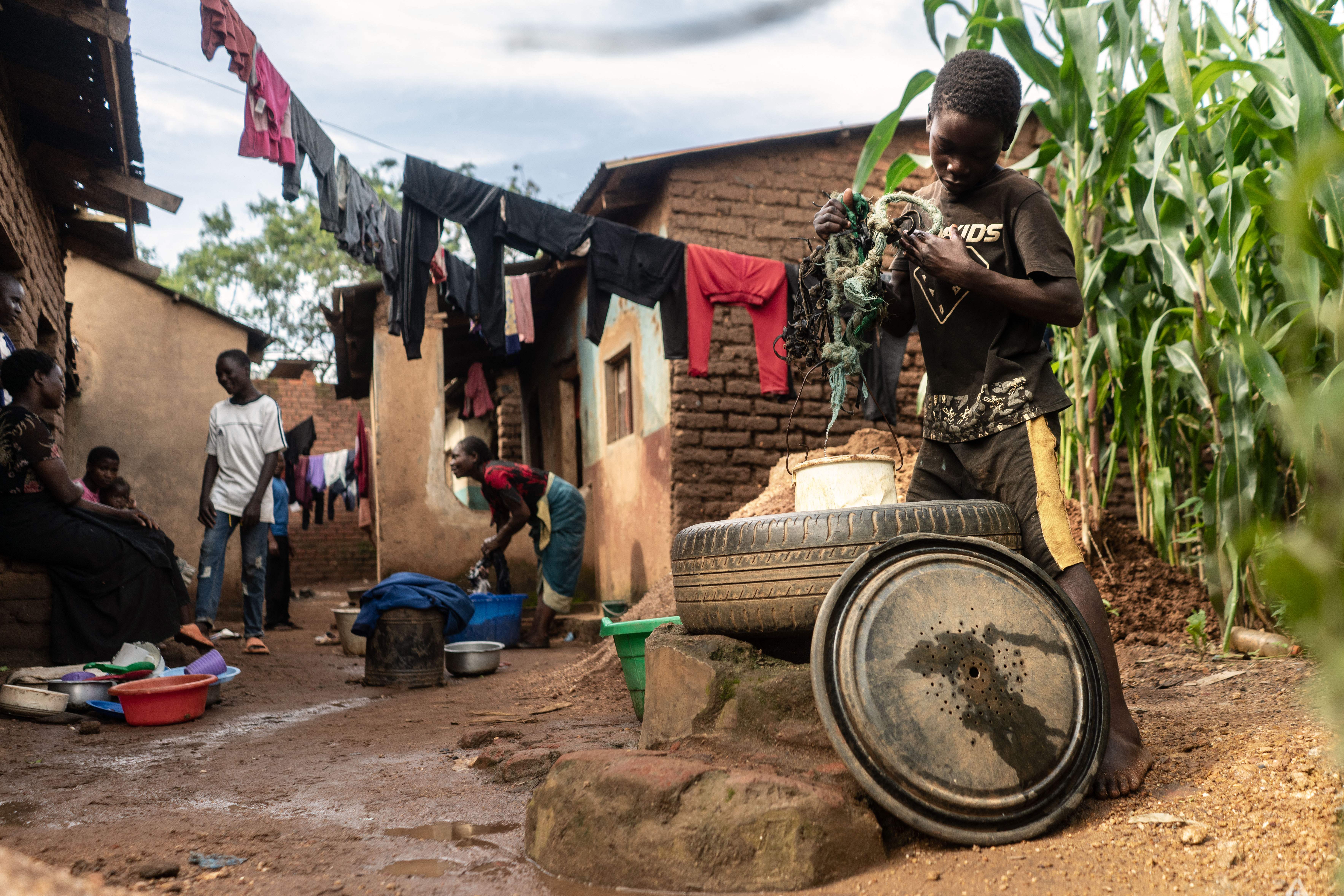
Malawi has also been hit hard by Donald Trump's aid cuts
Malawi
has
also
been
hit
hard
by
Donald
Trump’s
aid
cuts (AFP
via
Getty
Images)

In
neighbouring
Malawi,
the
level
of
vulnerability
and
poverty
has
intensified
since
Trump
slashed
aid
funding,
Sekai
Mudonhi,
Malawi
country
representative
for
Catholic
Relief
Services
(CRS),
tells The
Independent
.

“Agriculture
programmes…
have
been
affected
by
the
aid
funding
cuts
and
once
agriculture
is
affected
you
will
have
a
high
increase
in
food
insecurity
and
the
poverty
and
level
of
vulnerability
just
increases,”
she
says.

Funded
by
USAID
and
other
donors,
CRS
and
other
Catholic
charities
such
as
CAFOD
taught
farmers
in
Southern
Africa
new
agriculture
techniques to
adapt
to
climate
change
impacts
,
helping
to
reduce
these
issues.

They
also
helped
to
drill
boreholes
in
dry
areas,
bringing
to
life
gardens
that
also
acted
as
income
generating
projects
for
communities
and
individual
rural
farmers.

One
of
the
projects
that
CRS
ran
in
Malawi
involved
the
disbursement
of
cash
transfers
to
communities
which
assisted
with
buying
of
food
after
climate
shock
events
such
as
cyclones,
flooding
and
droughts.

“They
[communities]
were
banking
on
that
support,”
says
Mudonhi,
adding
that
she
and
her
team

most
of
whom
have
also
had
to
be
laid
off

“had
to
go
back
to
the
communities
and
tell
them
that
that
support
will
no
longer
be
coming”
due
to
the
new
policy
under
Trump.

‘I
can’t
imagine
what
they
are
going
through’

In
Zimbabwe,
Amos
Batisayi
has
also
witnessed
first-hand
the
impact
of
the
withdrawal
of
US
and
other
international
funding.
He
worked
with
the
Mwenezi
District
Training
Center
(MDTC),
a
local
NGO
that
utilised
USAID
funding
for
community
development
and
humanitarian
programs
in
the
Masvingo
province.

Amos Batisayi speaks to one of the female beneficiaries of Mwenezi District Center for Training (MDTC) in Zimbabwe. US funding for most of these programmes was cut by the Trump administration in 2025

Amos
Batisayi
speaks
to
one
of
the
female
beneficiaries
of
Mwenezi
District
Center
for
Training
(MDTC)
in
Zimbabwe.
US
funding
for
most
of
these
programmes
was
cut
by
the
Trump
administration
in
2025 (Mwenezi
District
Center
for
Training
(MDTC))

He
says
that
the
organisation
was
targeting
dry
areas
with
boreholes
for
water
access
for
agriculture
and
community
water
drinking
in
remote
areas.
MDTC,
using
USAID
funding,
also
ran
vocational
training
programmes
for
unemployed
youths
and
provided
support
for
income
generating
projects
in
remote
areas
such
as
Chiredzi.

With
USAID
shut
down,
irrigation
schemes
and
gardens
that
had
been
brought
to
life
through
rehabilitation
and
drilling
of
new
boreholes
are
now
in
trouble.
This
means
that
communities
in
remote
and
hard
to
reach
areas
such
as
Chiredzi
where
villagers
walk
up
to
three
miles
(five
kilometres)
to
get
to
the
nearest
water
source
are
now
struggling.

“Now
all
these
programmes
have
all
stopped
and
this
means
that
our
communities,
villagers
and
farmers
are
no
longer
able
to
generate
an
income,
making
their
lives
all
the
more
difficult;
I
cant
imagine
what
they
are
going
through,”
Batisayi
says.

One
such
beneficiary
of
the
USAID-funded
programs
under
MDTC
was
Silence
Ncube
from
Ramadhaka
Village
in
Chiredzi
South,
some
270
miles
from
the
capital
Harare.

Ncube
enrolled
for
vocational
training
as
a
bricklayer
through
financial
assistance
from
USAID
while
others
in
her
community
were
given
the
ability
to
start
raising
chickens
and
begin
vegetable
gardening.

This,
she
says,
provided
valuable
skills,
income
opportunities
and
access
to
clean
water.
But
when
the
stop
orders
for
financing
of
such
initiatives
under
USAID
were
issued
by
the
Trump
administration
last
year,
Ncube
and
her
community
were
hit.

Silence Ncube and Meriyini Baloyi constructing pit latrine toilet at Ramadhaka community Borehole in Chiredzi. USAID supported vocational training for community members

Silence
Ncube
and
Meriyini
Baloyi
constructing
pit
latrine
toilet
at
Ramadhaka
community
Borehole
in
Chiredzi.
USAID
supported
vocational
training
for
community
members (Mwenezi
District
Center
for
Training
(MDTC))

Their
lives
and
sources
of
livelihoods
ground
to
a
halt
and
hopes
for
the
future
turned
bleak.
Today,
they
are
“struggling
to
move
on
with
life”,
she
says.

‘The
energy
to
go
panning’

The
challenges
of
the
severe
drop
in
US
funding
have
prompted
NGOs

previously
focused
more
on
competition
to
secure
funding

to
increasingly
focus
on
collaboration
and
sharing
of
resources,
skills
and
data.

It
is
a
shift
that
is
fuelling
a
broader
rethink
regarding
international
aid,
according
to
Matthias
Spaeth,
Zimbabwe
country
director
for
Welt
Hunger
Hilfe.
He
says
that
the
problem
of
international
aid
funding
cuts
is
bigger
than
USAID,
as
countries
like
the
UK
also
cut
funding.

He
adds
that
his
biggest
fear
regarding
the
impact
of
cuts
to
development
aid
is
that
“nothing
changes”
in
the
future
and
the
cuts
come
coming
at
a
time
when
communities
are
in
dire
need.

Back
in
Mwenezi,
Sibanda
hopes
that
one
day
soon
donors
such
as
the
UN
agencies
that
will
return
assist
with
food
rations
so
that
she
can
be
able
to
go
and
pan
for
gold

the
price
of
which
has
skyrocketed
on
international
markets.

“If
we
can
get
donors
who
can
assist
us
with
food
then
we
can
have
the
energy
to
go
panning
for
gold
or
if
we
are
lucky
we
can
get
some
money
for
income
generating
programmes
such
as
farming,”
she
says.


This
article
has
been
produced
as
part
of
The
Independent’s 
Rethinking
Global
Aid
 project

Source:


‘I
fear
for
my
daughter’s
future’:
Families
in
Zimbabwe
struggle
to
survive
a
year
after
Trump’s
aid
cuts

|
The
Independent

Donald Trump Has Choice Words For SCOTUS Justices In The Wake Of Their Tariff Decision – Above the Law

(Photo
by
Mark
Wilson/Getty
Images)


Ed.
note
:
Welcome
to
our
daily
feature, Quote
of
the
Day
.


The
Supreme
Court’s
ruling
on
tariffs
is
deeply
disappointing,
and
I’m
ashamed
of
certain
members
of
the
court,
absolutely
ashamed,
for
not
having
the
courage
to
do
what’s
right
for
our
country
.


— Donald
Trump,
in
comments
given

during
a
press
conference

he
called
to
speak
about
the
Supreme
Court’s
6-3
decision
striking
down
the
president’s
sweeping
tariffs
instituted
via
executive
order
under
the
International
Emergency
Economic
Powers
Act. Trump
went
on
to
praise
Justices
Thomas,
Alito,
and
Kavanaugh
for
their
dissents,
while

referring

to
the
liberal
justices
as
a
“disgrace
to
our
nation.”


Staci
Zaretsky
 is
the
managing
editor
of
Above
the
Law,
where
she’s
worked
since
2011.
She’d
love
to
hear
from
you,
so
please
feel
free
to email her
with
any
tips,
questions,
comments,
or
critiques.
You
can
follow
her
on BlueskyX/Twitter,
and Threads, or
connect
with
her
on LinkedIn.