Want
to
know
the
best
thing
about
fumbling
a
cold
call?
No
matter
how
scary
the
teacher
seems
to
be,
it
isn’t
like
the
judge
who
wrote
the
damned
case
will
be
there
to
tell
you
that
you
couldn’t
spot
the
issues.
Unless,
of
course,
you
plan
on
taking
Con
Law
at
one
of
the
schools
below.
Spokesman
has
coverage:
Longtime
Supreme
Court
Justice
Barbra
Madsen
will
teach
state
constitutional
law
at
Gonzaga
School
of
Law
and
Seattle
University
School
of
Law
after
retiring
in
April.
“I’m
really
excited
about
teaching
law,
particularly
state
constitutional
law,
since
I’ve
written
so
many
of
the
opinions,”
Madsen
said.
“I
feel
like
it’s
a
natural
for
me.”
If
you
needed
some
extra
motivation
to
read
the
case
before
class,
there
you
go!
For
what
it’s
worth,
she
won’t
be
in
the
classroom
until
next
year.
You
lucked
out,
soon-to-be
2Ls.
Future
1Ls,
prepare
to
hit
the
books.
It
really
is
a
treat
to
have
one
of
the
justices
teaching
an
opinion
they
helped
pen
or
dissented
against.
For
one,
they
should
know
what
they’re
talking
about.
Second,
it’s
a
great
chance
to
get
a
behind-the-scenes
look
at
the
process
of
writing
opinions
and
balancing
ideologies
on
the
court
that
you’d
usually
only
get
clerking
for
a
judge.
Just
be
sure
to
ask
pointed
follow-up
questions
in
class
or
in
office
hours!
And
while
it
might
not
come
up
directly
because
of
Con
Law
readings,
you
may
also
want
to
get
her
opinions
on
access
to
justice
issues.
Chris
Williams
became
a
social
media
manager
and
assistant
editor
for
Above
the
Law
in
June
2021.
Prior
to
joining
the
staff,
he
moonlighted
as
a
minor
Memelord™
in
the
Facebook
group Law
School
Memes
for
Edgy
T14s
.
He
endured
Missouri
long
enough
to
graduate
from
Washington
University
in
St.
Louis
School
of
Law.
He
is
a
former
boatbuilder
who
is
learning
to
swim, is
interested
in
critical
race
theory,
philosophy,
and
humor,
and
has
a
love
for
cycling
that
occasionally
annoys
his
peers.
You
can
reach
him
by
email
at [email protected]
and
by
tweet
at @WritesForRent.
What
a
difference
a
year
makes,
huh?
Almost
exactly
a
year
ago,
President
Donald
Trump
rolled
up
on
Chief
Justice
John
Roberts
after
the
State
of
the
Union
address,
to
effusively
tell
the
jurist,
“Thank
you
again.
Thank
you
again.
Won’t
forget
it,”
heaping
praise
on
the
jurist
for
concocting
an
unprecedented
theory
of
presidential
immunity
that
helped
Trump
evade
trial
on
his
way
back
to
the
White
House.
On
Friday,
Trump
called
Roberts
“a
disgrace
to
our
nation,”
“swayed
by
foreign
interests.”
Now
John
Roberts
—
and
Justices
Barrett
and
Gorsuch,
for
that
matter
—
must
watch
the
presidency
of
their
own
creation
mark
them
by
name
for
public,
ritualistic
humiliation.
The
Supreme
Court struck
down
Trump’s
sweeping
IEEPA
tariffs in
a
6-3
decision
Friday,
with
Roberts
writing
for
a
majority
that
included
Gorsuch
and
Barrett
alongside
the
three
Democratic-appointed
justices.
Within
hours,
the
president
held
a
hastily
assembled
press
conference
to
both
showcase
the
tragedy
of
dementia
and
call
the
majority
justices
“fools
and
lapdogs
for
the
RINOs
and
the
radical
left
Democrats,”
for
reaching
an
opinion
urged
by
such
pinko
communists
as
the
U.S.
Chamber
of
Commerce.
Haphazardly
calling
on
journalists
and
then
—
if
they
began
a
remotely
probing
question
—
instantly
declaring
that
he
meant
to
call
on
someone
else,
Trump
raged
and
rambled
about
the
decision,
noting
that
he
was “absolutely
ashamed” of
the
Republican
justices
in
the
majority.
Trump
followed
up
by
instantly
imposing
a
new
10
percent
tariff
under
a
different
statute
—
Section
122
of
the
Trade
Act
of
1974
—
which
unlike
the
IEEPA
actually
talks
about
tariffs.
But
Section
122
is
explicitly
limited
to
150
days
unless
extended
by
Congress,
a
tall
order
since
many
Republican
legislators
quietly
(or
not-so-quietly)
object
to
the
tariffs
as
directly
counter
to
conservative
economic
principles.
But
no
one
bothered
to
stop
Trump
when
he
violated
the
TikTok
ban
for
months,
so
maybe
the
committed
textualists
on
the
Court
will
find
a
way
to
read
“150
days”
as
“forever.”
The
Section
122
theory
is
also
hamstrung
by
the
Trump
administration’s
own
galaxy
brained
argument
in
this
case
that
they
needed
IEEPA
tariffs
because
Section
122
tariffs,
they
argued,
would
be
illegal
under
the
circumstances.
In
order
to
head
off
any
claim
that
Trump
acted
without
a
hint
of
capriciousness,
he
raised
these
new
tariffs
to
15
percent
the
next
day.
Like
clockwork,
mainstream
legal
analysts
fell
over
themselves
to
frame
the
tariff
decision
as
“The
Supreme
Court’s
Declaration
of
Independence”
or
a
“Turning
Point,”
a
triumph
of
institutional
integrity
shepherded
by
the
Court’s
moderate
voices.
Jonathan
Turley,
who
has
never
met
a
conservative
judicial
overreach
he
couldn’t
launder
into
respectability, crowed that
the
tariff
decision
proves
the
Court
“continues
to
exercise
independent
judgment.”
Anyone
hoping
to
bolt
a
fairy
tale
narrative
onto
the
Supreme
Court
is
fooling
themselves.
Or
at
least
trying
to
fool
you.
Nothing
about
Friday’s
opinion
signals
a
Court
finding
its
backbone.
Real,
dyed-in-the-wool,
Reaganaut
conservatives
hate
tariffs
and
three
of
the
Supreme
Court’s
six
conservatives
chose
the
conservative
movement
over
the
prattling
of
a
president
who
brags
about
being
able
to
identify
a
giraffe
in
a
test
designed
to
track
cognitive
decline.
The
Federalist
Society
didn’t
spend
decades
building
this
Court
so
a
president
could
impose
a
massive
tax
hike
on
imports.
They
weren’t
so
much
rejecting
a
naked
Republican
policy
interest,
as
defending
an
older
one.
We’re
not
sitting
here
watching
the
president
of
the
United
States
have
an
unhinged
meltdown
over
the
Supreme
Court
because
it’s
suddenly
a
nonpartisan
institution.
Trump’s
fury
is
so
pronounced
because
the
Supreme
Court’s
conservatives
are
brazenly
partisan
and
Trump
ran
face
first
into
one
of
the
few
internecine
conflicts
within
the
Republican
Party.
He’s
angry
because
the
Supreme
Court
told
him
they
would
rubberstamp
his
every
desire
—
up
to
and
including
stealing
classified
documents
and
conspiring
to
commit
election
fraud
—
and
he
discovered
right-wing
business
interests
still
outrank
him
in
some
conservative
hearts.
The
Chief
Justice
sold
out
the
institutional
legitimacy
of
the
Supreme
Court
to
help
Donald
Trump
return
to
office
because
the
people
who
guide
his
judgment
wanted
more
tax
cuts
and
fewer
protections
for
marginalized
people.
In
return,
he
gets
publicly
berated
on
national
television.
Maybe
this
is
some
sort
of
“turning
point,”
but
based
on
the
record
as
it
exists
right
now,
this
isn’t
the
beginning
of
the
“John
Roberts:
Principled
Jurist”
redemption
arc,
this
is
just
a
guy
choking
down
his
karmic
vegetables.
Donald
Trump
didn’t
hide
the
ball
during
his
2024
campaign
—
his
few,
but
significant
breaks
with
conservative
conventional
wisdom
were
front
and
center.
Roberts
understood
that
this
day
would
come,
and
it
would
probably
be
humiliating,
and
that
he’d
still
do
it
anyway
because
he
hates
the
Voting
Rights
Act
more
than
he
loves
self-respect.
And
he’ll
willingly
go
through
all
this
again
after
he
fires
off
four
or
five
more
engraved
invitations
for
unconstitutional
executive
overreach,
but
still
won’t
let
Trump
fire
Federal
Reserve
governors.
There’s
no
amount
of
abuse
he
won’t
take
to
achieve
his
desired
political
outcome.
John
Roberts
left
last
year’s
State
of
the
Union
being
publicly
thanked
by
Trump
like
consigliere
getting
praised
by
a
mob
boss.
Now,
according
to
Trump,
Roberts
is
just
“barely
invited”
to
this
year’s
installment.
Judges
have
very
limited
patience
for
lawyers
who
decide
that
courtroom
rules
are
more
of
a
vibes-based
suggestion.
And
in
the
sprawling,
high-stakes
social
media
addiction
litigation
—
the
one
trying
to
make
Big
Tech
answer
for
allegedly
hooking
kids’
brains
like
it’s
nicotine
with
better
branding
—
patience
finally
snapped.
Enter
Matthew
Bergman,
founder
of
the
Social
Media
Victims
Law
Center
and,
until
very
recently,
a
member
of
the
plaintiffs’
steering
committee.
Until,
that
is,
Judge
Carolyn
B.
Kuhl
decided
she
had
had
just
about
enough
of
Bergman’s
(repeated)
inability
to
follow
the
courthouse
rules
about
technology.
Yes,
in
a
case
literally
about
tech
accountability,
the
irony
writes
itself.
Last
week,
as
Mark
Zuckerberg
took
the
witness
stand,
Bergman
apparently
felt
the
pull
of
the
spotlight.
He
conducted
an
interview
with
the
BBC
on
the
first
floor
of
the
courthouse
where
recording
is
banned.
When
called
on
it,
Bergman
went
with
the
full
contrition
package.
The
day,
he
said,
was
“so
emotionally
overcoming”
that
he
“lost
sight
of
my
obligation
as
an
officer
of
this
court.”
He
told
Judge
Kuhl
it’s
“something
for
which
I
am
deeply
ashamed,”
adding
that
he
hoped
this
would
be
“a
learning
experience”
that
would
help
him
become
“a
better
lawyer
and
a
better
person.”
Judge
Kuhl
removed
Bergman
from
the
plaintiffs’
steering
committee,
though
another
attorney
from
the
Social
Media
Victims
Law
Center
remains
on
the
committee.
And
this
isn’t
a
one-off,
Bergman
is
also
facing
a
citation
for
allegedly
taking
a
photo
on
his
phone
in
the
courtroom,
with
a
contempt
hearing
scheduled
for
March
23.
Kuhl
did
not
mince
words.
“The
things
you’re
doing
are
threatening
to
impede
your
clients’
pursuit
of
their
claims,”
she
told
him.
To
his
credit,
Bergman
leaned
into
the
irony.
“In
a
case
about
tech
accountability,
the
fact
that
I
was
not
accountable
on
tech
issues
in
this
court
is
resonant,
it
is
humbling,
and
I
am
deeply
sorry,”
he
said.
Gold
star
for
remorse.
Unfortunately,
remorse
does
not
get
you
back
your
leadership
role
in
one
of
the
most
consequential
pieces
of
mass-tort
litigation
against
Big
Tech
to
date.
Kathryn
Rubino
is
a
Senior
Editor
at
Above
the
Law,
host
of
The
Jabot
podcast,
and
co-host
of
Thinking
Like
A
Lawyer.
AtL
tipsters
are
the
best,
so
please
connect
with
her.
Feel
free
to
email
her
with
any
tips,
questions,
or
comments
and
follow
her
on
Twitter
@Kathryn1 or
Mastodon
@[email protected].
Well,
that
escalated
quickly.
Six
weeks
after
announcing
it
would
shut
down
after
more
than
50
years
in
business,
McGlinchey
Stafford
has
filed
for
bankruptcy.
This
isn’t
a
reorganization
play.
It’s
a
Chapter
7
filing,
meaning
the
firm
is
liquidating
its
remaining
assets
to
satisfy
creditors.
Court
documents
show
McGlinchey
has
between
200
and
999
creditors,
with
both
assets
and
liabilities
estimated
somewhere
between
$10
million
and
$50
million.
In
other
words,
this
is
not
a
tidy
wrap-up.
The
Times-Picayune
has
additional
information:
Several
attorneys
familiar
with
the
situation
who
were
not
authorized
to
comment
publicly
on
the
case
said
the
firm
did
not
initially
plan
to
file
for
bankruptcy
when
it
announced
it
was
closing.
As
it
began
winding
down
operations,
however,
it
became
evident
that
there
wasn’t
enough
money
to
satisfy
the
firm’s
more
than
15
long-term
lease
obligations
in
office
buildings
around
the
country.
As
we’ve
previously
reported,
McGlinchey’s
troubles
didn’t
come
out
of
nowhere.
A
mix
of
lagging
collections,
internal
friction,
and
hefty
overhead
weren’t
helping
the
firm.
Rainmakers
left.
By
the
time
the
dissolution
vote
happened,
the
exit
doors
were
already
swinging.
Practice
groups
later
migrated
in
chunks
as
Biglaw
firms
swooped
in
amid
the
firm’s
collapse.
At
its
height,
McGlinchey
had
roughly
160
attorneys
in
18
offices
nationwide
and
was
one
of
Louisiana’s
most
prominent
firms.
Now,
a
court-appointed
trustee
will
liquidate
what
remains.
For
firm
leaders
watching
from
afar,
this
is
a
cautionary
tale:
national
footprint,
expensive
buildouts,
slowing
collections,
key
departures.
When
momentum
turns
negative,
it
turns
fast
—
and
as
we
now
know,
the
difference
between
“strategic
alternatives”
and
Chapter
7
can
be
about
six
weeks.
Staci
Zaretsky is
the
managing
editor
of
Above
the
Law,
where
she’s
worked
since
2011.
She’d
love
to
hear
from
you,
so
please
feel
free
to email her
with
any
tips,
questions,
comments,
or
critiques.
You
can
follow
her
on Bluesky, X/Twitter,
and Threads, or
connect
with
her
on LinkedIn.
Let’s
think
about
the
American
criminal
justice
system.
After
you
get
arrested,
I
can
still
hang
around
with
you. You
are,
after
all,
innocent
until
proven
guilty.
After
you’re
convicted,
and
while
you’re
imprisoned,
I
guess
I’m
supposed
to
shun
you. You
are,
after
all,
separated
from
society.
When
you’re
released
from
prison
(and
have
satisfied
any
post-confinement
restraints),
I’m
supposed
to
welcome
you
back
into
society. Felons
who
have
served
their
time,
for
example,
should
have
their
right
to
vote
restored. Those
ex-felons
should
also
be
given
jobs,
so
the
ex-felons
aren’t
forced
into
a
life
of
perpetual
crime. After
you’ve
repaid
your
debt
to
society,
we
welcome
you
back.
Do
I
have
that
right?
Let’s
apply
those
rules
to
three
examples. First,
a
guy
who
steals
milk
and
bread
for
his
family
is
arrested. No
problem;
he’s
innocent
until
proven
guilty. The
guy’s
convicted;
now
I
shun
him
for
the
duration
of
the
punishment. When
the
punishment’s
over,
I
welcome
him
back,
restoring
his
right
to
vote
and
offering
a
job. He’s
repaid
his
debt
to
society
and
all
that.
Second
example:
A
16-year-old
attacks
a
Vietnamese-American
man
with
a
large
stick,
knocking
him
unconscious,
and
later
that
night
punches
another
Vietnamese-American
man,
all
while
using
racial
slurs. The
16-year-old
is
charged
as
an
adult,
pleads
guilty
to
felony
assault,
and
serves
45
days
in
prison.
May
you
associate
with
that
person
after
he’s
released
from
prison? If
the
guy
later
assaults
another
Vietnamese-American,
and
that
new
assault
somehow
becomes
a
matter
of
public
interest,
then
the
world
will
surely
condemn
your
poor
judgment: “He
seems
to
be
a
racially
motivated
lunatic! How
could
you
have
spoken
to
him? You
should
have
known!”
On
the
other
hand,
if
the
guy
never
attacks
anyone
else,
and
becomes
a
famous
movie
star,
the
world
will
forgive
your
decision
to
associate
with
him:
“Of
course
you
should
spend
time
with Mark
Wahlberg.”
Now
that
we’re
clear
on
how
this
works,
we
can
move
on
to
my
last
hypothetical
situation.
A
guy
is
arrested
on
July
27,
2006,
on
felony
charges
relating
to
soliciting
prostitution
from
a
minor. It’s
no
problem
socializing
with
the
guy
before
2006,
because
he
hasn’t
been
arrested
for
anything. And
I
should
keep
socializing
with
him
after
July
27,
because
he’s
only
been
arrested,
not
convicted. Innocent
until
proven
guilty,
and
all
that.
On
June
30,
2008,
the
guy
pleads
guilty
to
two
charges
—
procuring
a
person
under
18
for
prostitution
and
soliciting
prostitution.
I
now
have
to
shun
the
guy
for
a
while. He’s
been
convicted,
so
he’s
no
longer
presumed
innocent.
The
guy
is
sentenced
to
18
months
in
prison. (He
serves
only
13
months,
with
extensive
work
release,
allowing
release
for
up
to
12
hours
daily,
six
days
a
week.)
I’m
not
exactly
sure
how
long
I’m
supposed
to
shun
the
guy,
but
let’s
call
it
the
entire
length
of
the
original
sentence
—
18
months. (I’m
also
not
sure
what
to
do
with
the
year
of
house
arrest
after
release
from
prison
and
the
registration
as
a
sex
offender. In
most
states,
a
sex
offender’s
right
to
vote
is
restored
after
release
from
prison,
so
I
guess
sex
offenders
are
deemed
to
have
repaid
their
debts
to
society
upon
release.)
That
means
that
at
year-end
2009
—
18
months
after
conviction,
when
the
sentence
is
over
—
the
guy
has
repaid
his
debt
to
society.
I’m
supposed
to
embrace
him
again
—
because
anything
else
wouldn’t
be
fair.
The
guy
is
arrested
again
on
July
6,
2019,
for
assorted
sex
trafficking
offenses.
The
guy
dies
in
jail,
so
there’s
no
decision
—
either
acquittal
or
conviction
—
on
the
second
set
of
charges. For
the
second
arrest,
the
guy
is
once
more
presumed
innocent
from
July
6
until
his
death. There’s
no
shunning
an
innocent
man.
Here’s
my
point. (You hoped knew
I’d
get
there
eventually.) This
guy
was
supposed
to
be
shunned
by
society
only
from
June
30,
2008,
the
date
of
his
first
(and
only)
conviction,
through
year-end
2009,
when
his
sentence
expired. All
the
rest
of
the
time,
he
was
either
not
yet
arrested,
presumed
innocent,
or
had
repaid
his
debt
to
society.
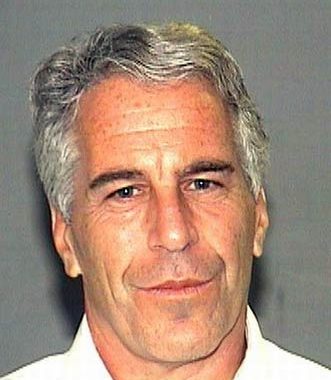
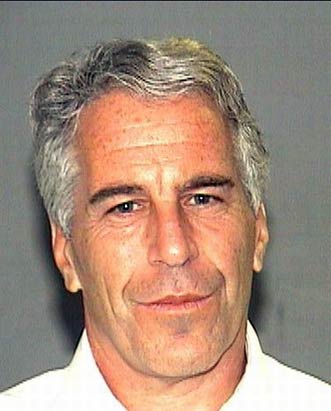
Tell
me
again
why
there’s
all
that
fuss
about
people
who
were
hanging
around
with
Jeffrey
Epstein
during
the
1990s
or
from
2010
until
his
death.
Just
think
about
it. I’m
not
sure
how
you’ll
resolve
that
thought
experiment,
but
you
owe
it
to
yourself
to
be
consistent.
(In
case
you’re
interested,
Donald
Trump
was
presumed
innocent
until
May
30,
2024,
when
he
was
convicted
of
34
felony
offenses. Trump
received
an
unconditional
discharge
on
January
10,
2025. MAGA
Republicans
didn’t
do
too
good
a
job
of
shunning
him
during
the
intervening
months. Maybe
they’ll
do
better
next
time.)
Ed.
note:
Please
welcome
Renee
Knake
Jefferson
back
to
the
pages
of
Above
the
Law.
Subscribe
to
her
Substack,
Legal
Ethics
Roundup,here.
Welcome
to
what
captivates,
haunts,
inspires,
and
surprises
me
every
week
in
the
world
of
legal
ethics.
Happy
Monday!
Here
are
your
headlines.
Highlights
from
Last
Week –
Top
Ten
Headlines
#1
ABA
Issues
New
Opinion
on
Judicial
Ethics. Two
headlines
for
#1. First,“ABA
Formal
Opinion
521
Re:
Judicial
Canons
of
Ethics
Applying
to
Administrative,
Supervisory
Role,” from
the American
Bar
Association: “The
American
Bar
Association
Standing
Committee
on
Ethics
and
Professional
Responsibility
released
a
formal
opinion
that
provides
guidance
on
the
ethical
obligations
of
judges
under
the
ABA
Model
Code
of
Judicial
Conduct
when
exercising
administrative,
employment
and
supervisory
authority. Formal
Opinion
521 says
that
the
canons
and
rules
governing
impartiality,
integrity
and
independence
—
particularly
Canons
1
and
2
and
associated
rules
—
require
judges
to
administer
chambers
and
court
staff
with
the
same
fairness
and
neutrality
that
guide
adjudication.
This
opinion
explains
that
ethical
duties
extend
beyond
the
courtroom
to
include
merit-based
appointments,
the
prevention
of
bias
and
harassment
and
the
avoidance
of
favoritism
or
the
appearance
of
impropriety
in
all
administrative
decisions.
Judges
fulfill
these
obligations
by
ensuring
that
their
use
of
administrative
authority
promotes
public
confidence
in
the
judiciary’s
independence
and
integrity.”
Read
more here. Second,“Judges
Only
Hiring
Clerks
From
Their
Alma
Maters
is
Bad
Look,
New
ABA
Ethics
Opinion
Says,” from
the ABA
Journal:
“Judges
should
use
merit-based
selection
for
court
hires
and
not
use
their
positions
to
influence
outside
officials,
according
to
an
ethics
opinion
released
Wednesday
by
the
ABA.
Additionally, Formal
Opinion
521,
from
the
ABA’s
Standing
Committee
on
Ethics
and
Professional
Responsibility,
states
that
jurists
have
ethical
obligations
extending
far
beyond
the
bench.
Promoting
and
preserving
public
trust
in
the
judicial
system
‘requires
attention
to
both
substance
and
perception,’
according
to
the
opinion.
Numerous
rules
from
the
ABA’s Model
Code
of
Judicial
Conduct are
referenced
in
the
ethics
opinion,
which
includes
various
scenarios
that
may
cause
concern.”
Read
more here.
#2
“Supreme
Court
Adopts
Automated
Recusal
Software
to
Avoid
Ethics
Conflicts.” From CNN: “The
Supreme
Court
said
Tuesday
that
it
will
start
using
software
to
assist
in
justices’
decisions
to
recuse
themselves
from
cases
that
present
a
potential
conflict
of
interest.
A
brief
press
release
issued
by
the
court
described
an
electronic
matching
process
already
used
by
some
lower
courts
to
compare
a
case’s
parties
to
lists
judges
assemble
of
individuals
and
organizations
they
have
ties
to.
A
2023
code
of
conduct
statement
from
the
justices
said
they
were
consideringadopting
such
a
tool
themselves.”
Read
more here.
#3
“Illinois
Lawmakers
Seek
to
Limit
Private
Equity
in
Law
Firms.” From JD
Journal: “Illinois
lawmakers
are
advancing
new
legislation
that
would
significantly
restrict
the role
of
private
equity
firms
and
outside
investors in
the
state’s
legal
industry,
signaling
growing
concern
over
how
financial
backing
could
reshape
the
practice
of
law.
The
proposed
measures,
introduced
in
the
Illinois
General
Assembly,
seek
to
reinforce
longstanding
ethical
rules
that
prohibit
non-lawyer
ownership
of
law
firms.
As
private
equity
firms
increasingly
explore
partnerships
with
legal
organizations
through
management
services
organizations
(MSOs)
and
similar
structures,
lawmakers
say
clearer
statutory
guardrails
are
needed
to
protect
attorney
independence
and
client
interests.”
Read
more here.
#4“Top
Lawyers’
Fees
Have
Surged—Here’s
Why
$3,400.” From The
Wall
Street
Journal: “That’s
the
hourly
rate
charged
by
some senior
partners
at
the
largest
U.S.
law
firms,
according
to
data
from
Persuit.
Legal
fees
have
escalated
to
once-unthinkable
levels
for
several
reasons,
including
a
more
competitive
market
for
talent
and
the
high
stakes
of
litigation
and
corporate
dealmaking.
And
perhaps
most
of
all,
ego.
…
Some
lawyers
with
specialized
skills
are
even
more
aggressively
pushing
the
upper
limit. Eric
Troutman,
a
partner
at
a
Southern
California
firm,
has
already
told
his
clients
that
he
is
upping
his
rates
to
$6,000
for
consulting
on
compliance
issues
in
his
niche
specialty
of
telecom
regulation.
Last
year
he
charged
$4,200
an
hour.”
Read
more here (gift
link).
#5
“Legal
Leaders
Take
Historic
Step
To
Protect
Americans
Under
Guardianship,
Conservatorship.” From Forbes: “In
July
2021,
in
the
midst
of
her
prolonged
public
battle
to
end
her
father’s
appointment
as
her
conservator,
popstar Britney
Spears
testified that
she
had
just
learned
that
she
could
ask
for
the
conservatorship
to
be
ended:
‘I’m
sorry
for
my
ignorance,’
she
told
the
judge
in
her
case,
‘but
I
honestly
didn’t
know
that.’
Spears’
apology
suggested
that
the
attorney
who
had
been
hired
to
represent
her
had
not
actually
informed
her
of
a
key
option.
This
month,
the
American
Bar
Association
(ABA)
took
an
historic
step
to
prevent
such
problems.
It
revised
its
ethics
rules
for
attorneys
to
make
it
clear
that
they
must
advocate
for
their
clients’
wishes
even
when
their
clients
are—as
Ms.
Spears
was—under
guardianship
or
conservatorship.”
Read
more here.
#6
“The
Slaughtering
of
the
Mansfield
Rule
–
And
Why
It
Hurts.” From Vivia
Chen’s
Ex-Careerist
Substack: “Just
a
few
weeks
ago,
the
Federal
Trade
Commission
sent ’warning
letters’
to
42
law
firms that
participated
in
a
program
aimed
at
improving
female
and
minority
representation
at
the
top
echelons
of
the
legal
profession.
The
FTC
warned
that
their
DEI
efforts
threatened
competition,
‘with
the
effect
of
reducing
pay
and
other
benefits
below
competitive
levels.’
That’s
right,
DEI
is
a
form
of
price
fixing
that
violates
antitrust
laws.
Who
knew
that
the
real
agenda
of
DEI
was
market
manipulation?
…
[The]
Diversity
Lab,
which
ran
the
program
(known
as
the
Mansfield
Rule),
is
essentially
gutted.
Diversity
Lab
founder Caren
Ulrich
Stacy informed
participating
firms
in
a
February
12
email
that
the
program
is
no
longer
viable
because
of
continuous
assaults
by
the
Trump
administration”
Read
more here.
#7
“Update:
Judge
Rakoff
Issues
Written
Opinion
That
AI-Generated
Documents
Are
Not
Protected
by
Privilege.” From Debevoise
&
Plimpton: “Last
week, we
wrote
about
a
decision in
which Judge
Rakoff
of
the
Southern
District
of
New
York denied
the
claim
of
defendant Bradley
Heppner that
documents
prepared
by
Heppner
using
the
consumer
version
of
the
AI
model
Claude
for
legal
research
were
privileged.
On
February
17,
2026,
Judge
Rakoff
issued
a
written
opinion
explaining
the
reasoning
behind
his
February
10
ruling.”
Read
more here.
#8
“Jeffrey
Epstein
Gave
Her
a
$9,350
Handbag,
But
Did
Goldman
Sachs’
Departing
Top
Lawyer
Violate
Any
Rules?” From Reuters: “Goldman
Sachs
top
lawyer Kathryn
Ruemmler faced
fierce
criticism
on
social
media
and
calls
for
her
ouster
following
revelations
that
she
accepted
thousands
of
dollars’
worth
of
gifts
from Jeffrey
Epstein when
she
was
previously
a
partner
at
a
law
firm.
As
a
matter
of
attorney
ethics,
her
conduct
didn’t
appear
to
violate
any
professional
rules
—
but
it
raised
questions
of
judgment,
some
legal
ethics
experts
told
me.
…
Ethics
rules
for
lawyers
offer
few
guardrails
on
the
propriety
of
accepting
gifts.
Most
state
bars
have
adopted
an
American
Bar
Association
rule
that
says
a
lawyer
may
not
solicit
a
‘substantial’
gift
from
a
client.
But
the
rule
doesn’t
prevent
a
lawyer
from
accepting
an
unsolicited
client
gift,
no
matter
how
valuable,
said Fordham
School
of
Law
ethics
professor
Bruce
Green.
Nor
are
lawyers
barred
from
soliciting
or
accepting
substantial
gifts
from
a
former
client
or
other
non-client.”
Read
more here.
#9
“A
Legal
Practitioner’s
Guide
to
AI
&
Hallucinations.” From
the National
Center
for
State
Courts:
“AI
tools
are
transforming
legal
work
with
the
ability
to
scan
millions
of
cases,
statutes,
and
regulations
in
seconds.
These
systems
use
machine
learning,
natural
language
processing,
and
large
language
models
trained
on
vast
legal
datasets
to
‘understand’
legal
terminology
and
concepts
within
their
specific
domains,
and
provide
insights,
identify
relationships,
and
generate
content
requested
by
a
user.
Beyond
serving
legal
professionals,
AI
is
expanding
access
to
legal
help
for
people
navigating
the
legal
system
without
an
attorney.
Chatbots
and
virtual
assistants
can
prepare
legal
materials
and
assist
with
governmental
filings,
making
verification
of
AI
outputs
even
more
critical.
Using
AI
carries
both
responsibilities
and
risks
for
legal
professionals,
who
may
be
tempted
to
overrely
on
AI
output
without
adequate
verification.
This
guidance
helps
attorneys
and
other
legal
practitioners
understand
how
generative
AI
works,
what
it
does
and
does
not
do
well,
and
how
to
use
it
responsibly.”
Read
more
and
download
the
guide here.
#10
Law
School
Accreditation
News. It
was
a
big
week
for
law
school
accreditation
news,
so
you
get
three
headlines
for
#10. First,“Top
Judicial
Officials
Form
Workgroup
Studying
Law
School
Accreditation,” From
the ABA
Journal: “As
the
path
forward
for
law
school
accreditation
is
reconsidered
in
several
states,
a
group
of
chief
justices
and
court
administrators
launched
a workgroup
this
week to
dig
deep
into
accreditation,
including
the
role
of
the
Council
of
the
ABA
Section
of
Legal
Education
and
Admissions
to
the
Bar.
The
group
of
the
Conference
of
Chief
Justices
and
Conference
of
State
Court
Administrators
was
created
seven
months
after
the
Committee
on
Legal
Education
and
Admissions
Reform’s 2025
report,
which
recommends
‘law
school
accreditation
that
serves
the
public’
and
proposed
the
creation
of
this
workgroup.”
Read
more here. Second,“ABA
Weighing
Repeal
of
Law
School
Diversity
Standard,” from Law.com: “The
American
Bar
Association’s
accrediting
council
voted
Friday
to
send
a
repeal
of
Standard
206
for
notice
and
comment.
Following
an
emotional
discussion
about
the
future
of
the
American
Bar
Association’s
accreditation
standard
that
governs
diversity
and
inclusion
requirements
in
law
school
admissions,
the
ABA’s
Council
of
the
Section
of
Legal
Education
and
Admissions
to
the
Bar
has
decided
to
advance
a
proposal
to
repeal
the
standard.
The
council
voted
Friday
to
send
a
proposed
repeal
of
the
standard
out
for
notice
and
comment
and
extend
the
current
suspension
of
Standard
206
until
Aug.
31,
2027.
A
year
ago,
the
council
voted
to
suspend
the
standard
until
Aug.
31,
2025
and
then
extended
the
suspension
during
its
May
meeting
until
the
end
of
August
2026.”
Read
more here. Third,“ABA
Council
to
Seek
Comment
on
Inclusion
of
Alternative
Licensure
Pathways
Language
in
Accreditation
Standards,” from Law.com: “The
council
voted
Friday
to
send
the
proposed
changes
out
for
notice
and
comment,
which
are
intended
to
‘modernize
the
language’
to
‘explicitly
recognize
that
law
school
graduates
may
achieve
attorney
licensure
through
means
other
than
a
bar
exam.’”
Read
more here.
(Full
disclosure:
I
am
a
member
of
the Accreditation
Council
for
the
ABA
Section
on
Legal
Education
and
Admission
to
the
Bar.)
Get
Hired
Did
you
miss
the
400+
job
postings
from
previous
weeks?
Find
them
all here.
Upcoming
Ethics
Events
&
Other
Announcements
️
Did
you
miss
an
announcement
from
previous
weeks?
Find
them
all here.
Keep
in
Touch
Do
you
have
colleagues
who
care
about
legal
ethics? Please
share
the
Roundup
with
them.
I’d
love
to
see
our
community
continue
to
grow!
News
tips?
Announcements?
Events?A
job
to
post?Reading
recommendations? Email [email protected] –
but
be
sure
to
subscribe
first,
otherwise
the
email
won’t
be
delivered.
Renee
Knake
Jefferson
holds
the
endowed
Doherty
Chair
in
Legal
Ethics
and
is
a
Professor
of
Law
at
the
University
of
Houston.
Check
out
more
of
her
writing
at
the Legal
Ethics
Roundup.
Find
her
on
X
(formerly
Twitter)
at @reneeknake or
Bluesky
at legalethics.bsky.social.
Hims
&
Hers
is
making
a
major
global
expansion
with
its
planned
acquisition
of
Australian
digital
health
company
Eucalyptus,
a
good
move
for
the
company
as
it
faces
regulatory
and
legal
challenges
in
the
U.S.
over
its
sale
of
compounded
GLP-1s,
experts
say.
San
Francisco-based
Hims
&
Hers
is
a
direct-to-consumer
health
and
wellness
platform
that
provides
support
for
sexual
health,
weight
loss,
hair,
skin,
primary
care,
mental
health
and
other
areas.
Eucalyptus,
meanwhile,
runs
consumer-focused
virtual
clinics
and
brands,
including
weight
loss
platform
Juniper,
men’s
health
program
Pilot
and
fertility
and
reproductive
care
platform
Kin.
The
deal,
which
was
announced
Thursday,
is
valued
at
about
$1.15
billion,
with
$240
million
in
cash
at
closing
and
the
rest
paid
as
deferred
and
performance-based
earnouts
through
early
2029.
The
acquisition
expands
Hims
&
Hers
into
Australia
and
Japan,
while
deepening
its
presence
in
the
U.K.,
Germany
and
Canada.
Eucalyptus
has
served
about
775,000
customers.
This
is
a
smart
deal
for
Hims
&
Hers,
according
to
Michael
Abrams,
managing
partner
of
Numerof
&
Associates.
The
companies
are
highly
complementary
as
they
both
provide
services
that
include
men’s
health,
women’s
health,
weight
health
and
dermatology.
They
also
both
share
a
mission
of
expanding
personalized,
consumer-focused
healthcare.
In
addition,
the
acquisition
sets
up
Hims
&
Hers
for
global
expansion
while
also
diversifying
its
customer
and
revenue
base,
he
added.
“It
seems
clear
that
a
prime
consideration
in
Hims
&
Hers’
acquisition
is
to
pivot
from
a
predominantly
U.S.-centric
telehealth
and
DTC
care
model
to
a
global
consumer
health
platform,”
Abrams
told
MedCity
News.
“Strategically,
the
Eucalyptus
acquisition
gives
Hims
&
Hers
geographic
diversification
away
from
its
core
U.S.
markets
—
a
move
likely
designed
in
part
to
de-risk
revenue
concentration
and
broaden
patient
bases.”
This
is
especially
desirable
for
Hims
&
Hers
as
it
faces
a
high-profile
lawsuit
from
Novo
Nordisk
over
the
company’s
compounded
versions
of
GLP-1s,
which
are
custom-made
and
include
the
same
active
ingredient
found
in
branded
GLP-1s
like
Wegovy,
Abrams
said.
They’re
not
FDA-approved,
and
many
(including
Novo
Nordisk)
argue
they
are
unsafe.
The
lawsuit
and
scrutiny
Hims
&
Hers
is
experiencing
over
the
selling
of
these
drugs
has
put
pressure
on
the
company’s
stock
and
highlights
“the
risks
of
its
U.S.
pharmacy-centric
model,”
Abrams
noted.
Another
healthcare
expert
said
he
is
“cautiously
optimistic”
about
the
deal,
noting
that
Hims
&
Hers
is
trading
down
due
to
the
crackdown
on
GLP-1
compounding
and
the
legal
issues
with
Novo
Nordisk.
“International
expansion
in
existing
product
categories
will
diversify
revenue
and
provide
new
pipelines
for
innovation,”
said
Warren
Templeton,
managing
director
at
Health2047.
“A
big
unknown
is
how
much
GLP-1s
are
a
revenue
driver
for
Eucalyptus,
and
whether
similar
legal
and
regulatory
challenges
already
announced
may
put
downward
pressure
on
the
[over-the-counter]
grey
market.
That
said,
the
deal
structure
seems
to
acknowledge
this
with
earnouts
and
deferred
payments.”
Beth
Mosier,
healthcare
M&A
director
at
West
Monroe,
meanwhile,
stated
that
Hims
&
Hers’
acquisition
of
Eucalyptus
“signals
continued
expansion
across
weight
loss,
anti-aging,
mental
health,
and
wellness
by
extending
affordable,
personalized,
and
convenient
healthcare
to
consumers
worldwide
who
are
increasingly
seeking
accessible
alternatives
to
traditional
care
models.”
The
deal
is
expected
to
close
in
the
middle
of
2026.
*
Law
firms
gear
up
to
fight
for
tariff
refunds.
[Reuters]
*
Albany
Law
student
dead
after
what’s
described
as
a
terrorist
attack
on
Hoover
Dam.
[Syracuse.com]
*
Fake
law
firm
and
fake
courts
scammed
immigrants.
[Guardian]
*
ABA
takes
steps
to
eliminate
its
law
school
diversity
standard.
Put
aside
the
wisdom
of
the
decision…
how
long
does
it
take
the
ABA
to
vote?
Because
this
has
been
a
headline
for
at
least
a
year.
[Law.com]
*
Florida
AG
gets
$100K
to
teach
a
two-hour
course
as
an
adjunct.
Presumably
that’s
standard
compensation
at
the
law
school
and
not
at
all
the
naked
plundering
of
public
resources.
[ABA
Journal]
*
Todd
Blanche
fires
the
legal
U.S.
Attorney
for
the
Eastern
District
of
Virginia
to
clear
the
way
for
another
illegal
appointment.
[Law360]
*
Republicans
dusting
off
the
independent
state
legislature
theory.
[Democracy
Docket]
Geza,
also
known
as
Comrade
Bombshell,
reportedly
played
a
key
role
in
2017
in
bringing
an
end
to
Mugabe’s
37-year
rule,
right
in
the
middle
of
bitter
factional
fights
within
ZANU
PF.
Mugabe
eventually
resigned
in
November
2017
after
the
military
rolled
tanks
into
Harare
and
Parliament
moved
to
impeach
him.
Speaking
at
a
press
conference,
Mutsvangwa
said
that
if
he
hadn’t
been
away
in
Mombasa,
Kenya,
he
would
have
attended
Geza’s
burial
in
Sanyati
on
Monday,
16
February.
He
added
that
the
Geza
family
were
heroes
of
the
liberation
struggle,
with
three
of
Blessed’s
siblings
serving
as
commanders.
Ironically,
senior
ZANU
PF
officials
gave
Geza’s
funeral
the
cold
shoulder,
and
he
wasn’t
declared
a
national
hero
after
speaking
out
against
plans
to
extend
President
Emmerson
Mnangagwa’s
second
term
by
two
years.
Mutsvangwa
also
revealed
that
it
was
Geza
who
mobilised
him
and
other
leaders
into
the
group
that
spearheaded
the
2017
coup,
defeating
the
G40
faction
of
ZANU
PF.
He
said:
“Geza
was
very
active
in
the
fight
against
usurpation
of
power
and
attempts
to
set
up
a
dynasty
in
the
First
Republic.
“Geza
is
the
one
who
brought
me
into
the
fight
against
the
G40s.
I
have
a
lot
which
I
can
talk
about,
Geza.
“There
were
attempts
through
a
clandestine
operation
to
arrest
Cde
Mahiya
and
Matendadama
and
they
were
provided
with
a
hiding
place
at
Geza’s
farm
in
Sanyati.
“For
us,
Geza
is
a
comrade
we
walked
with
during
that
difficult
time
of
safeguarding
the
permanent
Zimbabwe
revolution.
“I
definitely
would
have
been
available
at
his
funeral
for
personal
reasons,
personal
bonds
and
for
the
things
we
did
together
when
we
worked
against
the
G40.
He
was
at
the
forefront.”
Mutsvangwa
also
claimed
that
ZANLA
commander
Josiah
Magama
Tongogara
named
one
of
the
camps
in
Mozambique
after
Pessintine
Geza,
a
heroic
member
of
the
Geza
clan
who
was
killed
during
the
liberation
war.
He
said
Geza’s
brother,
Sam
Geza,
was
among
the
ZIPA
leaders
who
returned
from
Mozambique
to
revive
the
fight
in
1975.
JOHANNESBURG,
South
Africa
–
Bellarmine
Chatunga
Mugabe,
the
28-year-old
son
of
Zimbabwe’s
late
former
president
Robert
Mugabe,
is
set
to
appear
in
a
Johannesburg
court
on
Monday
on
charges
of
attempted
murder.
Mugabe
was
arrested
last
Thursday
after
police
were
called
to
his
Hyde
Park
home,
where
a
23-year-old
man
was
shot
and
critically
wounded.
A
33-year-old
co-accused
will
appear
alongside
him
at
the
Alexandra
Magistrate’s
Court.
Police
have
been
unable
to
recover
the
firearm
used
in
the
shooting.
However,
Gauteng
police
commissioner
Tommy
Mthombeni
confirmed
that
both
Mugabe
and
the
second
suspect
were
tested
for
gunshot
residue
–
microscopic
metal
particles
expelled
when
a
firearm
is
discharged
that
can
remain
on
a
shooter’s
hands,
face
and
clothing.
The
injured
man,
who
is
reportedly
in
critical
condition,
previously
worked
as
a
gardener
at
the
property
but
had
been
absent
for
several
months.
“Apparently
he
did
not
come
to
work
for
some
time
and
there
was
an
altercation
regarding
that,”
said
Gauteng
provincial
police
spokesperson
Colonel
Dimakatso
Nevhuhulwi.
“It
was
indicated
that
he
is
in
a
critical
condition,
but
we
are
hoping
that
he
will
be
fine,”
she
added,
confirming
that
the
victim
sustained
a
single
gunshot
wound.
Police
also
seized
a
vehicle
at
the
property
which
they
said
had
been
illegally
fitted
with
police
sirens.
Mugabe’s
arrest
is
the
latest
in
a
string
of
legal
troubles.
In
August
2024,
he
was
arrested
for
disorderly
conduct
at
a
police
checkpoint
along
the
Beitbridge-Harare
highway.
Officers
reportedly
found
him
in
possession
of
a
knife.
In
June
last
year,
he
was
arrested
after
allegedly
leading
a
violent
assault
on
illegal
gold
miners
who
had
encroached
onto
his
mother’s
farm
in
Mazowe.
Several
people
reportedly
suffered
broken
limbs
during
the
incident.
Chatunga
and
his
brother,
Robert
Junior,
who
has
also
faced
arrest
in
Zimbabwe
on
drug
and
assault
charges,
have
drawn
repeated
public
scrutiny,
living
lifestyles
that
contrast
sharply
with
the
austere
image
cultivated
by
their
late
father.




 Kathryn