An
incarcerated
murder-for-hire
convict
in
a
federal
lawsuit
over
whether
an
animal
sanctuary
can
neuter
a
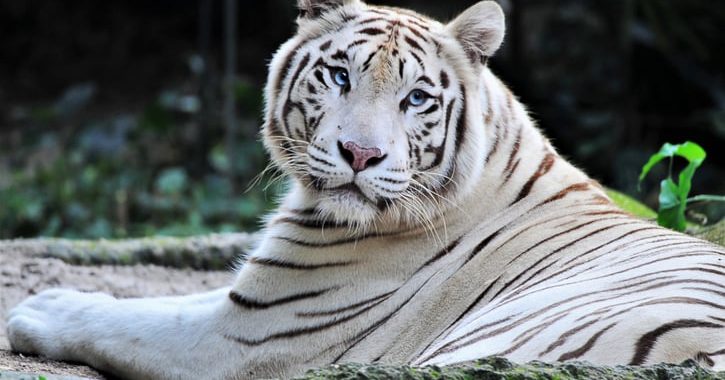
white
Bengal
tiger
named
Elvis
that
the
plaintiff
used
to
own
is
already
hallucinatory
enough
without
the
case
citations
being
fake.
Joseph
Maldonado
—
better
known
to
everyone
who
Netflix-ed
their
way
through
the
pandemic
as
Joe
Exotic
—
is
currently
housed
at
FMC
Fort
Worth,
where
he
pesters
Donald
Trump
for
a
pardon
and
an
administration
position
at
Fish
and
Wildlife.
But
he’s
also
suing
Black
Pine
Animal
Sanctuary
in
the
Northern
District
of
Indiana
over
the
fate
of
four
tigers
seized
from
Maldonado’s
former
associates
Jeff
and
Lauren
Lowe
back
in
2022.
The
sanctuary
announced
plans
to
neuter
Elvis,
one
of
the
white
Bengals,
prompting
Maldonado,
through
counsel
Roger
Roots,
to
file
a
federal
suit
under
the
Endangered
Species
Act.
Fast
forward
to
Chief
Judge
Holly
Brady’s
February
27
show
cause
order.
Judge
Brady
ran
her
own
research
on
Maldonado’s
work
in
the
case
and
discovered
a
plethora
of
made
up
cases.
The
complaint
anticipates
the
standing
challenge
(which
the
court
had
flagged
in
a
prior
iteration
of
this
same
case)
by
citing
a
case
that…
doesn’t
exist.
The
Court
searched
for
that
case
with
that
citation,
but
the
case
number
leads
to
an
unrelated
debt
case
and
the
Westlaw
identifier
returns
no
result
at
all.
And
while
a
case
with
that
name
exists
with
a
different
case
number,
there
is
no
order
for
that
date
and
no
order
that
makes
any
reference
to
standing
beyond
the
fact
that
the
defendants
never
challenged
or
even
brought
up
the
Plaintiff’s
standing.
Twice
more,
Judge
Brady
notes,
counsel
cited
cases
that
“technically
exist
but
cannot
be
found
at
his
provided
citation,
have
no
order
on
his
cited
date,
and
apparently
do
not
support
what
he
represents
to
the
Court.”
The
footnote
catalogues
two
such
entries.
A
PETA
v.
Wildlife
in
Need
cite
that
resolves
to
a
Western
District
of
Virginia
criminal
matter,
and
a
PETA
v.
Tri-State
Zoological
Park
cite
that
resolves
to
an
SDNY
employment
case.
The
opposition
brief
is,
in
Brady’s
words,
“an
extensive
affair
which
at
times
reads
more
like
a
legal
treatise
on
the
ESA
as
opposed
to
a
legal
brief.”
Which
is
judicial
speak
for
“I
ain’t
reading
all
that
—
I’m happy
for
u tho. Or
sorry
that
happened.”
The
brief
lists
various
“ESA
injuries”
with
supporting
caselaw,
and
the
caselaw
—
the
caselaw
that
actually
exists
—
doesn’t
support
the
propositions.
For
instance,
he
cites
In
Defense
of
Animals
v.
National
Institutes
of
Health,
543
F.
Supp.
70
(D.D.C.
2008),
for
his
assertion
that
“Loss
of
scientific
data,
interruption
of
research,
or
inability
to
continue
long-term
animal
studies
constitutes
injury-in-fact”
and
that
“[c]ourts
emphasize
that
scientific
frustration
is
a
valid
injury
even
without
direct
physical
access.”
(ECF
No.
17
at
15).
But
not
only
is
In
Defense
of
Animals
a
Freedom
of
Information
Act
case
with
no
reference
or
connection
to
the
ESA,
the
opinion
does
not
mention
standing,
scientific
injuries,
or
anything
that
would
support
Maldonado’s
proposition.
And
it
keeps
going
like
that.
One
case
described
as
“Conservation
and
scientific
professionals
have
standing
when
mistreatment
of
animals
disrupts
their
work,”
actually
concluded
that
a
circus
elephant
handler
didn’t
have
an
injury-in-fact
just
because
he
wanted
to
work
with
the
elephants
again.
As
Judge
Brady
wrote,
“while
other
ESA
cases
might
support
his
contention
about
standing
for
emotional
injuries,
the
case
he
chose
was
explicitly
not
among
them.”
This
raises
the
obvious
2026
question:
did
counsel
use
generative
AI
to
produce
this
filing?
While
these
cases
and
citations
were
not
fully
fabricated,
as
is
often
the
story,
the
inaccuracies
and
misrepresentations
nevertheless
bear
much
resemblance
to
other
instances
in
which
pro
se
litigants
or
attorneys
have
relied
on
generative
AI
to
produce
their
filings,
in
part
or
in
full.
See,
e.g.,
Jones
v.
Kankakee
Cnty.
Sherriff’s
Dep’t,
164
F.4th
967,
969
(7th
Cir.
2026)
(“To
our
eye,
the
error
has
all
the
hallmarks
of
a
so-called
AI
“hallucination,”
a
circumstance
where
an
AI
large
language
model
generates
an
output
that
is
fictional,
inaccurate,
or
nonsensical.”).
Although
these
aren’t
quite
the
typical
hallmarks
of
AI
hallucination,
the
legal
misrepresentations,
nonexistent
citations,
and
length
policy
sections
altogether
are
too
fishy
for
the
Court
to
believe.
There
is
something
rotten
in
the
Northern
District
of
Indiana,
and
it’s
not
the
fish
being
fed
to
Maldonado’s
former
tigers.
As
we
noted
recently,
humans
are
fully
capable
of
producing
this
kind
of
slop
without
Claude
or
ChatGPT’s
help.
As
Brady
explains,
“But
even
if
Maldonado’s
counsel
did
not
use
AI
for
his
filings,
the
Court
is
deeply
concerned
by
these
blatant
misrepresentations
of
law.”
We
are
now
past
1,000
documented
AI
hallucination
cases
globally.
Sullivan
&
Cromwell
—
the
firm
that
represents
OpenAI
—
just
had
to
file
an
emergency
letter
explaining
why
its
Prince
Global
Holdings
brief
was
riddled
with
hallucinated
citations.
Gordon
Rees
is
now
a
serial
offender.
Butler
Snow
got
three
lawyers
kicked
off
a
case.
Courts
are
losing
patience.
The
lawyer
responded,
pinning
responsibility
on
a
paralegal
filing
a
non-final
draft.
“Although
he
does
not
directly
address
the
use
of
AI
for
the
filings,
that
use
can
be
read
between
the
lines,”
wrote
Judge
Brady
in
her
opinion.
Ultimately,
the
attorney
received
a
$1,500
fine
and
a
bar
referral.
Elvis…
not
as
lucky.
(Order
to
Show
Cause
on
next
page…)
 Joe
Joe
Patrice is
a
senior
editor
at
Above
the
Law
and
co-host
of
Thinking
Like
A
Lawyer.
Feel
free
to email
any
tips,
questions,
or
comments.
Follow
him
on Twitter or
Bluesky
if
you’re
interested
in
law,
politics,
and
a
healthy
dose
of
college
sports
news.
Joe
also
serves
as
a
Managing
Director
at
RPN
Executive
Search.