The Line We Cannot Cross: Where AI In Law Is Headed And Why Judgment Still Must Lead – Above the Law

(Image
from
Getty)

AI
is
not
waiting
for
the
legal
profession
to
get
comfortable.
It
is
moving
fast,
getting
better,
and
reaching
deeper
into
the
work
lawyers
do
every
day.
It
now
helps
with
drafting,
summarizing,
contract
review,
research
support,
document
analysis,
workflow
management,
and
client
service.
It
is
already
part
of
the
practice
whether
lawyers
welcome
it
or
not.

That
creates
the
question
many
lawyers
ask
in
private.
How
far
does
this
go
before
it
starts
to
replace
us.
Not
just
help
us.
Not
just
speed
us
up.
Replace
us.
The
honest
answer
is
that
AI
will
replace
some
tasks,
reshape
many
roles,
and
change
how
legal
services
get
delivered,
but
it
is
far
less
likely
to
replace
the
full
lawyer
function
where
judgment,
strategy,
persuasion,
and
accountability
still
drive
value.

The
easy
prediction
is
that
AI
will
keep
getting
better
at
the
parts
of
legal
work
that
are
structured,
repeatable,
text
heavy,
and
pattern
based.
That
includes
first
drafts,
issue
spotting,
summarizing
records,
comparing
contracts,
organizing
timelines,
flagging
anomalies,
and
generating
alternative
arguments.
That
progress
will
not
slow
down.
The
tools
will
become
faster,
cheaper,
more
integrated,
and
more
natural
to
use.

That
matters
because
for
years
many
lawyers
assumed
AI
would
only
affect
routine
junior
work.
That
view
now
feels
too
narrow.
AI
is
already
moving
beyond
basic
document
tasks
and
into
work
that
requires
more
nuance,
more
comparison,
and
more
legal
framing.
It
is
climbing
the
ladder
faster
than
many
expected.

So
yes,
some
parts
of
law
practice
will
get
displaced.
The
work
most
at
risk
will
be
the
work
clients
see
as
process,
not
judgment.
If
the
task
involves
sorting,
extracting,
summarizing,
classifying,
redlining,
or
producing
a
solid
first
pass
from
known
inputs,
AI
will
continue
to
close
ground.
That
pressure
will
affect
staffing
models,
training
paths,
billing
structures,
and
client
expectations.

But
law
is
not
only
about
producing
text.
It
is
about
deciding
what
matters.
It
is
about
choosing
what
to
say,
what
to
leave
out,
what
risk
to
take,
what
theme
will
carry
the
day,
what
fact
changes
the
case,
what
witness
will
persuade
the
jury,
what
judge
will
respond
to
a
certain
argument,
and
what
settlement
posture
fits
the
moment.
Those
choices
depend
on
context,
timing,
instinct,
human
behavior,
and
consequences
that
go
well
beyond
the
page.

That
is
why
the
right
way
to
think
about
replacement
is
not
lawyer
versus
machine.
It
is
task
versus
function.
AI
can
replace
parts
of
the
task
stack.
It
can
do
that
in
ways
that
surprise
us.
But
the
lawyer’s
function
remains
broader.
The
lawyer
bears
responsibility.
The
lawyer
owes
duties
to
the
client.
The
lawyer
must
protect
confidences,
supervise
the
work,
communicate
clearly,
and
stand
behind
the
advice.
The
machine
does
none
of
that.

Still,
there
is
a
real
danger
here,
and
it
is
not
only
job
loss.
It
is
cognitive
atrophy.
If
lawyers
rely
on
AI
to
do
the
first
read,
the
first
draft,
the
first
outline,
the
first
strategy
pass,
and
the
first
challenge
to
their
own
position,
they
may
slowly
stop
building
the
mental
muscles
that
made
them
good
in
the
first
place.
That
risk
is
especially
acute
for
younger
lawyers
who
may
mistake
fluent
output
for
sound
reasoning.

That
problem
goes
deeper
than
fake
citations
or
wrong
cases.
The
deeper
concern
is
that
lawyers
may
stop
seeing
what
is
missing.
They
may
stop
testing
assumptions.
They
may
stop
asking
the
next
hard
question.
They
may
stop
struggling
with
the
facts
long
enough
to
find
the
insight
that
actually
matters.
And
in
law,
the
struggle
often
produces
the
strategy.

So
where
is
this
headed
over
the
next
few
years?
The
next
major
step
is
not
just
better
chat.
It
is
AI
that
can
carry
out
sequences
of
work
across
tools,
files,
and
decision
points.
In
plain
English,
that
means
systems
that
do
not
merely
answer
prompts
but
perform
parts
of
a
workflow.
They
will
gather
documents,
summarize
them,
compare
them
to
prior
work,
flag
missing
support,
draft
a
first
product,
and
route
it
for
review.

Once
that
happens
at
scale,
the
profession
will
feel
real
pressure.
Firms
that
treat
AI
as
a
novelty
will
lose
time
and
ground.
Firms
that
treat
it
as
magic
will
create
risk.
The
firms
that
win
will
likely
be
the
ones
that
redesign
work
with
discipline.
They
will
identify
the
right
tasks,
build
review
layers,
test
the
tools,
train
their
lawyers,
and
set
clear
limits
on
what
the
machine
can
do
alone.

Will
there
be
a
point
where
we
need
to
prevent
AI
from
supplanting
us?
In
part,
that
question
answers
itself.
The
profession
already
has
brakes
built
in.
Ethics,
client
duties,
malpractice
exposure,
court
scrutiny,
confidentiality
concerns,
and
the
need
for
accountable
advice
all
slow
full
substitution.
Those
limits
are
not
anti-innovation.
They
reflect
the
fact
that
legal
work
carries
real
consequences
for
real
people
and
businesses.

The
stronger
brake,
though,
may
be
practical
rather
than
regulatory.
Clients
hire
lawyers
in
hard
moments.
They
want
judgment
under
uncertainty.
They
want
a
counselor
who
can
absorb
risk,
weigh
business
realities,
read
people,
negotiate
under
pressure,
and
own
the
recommendation.
AI
may
inform
that
work.
It
may
sharpen
that
work.
It
may
outperform
many
lawyers
on
narrow
slices
of
that
work.
But
replacing
the
full
human
role
requires
trust,
accountability,
and
relational
authority
that
technology
still
does
not
carry
on
its
own.

That
does
not
mean
lawyers
should
feel
safe.
It
means
they
should
feel
challenged.
The
profession
will
likely
divide
between
lawyers
who
use
AI
to
extend
judgment
and
lawyers
who
let
AI
flatten
them
into
commodity
reviewers
of
machine
output.
The
first
group
will
rise.
The
second
group
will
struggle.
The
market
will
not
reward
lawyers
for
doing
slowly
what
a
platform
can
do
quickly.
It
will
reward
lawyers
who
know
where
the
machine
helps,
where
it
fails,
and
how
to
turn
speed
into
better
strategy
and
better
service.

Senior
lawyers
need
to
lead
this
shift.
They
know
what
good
work
looks
like.
They
know
when
a
theory
will
work
and
when
it
will
fail.
They
know
that
the
first
AI
output
often
lands
at
50,
60,
or
80
percent
of
what
they
want,
and
that
starting
there
instead
of
at
zero
can
still
be
a
huge
win.
They
also
know
that
bad
instincts
wrapped
in
polished
prose
are
still
bad
instincts.
That
mix
of
patience
and
judgment
is
exactly
what
firms
need
now.

This
is
not
the
moment
for
senior
lawyers
to
stand
back.
It
is
the
moment
for
them
to
teach
younger
lawyers
how
to
use
AI
without
giving
away
the
craft.
That
means
showing
them
how
to
think
before
they
prompt,
how
to
frame
the
issue,
how
to
test
the
answer,
how
to
rewrite
the
output,
and
how
to
separate
helpful
assistance
from
false
confidence.
Senior
lawyers
have
seen
enough
bad
facts,
weak
arguments,
and
failed
strategies
to
know
that
judgment
rarely
comes
from
convenience.

Law
schools
and
firms
should
respond
the
same
way.
Teach
lawyers
to
think
before
they
generate.
Make
them
outline
before
they
draft.
Make
them
compare
their
own
reasoning
to
the
machine’s
reasoning.
Make
them
explain
the
differences.
AI
should
not
end
legal
thinking.
It
should
reveal
whether
legal
thinking
was
ever
strong
enough
to
begin
with.

So
what
does
replacement
look
like
if
it
comes?
It
will
not
begin
with
robots
taking
over
courtrooms
in
one
dramatic
sweep.
It
will
look
quieter
than
that.
Fewer
hours
on
first
drafts.
Leaner
teams
on
routine
matters.
Smaller
classes
of
junior
lawyers
doing
old
style
grind
work.
More
pressure
on
lawyers
whose
value
rests
only
on
information
retrieval
or
document
production.
More
clients
resisting
payment
for
work
that
AI
now
handles
faster.

But
full
supplanting
is
a
different
claim.
For
the
foreseeable
future,
the
lawyer
who
can
reason,
persuade,
counsel,
supervise,
and
own
the
decision
will
still
matter.
The
profession
may
change
shape.
Some
roles
may
shrink.
New
roles
will
emerge.
The
safest
position
is
not
denial.
It
is
adaptation
with
discipline.

Use
AI
hard.
Learn
it
well.
Build
around
it.
But
do
not
give
it
the
one
thing
clients
still
need
most
when
the
stakes
are
real.
Judgment.
That
is
the
line
we
cannot
cross.
That
is
the
line
that
will
define
whether
AI
strengthens
the
profession
or
slowly
hollows
it
out
from
within.



Frank
Ramos
is
a
partner
at
Goldberg
Segalla
in
Miami,
where
he
practices
commercial
litigation,
products,
and
catastrophic
personal
injury. You
can
follow
him
on LinkedIn,
where
he
has
about
80,000
followers
.

How the DOJ Is Tackling Fraud in the ACA Marketplace – MedCity News

The
U.S.
Department
of
Justice
is
seeing
numerous
trends
of
fraud
in
the
Affordable
Care
Act
Marketplace
targeting
vulnerable
populations.
At
the

Medicarians
Conference

in
Las
Vegas
on
Monday,
an
official
discussed
how
the
DOJ
is
tackling
this
fraud.

One
example
of
fraud
is
attacking
individuals
who
are
homeless,
unemployed,
dealing
with
mental
health
issues
or
battling
substance
use
disorders,
according
to
Ricardo
Carcas,
assistant
special
agent
in
charge
of
the
Office
of
Investigations.
These
people
are
often
covered
by
Medicaid,
and
they’re
being
targeted
by
what
Carcas
referred
to
as
“street
marketers.” 

These
marketers
falsify
information
to
get
Medicaid
coverage
denied,
then
use
that
denial
to
open
a
Special
Enrollment
Period
and
falsify
income
to
move
people
into
subsidized
ACA
marketplace
plans
with
the
fraudsters
as
agents
of
record.
When
they’re
an
agent
of
record,
they
have
“control
over
that
individual
for
about
a
year
period,”
Carcas
said.

“Throughout
that
year
that
they
are
the
agent
of
record,
they
are
now
changing
these
individuals’
health
plans
on
a
daily,
weekly
and
monthly
basis,
generating
commissions
every
time
that
they
enroll
in
a
new
plan,”
he
stated.
“Obviously,
it’s
a
huge
issue,
because
all
of
this
is
done
without
consent.
These
individuals
have
no
idea
that
their
policies
are
being
changed
on
a
daily,
weekly
and
monthly
basis.”

This
leads
to
care
being
disrupted
and
oftentimes
not
being
covered
due
to
changes
in
insurance.
It
then
affects
access
to
medications
for
mental
health,
opioid
addiction
and
HIV,
as
these
individuals
are
now
“incurring
a
cost
that
they
can’t
afford,”
Carcas
said.

There
are
also
other
examples
of
fraud,
including
people
using
AI
to
deceptively
market
ACA
plans,
he
added.

To
combat
fraud,
the
administration
has
the
Crushing
Fraud,
Waste
and
Abuse
initiative,
which
is
aimed
at
preventing
fraud
in
Medicare,
Medicaid,
the
Children’s
Health
Insurance
Program
and
the
Health
Insurance
Marketplace.
Carcas
noted
that
fraud
in
the
ACA
Marketplace
is
just
part
of
the
problem,
as
traditional
Medicare
is
a
major
focus
for
the
administration
as
well.

He
noted
that
the
administration
has
been
very
“aggressive”
in
targeting
the
bad
actors,
giving
the
example
of
some
individuals
who
were
just
convicted
and
sentenced
to
30
years
in
jail
for
fraudulent
activity.

“There
is
a
price
to
pay
if
you
are
committing
these
crimes,”
he
said.
“Obviously,
we
do
our
due
diligence,
and
we’re
very
methodical
with
our
cases,
and
we
build
these
cases
up
so
when
we
go
to
trial,
we
want
to
make
sure
that
we
have
a
very
high
success
conviction
rate.
Right
now,
we’re
trying
to
get
to
100%.”

Carcas
added
that
people
can
report
fraud,
waste
and
abuse
on
the

Office
of
Inspector
General
website
,
and
there
is
also
a
section
for
whistleblowers.

“There
are
only
so
many
of
us,”
he
said.
“There’s
a
lot
more
of
the
bad
actors.
It’s
an
issue
that
we’re
not
going
to
be
able
to
mitigate
ourselves.

We
gotta
help
each
other
out
when
it
comes
to
this.”


Photo:
Feodora
Chiosea,
Getty
Images

Morning Docket: 04.23.26 – Above the Law

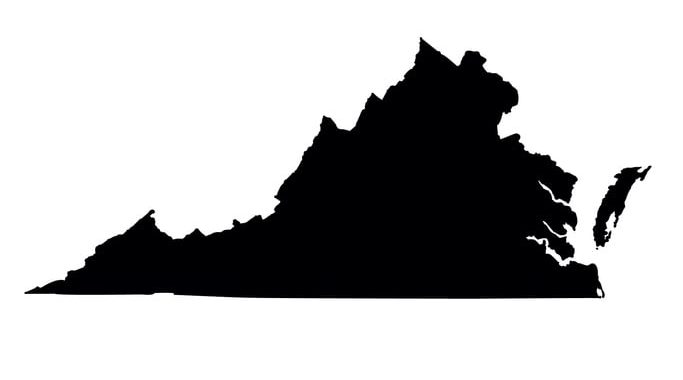
*
Republican
county
judge
blocks
Virginia’s
redistricting
effort.
The
same
judge
already
tried
to
block
it
before
and
keeps
getting
swatted
down
by
the
state
supreme
court.
[Reuters]

*
SBF
says
he
wrote
his
own
brief…
with
help
from
his
parents.
Which

must
thrill
the
judge
.
[Law360]

*
Interesting
paper
breaking
down
the
rise
in
pro
se
court
filings
and
AI’s
role.
[Github]

*
FBI
reportedly
probed
a
NY
Times
reporter
after
she
wrote
about
Kash
Patel
using
bureau
resources
to
chauffeur
his
girlfriend
to
get
her
hair
done.
[NY
Times
]

*
House
Oversight
Committee
Republicans
split
over
whether
to
pardon
Ghislaine
Maxwell.
Except
the
Constitution
doesn’t
care
what
a
House
member
thinks
about
a
pardon,
and
they’ll
all
enthusiastically
support
it
if
Trump
does
it.
[Politico]

*
Wilson
Sonsini
brings
in
new
COO
from
Baker
McKenzie.
[American
Lawyer
]

*
Remember.
the
insurance
fraud
case
where

someone
dressed
up
as
a
bear?

Well,
it’s
sentencing
time.
[Lowering
the
Bar
]

Tenure Means Never Having To Say Sorry – See Also – Above the Law

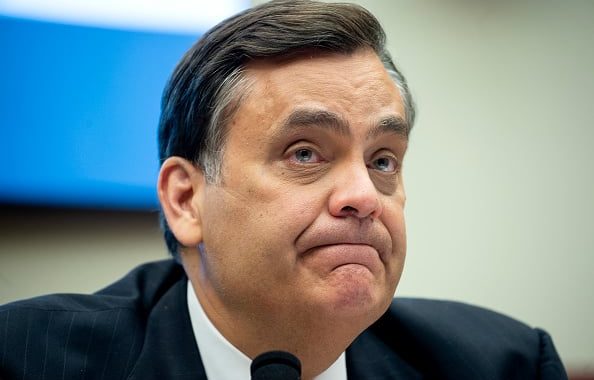
Jonathan
Turley’s
Remarks
Wouldn’t
Fly
In
An
Undergraduate
Paper:
But
we
have
to
pretend
its
credible
because
he’s
saying
it.
Calling
Your
Own
Words
“Lies”
Is
A
Strong
Start:
Kash
Patel’s
$250M
complaint
isn’t
going
so
well.
Honesty
Becomes
Best
Policy:
The
NBCE
updated
their
character
and
fitness
questions
around
mental
health
and
drug
use.
Cogs
In
The
Machine
Suffer
From
The
Grind:
Associates
are
heading
for
the
door
in
record
numbers.
Provost
Calls
Emergency
Meeting
About
Law
School
Dean
Nominee:
Judge
Van
Tatenhove
isn’t
the
most
popular
pick.

Can The Police Really Crack Down On Montana License Plates? – Above the Law

In
a
previous
column,
I

wrote

about
how
California
is
starting
to
go
after
its
residents
dodging
sales
taxes
and
automotive
emissions
rules
by
getting
Montana
license
plates
for
their
cars.
After
various
news
outlets
published
the
story,
many
people
got
the
impression
that
the
police
would
pull
over
every
car
that
had
an
out-of-state
license
plate.

While
that
impression
might
be
true,
historically
police
in
California
have
seldom
pulled
over
drivers
simply
for
having
out-of-state
plates.
For
example,
last
January,
News
Channel
3
in
Coachella
Valley

obtained
records

from
the
California
Highway
Patrol
(CHP)
on
investigations
for
possible
registration
violations.
The
response
from
the
CHP records
division
showed
there
were
91
cases
last
year
in
the
local
CHP district, 93
letters
sent,
103
cases
resolved,
and no
citations
were
written.  

Why
do
police
in
California
seem
to
be
lax
in
investigating
out-of-state
license
plates
to
check
for
registration
violations?
I
looked
at
online
forums
and
asked
a
few
traffic
officers
in
Southern
California
to
get
some
answers.

It
turns
out
that
a
majority
of
cars
with
non-California
license
plates
are
there
legally.
In
major
cities
with
high
tourism
or
business
travelers,
it
is
not
unusual
to
see
many
cars
with
out-of-state
plates.
People
visiting
from
other
states
will
usually
bring
their
cars
with
them.
Also,
many
of
these
cars
are
rented.

Then
what
about
cars
with
out-of-state
plates
that
police
officers
see
regularly?
A
lot
of
these
people
are
staying
temporarily.
Most
of
them
are
visiting
relatives
for
an
extended
time
or
are
college
students.
Others
have
temporary
jobs,
particularly
those
in
the
military.

A
few
cities
in
California
have
placed
restrictions
on
police
officers
pulling
over
people
based
on
minor
infractions
or
pretextual
stops.
In
2022,
the
Los
Angeles
Police
Department

adopted

more
restrictive
rules
for
pretext
stops,
requiring
a
higher
threshold
of
suspicion
and
specific
documentation
by
officers
before
and
after
the
stop.
San
Francisco
has
issued
a

similar
restriction

on
pretextual
stops.

Police
departments
and
the
DMV
have
limited
resources,
and
investigating
out-of-state
plates
is
probably
not
a
high
priority.

These
new
policies
have
discouraged
police
officers
from
pulling
over
people
simply
for
having
out-of-state
plates.
In
most
cases,
a
traffic
officer
will
inquire
about
a
non-California
plate
when
the
driver
is
pulled
over
for
something
else
such
as
speeding.

Also,
a
traffic
stop
for
out-of-state
plates
could
violate
the
Fourth
Amendment’s
rule
against
unreasonable
searches.
Police
officers
need
reasonable
suspicion
that
a
specific
law
is
broken
to
justify
a
traffic
stop.
Since
out-of-state
plates
are
legal
in
California,
a
police
officer
will
need
to
have
additional
evidence
to
show
that
the
driver
was
required
to
register
their
car
in
California.

Then
there’s
the
matter
of
officer
discretion.
One
police
officer
I
talked
to
was
ex-military
and
he
said
that
he
tends
to
be
flexible
to
servicemen
and
women
on
active
duty
since
they
may
be
in
California
temporarily.
Another
police
officer
who
admits
to
being
a
car
enthusiast
generally
tends
to
give
warnings
and
advise
drivers
that
myths
they
heard
about
Montana
license
plates
are
incorrect.

Some
suggested
that
police
officers
show
up
to
car
shows
or
Cars
and
Coffee
gatherings
where
at
least
some
cars
with
Montana
plates
will
show
up.
But
that
is
easier
said
than
done.
A
police
officer’s
safety
may
be
in
jeopardy
if
he
tries
to
give
tickets
among
a
group
of
car
enthusiasts.

Lastly,
another
police
officer
said
to
me
that
drivers
with
out-of-state
plates
who
may
be
California
residents
tend
to
be
the
best
drivers.
They
do
not
speed
nor
do
they
drive
obnoxiously.
They
always
give
the
right
of
way
to
other
drivers
and
pedestrians.
According
to
this
officer,
so
long
as
they
obey
the
law
to
the
letter
and
do
not
cause
trouble,
the
police
are
not
inclined
to
pull
them
over
or
take
steps
to
have
the
car
deported
to
the
state
where
it
is
registered.

Does
that
mean
police
officers
will
let
out-of-state
drivers
do
whatever
they
please?
Of
course
not.
If
a
driver
commits
a
traffic
violation,
they
could
risk
an
inquiry
about
his
out
of
state
license
plates,
particularly
if
he
has
a
California
driver’s
license
or
if
his
car
is
insured
in
California.
Those
who
engage
in
excessive
speeding,
reckless
driving,
street
racing,
driving
with
loud
exhausts,
or
participating
in
street
takeovers
will
not
get
sympathy
from
a
police
officer.

Traffic
officers
are
the
first
to
see
non-California
license
plates,
and
they
should
see
if
the
drivers
are
committing
a
registration
violation
or
even
tax
evasion.
But
most
of
these
cars
are
in
the
state
for
legal
reasons.
Also
legal
and
policy
restrictions
discourages
traffic
stops
based
on
out-of-state
license
plates
alone.
So
the
police
are
inclined
to
only
go
after
the
few
who
engage
in
egregious
behavior.
Any
wholesale
crackdown
will
only
take
place
if
it
is
ordered
from
the
top.

My
next
column
will
look
at
how
lawmakers
can
close
the
Montana
license
plate
loophole.
They
can
do
it
by
changing
insurance
laws.
Also,
California
can
coordinate
with
other
states
to
impose
a
new
fee
structure
to
discourage
registering
their
car
in
a
state
where
they
are
not
living.


Steven
Chung
is
a
tax
attorney
in
Los
Angeles,
California.
He
helps
people
with
basic
tax
planning
and
resolve
tax
disputes.
He
is
also
sympathetic
to
people
with
large
student
loans.
He
can
be
reached
via
email
at [email protected].
Or
you
can
connect
with
him
on
Twitter
(
@stevenchung)
and
connect
with
him
on 
LinkedIn.

How Legal Teams Can Stay Relevant In Product-Led Companies – Above the Law

Legal
teams
today
face
a
fundamental
shift.

In
product-led
companies,
speed
is
everything

and
traditional
legal
processes
simply
can’t
keep
up.

In
this
week’s
episode
of

UpLevel
View
,
Betsy
Cantrell
(VP
of
Legal
at
HighLevel)
shares
how
she
transformed
her
legal
function
from
a
reactive
bottleneck
into
a
proactive
growth
partner.


AI
as
a
Force
Multiplier

AI
is
transforming
legal
work
at
every
level.

Here,
Stephanie
shares
one
way
she’s
using
it
in
her
legal
operations
consultancy

and
how
GCs
are
lowering
their
outside
counsel
bills
with
this
technology.


AI
Versus
Human
Lawyers

Many
legal
teams
hesitate
to
adopt
AI
due
to
concerns
about
accuracy.
Here,
Betsy
and
Stephanie
offer
a
counterpoint.


For
the
Full
Conversation

Curious
to
learn
more?
Check
out
this
episode
below.

The U.S. Is Poised For Its First-Ever Population Decline And All It Took Was Making It A Bad Place To Live – Above the Law

In
its
entire
250-year
history,
the
United
States
of
America
has
never
suffered
even
a
single
year-to-year
decline
in
population.
Throughout
the
centuries,
here,
births
and
immigration
have
always
outweighed
deaths
and
emigration.

While
we
slaughtered
each
other
in
the
Civil
War,
our
population
increased.
During
the
Great
Depression,
our
population
increased.
As
we
were
ravaged
by
the
Revolutionary-era
smallpox
epidemic,
the
Spanish
flu
outbreak,
and
the
COVID-19
pandemic,
our
population
increased.
Now,
we
could
be
in,
or
at
least
very
close
to,
our
first-ever
annual
decrease
in
population.

According
to
the
U.S.
Census
Bureau,
from
July
of
2024
to
July
of
2025,

the
population
grew

an
anemic
0.5%.
Rarely
have
America’s
people
added
so
few
to
their
numbers.
Though
growth
was
even
lower
at
0.2%
during
2021,
that
historically
low
rate
can
be
attributed
to
the
pandemic,
which
caused
migration
to
nearly
grind
to
a
halt
in
addition
to
causing
thousands
of
excess
deaths.

We
are
obviously
a
long
way
from
having
a
complete
statistical
picture
for
2026.
However,
the
Census
Bureau’s

already
low
net
immigration
projection

for
the
year
has
already
been
revised
further
downward
by
about
17%.

Fertility
rates
have
been
declining
in
the
U.S.
and
around
the
world
for
a
long
time.
Yet,
they
are
falling
here
even
faster
than
expected.
Last
year,
the
average
number
of
children
an
American
woman
will
have
over
her
lifetime

fell
to
a
record
low

of
1.57.
However,
in
January
of
last
year,
the
Congressional
Budget
Office
had
predicted
U.S.
fertility
would
decline
only
to
1.62
children
per
woman.

Now,
if
there
are
any
MAGA
dopes
out
there
who’ve
somehow
gotten
through
five
paragraphs
of
reading,
they
are
probably
thinking
that
a
decline
in
population
is
good
and
attributable
to
President
Donald
Trump’s
immigration
crackdown.
Well,
deportations
certainly
are
a
factor
in
net
migration.
However,
it’s
not
as
though
Trump
has
deported
that
many
people
historically:
President
Barrack
Obama

deported
more
than
70,000
more
people

during
the
first
year
of
his
second
term
than
Trump
did
last
year.

What
Trump
has
done
is
far
more
impactful

than
just
stepping
up

deportations.
Though
it
can
be
broken
down
into
countless
variables
and
individual
decisions,
what
is
really
going
on
is
not
fundamentally
very
complicated.
People
don’t
want
to
raise
children
here,
and
people
from
other
countries
no
longer
want
to
come
here
to
live
and
work,
as
much
as
they
once
did.

I
myself
am
very
close
to
someone
who
was
literally
bankrupted
by
the
costs
of
giving
birth.
Meanwhile,
parents
can
bring
their
children
into
the
world

for
next
to
nothing

abroad.

Good
luck
paying
for
health
care,
higher
education,
and
housing.
There
are
tons
of
other
places
in
the
world
where
this
stuff
can
be
had
on
the
cheap,
but
here,
you’re
on
your
own.
We’ve
got
pointless
wars
to
finance,
after
all.

Wait
a
second,
isn’t
opportunity
what
immigrants
have
always
come
here
for,
to
chase
the
American
dream?
Well,
although
Elon
Musk
and
a
few
other
immigrants
do
luck
out
occasionally,
the
myth
has
pretty
much
been
busted
at
this
point.
If
you
really
hustle
you
can
probably
get
a
job
in
America
right
now,
but

it
isn’t
likely
to
be
one

that
is
particularly
stable
or
well-paying.

Of
course,
all
the
things
I’ve
brought
up
so
far
are
financial,
and
there’s
more
to
life
than
money.
MAGA
has
ruined
most
of
that
stuff
too.

America
has
become
a
very
unwelcoming
place.
For
example,
it
does
not
attract
the
best
and
brightest
to
send
a
federal
army
of
masked
goons
to
terrorize
left-leaning
cities,
kidnap
anyone
who
looks
vaguely
ethnic,
and

murder
the
U.S.
citizens

who
try
to
intervene.

I
don’t
feel
welcome
in
the
land
of
my
birth,
and
I’m
a
reasonably
well-heeled
white
man.
This
is
because
the
president
of
my
country
says
just
about
every
day
that
people
like
me

really,
any
people
other
than
those
enthralled
to
him

aren’t
welcome
here.
Then
his
hordes
of
followers
applaud
and
carry
the
harassment
down
into
the
capillaries
of
democracy.
I
can’t
imagine
what
it
must
feel
like
to
be
a
member
of
more
easily
identifiable
targeted
groups.

It’s
necessary,
not
pleasant,
to
resist
America’s
descent
into
authoritarianism.
I
would
never
father
offspring
if
I
thought
they
might
have
to
continue
this
struggle
their
whole
lives.
Oppression
is
oppressive.

The
slowing
U.S.
population
growth,
and
perhaps
decline,
is
concerning
for
a
number
of
reasons.
Chief
among
them
is
why
it
is
happening,
and
this
part
is
pretty
simple.
If
the
U.S.
continues
to
become
a
worse
place
to
live,
then
it
will
ultimately
have
fewer
people
in
it.


Jonathan
Wolf
is
a
civil
litigator
and
author
of 
Your
Debt-Free
JD
 (affiliate
link).
He
has
taught
legal
writing,
written
for
a
wide
variety
of
publications,
and
made
it
both
his
business
and
his
pleasure
to
be
financially
and
scientifically
literate.
Any
views
he
expresses
are
probably
pure
gold,
but
are
nonetheless
solely
his
own
and
should
not
be
attributed
to
any
organization
with
which
he
is
affiliated.
He
wouldn’t
want
to
share
the
credit
anyway.
He
can
be
reached
at 
[email protected].

Law Firms Are Drowning In Cash. Trump’s PAC Is Drowning In Legal Bills. – Above the Law

The

2026
Super
Rich
list

has
37
firms
clearing
$1.45M
RPL
and
$625K
PPL
thresholds
after
Am
Law
had
to
raise
because
last
year’s
bar
was
too
easy.
Then
Kirkland
proved
what
super
rich
really
means
by

dropping
a
guaranteed
$80M
over
three
years

to
snatch
a
star
lawyer
from
Wachtell.
The
PAC
Trump
uses
to
pay
lawyers
is
nearly
$500K
in
the
red
and

owes
roughly
$1.6M
to
12
firms
.
When
will
lawyers
learn
that
he’s
never
going
to
pay
his
bills…
at
least
with
money.
Will
Sam
Alito
retire
to
cheer
on
insurrections
as
a
private
citizen?
If
he
does,
Senate
Republicans
are
ready
to
embrace
the
hypocrisy
and

ram
through
a
replacement
.
Could
it
be
Ted
Cruz?

Biglaw Associate Moves Back In With Mom & Dad Thanks To Absurd Rent Prices – Above the Law


Ed.
note
:
Welcome
to
our
daily
feature, Quote
of
the
Day
.


She
wasn’t
working
right
away,
and
like
many
new
grads,
she
had
student
debt
and
credit
card
debt
from
getting
through
school.
Market
rent
in
the
Los
Angeles
area
wasn’t
realistic,
even
with
a
job
offer
lined
up.
So,
the
studio
became
her
first
home.
It
gave
her
stability
and
independence
during
a
major
transition.


— 
Tina
LaMonica,
in
comments
given
to
the

Los
Angeles
Times
,
concerning
the
reasons
why
her
daughter,

Sophie
Wellen
,
moved
into
the
family’s
backyard
accessory
dwelling
unit
(ADU)
rather
than
pay
egregious
rent
prices
in
Los
Angeles.
Wellen,
now
an
associate
at
Gibson
Dunn,
says
she
felt
“lucky”
to
have
this
as
an
option,
because
it
was
“right
after
the
bar
exam,”
and
she
was
“really
stressed.”
On
top
of
that,
she
didn’t
have
to
“rush[]
to
grab
the
first
place
[she]
could,
like
so
many
of
[her
fellow]
associates
had
to
do.”


Staci
Zaretsky
 is
the
managing
editor
of
Above
the
Law,
where
she’s
worked
since
2011.
She’d
love
to
hear
from
you,
so
please
feel
free
to email her
with
any
tips,
questions,
comments,
or
critiques.
You
can
follow
her
on BlueskyX/Twitter,
and Threads, or
connect
with
her
on LinkedIn.