*
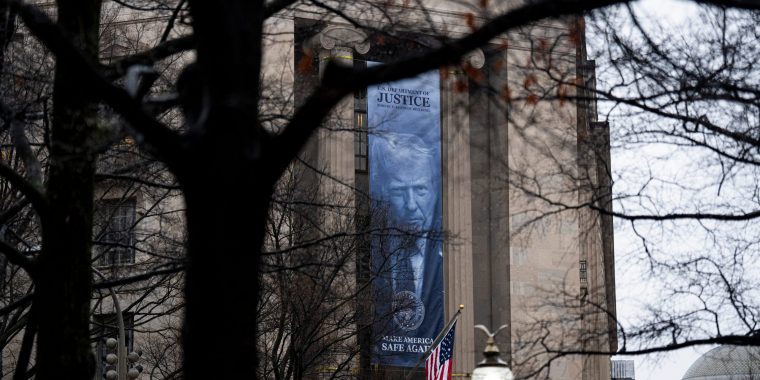
DOJ
announces
that
it
has
secured
an
indictment
of
the
Southern
Poverty
Law
Center,
alleging
the
organization
supported
hate
groups
by
using
funds
to
pay
people
to
infiltrate
those
hate
groups
—
which,
ironically,
is
something
the
DOJ
historically
does.
[AP
News]
*
Fifth
Circuit
rules
that
states
can
force
public
schools
to
hang
the
Ten
Commandments.
When
asked
about
the
ample
historical
record
that
Americans
at
the
time
the
First
Amendment
was
ratified
would
have
rejected
this
result,
the
originalists
on
the
court
declared
that
“original”
is
not
a
matter
of
“fact”
but
a
judge’s
individual
legal
assessment.
[Reuters]
*
Do
the
leaked
Supreme
Court
memos
really
show
Roberts
at
his
worst?
Because
Shelby
County
exists.
[Slate]
*
Have
advances
in
AI
threatened
the
legacy
legal
research
companies?
[Legaltech
News]
*
Another
law
school
ranking
is
right
around
the
corner.
[Law.com]
*
Roblox
settles
with
the
West
Virginia
AG’s
office
for
$11.5
million.
The
state
wants
more
child
safety
protections
in
the
video
game.
Last
year
West
Virginia
loosened
its
child
labor
laws.
Yearning
for
the
real
mines
is
good,
building
them
on
the
computer
is
bad.
[Law360]
*
Judge
who
handcuffed
child
in
Texas
has
charges
dropped
provided
she
never
attempts
to
judge
again.
[ABA
Journal]
Multibillion-Dollar
Firm
Caught
Up
On
AI
Hallucinations:
Sullivan
&
Cromwell
needs
to
up
their
editing
process.
Who
Exactly
Wrote
Kash’s
Complaint?:
The
$250M
lawsuit
looks
like
it
has
AI
ink
all
over
it.
Racing
To
Employment:
Law
school
shifts
academic
program
to
the
fall
to
account
for
Biglaw
hiring
schedules.
No
Longer
Optional:
Mississippi
School
of
Law
now
requires
that
students
learn
to
use
AI.
The
T10
Of
Design:
These
schools
have
some
of
the
best
law
school
buildings!
John
Brennan
(Photo
by:
William
B.
Plowman/NBC/NBC
Newswire/NBCUniversal
via
Getty
Images)
Let’s
talk
about
a
pattern,
because
at
this
point
it’s
too
clear
to
ignore.
You’re
a
career
federal
prosecutor.
You’ve
been
handed
a
politically
charged
case
—
one
the
president
of
the
United
States
has
loudly
demanded
result
in
criminal
charges
against
a
high-profile
political
enemy.
You
review
the
evidence.
You
conclude,
professionally
and
in
good
faith,
that
the
evidence
doesn’t
support
charges.
You
tell
your
superiors.
You
get
fired.
Then
a
loyalist
comes
in
and
charges
the
target
anyway,
which
gets
unraveled
by
the
application
of
basic
legal
standards.
We
have
watched
this
happen
already.
And
now,
it
looks
like
the
Department
of
Justice
wants
to
run
it
back.
CNN
reported
Friday that
Maria
Medetis
Long,
the
career
national
security
prosecutor
in
Miami
who
had
been
leading
the
criminal
investigation
into
former
CIA
Director
John
Brennan,
was
removed
from
the
case.
The
reason? The
Associated
Press
confirmed she
had
told
her
superiors
she
didn’t
believe
there
was
sufficient
evidence
to
support
a
criminal
prosecution.
Her
successor? CNN
reported
Saturday that
the
DOJ
has
brought
in
Joseph
diGenova,
an
81-year-old
attorney,
longtime
Trump
surrogate,
Fox
News
and
Newsmax
regular,
and
member
of
Trump’s
2020
election-overturn
legal
team,
to
take
over
as
“counselor
to
the
attorney
general”
on
the
Brennan
investigation.
He
will
be
working
out
of
Fort
Pierce,
Florida.
If
you’re
wondering
why
Fort
Pierce
specifically…
well,
that’s
where
Judge
Aileen
Cannon
sits.
Yes, that Judge
Cannon.
The
same
judge
who
dismissed
Jack
Smith’s
classified
documents
indictment
of
Trump
on
Appointments
Clause
grounds
—
a
ruling
that,
as
we’ll
discuss,
has
some
uncomfortable
implications
for
the
current
situation.
The
DOJ
spokesperson,
when
asked
about
removing
a
seasoned
career
prosecutor
from
one
of
the
country’s
most
sensitive
political
cases,
described
it
as
“healthy
and
normal.”
That’s…
one
way
to
describe
swapping
out
the
lead
prosecutor
on
a
case
because
she
concluded
there
wasn’t
enough
evidence.
The
investigation
stems
from a
2023
referral
from
the
Republican-led
House
Judiciary
Committee,
specifically,
from
Chairman
Jim
Jordan,
alleging
that
Brennan
lied
to
Congress
about
whether
the
CIA
relied
on
the
so-called
Steele
dossier
when
drafting
the
2017
Intelligence
Community
Assessment
that
found
Russia
interfered
in
the
2016
election
to
help
Trump.
Brennan
denies
it.
The
Steele
dossier,
for
the
uninitiated,
contained
salacious
and
largely
unverified
allegations
against
then-candidate
Trump,
and
conservatives
have
spent
years
arguing
it
was
the
shadowy
engine
that
drove
the
entire
Russia
investigation.
That
claim
is,
to
put
it
mildly,
disputed.
This
is
not
a
new
grievance
for
Trump
—
it’s
one
of
his
longest-standing
political
obsessions.
For
months,
the
DOJ
has
been
pursuing
charges
against
Brennan
with
increasing
urgency,
particularly
after Trump
fired
Pam
Bondi
as
Attorney
General
in
part
because
of
frustration
that
she
hadn’t
successfully
prosecuted
enough
political
enemies.
Running
the
department
now
is
Todd
Blanche,
Trump’s
former
personal
defense
attorney
who,
at
his
first
press
conference
as
acting
AG,
told
reporters
the
DOJ
was
not
focused
on
going
after
Trump’s
political
opponents,
while
literally
overseeing
a
sprawling
set
of
investigations
into
Trump’s
political
opponents. NBC
News
noted that
Blanche
has
publicly
stated
Trump
has
“the
right
to
be
involved
in
seeking
investigations
against
people
he
has
had
issues
with.”
That
framing
alone
drew
sharp
criticism
from
legal
ethics
experts.
So,
who
*is*
diGenova?
DiGenova
represented
Trump’s
campaign
in
its
efforts
to
overturn
the
2020
election
results,
and
has
spent
years
on
cable
news
calling
John
Brennan
a “real
traitor” and
demanding
criminal
charges
against
him,
which
makes
him
a
choice
for
the
prosecutor
overseeing
the
case
against
Brennan.
He
also,
in
2020,
said
on
television
that
Christopher
Krebs
—
the
cybersecurity
official
who
confirmed
the
election
was
secure
—
should
be “drawn
and
quartered”
and
“shot.” He
later
apologized
after
Krebs
alleged
the
comments
inspired
death
threats
against
him.
He
has
not
worked
as
a
prosecutor
in
decades
—
his
last
stint
was
as
U.S.
Attorney
for
D.C.
under
Reagan
in
the
1980s,
and
he
did
a
few
counsel
investigations
in
the
90s.
His
wife,
Victoria
Toensing,
is
also
a
prominent
pro-Trump
legal
commentator,
which
is
very
normal
for
someone
now
heading
a
major
federal
investigation.
The
last
time
Trump
demanded
prosecutions
of
political
enemies,
installed
a
loyalist
to
bring
them,
and
bypassed
the
concerns
of
career
prosecutors,
the
results
were
catastrophic
for
the
administration’s
legal
credibility. Erik
Siebert,
the
(now
former)
U.S.
attorney
for
the
Eastern
District
of
Virginia,
stood
by
his
career
lawyers’
judgment
that
the
cases
against
James
Comey
and
Letitia
James
lacked
sufficient
evidence.
Trump
fired
him.
Lindsey
Halligan,
installed
as
a
loyalist
replacement,
promptly
secured
indictments
against
both.
But
it
wasn’t
a
happy
ending
for
MAGAland.
A
federal
judge
went
on
to
throw
both
cases
out,
concluding
that
Halligan
had
been
unlawfully
appointed. The
result
was
worse
than
no
prosecution
at
all —
a
public
embarrassment
that
handed
critics
a
ready-made
argument
about
politicized
justice,
and
let
both
Comey
and
James
walk
away
looking
like
victims.
The
formal
legal
authority
and
office
structure
for
diGenova’s
title
have
not
been
publicly
detailed. Given
that
Judge
Cannon
herself
—
the
very
judge
in
whose
courthouse
this
grand
jury
sits
—
previously
dismissed
an
indictment
because
she
concluded
the
appointment
of
a
special
prosecutor
violated
the
Appointments
Clause,
defense
lawyers
in
the
Brennan
case
already
have
a
well-lit
roadmap
for
a
constitutional
challenge
that
could
unwind
any
indictment
diGenova
might
produce.
Of
course,
Cannon
is
more
political
hack
than
disciplined
jurist,
should
it
come
to
it,
don’t
hold
your
breath
expecting
her
to
apply
the
made-up
standard
in
a
way
that
hurts
Trump’s
personal
priorities.
Maria
Medetis
Long
was
not
a
political
appointee.
She
was
not
a
“resistance”
figure.
She
was
a
career
national
security
prosecutor
in
Miami
—
someone
who
had
spent
years
working
these
cases
—
and
she
told
her
superiors,
professionally,
that
she
didn’t
think
there
was
enough
evidence
to
bring
charges.
That
judgment
was
not
rewarded
with
a
respectful
disagreement.
It
was
punished
with
removal.
The
message
that
sends
to
every
career
federal
prosecutor
still
at
the
Department
—
and
it’s
not
subtle
—
is
that
the
professional
standard
is
no
longer
“follow
the
evidence.”
It
is
“reach
the
conclusion
leadership
wants,
or
be
replaced
by
someone
who
will.”
Kathryn
Rubino
is
a
Senior
Editor
at
Above
the
Law,
host
of
The
Jabot
podcast,
and
co-host
of
Thinking
Like
A
Lawyer.
AtL
tipsters
are
the
best,
so
please
connect
with
her.
Feel
free
to
email
her
with
any
tips,
questions,
or
comments
and
follow
her
on
Twitter
@Kathryn1 or
Bluesky
@Kathryn1
In
this
session,
I
sit
down
with
Megan
Hargroder,
founder
of
Legends
Legal
Marketing,
to
unpack
what
truly
builds
trust
in
today’s
legal
marketplace.
In
an
era
where
clients
research
lawyers
long
before
making
contact,
credibility
is
no
longer
built
in
the
first
meeting.
It
is
built
online,
through
story,
presence,
and
authenticity.
The
conversation
centers
on
how
lawyers
can
create
connection,
earn
visibility,
and
position
themselves
as
trusted
advocates
before
a
client
ever
picks
up
the
phone.
Your
Why:
Connect
Through
Stories
and
Build
Trust
Megan
emphasizes
that
trust
begins
with
realness.
When
lawyers
share
their
story
and
the
reason
behind
their
work,
clients
see
themselves
reflected
in
that
narrative.
Clients
are
not
simply
hiring
legal
skill.
They
are
looking
for
alignment,
empathy,
and
shared
values.
Storytelling
bridges
that
gap.
Why
Real
Engagement
Beats
Old
SEO
Tricks
Megan
explains
that
search
visibility
has
evolved.
The
era
of
shortcuts
and
technical
manipulation
is
fading.
Search
engines
and
AI
platforms
are
increasingly
prioritizing
real
engagement.
If
people
are
visiting
your
website,
staying
on
it,
interacting
with
your
content,
and
leaving
reviews,
those
are
the
signals
that
matter.
How
Empathy
and
Authority
Drive
Client
Decisions
What
makes
a
lawyer
feel
trustworthy
before
the
first
conversation
ever
happens?
Megan
answers
directly.
It
comes
down
to
empathy
and
authority.
Watch
the
Full
Video
The
legal
profession
has
always
been
built
on
trust.
Today,
that
trust
is
earned
earlier
and
reinforced
more
publicly
than
ever
before.
Lawyers
who
clarify
their
why,
engage
authentically,
and
demonstrate
both
empathy
and
expertise
position
themselves
for
sustainable
growth
in
a
rapidly
evolving
marketplace.
Steve
Fretzin
is
a
five-time
bestselling
author,
host
of
the BE
THAT
LAWYER and Future
Rainmakers podcasts,
and
a
business
development
coach
who
works
exclusively
with
attorneys.
For
more
than
18
years,
he
has
helped
lawyers
build
strong
books
of
business
without
selling,
pitching,
or
chasing,
using
his
proven
Sales-Free
Selling™
approach.
His
clients
consistently
become
top
rainmakers
and
credit
his
coaching
and
systems
for
driving
meaningful,
measurable
growth.
Steve
can
be
reached
directly
at [email protected],
or
through
his
website
at www.bethatlawyer.com.
Connect
with
him
on
LinkedIn
at https://www.linkedin.com/in/stevefretzin.
His
ALL
NEW BE
THAT
LAWYER
Community is
changing
how
lawyers
develop
the
skills
never
taught
in
law
school.
Learn
more
at www.bethatlawyer.com/community
This
Supreme
Court
is
deeply
divided
on
issues,
and
the
public
is
more
familiar
with
each
justice
than
ever
before
because
of
social
media.
Publishers
understand
that
audiences
are
invested.
—
Kathleen
Schmidt,
a
publishing
veteran,
in
comments
given
to
the
ABA
Journal,
concerning
Supreme
Court
justices’
forays
into
writing
children’s
books
that
sell
incredibly
well.
“Public
figure/celebrity
children’s
books
make
it
harder
for
non-celebrity
authors
to
publish
children’s
books,”
she
said.
“When
publishers
know
a
big
name
can
be
attached
to
these
books,
they
(rightly)
assume
they
will
sell
well.”
Thus
far,
Justices
Sonia
Sotomayor,
Ketanji
Brown
Jackson,
and
Neil
Gorsuch
have
penned
“kid
lit,”
which
has
earned
them
tens
of
thousands
of
dollars.
Staci
Zaretsky is
the
managing
editor
of
Above
the
Law,
where
she’s
worked
since
2011.
She’d
love
to
hear
from
you,
so
please
feel
free
to email her
with
any
tips,
questions,
comments,
or
critiques.
You
can
follow
her
on Bluesky, X/Twitter,
and Threads, or
connect
with
her
on LinkedIn.
Quick,
name
the
canon
introductory
courses
for
law
students.
Constitutional
Law,
Torts,
Contracts,
Criminal
Law,
Civil
Procedure,
Property,
and
Legal
Writing.
Did
you
get
them
all?
Great!
Unless
you’re
planning
to
start
your
legal
career
at
Mississippi
College
School
of
Law.
Recently,
Justice
Sotomayor
advised
law
students
to
master
AI
before
they
graduate.
Once
optional,
Mississippi
law
students’
grades
will
now
depend
on
their
rapid
adoption
of
artificial
intelligence.
Huff
Post
has
coverage:
Mississippi
College
School
of
Law
is
one
of
the
first
schools
in
the
nation
to
tackle
the
growing
influence
of
artificial
intelligence
in
jurisprudence
by
making
AI
education
mandatory
for
all
students.
For
John
Anderson,
dean
of
the
school,
the
goal
is
to
train
law
students
“to
use
the
technology
effectively,
efficiently,
and
ethically
and
avoid
a
lot
of
the
headlines
that
you’ve
seen
already
where
lawyers
take
shortcuts
by
using
these
technologies.”
MC
is
the
first
law
school
in
the
Southeast
to
require
all
students
to
complete
an
AI
course.
While
the
school
has
other
AI
classes,
a
general
course
is
now
mandatory
for
all
first-year
students.
Many
schools
in
the
T14
moved
to
incorporate
Harvey
as
an
option
for
law
students,
but
they’ve
(as
far
as
we
know)
left
its
adoption
up
to
the
students’
discretion.
Mississippi
trained
their
students
using
Wickard
AI.
The
dean
is
right
to
warn
students
that
shoddy
work
and
AI
make
for
great
headlines
and
career
damage
—
just
remain
cautious,
you
don’t
want
to
become
so
dependent
on
the
service
that
you
miss
out
on
the
grunt
work
that
makes
you
think
like
a
lawyer.
Getting
the
Palsgraf
holding
from
a
Quimbee
summary
might
be
enough
to
get
you
through
a
cold
call
or
the
points
you
need
for
an
essay
question,
but
personally
parsing
through
difficult
text
for
extended
periods
of
time
is
a
hard-won
skill
that
will
serve
you
in
the
long
run.
You
will
have
to
do
the
work
on
your
own
at
some
point.
After
all,
running
your
client’s
information
through
some
LLMs
can
be
enough
to
void
attorney-client
privilege.
This
is
the
sort
of
obvious
stuff
that
should
be
covered
in
the
class,
but
what’s
the
harm
in
reinforcing
the
lessons
you
picked
up
from
a
two-day
course?
Best
of
luck
forced
guinea
pigs,
early
adapters!
Make
the
most
of
your
legal
education
and
try
to
stay
sane
in
the
process.
I’d
say
that
generally,
but
the
advice
takes
a
more
clinical
tone
when
it
comes
to
regular
AI
use.
Chris
Williams
became
a
social
media
manager
and
assistant
editor
for
Above
the
Law
in
June
2021.
Prior
to
joining
the
staff,
he
moonlighted
as
a
minor
Memelord™
in
the
Facebook
group Law
School
Memes
for
Edgy
T14s
.
He
endured
Missouri
long
enough
to
graduate
from
Washington
University
in
St.
Louis
School
of
Law.
He
is
a
former
boat
builder
who
is
learning
to
swim
and
is
interested
in
rhetoric,
Spinozists
and
humor.
Getting
back
in
to
cycling
wouldn’t
hurt
either.
You
can
reach
him
by
email
at
[email protected]
and
by
Tweet/Bluesky
at @WritesForRent.
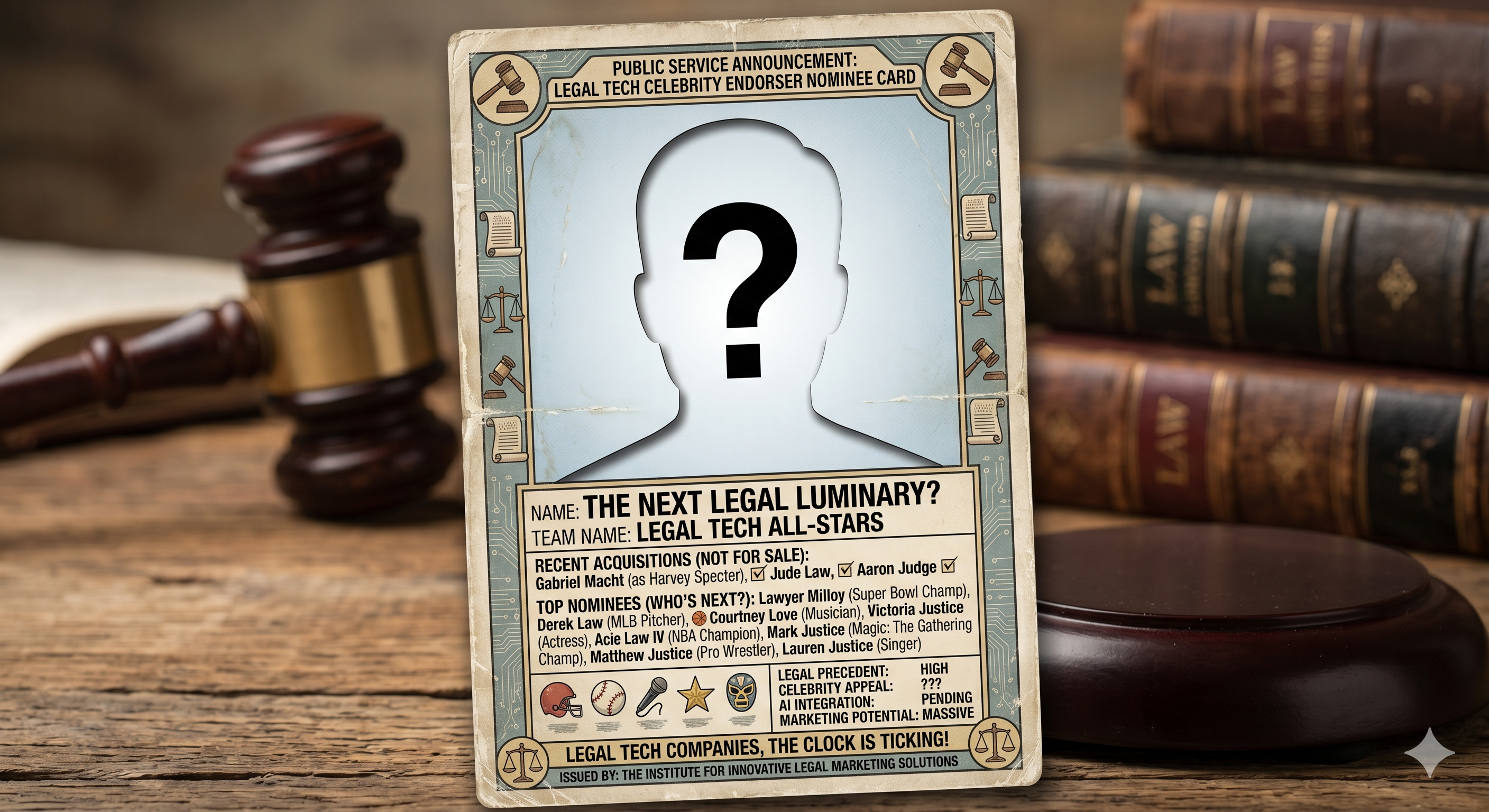
It
started
with
Harvey,
the
legal
AI
company
that
signed
Gabriel
Macht
–
the
actor
who
played
Harvey
Specter
on
Suits
–
as
a
brand
ambassador.
Then
Legora
one-upped
everyone
by
signing
the
actor
Jude
Law,
building
a
whole
campaign
around
the
tagline,
“Law
just
got
more
attractive,”
and
shooting
the
thing
with
an
Oscar-winning
cinematographer.
Harvey
also
locked
up
deals
with
Paris
Saint-Germain
and
Fulham
FC.
Legora
countered
with
Swedish
golfer
Ludvig
Åberg
and
a
multi-year
sponsorship
deal
with
the
New
York
Yankees
and
Aaron
Judge.
Yes,
Aaron
Judge.
Which
means
Legora
managed
to
sign
both
a
Law
and
a
Judge
in
the
span
of
a
single
week.
At
this
rate,
it
will
have
a
full
courtroom
of
sponsors
in
no
time.
Not
to
be
left
out,
the
rest
of
the
legal
tech
industry
is
surely
scrambling
to
find
their
own
celebrity
names
with
a
legal
hook.
Thus,
as
a
public
service,
I
have
taken
it
upon
myself
to
compile
this
handy
list
of
celebrities
whose
monikers
make
them
natural-born
legal
tech
spokespeople.
You’re
welcome.
Lawyer
Milloy,
former
NFL
safety.
With
an
actual
first
name
of
Lawyer,
this
one
is
almost
too
easy.
A
four-time
Pro
Bowl
selection,
Super
Bowl
champion
with
the
Patriots,
and
a
15-year
NFL
veteran,
Milloy
was
known
on
the
gridiron
for
delivering
bone-crushing
hits.
With
that
kind
of
reputation,
the
marketing
copy
writes
itself:
“With
Lawyer
on
your
side,
opposing
counsel
doesn’t
stand
a
chance.”
Derek
Law,
MLB
pitcher.
A
journeyman
reliever
over
nearly
a
decade
in
the
majors,
Law
was
the
kind
of
dependable
arm
a
manager
could
call
on
in
high-pressure
situations.
Sound
familiar?
That
is
basically
the
pitch
for
every
legal
AI
tool
on
the
market.
Even
better,
his
teammates
called
him
“Lawdog”
and
he
used
that
nickname
on
his
jersey
during
the
2019
MLB
Players’
Weekend.
What
legal
tech
vendor
wouldn’t
want
to
claim
it
has
the
Lawdog
on
its
team?
Courtney
Love,
musician.
As
if
having
“court”
in
her
name
were
not
enough,
the
unfortunate
fact
is
that
the
Hole
frontwoman
and
widow
of
Kurt
Cobain
has
spent
as
much
time
in
courtrooms
over
the
years
as
some
practicing
attorneys.
Sure,
she
was
there
as
a
a
party,
not
a
lawyer,
but
it’s
the
experience
that
counts.
Possible
slogan
for
having
her
front
a
campaign
for
a
legal
tech
company:
“Fall
in
love
with
Court
again.”
Victoria
Justice,
actress
and
singer.
The
former
Nickelodeon
star
brings
a
massive
social
media
following
(more
than
24
million
on
Instagram
alone)
and
a
squeaky-clean
image
that’s
tailor-made
for
legal
tech
marketing.
“Justice”
is
right
there
in
the
name,
and
her
fan
base
skews
young
–
perfect
for
a
company
trying
to
target
the
next
generation
of
lawyers.
A
possible
tagline:
“Justice
for
all
–
powered
by
AI.”
Acie
Law
IV,
former
NBA
guard.
After
four
seasons
in
the
NBA,
Law
went
on
to
win
two
EuroLeague
championships
with
Olympiacos
in
Greece
and
then
a
career
as
an
NBA
exec.
But
here
is
all
you
really
need
to
know:
This
man
has
a
tattoo
that
says,
“Lord’s
Favorite
Lawman.”
If
a
legal
tech
company
doesn’t
sign
him
immediately,
the
entire
marketing
profession
has
failed.
Note
to
legal
research
companies:
He
even
comes
with
“precedent”
–
his
name
spans
four
generations
of
Acie
Laws.
Mark
Justice,
Magic:
The
Gathering
champion.
The
first
superstar
of
professional
Magic,
Justice
was
the
1995
U.S.
National
Champion
and
was
widely
considered
the
best
player
in
the
world.
For
a
legal
tech
company
marketing
to
a
customer
base
that
skews
heavily
towards
detail-obsessed
analytical
thinkers,
signing
the
original
card-game
tactician
would
be
a
coup.
Unfortunately,
there
is
the
little
matter
of
Justice’s
disqualification
from
a
Pro
Tour
for,
let’s
say,
“procedural
irregularities.”
But,
come
to
think
of
it,
that
might
only
make
him
more
suited
as
a
legal
industry
figure.
Matthew
Justice,
professional
wrestler.
In
the
ring,
Justice’s
signature
moves
include
“Air
Justice”
and
the
“Justice
Driver,”
and
his
nickname
is
“Thrash
Justice.”
A
legal
tech
company
that
puts
this
Justice
in
an
ad
is
making
a
very
specific
statement
about
the
capabilities
of
its
product.
Lauren
Justice,
singer.
A
pop
recording
artist
who
performs
simply
as
“Justice,”
her
2012
debut
single,
“Find
a
Way,”
reached
No.
30
on
the
Billboard
Indicator
Chart.
For
a
legal
tech
company,
“Find
a
Way”
is
a
perfectly
on-brand
song
title
that
could
easily
double
as
a
tagline
for
an
AI-powered
legal
research
tool.
“When
you
can’t
find
the
precedent
you
need,
Justice
will
find
a
way.”
Judge
Reinhold,
the
actor
from
Beverly
Hills
Cop
and
Fast
Times
at
Ridgemont
High.
His
name
isn’t
actually
Judge
(it’s
Edward),
but
he’s
been
“Judge”
his
whole
career.
He
even
parodied
it
on
both
the
Clerks
and
Arrested
Development
TV
shows,
where
he
played
the
character
“Honorable
Judge
Reinhold.”
I
mean,
clearly
he
gets
it.
Two
‘Spiritual’
Possibilities
Two
other
well-known
names
would
be
perfect
candidates
to
endorse
legal
products,
if
not
for
the
inconvenient
fact
of
their
both
having
moved
“to
the
cloud.”
But
with
a
little
AI
deep-fake
magic,
either
could
easily
be
revived.
Buford
T.
Justice,
the
fictional
sheriff
from
Smokey
and
the
Bandit.
Jackie
Gleason,
the
actor
who
played
Justice,
died
in
1987.
Still,
licensing
the
character
for
a
legal
tech
campaign
would
be
inspired.
After
all,
Sheriff
Justice
spent
three
entire
movies
in
an
obsessive
pursuit
of
a
suspect
across
state
lines,
refusing
to
give
up
despite
every
conceivable
setback.
Doesn’t
the
best
legal
tech
help
lawyers
overcome
setbacks
and
obsessively
pursue
their
goals?
Jerry
Springer,
former
host
of
Judge
Jerry.
Springer,
who
died
in
2023,
and
who
actually
had
a
law
degree,
spent
the
final
years
of
his
TV
career
presiding
over
a
syndicated
courtroom
show.
Before
that,
he
hosted
28
seasons
of
the
eponymous
(and
notorious)
daytime
talk
show
once
called
“the
worst
show
in
the
history
of
television.”
Springer
would
be
the
ultimate
legal
tech
spokesperson,
a
man
who
could
credibly
say:
“I’ve
seen
every
dispute
imaginable
–
and
trust
me,
this
software
would
have
helped.”
So
look,
legal
tech
companies,
the
clock
is
ticking.
If
you’re
still
relying
on
product
demos
and
white
papers
to
differentiate
your
brand,
I’m
sorry
to
inform
you
that
your
competitors
are
now
deploying
Hollywood
A-listers
and
Pro
Bowl
safeties.
The
name
game
is
on.
I’ll
be
here
to
consult
when
you
need
me.
And
my
fee
is
much
lower
than
Jude
Law’s.
There
is
a
certain
dark
comedy
in
watching
the
law
firm
that
advises
OpenAI
on
its
“safe
and
ethical
deployment”
of
artificial
intelligence
rush
to
the
federal
bankruptcy
docket
seeking
leniency
after
realizing
they’ve
filed
a
lengthy
brief
riddled
with
AI
hallucinations.
It
doesn’t
matter
where
on
the
Am
Law
100
food
chain
you
are,
the
AI
psychedelic
experience
can
come
for
anyone
who
lets
their
editorial
standards
slip.
In
a
letter
dated
Saturday,
Sullivan
&
Cromwell
partner
Andrew
Dietderich
wrote
Chief
Bankruptcy
Judge
Martin
Glenn
of
the
Southern
District
of
New
York
a
letter
that
will
live
forever
in
the
Biglaw
Hall
of
Hilarity.
Dietderich
informed
the
court
that
he
had
learned
on
Thursday
that
the
firm’s
emergency
motion
in
the
Chapter
15
case
of
Prince
Global
Holdings
—
the
BVI-incorporated
husk
of
a
Cambodian
forced-labor
scam
conglomerate
—
had
gotten
high
on
its
own
supply
of
AI
tools.
The
inaccuracies
and
errors
in
the
Motion
include
artificial
intelligence
(“AI”)
“hallucinations.”
“Hallucinations”
are
instances
in
which
artificial
intelligence
tools
fabricate
case
citations,
misquote
authorities,
or
generate
non-existent
legal
sources.
We
deeply
regret
that
this
has
occurred.
The
Firm
maintains
comprehensive
policies
and
training
requirements
governing
the
use
of
AI
tools
in
legal
work.
These
safeguards
are
designed
to
prevent
exactly
this
situation.
The
Firm’s
policies
on
the
use
of
AI
were
not
followed
in
connection
with
the
preparation
of
the
Motion.
In
addition,
the
Firm
has
general
policies
and
training
requirements
for
the
proper
review
of
legal
citations.
Regrettably,
this
review
process
did
not
identify
the
inaccurate
citations
generated
by
AI,
nor
did
it
identify
other
errors
that
appear
to
have
resulted
in
whole
or
in
part
from
manual
error.
We
hear
a
lot
about
the
“safeguards”
that
lawyers
put
up
around
AI,
but
at
the
end
of
the
day
it
feels
like
empty
PR
talk
for
“we
like
to
think
we’re
editing
what
we
send
out
the
door.”
Which,
in
fairness,
is
the
ultimate
safeguard.
There
are
great
tools
out
there
designed
to
reduce
the
risk
of
a
pernicious
hallucination.
And
these
tools
will
give
lawyers
a
leg
up
when
it
comes
to
tamping
down
errors
early.
But
there’s
no
substitute
for
a
junior
having
to
print
up
the
cases
and
do
the
meticulous
checking…
and
then
the
midlevel
doing
the
exact
same
thing.
That’s
the
manual
review
process
the
letter
references.
It’s
inefficient,
but
perfection
isn’t
intended
to
be
cheap
and
easy.
That
is,
in
fact,
why
someone
hires
Sullivan
&
Cromwell
in
the
first
place.
Dietderich
goes
on
to
explain
at
some
length
—
the
firm
has
a
whole
program.
Two
required
training
modules.
Tracked
completions.
Office
Manual
language
instructing
lawyers
to
“trust
nothing
and
verify
everything.”
Policies!
Mandatory
training!
Verification
requirements!
And
yet.
This
is
what
we’re
talking
about
when
we
say
AI
is
in
the
process
of
making
lawyers
dumber.
In
the
earliest
days
of
AI,
it
was
easy
to
put
all
the
blame
on
the
human
lawyers
failing
to
maintain
best
editing
practices.
But
as
the
technology
advances
and
AI
providers
boast
that
they’ve
automated
more
and
more
steps
in
the
process,
the
human
can
enter
the
workflow
later
in
the
game
and
that
can
subconsciously
undermine
the
editing
approach.
We
don’t
know
how
automated
the
S&C
workflow
is,
but
it’s
all
a
continuum
—
once
AI
joins
the
workflow,
the
clock
starts
ticking
on
someone
looking
at
fully
artificially
generated
work
product
and
taking
a
slightly
lighter
red
pen
to
the
output.
Before
long,
that’s
going
to
miss
something.
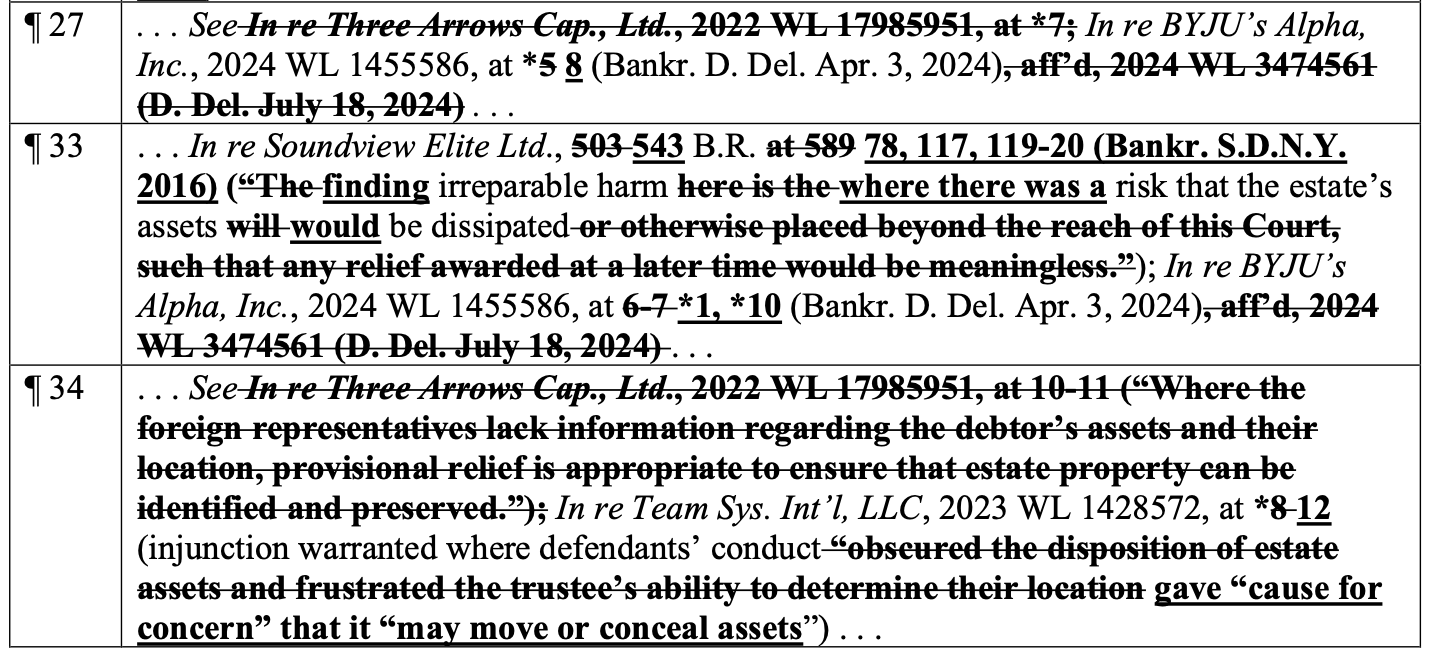
Schedule
A
to
the
letter
catalogs
the
damage
across
the
motion,
the
verified
petition,
the
joint
administration
motion,
the
scheduling
motion,
and
a
couple
of
declarations
—
roughly
40
corrections.
Some
substantive,
some
less
so,
all
embarrassing.
The
fixes
include
wrong
pin
cites,
wrong
volume
numbers,
parenthetical
quotes
that
just…
aren’t
in
the
cases.
Build
all
the
AI
policies
you
want,
but
there
is
no
substitute
for
having
a
human
—
preferably
multiple
humans
—
print
everything
out,
take
a
ruler
and
a
red
pen,
and
go
line
by
line
cross-checking
everything.
It’s
tedious
work
for
the
lawyers
and
expensive
work
for
the
clients,
but
it’s
better
than
having
to
write…
this
letter.
This
is
not
a
Sullivan
&
Cromwell
problem.
This
is
a
profession
problem.
We
have
been
covering
AI
hallucination
sanctions
cases
so
relentlessly
that
Damien
Charlotin
has
now
catalogued
over
a
thousand
of
them.
Tools
like
BriefCatch’s
RealityCheck
exist
specifically
because
firms
can’t
be
trusted
to
run
this
validation
themselves.
The
problem
cuts
across
the
law
firm
equivalent
of
class
lines.
It’s
not
just
overwhelmed
solo
practitioners
or
overeager
mid-tier
firms
looking
to
punch
above
their
weight.
Every
firm
will
deal
with
this
soon
enough.
They
can
either
accept
that
using
AI
on
the
front
end
doesn’t
alleviate
the
back
end
labor
or
they
can
accept
writing
letters
to
judges
after
the
fact.
One
last
thing.
The
errors
in
the
Chissick
Declaration
include
Bluebook-style
corrections
to
citations
of
Amnesty
International
and
UN
human
rights
reports
about
forced
labor
and
trafficking
in
Cambodia.
Those
aren’t
AI
hallucinations,
but
the
simple
human
mistakes
that
arise
from
embracing
the
unhinged
rules
memorialized
in
the
Bluebook.
But
they
are
a
reminder
of
what
this
case
is
actually
about:
people
held
behind
barbed
wire
and
forced
to
run
pig-butchering
scams.
The
JPLs
are
trying
to
trace
billions
of
dollars
in
crypto
to
make
victims
whole.
They
need
a
recognition
order
to
do
it.
And
they
lost
a
couple
of
weeks
of
runway
because
S&C
didn’t
check
its
work.
As
part
of
the
Legal
Marketing
Association’s
(LMA’s)
partnership
with
Above
the
Law,
we
round
up
insights
and
intel
from
Strategies
&
Voices,
LMA’s
official
online
publication
dedicated
to
the
craft
of
legal
marketing.
This
edition
provides
a
closer
look
at
how
law
firms
can
navigate
messaging
in
a
politically
charged
landscape,
practical
tips
to
make
your
culture
a
competitive
advantage,
and
what
it
really
means
to
blend
human
judgement
with
AI
in
today’s
market.
Law
Firm
Messaging
in
a
Politically
Charged
World:
Why
Values
and
Clarity
Matter
(By
Gina
Rubel)
Law
firms
that
once
advocated
for
the
Mansfield
Rule
are
now
navigating
a
landscape
where
even
neutral
inclusion
efforts
can
be
recast
as
a
risk.
By
grounding
your
messaging
in
values
that
reinforce
stability
and
credibility,
you
can
avoid
pitfalls
of
silence
and
wade
through
changing
waters.
Making
Your
Culture
a
True
Differentiator
(By
Lise
Anne
Schwartz)
Firms
are
recognizing
that
culture
is
no
longer
a
soft
accessory
but
a
true
market
differentiator
that
clients
weigh
as
heavily
as
expertise.
These
practical
tips
can
help
your
firm
move
from
generic
descriptors
to
real
behaviors
and
human
stories
that
earn
greater
trust.
The
Push
and
Pull
of
AI
in
Legal:
Where
It’s
Effective
and
Where
Human
Touch
Is
Needed
(By
LMA
International)
For
some,
the
pace
of
advancement
of
AI
in
legal
feels
overwhelming.
For
others,
it
presents
an
opportunity
to
elevate
firm
competitiveness,
strengthen
client
relationships
and
prepare
lawyers
for
a
collaborative
future
with
technology.






 Kathryn