*
State
fears
jury
list
includes
dead
people,
but
have
they
made
sure
the
jurors
weren’t
just
coming
to
grips
with
a
4-week
contract
breach
trial.
[ABA
Journal]
Zimbabwe
plans
to
regulate
the
use
of
social
media
and
digital
platforms.
Harare
is
drafting
a
new
law
that
seeks
to
tighten
oversight
and
combat
what
it
calls
an
unchecked
spread
of
misinformation
and
sharing
of
harmful
material
online.
Facebook,
TikTok,
Twitter,
YouTube
and
Instagram
apps
are
seen
on
a
smartphone
in
this
illustration
taken.
Image
Credits
:
In
Australia,
children
under
the
age
of
16
are
banned
from
using
social
platforms
such
as
Instagram,
TikTok,
Facebook,
and
Snapchat.
Zimbabwean
President
Emmerson
Mnangagwa
says,
“Policies
and
mechanisms
to
guarantee
ethical
and
responsible
use
of
ICTs
and
various
media
platforms
are
being
accordingly
reviewed.
I
note
with
grave
concern
the
increasing
abuse
of
social
media
by
some
unscrupulous
persons
and
groups.
The
recording
of
road
traffic
accidents
and
the
subsequent
distribution
of
such
material
is
totally
unacceptable.”
This
had
major
impacts
on
their
lives,
practically
and
emotionally,
causing
stress
and
anxiety
as
they
sought
different
types
of
treatment
from
diverse
sources.
The
costs
of
treatment,
travel,
and
time
away
from
farming
meant
income
suffered,
sometimes
leading
to
businesses
closing
or
harvests
being
missed.
Nearly
every
interview
had
one
or
more
examples
of
a
caring
role
being
taken
on
in
the
last
few
years,
sometimes
over
very
extended
periods.
The
emotional
toll
of
looking
after
a
loved
one,
and
then
them
ultimately
passing,
was
significant
for
many,
marking
a
significant
period
when
other
concerns
with
agricultural
production
became
less
significant
in
people’s
lives.
The
labour
of
care,
along
with
the
emotional
investment
in
caring,
often
goes
unnoticed,
rarely
discussed
in
studies
of
agriculture
and
land
reform.
It
happens
quietly
behind
closed
doors
at
home,
or
away
at
hospitals
and
clinics.
But
these
periods
are
significant
in
people’s
lives,
shaping
what
is
possible
more
widely.
Care
is
not
limited
to
reproductive
care
duties
but
intertwined
with
farm
production
and
community
work.
The
highly
gendered
labour
of
care
as
a
central
part
of
social
reproductive
work,
therefore,
needs
much
greater
attention
in
discussions
of
land
reform
outcomes.
Caring
in
times
of
sickness
FB
from
Mvurwi
reflected
on
how
she
had
to
invest
in
the
support
of
her
sisters
when
they
were
sick,
and
subsequently
the
children
of
one
of
them
after
she
died.
It
was
a
tough
time
when
my
siblings
were
sick
in
2022.
I
had
to
help
financially,
and
all
the
money
went
towards
medicines.
I
used
to
help
cut
gumtrees
for
sale
to
make
money,
and
I
used
that
money
to
pay
for
my
sister’s
treatment.
One
of
my
sisters
had
a
husband,
but
he
was
useless
and
often
drunk.
Since
my
sister
died,
I
now
take
care
of
her
children
in
Centenary,
where
they
stay
with
their
grandmother.
MM
from
Mvurwi
commented
on
how
caring
took
away
from
farming,
and
used
up
resources:
I
had
a
setback
when
my
mother
was
sick,
and
I
had
to
send
money
home,
but
she
eventually
passed
on.
When
all
this
happened,
I
had
already
sold
my
tobacco;
sometimes
bad
luck
happens,
and
we
must
divert
funds.
A
relative
who
stays
close
to
here
also
got
sick
and
almost
died
this
year.
I
used
to
go
and
visit
him
to
the
point
that
I
had
to
take
him
to
the
hospital
for
treatment.
He
was
my
mother’s
son,
my
brother,
so
I
got
him
treatment,
and
he
got
better.
NA,
also
from
Mvurwi,
was
a
carer
for
several
years,
which
affected
her
nascent
business:
My
mother
was
sick
for
two
years.
I
took
care
of
her
when
she
was
not
well.
I
was
living
with
her
here
until
she
passed
on.
We
used
to
take
her
to
the
hospital,
and
my
father
would
send
money;
I
would
assist
financially
whenever
I
could.
I
was
the
one
accompanying
her
to
the
hospital
in
Harare,
it
was
tough
times
when
she
was
sick.
We
had
a
tuck
shop
that
went
out
of
business
because
the
money
from
it
was
used
to
take
care
of
her.
As
a
result,
we
were
not
able
to
restock.
I
also
struggled
to
produce
anything
on
the
farm
during
that
time
because
of
constant
travel
to
try
to
get
treatment
for
my
mother.
Mr
M’s
wives
from
Masvingo
district
reflected
on
the
challenges
of
looking
after
their
husband
when
he
was
sick:
While
he
was
not
well,
our
lives
and
work
in
the
field
were
disrupted,
especially
financially,
as
the
money
that
was
there
had
to
be
used
for
his
treatment
and
X-rays.
We
also
help
our
relatives
with
finances
in
case
of
health
issues.
If
we
have
money,
we
go
and
see
our
father-in-law
when
he
is
sick,
then
come
back;
we
do
not
nurse
him.
In
the
same
way,
a
number
of
other
informants
commented
on
the
impacts
of
ill-health
in
the
family:
When
there
are
health
issues
in
the
family,
it
can
get
expensive
and
affect
work
in
the
field,
as
you
will
need
to
give
proper
attention
to
the
sick
person.
My
mother
used
to
get
sick,
and
the
young
boy
I
stay
with
is
currently
sick
and
needs
money
for
the
hospital
every
month. (SZ,
Mvurwi)
We
used
to
stay
with
both
our
in-laws
here
when
they
got
sick
and
subsequently
died.
I
used
to
take
care
of
them
when
they
were
sick,
but
their
relatives
were
fully
involved,
assisting
with
medicine
and
hospital
bills.
They
died
here,
but
they
were
buried
at
their
homestead.
(Mai
M,
Gutu).
Mai
M
from
Masvingo
district
has
been
struggling
with
an
undiagnosed
chronic
sickness
in
an
adopted
son,
causing
stress
and
worry:
I
have
taken
care
of
sick
people,
for
instance,
when
my
son
was
coming
from
work,
he
had
stopped
talking.
He
is
not
my
biological
son;
he
is
my
brother’s
son,
but
I
have
raised
him
since
he
was
young,
when
his
parents
passed
on.
It
really
broke
my
heart;
we
are
busy
trying
to
get
him
treated.
He
is
22
and
not
yet
married.
We
tried
to
get
consultations
the
traditional
way,
but
we
still
do
not
know
what
the
problem
is.
We
thought
that
maybe
it
was
drug
abuse,
but
it
was
not.
He
has
been
sick
for
three
months
now,
and
we
did
not
go
to
the
hospital
because
we
believe
it’s
a
spiritual
issue.
My
husband
got
sick
in
December
2008.
I
used
to
take
him
to
the
hospital
in
Bulawayo,
and
then
he
was
admitted
to
Maphisa.
He
got
better
and
was
discharged
and
sent
home.
He
was
told
to
stop
drinking,
but
he
never
stopped.
I
do
not
know
how
the
alcohol
affected
him;
he
was
re-admitted
at
Maphisa
and
then
passed
on
in
August
2009.
My
husband
sold
one
cow
to
cover
his
medical
bills.
I
was
the
one
taking
care
of
him
in
Maphisa,
and
I
hired
someone
to
look
after
the
children
while
I
was
away.
My
child,
who
is
deaf,
is
better
now,
but
it
was
a
struggle
when
she
was
young.
Now
she
can
do
all
chores
on
her
own:
cook,
do
laundry,
and
bathe
herself.
When
she
was
younger,
she
used
to
get
sick
a
lot
and
get
admitted
multiple
times.
There
was
also
an
orphan
child.
I
took
care
of
her
until
she
had
her
own
child,
but
she
got
sick
and
died.
It’s
good
that
I
have
family
here
with
me,
and
people
do
not
do
as
they
please
because
my
sons
are
here
(SM,
Matobo
district).
One
of
my
sons,
the
lastborn,
once
got
really
sick.
His
hand
started
hurting,
and
his
skin
began
peeling,
leaving
him
with
no
flesh.
We
took
him
to
the
hospital,
but
they
couldn’t
help
him.
He
got
better
in
Nkayi,
where
he
got
help;
he
got
sick
for
almost
half
a
year.
I
had
to
go
to
the
bank
for
a
loan.
I
took
5000
in
a
loan
because
Mpilo
Hospital
needed
money.
I
took
him
to
a
prophet
in
Nkayi,
where
he
managed
to
get
help.
He
came
back
recently
from
Nkayi.
When
my
husband
was
sick,
I
took
care
of
him
for
a
year
before
he
passed
away,
back
then
it
was
better
because
medical
bills
were
not
that
expensive.
I
also
look
after
the
children
when
they’re
sick
because
their
mothers
are
not
working.
(BN,
Matobo
district).
Seeking
out
treatment
can
be
challenging.
Different
options
–
from
hospitals
to
prophets
to
traditional
healers
offer
different
options,
but
they
all
cost
money.
A
number
of
different
institutions
are
relied
on,
often
in
sequence,
but
in
the
end,
drawing
on
support
from
the
family
and
wider
community
is
important.
JZ
from
Mvurwi
commented
on
what
happens
if
people
in
her
family
get
sick:
When
we
get
sick,
we
go
to
the
hospital;
if
it
fails,
we
go
to
prophets,
and
if
that
fails,
we
consult
traditional
healers.
We
do
attend
church
activities,
whether
it’s
church
or
weddings,
but
you
only
go
where
you’re
invited.
Unity
in
the
community
is
important;
we
hope
it
continues,
as
we
all
need
each
other.
For
instance,
when
there
are
funerals,
we
all
show
up
in
different
ways
to
ensure
that
everything
goes
well.
Multiple
demands
on
time:
juggling
childcare
and
farming
In
discussions,
women
frequently
commented
on
the
challenges
of
combining
childcare
with
farming
and
the
multiple
demands
on
their
time.
In
the
land
reform
areas,
farming
requires
more
labour
–
there
are
larger
areas,
and
often
labour-intensive
activities
associated
with
irrigation,
tobacco
production,
and
so
on.
As
Mrs
C
from
Mvurwi
commented:
It
was
difficult
to
balance
childcare
and
farming.
If
the
child
gets
sick
while
you’re
working
on
the
farm,
you
abandon
work
and
get
help
for
the
child.
I
then
focus
on
the
child
until
they’re
better
before
I
go
back
to
work.
I
did
not
have
much
assistance
with
house
chores
because
the
girls
were
still
young.
I
would
wake
up
very
early
and
start
preparing
food
for
the
children
and
for
them
to
go
to
school,
then
start
preparing
for
those
already
on
the
farm
before
I
join
them
in
working.
I
always
made
sure
to
collect
water
in
the
morning
when
I
woke,
so
I
left
the
house
with
enough
water
to
use
in
the
evening.
Life
became
easy
when
my
oldest
daughter
was
in
grade
3;
she
could
now
do
basic
house
chores.
My
oldest
son
knew
how
to
do
house
chores,
but
they
were
needed
in
the
field,
so
we
had
to
rely
more
on
my
daughter.
Since
all
my
children
have
left
the
house,
I
take
care
of
two
of
my
relatives’
children
who
passed
on.
I
don’t
have
hired
help;
I
still
wake
up
early
and
do
the
housework
before
going
to
work
in
the
fields.
Mrs
C
relies
on
her
extended
family
to
help:
My
daughters-in-law
do
assist
at
the
farm,
but
they
don’t
help
with
household
chores;
they
have
their
own
homes.
When
there
is
a
sick
person,
though,
they
do
come
to
see
the
sick
and
help
us
on
the
way
forward
with
treatment.
Sickness
is
part
of
life;
it’s
easier
when
you’re
united,
and
you’re
able
to
deliberate
and
come
up
with
solutions.
If
it
is
needed,
you
should
be
able
to
contribute
with
others
and
pay
hospital
bills.
Networks
of
care:
support
in
old
age
As
people
age,
children
grow
up
and
move
away,
and
maybe
one
parent
becomes
ill
or
dies,
the
need
for
support
from
others
increases.
Networks
of
care
connecting
children
–
sometimes
in
far-flung
places
in
the
diaspora
–
and
parents
in
the
land
reform
areas
are
vital.
Care
may
be
through
financing
medicines,
or
as
simple
as
keeping
in
touch
by
phone.
Mai
M
from
Gutu
district
reflected
on
the
importance
of
family
connections
in
old
age:
My
children
still
look
after
me
even
when
they’re
far.
They
call
constantly
to
check
on
me,
and
when
they
can’t
reach
me,
they
find
ways
to
ensure
they
hear
my
voice.
My
daughter-in-law
is
the
one
staying
with
me
since
I
have
issues
with
my
leg.
During
the
holidays,
my
oldest
granddaughter
comes,
and
on
big
holidays,
my
children
all
come
here
to
celebrate
with
everyone.
In
the
same
way,
Mrs
M,
also
from
Gutu
district,
relies
on
her
children,
while
also
looking
after
them.
Family
cohesion
is
frequently
mentioned
in
interviews
as
essential
for
caring
support:
I
was
sick
in
July,
my
children
are
the
ones
who
were
paying
for
my
treatment,
and
I
even
went
to
Murehwa
for
care
at
private
hospitals.
My
children
are
taking
care
of
me,
so
I
cannot
complain.
I
used
to
take
care
of
my
son
when
he
was
sick;
his
wife
was
helping,
too,
while
my
second-born
was
financially
assisting.
My
father-in-law
also
came
back
here
in
2014
when
he
was
sick.
I
cared
for
him
from
August
until
he
passed
away
at
Gutu
Hospital
in
September.
Looking
after
a
home
is
hard
work,
especially
for
ageing
women
with
younger
grandchildren
around,
but
the
wider
family
care
network
is
essential,
as
now
widowed
Mrs
M
explained:
Life
was
easier
when
my
husband
was
around;
it’s
hard
raising
a
family
on
my
own.
Here
I
stay
with
my
grandchildren
and
my
two
boys,
you
see
here.
It’s
not
wise
to
stay
alone
these
days
because
there
are
so
many
viruses
going
around;
you
can
just
get
sick
and
die.
I
was
once
very
sick
and
could
not
do
anything;
all
my
children
had
to
come
here
to
look
after
me,
even
the
married
ones.
My
son
in
South
Africa
used
to
send
money.
If
you
just
called
him
and
told
him
I
was
unwell,
he
would
send
money.
My
daughters
also
send
money
whenever
it’s
needed.
Some
people
do
not
have
relatives
to
support
them
or
prefer
not
to
ask
them,
but
have
resources
to
hire
help
for
looking
after
the
home,
with
people
coming
to
live
in
the
role
of
caretakers,
incorporating
them
into
the
family
in
the
absence
of
others,
as
Mai
N
from
Gutu
district
explained:
I
have
help
from
the
couple
here.
I
pay
them
to
take
care
of
the
place
even
when
I
am
away.
I
pay
them
in
cash,
and
I
also
give
them
maize
to
take
home
after
harvest.
They
have
been
living
here
for
2
years
and
are
originally
from
Buhera.
I
had
a
different
caretaker
before
the
current
one,
who
lived
here
for
five
years.
The
current
caretakers
are
our
relatives.
I
treat
the
caretakers
like
they’re
my
children,
so
we
cook
together
and
live
as
one
family.
Reciprocity
and
community
care
Care
extends
beyond
the
domestic
spaces.
Women
have
been
historically
well
known
for
taking
care
of
the
environment
and
participating
in
collective
community
care
practices
such
as
income
savings
schemes
and
labour
pooling.
In
Gutu,
reciprocal
and
rotational
labour
networks
were
noted
in
several
interviews
in
A1
farms. This
collective
care
sustains
households
that
struggle
with
income
and
labour
constraints.
Mai
MH
in
Gutu
explained
“We
didn’t
have
anything
to
help
with
farming;
we
had
only
one
cow
and
a
calf.
We
used
the
little
we
had
to
farm;
we
made
ridges
and
pulled
the
plough
while
I
had
my
child
on
my
back.
We
managed
to
harvest
well,
the
following
year
we
collaborated
with
Mai
Makumbe,
she
had
cattle
but
did
not
have
a
plough,
so
we
would
work
on
my
field
and
then
move
to
hers
until
we
were
done”.
Mai
M
from
A1
self-contained
plot
in
Gutu
noted
that,
“Some
of
the
challenges
we
have
had
is
drought
due
to
limited
rainfall
and
shortage
of
money.
We
now
do
savings
clubs
but
we
started
them
recently.
We
contribute
$1
per
week;
we
are
about
20
people
and
involve
buying
blankets
and
then
my
daughter
in-law
is
in
the
$4
one
which
has
almost
40
people.
We
share
money
after
six
months;
you
basically
get
back
what
you
would
have
been
contributing
after
six
months”
Caring
labour
is
frequently
demanding,
falling
on
individuals,
mostly
women,
but,
as
many
commented,
drawing
on
community
and
family
networks
of
care
and
support
is
essential.
This
makes
investing
in
social
relations
so
important
as
a
route
to
mutual
aid
and
collective
solidarity
at
times
of
difficulty.
Understanding
these
social
relations
that
constitute
the
labour
of
care
is
essential
when
understanding
the
transformation
of
land
reform
areas
in
Zimbabwe.
Such
networks
may
be
hidden,
mobilised
only
at
certain
times,
but
caring
labour
is
fundamental
to
how
social
reproduction
shapes
the
possibilities
of
success
for
different
people
in
land
reform
settings.
This
is
the
sixth
blog
in
the
series
on
social
reproduction
and
land
reform.
This
blog
was
written
by
Sandra
Bhatasara
and
Ian
Scoones
with
inputs
from
Tapiwa
Chatikobo
and
Felix
Murimbarimba.
It
was
first
published
on Zimbabweland.
Foyle
Farm,
under
Ian
Webster,
was
world-class
and
supplied
a
significant
portion
of
Zimbabwe’s
national
dairy
needs.
However,
the
Mugabe
family
destroyed
the
farm.
Foyle
Farm
was
the
original
name
of
the
property
that
became
the
centrepiece
of
the
Mugabe
family’s
agricultural
empire
in
the
Mazowe
Valley.
Before
its
takeover,
it
was
widely
regarded
as
the
most
advanced
and
productive
dairy
operation
in
Zimbabwe.
The
farm
was
owned
by
Webster,
a
commercial
farmer
who
had
transformed
it
into
a
highly
specialised
world-class
dairy
facility.
It
featured
modern
irrigation
systems,
high-quality
pasture
management,
and
a
sophisticated
milking
parlour
designed
for
high-volume
output.
At
its
peak
under
Webster,
Foyle
Farm
produced
approximately
6.5
million
litres
of
milk
annually.
This
was
a
large
portion
of
Zimbabwe’s
market.
Former
President
Robert
Mugabe’s
wife,
Grace
Mugabe,
took
a
personal
interest
in
the
property
because
of
its
proximity
to
Harare
and
its
established
profitability.
This
happened
amidst
the
violent
land
invasions
in
Zimbabwe,
and
Webster
realised
he
could
not
keep
the
farm.
To
avoid
the
fate
of
many
other
Zimbabwe
farmers,
who
were
evicted
without
receiving
a
cent,
Webster
managed
to
negotiate
a
payout.
After
the
deal
was
done
and
the
Mugabe
family
took
control
of
Foyle
Farm,
they
rebranded
the
operation
as
Gushungo
Dairy
Estate.
Russell
Goreraza,
Grace’s
son
from
her
first
marriage,
became
the
manager
of
Gushungo
Dairy
Estate.
Curiously,
Daily
Maverick
reported,
he
switched
the
main
crop
from
cattle
fodder
to
cabbage.
They
then
had
to
buy
food
for
the
cows.
Gushungo
Estate
was
expanded
by
displacing
commercial
farmers
and
poor
families
from
farms
around
the
estate.
Numerous
reports
suggest
that
Grace
abused
state
resources
to
evict
farm
owners
and
families,
and
even
took
over
the
state-run
Mazowe
Dam.
Death
of
Robert
Mugabe
and
the
collapse
of
Gushungo
Dairy
Estate
Former
Zimbabwe
President
Robert
Mugabe
Despite
the
massive
investment
in
new
machinery,
the
farm
never
reached
the
same
levels
of
efficiency
it
had
under
the
original
ownership.
Without
the
specialised
expertise
required
for
large-scale
dairy
farming,
the
herd’s
health
and
milk
yields
declined
steadily.
Following
Robert’s
death
in
2019
and
the
family’s
loss
of
political
patronage,
the
dairy
empire
has
effectively
collapsed.
By
2022,
Gushungo
Dairy
had
officially
ceased
operations.
Without
state-subsidised
orders
from
the
army
and
hospitals,
it
became
insolvent.
The
company
racked
up
millions
in
debt.
To
settle
its
obligations,
Grace
was
reportedly
forced
to
auction
off
equipment
and
sell
hundreds
of
dairy
cows.
In
2022,
Newsday
Zimbabwe
reported
that
an
official
said
that
there
was
no
activity
on
the
farm.
“Most
of
the
equipment
was
auctioned
away
earlier
this
year,
and
some
of
it
last
year.
This
paints
a
grim
picture
of
a
once
thriving
dairy
farm,”
an
official
said.
“Things
are
not
going
well.
In
fact,
the
Mugabe
family
has
scaled
down
on
operations
at
the
farms.
They
failed
dismally.”
Much
of
the
land
has
now
been
leased
out
to
third-party
businessmen
and
white
commercial
farmers.
The
once-opulent
estate
is
now
in
a
state
of
neglect,
with
the
high-tech
processing
plant
sitting
idle
and
hundreds
of
workers
left
unemployed.
Enhanced
images
of
the
Gushungo
Dairy
Estate
auction
Kash
Sues
Atlantic
For
$250M:
I’d
say
that’s
a
long
shot,
but
he’s
more
prone
to
chugging
beers.
The
Numbers
Seem
Off:
Does
working
69
hours
in
a
day
seem
weird
to
you
too?
Training
Matters:
These
are
the
best
schools
for
practical
training!
10
Years
Of
4/20?:
We
observe
10
years
of
California’s
Prop
64.
Damning
Shadow
Docket
Usage
Gets
Redirected
To
Blame
The
Leaker:
This
is
like
the
Dobbs
leak
all
over
again!
Legal
AI
tools
are
usually
sold
as
if
lawyers
are
interchangeable.
Same
interface.
Same
prompts.
Same
outputs.
The
assumption
is
that
if
the
technology
works,
everyone
will
benefit
equally.
That
assumption
is
wrong,
and
it
is
one
of
the
main
reasons
legal
AI
adoption
keeps
stalling
inside
firms.
This
became
especially
clear
during
a
series
of
empirical
classroom
pilots
run
through
Product
Law
Hub
using
an
AI-based
legal
coach
called
Frankie.
The
pilots
were
designed
to
observe
how
users
at
different
experience
levels
interact
with
AI
when
learning
judgment-based
legal
skills.
The
findings
were
based
on
a
combination
of
quantitative
engagement
data
and
qualitative
interviews.
What
emerged
was
a
sharp
divide.
Junior
users
wanted
structure
and
reassurance.
More
advanced
users
wanted
challenge
and
ambiguity.
One
system
could
not
satisfy
both,
and
when
it
tried,
it
frustrated
everyone.
Legal
AI
Assumes
A
Uniform
Lawyer
Who
Does
Not
Exist
Most
legal
AI
tools
are
built
around
an
implicit
user
model.
That
user
is
competent
but
unsure,
wants
guidance,
and
values
efficiency
over
exploration.
That
model
maps
loosely
to
a
junior
lawyer.
It
does
not
map
to
a
senior
associate,
counsel,
or
partner.
In
the
classroom
pilot,
this
mismatch
surfaced
quickly.
Early-stage
users
responded
well
to
structured
prompts,
checklists,
and
staged
reasoning.
They
wanted
to
know
what
mattered,
what
to
consider
next,
and
whether
they
were
missing
something
obvious.
Structure
helped
them
orient
themselves
and
reduced
anxiety.
More
experienced
users
reacted
very
differently.
They
described
the
same
structure
as
constraining.
They
wanted
the
system
to
push
back,
surface
edge
cases,
and
challenge
assumptions.
When
the
AI
behaved
like
a
tutor,
they
disengaged.
The
problem
was
not
the
AI’s
intelligence.
It
was
the
assumption
that
one
interaction
mode
could
serve
everyone.
Divergent
Behavior
Showed
Up
In
The
Data
This
divide
was
not
anecdotal.
Quantitative
usage
patterns
diverged
sharply
by
experience
level.
Less
experienced
users
spent
more
time
in
structured
modes
and
followed
prompts
sequentially.
More
advanced
users
exited
sessions
earlier
when
interactions
felt
overly
guided.
Interview
feedback
reinforced
the
data.
Junior
users
described
the
AI
as
helpful
when
it
reduced
uncertainty.
Senior
users
described
the
same
behavior
as
unhelpful
when
it
removed
ambiguity.
One
group
wanted
guardrails.
The
other
wanted
sparring.
These
are
not
preferences
you
can
average
away.
One-Size
AI
Fails
Quietly
In
Firms
In
law
firms,
this
seniority
problem
often
goes
unaddressed
because
failure
is
subtle.
Junior
lawyers
may
continue
using
the
tool
even
if
it
limits
growth,
because
they
are
grateful
for
guidance.
Senior
lawyers
may
stop
using
it
quietly,
dismissing
it
as
“not
for
me.”
From
the
outside,
adoption
looks
mixed
but
acceptable.
In
reality,
the
tool
is
underserving
both
groups.
Juniors
are
not
developing
judgment
as
quickly
as
they
should.
Seniors
are
not
getting
value
at
all.
The
classroom
setting
made
this
visible
because
disengagement
was
immediate
and
explicit.
In
practice,
it
shows
up
months
later
as
stalled
usage
and
quiet
abandonment.
Structure
And
Ambiguity
Are
Not
Opposites.
They
Are
Stage-Specific.
One
of
the
most
important
insights
from
the
pilot
was
that
structure
and
ambiguity
are
not
competing
values.
They
are
appropriate
at
different
stages
of
development.
Junior
lawyers
benefit
from
structured
guidance
early
on,
especially
when
learning
how
to
spot
issues
and
frame
risks.
But
that
structure
must
fade.
If
it
does
not,
it
becomes
a
ceiling
rather
than
a
scaffold.
Senior
lawyers
need
ambiguity
to
sharpen
judgment.
They
want
tools
that
surface
competing
considerations,
not
tools
that
tell
them
what
to
do.
When
AI
eliminates
uncertainty
too
early,
it
removes
the
very
terrain
where
senior
judgment
operates.
Legal
AI
that
ignores
this
progression
will
always
feel
misaligned.
Vendors
Are
Not
The
Only
Ones
Responsible
It
is
easy
to
blame
vendors
for
this
problem,
but
buyers
play
a
role
as
well.
Firms
often
ask
for
a
single
system
that
“works
for
everyone”
because
it
is
easier
to
procure,
train,
and
manage.
That
convenience
comes
at
a
cost.
By
insisting
on
uniformity,
firms
reinforce
the
fiction
that
lawyers
at
different
stages
need
the
same
kind
of
support.
The
result
is
technology
that
is
broadly
deployed
and
narrowly
useful.
The
Product
Law
Hub
pilot
suggests
a
different
approach.
AI
systems
should
adapt
to
the
user’s
experience
level
and
agency
preference,
not
flatten
them.
That
is
harder
to
build
and
harder
to
buy,
but
it
is
the
only
path
that
respects
how
lawyers
actually
work.
Why
This
Matters
More
As
AI
Becomes
Embedded
As
AI
moves
from
optional
tool
to
embedded
infrastructure,
the
seniority
problem
becomes
more
consequential.
Tools
that
junior
lawyers
rely
on
shape
how
they
learn
to
think.
Tools
that
senior
lawyers
reject
shape
whether
institutional
knowledge
is
reinforced
or
lost.
Ignoring
experience-level
differences
does
not
just
affect
adoption.
It
affects
talent
development.
The
Uncomfortable
Takeaway
The
uncomfortable
lesson
from
the
classroom
data
is
that
legal
AI
does
not
fail
because
it
is
not
smart
enough.
It
fails
because
it
is
not
differentiated
enough.
Lawyers
are
not
interchangeable
users.
They
never
have
been.
Systems
that
pretend
otherwise
will
continue
to
disappoint,
no
matter
how
sophisticated
the
underlying
models
become.
Until
legal
AI
acknowledges
the
seniority
problem
and
designs
for
it
explicitly,
firms
will
keep
buying
tools
that
look
promising,
deploy
broadly,
and
quietly
fail
where
it
matters
most.
Olga
V.
Mack
is
the
CEO
of
TermScout,
where
she
builds
legal
systems
that
make
contracts
faster
to
understand,
easier
to
operate,
and
more
trustworthy
in
real
business
conditions.
Her
work
focuses
on
how
legal
rules
allocate
power,
manage
risk,
and
shape
decisions
under
uncertainty.
A
serial
CEO
and
former
General
Counsel,
Olga
previously
led
a
legal
technology
company
through
acquisition
by
LexisNexis.
She
teaches
at
Berkeley
Law
and
is
a
Fellow
at
CodeX,
the
Stanford
Center
for
Legal
Informatics.
She
has
authored
several
books
on
legal
innovation
and
technology,
delivered
six
TEDx
talks,
and
her
insights
regularly
appear
in
Forbes,
Bloomberg
Law,
VentureBeat,
TechCrunch,
and
Above
the
Law.
Her
work
treats
law
as
essential
infrastructure,
designed
for
how
organizations
actually
operate.
The
Alito
retirement
watch
has
some
new
data
points
this
weekend,
and
they’re
worth
parsing
carefully,
because
not
all
of
them
are
saying
quite
the
same
thing.
Let’s
start
with
the
most
substantial:
CBS
News
chief
legal
correspondent
Jan
Crawford,
who
has
deep
sourcing
at
the
Supreme
Court,
is
reporting
that
sources
close
to
Justice
Samuel
Alito
confirm
that
he
is
not
planning
to
retire
this
year.
That’s
a
more
definitive
statement
than
what
kicked
off
this
news
cycle,
and
it’s
coming
from
a
reporter
whose
SCOTUS
sources
are
not
to
be
dismissed.
Crawford
also
adds
that
sources
close
to
Justice
Clarence
Thomas
tell
CBS
News
that
he
does
not
plan
to
step
down
either,
which
fair
enough,
Thomas’s
age
always
made
him
subject
to
the
retirement
speculation,
but
there
wasn’t
much
behind
it.
But
Crawford’s
piece
also
notes
that
Alito’s
plans
were
first
reported
by
Fox
News,
and
if
you
go
back
and
read
what
Fox’s
sources
actually
said,
it’s
worth
pausing
on
the
phrasing
for
a
moment.
The
original
Fox
quote:
Alito
“is
not
stepping
down
this
term
and
is
in
the
process
of
hiring
the
rest
of
his
clerks
for
the
next
term.”
Did
you
catch
it?
“Not
stepping
down
this
term.”
This
term
—
the
one
currently
in
progress,
the
one
that
ends
in
June.
The
one
that,
as
far
as
anyone
could
tell,
nobody
thought
he
was
going
to
step
down
in
the
middle
of.
The
retirement
speculation
we’ve
been
covering
here
at
Above
the
Law
for
months
has
always
been
about
whether
Alito
would
announce
before
the
next
term
begins
—
the
term
that
starts
in
October,
coincidentally
the
day
after
his
book
is
set
to
drop.
Crawford’s
reporting,
to
her
credit,
goes
further
and
addresses
the
whole
year,
not
just
the
current
term.
As
for
the
clerk-hiring
detail
the
Fox
report
offered
up
as
supporting
evidence,
well,
that’s
a
bit
less
dispositive
than
it
might
sound.
Hiring
clerks
for
next
term
does
not
foreclose
retirement.
Retired
justices
are
entitled
to
a
clerk
of
their
own,
and
the
others
typically
get
absorbed
by
active
justices
or
whoever
fills
the
vacancy.
It’s
worth
remembering
that
Justice
Kennedy
had
already
hired
his
four
clerks
for
the
following
term
when
he
announced
his
retirement
in
2018.
As
we
covered
at
the
time,
those
clerks
were
far
from
abandoned
—
they
still
ended
up
clerking
for
the
Court.
Hell,
clerking
for
a
retired
justice,
being
shared
among
active
ones,
is
an
established
practice
with
its
own
body
of
literature
at
this
point.
So,
while
there
is
certainly
more
information
about
Alito’s
potential
retirement
out
there,
whether
it
fully
puts
the
speculation
to
rest
is
another
question.
Prediction
markets
still
have
him
above
50
percent
to
step
down
before
year’s
end,
and
the
underlying
logic
Elie
Mystal
laid
out
in
The
Nation
—
the
midterm
headwinds,
the
book
tour
timing,
the
political
window
closing
—
hasn’t
changed.
Kathryn
Rubino
is
a
Senior
Editor
at
Above
the
Law,
host
of
The
Jabot
podcast,
and
co-host
of
Thinking
Like
A
Lawyer.
AtL
tipsters
are
the
best,
so
please
connect
with
her.
Feel
free
to
email
her
with
any
tips,
questions,
or
comments
and
follow
her
on
Twitter
@Kathryn1 or
Mastodon
@[email protected].
The
complaint
is
finally
here,
and
it’s
more
or
less
exactly
as
loony
as
we
expected.
FBI
Director
Kashyap
Patel
has
filed
a
$250
million
defamation
lawsuit
against
The
Atlantic
and
reporter
Sarah
Fitzpatrick
over
the
April
17
article
alleging
excessive
drinking
and
erratic
behavior.
The
19-page
complaint,
filed
by
Patel’s
lawyer
and
Big
Lie
aficionado
Jesse
Binnall,
strikes
a
perfect
balance
between
responding
to
the
allegations
of
the
article
with
“nuh
uh”
and
lengthy
accounts
of
how
successful
the
FBI’s
individual
agents
have
been
while
Patel’s
been
busy
doing
the
important
work
of
slamming
brews
with
the
Olympic
hockey
team.
The
complaint
veers
off
the
rails
early,
opening
the
“Factual
Background”
with
what
Scott
McFarlane
of
Meidas
Touch
described
as
a
LinkedIn
post.
Patel
devotes
11
lettered
bullet
points
to
the
“historic
law
enforcement
results”
achieved
while
he’s
technically
had
an
office
in
the
Hoover
building.
The
capture
of
8
of
the
FBI’s
Most
Wanted
(twice
as
many
as
under
Sleepy
Joe
Biden,
he
notes!),
big
decreases
in
homicide
rates
(what
does
this
have
to
do
with
the
FBI?),
seizure
of
fentanyl
that
would’ve
otherwise
killed
“189
million
people”
or
about
half
the
population
of
the
United
States
(wha?).
Could
veteran
FBI
agents
have
pulled
any
of
this
off
if
the
director
was
buying
drinks
at
the
Poodle
Room?
Well,
yeah,
probably.
But
what
this
factual
account
lacks
in
value
to
his
defamation
claim,
it
makes
up
for
as
a
cheap
resume
refresher
for
Donald
Trump
in
case
the
boss
might
be
considering
dropping
Patel.
Actual
malice?
Well,
The
Atlantic
previously
reported
that
Patel
was
on
the
chopping
block.
The
complaint
spins
this
as
“an
editorial
predisposition
to
cast
his
tenure
as
failing.”
You
miss
100
percent
of
the
shots
you
don’t
take.
Numerous
Atlantic
pieces
over
the
past
two
years
have
characterized
Director
Patel
as
unqualified,
dangerous,
corrupt,
or
mentally
unstable.
Apropos
of
nothing
in
particular,
we
would
remind
readers
that
truth
is
a
defense
to
defamation.
Seriously
though,
opinion
is
protected
speech
and
is
not
an
element
of
actual
malice.
Whatever
The
Atlantic
thinks
about
Patel’s
qualifications,
that’s
not
particularly
relevant
to
establishing
that
the
publication
went
forward
with
reckless
disregard
for
the
truth.
The
complaint
keeps
declaring
the
allegations
“easily
refuted”
or
his
contrary
claim
“easily
verified”
and
then
just…
doesn’t
do
it.
Look,
a
complaint
doesn’t
have
to
—
nor
should
it
really
—
lay
out
a
detailed
factual
record,
but
it
should
at
least
endeavor
to
put
the
defense
on
guard
that
explicit
factual
support
is
forthcoming.
Also,
as
a
practice
point,
adverbs
in
legal
filings
set
off
red
flags.
If
it
can
be
so
easily
refuted,
then
write
“this
is
refuted
by
[insert
support
here].”
Whenever
a
formal
filing
includes
a
specific
adverb,
my
spidey-sense
tells
me
it’s
going
to
turn
out
to
be
the
exact
opposite.
To
a
lesser
extent,
the
same
goes
for
adjectives:
Even
after
stealth-editing
their
headline
over
the
weekend,
in
a
feable
attempt
to
reduce
the
appearance
of
partisan
animus,
Defendants
have
doubled
down…
“Feable”?!?
A
$250
million
lawsuit
and
no
one
is
running
spell
check?
Adjectival
editorializing
is
inappropriate.
Misspelling
it
is
unforgivable.
For
the
record,
The
Atlantic
changed
“Kash
Patel’s
Erratic
Behavior
Could
Cost
Him
His
Job”
to
“The
FBI
Director
Is
MIA,”
which
does
not
seem
like
a
“stealth
edit”
as
much
as
A/B
testing
to
maximize
internet
traffic.
The
Article’s
assertions
and
implications
that
Director
Patel’s
alleged
alcohol
consumption
negatively
impacted
law-enforcement
investigations
(including
the
Charlie
Kirk
murder
investigation),
violated
DOJ
ethics
rules
against
habitual
intoxicant
use,
rendered
him
vulnerable
to
foreign
adversary
coercion,
and
constituted
a
threat
to
public
safety
and
national
security—including
in
the
context
of
a
domestic
terrorist
attack—are
false.
Prior
to
publication,
the
FBI
expressly
informed
Defendants
that
these
claims
were
“100%
false,”
and
that
under
Director
Patel’s
leadership,
the
FBI
has
just
delivered
its
most
successful
year
in
decades,
with
a
historic
drop
in
violent
crime,
a
20%
drop
in
the
national
murder
rate,
a
31%
increase
in
fentanyl
seizures,
and
the
successful
disruption
of
multiple
terror
plots.
I
guess
he’s
never
heard
the
phrase
putting
the
fun
in
functional
alcoholism.
This
is
a
recurring
format:
“The
article
says
X…
we
say
that’s
false…
because
the
rank-and-file
FBI
agents
continue
to
do
their
jobs.”
There’s
a
lot
of
hubris
in
the
idea
that
the
director
has
to
be
sober
as
a
judge
for
the
Dallas
field
office
to
close
its
cases.
Saying
Patel
is
bad
at
his
job
is
opinion.
The
claim
that
he’s
bad
because
of
drinking
is
potentially
actionable.
To
that
end,
it
doesn’t
support
a
defamation
claim
to
say,
“but
I’m
good
at
my
job,”
the
only
claim
that’s
relevant
is
“I’m
not
a
drunk.”
The
final
sentence
of
this
paragraph
is
a
non
sequitur.
The
Article’s
assertions
that
Director
Patel
is
“often
away
or
unreachable,”
causing
delays
that
made
agents
“lose
their
shit,”
and
that
he
has
“unexplained
absences”
and
“spotty
attendance
at
the
office,”
are
false.
Director
Patel
is
at
FBI
headquarters
nearly
every
single
day,
and
when
he
is
not
at
headquarters,
he
is
visiting
field
offices—which
he
has
done
more
frequently
than
any
of
his
predecessors,
a
fact
independently
verifiable
through
his
public
social
media
account
that
Defendants
were
specifically
directed
to
review.
Which
field
office
is
in
the
Olympics
locker
room?
Also,
presumably
the
FBI
keeps
better
records
of
the
director’s
location
than
relying
on
what
he
posts
on
Twitter.
A
serious
defamation
complaint
—
one
not
rushed
out
on
Monday
morning
to
keep
ahead
of
the
news
cycle
—
might
include
detailed
claims
of
his
whereabouts
throughout
his
tenure,
with
an
implied
promise
that
this
itinerary
comes
from
official
FBI
records
that
will
back
up
all
these
dates
in
discovery.
This
complaint
is
loosey-goosey
by
any
standard,
and
notably
underwhelming
coming
from
a
government
official
whose
daily
activity
is
tracked.
Furthermore,
Director
Patel
has
taken
significantly
fewer
personal
days
than
either
of
his
two
immediate
predecessors.
In
calendar
year
2025,
Director
Patel
took
approximately
17
personal
days—fewer
than
Director
Wray
averaged
in
any
single
year
of
his
7.5-year
tenure,
during
which
Wray
accumulated
roughly
242
personal
days
(including
approximately
37
in
2024
alone,
31
in
2023,
and
33
in
2022).
Director
Comey
likewise
took
approximately
130
personal
days
over
his
4-year
tenure,
including
roughly
63
in
2014
and
42
in
2015,
when
he
routinely
traveled
home
to
New
York
every
weekend
or
every
other
weekend.
Put
simply,
Director
Patel’s
personal-day
usage
in
2025
is
less
than
half
of
Wray’s
yearly
average
and
a
small
fraction
of
Comey’s
peak
years.
If
this
is
true,
then
is
he
counting
the
private
jet
trips
to
golf
in
Scotland,
going
to
concerts
with
his
girlfriend,
and
the
aforementioned
Olympics
trip
as
official
business?
Because,
like,
that
would
be
worse.
He
gets
that
that
would
be
worse,
right?
“Director
Patel
has
not
targeted
political
or
personal
adversaries,”
the
complaint
says,
even
though
Acting
Attorney
General
Todd
Blanche
is
on
record
bragging
that
the
FBI
has
been
purged
of
anyone
who
worked
on
the
Trump
investigations.
Before
dropping
the
complaint,
Patel
even
went
on
Bartiromo
to
pledge
that
he’s
about
to
start
making
arrests
over
the
repeatedly
debunked
claim
that
the
2020
election
was
rigged
against
Trump
because
he
was
“never
going
to
let
this
go.”
From
a
lawyer
perspective,
it’s
suboptimal
to
have
a
defamation
client
saying
he’s
about
to
use
his
power
to
pursue
a
conspiracy
theory
he’s
never
letting
go
of
—
and
written
children’s
books
about
—
right
before
filing
a
complaint
alleging
that
he’s
never
targeted
political
or
personal
adversaries.
In
addition
to
FBI
OPA’s
pre-publication
denial,
Defendants
received
on-the-record
statements
from
senior
administration
officials
that
contradicted
the
Article’s
core
premise.
White
House
Press
Secretary
Karoline
Leavitt
told
Defendants
that
under
President
Trump
and
Director
Patel,
“crime
across
the
country
has
plummeted
to
the
lowest
level
in
more
than
100
years
and
many
high
profile
criminals
have
been
put
behind
bars,”
and
that
“Director
Patel
remains
a
critical
player
on
the
Administration’s
law
and
order
team.”
Acting
Attorney
General
Todd
Blanche
told
Defendants
that
“Patel
has
accomplished
more
in
14
months
than
the
previous
administration
did
in
four
years”
and
that
“[a]nonymously
sourced
hit
pieces
do
not
constitute
journalism.”
“A
critical
player
on
the
Administration’s
law
and
order
team.”
Damn,
that’s
cold.
That’s
the
reference
you
get
from
a
former
boss
who
really
doesn’t
think
you
should
hire
a
guy.
If
these
are
the
statements
Patel
sent
the
magazine
to
talk
them
out
of
publishing,
it’s
no
wonder
they
smashed
the
publish
button.
The
answer
to
“is
the
director
drinking
too
much
at
Ned’s?”
is
not
“he’s
still
a
critical
player
on
our
law
and
order
team.”
That’s
not
to
say
there
aren’t
a
few
colorable
allegations
in
this
complaint.
The
truncated
opportunity
to
respond
at
least
hints
at
setting
Patel
up
for
failure.
Reporting
based
on
documents
is
one
thing,
but
when
it’s
just
a
series
of
witness
accounts,
the
subject
of
the
story
probably
needs
more
time.
Especially
if
the
publication
has
it
in
their
heads
that
he’s
“often
away
or
unreachable.”
Still,
Patel
didn’t
really
help
his
case
here:
They
included
only
a
generic,
truncated
denial
attributed
to
Director
Patel
(“Print
it,
all
false,
I’ll
see
you
in
court
–
bring
your
checkbook”).
Bro.
Threatening
litigation
is
not
displaying
the
level
of
good
faith
effort
to
corroborate
your
denials
that
the
court
will
want
to
see
down
the
road.
This
is
the
moment
where
you
write,
“these
allegations
are
false,
if
you
can
afford
me
until
Monday
morning,
I
can
compile
ample
documentation
to
refute
each
point
in
turn.”
As
is,
the
complaint
seems
tailored
to
generate
a
lot
of
attention
through
sticker
shock.
But
as
a
serious
legal
argument,
it’s…
“feable.”
For
decades,
weed
has
been
the
excuse
legislators,
prison
companies,
and
police
departments
have
used
to
put
non-violent
citizens
to
work
in
prison
labor
camps.
As
the
“weed
will
make
you
an
ax
murderer”
propaganda
fell
out
of
fashion,
savvy
capitalists
knew
better
than
to
say
that
we
need
to
keep
weed
legal
so
that
we
have
an
easy
excuse
to
funnel
minorities
into
slavery
and
fund
police
budgets.
Instead,
they
cited
public
safety
and
the
catch-all
threat
of
“preventing
moral
decay,”
usually
by
framing
weed
as
the
“gateway
drug”
that
stands
between
your
innocent
children
and
heroin.
And
even
if
the
data
suggests
that
the
actual
“gateway
drug”
is
alcohol,
laws
still
police
the
recreational
use
of
the
Devil’s
Lettuce
in
the
majority
of
states.
California
has
taken
a
much
more
lax
approach:
you
can
smoke
recreationally,
but
you
can
run
into
problems
if
you
grow
your
own
weed
in
bulk
with
intentions
to
sell.
The
Newsom
administration
is
proud
about
seizing
about
780,000
pounds
of
illegal
weed
over
the
last
10
years.
For
all
their
hard
work,
the
underground
weed
market
is
still
booming.
Record
Bee
has
coverage:
[E]ight
times
more
marijuana
is
cultivated
illegally
than
through
approved
channels.
It’s
a
far
cry
from
the
vision
of
Prop.
64,
the
2016
ballot
initiative
that
promised
to
legitimize
the
lucrative
cannabis
industry
and
usher
in
the
end
of
the
War
on
Drugs.
Now
it
is
clear,
much
of
that
“didn’t
happen,”
said
Keith
Humphreys,
a
Stanford
University
professor
of
behavioral
sciences
who
studies
drug
policy.
“It
was
packaged
as
a
free
lunch,”
he
said.
“There
are
no
free
lunches.”
That
doesn’t
mean
the
doomsday
predictions
of
Prop.
64’s
opponents
materialized
either.
On
the
campaign
trail,
school
board
members
and
alarmed
parents
predicted
marijuana
would
increasingly
find
its
way
into
the
hands
of
children
and
stoned
drivers
would
cause
more
traffic
collisions.
State
data
shows
neither
happened.
There
were
other
worries.
People
argued
that
increased
access
to
weed
would
lead
to
a
bump
in
violent
crime;
the
data
shows
some
correlation
but
there’s
nothing
strong
enough
to
argue
causation.
Jeff
Luse
gives
some
in-depth
breakdowns
of
the
driving
and
smoking
children
boogeymen
over
at
Reason.
There’s
still
a
lot
of
money
to
be
made
in
the
legal
weed
market.
Biglaw
firms
have
stepped
in
to
help
clients
navigate
the
state
and
federal
limitations
that
come
with
being
in
the
weed
business.
Over
time,
it
is
inevitable
that
more
states
will
ease
up
on
the
use
and
selling
of
weed.
That
process
might
hasten
if
Joe
Rogan
or
some
other
talking
head
whispers
the
right
combination
of
words
in
Trump’s
ear.
The
one
without
the
bullet
wound,
hopefully.
Chris
Williams
became
a
social
media
manager
and
assistant
editor
for
Above
the
Law
in
June
2021.
Prior
to
joining
the
staff,
he
moonlighted
as
a
minor
Memelord™
in
the
Facebook
group Law
School
Memes
for
Edgy
T14s
.
He
endured
Missouri
long
enough
to
graduate
from
Washington
University
in
St.
Louis
School
of
Law.
He
is
a
former
boat
builder
who
is
learning
to
swim
and
is
interested
in
rhetoric,
Spinozists
and
humor.
Getting
back
in
to
cycling
wouldn’t
hurt
either.
You
can
reach
him
by
email
at
[email protected]
and
by
Tweet/Bluesky
at @WritesForRent.







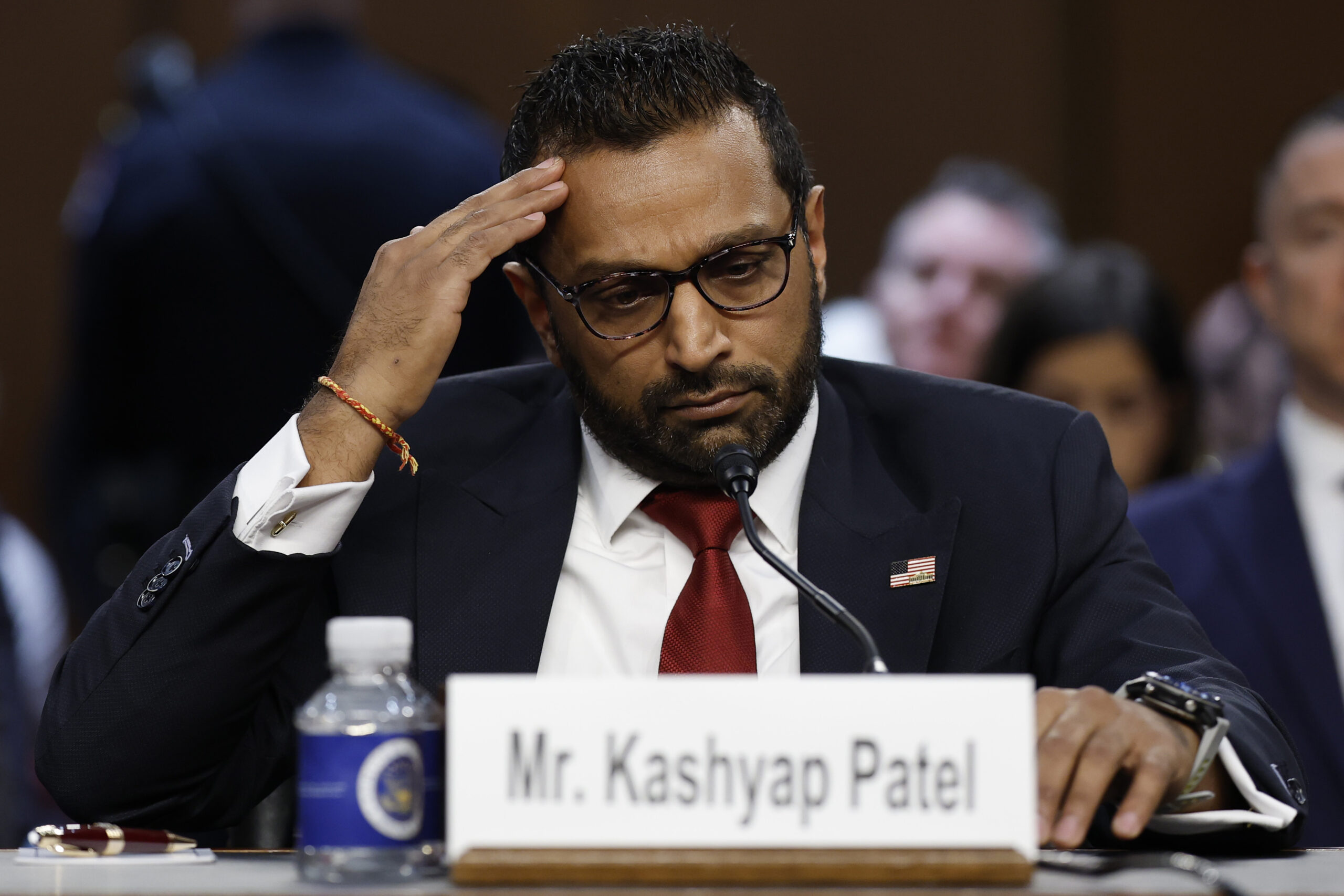





 Kathryn