For
decades,
weed
has
been
the
excuse
legislators,
prison
companies,
and
police
departments
have
used
to
put
non-violent
citizens
to
work
in
prison
labor
camps.
As
the
“weed
will
make
you
an
ax
murderer”
propaganda
fell
out
of
fashion,
savvy
capitalists
knew
better
than
to
say
that
we
need
to
keep
weed
legal
so
that
we
have
an
easy
excuse
to
funnel
minorities
into
slavery
and
fund
police
budgets.
Instead,
they
cited
public
safety
and
the
catch-all
threat
of
“preventing
moral
decay,”
usually
by
framing
weed
as
the
“gateway
drug”
that
stands
between
your
innocent
children
and
heroin.
And
even
if
the
data
suggests
that
the
actual
“gateway
drug”
is
alcohol,
laws
still
police
the
recreational
use
of
the
Devil’s
Lettuce
in
the
majority
of
states.
California
has
taken
a
much
more
lax
approach:
you
can
smoke
recreationally,
but
you
can
run
into
problems
if
you
grow
your
own
weed
in
bulk
with
intentions
to
sell.
The
Newsom
administration
is
proud
about
seizing
about
780,000
pounds
of
illegal
weed
over
the
last
10
years.
For
all
their
hard
work,
the
underground
weed
market
is
still
booming.
Record
Bee
has
coverage:
[E]ight
times
more
marijuana
is
cultivated
illegally
than
through
approved
channels.
It’s
a
far
cry
from
the
vision
of
Prop.
64,
the
2016
ballot
initiative
that
promised
to
legitimize
the
lucrative
cannabis
industry
and
usher
in
the
end
of
the
War
on
Drugs.
Now
it
is
clear,
much
of
that
“didn’t
happen,”
said
Keith
Humphreys,
a
Stanford
University
professor
of
behavioral
sciences
who
studies
drug
policy.
“It
was
packaged
as
a
free
lunch,”
he
said.
“There
are
no
free
lunches.”
That
doesn’t
mean
the
doomsday
predictions
of
Prop.
64’s
opponents
materialized
either.
On
the
campaign
trail,
school
board
members
and
alarmed
parents
predicted
marijuana
would
increasingly
find
its
way
into
the
hands
of
children
and
stoned
drivers
would
cause
more
traffic
collisions.
State
data
shows
neither
happened.
There
were
other
worries.
People
argued
that
increased
access
to
weed
would
lead
to
a
bump
in
violent
crime;
the
data
shows
some
correlation
but
there’s
nothing
strong
enough
to
argue
causation.
Jeff
Luse
gives
some
in-depth
breakdowns
of
the
driving
and
smoking
children
boogeymen
over
at
Reason.
There’s
still
a
lot
of
money
to
be
made
in
the
legal
weed
market.
Biglaw
firms
have
stepped
in
to
help
clients
navigate
the
state
and
federal
limitations
that
come
with
being
in
the
weed
business.
Over
time,
it
is
inevitable
that
more
states
will
ease
up
on
the
use
and
selling
of
weed.
That
process
might
hasten
if
Joe
Rogan
or
some
other
talking
head
whispers
the
right
combination
of
words
in
Trump’s
ear.
The
one
without
the
bullet
wound,
hopefully.
Chris
Williams
became
a
social
media
manager
and
assistant
editor
for
Above
the
Law
in
June
2021.
Prior
to
joining
the
staff,
he
moonlighted
as
a
minor
Memelord™
in
the
Facebook
group Law
School
Memes
for
Edgy
T14s
.
He
endured
Missouri
long
enough
to
graduate
from
Washington
University
in
St.
Louis
School
of
Law.
He
is
a
former
boat
builder
who
is
learning
to
swim
and
is
interested
in
rhetoric,
Spinozists
and
humor.
Getting
back
in
to
cycling
wouldn’t
hurt
either.
You
can
reach
him
by
email
at
[email protected]
and
by
Tweet/Bluesky
at @WritesForRent.
The
New
York
Times
dropped
a
bombshell
on
Saturday.
Reporters
Jodi
Kantor
and
Adam
Liptak
obtained
16
pages
of
leaked
internal
memos
from
six
Supreme
Court
justices,
showing
—
in
their
own
words,
(mostly)
on
their
own
letterhead
—
exactly
how
Chief
Justice
John
Roberts
led
the
Court
to
invent
what
we
now
call
the
shadow
docket.
The
memos,
exchanged
over
five
days
in
February
2016
as
the
justices
scrambled
to
kneecap
President
Obama’s
Clean
Power
Plan,
are
a
remarkable
window
into
how
this
institution
actually
works.
Or
rather,
how
sloppily
it
works
when
it
wants
to
reach
a
predetermined
result.
The
documents
are
damning.
Georgetown
law
professor
and
shadow
docket
chronicler
Steve
Vladeck
—
who
wrote
just
two
months
ago
that
we’d
“never
know
(at
least,
until
our
grandkids
can
read
the
justices’
internal
papers)”
how
the
shadow
docket
was
born
—
put
it
plainly
in
his
newsletter:
Roberts
applied
the
wrong
legal
standard,
ignored
the
other
side
of
the
equities
entirely,
cited
a
BBC
interview
and
a
blog
post
as
his
“facts,”
and
then
steamrolled
his
colleagues
when
Justices
Breyer
and
Kagan
proposed
reasonable
compromises.
The
deliberation
was,
in
Vladeck’s
words,
“utterly
impoverished.”
And
the
conservative
legal
commentariat’s
response
to
all
of
this?
Never
mind
the
substance.
WHO
LEAKED
IT?
Of
course.
OF
COURSE.
We
have
been
here
before.
We
watched
this
entire
movie
play
out
with
the
Dobbs
leak.
When
Politico
published
Samuel
Alito’s
draft
opinion
overturning
Roe
v.
Wade
in
May
2022,
the
reaction
from
the
legal
establishment
was,
as
we
noted
at
the
time,
to
be
“way
more
offended
by
the
leak
than
by
the
content.”
And
as
my
colleague
Joe
Patrice
observed
immediately,
the
hand-wringing
about
the
“gravest,
most
unforgivable
sin”
was
a
way
for
the
legal
establishment
to
avoid
talking
about
what
the
opinion
actually
said
—
including
Alito’s
gleeful
citation
of
a
17th-century
jurist
who
also
sentenced
women
to
death
for
witchcraft.
(But
sure,
it’s
the
leak
that’s
the
legitimacy
problem.)
Roberts
launched
a
full
investigation
into
the
Dobbs
leak.
Clerk
phone
records
were
seized.
The
U.S.
Marshal’s
office
ran
the
probe,
blessed
by
an
outside
evaluator,
Michael
Chertoff,
who
happened
to
be
Sam
Alito’s
former
colleague
on
the
Third
Circuit,
and
who
turned
out
to
have
a
multi-year,
seven-figure
contract
with
the
Court
that
nobody
knew
about
at
the
time.
The
investigation
found…
nothing.
Or
said
it
found
nothing.
The
nine
most
obvious
stones
were
never
turned
over,
because
the
Court’s
“investigation”
explicitly
did
not
cover
the
justices
themselves.
Meanwhile,
the
entire
time,
the
overwhelming
logic
of
the
situation
pointed
to
the
leak
coming
from
the
conservative
side.
The
motive
was
obvious:
Joan
Biskupic’s
book
Nine
Black
Robes
later
confirmed
that
the
leak
“calcified
Alito’s
draft
as
the
opinion
of
the
Court,
taking
momentum
away
from
John
Roberts’s
death
by
a
thousand
cuts
approach.”
The
leak
froze
the
votes.
It
eliminated
the
possibility
of
compromise.
It
gave
Alito’s
scorched-earth
opinion
the
permanence
he
wanted.
In
other
words,
the
Dobbs
leak
was,
functionally,
a
conservative
operation
—
and
the
ensuing
hysteria
about
finding
the
liberal
leaker
was
a
way
to
muddy
the
waters
and
prevent
anyone
from
noticing
that
the
most
logical
beneficiary
was
the
guy
who
also
allegedly
leaked
the
Hobby
Lobby
outcome
to
a
network
of
right-wing
Christian
activists
years
earlier.
The
NYT’s
shadow
docket
documents
reveal
something
straightforwardly
important:
the
birth
of
the
modern
emergency
docket
was
sloppier,
more
ideologically
driven,
and
less
legally
rigorous
than
the
Court’s
defenders
have
ever
admitted.
This
isn’t
speculation
anymore…
we’ve
got
it
in
the
justices’
own
words.
Roberts
argued
for
blocking
Obama’s
Clean
Power
Plan
using
the
wrong
legal
standard
—
he
cited
cases
about
staying
lower
court
rulings
pending
appeal,
but
what
was
actually
requested
was
staying
executive
agency
action
pending
all
judicial
review,
something
the
Court
had
never
done
before.
He
never
acknowledged
the
novelty
of
what
he
was
proposing.
He
cited
a
BBC
interview
and
an
EPA
blog
post
—
not
exactly
the
vetted
record
one
might
hope
for
—
as
his
factual
basis.
He
reframed
“irreparable
harm”
from
its
legal
meaning
into
vague
claims
about
“substantial
and
irreversible
reordering
of
the
domestic
power
sector,”
while
completely
ignoring
the
irreparable
harm
the
government
and
the
environment
would
suffer
from
the
Court’s
intervention.
Justices
Breyer
and
Kagan
both
proposed
workable
compromises.
Roberts
brushed
them
aside.
Kennedy,
apparently
having
decided
that
a
stay
was
inevitable
anyway,
provided
the
fifth
vote.
And
the
rest
is
history
—
an
unsigned,
one-paragraph
order
issued
on
a
February
night.
As
Elbert
Lin,
West
Virginia’s
solicitor
general
at
the
time,
told
the
Times:
“This
had
never
been
done.”
The
memos
also
demolish
the
conservative
talking
point
that
internal
deliberations
over
emergency
applications
are
rigorous
and
substantive.
They
aren’t.
This
was
five
days
of
brief
memos,
which
included
a
weekend,
with
no
in-person
debate
and
no
serious
grappling
with
the
novelty
of
what
was
being
proposed.
The
memos
are
written
in
“the
distinctive
voice
of
the
Justices,”
as
Josh
Blackman,
a
constitutional
law
professor
at
South
Texas
College
of
Law
Houston
and
Volokh
Conspiracy
contributor,
noted,
which
is
the
one
thing
he
got
right
before
going
off
the
rails.
What
they
reveal
is
not
rigor.
It’s
a
small
club
of
powerful
people
moving
fast
and
breaking
things.
Did
the
right-wing
legal
commentariat
engage
with
any
of
this?
Ha.
Instead,
Jonathan
Adler,
a
constitutional
law
professor
at
Case
Western
Reserve
University
School
of
Law
and
a
Volokh
Conspiracy
contributor,
published
a
post
raising
the
possibility
that
the
documents
came
from
Sotomayor’s
chambers,
based
on
the
fact
that
her
memo
in
the
tranche
lacks
official
letterhead,
has
no
signature,
and
has
an
apparently
wrong
date.
He
emphasized
(“I
stress
the
if”)
the
if,
but
the
downstream
commentariat
apparently
does
not
know
what
“if”
means.
Blackman
then
followed
up
with
his
own
posts
suggesting
investigators
could
reconstruct
who
had
access
to
a
“non-circulated”
draft,
and
separately
speculating
about
whether
more
leaks
are
coming.
Mollie
Hemingway
tweeted:
“Another
major
Supreme
Court
leak
to
a
left-wing
media
outlet
to
support
a
left-wing
narrative.
Interesting.”
RedState
declared
it
part
of
a
pattern
of
liberals
“destroying
the
Court.”
Twitchy
aggregated
a
parade
of
social
media
posts
flatly
stating
“It
was
Sotomayor.”
A
justice
who
was
not
even
at
the
Court
in
2016,
Ketanji
Brown
Jackson,
was
also
somehow
fingered
by
posters
whose
racism
apparently
means
they’re
incapable
of
checking
a
calendar.
There’s
just
one
problem.
Adler’s
“clue”
isn’t
much
of
a
clue.
Vladeck
pointed
out
on
Bluesky
that
Sotomayor’s
memo
was
almost
certainly
filed
on
Saturday,
February
6
when
she,
her
clerks,
and
any
staff
support
would
have
been
out
of
the
office.
A
memo
dashed
off
on
a
Saturday
without
secretarial
support
would
naturally
lack
letterhead
and
a
formal
signature.
That’s
not
a
smoking
gun.
That’s
a
weekend.
Adler
responded
directly:
“I
did
not
say
clerk,”
he
noted
his
post
pointed
at
chambers
broadly,
not
a
specific
clerk.
He
then
said,
“I
think
there
are
a
range
of
possibilities,
and
the
clue
may
not
be
much
of
a
clue.”
But
before
we
move
on,
let’s
give
the
terse
“I
did
not
say
clerk,”
a
deeper
look.
When
Vladeck
pushed
back
on
the
Sotomayor-chambers
theory
by
pointing
out
that
no
clerks
or
staff
would
have
been
around
on
a
Saturday
to
format
the
memo
properly,
Adler
didn’t
say
“fair
point,
that
explains
it.”
He
said
he
never
blamed
a
clerk.
Which
leaves
exactly
one
person
in
Sotomayor’s
chambers
who
would
unquestionably
have
been
working
on
a
Saturday
while
a
major
emergency
application
was
live:
Justice
Sotomayor
herself.
Adler
appears
to
be
suggesting,
without
quite
having
the
nerve
to
say
it
plainly,
that
a
sitting
Justice
of
the
United
States
Supreme
Court
personally
leaked
decade-old
internal
deliberations
to
the
New
York
Times.
It’s
also,
notably,
a
considerably
harder
claim
to
sustain.
Vladeck
went
on
to
offer
what
he
thinks
is
the
actually
interesting
clue:
the
Times
doesn’t
have
the
Thomas,
Scalia,
or
Ginsburg
memos,
suggesting
the
leaker
didn’t
have
the
full
case
file.
That’s
more
consistent
with
someone
who
had
access
to
a
subset
of
circulated
memos
—
which
could
describe
a
whole
host
of
folks.
The
absence
of
a
full
file
is
not
the
profile
of
someone
who
raided
a
complete
chambers
archive,
like
a
Supreme
Court
justice.
It’s
the
profile
of
someone
who
had
whatever
landed
in
their
specific
inbox
a
decade
ago
(or
any
time
since
then)
and
held
onto
it.
Here’s
the
thing
the
right-wing
commentariat
does
not
want
to
discuss:
the
shadow
docket
has
done
more
damage
to
the
credibility
of
the
Supreme
Court
than
any
leak
ever
could.
This
is
not
a
new
observation.
Justice
Jackson
said
it
herself
at
Yale
Law
School
recently:
when
she
clerked
in
1999,
the
emergency
docket
was
used
“almost
exclusively
for
death
row
inmates.”
Today
the
Court
“routinely
opts
to
enter
the
fray,
and
it
fails
to
acknowledge
the
harms
that
follow
when
the
Supreme
Court
of
the
United
States
consistently
and
casually
divests
the
lower
courts
of
their
equitable
authority.”
Unsigned,
unexplained
orders
that
reshape
national
policy
—
on
immigration,
on
the
environment,
on
federal
workforce
policy
—
issued
after
a
few
days
of
memo-trading.
With
no
oral
argument.
Often
with
no
reasoning
at
all.
The
memos
show
that
this
was
always
the
plan.
Roberts,
in
2016,
decided
that
protecting
conservative
policy
goals
from
an
Obama
regulation
was
worth
blowing
up
the
Court’s
procedures.
He
did
it
with
sloppy
reasoning,
cherry-picked
facts,
and
a
complete
indifference
to
the
harms
on
the
other
side
of
the
ledger.
*That*
is
the
scandal.
That
has
always
been
the
scandal.
The
leak
is
just
how
we
found
out
about
it.
But
yes,
by
all
means
—
let’s
talk
about
whether
the
memo
had
the
right
header
font
on
a
Saturday.
Kathryn
Rubino
is
a
Senior
Editor
at
Above
the
Law,
host
of
The
Jabot
podcast,
and
co-host
of
Thinking
Like
A
Lawyer.
AtL
tipsters
are
the
best,
so
please
connect
with
her.
Feel
free
to
email
her
with
any
tips,
questions,
or
comments
and
follow
her
on
Twitter
@Kathryn1 or
Mastodon
@[email protected].
I
remember
not
so
long
ago
that
clients
would
say
to
me
‘Please
tell
me
you’re
not
using
AI.’
And
now
they’re
saying
to
me
‘Please
tell
me
you
are
using
AI.’
—
Stacy
Ackermann,
global
managing
partner
of
K&L
Gates,
in
comments
given
during
an
appearance
on
Bloomberg
Law’s
On
The
Merits
podcast,
concerning
clients
encouraging
her
firm’s
use
of
artificial
intelligence,
even
after
attorneys
were
slapped
with
a
$31,000
sanction
for
using
hallucinated
citations
in
court
filings.
Staci
Zaretsky is
the
managing
editor
of
Above
the
Law,
where
she’s
worked
since
2011.
She’d
love
to
hear
from
you,
so
please
feel
free
to email her
with
any
tips,
questions,
comments,
or
critiques.
You
can
follow
her
on Bluesky, X/Twitter,
and Threads, or
connect
with
her
on LinkedIn.
Many
people
think
that
Donald
Trump’s
threats
and
bluster
are
all
a
negotiating
strategy. Threaten
to
destroy
a
country’s
civilization;
the
country’s
leaders’
knees
will
tremble;
the
country
will
surrender.
I’m
not
sure
that
works
so
well
in
a
country
where
the
government
doesn’t
care
about
the
people
and
where
the
leaders
believe
that
dying
in
the
name
of
the
cause
is
the
path
to
martyrdom. But,
effective
or
not,
perhaps
Trump
is
employing
a
strategy.
Recently,
it
struck
me
that
the
Iranians
might
be
employing
a
negotiating
strategy
in
their
approach
to
Trump.
Years
ago,
a
billionaire
told
me
his
strategy
when
he
was
negotiating
to
buy
a
person’s
family-owned
business:
“Offer
the
seller
a
fortune;
let
’em
taste
it. Let
the
seller
fantasize
about
the
fancy
new
home
and
car,
the
yacht,
and
the
private
island. Let
that
sink
in
for
a
while. After
the
seller
has
his
heart
set
on
all
of
the
fancy
new
things
that
he’ll
own,
then
slowly
bring
down
the
price
you’ll
pay
for
his
company. The
new
home
is
irresistible;
the
person
simply
has
to
own
it;
and
the
person
will
accept
less
money
from
you
because
the
seller
now
desperately
needs
some
deal
—
even
a
somewhat
less
valuable
deal
—
to
satisfy
his
new
dreams.”
Let
the
seller
taste
a
transaction;
then,
tighten
the
screws.
Perhaps
the
Iranians
met
my
billionaire.
On
Friday,
the
Iranians
appeared
to
have
reopened
the
Strait
of
Hormuz
to
maritime
traffic.
Trump’s
a
hero! He
can
taste
it.
The
stock
market
goes
through
the
roof. The
price
of
oil
plummets. Trump
could
fantasize
about
other
prices
beginning
to
decrease
over
time. Trump
could
go
on
the
road
and
talk
about
affordability,
instead
of
fighting
about
whether
he’s
better
than
the
pope
on
foreign
policy.
Trump
could
taste
it.
In
fact,
you
know
he
could
taste
it: He
made 13
posts
in
an
hour on
Truth
Social
claiming
total
victory. He
won! Thank
God! It’s
over.
This
week,
however,
when
negotiations
recommence,
the
Iranians
might
tighten
the
screws. Maybe
Iran
will
insist
on
reparations
for
the
war.
Or
billions
of
dollars
in
sanctions
relief. Or
the
right
to
enrich
just
a
little
bit
of
uranium.
Or
the
right
to
impose
tolls
on
ships
that
pass
through
the
Strait
of
Hormuz. Or
the
right
to
give
money
or
weapons
to
Iranian
allies
in
the
Middle
East.
Trump
won’t
be
happy
with this.
The
war
was
over,
for
chrissakes. He
was
a
hero. He
could
taste
it.
It
tasted
swell.
Maybe
Trump
will
show
just
a
little
bit
more
flexibility
with
the
Iranians
because
he
could
savor
the
taste
of
peace
—
the
tart
of
the
deal.
Maybe
Trump
should
let
the
Iranians
keep
just
a
little
bit
of
enriched
uranium,
or
receive
just
a
little
bit
more
relief
from
sanctions,
or
maybe
the
U.S.
and
Iran
should
split
the
tolls
that
are
charged
for
passing
through
the
Strait.
After
all,
“unconditional
surrender”
or
“regime
change”
were
never
really
what
Trump
had
in
mind. Everyone
knows
he
was
just
kidding
about
those
things.
And
ending
the
war
would
be
great. Look
at
the
Dow. Look
at
the
price
of
a
barrel
of
oil.
Will
we
ever
know
that
this
was
the
Iranians’
strategy?
Of
course
not.
Perhaps
the
ceasefire
will
end,
and
the
war
will
resume.
Perhaps
the
ceasefire
will
technically
end,
the
U.S.
and
Iran
will
agree
on
a
few
issues,
and
there
will
be
no
more
shooting
while
the
parties
negotiate
the
rest.
Perhaps
(although
it
seems
unlikely)
the
parties
will
reach
a
deal
on
all
of
the
issues
in
the
next
couple
of
weeks.
But
we’ll
never
know
what
terms
the
U.S.
would
have
accepted
before
the
Iranians
made
their
most
recent
move: They
let
Trump
experience
what
ending
the
war
would
taste
like,
whetting
his
appetite,
and
causing
him
to
be
a
bit
more
flexible
in
what
he
demanded
in
negotiations.
A
common
complaint
practicing
lawyers
have
is
that
while
law
schools
cost
a
fortune,
they
simply
don’t
teach
the
most
essential
skill
needed
for
professional
competency.
What
skill
might
that
be?
“How
to
be
a
lawyer,”
of
course.
Some
law
schools,
however,
are
trying
to
change
that
by
offering
skills-based
opportunities
so
that
their
soon-to-be
graduates
will
have
already
dipped
a
toe
into
practicing
law
before
even
taking
the
bar
exam.
But
which
law
schools
are
offering
the
best
training
opportunities?
The
National
Jurist’s preLaw
Magazine recently
released
its
ranking
of
the
best
law
schools
for
practical
training,
highlighting
the
schools
that
are
really
doing
their
homework
when
it
comes
to
readying
their
students
for
their
future
careers
as
lawyers.
Here’s
the
methodology
that
was
used:
The
largest
weight
(32%)
went
to
clinics.
We
asked
schools
for
the
number
of
students
who
completed
a
clinic
in
2024-25.
If
a
student
was
enrolled
in
two
semesters,
that
counted
as
two.
Extra
credit
was
given
for
guaranteed
or
required
clinic
work.
Externships
accounted
for
25%.
If
a
student
had
two
externships,
that
counted
as
two.
Simulation
courses
accounted
for
20%.
We
asked
for
the
total
enrollment
in
such
courses.
Moot
court
and
pro
bono
hours
accounted
for
10%.
Required
pro
bono
hours
got
extra
credit.
We
gave
10%
to
additional
practical
training
offerings,
such
as
required
legal
writing.
If
schools
did
not
reply,
we
used
ABA
data.
Without
further
ado,
according
to
preLaw
Magazine,
these
are
the
top
10
best
law
schools
for
practical
training:
Staci
Zaretsky is
the
managing
editor
of
Above
the
Law,
where
she’s
worked
since
2011.
She’d
love
to
hear
from
you,
so
please
feel
free
to email her
with
any
tips,
questions,
comments,
or
critiques.
You
can
follow
her
on Bluesky, X/Twitter,
and Threads, or
connect
with
her
on LinkedIn.
Ed.
note:
Please
welcome
Renee
Knake
Jefferson
back
to
the
pages
of
Above
the
Law.
Subscribe
to
her
Substack,
Legal
Ethics
Roundup,here.
Welcome
to
what
captivates,
haunts,
inspires,
and
surprises
me
every
week
in
the
world
of
legal
ethics.
Happy
Monday!
Greetings
from
Spokane,
WA.
Here’s
my
view
as
I
write
this
week’s
LER
in
the
gorgeous Davenport
Hotellobby,
built
in
1914
and incredibly
restored in
2002
after
sitting
vacant
for
many
years.
The
Davenport
Hotel
(photo
by
Renee
Jefferson)
I
spoke
at Gonzaga
Law
School on
Thursday
with Scott
Cummings (UCLA)
and
hosted
by Abe
Ritter (Gonzaga)
where
we
discussed
“Good
Faith
and
Public
Trust
in
an
Erosive
Era.”
It
was
great
to
catch
up
with Gonzaga
Law
Dean
Jacob
Rooksby before
he
heads
to
Virginia
to
become
the new
Dean
of
Richmond
Law
School.
Richmond
Law
is
a
special
place,
and
the
school
is
lucky
to
have
him
as
their
next
leader.
(The
two
of
us
have
the
shared
connection
of
studying
for
the
Virginia
Bar
Exam
a
couple
of
decades
ago
in
a
Richmond
Law
classroom
taught
by
the
infamous Wade
Berryhill.)
The
Common
Grounds,
Gonzaga
Law
School
(photo
by
Renee
Jefferson)
Now
for
your
headlines.
Highlights
from
Last
Week
–
Top
10
Headlines
#1
“Lawyer
John
Eastman
Disbarred
for
Efforts
to
Overturn
2020
Election.” From The
New
York
Times: “The
California
Supreme
Court
upheld
a
lower
court’s
decision
that
said
Mr.
Eastman,
had
violated
the
rules
of
professional
ethics.”
Read
more here (gift
link).
#2
“The
Lawyer
as
Public
Citizen
Today.” From Kevin
Lee in The
Exile: “Here
I
want
to
think
concretely
about
what
the
‘public
citizen’
phrase
[in
the
ABA
Model
Rules
of
Professional
Conduct]
might
mean,
not
as
an
abstraction
but
as
a
form
of
practice—and
specifically,
as
a
practice
of
sincerity.
Consider
the
history
of
the
profession
at
its
best. Constance
Baker
Motley did
not
simply
file
briefs;
she
walked
into
courtrooms
where
her
presence
itself
was
an
argument
about
who
counted
as
a
full
participant
in
American
life.
She
could
not
hide
behind
procedure;
her
body
was
the
argument.
This
required
a
courage
that
was
not
merely
tactical
but
existential—a
willingness
to
be
fully
present,
fully
seen,
in
spaces
designed
to
render
her
invisible.”
Read
more here.
#3
“From
Charlie
Kirk’s
Killing
to
OJ,
How
Courtroom
Cameras
Spark
Debate.” From The
Washington
Post: “Whether
cameras
should
be
allowed
has
spurred
perpetual
disagreement
between
transparency
advocates
and
defense
attorneys
eager
to
shield
clients
from
ignominious
publicity
that
could
tilt
a
jury
against
them.”
Read
more here (gift
link).
#4
“Supreme
Court
Justice
Sotomayor
Issues
Public
Apology
to
Kavanaugh.” From The
Wall
Street
Journal: “Supreme
Court
Justice
Sonia
Sotomayor publicly
apologized
to Justice
Brett
Kavanaugh on
Wednesday
after
suggesting
last
week
that
he
didn’t
know
any
blue-collar
workers
because
he
had
a
privileged
upbringing.”
Read
more here (gift
link).
#5
“Judicial
Panel
Trims
Amicus
Rule
Change
After
Privacy
Worries.” From Bloomberg
Law: “A
federal
judiciary
rules
committee
voted
to
drop
a
proposed
requirement
that
groups
disclose
some
new
members
ahead
of
filing
amicus
briefs
in
appeals
courts.
The
Advisory
Committee
on
Appellate
Rules
had
spent
years
weighing
a
rule
change
to
improve
disclosure
around
funders
of
amicus,
or
‘friend-of-the-court,’
briefs.
But
the
proposal
was
pulled
months
before
it
was
set
to
go
into
effect,
after
top
members
of
the
courts’
policy-making
body—the
Judicial
Conference—said
they
had
privacy
concerns
about
a
requirement
that
groups
disclose
new
members
who
contribute
more
than
$100
toward
the
briefs.”
Read
more here.
#6
“Law
Professors
Defend
ABA’s
Law
School
Diversity
Rule
Ahead
of
Elimination
Vote.” From Reuters: “Hundreds
of
law
professors,
deans,
students,
lawyers
and
bar
associations
are
urging
the
American
Bar
Association
not
to
eliminate
its
longstanding
diversity
and
inclusion
requirement
for
law
schools,
which
has
come
under
fire
amid
the
Trump
administration’s
widespread
campaign
against
DEI.
The
arm
of
the
ABA
that
oversees
U.S.
law
schools
received
47
written
comments
from
individuals
and
groups
asking
it
to
retain
or
strengthen
the
law
school
diversity
standard
and
two
comments
in
support
of
repealing
the
rule
during
a
30-day
comment
period
that
ended
on
Monday.”
Read
more here.
[Full
disclosure:
I
am
an
elected
member
of
the
Accreditation
Council
for
the
ABA
Section
on
Legal
Education
and
Admission
to
the
Bar.]
#7
“Ethical
Ramifications
of
Using
AI
in
Attorney-Client
Conversations.” From JDSupra: “On
December
22,
2025,
the
New
York
City
Bar
issued
a
formal
opinion
on
the
ethics
for
AI
use
in
the
recording,
transcription,
and
summarization
of
conversations
between
attorneys
and
clients.
The
opinion
of
the
Professional
Ethics
Committee
addressed
the
issues
that
may
arise
if
the
attorney
or
the
client
is
the
one
employing
AI
programs,
with
an
emphasis
on
notice.”
Read
more here.
#8
“Takeaways
From
the
Supreme
Court’s
Shadow
Papers.” From The
New
York
Times: “Confidential
memos
written
by
the
justices
shed
light
on
how
they
came
to
issue
emergency
orders
in
cases
about
the
scope
of
presidential
power.”
Read
more here (gift
link).
#9
“Ohio
Supreme
Court
Tosses
Longstanding
Ban
on
Judges
Endorsing
Political
Candidates.” From Cleveland.com: “The
Ohio
Supreme
Court
has
opened
the
door
to
Ohio
judges
making
political
endorsements,
overturning
a
decades-long
ban
on
free-speech
grounds.
The
Supreme
Court’s 5-1
ruling,
issued
last
week,
quickly
drew
praise
from
officials
like Attorney
General
Dave
Yost,
who
called
the
decision
‘overdue.’”
Read
more here.
#10
“US
Justice
Department
Should
Stay
out
of
States’
Own
Ethics
Investigations.” An
op-ed
from
former Missouri
Law
Dean
R.
Lawrence
Dessem in
the Kansas
City
Star: “For
decades,
independent
state
lawyer
disciplinary
bodies
have
thoughtfully
resolved
attorney
misconduct
complaints.
There
is
no
need
for,
and
there
are
major
disadvantages
to,
centralizing
the
consideration
of
attorney
complaints
before
the
DOJ,
which
has
a
direct
interest
in
how
such
complaints
are
resolved.
The
Department
of
Justice’s
March
4
proposed
rule
should
not
be
adopted.”
Read
more here.
Get
Hired
Did
you
miss
the
500+
job
postings
from
previous
weeks?
Find
them
all here.
Upcoming
Ethics
Events
&
Other
Announcements
️
Did
you
miss
an
announcement
from
previous
weeks?
Find
them
all here.
Keep
in
Touch
Do
you
have
colleagues
who
care
about
legal
ethics? Please
share
the
Roundup
with
them.
I’d
love
to
see
our
community
continue
to
grow!
News
tips?
Announcements?
Events?A
job
to
post?Reading
recommendations? Email
[email protected]
–
but
be
sure
to
subscribe
first,
otherwise
the
email
won’t
be
delivered.
Renee
Knake
Jefferson
holds
the
endowed
Doherty
Chair
in
Legal
Ethics
and
is
a
Professor
of
Law
at
the
University
of
Houston.
Check
out
more
of
her
writing
at
the Legal
Ethics
Roundup.
Find
her
on
X
(formerly
Twitter)
at @reneeknake or
Bluesky
at legalethics.bsky.social.
There
are
24
hours
in
a
day.
Unless
it
happens
to
be
one
of
the
rare
days
when
the
International
Earth
Rotation
and
Reference
Systems
Service
applies
an
intercalary
second,
in
which
case
there
are
24
hours
and
one
second
in
a
day.
But
in
no
event
is
a
day
69
hours
long,
though
you
wouldn’t
know
that
based
on
Chicago’s
legal
bills.
The
Chicago
Tribune’s
Joe
Mahr
and
Jason
Meisner
embarked
on
a
deep
dive
into
legal
invoices
paid
by
the
city
of
Chicago
to
its
stable
of
private
law
firms
—
specifically
those
handling
federal
civil
rights
cases
defending
the
city
from
people
who
had
their
lives
stolen
by
Chicago
police
misconduct.
In
its
report,
the
Tribune
found
at
least
40
instances
where
a
firm
billed
for
a
timekeeper
working
more
than
24
hours
in
a
single
day,
all
of
which
were
dutifully
paid
in
full.
One
bill
logged
69
hours
for
a
single
attorney
over
a
24-hour
stretch.
A
different
firm
had
one
person
clocking
24+
hours
on
15
separate
occasions.
Unless
the
Chicago
Pope
wants
to
rewrite
the
Gregorian
calendar,
that’s
going
to
be
a
problem.
“Doesn’t
the
city
have
some
sort
of
computer
system
to
guard
against
paying
bills
like
these?”
you
might
ask.
And
you’d
be
on
to
something!
Because
the
city
of
Chicago
does
indeed
use
CounselLink,
for
the
express
purpose
of
flagging
this
kind
of
thing.
Outside
counsel
must
submit
invoices
electronically,
and
the
software
identifies
invoices
where
a
timekeeper
logs
more
than
10
hours
in
a
day
to
give
the
bureaucracy
at
opportunity
to
give
the
bills
a
second
look.
And
the
software
worked…
the
humans
did
not.
In
the
last
decade,
roughly
1,500
invoices
got
flagged
by
this
10-hour
heuristic.
The
city
reduced
payment
on
139
of
them,
and
the
remaining
90
percent
or
so
got
paid
to
the
penny.
And,
of
course,
10
hours
is
a
conservative
figure,
especially
for
attorneys
going
to
trial
One
invoice
featured
162
separate
instances
of
a
staffer
billing
10+
hours
in
a
day
during
a
trial
month,
which
is
a
lot
but
within
the
realm
of
reasonable
depending
on
the
demands
of
the
trial.
But
the
10-hour
flag
is
just
the
first
step.
The
problem
is
that
the
city
wasn’t
taking
the
second
step
of
scrutinizing
the
TWENTY-FOUR-HOUR
flag.
Which
is,
when
you
think
about
it,
the
more
important
one.
All
ethically
compliant
bills
are
alike;
each
24+
hour
bill
is
comical
in
its
own
way.
Just
two
weeks
ago,
an
Australian
court
punished
a
lawyer
for
billing
Broken
Hill
more
than
30
hours
in
multiple
single
days.
That
lawyer
defended
himself
citing
dead
dogs
and
international
time
zones.
Back
in
2013,
an
Ohio
attorney
who
billed
a
29-hour
day
to
the
taxpayer-funded
indigent
defense
system
blamed
record-keeping.
A
Biglaw
partner
had
her
license
suspended
for
(among
other
things)
entries
where
she
billed
for
depositions
she
didn’t
attend.
A
Dentons
associate
got
caught
billing
277
hours
on
a
document
review
project
for
20
documents
that
nobody
had
opened.
More
than
half
the
overbilling
episodes
caught
by
the
Tribune
were
attributable
to
Borkan
&
Scahill.
For
its
part,
the
firm
said
those
clock-busting
bills
arose
from
multiple
employees
billing
their
time
under
a
single
timekeeper.
“Because
of
varying
needs
throughout
the
year,
we
do
not
input
a
dozen
or
more
separate
timekeeper
codes
for
every
single
paralegal
we
use
on
every
single
file,”
the
statement
said.
“Rather,
we
use
the
general
timekeeper
codes
of
our
head
paralegals
to
document
these
services
on
invoices.”
That
is…
not
best
practice.
And
the
city
agrees,
with
its
outside
counsel
guidelines
explicitly
requiring
invoices
to
list
“the
Name
or
Timekeeper
ID
of
the
person(s)
who
performed
the
work
billed.”
Chicago
even
updated
the
guidelines
in
March
to
specifically
prohibit
“‘sharing’
timekeeper
accounts
to
bill
multiple
staff
under
one
staff
member’s
account.”
While
“hey,
each
person
should
probably
bill
their
own
time”
should
be
a
simple
rule
to
follow,
the
city
doubtless
imposes
a
byzantine
set
of
guidelines
upon
outside
counsel
that
incentivizes
the
sort
of
corner-cutting
involved
here.
If
it’s
going
to
take
hours
out
of
substantive
work
to
get
a
second
timekeeper
approved…
that’s
when
firms
will
say
“just
slap
that
time
under
the
pre-approved
code.”
It’s
not
good,
but
it’s
what
happens
when
clients
make
life
difficult.
Everyone
will
point
fingers
over
this
reporting
—
because
finger-pointing
is
fun
—
but
they
probably
should
all
sit
down
together
and
hash
out
a
better,
more
streamlined
billing
procedure
that
prevents
these
mistakes
from
ever
coming
up.
Or
just
commit
to
handling
this
work
entirely
in-house.
One
of
the
great
scams
of
the
ironically
named
“fiscal
conservatism”
movement
that’s
held
sway
in
this
country
for
almost
50
years
is
the
idea
that
government
work
gets
cheaper
when
it’s
farmed
out
to
the
private
sector
and
we’re
half
a
century
into
“nope,
apparently
not!”
Even
if
one
assumes
the
private
sector
performs
more
efficiently
—
a
questionable
prospect
—
those
efficiency
gains
would
have
to
be
more
than
what
the
firm
needs
to
take
in
profit
to
succeed
as
a
business.
Chicago’s
reversed-conviction
cases,
per
the
Tribune,
cost
taxpayers
more
per
case
than
New
York
or
L.A.
Well,
Chicago
has
a
solution
to
this
overbilling
problem!
Last
fall,
the
law
department
began
what
it
described
as
a
pilot
project
for
“new
billing
protocols
and
additional
layers
of
review
by
introducing
a
third-party
managed
bill
review
service
to
improve
invoice
compliance.”
(Photo
by
Jakub
Porzycki/NurPhoto
via
Getty
Images)
There’s
a
danger
lurking
when
it
comes
to
the
legal
profession’s
use
of
GenAI
tools.
Because
they
are
so
easy
and
tempting
to
use
to
get
answers
quickly,
we
too
often
forget
about
the
risks.
Especially
when
those
risks
are
not
well
publicized.
Believe
me,
I
know.
You’re
faced
with
a
deadline.
You
rush
to
ChatGPT
to
get
an
answer
without
thinking
through
whether
you
may
be
putting
confidential
material
or
information
about
your
client
in
the
prompt.
Or
you
convince
yourself
you
have
disguised
it.
Or
you
think
no
one
will
ever
know
anyway.
Or
you
start
off
good
but
in
follow-up
prompts
you
feel
compelled
to
add
more
to
get
results.
And
you
assume
the
privacy
toggle
will
protect
you.
And
boom,
stuff
you
shouldn’t
have
revealed
is
in
there.
But
that’s
exactly
what’s
happening
when
it
comes
to
inputting
confidential
client
data
or
semi-confidential
data
into
ChatGPT
and
other
public-facing
AI
tools.
Lawyers
and
legal
professionals
are
lulled
into
thinking
it’s
no
big
deal
and
there
won’t
be
any
harm
or
consequences.
But
that’s
not
so.
Part
of
this
complacency
stems
from
assuming
that
by
toggling
off
the
switch
that
allows
the
tool
to
use
inputted
information
to
train
it,
confidential
material
is
protected
from
an
ethical
and
practical
standpoint.
That’s
an
incorrect
assumption.
Part
of
the
complacency
comes
from
the
lack
of
publicity
about
this
risk
of
late.
Early
on,
the
warnings
of
placing
confidential
material
in
an
LLM’s
hands
were
front
and
center.
But
as
publicity
about
hallucinations
and
inaccuracies
increased,
the
dangers
of
putting
client
confidences
or
anything
close
to
a
client
confidence
in
a
public
system
have
gotten
less
fanfare.
And
finally,
many
have
gotten
so
used
to
using
the
tools
for
so
many
things
that
they
aren’t
as
vigilant
as
they
once
were
or
should
be.
The
Privacy
Switch
Certainly,
it’s
good
practice
to
use
the
privacy
settings
most
public
tools
have.
Such
practices
include
telling
the
tool
not
to
use
your
inputs
to
train
the
system
and
using
the
temporary
chat
feature
so
that
the
tool
presumably
won’t
save
anything
from
the
chat.
But
that
does
not
protect
the
material
in
ways
consistent
with
ethical
and
client
responsibilities.
First,
there
is
no
contractual
commitment
on
the
part
of
the
tool
provider
to
keep
material
confidential
or
much
of
anything
else,
only
that
it
won’t
use
the
material
to
train.
Second,
most
tools
retain
conversations
for
some
time
period
no
matter
what—ChatGPT
for
30
days,
for
example—for
safety
related
and
other
monitoring.
That
means
you
have
no
control
over
the
data
you
have
put
in.
Third,
the
tool
owns
the
infrastructure
and
servers
on
which
it
runs.
And
your
data
is
transmitted
to
those
servers
over
which
you
have
no
control.
Next,
using
the
privacy
settings
doesn’t
mean
the
data
is
deleted.
It’s
there
and
you
have
no
control
over
access.
And
finally,
there
is
no
guarantee
human
review
will
never
occur,
there
is
no
commitment
to
eliminate
metadata
or
logging
information,
and
there
is
no
audit
feature
should
you
need
to
establish
confidentiality.
And
certainly,
these
settings
don’t
ensure
compliance
with
HIPAA
and
other
privacy-related
requirements.
Our
Responsibilities
to
Our
Clients
All
of
which
leads
back
to
what
is
required
of
lawyers.
These
requirements
take
two
forms:
the
ethical
rules
to
protect
client
materials
and
providing
adequate
protections
to
ensure
that
the
attorney
client
and
work
product
privileges
aren’t
waived.
Turning
first
to
ethics:
ABA
Model
Rule
1.6(c)
says,
“A
lawyer
shall
make
reasonable
efforts
to
prevent
the
inadvertent
or
unauthorized
disclosure
of,
or
unauthorized
access
to,
information
relating
to
the
representation
of
a
client.”
So,
does
relying
on
the
not-to-train
provision
and
the
commitment
not
to
save
your
chat
fall
within
the
reasonable
protection
umbrella?
While
few
courts
have
ruled,
most
bar
association
opinions
say
no.
At
the
very
least,
reasonable
protection
would
require
a
specific
contractual
commitment
to
keep
the
material
confidential,
to
isolate
it
and
not
commingle
with
that
of
other
users,
to
define
the
data
retention
and
deletion
terms
and
much
more
specificity
as
to
what
can
be
done
with
the
data
—
similar
to
what
is
required
from
cloud
storage
providers,
e-discovery
vendors,
and
practice
management
systems.
Beyond
the
ethical
question,
there
is
a
practical
privilege-related
concern:
lawyers
need
to
ensure
that
confidential
materials
are
protected
from
discovery
through
the
attorney
client
and
work
product
privilege.
While
courts
are
beginning
to
look
at
these
issues
as
I
have
discussed,
at
the
very
least,
there
is
a
substantial
risk
that
these
privileges
are
waived
by
placing
the
material
in
a
public
system.
Waiver
hinges
on
whether
the
confidentiality
of
the
material
is
adequately
safeguarded
and
whether,
by
revealing
the
information,
you
have
a
reasonable
expectation
that
it
will
be
kept
private.
It’s
hard
to
say
that
given
the
various
ways
the
material
provided
to
a
public
LLM
could
leak
out
that
this
standard
is
met.
If
your
reasonable
expectation
hinges
on
the
naked
representation
that
the
material
won’t
be
used
to
train,
it’s
pretty
damn
weak.
A
representation,
by
the
way,
from
those
who
have
no
obligation,
understanding
or
even
concern
of
lawyers’
duties
to
their
clients.
Some
Bedrock
Rules
Certainly,
there
are
many
fine
and
safe
uses
of
public
tools.
They
are
inexpensive,
can
save
time,
and
make
you
a
better
lawyer
in
many
ways.
But
as
our
reliance
on
them
increases,
we
often
forget
some
bedrock
principles
and
risks.
Don’t
put
client
names
in
the
prompt.
Use
hypotheticals
that
don’t
reveal
sufficient
information
for
someone
to
identify
the
client.
Strip
any
and
all
things
that
could
be
used
to
identify
the
client,
the
matter,
and
the
facts
that
could
be
used
to
figure
out
client
information.
Keep
in
mind
the
discovery-related
risks
when
you
place
something
in
the
chat.
A
good
rule
is
the
New
York
Times
test:
if
your
prompt
appeared
in
the
Times,
would
you
feel
comfortable?
Remember
that
your
ethical
obligation
is
not
just
to
protect
client
secrets.
Under
Rule
1.6,
it’s
to
not
reveal
information
relating
to
the
representation
of
a
client.
That’s
broader
than
just
client
secrets
and
makes
double
checking
your
prompt
critical.
Bottom
line:
if
you
think
it
may
be
wrong
to
put
something
in
a
prompt,
it’s
wrong.
Let’s
Be
Careful
Out
There
Let’s
not
be
lulled
into
complacency
and
rely
on
nothing
more
than
some
vague
commitment
not
to
use
information
to
train
to
meet
our
serious
obligations
to
protect
our
clients.
Years
ago,
there
was
a
television
cop
show
entitled
Hill
Street
Blues.
Each
episode
began
with
a
daily
briefing
by
the
precinct
captain
about
the
day’s
events.
He
ended
his
briefing
with
the
words,
“Let’s
be
careful
out
there.”
The
biggest
risk
is
always
forgetting
there
is
a
big
risk.
Stephen
Embry
is
a
lawyer,
speaker,
blogger,
and
writer.
He
publishes TechLaw
Crossroads,
a
blog
devoted
to
the
examination
of
the
tension
between
technology,
the
law,
and
the
practice
of
law.
“Actual
malice
standard
is
now
what
some
would
call
a
legal
lay
up,”
tweeted
FBI
Director
Kash
Patel.
He
vows
to
sue
The
Atlantic
over
a
story
published
Friday
which
describes
him
as
habitually
drunk
and
wholly
lacking
in
judgment.
“I’ll
see
you
in
court—bring
your
checkbook,”
he
warned
the
magazine.
Patel
then
went
on
Fox
to
promise
Maria
Bartiromo
that
he
intends
to
file
tomorrow
—
or
today
as
you’re
reading
this
—
and
a
million
lawyers
and
journalists
simultaneously
kicked
their
feet
in
gleeful
anticipation.
Please,
oh,
please
give
us
something
to
laugh
about
in
this
cursed
news
cycle
of
death!
Patel’s
co-pilot
on
this
doomed
outing
is
former
Stop
the
Steal
lawyer
Jesse
Binnall,
whose
eponymous
firm
represents
various
MAGA
also-rans,
including
Mike
Flynn,
Hunter
Biden’s
former
business
partner
Tony
Bobulinski,
and
Patel’s
girlfriend
Alexis
Wilkins,
who
is
definitely
not
an
Israeli
agent.
In
2024,
Binnall
sued
CNN
over
reports
that
former
North
Carolina
lieutenant
governor
Mark
Robinson
had
posted
lewd
comments
to
various
porn
discussion
forums
under
the
handle
“minisoldr.”
Binnall
stumbled
out
of
the
gate
by
violating
the
state’s
ban
on
including
an
ad
damnum
(damages)
clause
in
the
complaint,
a
rule
which
exists
to
stop
litigants
from
holding
press
conferences
on
the
courthouse
steps
announcing
that
they’re
suing
for
$50
million
—
exactly
what
Binnall
and
Robinson
did.
The
case
was
quietly
dropped
four
months
later.
It
will
be
hard
to
top
that
legal
tour
de
force,
but
Binnall
is
giving
it
the
old
college
try.
He
began
by
tweeting
out
the
pre-publication
cease-and-desist
letter
he
sent
demanding
that
The
Atlantic
kill
the
piece.
As
the
Daily
Beast
pointed
out,
the
letter
included
multiple
allegations
that
didn’t
make
it
into
the
final
version
of
the
story,
including
a
claim
that
Patel
shut
down
the
FBI
gift
shop
so
that
he
could
browse
alone.
This
strongly
suggests
that
The
Atlantic’s
Sarah
Fitzpatrick
was
actually
doing
her
damnedest
to
verify
every
single
claim.
It’s
also
the
kind
of
thing
most
lawyers
place
behind
redaction
bars,
but,
hey,
you
do
you,
Jessie
B!
Patel
reportedly
complained
the
items
on
offer
were
not
“intimidating
enough,”
which
must
have
stung
coming
from
the
marketing
maven
behind
the
clothing
company
Based
Apparel
and
K$H
wine.
As
for
the
veracity
of
the
story,
it’s
hardly
news
that
Patel
likes
a
tipple.
He
was
famously
photographed
on
a
“work”
trip
to
the
Winter
Olympics
pounding
beers
with
the
victorious
men’s
hockey
team.
Veteran
reporter
Sarah
Fitzpatrick
cites
dozens
of
sources
who
say
that
Patel
has
been
drunk
in
public
at
DC
club
Ned’s
and
the
Poodle
Room
in
Las
Vegas;
that
meetings
had
to
be
rescheduled
early
in
his
tenure
because
he
was
too
hungover
to
function;
and
that
members
of
his
security
detail
have
had
difficulty
rousing
him
because
he
was
seemingly
intoxicated.
Binnall
insists
that
this
cannot
possibly
be
true
because
“Director
Patel
has
likewise
made
The
Atlantic
expressly
aware
that
these
allegations
are
false.”
He
also
cites
“the
FBI’s
documented
operational
successes
under
Director
Patel”
including
“the
capture
of
the
#8
fugitive
on
the
FBI’s
Top
Ten
Most
Wanted
list
within
just
three
months.”
(Notably,
he
doesn’t
mention
the
arrest
of
Charlie
Kirk’s
murderer,
which
Patel
apparently
bungled.)
A
“reasonable
and
responsible
pre-publication
investigation,
including
a
simple
request
to
the
FBI
for
relevant
documentary
evidence”
would
have
disproven
many
of
the
piece’s
claims,
Binnall
insists.
This
is
somewhat
belied
by
his
own
client
tweeting
the
FBI’s
blanket
denial
with
zero
offers
of
“documentary
evidence”
in
response
to
Fitzpatrick’s
pre-publication
request
for
comment.
To
be
fair,
Binnall
(and
his
client)
may
be
ever
so
slightly
confused
about
the
legal
standard
to
prove
defamation
of
a
public
figure.
They
seem
to
think
that
references
to
general
antipathy
paired
with
conclusory
allegations
that
the
reports
behaved
recklessly
are
good
enough
to
demonstrate
actual
malice.
We
haven’t
yet
seen
whatever
Binnall’s
magicking
up
for
Patel,
but
in
the
Robinson
case,
he
claimed
that
“Defendant
CNN
acted
with
actual
malice
and
reckless
disregard
for
the
truth,
as
demonstrated
by
Defendant’s
antipathy,
ill-will,
and
desire
to
inflict
harm
on
Lt.
Gov.
Robinson,
CNN’s
actual
knowledge
of
the
dubious
nature
and
timing
of
the
allegations,
its
use
of
unverifiable
data
to
corroborate
its
reporting,
its
reckless
failure
to
investigate,
and
its
knowledge
of
exculpatory
information
and
alternative
explanations
that
it
deliberately
omitted
from
the
CNN
Article.”
When
Binnall
sued
the
Lincoln
Project’s
Rick
Wilson
on
behalf
of
Mike
Flynn,
he
was
similarly
hand-wave-y
about
the
pleading
standard
—
with
predictable
results.
“Here,
the
onus
was
on
Flynn
to
prove
by
clear
and
convincing
evidence
that
Wilson
entertained
‘serious
doubts’
about
the
accuracy
of
the
articles
stating
that
at
least
some
believers
in
the
QAnon
conspiracy
think
that
Flynn
is
Q.
But
Flynn
did
not
submit
an
affidavit
or
other
record
evidence
demonstrating
Wilson’s
‘actual
malice,”
the
Florida
appeals
court
wrote,
adding
that
“If
Flynn
is
not
Q
(or
one
of
the
Qs),
then
it
presumably
would
not
have
been
hard
for
him
to
have
filed
an
affidavit
with
the
trial
court
to
that
effect.”
So
much
for
that
whole
“lay
up”
thing.
The
Atlantic’s
lawyers
are
unlikely
to
be
as
careless.
“The
Atlantic
is
nothing
but
diligent
and
we
have
amazing
lawyers
and
amazing
editors
and
I
stand
by
every
word,”
Fitzpatrick
told
MSNOW’s
Jen
Psaki
on
Sunday,
noting
that
neither
the
White
House
nor
the
Justice
Department
has
denied
her
reporting.
The
Atlantic’s
lawyers
are
also
aware
that
Binnall
is
suing
MSNOW
commentator
Frank
Figliuzzi
in
Texas
for
saying
that
Patel
had
“been
visible
at
nightclubs
far
more
than
he
has
been
on
the
seventh
floor
of
the
Hoover
building.”
And
they’re
aware
that
Nevada,
where
Patel
lives,
has
a
robust
anti-SLAPP
statute
which
applies
in
federal
court
under
Ninth
Circuit
precedent
—
unlike
the
federal
court
in
DC,
where
the
magazine
is
domiciled.
Whether
Binnall
knows
this
is
an
open
question.
Mike
Flynn
wound
up
paying
Rick
Wilson’s
legal
fees
after
Binnall
steered
him
into
the
wood
chipper
in
Florida.
But
projections
about
this
turkey
of
a
lawsuit
before
it’s
even
filed
may
be
giving
Patel
and
Binnall
too
much
credit.
Even
if
this
thing
had
a
prayer
in
hell
of
succeeding,
Patel
would
light
himself
on
fire
rather
than
sit
for
a
videotaped
deposition
about
his
drinking
habits.
The
purpose
of
this
exercise
is
to
prove
to
the
White
House
that
he’s
sticking
it
to
the
libs
and
hopefully
to
save
his
job.
That’s
why
he’s
telling
Bartiromo
that
he’s
just
about
to
round
up
the
perps
who
stole
the
2020
election.
BARTIROMO:
Do
you
have
anything
to
tell
us
about
the
2020
election
being
rigged
against
President
Trump?PATEL:
Absolutely.
I’m
never
going
to
let
this
go.
They
tried
to
rig
the
entire
system.
That’s
something
I’m
not
going
to
allow.
We
are
going
to
be
making
arrests.
I
promise
you
it’s
coming
soon
Pay
no
attention
to
that
funky
condensation
on
your
screen,
that’s
just
the
Director’s
flop
sweat.
Patel
might
buy
himself
a
few
more
days
by
promising
that
he’s
just
about
to
lock
up
Trump’s
enemies,
but
sooner
or
later
—
and
probably
sooner
—
he’ll
be
back
to
hawking
MAGA
gear
to
the
rubes.
Which
is
a
good
thing,
because
that
dude
has
got
a
lot
of
legal
bills
to
pay.
Rep.
Greg
Murphy
(R-North
Carolina)
introduced
the
Every
Dollar
Counts
Act
on
Tuesday.
It
would
ensure
out-of-pocket
costs
for
covered
prescription
drugs
are
applied
toward
patients’
deductibles
and
maximum
out-of-pocket
limits,
no
matter
where
the
drugs
are
purchased.
More
and
more
patients
are
relying
on
direct-to-consumer
platforms
to
access
prescription
drugs.
These
platforms
include
Eli
Lilly’s
LillyDirect
or
Novo
Nordisk’s
NovoCare,
as
well
as
telehealth
platforms
like
Hims
&
Hers
and
Ro.
Direct-to-consumer
platforms
can
lower
out-of-pocket
drug
costs
by
cutting
out
prescription
drug
middlemen,
according
to
Murphy’s
announcement.
However,
many
health
plans
do
not
apply
out-of-pocket
spending
toward
patients’
deductibles
or
out-of-pocket
limits
unless
the
drug
is
obtained
through
designated
plan
channels.
This
leads
to
patients
often
having
to
“pay
twice”
and
facing
more
“financial
burden,
fragmented
access,
delayed
care,
and
market
distortion,”
the
announcement
stated.
That
is
what
the
bill
seeks
to
change.
“Direct-to-patient
platforms
have
the
potential
to
radically
transform
the
drug
marketplace,
applying
much-needed
downward
pressure
on
the
extraordinary
cost
of
lifesaving
medicines.
However,
patients
who
are
set
to
benefit
most
cannot
apply
their
expenditures
on
drugs
purchased
through
these
platforms
to
their
health
insurance
out-of-pocket
contribution
requirements.
By
making
this
possible,
we
are
putting
patients
first
and
promoting
competition
to
drive
down
costs
further,”
Murphy
said
in
a
statement.
He
is
also
a
practicing
surgeon.
The
Council
for
Affordable
Health
Coverage
applauded
the
bill.
CAHC
is
an
advocacy
organization
focused
on
bringing
down
the
cost
of
healthcare.
“Affordability
is
the
defining
concern
for
Americans,”
said
Joel
White,
president
of
the
Council
for
Affordable
Health
Coverage.
“In
health
care,
it
determines
whether
patients
can
get
the
medicines
and
care
they
need
to
stay
healthy.
Congressman
Murphy’s
legislation
helps
remove
barriers
to
that
care
and
improve
health
outcomes.”
The
introduction
of
the
Every
Dollar
Counts
Act
comes
after
the
Trump
administration
launched
its
own
direct-to-consumer
drug
platform
called
TrumpRx
in
February.
It
offers
discounted
cash
prices
for
certain
brand-name
prescription
drugs
and
is
available
to
consumers
who
are
not
using
insurance.
However,
patients
can’t
directly
purchase
medications
on
TrumpRx.
Instead,
the
platform
connects
them
to
drug
manufacturer
websites
or
provides
coupons
for
retail
pharmacies.


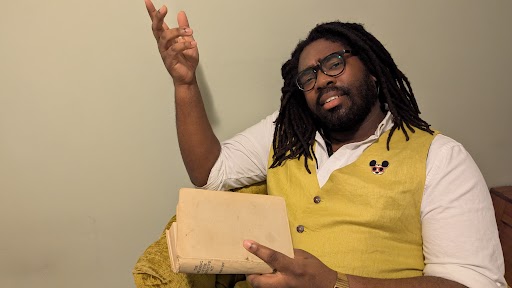
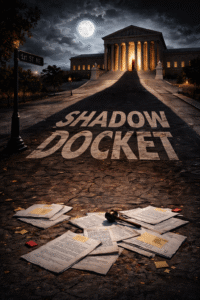
 Kathryn