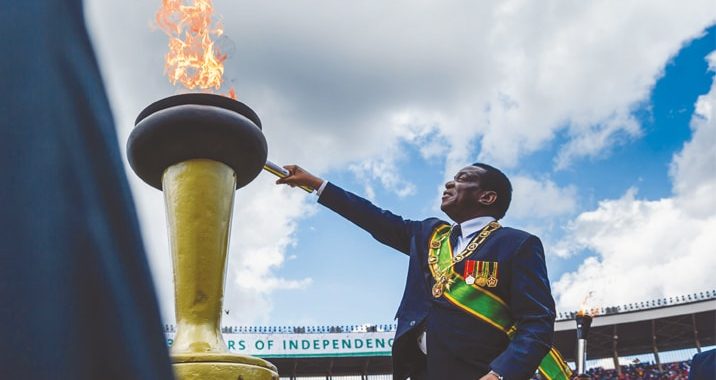
Morning Docket: 04.20.26 – Above the Law

*
Memos
reveal
the
origins
of
the
Supreme
Court’s
radical
and
previously
unheard
of
embrace
of
the
shadow
docket.
Short
version:
John
Roberts
cares
a
lot
more
about
oil
stocks
than
precedent
or
protocol.
[NY
Times
]

*
Legal
AI
tools
cost
money,
and
law
firms
need
capital
to
pay
for
it.
And
private
equity
waits
at
the
door.
[American
Lawyer
]

*
Private
practice
lawyer
Joe
DiGenova
brought
on
to
run
effort
to
prosecute
Trump’s
political
grudges.
I’m
old
enough
to
remember
when
Republicans
ranted
and
raved
that
this
sort
of
special
counsel
arrangement
was
totally
illegal.
Because
I’m
older
than
six
months.
[ABC
News
]

*
Dunn
Isaacson
Rhee
lures
a
pair
of
former
White
House
counsel
from
Latham.
[Law360]

*
Witnesses
paint
a
chaotic
scene
inside
Kash
Patel’s
FBI.
[The
Atlantic
]

*
Multiple
Biglaw
firms
accused
of
conflicts
of
interest.
[Corporate
Counsel
]

*
Penn
&
Teller
amicus
brief
schools
Supreme
Court
on
hypnosis.
[ABA
Journal
]

*
Clarence
Thomas
v.
basic
American
history.
[The
New
Republic
]

Some Law Firms Got Paid, Others Still Waiting By The Mailbox- See Generally – Above the Law


We
Ran
The
Numbers
So
You
Can
Feel
Worse
:

The
annual
taxonomy
of
which
law
firms
successfully
converted
billable
hours
into
generational
wealth
confirms
that
yes,
some
firms
are
very,
very
rich.


That
Trump
Check
Is
NOT
In
The
Mail
:

Trump
owes
over
a
million
in
unpaid
legal
bills.
Who
could
have
predicted
this
except
for
everybody?


Ethics
CLE
Bingo
:

Attorney
tells
opposing
counsel
that
they’ll
“burn
in
hell”
for,
checks
notes,
representing
the
family
of
a
missing
child.


A
Different
Kind
Of
Briefs
:

In
a
career
pivot,
a
former
adult
film
star
has
joined
the
legal
profession.


The
Passion
Of
The
Coup
Planner
:

John
Eastman,
disbarred
coup-memo
author,
has
upgraded
his
grievance
narrative
from
“political
persecution”
to
full
messianic
complex.


The
80
Million
Dollar
Man
:

Kirkland
opens
the
checkbook
to
nab
Wachtell
rainmaker.


Man
Who
Helped
Pave
Highway
Worried
About
Lack
Of
Guardrails
:

Former
Trump
lawyer
fears
that
no
one
in
the
current
administration
appears
to
understand
constitutional
norms.
Thanks
for
showing
up
late
to
the
party.


Sir,
This
Is
An
Advice
Column
:

Jordan
Rothman
has
thoughts
about
attorney
text
message
etiquette,
and
those
thoughts
are
essentially
“don’t.”


Can
A
Supreme
Court
Justice
Just
Leave
Oral
Arguments
For
Cancun?
:

Senate
Republicans
announced
their
readiness
to
confirm
a
new
Supreme
Court
Justice
if
needed,
and
Ted
Cruz
appears
to
be
a
frontrunner.


Law
School
Faculties
Discover
Institutional
Credibility,
Slightly
Late
:

A
coalition
of
law
professors
has
written
to
warn
the
ABA
that
gutting
its
diversity
accreditation
standard
will
damage
its
reputation,
which
is
a
newsflash
the
institution
needed
several
months
ago.

Drone scheme to speed medical supplies to remote areas

In
a
media
brief
released
this
week,
the
company
announced
the
rollout
of
a
nationwide
drone
delivery
system
designed
to
transport
life-saving
supplies
to
hard-to-reach
areas,
where
poor
road
infrastructure
and
long
travel
distances
have
historically
delayed
urgent
medical
interventions.

The
initiative
focuses
primarily
on
healthcare
delivery,
with
drones
equipped
to
carry
temperature-sensitive
products
such
as
vaccines,
blood
supplies
and
laboratory
samples.
According
to
the
company,
the
system
is
designed
to
maintain
cold-chain
conditions
between
2
and
8
degrees
Celsius,
ensuring
“clinical
precision
and
zero
spoilage”
during
transit.

Drone
Solutions
said
the
technology
will
significantly
reduce
delivery
times
for
critical
supplies.

“Rapid
delivery
of
time-sensitive
medications
such
as
anti-rabies
vaccines
and
emergency
maternal
health
drugs
[will
reduce]
traditional
multi-time
road
journeys
to
under
30
minutes,”
the
company
said.

The
rollout
comes
as
Zimbabwe
continues
to
grapple
with
access
challenges
in
rural
healthcare,
particularly
during
the
rainy
season
when
some
areas
become
inaccessible
due
to
flooding
and
damaged
road
networks.

Beyond
Zimbabwe,
the
company
also
announced
a
regional
expansion
strategy,
taking
over
drone
delivery
operations
in
Malawi,
Mozambique
and
the
Democratic
Republic
of
Congo.
The
move
is
aimed
at
creating
a
harmonised
aerial
logistics
network
across
parts
of
Southern
and
Central
Africa.

“By
integrating
these
markets
under
a
single
operational
standard,
Drone
Solutions
will
scale
the
impact
of
aerial
logistics
across
major
parts
of
Sub-Saharan
Africa,”
the
statement
read,
adding
that
the
expansion
would
support
the
rapid
dispatch
of
high-priority
medical
cargo,
including
anti-venom,
vaccines
and
blood
samples.

Locally,
the
company
says
the
Zimbabwean
model
will
prioritise
sustainability
and
skills
development.
Healthcare
workers
and
logistics
personnel
will
receive
training
to
manage
drone
dispatch
systems,
while
advanced
flight
software
will
coordinate
real-time
delivery
requests.

Drone
Solutions
added
that
its
operations
are
designed
to
overcome
the
“last-mile”
delivery
challenge,
with
drones
bypassing
geographical
barriers
that
often
delay
emergency
response.

The
initiative
is
also
expected
to
contribute
to
employment
creation.
At
full
scale,
the
company
projects
up
to
200
jobs
across
various
roles,
including
drone
pilots,
hub
operators,
technicians
and
administrative
staff.

Supporting
this
effort
is
Drone
University,
described
by
the
company
as
the
first
Civil
Aviation
Authority
of
Zimbabwe
(CAAZ)-licensed
drone
training
institution,
which
has
already
trained
close
to
1,000
pilots.

The
company
has
called
for
partnerships
with
government,
private
sector
players
and
global
health
funders
to
expand
the
reach
of
the
project.

“This
initiative
represents
a
significant
leap
forward
in
Zimbabwe’s
technological
and
healthcare
landscape,”
Drone
Solutions
said.

“We
are
committed
to
ensuring
that
every
citizen,
regardless
of
their
location,
has
access
to
the
critical
supplies
they
need
in
record
time.”

Vendors strike gold at Independence celebrations

For
the
first
time,
the
province
hosted
the
main
Independence
Day
celebrations,
officiated
by
President
Emmerson
Mnangagwa
and
attended
by
several
government
officials,
marking
a
rare
moment
for
Matabeleland
South
to
stage
an
event
of
this
scale.

Inside
the
newly
built
Maphisa
‘stadium’,
official
proceedings
marked
the
occasion,
while
outside,
the
true
spirit
of
independence
was
on
display,
as
ordinary
Zimbabweans,
driven
by
enterprise,
hustle
and
survival,
turned
a
national
celebration
into
an
economic
opportunity.

Dozens
of
informal
traders,
food
vendors
and
small-scale
entrepreneurs
converged
outside
the
venue
selling
various
food
items,
trinkets
and
clothing
wares
on
Saturday
to
earn
a
living.

Travelling
from
as
far
as
Bulawayo
and
Masvingo,
while
joined
by
local
residents,
they
arrived
with
pots,pans,
gas
stoves,
groceries
and
high
hopes
of
cashing
in
on
the
large
crowds.

Although
early
rains
disrupted
business,
dampening
both
the
ground
and
spirits,
activity
picked
up
as
the
weather
cleared,
with
vendors
reporting
a
gradual
increase
in
customers
as
the
day
progressed.

“I
came
from
Masvingo
by
bus
and
arrived
after
10am.
People
are
now
starting
to
buy,”
said
74-year-old
Conciria
Kudzani,
also
known
as
Giant.

“We
brought
our
wares
and
we
will
return
to
Masvingo
after
the
celebrations.
We
are
happy,
it
is
better
than
nothing.
This
is
my
first
time
in
Matabeleland
South,
and
I
am
seeing
the
joy
of
independence
here
locally.”

From
Bulawayo’s
Nketha
suburb,
27-year-old
Cynthia
Nyathi
said
she
left
home
before
dawn
to
secure
a
good
spot.

“We
left
around
5am
and
arrived
after
7am.
We
started
selling
as
soon
as
we
arrived

chips,
drinks,
and
Russian
sausages
for
$1.50,

she
said.

“We
carried
everything
we
needed
from
Bulawayo
and
we
are
happy
so
far.
We
will
only
leave
when
the
festivities
end.”

Others
had
arrived
days
earlier
in
anticipation
of
crowds,
as
Mbalenhle
Dube
(23),
from
Emganwini
in
Bulawayo,
said
she
had
been
in
Maphisa
for
several
days
preparing
for
the
event.

“We
are
selling
sausage
rolls,
samoosas,
scones,
isitshwala,
drinks
and
water,”
she
said.
“Business
has
been
slow,
but
we
come
daily
because
we
expected
these
crowds.
The
road
is
better
now,
it
used
to
be
bad.
Independence
Day
has
taught
us
as
young
people
how
to
survive
and
be
independent.”

For
local
vendors,
the
event
brought
both
some
hope
and
relief
with
Phathiwe
Tshabalala
(66),
from
Mahetshe,
said
she
was
selling
bananas,
cream
doughnuts
and
drinks
to
help
cover
school
fees.

“Business
is
slow
for
now,
but
we
are
hopeful
that
by
the
end
of
the
day
we
will
have
made
something,”
she
said.

“We
are
happy
as
locals
to
host
independence
here.
We
are
seeing
development,
schools
such
as
Mahetshe
Primary
and
Secondary
have
more
classrooms,
and
the
road
to
Bulawayo
is
improving.”

Monica
Nxumalo
said
the
influx
of
visitors
was
unprecedented.

“We
have
never
seen
this
kind
of
movement
before.
It
is
a
historic
moment,”
she
said.

“Our
children
are
learning
from
these
events,
seeing
how
parades
work.
Business
was
slow
when
people
were
eating
inside
the
stadium,
but
they
have
been
coming
to
buy.”

Others
highlighted
how
the
independence
event
had
opened
up
economic
space
for
small
businesses.

Ndabezinhle
Ncube
(55)
said
vendors
were
allowed
to
set
up
stalls
after
paying
licensing
fees
to
the
local
authority.

“We
paid
US$20
for
two
days,
17
and
18
April
to
the
council,
and
we
started
selling
yesterday,”
he
said.

“We
are
grateful
we
were
not
chased
away.
This
shows
that
Zimbabwe
has
people
who
are
working
for
themselves. Ilizwe
lakhiwa
ngabanikazi
balo 
(the
country
is
built
by
its
owners.”

Ncube
said
the
construction
of
the
‘stadium’
and
infrastructure
upgrades
would
leave
a
lasting
legacy
for
the
district.

“Now
we
will
be
able
to
watch
football
here
instead
of
travelling
to
Bulawayo
or
Harare,”
he
said.
“Having
many
people
here
has
already
brought
development.
Next
time
you
come
to
Maphisa,
it
will
be
even
bigger.”

Despite
the
optimism,
the
rains
earlier
in
the
day
disrupted
trade.
Patience
Mpofu
(35),
who
had
set
up
her
stall
the
previous
day,
said
the
weather
had
slowed
business.

“We
slept
here
to
prepare
for
today.
The
rains
affected
us,
but
we
still
have
hope,”
she
said.
“Once
it
stops,
people
will
come.
We
are
happy
the
celebrations
came
to
this
part
of
Zimbabwe
and
hope
that
the
festivities
continue
doing
so.”

For
some
vendors,
traditional
foods
proved
popular.
Sinini
Mguni
(47),
from
Mafuyane
in
Maphisa
said
her
amacimbi
(mopane
worms)
were
selling
well.

“This
is
my
fourth
pot
and
people
are
loving
them,”
she
said,
adding
that
locals
were
happy
to
have
a
stadium,
a
cultural
centre,
and
better
roads.
These
developments
will
help
us.”

Mguni
added
that
the
construction
of
a
vocational
training
centre
named
after
Joshua
Mqabuko
Nkomo,
constructed
in
St
Joseph’s
in
Matobo
District,
as
part
of
efforts
to
honour
the
late
Father
Zimbabwe, 
would
benefit
local
youth.

“At
least
our
children
will
get
skills
and
opportunities.
It
is
good
to
see
such
projects,”
Mguni
said.

Another
vendor
from
Bulawayo,
who
declined
to
be
named,
said
she
arrived
on
Friday
and
had
been
battling
the
weather
while
selling
chips,
chicken
and
sausages.

“Business
has
been
affected
by
the
rain,
but
we
are
pushing,”
she
said
while
stirring
a
pot
of
isitshwala.

Beyond
commerce,
the
event
also
drew
football
fans,
particularly
supporters
of
Highlanders
FC,
who
travelled
from
Bulawayo
for
the
Independence
Cup
match
against
Scotland
FC.

However,
some
attendees
expressed
frustration
with
restrictions
imposed
by
security
personnel
inside
the
stadium,
where
movement
was
limited
once
people
entered,
especially
as
rain
continued
to
fall.

Meanwhile,
inside
the
main
venue,
President
Emmerson
Mnangagwa
paid
tribute
to
the
province’s
historical
significance
in
the
liberation
struggle.

“Matabeleland
South
Province
is
of
sacred
significance
in
Zimbabwe’s
history.
Many
areas
saw
brutal
protracted
and
indeed
defining
encounters,
such
as
the
Ratanyana
Battleground
and
war
monument,
where
ZPRA
liberation
war
fighters
fought
the
racist
Rhodesian
troops.
Along
with
Zezani,
Manama,
Minda
and
Thekwane
Missions,
these
zones
stand
as
haunting
and
yet
heroic
reminders
of
the
cruelty
suffered
by
our
people,”
he
said.

“The
landscapes
of
Matabeleland
South,
mission
halls
and
many
schools
tell
of
a
rich
past.
They
continue
to
be
symbols
of
unity,
pronouncing
to
present
and
future
generations
the
enduring
truth
that
the
struggle
for
Independence
was
executed
by
all
Zimbabweans,
who
transcended
ethnic
and
regional
lines.
Their
courage,
resilience
and
fortitude
saw
us
realise
the
Independence,
freedom
and
democracy
we
enjoy
today.
We
shall
forever
honour
and
salute
them.”

The
president
also
honoured
liberation
icons
from
the
province,
including
Joshua
Nkomo,
Alfred
Nikita
Mangena,
Lookout
Masuku
and
others,
describing
their
sacrifices
as
the
foundation
of
Zimbabwe’s
independence.


Matobo
and
other
Districts
in
Matabeleland
South
Province,
gave
birth
to
many
distinguished
sons
and
daughters
of
the
soil,
who
dedicated
their
entire
lives
to
the
liberation
and
Independence
of
Zimbabwe.
The
towering
Father
Zimbabwe,
uMdala
Wethu,
‘Chibwe
chitedza’
the
late
Vice
President,
Dr.
Joshua
Mqabuko
Nyongolo
Nkomo,
and
uMama-Mafuyane;
together
with
other
late
National
Heroes
such
as
Comrades;
Alfred
Nikita
Mangena;
Lookout
Masuku;
George
“TG”
Silundika;
Steven
Jeqe
Nkomo
and
Simon
Khaya
Moyo,
among
many
others,
hailed
from
this
Province,”
he
said.

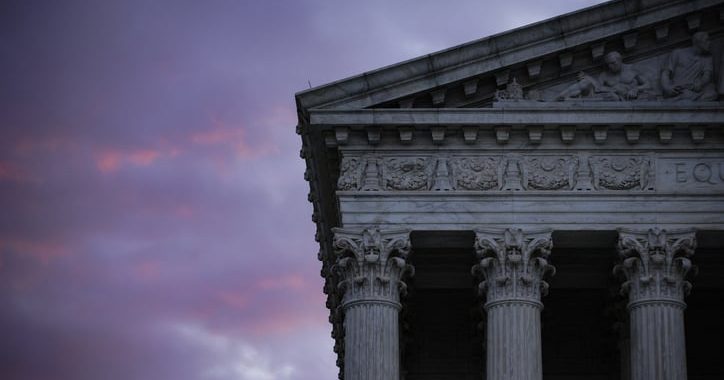
Mnangagwa pledges faster road rehabilitation, rural electrification

Addressing
masses
at
the
46th
Independence
Day
celebrations
in
Maphisa,
Matabeleland
South
Province,
Mnangagwa
said
the
second
republic
is
prioritising
the
restoration
and
upgrading
of
the
country’s
road
network
following
damage
caused
by
floods.

This
year
the
celebrations
were
held
under
the
theme
“Zimbabwe
at
46,
Unity
and
Development,
towards
Vision
2030.”

“Roads
are
an
economy.
As
such,
road
construction,
routine
rehabilitation
and
maintenance
have
been
rolled
out,
following
the
aftermath
of
flooding
and
associated
destruction
of
our
road
network,”
he
said.

Mnangagwa
said
major
highway
projects
are
being
expedited,
including
the
completion
of
the
Beitbridge–Masvingo–Harare
highway,
as
well
as
the
upgrading
of
the
Beitbridge–Bulawayo
and
Bulawayo–Victoria
Falls
roads.

“The
construction
of
the
Harare–Chirundu
Road
and
traffic
interchanges
will
also
be
accelerated
to
ease
congestion
and
improve
connectivity
across
the
country,”
he
said.

He
noted
that
a
specialised
unit
will
be
set
up
to
specifically
attend
to
bridges
which
are
now
in
a
dire
state.

On
rural
electrification,
Mnangagwa
said
government
is
scaling
up
investment
to
expand
access
to
power
in
underserved
communities,
describing
energy
provision
as
critical
to
rural
industrialisation
and
improved
livelihoods.

“The
Rural
Electrification
Programme
is
receiving
additional
Treasury
financing.
The
initiative
is
being
implemented
alongside
dam
construction
and
borehole
drilling
programmes
to
support
rural
development,”
he
said.

“The
combined
infrastructure
drive
is
expected
to
unlock
economic
opportunities,
particularly
in
rural
areas,
by
improving
access
to
markets,
supporting
small-scale
industries
and
enhancing
service
delivery.”

Zimbabweans in UK to stage embassy protest over Mnangagwa term extension

LONDON,
United
Kingdom

Zimbabweans
living
in
the
United
Kingdom
will
gather
outside
Zimbabwe
House
on
The
Strand
in
central
London
on
Saturday

Independence
Day

to
protest
the
Constitution
of
Zimbabwe
Amendment
(No.
3)
Bill,
demanding
that
President
Emmerson
Mnangagwa’s
government
submit
any
constitutional
changes
to
a
national
referendum.

The
demonstration,
organised
by
the
Citizens
Protest
Movement,
a
coalition
of
UK-based
Zimbabwean
community
organisations,
will
begin
at
12PM
outside
the
embassy,
which
serves
as
Zimbabwe’s
diplomatic
mission
in
Britain.

Protesters
are
opposing
provisions
in
the
Bill
that
would
strip
citizens
of
the
right
to
directly
elect
the
president,
transferring
that
power
to
parliament;
extend
presidential
and
parliamentary
terms
from
five
to
seven
years,
effectively
pushing
the
next
elections
from
2028
to
2030;
return
voter
registration
from
the
Zimbabwe
Electoral
Commission
to
the
Registrar-General’s
Office,
reversing
a
key
reform
of
the
2013
constitution;
and
expand
presidential
control
over
judicial
appointments
and
the
Senate.

For
Zimbabweans
living
in
the
diaspora,
the
removal
of
direct
presidential
elections
carries
a
particular
sting

it
would
render
the
long-promised
but
still-unimplemented
diaspora
vote
effectively
meaningless.

Makomborero
Haruzivishe,
diaspora
spokesperson
for
the
Constitutional
Defenders
Forum,
one
of
the
coalition
members,
said
parliament
could
not
be
trusted
with
the
power
to
elect
a
president.

“The
plot
to
strip
Zimbabweans
of
the
right
to
vote
for
their
president
directly,
and
to
hand
that
power
to
legislators
who,
as
we’ve
seen
in
this
current
parliament,
are
susceptible
to
bribery
and
manipulation,
is
an
attack
on
the
democratic
will
of
every
Zimbabwean,”
he
said.

“We
will
not
stand
by
while
the
fundamental
rights
of
our
people
are
traded
away
behind
closed
doors.”

Chenai
Mutambaruse,
spokesperson
for
Zim
for
All
Foundation,
said
the
Bill
was
compounding
the
failures
of
the
last
election
rather
than
addressing
them.

“Instead
of
addressing
the
challenges
exposed
in
the
last
election,
this
bill
is
entrenching
them,
further
weakening
accountability,
limiting
citizen
participation,
and
concentrating
power
in
the
hands
of
the
president,”
she
said.

Organisers
said
the
choice
of
Independence
Day,
marking
46
years
since
Zimbabwe’s
gained
freedom
in
1980,
was
deliberate,
calling
it
a
statement
that
the
freedoms
enshrined
in
the
2013
constitution
must
not
be
surrendered
to
executive
overreach.

Critics
have
also
raised
the
legitimacy
of
parliament
being
asked
to
pass
the
amendments,
pointing
to
the
mass
removal
of
Citizens
Coalition
for
Change
MPs
by
self-styled
CCC
secretary-general
Sengezo
Tshabangu,
backed
by
state
institutions,
which
they
argue
means
the
legislature
no
longer
genuinely
reflects
the
electorate’s
will.

Chivayo pledges $3.6m to all MPs, senators in announcement cleared by Mnangagwa

HARARE

Controversial
businessman
Wicknell
Chivayo
has
announced
he
will
donate
USD$3.6
million
to
all
360
members
of
parliament
and
senators,
saying
he
received
personal
approval
from
President
Emmerson
Mnangagwa
for
the
gesture.

The
disclosure
will
raise
questions
about
the
timing,
coming
weeks
before
legislators
are
expected
to
vote
on
a
contentious
constitutional
amendment
bill
that
would
extend
the
president’s
term
in
office.

In
a
lengthy
social
media
statement
published
on
Saturday,
Zimbabwe’s
46th
Independence
Day,
Chivayo
said
he
would
hand
over
the
funds
to
the
Speaker
of
Parliament
Jacob
Mudenda
next
week,
with
each
MP
and
senator
in
the
360-member
chamber
receiving
USD$10,000
for
use
towards
“constituency
development.”

The
reference
to
“the
principal”

a
term
Chivayo
has
previously
used
publicly
to
refer
to
President
Mnangagwa

means
the
donation
carries
the
implicit
endorsement
of
the
head
of
state.
The
President’s
Office
had
not
responded
to
requests
for
comment
at
the
time
of
publication.

Chivayo,
who
has
built
his
fortune
largely
through
government
contracts,
said
the
offer
extended
to
opposition
MPs
as
well
as
those
from
Zanu
PF,
framing
it
as
an
Independence
Day
“olive
branch.”

However,
he
added
a
pointed
caveat:
MPs
who
declined
the
money
would
have
no
objection
to
him
channelling
the
funds
instead
to
a
“competent
and
pro-development
individual”
from
their
constituency,
putting
pressure
on
legislators
to
accept.

“If
any
Honourable
MP
is
unwilling
to
accept
this
offer,
they
are
at
liberty
to
do
so

that’s
democracy,”
he
wrote.
“In
such
instances
however,
there
will
be
no
harm
in
me
identifying
a
competent
and
pro-development
individual
from
your
constituency,
whether
a
former
MP,
a
shadow
MP,
or
aspiring
leader,
who
can
take
up
the
responsibility
of
driving
this
development
forward.”

The
announcement
comes
as
parliament
prepares
to
deliberate
on
Constitutional
Amendment
(No.
3)
Bill
which
civil
society
groups
and
opposition
figures
have
vigorously
opposed,
arguing
it
is
designed
to
entrench
executive
power
and
extend
President
Mnangagwa’s
tenure
beyond
constitutionally
prescribed
limits.

Critics
of
the
bill

including
the
Defend
the
Constitution
Platform,
the
Constitutional
Defenders
Forum
and
the
National
Constitutional
Assembly

formally
withdrew
from
parliamentary
hearings,
warning
that
the
process
is
being
driven
by
partisan
interests
rather
than
genuine
public
consultation.

Chivayo
did
not
reference
the
amendment
bill
in
his
statement.

Zimbabwe Extends Company Re-Registration Deadline To 2028 As Firms Risk De-Registration

Zimbabwe
Businesses
Get
Two-Year
Grace
Period
On
Compliance

Zimbabwe
has
extended
the
deadline
for
company
re-registration
to
20
April
2028,
giving
businesses
more
time
to
comply
or
risk
de-registration,
following
widespread
concerns
over
low
compliance
and
system
challenges.

Deadline
Extended
To
2028

The
Government,
through Statutory
Instrument
76
of
2026
,
has
officially
pushed
the
re-registration
deadline
from
20
April
2026
to
20
April
2028.
The
amendment
falls
under
the
Companies
and
Other
Business
Entities
Act
[Chapter
24:31].

The
change
replaces
the
earlier
deadline
set
under
Statutory
Instrument
108
of
2025,
which
had
initially
given
companies
until
April
2026
to
comply.

A
statement
in
the
regulations
confirms
the
shift:

“The
Companies
and
Other
Business
Entities
(Re-Registration)
Regulations,
2025…
are
hereby
amended
by
the
deletion
of
‘20th
April,
2026’
and
the
substitution
of
‘20th
April,
2028’.”

The
extension
effectively
gives
businesses
a
two-year
grace
period
to
align
with
the
country’s
updated
corporate
registry
system.

Low
Compliance
And
System
Challenges

The
extension
comes
amid
reports
that
a
significant
number
of
companies
had
failed
to
meet
the
original
deadline.
Concerns
had
been
raised
about
system
inefficiencies
and
the
cost
of
compliance.

On
14
April
2026,
Zimpricecheck
highlighted
ongoing
issues:

“The
deadline
for
re-registration
is
on
Monday,
and
yet
the
system
has
been
up
and
down
on
multiple
occasions
since
last
week.
We
estimate
as
much
as
80%
of
current
companies
have
not
yet
been
digitised.”

What
Businesses
Need
To
Know

The
re-registration
process
is
part
of
Zimbabwe’s
shift
from
a
paper-based
system
to
a
digital
registry
designed
to
improve
transparency
and
accuracy.

Businesses
registered
under
older
laws
are
required
to
update
key
details,
including
directorships,
shareholding
structures,
and
registered
addresses,
to
align
with
the
current
legal
framework.

Legal
guidance
published
on
27
September
2025
stressed
the
consequences
of
non-compliance:

“Failure
to
re-register
by
the
specified
deadline
shall
result
in
the
automatic
de-registration
of
the
company…
and
such
an
entity
shall
be
removed
from
the
official
register.”

The
latest
extension
delays
that
risk
but
does
not
remove
it.

Grace
Period,
Not
A
Free
Pass

Authorities
have
not
announced
any
removal
of
penalties
tied
to
non-compliance.
Instead,
the
extension
is
widely
seen
as
a
response
to
operational
bottlenecks
and
low
uptake.

Businesses
are
still
required
to
regularise
their
status
before
the
new
2028
deadline.

Industry
observers
warn
that
delaying
compliance
could
lead
to
last-minute
congestion,
increased
costs,
and
administrative
delays.

The
extension
provides
breathing
room,
but
companies
that
fail
to
act
may
still
face
de-registration,
loss
of
legal
standing,
and
difficulties
in
accessing
banking
services
or
participating
in
tenders.

Zimbabwe’s iconic stone birds were taken by colonialists. Finally, they’re all back home

@edmnangagwa/X
Zimbabwean
President
Emmerson
Mnangagwa
received
the
sculpture
after
years
of
negotiation

Zimbabwe’s
flag,
banknotes
and
coat
of
arms
all
feature
a
stately
looking
eagle,
sitting
majestically
on
a
plinth.

Known
as
the
Zimbabwe
Bird,
it
has
long
been
a
symbol
of
national
identity,
but
behind
it
lies
a
complex
tale
of
displacement,
colonial
plunder
and
restitution.

The
bird
is
one
of
several
ancient,
treasured
sculptures
that
were
taken
from
Zimbabwe
by
colonialists
and
spent
decades
outside
the
country’s
borders.

It
was
only
this
week
that

after
137
years
away

the
final
displaced
bird
arrived
home,
a
moment
Zimbabwean
President
Emmerson
Mnangagwa
described
as
“the
return
of
a
national
icon”.

The
grey,
soapstone
carving
was
repatriated
from
neighbouring
South
Africa

it
wound
up
there
having
been
ripped
from
its
column,
then
sold
to
British
imperialist
Cecil
Rhodes.

On
Tuesday,
South
Africa
repatriated
the
bird,
along
with
eight
sets
of
human
remains,
previously
exhumed
in
Zimbabwe
by
colonial
researchers
and
donated
to
a
South
African
museum.

The
body
parts
were
taken
during
the
late
19th
and
early
20th
Centuries
for
“a
misguided
colonial
pseudoscience”
South
African
Minister
of
Culture
Gayton
McKenzie
said
at
a
ceremony
held
to
hand
over
the
remains
and
the
bird.

“These
are
not
abstractions,
but
people…
removed
from
their
graves,
their
communities,
and
their
homeland
under
the
logic
that
their
bodies
were
data,”
he
said.

Their
return
is
significant
for
Zimbabwe, which
has
also
been
seeking
the
return
of
the
skulls
of
late-19th
Century
anti-colonial
heroes,
believed
to
be
in
the
UK
.

This
week’s
homecoming
comes
at
a
time
when
former
colonial
powers
are
yielding
to
campaigns
to
send
looted
African
remains
and
artefacts
back
to
their
home
countries.

The
vast
majority
of
returns
have
come
from
European
countries
like
France,
the
Netherlands,
Germany
and
the
UK.

What
made
this
repatriation
rare
was
that
it
was
an
African
country
doing
the
returning.

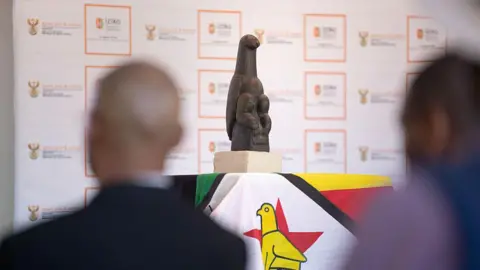
AFP via Getty Images The soapstone sculpture sits on a surface that is covered by a Zimbabwean flagAFP
via
Getty
Images
A
national
symbol,
the
Zimbabwe
Bird
features
on
Zimbabwe’s
flag

In
his
speech
on
Tuesday,
McKenzie
described
the
birds
as
“unique”
and
“revered”.

“Nothing
like
them
has
been
discovered
anywhere
else
in
the
world,”
he
said.

The
sculptures
were
taken
from
the
ruins
of
Great
Zimbabwe,
a
medieval
stone
city,
from
which
Zimbabwe
gets
its
name.
In
fact,
Zimbabwe
means
“house
of
stone”

and
today
the
country
is
globally
renowned
in
art
circles
for
its
modern
stone
carvings.

The
Great
Zimbabwe
site
was
built
between
the
11th
and
15th
Centuries
and
the
striking
bird
sculptures

of
which
eight
are
known

were
planted
on
walls
and
monoliths.

An
air
of
intrigue
surrounds
the
eagles

scholars
cannot
agree
on
who
exactly
sculpted
them,
though
some
scholars
believe
they
were
made
by
ancestors
of
the
Shona
people,
who
make
up
the
majority
of
the
country’s
current
population.

“They
are
the
most
significant
archaeological
treasures
ever
discovered
in
the
country,”
Plan
Shenjere-Nyabezi,
an
archaeology
professor
at
the
University
of
Zimbabwe,
tells
the
BBC.

“The
Zimbabwe
Birds
stand
as
powerful
and
cherished
symbols
of
our
national
heritage.”

The
sculptures
vary
in
shape
and
sizes

they
range
from
25cm
(9.8in)
to
50cm
in
height,
towering
above
one
metre
when
measured
with
their
columns.

Some
experts
believe
the
statues
depict
the
bateleur
eagle,
known
as
“chapungu”
in
Shona.
Others
believe
the
bird
is
a
“hungwe”,
the
African
fish
eagle.

The
statues
have
great
spiritual
meaning
for
some
in
Zimbabwe,
Edward
Matenga,
one
of
Zimbabwe’s
foremost
scholars
of
the
sculptures,
tells
the
BBC.

He
says
the
endangered
bateleur
eagle
is
historically
“sacred”
to
both
the
Shona
and
the
minority
Venda
people.

The
eight
birds
watched
over
Great
Zimbabwe
for
hundreds
of
years.
However,
in
the
19th
Century
a
growing
number
of
European
hunters,
traders
and
missionaries
began
exploring
the
region
prior
to
colonisation.

A
hunter
named
Willi
Posselt
happened
upon
the
birds
in
1889
and
decided
to
take
the
“best
specimen”

the
very
sculpture
returned
to
Zimbabwe
on
Tuesday.

According
to
his
own
account,
local
people,
armed
with
guns
and
spears,
initially
protested
against
the
bird’s
removal.
But
Posselt
was
able
to
leave
with
the
bird,
ripping
it
from
its
column
after
handing
over
blankets
and
“other
articles”
in
exchange.

“I
stored
the
remaining
[birds]
in
a
secure
place,
it
being
my
intention
to
return
and
secure
them
from
the
natives,”
he
wrote.

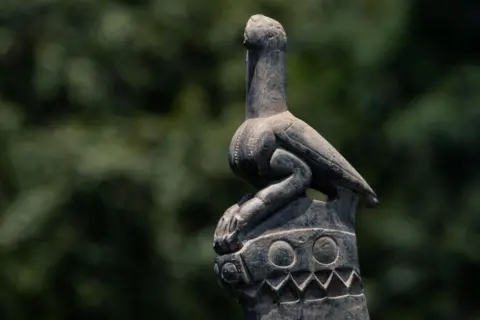
AFP via Getty Images A lone bird sculpture is pictured in front of some foliageAFP
via
Getty
Images
The
eight
soapstone
sculptures
looked
over
Great
Zimbabwe
for
centuries

Posselt
sold
the
bird
to
Cecil
Rhodes,
a
powerful
imperialist
who
headed
the
British
South
Africa
Company
and
spearheaded
the
colonisation
of
modern-day
Zimbabwe
and
Zambia.

Rhodes
used
the
bird
as
décor
for
his
grand
Cape
Town
estate
and
two
years
later,
the
British
South
Africa
Company
commissioned
archaeologist
Theodore
Bent
to
return
to
Great
Zimbabwe.

Bent
found
the
sculptures
that
Posselt
had
stored
away
and
transported
four
of
the
prized
birds
to
a
museum
in
South
Africa.

A
fragment
of
one
other
bird
ended
up
further
afield

its
pedestal
was
taken
by
a
German
missionary
and
sold
to
Berlin’s
Ethnological
Museum
in
1907.

But
after
Zimbabwe
became
independent
in
1980,
its
authorities
launched
a
campaign
to
recoup
the
missing
birds,
with
only
two
remaining
in
the
country.

Robert
Mugabe,
Zimbabwe’s
independence
leader
and
long-time
president,
described
their
loss
as
a
“ruthless
cultural
plunder”.

In
a
peculiar
trade,
South
Africa’s
apartheid
government
agreed
in
1981
to
release
the
four
birds
it
held
in
a
museum
in
exchange
for
a
huge
collection
of
bees,
wasps
and
ants.
The
trove,
belonging
to
Zimbabwe’s
Natural
History
Museum,
comprised
around
1,000
kinds
of
insects.

Then,
in
2003,
another
win.
Germany
returned
the
soapstone
pedestal
that,
in
Mugabe’s
words,
had
“spent
almost
100
years
in
exile”.

Getting
the
last
bird
back
was
more
of
a
challenge.
When
Rhodes
died
in
1902,
his
Cape
Town
home
and
all
its
contents
were
vested
to
South
Africa’s
governor-general

a
role
which
was
later
transformed
into
the
national
president.

In
1910,
a
law
named
the
Rhodes
Will
Act
stated
that
these
possessions
should
not
be
sold,
let
or
transferred.

“Every
time
Zimbabwe
asked,
the
1910
Act
was
cited,”
McKenzie
explained
in
his
speech.

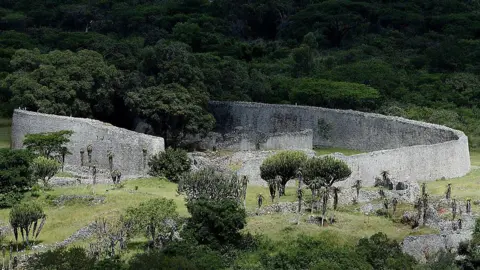
AFP via Getty Images A general views shows the massive stone walls of Great ZimbabweAFP
via
Getty
Images
Great
Zimbabwe
is
recognised
as
a
World
Heritage
site
by
Unesco

South
Africa
finally
got
round
this
legal
quandary
by
signing
a
deal
to
loan
the
bird
to
Zimbabwe
for
two
years.

McKenzie
insists
that
the
bird
will
never
return
to
South
Africa,
saying
the
authorities
are
undertaking
a
review
of
the
1910
Act
in
order
to
allow
for
“permanent
repatriation”.

After
years
of
negotiation,
Zimbabwe’s
authorities
appear
to
have
faith
in
South
Africa’s
pledge.
For
them,
their
lost
bird
has
flown
home
for
good.

Prof
Shenjere-Nyabezi
echoes
this
optimism,
stating:
“I
would
say
the
arrival
of
this
last
piece
signifies
a
spiritual
homecoming.

“The
bird
is
Zimbabwe’s
heritage…
one
should
not
have
to
travel
to
other
countries
to
enjoy
their
own
heritage.”

Matenga
describes
the
repatriation
as
a
“win-win
situation”
for
both
Zimbabwe
and
South
Africa.

“It
is
a
cathartic
process
for
South
Africa,”
he
says,
“that
they
are
giving
away
what
is
important
for
another
country.”

The
bird
is
finally
returning
to
its
home
at
Great
Zimbabwe,
joining
its
seven
siblings
in
an
on-site
museum,
for
protective
purposes.

When
receiving
the
sculpture,
Mnangagwa
noted
that
the
bird
had
arrived
home
just
in
time
for
the
anniversary
of
Zimbabwe’s
independence,
on
Saturday.

“Let
the
people
of
Zimbabwe
come
and
witness,”
he
said,
wearing
a
woollen
scarf
bearing
the
colours
of
Zimbabwe’s
flag.

“Let
the
children
of
this
great
nation
see
with
their
own
eyes
the
symbol
of
their
identity
and
let
the
world
know
Zimbabwe
is
a
nation
that
respects
its
past.”

Post
published
in:

Featured

ZICOMO statement on Zimbabwe’s 46th Independence anniversary


This
year,
we
unite
in
recognition
of
the
46th
anniversary
of
our
independence,
a
pivotal
moment
in
our
history
that
not
only
signified
the
end
of
colonial
rule
but
also
heralded
our
long-awaited
democratic
breakthrough.

Independence
Day
is
not
merely
a
date
on
the
calendar;
it
serves
as
an
important
reminder
of
our
past—the
struggles,
sacrifices,
and
unwavering
commitment
of
thousands
of
individuals
who
fought
for
our freedom. It
invites
us
to
reflect
deeply
on
our
journey
and
to
remember
the
price
that
was
paid
for
the independence
we
enjoy
today.

As
we
commemorate
this
day,
it
is
imperative
to
confront
a
crucial
question:
Who
truly
enjoys
the
fruits
of
Independence
in
Zimbabwe
today?
The
stark
reality
is
that
many
of
our
fellow
citizens—particularly
vulnerable
populations
among
us
including
widows,
the
elderly, opharns, and
people
with
disabilities—continue
to
survive
with
profound
hardships.

Those
who
toil
daily
to
make
ends
meet,
the
unemployed, the
informal traders,
vendors
striving
for
survival,
and
civil
servants
who
receive
meagre
allowances
face
increasing
challenges.
Additionally,
informal
traders
and
Small-Medium
businesses
continue
to
endure
harassment
at
the
hands
of
the
Zimbabwe
Republic
Police
(ZRP)
and
Municipal
police
officers,
fostering
a
sense
of
disillusionment
with
the
promises
of
independence
and
democracy.
Their
struggles
reveal
a
failure
that
goes
beyond
party
politics;
it
is
a
systemic
issue
that
reflects
a
deep-rooted
inequality,
one
that
can
be
attributed
solely
to
the
current
ZANU-PF
manifesto
of
a
small,
powerful elite.

As
we
commemorate
our
Independence
Day,
it
is
important
to
reflect
on
the
socio-economic
challenges
facing
our
nation. Many
Zimbabweans
are
experiencing
severe
poverty
and
underdevelopment.
This
situation
can
be
largely
attributed
to
misplaced
priorities
established
by
an
elite
class,
which
engages
in
primitive
accumulation
of
wealth.
As
a
result,
 Zimbabwe
is
being
treated
more
like
a
private
entity
than
as
a
sovereign
nation,
contributing
to
the
ongoing
challenges
faced
by
the
majority
of
its
citizens. This
elite
group
often
behaves
as
though
they
are
above
the
law,
highlighting
a
disparity
in
how
wealth
is
displayed
and
treated
in
the
country.

While
some
individuals may flaunt
large
amounts
of
foreign
currency,
many
small
traders find
themselves
in legal
trouble
for
operating
with
modest
sums,
such
as
a
$20
USD
note,
in
public
markets
and
town
squares
across
cities
like
Harare’s Fourth Street,
Bulawayo’s Tredgegold, at
OK Supermarket in
Gweru,
Moto-Moto
Mutare,
and
at
Wimpy
in
Masvingo.
Additionally,
small-scale
cross-border
traders,
who
are
predominantly
women
and
youth
striving
to
support
their
families,
often
have
their
goods
confiscated
by
revenue
officers
at
various
border
points.
In
contrast,
the
elite
class,
tenderpreneurs (zviganandas) frequently
donate
cars
and
cash
without
fulfilling
their
tax
obligations,
further emphasizing
the
economic
inequalities
in
Zimbabwe.

This
has
led
to
a
disheartening
rise
in
inequality,
with
joblessness
remaining
a
defining
characteristic
of
our
purported
economic
growth.

The
elite
class (Zvigananda) are
above
the
law,
whilst
the
toiling
masses
suffer
from
lawfare
and
a
brazen,
dirty,
corrupt
police
and
Zimbabwe
Revenue
Authority
(ZIMRA)
system.We
continue
to
observe
the
exploitation
and
exclusion
of
villagers
in
the
ongoing
resource
extraction
taking
place
in
their
regions.
The
unfortunate
realities
faced
by
communities
in
Mutoko,
Marange,
Gwanda,
Hwange,
Gutu,
Buhera,
and
Inyathi,
among
others,
are
disheartening.
Forty-six
years
after
independence,
ordinary
Zimbabweans
are
still
treated
as
second-class
citizens,
while
corrupt
state
officials
accept
small
bribes
to
favour
foreign
investors.

The
liberty
and
freedom
of
villagers
are
under
systematic
attack.

Fundamentally,
we
face
an
ongoing
struggle
against
a
predatory
elite
cabal
that
seeks
to
manipulate
our
hard-won
democratic
framework
to
serve
their
narrow
interests.

As
we
reflect
on
the
significance
of
Independence
Day,
we
are
reminded
of
the
selfless
sacrifices
made
by
the
sons
and
daughters
of
our
land
who
took
up
arms
against
colonial
oppression.
Their
fight
was
not
merely
for
liberation
but
was
also
deeply
rooted
in
addressing
the
economic
and
racial
injustices
that
plagued
our
society.
The
struggle
encompassed
the
fight
for
land—land
that
had
been
unjustly
appropriated
by
the
minority
white
population—as
well
as
the
fight
for
One-Man-One-Vote,
essential
for
dismantling
a
constitutional
order
that
had
historically
marginalised
the
black
majority,
relegating
them
to
the
depths
of
poverty
and
segregation.

The
date
of
April
18,
1980,
marked
a
watershed
moment
when
the
Union
Jack
was
lowered,
giving
way
to
the
Zimbabwean
flag—a
powerful
symbol
of
new
hope
and
prosperity.

We
take
pride
in
the
fact
that
in
2013,
the
people
of
Zimbabwe
crafted
their
own
constitution and
participated
in
a
referendum
to
adopt
the
new
charter,
a
momentous
achievement
reflecting
the
collective
will
of
our
citizens.

Unfortunately,
this
hard-earned
national
contract
is
now
under
siege,
as
a
reactionary
clique
in
this
government
appears
intent
on
dismantling
it
piece
by
piece.
The
introduction
of
the
Constitutional
Amendment
Number
3,
Bill
of
2026,
is
a
regression
that
undermines
the
aspirations
our
people
hold
dear:
the
very
values
for
which
many
sacrificed
their
lives
during
the
liberation
struggle.
Whilst
constitutions
can
be
amended
from
time
to
time,
the
process has
to be
legal
and
consultative.
Changing
the
supreme
contract
without
a
referendum
is
the
worst
sign
of
dictatorship.

These
amendments
signal
a
disturbing
trend:
a
calculated
move
to
transform
Zimbabwe
into
a
one-party
state,
a
dynasty
with
President
Mnangagwa
positioning
to
crown
himself
Munhumutapa
III,
edging
the
nation
toward
an
absolute
monarchy.
The
fundamental
rights
that
we
fought
for—such
as
the
rights
to
freedom
of
assembly
and
expression—are
increasingly
under
threat
as
ZANU-PF
seeks
to
solidify
its
authoritarian
grip
on
power.

The
disheartening
scenes
witnessed
during
recent
public
hearings,
where
citizens
were
systematically
silenced
and
denied
the
opportunity
to
participate
freely,
represent
a
serious
affront
to
our
democracy
and
merit
unyielding
condemnation.

The
unlawful
dismissal
of
Jessie
Majome,
who
served
as
the
Chairperson
of
the
Zimbabwe
Human
Rights
Commission
(ZHRC)
follows
a
recent
pattern
of
capture
of
opposition
political
parties
through
choreographed
recalls
and
court
judgements
at
whose
heart
is
to
destroy
voices
of
dissent.

On
November
24,
2017,
the
military
described
its
operations
as
a
mission
to
“restore
order,”
specifically
targeting
individuals
accused
of
theft
in
close
proximity
to
then-President
Mugabe.
Now,
with
the
introduction
of
a
proposed
Constitutional
Amendment,
there
is
a
movement
to
redefine
the
military’s
role.
Instead
of
primarily
focusing
on
upholding
the
Constitution
and
saluting
the
national
flag,
the
proposal
suggests
that
the
military’s
responsibilities
should
shift
toward
“defending/protecting
Munhumutapa
III.”
This raises
important
questions
for
our
state
institutions:
Are
these
policies
and
constitutional
changes
aimed
at
fostering
a
new
vision
for
a
great
Zimbabwe,
or
do
they
risk
undermining
the
sacrifices
made
by
those
who
fought
for
our
independence?

It
is
particularly
disheartening
that
these
developments
are
occurring
just
before
the
anniversary
of
our
nation’s
independence,
a
time
that
should
be
marked
by
the
celebration
of
our
democratic
values
and
human
rights.

In
response
to
these
urgent
issues,
we
call
on
all
Zimbabweans
to
stand
firm
in
our
diversity
as
a
powerful
force
and
to
fiercely
resist
the
erosion
of
our
constitution.
This
fight
is
not
just
a
reflection
of
our
liberation
struggle
but
is
essential
for
fulfilling
the
aspirations
of
the
post-independence
generations.

We
cannot
afford
to
be
complacent.
If
we
allow
this
constitutional
dismantling
to
continue
unchecked,
we
risk
facing
even
more
severe
amendments—such
as
Amendment
Number
4—which
would
lead
our
nation
straight
into
a
full
blown
dictatorship,
banning
political
parties
and
civil
society.
It
is
time
to
act
decisively and protect
democracy
and
our
hard
won
independence.

The
proposed
“national
title
deeds”
on
the
agricultural
land
program
is
similar
but
different
in
methodology
from
the
colonisation
of
Zimbabwe
itself.
The
proposal
to
force
farmers
to
pay
the
upper
of
$2000
USD
per
hectare
seeks
to
ensure
that
the
current Zvigananda and
their
foreign
collaborators
become
the
new
landed
class
in
Zimbabwe.
They
want
to
install
themselves
as
the
new
“billionaires”
without
even
producing
a
matchstick.
This
will
automatically
reduce
ordinary
people
from
being
citizens
to
slaves.
This
must
be
resisted
even
if
it
means
another
revolution.
Land
is
our
birthright!

We
must
unite
to
defend
the
hard-won
freedoms
that
define
our
nation
and
uphold
the
democratic
ideals
our
forebears
fought
so
valiantly
to
establish.
It
is
imperative
that
Zimbabwe
returns
to
order
and
constitutionalism.
Our
taxes
should
unequivocally
be
allocated
toward
building
our
hospitals,
schools,
and
public
transport
systems,
as
well
as
supporting
restorative
justice
for
issues
like
Gukurahundi,
and
providing
for
civil
servants
and
war
veterans.
The
current
abuse
of
our
tax
money
to
bribe
political
actors
with
cash
and
cars
is
just
as
reprehensible
as
Ian
Smith’s
use
of
hut
taxes
to
finance
arms
that
oppressed
the
majority
of
black
Zimbabweans.
This
must
end.


Happy
Independence
Zimbabwe.
May
2026
be
the
year
of
the
people! 

Post
published
in:

Featured