From
entering
students’
LSAT
scores
and
graduates’
employment
statistics
right
down
to
the
number
of
books
housed
in
their
libraries,
just
about
everything
having
to
do
with
law
school
is
ranked,
so
it’s
high
time
that
we
rank
law
school
buildings.
An
impressive
law
school building definitely
isn’t
as
important
as
a
law
school
that
will
help
students
get
impressive jobs,
but
if
students
have
to
spend
three
years
of
their
lives
in
that
building
and
pay
upwards
of
six
figures
in
debt-financed
dollars
to
be
there,
it
better
be
nice.
Did
your
school
make
the
list
of
the
best
law
school
buildings
in
the
country?
The
National
Jurist’s preLaw
Magazine recently
released
its
ranking
of
the
best
law
buildings,
highlighting
not
just
the
way
the
schools
look,
but
the
way
they
support
how
students
study,
collaborate,
and
train
for
their
future
careers.
Here’s
the
methodology
that
was
used:
We
look
at
aesthetics
(50%),
square
feet
per
student
(10%),
library
hours
and
seating
seats
per
student
(15%),
amenities,
including
dining,
fitness
and
lockers
(15%);
and
parking,
sustainability
and
other
factors
(10%).
Without
further
ado,
according
to
preLaw
Magazine,
these
are
the
top
10
best
law
school
buildings
in
America:
University
of
Utah
University
of
Memphis
Drake
University
Brigham
Young
University
University
of
Michigan
University
of
Nevada-Las
Vegas
Quinnipiac
University
Marquette
University
University
of
Kentucky
University
of
Connecticut
Congratulations
to
Utah,
which
earned
the
top
spot
on
this
list
for
its
“design,
modern
technology,
and
a
wide
range
of
study
environments.”
It’s
worth
noting
that
only one of
the
U.S.
News
top
14
law
schools
made
the
top
10
in
this
ranking
(Michigan),
with
only
one
more
top
school
making
its
way
to
the
top
20
(Duke,
which
came
in
at
No.
19).
We
need
to
scroll
down
further
to
find
some
of
the
most
elite
schools
in
the
nation,
like
Stanford
(No.
30),
Yale
(No.
32),
and
UVA
(No.
35).
Harvard,
expelled
from
the
top
5
of
the
U.S.
News
ranking,
has
the
lowest
ranking
for
a
top
law
school
on
this
list,
finding
itself
at
No.
44.
Click here to
see
the
full
list
from
preLaw
Magazine,
and
congratulations
to
all
of
the
law
schools
that
made
the
cut
for
inclusion
in
the
ranking
this
year.
Staci
Zaretsky is
the
managing
editor
of
Above
the
Law,
where
she’s
worked
since
2011.
She’d
love
to
hear
from
you,
so
please
feel
free
to email her
with
any
tips,
questions,
comments,
or
critiques.
You
can
follow
her
on Bluesky, X/Twitter,
and Threads, or
connect
with
her
on LinkedIn.
Kash
Patel’s
massive
lawsuit
against
The
Atlantic
asserts
dubious
defamation
claims,
but
could
it
also
be…
AI
slop?
The
$250
million
complaint
filed
in
D.C.
federal
court
—
a
necessity
to
avoid
the
anti-SLAPP
laws
that
would
almost
certainly
make
this
a
financial
albatross
for
Patel
down
the
road
—
largely
underwhelmed.
Irrelevant
preening,
misspellings,
and
a
complete
disregard
for
the
looming
“actual
malice”
roadblock
made
the
complaint
look
less
like
a
serious
defamation
claim
and
more
a
desperate
performative
plea
to
convince
Donald
Trump
that
Patel
is
“a
fighter”
who
doesn’t
deserve
to
be
kicked
to
the
curb
like
so
many
other
scandal-plagued
administration
officials.
Big
Lie
lawyer
Jesse
Binnall
—
who
launched
this
case
by
promptly
publicizing
allegations
that
The
Atlantic
did
NOT
actually
print,
exposing
his
own
client
to
claims
they
contend
are
defamatory
—
managed
to
get
the
lawsuit
filed
first
thing
on
Monday.
While
we
focused
on
the
flimsy
legal
claims
and
embarrassing
strategic
choices,
Caroline
Stout
locked
in
on
some
curious
phrasing:
This
rhetorical
device,
which
I
call
“Digiorno
Parallelism”
as
in
“it’s
not
delivery;
it’s
Digiorno,”
ranks
among
the
more
infamous
signs
of
AI.
It’s
not
fair
to
blame
AI
every
time
you
run
across
this
construction
—
just
like
not
every
em-dash
is
computer-generated
—
but
it
doesn’t
inspire
a
lot
of
confidence
in
human
authorship.
You
might
assume
—
as
I
did
—
that
AI
is
not
dumb
enough
to
use
words
like
“feable”
or
“politices,”
two
prominent
misspellings
in
the
complaint,
and
presume
that
indicates
human
writing.
While
it
might
prove
to
be
human
slop,
those
errors
are,
as
I
discovered,
the
rare
sorts
of
misspellings
AI
can
make.
Most
humans
would
misspell
“feeble”
by
leaving
out
an
“e,”
but
LLMs
are
more
prone
to
make
phonetic
spelling
errors,
such
as
imagining
a
“fea-”
opening.
Likewise,
“politices”
is
the
sort
of
token
sequence
confusion
an
LLM
can
fall
prey
to,
especially
in
a
complaint
that
bounces
between
politics
and
policies.
That
said,
humans
definitely
wrote
some
of
this
complaint.
Most
AI
products
understand
the
legal
process
well
enough
not
to
litter
the
text
with
gratuitous,
irrelevant
editorializing.
There
are
too
many
asides
like
suggesting
the
reporter
wasn’t
“a
minimally
competent
journalist,”
or
other
bush
league
flourishes
that
AI
would
be
too
professional
to
include
unprompted.
Still,
Stout’s
observation
got
me
looking
at
the
text
and
finding
more
and
more
quirky
language.
So
I
decided
to
run
the
whole
complaint
through
an
AI
detector
to
see
what’s
up.
What
does
TextGuard
have
to
say:
Now,
recently
an
AI
detector
decided
that
Mary
Shelley’s
Frankenstein
was
likely
AI-generated,
so
take
these
findings
with
the
appropriate
margarita
rim
of
salt.
Complaints
are
stylized
documents,
and
it’s
easy
for
a
detector
to
confuse
their
repetition
for
an
LLM.
But
even
if
the
lawyers
used
AI
to
create
a
draft
complaint…
there’s
nothing
necessarily
wrong
with
that!
It’s
not
a
party
foul
to
use
AI
tools
to
generate
a
complaint
under
time
pressure
—
even
if
the
time
pressure
in
this
case
was
entirely
self-imposed
by
a
client
hoping
to
seize
the
narrative
upper
hand.
Complaints
(should
be)
relatively
mechanistic,
making
them
prime
candidates
for
AI
collaboration.
Frankly,
AI
could
help
an
overeager
human
lawyer
from
allowing
zealous
bloviating
take
over
the
cold,
formal
tone
plaintiffs
should
aspire
to
bring
to
their
complaints.
As
long
as
the
user
doesn’t
go
back
and
tell
the
algorithm
to
punch
up
the
vitriol.
Purists
may
cringe
at
some
of
the
AI-isms
—
and
human
editors
should
be
vigilant
in
weeding
them
out
—
but
AI
will
increasingly
be
a
fixture
of
the
lawyer
workflow.
If
Patel’s
lawyers
weren’t
using
it,
they
were
sacrificing
efficiency.
An
AI
complaint
isn’t
creating
a
lot
of
the
mischief
we
associate
with
AI.
Ideally,
it’s
derived
from
a
clear
timeline
and
documented
facts,
just
rearranged
into
a
standard
format.
That’s
where
AI
typically
shines,
if
the
user
will
let
it.
It’s
not
like
a
complaint
includes
any
hallucinated
law.
Unless
you
count
whatever
Binnall
read
that
made
him
think
he
could
clear
the
actual
malice
hurdle
with
“[n]umerous
Atlantic
pieces
over
the
past
two
years
have
characterized
Director
Patel
as
unqualified,
dangerous,
corrupt,
or
mentally
unstable.”
Because
that
case
very
much
does
not
exist.
For
a
profession
whose
business
model
is
still
primarily
the
billable
hour,
the
work
process
to
feed
the
model
could
not
be
any
more
clunky.
Or
prone
to
produce
errors,
miscommunications, and
write-offs.
And
it
is
ripe
for
effective AI disruption.
Think
about
the
process.
It
depends
at
the
outset
on
a
professional
stopping
what
they
are
doing
and
entering
the
time
spent
and (hopefully) a
comprehensible
description
of
what
was
done.
When
you
are
recording
time
on
a
6-minute
increment,
the
recording
of
the
time
spent
could
take
more
time
than doing
the
work
that’s being
recorded.
So
what
happens:
timekeepers
procrastinate
to
the
end
of
the
day
or
the
end
of
the
week
or
in
some
cases
even
the
end
of
the
month (!) to
try
to
reconstruct
and
record
time. Or
they
hurry
through
it
and
write
the
barest minimum
description. It’s
no
wonder
the
amount
spent
and
the
what
and
why of
the
work done
are all
too
often absent, vague,
or
just wrong.
Add
to
this
that
the
billing
partner,
the
one
responsible
for
getting
the
bills
out,
has
to
review
and
approve
often
vague
and
estimated
time entries
of other timekeepers
they
often know
little
about, potentially compounding
the errors.
But
there’s
more:
most
corporate
and
insurance
clients
have
billing
guidelines
and
requirements
that
have
to
be
met in
order
to
be
paid.
What
can
and
cannot
be
charged.
How
things
must
be
characterized
and
described. These
guidelines
differ
and
sometimes
differ
significantly
from
one
another.
They
are
devilish
to
keep
straight.
And
once
the
bills
are
sent,
many
clients,
especially
insurance
carriers,
use
third-party
vendors
to
review
the
bills
and
look
for
entries
that
are
inconsistent
with
what
the
guidelines
require. When
they
find
them,
they
write
off
that
time.
It’s
a
mess.
But
it’s
just
the
kind
of
work
process
that
AI
tools
ought
to
be
able
to
fix.
And several vendors
are
indeed
trying, as
I have
discussed before. One vendor, Elite,
has recently
focused on
using
AI
to
improve
compliance
with the
multiple billing
guidelines firms
must
satisfy.
Elite’s Validate Tool
Elite
is
a
law
firm
financial
management
and
business
operations
solutions
provider.
At
its
recent
user
conference,
it
announced
a
new
tool
that
may
go
a
long
way
in
making sure billing
guidelines
are
met
and,
indirectly,
fewer
write-offs
by
the third-party reviewers
occur.
The
tool
reviews
the
various
billing
guidelines
and
then
flags
entries
that
appear
to
be noncompliant or
in
the
risk
zone
of
the
relevant
and
applicable guidelines. In
and
of itself this will
save
hours for
both
the
timekeepers and,
perhaps
more
importantly,
the
billing
partner. It
will also reduce
the
risk
of
miscommunication
and
write-offs.
But
more
than
this,
the
tool
will
also
flag
entries
that
suggest
that
what
was
done
was what
Elite
labels
as “doubtful
necessity” and
will
surface
subjective risks
associated
with
the
entries. Moreover,
it
learns
as
it
goes,
further
improving
future
entries.
These
are
important
benefits. I
know
from
experience. In
the
heat
of
trying
to
meet
a
deadline
or in
the
midst
of intense
work,
it’s
easy
to
quickly
record
time
and
offer
a
description
that
says
very
little
or
next
to
nothing
about
why
the
work
was
done.
It
would
certainly
be
comforting
to
have
a
tool that
would tap
you
on
the
shoulder
and
say
you
need
to
say
this
better.
Of
course,
as
with
most
vendor
tools,
I
can’t
vouch
for
how
well
this
tool
will
do
these
things.
But
if
it
does
these
things
well,
it
will
do
three
critical
things
to
improve
the
billing
process.
The
most
obvious
benefit
is
improved compliance
with billing guidelines
and
reduced write-offs. But
it
will
do
two
other
things
that, while more subtle, could nevertheless be substantial.
Improved Client Communications
Lawyers
and
legal
professionals
often
forget
that
bills
are
client communications. Clients
look
at
bills
not
only
to
assess
how
much
time
is
being
spent
but
why
the
work was done
and its importance.
If
an
entry only reads
4.0
hours
for
legal research,
that
tells
the
client
nothing
about
what
the
research
was
for
and,
more
importantly
why it’s
being
done.
Certainly,
bills
are
no
substitute
for
ongoing
discussions with
clients about
strategy
and
work
that’s
needed.
But
vague
and
ambiguous
entries sow
seeds
of
doubt
about
what
the
lawyer
is
doing.
It
breeds
distrust.
It’s
not
only
a
write
down
issue,
it’s
much
more.
So
having
a
tool
like Validate
that
can
help
flag
entries
that
don’t
meet
billing
guidelines
because
they
are
vague
or
where
the
necessity
is
not
clear could help improve
the
overall
relationship.
CombattingThird Party
Write-Offs
Validate
may
also
provide
firms
with
ammunition
to
better
contest inappropriate write
downs. Third-party
reviewers
are
hired
to
find discrepancies with guidelines and
make
cuts
to
legal
bills.
That’s
their
job
and,
as
a
result, they
can
be
quite
aggressive. So often
there
are
questionable
calls
made.
Yet,
it’s
hard
to
question
and
appeal
some
of
these
because
it
takes
more
time
than
it’s
worth. You
tender
a
$5,000
bill
and
the
provider
writes
off
$500.
Your
time
would
be better
spent on
billable
matters that
advance
the
client’s
interest than
spending
the non-billable time
fighting
the
decision.
In
addition,
all
too
often
the
actual
client
doesn’t
want
to
hear any
objection
to
the
write-off
since
proving the
reviewer
wrong
is
difficult. The
issue often falls
in a
gray
area
and
the
law
firm
has
little
evidence to support
its
arguments. Add
to
this
the
fact
that
historically
the
reviewer has, more
often
than
not, been right when
it
concluded that
an
entry
did not
meet
the
guidelines. So
there
is
a
presumption
of
accuracy.
But
with
a
validation
tool
like
Validate,
the
matrix changes.
Law
firms
have something tangible to
support
their
claim
that
an
entry
meets
the
guidelines.
And
that
the
write-off
is
wrong.
Data
and
analysis
versus whining
about
the
injustice
of
it
all. It’s
akin
to
reviewing
the
reviewer
and
keeping
them
honest.
Having
that
kind
of evidence at
your
fingertips
reduces
the
time
needed
for
an
appeal,
making
it
worthwhile. And
by
improving
the entries and
guideline
compliance,
it
gives
the
law
firm
greater credibility when
it
does
question
a
write-off. It
flips
the
switch.
Improved
client
confidence
and
fewer
write-offs.
A
win-win.
The Reality
But even with
these improvements,
there
are
still realities
and
risks. As
with
any
AI
tool,
the
possibility
for
overreliance
is
present.
Blind
reliance
on
what
a
tool
like
Validate
does
without
human
review
can
lead
to
entries
that
don’t
match
what
was
done,
not
because
there
is
anything
wrong
with
the
tool
but
because
it
can’t
know
all
a
human
does
about
the
client
and
the
relationship.
Bills
and
billing
entries
often
require
value
judgment
and
client
understanding
that
an
AI
tool
does
not
have.
And
let’s face
facts,
when
a
client continually complains
about
a
bill and writes
off substantial time,
there
are really
only
a few
options.
You
can
fire
the
client
and
withdraw,
assuming,
if
it’s
a
litigation
matter,
the
court
grants
permission. You
can
conclude
the
matter
and
decide
never
to
represent
the
client
again,
losing
money
in
the
process.
Or
you
can
sue
the
client
which could lead
to
counterclaims, unwanted
disruption, and publicity. The
options
aren’t
pretty. That’s
what
gives
the
client
and
reviewer
leverage.
But
used
correctly,
and
assuming
Validate
does
what
it
says
it
does,
it
will
reduce risk
and
make
for
a
smoother
billing
process. It provides you with
more leverage
in
the
relationship. By
doing so, hopefully you
never
get
to
the
point
of
having
to
make
the choice of
withdrawing
from
the
matter
(assuming
you
can)
or
filing
an
ugly lawsuit.
And
it
will
make
that
dreaded
daily
ritual of recording your time
a
little
less
painful.
Stephen
Embry
is
a
lawyer,
speaker,
blogger,
and
writer.
He
publishes TechLaw
Crossroads,
a
blog
devoted
to
the
examination
of
the
tension
between
technology,
the
law,
and
the
practice
of
law.
If
you’ve
been
paying
attention
to
the
slow-motion
disaster
that
is
Biglaw
recruiting
—
and
we’ve
been
covering
this
mess
for
years
now
—
you
won’t
be
surprised
to
hear
that
yet
another
law
school
is
trying
to
figure
out
how
to
deal
with
this
mess.
This
time
it’s
BYU
Law,
and
they’re
revamping
a
core
part
of
their
curriculum
to
deal
with
law
firms’
increasingly
itchy
hiring
trigger
finger.
The
Provo,
Utah
school
announced
today
that
it
is
shifting
its
Academies
Program
from
the
spring
semester
to
the
fall,
beginning
with
an
October
run
later
this
year.
The
reason
is
exactly
what
you’d
expect:
Biglaw
is
taking
direct
applications
from
1Ls
as
early
as
first
semester,
with
firms
increasingly
locking
in
their
summer
associate
classes
before
first-year
students
have
even
finished
their
first
year
of
coursework.
The
race
to
the
bottom
on
recruiting
timelines
has
gotten
so
bad
that
a
law
school
is
now
reorganizing
a
cornerstone
experiential
program
around
it.
Let’s
be
clear
about
how
we
got
here.
The
state
of
Biglaw
recruitment
has
been
in
flux
since
late
2018,
when
NALP
made
sweeping
changes
to
its
“Principles
and
Standards
for
Law
Placement
and
Recruitment
Activities,”
eliminating
all
the
timelines
and
guideposts
that
served
as
the
foundation
of
entry-level
recruiting.
When
the
rules
are
there
are
no
rules,
you
get
chaos
—
and
chaos
is
what
we
got.
Seven
years
later,
1Ls
are
securing
their
2L
summer
jobs
before
their
1L
summer
jobs,
and
offers
for
summer
associate
positions
that
explode
before
the
first
year
of
law
school
is
even
over
have
become
a
thing.
It’s
madness.
And
it’s
not
just
students
who
are
suffering.
Recruiting
teams
are
pressured
to
engage
early
or
face
the
risk
of
missing
out
on
talent,
forcing
them
to
make
hiring
decisions
with
extremely
limited
data
—
assessing
first-year
students
who
have
only
been
exposed
to
a
handful
of
classes,
often
before
grades,
feedback,
or
professional
experiences
can
provide
meaningful
insight
into
their
potential
fit.
Nobody
wins!
And
yet
the
prisoner’s
dilemma
marches
on.
So
what
is
BYU
Law
doing
about
it?
Rather
than
throwing
up
their
hands,
the
school
is
pivoting.
Its
Spring
2026
Academies
will
run
April
24
through
May
2
and
will
feature
the
largest
slate
in
the
program’s
history
—
10
immersive,
simulation-based
programs
across
major
legal
markets
including
New
York,
Dallas,
Palo
Alto,
Washington
D.C.,
Wilmington,
Salt
Lake
City,
and
Geneva,
Switzerland.
Partners
include
Kirkland
&
Ellis,
Wilson
Sonsini,
Fragomen,
and
Potter
Anderson
&
Corroon,
among
others.
There’s
even
a
new
AI
Law
and
Policy
Academy,
because
of
course
there
is.
But
the
bigger
news
is
the
fall
repositioning.
Beginning
in
October
2026,
the
Academies
will
run
before
recruiting
season
kicks
into
high
gear,
giving
1Ls
exposure
to
practice
areas,
firm
cultures,
and
career
paths
before
they’re
expected
to
make
life-altering
decisions
about
their
careers.
As
Dean
David
Moore
put
it,
the
move
ensures
“our
1L
students
are
better
prepared
to
make
informed
career
decisions
and
to
compete
successfully
in
an
accelerated
hiring
environment.”
“Many
students
count
their
participation
in
an
Academy
as
the
catalyst
behind
the
career
path
they
ultimately
pursue,”
said
Mariah
Christensen,
Academies
program
coordinator.
“By
continuing
the
Academies
program
and
adjusting
it
to
accommodate
the
new
recruiting
timeline,
BYU
Law
demonstrates
its
commitment
to
investing
in
every
student’s
future
success
in
a
rapidly
changing
legal
landscape.”
That’s
a
polite
way
of
saying:
the
system
is
broken,
and
we
have
to
work
around
it.
Worth
noting
—
and
this
is
genuinely
admirable
—
BYU
Law
funds
participation
in
the
Academies
entirely,
meaning
students
aren’t
priced
out
of
experiential
programming
that
could
shape
their
careers.
Law
students
without
lawyers
in
their
families
are
already
disadvantaged
by
the
push
of
recruitment
into
1L
year,
and
financial
barriers
on
top
of
that
would
make
a
bad
situation
worse.
There
have
been
some
small
rays
of
hope
on
the
systemic
front.
Earlier
this
year,
Cooley
took
the
unusual
step
of
intentionally
leaving
half
its
incoming
associate
seats
open
to
fill
later
rather
than
locking
in
its
entire
class
during
the
1L
panic
cycle,
an
admission
of
what
everyone
already
knows:
the
Biglaw
recruiting
system
is
broken.
And
some
firms
have
gotten
creative
in…
less
inspiring
ways.
Sullivan
&
Cromwell
and
Paul
Weiss
reportedly
tapped
upperclass
law
students
with
expense
accounts
to
wine
and
dine
1Ls
on
their
behalf
—
which
is,
shall
we
say,
a
choice.
BYU
Law’s
approach
is
trying
to
inform
and
empower
students
before
they’re
thrown
into
the,
often
overwhelming,
recruitment
morass.
The
Academies
Program
has
twice
been
recognized
by
Bloomberg’s
Innovation
in
Law
Program
since
its
2018
launch,
and
restructuring
it
to
serve
students
better
in
a
chaotic
recruiting
environment
is
exactly
the
kind
of
institutional
responsiveness
that
more
schools
should
be
modeling.
The
broken
system
will
keep
churning.
But
at
least
some
schools
are
trying
to
give
their
students
a
fighting
chance
within
it.
Kathryn
Rubino
is
a
Senior
Editor
at
Above
the
Law,
host
of
The
Jabot
podcast,
and
co-host
of
Thinking
Like
A
Lawyer.
AtL
tipsters
are
the
best,
so
please
connect
with
her.
Feel
free
to
email
her
with
any
tips,
questions,
or
comments
and
follow
her
on
Twitter
@Kathryn1 or
Bluesky
@Kathryn1
It
is
easy
to
frame
this
as
a
transit
pricing
issue.
It
is
not.
It
is
a
liability,
accountability,
and
fairness
issue
hiding
in
plain
sight.
Let’s
start
with
the
basics.
New
Jersey
Transit
estimates
it
will
cost
roughly
$48
million
to
safely
move
tens
of
thousands
of
fans
to
and
from
matches.
At
the
same
time,
FIFA
stands
to
generate
approximately
$11
billion
from
the
tournament.
The
governing
body
of
global
soccer
is,
by
any
measure,
one
of
the
most
commercially
successful
entities
in
sports.
Yet
when
it
comes
to
the
infrastructure
required
to
make
the
event
function,
the
message
appears
to
be:
not
our
problem.
That
framing,
however,
is
incomplete.
Because
this
did
not
happen
by
accident.
It
is
almost
certainly
the
product
of
negotiated
agreements.
New
Jersey
wanted
the
World
Cup.
It
wanted
the
global
spotlight,
the
economic
boost,
and
the
prestige
that
comes
with
hosting
one
of
the
world’s
biggest
events.
And
in
securing
that
opportunity,
it
likely
agreed
to
terms
that
limited
FIFA’s
responsibility
for
infrastructure
costs
like
transportation.
That
matters.
Because
it
shifts
this
from
a
story
about
FIFA
avoiding
responsibility
to
a
more
complicated
reality:
public
officials
made
a
calculated
decision
about
who
would
ultimately
bear
these
costs.
Governor
Mikie
Sherrill
has
taken
the
politically
intuitive
position
that
taxpayers
should
not
subsidize
a
global
event
that
generates
massive
private
revenue.
On
its
face,
that
sounds
right.
But
the
solution
being
floated,
dramatically
increased
fares
for
fans,
raises
a
different
question:
who
exactly
is
being
asked
to
absorb
the
cost
of
this
imbalance?
Because
it
is
not
really
“FIFA
fans.”
It
is
families.
It
is
workers.
It
is
people
who
already
paid
for
tickets,
travel,
and
lodging,
now
being
told
that
access
itself
comes
with
a
premium
toll.
And
in
many
ways,
they
are
being
given
very
little
choice.
For
an
event
of
this
scale,
the
lack
of
transportation
options
is
striking.
Why
are
there
not
more
park-and-ride
locations
beyond
American
Dream
and
Clifton?
Why
are
there
not
more
private
shuttle
operators
allowed
to
enter
the
market
and
set
competitive
pricing?
Why
is
the
system
structured
in
a
way
that
effectively
funnels
attendees
into
a
limited
set
of
public
transit
options
and
then
dramatically
raises
the
cost
of
using
them?
This
is
not
how
people
typically
attend
events
at
MetLife
Stadium.
Under
normal
circumstances,
fans
have
a
range
of
choices.
Here,
those
choices
appear
to
be
constrained
in
ways
that
make
the
pricing
issue
feel
less
like
a
necessity
and
more
like
a
forced
outcome.
That
is
where
the
issue
moves
from
economics
into
something
more
familiar
to
those
of
us
in
the
civil
justice
system.
It
becomes
a
question
of
who
bears
the
burden
when
a
system
is
designed
in
a
way
that
externalizes
its
costs.
We
see
this
all
the
time
in
personal
injury
law.
A
corporation
profits
from
an
activity
but
structures
its
operations
so
that
the
foreseeable
risks
are
borne
by
someone
else.
When
something
goes
wrong,
the
defense
is
almost
always
the
same:
the
costs
were
necessary,
the
system
is
complicated,
the
responsibility
is
diffuse.
Sound
familiar?
Here,
nothing
has
“gone
wrong”
in
the
traditional
sense.
No
accident.
No
injury.
But
the
underlying
structure
is
strikingly
similar.
The
entity
with
the
greatest
control
and
the
greatest
financial
upside
has
managed
to
position
itself
furthest
away
from
the
operational
costs
that
make
the
event
possible.
At
the
same
time,
the
public-sector
response
deserves
scrutiny
as
well.
New
Jersey
operates
with
a
state
budget
approaching
$60
billion.
Against
that
backdrop,
$48
million
in
transportation
costs,
for
an
event
expected
to
generate
significant
economic
activity,
job
creation,
and
global
visibility,
is
not
an
existential
burden.
It
is
a
policy
choice.
Instead,
the
state
has
drawn
a
hard
line
here,
while
routinely
absorbing
or
allocating
funds
for
other
priorities
with
far
less
direct
economic
return.
That
does
not
mean
taxpayers
should
blindly
subsidize
the
World
Cup.
But
it
does
raise
a
fair
question:
why
this
line,
and
why
in
this
way?
Because
what
we
are
really
seeing
is
a
layered
transfer
of
cost.
FIFA
negotiates
to
limit
its
exposure.
The
state
declines
to
absorb
the
expense.
The
burden
drops
to
the
individual,
who
is
given
fewer
alternatives
and
higher
prices.
That
is
not
accountability.
That
is
displacement.
There
is
also
a
longer-term
concern
that
should
not
be
ignored.
When
global
events
normalize
this
kind
of
cost
structure,
it
sets
a
precedent.
Future
host
cities
will
face
the
same
pressures.
Public
agencies
will
enter
negotiations
knowing
that
critical
infrastructure
expenses
may
not
be
covered.
And
the
public
will
increasingly
be
asked
to
bridge
the
gap.
At
some
point,
the
question
becomes
unavoidable:
who
is
the
World
Cup
actually
for?
If
access
to
the
event
requires
not
just
a
ticket,
but
a
willingness
to
absorb
inflated,
event-specific
costs
across
the
board,
the
answer
starts
to
shift.
It
becomes
less
about
a
global
celebration
of
sport
and
more
about
a
premium
experience
for
those
who
can
afford
every
layer
of
entry.
That
is
a
policy
choice,
whether
anyone
wants
to
call
it
that
or
not.
There
is
still
time
to
correct
course.
FIFA
could
absorb
transportation
costs,
or
at
least
share
in
them.
The
state
could
expand
access
points,
open
the
door
to
private
transportation
solutions,
and
treat
mobility
as
part
of
the
event
infrastructure
rather
than
a
bottleneck.
What
should
not
happen
is
the
quiet
acceptance
of
a
model
where
the
most
profitable
actor
and
the
public
sector
both
step
back,
leaving
the
individual
to
carry
the
load.
Because
if
that
model
holds
here,
it
will
hold
elsewhere.
And
eventually,
the $150
train
ride will
not
look
ridiculous
at
all.
It
will
look
normal.
AI-powered
cardiac
imaging
company
HeartFlow
sued
its
competitor
Cleerly
this
week,
claiming
the
company
infringed
on
its
patents
and
misused
proprietary
technology
to
build
a
competing
platform.
The
lawsuit,
filed
Monday
in
a
federal
court
in
Texas,
called
the
alleged
infringement
“one
of
the
most
egregious
examples
of
piracy
in
the
medical
technology
industry.”
Cleerly
is
pushing
back.
Heartflow
was
founded
in
2010
by
a
bioengineer
and
vascular
surgeon
duo
from
Stanford
University.
The
Silicon
Valley-based
company
makes
AI
tools
that
analyze
cardiac
CT
scans
and
assess
how
coronary
blockages
impact
blood
flow
without
invasive
procedures.
Cardiologist
James
Min
established
Cleerly
in
2017.
The
startup
also
applies
AI
to
cardiac
CT
images,
focusing
on
quantifying
plaque
and
assessing
a
patient’s
long-term
risk
of
heart
disease.
Before
founding
Cleerly,
Min
worked
as
a
consultant
to
Heartflow
from
2012
to
2017
—
the
company’s
“most
formative
years,”
according
to
the
complaint.
“After
gaining
intimate
access
to
Heartflow’s
revolutionary
cardiovascular
diagnostic
technology,
trade
secrets,
and
confidential
business
information—and
while
still
bound
by
his
contractual
obligations
to
Heartflow—Dr.
Min,
without
informing
his
colleagues
at
Heartflow,
incorporated
Cleerly
and
launched
a
competing
enterprise
built
upon
Heartflow’s
pioneering
innovations,”
the
lawsuit
read.
Heartflow
alleges
that
Cleerly’s
products
infringe
six
of
its
patents
—
all
of
which
cover
methods
for
analyzing
cardiac
scans,
including
segmenting
coronary
arteries,
modeling
plaque
and
vessel
structure
and
estimating
blood
flow
characteristics.
In
a
statement
sent
to
MedCity
News,
Min
said
that
he
is
confident
in
the
originality
of
Cleerly’s
technology.
“Cleerly
has
published
landmark
clinical
science
that
has
redefined
how
cardiovascular
disease
is
understood
and
treated,
which
has
formed
the
basis
of
our
novel
technologies
that
provide
physicians
with
actionable
insights
into
their
patients’
heart
health,”
Min’s
statement
read.
Heartflow
is
seeking
damages
and
injunction
—
which
could
mean
financial
penalties
for
past
use
of
the
technology
and
potentially
a
court
order
blocking
Cleerly
from
using
or
selling
certain
tools.
The
lawsuit
could
mark
an
early
but
potentially
category-defining
legal
fight
in
the
cardiac
AI
space.
The
combination
of
AI
and
cardiac
imaging
sits
at
the
center
of
high-volume,
high-reimbursement
workflows
—
coronary
CT
angiography
alone
is
performed
in
millions
of
patients
annually
across
the
country
and
is
quickly
expanding
as
a
first-line
test
for
suspected
coronary
artery
disease.
Concurrently,
cardiac
imaging
and
the
related
diagnostic
procedures
represent
a
multi-billion-dollar
market.
Diagnostic
imaging
is
one
of
the
largest
categories
of
the
nation’s
healthcare
spending,
with
imaging
consistently
ranking
among
the
highest-volume
and
highest-cost
physician
services.
This
makes
any
AI
tool
that
influences
cardiac
diagnosis
or
downstream
procedures
highly
valuable
—
and
highly
contested.
*
State
fears
jury
list
includes
dead
people,
but
have
they
made
sure
the
jurors
weren’t
just
coming
to
grips
with
a
4-week
contract
breach
trial.
[ABA
Journal]
Zimbabwe
plans
to
regulate
the
use
of
social
media
and
digital
platforms.
Harare
is
drafting
a
new
law
that
seeks
to
tighten
oversight
and
combat
what
it
calls
an
unchecked
spread
of
misinformation
and
sharing
of
harmful
material
online.
Facebook,
TikTok,
Twitter,
YouTube
and
Instagram
apps
are
seen
on
a
smartphone
in
this
illustration
taken.
Image
Credits
:
In
Australia,
children
under
the
age
of
16
are
banned
from
using
social
platforms
such
as
Instagram,
TikTok,
Facebook,
and
Snapchat.
Zimbabwean
President
Emmerson
Mnangagwa
says,
“Policies
and
mechanisms
to
guarantee
ethical
and
responsible
use
of
ICTs
and
various
media
platforms
are
being
accordingly
reviewed.
I
note
with
grave
concern
the
increasing
abuse
of
social
media
by
some
unscrupulous
persons
and
groups.
The
recording
of
road
traffic
accidents
and
the
subsequent
distribution
of
such
material
is
totally
unacceptable.”
This
had
major
impacts
on
their
lives,
practically
and
emotionally,
causing
stress
and
anxiety
as
they
sought
different
types
of
treatment
from
diverse
sources.
The
costs
of
treatment,
travel,
and
time
away
from
farming
meant
income
suffered,
sometimes
leading
to
businesses
closing
or
harvests
being
missed.
Nearly
every
interview
had
one
or
more
examples
of
a
caring
role
being
taken
on
in
the
last
few
years,
sometimes
over
very
extended
periods.
The
emotional
toll
of
looking
after
a
loved
one,
and
then
them
ultimately
passing,
was
significant
for
many,
marking
a
significant
period
when
other
concerns
with
agricultural
production
became
less
significant
in
people’s
lives.
The
labour
of
care,
along
with
the
emotional
investment
in
caring,
often
goes
unnoticed,
rarely
discussed
in
studies
of
agriculture
and
land
reform.
It
happens
quietly
behind
closed
doors
at
home,
or
away
at
hospitals
and
clinics.
But
these
periods
are
significant
in
people’s
lives,
shaping
what
is
possible
more
widely.
Care
is
not
limited
to
reproductive
care
duties
but
intertwined
with
farm
production
and
community
work.
The
highly
gendered
labour
of
care
as
a
central
part
of
social
reproductive
work,
therefore,
needs
much
greater
attention
in
discussions
of
land
reform
outcomes.
Caring
in
times
of
sickness
FB
from
Mvurwi
reflected
on
how
she
had
to
invest
in
the
support
of
her
sisters
when
they
were
sick,
and
subsequently
the
children
of
one
of
them
after
she
died.
It
was
a
tough
time
when
my
siblings
were
sick
in
2022.
I
had
to
help
financially,
and
all
the
money
went
towards
medicines.
I
used
to
help
cut
gumtrees
for
sale
to
make
money,
and
I
used
that
money
to
pay
for
my
sister’s
treatment.
One
of
my
sisters
had
a
husband,
but
he
was
useless
and
often
drunk.
Since
my
sister
died,
I
now
take
care
of
her
children
in
Centenary,
where
they
stay
with
their
grandmother.
MM
from
Mvurwi
commented
on
how
caring
took
away
from
farming,
and
used
up
resources:
I
had
a
setback
when
my
mother
was
sick,
and
I
had
to
send
money
home,
but
she
eventually
passed
on.
When
all
this
happened,
I
had
already
sold
my
tobacco;
sometimes
bad
luck
happens,
and
we
must
divert
funds.
A
relative
who
stays
close
to
here
also
got
sick
and
almost
died
this
year.
I
used
to
go
and
visit
him
to
the
point
that
I
had
to
take
him
to
the
hospital
for
treatment.
He
was
my
mother’s
son,
my
brother,
so
I
got
him
treatment,
and
he
got
better.
NA,
also
from
Mvurwi,
was
a
carer
for
several
years,
which
affected
her
nascent
business:
My
mother
was
sick
for
two
years.
I
took
care
of
her
when
she
was
not
well.
I
was
living
with
her
here
until
she
passed
on.
We
used
to
take
her
to
the
hospital,
and
my
father
would
send
money;
I
would
assist
financially
whenever
I
could.
I
was
the
one
accompanying
her
to
the
hospital
in
Harare,
it
was
tough
times
when
she
was
sick.
We
had
a
tuck
shop
that
went
out
of
business
because
the
money
from
it
was
used
to
take
care
of
her.
As
a
result,
we
were
not
able
to
restock.
I
also
struggled
to
produce
anything
on
the
farm
during
that
time
because
of
constant
travel
to
try
to
get
treatment
for
my
mother.
Mr
M’s
wives
from
Masvingo
district
reflected
on
the
challenges
of
looking
after
their
husband
when
he
was
sick:
While
he
was
not
well,
our
lives
and
work
in
the
field
were
disrupted,
especially
financially,
as
the
money
that
was
there
had
to
be
used
for
his
treatment
and
X-rays.
We
also
help
our
relatives
with
finances
in
case
of
health
issues.
If
we
have
money,
we
go
and
see
our
father-in-law
when
he
is
sick,
then
come
back;
we
do
not
nurse
him.
In
the
same
way,
a
number
of
other
informants
commented
on
the
impacts
of
ill-health
in
the
family:
When
there
are
health
issues
in
the
family,
it
can
get
expensive
and
affect
work
in
the
field,
as
you
will
need
to
give
proper
attention
to
the
sick
person.
My
mother
used
to
get
sick,
and
the
young
boy
I
stay
with
is
currently
sick
and
needs
money
for
the
hospital
every
month. (SZ,
Mvurwi)
We
used
to
stay
with
both
our
in-laws
here
when
they
got
sick
and
subsequently
died.
I
used
to
take
care
of
them
when
they
were
sick,
but
their
relatives
were
fully
involved,
assisting
with
medicine
and
hospital
bills.
They
died
here,
but
they
were
buried
at
their
homestead.
(Mai
M,
Gutu).
Mai
M
from
Masvingo
district
has
been
struggling
with
an
undiagnosed
chronic
sickness
in
an
adopted
son,
causing
stress
and
worry:
I
have
taken
care
of
sick
people,
for
instance,
when
my
son
was
coming
from
work,
he
had
stopped
talking.
He
is
not
my
biological
son;
he
is
my
brother’s
son,
but
I
have
raised
him
since
he
was
young,
when
his
parents
passed
on.
It
really
broke
my
heart;
we
are
busy
trying
to
get
him
treated.
He
is
22
and
not
yet
married.
We
tried
to
get
consultations
the
traditional
way,
but
we
still
do
not
know
what
the
problem
is.
We
thought
that
maybe
it
was
drug
abuse,
but
it
was
not.
He
has
been
sick
for
three
months
now,
and
we
did
not
go
to
the
hospital
because
we
believe
it’s
a
spiritual
issue.
My
husband
got
sick
in
December
2008.
I
used
to
take
him
to
the
hospital
in
Bulawayo,
and
then
he
was
admitted
to
Maphisa.
He
got
better
and
was
discharged
and
sent
home.
He
was
told
to
stop
drinking,
but
he
never
stopped.
I
do
not
know
how
the
alcohol
affected
him;
he
was
re-admitted
at
Maphisa
and
then
passed
on
in
August
2009.
My
husband
sold
one
cow
to
cover
his
medical
bills.
I
was
the
one
taking
care
of
him
in
Maphisa,
and
I
hired
someone
to
look
after
the
children
while
I
was
away.
My
child,
who
is
deaf,
is
better
now,
but
it
was
a
struggle
when
she
was
young.
Now
she
can
do
all
chores
on
her
own:
cook,
do
laundry,
and
bathe
herself.
When
she
was
younger,
she
used
to
get
sick
a
lot
and
get
admitted
multiple
times.
There
was
also
an
orphan
child.
I
took
care
of
her
until
she
had
her
own
child,
but
she
got
sick
and
died.
It’s
good
that
I
have
family
here
with
me,
and
people
do
not
do
as
they
please
because
my
sons
are
here
(SM,
Matobo
district).
One
of
my
sons,
the
lastborn,
once
got
really
sick.
His
hand
started
hurting,
and
his
skin
began
peeling,
leaving
him
with
no
flesh.
We
took
him
to
the
hospital,
but
they
couldn’t
help
him.
He
got
better
in
Nkayi,
where
he
got
help;
he
got
sick
for
almost
half
a
year.
I
had
to
go
to
the
bank
for
a
loan.
I
took
5000
in
a
loan
because
Mpilo
Hospital
needed
money.
I
took
him
to
a
prophet
in
Nkayi,
where
he
managed
to
get
help.
He
came
back
recently
from
Nkayi.
When
my
husband
was
sick,
I
took
care
of
him
for
a
year
before
he
passed
away,
back
then
it
was
better
because
medical
bills
were
not
that
expensive.
I
also
look
after
the
children
when
they’re
sick
because
their
mothers
are
not
working.
(BN,
Matobo
district).
Seeking
out
treatment
can
be
challenging.
Different
options
–
from
hospitals
to
prophets
to
traditional
healers
offer
different
options,
but
they
all
cost
money.
A
number
of
different
institutions
are
relied
on,
often
in
sequence,
but
in
the
end,
drawing
on
support
from
the
family
and
wider
community
is
important.
JZ
from
Mvurwi
commented
on
what
happens
if
people
in
her
family
get
sick:
When
we
get
sick,
we
go
to
the
hospital;
if
it
fails,
we
go
to
prophets,
and
if
that
fails,
we
consult
traditional
healers.
We
do
attend
church
activities,
whether
it’s
church
or
weddings,
but
you
only
go
where
you’re
invited.
Unity
in
the
community
is
important;
we
hope
it
continues,
as
we
all
need
each
other.
For
instance,
when
there
are
funerals,
we
all
show
up
in
different
ways
to
ensure
that
everything
goes
well.
Multiple
demands
on
time:
juggling
childcare
and
farming
In
discussions,
women
frequently
commented
on
the
challenges
of
combining
childcare
with
farming
and
the
multiple
demands
on
their
time.
In
the
land
reform
areas,
farming
requires
more
labour
–
there
are
larger
areas,
and
often
labour-intensive
activities
associated
with
irrigation,
tobacco
production,
and
so
on.
As
Mrs
C
from
Mvurwi
commented:
It
was
difficult
to
balance
childcare
and
farming.
If
the
child
gets
sick
while
you’re
working
on
the
farm,
you
abandon
work
and
get
help
for
the
child.
I
then
focus
on
the
child
until
they’re
better
before
I
go
back
to
work.
I
did
not
have
much
assistance
with
house
chores
because
the
girls
were
still
young.
I
would
wake
up
very
early
and
start
preparing
food
for
the
children
and
for
them
to
go
to
school,
then
start
preparing
for
those
already
on
the
farm
before
I
join
them
in
working.
I
always
made
sure
to
collect
water
in
the
morning
when
I
woke,
so
I
left
the
house
with
enough
water
to
use
in
the
evening.
Life
became
easy
when
my
oldest
daughter
was
in
grade
3;
she
could
now
do
basic
house
chores.
My
oldest
son
knew
how
to
do
house
chores,
but
they
were
needed
in
the
field,
so
we
had
to
rely
more
on
my
daughter.
Since
all
my
children
have
left
the
house,
I
take
care
of
two
of
my
relatives’
children
who
passed
on.
I
don’t
have
hired
help;
I
still
wake
up
early
and
do
the
housework
before
going
to
work
in
the
fields.
Mrs
C
relies
on
her
extended
family
to
help:
My
daughters-in-law
do
assist
at
the
farm,
but
they
don’t
help
with
household
chores;
they
have
their
own
homes.
When
there
is
a
sick
person,
though,
they
do
come
to
see
the
sick
and
help
us
on
the
way
forward
with
treatment.
Sickness
is
part
of
life;
it’s
easier
when
you’re
united,
and
you’re
able
to
deliberate
and
come
up
with
solutions.
If
it
is
needed,
you
should
be
able
to
contribute
with
others
and
pay
hospital
bills.
Networks
of
care:
support
in
old
age
As
people
age,
children
grow
up
and
move
away,
and
maybe
one
parent
becomes
ill
or
dies,
the
need
for
support
from
others
increases.
Networks
of
care
connecting
children
–
sometimes
in
far-flung
places
in
the
diaspora
–
and
parents
in
the
land
reform
areas
are
vital.
Care
may
be
through
financing
medicines,
or
as
simple
as
keeping
in
touch
by
phone.
Mai
M
from
Gutu
district
reflected
on
the
importance
of
family
connections
in
old
age:
My
children
still
look
after
me
even
when
they’re
far.
They
call
constantly
to
check
on
me,
and
when
they
can’t
reach
me,
they
find
ways
to
ensure
they
hear
my
voice.
My
daughter-in-law
is
the
one
staying
with
me
since
I
have
issues
with
my
leg.
During
the
holidays,
my
oldest
granddaughter
comes,
and
on
big
holidays,
my
children
all
come
here
to
celebrate
with
everyone.
In
the
same
way,
Mrs
M,
also
from
Gutu
district,
relies
on
her
children,
while
also
looking
after
them.
Family
cohesion
is
frequently
mentioned
in
interviews
as
essential
for
caring
support:
I
was
sick
in
July,
my
children
are
the
ones
who
were
paying
for
my
treatment,
and
I
even
went
to
Murehwa
for
care
at
private
hospitals.
My
children
are
taking
care
of
me,
so
I
cannot
complain.
I
used
to
take
care
of
my
son
when
he
was
sick;
his
wife
was
helping,
too,
while
my
second-born
was
financially
assisting.
My
father-in-law
also
came
back
here
in
2014
when
he
was
sick.
I
cared
for
him
from
August
until
he
passed
away
at
Gutu
Hospital
in
September.
Looking
after
a
home
is
hard
work,
especially
for
ageing
women
with
younger
grandchildren
around,
but
the
wider
family
care
network
is
essential,
as
now
widowed
Mrs
M
explained:
Life
was
easier
when
my
husband
was
around;
it’s
hard
raising
a
family
on
my
own.
Here
I
stay
with
my
grandchildren
and
my
two
boys,
you
see
here.
It’s
not
wise
to
stay
alone
these
days
because
there
are
so
many
viruses
going
around;
you
can
just
get
sick
and
die.
I
was
once
very
sick
and
could
not
do
anything;
all
my
children
had
to
come
here
to
look
after
me,
even
the
married
ones.
My
son
in
South
Africa
used
to
send
money.
If
you
just
called
him
and
told
him
I
was
unwell,
he
would
send
money.
My
daughters
also
send
money
whenever
it’s
needed.
Some
people
do
not
have
relatives
to
support
them
or
prefer
not
to
ask
them,
but
have
resources
to
hire
help
for
looking
after
the
home,
with
people
coming
to
live
in
the
role
of
caretakers,
incorporating
them
into
the
family
in
the
absence
of
others,
as
Mai
N
from
Gutu
district
explained:
I
have
help
from
the
couple
here.
I
pay
them
to
take
care
of
the
place
even
when
I
am
away.
I
pay
them
in
cash,
and
I
also
give
them
maize
to
take
home
after
harvest.
They
have
been
living
here
for
2
years
and
are
originally
from
Buhera.
I
had
a
different
caretaker
before
the
current
one,
who
lived
here
for
five
years.
The
current
caretakers
are
our
relatives.
I
treat
the
caretakers
like
they’re
my
children,
so
we
cook
together
and
live
as
one
family.
Reciprocity
and
community
care
Care
extends
beyond
the
domestic
spaces.
Women
have
been
historically
well
known
for
taking
care
of
the
environment
and
participating
in
collective
community
care
practices
such
as
income
savings
schemes
and
labour
pooling.
In
Gutu,
reciprocal
and
rotational
labour
networks
were
noted
in
several
interviews
in
A1
farms. This
collective
care
sustains
households
that
struggle
with
income
and
labour
constraints.
Mai
MH
in
Gutu
explained
“We
didn’t
have
anything
to
help
with
farming;
we
had
only
one
cow
and
a
calf.
We
used
the
little
we
had
to
farm;
we
made
ridges
and
pulled
the
plough
while
I
had
my
child
on
my
back.
We
managed
to
harvest
well,
the
following
year
we
collaborated
with
Mai
Makumbe,
she
had
cattle
but
did
not
have
a
plough,
so
we
would
work
on
my
field
and
then
move
to
hers
until
we
were
done”.
Mai
M
from
A1
self-contained
plot
in
Gutu
noted
that,
“Some
of
the
challenges
we
have
had
is
drought
due
to
limited
rainfall
and
shortage
of
money.
We
now
do
savings
clubs
but
we
started
them
recently.
We
contribute
$1
per
week;
we
are
about
20
people
and
involve
buying
blankets
and
then
my
daughter
in-law
is
in
the
$4
one
which
has
almost
40
people.
We
share
money
after
six
months;
you
basically
get
back
what
you
would
have
been
contributing
after
six
months”
Caring
labour
is
frequently
demanding,
falling
on
individuals,
mostly
women,
but,
as
many
commented,
drawing
on
community
and
family
networks
of
care
and
support
is
essential.
This
makes
investing
in
social
relations
so
important
as
a
route
to
mutual
aid
and
collective
solidarity
at
times
of
difficulty.
Understanding
these
social
relations
that
constitute
the
labour
of
care
is
essential
when
understanding
the
transformation
of
land
reform
areas
in
Zimbabwe.
Such
networks
may
be
hidden,
mobilised
only
at
certain
times,
but
caring
labour
is
fundamental
to
how
social
reproduction
shapes
the
possibilities
of
success
for
different
people
in
land
reform
settings.
This
is
the
sixth
blog
in
the
series
on
social
reproduction
and
land
reform.
This
blog
was
written
by
Sandra
Bhatasara
and
Ian
Scoones
with
inputs
from
Tapiwa
Chatikobo
and
Felix
Murimbarimba.
It
was
first
published
on Zimbabweland.
Foyle
Farm,
under
Ian
Webster,
was
world-class
and
supplied
a
significant
portion
of
Zimbabwe’s
national
dairy
needs.
However,
the
Mugabe
family
destroyed
the
farm.
Foyle
Farm
was
the
original
name
of
the
property
that
became
the
centrepiece
of
the
Mugabe
family’s
agricultural
empire
in
the
Mazowe
Valley.
Before
its
takeover,
it
was
widely
regarded
as
the
most
advanced
and
productive
dairy
operation
in
Zimbabwe.
The
farm
was
owned
by
Webster,
a
commercial
farmer
who
had
transformed
it
into
a
highly
specialised
world-class
dairy
facility.
It
featured
modern
irrigation
systems,
high-quality
pasture
management,
and
a
sophisticated
milking
parlour
designed
for
high-volume
output.
At
its
peak
under
Webster,
Foyle
Farm
produced
approximately
6.5
million
litres
of
milk
annually.
This
was
a
large
portion
of
Zimbabwe’s
market.
Former
President
Robert
Mugabe’s
wife,
Grace
Mugabe,
took
a
personal
interest
in
the
property
because
of
its
proximity
to
Harare
and
its
established
profitability.
This
happened
amidst
the
violent
land
invasions
in
Zimbabwe,
and
Webster
realised
he
could
not
keep
the
farm.
To
avoid
the
fate
of
many
other
Zimbabwe
farmers,
who
were
evicted
without
receiving
a
cent,
Webster
managed
to
negotiate
a
payout.
After
the
deal
was
done
and
the
Mugabe
family
took
control
of
Foyle
Farm,
they
rebranded
the
operation
as
Gushungo
Dairy
Estate.
Russell
Goreraza,
Grace’s
son
from
her
first
marriage,
became
the
manager
of
Gushungo
Dairy
Estate.
Curiously,
Daily
Maverick
reported,
he
switched
the
main
crop
from
cattle
fodder
to
cabbage.
They
then
had
to
buy
food
for
the
cows.
Gushungo
Estate
was
expanded
by
displacing
commercial
farmers
and
poor
families
from
farms
around
the
estate.
Numerous
reports
suggest
that
Grace
abused
state
resources
to
evict
farm
owners
and
families,
and
even
took
over
the
state-run
Mazowe
Dam.
Death
of
Robert
Mugabe
and
the
collapse
of
Gushungo
Dairy
Estate
Former
Zimbabwe
President
Robert
Mugabe
Despite
the
massive
investment
in
new
machinery,
the
farm
never
reached
the
same
levels
of
efficiency
it
had
under
the
original
ownership.
Without
the
specialised
expertise
required
for
large-scale
dairy
farming,
the
herd’s
health
and
milk
yields
declined
steadily.
Following
Robert’s
death
in
2019
and
the
family’s
loss
of
political
patronage,
the
dairy
empire
has
effectively
collapsed.
By
2022,
Gushungo
Dairy
had
officially
ceased
operations.
Without
state-subsidised
orders
from
the
army
and
hospitals,
it
became
insolvent.
The
company
racked
up
millions
in
debt.
To
settle
its
obligations,
Grace
was
reportedly
forced
to
auction
off
equipment
and
sell
hundreds
of
dairy
cows.
In
2022,
Newsday
Zimbabwe
reported
that
an
official
said
that
there
was
no
activity
on
the
farm.
“Most
of
the
equipment
was
auctioned
away
earlier
this
year,
and
some
of
it
last
year.
This
paints
a
grim
picture
of
a
once
thriving
dairy
farm,”
an
official
said.
“Things
are
not
going
well.
In
fact,
the
Mugabe
family
has
scaled
down
on
operations
at
the
farms.
They
failed
dismally.”
Much
of
the
land
has
now
been
leased
out
to
third-party
businessmen
and
white
commercial
farmers.
The
once-opulent
estate
is
now
in
a
state
of
neglect,
with
the
high-tech
processing
plant
sitting
idle
and
hundreds
of
workers
left
unemployed.
Enhanced
images
of
the
Gushungo
Dairy
Estate
auction




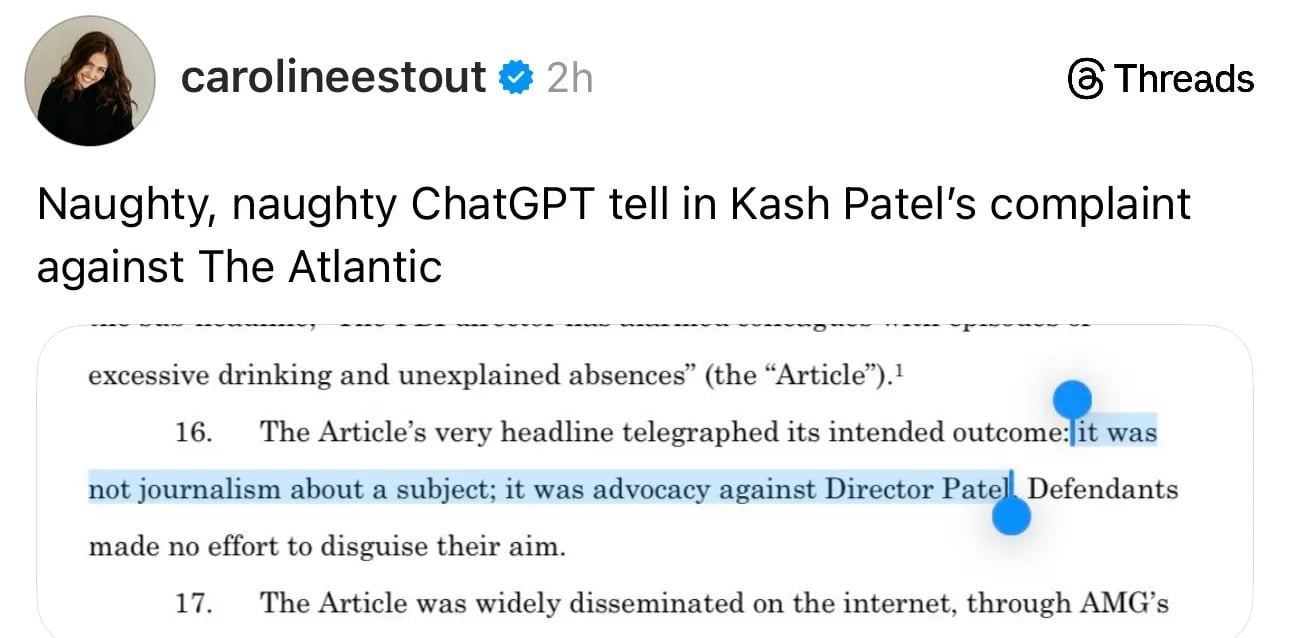
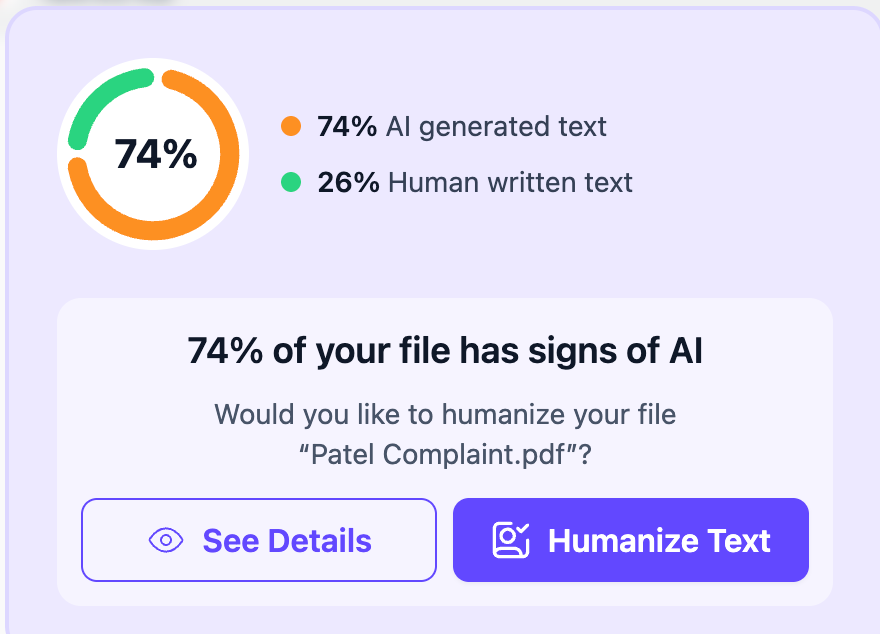




 Kathryn