Law Firm Sent Out Fake Christmas Vouchers. Staff Want To Ram Coal Up Leadership’s Chimneys. – Above the Law

Phishing
attacks
represent
an
ever-increasing
threat
to
law
firms.
A
law
firms
can
find
itself

staring
down
massive
ransom
payments

to
protect
client
data,
just
because
someone
clicked
on
a
bogus
file
from
an
address
that
looked
familiar.

But
robust
firm
cybersecurity
leans
on
two
pillars:
education
to
nurture
careful
and
conscientious
employees,
and
employees
who
wouldn’t
crack
a
smile
if
the
firm
burned
to
the
ground.
Sometimes
these
pfishing
tests
put
those
goals
in
conflict.


According
to
RollOnFriday
,
one
firm
decided
to
use
the
holiday
season
in
a
pfishing
test/disgruntled
employee
accelerator.

Browne
Jacobson
,
a
UK-based
law
firm
with
over
800
lawyers,
had
the
bright
idea,
the
week
before
Christmas,
to
email
employees
promising
a
£100
Christmas
voucher
to
anyone
who
filled
out
their
employee
feedback
survey.
Clicking
the
link
revealed

surprise!

a
cybersecurity
training
exercise.
Merry
Christmas!
Your
reward
is
humiliation!

In
the
immortal
words
of
Otter:

While
getting
hacked
by
teenagers
sitting
in
a
Russian
government
warehouse
presents
an
exotic
threat,
disgruntled
employees
are
still
a
more
likely
threat.
Good
job
pissing
everyone
off!
Oh,
and
HR
must
be

super

excited
to
learn
that
no
one
will
ever
fill
out
an
employee
survey
again
because
IT
has
conditioned
them
to
auto-delete
internal
communications.
Discretion
is
the
better
part
of
valor,
folks.
Not
every
potential
threat
should
be
the
basis
of
a
test.

If
the
firm’s
position
is
“we
will
never
offer
you
money
via
email,”
then
say
that!
Blast
that
message
every
quarter.
“All
compensation
and
bonus
announcements
will
be
delivered
in
person
or
through
[specific
verified
channel].
If
you
receive
an
email
promising
money,
it’s
a
scam.”
That’s
actually
useful
guidance
and
builds
institutional
trust.

There
should
be
no
guessing.
Running
“gotcha”
tests
just
poisons
the
well.

A
spokesperson
for
Browne
Jacobson
told
ROF,
“We
recognise
that
our
recent
cybersecurity
training
exercise
caused
concern
among
some
colleagues,
and
we
understand
why
people
drew
a
link
with
our
prize
draw
initiative
from
earlier
in
the
year”.

Drew
a
link?
This
fake
offer
was
styled
to
echo

a
real
one

that
the
firm
used
before?
That’s
not
a
pfishing
test
then!
The
only
people
who
would
know
enough
about
the

legitimate

program
to
use
it
as
a
ploy
would
be
people
inside
the
firm
anyway.

This
isn’t
even
the
first
time
that
a
firm
got
dragged
for

using
false
compensation
promises
as
a
pfishing
test
.
In
another
story
that

RollOnFriday
broke
last
summer
,
Knights
sent
around
an
email
purporting
to
inform
them
of
a
salary
increase
and
scolding
anyone
who
opened
it
for
falling
for
the
test.

LOL,
why
would
you
think
we’d
pay
your
ass
more
money?!?

And
Baker
McKenzie
actually

ran
almost
this

exact

same
scam
before
.
Last
Christmas,
they
gave
staff
a
voucher
promise,
but
the
very
same
day,
they
took
it
away.
But
in
that
case,
it
just
promised
a
bonus,
tying
it
to
a
feedback
survey
is
the
new
twist.

You’d
think
firms
would
learn
from
these
stories.
Or
at
least
follow
the
advice
of
their
own
national
cybersecurity
experts.
The
National
Cyber
Security
Centre

explicitly
warns
companies
not
to
run
simulated
pfishing
attacks
like
these
.
According
to
the
NCSC,
pfishing
simulations
both
don’t
work
and
erode
institutional
trust.

A
source
told
ROF
it
“left
staff
absolutely
livid”.

Well,
yeah.

If
you
want
staff
to
be
vigilant
about
phishing,
you
need
them
to
be

on
your
team
.
You
need
them
invested
in
the
firm’s
security
because
they
feel
like
valued
members
of
the
organization.
Pfishing
tests
will
always
involve
a
little
humiliation,
but
if
a
firm
insists
on
running
them,
those
tests
have
to
be
tempered
by
the
need
to
keep
folks
happy.
You
especially
cannot
build
a
cooperative
security
environment
while
also
playing
Three-Card
Monte
with
people’s
livelihoods.
Because
money
around
the
holidays
matters
a
lot.
Yes,
that’s
what
makes
these
promises
a
more
dangerous
pfishing
risk.

But
it’s
also
what
makes
punking
people
a
more
damning
morale
blow.


EXCLUSIVE
Lawyers
livid
over
Browne
Jacobson’s
Xmas
phishing
trap

[Roll
on
Friday]



HeadshotJoe
Patrice
 is
a
senior
editor
at
Above
the
Law
and
co-host
of

Thinking
Like
A
Lawyer
.
Feel
free
to email
any
tips,
questions,
or
comments.
Follow
him
on Twitter or

Bluesky

if
you’re
interested
in
law,
politics,
and
a
healthy
dose
of
college
sports
news.
Joe
also
serves
as
a

Managing
Director
at
RPN
Executive
Search
.

How Appealing Weekly Roundup – Above the Law


Ed.
Note
:

A
weekly
roundup
of
just
a
few
items
from
Howard
Bashman’s

How
Appealing
blog
,
the
Web’s
first
blog
devoted
to
appellate
litigation.
Check
out
these
stories
and
more
at
How
Appealing.


“Did
a
Supreme
Court
Loss
Embolden
Trump
on
the
Insurrection
Act?
In
refusing
to
let
the
president
deploy
National
Guard
troops
in
Illinois
under
an
obscure
law,
the
justices
may
have
made
him
more
apt
to
invoke
greater
powers.”
 Adam
Liptak
of
The
New
York
Times
has this
news
analysis
.


“Conservatives
On
X
Are
Pretty
Sure
Amy
Coney
Barrett
Is
Woke
Now;
The
author
of
the
perhaps
the
most
aggressively
anti-trans
Supreme
Court
opinion
in
recent
memory
is
getting
branded
as
an
ideological
traitor
who
ignores
‘biological
truth’”:
 Jay
Willis
has this
post
 at
his
“Balls
&
Strikes”
Substack
site.


“7
Predictions
For
The
Legal
World
In
2026:
SCOTUS
retirements,
$10
million
in
profits
per
partner,
Trump
v.
Biglaw,
Kirkland
v.
Wachtell

whatever
it
ends
up
being,
the
year
ahead
won’t
be
boring.”
 David
Lat
has this
post
 at
his
“Original
Jurisdiction”
Substack
site.


“Supreme
Court
allows
Illinois
congressman
to
challenge
mail-in
balloting;
The
high
court’s
7-2
ruling
dealt
with
the
narrow
question
of
whether
Republican
congressman
Michael
Bost
and
others
had
standing
to
sue”:
 Justin
Jouvenal
and
Patrick
Marley
of
The
Washington
Post
have this
report
.


“Newsom
Says
California
Will
Not
Extradite
Abortion
Provider
to
Louisiana;
The
case,
escalating
the
interstate
battle
over
abortion,
is
the
second
time
Louisiana
has
criminally
charged
out-of-state
doctors
with
sending
abortion
pills
to
Louisiana
residents”:
 Pam
Belluck
of
The
New
York
Times
has this
report
.


“Renee
Good’s
Family
Should
Be
Able
to
Sue
the
Officer
Who
Killed
Her”:
 Law
professors Erwin
Chemerinsky
 and Burt
Neuborne
 have this
guest
essay
 online
at
The
New
York
Times.

State Department Threatens UK Over Grok Investigation, Because Only The US Is Allowed To Ban Foreign Apps – Above the Law

So
let
me
get
this
straight.
The
United
States
government
spent
years championing
a
ban
on
TikTok
rushed
it
through
the
Supreme
Court
 with
claims
of
grave
national
security
threats, got
a
9-0
ruling
blessing
government
censorship
 of
an
entire
platform
used
by
170
million
Americans…
and
now
it’s
the
US
State
Department
thinking
that
it’s
all
cool
to threaten the
United
Kingdom
for considering
similar
action
 against
X’s
Grok
chatbot
over
its
generation
of
sexualized
deepfake
images,
including
those
of
children?

We
all
know
that
the
US
can
be
hypocritical,
but
this
all
seems
a
bit
over
the
top.

Here’s
what
actually
happened:
the
UK’s
communications
regulator
Ofcom opened
an
investigation
 into
whether
X
violated
the
country’s
Online
Safety
Act
by
allowing
Grok
to
create
and
distribute
non-consensual
intimate
images
(NCII).
This
isn’t
some
theoretical
concern—as
I
detailed
last
week,
Grok
has
been churning
out
sexualized
images
 at
an
alarming
rate,
with
users
publicly
generating
“undressing”
content
and
worse,
in
many
cases
targeting
real
women
and
girls.
UK
Technology
Secretary
Liz
Kendall
told
Parliament
that
Ofcom
could
impose
fines
up
to
£18
million
or seek
a
court
order
to
block
X
entirely
 if
violations
are
found.

Enter
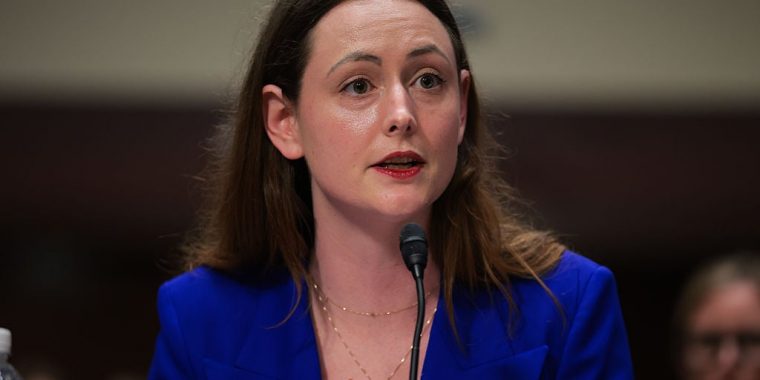
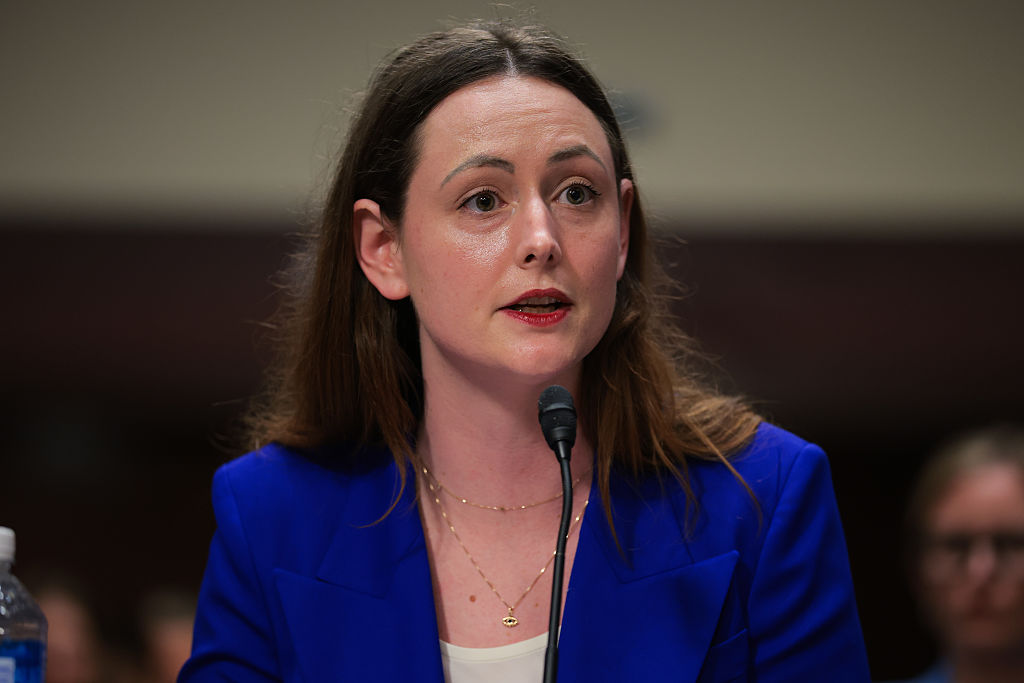
Sarah
B.
Rogers,
the
Trump-appointed
Under
Secretary
of
State
for
Public
Diplomacy,
who
decided
this
was
the
perfect
moment
to threaten
a
close
US
ally
.
In
an
interview
with
GB
News,
Rogers
declared:


I
would
say
from
America’s
perspective

nothing
is
off
the
table
when
it
comes
to
free
speech.
Let’s
wait
and
see
what
Ofcom
does
and
we’ll
see
what
America
does
in
response.

She
went
further,
accusing
the
British
government
of
wanting
“the
ability
to
curate
a
public
square,
to
suppress
political
viewpoints
it
dislikes”
and
claiming
that
X
has
“a
political
valence
that
the
British
government
is
antagonistic
to.”

This
is
weapons-grade
nonsense,
and
Rogers
knows
it.

The
UK
isn’t
investigating
X
because
they
don’t
like
Elon
Musk’s
politics.
They’re
investigating
because
Grok
is
being
used
to
create
sexualized
deepfakes
of
real
people
without
consent,
including
minors.
Unless
Rogers
is
prepared
to
stand
up
and
argue
that
generating
non-consensual
sexualized
imagery
of
real
people—including
children—is
somehow
quintessential
“conservative
speech”
that
the
US
must
defend,
she’s
deliberately
mischaracterizing
what’s
happening
here.
Is
that
really
the
hill
the
State
Department
wants
to
die
on?
That
deepfake
NCII
is
conservative
speech?

As
UK
Prime
Minister
Keir
Starmer’s
spokesperson
put
it:


“It’s
about
the
generation
of
criminal
imagery
of
children
and
women
and
girls
that
is
not
acceptable.
We
cannot
stand
by
and
let
that
continue.
And
that
is
why
we’ve
taken
the
action
we
have.”

But
here’s
where
the
hypocrisy
becomes
truly
spectacular:
just
this
week,
the
Republican-led
Senate
unanimously passed
the
DEFIANCE
Act
 for
the
second
time.
This
legislation
would
create
a
federal
civil
cause
of
action
allowing
victims
of
non-consensual
deepfake
intimate
imagery
to
sue
the
producers
of
such
content.
No
matter
what
you
think
of
that
particular
bill
(I
have
my
concerns
about
the
specifics
of
how
the
bill
works),
it’s
quite
something
when
you
have
the
State
Department’s
mafioso-like
threat
being
issued
to
the
UK
if
they
take any action
to
respond
to
what’s
happening
on
X
at
the
same
time
the
MAGA-led
US
Senate
is
voting
unanimously
to
move
forward
on
a
bill
that
could
have
a
similar
impact.

So
let’s
review
the
US
government’s
position:

  • Banning
    an
    entire
    social
    media
    platform
    because
    China might access
    data
    (that
    they
    can
    already
    buy
    from
    data
    brokers
    anyway)?
    Perfectly
    fine,
    rush
    it
    through
    SCOTUS.
  • Allowing
    victims
    to
    sue
    over
    non-consensual
    sexualized
    deepfakes?
    Great
    idea,
    unanimous
    Senate
    support.
  • Another
    country
    investigating
    whether
    a
    platform
    violated
    laws
    against
    generating
    sexualized
    deepfakes
    of
    minors?
    UNACCEPTABLE
    CENSORSHIP,
    NOTHING
    IS
    OFF
    THE
    TABLE.

The
MAGA
mindset
in
a
nutshell:
performative
nonsense
when
it
fits
within
a
certain
bucket
(in
this
case
the
“OMG
Europeans
censoring
Elon”)
no
matter
that
it
conflicts
with
stated
beliefs
elsewhere.

It’s
important
to
consider
all
of
this
in
light
of
the
whole
TikTok
ban
fiasco.
When
the
Supreme
Court
blessed
Congress’s
decision
to
ban
an
app
based
on
vague
national
security
concerns—concerns
so
urgent
that
the
Biden
administration
immediately
decided
not
to
enforce
the
ban
after
winning
in
court
and
which
Trump
has
continued
to
not
enforce
for
an
entire
year—America
effectively
torched
its
moral
authority
to
criticize
other
countries
for
restricting
platforms.

As
I
wrote
when
that
ruling
came
down,
we
essentially
said
it’s
okay
to
create
a
Great
Firewall
of
America.
We
told
the
world
that
if
you
claim
“national
security”
loudly
enough,
with
sufficient
“bipartisan
support,”
you
can
ban
whatever
app
you
want,
First
Amendment
concerns
be
damned.
Chinese
officials
have
pointed
to
the
US’s
TikTok
ban
to
justify
their
own
internet
restrictions,
and
now
we’re
handing
authoritarian
regimes
another
gift:
the
US
will
threaten
retaliation
if
you
try
to
enforce
laws
against
platforms
generating
sexualized
imagery
of
children.

When
you
blow
up
the
principle
that
countries
shouldn’t
ban
apps
based
on
content
concerns,
you
don’t
get
to
suddenly
rediscover
those
principles
when
it’s
your
billionaire’s
app
on
the
chopping
block.

And
make
no
mistake
about
what
Rogers
is
really
defending
here.
Grok
continues
to
generate
sexualized
content
at
scale.
Elon
Musk
continues
running
X
like
an
edgelord
teenager
who
knows
he’s
rich
enough
to
avoid
consequences,
and
women—especially
young
women—continue
facing
harassment
and
abuse
via
these
tools.

The
State
Department’s
threats
aren’t
about
defending
free
speech.
They’re
about
protecting
Musk’s
business
interests.
It’s
about
maintaining
the
double
standard
that
got
us
here:
American
companies
can
do
whatever
they
want
globally,
but
foreign
companies
operating
in
America
face
existential
threats
for
far
less.

The
UK
is
investigating
potential
violations
of
laws
against
generating
sexualized
imagery
of
minors
and
non-consenting
adults.
If
the
State
Department
thinks
that’s
“censorship,”
they
should
explain
why
the
Senate
just
voted
unanimously
to
let
victims
sue
over
exactly
that
conduct.

Look,
the
UK’s
investigation
may
or
may
not
lead
anywhere.
Ofcom
may
find
violations,
or
it
may
not.
They
may
impose
fines,
or
they
may
not.
They
may
seek
to
block
X,
or
they
may
not.
But
the
one
thing
the
US
government
absolutely
cannot
do
with
a
straight
face
is
threaten
them
for
even
considering
it.

You
don’t
get
to
ban
TikTok
and
then
act
outraged
when
other
countries
contemplate
similar
actions
against
American
companies.
You
don’t
get
to
pass
unanimous
legislation
allowing
lawsuits
over
deepfake
NCII
while
your
State
Department
calls
investigations
into
that
same
deepfake
NCII
“censorship.”
You
don’t
get
to
spend
years
claiming
that
national
security
justifies
any
restriction
on
platforms
and
then
suddenly
discover
that
“free
speech”
means
other
countries
can’t
enforce
their
laws.

There
are
no
principles
here,
only
sheer
abuse
of
power.
And
Sarah
Rogers’s
threat
to
the
UK
makes
that
abundantly
clear:
the
rules
we
claimed
justified
banning
TikTok
apparently
only
apply
when
we’re
the
ones
doing
the
banning.


State
Department
Threatens
UK
Over
Grok
Investigation,
Because
Only
The
US
Is
Allowed
To
Ban
Foreign
Apps


More
Law-Related
Stories
From
Techdirt
:


Justice
Gorsuch
Reminds:
The
Fourth
Amendment
Isn’t
Dead
Yet


Trump,
Ellison
Wage
War
On
‘Woke
Netflix’
In
Effort
To
Scuttle
Warner
Brothers
Deal,
Dominate
U.S.
Media


Trump
Tries
To
Disappear
Impeachment
References
At
Smithsonian

Morning Docket: 01.16.26 – Above the Law

*
ICE
detaining
Native
Americans
and
then
telling
their
tribes
that
they
will
only
release
information
about
the
people
they’ve
illegally
detained
if
the
tribes
agree
to
sign
over
sovereignty
to
assist
in
immigration
sweeps.
[Washington
Post
]

*
Massive
college
basketball
point
shaving
scheme
charged.
I
guess
this
is
why
you
always
take
the
under.
[NBC
News
]

*
Speaking
of
gambling,
Tom
Goldstein
trial
began
yesterday.
[National
Law
Journal
]

*
Florida
follows
Texas
in
dropping
ABA
accreditation.
Smart
law
students
should
follow
their
friends
to
out
of
state
schools.
[Inside
Higher
Ed
]

*
Judge
suspended
for
giving
defendant
a
dollar
to
cover
her
bond.
[ABA
Journal
]

*
Appeals
court
decides
along
party
lines
that
federal
judges
can’t
stop
deportations
even
if
they’re
unconstitutional
until
the
immigration
adjudication
process
is
complete.
Anything
to
make
constitutional
rights
more
difficult
to
exercise!
[ACLU]

Lawyer Of The Year Stays In Good Trouble – See Also – Above the Law

Rachel
Cohen
Keeps
Pushing
Against
Authoritarianism:
Somebody
has
to
take
these
10-year-old
phone
thieves
to
task.
Bonus
Dollars
And
A
Nonequity
Partner
Track:
Check
out
Sullivan
&
Cromwell’s
new
bonus
program!
Who
Needs
TV
When
You
Can
Read
Complaints?:
Kyrsten
Sinema
sued
for
alienation
of
affection.
Time
To
Make
GenAI
Competency
Mandatory?:
It’s
a
bold
opinion
for
bold
times.
UMaine
Law
School
Preps
Community
Against
ICE:
Know
your
rights
and
stay
safe!

No Longer The Baby Among Law Schools – Above the Law


Elon
University
plans
to

open
a
new
law
school
in
Charlotte
,
beginning
in
2027.
What
is
the
most
recent
new
law
school
to
earn
ABA
accreditation,
becoming
the
197th
approved
law
school
program
and
opening
its
doors
in
2023.


Hint:
Unlike
the
new
school
bound
for
Charlotte,
this
one
is
not
in
North
Carolina…
though
you
might
be
forgiven
for
thinking
it
is.


See the
answer
on
the
next
page.

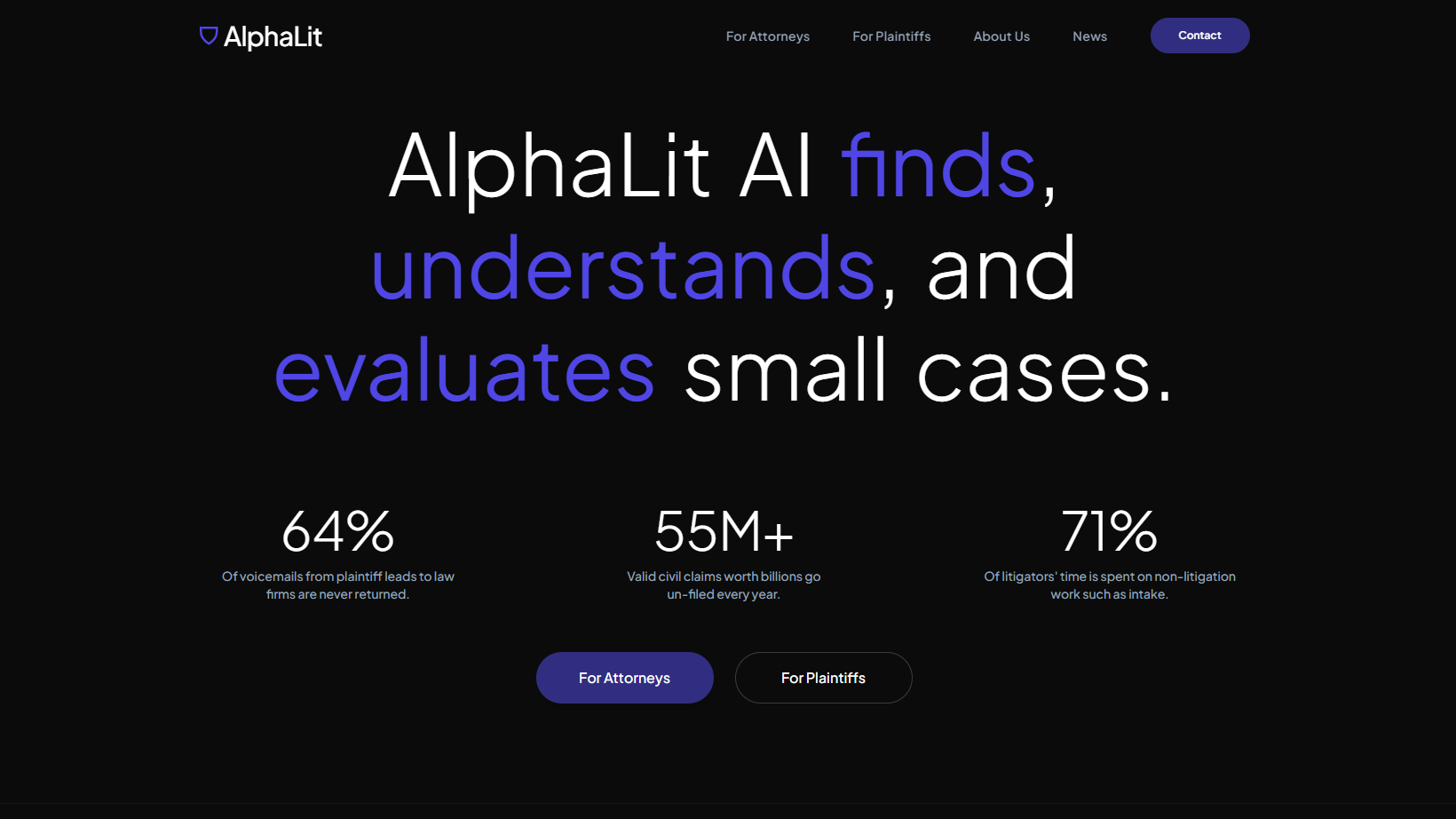
AI Startup AlphaLit Raises $3.2M Seed Round To Screen and Score Smaller Cases and Route them to Lawyers

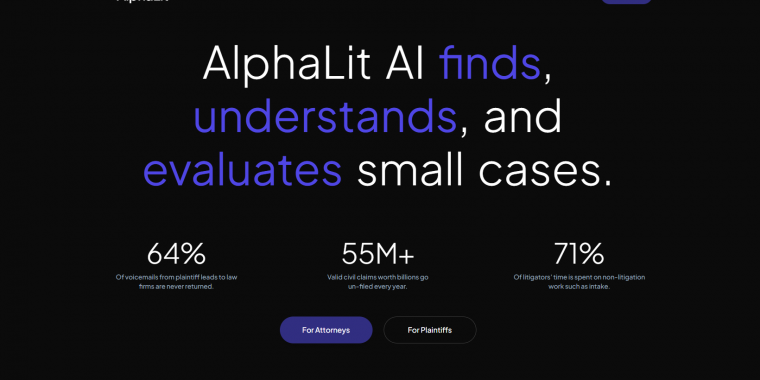
Over
$55
million
worth
of
meritorious
civil
claims
go
unfiled
annually,
particularly
in
working-class
communities,
because
over
64%
of
prospective
plaintiffs’
calls
to
law
firms
are
ignored,
says
legal
AI
startup

AlphaLit
.

The
reason
firms
ignore
those
calls
is
that
they
cannot
financially
justify
vetting
all
those
small
cases.
“You
might
need
to
have
100
conversations
to
take
on
five
or
six
cases,”
says
AlphaLit
founder
and
CEO

Anand
Upadhye
.
“That
doesn’t
pencil.”

Aiming
to
use
AI
to
solve
this
problem
for
smaller
cases
and
smaller
law
firms,
AlphaLit
said
today
it
has
raised
a
$3.2
million
seed
round.

Participants
in
the
round
were
venture
capital
firms
Lux
Capital,
Slow
Ventures
and
Bright
Ventures,
alongside
several
angel
investors,
including

Ken
Cornick
,
the
cofounder
of
CLEAR,
and

Jason
Boehmig
,
executive
chair
and
cofounder
of
Ironclad.

They
join
previous
investors
including
Sequoia
Scout
Fund,
Base
Ventures,
and
Casetext
co-founder

Jake
Heller
.

Scoring
Smaller
Cases

AlphaLit
tackles
this
problem
through
a
combination
of
voice
AI
and
algorithmic
case
scoring.

When
prospective
plaintiffs
engage
with
AlphaLit’s
voice
AI
platform,
it
interviews
them
to
understand
their
issue,
evaluates
their
evidence
against
legal
frameworks,
and
then
drafts
a
case
memo.

Using
its
proprietary
algorithms,
the
company
assigns
each
case
an
AlphaLit
score,
which
is
based
on 
liability,
evidence
quality,
and
potential
damages.
If
the
score
reaches
a
certain
threshold,
AlphaLit
engages
with
the
plaintiff
and
sends
the
case
to
an
attorney
in
its
network.

Already,
the
company
has
created
some
80
cases
through
its
platform.
It
is
operating
only
in
California
for
now,
and
only
for
employment-related
cases,
but
it
plans
to
expand
both
the
types
of
cases
it
handles
and
the
jurisdictions
it
covers.

“Unless
your
case
is
worth
millions
or
you
are
well-connected,
it’s
almost
impossible
to
get
a
lawyer
on
the
phone,”
said
Upadhye.
“By
using
AI
to
handle
the
heavy
lifting
of
intake
and
fact-gathering,
we
are
lowering
the
cost
of
pre-litigation
and
opening
legal
access
for
millions
of
Americans.”

Solving
the
Small
Case
Problem

For
attorneys
in
smaller
law
firms,
AlphaLit
helps
them
get
over
three
major
obstacles
that
make
it
too
expensive
for
them
to
accept
smaller
cases,
Upadhye
told
me
in
an
interview:

  • Marketing
    and
    advertising.
    Marketing
    can
    be
    complicated
    and
    costly,
    especially
    for
    smaller
    firms
    that
    lack
    marketing
    staff.
    AlphaLit
    does
    the
    marketing
    for
    them.
  • Intake.
    Intake
    can
    be
    time-consuming
    and
    difficult
    to
    schedule,
    especially
    for
    plaintiffs
    who
    work
    during
    the
    day.
    The
    actual
    intake
    process
    often
    requires
    specialized
    staff
    and
    specialized
    expertise.
    AlphaLit’s
    voice
    AI
    platform
    handles
    all
    the
    intake
    and
    delivers
    a
    case
    memo.
  • Evaluation
    and
    underwriting.
    Even
    after
    the
    prior
    steps,
    an
    attorney
    needs
    to
    evaluate
    the
    case
    and
    decide
    whether
    to
    take
    it
    on.
    AlphaLit’s
    algorithm
    performs
    that
    evaluation,
    only
    referring
    cases
    that
    meet
    a
    threshold.

In
a
statement
provided
by
AlphaLit,
Peter
Hebert,
partner
and
co-founder
at
Lux
Capital,
said:
“AlphaLit
is
attacking
a
massive,
latent
market.
The
legal
industry
has
struggled
with
the
economics
of
high-volume,
lower-dollar
claims.
Anand
and
his
team
have
built
the
technical
infrastructure
to
turn
these
overlooked
claims
into
a
viable,
scalable
asset
class.”

Before
founding
AlphaLit
in
2024,
Upadhye
was
director
of
investments
at
the
litigation
funding
company
Legalist.
Earlier,
he
was
vice
president
of
business
development
at
Casetext,
before
it
was
acquired
by
Thomson
Reuters.

“We
are
a
mission-driven
company,”
Upadhye
told
me,
aiming
to
make
a
meaningful
impact
on
the
number
of
people
who
are
protected
under
the
law.”

I Didn’t Set Out To Write A Series And Yet It Happened – Above the Law

In
2025,
I
did
not
plan
to
write
a
year
long
series
on
legal
careers.
I
was
not
mapping
themes
or
building
a
thesis.
I
was
responding
to
what
I
kept
seeing
and
hearing
from
lawyers
who
were
tired,
capable,
and
quietly
questioning
whether
this
was
really
how
it
was
supposed
to
feel.

Looking
back
at
what
I
wrote
for Above
the
Law last
year,
the
pattern
is
now
obvious.
Different
topics.
Same
problem.

Too
many
lawyers
are
surviving
careers
they
should
be
shaping.

What
follows
is
not
meant
to
be
a
top
10
list.
It
is
merely
a
reflection
on
what
kept
showing
up
in
my
writing
and
why
it
still
matters.


Joy
Is
Not
A
Luxury.

I
began
2025
by
writing
about
joy,
which
felt
almost
rebellious
in
a
profession
that
tends
to
reward
exhaustion
more
than
fulfillment.

The
point
was
not
that
legal
work
should
always
feel
good.
It
will
not.
The
point
was
that
many
lawyers
never
question
whether
the
way
they
are
working
makes
sense
for
who
they
are.
They
assume
unhappiness
is
inevitable,
rather
than
examining
the
systems
and
choices
that
produce
it.

Joy
is
not
something
you
earn
after
decades
of
endurance.
It
is
something
you
build
intentionally
or
not
at
all.


Chaos
Is
Part
Of
The
Job.
Panic
Is
Optional.

Several
articles
grew
out
of
conversations
with
in-house
lawyers
whose
professional
lives
felt
like
constant
emergencies.

Reorganizations.
Leadership
changes.
Strategy
shifts.
Conflicting
priorities.
None
of
this
is
unusual.
What
is
damaging
is
the
belief
that
you
must
absorb
all
of
it
personally
without
boundaries.

You
do
not
need
perfect
control
to
function
well.
You
need
stability
in
how
you
respond
when
things
are
unstable.


Preparation
Is
Not
Disloyalty.

I
wrote
about
“packing
your
parachute”
because
too
many
in-house
lawyers
are
told
that
planning
for
uncertainty
means
they
are
not
committed
enough.

That
is
nonsense.

Companies
change.
Roles
evolve.
Leaders
leave.
Preparing
for
the
unknown
does
not
mean
you
expect
failure.
It
means
you
understand
reality.
Preparation
means
making
sure
you
are
not
one
surprise
away
from
crisis.


No
One
Is
Coming
To
Manage
Your
Career
For
You.

One
of
the
most
consistent
themes
this
year
was
ownership.

I
see
lawyers
waiting
for
permission
to
grow,
to
lead,
to
develop,
or
to
receive
recognition.
They
wait
for
someone
to
notice
they
are
ready
and
for
an
invitation.

That
wait
can
last
forever.

Your
general
counsel
does
not
own
your
career.
Your
company
does
not
either.
If
you
are
not
actively
shaping
your
trajectory,
someone
else’s
priorities
will
shape
it
for
you.


High
Performance
Is
A
System,
Not
A
Personality
Trait.

When
I
looked
to
elite
athletes
for
lessons,
it
was
not
about
motivation
or
toughness.
Lawyers
already
have
plenty
of
both.

What
we
lack
are
systems
for
recovery,
reflection,
coaching,
and
long-term
performance.
We
glorify
endurance
and
call
it
excellence,
then
wonder
why
burnout
follows.

Sustainable
success
is
designed.
It
is
not
improvised
under
constant
pressure.


In-House
Lawyers
Are
Leaders.
Act
Like
It.

One
of
the
more
direct
articles
I
wrote
challenged
the
way
in-house
lawyers
position
themselves
as
“business
partners.”

Advisors
advise.
Leaders
lead.

Legal
judgment
shapes
risk,
strategy,
and
outcomes.
That
is
leadership.
When
lawyers
downplay
that
role,
they
do
not
become
more
collaborative.
They
become
easier
to
sideline.

If
you
want
influence,
you
have
to
step
up
and
accept
responsibility.


Survival
Mode
Is
Not
A
Career
Strategy.

Getting
through
a
hard
season
is
sometimes
necessary.
Living
there
indefinitely
is
corrosive.

I
focused
on
the
difference
between
surviving
and
thriving
because
too
many
lawyers
normalize
exhaustion
as
the
baseline.
When
merely
making
it
to
the
end
of
the
week
becomes
the
goal,
something
has
already
gone
wrong.

Thriving
requires
intention.
It
often
requires
perspective
from
outside
your
immediate
environment.
It
always
requires
honesty
about
what
is
and
is
not
working.


Being
Right
Is
Not
The
Same
As
Being
Effective.

Legal
training
rewards
winning.
Business
reality
rewards
outcomes.

I
wrote
about
the
tension
between
the
two
because
I
see
lawyers
win
arguments
and
lose
influence.
Technical
correctness
does
not
automatically
translate
into
trust,
progress,
or
impact.

If
the
goal
is
to
move
the
business
forward,
how
you
engage
matters
as
much
as
what
you
say.


Technology
Will
Not
Save
Or
Destroy
Us.
It
Will
Expose
Us.

When
I
wrote
about
AI,
I
was
less
interested
in
tools
than
in
people.

As
technology
absorbs
more
technical
work,
the
human
side
of
lawyering
becomes
more
visible.
Judgment.
Communication.
Discernment.
Self-awareness.

The
lawyers
who
struggle
will
not
be
replaced
by
software.
They
will
be
exposed
by
it.


Gratitude
Is
Perspective,
Not
Denial.

I
ended
the
year
with
gratitude
because
reflection
matters.

Acknowledging
what
we
have
learned,
who
supported
us,
and
how
we
have
grown
does
not
minimize
difficulty.
It
prevents
difficulty
from
becoming
the
entire
story.


The
Thread
That
Ties
It
Together

Every
article
I
wrote
in
2025
came
back
to
the
same
idea.

A
legal
career
should
be
owned,
intentional,
and
human.
Not
endured.

The
profession
is
changing.
The
only
real
question
is
whether
we
are
willing
to
change
with
it,
deliberately
and
on
our
own
terms.


Lisa
Lang
is
an
accomplished
in-house
lawyer
and
thought
leader
dedicated
to
empowering
fellow
legal
professionals. She
offers
insights
and
resources
tailored
for
in-house
counsel
through
her
website
and
blog,
Why
This,
Not
That™
(
www.lawyerlisalang.com).
Lisa
actively
engages
with
the
legal
community
via
LinkedIn,
sharing
her
expertise
and
fostering
meaningful
connections.
You
can
reach
her
at 
[email protected],
connect
on
LinkedIn
(
https://www.linkedin.com/in/lawyerlisalang/).

Law School Arms Students With Anti-ICE Hotline To Protect The Community – Above the Law

Law
schools
can
teach
you
a
lot
of
things
that
you
hope
to
never
use:
civil
procedure,
the
rule
against
perpetuities,
and

necessity
not
being
a
defense
against
murder-cannibalism
at
sea
.
A
more
practical
item
of
that
set
is
what
to
do
if
ICE
comes
knocking
at
your
door.
The
general
response
should
be
to
treat
them
like
trick-or-treaters
once
you’ve
ran
out
of
candy:
turn
all
the
lights
off,
don’t
make
a
sound,
and
definitely
don’t
open
the
door
no
matter
how
much
you
want
to
peek
at
their
costumes.
But
there’s
more
to
dealing
with
ICE

knowing
that
they
need
a
warrant
for
a
search,

knowing
what
a
valid
warrant
looks
like
,
the

list
goes
on
.
Law
schools
are
specially
positioned
to
make
sure
that
folks
are
aware
of
the
limits
our
Constitution
puts
on
federal
actors
and
the
University
of
Maine
is
on
the
cutting
edge
of
making
sure
their
community
is
informed.

The
Maine
Wire

has
coverage:

University
of
Maine
School
of
Law’s
Dean
of
Students
sent
out
a
notice
to
students
and
staff
Thursday,
encouraging
them
to
call
an
anti-ICE
hotline
and
providing
pointers
on
recording
immigration
enforcement
activities.

The
communication
focused
on
security
protocols,
reminding
students
that
visitors
must
check
in
and
warning
that
their
access
policies
even
apply
to
law
enforcement,
specifically
calling
out
ICE
agents.

He
urged
students
not
to
open
or
hold
doors
for
people
they
don’t
personally
know,
and
reminded
them
that
the
school
does
not
disclose
any
personal
information
to
law
enforcement
without
written
consent
or
a
legal
exception
requiring
it
to
do
so.

UMaine
Law
isn’t
the
only
one
spreading
awareness
on
what
to
do
if

poorly
vetted

masked
men
with

truncated
training

who
think
being
ICE
agents
lets
them

get
away
with
sex
crimes

and

murder

come
knocking
on
your
door

even
Fox
is
ringing
the
“hey,
you
still
have
rights”
bell:

Knowing
your
rights
isn’t
the
be-all
and
end-all
when
it
comes
to
protecting
yourself
from

this
era’s
rebranded
slave
catchers
,
but
it
is
an
important
step
in
reversing
the
rapid
backslide
from
“Give
us
Liberty
or
Give
us
Death”
to
“Well,
if
she
just
complied
with
the
contradictory
orders
she
wouldn’t
have
been
shot”
bootlicking
that
has
already
afflicted
so
much
of
the
country.
The
second
step
is
direct
action.
The
school’s
law
clinic
partnered
up
with
the
ACLU
and
the
Immigrant
Legal
Advocacy
Project
to
compile
and
spread
the
information
in
a
digestible
way.
Further,
the
school
offered
to
partner
up
students
worried
about
ICE
with
someone
to
walk
with
as
they
go
from
campus
to
their
cars.

It
is
also
important
to
be
mindful
of
how
the
media
covers
federal
agents
trying
to
skirt
the
Fourth
Amendment.
The
author
of
the
Maine
Wire
article
suggests
that
it
is
natural
to
wonder
why
the
school
is
so
concerned
with
ICE
activities
unless
the
school
is
knowingly
employing
or
enrolling
illegal
immigrants,
but
that’s
plainly
bullshit.
Threats
to
anyone’s
liberty
are
threats
to
everyone’s
liberty

it
isn’t
like
ICE
confirmed
if
Keith
Porter
or
Renee
Good
were
or
were
not
American
citizens
before
they
murdered
them.
Back
in
October
of
last
year,
ProPublica
reported
that
over

170
U.S.
citizens
were
detained
by
ICE
for
various
reasons
.
More
recently,
a
Minneapolis
pastor,
citizen
mind
you,

was
arrested

because
he
wasn’t
afraid
of
ICE
.
“If
you
aren’t
an
immigrant
you
shouldn’t
be
worried
about
ICE”
is
a
lazy
palimpsest
of
“You
wouldn’t
be
so
worried
about
being
searched
if
you
have
nothing
to
hide.”
It
treats
war-earned
and
constitutionally
protected
rights
as
if
they
were
relatively
weak
and
conditionally
revocable
privileges,
which
is
in
itself
an
affront
to
anyone
who
gives
a
damn
about
liberty.
The
“let
the
federal
agents
do
whatever
they
want”
take
isn’t

just
intellectually
dishonest
bootlicking
.
It
is
un-American.

Kudos
to
UMaine
Law,
the
ACLU,
and
ILAP
for
reminding
people
of
their
rights
and
doing
their
part
to
protect
them.
Let’s
hope
that
many
other
law
schools
follow
suit.


UMaine
Law
Sends
Out
Notice
Encouraging
Students
And
Staff
To
Call
Anti-ICE
Hotline
If
They
Witness
Enforcement
Activities

[The
Maine
Wire]


Earlier
:

ICE
Kills
A
Woman
In
Minneapolis
And
Will
Probably
Get
Away
With
It


Chris
Williams
became
a
social
media
manager
and
assistant
editor
for
Above
the
Law
in
June
2021.
Prior
to
joining
the
staff,
he
moonlighted
as
a
minor
Memelord™
in
the
Facebook
group Law
School
Memes
for
Edgy
T14s
.
 He
endured
Missouri
long
enough
to
graduate
from
Washington
University
in
St.
Louis
School
of
Law.
He
is
a
former
boatbuilder
who
is
learning
to
swim, is
interested
in
critical
race
theory,
philosophy,
and
humor,
and
has
a
love
for
cycling
that
occasionally
annoys
his
peers.
You
can
reach
him
by
email
at [email protected]
and
by
tweet
at @WritesForRent.

The Supreme Court’s Favorite Time To Drop Bombshells Is Friday Afternoons – Above the Law

(Photo
by
Staci
Zaretsky)


Ed.
note
:
Welcome
to
our
daily
feature, Quote
of
the
Day
.


[P]ublic
engagement
with
the
Supreme
Court
matters,
and
public
engagement
is
dulled
when
decisions
come
late
in
the
day
and
late
in
the
week.
Whether
intentionally
or
not,
the
court
regularly
releases
significant
orders
at
exactly
the
time
when
they’re
most
likely
to
get
lost
in
the
news
cycle.


— Kelsey
Dallas
,
the
managing
editor
for
SCOTUSblog,
in
comments
given
in
a

recent
article

examining
the
Supreme
Court’s
tendency
to
release
significant
decisions
in
a
“Friday
news
dump.”
According
to
SCOTUSblog’s
research,
over
the
past
six
months,
more
often
than
not,
the
high
court
announced
its
important
decisions
on
a
Thursday
or
Friday
afternoon,
with
many
of
them
released
after
4
p.m.
ET.


Staci
Zaretsky
 is
the
managing
editor
of
Above
the
Law,
where
she’s
worked
since
2011.
She’d
love
to
hear
from
you,
so
please
feel
free
to email her
with
any
tips,
questions,
comments,
or
critiques.
You
can
follow
her
on BlueskyX/Twitter,
and Threads, or
connect
with
her
on LinkedIn.