Closing Out The Year With Mergers And Attacks On The Rule Of Law – Above the Law

A
critical
analysis
of
the
best
variety
of
Coca-Cola
product
gives
way
to
a
conversation
about
law
this
week.
Cadwalader
ends
its
tumultuous
year

involving
a
Trump
administration
capitulation
and
a
series
of
defections

with

a
big
quasi-transatlantic
merger

announcement
with
cross-Pond
Hogan
Lovells.
Christmas
came
early

to
the
extent
anyone
thinks
of
U.S.
News
law
school
rankings
as
“Christmas”

with
a

prediction
about
the
new
law
school
pecking
order
.
And
it
looks
like
garbage
at
a
time
when
those
rankings
may
be
more
important
than
ever.
Also,

ICE
appears
to
be
publishing
an
enemies
list?

That
doesn’t
seem
great.
All
that
and
some
thoughts
on
Alan
Dershowitz
writing
a
new
book
suggesting
Trump
might
be

able
to
get
a
third
term

despite
the
clear
text
of
the
Constitution.

Biglaw Firm Hosting ‘Resilience’ Workshops For Tomorrow’s Lawyers So They’ll Be Prepared For Stressful Careers – Above the Law

We
don’t
go
by
that
anymore!


Ed.
note
:
Welcome
to
our
daily
feature,

Quote
of
the
Day
.


We
support
lawyers
of
the
future
with
skills-focused,
interactive
workshops
that
reflect
the
realities
of
legal
work.
Students
learn
practical
reframing
techniques
to
build
resilience
so
they
can
perform
to
the
best
of
their
ability,
maintain
perspective
and
look
after
their
wellbeing
as
they
pursue
a
career
in
law.


A
spokesperson
from
Freshfields,
in
comments
given
to

Legal
Cheek
,
concerning
the
firm’s
new
“resilience”
workshops
for
prospective
lawyers.
Held
at
UK
universities,
these
sessions
are
designed
to
help
future
lawyers

manage
their
stress
and
“stay
composed”
in
uncomfortable
situations
,
like
receiving
criticism
from
a
partner
or
requests
to
work
later
than
expected.


Staci
Zaretsky
 is
the
managing
editor
of
Above
the
Law,
where
she’s
worked
since
2011.
She’d
love
to
hear
from
you,
so
please
feel
free
to

email

her
with
any
tips,
questions,
comments,
or
critiques.
You
can
follow
her
on BlueskyX/Twitter,
and Threads, or
connect
with
her
on LinkedIn.

Associate Compensation Scorecard: Biglaw’s 2025 Bonus Blitz – Above the Law


Firm

Date
Matched

Minimum
Hours

Payout
Date

Cravath

Class
of
2025:
$15K
/
$6K
(prorated)
Class
of
2018:
$115K
/
$25K November
18,
2025 None December
12,
2025
Paul
Hastings

Class
of
2024:
$20K
/
$6K
Class
of
2018+:
$115K
/
$25K November
18,
2025 2000
hours Undisclosed
Cadwalader

Class
of
2025:
$15K
/
$6K
(prorated)
Class
of
2017:
$115K
/
$25K November
18,
2054 Additional
bonuses
“equal
to
120%
of
[market
bonuses]”
for
high
billers
with
2200
hours
or
more By
or
before
end
of
February
2026
Fried
Frank

Class
of
2025:
$15K
/
$6K
(prorated)
Class
of
2018+:
$115K
/
$25K November
19,
2025 1850
hours
for
special
bonus
(including
billable,
pro
bono,
qualified
nonbillable,
and
firm
matter
hours);
associates
eligible
for
“premium”
bonus
ranging
from
$3K
to
$34.5K
for
2200
hours
or
2450
hours On
or
before
December
31,
2025
McDermott
Will
&
Schulte

Class
of
2025:
$0
/
$6K
(prorated)
Class
of
2018+:
$115K
/
$25K November
19,
2025 2000
hours
(merit
bonuses
available
for
eligible
associates;
“two-thirds”
of
legacy
MWE
associates
will
see
bonuses
above
market) December
26,
2025
(legacy
MWE)
/
January
16,
2026
(legacy
SRZ)
Dechert

Class
of
2024:
$20K
/
$6K
Class
of
2018+:
$115K
/
$25K November
19,
2025 1950
hours
(client
billable,
pro
bono,
firm
as
client,
maximum
of
50
community
hours);
associates
who
exceeded
hours
expectations
eligible
to
receive
an
“extraordinary”
bonus
(i.e.,
2200
hours
=
addt’l
30%;
2400+
hours
=
addt’l
40%) By
or
before
end
of
January
2026
Wilkinson
Stekloff

Class
of
2025:
$22.5K
/
$0
spring
bonus
Class
of
2017+:
$172.5K
/
$60K
spring
bonus November
19,
2025 None By
December
15,
2025
Ropes
&
Gray

Class
of
2025:
$15K
/
$6K
(prorated)
Class
of
2017+:
$130K
/
$25K November
20,
2024 1900
creditable
hours
(bonuses
“may
be
increased
up
to
150%
of
the
year-end
bonus
amounts”
for
those
who
have
billed
“materially
more”
than
1900
hours) Undisclosed
Hogan
Lovells

Class
of
2024:
$20K
/
$6K
Class
of
2018+:
$115K
/
$25K November
20,
2025 2000
hours;
additional
bonuses
available
include
incremental
hours-based
bonuses,
discretionary
bonuses,
and
business-generation
bonuses End
of
December
2025
Vartabedian
Hester
&
Haynes

Class
of
2025:
$21K
(total
bonus,
including
$5K
summer
bonus)
Class
of
2018:
$140K
(total
bonus,
including
$5K
summer
bonus) November
20,
2025 1800
hours On
or
before
December
31,
2025
Paul
Weiss

Class
of
2025:
$15K
/
$6K
Class
of
2018+:
$115K
/
$25K November
21,
2025 None
(additional
discretionary
bonuses
for
“outsized
contributions”) December
22,
2025;
discretionary
bonuses
to
be
paid
in
early
2026
Proskauer

Class
of
2025:
$15K
/
$6K
(prorated)
Class
of
2017:
$115K
/
$25K November
21,
2025 2000
hours On
or
before
December
24,
2025
Baker
Botts

Class
of
2024:
$20K
/
$6K
Class
of
2018+:
$115K
/
$25K November
21,
2025 2000
hours
(1800
client
billable
hours
and
200
non-client
billable
hours,
including
pro
bono,
business
development,
etc.);
“enhanced”
bonuses
available
for
“exceptional”
performance Undisclosed
Davis
Polk

Class
of
2025:
$15K
/
$6K
(prorated)
Class
of
2018+:
$115K
/
$25K November
21,
2025 None December
30,
2025
White
&
Case

Class
of
2025:
$15K
/
$6K
(prorated)
Class
of
2018:
$115K
/
$25K November
21,
2025 Eligibility
criteria
detailed
in
separate
memo February
13,
2026
Debevoise

Class
of
2025:
$15K
/
$6K
(prorated)
Class
of
2018+:
$115K
/
$25K November
21,
2025 None Undisclosed
Skadden

Class
of
2025:
$15K
/
$6K
Class
of
2018+:
$115K
or
$125K
/
$25K November
21,
2025 1800
“productive
hours”
(including
unlimited
pro
bono
time
and
up
to
150
hours
of
productive
non-billable
work) December
15,
2025
Cleary

Class
of
2025:
$15K
/
$6K
(prorated)
Class
of
2018+:
$115K
/
$25K November
21,
2025 None December
19,
2025
A&O
Shearman

Class
of
2025:
$15K
/
$6K
(prorated)
Class
of
2018+:
$115K
/
$25K November
21,
2025 2000
hours
(including
a
minimum
of
25
pro
bono
hours
and
up
to
100
investment
hours
(e.g.,
DEI/mental
health;
personal
development/training;
community
involvement;
management
&
talent
development;
knowledge
development;
origination,
client
relationships,
business
development;
and
market
innovation
group));
associates
eligible
for
an
“enhanced
year-end
bonus”
if
they
“significantly
exceed”
the
firm’s
hourly
requirements Undisclosed
Covington

Class
of
2025:
$15K
/
$6K
Class
of
2018+:
$115K
/
$25K November
21,
2025 1950
hours
(including
pro
bono
and
up
to
50
DEI
hours) January
2026
Vinson
&
Elkins

Class
of
2025:
$15K
/
$6K
(prorated)
Class
of
2018+:
$115K
/
$25K November
24,
2025 Based
on
hours
and
good
standing On
or
about
January
30,
2026
Simpson
Thacher

Class
of
2025:
$15K
/
$6K
(prorated)
Class
of
2018:
$115K
/
$25K November
24,
2025 Undisclosed December
2025
Morgan
Lewis

Class
of
2024:
$20K
/
$6K
Class
of
2018:
$115K
/
$25K November
24,
2025 1900+
hours
(20
of
which
must
be
pro
bono
hours) January
2026
Milbank

Class
of
2025:
$15K
/
$6K
(paid
9/25)
Class
of
2017:
$115K
/
$25K
(paid
9/25) November
24,
2025 None December
31,
2025
Willkie
Farr

Class
of
2025:
$15K
/
$6K
(prorated)
Class
of
2018+:
$115K
/
$25K November
24,
2025 None December
31,
2025
Weil
Gotshal

Class
of
2025:
$15K
/
$6K
(prorated)
Class
of
2018+:
$115K
/
$25K November
25,
2025 None January
30,
2026
Holwell
Shuster

Class
of
2025:
$15K
/
$6K
(prorated)
Class
of
2018:
$115K
/
$25K November
25,
2025 None On
or
before
December
31,
2025
Linklaters

Class
of
2025:
$15K
/
$6K
(prorated)
Class
of
2018+:
$115K
/
$25K November
26,
2025 1900
hours
(including
unlimited
pro
bono,
up
to
400
hours
of
marketing,
and
other
work) Undisclosed
Clifford
Chance

Class
of
2025:
$15K
/
$6K
(prorated)
Class
of
2018+:
$115K
/
$25K November
26,
2025 None
(based
on
overall
performance,
quality
of
work,
contributions
to
firm,
teamwork,
and
pro
bono) January
15,
2026
Perkins
Coie

Class
of
2025:
$6K
Class
of
2018+:
$25K November
26,
2025 Undisclosed;
year-end
bonuses
announced
separately December
31,
2025
Sidley

Class
of
2024:
$15K
/
$6K
Class
of
2017:
$115K
/
$25K December
1,
2025 2000
hours
required
for
base
bonuses;
associates
with
“higher
productivity
and/or
exceptional
performance”
will
receive
additional
bonuses,
in
some
cases
“more
than
50%
above
base
bonus” Prior
to
December
31,
2025
Sheppard
Mullin

A1:
$15K
/
$6K
C2:
$115K
/
$25K December
2,
2025 2000
hours
for
base
bonus
(associates
who
record
1950
hours
will
receive
a
partial
bonus;
associates
who
record
2200
and
2400
hours
will
receive
110%
and
120%
of
the
market
bonus);
2000
hours
for
special
bonus January
16,
2026
McKool
Smith

Class
of
2025:
$15K
/
$6K
(prorated)
Class
of
2018:
$115K
/
$25K December
2,
2025 Undisclosed;
high
billers
will
receive
additional
bonus
money,
with
some
exceeding
the
market
scale
more
than
35%;
firm
previously
awarded
Thanksgiving
bonuses
based
on
tenure
at
the
firm
(ranging
from
$2.5K
to
$10K) December
19,
2025
Cahill

Class
of
2025:
$15K
/
$7.5K
(prorated)
Class
of
2017:
$115K
/
$40K December
4,
2025 Undisclosed;
select
associates
in
Classes
of
2018-2022
who
have
demonstrated
“extraordinary”
performance
eligible
for
a
“super
bonus”
up
to
$200K
(based
on
performance
and
seniority)
in
lieu
of
special
bonus Second
half
of
January
2026
Katten

Class
of
2025:
$15K
/
$6K
(prorated)
Class
of
2018+:
$115K
/
$25K December
4,
2025 2000
hours
(2100
hours
for
$16.5K-$126.5K;
2200
hours
for
$18K-$138K;
2300
hours
for
$19.5K-$149.5K;
2400
hours
for
$22.5K-$172.5K);
additional
“superstar”
bonuses
available Undisclosed
Orrick

Assoc
Year
1:
$15K
/
$6K
(prorated)
Senior
Assoc
Year
2+:
$115K
/
$25K December
4,
2025 Overmarket
merit
bonuses
for
those
who
have
displayed
“exceptional
performance” December
31,
2025
(special
bonuses);
mid-February
2025
(merit
bonuses)
Morrison
&
Foerster

Class
of
2025:
$15K
/
$6K
(prorated)
Class
of
2018+:
$115K
/
$25K December
4,
2025 Undisclosed;
high
hours
bonus
of
10/20/40%
of
base
by
class
year
($16.5K
(prorated)
to
$161K)
and
merit
incentive
bonus
of
10/20%
of
base
+
high
hours
by
class
year
($16.5K
(prorated)
to
$193.2K)
also
available;
potential
bonus
total
by
class
year
of
$21K
to
$218.2K February
13,
2026
Kellogg
Hansen

Assoc
Year
1:
$65K
median
/
$75K
high
/
$30K
special
Assoc
Year
6:
$225K
median/$300K
high
/
$55K
special
Of
Counsel:
$60K December
9,
2025;

December
10,
2025
Undisclosed;
year-end
bonuses
announced
separately Undisclosed
Yetter
Coleman

Class
of
2025:
$21K
(prorated)
Class
of
2018+:
$140K December
9,
2025 Undisclosed;
bonuses
expected
to
be
“significantly
higher”
than
market
for
“almost
all”
associates December
11,
2025
Dunn
Isaacson
Rhee

Bonuses
ranging
from
$21K
to
$140K
(based
on
seniority)
/
Special
bonus
$35K
for
all
class
years December
9,
2025 Undisclosed Undisclosed
Boies
Schiller

Class
of
2025:
$15K
/
$6K
(prorated)
Class
of
2018+:
$115K
/
$25K December
10,
2025 2000
hours
for
associates
on
the
“market”
system;
more
than
88%
of
associates
received
bonuses
as
high
as,
and
in
most
cases
higher
than
market
system
bonuses;
some
junior
associates
received
bonuses
of
$200K+
or
$300K+,
top
associate
bonuses
were
more
than
8
times
what
they
would
have
received
under
the
market
system December
12,
2025
Ross
Aronstam

Class
of
2025:
$15K
/
$6K
(prorated)
Class
of
2018+:
$115K
/
$25K December
10,
2025 None Undisclosed
Sullivan
&
Cromwell

Class
of
2025:
$15K
/
$6K
(prorated)
Class
of
2018+:
$115K
/
$25K December
10,
2025 Undisclosed Before
Christmas
2025
Freshfields

Class
of
2025:
$15K
/
$6K
(prorated)
Class
of
2018+:
$115K
/
$25K December
10,
2025 Undisclosed December
30,
2025
Perry
Law

Class
of
2025:
$20K
/
$6K
Class
of
2018:
$120K
/
$25K December
10,
2025 Undisclosed By
or
before
the
end
of
December
2025
Pallas
Partners

Class
of
2024:
$20K
/
$6K
Class
of
2018+:
$115K
/
$25K December
11,
2025 2000
hours
for
base
bonus;
step
up
bonuses
for
all
class
years
and
counsel
based
on
hours
(2100
hours
for
15%
more;
2200
hours
for
30%
more;
2350
hours
for
50%
more;
2400
hours
for
60%
more;
2500
hours
for
80%
more) Undisclosed
Axinn

Class
of
2025:
$20K
(prorated)
/
$6K
(prorated)
Class
of
2018+:
$115K
/
$25K December
11,
2025 2000
hours
(some
associates
earned
bonuses
of
up
to
$100K
above
market;
others
earned
total
bonuses
of
up
to
$240K) December
19,
2025
Elsberg
Baker
&
Maruri

Class
of
2025:
$26.25K
/
$6K
Class
of
2015+:
$201.25K
/
$25K December
11,
2025 Undisclosed December
19,
2025
Cohen
Ziffer

Class
of
2024:
$20K
/
$6K
Class
of
2018+:
$115K
/
$25K December
12,
2025 Undisclosed December
19,
2025
Bursor
&
Fisher

Class
of
2024:
$50K
Class
of
2023+:
$100K+ December
12,
2025 Undisclosed;
bonuses
are
based
on
business
origination
and
revenue;
highest
bonus
awarded
was
$770K+ Undisclosed
Glenn
Agre

Class
of
2025:
$15K
(prorated)
/
$6K
(prorated)
Class
of
2018:
$115K
/
$25K December
12,
2025 Undisclosed;
associates
will
be
eligible
to
receive
a
“premium”
above
base
bonuses
if
they’ve
shown
“extraordinary
dedication
and/or
performance”
this
year December
19,
2025
Massumi
+
Consoli

Class
of
2025:
$2.5K
/
$1.5K
Class
of
2017:
$115K
/
$25K December
15,
2025 1900
hours December
19,
2025
Goodwin

Class
of
2024:
$20K
/
$6K
Class
of
2018+:
$115K
/
$25K December
15,
2025 1900
hours
(including
pro
bono
hours
and
up
to
100
hours
of
culture
&
innovation
hours);
counsel
eligible
for
$25K
special
bonus
as
well
as
individualized
bonuses;
department
and
discovery
attorneys
eligible
for
$6K
special
bonus;
individualized
bonuses
for
all
Global
Operations
Team
members January
30,
2026
Susman
Godfrey

Class
of
2023:
$130K
(median)
Class
of
2016:
$280K
(median) December
16,
2025 None Undisclosed
Arnold
&
Porter

Class
of
2025:
$15K
(prorated)
/
$6K
(prorated)
Class
of
2018+:
$115K
/
$25K December
16,
2025 2000-2199
hours
(1800
billable)
for
year-end
bonus;
2200-2399
hours
(2000
billable)
for
special
bonus Undisclosed
Selendy
Gay

Class
of
2025:
$17.25K
/
$6K
Class
of
2018+:
$132.25K
/
$25K December
16,
2025 None
(some
associates
will
receive
even
more
bonus
money
based
on
performance,
hours,
and
firm
citizenship;
some
associates
received
bonuses
more
than
50%
above
market) Undisclosed
Irell
&
Manella

Class
of
2025:
$45K
(prorated)
/
N/A
Class
of
2017+:
$175K
/
$42K December
16,
2025 Undisclosed December
19,
2025
Gjerset
&
Lorenz

Class
of
2025:
$21K
Class
of
2018:
$140K December
16,
2025 1900
hours
for
base
bonus;
2000
hours
for
$26K-$180K
bonus;
2100
hours
for
$34K-$200K
bonus;
2200
hours
for
$41K-$215K
bonus;
maximum
potential
bonuses
of
$61K-$355K;
additional
bonuses
of
up
to
$160K
to
be
paid
out
over
the
next
four
quarters,
with
the
first
installment
on
March
31,
2026 December
19,
2025
Groombridge
Wu

Class
of
2025:
$30K
Class
of
2018:
$155K December
17,
2025 Undisclosed Undisclosed
Foley
&
Lardner

Tier
I,
Year
1
(2024):
$20K
/
$6K
Sr.
Counsel:
$115K
/
$25K December
17,
2025 1950
hours
for
partial
special
bonus
(ranging
from
$3K
to
$12.5K);
2000
hours
for
partial
year-end
bonus
(ranging
from
$12.5K
to
$65K);
2000
hours
for
market
special
bonus;
2100
hours
for
market
year-end
bonus;
2200
hours
for
above-market
year-end
bonus
(ranging
from
$40K
to
$140K) End
of
January
2026
HSF
Kramer

Class
of
2024:
$20K
/
$6K
Class
of
2018+:
$115K
/
$25K December
17,
2025 Undisclosed February
13,
2026
Hueston
Hennigan
December
17,
2025 All
associates
in
good
standing
reportedly
received
above-market
bonuses,
and
in
some
cases,
near
or
more
than
double
the
market
bonus Undisclosed
WilmerHale

Class
of
2025:
$15K
(prorated)
/
$6K
(prorated)
Class
of
2018+:
$115K
/
$25K December
18,
2025 Undisclosed Undisclosed
Seward
&
Kissel

Class
of
2024:
$15K
/
$7.5K
Class
of
2018+:
$115K
/
$40K December
18,
2025 2000
total
hours
for
year-end
bonus,
with
at
least
1850
billable
hours
and
up
to
150
qualified
non-billable
hours;
2200
total
hours
for
special
bonus,
with
at
least
2050
billable
hours
and
up
to
150
qualified
non-billable
hours;
special
contribution
bonus
for
associates
who
exceed
the
billable
hours
req
for
special
bonus
(based
on
hours
by
which
they
exceed
target
of
2200) First
quarter
of
2026
King
&
Spalding

Class
of
2025:
$15K
(prorated)
/
$6K
(prorated)
Class
of
2018+:
$115K
/
$25K December
19,
2025 Undisclosed Undisclosed
Haynes
Boone

Class
of
2025:
$15K
(prorated)
/
$6K
(prorated)
Class
of
2018+:
$115K
/
$25K December
19,
2025 2000
creditable
hours
(billable
hours
and
100
pro
bono
hours,
plus
up
to
50
inclusion
&
engagement
hours);
all
associates
eligible
to
receive
“catch-up”
bonuses
if
their
performance
later
meets
hourly
standards Undisclosed
Alston
&
Bird

Class
of
2025:
$15K
(prorated)
/
$6K
(prorated)
Class
of
2018+:
$115K
/
$25K December
19,
2025 2000
hours
for
base
bonus
and
special
bonus Undisclosed
Rolnick
Kramer
Sadighi

Class
of
2025:
$15K
(prorated)
/
$6K
(prorated)
Class
of
2018+:
$115K
/
$25K December
22,
2025 Undisclosed;
the
firm
reportedly
awarded
associate
bonuses
that
in
some
cases
were
“significantly”
above
market Undisclosed

Small Firm, Big Checks: Boutique Firm Leaves Market Bonus Rate In The Dust – Above the Law

Time
and
again
this
bonus
season,
boutique
firms
have
done
much
more
than
simply
match
the
Cravath/Milbank
scale
for

year-end

and

special
bonuses
.
The
latest
firm
to
do
so
is
offering
above-market
bonuses
to
its
associates

and
source
tell
us
that
in
some
cases,
those
bonuses
are
“significantly”
above
market.

The
latest
boutique
to
spread
the
wealth
to
associates
is
New
York-based
investment
fund
litigation
boutique Rolnick
Kramer
Sadighi
.
The
young
firm
recently
celebrated
its
five-year
anniversary,
and
in
LinkedIn
post
 published
earlier
this
week,
announced
that
“its
associate
and
counsel
bonuses
yet
again
exceeded
the
Cravath/Milbank
year-end
and
special
bonus
scale.”

As
a
reminder,
this
is
what
the
prevailing
market
rate
for
bonuses
and
special
bonuses
looks
like
this
year
(give
or
take
the
inclusion
of
the
Class
of
2025),
and
RKS
is
awarding
bonuses “above” these
amounts:

  • Class
    of
    2024

    $20,000
    /
    $6,000
  • Class
    of
    2023

    $30,000
    /
    $10,000
  • Class
    of
    2022

    $57,500
    /
    $15,000
  • Class
    of
    2021

    $75,000
    /
    $20,000
  • Class
    of
    2020

    $90,000
    /
    $25,000
  • Class
    of
    2019

    $105,000
    /
    $25,000
  • Class
    of
    2018+

    $115,000
    /
    $25,000

Congratulations
to
all
Rolnick
Kramer
Sadighi
associates!

Remember
everyone,
we
depend
on
your
tips
to
stay
on
top
of
compensation
updates,
so
when
your
firm
announces
or
matches,
please
text
us
(646-820-8477)
or email
us
 (subject
line:
“[Firm
Name]
Bonus/Matches”).
Please
include
the
memo
if
available.
You
can
take
a
photo
of
the
memo
and
send
it
via
text
or
email
if
you
don’t
want
to
forward
the
original
PDF
or
Word
file.

And
if
you’d
like
to
sign
up
for
ATL’s
Bonus
Alerts
(which
is
the
alert
list
we
also
use
for
salary
announcements),
please
scroll
down
and
enter
your
email
address
in
the
box
below
this
post.
If
you
previously
signed
up
for
the
bonus
alerts,
you
don’t
need
to
do
anything.
You’ll
receive
an
email
notification
within
minutes
of
each
bonus
announcement
that
we
publish.
Thanks
for
your
help!


Staci
Zaretsky
 is
the
managing
editor
of
Above
the
Law,
where
she’s
worked
since
2011.
She’d
love
to
hear
from
you,
so
please
feel
free
to

email

her
with
any
tips,
questions,
comments,
or
critiques.
You
can
follow
her
on BlueskyX/Twitter,
and Threads, or
connect
with
her
o
n.

Deloitte’s 2026 Healthcare Outlook: Key Findings on Confidence, Digital Health, AI and Partnerships – MedCity News

More
than
two-thirds
of
leaders
from
health
plans
and
health
systems
anticipate
outperforming
their
competitors
in
2026,
according
to
a
recent

report

from
Deloitte.

Still,
many
don’t
have
a
very
confident
outlook
for
the
healthcare
industry.
About
43%
of
leaders
feel
“uncertain”
or
“neutral”
about
the
industry’s
near-term
outlook,
up
from
28%
last
year.
This
is
mainly
due
to
policy
and
regulatory
uncertainty,
such
as
the
expiration
of
Affordable
Care
Act
subsidies
and
uncertainty
regarding
the
Medicare
telehealth
flexibilities.

“A
majority
of
U.S.
health
system
and
health
plan
leaders
are
expecting
to
outperform
their
competitors
next
year,
but
doing
so
by
following
their
traditional
playbook,”
said
Alicia
Janisch,
vice
chair
and
U.S.
health
care
sector
leader
at
Deloitte,
in
an
interview.
“However,
these
traditional
strategies
may
fall
short
amongst
all
the
mounting
financial
and
regulatory
pressures
that
are
happening
in
healthcare.
Our
outlook
findings
indicated
rising
anxiety
about
policy
shifts,
persistent
affordability
issues
in
a
transformational
moment
right
now
for
digital
adoption
and
care
models.”

Deloitte’s
2026
U.S.
Healthcare
Outlook
Survey
received
responses
from
120
U.S.
C-suite
executives
from
health
plans
and
health
systems.
Additional
findings
from
the
report
include:


1.
Investment
in
digital
delivery:

Consumers
are
continuing
to
receive
care
digitally
due
to
convenience.
More
than
90%
of
consumers
who
had
a
virtual
health
visit
say
they’d
be
willing
to
have
another.
In
addition,
37%
of
consumers
use
monitoring
devices
for
health
conditions
and
47%
use
devices
for
fitness
and
health
tracking. 

Because
of
this
interest
among
consumers,
about
60%
of
health
plan
and
health
system
executives
report
that
they
plan
to
invest
in
virtual
health
services
to
support
preventive
care.


2.
Scaling
AI:

More
than
80%
of
leaders
believe
that
gen
AI
and
agentic
AI
can
provide
“moderate-to-significant
value
across
a
range
of
functions
in
2026,
from
clinical
and
business
operations
to
back-office
functions.”
However,
49%
of
organizations
are
still
experimenting
with
AI
and
18%
of
organizations
have
not
adopted
AI
at
all.
Only
a
third
of
healthcare
organizations
are
using
AI
at
scale.

The
areas
where
gen
AI
and
agentic
AI
can
add
value
for
payers
and
health
systems
include
enabling
clinical
care,
reducing
administrative
burden
and
improving
consumer
and
workforce
experiences.

“Achieving
scale
with
AI
means
implementing
the
technology
enterprisewide
and
realizing
measurable
financial
impact,”
the
report
stated.
“Health
care
organizations
that
deploy
AI
across
multiple
functions—rather
than
isolating
it
within
specific
departments—can
broadly
reduce
administrative
burdens,
accelerate
decision-making,
and
enhance
outcomes
and
consumer
experiences.”


3.
Partnering
with
other
industries:

About
80%
of
executives
say
that
collaborating
with
other
industries

such
as
retail,
tech
and
grocery

is
a
C-suite
priority.
For
example,
working
with
community-based
organizations
can
help
address
social
and
economic
needs,
while
partnering
with
retailers
can
address
food-related
needs.

“It
is
important
to
think
about
joining
forces
and
what
innovation
can
come
[from]
looking
outside
of
healthcare,”
Janisch
said.


Thai
Noipho,
Getty
Images

Morning Docket: 12.24.25 – Above the Law

*
Supreme
Court
blocks
Trump
effort
to
send
troops
into
cities.
The
countdown
to
the
Insurrection
Act
begins.
[CNN]

*
Lawyer
representing
Epstein
victims
blasts
DOJ
release
as
a
complete
mess.
[Daily
Beast
]

*

for
example,
if
you
highlight
redacted
portions
of
the
Epstein
files
there’s
a
decent
chance
you
can
copy
and
paste
the
underlying
text
into
a
new
document.
How
are
lawyers
still
making
this
mistake?
[NY
Post
]

*
New
York’s
legal
aid
system
facing
major
funding
shortfall.
[AMNY]

*
Johnson
&
Johnson
appealing
latest
massive
loss.
[Reuters]

*
Weil
clients
talk
about
the
firm’s
AI
workflow.
[American
Lawyer
]

*
Chamber
of
Commerce
fails
to
block
new
$100K
visa
fee.
[Law360]

The Operational Signal Legal Leaders Should Pay Attention To In 2026 – Above the Law

New
2026
year
progress
bar
on
digital
lcd
display
with
reflection.
Concept
of
new
year,
annual
plan,
growth
strategy,
business
planning,
investment
trends
and
strategy
road
map.

Across
organizations
of
every
size,
I
am
seeing
the
same
operational
pattern
take
shape.
Legal
teams
are
carrying
more
work,
adopting
more
technology,
and
fielding
increasing
demands
from
the
business,
yet
the
underlying
infrastructure
has
not
evolved
at
the
same
pace.

The
result
is
a
readiness
gap
that
grows
quietly
and
gradually,
often
in
the
background
of
an
otherwise
high-functioning
department.
The
encouraging
part
is
that
the
leaders
who
recognize
the
pattern
early
are
already
finding
practical
ways
to
close
it.


When
Work
Outpaces
the
Infrastructure
Supporting
It

Many
legal
departments
continue
to
expand
their
responsibilities,
including
AI
Governance,
Data
Privacy
Programs,
Enterprise
Risk
Management,
and
deal
acceleration.
The
volume
and
complexity
of
the
work
have
increased
significantly,
but
the
operational
foundation
that
supports
it
has
not
always
kept
up.
Intake
still
arrives
informally,
routing
depends
on
who
happens
to
see
a
request
first,
and
workflows
often
rely
on
institutional
memory
rather
than
shared
processes.

These
gaps
do
not
appear
all
at
once.
They
accumulate.
Turnaround
times
begin
to
vary
without
explanation.
Routine
work
slows
down
because
every
matter
feels
unique.
And
teams
that
want
to
introduce
more
self-service
or
automation
cannot
do
so,
simply
because
the
pathways
for
the
work
are
unclear.

One
global
technology
company
we
supported
experienced
this
firsthand.
Once
they
clarified
their
intake
and
routing,
the
entire
dynamic
of
the
department
changed.
Forecasting
became
more
accurate,
escalations
decreased,
and
cross-functional
teams
finally
understood
what
to
expect
from
legal
and
how
to
partner
with
them
effectively.
Nothing
about
the
work
itself
changed.
The
structure
did.


Why
Financial
Clarity
Is
Becoming
a
Leadership
Imperative

The
same
pattern
shows
up
in
financial
visibility.
Legal
leaders
want
to
plan
proactively
for
outside
counsel
spend
and
internal
resource
allocation,
but
many
still
pull
data
from
scattered
systems
or
rely
on
manual
tracking.
Even
highly
capable
teams
find
themselves
in
uncomfortable
conversations
with
Finance
because
the
numbers
are
difficult
to
defend.

When
leaders
take
the
time
to
bring
order
to
the
data,
the
shift
is
immediate.
Several
legal
departments
we
have
worked
with
have
reduced
outside
counsel
spend
by
20
to
50
percent
through
value-based
pricing
efforts.
The
improvement
did
not
come
from
more
aggressive
negotiations.
It
came
from
clarity
about
which
matters
belonged
with
outside
firms,
how
the
work
should
be
scoped,
and
how
outcomes
would
be
measured.

This
level
of
financial
maturity
is
no
longer
optional.
It
is
foundational
to
how
legal
departments
will
operate
in
2026
and
beyond.


Technology
Only
Works
When
the
Foundation
Is
Steady

Every
legal
department
is
evaluating
AI,
workflow
tools,
CLM
platforms,
or
a
combination
of
all
three.
These
tools
hold
enormous
promise,
but
they
also
reveal
operational
weaknesses
faster
than
anything
else.
If
templates
are
inconsistent,
if
playbooks
vary
across
the
team,
or
if
workflows
are
ad
hoc
and
undefined,
the
technology
will
struggle,
adoption
will
lag,
and
the
return
on
investment
will
be
limited.

The
teams
seeing
real
benefits
from
technology
start
with
readiness,
not
with
the
tools
themselves.

A
global
company
we
worked
with
deployed
an
internal
AI
assistant
to
answer
common
employee
questions.
It
now
absorbs
hundreds
of
inquiries
each
month.
The
only
reason
it
works
is
that
the
content
behind
it
was
accurate,
structured,
and
regularly
maintained.

Another
organization,
a
fast-growing
biotech
company,
took
a
governance-first
approach.
Before
piloting
any
AI
tools,
they
created
practical
usage
guidelines
that
clarified
what
AI
could
and
could
not
do
within
the
department.
This
gave
their
leadership
team
the
confidence
to
move
forward
without
creating
unnecessary
risk.

Several
contracting
teams
we
support
have
also
seen
significant
gains.
Once
their
templates,
approval
paths,
and
escalation
criteria
were
aligned,
they
began
using
platform-native
AI
features
to
handle
low-risk
agreements.
Review
cycles
that
previously
took
days
moved
to
hours.

In
each
example,
the
technology
succeeded
because
the
operational
groundwork
was
already
in
place.


Where
Strategic
Leaders
Are
Focusing
Their
Attention

Legal
departments
do
not
need
to
move
faster
to
prepare
for
2026.
They
need
to
build
a
foundation
that
can
support
the
pace
at
which
the
business
already
operates.
The
teams
investing
in
that
structure
now
will
be
in
a
far
better
position
to
adopt
new
tools,
respond
to
the
organization’s
needs,
and
lead
with
confidence
in
the
years
ahead.

Legal
departments
already
carry
the
weight
of
growing
expectations.
The
advantage
goes
to
the
teams
that
stop
treating
operational
readiness
as
a
back-office
project
and
start
treating
it
as
a
leadership
responsibility.
When
the
foundation
is
strong,
everything
else,
such
as
AI,
workflows,
pricing,
and
staffing,
becomes
easier
to
execute
and
easier
to
defend.

2026
won’t
reward
speed
for
its
own
sake.
It
will
reward
clarity,
structure,
and
operational
maturity.

And
the
departments
investing
in
those
fundamentals
now
will
be
the
ones
leading
with
confidence
when
the
next
wave
of
change
arrives.


Stephanie
Corey is
the
co-founder
and
CEO
of
UpLevel
Ops.
She
also
serves
as
the
Global
Chair
of LINK
x
L
Suite

a
premier
community
of
General
Counsel
and
Legal
Operations
leaders
united
to
transform
the
legal
industry
through
collaboration,
innovation,
and
strategic
insight. Stephanie co-founded LINK
(Legal
Innovators
Network),
a
legal
ops
organization
exclusively
for
experienced
in-house
professionals,
and
previously
founded
the Corporate
Legal
Operations
Consortium
(CLOC),
where
she
served
as
an
executive
board
member.
She
is
a
recognized
leader
in
legal
operations
and
a
frequent
advisor
to
corporate
legal
departments
on
scaling
operational
excellence. Please
feel
free
to
connect
with
her
on
LinkedIn

Meme Stocks And The $10,000 Hourly Rate – Above the Law

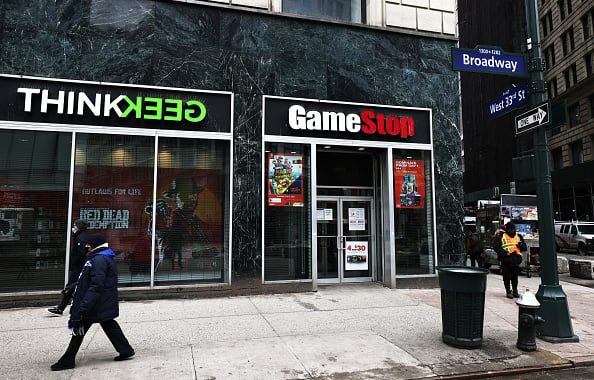
(Photo
by
Michael
M.
Santiago/Getty
Images)

In
April
2020,
GameStop
(GME)
stock
sank
below

$3
a
share
. By
January
2021,
retail
investors
drove
the
stock
to
an
intraday
high
of
$483,
turning
it
into
what
is
now
known
as
a
meme
stock.

Brick-and-mortar
retail
sales
of
electronic
games
declined
as
online
gaming
grew. In
2013,
GME
diversified
by
acquiring
Spring
Mobile,
a
set
of
AT&T
retail
franchises. But
by
2019,
they
had
already
divested
that
business
for
$700
million.
Following
the
sale,
GME
had
substantial
cash
on
the
balance
sheet. Many
investors
were
pessimistic
about
GME’s
management
and
its
future,
and
short
positions
increased.
But
a
smaller
group
saw
an
undervalued
asset.
Later
in
the
summer,
GME
had
more
cash
on
hand
than
the
company
was
worth,
which
is
counter
to
market
fundamentals.
Activist
investors
advocated
stock
buybacks,
and
the
board
repurchased

34.6
million
shares

through
Q3
2019,
removing
roughly
one-third
of
the
shares
from
the
market. 

The
short
position
remained
high,
and
a
perfect
storm
was
brewing. Michael
Burry,
known
for
his
bet
against
the
housing
industry,
as
depicted
in
the
film
“The
Big
Short,”
has
recently
launched
a

Substack

newsletter
analyzing
market
bubbles.
He
recently
shared

his
view

on
the
events
that
enabled
retail
investors
to
drive
a
short
squeeze
on
GME. (Burry
was
one
of
those
activist
investors.)
Here
are
some
key
points
about
the
mechanics
of
the
unprecedented

short-squeeze

based
mainly
on
Burry’s
account: 

  • GME
    was
    undervalued,
    and
    there
    was
    a
    significant
    short
    position. 
  • The
    Covid
    lockdown
    afforded
    many
    young
    investors
    time
    to
    research
    the
    market. 
  • Stimulus
    checks
    were
    being
    issued,
    giving
    disposable
    cash
    for
    speculative
    investing.
  • Keith
    Gill,
    known
    by
    the
    handle

    Roaring
    Kitty

    on
    Twitter,
    triggered
    awareness
    that
    GME
    may
    be
    undervalued,
    and
    he
    became
    a
    leader
    in
    the
    GME
    retail
    movement. 
  • Retail
    investors
    flocked
    to
    apps
    like

    Robinhood

    and
    started
    buying
    the
    stock
    faster
    than
    hedge
    funds
    and
    other
    short
    interests
    could
    unwind
    their
    positions. 


A
$10,000
Rate
Card?

Some
pundits
assert
that
AI
signals
the
end
of
the
billable
hour,
yet
many
clients
are
still
willing
to

accept
double-digit
rate
increases
.
My

view

is
that
it
is
still
easier
for
traditional
firms
to
increase
their
rates
than
to
change
their
business
model.  

To
that
point,
earlier
this
year,

news
reports

cited
attorneys
charging
$3,000
an
hour.

Could
there
be
a
perfect
storm
brewing
to
drive
top
rates
upward
to
the
unheard-of
$10,000
rate?
GME
became
a
meme
stock
due
to
seemingly
irrational
market
behavior. Perhaps
there
are
dynamics
that
could
produce
similar
market
behavior
in
law,
too.
Rates
aren’t
going
to
spike
as
GME
did
during
its
run-up,
but
here
are
some
dynamics
that
could
push
some
rates
to
unheard-of
levels.  


C-Suite
Views
AI
As
A
Cost
Saver

CEOs
view
AI
as
a
game
changer,
but
more
as
a
lever
to
reduce
headcount
and
to
save
money. This
extends
to
the
law
department. In
general,
AI
is
expected
to
increase
productivity
and
reduce
legal
spend.
This
pressure
is
then
passed
along
to
outside
counsel. 


Outside
Counsel
Guidelines
(OCGs)

Clients
provide
OCGs
to
define
what
a
firm
may
and
may
not
charge. They
are
often
managed
with
procurement
and
can
unintentionally
reinforce
the
hourly
billing
model.
Here
are
some
examples
of
restrictions
from
real
OCGs:

  • No
    charging
    for
    first-year
    associates
  • Pass-through
    of
    legal
    research
    expenses,
    and
    some
    research
    itself
    is
    not
    allowed
  • Clerical
    work,
    internal
    firm
    communication,
    and
    travel
    time
    is
    non-billable

Recently,
I’ve
heard
of
OCGs
that
say
the
client
won’t
pay
for
anything
that
can
be
automated
with
AI. 


Low
Overhead
And
Limited
Technology
Investment

Law
firms
already
struggle
with
change
and
technology
investment.
And
OCGs
tend
to
reinforce
those
challenges.
Clients
want
their
firms
to
be
efficient,
embrace
technology,
and
keep
their
staff
trained. But
right
or
wrong,
OCGs
tend
to
run
counter
to
that.
Smart
firms
recognize
they
must
invest
in
technology
and
embrace
automation
to
remain
competitive,
but
how
can
they
do
so
when
they
must
treat
those
expenses
as
nonbillable
overhead?

This
is
the
perfect
storm
for
rate
increases.
The
most
straightforward
answer
is
to
drive
productivity
and
automation,
and
charge
for
the
value
of
the
engagement
by
raising
hourly
rates. 

This
is
why
it’s
not
out
of
the
realm
of
possibility
to
see
rates
on
high-value
work
skyrocket,
perhaps
to
$10,000
an
hour
in
a
few
years.  

The
US
market
for
legal
services
is
roughly

$400
billion
. There
are
diverse
clients
with
differing
legal
needs,
with
litigation,
compliance,
and
transactional
work
required
across
practice
areas.
There
will
be
work
that
moves
in-house,
while
other
tasks
will
be
automated
out
of
existence. ALSPs
and
managed
services
will
grab
more
market
share
in
the
coming
years. AI
will
make
many
tasks
more
predictable,
even
if
they
are
still
billed
by
the
hour.  

Market
share
for
the
billable
hour
will
shrink,
but
the
billable
hour
will
still
thrive
in
the
coming
years,
even
as
the
market
evolves.  

Look
for
hourly
rates
to
continue
to
rise
for
high-value
work.   

I
want
to
hope
the
systemic
issues,
particularly
those
reinforced
by
OCGs,
can
be
addressed
sooner
rather
than
later.
However,
it
may
take
meme-stock
headlines
about
billable
rates
before
there
is
sufficient
awareness
to
drive
real
change.


The
editing
of
this
article
included
the
use
of
AI.


Ken
Crutchfield
has
over
forty
years
of
experience
in
legal,
tax,
and
other
industries.
Throughout
his
career,
he
has
focused
on
growth,
innovation,
and
business
transformation. His
consulting
practice
advises
investors,
legal
tech
startups
and
others.
As
a
strategic
thinker
who
understands
markets
and
creating
products
to
meet
customer
needs,
he
has
worked
in
start-ups
and
large
enterprises.
He
has
served
in
General
Management
capacities
in
six
businesses.
Ken
has
a
pulse
on
the
trends
affecting
the
market.
Whether
it
was
the
Internet
in
the
1980s
or
Generative
AI,
he
understands
technology
and
how
it
can
impact
business.
Crutchfield
started
his
career
as
an
intern
with
LexisNexis
and
has
worked
at
Thomson
Reuters,
Bloomberg,
Dun
&
Bradstreet,
and
Wolters
Kluwer.
Ken
has
an
MBA
and
holds
a
B.S.
in
Electrical
Engineering
from
The
Ohio
State
University.

Top Biglaw Firm Emerges As Go-To Counsel For Law Firm Mega Mergers – Above the Law


Ed.
note
:
Welcome
to
our
daily
feature,

Quote
of
the
Day
.


The
reason
why
Davis
Polk,
and
other
top
firms,
get
hired
is
the
credibility
they
bring
to
the
process.
When
they
talk
about
what
they
are
doing,
they
bring
credibility.


Kent
Zimmermann
,
strategic
adviser
at
Zeughauser
Group,
in
comments
given
to
the

American
Lawyer
,
concerning
Davis
Polk
&
Wardwell’s
status
as
one
of
the
go-to
firms
for
major
law
firm
mergers.
Davis
Polk
has
advised
on
at
least
five
such
mergers
in
recent
years.


Staci
Zaretsky
 is
the
managing
editor
of
Above
the
Law,
where
she’s
worked
since
2011.
She’d
love
to
hear
from
you,
so
please
feel
free
to

email

her
with
any
tips,
questions,
comments,
or
critiques.
You
can
follow
her
on BlueskyX/Twitter,
and Threads, or
connect
with
her
on LinkedIn.