Just
when
you
thought
you’ve
mastered
generative
AI,
it’s
time
to
enter
the
world
of
agentic
AI.
With
all
of
these
new
developments,
how
can
lawyers
feel
comfortable
leveraging
tech’s
benefits?
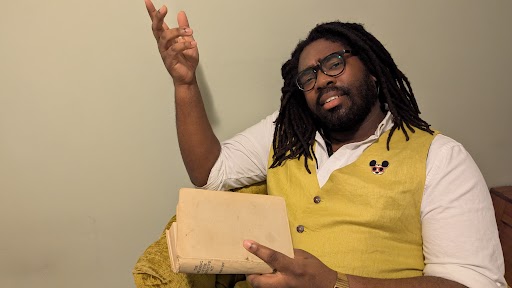
David
Colarusso,
a
lawyer,
developer,
educator,
and
data
scientist,
joins
host
Jared
Correia
in
this
episode
of
“Adventures
in
Legal
Tech”
to
discuss
how
AI
is
disrupting
law
practice
and
legal
education.
What
Does
‘Agentic’
Really
Mean?
The
first
step
in
understanding
how
to
use
agentic
AI
is
to
simply
understand
what
it
is
and
how
it
works.
Here,
David
explains.
AI
in
Law
School
How
is
AI
changing
legal
education?
Here,
David
shares
some
ways
he’s
using
it
in
his
teaching.
The
Follow-Up
Even
in
an
AI-centric
exercise,
law
students
still
have
human
review
of
their
work.
Here’s
how
David
evaluates
the
exercise.
Hear
the
Full
Conversation
Curious
to
learn
more?
Check
out
this
episode
below.
AI
here,
AI
there,
AI
everywhere.
That
seems
to
be
the
trend.
But
are
we
willing
to
cede
good
lawyer
skills
to
a
bot?
That
seems
to
be
a
risk
according
to
a
white
paper
from
Thomson
Reuters.
There’s
a
famous
quote
attributed
to
the
science
fiction
writer
William
Gibson:
“The
future
is
already
here
—
it’s
just
not
evenly
distributed.”
The
white
paper
demonstrates
this
very
point:
AI
is
eroding
critical
thinking
skills
at
an
alarming
rate.
The
future
will
be
distributed
to
those
who
figure
out
how
to
retain
and
enhance
these
skills.
The
Paper
The
white
paper
amplifies
a
troubling
trend
that
I
have
discussed
before:
AI
is
eroding
lawyers’
critical
thinking
skills.
Reading
the
paper
confirms
what
many,
including
me,
have
feared:
“As
AI
becomes
more
capable,
lawyers
risk
becoming
less
so.”
Without
these
critical
thinking
skills,
a
lawyer
simply
cannot
exercise
analytical
skills
to
identity
and
define
legal
problems,
much
less
find
solutions.
The
paper
was
written
by
Valerie
McConnell,
Thomson
Reuters
VP
of
solutions
engineering
and
former
litigator
and
Lance
Odegard,
Thomson
Reuters
director
of
legaltech
platform
services.
The
Current
Threat
The
findings
should
scare
the
hell
out
of
seasoned
lawyers:
The
headline?
Research
from
the
SBS
Swiss
Business
School
found
significant
correlations
between
AI
use
and
cognitive
offloading
on
the
one
hand
and
a
lack
of
critical
thinking
on
the
other.
Critical
thinking
down,
cognitive
offloading
up.
McConnell
says
that
“cognitive
muscles
can
atrophy
when
lawyers
become
too
dependent
on
automated
analysis.”
Odegard
adds
an
even
more
concerning
fact:
AI
is
different
than
previous
technologies
given
its
speed
and
depth.
And
the
fact
that
it
can
perform
some
cognitive
tasks
creates
a
greater
risk
of
overreliance
on
it.
I
recently
attended
a
panel
discussion
of
law
librarians
on
the
use
of
AI
in
their
law
firms.
One
telling
remark:
more
experienced
lawyers
were
able
to
form
better
prompts
because
they
understood
and
could
better
articulate
the
problem
than
less
experienced
ones.
And
they
could
quickly
determine
whether
the
output
was
bogus:
when
it
didn’t
look
or
sound
quite
right.
They
got
these
skills
through
developing
a
critical
way
of
thinking
from
seeing
patterns
and
prior
experiences.
AI
short
circuits
and
replaces
the
pattern-recognition
experiences.
The
classic
example
of
this
is
where
the
AI
tool
explains
a
legal
concept
with
certainty
but
the
explanation
doesn’t
not
look
right
to
an
experienced
lawyer
who
has
dealt
with
that
concept
and
understands
how
and
why
it
was
developed.
The
Accelerated
Risks
Of
Agentic
AI
But
there’s
more
danger
ahead
according
to
the
paper. Agentic
AI
can
perceive
its
environment,
plan
and
execute
complex
multistep
workflows,
make
real-time
decisions
and
adapt
strategies,
and
proactively
pursue
goals,
all
without
human
input.
This
means,
according
to
the
paper,
that
agentic
AI
could
intensify
cognitive
offloading.
In
other
words,
we
turn
off
our
brains
and
let
AI
do
the
thinking
for
us.
And
as
discussed
before,
we
don’t
have
a
clue
how
it
is
doing
all
this.
McConnell
and
Odegard
believe
agentic
AI
creates
“unprecedented
professional
responsibility
challenges.”
How
can
lawyers
ethically
supervise
the
systems?
What
levels
of
competency
will
we
expect
and
demand
from
human
lawyers?
How
will
lawyers
ethically
communicate
with
clients
about
strategies
developed
by
the
“black
box”?
Lawyers
have
an
ethical
duty
to
explain
the
risks
and
benefits
of
strategic
options:
how
can
we
do
that
when
those
risks
and
benefits
are
developed
in
ways
we
don’t
understand?
I
recently
wrote
about
the
phenomenon
of
legal
tech
companies
buying
law
firms
and
the
danger
of
a
reduced
lawyer
in
the
loop.
Agentic
AI
magnifies
these
dangers
significantly.
Do
We
Need
Critical
Thinking?
As
with
any
“truism”
it’s
always
useful
to
pause
and
reflect
whether
it’s
really
a
truism:
how
much
will
future
lawyers
even
need
critical
thinking
skills
when
AI
can
do
it
for
them?
McConnell
and
Odegard
certainly
believe
that
future
lawyers
will
need
these
skills.
They
believe
that
AI
cannot
replicate
these
skills,
nor
can
it
yet
replace
the
creativity
and
nuanced
understanding
of
a
good
human
lawyer.
I
agree
with
them
on
this
point.
I
see
it
frequently
as
AI
spits
out
solutions
as
if
handed
down
from
above.
And
it
sticks
to
its
guns
even
if
wrong.
The
fact
that
the
tools
are
so
easy
and
quick
to
use
also
makes
it
pretty
tempting
to
just
accept
what
it
says
without
thinking
it
over.
This
is
especially
the
case
for
busy
lawyers.
And
that’s
one
reason
we
are
continuing
to
see
hallucinated
cases
cited
in
briefs
and
even
judicial
opinions.
But
what
happens
when
we
rely
on
the
bot
instead
of
our
own
instincts
borne
out
of
experience?
A
few
years
ago,
I
trusted
the
handling
of
a
significant
hearing
to
local
counsel.
The
day
before
the
hearing,
I
got
the
feeling
after
talking
to
the
local
counsel
that
something
was
not
quite
right.
So,
I
quickly
hopped
on
a
plane
and
went
to
the
hearing
myself.
Good
thing:
the
local
counsel
didn’t
show
and
sent
a
first-year
associate
to
handle
the
critical
hearing.
I
doubt
a
bot
would
have
picked
up
that
nuance.
The
Risks
For
Future
Generations
McConnell
and
Odegard
also
cite
the
danger
of
overreliance
on
AI
to
replace
these
skills
will
erode
younger
lawyer
development.
It
may
result
in
lawyers
depending
too
much
on
AI
instead
of
thinking
for
themselves.
It
may
result
in
“lawyers
skilled
at
managing
AI
but
lacking
independent
strategic
thinking.”
I
too
have
discussed
this
very
real
problem.
Doing
what
many
call
scut
work
as
a
young
lawyer
was
boring
and
tedious,
but
it
helped
you
begin
to
see
patterns
that
could
be
helpful
later
in
similar
circumstances.
But
now
we
are
urged
to
dump
these
tasks
into
a
chatbot
and
forget
it.
The
result
in
10
years?
Minds
full
of
mush.
The
old
notion
of
thinking
like
a
lawyer
may
be
replaced
by
thinking
like
a
bot.
Another
danger:
the
erosion
of
legal
education.
According
to
the
paper
“students
increasingly
arrive
with
diminished
critical
thinking
skills
due
to
pre-law
AI
exposure
while
expecting
to
use
AI
tools
throughout
their
careers.”
If
we
don’t
take
steps
to
disrupt
that
expectation,
we
can
be
sure
that
these
students,
when
they
become
lawyers,
will
continue
to
use
AI
tools
in
exactly
the
same
way.
Can
The
Risks
Be
Managed?
To
be
fair,
McConnell
and
Odegard
believe
these
risks
can
all
be
managed
by
responsible
use
of
existing
AI
tools.
That
may
be
true
but
as
with
most
technology,
some
lawyers
and
legal
professionals
will
figure
out
how
to
do
this
and
become
future
superstars.
Many
will
not.
And
maybe
that’s
OK
since
many
legal
jobs
and
work
done
by
humans
will
be
replaced
by
AI.
Certainly,
AI
will
allow
lawyers
and
legal
professionals
to
do
the
high-end
stuff
for
which
they
were
trained.
But
let’s
be
real
here:
there
is
not
enough
demand
for
the
high-end
work
to
go
around.
And
many
lawyers
and
legal
professionals
are
not
that
good
at
it.
The
Future:
It
Won’t
Be
Evenly
Distributed
So,
want
to
prepare
for
the
future?
Figure
out
how
to
encourage
and
develop
critical
thinking
skills
among
your
work
force
in
the
age
of
AI.
Figure
out
what
to
do
when
the
only
work
to
be
done
is
high-end
thinking.
That
means
preparing
for
a
law
firm
that
looks
very
different
from
today.
Get
ready
for
the
future,
it’s
not
going
to
be
evenly
distributed.
Stephen
Embry
is
a
lawyer,
speaker,
blogger,
and
writer.
He
publishes TechLaw
Crossroads,
a
blog
devoted
to
the
examination
of
the
tension
between
technology,
the
law,
and
the
practice
of
law.
I
doubt
that
Cadwalader
will
be
the
last
firm
that
needs
to
find
a
merger
partner
to
survive.
—
A
Biglaw
senior
partner,
in
anonymous
comments
given
to
Law.com,
concerning
Cadwalader’s
recently
announced
merger
with
Hogan
Lovells.
Kent
Zimmermann,
a
strategic
adviser
on
the
Hogan
Lovells-Cadwalader
merger,
noted
that
even
more
merger
talks
are
going
on
behind
the
scenes,
including
between
Am
Law
50
firms
and
more
transatlantic
partners.
Staci
Zaretsky is
the
managing
editor
of
Above
the
Law,
where
she’s
worked
since
2011.
She’d
love
to
hear
from
you,
so
please
feel
free
to
email
her
with
any
tips,
questions,
comments,
or
critiques.
You
can
follow
her
on Bluesky, X/Twitter,
and Threads, or
connect
with
her
on LinkedIn.
When
Kara
Peterson
co-founded
descrybe.ai,
she
wasn’t
just
launching
a
legal
tech
startup.
She
was
applying
the
logic
of
public
health
to
the
legal
system.
She
saw
something
lawyers
often
miss:
that
legal
information,
like
clean
water
or
vaccines,
becomes
life-altering
only
when
it
is
accessible,
understandable,
and
widely
distributed.
Kara
is
not
a
lawyer.
Her
background
is
in
public
health
and
communications.
Yet
she
now
leads
a
company
that
has
used
AI
to
summarize
more
than
3.3
million
judicial
opinions
and
made
them
free
and
publicly
available.
In
our
conversation
on
“Notes
to
My
(Legal)
Self,”
she
explained
how
justice,
like
health,
is
a
public
good.
And
access
to
law
is
one
of
its
critical
delivery
systems.
Legal
Transparency
Is
A
Health
Equity
Issue
Kara
grew
up
in
Madison,
Wisconsin,
in
a
culture
steeped
in
social
justice.
Her
early
experiences
shaped
a
worldview
that
makes
her
uniquely
suited
to
build
bridges
between
legal
complexity
and
everyday
reality.
As
she
puts
it,
“Access
to
the
law
is
so
deeply
connected
to
other
systemic
problems.
This
is
a
way
to
attack
something
that’s
been
broken
for
generations.”
From
a
public
health
lens,
the
connection
is
obvious.
People
struggle
to
find
housing,
defend
themselves
at
work,
or
navigate
family
law
—
not
because
they
lack
intelligence
but
because
they
lack
access.
And
when
legal
literacy
is
only
triggered
by
trauma,
as
when
someone
is
fired,
evicted,
or
sued,
we
are
setting
up
millions
of
people
to
fail.
Legal
information,
when
made
legible
before
the
crisis
hits,
becomes
preventive
infrastructure.
It
is
no
different
than
distributing
hand-washing
guides
or
vaccination
instructions.
Human
Bias
Already
Exists.
AI
Just
Makes
It
Visible
Much
of
the
fear
surrounding
AI
in
law
is
valid.
But
Kara
is
quick
to
point
out
that
many
of
the
risks
we
associate
with
machines
are
already
deeply
embedded
in
human
systems.
“If
we
had
a
judicial
system
that
was
completely
fair
and
didn’t
ever
take
people’s
biases
into
account,
that
would
be
hard
to
match.
But
we
know
that’s
not
how
it
works.”
Her
point
is
not
that
AI
is
perfect.
It
is
that
our
current
legal
infrastructure
is
far
from
it.
And
if
we
judge
new
tools
by
perfection
while
accepting
the
flaws
of
legacy
systems
as
inevitable,
we
stall
innovation.
Instead,
she
suggests
we
approach
AI
as
we
would
a
new
public
health
tool.
We
evaluate
its
safety.
We
understand
its
limits.
We
measure
impact.
And
we
keep
a
human
in
the
loop
not
to
preserve
tradition,
but
to
preserve
context
and
accountability.
Law
Should
Not
Be
A
Trauma-Only
Language
One
of
the
most
striking
moments
in
our
conversation
came
when
we
discussed
how
most
people
“learn”
the
law.
We
don’t
learn
employment
law
until
we’re
fired. We
don’t
understand
custody
law
until
we
divorce. We
don’t
engage
with
IP
law
until
our
work
is
stolen.
“It’s
always
after
something
painful,”
Kara
noted.
“And
even
when
you’re
educated,
even
when
you
have
attorneys
in
the
family,
it’s
still
incredibly
hard
to
understand
the
system.”
This
is
exactly
where
legal
tech
can
intervene,
not
just
to
reduce
time
or
cost,
but
to
reduce
the
harm
of
delayed
understanding.
It’s
why
at
TermScout,
we
certify
contracts
not
just
for
fairness,
but
for
clarity.
We
want
contract
reviews
to
feel
less
like
damage
control
and
more
like
informed
consent.
When
people
can
see,
compare,
and
understand
the
terms
of
a
deal
in
plain
language,
they
gain
agency.
Justice
Tech
Is
Business
Tech
For
The
Rest
Of
Us
What
Kara
and
her
team
at
descrybe.ai
are
doing
parallels
what
we
do
at
TermScout.
They’re
making
judicial
opinions
legible.
We’re
making
contracts
legible.
Both
models
are
designed
to
scale
clarity,
not
just
output.
And
that’s
the
deeper
takeaway
here.
The
justice
gap
and
the
contract
gap
are
part
of
the
same
problem:
society
has
accepted
legal
opacity
as
normal.
But
it
doesn’t
have
to
be.
If
we
can
explain
a
30-page
legal
opinion
to
a
nonlawyer,
we
can
explain
a
vendor
contract
to
a
startup
founder.
If
we
can
summarize
a
complex
ruling
with
an
AI
model,
we
can
certify
a
set
of
terms
with
a
standard.
Kara
reminded
us
that
not
all
impact
lives
in
the
courtroom.
Some
of
the
most
meaningful
change
comes
when
you
give
people
tools
before
they’re
in
crisis.
The
law
is
not
just
for
the
few.
It
is
infrastructure.
And
when
we
treat
access
to
it
like
a
public
health
mission,
we
stop
asking
how
much
harm
we
can
tolerate
and
start
designing
systems
that
prevent
it
altogether.
Olga
V.
Mack is
the
CEO
of TermScout,
an
AI-powered
contract
certification
platform
that
accelerates
revenue
and
eliminates
friction
by
certifying
contracts
as
fair,
balanced,
and
market-ready.
A
serial
CEO
and
legal
tech
executive,
she
previously
led
a
company
through
a
successful
acquisition
by
LexisNexis.
Olga
is
also
a Fellow
at
CodeX,
The
Stanford
Center
for
Legal
Informatics,
and
the
Generative
AI
Editor
at
law.MIT.
She
is
a
visionary
executive
reshaping
how
we
law—how
legal
systems
are
built,
experienced,
and
trusted.
Olga teaches
at
Berkeley
Law,
lectures
widely,
and
advises
companies
of
all
sizes,
as
well
as
boards
and
institutions.
An
award-winning
general
counsel
turned
builder,
she
also
leads
early-stage
ventures
including Virtual
Gabby
(Better
Parenting
Plan), Product
Law
Hub, ESI
Flow,
and Notes
to
My
(Legal)
Self,
each
rethinking
the
practice
and
business
of
law
through
technology,
data,
and
human-centered
design.
She
has
authored The
Rise
of
Product
Lawyers, Legal
Operations
in
the
Age
of
AI
and
Data, Blockchain
Value,
and Get
on
Board,
with Visual
IQ
for
Lawyers (ABA)
forthcoming.
Olga
is
a
6x
TEDx
speaker
and
has
been
recognized
as
a
Silicon
Valley
Woman
of
Influence
and
an
ABA
Woman
in
Legal
Tech.
Her
work
reimagines
people’s
relationship
with
law—making
it
more
accessible,
inclusive,
data-driven,
and
aligned
with
how
the
world
actually
works.
She
is
also
the
host
of
the
Notes
to
My
(Legal)
Self
podcast
(streaming
on Spotify, Apple
Podcasts,
and YouTube),
and
her
insights
regularly
appear
in
Forbes,
Bloomberg
Law,
Newsweek,
VentureBeat,
ACC
Docket,
and
Above
the
Law.
She
earned
her
B.A.
and
J.D.
from
UC
Berkeley.
Follow
her
on LinkedIn and
X
@olgavmack.
In
this
episode
of
the
Jabot
podcast,
I
chat
with
Sandra
Cohen,
co-managing
partner
at
Cohen
&
Buckmann.
Sandra
shares
her
journey
from
HR
to
law,
specializing
in
executive
compensation
and
employee
benefits.
Discover
the
challenges
and
rewards
of
running
a
boutique
law
firm
and
gain
insights
into
the
niche
legal
field
of
ERISA.
It’s
a
must-listen
for
those
curious
about
dynamic
law
careers
and
the
evolving
landscape
of
boutique
legal
practices!
Episode
Highlights
Why
Sandra
Cohen
pursued
law.
Transition
from
Biglaw
to
personal
practice.
The
elusive
work
of
corporate
lawyers.
Complexities
of
executive
compensation.
Navigating
tax
and
ERISA
specializations.
Founding
a
boutique
law
firm.
Teaming
up
with
small/boutique
firms.
The
importance
of
smart
hiring.
Networking
as
making
friends,
not
just
connections.
Promoting
a
law
firm’s
unique
strengths.
The
Jabot
podcast
is
an
offshoot
of
the
Above
the
Law
brand
focused
on
the
challenges
women,
people
of
color,
LGBTQIA,
and
other
diverse
populations
face
in
the
legal
industry.
Our
name
comes
from
none
other
than
the
Notorious
Ruth
Bader
Ginsburg
and
the
jabot
(decorative
collar)
she
wore
when
delivering
dissents
from
the
bench.
It’s
a
reminder
that
even
when
we
aren’t
winning,
we’re
still
a
powerful
force
to
be
reckoned
with.
Happy
listening!
Kathryn
Rubino
is
a
Senior
Editor
at
Above
the
Law,
host
of
The
Jabot
podcast,
and
co-host
of
Thinking
Like
A
Lawyer.
AtL
tipsters
are
the
best,
so
please
connect
with
her.
Feel
free
to
email
her
with
any
tips,
questions,
or
comments
and
follow
her
on
Twitter
@Kathryn1 or
Mastodon
@[email protected].
Few
things
brighten
up
the
holiday
season
like
lump
sums
hitting
your
bank
account.
Seward
&
Kissel
is
in
the
giving
spirit
and
announced
a
round
of
bonuses
and
special
bonuses
for
their
hardworking
employees.
Here’s
the
bonus
scale:
The
firm
is
taking
a
special
approach
to
the
special
bonuses.
To
qualify,
associates
need
to
hit
a
2,200-hour
threshold
(with
up
to
150
of
them
being
qualified
non-billable
hours).
The
special
bonuses
are
below:
The
associates
that
went
above
and
beyond
the
2,200-hour
threshold
will
be
eligible
for
even
more
bonus
money.
To
the
hard
workers
at
Seward
&
Kissel,
enjoy
the
payday!
The
cash
will
be
sent
out
in
the
first
quarter
of
2026.
We
like
hearing
about
bonuses
almost
as
much
as
you
enjoy
spending
them.
As
soon
as
your
firm’s
memo
comes
out,
please email
it
to
us
(subject
line:
“[Firm
Name]
Bonus”)
or
text
us
(646-820-8477).
Please
include
the
memo
if
available.
You
can
take
a
photo
of
the
memo
and
send
it
via
text
or
email
if
you
don’t
want
to
forward
the
original
PDF
or
Word
file.
And
if
you’d
like
to
sign
up
for
ATL’s
Salary
&
Bonus
Alerts,
please
scroll
down
and
enter
your
email
address
in
the
box
below
this
post.
If
you
previously
signed
up
for
the
bonus
alerts,
you
don’t
need
to
do
anything.
You’ll
receive
an
email
notification
within
minutes
of
each
bonus
announcement
that
we
publish.
Chris
Williams
became
a
social
media
manager
and
assistant
editor
for
Above
the
Law
in
June
2021.
Prior
to
joining
the
staff,
he
moonlighted
as
a
minor
Memelord™
in
the
Facebook
group Law
School
Memes
for
Edgy
T14s
.
He
endured
Missouri
long
enough
to
graduate
from
Washington
University
in
St.
Louis
School
of
Law.
He
is
a
former
boatbuilder
who
is
learning
to
swim, is
interested
in
critical
race
theory,
philosophy,
and
humor,
and
has
a
love
for
cycling
that
occasionally
annoys
his
peers.
You
can
reach
him
by
email
at [email protected]
and
by
tweet
at @WritesForRent.
Imagine
you’re
trying
to
entice
North
Korea
to
come
to
the
negotiating
table
over
its
nuclear
weapons. What
do
you
offer?
You
tell
Kim
Jung
Un
that
North
Korea
has
awesome
economic
potential
if
only
it
would
give
up
its
nukes.
Sadly,
Kim
doesn’t
think
like
a
real
estate
developer. Being
a
dictator
is
pretty
cool;
the
United
States
can’t
be
trusted
to
stay
away
if
North
Korea
gives
up
its
nukes;
the
nukes
aren’t
going
anywhere.
Imagine
you’re
trying
to
entice
Hamas
to
the
negotiating
table
in
the
Gaza
Strip. What
do
you
offer?
If
the
Palestinians
were
willing,
then
the
United
States
could
come
into
the
Gaza
Strip,
move
the
Gazans
out,
and
build
hotels
along
the
beaches. It’s
great
for
everyone! Gazans
could
live
in
nice
homes,
and
the
Strip
would
become
the
Riviera
of
the
Middle
East!
Sadly,
Hamas
doesn’t
think
like
a
real
estate
developer. The
struggle
in
the
Middle
East
is
a
centuries-long
religious
battle;
building
hotels
is
not
the
same
as
eliminating
the
Little
Satan;
one
can’t
directly
trade
money
for
peace.
Imagine
you’re
trying
to
entice
Russia
to
make
peace
in
Ukraine. What
do
you
offer?
Russia
has
great
economic
potential. If
Russia
would
agree
to
a
peace
deal,
on
pretty
favorable
terms,
the
U.S.
and
Russia
could
do
some
joint
economic
development
projects
that
would
make
the
autocrats
in
Russia,
the
Epstein
class
in
the
United
States,
and
probably
Putin
and
Trump
(although
maybe
I
repeat
myself)
much
richer. How
about
it,
Vlad?
Sadly,
Putin
doesn’t
think
like
a
real
estate
developer. The
first
East
Slavic
state,
Kievan
Rus,
constituted
the
embryonic
origins
of
Russia
during
the
9th
to
13th
centuries. Oleg
the
Wise,
among
others,
ruled
the
place. That
was
the
historical
origin
of
Russia,
and
Putin
ain’t
giving
it
up.
Folks
other
than
Trump
have
known
this
for
decades. Whatever
your
opinion
of
Henry
Kissinger,
his
1994
—
1994!
—
book, Diplomacy,
explains
that
Ukraine
was
the
cradle
of
Russian
Orthodoxy
and
that
post-Soviet
Russia
was
going
to
insist
on
maintaining
Ukraine
in
its
sphere
of
influence.
I’d
bet
the
mortgage
that
our
current
real-estate-developer-in-chief
has
never
heard
of
Kievan
Rus
or
Oleg
the
Wise,
and
he’s
probably
never
read
Kissinger
(whoever
he
was).
That’s
one
reason
why
Trump
doesn’t
understand
what’s
going
on
in
Ukraine
and
why
it’s
so
hard
to
negotiate
peace.
We
keep
offering
economic
solutions
to
problems
that
do
not
have
economic
roots,
and
we
end
up
getting
nowhere.
It
turns
out
that
a
little
knowledge
could
go
a
long
way.
On
Friday,
the
Justice
Department
noticed
its
intent
to
appeal
in
US
v.
Comey
and
US
v.
James.
The
government
will
attempt
to
resuscitate
the
charges
against
Trump’s
enemies
—
despite
the
many,
obvious
defects
in
both
cases!
—
by
arguing
that
it
can,
too
let
Lindsey
Halligan
LARP
as
US
Attorney
for
the
Eastern
District
of
Virginia.
In
some
sense,
the
DOJ
had
no
choice.
The
cases
were
dismissed
on
November
24
when
a
judge
disqualified
Halligan,
a
Florida
insurance
lawyer
previously
tasked
with
de-woke-ifying
the
Smithsonian.
Since
then,
“her”
office
failed
twice
to
re-indict
James
and
got
locked
out
of
the
Comey
evidence
entirely.
With
no
appeal
of
the
disqualification,
judges
in
EDVA
started
to
make
irate
noises
about
Halligan
continuing
to
hold
herself
out
as
the
US
Attorney.
Clearly
the
government
had
to
make
a
move,
or
risk
the
district’s
judges
making
it
for
them.
And
so
they
decided
to
kick
this
dented
can
down
the
road
to
Richmond,
giving
a
fifth
court
the
opportunity
to
explain
that
no,
the
president
cannot
evade
Senate
confirmation
for
US
Attorneys
with
a
series
of
ONE
WEIRD
PROCEDURAL
TRICKS.
The
cosplay
attorneys
Judge
Cameron
Currie
ruled
that
28
USC
§
546
allows
the
president
to
make
one,
and
only
one,
interim
appointment
as
US
Attorney
in
any
given
federal
district,
after
which
the
position
may
only
be
filled
by
a
Senate-confirmed
nominee
or
a
judicially-installed
placeholder.
Trump
effectively
used
up
that
appointment
on
Halligan’s
predecessor
Erik
Seibert,
who
was
pushed
out
for
refusing
to
indict
Comey
and
James,
and
so
Halligan’s
appointment
was
always
a
nullity.
Courts
in
New
Jersey,
Nevada,
and
California,
as
well
as
the
Third
Circuit
have
uniformly
rejected
the
government’s
argument
that
§
546
allows
for
successive
interim
appointments.
In
those
cases,
though,
the
challenged
prosecutions
survived
thanks
to
the
presence
of
other,
duly
appointed
Assistant
US
Attorneys.
Here,
Halligan
secured
the
indictments
on
her
own,
and
so
the
cases
were
dismissed
when
she
was
disqualified.
Judge
Currie
also
rubbished
the
suggestion
that
Attorney
General
Pam
Bondi
could
retroactively
ratify
Halligan’s
actions,
either
by
fiat
or
by
calling
her
a
“special
attorney”
and
purporting
to
backdate
the
appointment.
It’s
not
even
clear
that
Halligan
is
legally
serving
as
a
special
attorney,
since
the
appointment
order
on
Halloween,
which
purported
to
go
into
effect
retroactively
six
weeks
before,
has
been
declared
invalid.
A
rational
attorney
general
would
have
raced
to
sign
a
second
order,
re-appointing
Halligan
prospectively.
But
nothing
about
this
is
rational
so
¯_(ツ)_/¯
Bondi
vowed
to
appeal,
but
that’s
not
what
happened
…
at
least
not
immediately.
Instead,
Halligan’s
office
tried
multiple
times
to
re-indict
James.
Assistant
US
Attorney
Roger
Keller,
seconded
to
EDVA
from
the
Eastern
District
of
Missouri,
got
no-billed
in
both
Norfolk
and
Alexandria
as
he
tried
to
replicate
Halligan’s
success
with
the
original
grand
jury.
Like
the
Comey
case
(where
one
presentation
yielded
three
different,
signed
indictments)
Keller’s
presentment
in
Alexandria
seems
to
have
been
spectacularly
botched.
Somehow
the
no-bill
got
filed
on
the
public
docket,
revealing
that
the
DOJ
had
abandoned
its
theory
that
James
collected
“thousands”
of
dollars
of
rent
on
the
disputed
property.
Keller
has
now
returned
to
Missouri,
a
tacit
admission
that
the
effort
to
bring
new
charges
against
James
hit
a
brick
wall.
In
the
Comey
case,
his
erstwhile
lawyer
Daniel
Richman
boxed
the
government
out
of
the
evidence
by
suing
to
get
his
hard
drives
back.
Deprived
of
the
material
used
in
its
case
in
chief,
the
DOJ
had
little
hope
of
re-indicting
the
former
FBI
director.
And
meanwhile
judges
in
EDVA
were
starting
to
grumble
about
Halligan
continuing
to
sign
documents
as
“US
Attorney,”
even
after
her
disqualification.
Judge
Michael
Nachmanoff,
who
presided
over
the
Comey
case,
refused
to
accept
a
filing
which
described
her
as
US
Attorney,
noting
that
the
Justice
Department
hadn’t
appealed
the
disqualification
and
was
thus
bound
by
Judge
Currie’s
ruling.
The
government
protests
that
it
has
an
advisory
opinion
from
the
Office
of
Legal
Counsel
saying
otherwise,
although
it
declined
to
make
that
opinion
available
to
the
court.
After
the
Third
Circuit
ruled
that
her
appointment
was
illegal,
Habba
finally
tapped
out,
along
with
the
illegally
installed
US
Attorney
for
Delaware.
“That’s
the
proper
position,
in
my
view,”
sniffed
Judge
Leonie
Brinkema
in
EDVA,
confronted
with
yet
another
document
bearing
Halligan’s
signature.
And
so,
with
the
30-day
clock
ticking
to
notice
an
appeal
and
no
realistic
path
to
re-indicting
Trump’s
nemeses,
the
DOJ
opted
to
appeal
Judge
Currie’s
rulings,
if
only
to
provide
Halligan
a
fig
leaf
of
legitimacy
as
she
continues
to
squat
in
the
office.
From
the
power
to
fire
to
the
power
to
hire
Tapping
out
on
the
Comey
and
James
cases
would
be
admitting
defeat,
and
so
Trump
doubled
down,
forwarding
Halligan’s
nomination
to
the
Senate
for
confirmation.
He
knows
this
nomination
is
DOA
thanks
to
the
blue
slip
rule,
since
Virginia’s
Democratic
Senators
Mark
Warner
and
Tim
Kaine
are
never
going
to
give
her
their
blessings.
Notably,
the
government
has
not
yet
petitioned
the
Supreme
Court
for
certiorari
in
the
Third
Circuit’s
Habba
ruling.
But
this
dispute
tees
up
what
may
well
be
a
major
locus
of
conflict
in
the
coming
year.
At
bottom
this
is
a
fight
over
the
limits
of
Trump’s
power
to
remake
the
executive
branch.
This
past
year,
the
Supreme
Court
allowed
the
president
to
fire
literally
anyone
he
liked.
From
career
civil
servants
to
non-partisan
board
members
installed
by
Congress,
no
one
was
spared.
The
Court’s
six
conservative
justices
happily
shredded
laws
and
precedents
that
would
have
impeded
Trump’s
ability
to
fire
every
expert
and
non-partisan
federal
bureaucrat
who
might
have
impeded
his
plot
to
turn
the
executive
branch
into
a
partisan
weapon.
But
hollowing
out
the
federal
bureaucracy
will
only
get
Trump
so
far.
He’ll
need
to
replace
those
fired
officials
with
MAGA
warriors
to
take
revenge
on
his
enemies
and
enact
the
Project
2025
agenda.
So
far,
the
GOP-controlled
Senate
has
confirmed
virtually
every
partisan
ghoul
Trump
put
forward.
But
the
Senate
has
its
limits,
as
Judiciary
Chair
Chuck
Grassley’s
refusal
to
do
away
with
blue
slips
demonstrates.
And
even
with
a
supine
Senate,
Trump’s
still
facing
a
major
backlog
of
nominees.
As
a
result,
administration
officials
routinely
hold
multiple
job
titles
at
once.
Deputy
Attorney
General
Todd
Blanche
is
also
the
Acting
Librarian
of
Congress.
But
he’s
a
mere
piker
compared
to
Marco
Rubio,
who
claims
to
be
Acting
National
Security
Advisor,
Acting
Administrator
of
USAID,
and
Acting
National
Archivist,
along
with
his
day
job
as
Secretary
of
State.
And
while
Trump
may
be
happy
to
let
USAID
wither,
there
are
plenty
of
positions
he
does
care
about
filling.
The
Senate’s
confirmation
math
may
also
change
in
unpredictable
ways
in
2026,
as
the
election
approaches
and
the
president’s
unpopular
policies
continue
to
weigh
down
Republicans.
But
the
dispute
over
blue
state
US
Attorneys
is
a
likely
harbinger
of
the
conflict
to
come.
Just
as
he’s
done
with
tariffs
and
the
budget,
Trump
is
simply
ignoring
the
law
and
stealing
Congress’s
power
when
it
comes
to
installing
US
Attorneys.
It’s
always
possible
that
the
Supreme
Court
will
decline
to
weigh
in
on
this
dispute.
But
given
that
the
conservative
justices
spent
the
past
year
leaping
in
to
ensure
that
Trump
would
never
have
to
follow
the
law,
it
seems
unlikely.
And
so
the
fight
in
2026
will
center
on
who
gets
to
fill
all
those
vacancies
created
when
SCOTUS
let
him
fire
every
board
member,
agency
head,
and
US
Attorney
in
the
country.
Whatever
happens,
relief
will
certainly
come
too
late
for
Lindsey
Halligan.
Section
546
allows
for
one
120-day
appointment.
Halligan
was
installed
on
September
22,
and
so,
even
if
that
appointment
was
legal,
it
would
time
out
on
January
20,
2026.
After
that,
she
may
be
a
special
attorney
or
a
First
Assistant
US
Attorney,
but
she
won’t
be
the
US
Attorney
for
the
Eastern
District
of
Virginia.
As
Biglaw
firms
jockey
to
position
themselves
as
compensation
leaders
—
or
at
least
avoid
being
labeled
as
laggards
—
associates
across
the
Am
Law
100
continue
to
refresh
their
inboxes,
hoping
for
a
market
match
of
the
Cravath/Milbank
scale
for
year-end
and
special
bonuses.
At
some
firms,
however,
associates
face
the
return
of
black-box
bonuses,
leaving
many
wondering
how,
exactly,
their
payouts
were
decided.
One
firm
that
uses
a
black-box
structure
recently
announced
bonuses,
and
thankfully,
it
seems
to
be
a
match.
The
firm
we’re
speaking
about
is
Texas-based
Haynes
Boone
—
a
firm
that
brought
in
$635,840,000
gross
revenue
in
2024,
putting
it
at
No.
86
on
the
Am
Law
100.
Last
week,
the
firm
announced
individualized
bonuses
across
all
class
years,
and
sources
tell
us
that
so
long
as
attorneys
were
able
to
hit
2,000
hours,
they
received
a
market
match.
For
those
who
don’t
recall,
here’s
what
a
market
match
looks
like
at
most
firms
(give
or
take
the
inclusion
of
the
Class
of
2025):
Class
of
2024
–
$20,000
/
$6,000
Class
of
2023
–
$30,000
/
$10,000
Class
of
2022
–
$57,500
/
$15,000
Class
of
2021
–
$75,000
/
$20,000
Class
of
2020
–
$90,000
/
$25,000
Class
of
2019
–
$105,000
/
$25,000
Class
of
2018+
–
$115,000
/
$25,000
Here’s
some
additional
explanation
on
Haynes
Boone’s
bonus
compensation
strategy:
The
firm’s
memo
goes
on
to
note
that
those
who
don’t
receive
bonuses
on
scale
for
their
class
may
be
able
to
receive
a
“catch-up”
bonus
if
their
performance
later
meets
standards.
For
a
firm
that
puts
its
cash
inside
of
a
black
box,
this
is
about
as
close
to
transparency
as
you
can
get.
Congratulations
to
everyone
at
Haynes
Boone!
Remember
everyone,
we
depend
on
your
tips
to
stay
on
top
of
compensation
updates,
so
when
your
firm
announces
or
matches,
please
text
us
(646-820-8477)
or email
us (subject
line:
“[Firm
Name]
Bonus/Matches”).
Please
include
the
memo
if
available.
You
can
take
a
photo
of
the
memo
and
send
it
via
text
or
email
if
you
don’t
want
to
forward
the
original
PDF
or
Word
file.
And
if
you’d
like
to
sign
up
for
ATL’s
Bonus
Alerts
(which
is
the
alert
list
we
also
use
for
salary
announcements),
please
scroll
down
and
enter
your
email
address
in
the
box
below
this
post.
If
you
previously
signed
up
for
the
bonus
alerts,
you
don’t
need
to
do
anything.
You’ll
receive
an
email
notification
within
minutes
of
each
bonus
announcement
that
we
publish.
Thanks
for
your
help!
Staci
Zaretsky is
the
managing
editor
of
Above
the
Law,
where
she’s
worked
since
2011.
She’d
love
to
hear
from
you,
so
please
feel
free
to
email
her
with
any
tips,
questions,
comments,
or
critiques.
You
can
follow
her
on Bluesky, X/Twitter,
and Threads, or
connect
with
her
o









 Kathryn