
Why Healthcare Leaders Are Worried About the New H-1B Visa Fee  – MedCity News

The
Trump
administration’s
recent
changes
to
the
H-1B
visa
application
process
are
causing
concern
among
healthcare
experts,
with
many
worried
that
the
plan
could
make
the
industry’s
workforce
crisis
and
care
access
gaps
more
severe.

Last
month,
the
White
House

imposed
a
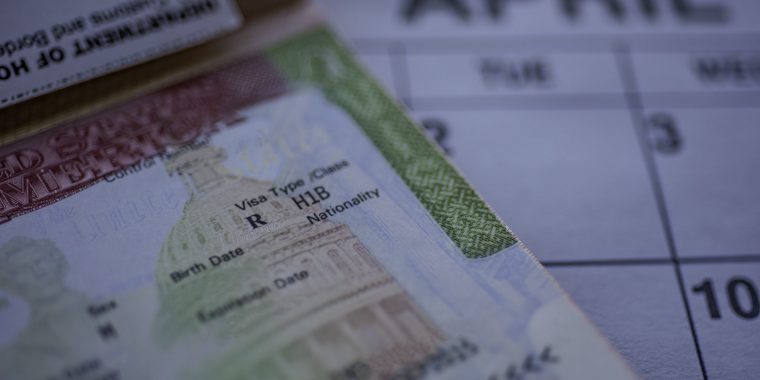
$100,000
fee

on
new
H-1B
visa
petitions.
Before,
the
fee
typically
ranged
between
$2,000
and
$5,000,
depending
on
the
employer.
This
new
fee
applies
only
to
new
H-1B
visa
applicants,
not
current
H1-B
holders
whose
employers
are
seeking
to
renew
their
visas.

The
H-1B
program,
established
in
1990,
was
created
to
allow
U.S.
employers
to
temporarily
hire
foreign
professionals
in
specialized
fields
like
healthcare,
technology
and
engineering
to
fill
workforce
gaps

but
the
White
House
argues
that
the
program
has
“been
deliberately
exploited
to
replace,
rather
than
supplement,
American
workers
with
lower-paid,
lower-skilled
labor.”

In
addition
to
the
fee,
the
White
House’s
plan
also
aims
to
prioritize
international
workers
with
higher
skills.
The
administration
is
establishing
a
weighted
lottery
system
that
favors
H-1B
applicants
with
higher
wages,
saying
this
will
protect
domestic
employees
from
wage
competition
as
well
as
ensure
that
H-1B
visas
are
used
to
fill
roles
that
require
highly
skilled
professionals.

While
these
changes
are
intended
to
curb
abuse
of
the
program,
the
blanket
fee
applies
to
all
industries
and
has
prompted
legal
concerns
about
the
administration’s
authority
and
its
adherence
to
policymaking
procedures.
Multiple
lawsuits
have
already
been
filed
to
contest
the
measure. 

For
instance,
a
coalition
of
healthcare
employers,
unions
and
religious
groups

filed
a
lawsuit

to
block
the
change
on
October
3,
and
a
group
of
higher
education
organizations

did
the
same

on
October
6.

The

American
Hospital
Association

has
urged
the
Department
of
Homeland
Security
to

make
healthcare
professionals
exempt

from
the
new
H-1B
visa
changes,
arguing
that
they
would
worsen
staffing
shortages
and
increase
burnout,
particularly
in
rural
and
underserved
communities.


Steep
costs
imposed
on
providers
that
can’t
afford
them

The
U.S.
healthcare
system
relies
heavily
on
clinical
workers
from
across
the
world,
with
data
from
the
Census
Bureau
and
Bureau
of
Labor
and
Statistics
showing
that
the
industry
employs
about

262,000
foreign-born
physicians

and
about

500,000
foreign-born
nurses
,
though
the
vast
majority
are
not
H-1B
visa
holders.

The
nation
is
supplementing
its
clinical
workforce
with
international
workers
at
this
scale
out
of
dire
necessity.
According
to
the
Health
Resources
and
Services
Administration’s
most
recent
data,
the
U.S.
is
expected
to
have
a
shortfall
of

187,130
full-time
equivalent
physicians

by
2037,
with
rural
areas
experiencing
the
most
severe
gaps.
For
nurses,
projections
from
the
National
Center
for
Health
Workforce
Analysis
indicate
a

6%
nationwide
shortage

by
2037,
rising
to
13%
in
non-metro
areas.

Most
of
the
country’s
foreign-born
clinicians
are
not
recipients
of
H-1B
visas

with
many
of
them
holding
green
cards,
using
other
temporary
visas
like
J-1
or
TN
visas,
or
being
naturalized
as
U.S.
citizens.
During
the
fiscal
year
2024,
only
8,492
of
the
approved
141,205
H-1B
visa
applications

went
to
workers
in
the
healthcare
field
,
and
another
8,445
of
258,190
the
H-1B
visas
approved
for
renewals
went
to
workers
in
this
sector,
according
to
the
Department
of
Homeland
Security.

Still,
many
providers
still
rely
on
H-1B
workers
to
keep
critical
services
running,
noted
Jimmy
Lai,
CEO
of
Oklahoma
City-based

Lai
&
Turner
Law
Firm
.

Unless
the
Department
of
Homeland
Security
grants
an
exemption
for
healthcare
providers,
the
new
fee
would
expose
these
provider
organizations
to
“seven-
or
even
eight-figure
annual
liabilities,”
Lai
said.

“For
community
hospitals,
clinics
and
mid-size
practices,
$100,000
per
new
hire
is
often
prohibitive.
These
employers
typically
rely
on
H-1B
clinicians
to
fill
critical
shortages,”
he
stated. 

Another
healthcare
immigration
attorney

John
Dawson
of
Cincinnati-based
law
firm

Musillo
Unkenholt


agreed
that
very
few
healthcare
providers
will
be
able
or
willing
to
pay
the
new
$100,000
fee
per
H-1B
hire.

Instead,
hospitals
could
be
forced
to
freeze
hiring,
increase
shifts
for
existing
staff
or
rely
more
on
costly
travel
nurses

or,
in
extreme
cases,
close
departments
or
facilities,
Dawson
explained.

He
finds
some
hope
in
the
legal
challenges
underway
to
block
the
imposition
of
the
new
fee.
The
lawsuits
are
challenging
whether
the
executive
branch
has
the
authority
to
institute
the
fee
without
approval
from
Congress,
with
plaintiffs
arguing
the
change
violates
the
Administrative
Procedure
Act. 

Various
institutions

including
healthcare
staffing
firms,
unions,
higher
education
groups,
nonprofits
and
religious
organizations

have
filed
lawsuits,
and
Dawson
thinks
more
legal
challenges
could
be
on
the
way,
though
many
are
waiting
for
clarification
on
exemptions.

“One
important
thing
that
we’re
looking
at
is
that
the
proclamation
talks
about
the
national
interest
exemption,”
he
remarked.
“We
still
don’t
have
basic
guidance
from
the
government
as
to
what
that’s
going
to
look
like,
but
we’re
hoping
that
there
will
be
a
number
of
healthcare-related
occupations
that
are
included
on
that
exemption
list
that
goes
through.”

Until
the
White
House
clarifies
which
roles
qualify
for
exemptions,
hospitals
and
clinics
could
be
forced
to
delay
hiring
or
reduce
services.


International
clinicians
stabilize
U.S.
providers

Healthcare
providers
rely
on
foreign-born
clinicians
not
only
to
address
workforce
shortages,
but
also
to
fill
experience
gaps,
pointed
out
Kara
Murphy,
president
of
healthcare
staffing
firm

PRS
Global
.
Her
firm
focuses
on
international
recruiting
and
integration,
primarily
for
Filipino
nurses
working
in
U.S.
hospitals.

H-1B
visas
cover
positions
that
require
at
least
a
bachelor’s
degree,
and
in
healthcare,
workers
receiving
this
visa
are
typically
specialty
nurses,
physicians,
medical
laboratory
scientists
and
physical/occupational
therapists,
Murphy
explained.
She
said
the
hospitals
that
PRS
Global
works
with
usually
hire
international
staff
for
areas
like
the
intensive
care
units,
emergency
department
and
other
departments
that
use
floating
staff
to
help
with
shortages.

Murphy
noted
that
hospitals
often
need
international
hires
to
mentor
new
domestic
graduates,
explaining
that
having
these
experienced
clinicians
to
lean
on
can
help
reduce
burnout.

“For
the
hospitals
[we
work
with],
as
they
bring
in
international
nurses,
they
actually
become
preceptors
pretty
quickly.
That
ends
up
supporting
the
new
grads
to
increase
retention,”
Murphy
explained.

Hospitals
are
facing
high
turnover
rates
among
nurses
who
are
recent
graduates

with
about

30%
leaving
during
their
first
year


due
to
rising
burnout
and
violence
within
hospital
units,
she
added.

One
Filipino
nurse
recruited
through
PRS
Global

who
spoke
anonymously
due
the
sensitive
nature
of
current
immigration
issues

said
she
knows
firsthand
that
rural
hospitals
will
struggle
to
fill
shifts
if
the
pipeline
of
foreign-born
workers
diminishes.

At
the
hospital
she
works
at
in
rural
Missouri,
about
30%
of
the
nursing
staff
comes
from
overseas,
she
stated.

“Without
international
nurses,
staffing
shortages
would
get
worse
very
quickly.
That
would
lead
to
higher
burnout
among
the
remaining
staff,
potentially
affecting
patient
safety
and
satisfaction,”
she
declared.


Potential
innovation
slowdown

In
addition
to
having
a
negative
impact
on
the
nation’s
clinical
workforce,
the
new
H1-B
visa
fee
could
also
slow
down
the
pace
of
innovation
in
the
domestic
healthcare
sector.


About
65%

of
H-1B
visa
holders
work
in
the
tech
sector,
which
often
has
significant
overlap
with
the
digital
health,
medical
device
and
pharmaceutical
industries.
The
majority
of
these
H-1B
workers
hail
from
India.

Making
it
more
difficult
for
foreigners
to
work
in
the
tech
sector
could
disrupt
the
speed
of
innovation
in
healthcare

including
the
development
of
new
drugs,
medical
devices
and
healthcare
AI
tools

because
a
meaningful
portion
of
the
workforce
driving
this
R&D
is
made
up
of
immigrant
talent,
noted
Sujay
Saha.
Twenty
years
ago,
he
came
to
the
U.S.
from
India
on
a
H-1B
visa
to
work
as
an
IT
consultant,
and
he
currently
serves
as
president
of

Cortico-X
,
a
business
consulting
firm.

“The
U.S.
is
going
to
lose
some
of
its
edge,
so
to
speak,
in
the
healthcare
tech
and
healthcare
innovation
space,”
Saha
remarked.

Down
the
road,
U.S.
companies
may
respond
to
the
new
fee
by
setting
up
satellite
innovation
centers
abroad
if
costs
become
too
prohibitive
to
bring
international
workers
to
the
U.S.,
he
added.

Until
the
Trump
administration
clarifies
exemptions
or
Congress
steps
in,
the
impact
of
these
changes
is
still
unclear.
But
without
clear
guidance,
the
combined
pressures
of
staffing
shortages
and
innovation
slowdowns
might
ripple
across
U.S.
healthcare
for
years
to
come.


Photo:
Evgenia
Parajanian,
Getty
Images

Zimbabwe pushes mineral processing as it takes aim at corruption

Stock
image.

Zimbabwe
pledged
to
crack
down
on
illicit
commodities
trading
and
introduce
rules
to
encourage
downstream
processing,
as
the
nation
seeks
a
greater
share
of
the
benefits
from
its
natural
resources.

Vice
President
Constantino
Chiwenga
told
mining
executives
in
the
country’s
second-biggest
city,
Bulawayo,
that
Zimbabwe
remains
“open
for
business,
not
for
extraction.”
He
said
corruption
and
illicit
“leakages”
were
“cancers,”
and
that
mining
must
drive
industrialization
and
create
jobs.

“To
the
processors
and
off
takers,
the
era
of
raw
mineral
exports
must
give
way
to
beneficiation
and
value
addition,”
Chiwenga
said.
“Government
will
implement
strict
regulations
and
oversight
mechanisms
to
ensure
that
corruption
within
the
mining
sector
is
effectively
addressed
and
eradicated.”

Resource
nationalism
is
strengthening
across
Africa
as
government
seek
a
bigger
share
of
the
revenue
and
profits
from
resources
mined
by
foreign
companies.
Mining
contributes
70%
of
Zimbabwe’s
export
earnings
through
shipments
of
gold,
platinum,
lithium
and
chrome.

However,
the
Treasury
loses
millions
of
dollars
in
tax
and
royalty
revenues
from
the
smuggling
of
gold
and
other
minerals.
Most
of
Zimbabwe’s
gold
is
produced
by
small-scale
miners,
who
at
times
get
paid
late
by
the
state’s
sole
authorized
buyer,
Fidelity
Gold
Refinery,
pushing
some
to
use
other
channels.

Exclusive: Biglaw Firms Farming Out Law School Recruitment Efforts To Current Law Students – Above the Law

Biglaw’s
recruitment
of
law
students
is
well
and
truly
broken.
That’s
not
a
shock

in
2018,

when
NALP
announced

it
was
eliminating
the

recruitment
guardrails
,
the

race
to
the
bottom

was
on.
Seven
years
later,

it’s
awful
out
there
.
Major
law
firms
are

peace-ing
out

of
on-campus
recruitment.
1Ls
are
securing
their
2L
summer
jobs
*before*
their
1L
summer
jobs.
Offers
for
summer
associate
jobs
that
explode
before
the
first
year
of
law
school
is
even
over
have
become
a
thing.
It’s
madness

and
it
uniquely
disadvantages
law
students
without
a
built-in
network
of
Biglaw
contacts,
those
that
think
a
Cravath
is
just
a

misspelling
of
an
Ascot-style

tie.

But
it’s
also
a
struggle
for
Biglaw
firms
trying
to
stack
their
summer
associate
classes
with
the
best
and
brightest.
At
least
two
Biglaw
firms
have
struck
upon
a
rather…
interesting
method
to
attract
talent.
According
to
Above
the
Law
tipsters
Sullivan
&
Cromwell
and
Paul
Weiss
have
tapped
law
students
to
handle
some
key
recruiting
functions
for
the
firms.
Upperclass
students
at
top
law
schools
(ATL
hasn’t
heard
of
the
practice
outside
of
the
T14)
that
already
accepted
offers
at
the
firms
have
been
given
the
authority
to
wine
and
dine
1Ls
as
part
of
the
firm’s
recruitment.
It’s
walking
around
money
for
3Ls
who
aren’t
yet
full
fledged
attorneys
to
treat
their
friends
to
the
benefits
of
a
Biglaw
expense
account.

Above
the
Law
reached
out
to
Paul
Weiss
and
Sullivan
&
Cromwell
for
a
comment,
but
have
not
heard
back.

It’s
a
bold
move
that,
on
the
one
hand,
frees
up
full-time
associates
to
continue
billing,
but
puts
the
important
screening
function
on
students
with
a
fundamentally
limited
experience
with
the
firm.
It’s
also
fascinating
that
the
firms
ATL
has
heard
of
participating
in
the
practice
are
ones
on
the
receiving
end
of
a
lot
of
MAGA-related
negative
publicity
(Paul
Weiss
was
the

first
Biglaw
firm

to
capitulate
to
Donald
Trump
and
ink
a
deal

providing
him

with

millions
in
pro
bono
payola

for
conservative
causes
and
clients,
S&C
is
representing

Trump
in
his
criminal
case

and
was
reportedly
involved

in
the
negotiation

of
Paul
Weiss’s
deal
with
Trump).
1Ls
don’t
have
the
most
experience
with
Biglaw,
but
the
Paul
Weiss
and
S&C
stories
have
crossed
over
into
mainstream
news.
Throwing
money
around
probably
helps
to
negate
some
of

those
negative
associations.

But
Biglaw
recruiting
is
cutthroat,
and
I
have
to
imagine
the
practice
will
spread…
if
it
hasn’t
already.

Do
you
have
experience
with
law
students
recruiting
on
behalf
of
Biglaw?
If
so,
email

ATL

with
your
story
or
info
on
other
firms
doing
the
same.
All
tipsters
are
kept
strictly
confidential.


Kathryn
Rubino
is
a
Senior
Editor
at
Above
the
Law,
host
of

The
Jabot
podcast
,
and
co-host
of

Thinking
Like
A
Lawyer
.
AtL
tipsters
are
the
best,
so
please
connect
with
her.
Feel
free
to
email

her

with
any
tips,
questions,
or
comments
and
follow
her
on
Twitter

@Kathryn1
 or
Mastodon

@[email protected].

From Startup To $2 Billion: EvenUp Is Transforming Personal Injury Practice – Above the Law

A
recent
legal
tech
funding
announcement
got
my
attention.

EvenUp
,
which
provides
several
AI
tools
for
personal
injury
(PI)
plaintiffs’
lawyers,

announced

it
had
raised
$150
million
in
funding
from
Bessemer
Venture
Partners
and
REV,
among
others.
REV
is
the
venture
capital
arm
of
RELX
which
owns
LexisNexis.
With
this
funding,
EvenUp
now
has
a
$2
billion
valuation.

This
isn’t
just
another
big
funding
round.
It
signals
that
AI
for
plaintiffs’
lawyers
has
perhaps
reached
a
tipping
point
and
is
now
an
important
market.


What
Is
EvenUp?

EvenUp
provides
all
sorts
of
AI-driven
tools
to
help
PI
lawyers,
who
primarily
get
paid
on
a
contingency
fee
basis,
in
efficiently
drafting,
reviewing,
and
strategizing
across
the
entire
case
lifecycle,
according
to
the
press
release
announcing
the
funding.

It’s
trained
on
thousands
of
PI
cases
and
millions
of
medical
records
(more
on
this
below).
According
to

Rami
Karabibar
,
CEO
and
co-founder
of
EvenUp,
“Legal
AI
is
no
longer
a
side
bet;
it’s
becoming
the
backbone
of
personal
injury
law.”


He’s
Right
About
That

I
think
Karabibar
is
right
about
that
for
several
reasons.
First,
AI
tools
enable
PI
lawyers
to
do
things
in
a
fraction
of
the
time
it
previously
took.
Since
they
spend
less
time
working
up
a
case,
their
profit
is
increased.
These
guys
don’t
bill
by
the
hour.
They
get
paid
based
on
the
result.
The
less
time
needed
to
get
to
the
result,
the
more
money
they
make.

Secondly,
because
they
can
do
things
with
EvenUp
in
less
time,
PI
lawyers
can
take
cases
that
would
not
have
previously
been
profitable
because
the
time
needed
to
work
up
the
case
would
exceed
the
foreseeable
recovery.
That
means
more
access
to
justice
for
folks
who
may
be
injured.

Raymond
Mieszaniec
,
the
co-founder
of
EvenUp
and
its
COO,
puts
it
this
way,
“Our
mission
remains
simple:
give
every
victim
a
fair
shot
at
justice.”

Finally,
one
of
the
driving
needs
of
PI
lawyers
is
to
move
cases
to
resolution
as
quickly
as
they
can.
Why?
They
don’t
get
paid
unless
and
until
the
case
resolves.
The
EvenUp
team
understands
this
and
created
tools
to
get
work
done
faster
and
indirectly
lead
to
faster
resolutions.


So???

So,
what’s
the
big
deal?
Lots
of
big
funding
announcements
these
days.
Here’s
why
this
resonates
with
me
as
a
former
defense
lawyer.

I
first
came
across
EvenUp
at
the
ILTA
startup
alley
in
2023
and

wrote
about

the
company
then.
I
heard
a
young
guy
talking
from
the
startup
stage
about
a
tool
that
would
automate
the
drafting
of
demand
letters
for
PI
lawyers.

My
first
reaction
was
ho-hum,
that
doesn’t
sound
like
a
big
deal.
But
then
I
talked
to
him.
It
turns
out
that
the
young
guy
was
Mieszaniec.
 He
was
driven
to
create
the
company
by
a
family
member’s
frustrating
experience
in
trying
to
recover
for
a
personal
injury
they
suffered.
That
experience
became
a
driving
force
and
passion
that
still
drives
a
lot
of
product
decisions.

What
Mieszaniec
and
EvenUp
were
doing
even
then
was
far
more
significant
and
a
harbinger
of
things
to
come:
they
were
using
AI
to
determine
valid
and
justifiable
demands.
It
worked
like
this:
a
lawyer
would
provide
EvenUp
with
all
the
relevant
facts
of
a
case
along
with
medical
and
employment
records,
and
any
other
important
information.
Using
AI
and
data
analytics,
EvenUp
would
compare
those
facts
to
verdicts
and
other
information.
(More
on
that
in
a
moment.)
The
tool
then
provided
a
realistic
demand
number
backed
by
data.

The
product
could
also
review
medical
records
and
other
materials
to
spot
inconsistencies
and
missing
information.


The
Key
Innovation:
Crowdsourced
Data

But
what
really
got
my
attention
was
that
Mieszaniec
convinced
a
number
of
plaintiffs’
lawyers
to
provide
EvenUp
with
access
to
actual
settlement
numbers
in
PI
cases
in
an
anonymized
way.
The
program
looked
not
only
at
actual
verdicts
in
cases
with
comparable
fact
patterns,
it
also
looked
at
settlements
in
cases
with
similar
fact
patterns. Since
most
cases,
then
and
now,
settle,
getting
that
information
in
that
way
was
truly
innovative
at
the
time.

I
saw
lots
of
value
that
could
come
from
the
tool
and
this
kind
of
thinking
not
only
for
plaintiffs’
lawyers
but
also
for
the
defense
side.
As
I

noted
at
the
time
,
this
ability
could
enhance
settlements
since
it
would
give
both
sides
access
to
good
case
valuations.
It
would
enable
insurance
companies,
who
typically
insure
defendants
in
personal
injury
cases,
to
better
determine
reserves
for
the
exposures
presented
by
cases.

Insurance
companies’
business
model
is
based
on
the
ability
to
determine
exposures
accurately
and
then
reserve
the
funds
needed
to
pay
those
exposures.
So,
the
sooner
they
can
get
their
hands
on
the
information
to
set
that
reserve,
the
sooner
they
can
talk
settlement.
Because
the
EvenUp
analysis
was
based
on
real
data,
I
thought
it
would
provide
the
kind
of
accurate
demand
that
would
help
adjusters
set
reserves
and
would
lead
to
more
prompt
settlements,
which
benefits
all.

Mieszaniec
also
recognized
back
then
that
the
key
to
all
this
is
building
trust.
All
sides
have
to
know
that
the
EvenUp
number
is
a
good
one
and
well
supported.

I
concluded
from
talking
to
him
in
2023
that
“EvenUp
has
a
pretty
cool
idea.”


So,
How’d
That
Work
Out?

Not
surprisingly,
since
the
founders
obviously
well
understood
how
PI
cases
work
and
the
dynamics
leading
to
resolution,
EvenUp
has
grown
by
leaps
and
bounds.
It
now
offers
a
whole
slew
of
products
including
drafting
tools,
the
ability
to
create
expedited
demands,
medical
chronology
tools,
workflow
processes,
an
AI
assistant
to
answer
inquiries,
a
case
and
strategy
preparation
tool,
a
negotiation
preparation
tool,
a
settlement
repository
of
similar
matters
and
results,
and
even
a
tool
to
manage
firm
performance.

EvenUp
also
recently
announced
something
called

Mirror
Mode

which
allows
lawyers
to
create
documents
in
an
author’s
or
firm’s
previous
language,
style,
and
structure
by
mirroring
those
previously
created
documents.
As
Mieszaniec
puts
it,
“We
started
by
transforming
how
demands
were
built

today,
our
AI
spans
the
entire
case
lifecycle.”


The
Beauty
of
What
EvenUp
Is
Doing

EvenUp’s
approach
enhances
the
ability
for
individual
users,
who
are
often
with
small
firms,
to
tap
into
the
data
of
other
plaintiffs’
PI
lawyers.
That
enables
them
to
better
litigate
with
larger
firms
and
better
compete
with
the
very
large
national
plaintiffs’
firms.

It’s
also
a
good
example
of
what
can
happen
when
a
legal
tech
company
is
founded
by
people
with
passion
and
experience
in
an
area.
Yes,
the
founders
are
zealous
about
plaintiffs’
PI
work
and
the
lawyers
involved.
But
they
also
understand
the
need
to
get
these
cases
resolved
quickly
and
efficiently.
And
that
means
thinking
about
the
needs
not
only
of
plaintiffs
but
also
of
those
on
the
defense
side.

Of
course,
the
standard
concerns
with
AI
tools
remain:
algorithmic
bias,
data
privacy,
and
for
EvenUp,
whether
its
tools
will
further
gum
up
the
court
system.

But
for
now,
congrats
to
EvenUp
on
its
impressive
journey
from
startup
to
$2
billion
valuation.


Stephen
Embry
is
a
lawyer,
speaker,
blogger,
and
writer.
He
publishes TechLaw
Crossroads
,
a
blog
devoted
to
the
examination
of
the
tension
between
technology,
the
law,
and
the
practice
of
law
.

Kendrick Really Is What The Culture Feeling: Drake Lost The Rap Battle AND The Court Battle – Above the Law

What
do
you
mean
you
can’t
arrest
him,
officer!?

In
the
span
of
the
last
year,
Aubrey
“Drake”
Graham
has
been
dunked
on
more
than
anyone
who
has
had
the
misfortune
of
playing
against
Dwight
Howard.
His
musical
feud
against
Kendrick
Lamar
started
to
get
rough
once
the
Compton
rapper
dropped
Euphoria,”
a
prophetic
ode
to
a
spiraling
artist
accused
of
grooming
behaviors
who
also
was
an
executive
director
for
a
show
called
Euphoria
that

just
happened
to
have
a
lot
of
racy
content
with
teenagers
.
Drake
fired
back
with
a
song
that
was
supposed
to
dead
the
feud
then
and
there,
called
Family
Matters


a
song
that
would
be
considered
good
in
its
own
right
if
Kendrick
didn’t
step
on
the
song’s
release
with
another
family-themed
diss
track
called
Meet
The
Grahams
.”

The
psychoanalysis
session
pretending
to
be
a
musical
track

should

have
been
when
Drake
threw
in
the
towel,
but
he
didn’t
have
much
time
considering
that
“Not
Like
Us”
got
dropped
within
a
24
hour
period.
That
victory
lap
quickly
turned
in
to
everyone
parading
the
corpse
of
Drake’s
career:

Kendrick
won
a
Grammy
for
the
diss
track
with
roaring
applause
from
a
room
of
celebrities
,

Conan
O’
Brien
made
a
joke
at
Drake’s
expense
at
the
Oscars
,

Will
Ferrell
and
Ana
Gasteyer
performed
Not
Like
Us
at
SNL’s
50th
anniversary
,
oh,
and
did
I
mention

THE
SUPER
BOWL
where
Drake’s
ex
Serena
Williams
was
crip
walking
celebratorily
?
Just
dunk
after
dunk
after
dunk!

But
as
interesting
as
music
spats
can
be,
we
here
at
Above
The
Law
are
a

legal

website.
That
said,
it
didn’t
take
long
for
the
beat
drops
to
get
replaced
with
gavel
smashing.
Not
Like
Us’s
roll
out
was
so
devastating
that
by
May
7th,

one
astute
observer
wrote
a

joke

article

suggesting
that
the
only
chance
Drake
had
of
salvaging
his
reputation
was
to

sue

somebody
over
how
hard
he
lost.

Drake
then
tried
to
parlay
his
rap
loss
in
to
a
legal
battle.
Fitting
considering
that
Kendrick
accuses
him
of
having
a
gambling
problems
on
Meet
the
Grahams,
but
that’s
an
aside.
He
sued

Universal
Music
Group
,

Spotify
,
at
one
point
he

even
pointed
blame
at
YouTube
streamers

for
broadcasting
the
song
and
helping
to
run
the
views
up.
But
the
cream
of
the
crop?
After
all
the
dud
musical
responses
and
finger
pointing
and

cringe
smoking
bullet
riddled
hoodie

attempts
at
aura
farming,
the
the
facts
remained.
He
lost
a
rap
battle

so
hard

that
a
judge
had
to
weigh
in.
And
the
judge
did

not

rule
in
his
favor.
ABC
has
coverage:

A
federal
judge
in
New
York
has
dismissed
Drake’s
defamation
case
against
his
record
label,
Universal
Music
Group,
stemming
from
a
rap
battle
with
Kendrick
Lamar.

Judge
Jeannette
Vargas
determined
the
allegedly
defamatory
statements
at
issue
in
the
lawsuit
are
“nonactionable
opinion”
and
dismissed Drake’s
lawsuit
against
UMG.

And
while
the
opinions
may
be
nonactionable
in
the
court
of
law,
they’re
getting
a

lot

of
action
in
the
court
of
public
opinion:

Drake’s
response
to
this
dismissal
is
about
as
childish
as
you’d
expect
from
a
38
year
old
man
who
regularly
refers
to
himself
as
“The
Boy”:

A
spokesperson
for
Drake
said
in
a
statement
obtained
by
ABC
News
that
his
team
intends
to
appeal
the
decision.

For
the
love
of
God,
throw
in
the
towel
Jimmy!
And
this
isn’t
just
advice
for
your
bruised
ego,
it’s
also
for
your
pockets.
Because
I’ll
tell
you
the
main
party
most
situated
to
benefit
from
your
hard
hardheadedness.
Your
lawyers:

It’s
time
to
leave
the
court
room
and
get
back
in
the
studio.
Even
Kendrick
likes
Drake
with
the
melodies.


Drake’s
Defamation
Case
Against
Record
Label
UMG
Dismissed
By
Federal
Judge

[ABC]


Earlier
:

Drake
Really
Has
One
Option
Left
Against
Kendrick
If
He
Wants
To
Win


Universal
Music
Group
Pushes
To
Dismiss
Drake’s
Desperate
Attempt
To
Save
Face
From
Lyrical
Beatdown


Drake
Files
RICO
Case
Against
His
Own
Record
Label
After
Being
Musically
Curb
Stomped
By
Pulitzer
Winning
West
Coast
Rapper


Drake
Adds
Kendrick’s
Superbowl
Performance
To
List
Of
Allegedly
Defamatory
Acts


Chris
Williams
became
a
social
media
manager
and
assistant
editor
for
Above
the
Law
in
June
2021.
Prior
to
joining
the
staff,
he
moonlighted
as
a
minor
Memelord™
in
the
Facebook
group Law
School
Memes
for
Edgy
T14s
.
 He
endured
Missouri
long
enough
to
graduate
from
Washington
University
in
St.
Louis
School
of
Law.
He
is
a
former
boatbuilder
who
is
learning
to
swim, is
interested
in
critical
race
theory,
philosophy,
and
humor,
and
has
a
love
for
cycling
that
occasionally
annoys
his
peers.
You
can
reach
him
by
email
at [email protected]
and
by
tweet
at @WritesForRent.

The Biglaw Firms Leading The Charge On Generative AI In Litigation – Above the Law

As
generative
artificial
intelligence
continues
to
reshape
the
practice
of
law,
firms
are
finding
themselves
at
very
different
points
on
the
adoption
curve.
Some
have
seamlessly
integrated
AI
tools
into
their
litigation
practices

using
them
to
streamline
discovery,
sharpen
strategy,
and
even
predict
outcomes

while
others
are
still
struggling
to
understand
what’s
possible,
let
along
how
to
implement
it
responsibly.
The
divide
is
becoming
increasingly
apparent
to
in-house
decision-makers,
raising
questions
about
whether
technological
sophistication
is
poised
to
become
a
new
marker
of
competitive
advantage
in
Biglaw.

According
to
a

new
ranking
produced
by
BTI
Consulting
Group
,
thanks
to
their
superior
knowledge,
some
firms
are
just
more
adept
at
handling
the
AI’s
ongoing
creep
than
others
into
contracts,
supply
chains,
data
governance,
IP,
and
beyond.

So,
which
firms
do
corporate
counsel
trust
most
in
defending
and
preparing
for
Gen
AI-infused
litigation?
Behold,
the
32
firms
BTI
breaks
down
into
Gen
AI
Powerhouses,
Gen
AI
Leaders,
and
Gen
AI
Distinguished.


Gen
AI
Litigation
Powerhouses

  • Cooley
  • DLA
    Piper
  • Faegre
    Drinker
  • Latham
    &
    Watkins
  • Orrick
  • Wilson
    Sonsini


Gen
AI
Litigation
Leaders

  • Arnold
    &
    Porter
  • Axinn
  • Goodwin
    Procter
  • Hogan
    Lovells
  • Jenner
    &
    Block
  • WilmerHale

Click

here

to
see
the
rest
of
the
firms
designated
as
distinguished
in
AI-related
litigation.

Generative
AI
isn’t
just
another
tool
in
the
litigator’s
kit

it’s
fast
becoming
a
litmus
test
for
the
firms
general
counsel
think
are
ready
for
the
future.
The
firms
that
understand
both
the
promise
and
pitfalls
of
AI
aren’t
just
keeping
the
pace
with
change,
they’re
defining
what
the
next
era
of
litigation
will
look
like.
Congratulations
to
all
of
the
Biglaw
firms
that
made
the
cut
for
this
important
ranking.


Clients
Name
the
32
Law
Firms
Best
at
Gen
AI
Litigation

[Mad
Clientist
/
BTI
Consulting
Group]


Staci Zaretsky


Staci
Zaretsky
 is
the
managing
editor
of
Above
the
Law,
where
she’s
worked
since
2011.
She’d
love
to
hear
from
you,
so
please
feel
free
to

email

her
with
any
tips,
questions,
comments,
or
critiques.
You
can
follow
her
on BlueskyX/Twitter,
and Threads, or
connect
with
her
on LinkedIn.

After Getting No-Billed, DOJ Tries Presenting Case To Local Grand Jury. Court Not Amused. – Above the Law

Judge
Jeanine
Pirro
(Photo
by
MIKE
THEILER/AFP/Getty
Images)

The
DOJ
got
benchslapped
again
last
night
by
federal
Magistrate
Judge
Zia
Faruqui.
The
beatdown
came
in
the
case
of
Kevontae
Stewart,
a
DC
resident
who
was
sitting
in
his
car
on
September
17,
smoking
a
joint
and
bothering
no
one,
when
ATF
agents
started
hassling
him.
Prosecutors
filed
a

criminal
complaint

alleging
that
Stewart
fled
and
tried
to
get
rid
of
a
gun,
which
he
was
not
permitted
to
possess
due
to
a
prior
criminal
conviction.
But
the
grand
jury
didn’t
buy
it,
and
the
DOJ
got

no-billed
,
as
they’ve
done
repeatedly
since
Jeanine
Pirro
got
sworn
in
as
US
Attorney
for
the
District
and
started
charging
every
person
she
could
get
her
hands
on
with
pissant
nonsense.

But
Pirro
was
feeling
fizzy
as
a
box
of
Franzia
left
in
the
sun,
so
on
September
26,
the
same
day
prosecutors
got
no-billed
by
the
federal
grand
jury,
her
office
took
Stewart’s
case
to
a
local
grand
jury
convened
by
DC
Superior
Court.
That
panel
was
more
cooperative,
and
on
September
29,
the
DOJ
tried
to
present
the
local
indictment
to
Magistrate
Faruqui.
And
then
all
hell
broke
loose.

“This
desire
to
just
at
all
costs
get
people
charged
and
arrested
is
losing,
every
day,
credibility
before
the
court,”
Judge
Faruqui

railed
,
adding,
“You
can’t
even
get
grand
juries
returned
now,
because
the
public
seems
to
have
lost
all
faith
in
the
process.”

The
court
refused
to
accept
the
indictment
and
ordered
briefing
on
the
legality
of
using
a
DC
Superior
Court
grand
jury
to
return
an
indictment
in
federal
court,
a
process
the
court
described
as
potentially
unlawful
and
at
a
minimum
unseemly.

But
Pirro’s
office
did
not
file
a
response

or
at
least
not
immediately.
First
it
demanded
to
speak
to
the
manager,
docketing
an

emergency
motion
to
vacate

Judge
Faruqui’s
briefing
order.
The
government
insisted
that
the
magistrate’s
role
is
purely
ministerial,
and
thus
the
court
had
no
discretion
to
reject
the
indictment.
But
they
got
no
joy
from
Chief
Judge
James
Boasberg,
who
refused
to
countermand
the
briefing
order,
instructing
prosecutors
to
appeal
any
final
order
if
they
were
still
mad
about
it.

The
government’s
position
is
that

D.C.
Code
§
11-1916

empowers
a
local
grand
jury
to
“take
cognizance
of
all
matters
brought
before
it
regardless
of
whether
an
indictment
is
returnable
in
the
Federal
or
District
of
Columbia
courts.”
They
point
to


US
v.
Seals
,
a
1997
DC
Circuit
case
in
which
the
court
allowed
federal
prosecution
when
the
grand
jury
indictment
was
procured
by
a
jury
convened
by
the
DC
Superior
Court.
But,
as
Stewart
pointed
out
in
his
own

brief
,
that
case
preceded
the
adoption
of
the
Federal
Rules
of
Criminal
Procedure
by
five
years.
FRCrP
6
empowers
“the
court”

i.e.,
a

federal

judge

to
impanel
a
grand
jury.
And
as
Judge
Faruqui
pointed
out
in
his

order

dropkicking
this
indictment,
FRCrP
1
specifically
states
that
DC
Superior
Court
judges
are

not

federal
judges.

There’s
also
the
minor
matter
that,
unlike
at
the
time
of

Seals
,
the
procedures
for
selecting
DC
and
federal
grand
juries
are
not
the
same.
And

is
the
DOJ
seriously
arguing
that
a
local
statute
can
bind
the
federal
judiciary?

WTF?????

“This
litigation
and
the
delay
caused
by
it
could
have
been
avoided
if
the
government
had
simply
gone
to
one
of
the
other
federal
grand
juries.
That
escape
hatch
remains
open
today,”
Judge
Faruqui
concluded.
“At
any
time,
the
government
can
short
circuit
this
dispute
by
taking
their
federal
charge
before
a
federal
grand
jury.
The
question
then
is
why
are
they
now
afraid
to
do
so?”

The
government
huffily
announces
that
it
will
appeal
again
to
Chief
Judge
Boasberg.
But
if
they
bet
wrong,
they’re
going
to
be
in
a
wee
spot
of
bother.
They’ve
got
30
days
from
September
18,
the
date
of
the
original
complaint,
to
indict
Stewart,
the
poor
guy
smoking
a
J
in
his
own
car
who
wound
up
in
the
middle
of
this
ridiculous
pissing
match.

Good
thing
he
wasn’t
driving
119
mph
in
a
65,
or
he
might
be
in

real
trouble
.


Liz
Dye
 lives
in
Baltimore
where
she
produces
the
Law
and
Chaos substack and podcast.

Strategies For Negotiating Rate Increases With Clients – Above the Law

Inflation
is
a
fact
of
life,
and
the
price
of
doing
business
generally
increases
from
one
year
to
another. Lawyers,
like
all
other
types
of
professionals,
need
to
increase
their
rates
in
order
to
stay
consistent
with
the
price
of
other
goods
and
services. A
multitude
of
market
conditions
may
warrant
that
a
lawyer
increase
rates
from
time
to
time,
including
more
years
of
experience,
geographic
variables,
and
a
variety
of
other
factors. Even
though
negotiating
rate
increases
with
clients
can
be
tricky,
there
are
some
strategies
lawyers
can
implement
to
make
sure
that
this
process
goes
more
smoothly.


New
Clients

It
is
far
easier
to
charge
higher
rates
to
new
clients
than
to
existing
clients.
This
is
because
new
clients
do
not
have
a
history
with
a
law
firm
and
expectations
about
what
they
might
be
charged
for
given
services.
In
addition,
new
clients
are
often
in
a
worse
position
to
negotiate
for
lower
rates
based
on
the
volume
of
work
they
provide
to
a
law
firm
or
other
factors.

When
a
law
firm
wishes
to
charge
higher
rates
to
new
clients,
they
usually
just
include
the
new
rate
in
a
retainer
agreement.
In
many
instances,
the
new
client
will
either
accept
or
reject
the
rate
without
negotiating
costs.
It
is
far
more
difficult
to
increase
rates
with
clients
with
which
a
client
has
a
relationship,
so
charging
new
clients
higher
rates
is
an
easy
step
if
a
law
firm
wishes
to
raise
rates.


Wait
For
New
Engagements

It
is
usually
easier
to
charge
higher
rates
to
existing
clients
when
the
client
seeks
out
counsel
for
a
new
engagement. In
many
jurisdictions,
lawyers
must
provide
a
client
with
an
engagement
letter
or
retainer
agreement
before
starting
work
on
a
given
matter. When
such
an
occasion
arises,
it
is
usually
a
convenient
time 
to
include
the
higher
rate
in
the
paperwork
provided
to
a
client
and
ask
that
they
assent
to
the
higher
rate.

Clients
often
need
lawyers
the
most
when
they
are
seeking
them
out
for
a
new
engagement
like
a
litigation
matter
or
deal
that
requires
work
on
an
expedited
basis. Broaching
the
subject
of
higher
rates
might
dovetail
naturally
during
the
onboarding
process
of
accepting
new
work,
and
clients
might
be
more
amenable
to
a
rate
increase
during
such
times
than
if
a
rate
increase
is
requested
during
a
more
random
time.


Annual
Rate
Increases

Some
firms
increase
their
rates
at
regular
intervals
such
as
once
a
year.
This
has
the
benefit
of
making
rate
increases
automatic
so
that
both
the
law
firm
and
clients
know
to
expect
that
rates
will
increase
at
some
set
point. In
addition,
this
might
make
it
less
awkward
for
lawyers
to
broach
the
subject
of
rate
increases
since
this
topic
does
not
seem
random
and
ad
hoc. Raising
rates
at
regular
intervals
also
reminds
lawyers
that
they
need
to
increase
their
rates
and
communicate
this
to
clients.
It
is
easy
when
operating
a
law
firm
to
forget
about
administrative
tasks,
and
regular
rate
increases
take
some
of
this
work
away
from
law
firm
and
firm
administrators.

Regular
rate
increases
have
a
few
downsides.
Market
conditions
may
not
warrant
a
rate
increase,
and
increasing
rates
at
regular
intervals
can
make
one
law
firm
less
competitive
in
a
marketplace
than
another
law
firm.
In
addition,
some
clients
might
not
properly
be
part
of
a
rate
increase,
either
because
they
give
lawyers
a
large
volume
of
work
or
they
were
only
recently
signed
to
a
firm. Law
firms
should
carefully
consider
whether
such
a
system
is
advisable
for
a
given
shop.

All
told,
negotiating
rate
increases
with
clients
can
be
stressful,
but
with
some
strategies
in
mind,
this
process
can
be
easier
to
implement.


Jordan
Rothman
is
a
partner
of 
The
Rothman
Law
Firm
,
a
full-service
New
York
and
New
Jersey
law
firm.
He
is
also
the
founder
of 
Student
Debt
Diaries
,
a
website
discussing
how
he
paid
off
his
student
loans.
You
can
reach
Jordan
through
email
at 
jordan@rothman.law.

How Appealing Weekly Roundup – Above the Law


Ed.
Note
:

A
weekly
roundup
of
just
a
few
items
from
Howard
Bashman’s

How
Appealing
blog
,
the
Web’s
first
blog
devoted
to
appellate
litigation.
Check
out
these
stories
and
more
at
How
Appealing.


“Hantz
Marconi
to
return
to
the
bench,
capping
whirlwind
week
for
convicted
justice”:
 Todd
Bookman
of
New
Hampshire
Public
Radio
has this
report
.


“Why
the
Oklahoma
Supreme
Court
rejected
an
attempt
to
create
business-only
courts
system”:
 Dale
Denwalt
of
The
Oklahoman
has this
report
.


“Justice
Anthony
Kennedy
wrote
the
opinion
legalizing
same-sex
marriage.
Here’s
why
he
says
it
won’t
be
overturned.”
 Joan
Biskupic
of
CNN
has this
report
.


“How
a
Pennsylvania
Supreme
Court
election
could
influence
the
2028
presidential
race;
It’s
been
20
years
since
a
Pennsylvania
justice
has
lost
a
retention
vote”:
 Emily
Chang
of
ABC
News
has this
report
.


“Trump-appointed
judges
signal
willingness
to
let
president
deploy
troops
to
states”:
 Sonja
Sharp
of
The
Los
Angeles
Times
has this
report
.


“US
Senate
confirms
Trump
nominee
Mascott
to
federal
appeals
court”:
 Nate
Raymond
of
Reuters
has this
report
.


“Should
They
Just
Go
Ahead
and
Put
Up
a
Gold
Trump
Sign
on
the
Supreme
Court?”
 Emily
Bazelon
and
David
French
have this
written
conversation
 online
at
The
New
York
Times.

Calling All Biglaw Associates: 2025 Bonus Season Awaits – Above the Law

If
you’re
a
Biglaw
associate
in
the
fall
of
2025,
two
things
are
probably
true:
(i)
you’re
billing
your
life
away
while
considering
if
a
lateral
move
is
right
for
you
while
the
market
is
still
hot,
and
(ii)
you’re
eagerly
waiting
to
receive
news
about
your
annual
bonus
(that
may
or
may
not
include
a

special
bonus

on
top),
which
may
be
right
around
the
corner.

To
kick
off
our
coverage,
we’re
asking
you
to
take
this
(always)
confidential,
(always)
brief
survey
to
share
your
thoughts
on
the
upcoming
bonus
season.
And
if
you’d
like
to
stay
on
top
of
any
changes
this
bonus
season,
enter
your
email
below
to
sign
up
for
our
free
bonus
alerts.


button_take-the-survey

And
as
a
little
reminder,
we
love
covering
the
Biglaw
bonus
season,
but
we
need
your
help.
As
soon
as
your
firm’s
bonus
memo
comes
out,
please email
us
 (subject
line:
“[Firm
Name]
Bonus”).
We
always
keep
our
sources
on
bonus
stories
anonymous.
There’s
no
need
to
send
the
memo
using
your
firm
email
account;
your
personal
email
account
is
fine.
Please
be
sure
to
include
the
memo
as
proof;
we
like
to
post
complete
bonus
memos
as
a
service
to
our
readers.
You
can
take
a
photo
of
the
memo
and
attach
as
a
picture
if
you
are
worried
about
metadata
in
a
PDF
or
Word
file.

Don’t
forget,
if
you’d
like
to
sign
up
for
ATL’s
Bonus
Alerts,
please
enter
your
email
address
in
the
box
below.
If
you
previously
signed
up
for
the
bonus
alerts,
you
don’t
need
to
do
anything.
You’ll
receive
an
email
notification
within
minutes
of
each
bonus
announcement
that
we
publish

including,
of
course,
the
first
such
announcement.


Staci Zaretsky


Staci
Zaretsky
 is
the
managing
editor
of
Above
the
Law,
where
she’s
worked
since
2011.
She’d
love
to
hear
from
you,
so
please
feel
free
to

email

her
with
any
tips,
questions,
comments,
or
critiques.
You
can
follow
her
on BlueskyX/Twitter,
and Threads, or
connect
with
her
on LinkedIn.