Kim
Kardashian
and
her
mother,
Kris
Jenner,
recently
filed
suit
against
Ray
J
for
defamation.
Which
renowned
rainmaker
is
representing
the
pair
in
court?
Hint:
The
hot-shot
attorney
is
known
for
his
high-profile
clientele,
and
is
said
to
command
one
of
the
heftiest
rates
in
the
legal
profession,
at
$3,000
an
hour.
See
the
answer
on
the
next
page.
Staci
Zaretsky is
the
managing
editor
of
Above
the
Law,
where
she’s
worked
since
2011.
She’d
love
to
hear
from
you,
so
please
feel
free
to
email
her
with
any
tips,
questions,
comments,
or
critiques.
You
can
follow
her
on Bluesky, X/Twitter,
and Threads, or
connect
with
her
on LinkedIn.
As
we
kick
off
Part
3
of
our
series,
“Lights,
Camera,
CLE,”
we’re
shifting
focus
from
the
strategic
advantages
of
CLEs
to
the
art
of
delivering
a
show-stopping
presentation.
Your
CLE
is
more
than
just
an
educational
session—it’s
your
moment
to
shine,
connect
with
your
audience,
and
leave
a
lasting
impression.
This
article
will
guide
you
through
the
essential
steps
to
prepare
for
your
CLE
like
a
pro,
from
practicing
with
PowerPoint
tools
to
ensuring
your
bio
and
photo
reflect
the
expert
you
are.
Setting
the
Stage:
Practicing
for
the
Big
Day
Rehearsing
with
PowerPoint
Tools
Just
as
an
actor
wouldn’t
hit
the
stage
without
rehearsing,
you
shouldn’t
walk
into
your
CLE
without
thoroughly
practicing
your
presentation.
PowerPoint
is
more
than
just
slides
—
it’s
your
co-star.
Get
comfortable
with
its
features,
including
transitions,
animations,
and
speaker
notes.
Run
through
your
presentation
multiple
times,
focusing
on:
•
Timing:
Ensure
your
presentation
flows
smoothly
and
fits
within
the
allotted
time.
•
Transitions:
Practice
moving
seamlessly
from
one
slide
to
the
next,
so
your
narrative
remains
cohesive.
•
Speaker
Notes:
Use
them
as
cues
but
avoid
reading
directly
from
them—your
delivery
should
feel
natural
and
engaging.
Engaging
with
the
CLE
Gods Before
your
CLE
debut,
there’s
one
crucial
step
—
providing
all
your
content
to
the
“CLE
gods.”
This
means
ensuring
that
the
CLE
board
or
organization
hosting
your
session
has
everything
they
need,
from
your
slides
to
any
handouts
or
supplementary
materials.
This
is
your
behind-the-scenes
crew,
ensuring
the
show
goes
on
without
a
hitch.
Make
sure
to:
•
Submit
Materials
Early:
Give
the
CLE
board
ample
time
to
review
and
approve
your
content.
•
Double-Check
Compliance:
Ensure
your
materials
meet
all
CLE
requirements,
including
content
relevance,
timed
agenda
and
accreditation
standards. •
Prepare
for
Questions:
Anticipate
any
questions
or
requests
for
clarification
from
the
CLE
board
and
be
ready
to
respond
promptly.
Setting
the
Stage:
Practicing
for
the
Big
Day
Reviewing
Your
Bio
Your
bio
is
more
than
just
a
summary
—
it’s
your
pitch
to
the
audience.
It
needs
to
be
concise,
compelling,
and
reflective
of
who
you
are
as
a
professional.
Before
your
CLE,
take
the
time
to
review
and
update
your
bio
to
ensure
it
highlights
your
expertise
and
aligns
with
the
topic
you’ll
be
presenting.
Consider
these
tips:
•
Focus
on
Expertise:
Emphasize
your
experience
and
knowledge
in
the
area
related
to
your
CLE.
•
Inject
Personality:
While
maintaining
professionalism,
let
your
personality
shine
through
to
make
you
more
relatable.
•
Update
Regularly:
Make
sure
your
bio
reflects
your
latest
achievements
and
roles.
Choosing
an
Approachable
Photo
Your
photo
is
often
the
first
impression
attendees
will
have
of
you—make
sure
it’s
a
good
one.
Select
a
headshot
that
is
professional
yet
approachable,
conveying
confidence
and
warmth.
Here’s
what
to
consider:
•
Professional
Quality:
Use
a
high-resolution
image
with
good
lighting
and
clarity.
•
Dress
the
Part:
Choose
attire
that’s
appropriate
for
your
field
and
the
audience
you’ll
be
addressing.
•
Express
Approachability:
A
genuine
smile
and
relaxed
posture
can
go
a
long
way
in
making
you
seem
accessible
to
your
audience.
Final
Dress
Rehearsal:
Last-Minute
Checks
Final
Pre-Presentation
Checks
As
the
curtain
call
approaches,
it’s
time
for
a
final
dress
rehearsal.
This
is
your
opportunity
to
catch
any
last-minute
issues
and
ensure
everything
is
in
place
for
a
flawless
performance.
Key
areas
to
focus
on
include:
•
Technical
Checks:
Ensure
all
equipment—microphones,
projectors,
and
laptops—are
working
correctly.
Test
your
PowerPoint
on
the
actual
equipment
you’ll
be
using
to
avoid
any
compatibility
issues.
•
Material
Review:
Go
over
your
slides,
handouts,
and
notes
one
last
time
to
ensure
everything
is
in
order.
•
Mental
Preparation:
Take
a
few
moments
to
center
yourself.
Visualization
techniques
can
help
you
picture
a
successful
presentation,
calming
any
pre-show
jitters.
Ready
for
Action
As
you
take
the
stage
for
your
CLE,
remember
that
preparation
is
key
to
delivering
a
presentation
that’s
not
just
informative,
but
unforgettable.
By
rehearsing
with
your
PowerPoint
tools,
ensuring
your
materials
are
top-notch,
and
presenting
yourself
as
the
knowledgeable
and
approachable
expert
you
are,
you’re
setting
yourself
up
for
success.
Now,
it’s
time
to
let
your
expertise
shine
and
make
the
most
of
your
moment
in
the
spotlight.
In
the
next
article,
we’ll
focus
on
how
to
engage
your
audience
during
your
presentation.
From
interactive
elements
to
storytelling,
we’ll
explore
techniques
that
will
keep
your
attendees
captivated
from
start
to
finish.
Rehearsing
with
PowerPoint
Tools
✔️
Practice
Timing:
Ensure
your
presentation
fits
within
the
allocated
time.
✔️
Smooth
Transitions:
Rehearse
moving
seamlessly
between
slides.
✔️
Use
Speaker
Notes:
Have
cues
but
aim
for
a
natural
delivery.
Engaging
with
the
CLE
Gods
✔️
Submit
Materials
Early:
Provide
all
necessary
content
well
before
the
deadline.
✔️
Check
Compliance:
Ensure
your
materials
meet
all
CLE
requirements.
✔️
Prepare
for
Questions:
Anticipate
and
be
ready
to
address
any
inquiries
from
the
CLE
board.
Bio
and
Photo
Prep
✔️
Update
Your
Bio:
Ensure
it
reflects
your
expertise
and
personality.
✔️
Choose
an
Approachable
Photo:
Select
a
professional,
inviting
headshot.
Final
Pre-Presentation
Checks
✔️
Technical
Run-Through:
Test
all
equipment
on-site.
✔️
Material
Review:
Double-check
all
slides
and
handouts.
✔️
Mental
Prep:
Use
visualization
techniques
to
calm
any
nerves.
With
these
steps
in
place,
you’re
not
just
preparing
for
a
CLE—you’re
preparing
for
a
performance
that
will
leave
a
lasting
impact
on
your
audience
and
elevate
your
professional
standing.
Sejal
Bhasker
Patel is
a
Rainmaking
Consultant
and
Author
of Rainmaker:
Unleashed
—
a
sharp,
strategic
playbook
for
attorneys
who
don’t
fit
the
traditional
mold.
She’s
the
founder
of
Sage
Ivy,
a
consulting
firm
that
works
directly
with
law
firms
and
attorneys
to
turn
relationships
into
revenue
—
without
selling
their
soul.
Her
work
is
blunt,
tailored,
and
built
on
one
core
belief:
Authenticity
isn’t
a
liability
—
it’s
your
strongest
competitive
edge. www.sageivyconsulting.com
In
this
episode,
of
the
“Be
That
Lawyer”
podcast,
host
Steve
Fretzin
and
entrepreneur
Steve
Haddadin
dive
into
the
mindset
that
drives
sustainable
legal
and
business
growth.
From
embracing
calculated
risk
to
mastering
communication
and
leveraging
LinkedIn
as
a
strategic
tool,
Haddadin
shares
his
journey
and
the
practices
that
have
helped
him
stand
out
in
both
the
legal
and
business
worlds.
LinkedIn:
The
Modern
Business
Development
Playbook
Fretzin
opens
the
conversation
by
comparing
today’s
powerful
tools
to
the
old-school
grind
of
cold-calling
from
the
phone
book.
LinkedIn,
he
says,
has
become
the
top
playbook
for
business
development
especially
for
lawyers.
Haddadin
agrees:
Building
a
digital
presence
isn’t
optional;
it’s
essential.
A
well-optimized
LinkedIn
profile
can
be
the
gateway
to
new
clients,
strategic
introductions,
and
long-term
visibility.
The
platform
allows
attorneys
to
bypass
gatekeepers
and
turn
second-degree
connections
into
real
opportunities.
Risk
Isn’t
the
Enemy—Stagnation
Is
Haddadin
brings
a
unique
lens
to
the
profession,
having
started
as
an
entrepreneur
before
becoming
a
lawyer.
While
law
is
traditionally
a
risk-averse
industry,
he
argues
that
success
often
lies
in
learning
how
to
manage
not
eliminate
risk.
He
sees
risk
like
a
red
zone
that,
when
properly
mitigated,
turns
into
a
manageable
gray
area
where
innovation
and
growth
happen.
That
mindset
shift,
he
believes,
separates
static
legal
careers
from
those
that
truly
evolve
and
thrive.
Client
Communication:
Set
the
Tone
and
Win
Trust
Another
key
to
Haddadin’s
approach
is
mastering
communication.
Too
often,
attorneys
leave
clients
confused,
overwhelmed,
or
misled
by
vague
promises.
Haddadin
emphasizes
the
need
to
set
realistic
expectations,
explain
the
legal
process
clearly,
and
keep
clients
feeling
informed
and
supported.
That
balance
between
legal
knowledge,
honest
communication,
and
emotional
awareness
can
make
the
difference
between
a
forgettable
transaction
and
a
long-term
client
relationship.
“Entrepreneurship
is
about
creating
your
own
opportunities,”
Haddadin
says.
“It’s
about
finding
out
what
you
can
do
in
the
marketplace
that’s
different
from
others.”
Haddadin’s
story
is
a
blueprint
for
lawyers
who
want
more
than
the
status
quo.
By
embracing
entrepreneurial
thinking,
managing
risk
with
intention,
and
mastering
the
art
of
human
connection,
lawyers
can
create
not
just
a
practice
but
a
platform
for
long-term
impact.
And
if
you’re
serious
about
growing
your
practice,
don’t
miss
my
new
book,
now
on
Amazon. Check
it
out
here.
Steve
Fretzin
is
a
bestselling
author,
host
of
the
“Be
That
Lawyer”
podcast,
and
business
development
coach
exclusively
for
attorneys.
Steve
has
committed
his
career
to
helping
lawyers
learn
key
growth
skills
not
currently
taught
in
law
school.
His
clients
soon
become
top
rainmakers
and
credit
Steve’s
program
and
coaching
for
their
success.
He
can
be
reached
directly
by
email
at [email protected].
Or
you
can
easily
find
him
on
his
website
at www.fretzin.com or
LinkedIn
at https://www.linkedin.com/in/stevefretzin.
According
to
a
new
report
from
the
Association
of
Corporate
Counsel
(ACC),
the
number
of
in-house
counsel
in
the
United
States
has
been
consistently
growing
at
a
far
higher
rate
than
the
number
of
lawyers
working
in
either
private
practice
or
government.
The
report,
which
analyzed
data
from
the
U.S.
Bureau
of
Labor
Statistics’
annual
Occupational
Employment
and
Wage
Statistics
report,
finds
that
the
in-house
counsel
population
rose
by
almost
90%
between
2008
and
2024,
from
78,000
to
145,000.
By
contrast,
the
law
firm
attorney
population
grew
just
23%
while
the
number
of
government
attorneys
increased
38%
over
the
same
period.
The
report
also
examines
the
geographical
distribution
of
the
in-house
counsel
population,
noting
substantial
increases
in
established
legal
hubs
like
New
York
as
well
as
dramatic
growth
in
smaller
markets,
such
as
Wyoming
and
Vermont.
In
response
to
the
news
that
the
Trump
administration
has
hiked
the
price
of
new
H-1B
visas
from
$2,000
–
$5,000
to
a
whopping
$100,000.
MedCity
News
Editor
in
Chief
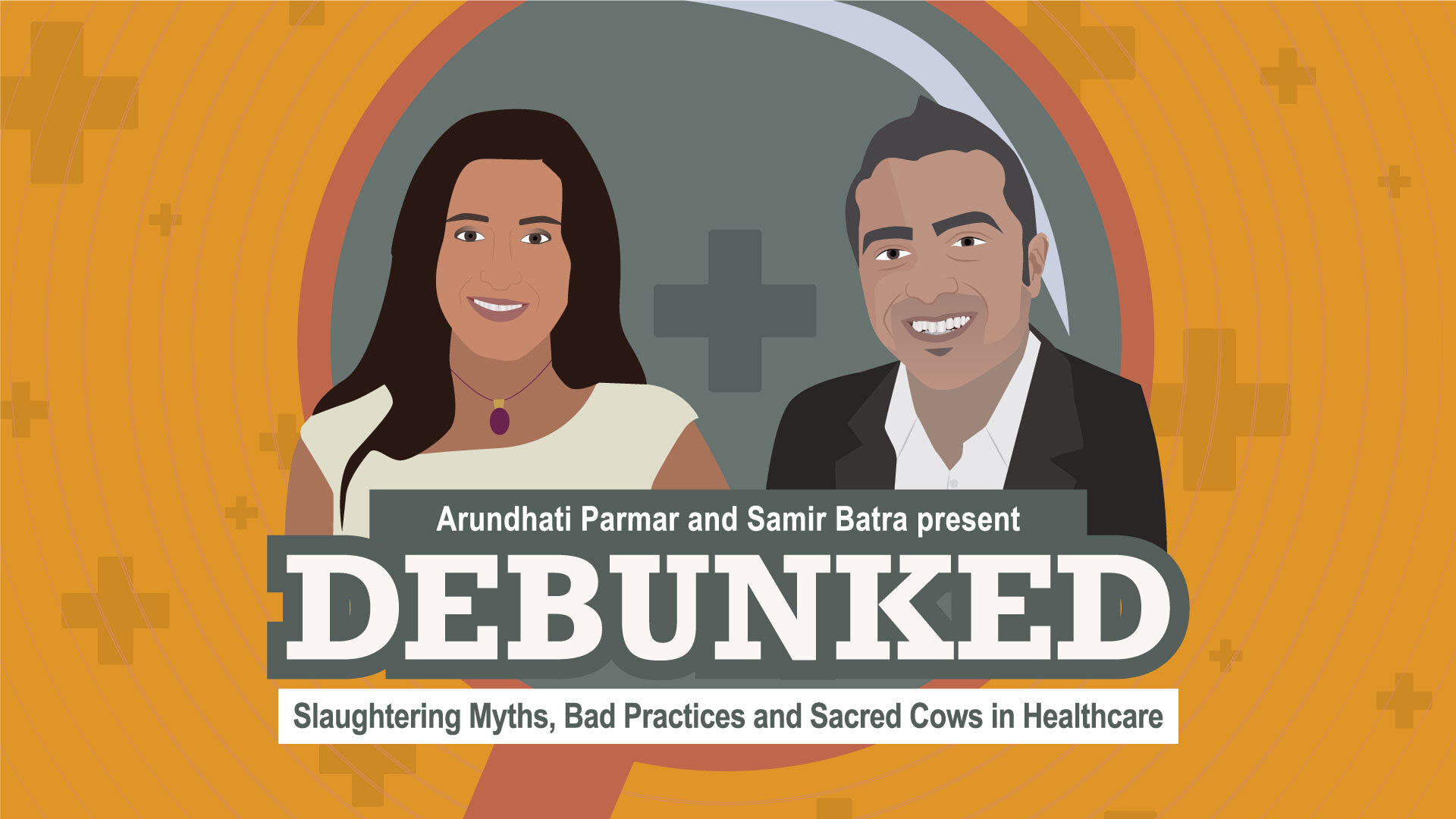
Arundhati
Parmar
talked
about
the
merits
and
challenges
of
the
program
in
general
and
specifically
for
healthcare
with
Debunked
Podcast
co-host
Samir
Batra,
managing
partner
of
Health
Innovation
Pitch.
“There
are
some
legit
concerns
that
employers
have
abused
this
system,
especially
with
India,
my
country
of
birth,
and
have
benefited
tremendously,”
Arundhati
said.
“I
agree
with
the
criticism
that
this
program
has
been
abused.
…
On
the
flip
side,
we
don’t
have
enough
people
with
math
and
science
skills.”
Initially
the
details
of
the
visa
program
changes
were
hazy,
causing
mass
confusion
as
companies
urged
employees
to
cut
short
their
travel
plans
and
return
to
the
U.S.
Technology
companies
have
used
the
H-1B
visa
to
address
a
shortage
of
computer
science
engineers
within
the
U.S.
Although
the
healthcare
industry
has
relied
on
the
program
for
decades
to
bolster
nurse
and
physician
staffing,
bringing
professionals
from
Philippines
and
India,
the
numbers
of
H-1B
visas
issued
in
healthcare
and
medicine
represent
a
small
fraction
of
the
141,205
total
new
H-1B
visas
issued
in
fiscal
year
2024,
according
to
data
from
the
American
Immigration
Council.
Another
topic
raised
in
the
latest
edition
of
Debunked
was
Bitcoin
treasury
company
Strive’s
acquisition
of
device
company
Semlar
Scientific.
Semlar
developed
a
test
for
peripheral
artery
disease
and
other
chronic
conditions.
The
combined
company
holds
10,900
BTC,
making
it
the
12th
largest
public
bitcoin
holder,
according
to
Cointelegraph.
Samir
shared
insights
on
the
implications
for
future
M&A
deals
and
the
role
bitcoin
could
play
in
these
transactions.
He
also
shared
concerns
that
bitcoin
risked
inflating
a
company’s
value
based
on
their
digital
assets.
Misinformation
around
one
cause
of
autism,
disseminated
by
the
Trump
administration,
was
widely
criticized
last
month.
President
Donald
Trump
and
HHS
Secretary
Robert
Kennedy
Jr.
named
the
active
ingredient
in
Tylenol,
acetaminophen,
as
a
cause
of
autism
and
urged
pregnant
women
not
to
take
the
medication,
despite
the
lack
of
conclusive
evidence
for
the
claims.
Physicians
often
recommend
pregnant
women
take
Tylenol
for
pain
or
a
high
fever
as
a
safer
alternative
to
aspirin.
Centers
for
Medicare
and
Medicaid
Services
Administrator
Dr.
Mehmet
Oz
contradicted
his
boss
and
downplayed
concerns
around
the
drug.
To
listen
to
the
full
podcast,
check
out
the
video
here:
To
understand
what
your
law
firm
website
needs
to
change
to
remain
relevant
and
visible
in
2026,
it
helps
to
have
a
firm
grasp
of
how
AI
search
tools
differ
from
traditional
search
engines.
Some
of
these
differences
may
be
apparent
to
you
from
your
own
experience,
but
what
goes
on
behind
the
scenes
has
important
implications
for
your
law
firm’s
content
and
its
technical
search
engine
optimization
(SEO).
Making
adaptations
early
and
being
prepared
to
make
adjustments
puts
you
in
a
position
to
build
a
generative
engine
optimization
(GEO)
strategy
that
keeps
pace
with
users’
search
behavior.
Preparing
for
Differentiation
For
many
years,
the
web
search
landscape
was
dominated
by
one
major
search
engine:
Google.
Other
search
tools,
like
Bing
and
DuckDuckGo,
did
exist,
but
they
accounted
for
a
relatively
small
share
of
global
search
activity.
The
result
for
businesses
like
law
firms,
aiming
to
optimize
their
pages
for
relevant
searches,
was
that
SEO
“best
practices”
consisted
of
a
mostly
standard
set
of
recommendations.
These
could
be
applied
to
a
wide
range
of
websites
and
were
expected
to
improve
search
engine
results
page
(SERP)
rankings
in
most
situations.
AI
search
tools
are
more
diverse
in
their
collection
and
presentation
of
content.
If
you
are
optimizing
your
law
firm
website
to
appear
in
the
results
from
AI-assisted
searches
in
2026,
you
will
need
to
take
more
than
one
set
of
protocols
into
consideration.
Most
large
language
model
(LLM)
search
tools
are
going
to
use
many
of
the
same
factors
in
evaluating
websites.
This
is
because
they
operate
on
generally
similar
principles
built
on
the
same
basic
search
functions
that
led
to
SEO’s
development.
However,
the
way
different
AI
programs
prioritize
individual
factors
may
vary.
Instead
of
considering
a
single
set
of
optimizations,
websites
will
increasingly
need
to
account
for
cross-platform
differences.
Expand
Your
Content
Strategy
To
Integrate
Timely
Updates
For
years,
the
standard
SEO
content
strategy
advice
was
to
focus
on
creating
evergreen
content.
For
traditional
search,
this
is
still
great
advice.
Creating
content
that
will
still
be
relevant
in
months
or
even
years
means
that
you
increase
your
overall
digital
footprint,
and
therefore
your
online
visibility,
every
time
you
add
a
new
post.
Many
of
the
benefits
of
SEO
are
cumulative.
Maintaining
a
growing
blog
of
evergreen
content
allows
the
positive
effects
of
SEO
content
marketing
to
build
over
time
while
ensuring
that
the
pages
attracting
traffic
contain
information
you
are
still
comfortable
sharing.
Evergreen
content
has
also
historically
been
cost
effective.
A
law
firm
can
pay
for
a
blog
article
once
and
know
that
the
investment
will
keep
drawing
in
prospective
clients
long
after
its
publication.
What’s
Changed?
All
these
advantages
still
apply
to
traditional
SEO,
but
some
AI
search
models,
including
Google’s
own
AI
overviews,
now
summarize
the
latest
developments
and
point
toward
commentary
on
trending
topics.
AI
search
tools
are
also
getting
more
sophisticated
at
recognizing
and
tailoring
results
to
individual
users’
locations
and
interests.
What
To
Do?
To
maximize
your
law
firm’s
visibility
in
AI-driven
search
results,
add
insights
relevant
to
your
practice
area
whenever
a
trending
news
item
intersects
with
the
kinds
of
cases
your
firm
handles.
What
that
may
look
like
is
going
to
be
different
for
every
law
firm.
For
example,
you
could
explain
the
likely
impacts
of
newly
passed
legislation
or
clarify
important
legal
concepts
that
have
become
the
subject
of
trending
searches
because
they
apply
to
a
case
in
the
news.
Think
Local
Do
not
shortchange
your
local
news
outlets
here.
Consider
timely
and
relevant
content
based
on
events
reported
in
your
own
community,
where
the
people
most
likely
to
retain
your
firm’s
services
are
located.
If
you
have
an
established
relationship
with
a
digital
marketing
agency,
you
can
often
save
time
while
maintaining
your
firm’s
relevance
by
negotiating
a
standing
arrangement
for
time-sensitive
content
writing.
To
get
the
most
out
of
this
strategy,
give
the
agency
the
news
item
and
point
them
toward
existing
pages
on
your
website
that
establish
your
firm’s
voice
on
related
legal
issues.
This
helps
ensure
both
topical
relevance
and
tonal
consistency.
Harness
AI
for
Predictive
Client
Acquisition
Beyond
content
for
search
engines,
AI
offers
powerful
tools
for
proactive
marketing.
Law
firms
can
now
use
predictive
analytics
to
identify
potential
clients
before
they
even
begin
their
search
for
legal
representation.
By
analyzing
public
data
sets,
social
media
trends,
and
economic
indicators,
AI
models
can
forecast
which
demographics
or
industries
are
likely
to
face
specific
legal
challenges.
For
instance,
a
firm
specializing
in
bankruptcy
law
could
use
AI
to
monitor
local
business
filings
and
economic
distress
signals,
allowing
them
to
create
targeted
outreach
campaigns
for
companies
at
risk
of
insolvency.
This
forward-thinking
approach
shifts
marketing
from
a
reactive
to
a
proactive
strategy,
placing
your
firm
one
step
ahead
of
the
competition.
Create
Hyper-Personalized
Client
Engagement
with
AI
AI
can
also
revolutionize
how
you
engage
with
prospective
and
current
clients
on
your
website.
Instead
of
offering
a
one-size-fits-all
user
experience,
you
can
implement
AI-driven
chatbots
and
dynamic
content
modules
that
personalize
the
journey
for
each
visitor.
Imagine
a
user
lands
on
your
site
and
an
AI-powered
chat
assistant
not
only
answers
their
initial
questions
but
also
analyzes
their
language
to
gauge
their
specific
legal
needs
and
emotional
state.
Based
on
this
interaction,
the
website
can
automatically
feature
relevant
blog
posts,
case
studies,
or
attorney
profiles
that
speak
directly
to
that
visitor’s
situation.
This
level
of
personalization
builds
trust
and
demonstrates
a
deep
understanding
of
the
client’s
needs
from
the
very
first
click.
Update
Accessibility
for
Humans
and
Machines
The
algorithms
that
drive
AI
search
results
are
expected
to
prioritize
page
content
that
meets
site
accessibility
standards.
As
AI
tools
provide
more
options
for
user
customization,
we
may
see
users
select
options
that
filter
sources
to
privilege
those
that
meet
their
needs.
If
you
are
not
personally
familiar
with
accessibility
settings,
consider
looking
for
an
SEO
specialist
or
digital
marketing
agency
with
strong
credentials
in
this
area.
Many
techniques
that
make
your
website
more
accessible
to
human
visitors
also
facilitate
crawling
and
indexing
by
machines.
Expect
LLMs
to
“double
down”
on
the
existing
preference
for
structured
data
and
descriptive
page
titles.
A
few
accessibility
features
that
may
have
an
increased
impact
on
how
consistently
your
law
firm
shows
up
in
answer
engines
as
we
head
into
2026
include:
Readable
Text
Making
your
law
firm
website
accessible
to
the
visually
impaired
usually
means
limiting
the
number
and
complexity
of
the
fonts
used.
You
also
need
to
ensure
that
the
hexadecimal
codes
for
the
page
text
and
background
have
a
high
degree
of
contrast.
Over-reliance
on
special
formatting,
such
as
bolded
text
and
italics,
may
be
a
mark
against
you,
since
these
signals
of
emphasis
are
difficult
to
reproduce
via
screen
readers.
Clear
Organization
Making
sure
that
all
headings
are
carefully
and
logically
encoded
as
<h1>,
<h2>,
and
so
on
has
been
a
mainstay
of
conventional
SEO
for
years.
It
gains
new
force
with
visual
accessibility
expectations,
as
many
screen
readers
rely
on
these
markers
to
organize
page
text.
For
similar
reasons,
you
will
want
to
check
the
alt
text
used
with
any
site
images.
Add
alt
text
if
it
is
missing,
and
update
it
to
make
sure
that
it
both
describes
the
image
and
explains
its
connection
to
the
text.
Integrate
Multimodal
Content
Content
is
still
king,
but
law
firms
have
more
options
for
how
to
build
their
content
portfolios
now
than
ever
before.
Many
LLM
search
tools
have
a
much
stronger
ability
to
“read”
and
deliver
results
from
non-text
content,
such
as
graphics
or
videos,
than
conventional
search
engines.
You
can
maximize
the
benefits
of
text-based
keyword
integration
with
the
advantages
of
multimodality
by
ensuring
that
all
your
non-text
content
is
accompanied
by
clear
captions
and
transcripts.
This
makes
it
easy
for
LLMs
to
index
your
content
and
reference
it
in
the
answers
they
provide
to
users.
Invest
in
Regular
Updates
One
of
the
most
important
changes
you
can
make
to
your
law
firm
website
strategy
is
to
plan
for
regular
updates.
Many
law
firms
maintain
static
websites
where
little
changes
beyond
their
blog
posts
for
months
or
even
years.
That
strategy
is
outdated.
It
makes
integrating
timely
content
more
difficult,
and
it
hinders
your
ability
to
make
technical
adjustments
in
response
to
new
LLM
models.
Waiting
until
your
website
is
already
out
of
date
to
find
a
web
designer
can
put
you
weeks,
if
not
months,
behind
your
competitors.
Deciding
ahead
of
time
how
you
will
handle
website
updates
and
planning
for
regular
review
gives
you
an
edge.
Final
Thoughts:
Partnering
with
a
Legal
Marketing
Agency
If
you
choose
to
partner
with
a
legal
marketing
agency,
make
sure
they
truly
understand
AI
technologies
and
are
up
to
date
on
how
to
get
your
law
firm
website
listed
on
large
language
models
(LLMs).
The
agency
should
be
prepared
to
implement
strategies
tailored
for
AI-driven
search,
ensuring
your
website
is
not
only
optimized
for
traditional
search
engines
but
also
positioned
to
appear
in
the
latest
AI-based
platforms.
This
expertise
is
vital
to
maintaining
and
growing
your
firm’s
online
visibility
as
digital
landscapes
evolve.
Annette
Choti,
Esq.
is
the
founder
of Law
Quill,
a
legal
digital
marketing
agency
that
helps
growth-minded
law
firms
increase
their
online
visibility
and
convert
more
clients.
She
is
also
the
author
of
“Click
Magnet:
The
Ultimate
Digital
Marketing
Guide
for
Law
Firms”
and
Click
Magnet
Academy.
Annette
used
to
do
professional
comedy,
which
is
not
so
far
from
the
law
if
we
are
all
being
honest.
Badges
lies
on
the
edge
of
the
table
for
the
participants
and
convention
center
reception.
Business
conference
access
cards.
The
Filevine
User
Conference
took
place
September
29th
through
October
2nd
in
Salt
Lake
City.
I
was
interested
in
the
conference
in
part
because
Filevine
recently
got
a
$400
million
infusion
and
I
wanted
to
see
what
the
atmosphere
was
as
compared
to
last
year’s
conference,
also
in
Salt
Lake.
Last
year,
Filevine
more
or
less
threw
down
the
gauntlet
on
extravagant
vendor
conferences.
It
featured
a
keynote
with
the
actor
Jake
Gyllenhaal
and
a
concert
by
well-known
rap
artist,
Nelly.
There
was
a
lot
of
excitement
and
major
announcements.
Like
last
year,
this
year’s
conference
featured
a
well-known
actor,
Bob
Odenkirk
(Better
Call
Saul),
and
a
concert
apparently
by
a
well-known
country
music
group,
the
Turnpike
Troubadours.
(I’m
not
a
country
fan
so
it
was
a
little
lost
on
me.)
The
energy
and
passion
seemed
the
same,
as
exemplified
by
its
CEO
Ryan
Anderson.
I
enjoy
talking
to
the
Filevine
folks
and,
like
last
year,
found
them
interesting
and
knowledgeable.
And
perhaps
in
keeping
with
a
company
just
getting
a
$400
million
infusion,
Filevine
gave
every
attendee
$200
in
coupons
to
spend
in
the
Filevine
Pro
Shop
(more
on
that
later).
Key
Take
Aways
After
being
there
for
the
three
days,
three
trends
are
obvious.
First,
like
some
other
vendors,
Filevine
sees
the
value
in
providing
one
singular
AI
and
tech
source
for
all
its
customers.
It
is
expanding
what
its
various
AI
tools
can
do
so
that
customers
stay
in
the
Filevine
campground
for
as
many
tasks
as
possible.
All
well
and
good
but
if
you
follow
Cory
Doctorow’s
enshitification
theme
(where
a
company
offers
a
great
product
at
a
great
price
but
as
it
grows
it
offers
less
service
at
a
higher
price),
it
ties
up
customers
and
makes
it
difficult
for
them
to
switch
if
Filevine
decides
in
the
future
to
raise
the
fees
and
provide
less
service.
It’s
good
for
customers
in
the
short
run.
How
good
in
the
long
run
remains
to
be
seen.
Secondly,
many
of
Filevine’s
tools
reduce
the
amount
of
time
needed
by
lawyers
and
legal
professionals
to
spend
doing
case
and
matter
activities.
As
I
have
discussed
before,
this
means,
for
example,
that
plaintiffs’
lawyers
who
take
cases
on
a
contingency
basis
may
be
able
to
profitably
handle
cases
that
they
previously
could
not.
These
are
cases
with
lower
exposure.
Without
AI
and
automation
tools,
the
amount
of
time
needed
to
handle
the
case
would
exceed
what
could
likely
be
recovered.
Not
coincidentally,
many
of
Filevine’s
customers
are
personal
injury
lawyers.
Finally,
like
some
other
providers,
Filevine
looks
hard
at
the
practice
pain
points
and
sees
the
value
in
providing
AI
tools
that
work
and
address
those
points.
The
Opening
Keynote
Like
last
year,
the
opening
Keynote
was
given
by
the
CEO
and
founder,
Ryan
Anderson.
He’s
one
of
those
tech
entrepreneurs
who
bounds
on
the
stage
full
of
energy
and
passion,
lots
of
fast
talking
(meaning
he
talked
fast,
not
necessarily
that
he
was
full
of
BS,
although
I’m
sure
there
was
some
of
that).
His
Keynote
sets
the
stage
for
what’s
to
come.
Interestingly,
Anderson
opened
his
Keynote
by
talking
about
the
possibility
of
tech
companies
becoming
competitors
of
law
firms
instead
of
suppliers
of
products
to
them.
I
say
interesting
because
recently
I
posed
the
same
question
in
connection
with
the
purchase
by
the
tech
company
Lawhive
of
a
UK
law
firm.
As
might
be
expected,
Anderson
offered
a
stirring
defense
of
law
firms
and
expressed
the
idea
that
there
are
things
human
lawyers
can
and
always
will
do
better.
Like
persuasion,
empathy,
and
legal
strategy.
I
say
expected
since
Filevine
is
a
big
seller
of
tech
to
law
firms
(at
least
for
now).
Anderson’s
big
news
in
terms
of
products
was
the
notion
of
a
concept
he
called
LOIS
(Legal
Operating
Intelligence
Solution).
The
idea
is
that
LOIS
will
be
the
hub
to
unify
all
Filevine’s
AI
tools
and
case
management
software.
Anderson
said
the
platform
will
be
a
connected
environment
for
these
tools
to
work
together
in
an
orchestrated
fashion.
After
the
Keynote,
I
talked
with
Keegan
Chapman,
Filevine’s
Chief
Marketing
Officer,
about
LOIS.
I
got
the
sense
that
LOIS
is
more
of
a
concept
and
way
of
thinking
than
an
actual
product.
I
also
got
the
idea
that
it’s
a
way
to
refer
to
the
slew
of
different
products
Filevine
offers
in
a
unified
way.
Says
Chapman,
“All
these
products
scattered
throughout
Filevine
felt
very
disjointed.
We
realized
that
the
true
power
is
not
when
you
have
one
but
when
you
have
AI
in
each
step
of
your
process.
And
that’s
what
we
started
naming
LOIS
for.”
Good
idea.
I
have
written
before
about
the
confusion
that
arises
when
a
legal
tech
vendor
offers
a
bunch
of
products
with
different
names
that
do
slightly
different
things.
Beyond
LOIS,
there
were
lots
of
user
sessions,
often
devoted
to
use
by
plaintiffs’
and
smaller
law
firms
who
seem
to
constitute
the
bulk
of
Filevine’s
customer
base
and
the
actual
use
of
the
various
tools.
New
Products
and
Enhancements
At
the
conclusion
of
the
first
full
day,
Filevine’s
Chief
Product
Officer,
Michael
Anderson,
along
with
several
others
took
the
stage
to
discuss
Filevine’s
new
products
and
enhancements.
As
with
most
vendors
these
days,
most
of
these
aren’t
released
yet
and
will
be
in
beta
starting
later
this
year.
The
two
important
were
the
enhancements
to
the
deposition
tool
and
the
entry
of
Filevine
in
the
legal
research
field
which
I
previously
addressed.
Here
are
some
of
the
other
announcements.
1.
Filevine’s
major
flagship
AI
tool, Chat
with
Your
Case,
now
looks
more
like
a
full
AI-powered
case
analysis
and
drafting
assistant.
Key
enhancements
include:
The
sidebar
chat
has
been
redesigned
with
a full-screen
mode
and
a history
map.
The
exact
words
and
pages
the
AI
relies
on
are
displayed.
A
new AI
classifier now
routes
queries
to
the
correct
agent,
distinguishing
between
fact-finding,
procedural,
and
generative
tasks.
Key
upcoming
features
will
add
the
ability
to
automatically
produce
slide
decks
or
PDFs
summarizing
case
strengths
and
weaknesses
and
the
ability
for
users
to
be
able
to
choose
which
datasets
the
AI
draws
from.
2.
Draft
AI is
a
new
embedded
drafting
assistant
integrated
into
Filevine’s document
assembly
system.
Features
include:
A
hybrid
drafting
enginethat
combines
traditional
templates
with
generative
AI
for
unique
sections
like
recitals
and
factual
backgrounds.
Direct
Filevine
data
access
that
draws
directly
from
the
case
file
leading
to
accuracy
and
formatting
consistency.
The
ability
to
chat
with
the
document
itself
to
edit,
query,
or
insert
sections.
3.
Filevine’s Timely product,
an
AI-driven
deadline
calculation
tool,
has
been
completely
rebuilt
using
AI.
The
enhancements
include:
Coverage
of
cases
in
all
50
state
and
federal
jurisdictions.
An
AI-enhanced
local
rule
detection
feature.
Synced
deadlines
that
appear
automatically
in
Filevine
projects,
Outlook,
and
Google
calendars.
4. Filevine’s
Medical
Chronology
tool
is
a
medical
record
summarization
system
that
now
automatically
updates
as
new
medical
records
are
uploaded.
It
can
also
now
be
narrowed
for
specific
types
of
records.
In
the
future,
the
tool
will
include
automatic
deduplication,
and
the
ability
to
combine
medical
records
and
bills
into
a
unified
view,
cross-comparison
of
bills
and
records
to
find
missing
documents,
and
the
ability
for
the
user
to
approve
or
exclude
documents
before
inclusion.
The
Proverbial
Vibe
In
addition
to
content
and
announcements,
every
conference
should
be
assessed
on
its
vibe,
energy,
and
feel.
On
this
point,
I
give
Filevine
a
B+
for
the
reasons
below.
Lots
of
excitement
and
passion.
Lots
of
talk
about
AI
and
what
I
could
do.
The
Filevine
people
went
out
of
their
way
to
be
helpful
and
courteous.
The
sessions
were
good
and
informative.
The
keynotes
were
solid.
The
exhibit
hall
was
energized.
But…
Despite
all
this,
on
some
things
Filevine
was,
well,
a
little
tone
deaf.
Take
LOIS.
Conceptually
sounds
like
a
good
idea.
But
why
introduce
it
with
a
video
showing
two
attractive
women
who
presumably
gave
a
look
and
voice
to
LOIS.
And
for
that
matter,
why
name
it
for
a
woman
at
all?
Whether
intentional
or
not,
the
choice
to
anthropomorphize
an
AI
assistant
as
female
and
have
it
represented
by
attractive
women
in
promotional
materials
reinforces
old
stereotypes
about
whose
work
matters
less.
Minor
point?
Maybe.
And
by
itself
it
might
not
have
been
noticeable.
But
a
couple
of
other
things
suggested
a
bro
atmosphere.
Throughout
the
venue
there
were
all
sorts
of
references
to
sports,
primarily
golf.
Pictures
of
well-known
male
golfers.
Trophies
displayed
to
suggest
a
country
club
atmosphere.
References
to
club
membership.
Even
the
swag
was
offered
in
a
“Pro
Shop.”
Most
of
it
had
“Member”
displayed
on
it.
Yes,
women
play
golf;
but
I
didn’t
see
any
pictures
of
women
golfers
anyplace.
Nothing
wrong
with
golf
references
per
se,
but
when
the
entire
aesthetic
skews
heavily
toward
one
demographic’s
leisure
activities,
it
sends
a
message
about
who
the
“default”
customer
is
imagined
to
be.
Then
there
was
the
opening
night
party.
The
theme
was
Kentucky
Derby,
replete
with
mint
juleps,
cigar
rolling,
and
simulated
betting.
Now
I’m
happy
my
state’s
biggest
event
got
some
notice,
but
it
seemed
jarring
to
have
a
Derby
party
in
late
September
in
Salt
Lake
City.
Beyond
the
odd
timing,
it
could
be
seen
as
doubling
down
on
the
exclusive
country
and
boys
club
image.
Putting
all
this
together,
it
gave
an
impression
that
could
be
off
putting
and
detract,
rather
than
enhance,
the
goal
of
the
conference:
show
off
products
while
letting
everyone
have
fun
and
feel
comfortable.
In
a
male-dominated
industry
known
for
the
opposite
kind
of
atmosphere,
it
was
a
distraction.
But
At
Least
No
Woman
in
a
Champagne
Glass
But
that
shouldn’t
take
anything
away
from
the
fact
that
overall,
the
conference
was
really
good.
And
unlike
another
well-known
legal
tech
conference
this
year,
at
least
there
was
no
scantily
clad
woman
in
a
large
champagne
glass
at
the
main
party.
Stephen
Embry
is
a
lawyer,
speaker,
blogger,
and
writer.
He
publishes TechLaw
Crossroads,
a
blog
devoted
to
the
examination
of
the
tension
between
technology,
the
law,
and
the
practice
of
law.
Sometimes
millions
of
people
buying
a
picture
of
a
naked
baby
is
just
art.
Called
“one
of
the
most
iconic
album
covers
ever”
by
Indie
Underground,
Nirvana’s
second
second
album,
“Nevermind,”
isn’t
actually
all
that
complex.
There’s
a
body
of
water
and
what
looks
like
a
naked
baby
swimming
toward
a
dollar
on
a
fish
hook.
To
many,
the
album
looks
like
a
reminder
of
their
youth
and
when
grunge
killed
glam
metal.
To
Spencer
Elden
—
the
baby
photographed
for
the
album
—
the
album
looked
like
child
pornography.
He
filed
suit
back
in
2021
over
the
photo.
Years
later,
it
looks
like
there
is
some
finality
to
the
question
of
whether
the
album
cover
counts
as
child
porn
or
not.
ABA
Journal
has
coverage:
U.S.
District
Judge
Fernando
Olguin
of
the
Central
District
of
California
ruled
against
Spencer
Elden
and
tossed
the
2021
that
case
he
filed
over
the
picture
taken
when
he
was
4
months
old,
report
the
New
York
Times,
Law360
and
Reuters. … Olguin
disagreed
after
examining
several
factors.
They
included
whether
the
focal
point
of
the
depiction
is
on
the
child’s
genitalia,
whether
the
setting
is
sexually
suggestive,
whether
the
child
is
nude,
and
whether
the
depiction
is
intended
to
elicit
a
sexual
response
in
the
viewer.
Of
the
listed
factors,
the
judge
said
that
the
only
one
relevant
to
the
photo
was
that
the
child
was
nude.
I
do
wonder
about
the
focal
point
prong
though
—
would
the
cover
have
been
as
iconic
if
the
baby
was
wearing
a
diaper?
Either
way,
we
finally
have
some
closure
on
the
question.
Chris
Williams
became
a
social
media
manager
and
assistant
editor
for
Above
the
Law
in
June
2021.
Prior
to
joining
the
staff,
he
moonlighted
as
a
minor
Memelord™
in
the
Facebook
group Law
School
Memes
for
Edgy
T14s
.
He
endured
Missouri
long
enough
to
graduate
from
Washington
University
in
St.
Louis
School
of
Law.
He
is
a
former
boatbuilder
who
is
learning
to
swim, is
interested
in
critical
race
theory,
philosophy,
and
humor,
and
has
a
love
for
cycling
that
occasionally
annoys
his
peers.
You
can
reach
him
by
email
at [email protected]
and
by
tweet
at @WritesForRent.