When
the
National
Assembly
and
the
Senate
adjourn,
they
set
down
all
outstanding
business
on
their
Order
Papers
(i.e.
their
agendas)
for
the
next
appropriate
sitting
day.
There
is
usually
too
much
to
be
covered
in
one
day
so
whatever
is
not
dealt
with
is
postponed
to
the
next
appropriate
day.
Both
Houses
of
Parliament
can
change
the
order
in
which
they
consider
business.
THE
NATIONAL
ASSEMBLY
Tuesday
3rd
March
Bills
to
be
dealt
with:
The
Assembly
is
expected
to
deal
with
the
following
Bills:
Consideration
of
the
PLC’s
adverse
report
on
this
Bill
will
continue.
Reports
of
constitutional
commissions
to
be
considered
The
Assembly
will
be
asked
to
consider:
Report
by
the
Zimbabwe
Electoral
Commission
[ZEC]
on
by-elections
held
in
June,
August,
September
and
October
2025
2024
report
of
the
Zimbabwe
Gender
Commission
2024
report
of
the
Zimbabwe
Anti-Corruption
Commission
Reports
of
parliamentary
committees
The
Assembly
will
deal
with
reports
on
the
following
topics:
Adverse
reports
by
the
PLC
on
the
constitutionality
of
various
local
authority
by-laws
and
statutory
instruments
Operations
of
the
Zimbabwe
Women’s
Microfinance
Bank
2023
financial
statements
of
the
National
Handling
Services
2023
financial
statements
of
Agricultural
and
Rural
Development
Authority
2023
financial
statements
of
the
Grain
Marketing
Board
2023
financial
statements
of
Air
Zimbabwe
Access
to
mining
by
women,
youths
and
persons
with
disabilities
2024
fourth
quarter
Budget
Performance
Report
of
the
Ministry
of
Information,
Publicity
and
Broadcasting
Services
Projects
implemented
by
the
Lotteries
and
Gaming
Board
as
part
of
its
corporate
social
responsibility
2022
appropriation
and
fund
accounts
of
the
Ministry
of
Finance,
Economic
Development
and
Investment
Promotion
The
state
of
vocational
training
centres
The
2024
fourth
quarter
Budget
Performance
Reports
of
the
Ministries
of
Public
Service,
Labour
and
Social
Welfare
and
Skills
Audit
and
Development
International
agreements
to
be
approved
The
Assembly
will
be
asked
to
approve:
Treaty
on
Mutual
Legal
Assistance
in
Criminal
Matters
with
the
People’s
Republic
of
China
Petitions
received
The
Assembly
will
debate
a
report
on
the
following
petition:
Petition
on
community
care-givers
Motions
on
the
National
Assembly
order
paper
Motions
set
to
be
debated
by
the
Assembly
will
include
the
following
topics:
Use
of
AI
in
short-listing
and
choosing
student
nurses
and
teachers
Use
of
AI
in
government
tenders
to
select
successful
bidders
The
establishment
of
succession
rules
and
procedures
for
chiefs
Measures
to
suppress
and
prosecute
machete
gangs
Quotas
for
local
players
in
all
Premier
Soccer
League
clubs
Review
and
reform
of
the
employment
tax
[PAYE]
tax
brackets
The
erection
of
public
galleries
and
statues
to
preserve
Zimbabwe’s
cultural
heritage
Wednesday
4th
March
Note:
On
Wednesdays,
questions
and
other
private
members’
business
have
precedence
over
government
business.
Questions
set
down
for
answer
Among questions set
down
for
Ministers
to
answer
in
the
National
Assembly
on
Wednesday
are questions on the
following
issues:
The
production
of
passports
by
a
private
company,
and
the
payment
for
them
in
local
currency
Initiatives
to
combat
drug
and
substance
abuse
Right
to
peaceful
political
expression
without
intimidation
Fraudulent
certificates
used
to
gain
entry
to
nurses’
training
Supplies
of
medicines
for
snake
bites
and
rabies
in
vulnerable
border
areas
Radio
and
television
time
allocated
to
political
parties
between
2023
and
2025
and
whether
the
Zimbabwe
Electoral
Commission
monitors
media
fairness
between
elections
Exemption
of
deaf
persons
from
need
to
have
vehicle
radio
licences
Revenue
from
issue
of
vehicle
licences
between
January
and
June
2025
Possible
reduction
of
radio
licence
fees
Non-disclosure
of
identities
of
victims
of
rape
Votes
for
Zimbabweans
in
the
diaspora
Compensation
for
victims
of
political
violence
since
1980
Public
consultation
on
constitutional
reforms,
and
protection
of
the
independence
of
constitutional
commissions
Conditions
of
service
of
senior
employees
of
local
authorities
Plans
to
ensure
universal
access
to
clean
drinking
water
and
improved
sanitation
in
high-density
urban
areas
Mechanisms
for
regular
monitoring
of
service
delivery
in
high-density
urban
areas
End
of
the
moratorium
on
processing
of
applications
for
change
of
land
use
in
local
authority
areas
Payment
of
municipal
water
bills
in
local
currency
Measures
to
assist
organisations
that
are
closing
due
to
economic
hardship
Special
rates
for
purchases
of
electricity
by
local
authorities
Measures
to
prevent
load-shedding
Recruitment
of
only
Zanu-PF
members
into
the
army
Review
of
civil
servants’
salaries
in
2026
Extension
of
the
motor
vehicle
rebate
to
parastatal
bodies
Amounts
of
national
revenue
collected
and
disbursed
towards
devolution
between
2020
and
2025
Amounts
of
airtime
levy
and
sugar
tax
collected
in
2024
and
2025
Adjustment
of
the
interbank
policy
rate
to
reduce
inflation
De-regulating
the
prescriptive
asset
thresholds
for
pension
funds
Promotion
of
full
local
and
international
fungibility
of
ZiG
currency
Re-registration
of
companies
and
private
business
corporations
referred
to
in
the
global
compensation
deed
for
dispossessed
farmers
Whether
the
Ministry
of
Finance
can
pay
suppliers
directly
rather
than
through
responsible
Ministries,
departments
and
agencies
Construction
of
dams,
roads
and
other
infrastructure
Oversight
of
the
Mutapa
Investment
Fund
to
prevent
mismanagement
Steps
to
ensure
compliance
with
the
Public
Procurement
and
Disposal
of
Public
Assets
Act
Measures
to
prevent
public
service
providers
and
local
authorities
from
using
exchange
rates
other
than
the
official
ones
Making
local
authorities
responsible
for
licensing
vehicles
The
average
cost
of
constructing
one
kilometre
of
trunk
road
Measures
to
prevent
school
drop-outs
through
pregnancies
and
early
marriages
Use
of
debt
collectors
to
collect
school
fees
from
parents
When
the
national
soccer
team
will
use
national
grounds
for
international
and
regional
matches
Politicisation
of
government
food
aid
Repatriation
of
the
remains
of
freedom
fighters
from
Zambia.
Thursday
5th
March
The
Assembly
will
continue
with
business
left
over
from
Tuesday
THE
SENATE
Tuesday
3rd
March
Reports
of
constitutional
commissions
and
statutory
bodies
to
be
considered
The
Senate
will
be
asked
to
consider:
Reports
by
the
Zimbabwe
Electoral
Commission
on
various
by-elections
held
between
October
2024
and
October
2025
2024
report
of
the
Zimbabwe
Gender
Commission
2024
report
of
the
Zimbabwe
Anti-Corruption
Commission
2024
report
of
the
Zimbabwe
Electoral
Commission
2024
report
of
the
Judicial
Service
Commission
2024
report
of
the Attorney-General’s
Office
2024
report
of
the
National
Prosecuting
Authority
2024
report
of
the
Zimbabwe
Human
Rights
Commission
Parliamentary
committee
reports
to
be
considered
The
Senate
is
expected
to
consider
reports
on
the
following
topics:
Access
to
safe
and
clean
drinking
water
in
rural
areas
Recurring
droughts
Access
to
mining
by
women,
youths
and
persons
with
disabilities
The
state
of
prisons
in
Zimbabwe
Motions
to
be
dealt
with
by
the
Senate
The
Senate
is
expected
to
debate
motions
on
the
following
topics:
Approval
of
appointment
of
Mrs
V.
Chikwenhere
as Auditor-General
Measures
to
prevent
murders
and
other
serious
crimes
Vandalism
of
natural
resources,
State
property
and
infrastructure
Unpaid
care
work
Enhancement
and
protection
of
inheritance
rights
of
widows
and
children
Development
of
a
language
policy
to
enhance
the
use
of
indigenous
languages
Reply
to
the
President’s
speech
Wednesday
4th
March
The
Senate
will
continue
with
business
not
dealt
with
on
Tuesday
Thursday
5th
March
Questions
set
down
for
answer
Questions
on
the
following
topics
have
been
tabled
for
Ministers
to
answer
in
the
Senate
on
Thursday:
The
disposal
of
vehicles
impounded
at
border
posts
Measures
to
mitigate
the
suspension
of
visas
to
the
USA
The
inclusion
of
elderly
farmers
in
the
Pfumfudza
agricultural
support
programme
Importation
of
goods
by
Chinese-owned
mining
companies.
Bills
Being
Considered
by
the
Parliamentary
Legal
Committee
The
PLC
is
considering
the
following
Bills:
Zimbabwe
School
Examinations
Council
Amendment
Bill [link]
(considering
amendments
made
by
the National
Assembly on
the
17th
February)
I
have
always
been
dismissive
of
these
beliefs,
thinking
that
they
were
just
remnants
of
the
past.
How
wrong
I
was!
Supernatural
beliefs
about
livestock
are
still
very
much
part
of
day-to-day
practices
in
rural
Zimbabwe,
as
well
as
in
South
Africa and
elsewhere
in
the
region.
We
need
to
understand
them
when
responding
to
the
health
and
management
of
livestock
systems.
The
use
of
secret
charms
and
potions
Various
secret
charms
or
potions
are
used
by
stock
owners
for
various
purposes
in
livestock
systems.
A
common
magic
charm
employed
in
Matabeleland
is
‘umthuso’.
This
charm
is
used
to
enhance
the
productivity
of
animals
(such
as
getting
more
calves).
This
the
equivalent
of
‘divisi’
in
crop
farming
areas
in
Mashonaland
regions. Divisi is
a
secretive
charm
or
potion
used
by
some
farmers
to
increase
the
productivity
of
the
soil
and
crop
yields.
Such
charms
and
potions
are
used
secretly
and
are
only
of
use
to
the
owner.
If
used
on
others’
animals,
they
can
have
devastating
effects.
During
the
2011-12
season,
there
was
a
severe
drought
in
Matobo.
With
smaller
herds
and
relatively
larger
tracts
of
land,
the
households
in
Vimbi
–
one
of
the
two
A1
land
reform
villages
that
I
conducted
fieldwork
in
for
my
PhD
research
–
decided
to
lease
out
grazing
on
a
short-term
basis
to
herd
owners
from
the
drought-stricken
areas
in
the
south
of
the
district
in
exchange
for
heifers
as
a
strategy
to
build
up
their
herds.
Many
households
got
between
two
and
five
heifers
as
payment.
Yet
many
of
the
households
sold
these
animals
as
soon
as
they
received
them.
I
asked
why
they
decided
to
sell
such
valuable
assets.
They
told
me
that
they
feared
that
mixing
their
pre-owned
herds
with
the
new
animals
would
lead
to
abortion.
They
believed
that
some
stock
owners
used
the
‘umthuso’
charm
to
enhance
the
productivity
of
their
animals,
and
the
charm
would
affect
those
without umthuso if
in
the
same
kraal.
I
came
across
similar
beliefs
in
Hwange
communal
areas
where
I
conducted
fieldwork
for
my
Masters’
research
on
the
impacts
of
a
community-based
‘Holistic
Management’
programme.
Here,
stock
owners
were
encouraged
to
combine
their
herds
together
under
Holistic
Planned
Grazing
for
perceived
ecological
benefits.
However,
most
herd
owners
disliked
this
idea
due
to
fears
of umthuso,
which
was
believed
to
cause
abortion.
In
the
end,
the
sign-up
to
the
programme
was
very
low,
and
the
project
failed
completely.
A
local
veterinarian
in
Insiza
district
once
told
me
that
she
doesn’t
enter
into
a
kraal
without
asking
for
permission
from
the
owner
when
treating
a
sick
animal.
“When
I
was
new
in
the
area,
I
once
entered
into
someone
kraal
without
seeking
permission
and
he
screamed
to
me
saying,
‘Oh
no,
you
have
rendered
my umthuso ineffective’.”
It
is
stock
owners
with
very
large
herds
who
are
believed
to
use umthuso.
In
southern
Matobo,
I
was
told
about
one
large
herd
owner
with
over
200
cattle
who
could
not
sell
some
of
his
animals
to
educate
his
children.
“All
of
his
seven
children
never
went
to
school,
but
he
had
a
kraal
full
of
cattle.
Those
are muthi cattle”,
my
interlocutor
declared.
My
informants
emphasised
that
when
such
owners
die,
the
cattle
will
usually
die
too.
I
was
consistently
told
that,
“those
people
die
with
their
things
(cattle)”.
This
is
because
other
family
members
won’t
know
how
to
handle umthuso.
When
buying
cattle
for
breeding,
one
is
often
urged
to
avoid
buying
cattle
from
herd
owners
suspected
of
using umthuso as
such
animals
will
abort
or
have
still
births.
As
one
of
my
informants
told
me:
“I
bought
a
cow
from
one
of
the
farmers
in
the
village,
and
that
cow
never
gave
me
a
single
calf.
It
will
get
pregnant,
but
have
abortion
in
the
late
stages
of
the
pregnancy.
One
of
the
old
men
in
village
later
told
me
that
I
made
a
mistake
buying
this
cow
from
that
old
man
as
he
was
known
for
bewitching
the
cattle
he
had
sold.”
While
it
was
very
possible
that
the
cow
was
simply
suffering
from
bovine
brucellosis,
the
neighbours
claimed
that
the
old
man
had
used
a
potion
on
the
cow
because
he
was
‘jealous’
of
the
buyer
expanding
his
herd.
Some
herd
owners,
people
argue,
use muthi to
make
their
bulls
breed
with
other’s
cattle,
so
that
their
cows
will
experience
prolapses
or
abortions.
‘Witchcraft’
as
the
cause
of
livestock
disease
Livestock
owners
very
often
attribute
certain
animal
diseases
to
‘witchcraft’,
especially
if
they
cannot
diagnose
the
disease.
The
sudden
death
of
an
animal
with
no
apparent
cause
is
sometimes
associated
with
‘witchcraft’.
The
death
is
of
even
greater
concern
to
the
owner
if
it
is
preceded
by
strange
behaviour.
One
A1
farmer
in
Matobo
experienced
sudden
and
unexpected
deaths
of
his
goats.
He
suspected
some
type
of
suspicious
intervention.
As
a
result,
he
decided
to
dig
out
all
the
manure
in
the
goat
kraal,
and
found
‘a
lot
of
rats’,
which
he
said
were
responsible
for
killing
his
goats.
Instead
of
consulting
a
veterinarian
for
a
scientific
diagnosis
of
what
disease
was
killing
his
goats,
he
was
convinced
that
the
rats
were
responsible
for
the
death
of
his
goats.
Despite
his
efforts
to
dig
out
the
manure
and
kill
the
rats,
his
goats
continued
to
die.
Another
A2
farmer
in
Matobo
told
me
that
he
had
to
change
the
site
of
his
kraal
because
his
milking
cows
were
discharging
pus
instead
of
milk,
and
his
calves
would
eventually
die.
As
a
result,
he
suspected
that
someone
had
planted
a
charm
in
his
kraal
to
damage
the
udder
his
cows.
As
a
result,
he
was
losing
half
of
his
calves
every
year.
I
asked
whether
he
had
consulted
a
veterinarian,
but
he
said
no.
His
solution
was
to
move
the
kraal,
although
he
admitted
that
the
problem
persisted.
Yet,
to
me
the
symptoms
seemed
very
much
of
mastitis,
which
is
easily
diagnosed
and
treated.
Protective
spirits
In
2016,
when
I
began
my
fieldwork,
I
visited
the
Shashe
Block
in
the
southern
part
of
the
district
to
learn
about
‘mlaga’
(transhumance)
system
practised
by
herd
owners
as
a
strategy
to
deal
with
environmental
variability.
Once
there,
I
was
told
a
story
about
a
certain
large
herd
owner
who
had
over
1000
head
of
cattle.
“His
cattle
are
grazed
at emlageni (cattle
post)
throughout
the
year.
He
leaves
his
animals
at
large,
but
they
are
not
stolen”,
my
interlocutor
told
me.
Given
the
rampant
stock
theft
in
the
area,
I
was
baffled.
I
asked
why
this
man’s
cattle
were
not
stolen
like
others.
He
replied:
“He
has
a
strong muthi (potion).
It
is
believed
that
when
thieves
try
to
drive
his
animals
away,
they
will
see
things!”
By
‘things’,
my
interlocutor
was
referring
to
ape-like
‘tokoloshe’.
In
recent
years,
I
have
also
heard
many
stories
of
‘ngozi’
spirits
in
relation
to
loaned
cattle.
For
example,
in
my
own
village
in
Zvishavane,
there
are
two
stories
of ngozi spirits
concerning
(loaned)
cattle.
In
the
early
2000s,
following
land
reform,
a
man
in
our
village
asked
his
neighbour
to
loan
(kuronzera)
him
20
head
of
cattle
because
he
had
acquired
an
A1
plot
and
had
no
cattle.
The
neighbour,
a
single
old
woman
who
had
acquired
the
cattle
through
traditional
healing,
agreed.
The
agreement
was
that
the
loanee
would
get
manure,
milk
and
draught
power
in
exchange
for
looking
after
the
cattle.
The
loanee
then
moved
the
herd
to
his
newly
acquired
farm.
Years
later,
the
loanee
started
selling
the
cattle
without
the
knowledge
and
consent
of
the
cattle
owner.
The
cattle
owner
decided
to
recall
the
herd
but
found
out
that
only
five
cattle
remained.
A
conflict
ensued,
but
the
cattle
owner
passed
away
a
few
years
later
before
she
was
paid
back
her
cattle.
Today,
rumours
abound
that
the
late
cattle
owner’s
avenging
spirit
is
demanding
her
cattle
back.
It
is
claimed
that,
because
of
the
haunting
by
the ngozi spirit,
the
loanee
joined
the
‘Mapostori’
religious
sect
in
order
to
seek
protection
from
the ngozi.
In
another
story,
I
heard
about
a
woman
who
died
and
her
children
decided
not
to
pass
on
her
‘mombe
yehumai’ (cow
of
motherhood)
to
her
maternal
relatives.
A ngozi spirit
returned,
demanding
that
the
cattle
to
be
given
to
her
relatives.
It
is
claimed
that
the ngozi spirit
was
causing
infertility
and
marriage
problems
amongst
female
children
and
other
misfortunes.
The
children
made
monetary
contributions
and
bought
a
cow,
which
they
then
gave
to
their
maternal
uncles
(vanasekuru)
to
settle
the ngozi spirit.
In
sum,
supernatural
beliefs
around
livestock
(especially
around
cattle)
are
still
important
today,
influencing
livestock
management,
loaning
practices
and
animal
health
treatment.
While
some
beliefs
such
as ngozi are
effective
at
claiming
stolen
wealth,
others
are
clearly
problematic,
particularly
when
it
comes
to
failing
to
diagnose
easily
treatable
animal
health
problems.
Whatever
you
think
of
these
practices,
they
remain
an
important
part
of
livestock
systems
in
Zimbabwe
today
and
should
not
be
ignored
as
I
had
been
doing
until
conducting
my
research.
This
blog
was
written
by
Tapiwa
Chatikobo,
post-doctoral
researcher
at
PLAAS,
UWC,
South
Africa.
It
first
appeared
on Zimbabweland
After
months
of
bluster,
threats,
and
performative
chest-thumping,
the
Trump
administration
is
reportedly
slinking
away
from
its
own
unconstitutional
tantrum.
According
to
The
Wall
Street
Journal,
the
Department
of
Justice
“as
soon
as
Monday
is
expected
to
drop
its
appeals
of
four
trial-court
rulings
that
struck
down
President
Donald
Trump’s
actions
against
law
firms
Jenner
&
Block,
WilmerHale,
Perkins
Coie,
and
Susman
Godfrey.”
Let’s
just
sit
with
that
for
a
second.
These
were
the
executive
orders
that
were
supposedly
so
urgent,
so
righteous,
so
necessary
to
punish
Biglaw
for
its
perceived
sins:
representing
the
“wrong”
clients,
supporting
diversity
initiatives,
not
sufficiently
genuflecting
before
MAGA
orthodoxy.
The
administration
went
out
of
its
way
to
make
an
example
of
firms
like
Jenner
&
Block,
WilmerHale,
Perkins
Coie,
and
Susman
Godfrey.
And
what
happened?
Judge
after
judge
—
across
ideological
lines
—
looked
at
these
orders
and
said
absolutely
the
hell
not.
The
orders
were
unconstitutional
and
retaliatory
abuses
of
executive
power,
and
the
courts
fiercely
swatted
them
down.
The
administration
appealed.
Because
you
can’t
build
a
culture
war
brand
upon
quietly
accepting
limitations,
no
matter
how
clearly
articulated
by
the
basic
rule
of
law.
But
after
all
the
posturing
—
and,
presumably,
under
the
distracting
cover
a
war
with
Iran
—
the
administration
is
dropping
the
appeals
to
avoid
more
humiliating
losses.
All
of
which
places
a
rather
uncomfortable
spotlight
on
the
nine
firms
that
bent
a
knee
and
traded
their
dignity
to
the
administration
rather
than
fight.
Those
firms
agreed
to
pony
up
a
jaw-dropping
$940
million
in
pro
bono
commitments
—
payola
dressed
up
as
patriotism
—
because
they
were
afraid
of
these
very
executive
orders.
They
calculated
that
it
was
safer
to
write
a
massive
check
in
free
legal
services
on
behalf
of conservative
clients
or
approved
causes
than
to
risk
being
on
the
receiving
end
of
a
retaliatory
EO.
And
their
explicit
acts
of
capitulation
had
a
documented
chilling
effect
on
the
entire
industry.
Now
even
the
government
concedes
that
the
orders
were
indefensible.
Imagine
being
in
the
next
partnership
meeting,
listening
to
leadership
explain
that
“We
had
to
make
a
deal.
The
executive
orders
were
too
dangerous!”
Along
the
way,
the
firms
became
infamous
with
law
students
and
a
lot
of
clients,
all
to
avoid
executive
orders
that
the
MAGA
faithful
at
the
DOJ
have
decided
aren’t
even
worth
defending
anymore.
With
the
appeals
being
quietly
ushered
offstage,
the
contrast
couldn’t
be
sharper.
Some
firms
bet
on
the
courts
and
the
rule
of
law.
Others
bet
on
appeasement.
Only
one
group
looks
good
today.
The
others
have
$940
million
worth
of
egg
on
their
face.
Kathryn
Rubino
is
a
Senior
Editor
at
Above
the
Law,
host
of
The
Jabot
podcast,
and
co-host
of
Thinking
Like
A
Lawyer.
AtL
tipsters
are
the
best,
so
please
connect
with
her.
Feel
free
to
email
her
with
any
tips,
questions,
or
comments
and
follow
her
on
Twitter
@Kathryn1 or
Mastodon
@[email protected].
During
his
State
of
the
Union
address,
Donald
Trump
thought
he
was
being
clever.
He challenged the
Democrats
in
the
chamber:
“If
you
agree
with
this
statement,
then
stand
up
and
show
your
support: The
first
duty
of
the
American
government
is
to
protect
American
citizens,
not
illegal
aliens.”
Needless
to
say,
Democrats
did
not
stand
up
and
show
their
support.
Stephen
Miller,
the
White
House
deputy
chief
of
staff, cheered Trump’s
challenge. He
posted
on
X
after
Trump’s
speech:
“The
entire
Democrat
Party
disqualified
itself
from
government
service
in
this
one
exchange.
Nothing
like
it
in
U.S.
history.”
Nothing
like
it
in
U.S.
history.
Sure
glad
I
didn’t
miss
it.
Any
sentient
human
being
of
course
realizes
that
Trump’s
stunt
was
actually
not
very
clever.
This
type
of
challenge
simply
requires
posing
a
seemingly
rhetorical
question
that
demands
more
than
a
one-word
response. You
can’t
answer
“yes”
or
“no,”
because
the
question
calls
for
more. You
can’t
either
stand
up
and
cheer
or
sit
quietly. You
must
explain.
To
understand
this,
put
the
shoe
on
a
Republican
foot: “If
you
agree
with
this
statement,
Republicans,
then
stand
up
and
show
your
support: The
first
duty
of
the
Supreme
Court
is
to
uphold
the
United
States
Constitution,
even
against
a
president’s
attempt
to
impose
illegal
tariffs.”
Hmmm. That
requires
more
than
either
standing
up
and
cheering
or
remaining
seated.
Republicans
might
want,
for
example,
to
discuss
the
propriety
of
Trump’s
tariffs,
or
say
something
else,
to
put
the
question
into
context.
So,
too,
Democrats
might
have
wanted
to
talk
about
whether
it’s
the
first
duty
of
the
government
to
protect
American
citizens
against
illegal
aliens,
even
if
that
means
sending
masked
troops
into
American
cities
and
occasionally
killing
innocent
American
citizens.
Now
that
we’re
playing
this
game,
I
have
a
few
other
questions
to
pose
to
Republicans. No
discussion,
now. Either
stand
up
and
cheer
or
remain
seated:
The
first
duty
of
American
customs
and
immigration
enforcement
personnel
is
to
protect
American
citizens,
not
to
kill
them.
The
first
duty
of
young
people
in
the
United
States
called
to
serve
their
country
is
to
answer
patriotically,
not
to
evade
the
draft
by
ginning
up
supposed
bone
spurs.
The
first
duty
of
the
president
is
to
avoid
political
violence,
not
to
incite
a
crowd
to
attack
the
Capitol
Building
and
later
to
pardon
those
involved
in
the
attack.
America’s
first
duty
is
to
stand
by
our
allies
in
times
of
need,
not
to
threaten
to
take
over
Canada
or
Greenland.
The
first
duty
of
high-ranking
American
officials
is
to
protect
America’s
secrets,
not
to
post
them
on
Signal
chat
groups
that
include
editors
of
magazines.
The
first
duty
of
the
Department
of
Health
and
Human
Services
is
to
protect
Americans
from
illness,
not
to
discourage
them
from
taking
life-saving
vaccines.
The
first
duty
of
the
Executive
Branch
is
to
ensure
that
justice
is
blind,
not
to
prosecute
your
political
enemies.
Are
you
starting
to
get
the
idea?
For
Trump
to
think
this
was
clever,
and
for
Miller
to
think
it
disqualifies
all
Democrats
from
public
service,
is
not
quite
correct.
In
fact,
one
might
say
that
the
first
duty
of
an
American
president
is
to
speak
the
truth,
whenever
possible,
to
the
American
people,
not
to
intentionally
mislead
them
for
no
reason
whatsoever.
The
75-year-old
Marita
Manyore,
who
resides
in
Murambinda
in
Buhera
District
in
Manicaland
province,
has
been
detained
at
Exclusive
Medcare
Hospital
for
close
to
two
weeks
after
hospital
authorities
refused
to
discharge
her
until
she
made
full
payment
of
her
medical
amounting
to
US$2
200.
Manyore
was
admitted
at
Exclusive
Medcare
Hospital
on
10
February
2026
under
the
care
of
a
specialist
Physician
after
her
family
sought
medical
assistance
as
she
had
not
been
feeling
well
for
some
time
and
following
a
recommendation
that
she
needed
the
specialist
services
of
a
Physician.
On
15
February
2026,
the
family
requested
authorities
at
Exclusive
Medcare
Hospital
to
discharge
Manyore
after
noting
that
her
medical
bill
stood
at
US$1
070,
which
would
be
out
of
reach
for
the
family
to
pay
and
would
also
not
be
able
to
afford
to
settle
it
if
the
debt
kept
accumulating.
After
conducting
an
assessment,
where
the
specialist
Physician
noted
that
Manyore
had
recuperated
and
no
longer
needed
special
care,
the
medical
practitioner
proceeded
to
recommend
her
discharge
from
the
hospital
as
she
could
now
be
managed
by
general
medical
practitioners.
But
upon
advising
staff
at
Exclusive
Medcare
Hospital
about
the
request
to
discharge
Manyore
and
after
making
an
offer
to
pay
US$200
of
the
total
medical
bill
of
US$1
070,
including
making
an
undertaking
to
settle
the
bill
in
two-monthly
instalments
of
US$500
each,
the
woman’s
family
was
told
that
she
could
not
be
discharged
before
making
a
full
settlement
of
the
bill.
On
19
February
2026,
the
family’s
offer
to
make
an
initial
payment
of
US$500
was
once
again
turned
down
as
authorities
at
Exclusive
Medcare
Hospital
demanded
a
full
settlement
of
the
bill
and
also
advised
them
that
the
total
medical
bill
had
increased
to
US$1
440.
On
25
February
2026,
Manyore’s
family
proceeded
to
pay
US$500
as
part
of
settling
the
hospital
bill
and
also
engaged
Peggy
Tavagadza
and
Tatenda
Sigauke
of
Zimbabwe
Lawyers
for
Human
Rights,
who
wrote
a
letter
to
Exclusive
Medcare
Hospital
protesting
against
the
authorities’
conduct
of
refusing
to
discharge
the
75
year-old
woman.
In
the
letter,
Sigauke
and
Tavagadza
protested
against
the
conduct
of
the
medical
facility
as
not
only
illegal
but
also
unethical
and
demanded
that
Manyore
should
be
discharged
as
Exclusive
Medcare
Hospital
would
suffer
no
prejudice
by
promptly
discharging
the
woman
and
recover
outstanding
payments
through
a
payment
plan
as
proposed
by
the
family
or
through
debt
collection
in
the
event
of
failure
to
pay.
Nonetheless,
authorities
at
the
medical
facility
remained
adamant
and
during
a
meeting
held
on
26
February
2026
one
of
the
directors
of
Exclusive
Medcare
Hospital
reportedly
told
Manyore’s
family
that
the
medical
bill
had
increased
to
US$2
200
hence
they
were
not
going
to
release
her
as
the
US$500
that
had
already
been
paid
as
a
sign
of
commitment
to
servicing
the
debt,
was
not
motivating
enough
for
the
hospital
to
release
the
woman.
This
left
Manyore
with
no
option
but
to
instruct
her
son
Witness
Mavambire,
who
on
Saturday,
28
February
2026,
sued
Exclusive
Medcare
Hospital
by
filing
an
urgent
chamber
application
at
Mutare
High
Court,
where
she
demanded
an
order
declaring
her
detention
as
illegal
and
for
the
medical
facility
to
immediately
end
her
detention
and
release
her
from
the
hospital.
Through
the
urgent
chamber
application,
Manyore’s
lawyers
argued
that
her
continued
detention
at
Exclusive
Medcare
Hospital
is
meant
to
induce
payment
and
is
in
breach
of
her
constitutional
rights.
Sigauke
and
Tavagadza
contended
that
the
continued
detention
of
the
elderly
and
vulnerable
Manyore
at
a
place
where
she
is
currently
not
being
treated
but
is
accruing
additional
costs
means
that
she
will
not
be
able
to
get
out
of
that
place.
Manyore,
who
expressed
gratitude
to
Exclusive
Medcare
Hospital
and
the
attending
medical
doctors
for
the
treatment
and
services
rendered
to
her,
argued
that
the
contractual
obligations
she
has
with
the
medical
facility
cannot
support
the
violation
of
her
fundamental
rights
to
continue
unabated.
The
matter
is
yet
to
be
set
down
for
a
hearing
at
the
Mutare
High
Court.
The
Law
Society
of
Zimbabwe
(LSZ)
has
learnt
with
grave
concern
of
the
violent
assault
on
Professor
Lovemore
Madhuku
and
several
members
of
the
National
Constitutional
Assembly
on
Sunday,
1
March
2026.
Professor
Lovemore
Madhuku
and
his
colleagues
sustained
injuries
and
had
to
receive
admission
and
medical
attention
at
a
medical
facility.
Professor
Lovemore
Madhuku
is
a
senior
member
of
the
legal
profession
in
Zimbabwe,
an
academic
of
note
and
a
citizen
of
the
country
who
stands
to
enjoy
human
rights
as
enshrined
in
our
laws.
The
LSZ
gathered
through
media
reports
that
armed
men
violently
assaulted
and
injured
Professor
Madhuku
and
his
colleagues
at
the
NCA
head
office
in
Harare.
Professor
Madhuku
is
representing
litigants
who
are
opposed
to
the
Constitution
of
Zimbabwe
Amendment
(No.
3)
before
the
Constitutional
Court.
It
is
alleged
that
the
NCA
had
scheduled
a
meeting
to
deliberate
on
their
reaction
to
the
said
Amendment
number
3.
This
comes
as
the
Speaker
of
Parliament
has
recently
gazetted
the
proposed
amendments,
initiating
a
90-day
public
consultation
period
during
which
citizens
are
entitled
to
debate,
support,
or
oppose
the
proposed
changes.
In
that
regard,
it
is
expected
that
in
a
democratic
dispensation,
divergent
views
are
expected
and
citizens
are
constitutionally
guaranteed
freedoms
such
as
peaceful
assembly
and
association,
as
well
as
free
expression.
This
incident
raises
serious
concerns
regarding
the
protection
of
constitutionally
enshrined
rights,
including
freedom
of
expression
(Section
61,
freedom
of
assembly
and
association
(Section
58),
and
freedom
of
thought,
conscience
(Section
60).
Violence
and
intimidation
undermine
the
rule
of
law
and
erode
public
confidence
in
democratic
processes
and
the
protection
of
the
law.
The
Law
Society
of
Zimbabwe
calls
upon
all
institutions
constitutionally
mandated
to
advance
the
rule
of
law
to
ensure
that
law
reform
processes
maintain
legitimacy
and
public
trust,
domestically,
regionally
and
internationally.
Furthermore,
these
institutions
are
called
upon
to
ensure
the
equal
protection
and
benefit
of
the
law
for
all
citizens,
regardless
of
political
affiliation,
in
line
with
Section
56
of
the
Constitution
of
Zimbabwe.
The
Law
Society
unequivocally
condemns
this
attack
and
reaffirms
its
commitment
to
the
rule
of
law.
In
that
ambit,
the
legal
profession
calls
for
an
investigation
into
the
identities
and
motive/s
of
the
assailants.
The
Zimbabwe
Republic
Police
is
urged
to
guarantee
free
movement,
speech,
peaceful
assembly,
association,
as
well
as
the
safety
of
citizens
during
the
consultative
phases
of
this
Amendment.
HARARE
—
Two
police
detectives
were
shot
dead
by
an
armed
robbery
suspect
in
Zaka
early
Sunday
morning,
while
three
others
were
seriously
injured
during
a
shootout,
police
have
confirmed.
The
slain
officers
have
been
identified
as
Detective
Sergeant
Bernard
Chimbeke,
37,
and
Detective
Constable
Casper
Antonio
McKenzie
Chitsowe,
43,
both
attached
to
the
Criminal
Investigations
Department
(CID)
Homicide
Division
in
Harare.
National
police
spokesperson
Commissioner
Paul
Nyathi
said
the
detectives
were
tracking
Daniel
Munyanyi,
50,
a
suspect
wanted
in
connection
with
armed
robbery
cases
in
Harare
and
Zaka.
The
officers
cornered
Munyanyi
at
his
rural
home
at
Ndume
Village,
under
Chief
Ndanga,
at
around
5AM
when
he
allegedly
opened
fire,
fatally
shooting
the
two
detectives.
Three
other
detectives
sustained
gunshot
wounds
during
the
exchange.
Law
enforcement
sources
said
one
officer
was
shot
in
the
thigh,
another
in
both
legs,
while
a
third
suffered
severe
injuries
that
resulted
in
the
amputation
of
one
leg.
Commissioner
Nyathi
said
Police
Commissioner-General
Stephen
Mutamba
had
conveyed
his
condolences
to
the
bereaved
families.
“The
Commissioner-General
expressed
his
deepest
condolences
to
the
families
of
Detective
Sergeant
Chimbeke
and
Detective
Constable
Chitsowe
following
this
tragic
and
unfortunate
incident,”
Nyathi
said.
The
order
grants
a
general
amnesty
to
specific
categories
of
convicted
inmates,
as
authorised
by
President
Emmerson
Mnangagwa.
A
total
of
4,305
prisoners,
including
223
women
and
4,082
men,
are
set
to
be
released
under
the
Clemency
Order,
starting
today,
2
March
2026.
Addressing
the
media
in
Harare
on
Monday,
Justice,
Legal
and
Parliamentary
Affairs
Minister
Ziyambi
Ziyambi
said:
“This
executive
action
reflects
a
profound
commitment
to
restorative
justice,
national
compassion,
and
the
strategic
decongestion
of
correctional
facilities
to
ensure
they
remain
centres
of
rehabilitation
rather
than
mere
places
of
punishment.
“The
2026
amnesty
is
targeted
and
merit-based,
focusing
on
vulnerable
groups
and
those
who
have
demonstrated
significant
progress
in
their
rehabilitation.
“To
benefit,
most
inmates
must
have
served
at
least
one-third
of
their
sentence
by
the
date
of
gazetting.”
Justice,
Legal
and
Parliamentary
Affairs
Minister
Ziyambi
Ziyambi
has
outlined
the
categories
of
prisoners
eligible
for
full
remission
of
the
remaining
period
of
their
sentences
under
the
Clemency
Order.
All
convicted
female
inmates
are
included,
with
the
exception
of
those
convicted
of
certain
serious
offences.
In
addition,
the
order
covers
inmates
who
were
under
18
years
old
at
the
time
it
was
issued,
with
age
to
be
verified
through
birth
certificates
or,
where
necessary,
medical
age
estimation.
The
amnesty
also
applies
to
inmates
aged
60
and
above
who
have
served
at
least
one-third
of
their
sentence,
as
well
as
those
certified
as
terminally
ill
by
a
correctional
or
government
medical
officer.
This
category
includes
individuals
who
are
visually
impaired
or
have
physical
disabilities
that
cannot
be
properly
managed
within
a
correctional
setting.
Prisoners
currently
serving
their
sentences
at
open
prisons
and
those
who
have
served
a
minimum
of
20
years,
including
individuals
whose
death
sentences
were
commuted
to
life
imprisonment,
are
also
eligible.
Ziyambi
emphasised
that,
to
safeguard
the
public
and
uphold
the
rule
of
law,
certain
offenders
are
strictly
excluded
from
the
amnesty.
Inmates
convicted
of
serious
crimes
such
as
murder,
treason,
carjacking,
robbery
and
armed
robbery,
rape
or
other
sexual
offences,
as
well
as
breaches
of
legislation
including
the
Electricity
Act,
Copper
Act,
Railways
Act,
and
Postal
and
Telecommunications
Act,
are
not
eligible.
The
exclusion
also
covers
offences
such
as
trafficking
in
persons,
public
violence,
contraventions
of
the
Maintenance
of
Peace
and
Order
Act,
and
any
conspiracy,
incitement,
or
attempt
to
commit
these
crimes.
Said
Ziyambi:
“The
Zimbabwe
Prisons
and
Correctional
Service
has
conducted
a
nationwide
audit
through
an
electronic
inmate
data
capturing
programme
to
identify
eligible
beneficiaries.
“The
total
number
of
inmates
benefiting
from
this
order
is
4,305,
which
includes
223
females
and
4,082
males.
“However,
for
the
males,
3,755
will
be
immediately
released,
and
327
will
be
released
in
a
staggered
manner.
“And
please
be
advised
that
inmates
serving
over
48
months
for
non-specified
offences
receive
a
one-quarter
remission
of
their
remaining
sentence.
“Furthermore,
the
nation
should
note
that
the
release
of
the
3,978
beneficiaries
begins
today.
“The
nation
is
urged
to
note
that
amnesty
is
not
a
dismissal
of
the
gravity
of
the
crimes
committed,
but
an
acknowledgement
of
the
capacity
for
human
reform.
“I
call
upon
all
Zimbabweans,
families,
community
leaders,
and
the
private
sector
to
receive
these
individuals
with
grace.
“Successful
reintegration
is
the
most
effective
tool
against
recidivism.”
If
you
thought
2026
might
finally
be
the
year
Biglaw
got
a
break
from
“unprecedented
events,”
think
again.
Major
firms
across
the
Middle
East
are
quietly
preparing
evacuation
plans
after
Iranian
missile
and
drone
attacks
disrupted
airspace,
damaged
infrastructure,
and
shut
down
financial
markets.
Flights
were
temporarily
suspended
across
the
region,
and
exchanges
in
the
UAE
closed
through
Tuesday.
As
noted
by
the
American
Lawyer,
Firms
including
Baker
McKenzie,
HSF
Kramer,
Morgan
Lewis,
and
White
&
Case
have
instructed
lawyers
in
the
UAE
and
Saudi
Arabia
to
work
from
home,
citing
safety
concerns
and
business
continuity.
Other
global
players
have
issued
similar
statements
—
safety
first,
client
service
uninterrupted.
Biglaw
can
remote-work
its
way
through
a
lot.
Missile
barrages
and
potential
internet
blackouts?
That’s
a
tougher
billing
environment.
It’s
a
stark
reminder
that
“anywhere
lawyering”
still
depends
on
physical
safety,
functional
infrastructure,
and
governments
that
aren’t
actively
shooting
at
each
other.
For
now,
firms
are
running
daily
calls,
activating
security
protocols,
and
checking
on
colleagues
every
few
hours.
Everyone
is
doing
the
best
they
can
to
try
to
keep
deals
moving
while
hoping
the
evacuation
plans
stay
theoretical.
Snark
aside,
this
is
real
life
for
thousands
of
lawyers
and
staff
in
the
region.
We’re
wishing
safety
and
protection
for
everyone
caught
up
in
the
chaos
—
colleagues,
clients,
and
their
families
—
and
hoping
these
contingency
plans
stay
just
that:
plans.
Staci
Zaretsky is
the
managing
editor
of
Above
the
Law,
where
she’s
worked
since
2011.
She’d
love
to
hear
from
you,
so
please
feel
free
to email her
with
any
tips,
questions,
comments,
or
critiques.
You
can
follow
her
on Bluesky, X/Twitter,
and Threads, or
connect
with
her
on LinkedIn.
Ed.
note:
Please
welcome
Renee
Knake
Jefferson
back
to
the
pages
of
Above
the
Law.
Subscribe
to
her
Substack,
Legal
Ethics
Roundup,here.
Welcome
to
what
captivates,
haunts,
inspires,
and
surprises
me
every
week
in
the
world
of
legal
ethics.
Hello
First
Monday!
I’m
writing
you
from
sunny
Florida
after
wrapping
up
a
board
meeting.
Once again
I
find
myself
wondering whether
our
legal
ethics
headlines
matter
given
the
other
news
of
the
day,
this
time Iran.
But
the
past
week
has
been
packed
with
important
news
about
the
responsibilities
of
lawyers
and
judges,
so
I
keep
writing
and
I
hope
you
keep
reading.
Naples
Beach,
Florida
(photo
by
Renee
Jefferson)
Now
for
your
headlines.
Highlights
from
Last
Week –
Top
Ten
Headlines
#1“Lawrence
Fox,
Longtime
Drinker
Biddle
Partner
and
Legal
Ethics
Authority,
Dies
at
82.” From
the Philadelphia
Business
Journal: “His
career
includes
more
than
four
decades
at
Drinker
Biddle
&
Reath
and
teaching
legal
ethics
at
four
Ivy
League
law
schools.”
Read
more here.
#2
“Supreme
Court
Backs
Restrictions
on
Lawyer-Defendant
Trial
Talks.” From Bloomberg
Law: “Judges
can
bar
criminal
defendants
from
speaking
with
their
lawyers
about
their
testimony
during
an
overnight
recess
without
violating
their
right
to
counsel,
the
US
Supreme
Court
ruled
unanimously.
The
opinion
authored
Wednesday
by Justice
Ketanji
Brown
Jackson said
when
a
defendant
chooses
to
take
the
stand
as
a
witness
their
‘status
shifts,’
and
so
does
the
balancing
of
their
Sixth
Amendment
right
to
counsel.
‘He
does
not
shed
his
rights
as
a
criminal
defendant,’
Jackson
wrote.
‘But
he
does
assume
some
of
the
burdens
of
a
testifying
witness.’”
Read
more here.
#3
“Justice
Thomas
Bemoans
Incivility
as
Security
Prompts
Cancellation
of
In-Person
Speech.” From The
New
York
Times: “The
justice
participated
remotely
in
a
closed-door
session
of
a
legal
conference,
a
reminder
of
the
heightened
threats
facing
jurists
in
recent
years.”
Read
more here (gift
link).
#4
“Novel-Writing
Judge
Steps
Back
From
Hedge-Fund
Bankruptcy
as
Ethical
‘Corrective’.” From The
Wall
Street
Journal: “Chief
Judge
Stacey
Jernigan
of
the
Northern
District
of
Texas agreed
to
recuse
herself
from
matters
involving
Highland
Capital
Management
following
complaints
about
parallels
to
her
fictional
books.”
Read
more here (gift
link).
#5
“From
Hallucinations
to
Sanctions:
Perils
of
the
Use
of
Legal
AI.” From JDSupra: “A
recent
decision
from
Suffolk
County
Justice
Linda
Kevins
in Cassata
v
Michael
Macrina
Architect,
P.C. serves
as
yet
another
warning
to
practitioners
concerning
the
risks
and
ethical
considerations
implicated
by
the
use
of
generative
artificial
intelligence
(AI)
in
the
legal
profession,
and
the
Court’s
inclusion
of
a
sanctions chart for
AI-related
errors
offers
a
practical
guide
for
attorneys
on
how
to
responsibly
navigate
the
use
of
AI
in
legal
submissions.”
Read
more here.
#6
“Michigan
Federal
Judge
Charged
With
Drunken-Driving
Goes
on
Leave.” From Reuters: “A
federal
judge
in
Michigan
is
taking
a
leave
of
absence
pending
the
resolution
of
drunken-driving
charges
stemming
from
his
October
arrest
…
The
court
reform
group Fix
the
Court separately
on
Tuesday
said
it
had
filed
a
judicial
misconduct
complaint
against
[the
judge]
with
the
6th
Circuit
Court
of
Appeals.”
Read
more here.
#7
“Supreme
Court
Lawyer
Who
Moonlighted
in
High-Stakes
Poker
Is
Convicted
of
Tax
Fraud.” From The
New
York
Times:
“The
lawyer Thomas
C.
Goldstein,
who
co-founded
the
SCOTUSblog
website,
hid
millions
in
gambling
income
from
the
government,
federal
prosecutors
said.”Read
more here (gift
link).
#8
“Judge
Scolds
Mark
Zuckerberg’s
Team
for
Wearing
Meta
Glasses
to
Social
Media
Trial.” From CBS
News: “A
California
judge
admonished
members
of Mark
Zuckerberg’s team
for
wearing
Ray
Ban-Meta
AI
glasses,
which
are
equipped
with
a
camera,
as
they
entered
a
Los
Angeles
courtroom
on
Wednesday
for
a
landmark
trial
over
the
impact
of
social
media
on
children.
… Judge
Carolyn
Kuhl,
who
is
presiding
over
the
trial,
ordered
anyone
in
the
courtroom
wearing
AI
glasses
to
immediately
remove
them,
noting
that
any
use
of
facial
recognition
technology
to
identify
the
jurors
was
banned.”
Read
more here.
#9
“Digital
Visibility
Is
a
Professional
Responsibility.” From Etienne
Toussaint (South
Carolina)
on LinkedIn: “We
tend
to
frame
digital
visibility
as
a
personal
career
question.
Should I be
on
LinkedIn?
Should I update
my
faculty
bio?
Should I share
my
research
on
social
media?
But
this
framing
is
too
narrow.
Because
when
scholars
remain
invisible
online,
the
consequences
extend
well
beyond
their
individual
careers.
They
ripple
outward—through
their
fields,
their
institutions,
and
the
communities
whose
lives
their
research
is
meant
to
improve.
Here’s
why
digital
visibility
has
become
a
professional
responsibility—not
just
a
personal
preference.”
Read
more here.
[Side
note:
I
think
this
professional
responsibility
applies
to
lawyers
too,
not
just
scholars.]
#10
“Is
AI
the
End
of
Lawyers,
or
the
Beginning
of
Access
to
Justice?” From Fast
Company: “For
decades,
a
legal
degree
felt
like
a
golden
ticket,
a
safe
career
choice
because
a
robot
could
never
take
a
lawyer’s
job.
Today
consumers
are
increasingly
turning
to
new
technologies
like
generative
artificial
intelligence
for
answers
to
their
legal
questions
without
the
assistance
of
a
lawyer.
No
wonder:
The
high
cost
of
legal
services
places
them
beyond
the
reach
of
most
Americans.”
Read
more here.
Recommended
Reading
So
much
great
reading
in
legal
ethics
is
out
in
the
world
right
now.
I
have
a
stockpile
of
recommendations
to
share
in
the
coming
months.
For
now
you
get
four
items.
“Conditional
Admission
and
the
Hazards
of
Lawyer
Assistance
Programs
Operating
Without
Transparency
or
Oversight” by Paula
Schaefer (Tennessee).
From
the
abstract:
In
February
2025,
the
ABA
adopted
a
new
Conditional
Admission
Model
Rule.
The
Rule,
sponsored
by
the
Commission
on
Lawyer
Assistance
Programs,
contemplates
state
Lawyer
Assistance
Programs
will
have
a
significant
role
in
determining
the
terms
of
a
bar
applicant’s
conditional
admission.
This
Article
is
aimed
at
educating
states
with
conditional
admission—and
those
considering
it
as
urged
by
the
ABA—about
the
hazards
of
a
system
that
allows
LAPs
to
define
fitness
standards,
impose
conditional
admission
terms,
and
operate
without
transparency
or
oversight.
While
the
ABA’s
2025
Conditional
Admission
Model
Rule
contains
several
positive
changes,
it
also
creates
new
problems
and
fails
to
address
old
ones.
The
result
is
a
rule
that
permits
LAP
overreach
and
may
encourage
violations
of
the
Americans
with
Disabilities
Act.
“Conservative
Legal
Advocacy
Organizations
And
Constitutional
Change
In
The
Roberts
Court” by Ann
Southworth (UC
Irvine).
From
the
abstract:
The
Roberts
Court
has
overturned
major
precedents
and
transformed
constitutional
doctrine
on
a
host
of
issues:
campaign
finance,
voting
rights,
labor,
religion,
guns,
abortion,
affirmative
action,
business
regulation,
federal
agency
power,
and
more.
To
explain
this
legal
revolution,
scholars
and
journalists
typically
emphasize
the
composition
of
the
Court.
They
rightly
observe
that
the
conservative
movement’s
laser
focus
on
judicial
appointments
since
the
early
2000s
vastly
improved
conservatives’
chances
of
prevailing
in
litigation.
Large
swaths
of
doctrine
shifted
as
justices
vetted
through
Federalist
Society
and
Heritage
Foundation
networks
took
control
of
the
U.S.
Supreme
Court,
and
those
shifts
accelerated
after
they
won
a
super
majority.
But
understanding
this
transformation
also
requires
attention
to
other
ingredients
for
constitutional
change
through
the
courts,
including
legal
advocacy
organizations,
patrons,
and
networks.
This
Essay
focuses
on
the
roles
of
conservative
and
libertarian
legal
advocacy
organizations,
using
campaign
finance
as
a
case
study.
Part
I
describes
how
these
organizations,
along
with
allied
party
leaders,
activists,
and
interest
groups,
have
shared
in
the
work
of
making
constitutional
law.
Part
II
examines
how
conservative
legal
advocacy
organizations
have
contributed
to
the
creation
of
First
Amendment
doctrine
governing
money
in
politics.
Movements
for
civil
rights
and
civil
liberties
provided
the
model
and
some
of
the
tools.
The
Essay
is
primarily
descriptive,
but
it
raises
some
normative
questions,
too.
“Is
the
Legal
Profession
a
Constitutional
Stepchild?
Lessons
from
the
Law
Firm
Executive
Order
Litigation” by Brad
Wendel (Cornell).
From
the
abstract:
In
this
essay,
part
of
an
Oklahoma
Law
Review
symposium
on
the
public
responsibilities
of
private
law
firms,
I
offer
some
suggestions
for
operationalizing
the
right
to
counsel
in
constitutional
adjudication
involving
threats
to
the
independence
of
the
legal
profession.
“Optimizing
the
Litigation
Funding
Ecosystem” by Cassandra
Burke
Robinson (Case
Western).
From
the
abstract:
Litigation
finance
has
become
increasingly
prevalent
in
the
United
States,
yet
its
regulation
remains
fragmented
and
contested.
This
Article
challenges
the
conventional
wisdom
that
uniform
federal
regulation
is
the
solution
to
the
issues
posed
by
litigation
funding.
Instead,
it
argues
that
targeted
improvements
to
the
existing
legal
ecosystem
can
enhance
predictability
and
fairness
without
requiring
sweeping
regulatory
overhaul.
This
Article
makes
three
key
contributions.
First,
it
provides
a
comprehensive
analysis
of
the
growth
and
maturation
of
the
U.S.
litigation
finance
industry
over
the
last
decade
and
a
half,
distinguishing
between
commercial
and
consumer
financing.
Second,
it
explains
why
regulatory
fragmentation
persists,
situating
debates
over
litigation
funding
within
the
broader
context
of
procedural
advantage
in
civil
litigation.
The
Article
demonstrates
that
state-level
policy
variation
reflects
legitimate
differences
in
judicial
resources,
economic
conditions,
and
views
about
access
to
justice.
Finally,
the
Article
identifies
two
concrete
improvements
that
courts
and
practitioners
can
implement
using
existing
legal
frameworks:
first,
courts
should
treat
litigation
funders
as
agents
who
facilitate
legal
representation,
bringing
them
within
the
established
doctrine
of
attorney-client
privilege;
and
second,
parties
can
achieve
greater
certainty
in
priority
rights
by
taking
advantage
of
the
UCC’s
existing
Article
9
framework
for
secured
transactions,
thereby
reducing
uncertainty
and
decreasing
dispute-related
costs.
These
targeted
enhancements
can
significantly
improve
the
functioning
of
litigation
finance
while
preserving
state
policy
choices
about
regulation.
From
the
Texas
Center
for
Legal
Ethics,
here’s
the
question
of
the
month:
“Can
you
correctly
answer
this
question
involving
an
attorney’s
proposal
to
a
client
to
acquire
literary
and
media
rights
to
a
portrayal
based
on
the
representation?” Test
yourself
at
this
website where
you
can
read
a
short
hypothetical,
select
an
answer,
and
see
your
results.
So
far,
no
one
has
gotten
it
right.
Will
you?
Legal
Ethics
in
Pop
Culture
“Sidebar:
Pop
Culture
Court
—
Harry
Potter,
Star
Trek
and
the
Tinhatting
of
Originalism” From Courthouse
News:
“Fictional
worlds
can
be
a
total
dream
—
until
the
legal
system
turns
into
a
nightmare.
From
wizarding
mishaps
to
galactic
treaties,
we
look
at
how
imaginary
laws
mirror
our
own
messy
struggles
with
ethics
and
the
Constitution.”
With Lenora
Ledwon (St.
Thomas
University), Stacey
Lantagne (Suffolk), Kiersten
Marcil (attorney
and
author
of
The
Enlightened
saga), and
Fabrice
Defferrard (University
of
Reims).
Read
more
and
listen here.
Get
Hired
Did
you
miss
the
450+
job
postings
from
previous
weeks?
Find
them
all here.
Accreditation
Counsel,
ABA
Council
of
the
Section
of
Legal
Education
and
Admissions
to
the
Bar
—
Chicago/Hybrid. From
the
posting:
“Provides
counsel
and
expertise
to
the
Council
of
the
Section
of
Legal
Education
and
Admissions
to
the
Bar.
Serves
in
compliance
role
in
assuring
that
the
Section
follows
all
US
Dept
of
Education
criteria,
as
well
as
the
Section’s
Standards,
Rules
and
own
Internal
Operating
Practices.”
Salary
range
from
$117,280
–
144,156.50.Learn
more
and
apply here.
Associate
General
Counsel,
Ethics
Officer,
Department
of
Justice
Federal
Bureau
of
Prisons
—
Washington
DC. From
the
posting:
”The
incumbent
serves
as
the
Associate
General
Counsel/Ethics
Officer
in
the
Ethics
Branch,
Office
of
General
Counsel.
The
Ethics
Office
is
responsible
for
administering
the
Bureau-wide
ethics
program
and
for
implementing
Bureau-wide
policies
on
ethics
issues.”
Salary
range
$169,278
to
$197,200.
Learn
more
and
apply here.
Conflicts
Attorney,
Wilson
Sonsini
—
Remote. From
the
posting:
“This
role
works
closely
with
attorneys
and
business
stakeholders
to
ensure
timely
conflicts
clearance
and
efficient
matter
progression.
The
Conflicts
Attorney
will
conduct
daily
reviews
of
firm
conflicts
reports,
identify
and
resolve
issues
using
sound
legal
judgment,
and
provide
practical,
solutions-oriented
guidance
consistent
with
professional
responsibility
rules
and
Firm
policies.”
Salary
range
$116,875
–
$158,125.
Learn
more
and
apply here.
Conflicts
Counsel,
Baker
Botts
—
Multiple
Locations. From
the
posting:
”This
position
is
responsible
for
reviewing
conflicts
reports
and
assisting
in
the
identification
and
clearance
of
potential
conflicts
of
interest
primarily
in
connection
with
new
business
intake.
The
role
may
also
include
conflicts
analysis
relating
to
hiring
of
new
lawyers
and
non-lawyer
staff
on
an
as-needed
basis.
The
Conflicts
Counsel
provides
support
for
Office
of
General
Counsel
in
implementing
risk
management
strategies
relating
to
new
business
intake
and
lawyer
hiring.”
Salary
range
$148,000
–
$210,000.
Learn
more
and
apply here.
Director
of
Litigation
and
Policy,
Center
for
Ethics
and
the
Rule
of
Law,
University
of
Pennsylvania
—
Philadelphia. From
the
posting:
”CERL
seeks
a
full-time
Litigation
and
Policy
Director
to
lead
its
nationwide
initiatives
in
U.S.
courts,
supporting
and
advising
members
of
Congress,
executive
branch
officials,
and
actors
in
state
and
local
government.
This
position
will
work
in
close
collaboration
with
CERL’s
Faculty
Director,
post-doctoral
fellows,
members
of
CERL’s
Executive
Board,
Advisory
Counsel
and
Faculty
affiliates
and
Penn
Carey
Law
students
to
align
CERL’s
litigation
and
policy
work
with
strategic
defense
for
the
rule
of
law
and
Penn’s
pedagogical
mission.”
Salary
range
$109,000.00
–
$140,000.00.
Learn
more
and
apply here.
Ethics
Attorney,
State
Bar
of
Texas
—
Austin. From
the
posting:
”Provides
ethical
advice
to
members
of
the
State
Bar
of
Texas
with
respect
to
the
Texas
Disciplinary
Rules
of
Professional
Conduct,
and
opinions
published
by
the
Supreme
Court’s
Professional
Ethics
Committee.”
Learn
more
and
apply here.
Legal
Counsel
or
Senior
Legal
Counsel,
Ethics,
Campaign
Legal
Center
—
Washington
DC/Hybrid. From
the
posting:
“Central
to
the
mission
of
Campaign
Legal
Center
(‘CLC’)
is
the
protection
of
the
right
to
a
government
free
from
both
the
reality
and
appearance
of
improper
influence
and
corruption.
Reporting
to
the
Ethics
Director,
the
Legal
Counsel/
Sr.
Legal
Counsel
(LC/SLC)
works
on
both
proactive
and
responsive
actions
consistent
with
mission
of
CLC’s
ethics
program,
including
conducting
legal
and
factual
research,
ethics
investigations,
drafting
complaints,
rulemaking
petitions,
letters,
testimony
and
other
public
documents,
as
well
as
working
with
outside
groups
to
advance
our
mission.”
Salary
range
for
Legal
Counsel
–
$110,776
–
149,875
and
for
Senior
Legal
Counsel
–
$128,078
–
183,773.
Learn
more
and
apply here.
Litigation
Counsel
or
Senior
Litigation
Counsel,
Citizens
for
Responsibility
and
Ethics—
Washington
DC. From
the
posting:
”Citizens
for
Responsibility
and
Ethics
in
Washington
(CREW)
seeks
a
passionate
and
creative
Litigation
Counsel
or
Senior
Litigation
Counsel
to
join
our
legal
team
and
help
us
secure
our
democracy
and
build
a
better
Washington.
This
position
is
a
unique
opportunity
to
be
on
the
front
lines
of
the
fight
for
a
more
ethical,
accountable,
and
open
government,
while
working
alongside
smart,
dedicated
and
kind
people.”
Salary
range
$145,000
–
190,000.
Learn
more
and
apply here.
Supervisory
Attorney
Advisor
(Ethics
Counsel),
Office
of
Government
Ethics
—
Washington
DC. From
the
posting:
”This
position
is
located
in
the
Ethics
Law
and
Disclosure
Division
(ELDD)
and
will
receive
general
direction
and
guidance
from
the
Director
and
will
be
responsible
for
the
administration
of
the
ELDD.
The
ELDD
is
responsible
for
establishing
liaison
with
all
executive
agencies,
including
the
White
House
and
the
DOJ
and
for
providing
advice
and
counsel
to
agency
ethics
officials
and
the
general
public
and
analyzing,
resolving,
and
monitoring
potential
conflicts
of
interest.”
Salary
range
$151,661
to
–
$228,000.
Learn
more
and
apply here.
Upcoming
Ethics
Events
&
Other
Announcements
️
Did
you
miss
an
announcement
from
previous
weeks?
Find
them
all here.
March
25,
6-7:30PM
Eastern.
Book
Talk
Series:
Lawyer
3.0:
A
Guide
to
Next-Wave
Lawyering,
sponsored
by
the
Monroe
H.
Freedman
Center
for
the
Study
of
Legal
Ethics
and
the
Stein
Center
for
Law
and
Ethics. Emerging
technologies
like
artificial
intelligence
and
quantum
computing
will
transform
all
sectors
of
the
economy,
including
the
legal
profession.
But
technology
has
dramatically
impacted
lawyers
before.
In
his
new
book,
author
Ray
Brescia
shows
how
technologies
of
the
late
19th
century
spurred
the
emergence
of
a
new
“version”
of
the
profession,
but
one
that
was
largely
inaccessible
to
too
many
consumers.
Today,
new
technologies
are
creating
an
even
newer
version
of
the
profession―Lawyer
3.0―that
could
be
more
affordable
and
effective
than
the
one
that
currently
exists.
Professor
Brescia’s
book
not
only
describes
this
phenomenon
but
shows
how
lawyers
cannot
just
survive
but
thrive
in
this
new
reality.
Join
us
to
hear
Professor
Brescia
provide
an
overview
of
his
book
with
reactions
and
commentary
from
a
trio
of
national
experts
in
ethics
and
technology:
Ray
Brescia Author
and
Associate
Dean
for
Research
&
Intellectual
Life
and
the
Hon.
Harold
R.
Tyler
Chair
in
Law
&
Technology,
Albany
Law
School
Renee
Knake
Jefferson Professor
of
Law
and
the
Joanne
and
Larry
Doherty
Chair
in
Legal
Ethics,
and
Assistant
Dean
Outcomes,
Assessments,
and
Strategies,
University
of
Houston
Law
Center
Caitlin
(Cat)
Moon Professor
of
Practice,
Founding
Co-Director,
Vanderbilt
AI
Law
Lab
(VAILL)
and,
Co-Director,
Program
on
Law
and
Innovation
(PoLI),
Vanderbilt
Law
School
Sateesh
Nori Attorney
at
Law
and,
Chief
Legal
Futurist
at
LawDroid
and
Senior
Research
Fellow
on
AI
and
Access
to
Justice,
New
York
University
School
of
Law
Center
on
Civil
Justice
April
22-24.
American
Bar
AssociationSpring
2026
National
Legal
Malpractice
Conference,
Coral
Gables. Learn
more
and
register here.
May
27-29.ABA
51st
Conference
on
Professional
Responsibility,
UCLA
Meyer
and
Renee
Luskin
Conference
Center,
Los
Angeles.
Learn
more here.
May
29-30.
ABA
41st
National
Forum
on
Client
Protection,
UCLA
Meyer
and
Renee
Luskin
Conference
Center,
Los
Angeles.
Learn
more here.
October
15-16.
Complex
Litigation
Ethics
Conference,
UC
Law
San
Francisco. The
conference
is
the
fourth
annual
event
addressing
Complex
Litigation
Ethics.
It
will
bring
together
luminaries
in
the
field—judges,
scholars,
lawyers,
and
others—to
discuss
a
cutting-edge
topic
that
is
of
critical
importance
to
our
justice
system.
Learn
more here.
December
9-11.
International
Legal
Ethics
Conference,
National
University
of
Singapore,
Faculty
of
Law. Learn
more here.
Keep
in
Touch
News
tips?
Announcements?
Events?A
job
to
post?Reading
recommendations? Email [email protected] –
but
be
sure
to
subscribe
first,
otherwise
the
email
won’t
be
delivered.
Do
you
have
colleagues
who
care
about
legal
ethics? Please
share
the
Roundup
with
them.
I’d
love
to
see
our
community
continue
to
grow!

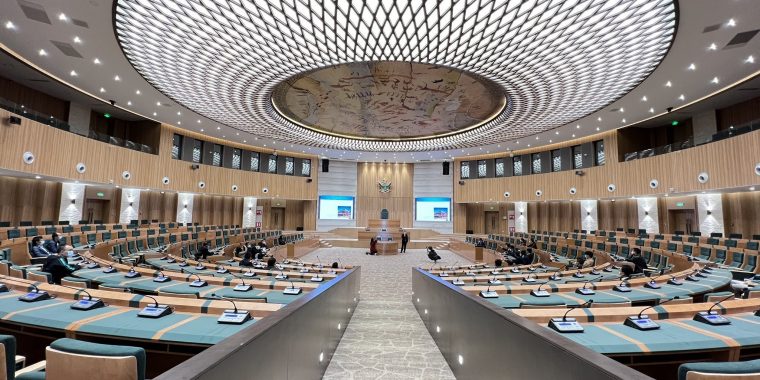



 Kathryn