Why Your Competitor Pays Half What You Do: Decoding Legal Research AI Pricing – Above the Law

Image
courtesy
of
Research
Contract
Consultants.

Law
firm
technology
spending
surged
9.7%
in
2025

the
fastest
growth
the
industry
has
likely
ever
seen,
according
to
the
Thomson
Reuters
State
of
the
Legal
Market
report. 

Knowledge
management
budgets
climbed
even
faster
at
10.5%.
Westlaw
and
LexisNexis
are
pushing
hard
to
migrate
firms
to
their
AI
offerings.
Westlaw
has
moved
from
Precision
to
its
new
Advantage
platform
with
CoCounsel
and
Deep
Research
agentic
AI
capabilities.
Lexis
has
expanded
its
suite
with
Protégé
and
Protégé
General
AI. 

The
technology
is
real.
The
capabilities
are
genuinely
useful.
The
pricing,
however,
is
where
things
get
ugly.


The
Percentage
Trap
Nobody
Talks
About

AI
upgrades
are
typically
framed
as
a
percentage
increase
over
your
current
contract

sometimes
as
high
as
50%.
Sounds
simple
enough.
Here’s
what
they
don’t
tell
you:
that
percentage
applies
regardless
of
whether
your
existing
contract
is
above
or
below
market.

After
more
than
20
years
inside
and
negotiating
against
these
vendors,
I
can
tell
you:
two
firms
of
identical
size,
in
the
same
market,
using
the
same
products,
routinely
pay
vastly
different
amounts.
The
gap
can
be
40–50%
or
more.
That’s
not
a
typo.
There
are
no
published
rate
cards
for
enterprise
contracts.
Pricing
is
negotiated
firm
by
firm,
and
the
vendors
hold
an
enormous
information
advantage

they
know
what
every
firm
pays,
but
no
firm
knows
what
any
other
firm
pays.

Now
apply
a
40%
AI
upgrade
to
two
identically
sized
firms.
Firm
A,
at
market
rate,
goes
from
$400,000
to
$560,000.
Firm
B,
already
50%
above
market,
goes
from
$600,000
to
$840,000.
Same
product.
Same
firm
profile.
A
$280,000
annual
gap

compounding
to
$840,000
over
a
standard
three-year
term.
Firm
B
isn’t
just
paying
for
AI.
They’re
paying
a
penalty
on
a
penalty.
And
that
inflated
number
becomes
the
baseline
for
every
future
renewal.


The
Double-Upgrade
Hit

It
gets
worse.
Many
firms
absorbed
a
30%+
increase
just
two
or
three
years
ago
to
move
from
Westlaw
Edge
to
Precision.
Then,
in
August
2025,
Thomson
Reuters
introduced
Westlaw
Advantage

described
as
the
“final”
version
of
Westlaw

and
those
same
firms
now
face
another
round
of
comparable
increases.

Two
major
upgrades
in
under
three
years,
each
layered
on
top
of
the
last.
A
firm
that
started
at
$500,000
for
Edge,
absorbed
a
30%
increase
for
Precision
($650,000),
and
now
faces
another
35–40%
for
Advantage
is
looking
at
annual
costs
approaching
$900,000

nearly
double
where
they
started.
A
competitor
who
held
off
on
Precision
and
negotiated
directly
into
Advantage
from
a
better
base
position
may
be
paying
$600,000
or
less
for
functionally
equivalent
access.

That’s
a
$300,000
annual
gap
between
two
firms
that
made
different
timing
decisions

not
different
product
decisions.
Over
a
three-year
contract,
that’s
nearly
a
million
dollars.


Why
This
Matters
More
in
2026
Than
It
Ever
Has

GC
spending
sentiment
is
dropping
toward
pandemic-era
lows.
Clients
are
moving
work
downstream. 

With
Am
Law
100
standard
rates
breaking
$1,000
per
hour
and
everyone
else
averaging
around
$600,
GCs
are
doing
the
math
and
shifting
work.
Every
dollar
a
firm
overpays
on
infrastructure
either
erodes
margins
or
gets
passed
to
clients
who
are
already
voting
with
their
feet.

In
that
environment,
locking
into
an
above-market
research
contract
for
three
years
isn’t
a
minor
oversight.
It’s
a
structural
cost
disadvantage
that
compounds
with
every
renewal.


The
Fix
Is
Straightforward
(If
You
Do
It
First)

AI
upgrades
are
negotiable.
Every
legal
research
contract
always
has
been.
But
the
leverage
shifts
entirely
based
on
one
thing:
whether
you
know
where
your
current
rate
sits
relative
to
market
before
you
start
the
conversation.

If
you’re
already
above
market,
the
first
negotiation
isn’t
about
AI

it’s
about
correcting
your
base.
Separate
that
conversation
from
the
upgrade
conversation.
Don’t
accept
the
framing
that
the
AI
premium
is
simply
a
percentage
applied
to
your
current
deal.

If
your
vendor
is
creating
artificial
urgency
with
expiring
offers,
that’s
a
signal
to
slow
down,
not
speed
up.
Firms
that
take
the
time
to
evaluate
their
position
consistently
achieve
better
outcomes.
And
if
you
haven’t
audited
what
you’re
actually
using
versus
what
you’re
paying
for,
the
upgrade
conversation
is
exactly
the
wrong
time
to
find
out
you’ve
been
subsidizing
products
nobody
touches.

The
firms
getting
the
best
deals
right
now
walk
into
the
negotiation
already
knowing
the
answer
to
the
only
question
that
matters:
is
my
current
contract
at,
above,
or
below
market?
Get
the
base
right
today,
and
every
future
negotiation
starts
from
a
stronger
position.
The
compounding
works
in
both
directions.


Ken
Purce
is
the
founder
of
Research
Contract
Consultants,
the
only
firm
solely
dedicated
to
legal
research
contract
evaluation
and
negotiation.
Get
a
free
assessment
of
your
legal
research
contract
at

researchcontract.com

When It Comes To Judges, Trump Is An ASS Man – Above the Law

When
the
Pentagon
announced
that
they’d
kneecaped
themselves
by

refusing
to
give
money
to
law
students
accepted
to
the
country’s
most
prestigious
and
highly
ranked
law
schools
,
it
became
a
lot
less
obvious
where
they’d
do
their
recruiting
from.
Before
the
last
few
weeks,
the
Department
boasted
the
best
and
the
brightest
placed
at
elite
law
schools.
Now,
our
best
bet
for
figuring
out
which
law
schools
still
enjoy
the
Pentagon’s
favor
might
be
to
pay
attention
to
the
schools
Trump
pulls
his
judges
from.
And
as
far
as
he’s
concerned,
petty
things
like
adherence
to
the
Constitution
mean
nothing
compared
to
the
new
ideal:
undying
fealty
to
the
Republican
party.

And
few
schools
highlight
that
devotion
as
boldly
as
the
one
named
after
a
Supreme
Court
justice
remembered
for
“pure
applesauce”
and
a
terrible
dissent
in

Obergefell
v.
Hodges


more
concerned
with
name
calling
than
legal
analysis
.
That
school
of
course
is
George
Mason
University’s
Antonin
Scalia
Law
School

which
was
originally
and
infamously
named
the
“Antonin
Scalia
School
of
Law”
and
will
therefore
forever
be
known
around
here
as
ASS
Law.

And
when
it
comes
to
judicial
placement,
ASS
shook
its
way
to
the
top
under
Trump’s
leadership.

Bloomberg
Law

has
coverage:

Trump
has
tapped
more
graduates
from
George
Mason
University’s
Antonin
Scalia
Law
School
to
be
judges
in
his
second
term
than
from
any
other
law
school
in
the
nation,
according
to
a
Bloomberg
Law
analysis
of
federal
judiciary
data
on
judicial
appointments.

Three
Scalia
Law
graduates
were
confirmed
last
year
to
federal
district
court
judgeships,
while
two
other
alumni
were
announced
as
nominees
earlier
this
month.
If
confirmed,
those
five
Scalia
Law
alumni
will
outnumber
Trump’s
second-term
judicial
appointees
from
Harvard
and
Yale’s
law
schools
combined.

The
new
appointments
show
the
administration
is
starting
to
turn
to
a
school
historically
known
as
being
more
conservative
than
others,
and
is
putting
less
of
an
emphasis
on
elite
academic
credentials
when
it
comes
to
picking
future
judges.

Judge
placement
has
yuge
consequences.
There’s
the
obvious
short
term
benefit
of
appointing
someone
that
will

seal
the
documents
you’d
rather
not
ever
see
the
light
of
day
,
but
there’s
also
the
generational
impact
of
knowing
that
the
students
that
clerk
for
these
judges
will
carry
the
flame.
Unfortunately,
that
flame
is
likely
to
consist
of
shameless
plugs
for
how
willing
you
are
to
side
with
batshit
opinions
if
it
means

avoiding
the
president
publicly
shaming
you
and
avoiding
the
cuck
chair
.
If
he
excoriated
3
Republican
Supreme
Court
justices
as
fools
and
lapdogs
for
the
RINOs
and
the
radical
left
democrats

because
they
had
the
nerve
to
not
let
him
usurp
Congress’
constitutionally
mandated
power
of
the
purse,
what
type
of
jurisprudence
commitments
will
his
new
judicial
nominees
have?
Judge
James
Ho
was
aiming
at
the
current
roster
of
judges,
but
to
borrow
his
words
for
this
situation,
prepare
for
judges
with
[an]
overinflated
view
of
their
intelligence
and
their
abilities.”

And
while
I
have
no
hate
for
ASS
law
graduates

specifically
,
the
Trump
administration

doesn’t
have
the
best
track
record

when
it
comes
to
choosing
which
judges
to
vest
with
power.


George
Mason
Tops
Harvard,
Yale
as
Trump
Judge
Law
School
Source

[Bloomberg
Law]


Earlier
:

Pentagon
Declares
War
On
Good
Law
Schools
Because
Of
Woke


DOJ
Ditches
ABA
Judicial
Vetting
Because
‘Being
Qualified’
Is
Too
Woke


In
Shocking
Twist,
Judge
Aileen
Cannon
Sides
With
Donald
Trump.
Again.


Chris
Williams
became
a
social
media
manager
and
assistant
editor
for
Above
the
Law
in
June
2021.
Prior
to
joining
the
staff,
he
moonlighted
as
a
minor
Memelord™
in
the
Facebook
group Law
School
Memes
for
Edgy
T14s
.
 He
endured
Missouri
long
enough
to
graduate
from
Washington
University
in
St.
Louis
School
of
Law.
He
is
a
former
boat
builder
who
is
learning
to
swim
and
is
interested
in
rhetoric,
Spinozists
and
humor.
Getting
back
in
to
cycling
wouldn’t
hurt
either.
You
can
reach
him
by
email
at [email protected]
and
by
tweet
at @WritesForRent.

As Litigation Finance Grows, Law Students Have Opportunity To Get In On It Early – Above the Law

Law
schools
spend
a
lot
of
time
teaching
students
how
to
argue
cases.
Or,
maybe
more
accurately,
how
to
read
opinions
about
past
litigations
that
offer
dubious
value
to
their
eventual
careers
marking
up
term
sheets.
But
in
any
event,
what
schools
haven’t
spent
much
time
on
is
teaching
them
how
these
cases
get
funded.

Which
isn’t
entirely
the
fault
of
the
schools.
Litigation
finance
is
a
relatively
new
industry
and
schools
have
only
started
to
come
to
grips
with
that
reality.
Harvard
Law
School
now
offers
a
course
on

litigation
funding
and
the
future
of
the
legal
profession

and
other
schools
are
too

turns
out
that
when
an
industry
hits
$16
billion
and
starts
fundamentally
reshaping
how
litigation
gets
financed,
law
schools
eventually
notice.

But
courses
and
symposia
can
only
get
students
so
far.
At
some
point,
the
way
to
learn
how
the
money
side
of
litigation
works
is
to
actually
be
in
the
room
when
funding
decisions
get
made.

And
there’s
an
opportunity
for
that
now,
with
the
Certum
Group’s

Litigation
Finance
Fellowship
.

Now
in
its
third
year,
the
fellowship
gives
law
students
and
business
students
a
four-week,
hands-on
immersion
in
what
it
actually
looks
like
when
capital
meets
complex
litigation.
Fellows
work
closely
with
Certum’s
legal,
insurance,
and
finance
professionals

analyzing
case
funding
requests,
modeling
case
resolution
scenarios,
participating
in
client
development
meetings,
and
preparing
marketing
collateral.
It’s
not
a
coffee-fetching
internship.
Past
fellows
have
come
from
Penn
Carey
Law
and
Columbia
Business
School,
and
the
program
is
designed

much
like
the

MoloLamken
Advocacy
Academy
for
the
trial
advocacy
inclined


to
run
after
students
have
already
completed
a
summer
associateship
or
other
internship,
making
it
a
second-summer
add-on
rather
than
a
scheduling
conflict.

The
fellowship
is
led
by

William
Marra
,
who
heads
Certum’s
litigation
finance
strategy
and
serves
on
the
board
of
the

International
Legal
Finance
Association
.
Marra
is
also
a
lecturer
in
law
at
Penn
Carey
Law,
where
he’s
in
his
fourth
year
teaching
litigation
finance.
He’s
also
co-hosting

an
academic
symposium
on
litigation
finance

with
the
NYU
Law
Review
on
April
17.
In
other
words,
the
guy
running
this
program
is
the
same
guy
law
schools
call
when
they
want
someone
to
talk
to
students
about
litigation
finance.
The
fellowship
is
just
getting
that
education
wholesale.

Certum
Group
provides
litigation
finance,
litigation
insurance,
and
managed
services
organization
capabilities

under
one
roof
,
meaning
fellows
aren’t
just
learning
one
corner
of
the
business,
but
gaining
exposure
to
the
full
sausage-making
process
of
how
litigation
risk
gets
assessed,
priced,
and
transferred.

“Litigation
finance
and
insurance
are
rapidly
changing
the
legal
landscape,”
Marra
said.
“To
succeed,
lawyers
need
to
understand
not
only
doctrine
but
also
finance.
Law
schools
are
beginning
to
reflect
that
shift,
and
students
want
to
understand
it.
Our
Summer
Fellowship
is
about
opening
that
door
for
both
law
and
business
students,
and
giving
them
meaningful
exposure
to
the
capital
side
of
litigation.”

Nothing
against
legal
academia,
but
there’s
just
no
substitute
for
the
practical
training
that
can
only
be
gained
directly
from
those
working
in
the
field.
With
litigation
financing
becoming
a
larger
and
larger
industry
every
year,
the
Certum
fellowship
attacks
the
gap
between
doctrinal
education
and
figuring
out
how
to
finance
justice
in
a
world
where
resources
have
traditionally
been
stacked
against
victims.

The
fellowship
is
based
in
New
York
City,
though
remote
participation
is
available.
Any
law
student
or
business
student
is
eligible.
Fellows
receive
a
$3,000
cash
award
and
Certum
expects
to
employ
one
to
three
fellows
depending
on
the
applicant
pool.

Applications
are
due

March
31,
2026
,
and
should
include
a
resume,
law
school
transcript,
and
a
brief
250-word
statement
of
interest.
Send
applications
to

[email protected]
.

If
you’re
a
law
student
who
wants
to
get
in
on
the
still
comparatively
early
days
of
the
financing
industry,
this
is
worth
a
look.


Joe
Patrice
 is
a
senior
editor
at
Above
the
Law
and
co-host
of

Thinking
Like
A
Lawyer
.
Feel
free
to email
any
tips,
questions,
or
comments.
Follow
him
on Twitter or

Bluesky

if
you’re
interested
in
law,
politics,
and
a
healthy
dose
of
college
sports
news.
Joe
also
serves
as
a

Managing
Director
at
RPN
Executive
Search
.

Hegseth labels Anthropic a supply chain ‘risk,’ after Trump orders gov to ditch AI firm – Breaking Defense

WASHINGTON

Secretary
of
Defense
has
labeled
the
artificial
intelligence
firm
Anthropic
a
“Supply-Chain
Risk
to
National
Security,”
barring
virtually
any
company
that
does
business
with
the
Pentagon
from
working
with
the
firm,
after
it
refused
to
Defense
Department’s
demand
to
remove
internal
guardrails
on
its
AI
model.

“This
week,
Anthropic
delivered
a
master
class
in
arrogance
and
betrayal
as
well
as
a
textbook
case
of
how
not
to
do
business
with
the
United
States
Government
or
the
Pentagon,”
Pete
Hegseth

wrote
on
X
.
“Our
position
has
never
wavered
and
will
never
waver:
the
Department
of
War
must
have
full,
unrestricted
access
to
Anthropic’s
models
for
every
LAWFUL
purpose
in
defense
of
the
Republic.”

Hegseth’s
tweet
followed
an
aggressive
missive
from
President
Donald
Trump
in
which
he
ordered
the
entire
federal
government
to
“immediately
cease”
the
use
of
Anthropic’s
tech.

“The
Leftwing
nut
jobs
at
Anthropic
have
made
a
DISASTROUS
MISTAKE
trying
to
STRONG-ARM
the
Department
of
War,
and
force
them
to
obey
their
Terms
of
Service
instead
of
our
Constitution,”
Trump
wrote
on

Truth
Social
.
“Their
selfishness
is
putting
AMERICAN
LIVES
at
risk,
our
Troops
in
danger,
and
our
National
Security
in
JEOPARDY.”

Trump
said
some
government
agencies,
like
the
Pentagon,
will
undergo
a
six-month
“phase
out”
period,
during
which
he
said
Anthropic
“better
get
their
act
together,
and
be
helpful
[…]
or
I
will
use
the
Full
Power
of
the
Presidency
to
make
them
comply,
with
major
civil
and
criminal
consequences
to
follow.”

On
Thursday
Anthropic
CEO
Dario
Amodei

published
a
statement

saying
the
company
“cannot
in
good
conscience
accede
to
[the
Pentagon’s]
request”
to
abandon
company
policies
related
to
the
use
of
its
AI
for
lethal
autonomous
operations
or
mass
domestic
surveillance.

Pentagon
spokesperson
Sean
Parnell
has
said
the
DoD
has
“no
interest”
in
using
AI
for
either
task,
but
chafed
at
the
existence
of
the
guardrails.

“Here’s
what
we’re
asking:
Allow
the
Pentagon
to
use
Anthropic’s
model
for
all
lawful
purposes,”
Parnell
said
Thursday.
“This
is
a
simple,
common-sense
request
that
will
prevent
Anthropic
from
jeopardizing
critical
military
operations
and
potentially
putting
our
warfighters
at
risk.
We
will
not
let
ANY
company
dictate
the
terms
regarding
how
we
make
operational
decisions.”

In
Anthropic’s
statement,
Amodei
argued
that
the
company
had
worked
closely
with
the
military
and
said,
“We
have
never
raised
objections
to
particular
military
operations
nor
attempted
to
limit
use
of
our
technology
in
an

ad
hoc

manner.

“However,
in
a
narrow
set
of
cases,
we
believe
AI
can
undermine,
rather
than
defend,
democratic
values.
Some
uses
are
also
simply
outside
the
bounds
of
what
today’s
technology
can
safely
and
reliably
do,”
he
said,
referring
to
the
autonomous
weapons
and
domestic
surveillance.

Later
in
the
letter,
he
said,
“It
is
the
Department’s
prerogative
to
select
contractors
most
aligned
with
their
vision.
But
given
the
substantial
value
that
Anthropic’s
technology
provides
to
our
armed
forces,
we
hope
they
reconsider.

“Our
strong
preference
is
to
continue
to
serve
the
Department
and
our
warfighters

with
our
two
requested
safeguards
in
place,”
the
letter
says.
“Should
the
Department
choose
to
offboard
Anthropic,
we
will
work
to
enable
a
smooth
transition
to
another
provider,
avoiding
any
disruption
to
ongoing
military
planning,
operations,
or
other
critical
missions.”

Trump’s
mention
of
a
sixth-month
phase
out
period
reflects
the
issue
that
Anthropic’s
AI
tech,
specifically
its
Claude
AI
model,
is
reportedly
deeply
enmeshed
in
the
federal
government,
including
at
the
Pentagon
where
it’s
used
on
the
classified
level.
Anthropic
was
one
of
four
tech
firms
that
won
contracts

each
worth
up
to
$200
million

last
summer
to
customize
their
popular
generative
AI
applications
for
military
use.

The
public
tussle
between
the
AI
firm
and
the
Pentagon
has
drawn
in
other
key
tech
players,
like
xAI’s
Elon
Musk
and
Palantir’s
Alex
Karp,
both
of
whom
appeared
to
take
the
Pentagon’s
side,
and
OpenAI,
which

reportedly

said
it
shares
Anthropic’s
red
lines.
(OpenAI’s
Sam
Altman
later

posted
online

that
his
firm
had
come
to
an
agreement
with
the
DoD
to
use
its
AI
tech
on
classified
networks,
after
he
said
DoD
“displayed
a
deep
respect
for
safety.”)

According
to

Axios
,
senior
senators
on
the
Armed
Services
Committee
wrote
a
letter
to
the
Pentagon
today
urging
officials
to
settle
the
dispute.

In
his
tweet
today,
Hegseth
said
Anthropic
would
“continue
to
provide
the
Department
of
War
its
services
for
a
period
of
no
more
than
six
months
to
allow
for
a
seamless
transition
to
a
better
and
more
patriotic
service.

“America’s
warfighters
will
never
be
held
hostage
by
the
ideological
whims
of
Big
Tech.
This
decision
is
final.”


UPDATED
2/28/2026
at
2:07pm
ET
to
include
OpenAI’s
agreement
with
the
Pentagon.

Morning Docket: 03.01.26 – Above the Law

*
Biglaw
drafts
plans
to
protect
staff
in
its
Middle
East
offices.
[Law.com
International
]

*
As
“Operation
Epstein
Fury,”
continues
in
the
Middle
East,
it
appears
Trump
administration
insiders
are
cashing
in,
making
big
prediction
market
bets
on
military
timing.
[NOTUS]

*
West
Virginia’s
federal
judges
have
become
some
of
the
most
active
voices
pushing
back
against
the
Trump
administration’s
rule
of
law
abuses.
[Politico]

*
Maduro’s
lawyers
claims
the
Trump
administration
is
blocking
payment,
frustrating
the
Venezuelan
president’s
right
to
counsel.
[New
York
Law
Journal
]

*
A
deep
dive
into
why
the
Epstein
investigation
took
so
long
and
included
so
many
missed
opportunities.
[NY
Times
]

*
Election
deniers
hold
conference
calling
for
Trump
to
“take
over”
the
midterms.
Trump
officials
charged
with
election
integrity
showed
up.
[ProPublica]

*
OpenAI
raises
another
$110
billion
as
it
falls
further
and
further
behind
its
rivals.
[Law360]

*
Fight
over
California’s
fee-sharing
ban
dropped.
[Reuters]

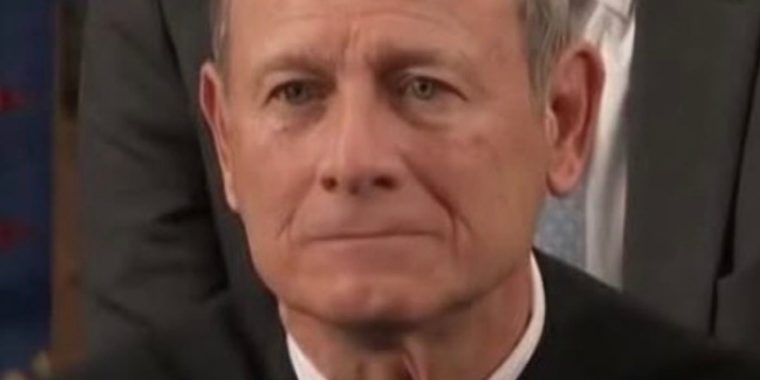
Chief Justice Roberts Stares Into The Abyss – See Generally – Above the Law

Chief
Justice
Roberts
Relishes
Role
As
President’s
Favorite
Doormat:
John
Roberts
traded
his
credibility
so
Trump
could
hold
press
conferences
calling
the
Chief
“very
unpatriotic.”
But
Don’t
Call
It
A
Comeback:
And
don’t
mistake
his
tariffs
opinion

or
those
of
Barrett
and
Gorsuch
either

as
a
redemption
arc.
They
only
put
their
foot
down
when
Trump’s
actions
started
hurting
their
buddies.
New
York
Bar
Examiners
Tell
Blizzard-Stranded
Applicants
To
Show
Up
Or
Else:
Over
10,000
flights
canceled?
Travel
bans
across
multiple
states?
Bar
examiners
remained
unmoved.
Judge
Cannon
Sides
With
Trump,
And
In
Other
News,
Water
Is
Wet:
Judge
buries
report
detailing
the
evidence
of
Trump’s
criminal
charges
because
she
knows
where
her
bread
is
buttered.
Ninth
Circuit
Says
Size
Doesn’t
Matter:
Appeals
court
smacks
down
fee-shaming
of
small
law
firms.
Your
AI
Prompts
May…
Or
May
Not…
Be
Privileged:
Competing
decisions
over
AI
and
privilege
mean
your
legal
brainstorming
sessions
with
a
chatbot
might
end
up
in
discovery.
Welcome
to
the
future.
Maurene
Comey
Lands
Partner
Gig:
James
Comey’s
daughter
makes
partner
at
a
law
firm
after
being
unceremoniously
drummed
out
of
the
DOJ
by
a
vindictive
administration.

Two Detectives Shot Dead By An Armed Robber In Zaka

CID
spokesperson
Detective
Inspector
Rachael
Muteveri
confirmed
the
incident
to Masvingo
Mirror
,
but
referred
further
comment
to
Police
spokesperson
Commissioner
Paul
Nyathi.

According
to
a
source
close
to
the
matter
who
spoke
on
condition
of
anonymity,
the
detectives
had
tracked
two
armed
robbers
to
Ndume
Village
in
the
Chimedza
area
under
Chief
Ndanga.

They
managed
to
apprehend
one
of
the
suspects
in
the
early
hours,
who
is
reportedly
being
held
at
Zaka
Police
Station.

It
is
alleged
that
the
second
robber
opened
fire,
killing
detectives
Bernard
Chindeke,
38,
and
McKenzie
Chitowe,
42.

Chindeke
is
said
to
have
died
on
the
spot,
while
Chitowe
was
initially
admitted
to
Ndanga
Referral
Hospital
before
being
transferred
to
Masvingo
Provincial
Hospital,
where
he
reportedly
died
from
gunshot
wounds
en
route.

Police
have
launched
a
manhunt
for
the
remaining
suspect.

Caught red-handed — Government finally explains why it had to ban all raw mineral & lithium exports


Linda
Mujuru,
GPJ
Zimbabwe

In
an
explosive
revelation,
authorities
have
admitted
that
traffickers
have
been
exploiting
loopholes
in
the
system,
allowing
truckloads
of
high-value
resources
to
slip
through
border
posts
while
being
falsely
labelled
as
a
single,
less-regulated
mineral.
This
practice
has
allowed
smugglers
to
bypass
strict
export
restrictions,
dodge
massive
tax
bills,
and
conceal
the
presence
of
a
cocktail
of
precious
elements
destined
for
foreign
processors.

The
Ministry
of
Mines
and
Mining
Development
has
lifted
the
lid
on
the
cunning
scheme,
explaining
that
Zimbabwe’s
geology
is
both
a
blessing
and
a
target.
Permanent
Secretary
Mr
Pfungwa
Kunaka
laid
bare
the
details,
stating
that
the
suspension,
announced
last
week
by
Minister
Dr
Polite
Kambamura,
is
a
necessary
measure
to
force
proper
processing
on
home
soil.

“Our
ores
are
multi-mineral
in
nature
and
bear
more
than
one
element.
Therefore,
the
suspension
will
enable
us
on
a
whole-of-Government
basis
to
ensure
our
policies
and
measures
are
complied
with,
particularly
our
thrust
on
value
addition
and
beneficiation
of
our
minerals,”
said
Mr
Kunaka.

He
explained
that
a
single
consignment
of
rock,
declared
simply
as
“lithium
ore,”
could
actually
be
teeming
with
valuable
by-products
like
tantalum,
tin,
or
even
rare
earth
elements.
By
exporting
it
raw
and
undeclared,
Zimbabwe
was
effectively
giving
away
these
bonus
minerals
for
free,
losing
out
on
billions
in
potential
revenue.

“The
statement
made
it
clear
export
processing
of
all
materials
(including
those)
in
transit
was
suspended,
as
long
as
it
had
not
left
our
borders
when
the
statement
was
made.
This
affected
not
lithium
alone
but
others.
Where
there
was
lack
of
clarity,
the
ministry
followed
up
to
clarify,”
Mr
Kunaka
added.

The
government
insists
that
through
proper
beneficiation

which
involves
crushing,
milling,
and
chemical
separation

Zimbabwe
can
finally
quantify,
tax,
and
sell
each
individual
mineral
component
at
its
true
market
value,
rather
than
accepting
pittance
for
unprocessed
bulk
rock.

The
era
of
easy
exports
is
over.
Mines
and
Mining
Development
Minister
Dr
Polite
Kambamura
issued
a
stark
warning
to
the
industry,
making
it
clear
that
the
“national
interest”
now
trumps
corporate
convenience.
The
government
is
erecting
a
fortress
of
red
tape
to
ensure
no
grain
of
sand
leaves
the
country
without
proper
scrutiny.

Minister
Kambamura
directed
the
Zimbabwe
Revenue
Authority
(Zimra)
and
the
Minerals
Marketing
Corporation
of
Zimbabwe
(MMCZ)
to
immediately
block
all
shipments
lacking
valid
permits.
He
stressed
that
only
those
with
skin
in
the
game
will
be
allowed
to
play.

“Government
expects
cooperation
of
the
mining
industry
on
this
measure
which
has
been
taken
in
the
national
interest,”
said
Dr
Kambamura.

Under
the
new
hardline
stance,
only
mining
companies
that
hold
valid
mining
titles
and
have
operational,
government-approved
beneficiation
plants
will
be
authorised
to
ship
minerals
out.
Middlemen,
agents,
and
third-party
traders
are
now
completely
barred
from
the
export
game.

Exporters
must
now
secure
a
recommendation
letter
from
their
Provincial
Mines
Office.
This
letter
must
confirm
the
company’s
capacity
for
value
addition
and
prove
they
are
compliant
with
all
regulations.
Crucially,
every
single
consignment
must
undergo
rigorous
testing
to
provide
a
full
declaration
of
its
mineral
composition,
backed
by
weight
checks
to
catch
any
attempt
at
underhanded
dealings.

This
sweeping
suspension
is
not
a
random
policy
shift,
but
the
culmination
of
a
furious
government
investigation
sparked
by
a
discovery
at
the
Port
of
Beira
in
Mozambique.
In
January,
authorities
were
alerted
to
massive
stockpiles
of
Zimbabwean
mineral
ores
sitting
at
the
Mozambican
port,
sparking
fears
of
a
grand
smuggling
operation.

Deputy
Chief
Secretary
in
the
Office
of
the
President
and
Cabinet,
Mr
George
Charamba,
confirmed
that
the
discovery
had
prompted
President
Mnangagwa
to
order
an
immediate
and
comprehensive
investigation.

“In
terms
of
Government
policy,
I
wish
to
remind
everyone
who
is
involved
in
mining,
as
well
as
our
law
enforcement
agencies
who
man
our
ports
of
entry,
that
Government
took
a
position
of
slapping
a
blanket
ban
on
the
exportation
of
mineral
ore
with
a
view
to
ensuring
that
there
is
greater
value
addition
activity
on
our
minerals,”
Mr
Charamba
stated
at
the
time.

He
pointed
out
that
while
lithium
was
previously
granted
a
temporary
exemption
to
allow
companies
like
Prospect
Lithium
Zimbabwe
and
Bikita
Minerals
to
build
processing
plants,
that
grace
period
was
being
exploited.

“In
the
event
that
the
stockpiles
in
Beira
are
found
to
relate
to
minerals
to
which
this
ban
applies
and
that
they
found
their
way
beyond
our
territory
without
the
necessary
permission,
Government,
working
closely
with
the
sister
Republic
of
Mozambique,
will
ensure
that
the
bridge
is
repaired
swiftly
and
without
fear
or
favour,”
he
warned.

With
over
US$1
billion
(approximately
R18.4
billion)
already
invested
in
local
lithium
processing
plants,
some
of
which
are
slated
to
open
next
year,
the
government
is
signaling
that
the
era
of
raw
mineral
exports
is
ending.

President
Mnangagwa
has
consistently
hammered
home
the
message
that
while
minerals
account
for
over
60
percent
of
the
nation’s
exports,
shipping
them
out
raw
is
a
fool’s
errand
that
starves
the
country
of
jobs
and
industrial
development.
-iHarare

Post
published
in:

Business

Madhuku, NCA Members assaulted and injured at party office in Harare

They
were
taken
to
a
local
clinic
in
Harare,
where
they
are
receiving
medical
treatment.

Speaking
to NewsDay,
NCA
spokesperson
Madock
Chivasa
said
the
attack
occurred
as
they
were
holding
a
meeting
on
Sunday
morning.
Said
Chivasa:

“We
were
holding
a
meeting
this
morning
when
police
rounded
up
and
attacked
our
members,
including
our
leader
Professor
Madhuku.
He
has
been
injured.”

The
incident
follows
recent
reported
abductions
of
NCA
activists
and
comes
amid
growing
opposition
to
Constitutional
Amendment
No.
3,
which
seeks
to
extend
President
Emmerson
Mnangagwa’s
rule
until
2030.

Madhuku
is
opposed
to
Constitutional
Amendment
No.
3.
He
currently
has
a
case
before
the
Constitutional
Court
challenging
the
proposed
changes.


Permanent secretary sits on board of company regulated by his ministry

HARARE

The
permanent
secretary
in
the
ministry
of
industry
and
trade
has
retained
his
position
on
the
board
of
a
private
company
regulated
by
his
ministry,
raising
serious
conflict-of-interest
concerns
and
questions
over
compliance
with
public
service
regulations.

Thomas
Utete
Wushe,
who
was
appointed
permanent
secretary
on
October
6,
2023,
is
the
board
chairperson
of
Amalgamated
Regional
Trading
Holdings
(ART).
He
has
been
on
the
board
since
2015.

ART
owns
several
major
brands,
including
Exide,
Chloride
Zimbabwe
and
Softex.

By
continuing
to
sit
on
the
board
of
a
company
operating
in
a
sector
overseen
by
his
ministry,
Wushe
appears
to
be
in
breach
of
the
Public
Service
Act
and
Public
Service
Regulations,
which
prohibit
public
officers
from
engaging
in
outside
employment
or
business
activities
that
interfere
with
official
duties
or
create
conflicts
of
interest.

The
issue
is
expected
to
feature
prominently
at
ART’s
Annual
General
Meeting
(AGM)
scheduled
for
March
19.

ZimLive
has
seen
correspondence
between
ART
shareholder
Simon
Hayes
and
company
secretary
Abisai
Chingwecha
in
which
Hayes
proposes
Wushe’s
“removal
from
office
as
a
director
of
the
company
with
effect
from
the
conclusion
of
the
AGM.”

Hayes
is
also
calling
for
the
removal
of
another
long-serving
director,
Michael
Oakley,
arguing
that
both
men
have
exceeded
acceptable
tenure
limits.

“No
independent
director
should
serve
for
11
years.
There
is
no
possibility
that
these
individuals
remain
independent
after
all
this
time,”
Hayes
wrote.

A
legal
opinion
prepared
ahead
of
the
AGM
and
seen
by
ZimLive
describes
Wushe’s
conflict
of
interest
as
“not
merely
theoretical;
it
is
functional.”

“As
permanent
secretary,
Wushe
is
the
chief
architect
of
the
very
industrial
policies

import
duties,
local
content
regulations
and
trade
licences

that
dictate
the
commercial
survival
of
ART’s
subsidiaries,
from
Chloride
Zimbabwe
to
Softex,”
the
opinion
states.

“In
most
Commonwealth-aligned
civil
services,
an
official
moving
into
a
permanent
secretary
(accounting
officer)
role
is
expected
to
clear
their
schedule
of
all
private
sector
directorships
to
avoid
‘regulatory
capture’,
where
a
private
company
has
undue
influence
over
the
person
writing
the
industry’s
rules.

“When
a
sitting
public
officer,
responsible
for
the
impartial
regulation
of
an
entire
sector,
simultaneously
chairs
a
major
player
in
that
sector,
the
line
between
public
service
and
private
interest
becomes
dangerously
blurred.”

ART
says
it
adheres
to
the
National
Code
on
Corporate
Governance
(ZIMCODE),
which
requires
boards
to
be
independent
“in
character
and
judgement.”

However,
some
shareholders
question
whether
a
director
can
genuinely
be
considered
independent
when
his
primary
employment
involves
regulating
competitors
within
the
same
industry.

Wushe
told
ZimLive
that
he
had
disclosed
his
ART
board
position
to
“the
relevant
authorities”
at
the
time
of
his
employment,
including
the
then
industry
and
trade
minister
Sithembiso
Nyoni.

Current
minister
Nqobizitha
Ndlovu
said
he
was
unaware
Wushe
sat
on
the
board
of
a
private
company.

“If
you
are
correct
(about
board
position)
my
view
is
that
the
wise
thing
to
do
would
have
been
to
leave
the
board
at
the
time
of
his
appointment
to
the
ministry,”
Ndlovu
said.

Wushe
conceded
that
it
was
“only
after
you
asked
these
questions
that
I
noticed
the
possibility
of
exposure,”
but
insisted
he
was
“not
aware
of
any
injury
caused
by
my
role
to
any
private
entity
since
being
appointed
permanent
secretary.”

He
hinted
that
he
would
soon
relinquish
the
directorship.

“As
you
are
already
aware,
my
board
appointment
predates
my
appointment
as
permanent
secretary.
This
is
therefore
a
legacy
issue
and
is
being
managed.
Before
long,
a
solution
will
be
arrived
at,”
he
said.

He
added
that
over
the
past
two
years
he
had
focused
on
“doing
a
good
job
and
ensuring
that
we
deliver
real
growth
for
all
industry
players
in
a
fair
and
transparent
manner.”

“The
good
news
is
that
this
matter
will
be
resolved
in
the
next
few
weeks,
especially
now
that
there
are
new
shareholders
and
an
upcoming
AGM.
This
matter
will
take
care
of
itself
before
long,”
Wushe
said.

Wushe’s
tenure
on
the
ART
board
has
coincided
with
a
period
of
sustained
financial
decline
for
the
company,
worsened
by
a
$6
million
acquisition
of
Paper
&
Tissue
assets
in
2022

a
venture
the
company
later
abandoned
“following
a
prolonged
period
of
underperformance.”

ART’s
annual
revenues
fell
from
US$46.9
million
in
2018,
the
year
preceding
de-dollarisation,
to
US$28.3
million
in
2025.