*
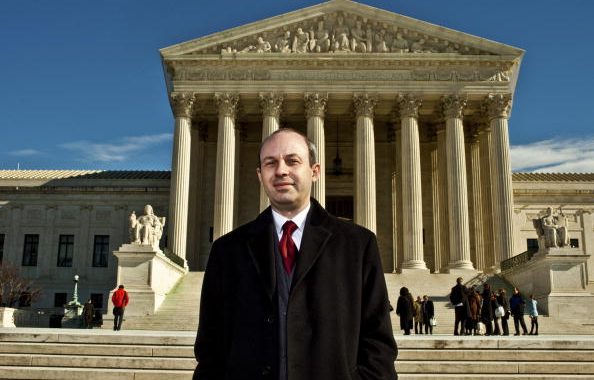
Tom
Goldstein
convicted
on
tax
evasion
charges.
[Politico]
*
Hillary
Clinton
set
to
testify
in
Epstein
probe,
meanwhile
an
investigation
reveals
the
DOJ
hid
documents
related
to
Donald
Trump’s
dealings
with
Epstein.
[Reuters]
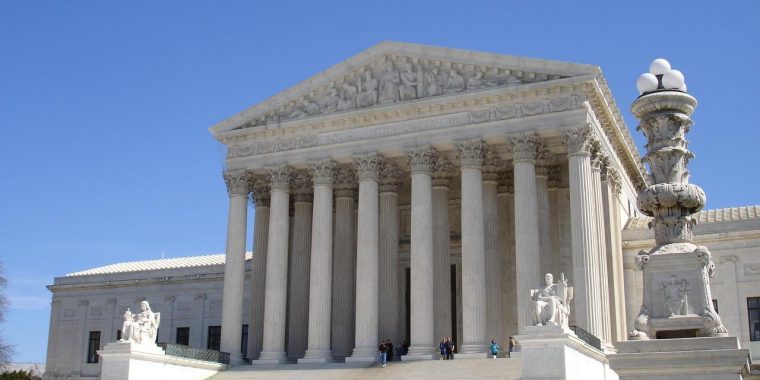
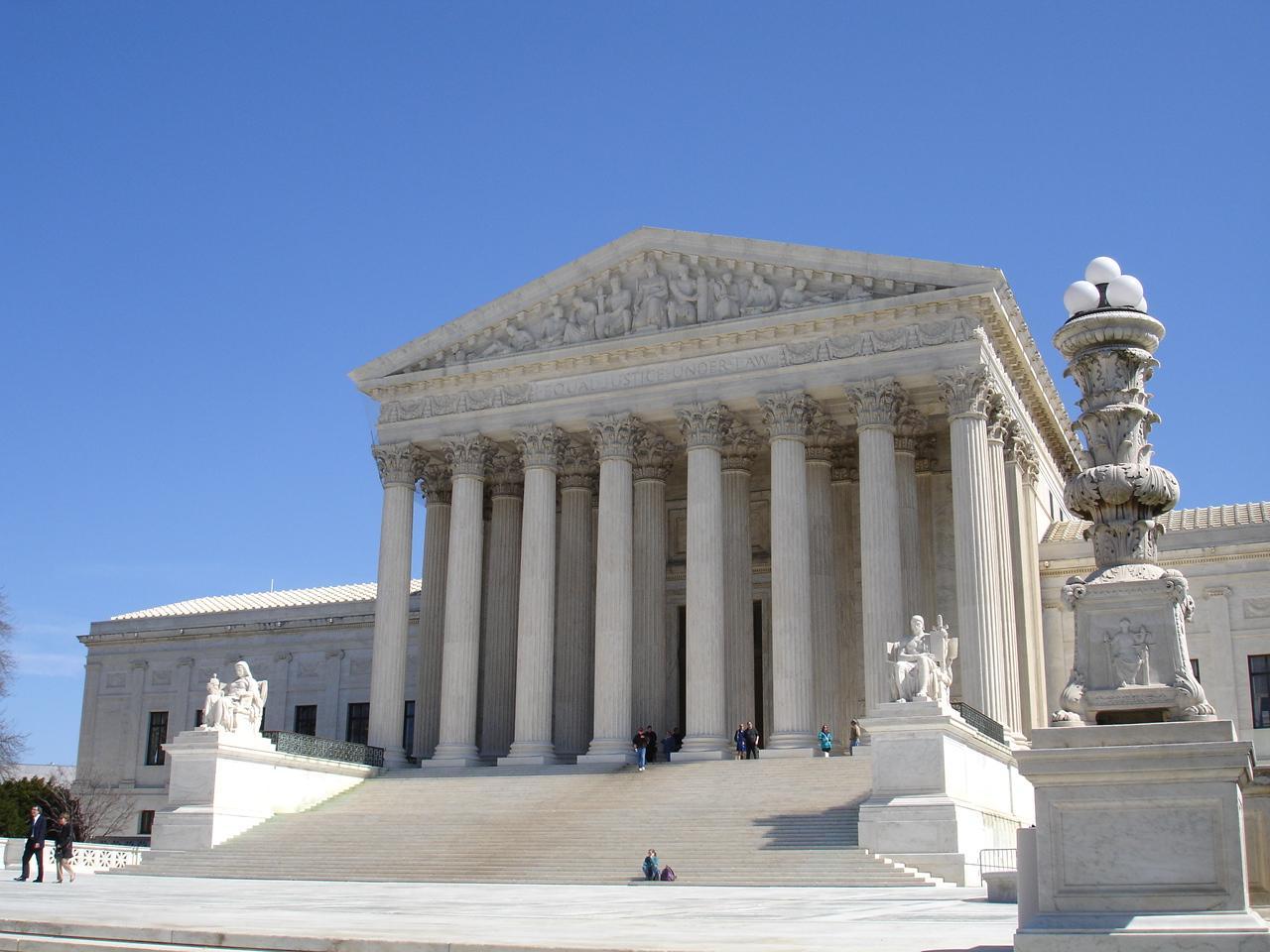
Supreme
Judges
Banter
Over
Oral
Argument:
They’re
much
nicer
to
each
other
in
person
than
in
writing!
It
Ain’t
The
Size
Of
The
Firm:
9th
Circuit
rules
small
law
firms
can
get
paid
their
worth
too.
This
Wasn’t
Covered
In
Bar
Prep:
New
York
test
takers
had
to
fight
a
blizzard
on
the
way
to
their
fact
patterns.
FASORP
Wants
To
Revive
Their
Northwestern
Case:
They
couldn’t
even
muster
up
any
new
arguments.
It
Just
Keeps
Getting
Worse
For
This
Guy:
Fix
The
Court
filed
a
judicial
misconduct
complaint
against
Judge
Ludington.
On
This
Week
Of
Thinking
Like
A
Lawyer:
Hot
mics
and
“wing”
style
nonsense.
According
to
a
2023
survey
by
mental
health
solutions
provider
Unmind,
The
State
of
Wellbeing
in
Law,
what
percentage
of
respondents
said
they’ve
taken
at
least
one
day
off
because
of
mental
health
difficulties
in
the
past
three
months?
Hint:
They
surveyed
more
than
3,800
lawyers
and
employees
in
six
large
firms,
five
of
which
are
in
the
Am
Law
100.
For
those
in
law
school,
environmental
law
isn’t
some
niche,
tree-hugger
elective
you
take
to
feel
virtuous
—
it’s
rapidly
becoming
one
of
the
most
consequential
battlegrounds
in
the
legal
industry.
From
regulatory
whiplash
in
Washington
to
high-stakes
litigation
over
climate
disclosures,
ESG
investing,
and
state-level
enforcement,
the
lawyers
who
understand
environmental
statutes
and
administrative
law
are
the
ones
steering
billion-dollar
decisions.
For
law
students
staring
down
an
uncertain
job
market,
fluency
in
environmental
law
isn’t
just
about
saving
the
planet
(though
that’s
wonderful
too);
it’s
about
positioning
yourself
where
the
action
is.
Agencies
are
rewriting
rules,
courts
are
reshaping
deference
doctrines,
and
companies
are
scrambling
for
counsel
who
can
translate
shifting
mandates
into
workable
strategy.
In
other
words:
if
you
want
to
build
a
career
that’s
resilient,
relevant,
and
in
demand,
environmental
law
is
a
very
smart
place
to
start.
The National
Jurist’s
preLaw
magazine recently
released
its
specialty
ranking
of
the
best
law
schools
for
environmental
law
on
its
Environmental
Law
Honor
Roll,
highlighting
schools
for
the
strength
of
their
programs.
Here’s
the
methodology
that
was
used:
preLaw
magazine
grades
law
schools
based
on
the
breadth
of
their
curricular
offerings.
The
scores
are
figured
as
follows:
30%
for
a
concentration,
24%
for
a
clinic,
12%
for
a
center,
12%
for
an
externship,
9%
for
a
journal,
8%
for
a
student
group,
5%
for
a
certificate
and
added
value
for
additional
offerings.
Without
further
ado,
according
to
preLaw
magazine,
these
are
the
law
schools
that
earned
A+
grades
for
their
environmental
law
programs
(listed
in
alphabetical
order):
Georgetown
University
Law
Center
George
Washington
University
School
of
Law
Harvard
Law
School
Elizabeth
Haub
School
of
Law
at
Pace
University
Click here to
read
all
about
the
programs
highlighted
in
this
specialty
Honor
Roll.
Congratulations
to
all
of
the
law
schools
that
made
the
cut
for
this
important
ranking.
Staci
Zaretsky is
the
managing
editor
of
Above
the
Law,
where
she’s
worked
since
2011.
She’d
love
to
hear
from
you,
so
please
feel
free
to email her
with
any
tips,
questions,
comments,
or
critiques.
You
can
follow
her
on Bluesky, X/Twitter,
and Threads, or
connect
with
her
on LinkedIn.
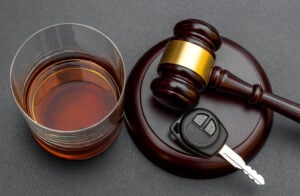
If
you
thought
the
drama
surrounding
Judge
Thomas
L.
Ludington (E.D.
Michigan)
had
peaked
with
a ,
a
0.27
BAC
reading,
and
months
of
secrecy
about
the
incident,
think
again.
Yesterday, Fix
the
Court —
a
nonpartisan
group
that
advocates
for
greater
transparency
reforms
in
the
federal
courts
—
filed
a formal
judicial
misconduct
complaint against
Ludington
with
the Judicial
Council
of
the
Sixth
Circuit,
alleging
that
his
conduct “maligns
his
office
and
is
inconsistent
with
the
high
standard
of
conduct
that
federal
judges
are
expected
to
follow.”
This
complaint,
backed
by
a
detailed
statement
of
facts,
police
reports,
and
contemporaneous
reporting,
marks
the
latest
escalation
in
a
matter
that
has
already
done
more
damage
to
public
confidence
than
most
judicial
scandals
in
recent
memory.
Fix
the
Court’s
complaint
isn’t
playing
nice.
It
recounts
the October
2025 crash
in
which
Ludington
was
found
behind
the
wheel confused
and
disoriented,
unable
to
explain
why
his
airbags
deployed,
and
twice
identifying
himself
as
a
federal
judge
—
even
after
failing
multiple
field
sobriety
tests.
A
toxicology
report
revealed
a
blood-alcohol
level well
above
the
legal
limit,
yet
that
information
undisclosed
for
roughly four
months until
a
local
newspaper broke
the
story.
Fix
the
Court
doesn’t
just
outline
the
arrest,
it explicitly
calls
out
the
delay
in
reporting,
noting
that
Ludington
continued
to
hear
dozens
of
new
cases
right
up
through
February18,
even
as
the
criminal
matter
lingered
in
the
background
while
the
public
remained
in
the
dark.
The
complaint
argues
that
these
facts
meet
the
statutory
grounds
for
admonishment
under
the Judicial
Conduct
and
Disability
Act,
and
that
the
Sixth
Circuit
should not let
Ludington
quietly
slide
back
into
the
judiciary’s
shadows.
Here’s
an
excerpt
from
the
complaint:
On
the
afternoon
of
Feb.
23,
E.D.
Michigan
released
a
statement
saying
that
Ludington
“has
volunteered
to
take
a
leave
of
absence
from
the
Court
pending
resolution
of
the
state
legal
matter.”
That
is
a
prudent
decision
in
our
view,
but
unfortunately,
the
statement
does
not
indicate
whether
Ludington
sought
treatment
or
undertook
any
other
measures
to
try
to
instill
confidence
in
his
work
product
while
the
OWI
case
hung
over
his
head.
The
statement
also
means
taxpayers
are
on
the
hook
for
some
$50,000
in
paid
leave,
if
not
more.
Due
to
the
Oct.
3
incident,
we
believe
that
Judge
Ludington
meets
the
grounds
for
admonishment
under
the
Judicial
Conduct
and
Disability
Act,
if
not
a
recommendation
for
retirement
under
28
U.S.C.
§372
or
worse,
and
that
he
should
be
disciplined
as
the
Chief
Judge
and
Judicial
Council
deem
fit.
Fix
the
Court
goes
on
to
explicitly
ask
the
council
to consider
continuing
the
investigation even
if
Ludington
retires
during
the
pendency
of
the
matter,
and
to look
into
the
delay
in
public
disclosure.
For
now,
Ludington
remains
on
leave,
with
a
state
criminal
trial
set
for May
8 and
a
judicial
misconduct
complaint
now
hanging
over
him.
As
we’ve
previously
documented
in
these
pages,
a
judge’s
behavior off
the
bench can
have
real
effects on
the
bench,
and
when
the
institution
itself
appears
to
circle
the
wagons,
public
trust
erodes
even
further.
This
complaint
may
not
be
the
end
of
the
story,
but
it
sure
as
hell
makes
the
next
chapter
harder
to
ignore.
Staci
Zaretsky is
the
managing
editor
of
Above
the
Law,
where
she’s
worked
since
2011.
She’d
love
to
hear
from
you,
so
please
feel
free
to email her
with
any
tips,
questions,
comments,
or
critiques.
You
can
follow
her
on Bluesky, X/Twitter,
and Threads, or
connect
with
her
on LinkedIn.
FASORP
—
known
mostly
for
repeated
failed
attempts
at
suing
law
schools
for
descriminiating
against
white
men
in
hiring
and
law
review
choices
and
encouraging
Michigan
Law
and
Harvard
law
students
to
lie
in
their
law
review
personal
statements
to
somehow
own
the
libs
—
is
back
at
it
again
with
the
white
victimhood.
Reuters
has
coverage:
A
conservative
organization
is
seeking
to
revive
its
lawsuit
against
Northwestern
University
alleging
its
law
school
discriminates
against
white
men
in
faculty
hiring,
after
a
federal
judge
dismissed
the
case
in
January. … FASORP
has
not
yet
laid
out
its
appellate
arguments
to
the
court.
It
isn’t
surprising
that
they’ve
opted
against
laying
out
appellate
arguments
considering
that
they
didn’t
even
manage
any
plausible
claims
of
discrimination
the
first
time
around.
Maybe
it
has
something
to
do
with
the
school’s
faculty
being
83%
white
when
they
launched
the
suit.
Trust,
if
there’s
any
DEI
or
bias
happening
concerning
white
folks,
those
numbers
don’t
suggest
it
is
against
them.
What
would
the
argument
even
be?
The
group
frequently
engages
in
sorts
of
behavior
that
suggests
they
have
nothing
better
to
do,
like
threatening
students
trying
to
make
it
through
the
law
review
process
to
“preserve
evidence”
or
face
legal
consequences.
It
doesn’t
surprise
me
that
a
nameless
group
of
students
who
probably
have
closet
altars
dedicated
to
Abigail
Fisher
would
waste
their
time
on
suits
like
this,
but
why
would
professors
(the
P
in
FASORP)
lend
their
support
to
reviving
a
case
like
this?
Bunch
of
losers.
Chris
Williams
became
a
social
media
manager
and
assistant
editor
for
Above
the
Law
in
June
2021.
Prior
to
joining
the
staff,
he
moonlighted
as
a
minor
Memelord™
in
the
Facebook
group Law
School
Memes
for
Edgy
T14s
.
He
endured
Missouri
long
enough
to
graduate
from
Washington
University
in
St.
Louis
School
of
Law.
He
is
a
former
boatbuilder
who
is
learning
to
swim, is
interested
in
critical
race
theory,
philosophy,
and
humor,
and
has
a
love
for
cycling
that
occasionally
annoys
his
peers.
You
can
reach
him
by
email
at [email protected]
and
by
tweet
at @WritesForRent.
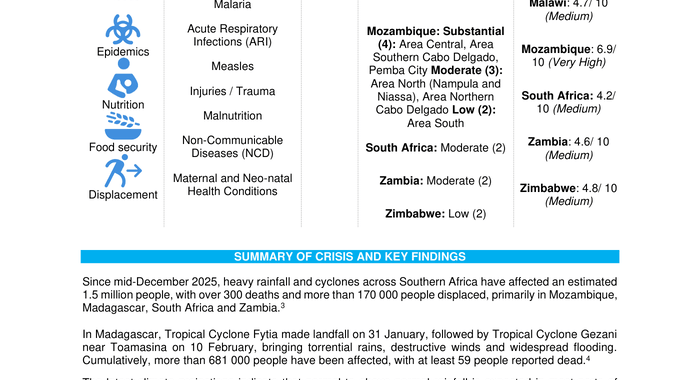
Since
mid-December
2025,
heavy
rainfall
and
cyclones
across
Southern
Africa
have
affected
an
estimated
1.5
million
people,
with
over
300
deaths
and
more
than
170
000
people
displaced,
primarily
in
Mozambique,
Madagascar,
South
Africa
and
Zambia.
In
Madagascar,
Tropical
Cyclone
Fytia
made
landfall
on
31
January,
followed
by
Tropical
Cyclone
Gezani
near
Toamasina
on
10
February,
bringing
torrential
rains,
destructive
winds
and
widespread
flooding.
Cumulatively,
more
than
681
000
people
have
been
affected,
with
at
least
59
people
reported
dead.
The
latest
climate
projections
indicate
that
normal
to
above
normal
rainfall
is
expected
in
most
parts
of
region
except
coastal
areas
of
Angola,
Namibia,
South
Africa,
northern
eastern
parts
of
Mozambique
and
half
of
Eastern
&
coastal
areas
of
Tanzania
for
much
of
the
period
from
February
to
June
2026.
Access
and
funding
in
affected
areas
remain
the
most
critical
constraints,
as
flooding
and
infrastructure
damage
have
rendered
large
areas
inaccessible.
Humanitarian
needs
are
also
rising
amidst
overstretched
services
and
limited
response
capacity.
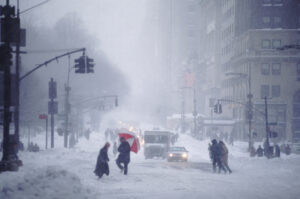
We
haven’t
yet
heard
all
the
horror
stories
of
this
bar
exam
cycle.
But
we
do
know
that
bar
examiners
in
New
York
dropped
a
voicemail
informing
everyone
that
they’d
be
marked
as
withdrawn
if
they
couldn’t
overcome
the
travel
challenges
of
10,000
canceled
flights
and
two
feet
of
snow.
It
was
yet
another
reminder
—
heaped
upon
every
lesson
learned
throughout
the
COVID
pandemic
—
that
bar
examiners
care
less
about
making
sure
licensed
attorneys
achieve
minimum
standards
of
professionalism
than
they
do
enforcing
petty
rules.
While
the
brunt
of
the
storm
hit
Manhattan
and
Long
Island,
the
Albany
test
center
apparently
didn’t
exhibit
much
sensitivity
to
the
weather
conditions
either.
“Capital
Center
in
Albany
acted
like
crazy
people,”
wrote
one
Reddit
post.
“Kicked
everyone
out
into
the
SNOW
10
mins
after
exam
ended.
And
no
Ubers
just
for
fun.”
You
don’t
have
to
go
home,
but
you
can’t
stay
here.
Future
professionals
probably
deserve
better
than
the
hangers
on
after
last
call,
but
that’s
too
much
to
ask.
And
these
were
the
lucky
ones
—
no
matter
the
indignity
of
shivering
in
the
cold
waiting
for
Ubers,
these
applicants
at
least
got
to
take
the
exam
unlike
the
folks
still
waiting
on
a
flight
to
get
rescheduled.
As
bad
as
New
York’s
response
to
this
storm
may
be,
it’s
important
to
keep
in
mind
that
a
callous
fixation
on
arbitrary
power
trips
is
not
limited
to
bar
examiners
of
just
one
jurisdiction.
Over
the
bridge
in
New
Jersey,
examiners
offered
a
two-and-a-half
hour
delayed
start
to
the
exam,
a
gesture
that
seems
compassionate
until
you
remember
that
a
couple
hour
delay
does
very,
very
little
to
make
the
roads
safer
and
exactly
squat
for
anyone
trying
to
fly
in.
Unfortunately
I’m
not
in
the
best
spirits.
I’m
taking
the
bar
exam
tomorrow.
The
Board
has
approved
a
two-hour
delay
for
tomorrow’s
bar
exam,
but
this
is
not
enough.
Roads
remain
unsafe,
transit
is
operating
on
modified
schedules,
and
areas
near
Atlantic
City,
Margate,
and
Ventnor
are
extremely
difficult
to
access.
Many
examinees
physically
cannot
get
their
cars
out
or
travel
safely.
I
know
for
me
Ive
been
trying
to
shovel
my
car
out
since
1pm
to
no
avail
and
I’m
hoping
the
uber
tomorrow
doesn’t
cancel
on
me.
I’m
already
so
worried.
Of
course
the
examiners
assume
that
anyone
who
doesn’t
show
failed
to
make
it
of
their
own
accord,
without
considering
that
cabs
wouldn’t
be
available
to
drive
everyone
through
blizzard
conditions.
But
at
least
one
NJ
location
found
itself
on
the
wrong
end
of
this
assumption.
According
to
a
tipster,
after
arriving
at
the
test
center
two
hours
later,
applicants
still
had
to
wait
a
few
more
hours
because…
the
truck
delivering
the
test
sheets
hadn’t
arrived!
Alas,
so
focused
on
making
the
experience
miserable
for
the
applicants,
the
examiners
never
considered
the
possibility
that
their
vendors
would
face
the
same
obstacles.
At
least
they
could
rest
assured
knowing
that
as
much
as
this
inconvenienced
the
precious
exam,
it
made
everything
even
worse
for
applicants
too.
Good
luck
to
everyone
returning
to
the
test
today.
As
always,
if
you
hear
of
any
bar
exam
horror
stories,
let
us
know
at
[email protected].
Lusaka
—The
Committee
to
Protect
Journalists
calls
on
Zimbabwean
authorities
to
release
journalist
Gideon
Madzikatidze
who
has
been
in
detention since
February
18,
on
charges
of
cyberbullying
and
broadcasting
without
a
license,
over
an
article
alleging
bribery
by
a
local
business.
“Zimbabwean
authorities
should
not
use
licensing
regulations
or
cybercrime
provisions
to
censor
or
criminalize
legitimate
journalism,”
said
CPJ
Africa
Director
Angela
Quintal.
“Keeping
a
journalist
in
detention
for
more
than
a
week
over
their
reporting
is
a
totally
disproportionate
response.
Authorities
should
free
Gideon
Madzikatidze,
drop
all
charges
against
him,
and
allow
journalists
to
work
without
fear
of
arrest.”
Madzikatidze,
a
reporter
with
the
online
news
site Bulawayo24,
is
set
to
appear
at
the
capital’s
Harare
Magistrate’s
Court
on
February
25
for
a
bail
application
hearing,
the
journalist’s
lawyer
Godwin
Giya
told
CPJ.
“The
state
is
opposing
our
bail,
but
we
are
back
in
court
on
Wednesday,”
he
said,
adding
that
the
magistrate
had
been
absent
from
Monday’s
hearing.
The
charge
sheet,
reviewed
by
CPJ,
alleges
that
between
December
15
and
16,
the
journalist
published
a
story
on
the Bulawayo24 site,
accusing
local
company
Geo
Pomona
Waste
Management’s
leadership
of
bribing
journalists
and
editors
to
evade
scrutiny.
A
person
familiar
with
the
case
told
CPJ,
on
condition
of
anonymity,
citing
fear
of
reprisals,
that
it
was
unclear
why
authorities
were
charging
Madzikatidze
under
a
section
of
the
law
that
criminalizes
airing
of
television
and
radio
programming
without
a
license
as
the
story
was
only
published
on
a
website.
The
Bulawayo
24
site,
named
after
Zimbabwe’s
second
largest
city,
has
provided
domestic
and
international news
coverage for
over
a
decade.
CPJ’s
requests
for
comment
via
phone
to
Geo
Pomona’s
legal
representative,
Dorothea
Moyo,
and
via
phone
and
messaging
app
to
police
spokesperson
Paul
Nyathi
were
not
immediately
answered.
Maintenance
of
cleanliness
in
the
CBD
by
street
cleaners.
The
appalling
situation
requires
citizens
to
take
responsibility
for
their
actions
and,
therefore,
we
call
on
every
resident,
corporate,
communities
and
business
entities
to
embrace
best
practices
in
waste
management
to
avoid
littering
and
emergence
of
dump
sites.
Geo
Pomona
Waste
Management
Pvt
[Ltd]
is
collecting
waste
from
households
and
business
entities
timeously
according
to
schedule,
but
citizens
continue
to
litter
and
illegally
dump
waste.
In
light
of
the
foregoing,
the
Environmental
Management
Agency,
Geo
Pomona
Waste
Management
Pvt
Ltd
and
City
of
Harare
came
up
with
a
roadmap
which
started
on
the
6th
of
February
2026
to
address
littering
and
illegal
dumping
of
waste
in
Harare.
The
operation
is
taking
a
collaborative
approach
with
all
the
stakeholders
involved.
To
date,
more
than
205
tickets
have
been
issued
for
littering
in
the
Central
Business
District
of
Harare.
Law
Enforcement
Agencies
in
plain
clothes
are
patrolling
arresting
anyone
caught
littering.
Litter
should
be
placed
in
a
bin
always.
In
terms
of
Environmental
Management
Act
(Chapter
20:27)
section
83
and
Statutory
Instrument
6
of
2007(Effluent
and
Solid
Waste
Disposal).
No
person
shall
discard,
dump
or
leave
any
litter
on
any
land
or
water
surface,
street,
road
except
in
a
container
provided
for
that
purpose.
An
owner
of
a
transport
conveyance
shall
ensure
that
no
litter
is
thrown
from
his
transport
conveyance.
Any
person
or
authority
in
control
of
or
responsible
for
the
maintenance
of
any
place
shall
at
all
times
ensure
containers
for
placing
litter
are
in
place.
The
operation’s
immediate
goal
is
to
make
Harare
City
clean.
Institutions,
shop
owners,
companies,
vendors,
public
transporters,
passengers
and
the
general
citizenry
who
violate
the
statutory
requirements
on
waste
management
will
be
fined
heavily.
The
Environmental
Management
Agency
in
partnership
with
other
law
enforcement
agencies
in
Harare
will
up-scale
awareness,
law
enforcement
and
patrols
on
waste
management.
The
main
targets
being
those
individuals
who
litter,
illegal
dumping
of
waste,
public
conveyance
transport
operators
without
bins,
individuals
caught
throwing
litter
through
the
window
of
vehicles
and
shop
owners
without
adequate
bins
in
front
of
their
shops.
Residents
of
Harare
should
desist
from
dumping
waste
at
undesignated
sites.
It
is
our
endeavour
to
bring
sanity
within
the
province,
no
place
and
no
one
is
going
to
be
left
behind.
Let’s
embrace
the
notion
that,
a
clean
environment
is
everyone’s
right
and
it
calls
for
responsibility
and
an
active
role
to
achieve
it.
Mobile
awareness
on
littering
in
the
CBD
I
thank
you
Leon
Mutungamiri
–EMA
Harare
Provincial
Environmental
Manager