Does Asking ChatGPT A Legal Question Make It Discoverable? It Depends! – Above the Law

Litigants
trying
to
understand
their
legal
situation
with
the
help
of
AI
are
either
totally
fine
or
totally
screwed.
Welcome
to
the
modern
practice
of
law!

Earlier
this
month,
Judge
Jed
Rakoff
of
the
Southern
District
of
New
York
ruled
in


United
States
v.
Heppner

that
31
documents
that
a
criminal
defendant
generated
using
the
consumer
version
of
Anthropic’s
Claude
were
not
protected
by
attorney-client
privilege
or
the
work
product
doctrine.
Meanwhile,
Magistrate
Judge
Anthony
P.
Patti
of
the
Eastern
District
of
Michigan
heard
a
substantially
similar
discovery
dispute
and
concluded
in


Warner
v.
Gilbarco,
Inc.

that
of
course
the
other
side
can’t
seize
the
litigant’s
legal
work
just
because
it
went
through
a
large
language
model.

In

Heppner
,
the
defendant
had
already
engaged
counsel
and
queried
the
AI
on
his
own
to
prepare
materials
for
a
meeting
with
his
lawyers.
By
contrast,
the
party
in

Warner

represented
herself
and
used
AI
to
prepare
her
own
case.
The
fact
that
Warner
acted
as
her
own
counsel
and
the
searches
directly
reflect
her
legal
strategy
goes
a
ways
toward
explaining
the
distinction,
but
it
doesn’t
go
quite
far
enough.

The

Heppner

decision
talked
about
AI
as
a
non-lawyer
third-party
whose
terms
of
service
acknowledge
that
inputs
may
not
remain
confidential.
Those
issues
don’t
change
just
because
the
party
is
acting
as
their
own
counsel.

Judge
Rakoff
identified
a
Claude
ping
as
a
third-party
disclosure.
Judge
Patti
drew
a
distinction,
based
on
the
D.C.
Circuit
in

United
States
v.
American
Telephone
&
Telegraph
Co.
,
that
voluntary
disclosure
to
a
third
party
does
not,
by
itself,
waive
work
product
protection.
To
defeat
the
work
product
doctrine,
Judge
Patti
ruled,
the
party
has
to
disclose
the
material
directly
to
an
adversary
or
in
some
way
likely
to
reach
the
adversary’s
hands.
So
unless
you’re
litigating
against
Anthropic,
you
would
be
fine.

That’s
where
Judge
Rakoff’s
opinion
holds
to
the
letter
of
the
law
in
a
way
that
undermines
the
spirit
in
a
world
of
AI
tools.
The

Heppner

confidentiality
analysis
pointed
to
Anthropic’s
privacy
policy
and
found
no
reasonable
expectation
of
confidentiality,
because
the
company
asserts
that
it
can
collect
user
data,
train
models
on
it,
and
disclose
information
to
government
authorities
and
third
parties.
Therefore,
Rakoff
reasoned,
sharing
information
with
Claude
is
like
discussing
your
legal
strategy
in
a
crowded
room.

Except
every
major
cloud
service
has
substantially
identical
terms.
If
the
client
saves
emails
and
documents
on
Microsoft
OneDrive
or
something,
have
they
waived
all
protections?
If
the
client
uses
Gmail,
they
arguably
waive
privilege
under
this
reasoning.
The

Heppner

analysis
makes
sense
in
the
abstract,
but
practically
we
can’t
allow
our
new
cloud-based
reality
to
obviate
traditional
protections.

And
that’s
if
you
think
an
AI
product
is
a
third-person
at
all,
a
concept
that
Judge
Patti
wasn’t
sold
on:

ChatGPT
(and
other
generative
AI
programs)
are
tools,
not
persons,
even
if
they
may
have
administrators
somewhere
in
the
background.

Had
Heppner
taken
information
that
he
received
from
his
attorneys
and
gone
to
the
local
law
library
or
even
run
standard
Google
searches,
we
wouldn’t
be
having
this
discussion.
But
these
days,
Google
pumps
your
searches
into
its
AI
anyway…
does
that
make
a
client’s
internet
search
to
figure
out
that
legalese
the
lawyer
just
said
on
the
call
presumptively
discoverable?
That
can’t
be
right.
It
gets
even
worse
when
you
realize
CoPilot
is
baked
into
Microsoft
Office
and
Google’s
Gemini
is
embedded
in
Workspace.
The
notes
a
client
takes
of
an
attorney
meeting
are
traditionally
protected,
but
if
boilerplate
terms
of
service
for
cloud
applications
can
defeat
the
expectation
of
privacy,
all
bets
are
off.

These
are
previously
untested
applications
of
rules
that
were
pretty
clear
before
running
aground
on
the
jagged
rocks
of
technology.
As
the

Wagner

opinion
notes:

Additionally,
the
Court
agrees
with
Plaintiff
that
the
pursuit
of
this
information
is
“a
distraction
from
the
merits
of
this
case[,]”
and
that
Defendants’
theory,
which
is
supported
by
no
case
law
but
only
a
Law360
article
posing
rhetorical
questions
“would
nullify
work-product
protection
in
nearly
every
modern
drafting
environment,
a
result
no
court
has
endorsed.”

A
Law360
article?
If
it
were
an

Above
the
Law

article
maybe,
but
come
on.

It’s
worth
noting,
as

Jennifer
Ellis
observed
,
Judge
Patti
handles
discovery
disputes
every
day
and
has
a
more
intimate
experience
with
the
ways
technology
plays
hell
with
the
letter
of
the
law.
Judge
Rakoff
doesn’t
spend
his
whole
day
on
these
complications.
As
these
cases
proliferate,
expect
to
see
a
divide
between
the
magistrate
judges
and
the
district
judges.

But

Heppner

is,
for
the
time
being,
the
go-to
standard
of
the
most
important
federal
court
in
the
country.
Every
Biglaw
firm
has
already
blasted
out
a
client
alert
ruminating
on
its
implications.
Clients
interested
in
AI
are
advised
to
“use
enterprise
tools,”
though
that’s
unlikely
to
resolve
the
underlying
problem.
Unless
(or
until)
the
AI
bubble
bursts
so
spectacularly
that
we’re
back
to
our
tried
and
true
tools,
the
question
remains
whether
courts
should
treat
AI
chat
history
as
the
equivalent
of
shouting
a
legal
strategy
in
Times
Square.

For
now,
the
proper
advice
is
that
clients
shouldn’t
risk
talking
about
their
cases
with
AI.
And
maybe
save
everything
locally.
And
maybe
don’t
run
internet
searches
with
Gemini.
You
know
what?
Maybe
just
don’t
use
a
computer
at
all.


HeadshotJoe
Patrice
 is
a
senior
editor
at
Above
the
Law
and
co-host
of

Thinking
Like
A
Lawyer
.
Feel
free
to email
any
tips,
questions,
or
comments.
Follow
him
on Twitter or

Bluesky

if
you’re
interested
in
law,
politics,
and
a
healthy
dose
of
college
sports
news.
Joe
also
serves
as
a

Managing
Director
at
RPN
Executive
Search
.

Federal Judge Accused Of Driving ‘Super Drunk’ Takes ‘Voluntary’ Leave From The Bench – Above the Law

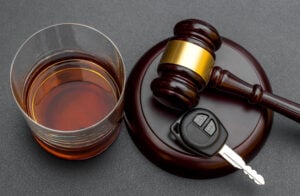
If
there
was
ever
a
cautionary
tale
about
how

not

to
handle
the
optics
when
a
judge
becomes
a
defendant
in
the
very
system
they
oversee,
the
latest
episode
involving
Thomas
Ludington,
the
federal
judge

accused
of
driving
“super
drunk,”

checks
all
the
boxes.

The
Eastern
District
of
Michigan
announced
that
Ludington,
72,
has
decided
to

voluntarily

go
on
leave
pending
the
resolution
of
his
drunken-driving
charges
stemming
from
an
October
arrest
that
only
recently
came
to
public
light.
As
noted
in
our
prior
coverage,
the
judge
allegedly
blew
a
0.27
blood-alcohol
level

more
than

three
times

the
legal
limit

after
crashing
his
vehicle
and

after
he
was
asked
to
recite
the
alphabet
from
C
to
Q.


Reuters

received
the
following
comments
from
the
Eastern
District
of
Michigan
concerning
Ludington’s
leave:

“Since
the
Court
became
aware
of
the
charges,
it
has
taken
all
appropriate
steps
to
address
the
matter
consistent
with
its
obligations
to
the
public,
the
federal
judiciary,
and
of
course,
to
Judge
Ludington,”
the
district
court
said
on
Monday.

It
said
it
“recognizes
the
seriousness
of
this
matter”
and
that
Ludington
had
volunteered
to
take
a
leave
of
absence.
It
added
that
the
law
“accords
to
every
citizen
the
presumption
of
innocence,
due
process,
and
many
other
rights.”

The
official
court
statement
leans
heavily
into
boilerplate
about
due
process
and
presumption
of
innocence,
but
judges
are
not
immune
from
scrutiny.
When
officers
of
the
court
end
up
on
the

other

side
of
a
criminal
filing,
it’s
a
moment
for
the
judiciary
not
just
to
nod
to
due
process
but
to
demonstrate
it
in
practice.

We’ve
been
here
before
with
judicial
misconduct
stories
that
test
public
faith
in
the
system.
When
a
judge’s
behavior
becomes
the
news

especially
for
something
like
a
DUI

transparency
and
swift
accountability
are
expected
(and
often
demanded).
But
in
this
case,
there
was
a
delay
of
months
between
the
incident
and
widespread
reporting,
and
in
the
interim,
the
judge
continued
hearing
cases.
That
kind
of
lag
isn’t
great
for
public
confidence.

Ludington

a George
W.
Bush
appointee

has
pleaded
not
guilty
to
misdemeanor
charges
of
operating
a
vehicle
with
a
blood-alcohol
content
of
0.17
or
more
and
operating
while
intoxicated.
His
jury
trial
is
scheduled
for
May
8.


Michigan
federal
judge
charged
with
drunken-driving
goes
on
leave

[Reuters]


Earlier
:

‘A,
B,
C,
D,
F,
U’:
Field
Sobriety
Test
For
Federal
Judge
Who
Allegedly
‘Urinated
Himself’
Goes
Remarkably
Off
Script
Federal
Judge
Arrested,
Accused
Of
Driving
While
‘Super
Drunk’


Staci
Zaretsky
 is
the
managing
editor
of
Above
the
Law,
where
she’s
worked
since
2011.
She’d
love
to
hear
from
you,
so
please
feel
free
to email her
with
any
tips,
questions,
comments,
or
critiques.
You
can
follow
her
on BlueskyX/Twitter,
and Threads, or
connect
with
her
on LinkedIn.

Arizona Republic Investigation Finds Consumer Harm, Loopholes, and Conflicts of Interest in Arizona’s Legal Regulatory Reform

An
in-depth
investigation
by

The
Arizona
Republic

has
found
that
Arizona’s
pioneering
program
allowing
nonlawyers
to
own
law
firms

a
reform
long
championed
by
access-to-justice
advocates

has
become
riddled
with
consumer
complaints,
legal
loopholes,
financial
conflicts
of
interest
and
inadequate
oversight.

In
a
series
of
investigative
articles,

Republic

journalist
Laura
Gersony
paints
a
troubling
picture
of
the
state’s
Alternative
Business
Structures
program,

which
the
Arizona
Supreme
Court
approved
in
2021

to
allow
nonlawyers
to
own
law
firms.
The
program
was
intended
to
make
legal
services
cheaper
and
more
accessible
for
Arizona
residents.
Instead,
the

Republic

found,
it
has
in
many
cases
attracted
profit-focused
investors
whose
firms
have
generated
a
trail
of
consumer
complaints
across
the
country.


Related
LawNext
episode:

Supreme
Court
Justice
Ann
Timmer
on
Arizona’s
Sweeping
Regulatory
Reforms
.

The
findings
present
a
sharp
contrast
to
a
comprehensive
Stanford
Law
School

study
I
reported
on
last
June
,
which
found
“remarkably
little
evidence
of
consumer
harm”
from
the
Arizona
reforms
and
similar
reforms
in
Utah.

That
study,
by
the
Stanford
Center
on
the
Legal
Profession,
reported
that
through
April
2025,
Utah
had
only
20
consumer
complaints
across
all
sandbox
entities,
and
that
the
two
Arizona
ABS
entities
that
faced
formal
disciplinary
action
involved
procedural
and
oversight
issues
rather
than
systematic
consumer
harm.

The

Republic

investigation,
however,
tells
a
different
story,
one
focused
on
specific
firms
and
the
on-the-ground
experiences
of
consumers
rather
than
aggregate
data.

Consumer
Complaints
and
Misconduct

In
the
first
installment
of
the
series,
Arizona
lets
investors
own
law
firms.
Consumers
pay
the
price
,”
Gersony
reports
that
the
ABS
program
has
become
an
epicenter
for
consumer
complaints,
with
clients
across
the
United
States
saying
they
were
mistreated,
misled,
or

in
the
words
of
a
lawsuit
against
one
firm

outright
“scammed.”

The
investigation
found
that
more
than
a
dozen
licensees
have
been
accused
of
harming
their
clients
or
violating
consumer
protction
laws.
Several
licensees
are
accused
of
targeting
vulnerable
people,
such
as
those
in
financial
distress.
Allegations
range
from
illegal
robo-calling
to
what
Alabama
prosecutors
have
called
a
deceptive
scheme
that
“commoditized”
car
accident
victims
in
one
of
the
poorest
states
in
the
country.

The

Republic

also
found
significant
conflicts
of
interest
within
the
program’s
oversight
structure.
Several
members
of
the
committee
that
advises
the
Supreme
Court
on
each
licensing
decision
also
make
money
counseling
the
firms
applying
for
the
program.
An
ethics
expert
told
the

Republic’s

reporter
that
they
should
step
down.

Despite
these
issues,
just
two
firms
have
received
mild
discipline,
according
to
the

Republic
.
One
firm
may
lose
its
license,
though
the
decision
is
not
yet
final,
the

Republic

said.

Arizona
Supreme
Court
Chief
Justice
Ann
Timmer
stood
by
the
program,
Gersony
reports,
asserting
that
any
reform
will
have
both
benefits
and
costs.
She
took
issue
with
any
suggestion
that
the
court
should
do
more
to
police
misconduct
by
licensees.

“It’s
unrealistic
to
think
that
we
can
monitor
people
all
the
time,”
Timmer
told
the

Republic
.
“We
don’t
have
the
capacity
to
do
that.”

Out-of-State
Spillover

In
a
second
article,
Loopholes
let
Arizona
law
firm
experiment
spread
nationwide
,”
Gersony
reports
on
how
the
ABS
program,
which
was
intended
to
benefit
Arizona
residents,
has
effectively
spread
nationwide.

At
least
half
of
the
Arizona
licensees
do
business
in
other
states,
according
to
the

Republic’s

review.
Only
one-tenth
of
the
firms
specifically
emphasize
Arizona
on
their
website
or
marketing
materials.
According
to
the
Republic,
firms
are
using
their
Arizona
licenses
to
operate
what
are
essentially
nationwide
practices,
including
some
that
function
more
like
call
centers,
farming
out
cases
across
the
country
while
doing
little
legal
work
themselves.

The
article
profiles
reality
TV
star
Joe
Gorga
of
“Real
Housewives
of
New
Jersey,”
who
owns
an
Arizona-licensed
personal
injury
firm
that
operates
nationwide
through
billboards
and
advertising

despite
having
no
connection
to
Arizona
and
not
being
a
lawyer
himself.

In
Alabama,
prosecutors
are
probing
an
Arizona-licensed
firm’s
connection
with
what
they
have
called
a
deceptive
scheme.
In
Texas,
a
woman
settled
with
another
Arizona
firm
she
accused
of
clogging
up
her
personal
cell
phone
with
illegal
robo-calls
and
automated
text
messages.
And
in
California,
a
federal
judge
accused
a
third
licensed
firm
of
trying
to
make
a
“quick
buck”
by
luring
authors
out
of
a
class-action
settlement
under
misleading
conditions.

Regulatory
Response

In
a
third
article,
Arizona
Supreme
Court
may
change
law
license
rules
after
Republic
investigation
,”
Gersony
reports
that
the
court
is
now
moving
to
tighten
rules
in
response
to
the
investigation.

At
a
Feb.
10
meeting,
court
regulators
backed
changes
that
would
tighten
the
ABS
program.
The
proposed
rules
would
restrict
firms
that
operate
as
call
centers
and
would
clarify
that
the
licenses
are
meant
to
benefit
Arizona
residents
and
companies.

Arizona
Attorney
General
Kris
Mayes
called
the
allegations
in
the

Republic

report
“serious
questions”
that
“warrant
a
greater
conversation
about
oversight
of
the
program
so
that
Arizonans
are
not
taken
advantage
of
or
otherwise
defrauded
by
bad
actors.”

Chief
Justice
Timmer
acknowledged
the
program’s
large
out-of-state
spillover
and
said
she
was
uncomfortable
with
the
way
some
firms
have
used
their
licenses.
She
also
said
she
had
already
directed
the
court
to
consider
whether
the
program
should
change
its
rules.

The
chair
of
the
oversight
committee
also
proposed
a
new,
draft
rule
that
would
require
the
licensees
to
“at
least
in
part”
benefit
Arizona
people
and
companies.

The
Stanford
Study:
A
Different
Lens

The

Republic’s

findings
seem
at
odds
with
the
Stanford
study
I
covered
last
June, Legal
Innovation
After
Reform:
Five
Years
of
Data
on
Regulatory
Change
.

That
study,
authored
by
David
Freeman
Engstrom,
Natalie
A.
Knowlton
and
Lucy
Ricca,
represented
the
most
comprehensive
empirical
analysis
to
date
of
Arizona’s
and
Utah’s
legal
regulatory
reforms.
It
found
remarkably
low
rates
of
consumer
complaints
and
concluded
that
concerns
about
nonlawyer
ownership
compromising
legal
quality
or
professional
standards
had
not
materialized
in
any
systematic
way.

The
Stanford
researchers
reported
a
harm-to-service
ratio
in
Utah
of
approximately
1:5,869
based
on
reported
legal
services
delivered.
In
Arizona,
the
two
ABS
entities
that
faced
formal
disciplinary
action
involved
procedural
and
oversight
issues,
not
systematic
consumer
harm.

One
explanation
for
these
seemingly
conflicting
findings
is
that
the
Stanford
study
focused
primarily
on
formal
complaints
filed
through
official
channels
and
aggregate
data,
while
the

Republic

investigation
used
more
traditional
“shoe
leather”
techniques
of
interviewing
affected
consumers,
reviewing
court
records
and
examining
business
practices
in
detail.

Asked
about
the

Republic

series,
Natalie
Knowlton,
one
of
the
Stanford
researchers,
said
this:

“Our
methodology
in
the
Legal
Innovation
After
Reform
research
series
involved
reviews
of
initial
application
materials
(from
the
Arizona
ABS
program
and
Utah
regulatory
sandbox)
along
with

specific
to
the
consumer
harm
piece

publicly
available
information
from
regulators
in
the
two
states.
In
Arizona,
that
available
information
is
published
disciplinary
orders
against
ABS
entities
and
ABS
compliance
lawyers.
As
we
note
in
our
latest
report,
published
in
June
2025,
an
important
empirical
question
is
whether
these
innovations
are
resulting
in
unacceptable
harm
to
legal
consumers.
Allegations
of
consumer
harm
should
be
taken
seriously,
whether
resulting
from
actions
of
ABS
law
firms
and
their
lawyers
or
non-ABS
law
firms
and
their
lawyers.
But
I
have
yet
to
see
any
data
on
the
question
of
whether
consumers
experience
harm
by
ABS
law
firms
at
a
higher
rate
than
they
do
by
non-ABS
law
firms.”

It
is,
of
course,
also
possible
that
both
accounts
are
simultaneously
true

that
the
overall
rate
of
formal
complaints
remains
low
relative
to
the
total
volume
of
services,
while
at
the
same
time
specific
firms
are
engaging
in
practices
that
cause
real
harm
to
individual
consumers.
Notably,
the
Stanford
study
flagged
the
concentration
of
Arizona
ABS
entities
in
personal
injury
and
mass
tort
practice
areas
as
an
emerging
concern

precisely
the
area
where
the

Republic

found
the
most
troubling
behavior.

A
Crucial
Moment
for
Legal
Reform

Still,
the

Republic

investigation
arrives
at
a
time
when
the
topic
of
legal
regulatory
reform
is
being
debated
nationwide.
As
the
Stanford
study
documented,
Arizona’s
program
has
grown
significantly
from
19
authorized
entities
in
2022
to
136
as
of
April
2025.
Other
states
have
been
watching
Arizona
closely
as
they
consider
their
own
reform
efforts.

The
investigation
does
not
necessarily
argue
against
regulatory
reform,
but
it
raises
important
questions
about
the
adequacy
of
oversight
mechanisms,
the
need
for
consumer
protections,
and
whether
Arizona’s
particular
approach

with
its
lack
of
geographic
restrictions
on
where
licensed
firms
can
operate

is
best
model.

What is Legal Analytics? | LexisNexis


*
The
views
expressed
in
externally
authored
materials
linked
or
published
on
this
site
do
not
necessarily
reflect
the
views
of
LexisNexis
Legal
&
Professional.

Data
and
AI
are
reshaping
how
decisions
are
made
across
industries,
and
the
legal
sector
is
no
exception. Today’s
legal
analytics combine
advanced
data
analysis
with
AI-enabled insights to
support
legal
work. You
may
hear
it
referred
to as litigation
analytics,
law
firm
analytics,
or
legal
data
analysis. Put
simply,
legal
analytics
is
the
science
of
drawing
insights by
mining
large
volumes
of
data.
In
practice,
legal
analytics
tools help
legal
professionals make
data-driven
decisions that
strengthen
strategy
and
outcomes. That
could
mean
things
like
knowing
the
probability
of
a
specific
motion
outcome,
how
seemingly
unrelated
cases
connect,
or how
much
a
settlement
award
could
be


Related: You’ve probably
noticed that new
technologies often
incorporate
their
own
specialized
dictionary
of
industry
jargon. To
help
make
sense
of
it
all,
see: 


What
Can
Legal
Analytics
Technologies
Do?
 

As
mentioned
above,
legal
analytics helps legal
professionals incorporate
data
into
their
decision
making.
But that’s a pretty
broad statement,
so
to
better
understand
what
that
means, let’s explore
some
specifics. 

Truth
is, there’s not
a
single standalone
tool
that
delivers
every
analytics
capability legal professionals may
need. Lexis+
AI
 unifies legal
research,
analytics,
and
AI-driven
insights
in one platform, helping legal
professionals find the
right
insights faster
 within
a connected
experience. 


How Do Legal
Analytics
Benefit a
Law
Practice?
 

Legal
analytics help legal
professionals bring
data
and
AI-driven
insight
into
every
stage
of
litigation
strategy.
Rather
than
relying
solely
on
intuition
or
anecdotal
experience, legal
professionals can analyze
how
judges,
courts,
counsel,
and
parties
have
behaved
in
similar
matters 
to
make
more
informed
decisions. 

These
insights
can
help legal
professionals assess
the
likelihood
of
success
on
motions,
understand
how
specific
judges
tend
to
rule,
evaluate
opposing
counsel
strategies,
and anticipate how
cases
may
progress
over
time. By
grounding
strategy
in
historical
patterns
and
outcomes,
legal
teams
can
plan
more
effectively
and
advise
clients
with
greater
confidence. 

Analytics
can
also apply predictive
language
analytics
 to
judicial
opinions
and
legal
text, enabling legal
professionals to identify which
arguments,
phrasing,
and
authorities
are
most
likely
to
resonate
with
a
specific
judge,
while
reducing
time
spent
on
research,
so
they
can
focus
on
refining
arguments
and
preparing
for
hearings.  

Beyond
courtroom
dynamics,
legal
analytics
provide
critical
visibility into outcomes.
By
analyzing
verdict
and
settlement
data, legal
professionals can
better
estimate
potential
case
value,
assess
financial
risk,
and
support
negotiations
with
data-backed
expectations. 

Together,
these
capabilities
help
legal
teams allocate resources
more
effectively,
prepare
more
persuasive arguments,
and
guide
clients
with
clarity
throughout
the
lifecycle
of
a
matter. 


The
Data
Behind
Analytics
Magic
 

At
the
core
of
legal
analytics
is
data.
These
tools
rely
on
large,
structured
collections
of
legal
information,
including
court
records,
filings,
opinions,
verdicts,
settlements,
and
related
legal
documents,
to
surface
meaningful
insights. 

Scale
matters,
but
quality
matters
even
more.
The
accuracy
and
usefulness
of
analytics
depend
not
just
on how
much
data
is
available,
but
on
how
reliable,
comprehensive,
and
current
that
data
is. Well curated datasets
allow
analytics
tools
to identify patterns,
trends,
and
tendencies
that
support
confident
decision
making. 

Equally
important
is
data
integrity.
Analytics
systems
depend
on
clean,
well validated
data
to
produce
trustworthy
results.
Inaccurate,
incomplete,
or
inconsistent
data
can
undermine
insights
and
lead
to
flawed
conclusions. 

For
that
reason, legal
professionals evaluating
legal
analytics
should
understand
where
the
data
comes
from,
how
it
is
sourced,
and
how
it
is
reviewed
and maintained.
A
strong
analytics
foundation
is
built
on
transparent
data
practices
and
rigorous
quality
controls,
ensuring
insights legal
professionals rely
on are
credible
and
defensible. 


The
Value
of
Legal
Analytics
 

Legal
analytics
deliver value
well beyond
surface-level
statistics. For legal
professionals, analytics
transform
large
volumes
of
legal
data
into
practical
insight
that
supports
smarter,
faster
decision
making
throughout
a
matter. 

With
access
to
analytics-driven
insight, legal
professionals can
better
evaluate
the
strength
of
a
case,
assess
potential
outcomes,
and determine how
to allocate time
and
resources
effectively.
Whether
estimating
the
likelihood
of
success
on
a
motion,
understanding
potential
exposure
in
a
dispute,
or
supporting
internal
risk
assessments,
analytics
help
reduce
uncertainty
and
support
informed
judgment. 

Visualization
and
analysis
tools
further
enhance
this
value
by
revealing
relationships
between
parties,
cases,
and
legal
issues
that
may
not
be immediately obvious.
These
insights
help legal
teams identify connections, focus research
efforts,
and
quickly
interpret
complex
information. 

Ultimately,
the value
of
legal
analytics
shows
up
in
everyday
practice. Legal
professionals save
time,
sharpen
strategy,
improve
communication
with
stakeholders,
and
make
more
confident
decisions.
Across
private
practice,
corporate
legal
departments,
and
public
sector
organizations,
analytics
help
teams
work
more
efficiently
and
deliver
better-informed
outcomes. 


Will
Legal Analytics
Eventually Replace
Lawyers?
 

Not
likely.
What
legal
analytics
does
is
encourage legal
professionals to
take
a
more
data-informed
approach
to
decision
making.
Rather
than
replacing
judgment
or
experience,
analytics
complement
them
by providing additional
insight
to
support
strategy
and
planning. 

As
the
legal
profession
evolves,
so
do
the
skills
that
legal
professionals
bring
to
their
work.
While
traditional
strengths
like
legal
reasoning,
writing,
and
advocacy
remain
essential,
there
is
growing
value
in
understanding
how
to
interpret
data,
evaluate
trends,
and
apply
analytics-driven
insight
in
context. 

This
shift
benefits
both
legal
professionals
and
the
organizations
they
serve.
Leveraging
data
to
inform
decisions
has
already
proven
effective
in
many
scenarios,
helping
teams
reduce
uncertainty, allocate resources
more
effectively,
and
prepare
with
greater
confidence. 

While
fully
autonomous
legal
decision
making remains unlikely,
analytics
and
AI
are
already
helping
legal
professionals
work
smarter
and
faster.
As
these
technologies
continue
to
advance,
their
role
will
only
expand,
reinforcing
analytics
as
a
trusted component of today’s
legal
work. 


Transform
Legal
Decision
Making with
LexisNexis
Legal
Analytics
 

To support
confident
litigation
decision
making,
LexisNexis
delivers
these
complementary
litigation
capabilities
within
the
Lexis+
AI
platform,
bringing
research,
analytics,
and
insight
together
in
one
connected experience. 


  • CourtLink®
     tracks dockets
    nationwide
    with
    real-time
    alerts
    and
    comprehensive
    document
    access,
    so
    you
    never
    miss a
    filing or
    case
    development. 


  • Lex
    Machina®
     delivers
    deep
    litigation
    analytics
    that
    reveal
    how
    judges,
    courts, counsel and
    parties
    behave,
    elevating
    legal
    decision-making
    and
    strategy. 


  • CaseMap+™
    AI
     helps legal
    teams organize
    complex
    litigation
    by
    surfacing
    key
    facts,
    timelines,
    summaries,
    and
    insights
    for
    efficient,
    collaborative
    case
    strategy. 


  • Context
     analyzes
    judicial
    language
    and
    expert
    witness
    history
    to
    predict
    tendencies
    and
    refine
    strategy. 


  • Expert
    Research
    On-Demand
     connects legal
    professionals to
    millions
    of
    expert
    witness
    records
    for
    insight
    into
    credibility
    and
    case
    history. 

Judge Pens MAGA-Friendly Dissent That Sure Reads Like A Supreme Court Audition – Above the Law

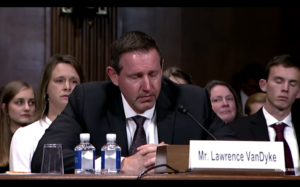
Lawrence
VanDyke
via
YouTube

If
judicial
opinions
were
résumés,
Judge
Lawrence
VanDyke
just
stapled
a
cover
letter
to
his
dissent
reading,
Dear
Donald
Trump,
please
notice
me.

With

rumors
swirling

that
Samuel
Alito
may
be
eyeing
retirement
from
the
Supreme
Court,
VanDyke’s
latest
performance
on
the
Ninth
Circuit
reads
less
like
a
serious
judicial
disagreement
and
more

like
an
audition
tape

for
the
potentially
open
seat.
And

not
a
subtle
one
.
This
is
full-on
pandering,
drenched
in
the
kind
of
belittling
rhetoric
that
reliably
delights
Donald
Trump
and
the
MAGA
faithful
who
view
professionalism
as
a
character
flaw.

VanDyke
turned

a
recent
dissent

into
a
late-night
blog
comment
section
rant,
complete
with
mockery,
sarcasm,
and
a
sneering
tone
that
would
get
a
first-year
associate
hauled
into
HR
by
lunchtime.
The
full
en
banc
court
was
reviewing
a
denial
of
a
stay
of
deportation
proceedings
for
a
Peruvian
family
seeking
to
remain
in
the
United
States
while
their
case
is
heard.
In
other
words,
the
stakes
were
extremely
real

whether
a
family
would
be
deported
before
the
court
even
finished
considering
the
legality
of
that
deportation.

Naturally,
VanDyke
responded
by
inventing
a
fictional
place
called
the
“Circuit
of
Wackadoo.”

Yes.
Really.

In
his
dissent,
VanDyke
spun
a
bizarre
fairy
tale
about
a
mythical
circuit
where
“the
attorneys
are
all
wise,
the
judges
are
all
zealous,
and
the
law
clerks
are
all
above
average.”
(Cool
joke,
everyone,
very
original.)
In
Wackadoo,
everything
is
“enlightened
and
efficient,”
except
for
one
fatal
flaw:
the
judges
are
apparently
too
busy.
To
cope,
they
allegedly
adopt
an
“unwritten
practice”
of
granting
administrative
stays
pending
review,
a
practice
VanDyke
presents
as
some
kind
of
radical
judicial
heresy.

The
punchline?
VanDyke
insists
that
Wackadoo
is

not

the
Ninth
Circuit.
That
would
be
ridiculous.
“That
would
be
crazy,”
he
writes.
“We
only
do
so
in
immigration
cases.”

Ah
yes.
Immigration
cases.
Those
famously
low-stakes
matters
involving
exile,
family
separation,
and
irreversible
harm.
Why

wouldn’t

judges
be
extra
cautious
there?

He
doubled
down,
accusing
his
colleagues
of
employing
what
he
calls
“manifestly
unlawful
stay
procedures.”
Procedures
that,
he
claims,
create
so
many
immigration
cases
that
the
court
then
points
to
the
volume
to
justify
continuing
the
practice.

And
here’s
where
the
dissent
fully
leaves
the
rails.

According
to
VanDyke,
the
Ninth
Circuit’s
internal
dialogue
resembles
“a
judicial
Oprah
Winfrey,
confused
by
her
own
popularity.”
He
then
helpfully
scripts
it
out:

“We
are

(‘You
get
a
stay!’)

sincerely
shocked

(‘You
get
a
stay!’)

by
the

(‘You
get
a
stay!’)

number
of

(‘You
get
a
stay!’)

utterly

(‘You
get
a
stay!’)

meritless

(‘You
get
a
stay!’)

immigration
petitions

(‘You
get
a
stay!
And
you
get
a
stay!
And
you
get
a
stay!’)

that
are
filed

(‘You
get
a
stay!’)

in
our
court.
(‘Everyone
gets
a
stay!’).”

This
isn’t
a
serious
critique;
it’s
performance
art
aimed
squarely
at
the
MAGA
audience
that
has
learned
to
hiss
at
the
words
“Ninth
Circuit”
on
command.

And
that’s
really
the
tell.
This
dissent
isn’t
about
persuading
colleagues

VanDyke
already
lost
that
battle.
It’s
about
mocking
fellow
judges
as
unserious,
lazy,
or
ideologically
captured,
while
casting
himself
as
the
lone
adult
in
the
room
bravely
resisting
the
forces
of…
procedural
fairness.
VanDyke
didn’t
need
to
write
like
this.
He
chose
to.
And
he
chose
a
tone
and
style
that
just
so
happens
to
align
perfectly
with
the
man
who
would
get
to
nominate
the
next
Supreme
Court
justice.

Of
course,
VanDyke
can
afford
this
blatant
pandering.
Lifetime
tenure
means
he
doesn’t
answer
to
voters,
clients,
or
managing
partners.
He
doesn’t
need
collegial
goodwill.
He
doesn’t
even
need
to
pretend
this
dissent
might
change
anyone’s
mind.
He
just
needs
to
make
sure
the
right
people
(Donald
Trump)
notice
that
he’s
very
angry
about
immigration
cases.


Kathryn
Rubino
is
a
Senior
Editor
at
Above
the
Law,
host
of

The
Jabot
podcast
,
and
co-host
of

Thinking
Like
A
Lawyer
.
AtL
tipsters
are
the
best,
so
please
connect
with
her.
Feel
free
to
email

her

with
any
tips,
questions,
or
comments
and
follow
her
on
Twitter

@Kathryn1
 or
Mastodon

@[email protected].

NY Bar Exam Tells Applicants Stranded By Historic Blizzard To Pound Snow – Above the Law

After
spending
the
last
36
hours
getting
walloped
by
a
historic
snow
storm

one
some
meteorologists
dubbed
a
“Snowicane”

the
New
York
Board
of
Law
Examiners
responded
with
all
the
compassion
and
common
sense
of
a
parking
meter.
Have
your
ass
in
its
seat
this
morning,
or
be
branded
as
“withdrawn”
from
the
exam.

Over
10,000
flights
have
been
canceled
since
Sunday,
as
one
of
the
New
York
airports
reported
over
27
inches
of
snow,
and
clearing
the
backlog
has
some
travelers
waiting
until
the
end
of
the
week
for
a
flight.
Ground
transportation
wasn’t
much
better
with
New
York
City
imposing
a
travel
ban
during
the
height
of
the
storm.
And
while
NYC
has
cleared
major
thoroughfares,
roads
across
the
region
remain,
as
the
National
Weather
Service
helpfully
noted,
“nearly
impossible”
to
navigate.

In
response,
the
NY
Board
of
Law
Examiners
told
bar
applicants
to
figure
it
out
or
get
bent.

According
to

the
ABA
Journal
,
the
Board’s
information
number
delivered
the
following
message
to
applicants
who
might
not
be
able
to,
you
know,
traverse
a
historic
blizzard
to
reach
their
testing
center
this
morning:

Failure
to
show
up
at
the
exam
will
not
prevent
you
from
reapplying
for
a
future
administration
of
the
bar
exam
in
New
York
unless
you
have
three
or
more
withdrawals
and
absences,
in
which
case
you
will
need
to
petition
the
board
for
permission
to
reapply.

“Withdrawn,”
because

you

made
the
deeply
personal
choice
not
to
risk
your
life
on
black
ice
at
6
a.m.
to
wax
philosophic
about
the
Rule
Against
Perpetuities.
See,
the
Board
wants
you
to
know
that
they
aren’t
punishing
you…
you’re
punishing

yourself

by
not
having
the
foresight
to
live
closer
to
a
testing
center.
Do
you
know
how
bad
it
was
out
there?
DoorDash
canceled
service,
and
their
motto
is:

Neither
rain
nor
gloom
of
night
stays
these
couriers
from
providing
your
burrito
a
personal
limousine
.

Also,
the
bar
exam
message
says
nothing
about
refunds
because
of
course
it
doesn’t.

Without
downplaying
how
much
this
sucks
for
anyone
trying
to
get
to
New
York,
what
makes
this
policy
so
reckless
is
that
law
school
graduates
looking
to
take
the
bar
are

exactly

the
kind
of
people
who
will
risk
a
drive
on
treacherous
roads
to
keep
their
jobs.

And
it’s
not
just
New
York
City.
The
Long
Island
location
got
hammered
with
over
15
inches
and
many
folks
heading
to
the
Albany
location
travel
up
from
NYC,
having
only
been
relegated
to
the
capital
by
virtue
of
having
attended
a
non-NY
law
school
before
moving
to
NYC
to
begin
their
careers.

Back
in
2013,
Missouri’s
Board
of
Law
Examiners

forced
applicants
into
a
blizzard

and
the
power
went
out
during
the
exam.
You’d
think
the
legal
profession
might
have
developed
some
institutional
memory
about
this
kind
of
thing.
But

and
I
cannot
stress
this
enough

once
you
accept
the
premise
that
the
bar
exam
is
a
good
idea
in
the
first
place,
you’ve
already
signaled
that
all
that
matters
is
performative
hardship.
Remember
how
the
various
state
bars
had
to
be
dragged
kicking
and
screaming
into
acknowledging
that
they
might
not
be
able
to
ram
hundreds
of
applicants
into
a
room
during
a
deadly
pandemic?
During
COVID,

bar
examiners
hinted
at
denying
licenses

to
anyone
who
publicly
criticized
them
for
forcing
applicants
to
subject
themselves
to
an
in-person
petri
dish.

The
bar
exam
is
always
form
over
substance,
but
it
takes
emergencies
like
these
to
distill
how
rotten
that
obsession
becomes.
If
the
goal
was
really
to
test
minimum
competence,
there
are
multiple
avenues
to
make
that
happen.
But
since
the
goal
is
actually
the
uncritical
devotion
to
a
gatekeeping
mechanism
of
dubious
value,
then
of
course
a
licensing
authority
cannot
even
conceive
of
a
world
involving
reasonable
delays
or
makeups
or
any
other
accommodations.
The
test
that
matters
to
them
is
getting
bodies
in
the
room
that
they
want
you
to
be
in,
full
stop.
These
applicants
spent
months
studying,
paid
their
application
fees,
and
many
went
to
great
lengths
to
try
to
travel
from
out
of
state.

And
the
bar
examiner
position
is
essentially,

fuck
them
kids
.


HeadshotJoe
Patrice
 is
a
senior
editor
at
Above
the
Law
and
co-host
of

Thinking
Like
A
Lawyer
.
Feel
free
to email
any
tips,
questions,
or
comments.
Follow
him
on Twitter or

Bluesky

if
you’re
interested
in
law,
politics,
and
a
healthy
dose
of
college
sports
news.
Joe
also
serves
as
a

Managing
Director
at
RPN
Executive
Search
.

The Rural Care Crisis Is an Economic Issue, Not Just a Public Health One – MedCity News

More
than
400
rural
hospitals
across
the
country
are

at
risk
of
closure
,
battling
a
mix
of
reimbursement
issues,
workforce
struggles
and
policy
decisions
that
have
left
safety
net
providers
financially
exposed.

Undeniably,
the
rural
healthcare
crisis
carries
serious
consequences
for
population
health
and
people’s
access
to
care,
but
there
are
also
ripple
effects
that
impact
the
economic
stability
of
rural
America
itself.
Healthcare
isn’t
just
a
social
good

it’s
a
foundational
infrastructure
that
determines
whether
rural
communities
can
attract
businesses,
sustain
populations
and
be
economically
viable.

I
asked
panelists
to
reflect
on
this
idea
during
a
rural
health
panel
I
was
moderating
Sunday
afternoon
at

ViVE

in
Los
Angeles,
and
they
agreed
that
access
to
healthcare
is
a
prerequisite
for
any
kind
of
rural
economic
development.

Joe
Dunn,
chief
policy
officer
at
the

National
Association
of
Community
Health
Centers
(NACHC)
,
noted
that
rural
communities
where
residents
must
drive
hours
to
reach
hospitals
or
specialist
care
are
fundamentally
unattractive
to
employers

whether
that’s
a
factory,
processing
plant
or
small
business. 

He
noted
that
healthcare
is
a
“backbone”
of
economic
vitality,
emphasizing
that
no
community
can
thrive

nor
can
the
country
tolerate

large
populations
being
cut
off
from
both
care
and
opportunity. 

Another
panelist,
Brian
Hoerneman,
CEO
at

Marshfield
Clinic
Health
System
,
pointed
out
that
rural
healthcare
organizations
often
serve
as
anchor
institutions
that
help
the
local
economy
grow.

“For
years,
we’ve
been
the
largest
employer
in
the
northern
half
of
Wisconsin,
and
in
many
of
the
other
communities
we
serve,
we’re
the
largest
employer.
Those
jobs
then
fund
local
small
businesses
and
make
up
a
significant
part
of
those
smaller
community
economies.
So
healthcare
is
kind
of
neat
that
way

it’s
a
big
obligation,
it’s
something
we
feel
every
day,
but
it
also
has
the
opportunity
to
really
help
support
the
community,”
Hoerneman
remarked.

Gulshan
Mehta,
chief
digital
and
information
officer
at

Blanchard
Valley
Health
System
,
added
that
his
health
system
is
the
largest
employer
in
its
region
as
well.

He
also
warned
that
the
economic
damage
isn’t
limited
to
hospital
closures
alone.
The
loss
of
individual
service
lines,
such
as
obstetrics
or
timely
emergency
services,
can
be
just
as
destabilizing.
When
residents
have
to
travel
long
distances
for
basic
care,
these
delays
compound
health
risks
across
the
area.

“You
start
thinking
about
the
commute
times
becoming
a
real
clinical
variable
when
it
comes
to
the
outcomes
of
healthcare

not
only
for
the
individual,
but
for
the
community
in
general,”
Mehta
declared.

Overall,
the
panelists
believe
that
healthcare
is
the
foundation
that
keeps
rural
communities
alive

both
literally
and
economically.


Photo:
Thomas
Barwick,
Getty
Images

Morning Docket: 02.24.26 – Above the Law

*
NY
Bar
Exam’s
response
to
snowstorm
canceling
flights
nationwide…
the
show
must
go
on!
[ABA
Journal
]

*
More
FOIA
suits
over
Biglaw
Pro
Bono
Payola
deals.
[National
Law
Journal
]

*
Neal
Katyal
says
his
clients
want
their
tariff
refunds.
If
they
get
them,
we’ll
all
surely
see
those
rebates
passed
on
to
the
consumer
the
same
way
they
passed
on
the
tariffs,
right?
[NPR]

*
Former
ICE
lawyer
testifies
that
the
system
is
dangerously
broken.
See,
now,
here’s
a
lawyer
abiding
by
his
ethical
duties

as
opposed
to
many,
many
others
.
[NBC
News
]

*
Gibson
Dunn
loses
case
over
former
partner’s
retirement
pay.
[Reuters]

*
Thomson
Reuters
CoCounsel
hits
a
million
users.
[Artificial
Lawyer
]

*
State
of
the
Union
poised
to
get
awkward
for
Supreme
Court.
[MSNow]

Law School Lurks Behind This Olympic Gold Medal Career – Above the Law

(Photo
by
Image
Photo
Agency/Getty
Images)


Ed.
Note:

Welcome
to
our
daily
feature

Trivia
Question
of
the
Day!


Olympic
gold
medalist
Alysia
Liu’s
father,
attorney
Arthur
Liu,
is
getting
a
lot
of
attention
in
the
wake
of
his
daughter’s
athletic
success.
What
law
school,
now
known
by
another
name,
did
he
attend?


Hint:
Arthur
Liu
fled
China
after
his
involvement
in
the
1989
Tiananmen
Square
protests
He
started
his
family
in
California
as
a
single
father
by
choice,
through
surrogacy.


See
the
answer
on
the
next
page.

Where Were You During Chief Justice Robert’s Humiliation? – See Also – Above the Law

“I’ll
Never
Forget
This”
To
“An
Embarrassment”
In
A
Year’s
Time:
Trump
shamed
the
hell
out
of
Republican
justices
that
didn’t
see
it
his
way.
Aileen
Cannon
Knows
Better
Than
To
Go
Against
Trump:
Nothing
say
“checks
and
balances”
like
protecting
the
president!
Law
Student
Dams
Car
Into
The
Hoover:
The
apparent
terrorist
attack
leaves
far
more
questions
than
answers.
Bad
Time
To
Be
The
Example:
Tech
accountability
case
gets
sidelined
by
lack
of
tech
accountability.
State
Supreme
Justice
Trades
Gavel
For
Chalkboard:
Finally,
a
Con
Law
professor
that
knows
their
stuff!