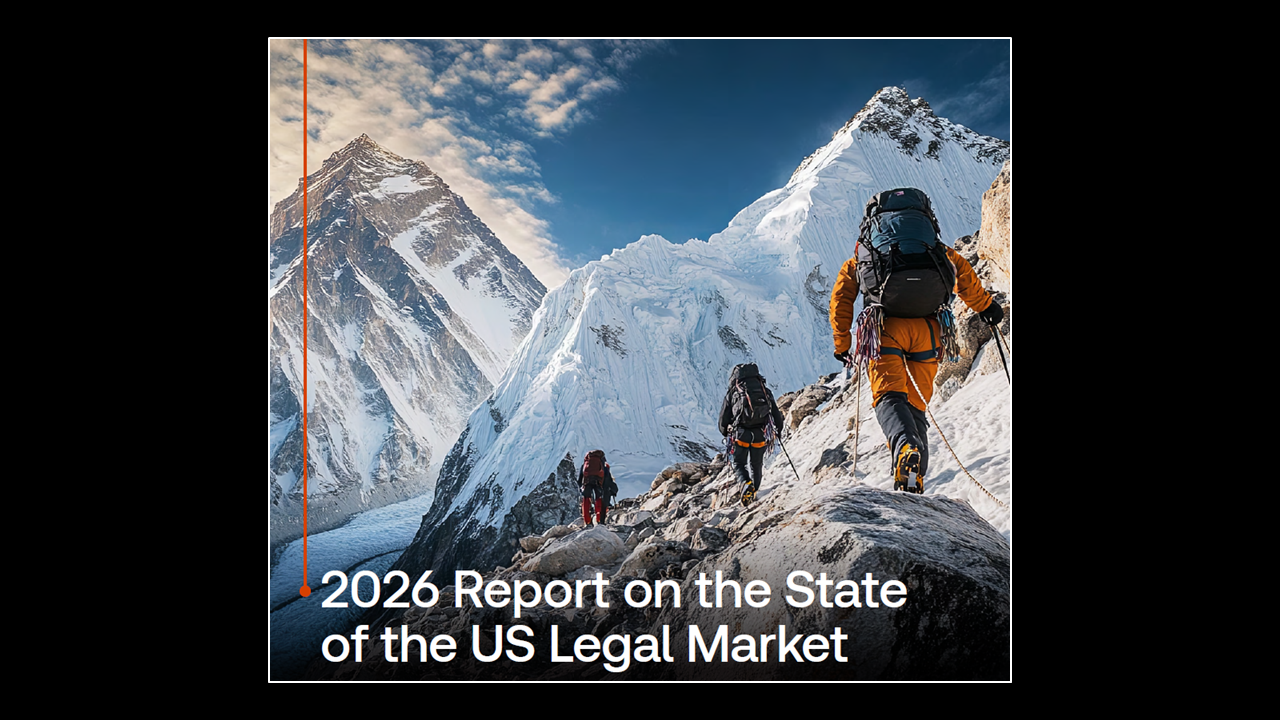
Legal Tech Spending Surges 9.7% As Firms Race to Integrate AI, Says Report On State Of Legal Market

Law
firms
dramatically
accelerated
their
technology
investments
in
2025,
with
spending
on
tech
and
knowledge
management
tools
growing
9.7%
and
10.5%
respectively

the
fastest
real
growth
likely
ever
experienced
in
the
legal
industry,
according
to
the
newly
released

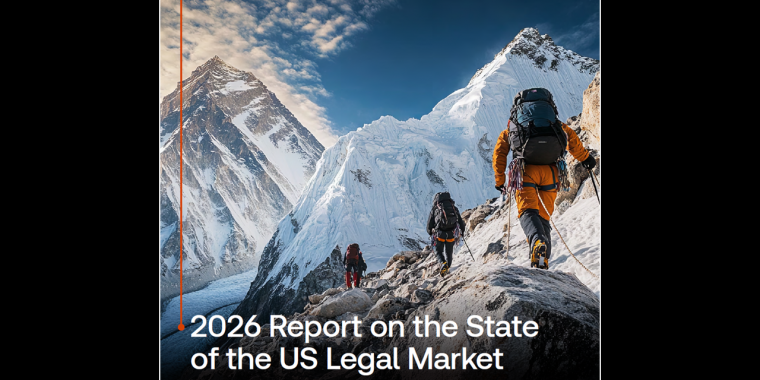
2026
Report
on
the
State
of
the
US
Legal
Market

from
Thomson
Reuters
and
Georgetown
Law’s
Center
on
Ethics
and
the
Legal
Profession.

The
surge
in
technology
spending
comes
as
firms
race
to
deploy
generative
AI
capabilities
while
simultaneously
managing
record
demand
growth
that
saw
billable
hours
increase
2.5%
for
the
year,
hitting
as
high
as
4.4%
growth
in
July.
However,
the
report
warns
that
“tectonic
forces”
in
the
legal
industry
are
creating
fundamental
tensions
between
transformative
technology
investments
and
outdated
billing
structures.

“The
tech
revolution
this
time
around
isn’t
the
gentle
cycle
that
law
firms
experienced
when
online
research
replaced
sprawling
legal
libraries
or
when
email
supplanted
fax
machines,”
the
report
says.
“Such
changes
streamlined
workflows
but
left
the
fundamental
practice
of
law
untouched.

“Now,
the
use
of
advanced
AI-driven
technology
like
generative
AI
represents
something
different:
A
technology
that
can
draft
briefs,
analyze
contracts,
and
synthesize
case
law
in
ways
that
can
actually
alter
how
legal
work
gets
done. For
an
industry
that’s
operated
essentially
the
same
way
since
Langdell
introduced
the
case
method
in
the
1870s,
this
is
uncharted
territory.”

The
technology
spending
increase
represents
a
seven
percentage
point
jump
above
core
inflation,
making
it
the
most
significant
investment
acceleration
since
at
least
the
global
financial
crisis
of
2007,
the
report
suggest.
Combined
with
talent
costs
rising
8.2%,
firms
are
making
unprecedented
bets
that
AI-enhanced
capabilities
will
justify
premium
pricing
and
drive
competitive
advantage.

The
strategy
appears
to
be
paying
dividends
for
firms
with
intentional
AI
deployment
plans,
the
report
says,
noting
that
law
firms
with
a
formal
AI
strategy
are
3.9
times
more
likely
to
experience
critical
benefits
compared
to
those
without
significant
plans
for
AI
adoption.

The
Billing
Model
Crisis

Despite
these
significant
technology
investments,
the
report
identifies
a
fundamental
disconnect:
90%
of
legal
dollars
still
flow
through
standard
hourly
rate
arrangements,
according
to
data
drawn
from
Thomson
Reuters
Legal
Tracker.
This
creates
what
the
report
calls
“an
almost
absurd
tension”
where
firms
deploy
technology
that
can
accomplish
work
in
minutes
that
once
took
hours,
then
try
to
bill
for
it
by
the
hour.

“The
math
doesn’t
work
unless
firms
can
negotiate
rate
increases
steep
enough
to
offset
the
efficiency
gains,”
the
report
states.
“However,
clients
aren’t
eager
to
see
all
their
productivity
benefits
flow
straight
to
law
firm
profits.
Nor
are
they
prepared
for
the
sticker
shock
of
a
$2,000
hourly
bill
from
an
associate,
even
if
what
they’ve
accomplished
in
that
time
may
have
taken
10
hours
to
complete
previously.”

Both
law
firms
and
their
clients
are
locked
in
a
standoff
over
pricing
innovation,
the
report
suggest.
Corporate
legal
departments
want
their
outside
firms
to
propose
billing
solutions
that
incorporate
AI’s
efficiencies,
while
firms
complain
that
procurement
teams
still
evaluate
everything
by
converting
it
back
to
hourly
rates.

“Why
spend
months
developing
a
sophisticated
value-based
pricing
model
when
the
procurement
team
will
just
divide
the
total
by
estimated
hours
and
compare
it
to
last
year’s
rates?”
the
report
asks.

Making
matters
worse,
most
clients
do
not
even
know
whether
or
how
their
outside
firms
are
using
gen
AI

a
disconnect
that
suggests
neither
side
is
having
honest
conversations
necessary
to
break
the
impasse.

The
Value
Squeeze

The
technology
spending
surge
is
occurring
against
a
backdrop
of
intensifying
client
pressure,
the
report
indicates.
It
documents
that
corporate
legal
departments
have
led
law
firms
in
gen
AI
adoption
ever
since
its
introduction
in
2022,
giving
in-house
teams
firsthand
experience
with
AI-driven
efficiency
gains.

When
GCs
see
their
own
departments
using
AI
to
handle
routine
work
at
a
fraction
of
traditional
costs,
they
increasingly
question
why
outside
firms
charging
premium
hourly
rates
are
not
delivering
similar
efficiencies.

This
dynamic
is
creating
what
Thomson
Reuters
Market
Insights
research
calls
a
“client
value
squeeze.”
Nearly
90%
of
GCs
report
that
resource
limitations
are
preventing
them
from
delivering
the
level
of
strategic
impact
their
organizations
expect,
forcing
intense
scrutiny
over
external
counsel
spending.

The
pressure
is
reflected
in
declining
net
spend
anticipation
(NSA)
among
corporate
buyers,
which
has
dropped
to
levels
not
seen
since
the
pandemic
struck
in
2020.
While
41%
of
buyers
at
companies
with
more
than
$1
billion
in
annual
revenue
planned
to
increase
legal
spending
in
Q3
2025,
22%
planned
to
decrease
it

resulting
in
a
net
anticipation
of
just
19%,
down
from
23%
the
previous
quarter.

The
Mobile
Demand
Phenomenon

One
consequence
of
these
technology
and
pricing
dynamics
is
accelerating
“mobile
demand”

the
movement
of
legal
work
from
the
most
expensive
Am
Law
100
firms
to
less
costly
alternatives.
Midsized
firms
captured
nearly
5%
demand
growth
in
the
latter
half
of
2025,
while
the
Am
Law
100
struggled
to
crack
2%,
creating
the
largest
gap
between
segments
since
the
Global
Financial
Crisis.

“With
the
average
Am
Law
100
lawyer’s
standard
rates
cracking
the
$1,000
barrier
in
2025

while
everyone
else
averaged
around
$600

the
math
became
irrefutable,”
the
report
says.
General
counsel
needed
to
do
far
more
legal
work
with
the
same
budgets,
and
shifting
matters
to
firms
charging
40%
less
provided
necessary
breathing
room.

This
trend
has
implications
for
technology
strategy.
The
report
notes
that
firms
outside
the
Am
Law
100
grew
their
fees
worked
at
a
pace
equal
to
or
faster
than
larger
competitors
despite
significant
rate
disadvantages,
suggesting
traditional
hierarchies
may
be
fundamentally
shifting.

Technology
investments
that
enable
smaller
firms
to
deliver
sophisticated
work
previously
reserved
for
elite
practices
could
accelerate
this
redistribution.

Tech
As
A
Talent
Multiplier

Rather
than
using
AI
to
reduce
headcount,
as
other
industries
have
done,
law
firms
are
taking
the
opposite
approach.
The
report
finds
that
if
AI
augmentation
makes
lawyers
more
efficient
and
valuable,
firms
believe
this
only
increases
manpower’s
worth.

Lawyer
full-time
equivalent
(FTE)
growth
remained
strong
at
2.9%
in
2025,
marking
the
third
consecutive
year
of
historically
robust
hiring.

“Whereas
other
industries
may
be
touting
AI-induced
layoffs
to
promote
efficiency,
the
legal
industry
has
chosen
the
opposite
course,”
the
report
says,
noting
that,
since
January
2023,
the
average
midsized
and
Am
Law
second-hundred
firm
has
grown
headcount
by
more
than
8%.

This
strategy
is
particularly
notable
for
associates,
whose
realization
rates
average
just
85.6%
and
whose
work
is
already
being
written
off
at
significant
rates.

“This
creates
a
buffer
in
which
AI
can
absorb
the
inefficient
portions
without
touching
collected
revenue,”
the
report
explains.
“Firms
can
automate
the
work
that
wasn’t
getting
paid
for
while
keeping
associates
busy
on
higher-value
tasks.”

Warning
Signs
Ahead

Although
the
average
firm
saw
13%
profit
growth
in
2025,
the
report
identifies
multiple
warning
signs
for
2026.

Forecasts
from
Thomson
Reuters
Financial
Insights
point
toward
steep
demand
declines,
with
the
middle
of
2026
potentially
slipping
into
contraction.
The
forecast
shows
quarterly
year-over-year
demand
growth
dropping
from
2.4%
in
Q4
2025
to
potentially
-0.7%
by
Q3
2026.

Historical
patterns
also
raise
concerns.
The
report
notes
that
the
legal
industry
has
a
“peculiar
historical
habit
of
surging
just
before
it
stumbles,”
with
similar
demand
explosions
preceding
both
the
2008
financial
crisis
and
the
2022
inflation
crunch.
In
both
cases,
firms
that
mistook
temporary
peaks
for
permanent
shifts
found
themselves
with
bloated
cost
structures
when
conditions
reversed.

“Law
firms
have
seen
this
movie
before,
and
they
should
remember
how
it
ends,”
the
report
warns.
The
2008
crisis
did
not
just
crater
demand,
it
fundamentally
rewired
the
power
dynamic
between
firms
and
clients,
with
corporate
legal
departments
absorbing
Big
Law
talent
and
transforming
into
sophisticated
operations
that
scrutinized
every
billing
line
item.

The
Tech
Investment
Imperative

The
report
argues
that
now,
during
the
current
boom,
is
precisely
when
firms
should
be
making
strategic
technology
investments
rather
than
waiting
for
the
next
crisis.
However,
those
investments
must
go
beyond
simply
acquiring
AI
tools
to
fundamentally
rethinking
operating
models.

“The
question
isn’t
whether
traditional
operating
models
can
survive
but
whether
law
firms
are
committed
to
truly
transform,”
said
Raghu
Ramanathan,
president
of
Legal
Professionals
at
Thomson
Reuters,
in
a
statement
issued
by
Thomson
Reuters
along
with
the
report.

The
report
identifies
three
critical
transformational
shifts
required:

  • Modernizing
    pricing
    models
    that
    no
    longer
    match
    how
    legal
    work
    is
    done.
  • Strengthening
    client
    trust
    in
    an
    environment
    where
    legal
    buyers
    are
    increasingly
    selective.
  • Deploying
    technology
    in
    ways
    that
    deliver
    measurable
    value
    rather
    than
    marketing
    gloss.

ALSP
Integration
and
Service
Innovation

The
report
says
that
forward-thinking
firms
are
beginning
to
assemble
more
creative
solutions
by
packaging
various
pricing
structures,
automated
services,
and
partnerships
with
alternative
legal
service
providers
(ALSPs)
into
comprehensive
offerings.

ALSP
usage
has
risen
steadily
over
the
past
decade,
and
leading
firms
are
incorporating
these
providers
as
force
multipliers,
the
report
says.

That
said,
North
American
firms
lag
behind
international
competitors
in
this
regard.
Just
27%
of
lawyers
from
North
American
firms
reported
that
their
firm
has
a
non-traditional
legal
services
division
or
partners
with
independent
ALSPs,
compared
to
76%
of
lawyers
across
the
UK,
Europe,
and
Australia.

The
Value
Communication
Gap

One
of
the
most
striking
findings
of
the
report
is
that
there
is
a
gap
between
firm
confidence
in
their
technology
investments
and
their
ability
to
articulate
value
to
clients.

Rather
than
citing
AI
efficiency
as
justification
for
rate
increases

which
averaged
7.3%
growth
in
2025,
the
fastest
pace
since
at
least
the
global
financial
crisis

firm
leaders
express
concern
about
needing
to
prove
they’re
still
worth
current
rates
in
an
AI
world.

“Their
focus
is
defensive,
not
offensive,
making
them
appear
paralyzed
by
fears
of
value
erosion
rather
than
confident
explanations
of
value
enhancement,”
the
report
says.

Client
value
extends
well
beyond
faster
turnarounds
or
more
work
per
hour,
the
report
suggests.
Legal
departments
need
outside
firms
that
alleviate
current
constraints

whether
that
is
through
practical
tools
clients
can
reuse,
seamless
team
integration
or
clear
links
between
legal
advice
and
business
objectives.

“For
AI
efficiency
to
justify
premium
pricing,
firms
must
first
understand
what
value
means
to
each
specific
client
and
then
demonstrate
how
the
firm’s
AI
deployment
serves
those
particular
needs,”
the
report
asserts.

Living
on
a
Volcano

While
previous
demand
surges
were
tied
to
economic
bubbles,
the
report
says,
today’s
growth
is
driven
by
instability
itself

trade
wars,
regulatory
chaos,
and
geopolitical
tensions
that
could
sustain
legal
demand
even
through
economic
downturns.

“Viewed
through
this
lens,
the
groundswell
firms
are
riding
suggests
that
the
ground
beneath
them
is
becoming
fundamentally
unstable

less
a
mountain
than
a
volcano:
a
risky
evolution
but
still
capable
of
sustaining
them
through
a
long
winter,”
the
report
says.

“Yet
living
on
a
volcano
carries
its
own
perils,
and
firms
may
ultimately
miss
the
relative
predictability
of
the
occasional
tremor.”

The
firms
that
successfully
navigate
this
environment
will
be
those
that
use
the
current
boom
to
fundamentally
reimagine
their
operating
models

not
just
to
throw
money
at
technology
and
talent,
but
to
align
their
business
structures
with
the
future
their
clients
are
already
demanding.

“The
law
firms
that
will
define
the
next
era
of
legal
services
will
be
determined
not
by
how
much
they
invest
in
technology
and
talent,
but
by
how
boldly
they
reimagine
their
entire
operating
model,”
Ramanathan
said.
“The
winners
won’t
necessarily
be
determined
by
size
or
legacy,
but
they’ll
be
the
firms
that
act
decisively
now
to
align
with
the
future
their
clients
are
already
demanding.”


The Most Searched For Biglaw Firms (2025) – Above the Law

Biglaw
firms
are
ranked
in
a
multitude
of
ways,
from
gross
revenue
to
size
to
quality
of
life
and
even
prestige.
But
what
about
what
may
actually
matter
most,
the
number
of
people
who
are
searching
for
these
Biglaw
firms
on
Google?
Those
searching
could
be
associates
and
partners
interested
in
salary
information
or
looking
to
lateral,
existing
or
potential
clients,
and
even
members
of
the
media
interested
in
tracking
down
a
hot
law
firm
story.

So,
which
Biglaw
firms
came
out
on
top
of
this
new
ranking?
For
that,
we
turn
to
the Mad
Clientist
blog
of
BTI
Consulting
Group
.
Without
further
ado,
here
are
the
most
searched
Biglaw
firms
(in
alphabetical
order):


DLA
Piper


Jones
Day


Kirkland

&

Ellis


Latham
&
Watkins


Orrick


Paul,
Weiss


Perkins
Coie


Sidley


Skadden

This
list
is
full
of
some
of
the
heaviest
hitters
among
Biglaw
firms
when
it
came
to
dealmaking
and
litigation
in
2025.
You
may
also
note
that
this
list
is
also
full
of
firms
that
capitulated
to
Trump’s
unconstitutional
executive
orders
or
chose
to
fight
against
the
administration
in
court,
so
of
course
they
were
some
of
the
most
searched
firms
throughout
2025.

BTI
breaks
down
the
rest
of
the
firms
that
found
search
success
in
2025
by
categorizing
them
as
“strongly
searched”
and
“searched
standouts.”
Click here to
see
the
rest
of
most
searched
Biglaw
firms.

Congratulations
to
all
of
the
firms
on
their
searchability
success
in
2025.
Let’s
see
which
firms
will
come
out
on
top
in
2026.


The
22
Most
Searched-for
Law
Firms
of
2025

[The
Mad
Clientist
/
BTI
Consulting]


Staci
Zaretsky
 is
the
managing
editor
of
Above
the
Law,
where
she’s
worked
since
2011.
She’d
love
to
hear
from
you,
so
please
feel
free
to

email

her
with
any
tips,
questions,
comments,
or
critiques.
You
can
follow
her
on BlueskyX/Twitter,
and Threads, or
connect
with
her
on


LinkedI
n.

*Another* U.S. Attorney Disqualified After Failing The ‘Actually Appointed’ Test – Above the Law

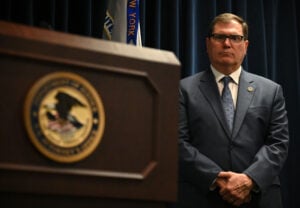
ALBANY,
NY

APRIL
28:
U.S.
Attorney
for
the
Northern
District
of
New
York
John
A.
Sarcone
III
joins
Federal
Bureau
of
Investigation
Special
Agent
in
Charge
Craig
Tremaroli
for
a
news
conference
to
announce
the
arrest
of
an
accused
online
sexual
predator
on
Monday,
April
28,
2025,
in
the
U.S.
Attorney’s
Office
at
the
James
T.
Foley
Federal
Courthouse
in
Albany,
N.Y.
Will
Waldron/Albany
Times
Union
via
Getty
Images)

Before
2025,
fake
U.S.
attorneys
weren’t
a
thing.
But
in
his
second
term
in
office,
Donald
Trump
has
been
attempting
to
circumvent
Senate
confirmation
along
with
the
requirements
of
28
USC
§
546
for
lackeys
in
various
U.S.
Attorneys
roles
and
now
it’s
a
full-blown
MAGA
trend.

Judges
have
repeatedly
ruled
that
federal
law
allows
the
president
to
make
only
one
interim
appointment
(lasting
120
days)
as
U.S.
Attorney
in
any
given
federal
district,
after
which
the
position
may
only
be
filled
by
a
Senate-confirmed
nominee
or
a
judicially
installed
placeholder. That
basic
of
statutory
interpretation
has
led
to
the
disqualification
of
New
Jersey
“U.S.
Attorney”Alina
Habba
,
Eastern
District
of
Virginia’s

Lindsey
Halligan

(no
matter
what
her

signature
line
currently
say
s),

Sigal
Chattah

in
Nevada,
and

Bill
Essayli

in
Southern
California.

Today,
the
club
of
DQ’d
federal
prosecutors
got
a
little
bigger
with
the
addition
of
the
Northern
District
of
New
York’s

John
Sarcone
III
.
After
getting
the
interim
appointment
from
Trump,
Sarcone
served
his
120
days
then
a
panel
of
judges
declined
to
extend
his
role.
Trump
tried
to
hand
wave
this
snafu
with
some
appointment
shenanigans

Pam
Bondi
called
him
“special
attorney”
 with
an
“indefinite”
term.

But
that
didn’t
fool
U.S.
District
Judge
Lorna
Schofield.
In
evaluating
subpoenas
Sarcone issued
to

Trump
foe

New
York
Attorney
General
Letitia
James,
Schofield
found
Sarcone
was
illegally
squatting
in
the
role.
“When
the
Executive
branch
of
government
skirts
restraints
put
in
place
by
Congress
and
then
uses
that
power
to
subject
political
adversaries
to
criminal
investigations,”
she
wrote,
“it
acts
without
lawful
authority.”

It’s
yet
another
lesson
for
the
Department
of
Justice
on
how
appointments
work,
let’s
see
if
this
one
sticks.

Read
the
order
below.


Kathryn
Rubino
is
a
Senior
Editor
at
Above
the
Law,
host
of

The
Jabot
podcast
,
and
co-host
of

Thinking
Like
A
Lawyer
.
AtL
tipsters
are
the
best,
so
please
connect
with
her.
Feel
free
to
email

her

with
any
tips,
questions,
or
comments
and
follow
her
on
Twitter

@Kathryn1
 or
Mastodon

@[email protected].

Lawyers, Staff Left ‘Scrambling For Jobs’ After Firm Announces Sudden Closure Plans – Above the Law


Ed.
note
:
Welcome
to
our
daily
feature,

Quote
of
the
Day
.


[McGlinchey
Stafford
is
a]
well-respected
firm
who
hired
really
good
people.
[Following
the
wind-down
announcement,
they’re]
scrambling
for
jobs.
The
employees,
they
still
don’t
know
anything,
they
don’t
even
know
when
their
last
day
is,
from
those
who
I’ve
talked
to.


An
anonymous
source
familiar
with
the
New
Orleans
legal
market,
in
comments
given
to
the

American
Lawyer
,
concerning
the
fate
of
McGlinchey
Stafford’s
attorneys
and
staff
members
in
the
wake
of
the
firm’s

surprise
wind-down
announcement

made
earlier
this
week.


Staci
Zaretsky
 is
the
managing
editor
of
Above
the
Law,
where
she’s
worked
since
2011.
She’d
love
to
hear
from
you,
so
please
feel
free
to

email

her
with
any
tips,
questions,
comments,
or
critiques.
You
can
follow
her
on BlueskyX/Twitter,
and Threads, or
connect
with
her
on LinkedIn.

American tourist dies after plunging into Victoria Falls gorge

VICTORIA
FALLS

The
body
of
an
American
tourist
believed
to
have
slipped
and
fallen
into
the
108-metre-deep
Victoria
Falls
gorge
on
Monday
has
been
recovered.

A
joint
team
of
Zimbabwean
and
Zambian
police
officers
carried
out
the
recovery
operation
on
Wednesday
after
the
body
was
spotted
lodged
between
rocks
in
the
gorge
late
on
Tuesday.

The
alarm
was
raised
by
a
Victoria
Falls
lodge
on
Tuesday
when
one
of
its
guests

an
American
citizen

failed
to
return
after
crossing
the
Victoria
Falls
Bridge
into
Zambia.

Search
efforts
intensified
after
the
body
was
sighted
in
the
gorge,
prompting
authorities
to
shift
from
a
rescue
mission
to
a
recovery
operation.

Police
divers,
secured
with
ropes,
made
the
hazardous
descent
into
the
gorge
and
placed
the
body
on
a
stretcher,
which
was
then
hauled
to
the
surface
after
several
hours.

Zambian
police
later
positively
identified
the
body
as
that
of
the
missing
American
tourist,
who
has
not
been
named.

Investigations
into
the
tourist’s
death
are
continuing.

Zambia, Zimbabwe Pledge $440M for Batoka Gorge Project


8.1.2026


19:53

The
$4.2
billion,
2,400
MW
cross-border
project
will
supply
1,200
MW
to
each
country

Matthew
Goosen


Zambia
 and Zimbabwe have
each committed $220
million
in
equity
to
revive
the
Batoka
Gorge
Hydropower
Project

a
$4.2
billion,
2,400
MW
cross-border
facility
planned
on
the
Zambezi
River
near
Victoria
Falls.

The
combined
$440
million
commitment
is
designed
to
strengthen
the
project’s
bankability
and
attract
private
capital.
Once
completed,
the
plant
will
supply
1,200
MW
to
each
country,
reinforcing
national
grids
and
contributing
power
to
the
Southern
African
Power
Pool.

A
joint
council
of
ministers
has
approved
the
establishment
of
a
resource-mobilization
committee
to
secure
financing
for
publicly
owned
dam
infrastructure.
Engineering,
feasibility
and
environmental
studies
are
currently
underway,
with
financial,
technical
and
legal
advisors
already
appointed.

Post
published
in:

Business

61 killed in Zimbabwe rainfall-related accidents


Zimbabwe
experienced
significant
rains
during
the
festive
period,
causing
a
series
of
rain-induced
disasters,
including
drownings,
lightning
strikes,
and
dam
wall
breaches,
the
DCP
told
Xinhua
on
Wednesday.

According
to
the
DCP’s
latest
situation
report,
the
heavy
rains
have
caused
damage
to
public
infrastructure,
including
schools,
health
facilities,
roads,
bridges,
dams,
and
irrigation
infrastructure.

The
report
added
that
due
to
persistent
rains,
some
districts
in
the
country
are
experiencing
dam
spilling
and
breaches,
posing
danger
to
communities
downstream.

Zimbabwe
typically
experiences
its
rainy
season
from
October
to
March,
characterized
by
heavy
rainfall
and
occasional
storms.

Post
published
in:

Featured

Judge With Overinflated View Of His Intelligence Blasts Judges For ‘Overinflated View Of Their Intelligence’ – Above the Law

(via
YouTube)

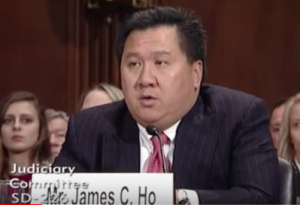
“Too
many
judges
think
that
they’re
better
than
other
people,”
writes
Fifth
Circuit
Judge
James
Ho
in

a
new
piece
for
the
Harvard
Journal
of
Law
&
Public
Policy
.
“Too
many
judges
have
an
overinflated
view
of
their
intelligence
and
their
abilities.”

For
my
money,
judicial
arrogance
and
an
“overinflated
view
of
their
intelligence
and
their
abilities”
would
look
like
basing
a
politically
motivated,
but
legally
dubious
Second
Amendment
opinion
around
a
bunch
of
cases
that

conclude
the
opposite
way
if
the
judge
bothered
to
read
them
.
Or
maybe
using
their
perceived
clout
to

blackmail
a
law
school
for
not
disrespecting
student
speech

enough
.
Those
would,
of
course,
describe
Judge
James
Ho.

To
quote
Sterling
Archer,
“This
is
like
O.
Henry
and
Alanis
Morissette
had
a
baby
and
named
it
this
exact
situation.”

But
Ho’s
broadside
against
judicial
arrogance
does
not
begin
from
a
point
of
honest
self-assessment.
Serious
law
journal
submissions
don’t
credulously
include
the
phrase
“woke
Constitution,”
after
all.
Instead,
the
judge
embarks
on
yet
another
rhetorical
thirst
trap
aimed
squarely
at
Donald
Trump.
Churning
out

inflammatory
separate
opinions

can
only
go
so
far
to
burnish
the
resume
of
a
Supreme
Court
hopeful.
It’s
a
challenge
to
stay
top
of
mind
in
MAGA
politics!
That’s
why
judges
use
their
free
time
to
pick
fights
with
law
schools
and,
as
here,
write
articles
supporting
the
president’s
fragile
ego
against
the
broad
array
of
judges


across
the
political
spectrum

constantly
ruling
against
the
White
House.

Too
many
judges
think
they
know
politics—when
they
don’t.
Too
many
judges
think
they
know
national
security—when
they
don’t.
In
short,
too
many
judges
have
forgotten
the
virtue
and
value
of
humility.
And
I
think
a
big
part
of
the
blame
goes
to
the
notion
of
judicial
supremacy.

It’s
a
curious
charge
to
level,
given
that
the
judges
he’s
mad
at
are
pointedly

not

trying
to
know
politics
or
national
security.
The
administration’s
beef
is
with
judges
who
have
refused
to
look
the
other
way
or
bend
the
rule
of
law
to
satisfy
politicians
draping
illegal
actions
in
“national
security”
rhetoric.
This
is
the
same
judge
who

threw
a
public
tantrum

when
the
Supreme
Court


this

Supreme
Court

dared
to
suggest
the
government
couldn’t
summarily
deport
people
without
due
process
just
because
Trump
yelled
“gang
members!”
loud
enough.

Standing
with
the
rule
of
law
over
the
assertions
of
politicians
is,
as
any
student
of
Schoolhouse
Rock
would
understand,
the
whole
point
of
the
Constitution’s
series
of
checks
and
balances.
To
that
near
universally
held
principle
dating
back
to
the
earliest
days
of
the
Republic,
Judge
Ho
says…
nuh-uh.

Did
someone
say
something
about
judges
being
arrogant?

It’s
often
said
that
the
judiciary
is
a
“co-equal”
branch
of
government.
You
hear
that
said
by
the
media,
and
by
legal
academics.
You
see
it
taught
in
schools
across
America.
But
it’s
wrong.
The
judiciary
has
an
important
role
in
our
constitutional
republic.
But
it’s
a
limited
one.
Judges
don’t
write
the
law.
Judges
don’t
execute
the
law.
And
that’s
for
one
simple
reason.

Yes…
they
don’t
write
law
or
execute
law
because
the
judiciary
is
the
third
branch
in
that
checks
and
balances
scheme.
But
Ho
waves
away
this
conclusion
to
proclaim
the
reason
is
“As
Americans,
we
believe
that
we
can
govern
ourselves.”
Which,
in
context,
Ho
believes
should
mean
the
political
branches
should
have
unfettered
authority
because
they
can
just
be
voted
out.

That’s
not
a
particularly
“originalist”
argument,
to
the
extent
originalism
is
about
interpreting
the
law
from
the
context
of
its
original
understanding,
but
it’s
a

paradigmatic
originalist
argument

to
the
extent
originalism
is
just
PR
fluff
for
contemporary
Republican
party
priorities.
Originalism
means
the
executive
branch
has
no
power
without
Congress
when
Democrats
are
president…
and
rubberstamping
disappearing
people
to
gulags
in
the
middle
of
the
night
when
Republicans
are
in
the
White
House.
But,
against
all
odds,
Judge
Ho
attempts
to
square
his
pet
fig
leaf
philosophy
with
the
argument
he’s
making
off
the
top:

The
American
people
expect
judges
to
use
our
independence
to
follow
the
law—nothing
more,
nothing
less.
And
that’s
the
whole
point
of
originalism.

Well,
no.
Originalism
is,
by
design,
porting
a
bunch
of
cherry-picked,
off-brand
history
into
judicial
decision-making
whenever
“following
the
law”
doesn’t
work
out.
Remember
when
the
judge
wrote
earlier
that
too
many
judges
think
they
know
subjects
that
they
don’t?
History
should
be
top
of
that
list.

Judge
Ho’s
complaint
when
it
comes
to
originalism
is
that
he
thinks
judges
too
often
depart
from
“originalism”
to
cater
to
the
public,
even
though
the
whole
first
half
of
his
article
complained
that
judges
aren’t
doing
enough
to
support
whatever
the

superior

political
branches
of
government
want.
But
his
faith
that
“As
Americans,
we
believe
that
we
can
govern
ourselves,”
runs
only
so
far
as
the
public
chooses
to
govern
itself
the
way
Donald
Trump
might
want.

It’s
not
an
intellectually
consistent
argument,
but
it
is
one
that
curries
favor
with
the
Mad
King
who
holds
one’s
future
career
prospects
in
his
tiny
little
hands.

And
since
every
accusation
is
an
admission,
Judge
Ho
spills
some
ink
trying
to
paint
the
adversaries
he’s
shadowboxing
as
the

real

hypocrites.

They
vigorously
defend
district
judges
against
criticism—unless
those
judges
live
in
Texas
or
Florida.
They
strenuously
condemn
forum
shopping—but
not
if
the
courts
are
in
Boston
or
San
Francisco.

It’s
about
receipts,
Jimbo.
Judge
Ho
doesn’t
want
to
get
into
specifics
with
this
topic,
because
his
past
efforts
to
make
it
make
sense

haven’t
gone
so
well
for
him
.
The
Texas
judge
he’s
alluding
to,
Matthew
Kacsmaryk,
sits
in
a
single-judge
courthouse
and
right-wing
activists

which
was,
of
note,
Kacsmaryk’s
job
description
before
joining
the
bench

used
this
hack
to

create
astroturfed
plaintiffs

and
get
nationwide
injunctions.
This
is
different
than
bringing
cases
in
Boston
in
two
ways:
(1)
bigger
cities
mean
more
people
with
legitimate
claims,
meaning
a
case
in
Boston
is
far
less
likely
to
involve
activists
inventing
an
organization
a
few
months
before
just
to
manufacture
a
favorable
venue,
and
(2)
a
case
in
Boston
is
still
randomly
assigned
to
a
judge
in
that
district.

Comically,
Judge
Ho
will
later
complain
about
district
judges
as
opposed
to
appellate
panels
and
only
manage
to
prove
how
ridiculous
it
is
to
conflate
Amarillo
and
Boston:

[District
court]
decisions
are
typically
made
by
just
one
district
judge.
They’re
the
only
members
of
the
judiciary
who
can
exercise
the
judicial
power
of
the
United
States
without
anyone’s
consent
but
their
own.
With
unilateral
power,
there’s
unique
danger
that
some
district
courts
may
get
off
track.

Exactly.
The
fact
that
a
party
can
use
a
single-judge
courthouse
to
chose
the
precise
judge
to
wield
all
this
unilateral
power
is

what
differentiates
these
categories
of
forum
shopping
.

They
strongly
oppose
the
impeachment
of
judges—except
when
those
judges
are
named
Thomas
or
Alito.
They’re
happy
to
impeach
a
President
for
an
alleged
abuse
of
power—but
horrified
if
anyone
even
suggests
impeaching
a
judge
on
the
same
basis.

Well,
the
distinction
might
be
that
Judge
Boasberg
is
catching
heat
for
authorizing
subpoenas
for
phone
records
of
sitting
legislators
based
on
probable
cause
that
they
were
communicating
with
actors
in
a
criminal
conspiracy.
People
talk
about
impeaching
Justices

Alito

and

Thomas

because
they
took
money
under
the
table
from
people
with
direct
and
indirect
business
before
the
court
and
didn’t
disclose
it
as
legally
required.
Judge
Ho
is
no
stranger
to
trying
to
blow
off
Justice
Thomas’s
ethical
issues,
but
at
least
back
then

he

tried

to
back
up
his
argument
.

Hey,
look,
if
a
federal
judge
ever
steals
classified
documents,
refuses
to
return
them,
and
then
has
their
lawyer
lie
to
law
enforcement
about
complying,
we’ll
all
agree
to
impeach
them
too.

Back
in
March,
Judge
Ho

left
the
Federal
Judges
Association

because
he
was
angry
that
they
issued
a
statement
about
judicial
safety.
He’s
going
to
double
down
on
that.

They’ve
even
politicized
judicial
security.
Today,
they’re
fearful
when
a
judge
receives
an
unsolicited
pizza
delivery
at
home.
But
just
a
few
years
ago,
they
applauded
when
swarms
of
protestors
disrupted
certain
Justices’
homes
for
weeks
on
end.

Fuck
you,
man.
Those
pizza
deliveries
are
arriving

in
the
name
of
a
federal
judge’s
murdered
son
.
The
message
those
pizza
deliveries
intend
to
send
is
“we
know
where
you
live,
and
remember
what
happened
to
Judge
Salas’s
son.”
Even
if
we
grant
Judge
Ho’s
generous
and
evidence-free
assumption
that
the
people
sending
those
pizzas
are
just
trolls
who
don’t
plan
to
follow
through,
this
is
an
act
of
violent
intimidation.

The
“swarms
of
protestors,”
Judge
Ho
describes
as
bothering
the
justices
“for
weeks
on
end.”
In
contrast
to
the
pizza
delivery
threats,
the
protestors
he’s
talking
about
set
up
on
public
property
outside
the
justices’
homes
and
picketed
for
20-30
minutes
at
a
time.
No
one
at
the
time
alleged
that
the
protestors
made
any
violent
threats

direct
or
implied

beyond
mere
proximity.
And
protesting
outside
someone’s
house
perhaps

should

be
off-limits,
but
the
Supreme
Court
itself
decided
to
bless
the
practice

when
they
ruled
that
nutjobs
can
camp
out
in
front
of
the
homes
of
abortion
doctors
.
It
was
all
fun
and
games
until
they
had
to
live
under
the
same
laws
they
imposed
on
everyone
else.

Speaking
of
arrogance.

So
Judge
Ho,
in
his
quixotic
attempt
to
be
Donald
Trump’s
best
judicial
boy,
went
to
a
law
journal
to
dismiss
judges
for
thinking
“A
$20
large
pepperoni
is
an
outrage,”
deliberately
refusing
to
acknowledge
the
context.
There’s
not
even
a

footnote

mention
of
the
name
attached
to
these
pizza
orders,
let
alone
what
that
would
mean.
Judge
Ho
used
a
Harvard
Law
platform
to
simultaneously
make
light
of
the
judges
receiving
violent
harassment
and
spit
on
Judge
Salas’s
tragedy.

I
know
sitting
on
the
Supreme
Court
is
cool,
but
is
it
really
worth
bringing
this
kind
of
poison
into
your
soul?


Not
Enough
Respect
for
the
Judiciary—Or
Too
Much?

[Harvard
Journal
of
Law
&
Public
Policy]


Earlier:


Judge
Ho
Indulges
In
Furious
Rage
Wank
Over
AEA
Deportations


Judge
Ho
Apparently
Didn’t
Bother
To
Read
The
Cases
He
Cited
In
Domestic
Abuser
Gun
Opinion


Federal
Judges
All
But
Admit
Yale
Law
School
Boycott
Was
A
Ruse


HeadshotJoe
Patrice
 is
a
senior
editor
at
Above
the
Law
and
co-host
of

Thinking
Like
A
Lawyer
.
Feel
free
to email
any
tips,
questions,
or
comments.
Follow
him
on Twitter or

Bluesky

if
you’re
interested
in
law,
politics,
and
a
healthy
dose
of
college
sports
news.
Joe
also
serves
as
a

Managing
Director
at
RPN
Executive
Search
.

A World Cup Ticket Isn’t A Souvenir. It’s A Contract Of Adhesion. – Above the Law

(Photo
by
Ahmed
Mosaad/NurPhoto
via
Getty
Images)

FIFA
has
managed
to
turn
World
Cup
ticketing
into
an
international
spectacle
before
a
single
match
has
even
started.
In
September,
the
organization
said
that
tickets
would
begin
at
around
€51
for
group-stage
games
and
top
out
near
€5,727
for
the
final.
That
was
before
FIFA
shifted
to
dynamic
pricing.

This
week,
fans
learned
what
“dynamic”
looks
like
in
the
real
world
.

Supporters
erupted
after
the
German
football
federation
published
the
price
bands
allocated
to
national
associations.
The
group-stage
tickets
that
were
supposed
to
hover
around
$60
now
sit
between
$180
and
$700.
The
cheapest
final
ticket
is
$4,185.
The
top
end
is
$8,680.
These
figures
make
a
mockery
of
the
original
promise,
and
they
obliterate
the
U.S.
bid
committee’s
vision
of
hundreds
of
thousands
of
$21
seats
for
early
matches.

Fans
call
it
a
“monumental
betrayal.”
Lawyers
know
it
is
also
a
bait-and-switch
that
funnels
consumers
straight
into
a
contract
written
with
one
goal:
protecting
FIFA
from
all
imaginable
risk.

Because
a
World
Cup
ticket
is
not
an
ordinary
purchase.
It
is
a
revocable
license
wrapped
in
the
Federal
Arbitration
Act
and
reinforced
with
clauses
that
eliminate
nearly
every
remedy
a
fan
might
expect.
I
have
read

the
lengthy
terms
and
conditions
of
ticketing
for
matches
in
the
U.S.

so
you
don’t
have
to.
What
follows
is
the
reality
behind
that
QR
code.


You
are
not
buying
access.
You
are
temporarily
borrowing
it.

The
ticket
is
a
“personal,
revocable,
single-entry
license.”
Anyone
who
has
spent
time
in
Property
or
Torts
understands
what
that
means.
FIFA
can
revoke
it
and
send
you
home
without
refund
or
explanation.
Wrong
reseller,
wrong
login,
wrong
battery
level,
wrong
vibes
at
the
turnstile.
It
all
creates
grounds
for
denial.
The
ticket
remains
FIFA’s
property
at
all
times.
Your
expectations
play
no
role
in
the
analysis.


Refunds
are
almost
nonexistent.

“Tickets
have
no
cash
value.”
That
sentence
appears
early
and
often.
Delayed
flights,
traffic
jams,
weather
disruptions,
illness,
injury,
or
a
match
that
changes
meaning
because
a
star
player
is
injured
offer
no
refund.
Even
when
refunds
exist,
they
usually
go
only
to
the
original
purchaser.
If
you
received
a
transferred
ticket,
your
chances
of
compensation
shrink
even
further.

FIFA’s
liability
cap
is
the
greater
of
$100
or
the
price
of
the
ticket.
Travel,
lodging,
and
every
other
expense
tied
to
your
once-in-a-lifetime
trip
are
on
you.


Unauthorized
sellers
are
legal
quicksand.

If
you
buy
from
anyone
other
than
FIFA
or
a
listed
partner,
your
ticket
can
be
invalidated
without
notice.
FIFA
can
refuse
entry
at
the
gate,
even
if
you
paid
a
premium.
Your
only
recourse
is
against
the
reseller,
which
is
usually
another
way
of
saying
you
have
no
recourse
at
all.


Your
phone
is
a
condition
precedent.

Mobile-only
ticketing
lets
FIFA
shift
even
more
risk
back
onto
fans.
If
your
phone
dies,
breaks,
fails
to
load
the
app,
or
doesn’t
authenticate
you
correctly,
the
terms
place
responsibility
squarely
on
you.
FIFA
suggests
using
its
help
desk
but
requires
advance
notice.
Few
people
discover
ticket
trouble
in
a
timeframe
that
makes
that
meaningful.


Children
require
precision
and
patience.

Every
individual
needs
a
ticket
unless
they
fit
FIFA’s
strict
definition
of
a
“baby
in
arms.”
Parents
are
legally
responsible
for
children’s
behavior.
Misuse
of
accessibility
tickets
can
result
in
cancellation
of
all
tickets
in
the
group.
FIFA
drafts
these
sections
with
an
attention
to
detail
usually
reserved
for
tax
codes.


Entry
is
conditioned
on
search
and
rule
compliance.

By
using
your
ticket,
you
consent
to
personal
and
bag
searches.
Refusal
means
removal.
Stadium
rules,
alcohol
regulations,
and
health
protocols
can
be
changed
at
any
time.
If
you
cannot
comply,
you
lose
your
right
to
attend.
There
is
no
refund
and
no
practical
path
to
challenge
the
decision.


You
surrender
broad
privacy
and
image
rights.

Attending
the
match
grants
FIFA
permission
to
use
your
image,
voice,
and
likeness
worldwide
in
any
medium
forever.
Anything
you
record
inside
the
stadium
can
be
used
by
FIFA.
You
may
not
livestream
or
monetize
your
content.
If
FIFA
thinks
your
post
looks
like
unauthorized
advertising,
they
reserve
full
enforcement
rights.


You
waive
most
claims,
including
unknown
ones.

The
terms
contain
a
wide
release
and
covenant
not
to
sue.
You
assume
all
typical
sporting-event
risks.
You
also
waive
protections
against
releasing
unknown
claims,
including
California’s
powerful
consumer
statute.
This
is
risk
transfer
at
its
most
aggressive.


All
disputes
go
to
private
arbitration
in
Miami.

Any
controversy
related
to
the
match,
the
ticket,
or
the
event
is
sent
to
mandatory,
binding,
individual
arbitration
under
JAMS
rules.
No
jury
trial.
No
class
actions.
No
group
claims.
The
contract
includes
an
opt-out,
but
only
if
you
notice
the
clause,
locate
the
deadline,
and
physically
mail
a
letter.
Most
people
will
not.


So
what
should
a
fan
do?

Lawyers
understand
contract
asymmetry.
Fans
generally
do
not.
If
you
are
advising
anyone,
including
yourself,
the
practical
steps
are
straightforward:


Buy
only
from
authorized
sources.


Confirm
that
your
phone,
app,
and
login
actually
work
days
in
advance.


If
arbitration
concerns
you,
calendar
your
opt-out
deadline
as
soon
as
you
purchase.


Accept
that
the
burden
of
every
unexpected
development
falls
on
the
consumer,
not
the
organizer.

The
World
Cup
will
deliver
unforgettable
moments.
It
always
does.
But
the
contract
behind
the
ticket
is
unforgiving
and
heavily
weighted
to
FIFA’s
advantage.
You
are
paying
premium
prices
for
a
document
that
offers
almost
no
reciprocal
protection.

A
World
Cup
ticket
is
not
peace
of
mind.
It
is
a
revocable
permission
slip
governed
by
New
York
law
and
the
Federal
Arbitration
Act.
And
you
have
agreed
to
every
part
of
it
long
before
the
first
whistle.


Michael
J.
Epstein
,
a
Harvard
Law
School
graduate,
is
a
trial
lawyer
and
managing
partner
of


The
Epstein
Law
Firm,
P.A.,


a
law
firm
based
in
New
Jersey.

Tales From The Witness Stand: What ‘Winning’ Expert Testimony Looks Like – Above the Law

Whether
you’re
cross-examining
or
putting
forth
an
expert
witness,
effectively
managing
their
testimony
is
a
difficult
task.

Experts
must
garner
the
respect
of
the
judge
and
jury
while
also
defending
their
own
credibility

a
precarious
balancing
act,
particularly
when
faced
with
effective
cross-examination.

Join
us
on

January
22nd
at
1
p.m.
ET
, for
this
webinar
presented
by
our
friends
at
GLG,
where
our
panel
will
look
at
all
things
expert
testimony
in
2025.


We’ll
explore:


What
“winning”
expert
testimony
looks
like

Examples
of
expert
testimony
from
notable
cases

How
effective
lawyers
cross-examine
experts

How
top
expert
witnesses
translate
specialized
jargon
for
factfinders

Trends
in
expert
witness
preparation,
including
the
role
of
technology 

Be
part
of
the
first
conversation
unpacking
these
findings

and
see
where
your
department
stands
in
this
new
era
of
IP
management.

CLE-credit
is
available
for
live
attendees.


Register
Today!