
Trump Cybersecurity Policy Is Indistinguishable From A Foreign Attack – Above the Law

Last
year
almost
a
dozen
major
U.S.
ISPs
were
the
victim
of a
massive,
historic
intrusion
by
Chinese
hackers
 who
managed
to
spy
on
public
U.S.
officials
for
more
than
a
year.
The
“Salt
Typhoon”
hack
was
so
severe,
the
intruders
spent
much
of
the
last
year
rooting
around
the
ISP
networks even
after
discovery
.

AT&T
and
Verizon,
two
of
the
compromised
companies,
apparently didn’t
think
it
was
worth
informing
subscribers
 any
of
this
happened.
Many
of
the
attack
vectors
were
based
on
simple
things
like
telecom
administrators
failing
to
change
default
passwords
on
sensitive
hardware
entry
points.

The
hack,
caused
in
part
by
our mindless
deregulation
and
lax
oversight
of
telecom
monopolies
,
only
saw
a
tiny
fraction
of
the
press
and
public
attention
reserved
for our
multi-year,
mass
hyperventilation
about
TikTok
 privacy
and
security.
But
on
their
way
out
the
door,
Biden
FCC
officials
did try
to
implement
some very
basic
 cybersecurity
safeguards
,
requiring
that
telecoms
try
to
do
a
better
job
securing
their
networks
and
informing
customers
of
breaches.

Enter
the
Trump
FCC
under
Brendan
Carr,
which
is
now
rescinding
that
entire
effort because
lobbyists
at
AT&T,
Verizon,
Comcast,
and
Charter
told
them
to
:


“The
Federal
Communications
Commission
will
vote
in
November
to
repeal
a
ruling
that
requires
telecom
providers
to
secure
their
networks,
acting
on
a
request
from
the
biggest
lobby
groups
representing
Internet
providers.”

In
a
folksy
Halloween blog
post
,
Carr
tries
to
pretend
this
somehow improves cybersecurity.
According
to
Carr,
ISPs
pinky
swore
that
everything
is
fine
now,
and
frames
obvious
regulatory
capture
as
the
agency
being
more
“agile”:


“Following
extensive
FCC
engagement
with
carriers,
the
item
announces
the
substantial
steps
that
providers
have
taken
to
strengthen
their
cybersecurity
defenses. 
In
doing
so,
we
will
also
reverse
an
eleventh
hour
CALEA
declaratory
ruling
reached
by
the
prior
FCC—a
decision
that
both
exceeded
the
agency’s
authority
and
did
not
present
an
effective
or
agile
response
to
the
relevant
cybersecurity
threats. 
So,
we’re
correcting
course.”

Let
me
be
clear
about
something:
the
Biden
rules
were
the absolute
baseline
for
oversight
of
telecom
,
basically
requiring
that
ISPs
do
the
absolute
bare
minimum
when
it
comes
to
securing
their
networks,
while
being
transparent
with
the
public
about
when
there’s
been
a
major
hack.
This
stuff
was
the bare
minimum
,
and
the
U.S.
is too
corrupt
 to
even
do
that.

This
is
part
of
Carr’s
effort
to destroy
whatever
was
left
of
flimsy
U.S.
corporate
oversight
of
regional
telecom
monopolies
 so
he
can
ensure
he
has
a
cushy
post-government
job
at
a
telecom-funded
think
tank
or
lobbying
org.
To
that
end,
he’s
been
taking
a
hatchet
to
the
very
shaky
FCC
oversight
standards
that
already
helped
result
in
the
worst
hack
in
U.S.
telecom
history.

This
is,
you
might
recall,
the
same
guy
who
spent
the
last
few
years constantly
on
television
insisting
that
TikTok
was
the
greatest
cybersecurity
threat
facing
the
country
,
proclaiming
he’d
be
using
nonexistent
authority
to
take
aim
at
the
company
(which,
as
we
found
out
later,
was
really
about offloading
TikTok
to
Trump’s
buddies
 and protecting
Facebook
from
competition
 it
couldn’t
out-innovate).

The
Trump
administration
has
also
gutted
government
cybersecurity
programs
(including
a
board
investigating
the
Salt
Typhoon
hack
), dismantled
the
Cyber
Safety
Review
Board
 (CSRB)
(responsible
for
investigating
significant
cybersecurity
incidents),
and
fired
oodles
of
folks
doing
essential
work
at
the
Cybersecurity
and
Infrastructure
Security
Agency
(CISA).

Carr
is also
derailing
FCC
plans
to
impose
some
baseline
cybersecurity
standards
on
“smart”
home
devices
 based
on
some
completely
fabricated,
xenophobic
claims
about
one
of
the
planned
vendors
(again,
because
telecoms
simply
don’t
want any oversight
whatsoever).

It’s
yet
another
example
of
how
Trump
policy is
indistinguishable
from
a
foreign
attack
.
In
many
ways
it’s
worse,
given
that
at
least
with
Russia,
Iran,
and
China,
you’re
spared
the
kind
of
phony
piety
and
sanctimony
coming
from
inside
your
own
house.


Trump
Cybersecurity
Policy
Is
Indistinguishable
From
A
Foreign
Attack


More
Law-Related
Stories
From
Techdirt
:


Larry
Ellison’s
CBS
Acquisition
Leads
To
Mass
Layoffs
As
Bari
Weiss
Enjoys
$10k
A
Day
Security
Detail


USPTO
To
Re-Examine
Recently
Approved
Nintendo
Patent


NC
GOP
Threatens
ProPublica:
Drop
This
Story
Or
We’ll
Call
Trump
To
Punish
You
How Appealing Weekly Roundup – Above the Law


Ed.
Note
:

A
weekly
roundup
of
just
a
few
items
from
Howard
Bashman’s

How
Appealing
blog
,
the
Web’s
first
blog
devoted
to
appellate
litigation.
Check
out
these
stories
and
more
at
How
Appealing.


“The
Supreme
Court’s
Latest
Shadow
Docket
Ruling
Reeks
of
Vicious,
Casual
Transphobia;
Once
again,
the
six-justice
conservative
supermajority
rides
gallantly
to
the
rescue
of
their
very
favorite
president”:
 Jay
Willis
has this
post
 at
his
“Balls
&
Strikes”
Substack
site.


“Trump’s
Tariffs
May
Not
Please
the
Court;
The
government’s
claims
in
defense
of
the
emergency
border
taxes
don’t
stand
‘major
questions’
scrutiny”:
 The
Wall
Street
Journal
has
published this
editorial
.


“A
Fresh
Way
for
the
Supreme
Court
to
Split”:
 Emily
Bazelon
and
David
French
have this
conversation
 online
at
The
New
York
Times.


“Judge
to
Consider
Moving
Trump’s
Hush-Money
Conviction
to
Federal
Court;
A
federal
judge
must
now
determine
whether
President
Trump’s
immunity
for
official
acts
means
that
his
Manhattan
criminal
case
belongs
in
federal
court”:
 Jonah
E.
Bromwich
of
The
New
York
Times
has this
report
.


“Texas
ban
on
sexually
explicit
drag
shows
can
be
enforced,
federal
appeals
court
rules;
The
Fifth
Circuit
Court
of
Appeals’
ruling
suggested
not
all
drag
shows
are
sexually
explicit”:
 Alex
Nguyen
of
The
Texas
Tribune
has this
report
.


“Full
Sixth
Circuit
says
Ohio
school
pronoun
policy
likely
violates
First
Amendment;
A
Columbus-area
school
district
had
previously
banned
students
from
using
biological
pronouns
when
referring
to
transgender
classmates”:
 Kevin
Koeninger
of
Courthouse
News
Service
has this
report
 on a
10-to-7
en
banc
ruling
 that
the U.S.
Court
of
Appeals
for
the
Sixth
Circuit
 issued
today.

Morning Docket: 11.07.25 – Above the Law

*
Having
nothing
better
to
do
with
their
time,
GOP
Senators
want
an
investigation
into
judges
for
criticizing
the
Supreme
Court.
[NY
Times
]

*
Antonio
Brown
extradited
to
the
United
States
after
four
months
on
the
run.
Still
an
elusive
route
runner!
[ESPN]

*
Judge
officially
allows
DOJ
to
drop
Boeing
conspiracy
case.
[Law360]

*
“Don’t
lose
the
civility,”
says
man
best
known
for
throwing
a
national
temper
tantrum
when
faced
with
attempted
rape
allegations.
[Politico]

*
Supreme
Court
uses
shadow
docket
to
allow
Trump
to
force
Trans
folks
to
use
deadnames
on
passports
despite
33
years
of
precedent.
[National
Law
Journal
]

*
Judge
orders
footnote
message
to
appear
on
official
portrait
of
former
judge
who
resigned
in
disgrace.
[ABA
Journal
]

*
Sam
Altman
subpoenaed
onstage.
[SF
Gate
]

*
“All’s
Fair”
is
really,
really
bad.
[Axios]

Time To Talk Mergers – See Also – Above the Law

For
Cadwalader,
That
Is:
They
could
be
tying
up
with
Alston
&
Bird.
We
Have
Another
Surrender
On
The
Board:
Simpson
Thacher
is
working
for
the
Commerce
Department.
Comey
Prosecution
Gets
Benchslapped:
Saw
this
coming!
It’s
Gonna
Cost
You:
These
are
the
15
most
expensive
law
schools
to
attend.
Can’t
Blame
Everything
On
DEI:
Former
in-house
attorney’s
last
ditch
effort
to
get
back
at
his
employer
flops.

If AI Isn’t Perfect, Should Lawyers Be? – Above the Law

As
a
former
senior
in-house
counsel,
I
knew
that
outside
counsel
could
be
slow
on
the
uptake.
For
years
and
years
we
tried
to
persuade
outside
counsel
that
there
were
benefits,
not
just
to
us,
but
to
them,
in
changing
their
thoughts
about
billing
and
case
staffing.
Waste
of
time,
whistling
in
the
wind,
stubborn
and
unwilling
to
change
their
ways.
Now
all
these
years
later,
it
may
be
AI
that
finally
tells
outside
firms
that
unless
they
get
with
the
program,
their
firms
could
lose
books
of
business
near
and
dear
to
their
bottom
lines.

In
a
recent
report,
in-house
departments
that
were
surveyed
blew
the
doors
off
about
inside
lawyers
being
reluctant
to
adopt
AI.
Not
so.
Two-thirds
are
now
using
AI
or
a
beta
version.
Over
90%
(not
a
typo)
say
that
efficiency
is
the
top
benefit
of
AI.
Just
about
two-thirds
say
that
in-house
use
of
outside
counsel
will
be
reduced.
About
a
quarter
of
in-housers
say
that
they
will
be

pushing
for
changes
in
billing

arrangements.
Now
that
I
have
your
attention,
how
are
outside
firms
going
to
respond
to
this
challenge
to
the
very
existence
of
some
firms?
Most
in-house
counsel
have
pushed
for
years,
if
not
decades,
to
get
the
attention
of
these
firms.
Is
this
report
going
to
be
the
needed
clarion
call?

Once
upon
a
time,
a
particular
ridiculous
and
extremely
irritating
billing
practice
made
in-house
counsel
very
unhappy.
When
fax
machines
(remember
those?)
were
new
in
the
repertoire
of
expenses
charged
by
outside
counsel,
it
was
routine
outside
firm
practice
to
charge
$1
a
page
for
someone
in
the
firm
to
feed
documents
into
the
fax
and
then
retrieve
faxes
being
received.
You
do
the
math.
It
was
only
after
our
general
counsel
had
a
giant
hissy
fit
that
outside
firms
backed
off
from
what
was
profit
for
them. 

Some
interesting
issues
arise
from
using
AI
and
how
firms
are
billing
and
will
bill
for
that
time.
If
AI
can
do
the
basic
work
in
a
nanosecond
compared
to
a
junior
lawyer,
how
does
the
firm
bill
for
the
time?
How
to
allocate
between
client
savings
and
the
firm’s
responsibility
for
oversight
and
judgment?

What’s
also
startling
in
the
report
is
that
80%
of
the
in-house
lawyers
are
not
pushing
outside
firms
on
AI.
Why
aren’t
in-house
counsel
demanding
AI
usage
by
outside
firms
where
appropriate
and
necessary?
Please
explain.

Being
a
perfectionist
is
the
bugaboo
of
every
lawyer.
We
all
want
to
be
perfect,
don’t
we?
Write
briefs
that
are
perfect
and
hallucination-free.
Flawlessly
argue
every
motion
in
court
instead
of
waking
up
at
3
a.m.
with
the
argument
you
should
have
made,
could
have
made,
would
have
made,
if
only
you
had
remembered
it
the
day
before.
Resolve
every
case
in
a
timely
and
cost-efficient
manner,
no
matter
even
if
opposing
counsel
has
dump-trucked
reams
of
superfluous
discovery
that
nonetheless
still
had
to
be
responded
to.
This
is
after
assuring
the
client
that
the
case
is
a
“slam
dunk”
for
her.
Does
any
lawyer
have
a
usable
crystal
ball?

Why
do
we
twist
ourselves
into
pretzels
in
an
attempt
to
obtain
the
unobtainable?
Do
you
know
any
lawyer,
at
any
career
stage,
who
is
perfect?
Whose
practice
is
perfect?
Who
never
makes
mistakes?
We
must
continue
to
remind
ourselves
that
it
is
the
practice
of
law,
not
the
perfection
of
law.
E&O
carriers
would
cringe
more
than
they
already
do
if
lawyers
were
held
to
a
standard
of
unattainable
perfection,
even
though
some
malpractice
complaints
allege
it.

It’s
so
hard
for
us
to
let
go
and
relinquish
control.
But
if 
you
think
about
it,
lawyers
have
less
control
than
other
professions.
We
put
ourselves
in
the
hands
of
judges
and
juries
who
decide
cases
on
bases
that
may
be
indecipherable
to
us.
Jury
nullification,
deadlocked
juries
with
jurors
unable
to
listen
to
other
viewpoints.
We’ve
all
said
to
clients
that
we
never
know
what
a
judge
or
jury
might
do,
and
that’s
why
so
many
cases
settle.
It’s
the
uncertainty,
the
ambiguity
that
can
make
practicing
law
such
a
crapshoot
and
so
nerve-wracking.
I
would
be
surprised
if
any
lawyer
doesn’t
admit
that
the
hardest
thing
about
practicing
law
is
the
difficulty
in
letting
go,
in
being
comfortable
with
not
knowing.
Much
to
client
dismay,
we
can’t
predict
outcomes,
even
with
AI.
And
when
that
day
comes,
we
will
know
that
the
fix
is
in. 

We
need
to
let
go
of
the

quest
for
perfection
.
As
lawyers
we
are
bombarded
with
responsibilities
to
both
clients
and
courts.
We
have
ethical
duties.
We
have
a
million
things
to
do.

Salvador
Dali

said,
“Have
no
fear
of
perfection-you
will
never
reach
it.”
I
rest
my
case.


Jill
Switzer
has
been
an
active
member
of
the
State
Bar
of
California
for
over
40
years.
She
remembers
practicing
law
in
a
kinder,
gentler
time.
She’s
had
a
diverse
legal
career,
including
stints
as
a
deputy
district
attorney,
a
solo
practice,
and
several
senior
in-house
gigs.
She
now
mediates
full-time,
which
gives
her
the
opportunity
to
see
dinosaurs,
millennials,
and
those
in-between
interact

it’s
not
always
civil.
You
can
reach
her
by
email
at 
[email protected].

Everlaw Announces General Availability of AI Deep Dive, As Well As Major Pricing Changes, at Annual Summit


AJ
Shankar
,
CEO
and
founder
of
e-discovery
company

Everlaw
,
used
the
company’s
annual
Everlaw
Summit
in
San
Francisco
to
announce
that
Deep
Dive,
a
new
AI
tool
within
the
company’s
platform
that
enables
legal
teams
to
ask
questions
across
millions
of
documents,
will
reach
general
availability
before
the
end
of
the
year
following
a
successful
eight-month
beta
testing
program.

The
announcement,
made
during
Shankar’s
Oct.
22
keynote
address,
highlighted
Deep
Dive’s
ability
to
allow
legal
professionals
to
ask
complex,
natural
language
questions
across
entire
document
collections

including
terabytes
of
data
across
different
file
types.

I

previously
wrote
about
Deep
Dive

in
August,
after
the
company
demonstrated
the
beta
version
at
ILTACON.

During
the
beta
program,
which
involved
thousands
of
user
queries,
the
average
database
size
was
166,000
documents,
with
the
largest
matter
successfully
tested
containing
tens
of
millions
of
documents,
Shankar
said.

“The
launch
of
Deep
Dive
ushers
in
a
new
era
for
legal
discovery,”
Shankar
said
in
a
press
release
announcing
the
news.
“Deep
Dive
empowers
legal
teams
of
all
areas
to
interrogate
the
entire
corpus
from
day
one,
expediting
insights
and
strategic
fact-finding,
then
and
throughout
the
lifecycle
of
a
matter.”


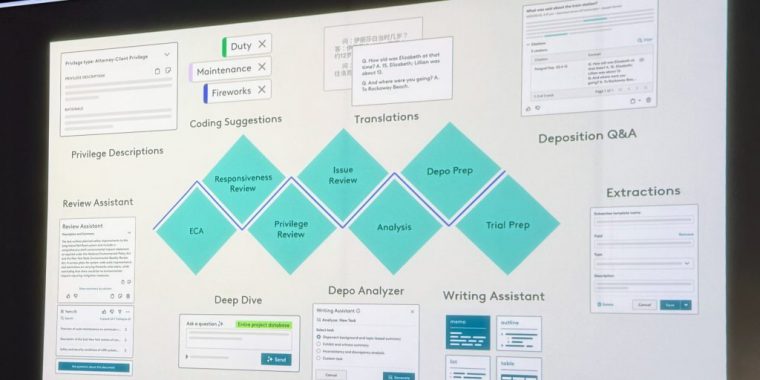
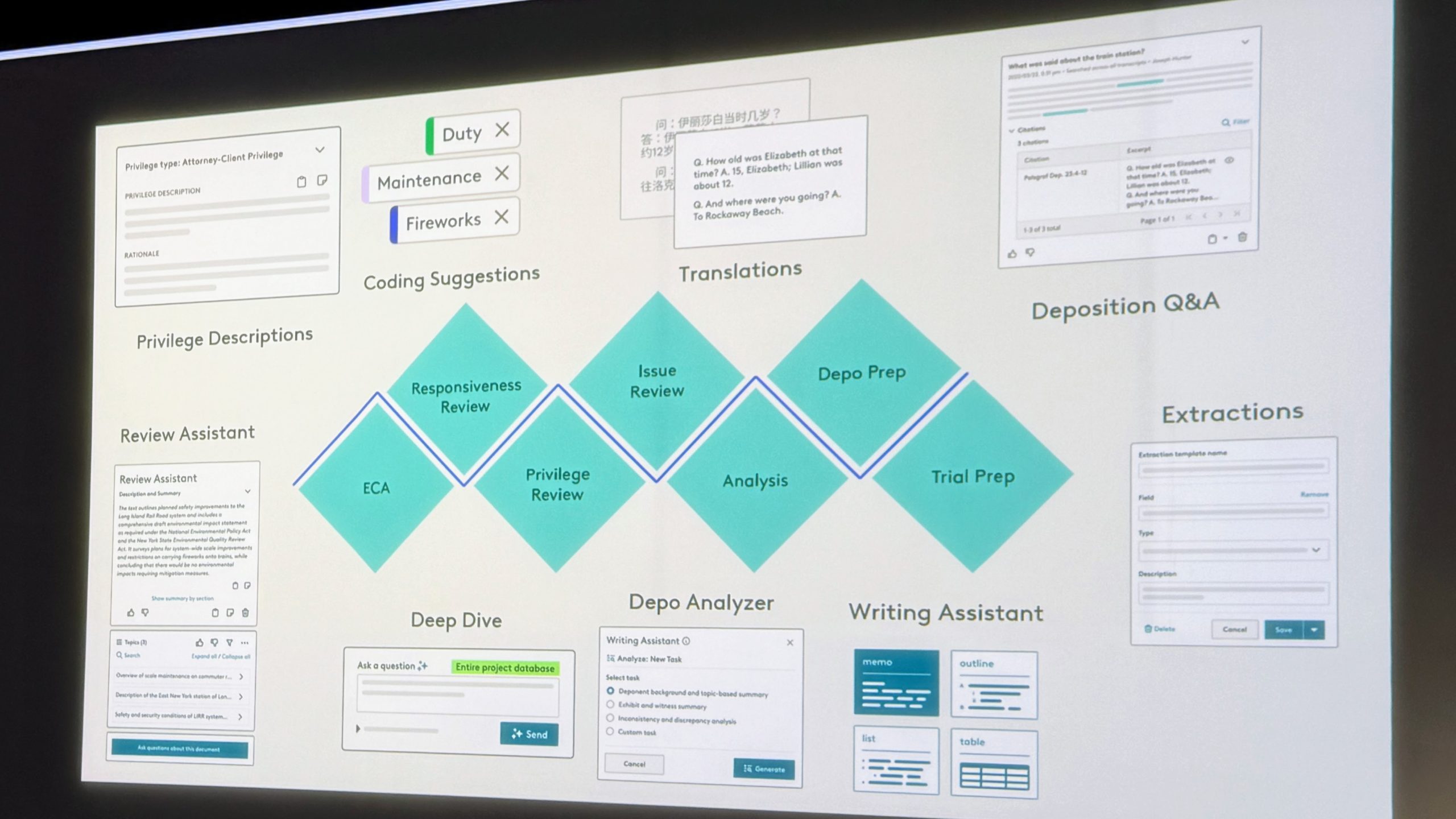
Shankar’s
keynote
included
this
slide,
showing
the
array
of
Everlaw’s
AI
products
and
the
e-discovery
tasks
for
which
they
can
be
used.

Shankar
emphasized
that
Deep
Dive
was
designed
specifically
to
reduce
hallucinations
by
searching
exclusively
within
the
document
corpus
rather
than
relying
on
embedded
knowledge.

Answers
are
ranked
by
confidence
level
and
supported
with
lists
of
facts
and
referenceable
resources.
When
insufficient
evidence
exists
to
answer
a
query,
the
system
says
so
explicitly
rather
than
generating
unreliable
content.

“Ask
an
LLM
why
the
sky
is
blue,
and
it
will
use
its
embedded
knowledge
to
answer,”
Shankar
said.
“That’s
not
helpful
when
you’re
trying
to
make
an
argument
supported
by
hard
evidence
from
within
your
discovery
universe.
Worse,
if
the
LLM
doesn’t
know
the
answer,
it
may
make
something
up.

“If
you
ask
Deep
Dive
these
questions,
it
will
say
that
it
cannot
find
evidence
within
the
corpus
to
answer
the
question.
By
anchoring
answers
to
specific
facts
present
in
their
corpus,
Deep
Dive
gives
our
users
actionable
intelligence.”


Significant
AI
Pricing
Restructuring

Perhaps
equally
significant
was
Everlaw’s
announcement
of
a
major
restructuring
of
its
AI
pricing
model.
Starting
with
the
company’s
October
release,
three
key
AI
features

Review
Assistant
for
single
documents,
Writing
Assistant
in
Story
Builder,
and
Deposition
Analyzer

will
be
included
in
the
core
per-gigabyte
rate
at
no
additional
charge.
Despite
adding
these
features,
Everlaw
is
not
increasing
its
per-gigabyte
pricing.

The
included
features
encompass
translations,
coding
suggestions,
summaries,
extractions,
sentiment
analysis
and
Q&A
capabilities,
as
well
as
memo
writing,
outline
creation
and
deposition
analysis.
This
is
departure
from
Everlaw’s
existing
credit-based
system
for
AI
features.

“We
know
how
hard
it
is
for
you
to
operationalize
the
use
of
these
really
powerful
tools
with
a
system
where
every
usage
is
metered,”
Shankar
said.
“We’ve
been
spending
a
lot
of
time
in
the
last
year
on
how
we
can
make
the
experience
better
for
you,
on
how
we
can
give
your
teams
more
of
the
value
we’ve
built
with
Everlaw
AI
without
charging
you
extra.”

Additionally,
Everlaw
announced
a
more
than
40%
price
reduction
for
batch
coding
suggestions,
one
of
its
most
popular
batch
AI
actions.
The
company
also
introduced
unified
contracts
that
allow
customers
to
access
staging,
drive-to-ECA,
active
and
suspend
functionality,
and
AI
credits
through
a
single
agreement.


Beta
Tester
Experiences

According
to
several
beta
testers
who
spoke
during
the
keynote
to
describe
their
experiences,
Deep
Dive’s
capabilities
provide
advantages
across
the
litigation
lifecycle,
including
early
case
assessment
for
understanding
core
facts
and
testing
hypotheses,
production
review
for
analyzing
large
data
dumps
and
identifying
gaps,
and
deposition
or
trial
readiness
for
generating
key
facts
and
quotes
based
on
actual
case
content.

Julie
Brown,
director
of
practice
management
at
Vorys,
an
Am
Law
200
firm,
described
the
tool
as
“remarkably
easy”
to
implement
and
“intuitive
and
user
friendly.”


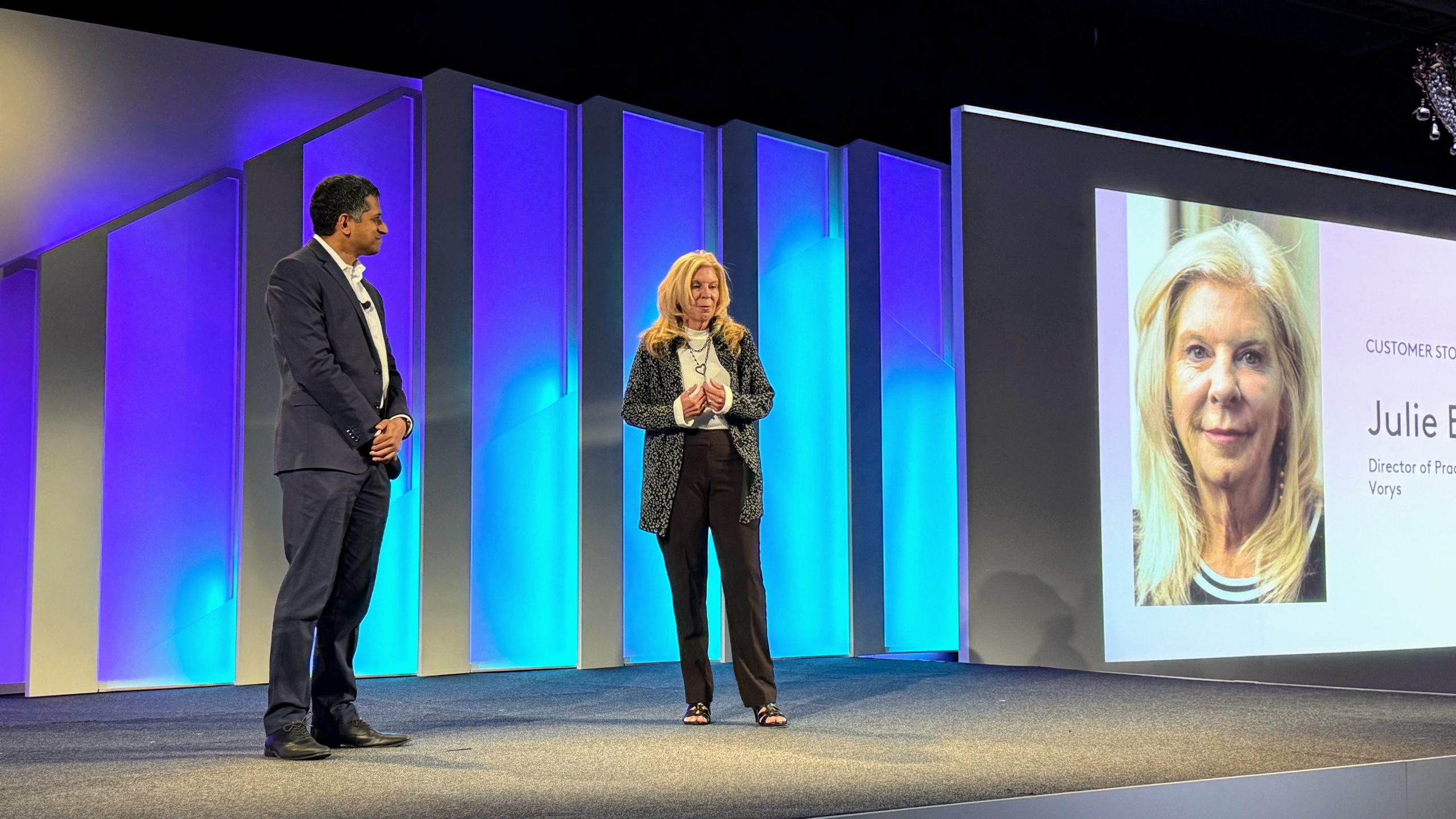
Julie
Brown,
director
of
practice
management
at
Vorys,
joined
Shankar
during
his
keynote
to
share
her
experience
beta
testing
the
new
Deep
Dive
feature.

Brown
highlighted
three
key
use
cases:
investigations
for
identifying
key
people
and
events,
quality
control
to
catch
documents
missed
by
other
review
methods,
and
deposition
and
trial
preparation.

In
one
notable
example,
her
team
used
Deep
Dive
on
a
2
million-document
collection
with
a
week-long
production
deadline,
employing
the
tool
as
a
quality
control
mechanism
to
identify
potentially
missed
documents.

“The
attorneys
were
just
in
awe
when
they
saw
the
results,”
Brown
said,
noting
that
in
their
first
300,000-document
test
case
during
deposition
preparation,
Deep
Dive
not
only
confirmed
information
the
attorneys
already
knew
but
also
identified
new
relevant
documents.


Practical
Applications

Another
beta
tester,
Steve
Delaney,
director
of
litigation
support
at
Am
Law
200
firm
Benesh,
described
his
firm’s
rigorous
approach
to
implementing
AI
coding
suggestions.
Benesh
has
developed
a
systematic
process
that
involves
building
targeted
samples,
iterating
on
prompts
and
using
Story
Builder’s
drafts
section
to
track
all
revisions
and
validation
steps.

“The
biggest
takeaway
is
that
if
you
haven’t
started
using
coding
suggestions
yet,
like
do
it,
start,
find
a
way
to
get
yourself
using
it,”
Delaney
advised
the
audience
of
Everlaw
customers.
He
emphasized
that
firms
using
AI
tools
now
can
gain
competitive
advantage.
“You
don’t
get
competitive
advantage
by
doing
what
everyone
else
is
doing.”


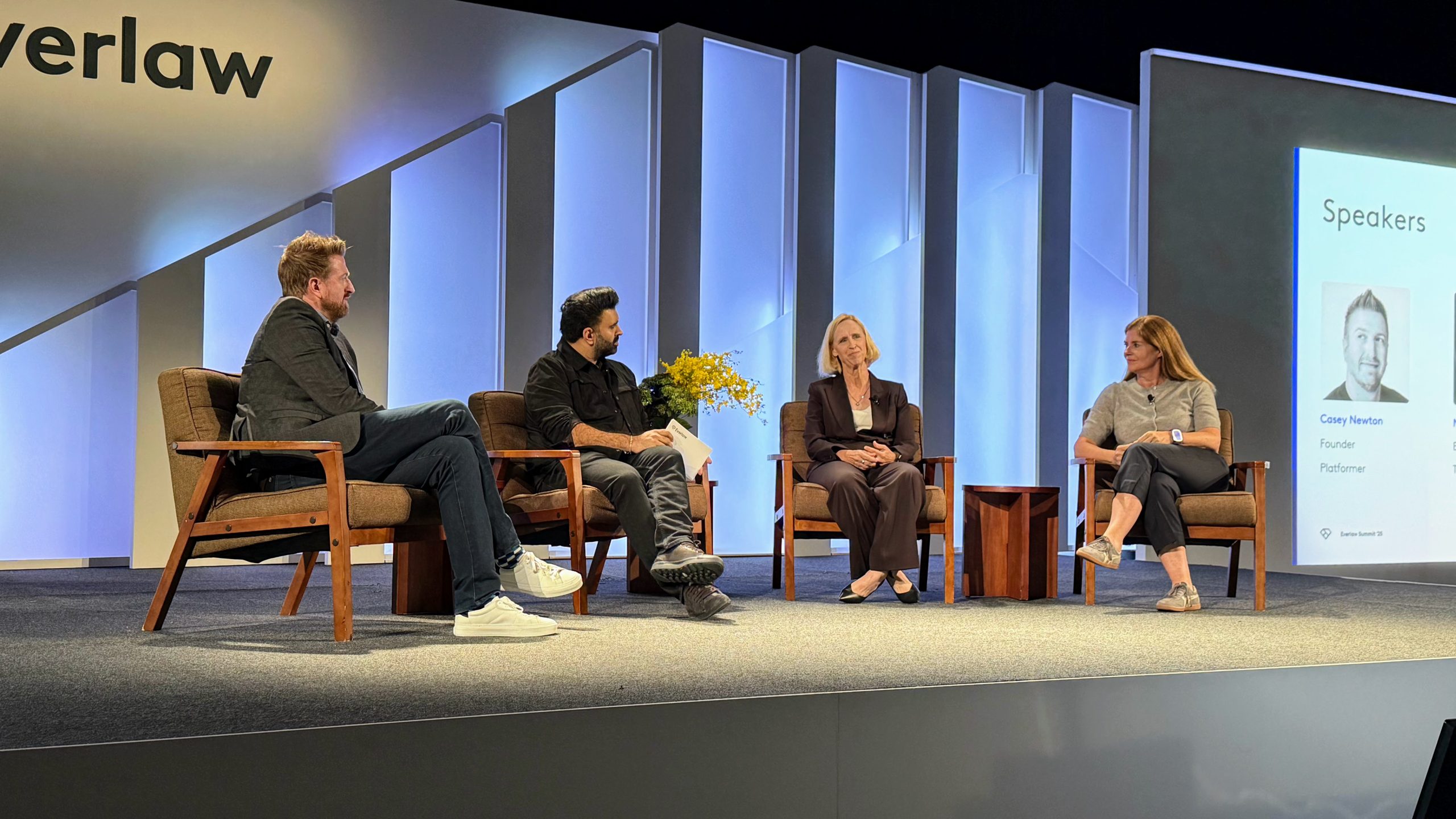
For
a
panel
on
how
AI
is
impacting
dispute
resolution,
technology
journalists
Casey
Newton,
founder
of
Platformer
and
co-host
of
The
New
York
Times’
podcast
“Hard
Fork,”
and
Nilay
Patel,
co-founder
and
editor-in-chief
of
The
Verge,
interviewed
Rebecca
Delfino,
associate
professor
of
law
at
LMU
Loyola
Law,
and
Bridget
May
McCormack,
president
of
the
American
Arbitration
Association
and
former
chief
justice
of
the
Michigan
Supreme
Court.

Ed
Valio,
director,
eDiscovery
and
records
management
at
Geico,
described
an
unusual
use
case
where
his
team
needed
to
evaluate
tens
of
thousands
of
contracts
in
48
hours
to
answer
a
specific
business
question.
By
combining
custom
extractions,
Review
Assistant
coding
suggestions,
and
predictive
coding,
they
identified
just
one
relevant
contract
out
of
50,000
and
later
pulled
in
related
email
traffic
for
context.


Deep
Dive
Pricing

Deep
Dive
will
operate
as
a
batch
feature
with
a
one-time
per-gigabyte
ingestion
fee
that
provides
unlimited
questions
for
the
lifetime
of
a
case.
Shankar
emphasized
that
the
pricing
model
gives
customers
control
over
when
and
how
they
deploy
AI
tools.

More
than
250
customers
currently
use
Everlaw’s
suite
of
generative
AI
features,
including
federal
customers
and
participants
in
the
Everlaw
for
Good
program
serving
nonprofits.


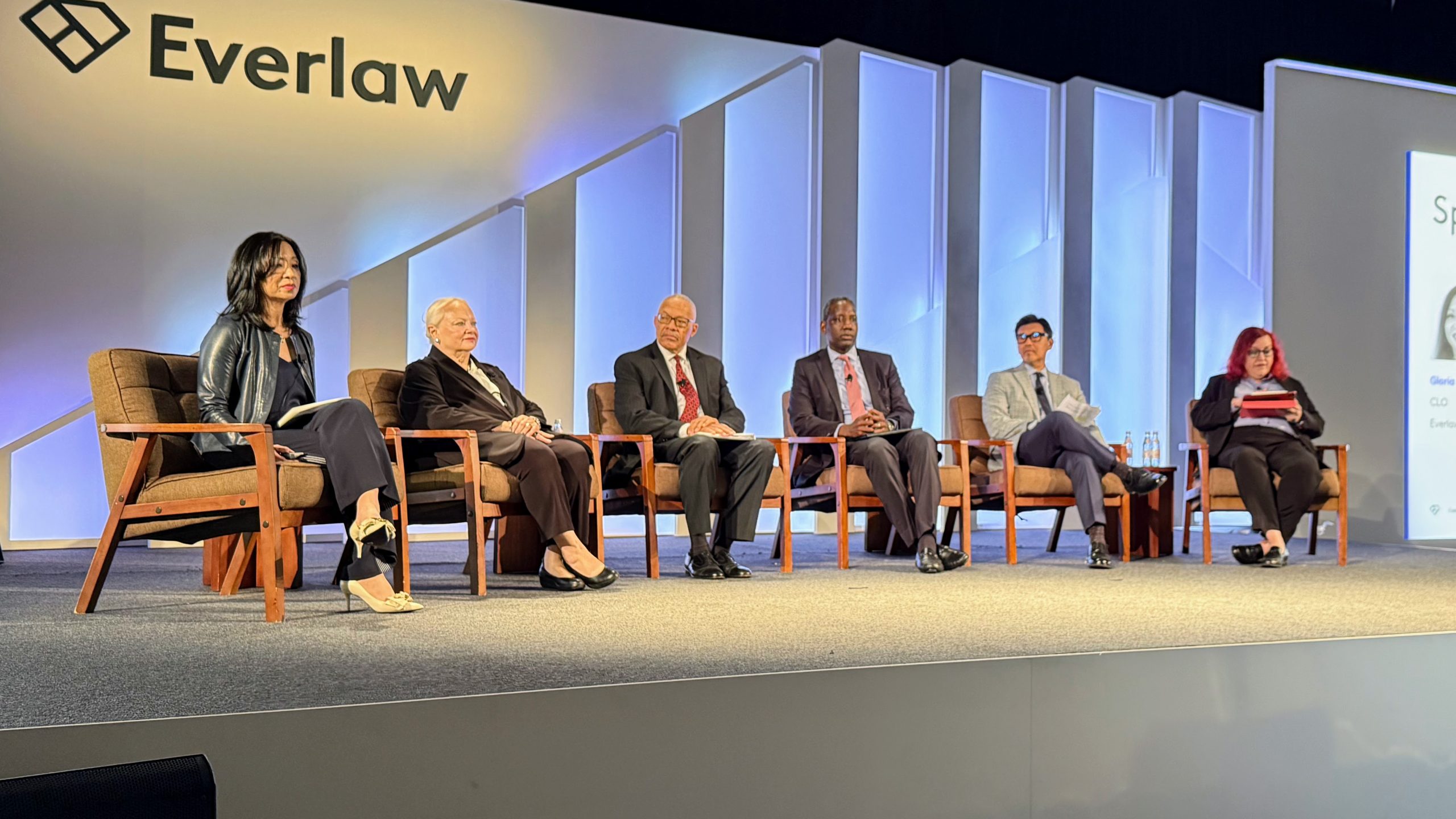
A
panel
of
judges
shared
their
insights
on
technology
and
the
law.
From
left:
Gloria
Lee,
chief
legal
officer,
Everlaw,
who
served
as
moderator;
Senior
District
Judge
Joy
Conti,
W.D.
Pa.;
Judge
David
Cunningham,
Los
Angeles
County
Superior
Court;
Chief
U.S.
Magistrate
Judge
Willie
Epps
Jr.,
W.D.
Mo.;
U.S.
Magistrate
Judge
Young
B.
Kim,
N.D.
Il.;
and
Judge
Victoria
Kolakowski,
Alameda
County
Superior
Court.

The
keynote
also
included
an
early
preview
of
Workflow
Builder,
a
forthcoming
tool
designed
to
help
legal
teams
construct
and
execute
complex,
repeatable
workflows.
While
Shankar
emphasized
this
is
in
the
early
development
stage,
the
tool
will
allow
users
to
orchestrate
document
flow
through
various
Everlaw
features,
including
AI
capabilities,
with
automated
triggering,
conditional
branching,
and
human
approval
gates.

“Instead
of
getting
in
the
guts
of
Everlaw,
you’re
orchestrating
outcomes,”
Shankar
said.
“Your
colleagues
can
step
in
at
exactly
the
right
time
to
add
value
in
a
defensible,
repeatable
way.”


Responsible
AI
Development

Throughout
his
presentation,
Shankar
emphasized
Everlaw’s
approach
to
responsible
AI
development,
including
protecting
customer
data
from
model
training,
minimizing
hallucinations
by
focusing
on
document
content
rather
than
general
legal
knowledge,
and
conducting
extensive
beta
testing
before
general
releases.

The
company’s
Value
AI
team,
composed
of
experienced
legal
professionals,
is
available
to
help
customers
navigate
AI
adoption
challenges,
including
economics,
functionality,
firm
policy,
client
approvals,
and
team
training.

Everlaw
continues
to
release
new
features
on
a
monthly
basis,
with
upcoming
tools
including
a
Depositions
Q&A
tool
for
comprehensive
cross-deposition
queries
and
a
Privilege
Descriptions
tool
for
generating
explanations
of
privilege
designations.

Shankar
emphasized
that
Deep
Dive
is
designed
to
work
as
part
of
the
broader
Everlaw
platform.

“Deep
Dive
is
best
used
as
one
of
many
powerful
tools
in
the
Everlaw
platform,”
he
said.
“Combined
with
Coding
Suggestions,
Clustering
and
Story
Builder,
Deep
Dive
provides
a
strong
platform
for
legal
teams
to
drive
successful
outcomes.”

Judge Calls Trump’s Border Commander A Lying Liar – Above the Law

US
Customs
and
Border
Patrol
Commander
Gregory
Bovino
(Photo
by
KAMIL
KRZACZYNSKI/
AFP
via
Getty
Images)

U.S.
Border
Patrol
commander
Gregory
Bovino,
head
of
the
Trump
administration’s
military
presence
in
Chicago,
“Operation
Midway
Blitz,”
is
in
the
hot
seat.
That’s
been
true
for
a
minute,
since
there
are
some
pretty
serious
allegations
(and
video!)
that
federal
agents

and
Bovino,
specifically


violated
a
temporary
restraining
order

issued
by
U.S.
District
Court
Judge
Sara
Ellis.
A
group
of
journalists,
protesters,
and
clergy
sued
the
Trump
administration over
the
military
occupation
of
Chicago,
and
Ellis
issued
a
TRO
limiting
the
tactics
federal
agents
can
use.
Amongst
the
banned
methods
of
riot
control
include
the
use
of
tear
gas
unless
there
is
an
immediate
safety
threat.
But
then
Bovino
was
caught
on
camera
throwing
canisters
of
tear
gas
into
a
crowd
without
any
warnings
or
verbal
orders
to
disperse.

So,
Judge
Ellis

hauled
Bovino
into
her
courtroom

to
figure
out
what
in
the
hell
is
going
on
in
the
streets
of
Chicago.
And
from
all
indications,
Ellis
was
deeply
concerned
with
the
brutal
tactics
being
used
by
federal
forces.


Today,
Judge
Ellis
upgraded

the
TRO
to
a
preliminary
injunction
and
eviscerated
Bovino’s
actions.
In
deposition
testimony,
Bovino
had
justified
his
use
of
tear
gas,
saying
he
was
hit
in
the
head
with
a
rock
before
deploying
the
noxious
gas.
“Video
evidence
ultimately
disproved
this,”
said
Ellis.

“Defendant
Bovino
admitted
that
he
lied,”
she
said.

“I
find
the
defendant’s
evidence
simply
not
credible,”
Ellis
said.
“I
watched
the
defendants’
videos,”
she
continued.
“This,
and
hours
and
hours
and
hours
of
bodycam
video
and
video
from
helicopters
was
the
best
they
could
provide.

Ellis
went
further,
saying
the
government’s
depiction
of
what
is
going
on
in
Chicago
“is
untrue,”
and
protesters
are
being
“threatened
and
harmed
for
exercising
their
constitutional
rights.”
The
tactics
and
behavior
of
the
occupying
forces
“shocks
the
conscience”
and Judge
Ellis

said
 she
was
“ordering
complete
relief
to
the
plaintiffs.”


Kathryn
Rubino
is
a
Senior
Editor
at
Above
the
Law,
host
of

The
Jabot
podcast
,
and
co-host
of

Thinking
Like
A
Lawyer
.
AtL
tipsters
are
the
best,
so
please
connect
with
her.
Feel
free
to
email

her

with
any
tips,
questions,
or
comments
and
follow
her
on
Twitter

@Kathryn1
 or
Mastodon

@[email protected].

Can Our Attention Spans Get Any Shorter? How To Communicate In Our Nanosecond World – Above the Law

We’ve
all
heard
the
chatter
about
our
dwindling
attention
spans.
But
do
we
truly
grasp
the
extent
of
this
issue?
It’s
a
shared
struggle
that
many
of
us
are
navigating. 

Let’s
consider
how
much
content
contends
for
our
attention.
On
a
typical
workday,
I
receive
between
200
and
300
emails,
100
to
200
text
messages,
100
or
more
instant
messages
across
various
social
media
platforms,
and
over
50
voicemails
on
both
my
cell
and
work
lines.
The
only
way
to
manage
this
much
input
is
to
triage
what’s
essential
and
what
is
not
and
do
my
best
to
respond
as
quickly
and
succinctly
as
possible.
This
process
may
be
effective
for
managing
my
inbox,
but
it
hinders
my
ability
to
pay
attention
and
communicate
effectively.

And
in
all
of
our
hands,
our
smartphones
are
daily
and
hourly
chipping
away
at
a
fundamental
skill:
paying
attention
and
focusing.

No
matter
how
much
we
work
on
our
listening
and
attention
skills,
our
phones
pull
us
toward
distraction,
reaction,
and
a
lack
of
focus.
And
invariably,
even
if
we
work
on
listening
and
paying
attention
to
others,
there’s
little
hope
that
we
can
get
others
to
do
the
same.
We
must
acknowledge
that
most
of
the
people
we
deal
with
are
perpetually
distracted,
overwhelmed,
and
drowning
in
emails,
phone
messages,
instant
messages,
news
notifications,
and
other
matters.

Because
we
are
all
overwhelmed
with
so
many
incoming
messages
and
notifications,
we
play
an
essential
role
in
not
adding
to
the
cacophony.

This
is
what
I
do
to
facilitate
communication
with
others
who
are
already
overwhelmed
by
it.

First,
adapt
to
your
audience’s
preferred
communication
method.
Whether
it’s
voicemails,
emails,
text
messages,
or
instant
messages,
meet
them
where
they’re
at.

Second,
I
get
to
the
point
and
use
bullet
points.
Sometimes
longer
communications
are
unavoidable,
but
that
does
not
mean
you
cannot
do
everything
you
can
to
shorten
and
streamline
them.

I
typically
start
an
email
with
a
topic
sentence
that
outlines
what
I’m
delving
into,
then
provide
a
series
of
titles,
subtitles,
and
bullet
points
that
the
reader
can
easily
follow
and
refer
to
later
if
needed.
My
communications
are
not
meant
to
benefit
me.
They
are
intending
to
help
the
recipient,
and
to
do
so,
I
want
to
make
it
as
easy
as
possible
for
them
to
identify
and
process
the
information
I
am
conveying.

Third,
I
avoid
digressions,
anecdotes,
humor,
and
related
issues
unless
the
situation
absolutely
calls
for
it.
My
job
is
to
get
in,
share
information,
and
get
out.

I’m
not
trying
to
receive
an
award
as
a
humorist
or
a
Pulitzer.
I
am
perpetually
aware
and
appreciate
that
I’m
intruding
on
someone’s
attention
and
time,
and
I
want
the
intrusion
to
be
as
limited
and
painless
as
possible.

A
caveat
is
warranted.
The
communications
I
speak
of
are
business-related.
It’s
easy
to
transfer
these
pointed
and
direct
communications
into
your
personal
relationships.
Please
don’t.
Your
family
and
friends
want
to
hear
from
you.
They
want
to
talk
to
you.
They
don’t
want
yes-or-no
answers.
They
want
something
more.
So
often,
we
lawyers
bring
our
work
home
with
us,
cross-examining
and
interrogating
our
families
at
the
dinner
table.
Let’s
not
apply
our
business-style
communication
to
home
or
to
friends.

In
addition
to
written
communications,
let’s
address
our
oral
communications
with
others.
Again,
the
focus
is
on
getting
to
the
point,
answering
the
questions
posed,
and
providing
solutions
and
resolutions
clearly
and
positively.
So
often,
I’ve
been
on
business
calls
or
on
Zoom
or
Teams,
and
someone
is
overextending
their
welcome
by
discussing
unrelated
items,
not
getting
to
the
point,
and
prolonging
the
conversation.
Perhaps
they
think
that
the
more
they
talk,
the
more
in
control
they
are
or
the
better
they
will
be
remembered.
They
will
be
remembered
for
all
the
wrong
reasons.  I’ve
never
been
in
a
meeting
where
someone
said
I
wish
it
were
longer.
Or
I
wanted
that
person
to
have
talked
more.
You
have
more
impact
with
the
less
you
say.
If
you’re
always
talking,
people
are
listening
less,
and
when
you
make
a
strong
point,
others
are
likely
to
ignore
it.
Say
only
what’s
needed
and
move
on.

Remember,
in
all
forms
of
communication,
less
is
more.
Getting
to
the
point
is
key.
Making
information
digestible
and
easy
to
process
is
crucial.
There
are
times
when
soaring
oratory
is
required.
But
for
the
rest
of
the
time,
keep
it
short
and
to
the
point.
Your
audience
will
appreciate
the
clarity
and
brevity.


Frank
Ramos
is
a
partner
at
Goldberg
Segalla
in
Miami,
where
he
practices
commercial
litigation,
products,
and
catastrophic
personal
injury. You
can
follow
him
on LinkedIn,
where
he
has
about
80,000
followers
.

Trump’s Tariffs Seem To Be ‘Dead On Arrival At SCOTUS’ – Above the Law

(Image
created
by
ChatGPT)


Ed.
note
:
Welcome
to
our
daily
feature,

Quote
of
the
Day
.


The
hearing
was
a
bloodbath
for
the
Trump
administration:
Six
justices
lined
up
to
bash
the
Justice
Department’s
defense
of
the
tariffs,
barely
disguising
their
annoyance
with
the
government’s
barrage
of
blustery
nonsense.
At
the
halfway
point,
it
would’ve
saved
everyone
time
had
the
court
just
huddled,
announced
its
decision
from
the
bench,
and
recessed
early
for
lunch.


Mark
Joseph
Stern
,
a
senior
writer
at
Slate,
summarizing
the

epic
takedown
the
Trump
administration
faced
at
the
Supreme
Court

earlier
this
week
during
oral
arguments
on
the
legality
of
Trump’s
tariffs.
“We
have
spent
10
months
waiting
to
see
if,
and
when,
this
court
would
set
a
limit
on
Trump’s
power,”
Stern
wrote.
“Perhaps
we
should’ve
guessed
that
its
extraordinary
deference
to
this
president
could
be
outweighed
only
by
its
hatred
of
taxes.”


Staci
Zaretsky
 is
the
managing
editor
of
Above
the
Law,
where
she’s
worked
since
2011.
She’d
love
to
hear
from
you,
so
please
feel
free
to

email

her
with
any
tips,
questions,
comments,
or
critiques.
You
can
follow
her
on BlueskyX/Twitter,
and Threads, or
connect
with
her
on LinkedIn.