In-House Attorney Blames Firing On DEI, Jury Disagrees – Above the Law

DEI
has
been
an
easy
scapegoat
for

poor
government
management
,

unexpected
boat-bridge
collisions
,
and
unwanted
orders
to
clean
out
your
cubicle.
Faced
with
the
door,
former
in-house
attorney
David
Farkas
sued
FirstEnergy
alleging
that
they
fired
him
for
asking
questions
about
the
company’s
DEI
initiatives.
As
it
turns
out,
the
reasons
for
his
dismissal
look
a
little
more
complicated
than
that.

Law.com

has
coverage:

A
jury
in
Cuyahoga
County
Court
of
Common
Pleas
found
that
lawyers
for
former
FirstEnergy
senior
counsel
David
Farkas
did
not
show
by
a
preponderance
of
the
evidence
that
the
Akron,
Ohio-based
utility
“intended
to
retaliate”
when
it
fired
him
in
2022.

Farkas
alleged
he
was
axed
in
retaliation
for
having
repeatedly
expressed
concerns
about
the
electric
utility’s
DEI
program,
which
tied
annual
executive
bonuses
to
diversity-related
metrics.

FirstEnergy
said
Farkas
was
fired
for
“non-consensual
touching
of
a
female
colleague’s
rear
end,”
not
over
his
complaints
about
the
DEI
program.

FirstEnergy’s
case
was
helped
by
an
email
from
the
female
colleague
to
Farkas
that
read,
‘”Dude,
do
no
smack
me
on
the
butt
again.
Not
cool.”‘
While
the
unwanted
contact
happened
four
years
earlier,
FirstEnergy
was
not
made
aware
of
it
at
the
time.
They
only
found
out
about
it
because
she
mentioned
it
years
later
after
Farkas
accused
her
of
discriminating
against
him.
Harassing
a
company
for
their
diversity
metrics
only
to
get
fired
for
cause
because
you
grab-assed
a
member
of
a
protected
class
is
one
hell
of
a
This
You?

moment.

Couple
takeaways
here:
Don’t
go
out
of
your
way
to
manage
if
you
aren’t
a
manager,
keep
your
hands
to
yourself,
and
always
establish
a
paper
trail.


Attorney
Who
Claimed
Utility
Fired
Him
for
Objecting
to
DEI
Program
Loses
Jury
Trial

[Law.com]


Chris
Williams
became
a
social
media
manager
and
assistant
editor
for
Above
the
Law
in
June
2021.
Prior
to
joining
the
staff,
he
moonlighted
as
a
minor
Memelord™
in
the
Facebook
group Law
School
Memes
for
Edgy
T14s
.
 He
endured
Missouri
long
enough
to
graduate
from
Washington
University
in
St.
Louis
School
of
Law.
He
is
a
former
boatbuilder
who
is
learning
to
swim, is
interested
in
critical
race
theory,
philosophy,
and
humor,
and
has
a
love
for
cycling
that
occasionally
annoys
his
peers.
You
can
reach
him
by
email
at [email protected]
and
by
tweet
at @WritesForRent.

Switzerland Set To Ratify New DTA With Zimbabwe


The
Swiss
Government
has
recommended
that
parliament
approve
a
law
ratifying
the
new double
tax
agreement
 signed
with
Zimbabwe.

The
Federal
Council
adopted
a
dispatch
on
the
DTA
at
its
meeting
on
November
5,
2025.
The
cantons
and
relevant
business
associations
have
already
welcomed
the
conclusion
of
the
deal,
but
parliament
must
now
endorse
legislation
on
the
ratification
of
the
agreement
to
enable
it
to
enter
into
force.

The
agreement
provides
that
the
maximum
rate
of
withholding
tax
that
will
be
charged
on
dividends
income
at
source
will
be
capped
at
five
percent
where
the
recipient
holds
at
least
25
percent
of
the
capital
of
the
company
paying
the
dividends
for
a
period
of
365
days
including
the
dividend
payment
date.
Otherwise,
withholding
tax
will
be
capped
at
15
percent.

For
interest
and
royalties
income,
the
agreement
caps
withholding
tax
at
source
at
7.5
percent.
Finally,
for
technical
services
fees,
the
withholding
tax
rate
will
be
capped
at
2.5
percent.

The
agreement
includes
provisions
to
counter
tax
base
erosion
and
profit
shifting.
Specifically,
it
includes
a
preamble
that
states
that
the
DTA
is
not
intended
to
create
opportunities
for
non-taxation
or
reduced
taxation
through
tax
evasion
or
avoidance,
or
treaty
shopping.
Further,
the
agreement
includes
provisions
to
counter
treaty
abuse,
prevent
the
artificial
avoidance
of
permanent
establishment
status,
neutralize
the
effects
of
hybrid
mismatch
arrangements,
and
improve
dispute
resolution
mechanisms.

The
agreement
will
become
effective
after
the
completion
of
domestic
ratification
procedures
by
both
nations.

Post
published
in:

Business

Comey Prosecution Gets The Benchslap Treatment, Because Of Course – Above the Law

James
Comey
(Getty
Images)

The indictment
of
former
FBI
Director
James
Comey
 is
deeply
problematic.
Career
prosecutors
didn’t
want
to
touch
it
with
a
10-foot
pole
but
Comey
is
a
political
enemy
of
the
president
of
the
United
States,
so
here
we
are.
The barebones
indictment

is
conclusory
at
best,
alleging
Comey
lied
to
Congress
in
2020,
and
is
is
so
vague
that
it
could
apply
to
two
alternate
theories
of
the
case.

The
entire
prosecution,
led
by
Trump
flunky
Lindsey
Halligan,
who
I’d
refer
to
as
deeply
unserious
if
she
didn’t
wield
so
much
undeserved
power,
has
been

objectively
embarrassing

for
the
government.
And
it’s
gotten
worse.

Yesterday
in
the
case
there
was
a
hearing
in
front
of
Magistrate
Judge
William
Fitzpatrick
over
potentially
privileged
materials
collected
in
four
different
search
warrants.
And,
he
was
*not*
impressed.
The
defense
raised
concerns
that
the
materials
collected
5+
years
ago
were
stale.
As

reported
by

ABC
News:

Judge
Fitzpatrick
appeared
to
agree
with
those
concerns
during
Wednesday’s
hearing,
as
he
repeatedly
pressed
Assistant
U.S.
Attorney
Tyler
Lemons
over
what
materials
the
government
had
reviewed
and
why
the
disputes
over
privilege
were
not
settled
during
the
more
than
five
years
that
the
government
had
those
communications
in
its
possession

Fitzpatrick,
citing
what
he
described
as
“unusual”
behavior
by
the
Justice
Department
and
the
quickly
approaching
January
trial
date,
ordered
the
government
to
hand
over
“all
grand
jury
materials”
related
to
its
investigations
of
Comey
by
Thursday
at
5
p.m.
ET

an
urgent
deadline
that
reflected
Fitzpatrick’s
concern
over
the
government’s
conduct.

Judge
Fitzpatrick
slammed
the
government’s
actions,
saying
it
felt
like
an
“indict
first,
investigate
second”
situation.

Well,
to
be
fair
to
the
DOJ,
the
judge’s
statement
isn’t
quite
accurate.
You
see
the
government
*did*
investigate


multiple
times!


and
those
prosecutors
decided
there
wasn’t
enough
evidence
to
indict
but
the
president
threw
an

inadvertently

public
hissy
hit
about
*not*
prosecuting
his
political
enemies
and
the
statute
of
limitations
was
about
to
run
out,
so
we’re
left
with
this
blatant
miscarriage
of
justice.
But
for
simplicity’s
sake,
criticizing
the
prosecution
as
“indict
first,
investigate
second”
gets
the
job
done.


Kathryn
Rubino
is
a
Senior
Editor
at
Above
the
Law,
host
of

The
Jabot
podcast
,
and
co-host
of

Thinking
Like
A
Lawyer
.
AtL
tipsters
are
the
best,
so
please
connect
with
her.
Feel
free
to
email

her

with
any
tips,
questions,
or
comments
and
follow
her
on
Twitter

@Kathryn1
 or
Mastodon

@[email protected].

The 15 Most Expensive Law Schools (2024-2025) – Above the Law

We
all
know
that
a
legal
education
can
land
the
average
law
school
graduate
in
up
to
six
figures
of
debt
(to
be
specific,
on
average,
2025
graduates
racked
up
more
than
$112,500
in
student
debt),
and
we
all
know
that
egregiously
high
tuition
costs
are
to
blame.

But
which
schools
had
the
most
costly
tuition
and
fees
for
out-of-state
students
for
the
2024-2025
academic
year?

The Short
List
blog
of
U.S.
News
 has
compiled
a
ranking
for
that,
and
it’s
not
at
all
shocking
that
almost
all
15
schools
that
made
the
list
are
private.
At
these
law
schools,
the
average
tuition
and
fees
for
the
2024-2025
academic
year
was
at
least
$79,546.
Just
three
public
schools
made
the
list

and
their
costs
are
still
eye-popping,
even
for
in-state
students.
Check
out
the
ranking,
below:

  1. Columbia
    University:
    $84,820
  2. New
    York
    University:
    $83,152
  3. University
    of
    Southern
    California:
    $81,940
  4. Cornell
    University:
    $81,416
  5. University
    of
    Chicago:
    $81,069
  6. University
    of
    Pennsylvania:
    $80,592
  7. Georgetown
    University:
    $79,672
  8. University
    of
    California
    Berkeley:
    $78,881
  9. Duke
    University:
    $78,774
  10. Harvard
    University:
    $78,692
  11. University
    of
    Virginia:
    $77,700
  12. Northwestern
    University:
    $77,532
  13. Stanford
    University:
    $76,608
  14. Yale
    University:
    $76,369
  15. University
    of
    Michigan:
    $75,974

At
each
and
every
one
of
these
law
schools,
tuition
and
fees
for
three
years
of
education
ranges
from
more
than
$227,000
to
more
than
$254,000.
That’s
more
than
what
a
first-year
associate
makes
at
most
elite
law
firms.
That
being
said,
it’s
worth
noting
that
the
law
schools
that
made
this
list
are
among
the
best
in
the
country.
At
highly
ranked
schools
like
these,
you
get
what
you
pay
for,
and
in
the
law
school
world,
that
usually
means
a
high-paying
paid
job
as
an
attorney
that
will
allow
you
to
service
your
enormous
debt
obligations
in
a
timely
fashion

and
to
be
quite
frank,
with
up
to
six
figures
of
debt
to
pay
off,
that’s
priceless.

No
matter
where
you
decide
to
go
to
law
school,
make
sure
that
you
evaluate
what
your
payoff
will
be
when
graduation
time
rolls
around.
Given
the
information
that’s
readily
available
online,
will
you
be
able
to
find
a
job?
Will
you
be
able
to
make
ends
meet
while
making
payments
on
your
law
school
loans?
If
you
don’t
think
the
answer
to
these
questions
are
“yes,”
then
you
may
want
to
consider
another
school.


15
Most
Expensive
U.S.
Law
Schools

[Short
List
/
U.S.
News]


Staci
Zaretsky
 is
the
managing
editor
of
Above
the
Law,
where
she’s
worked
since
2011.
She’d
love
to
hear
from
you,
so
please
feel
free
to

email

her
with
any
tips,
questions,
comments,
or
critiques.
You
can
follow
her
on BlueskyX/Twitter,
and Threads, or
connect
with
her
on LinkedIn.

Simpson Thacher Becomes Latest Surrender Firm To Join Up With Trump’s International House Of Tariffs – Above the Law

Back
in
August,
the

New
York
Times
reported

that
Kirkland
and
Paul
Weiss
(along
with
Skadden)

firms
who
had
cut
deals
with
the
administration
in
exchange
for
pro
bono
payola

had

done
work
for
Trump’s
Commerce
Department
.
Democratic
lawmakers
quickly

fired
off
inquiries

because
giving
the
government
free
services
would
violate
the
Anti-Deficiency
Act,
and
direct
work
for
the
administration
would
contradict
the
firms’
prior
representations
that
any
free
legal
work
would
be
limited
to
a
relatively
benign
list
of
charitable
causes.
The

firms
responded

without
actually
answering
those
concerns,
instead
reiterating
that
they
can
choose
their
clients
and
believe
they’re
not
doing
anything
wrong.

Now,
it
seems,

Simpson
Thacher
has
joined
up
with
Trump’s
Commerce
Department
.

Simpson
Thacher
&
Bartlett
is
handling
work
for
the
U.S.
Commerce
Department,
a
department
official
confirmed
on
Wednesday.
The
New
York
firm
is
the
latest
Big
Law
firm
that
reached
a
pro
bono
deal
with
President
Donald
Trump
this
year
to
commit
to
do
work
on
behalf
of
the
U.S.
government.

Simpson
Thacher
has
already
started
working
for
the
department,
but
the
firm
and
the
U.S.
government
are
working
to
finalize
an
agreement
for
the
firm’s
work.

“We
are
working
with
the
firm
and
finalizing
terms
at
the
moment,”
a
department
official
said.

“Terms”
implies
a
paid
engagement.
It
also,
by
extension,
lends
support
to
the
idea
that
the
other
firms
also
got
paid
for
their
time,
despite
earlier
reports.
And
there’s
nothing
wrong
with
that!
Law
firms
perform
work
for
the
federal
government
all
the
time

in
both
Republican
and
Democratic
administrations.
If
Simpson
Thacher

and
the
other
firms

are
getting
paid,
it
resolves
both
the
Anti-Deficiency
Act
issue
and
concern
that
the
firms
misrepresented
the
extent
of
the
deal

in
their
early
letters
to
lawmakers
.

So
why
can’t
they
just

say
that
?

Simpson
Thacher
representatives
did
not
respond
to
requests
for
comment
by
publication
time.

Quelle
surprise.

If
we’re
making
predictions,
when
the
inevitable
letter
from
legislators
arrives,
the
firm
will
also
avoid
saying,
“yes,
we’ve
been
engaged
at
our
standard
rate
to
perform
contract
work
on
behalf
of
the
administration”
and
instead
cough
up
some
vague
song
and
dance
about
choosing
their
work
and
swearing
without
any
evidence
that
they’ve
done
nothing
wrong.

And
it’s
probably
true!
This
probably
is
routine
work.
Now,
is
it
routine
work
they
would’ve
been
awarded
but
for
cutting
deals
that
made
them
preferred
contractors?
Maybe
not.
That
constitutes
a
whole
other
problem
if,
even

unintentionally
,
this
sends
a
signal
to
the
rest
of
the
industry
or
the
public
at
large
that
administration
work
is
a
pay-tribute-to-play
endeavor.
But,
that
aside,
simply
doing
the
work
for
money
resolves
the
issues
the
lawmakers
have
explicitly
raised.

The
fact
that
none
of
them
will
simply
say
so
is
exactly
why
these
deals
remain
such
a
disastrous
mistake.

Right
now,
a
handful
of
the
most
powerful
law
firms
in
the
country
are
utterly
tongue-tied
when
asked
to
give
a
straightforward,
honest
answer
to
the
congressional
equivalent
of
the
$100
question
on

Who
Wants
To
Be
A
Millionaire
.
Because
simply
admitting
“no,
obviously
we
wouldn’t
directly
give
Trump
pro
bono
services”
comes
with
the
non-zero
prospect
that
the
dementia-patient-in-Chief
will
momentarily
emerge
from
the
wreckage
of
the
East
Wing
long
enough
to
put
his
tiny
hands
on
his
Truth
Social
account
and
bang
out
a
new
executive
order
to
destroy
the
firm’s
ability
to
do
work.
Nothing
in
the
“deals”
they
put
together
indicated
that
the
firms
would
have
to
forfeit
their
ability
to
be
forthright,
but
everyone
understood
that
was
part
of
the
package.

It’s
another
wrinkle
to

the
Lando
effect
:
it
doesn’t
matter
how
fair
the
original
terms
may
be,
when
you
deal
with
a
bad
faith
actor,
they
own
you.
Even
if
Vader
doesn’t
alter
the
deal
any
further,
there’s
no
peace
under
this
kind
of
deal
because
the
fear
never
evaporates.
Assuming
Trump
hasn’t
changed
the
deal
to
demand
free
Commerce
work,
why
take
this
work
at
all?
Why
wouldn’t
the
firms
steer
clear
to
avoid
even
the
appearance
of
impropriety?
It
can’t
be
particularly
lucrative
in
the
grand
scheme
of
things.
Doesn’t
it
speak
to
the

de
facto

breadth
of
Trump’s
hold
over
them
if
the
firms
feel
compelled
to
take
on
Trump
work
knowing
that
it
would
only
invite
further
scrutiny?
That
they
can’t
just
speak
plainly
about
it
without
fear
of
reprisal?
I
suspect
the
firms
thought
they
had
discrete,
limited
deals
with
no
regard
to
the
broader
implications
for
both
themselves
and
the
industry.

But
that’s
not
how
Vader
deals.
They
thought
they
were
buying
protection
and
instead
they
bought
an
obligation
to
keep
proving
their
loyalty

ad
infinitum
.


Simpson
Thacher
Working
for
Commerce
Department,
Official
Says

[Law.com]


Earlier
:

‘Pray
I
Don’t
Alter
It
Any
Further’:
What
Darth
Vader
Should
Teach
Law
Firms
About
Settling
With
Trump


Paul
Weiss,
Kirkland
Doing
Free
Trump
Commerce
Department
Work
As
Part
Of
‘Please
Don’t
Hurt
Us
Daddy’
Deals


Lawmakers
Ask
Paul
Weiss
And
Kirkland
To
Explain
Why
Trump
Work
Isn’t
Totally
Illegal


HeadshotJoe
Patrice
 is
a
senior
editor
at
Above
the
Law
and
co-host
of

Thinking
Like
A
Lawyer
.
Feel
free
to email
any
tips,
questions,
or
comments.
Follow
him
on Twitter or

Bluesky

if
you’re
interested
in
law,
politics,
and
a
healthy
dose
of
college
sports
news.

ATL’s Legally Themed Halloween Costume Contest: The Finalists (2025) – Above the Law

Just
before
Halloween,
we
asked
our
readers
to
submit
their
legally
themed
costumes
to
us
for
our
annual
contest.
We
got
a
great
crop
of
entries,
and
there
even
some
creative
costumes
related
to
political
pop
culture.
We
think
you’re
going
to
like
them
a
lot.

We’ve
got
three
awesome
finalists
for
you
to
choose
from,
and
voting
starts
today.
Who
will
be
the
winner
of
the
sixteenth
year
of
our
competition?

But
before
we
get
to
our
finalists,
we’ve
got
a
super-cute
honorable
mention.
Aww,
it’s
none
other
than
Ruth
Baby
Ginsburg.

The
first
of
our
finalists
is
doing
a
#GRWM
for

robbing
the
Louvre.
Oh
mon
dieu!
C’est
super,
pas
de
notes.

Next
up,
we’ve
got
a
contestant
with
some
90s
flair
that
everyone
will
remember
from
their
1Ls
case
books.
It’s
the
star
of
the
infamous
ad
that
gave
rise
to

Leonard
v.
PepsiCo
,
the
contracts
case
we
all
know
and
love.

Last,
but
certainly
not
least,
we’ve
got
perhaps
the
most
meaningful
Halloween
costume
contest
entry
to
date.
Given
the
state
of
the
rule
of
law
in
America,
this
is
a
depiction
the
battered,
beaten,
and
bruised
Justicia,
better
known
as
Lady
Justice,
2025
A.D.

You’ve
seen
the
finalists,
so
now
it’s
time
to
vote.
Who
wore
the
best
law-related
Halloween
costume
this
year?
It’s
all
up
to
you!
Polls
close
on SUNDAY,
NOVEMBER
9,
at
11:30
P.M.
 (Eastern
time).

Click


HERE

to
vote!


Staci
Zaretsky
 is
the
managing
editor
of
Above
the
Law,
where
she’s
worked
since
2011.
She’d
love
to
hear
from
you,
so
please
feel
free
to

email

her
with
any
tips,
questions,
comments,
or
critiques.
You
can
follow
her
on BlueskyX/Twitter,
and Threads, or
connect
with
her
on LinkedIn.

When The Bottom Drops Out: What To Do When Your Practice Dries Up – Above the Law

What
would
you
do
if
your
law
practice
suddenly
lost
all
of
its
clients
and
you
had
to
start
over
from
scratch?

That
may
sound
like
a
dramatic
hypothetical

until
you
look
around.
My
friend
Nicole
Black
recently

wrote
about
AI-driven
layoffs

sweeping
through
tech
giants
like
Amazon
and
Meta,
asking
whether
lawyers
might
be
next.
Between
automation,
consolidation,
and
shifting
client
expectations,
many
law
practices
are
vulnerable
to
disruption.

AI
isn’t
the
only
culprit.
During
COVID,
brick-and-mortar
firms
vanished
almost
overnight
as
clients
stopped
coming
through
the
doors
and
courts
shut
down
temporarily.
Some
firms
stayed
the
course
and
work
bounced
back
but
other
firms
shut
their
doors.

Trends
change
too

something
I
know
firsthand.
Fifteen
years
ago,
I
was
one
of
the
only
lawyers
in
the
country
representing
landowners
and
communities
fighting
interstate
gas
pipelines.
Work
poured
in
effortlessly…
until
I
started
winning
and
setting
new
precedent.
Once
my
victories
proved
these
cases
could
succeed,
the
environmental
groups
that
had
once
turned
away
my
clients
jumped
into
the
fray
with
deep
pockets
and
donor
funding.
They
began
taking
the
same
types
of
cases
for
free

and
even
though
I’m
good,
I
can’t
compete
with
free.
The
niche
I
had
built
from
scratch
was
suddenly
gone.

So,
what
do
you
do
when
that
happens?
When
the
phone
stops
ringing,
the
email
inbox
goes
quiet,
and
you’re
left
staring
at
a
calendar
with
nothing
on
it?
Here’s
what
I’ve
learned

and
what
I
would
do
again
if
I
had
to
start
over.

1.
Don’t
Be
Bitter

There’s
nothing
less
attractive
than
lawyers
blaming
AI
for
lost
business

for
example,
whining
about
clients
who
rely
on
cheap
AI
solutions
without
acknowledging
that
high
legal
fees
drove
those
clients
to
use
AI
in
the
first
place.
Likewise,
while
I’d
love
to
blame
the
environmental
groups
for
stealing
my
business,
the
truth
is,
I
took
my
eyes
off
the
steering
wheel.
Having
been
recently
widowed,
my
sole
focus
was
getting
my
daughters
through
college
debt-free,
so
I
tried
to
squeeze
every
penny
out
of
my
pipeline
work
instead
of
diversifying
my
income
stream. 
That’s
on
me,
not
my
competitors.

2.
Take
Stock
of
What
You
Have
Left

Even
if
your
client
base
disappears,
your
talent
doesn’t.
You
still
have
expertise,
systems,
content,
relationships,
and
reputation. 
To
bridge
a
cashflow
gap,
reach
out
to
colleagues
and
offer
your
services
on
a

per
diem

basis
and
let
them
know
you’re
open
for
referrals
and
work
opportunities.
My
own
outreach
yielded
several
contracts,
including
an
ongoing
stint
as
a
hearing
examiner. 
If
you
can’t
find
work
from
other
sources,
you
could
make
your
own
by

pulling
together
an
online
course
or
training

to
sell
to
businesses
or
other
lawyers.

3.
Pivot
to
a
Need

Not
Just
an
Interest

When
business
dries
up,
it’s
tempting
to
chase
what
feels
exciting
or
novel.
But
successful
reinvention
comes
from
finding
unmet
demand.
Talk
to
colleagues.
Read
Reddit
threads.
Scan
LinkedIn
posts.
Listen
to
what
clients
and
lawyers
are
worrying
about.

For
lawyers
displaced
or
concerned
about
displacement
by
AI,
reinvention
may
look
like
exploring
new
business
models
like
flat
fees
or
subscriptions
or
providing
hybrid
services
that
leverage
AI
more
heavily
for
efficiencies
but
keep
humans
in
the
loop.
Or
maybe
it
means
shifting
to
another
practice
area
entirely.
In
my
own
case,
I’ve
used
the
void
to
move
towards
building
an
AI-forward
law
firm
focused
on
appeals
and
estate
planning
and
helping
lawyers
use
AI
and
technology
to
future-proof
their
practices.

What’s
most
important
is
experimentation.
Stop
polling
other
lawyers
for
advice
and
get
busy
doing.

Move
from
saying
it
won’t
work
to
it
didn’t

(or
even
better,
it
did!).
Some
experiments
will
flop,
but
one
success
can
relaunch
your
entire
trajectory. 

4.
Don’t
Wait
for
the
Market
to
Come
Back

Create
the
Next
One

Markets
evolve.
The
lawyers
who
thrive
aren’t
those
who
cling
to
what
was,
but
who
define
what’s
next.
That
might
mean
becoming
the
go-to
lawyer
for
AI
ethics,
fractional
general
counsel
services,
or
digital
estate
planning.
The
next
practice
area
is
always
born
from
pain
points
of
the
moment
or
curiosity
about
solving
a
new
problem.


5.
You
Did
It
Before
and
Can
Do
It
Again

When
your
practice
dries
up,
it’s
hard
not
to
feel
like
a
failure.
But
here’s
the
thing
that’s
true
for
every
law
firm
owner:

You’ve
built
something
from
nothing
once
before.

You
figured
out
how
to 
attract
clients,
make
money,
and
turn
uncertainty
into
opportunity.
Those
skills
don’t
disappear

So,
when
the
bottom
drops
out,
don’t
just
brace
for
the
fall.
Use
it
as
a
pivot
point.
Shed
the
parts
of
your
practice
that
no
longer
serve
you
or
your
clients
and
build
what
comes
next
on
your
own
terms.
Because
in
the
end,
survival
isn’t
what
defines
law
firm
owners

reinvention
does.
If
you’ve
done
it
once,
you
can
absolutely
do
it
again.

Just
like
me.


Carolyn
Elefant
is
one
of
the
country’s
most
recognized
advocates
for
solo
and
small
firm
lawyers.
She
founded
MyShingle.com
in
2002,
the
longest-running
blog
for
solo
practitioners,
where
she
has
published
thousands
of
articles,
resources,
and
guides
on
starting,
running,
and
growing
independent
law
practices.
She
is
the
author
of
Solo
by
Choice,
widely
regarded
as
the
definitive
handbook
for
launching
and
sustaining
a
law
practice,
and
has
spoken
at
countless
bar
events
and
legal
conferences
on
technology,
innovation,
and
regulatory
reform
that
impacts
solos
and
smalls.
Elefant
also
develops
practical
tools
like
the AI
Teach-In
 to
help
small
firms
adopt
AI
and
she
consistently
champions
reforms
to
level
the
playing
field
for
independent
lawyers.
Alongside
this
work,
she
runs
the
Law
Offices
of
Carolyn
Elefant,
a
national
energy
and
regulatory
practice
that
handles
selective
complex,
high-stakes
matters.

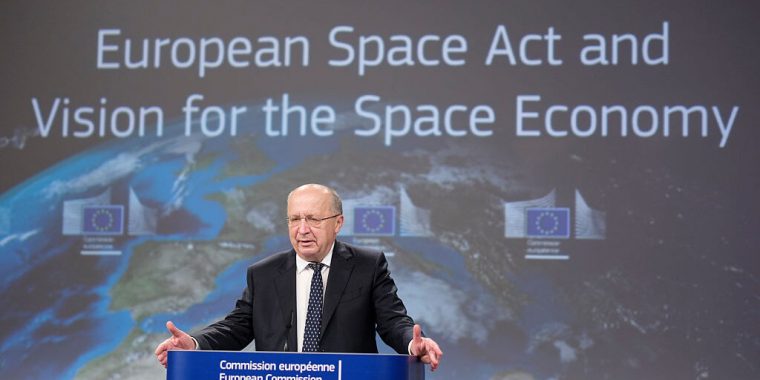
US slams ‘discriminatory’ draft EU space law as imperiling NATO cooperation – Breaking Defense

WASHINGTON

The
US
has
come
out
swinging
against
a
draft
law
by
the

European
Union

that
Washington
claims
would
establish
restrictive
market
barriers,
impose
costly
environmental
protection
requirements,
and
create
regulatory
hurdles
for
US
commercial
firms

thus
undermining
bilateral,
as
well
as
NATO-wide,
cooperation.

The
US
“expresses
deep
concern
regarding
measures
in
the
proposed
Act
that
would
impose
unacceptable
regulatory
burdens
on
U.S.
providers
of
space
services
to
European
customers,”
the
State
Department
charges
in
a
document
submitted
to
the
EU
on

Tuesday
.

The
draft
EU
Space
Act,
publicized
in
June,
has
three
key
pillars,
according
to
a

fact
sheet

by
the
European
Commission,
the
EU’s
executive
branch:

  • Safety:
    The
    Act
    introduces
    robust
    rules
    for
    tracking
    space
    objects
    and
    mitigating
    space
    debris,
    preserving
    Europe’s
    secure
    and
    uninterrupted
    access
    to
    space.

  • Resilience
    :
    Tailored
    cybersecurity
    requirements
    will
    strengthen
    protection
    of
    European
    space
    infrastructure
    and
    ensure
    business
    continuity.

  • Sustainability
    :
    Operators
    will
    need
    to
    assess
    and
    reduce
    the
    environmental
    impact
    of
    their
    space
    activities,
    while
    benefiting
    from
    support
    for
    innovation
    in
    emerging
    technologies
    like
    in-orbit
    servicing
    and
    debris
    removal.”

The
European
Commission
maintains
that
the
goals
of
the
draft
law
are
primarily
aimed
at
domestic
issues

namely
to
overcome
national
stovepipes
and
create
a
unified
regional
space
market,
as
well
as
protect
EU
space
systems
from
malicious
cyber
attacks
by
criminals
and
adversary
governments
alike.

“The
EU
Space
Act
intends
to
cut
red
tape,
protect
space
assets,
and
create
a
fair,
predictable
playing
field
for
businesses,”
the
Commission
said
in
a

June
24
press

release
presenting
the
draft.

But
it’s
also
yet
another
prong
in
a
cross-institutional
regional
effort
to
bolster

“strategic
autonomy”

in
the
face
of
widespread
European
government
concerns
about
the
direction
of
US
policy,
ranging
from
the
Trump
administration’s
about-face
on
Ukraine
support
in
war
with
Russia
to
the
president’s
punitive
tariffs
on
European
imports.
The
push
for
EU
security
independence
includes
the
planned
move
by
the
European
Space
Agency,
for

the
first
time

in
its
50-year
existence,
to
take
on
projects
in
support
of
European
defense
ministries.

“This
is
about
safeguarding
Europe’s
place
in
the
next
era
of
space
innovation,”
the
European
Commision,
the
EU’s
executive
branch,
said
in
a

June
24

post
on
Facebook.

The
State
Department’s
analysis,
meanwhile,
claims
the
Act’s


provisions

in
general
amount
to
“non-tariff
barriers.”
If
approved,
the
law
would
“introduce
challenges”
to
US
government-to-government
cooperation
with
the
27-member
EU,
individual
EU
countries,
and
ESA,
State
says.
This
would
include
cooperation
in
the
areas
of
“space
weather,
remote
sensing,
space
exploration,
spaceflight
safety,
space
debris
mitigation
and
remediation,
[and]
communications.”

Provisions
of
specific
concern
include
environmental
protection
requirements
for
commercial
satellites
that
are
more
strict
than
those
imposed
by
US
regulatory
bodies
and
a
“discriminatory”
clause
that
says
outside
EU
launch
providers
will
only
be
approved
“when
‘no
readily
available
substitute
or
realistic
alternative
exist
in
the
Union
[…].’”

The
document
asserts
that
the
draft
law
thus
“contradicts”
the
Aug.
21
“United
States-EU
Framework
on
an
Agreement
on
Reciprocal,
Fair
and
Balanced
Trade”
designed
“to
resolve
trade
imbalances,
improve
market
access,
increase
our
trade
and
investment
relationship,
and
reduce
or
eliminate
non-tariff
barriers.”

State
also
argues
that
even
some
EU
member
states
may
not
approve
of
any
union
restrictions
on
their
individual
government
rights
to
choose
space
partnership
agreements
with
third-party
nations.

“As
currently
drafted,
the
EU
Space
Act
would
apply
to
civil
governmental
activities
of
European
countries
and
European
institutions
such
as
the
European
Space
Agency
(ESA)
and
the
European
Organisation
for
the
Exploitation
of
Meteorological
Satellites
(EUMETSAT).
Many
USG
[US
government]
departments
and
agencies
cooperate
with
EU
member
states
and
these
institutions,”
the
document
stresses.

For
example,
the
Defense
Department
relies
in
part
on
data
from
EUMETSAT
birds
for

weather
prediction

crucial
to
planning
operations
abroad.

“We
are
concerned
that
as
drafted,
the
requirements
of
the
Act
could
be
interpreted
as
applying
to
these
USG
activities.
That
is
not
acceptable,
and
we
expect
many
EU
member
states
will
share
our
concerns
about
application
of
the
Act
to
national
sovereign
activities,”
State’s
analysis
stresses.

Further,
the
document
asserts
that
the
provision
in
the
draft
EU
law
to
allow
exemptions
by
member
states
for
national
security
reasons
is
not
enough
to
ensure
military-to-military
cooperation
with
the
US
and
NATO-wide.

“[W]hile
the
EU
Space
Act
attempts
to
exempt
national
security
activities,
this
exemption
could
cause
issues
in
practice
as
currently
drafted.
The
United
States
does
not
believe
the
provisions
are
sufficient
to
protect
national
security
equities,
assets,
and
operations
because
the
Act
threatens
U.S.
and
EU
development
of
commercial
space
capabilities,
introducing
doubt
about
interoperability
of
systems
and
the
ability
to
use
collaboratively
developed
or
owned
space
assets
for
national
security
purposes,”
it
states.

The
submission
notes
that
the
response,
which
includes
provision-by-provision
criticisms
and
recommendations
for
changes,
was
coordinated
with
other
US
agencies
and
space
industry
representatives.

“Following
the
release
of
the
draft
EU
Space
Act
in
June
2025,
the
U.S.
Departments
of
State
and
Commerce
solicited
feedback
from
USG
agencies
and
commercial
stakeholders
on
its
potential
impact
on
the
United
States.
This
consultation
included
input
from
U.S.
trade
associations
representing
a
broad
cross-section
of
the
U.S.
commercial
space
industry,
as
well
as
over
70
responding
companies
that
have
active
or
potential
future
commercial
interests
in
the
EU
market,’
the
document
explains.

In
particular,
State
argues
that
several
provisions
seemed
aimed
at
US
companies
solely
because
of
their
size
and
dominance
in
the
global
market,
especially
in
the
area
of
“large
telecommunications
constellations”

that
appears
to
be,
while
not
specifically
saying
so,
taking
aim
at
EU
efforts

to
counter
SpaceX
.

“Such
unfair
and
unwarranted
regulations
are
unacceptable
to
the
United
States
and
must
be
removed,”
the
document
states.

The
draft
EU
Space
Act
has
been
referred
to
the
EU
Parliament
for
debate.
If
given
a
thumbs
up,
the
draft
will
then
go
to
the
ruling
EU
Council
of
Ministers
for
a
vote.


Cadwalader Reportedly Enters Merger Talks With Top 50 Biglaw Firm – Above the Law

With
a

mass
exodus

afoot
and
growing
questions
about
its
long-term
strategy
and
growth
trajectory, rumors
of
Cadwalader
Wickersham
&
Taft’s

reported
interest

in
combining
with
another
firm
began
to
spread,
and
now
one
of
the
firm’s
potential
suitors
has
been
named.
This
could
be
one
of
the
most
consequential
Biglaw
mergers
this
year.

As
reported
by
the

American
Lawyer
,
Cadwalader
has
been
in
merger
talks
with
Atlanta-based
Alston
&
Bird,
with
at
least
two
other
firms
chatting
up
the
distressed
Wall
Street
firm.
Why
would
this
particular
merger
make
sense?
Am
Law
has
additional
details:

According
to
Am
Law
100
data,
Cadwalader
and
Alston
have
similar
revenue
per
lawyer
and
profits
per
equity
partner—a
positive
sign
for
combination
symmetry.
Alston
brought
in
$1.331
billion
in
revenue
in
2024,
slightly
more
than
double
Cadwalader’s
$638.2
million.
In
RPL,
Alston
generated
$1.424
million
while
Cadwalader
earned
$1.495
million,
a
difference
of
only
$70,000.
Meanwhile,
Alston’s
average
PEP
was
$4.086
million
last
year,
while
Cadwalader’s
was
$3.7
million,
a
difference
of
about
$300,000.

A
potential
tie-up
between
the
two
firms
would
not
only
combine
Cadwalader’s
and
Alston’s
core
practices
in
banking
and
finance,
but
expand
both
firms’
national
footprints
and
create
a
more
diversified
platform.
But
will
the
two
firms
tie
the
knot?

Cadwalader
once
again
issued
a
statement,
not
on
a
combination
with
Alston
specifically,
noting
that
it
has
indeed
been
approached
for
merger
discussions
by
top-tier
firms,
with
a
spokesperson
going
on
to
talk
up
the
firm’s
strengths
and
positive
attributes
during
this
highly
publicized
round
of
speed
dating.
“The
firm
is
in
a
very
strong
financial
position
and
remains
confident
in
our
standalone
strategy.
We
are
on
track
to
have
one
of
the
best
years
in
our
233-year
history,
projecting
over
$600M
in
revenue,
and
we
expect
similarly
substantial
revenue
and
strong
profitability
in
2026,”
the
spokesperson
said.
“We
have
added
over
75
lawyers
so
far
this
year.
Cadwalader
remains
a
very
attractive
destination
for
elite
level
lawyers
to
thrive.”

If
the
deal
with
Alston
&
Bird
does
move
forward,
it
wouldn’t
just
reshape
Cadwalader,
but
it
would
signal
yet
another
major
shift
in
Biglaw’s
consolidation
era.
If
nothing
else,
the
fact
that
Cadwalader
may
be
seriously
entertaining
merger
talks
shows
just
how
much
the
market
has
changed,
and
how
few
firms
can
afford
to
stand
still.
And
if
the
deal
falls
apart?
The
fact
that
Cadwalader
is
even
at
the
table
tells
us
everything
we
need
to
know
about
where
the
firm
may
be
headed.


Alston
&
Bird
in
Midst
of
Merger
Talks
with
Cadwalader

[American
Lawyer]


Earlier
:

Merger
Momentum
Builds
At
Cadwalader
As
The
Firm’s
Woes
Deepen


Cadwalader’s
Mass
Exodus
Continues:
Nearly
40
Lawyers
Jump
To
Top
50
Biglaw
Firm
In
Practice
Group
Raid


Wall
Street’s
Oldest
Biglaw
Firm
Appoints
Co-Managing
Partner
Amid
Mass
Exits
And
Merger
Rumors


Staci
Zaretsky
 is
the
managing
editor
of
Above
the
Law,
where
she’s
worked
since
2011.
She’d
love
to
hear
from
you,
so
please
feel
free
to

email

her
with
any
tips,
questions,
comments,
or
critiques.
You
can
follow
her
on BlueskyX/Twitter,
and Threads, or
connect
with
her
on LinkedIn.

Morning Docket: 11.06.25 – Above the Law

*
In
an
unexpected
twist,
Laken
Riley
Act
becomes
the
grounds
for
judges
to

release

immigrants
detained
by
ICE.
[Courthouse
News
Service
]

*
Judge
blasts
prosecutors
for
“indict
first
and
investigate
second”
approach
to
Comey
case.
[ABA
Journal
]

*
Criminal
defense
lawyers
push
for
reform
to
allow
depositions
to
even
the
playing
field.
[Reuters]

*
Rick
Allen
of
Def
Leppard
settles
lawsuit
against
the
Four
Seasons.
The
real
one,
not
the
landscapers.
[Law360]

*
Study
reveals
UK
law
firm
hiring
remains
steady
amidst
concerns.
[Legal
Cheek
]

*
Oregon
locked
in
a
debate
over
the
power
local
authorities
have
over
federal
law
enforcement
committing
crimes
outside
the
scope
of
their
duty.
[Oregon
Capital
Chronicle
]

*
CLOC
decides
it’s
time
to
reinvent
itself.
Time…
get
it?
I’ll
show
myself
out.
[Corporate
Counsel
]