Former Biglaw Partner To Face Charges He Killed His Wife – Above the Law

On
October
27th,
2024
the
wife
of
former
Duane
Morris
tax
partner
Adam
P.
Beckerink,
Caitlin
Tracey,
was
found
dead
in
the
stairwell
of
Beckerink’s
apartment
building
in
Chicago’s
South
Loop.
Tracey’s
severed
foot
was
found
nearby.

Exactly
one
year
later,
Cook
County
prosecutors

issued
an
arrest
warrant

accusing
Beckerink
of
throwing
Tracey
over
the
stairwell
railing
in
his
apartment
building
where
she
fell
24
floors
to
her
death.

After
Tracey’s
death,
the
allegations
of
abuse
she
made
against
her
husband
became
public.

Duane
Morris
removed
Beckerink
from
the
partnership,

saying,
“This
is
a
shocking
and
tragic
case,
and
we
send
our
deepest
condolences
to
the
family
and
friends
of
Caitlin
Tracey.
Our
firm
was
not
aware
of
the
domestic
violence
and
other
allegations
against
Adam
Beckerink
asserted
in
various
legal
proceedings
until
recent
media
accounts
of
her
death.
Once
we
confirmed
key
facts,
the
partners
board
swiftly
removed
Adam
as
a
partner
of
Duane
Morris
LLP.
He
is
no
longer
associated
with
our
firm.”

This
summer,
Beckerink

pleaded
no
contest

to
charges
he
abused
Tracey,
and
interfered
with
a
call
she
made
to
911.
Additionally,
Beckerink
entered
a
guilty
plea
to
a
contempt
of
court
charge
for
violating
a
no
contact
order.
The
charges
stem
from
a
2024
incident
two
months
before
Tracey
was
found
dead.
Beckerink
is
currently
serving
three
months
in
a
Michigan
jail
on
those
charges.
Tracey’s
family
issued
a
victim
impact
statement
during
sentencing.
“The
defendant
pled
no
contest
to
this
case
so
he
could
avoid
describing
the
brutal
acts
and
crimes
he
inflicted
on
Caitlin,”
Monica
Tracey
said.
“Judge,
please
know
that
our
daughter
never
stood
a
chance
against
this
brute.
She
was
only
4’11”.
She
weighed
103
pounds.”

“Instead
of
meeting
our
daughter
for
dinner,
my
husband
and
I
visit
her
grave,”
Monica
Tracey
continued.
“There
is
no
justice
that
can
heal
our
pain,
no
means
to
bring
her
back,
or
to
take
away
the
physical
and
mental
brutality
this
monster
caused
her.

If
you’re
a
victim
of
familial
or
domestic
violence,
reach
out
if
you
need
help.
If
you
feel
that
you
are
in
immediate
danger,
please
call
the National
Domestic
Violence
Hotline
 at
1-800-799-SAFE
(7233).
Assistance
is
available
in
English
and
Spanish.

Earlier:

Biglaw
Partner
Removed
From
Firm
After
Wife’s
Remains
Found
In
Stairwell


Former
Biglaw
Partner
Pleads
No
Contest
To
Domestic
Abuse
Charges
Against
Dead
Wife



Kathryn
Rubino
is
a
Senior
Editor
at
Above
the
Law,
host
of

The
Jabot
podcast
,
and
co-host
of

Thinking
Like
A
Lawyer
.
AtL
tipsters
are
the
best,
so
please
connect
with
her.
Feel
free
to
email

her

with
any
tips,
questions,
or
comments
and
follow
her
on
Twitter

@Kathryn1
 or
Mastodon

@[email protected].

Florida Lawsuit Will Determine If Law School Student Tweeting ‘Jews Must Be Abolished’ Is An Expellable Offense – Above the Law

This
administration
has
hit
pretty
hard
against
schools
found
lacking
in
their
fight
against
antisemitism.
Threats
about
losing
accreditation,
snatching
away
billions
in
ear
marked
federal
funding…
dire
consequences
all
around.
Given
the
climate,
universities

especially
public
ones

are
and
should
be
on
high
alert
to
punish
and
distance
themselves
from
actual
instances
of
antisemitism.
Being
associated
with
a
student
who
boldly
declared
that
“Jews
must
be
abolished
by
any
means”
definitely
wasn’t
a
good
look
for
University
of
Florida.

This
student
also
gained
infamy
for

writing
a
White
supremacist
constitutional
law
paper

that
advocated
for,
among
other
things,
shoot
to
kill
orders
at
the
border.
Once
word
of
his
digital
footprint
got
out,
the
university
expelled
Preston
Damsky
from
the
school.
The
expulsion
prompted
Damsky
to
sue
the
school
for
violating
his
right
to
free
speech.

The
Gainsville
Sun

has
coverage:

A
federal
judge
heard
arguments
Oct.
29
in
the
case
of
a

University
of
Florida

law
student

expelled
for
antisemitic
tweets
.

[Damsky’s
lawyer]
said
Damsky’s
statements
were
not
literal
or
targeted.
“It
was
basically
trolling,”
he
said.
Damsky
tweeted
that
Jews
should
be
abolished
to
around
25
followers.
It
wasn’t
until
a
UF
law
professor
responded,
asking
if
Damsky
would
murder
her
and
her
family,
that
the
tweet
raised
broad
concerns
among
UF
law
students
and
faculty.

“Your
Honor,
my
client
would
have
been
fine
if
one
of
his
teachers
just
kept
her
mouth
shut.”
Nice
way
to
deflect
the
blame
on
to
a
professor
asking
questions
about
safety!

The
tension
between
“limiting
free
speech
off
campus”
and
the
duty
to
protect
students
and
faculty
from
threats
is
palpable.
It
would
be
an
easier
question
if
Damsky
ended
his
tweet
with
“and
I
will
do
my
part,”
but
the
tweet’s
lack
of
immediacy
makes
it
harder
to
read
as
a
time-sensitive
“true
threat.”
That
said,
the
tone
and
context
can
still
reasonably
be
received
as
threatening
or
at
least
the
intentional
creation
of
a
hostile
environment.
Legal
scholars
have

taken
a
turn

at
navigating
the
conflict
between
protecting
speech
and
protecting
victims
of
discriminatory
acts.
Can
institutions
even
fulfill
their
legal
obligations
to
students
without
punishing
other
students
in
ways
that
suppress
political
speech?

Academic
questions
aside,
one
thing
to
know
about
trolling
is
that
the
trolls
are
going
to
keep
pushing
the
limit
as
far
as
they
can.
The
point
is
to
use
their
freedom
to
make
others
feel
threatened
or
excluded,
and
they’ve
gotten
very
good
at
it
over
the
history
of
the
country.
So
whatever
the
law
concludes,
if
Damsky
wins
this
case,
expect
that
he
and
others
will
take
it
and
be
emboldened
to
go
out
and
make
similar
tweets
in
the
future.
And
maybe
even
test
out
being
a
little
more
aggressive
in
tone.


Earlier
:

Trump
Judge
Gives
Nazi-Sympathizing
Law
Student
High
Marks
For
Rehashing
Klan
Legal
Theory
Calling
For
Minority
Disenfranchisement
And
Murdering
Immigrants


Judge
Hears
UF
Case
On
Law
Student’s
Antisemitic
Tweets

[Gainsville
Sun]


Chris
Williams
became
a
social
media
manager
and
assistant
editor
for
Above
the
Law
in
June
2021.
Prior
to
joining
the
staff,
he
moonlighted
as
a
minor
Memelord™
in
the
Facebook
group Law
School
Memes
for
Edgy
T14s
.
 He
endured
Missouri
long
enough
to
graduate
from
Washington
University
in
St.
Louis
School
of
Law.
He
is
a
former
boatbuilder
who
is
learning
to
swim, is
interested
in
critical
race
theory,
philosophy,
and
humor,
and
has
a
love
for
cycling
that
occasionally
annoys
his
peers.
You
can
reach
him
by
email
at [email protected]
and
by
tweet
at @WritesForRent.

Legal Business Development As A Team Sport – Above the Law

People
assume
that
because
I
have
a
Michael
Jordan
jersey
on
my
wall,
I’m
a
huge
Chicago
sports
fan.
When
the
Bulls
were
in
their
prime,
nothing
was
more
exciting
than
going
to
a
game
or
watching
them
dominate
from
a
local
bar.
The
truth
is,
I
don’t
really
watch
or
care
much
about
any
US
sports.
My
jam
is
Premier
League
Football
(soccer
to
us
Yanks).
Every
week,
I
catch
the
highlights
from
every
match,
not
to
support
a
single
team,
but
to
enjoy
the
sport
at
its
finest.

One
thing
that’s
always
bothered
me
about
team
sports
is
when
a
player
scores
and
celebrates
like
he
was
the
only
one
responsible.
What
about
the
defender
who
stole
the
ball
and
started
the
play?
Or
the
perfect
pass
that
set
up
the
goal?
The
best
players
know
their
success
depends
on
the
team,
and
they
make
sure
to
acknowledge
that.

When
I
see
a
player
score
and
point
to
the
teammate
who
made
the
assist,
I
know
they
get
it.
So
why
does
business
development
for
lawyers
often
feel
like
a
solo
effort?
For
many
attorneys
I
coach,
that’s
how
it
starts,
but
it
doesn’t
have
to
stay
that
way.
The
real
opportunity
lies
in
building
business
with
the
firm,
for
the
firm,
and
creating
a
wave
of
profitability
for
everyone.
Here
are
three
moves
to
help
your
team
(your
firm)
win
year
after
year.


Team
Move
#1:
Who’s
on
your
team?

It’s
hard
to
succeed
when
everyone
is
out
for
themselves.
Too
many
firms
focus
only
on
billable
hours
and
profitability.
Partners
keep
to
their
silos,
pushing
work
down
to
protect
their
pocketbooks.
Support
is
limited,
and
closed
compensation
models
make
collaboration
nearly
impossible.

Hopefully,
that’s
not
your
situation,
but
regardless,
you
can
still
build
a
winning
team.
Start
by
identifying
the
right
players.
Meet
with
colleagues,
build
relationships,
and
find
those
open
to
collaboration.
Aim
for
three
to
five
partners
you
like,
trust,
and
believe
in.
Choose
people
who
are
excellent
at
what
they
do
and
willing
to
share
clients
and
origination
credits.
You
can
even
ask
your
mentor
to
help
identify
good
teammates.

Be
aware
that
not
everyone
knows
how
to
share
or
collaborate
effectively,
so
avoid
those
folks.
Once
you’ve
found
your
players,
invite
one
to
meet
a
client
of
yours.
Show
how
collaboration
adds
value
for
the
client
and
for
the
firm.
From
there,
explore
what
each
of
your
teammates’
clients
might
need
in
other
practice
areas.
This
creates
new
opportunities
and
demonstrates
how
shared
success
benefits
everyone.


Team
Move
#2:
How
to
Cross
Market
Like 
a Pro

Cross
marketing
is
one
of
the
most
underused
yet
powerful
ways
to
develop
new
business.
It’s
also
one
of
the
easiest.
When
you
recommend
a
colleague
to
a
client,
there’s
a
trust
transference
at
play.
For
example,
if
you
tell
a
client,
“I
have
an
amazing
lawyer
two
offices
down
who
can
help
with
this,”
they’ll
almost
always
say
yes.

Cross
marketing
works
both
ways.
You
can
bring
in
business
for
your
partners
and,
in
turn,
gain
access
to
their
clients.
To
do
it
well,
be
curious
about
your
clients
and
their
world.
Ask
questions
about
their
daily
challenges
and long-term goals.
You’ll
uncover
needs
they
haven’t
mentioned
and
deepen
your
relationship
by
becoming
an
advisor,
not
just
their
attorney.

On
the
flip
side,
sit
down
with
your
partners
to
review
their
client
lists.
Look
for
issues
outside
their
practice
area
where
you
can
add
value.
If
your
partner
handles
employment
matters
and
you
handle
litigation,
explore
where
your
services
intersect.
Walk
through
their
top
clients,
brainstorm
potential
introductions,
and
outline
how
to
add
value
together.
The
more
integrated
your
services
become,
the
harder
it
is
for
clients
to
leave.


Team
Move
#3:
Treat
Your
Team
Like
Champions

When
cross
marketing
is
done
right,
everyone
wins.
The
goal
is
to
feed
work
out,
bring
work
in,
and
share
credit
fairly.
I
often
say,
“If
you
find
a
nugget
of
gold,
mine
it.”
The
same
applies
here.
Meet
regularly
with
your
partners
to
review
exchanged
work,
discuss
new
opportunities,
and
plan
joint
outreach.
Consistency
drives
success.

Don’t
neglect
the
human
side.
Take
your
partners
to
lunch,
grab
a
drink,
or
catch
a
show
together.
Invest
in
those
relationships
and
always
show
appreciation.
A
sincere
thank
you
goes
a
long
way.
These
relationships
can
pay
dividends
for
years,
even
if
one
of
you
leaves
for
another
firm
or
goes
in
house.

For
many
lawyers,
business
development
still
feels
like
an
individual
sport.
Eat
what
you
kill
and
enjoy
the
spoils.
But
for
those
at full-service firms,
I
encourage
you
to
think
differently.
Team
based
business
development
can
generate
more
work
than
almost
any
other
effort.
Some
of
my
clients
bring
in
million
dollar
matters
just
by
maintaining
strong
relationships
and
introducing
teammates
to
their
clients.

Working
together
isn’t
just
more
profitable,
it’s
smarter.
For
many
lawyers,
it’s
the
gateway
to
working
less
and
earning
more.

If
you
want
to
explore
how
to
make
this
approach
work
for
you,
reach
out.
I’m
happy
to
discuss
your
situation
and
help
you
gain
the
control
and
confidence
that
come
from
real
business
development
success. Just
email
me
at [email protected] or
visit www.bethatlawyer.com.


Steve
Fretzin
is
a
bestselling
author,
host
of
the
“Be
That
Lawyer”
podcast,
and
business
development
coach
exclusively
for
attorneys.
Steve
has
committed
his
career
to
helping
lawyers
learn
key
growth
skills
not
currently
taught
in
law
school.
His
clients
soon
become
top
rainmakers
and
credit
Steve’s
program
and
coaching
for
their
success.
He
can
be
reached
directly
by
email
at 
[email protected].
Or
you
can
easily
find
him
on
his
website
at 
www.fretzin.com or
LinkedIn
at https://www.linkedin.com/in/stevefretzin
.

Being Proactive: How To Advance Your Cases – Above the Law

Whether
you
are
on
the
plaintiff
or
defense
side,
you
have
an
obligation
continually
to
advance
your
case. 
I’m
surprised
how
often
lawyers
allow
their
cases
to
languish,
to
the
detriment
of
their
clients.
At
the
beginning
of
each
case,
you
need
to
define
a
win
with
your
client,
whether
the
plaintiff
or
defendant,
develop
a
plan
to
achieve
your
goals,
define
the
action
steps
for
each
goal,
and
do
the
daily
hard
work
and
grind
to
accomplish
those
tasks.
There
is
no
stasis
in
litigation. 
If
you’re
not
winning,
you’re
losing,
and
if
you’re
not
gaining
ground,
you’re
giving
up
ground.

Propound
written
discovery
as
soon
as
you
can. 
Draft
interrogatories,
requests
for
production,
and
requests
for
admission. 
Determine
which
third
parties
have
records
and
seek
those
as
quickly
as
possible.
Evaluate
which
experts
you
need
and
involve
them
early.
Figure
out
whom
to
depose
and
schedule
their
depositions.
Use
the
first
30
days
of
the
case
to
set
in
motion
everything
you
need
to
secure
the
client’s
approved
goals.

Sometimes
we
delay
because
we’re
busy
or
we
want
to
save
the
client
money.
If
you’re
personally
too
busy,
get
others
to
help.
And
explain
to
the
client
why
the
first
bill
or
two
may
be
significant
because
of
the
work
that
is
necessary
to
pursue
and
the
tasks
that
need
to
be
completed.
Delaying
action
to
save
money
often
costs
more
money
in
the
long
run.
A
planned,
robust,
up-front
approach
has
frequently
resulted
in
early
resolutions.

An
initial
conversation
with
the
client
to
discuss
goals,
expectations,
preferred
outcomes,
costs,
and
approaches
helps
your
team
orient
and
ensures
everyone
is
on
the
same
page.
Lack
of
communication
and
misunderstandings
are
common
causes
of
client
disputes
and
can
cause
headaches
for
everyone
involved.
Creating
a
case
plan
through
trial
(knowing
most
cases
settle)
with
the
client,
with
an
explanation
and
discussion
of
workflows,
decision
trees,
checklists,
and
costs,
helps
everyone
evaluate
the
best
approach
to
the
case.
When
a
client
understands
the
undertaking
and
price
tag
for
a
case,
they
may
decide
on
a
different
approach
or
resolution.

It’s
easy
to
plow
into
a
case,
do
the
standard
fare
folks
do,
and
figure
out
the
case
as
you
go.
I
see
this
too
often,
and
it
rarely
works.
My
best
results
came
in
matters
where
opposing
counsel
had
little
to
no
plan
and
were
only
focused
on
the
task
at
hand.
We
wouldn’t
build
a
house
without
a
plan. 
We
wouldn’t
start
a
business
without
a
plan. 
You
shouldn’t
handle
a
case
without
a
plan.

Most
lawyers
handle
a
limited
number
of
case
types.
If
this
is
you,
prepare
a
default
case
outline
and
action
plan
for
each
case
type,
and
use
them
as
a
jumping-off
point
each
time
you
start
a
new
case.
Starting
each
case
with
a
client-approved
plan
(which
will
undoubtedly
evolve
over
the
course
of
the
case)
ensures
a
well-reasoned
approach
where
everyone
is
on
the
same
page.

To
resolve
a
case
on
your
terms
—on
favorable
terms

you
need
to
be
proactive,
push
your
case
forward,
and
work
your
plan.
This
approach
will
yield
the
best
results
for
your
client.


Frank
Ramos
is
a
partner
at
Goldberg
Segalla
in
Miami,
where
he
practices
commercial
litigation,
products,
and
catastrophic
personal
injury. You
can
follow
him
on LinkedIn,
where
he
has
about
80,000
followers
.

This Is The Citizen Kane Of ‘Police Officer Going To Zoom Court Hearing Without Pants’ Clips – Above the Law


Overrated
:
How
are
we
still
seeing
AI
hallucinated
cases?
It’s
a
tragic
reflection
of
the
justice
system’s
tech
incompetence!


Underrated
:
Buddy,
we’re
still
seeing
Zoom
fails.
Keep
your
pants
on.

In
this
specific
case,
we
mean
this
literally.
Five
years
on
from
COVID
sending
the
entire
profession
into
Zoom,
giving
us
everything
from
naked
appearances

to

sex
hearings

and
turned
I’m
not
a
cat

into
a
celebrity,
the
courts
are

still

dealing
with
Zoom
fails
because
professional
dignity
ends
where
the
camera
frame
begins.

A
Detroit
police
officer
appeared
in
a
virtual
court
hearing
wearing
his
official
uniform
shirt
and
badge,
and
not
so
much
else.
It’s
the
sort
of
thing
Detroit’s
greatest
law
enforcement
hero
might
have
pulled,
but
Axel
Foley
would’ve
joined
reclining
on
a
floaty
in
a
Beverly
Hills
pool
and

no
one
would’ve
been
the
wiser
.

The
clip
is
art.
The
stages
of
grief
beautifully
distilled
in
flickering
images
stitched
together
and
whizzed
across
our
screens
at
speed.
Look
at
this!
This
is
some

400
Blows

era
Truffaut
composition
right
here.
Walk
with
us
through
this
staggering
work
of
breathtaking
genius.

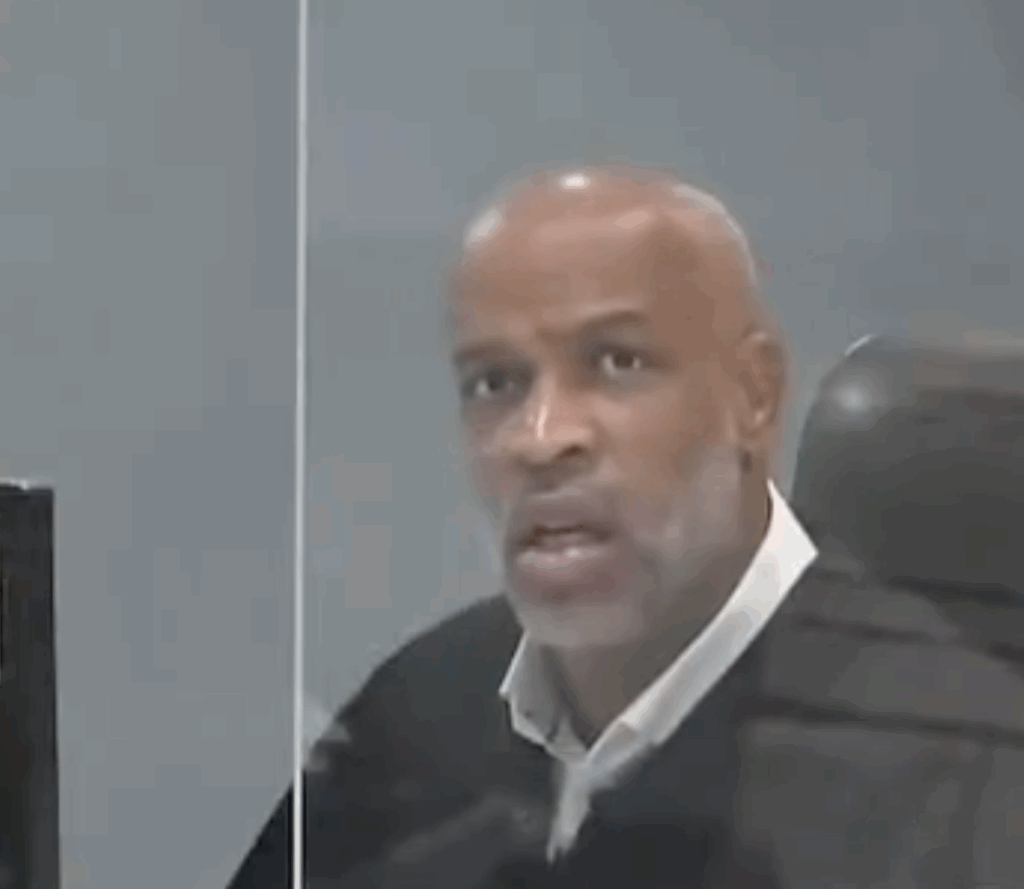
Denial


Judge
Sean
B.
Perkins
,
attempting
to
come
to
grips
with
the
image
on
his
screen
and
instantly
regretting
the
lack
of
imagination
in
his
“no
shirt,
no
shoes,
no
justice”
sign.
Note
how
Judge
Perkins
makes
the
bold
creative
choice
to
break
the
fourth
wall
here

to
make
eye
contact
directly
with
the
audience
to
offer
an
unspoken
plea:

tell
me
this
is
not
happening
.
But,
like
that
plastic
partition

creating
a
screen
within
a
screen
effect
symbolizing
the
compounding
and
impenetrable
distance
between
us

the
audience
descends
into
heartbreak,
both
powerless
to
answer
his
call
and
unable
to
provide
comfort
if
it
could.

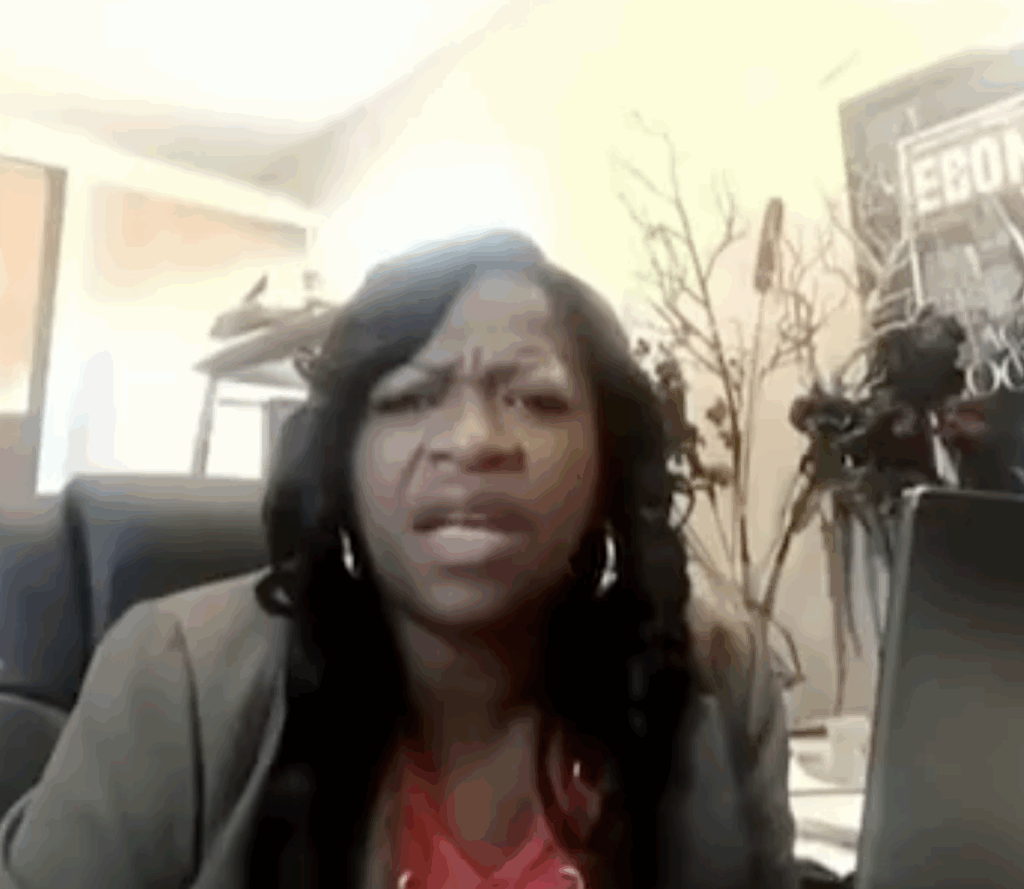
Anger

It’s
probably
better
to
describe
this
as
annoyed
confusion,
but,
when
we’re
truly
honest
with
ourselves,
isn’t
that
really
what
anger
is?
Based
on
the
names
at
the
bottom
of
the
screen,
that’s
defense
attorney

TaTaNisha
Reed

captured
moments
after
surmounting
her
own
denial
stage.
The
mise-en-scène
places
the
light
cascading
over
her
with
an
incandescent
quality
to
convey
righteous
rage
to
the
audience.
The
sort
of
righteous
rage
a
criminal
defense
attorney
might
have
when
they’re
thinking
“seriously,
my
client’s
fate
is
in
the
hands
of
a
cop
who
can’t
even
bother
to
put
his
pants
on?!?”

In
this,
she
speaks
for
us
all.

Bargaining

“You
got
some
pants
on,
cuz

uh

officer?”
No
notes.

Depression

“Is
that
in
the…
no,
sir.”
Defeat.
And
also
a
meditation
upon
the
institution
of
law
enforcement
in
2025.
Formal,
martial
uniformity
increasingly
exposed
from
beneath.
It’s
a
trope
that
we’ve
seen
time
and
again,
but
as
a
sequel
one
cannot
help
but
draw
parallels
to
Werner
Herzog’s

Bad
Lieutenant
Port
of
Call
New
Orleans

or
Pants
Off
Dance
Off
Season
2.

Acceptance

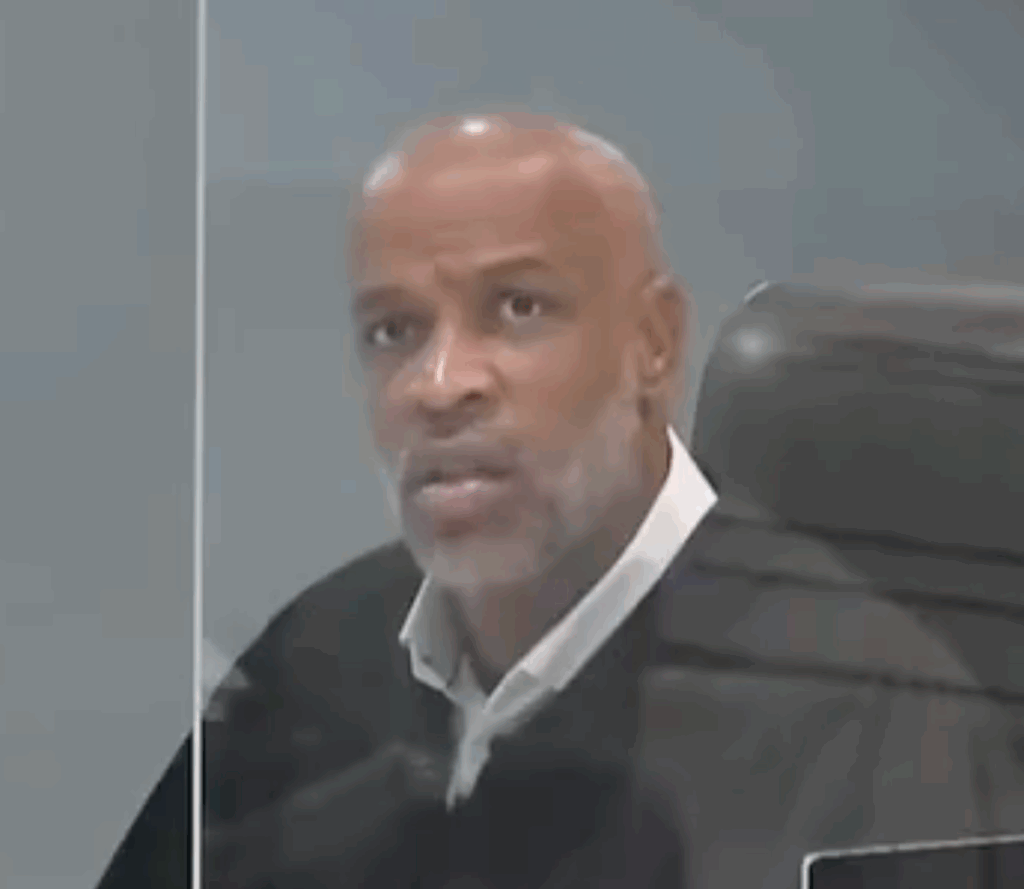
“Uh,
uh,
ok.”
Resignation
meets
resilience
as
the
judge
buries
the
lingering
memories
of
the
event
and
pivots
to
call
upon
the
woman
we
assume
to
be
the
prosecutor
(who
is
never
shown
in
the
clip…
another
symbolic
nod
to
the
intangible
and
yet
ever
present
nature
of
the
state?
Simultaneously

within

the
chat
and
yet
without
as
she
floats
above
and
untouched
by
this

to
draw
upon
Lacan

encounter
with
the
Real.)

So
the
clip
concludes.
The
audience
is
ripped
away
from
the
narrative
without
conclusion,
and
yet…
forever
changed.

And,
somewhere
in
the
distance,
the
familiar
melody
of

Axel
F

begins.

The Real Revolution In AI: What Model Context Protocol Means For Legal Ops – Above the Law

Looking
to
maximize
the
benefits
of
AI
and
related
technologies
in
your
law
department? 

Join
us
for
this
webinar
presented
by
our
friends
at
Concord,
where
we’ll
explore
how
Model
Context
Protocol
is
transforming
legal
operations. 

MCP
allows
you
to
access
your
favorite
tools

Gmail,
Google
Drive,
and
Hubspot,
for
example

from
ChatGPT
or
Claude. 

Concord
CEO
Matt
Lhoumeau
and
Above
the
Law’s
Bob
Ambrogi
will
explain
how
MCP
enables
faster
insights,
smarter
automation,
and
seamless
system
connectivity.

Speaker
Bios:

Matt Lhoumeau

As
CEO,
he
has
built
a
platform
that
makes
contract
management
simple
and
efficient.
My
goal
is
to
help
teams
manage
contracts
without
needing
to
involve
legal
at
every
step.
We
put
the
control
in
the
hands
of
the
people
who
actually
use
the
contracts—sales,
operations,
HR—so
they
can
move
faster
and
get
deals
done.


Bob
Ambrogi

Bob
is
a lawyer
and
journalist
who
has
been
writing
and
speaking
about
legal
technology
and
innovation
for
more
than
two
decades.
He
writes
the
award-winning
blog
LawSites,
is
a
columnist
for
Above
the
Law,
hosts
the
podcast
about
legal
innovation,
LawNext,
and
hosts
the
weekly
legal
tech
journalists’
roundtable,
Legaltech
Week.
He
is
also
co-founder
of
the
LawNext
Legal
Technology
Directory.


Are Lawyers Next On AI’s Chopping Block? – Above the Law

This
week,

Amazon
announced

plans
to
lay
off
14,000
employees
by
the
year’s
end.
News
reports
indicate
that’s
only
the
beginning.
In
a
blog
post
addressed
to
its
workforce
earlier
this
year,
CEO
Andy
Jassy
forewarned
the
layoffs,
“As
we
roll
out
more
Generative
AI
and
agents,
it
should
change
the
way
our
work
is
done.
We
will
need
fewer
people
doing
some
of
the
jobs
that
are
being
done
today,
and
more
people
doing
other
types
of
jobs.”

Meta
has
also

downsized
its
workforce

this
year.
In
January,
CEO
Mark
Zuckerberg
sent
a
memo
to
Meta’s
employees
outlining
plans
to
increase
efficiency
using
AI,
enabling
the
company
to
eliminate
5%
of
its
workforce,
a
total
of
approximately
3,500
jobs,
by
the
end
of
2025.
Since
then,
Meta
has
carried
out
multiple
waves
of
layoffs:
in
February,
nearly
4,000
employees
across
the
U.S.,
Europe,
and
Asia
were
cut;
in
April,
over
100
staff
from
Reality
Labs,
which
builds
VR
and
wearable
tech,
were
let
go;
in
June,
managers
were
told
to
give
15%
to
20%
of
large-team
members
“below
expectations”
ratings
to
prepare
for
more
cuts;
and
most
recently,
about
600
employees
from
Meta
Superintelligence
Labs,
the
company’s
AI
division,
were
laid
off.

Meta
and
Amazon
aren’t
lone
wolves;
corporate
America
is
fully
on
board
with
this
game
plan.
According
to
a
recent
Resume.org

survey
,
39%
of
companies
have
already
reduced
their
headcount,
with
another
36%
planning
to
do
so
over
the
next
few
months.
For
example,
Salesforce,
which
determined
that
AI
could
handle
50%
of
customer
support
tasks,
subsequently
cut

4,000
customer
support
positions

last
month.


Can
Lawyers
Avoid
The
Chopping
Block?

The
writing
seems
to
be
on
the
wall:
AI
is
replacing
jobs,
and
like
it
or
not,
legal
professionals
aren’t
immune
from
this
trend.
AI
is
probably
coming
for
their
jobs,
too.

Case
in
point:
Microsoft’s
workforce
reductions
in
May
and
July
impacted
15,000
people,
32
of
whom
were
lawyers
and
five
of
whom
were
paralegals.
Some
industry
experts
believed

AI
was
partially
to
blame

Sean
Burke,
founding
partner
of
recruiting
firm
Whistler
Partners,
who
places
tech
attorneys
at
startups,
said,
“My
guess
is
that
the
lion’s
share
of
laid-off
attorneys
at
Microsoft
are
in
the
bottom
tranche,
lawyers
three
to
seven
years
out
of
law
school
that
are
more
easily
replaced,
where
you
can
get
less
lawyers
to
do
more
using
AI.”


In
The
AI
Era,
Who
Needs
Lawyers?

Now
that
AI
is
ubiquitous
and
free,
potential
legal
consumers,
especially
those
who
can’t
afford
an
attorney,
are
questioning
whether
lawyers
are
even
necessary.
Why
pay
for
a
lawyer
when
AI
can
help
you
represent
yourself?

Because
of
this
attitude,
the
rate
of
pro
se
litigants
relying
on
AI
tools
is
increasing,
with
some
achieving
successful
outcomes.
In
one
recent
case,
a
California
woman
appeared
pro
se
in
an
eviction
matter.
While
she
was
working
with
a
local
tenant
advocacy
network,
a
jury
decided
in
favor
of
her
landlord. 

Rather
than
continuing
to
work
the
advocacy
network,

she
turned
to
AI
.
With
the
assistance
of
ChatGPT
and
Perplexity,
she
identified
errors
in
the
court’s
procedural
rulings,
ultimately
winning
on
appeal.
She
explained
that
AI
was
the
key
to
her
success:
“I
can’t
overemphasize
the
usefulness
of
AI
in
my
case.
I
never,
ever,
ever,
ever
could
have
won
this
appeal
without
AI.”

In
another
case,
a
pro
se
litigant

relied
on
ChatGPT
to
dispute
allegations
of
an
unpaid
debt
.
She
asked
the
chatbot
for
advice
on
how
to
respond
to
the
lawsuit
and
used
it
to
create
templates
and
draft
arguments
in
her
favor.
She
was
able
to
negotiate
a
settlement
that
reduced
the
amount
owed
by
$2,000.


Facing
The
Music
And
Adapting

Not
all
lawyers
are
reacting
to
this
newfound
reality
with
dismay.
Some
are
proactively
pivoting
and
identifying
ways
to
use
AI
to
bridge
the
access
to
justice
gap. 

For
example,
Zoe
Dolan,
a
supervising
attorney
at
Public
Counsel,
a
nonprofit
public
interest
law
firm
and
legal
advocacy
center
in
Los
Angeles,
decided
to

offer
educational
resources
for
self-represented
litigants
.
She
helped
design
a
course
that
would
assist
LA
County
residents
in
understanding
how
to
responsibly
use
AI
for
advocacy
purposes.
Topics
covered
included
crafting
prompts,
creating
documents,
and
analyzing
the
accuracy
of
AI
outputs.


The
Choice
Is
Yours

AI
isn’t
just
changing
the
way
lawyers
work.
It’s
changing
how
people
obtain
legal
assistance,
and
blurring
the
boundaries
between
attorney
and
algorithm.
Some
lawyers
perceive
this
trend
as
a
threat,
but
others
recognize
it
as
an
opportunity
to
rethink
how
legal
help
is
delivered. 

As
the
number
of
AI-assisted
pro
se
litigants
increases,
legal
professionals
must
adapt
by
using
AI
to
streamline
tasks,
educate
clients,
and
focus
on
complex,
human-driven
advocacy.
Lawyers
won’t
be
replaced,
but
their
role
may
very
well
be
redefined.
So
what
better
time
than
now
to
change
how
you
think
about
your
work? 

The
future
of
law
isn’t
lawyers

versus

AI,
it’s
lawyers

with

AI.
Attorneys
who
understand
that
distinction
will
shape
the
next
chapter
of
the
profession,
their
law
firms,
and
the
way
legal
services
are
provided. 


Nicole
Black
 is
a
Rochester,
New
York
attorney
and
Principal
Legal
Insight
Strategist
at 
8am,
the
team
behind
8am
MyCase,
LawPay,
CasePeer,
and
DocketWise.
She’s
been 
blogging since
2005,
has
written
weekly
column
 for
the
Daily
Record
since
2007,
is
the
author
of 
Cloud
Computing
for
Lawyers
,
co-authors 
Social
Media
for
Lawyers:
the
Next
Frontier
,
and
co-authors 
Criminal
Law
in
New
York
.
She’s
easily
distracted
by
the
potential
of
bright
and
shiny
tech
gadgets,
along
with
good
food
and
wine.
You
can
follow
her
on
Twitter
at 
@nikiblack and
she
can
be
reached
at 
[email protected].

How the Expiration of ACA Tax Credits Will Impact Commercial Insurance, Per a Cigna Exec – MedCity News

The
government
shutdown
is
still
underway,
and
a

key
sticking
point

of
this
shutdown
is
the
expiration
of
the
Affordable
Care
Act’s
enhanced
premium
tax
credits
at
the
end
of
the
year. 

These
were
introduced
in
2021
and
lowered
monthly
premiums
for
those
who
buy
coverage
on
the
marketplaces.
Democratic
lawmakers
are
calling
for
an
extension
of
the
tax
credits,
while
Republicans
have
been
more
reluctant.
It’s

estimated

that
if
the
tax
credits
expire,
ACA
Marketplace
premiums
will
more
than
double
on
average
next
year.

But
it’s
not
just
those
receiving
coverage
on
the
marketplaces
that
will
be
affected
by
the
expiration
of
the
enhanced
premium
tax
credits,
according
to
Dr.
Amy
Flaster,
chief
medical
officer
of

Cigna
Healthcare
.

“This
has
implications
in
terms
of
overall
access
to
care
for
members,
and
we
also
believe
it
will
have
financial
implications
across
the
entire
population,
including
employer-sponsored
insurance
and
commercial
populations,
in
terms
of
premiums
needing
to
go
up
to
help
support
what
we
think
the
effect
of
the
end
of
the
exchange
credits
will
look
like,”
she
said.

Flaster
made
these
comments
during
an
interview
at
the
recent
HLTH
conference
in
Las
Vegas.
Cigna
has
a
relatively
small
ACA
business,
but
a
large
commercial
business,
which
is
why
the
broader
impact
of
these
tax
credits
is
particularly
concerning
to
Flaster.

“It’s
something
I’m
personally
worried
about,
and
want
to
make
sure
that
as
many
people
have
access
to
care
as
possible
at
an
affordable
price
as
possible,
both
exchange
members,
but
also
employers
that
are
very
cognizant
of
their
premiums
and
[are]
dealing
with
the
same
affordability
challenges,”
she
continued.

If
the
tax
credits
expire,
more
Americans
will
be
uncovered
and
it’s
likely
that
provider
systems
will
have
to
deliver
more
care
that
is
not
reimbursed.
This
will
have
a
“spillover
effect”
on
the
rest
of
the
healthcare
system,
Flaster
added.

“It
will
mean
that
provider
systems
that
may
already
be
feeling
financial
pressure
may
feel
even
more
pressure,”
she
said.
“There
may
be
patients
with
increased
access
issues,
and
there
may
be
an
increase
in
premiums
for
commercial
members,
because
the
commercial
plans
may
be
helping
to
offset
some
of
the
other
elements
of
unreimbursed
care.”

The
CEO
of
the
Business
Group
on
Health,
Ellen
Kelsay,
made

similar
comments

to
MedCity
News
back
in
April
about
cuts
to
Medicaid.
These
cuts
may
cause
hospitals
and
providers
to
charge
commercial
plans
more
to
make
up
for
the
loss
they
incur
from
government-funded
programs.

“I’ve
spoken
to
a
few
health
plan
executives
that
will
say
things
very
bluntly,
like,
‘Well,
if
we
are
getting
cut
here,
that
means
we’re
gonna
have
to
turn
around
and
charge
the
commercial
market
more.’
As
if
it’s
just
an
assumption
that
the
commercial
market
is
going
to
keep
paying
more,
and
they
can’t,”
Kelsay
previously
told
MedCity
News.


Photo:
zimmytws,
Getty
Images

Top Biglaw Firm Will Require Associates To Spend Four Days In The Office Come 2026 – Above the Law

It’s
becoming
more
and
more
obvious
that
Biglaw
firms
want
associates
to
be
stationed
behind
their
desks.
One
by
one,
leading
law
firms
have
been
rolling
out
attendance
mandates
that
up
the
ante
for
time
spent
working
from
the
office.
It
now
looks
like
yet
another
top
law
firm
will
be
issuing
a
four-day
directive
for
across
much
of
the
globe.

Cooley

a
firm
that
brought
in
$2,152,017,000
gross
revenue
in
2024,
putting
it
at
No.
24
on
the
Am
Law
100

recently
announced
that
it
will
increase
its
in-person
attendance
policy
to
four
days each
week.
This
new
requirement
is
set
to
begin
on
January
1,
2026,
and
will
affect
all
attorneys
working
in
the
U.S.
and
Europe.
Happy
New
Year?

Maybe
Cooley
associates
shouldn’t
complain
about
the
new
policy
just
yet.
As
noted
by
the

American
Lawyer
,
some
of
the
firm’s
lawyers
are
spending
even
more
time
in
the
office:

Though
the
change
at
Cooley
affects
European
and
U.S.
offices,
some
of
the
firm’s
offices
in
Asia
have
already
been
working
in
the
office
five
days
a
week,
a
source
familiar
with
the
firm
noted.

Quite
a
few
Biglaw
firms
are
now
requiring
four
days
in
the
office
firmwide,
including
the
likes
of Davis
Polk
LathamPaul
Weiss
Ropes
&
Gray
Simpson
Thacher
SkaddenVinson
&
Elkins
Weil
Gotshal
WilmerHaleWhite
&
Case
SidleyHogan
Lovells
A&O
Shearman
;

Covington
;
and

DLA
Piper

(corporate
associates). Sullivan
&
Cromwell
 has
taken
its
attendance
policy
one
step
further,
requiring
attorneys
to
work
from
the
office
five
days
each
week.

As
soon
as
you
find
out
about
office
attendance
plans
at
your
firm,
please email
us
 (subject
line:
“[Firm
Name]
Office
Reopening”)
or
text
us
at (646)
820-8477
.
We
always
keep
our
sources
on
stories
anonymous.
There’s
no
need
to
send
a
memo
(if
one
exists)
using
your
firm
email
account;
your
personal
email
account
is
fine.
If
a
memo
has
been
circulated,
please
be
sure
to
include
it
as
proof;
we
like
to
post
complete
memos
as
a
service
to
our
readers.
You
can
take
a
photo
of
the
memo
and
attach
as
a
picture
if
you
are
worried
about
metadata
in
a
PDF
or
Word
file.
Thanks.


Cooley
Mandates
4-Day
In-Office
Policy
in
2026

[American
Lawyer]


Staci
Zaretsky
 is
the
managing
editor
of
Above
the
Law,
where
she’s
worked
since
2011.
She’d
love
to
hear
from
you,
so
please
feel
free
to

email

her
with
any
tips,
questions,
comments,
or
critiques.
You
can
follow
her
on BlueskyX/Twitter,
and Threads, or
connect
with
her
on LinkedIn.

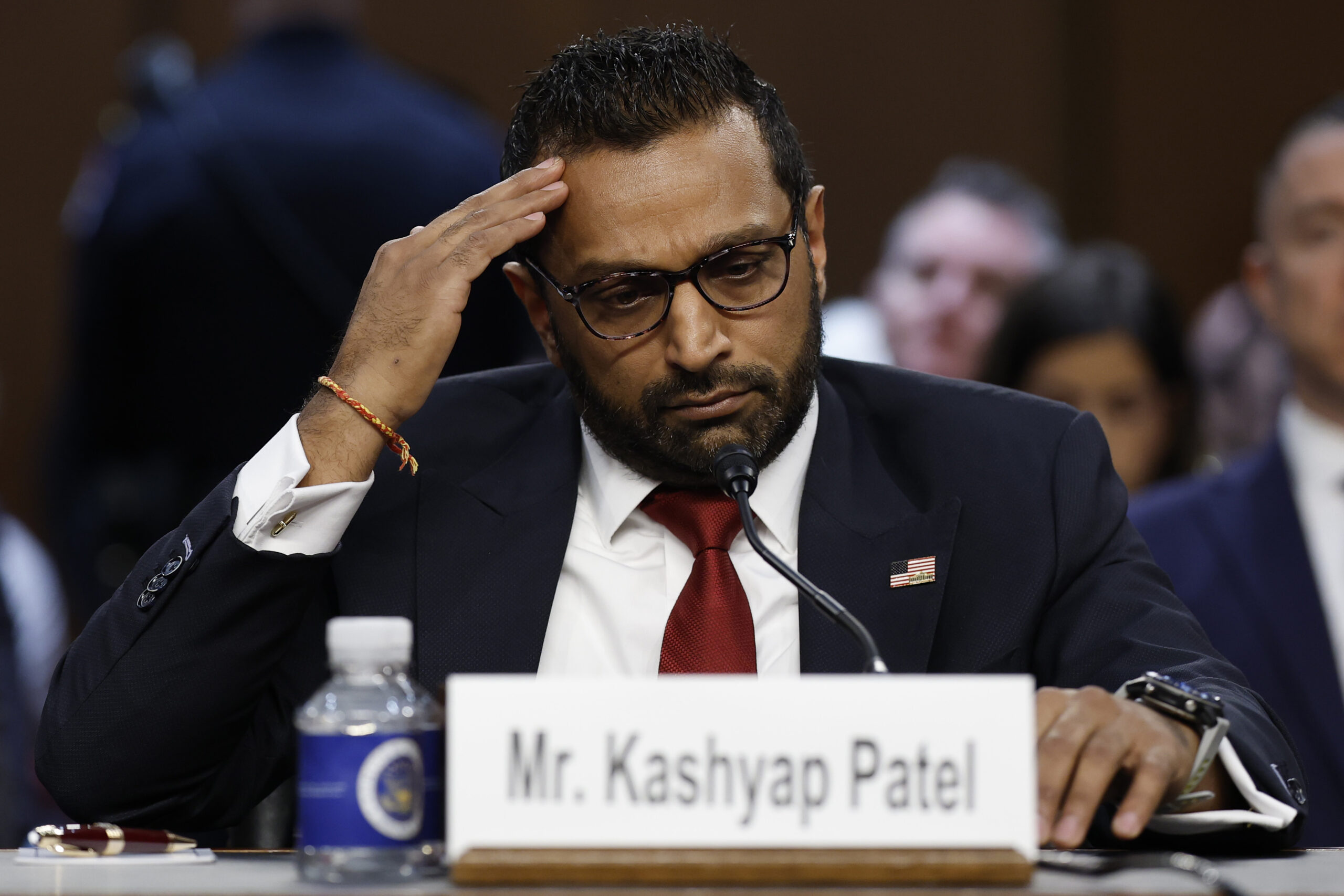
Morning Docket: 10.30.25 – Above the Law

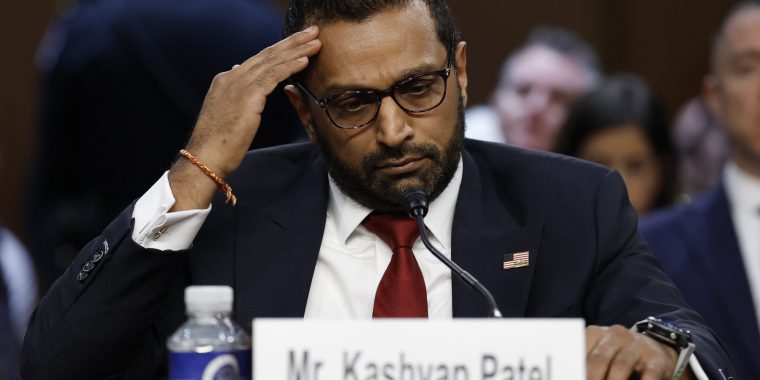
*
Investigation
suggests
Kash
Patel
used
FBI
jet
to
go
on
a
date.
[New
Republic
]

*
The
other
half
of
the
“shot,
chaser”
combo:
Government
shutdown
stalls
FBI
investigations.
[Reuters]

*
King
&
Spalding
profile
highlights
community
work.
[Atlanta
Journal-Constitution
]

*
Bench
trial
begins
in
troop
deployment
challenge
as
Ninth
Circuit
reviews
injunctive
relief
en
banc.
[Law360]

*
Snell
&
Wilmer
tagged
in
another
apparent
AI
hallucination
case.
[ABA
Journal
]

*
While
the
administration
brands
its
extra-legal
enforcement
operations
as
targeting
cartels,
a
Spotlight
deep
dive
reveals…
the
DEA
has
no
idea
who
is
actually
a
cartel
member.
[Boston
Globe
]

*
DOJ
indicts
Democratic
congressional
candidate
in
bid
to
chill
protest.
[NBC]

*
Cooley
joins
4-day
in-office
club.
[American
Lawyer
]

*
Florida
AG
brings
on
Boies
Schiller
and
Cooper
&
Kirk
to
pursue
litigation
against
mega
corporations.
Given
that
the
AG
has
mostly
run
his
mouth
about
prosecuting
anti-wokeness,
maybe
the
firms
are
being
brought
in
to
pursue
the
mundane
“actual
consumer
protection
work”
that
politicians
that
state
officials
no
longer
care
about.
[Bloomberg
Law
]