Why Did A Cell Phone Company Help Pay For The White House Ballroom? – See Also – Above the Law

We
Asked
T-Mobile
Some
Follow
Up
Questions:
See
if
their
answers
are
up
to
par.
Nice
Experiment
While
It
Lasted:
Election
law
expert
isn’t
too
excited
about
the
future
of
voting.
It’s
Only
A
Riot
When
They
Do
It!:
DOJ
places
two
federal
prosecutors
on
leave
after
memo
made
a
double
bad
reference
to
the
January
6th
riot
event.
Show
Them
The
Money!:
Biglaw
associates
want
their
bonus
money!
Red
States
Join
Lawsuit
To
Get
Food
Stamps
Back:
Strange
bedfellows
in
the
fight
against
hunger.

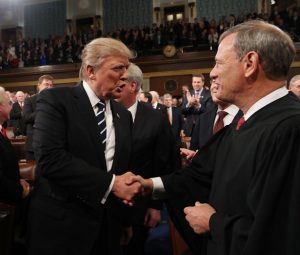
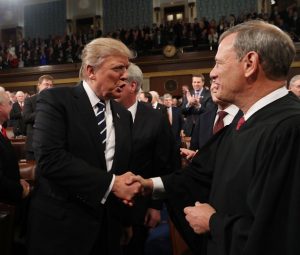
Donald Trump’s Winning Supreme Court Record – Above the Law

(Photo
by
Jim
Lo
Scalzo

Pool/Getty
Images)


Ed.
Note:

Welcome
to
our
daily
feature

Trivia
Question
of
the
Day!


According
to
an
analysis
by
Court
Accountability
of
President
Trump’s
win-loss
rate
in
the
federal
courts
this
year,
what
win
rate
does
the
president
currently
enjoy
with
the
Supreme
Court?


Hint:
According
to
the
analysis,
as
cases
move
through
the
federal
court
system
from
the
district
court
to
appellate
court
to
the
Supreme
Court,
they
get
increasingly
partisan.


See
the
answer
on
the
next
page.

AFAs Are Great – But They Won’t Stop AI Disruption – Above the Law

There
is
a
great
hue
and
cry
these
days
heralding
the
replacement
of
the
billable
hour
model
with
alternative
fee
arrangements
(AFAs).
The
notion
seems
to
be
that
using
AI
won’t
change
much
about
the
practice
of
law
and
how
we
bill
for
services:
we
can
just
switch
from
the
billable
hour
to
flat
fees
and
nothing
will
be
all
that
different.
That’s
just
flat
wrong
and
avoids
the
real
issue.


AFAs

AFAs
can
take
the
form
of
flat
fees
for
the
handling
of
a
legal
matter
in
whole
or
in
part,
subscription
fees
where
a
client
pays
one
amount
for
a
defined
set
of
legal
services
over
a
specific
time
period,
value-based
fees,
and
similar
arrangements.
AFAs
are
designed
to
get
away
from
paying
for
legal
services
purely
based
on
the
time
spent
handling
the
matter.

I
pioneered
the
use
of
flat
fees
for
serial
litigation
(similar
litigation
involving
the
same
product
in
multiple
jurisdictions)
back
in
the
90s
and
learned
a
lot
about
how
to
make
them
work
and
their
pitfalls
and
benefits.
At
the
time,
we
entered
the
arrangement
for
several
reasons
that
were
unique
to
the
litigation
we
were
handling.
But
I
fear
that
the
present
rush
to
AFAs
may
be
for
the
wrong
reasons
and
based
on
misguided
expectations
that
will
lead
to
disappointment.


Why
Now?

AFAs
are
great
in
many
ways.
They
lead
to
innovative
ways
of
approaching
the
client
problems.
They
lead
to
efficiencies.
They
lead
to
predictability.
But
some
lawyers
and
law
firms
are
fearful
that
AI
will
replace
many
of
the
jobs
that
they
have
traditionally
been
able
to
bill
for.
Worse
yet,
they
see
AI
as
a
threat
to
the
economically
lucrative
leverage
model
that
has
powered
unfathomable
riches
particularly
among
Biglaw.
Instead
of
thinking
through
what
AI
could
mean
for
the
handling
of
legal
services
they
jump
to
the
conclusion
that
AFAs
will
enable
them
to
somehow
continue
what
they
do
and
how
they
do
it
without
any
economic
disruption.
That
is
not
the
case.

We
can
see
the
problem
when
we
consider
the
billable
hour
model
and
why
it
has
succeeded.


The
Billable
Hour
Model

The
billable
hour
model
has
been
roundly
thought
of
as
one
of
those
“can’t
live
with
it,
can’t
live
without
it”
things.
Most
outside
and
in-house
counsel
condemn
it
but
so
far
few
have
moved
off
it.

There
are
lots
of
reasons
but
one
that
is
particularly
relevant
as
lawyers
look
to
AFAs.
Simply
put,
the
billable
hour
model
incentivizes
thoroughness
and
quality.
And
traditionally
it
is
that
thoroughness
and
quality
that
leads
to
more
successful
legal
outcomes.

The
model
ensures
associates
will
research
long
and
hard,
for
example.
That
in-depth
depositions
will
be
taken.
That
all-encompassing
motions
will
be
filed.
That
drafts
will
be
polished
and
repolished
until
they
sing.
It
encourages
no
stone
be
left
unturned.
The
more
time
spent,
the
more
likely
the
better
result.

Where
the
model
gets
into
trouble
though
is
where
the
value
of
the
work
done
is
far
exceeded
by
the
value
of
the
thoroughness.
Spending
$100,000
in
time
on
a
$25,000
matter
leads
to
anger
and
frustration.
And,
yes,
I
know,
the
model
doesn’t
always
yield
a
better
result
but
on
an
overall
big
number
basis,
it’s
hard
to
quarrel
with
the
idea
that,
on
balance,
the
more
time
spent,
the
better
the
result.
And
I’m
aware
that
there
is
a
point
of
diminishing
returns
that
the
model
often
exceeds.
But
if
you
want
to
encourage
thoroughness
and
quality,
the
model
beats
any
other.

The
model
has
also
led
to
extraordinary
profits
as
using
leverage
(having
teams
of
lawyers
working
on
a
matter)
enabled
massive
number
of
hours

and
fees

to
be
accumulated.


Enter
AI

But
with
AI,
things
have
shifted.
It’s
now
theoretically
possible
to
achieve
some
level
of
thoroughness
and
even
accuracy
in
a
fraction
of
the
time.
The
result?
Less
time
spent.
Less
billable
hours.
I
say
theoretically
of
course
because
the
tools
still
can
make
mistakes
and
must
be
checked.
But,
again,
on
balance,
there
is
little
question
that
AI
will
allow
lawyers
to
achieve
the
same
and
perhaps
better
results
for
less
time.

Motions
can
be
prepared
in
a
fraction
of
the
time
and
mimic
the
author’s
previous
work.
Deposition
prep
can
be
aided
by
an
AI
assistant
who
sits
with
you
and
supplies
hints
during
the
deposition.
Case
themes
and
arguments
and
even
problem
ones
can
be
created
and
identified
at
the
click
of
the
mouse.
All
these
not
only
reduce
the
time
to
get
to
a
result,
but
they
may
also
even
lead
to
higher
quality.


So
AFAs
Are
the
Answer,
Right?
Yes,
But

So,
the
knee-jerk
reaction
is
to
move
to
AFAs.
Time
doesn’t
matter.
We
can
get
paid
roughly
the
same
amount
for
handling
a
matter
as
we
did
when
we
billed
by
the
hour.
We
just
package
it
as
an
AFA,
and
everyone
is
happy.

But
that
doesn’t
necessarily
hold
true.
The
ethical
rules
are
pretty
clear
that
you
can’t
charge
for
the
time
you
would
have
spent
doing
a
task
that
an
LLM
does
in
seconds.
Merely
repackaging
the
fee
as
an
AFA
but
charging
roughly
the
same
amount
doesn’t
make
that
“reasonable”
within
Model
Rule
1.5
of
the
ABA
Rules
of
Professional
Conduct
which
governs
fees.
Indeed,
one
of
the
factors
to
consider
when
assessing
reasonableness
under
the
rule
is
the
time
spent.

There
is
also
the
rule
of
unintended
consequences.
The
key
to
making
AFAs
profitable
is
to
do
the
work
required
for
less
time
and
cost
than
the
fee
itself.
This
means
that
any
time
and
cost
that
can
be
reduced
or
eliminated
leads
to
more
profits.
So,
what
happens
when
lawyers
eliminate
cite
checking
as
a
time
savings
tool
and
court
sanctions
result?
What
happens
to
quality
when
corners
are
cut?

And
maybe
most
importantly,
what
happens
to
client
service?
One
of
the
fundamental
cornerstones
of
legal
service
involves
the
relationship
between
a
client
and
their
lawyer.
Building
that
relationship
and
trust
takes
time.
Time
is
often
considered
the
enemy
in
many
AFAs
relationships.

I
have
seen
flat
fees
do
exactly
that.
In
the
early
2000s,
I
witnessed
a
company
refer
all
its
product
liability
work
to
a
national
firm
for
a
yearly
fee.
The
lawyers
working
on
the
files
immediately
began
doing
less.
The
client
thought
it
could
ask
for
more
work
from
its
lawyers.
The
lawyers
came
to
resent
being
asked
to
do
things.
The
client
began
to
think
it
better
demand
more
so
it
can
get
what
it
really
needed.
The
arrangement
bred
distrust.
No
one
was
happy.
It
was
abandoned
mid-year.


Rethinking
AFAs

To
work,
the
underpinning
notion
of
what
AFAs
can
do
needs
to
be
rethought.
First,
AFAs
aren’t
a
replacement
for
the
fees
generated
by
the
billable
hour
model.
Instead,
the
value
of
the
AFA
has
less
to
do
with
time
and
more
to
do
with
profitability.
For
the
law
firm,
how
much
profit
can
be
made
with
a
flat
fee
set
at
a
particular
point
given
the
costs
associated
with
providing
the
service
is
the
key
question.
And
how
can
it
best
provide
the
service
given
that
cost
level?

It’s
more
about
profit
than
revenue.
And
profit
not
revenue
or
time
spent
has
to
become
the
metric
that
determines
the
value
and
worth
of
the
AFA
to
the
firm.
It
has
to
be
less
about
cutting
corners
and
more
about
accurately
assessing
the
cost
of
what
you
can
provide.
And
then
accurately
communicating
the
service
you
will
be
providing
for
that
fee.

When
I
set
up
the
flat
fee
for
national
litigation
in
the
90s,
the
interest
of
the
client
predictability,
capped
fees,
and
the
need
to
move
cases
to
mediation
quickly
lend
itself
to
a
flat
fee
that
rewarded
achieving
these
objectives.
This
is
why
it
was
successful.
The
lesson
is
that
moving
to
an
AFA
must
be
to
achieve
well-defined
objectives,
not
maintain
revenue
at
the
level
achieved
by
the
billable
hour
model.
AFAs
are
not
a
panacea.


It’s
a
New
World

As
a
profession,
we
need
to
accept
that
AI
may
be
driving
us
to
new
realities.
We
will
need
to
do
things
differently.
We
will
need
to
deliver
services
and
charge
for
them
in
new
ways.
We
need
to
define
and
measure
profitability
in
alternative
ways.
AFAs
are
great
but
they
don’t
mean
we
can
just
keep
doing
what
we
are
doing
and
calling
it
a
different
name.

It’s
not
just
changing
horses.
It’s
moving
from
the
horse
to
the
car.
In
midstream.


Stephen
Embry
is
a
lawyer,
speaker,
blogger,
and
writer.
He
publishes TechLaw
Crossroads
,
a
blog
devoted
to
the
examination
of
the
tension
between
technology,
the
law,
and
the
practice
of
law
.

Playing The Blame Game Over The Biglaw Trump Deals – Above the Law

(Photo
by
Michael
M.
Santiago/Getty
Images)

Earlier
this
week,
Fabio
Bertoni,
General
Counsel
at
the

New
Yorker
,
took
to

the
pages
of
the
magazine

for
a
long,
hard
look
at
the
deterioration
of
the
rule
of
law
that
characterizes
2025.
Unsurprisingly,
for
those
of
us
who
follow
the
legal
industry,
he
points
the
finger
at
the
deals
nine
Biglaw
firms
inked
with
the
Trump
administration,
writing,
“Counterfactuals
are
impossible
to
prove,
but
it
doesn’t
require
a
giant
speculative
leap
to
conclude
that,
had
major
U.S.
law
firms
not so
quickly
surrendered to
Trump,
this
spring,
he
would
have
been
denied
early
momentum
for
his
lawlessness.
Perhaps
a
united
opposition
might
have
even
provided
the
opposite
momentum,
toward
a
defense
of
the
rule
of
law.”

That
seems
like
a
tall
order. I’m anything
but
 an apologist for
the
capitulating
firms,
but they can’t
shoulder
all
of
the
blame. Donald
Trump
spent
almost
every
second
since
January
6
telling
anyone
who
would
listen
that
his
next
administration
would
be
a
lawless
hellscape.
To
the
extent
anyone
bears
a
responsibility
for
throwing
a
wrench
into
the
slide
into
authoritarianism,
there
are,
after
all,
actual
REPUBLICANS
who
hold
elected
office
and
federal
judgeships
who
have
refused
to
lift
a
finger.
Or,
in
many
cases,
have
actively
cheered
on
the
decay.

But
even
if
they
weren’t
America’s
last
clear
chance
to
avoid
fascism,
the
firms
can’t
escape
blame
for
the
sorry
state
of
the
rule
of
law. You’ll
recall,
early
in
his
second
term,
Donald
Trump
launched
war
on
Biglaw

through unconstitutional
Executive
Orders
 designed to
break
major
law
firms
 unless
they

bent
the
knee
. In
the

face
of
financial
harm,

nine
major
firms sought Trump’s
seal
of
approval,
providing
millions
in
pro
bono
payola,
that
is,
free
legal
services
on
behalf
of conservative
clients
or
approved
causes
 in
order
to
avoid
Trumpian
retribution. 

The
firm
that
started
the
wave
of
capitulation
was
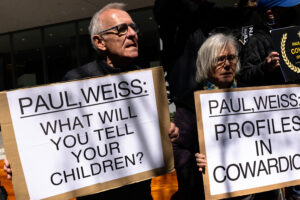
Paul,
Weiss.
The
firm shocked
the
world
of
Biglaw
 in
March
when
they became
the
first
 to
agree
to
a
deal
with
Trump.

But,
instead
of
standing
up
for
the
rule
of
law
and
suing
the
Administration
for
its
unlawful
executive
order,
[Firm
Chair
Brad]
Karp
and
Paul,
Weiss
settled
a
mere six days
after
Trump
issued
it.
That
settlement
obligated
the
firm
to
provide
forty
million
dollars
in
pro-bono
services
to
“support
the
Administration’s
initiatives,”
and
to
“not
adopt,
use,
or
pursue
any
DEI
policies.”
Eight
other
global
law
firms
quickly
followed
suit,
reaching
settlements
totalling
a
reported
nearly
billion
dollars
in
pro-bono
services
for
causes
championed
by
the
Administration.
And,
although
all
the
firms
claimed
to
have
retained
control
over
what
specific
pro-bono
work
they
will
do,
Trump
clearly
doesn’t
see
it
that
way,
suggesting
during
one
Cabinet
meeting
that
he
could
use
the
legal
work
as
sort
of
a
personal
piggy
bank
of
services
even
after
he
leaves
office,
saying,
of
the
accumulated
total,
“Hopefully
I
won’t
need
that,”
he
said,
“after
it
ends—after,
after
we
leave.
Maybe
I’ll
need
it.”

The
inadequacies
of
the
Republican
party
are
disappointing,
but
not
terribly
surprising.
Paul
Weiss’s,
on
the
other
hand,
were
genuinely
shocking.
The
deal
they
struck
with
the
administration
reverberated
throughout
the
industry.
The
PW
deal
stands
out
not
just
because
it
was
the
first
of
the
Biglaw
deals
with
Trump,
but
because
it
was
Paul,
Weiss.
The
firm
*had*
a

well-earned
reputation

for
pursuing
social
justice
initiatives
and
“being
guided
by
what
is
right
and
having
the
moral
courage
to
lead
others
to
follow.”
(Those
were
Karp’s
words,
pre-Trump
deal.)
The
deal
is
anything
but
that.
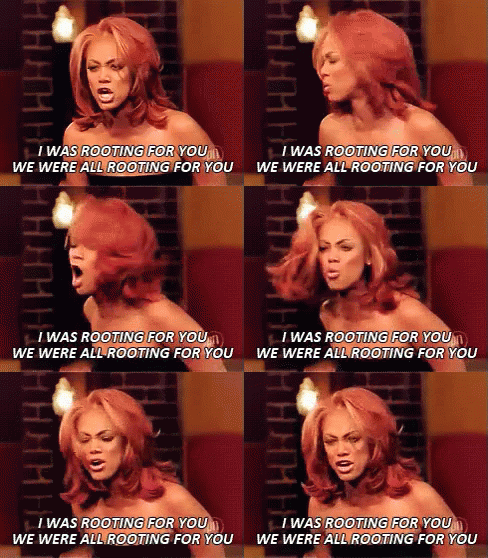
To
use
an
iconic
pop
culture
moment,
we
were
all
rooting
for
you.
And,
like
Tyra,
we
were
let
down.

Bertoni,
like
many,
sees
the
Paul,
Weiss
deal
as
selling
out
the
legal
system
to
take
care
of
its
own
bottom
line.

A
firm
of
the
size
and
power
of
Paul,
Weiss
should
have
looked
out
for
the
system
a
little
bit.
Karp,
his
partners,
and
their
peers
at
the
other
firms
that
settled
should
have
taken
care
of
the
system
just
a
little
bit.
Instead,
they
took
a
dive
for
the
short-end
money. 

In
a
cynical
way,
you
can
argue
Paul,
Weiss
got
a
“good”
deal
out
of
the
administration.
They
are
only
on
the
hook
for
$40
million
in
pro
bono
payola,
a
figure
that
is
significantly
smaller
than
what
the
other
capitulating
firms
are
gifting
to
the
administration,
and
a
mere
fraction
of
PW’s
historical
outlays
of
pro
bono
expenses
meaning
they
could
potentially
be
free
from
their
obligations
in
under
a
year.
And

financial
reports

indicate
that,
despite
the

public
exodus

of
a

number
of
attorneys
,
business
is
thriving.

As
these
firms
see
it,
they
got
out
from
Trump’s
thumb
without
giving
up
anything
that
really
mattered.
No
harm,
no
foul!
But
that
kinda
misses
the
point.

Because
whatever
the
firms
thought
they
gave
up,
it
was
more.
The
administration
is
openly
talking
about
using
them
to

defend
police
brutality
.
Lawmakers
are
looking
into
reports
of
free

and
illegal


work
supporting

the
Commerce
Department.
All
of
it
well
beyond
what
the
deals
claimed
to
cover.
Even
if
they
disagree
with
that
characterization,
as
some
have
in
letters
to
congress,
there’s
little
to
no
trust
that
they
actually
would
stand
up
to
an
administration
altering
the
deal.
 

Not
to
mention
there’s
a
carryover
effect
in
Biglaw
proper.
The
Paul,
Weiss
deal

again,
a
firm
noted
for
its

storied
liberal
background


signaled
the
all-clear
for
other
firms
to
get
on
Trump’s
good
side.
More
than
twice
as
many
firms
capitulated
to
Trump
than
fought
against
the
Executive
Orders.

And
as
the
number
of
deals
grew,
the
impact
reverberated
far
beyond
the
individual
firms
themselves.
Biglaw
firms
that
did
not
deal
with
the
admin
are

changing
their
DEI
programs
,
eliminating
affinity
groups,
and

scrubbing
pronouns

from
attorney
email
signatures
to
avoid
any
unwanted
attention.
There’s
a
documented

chilling
effect

in
the
work
Biglaw
is
taking
on
too: pro
bono
and
public
interest
representations

by
Biglaw
firms
 are
down


significantly
 —
as
firms
don’t
want
to
risk
provoking
Trump’s
ire.

Perkins
Coie,
one
of
the
few
Biglaw
firms
to
fight
Trump
on
his
Executive
Order,

is
taking
a
hard
line
with
their
attorneys’
personal
expression

in,
what
reads
as,
an
attempt
to
*not*
court
any
more
ginned
up
controversy.

If
Trump
wanted
to
derail
the
legal
industry’s
capacity
to
stand
up
to
his
onslaught,
he
could
hardly
have
done
better
than
to
send
a
message
to
the
broader
industry
that
they
might
be
the
next
crushed
under
a
payola
deal
if
they
don’t
take
their
considerable
resources
and
sit
on
the
sidelines
while
he
takes
aim
at
immigrants,
victims
of
racial
discrimination,
and
public
dissent.
The
capitulating
firms
may
think
the
deals
they
made
on
paper
didn’t
impact
them
all
that
much,
but
they’ve
have
an
indelible

negative

impact
on
the
industry
at
large.

Regrettably,
the
last
100
years
have
taught
us
a
lot
about
how
authoritarianism
takes
hold
of
a
country.
It’s
rarely
with
the
full-throated
support
of
powerful
institutions
or
over
their
furious
objections.
More
often
power
is
consolidated
on
the
back
of
the
acquiescences
of
those
institutions.
After
all,
it’s
just
“good
business”
to
keep
their
heads
down.


Kathryn
Rubino
is
a
Senior
Editor
at
Above
the
Law,
host
of

The
Jabot
podcast
,
and
co-host
of

Thinking
Like
A
Lawyer
.
AtL
tipsters
are
the
best,
so
please
connect
with
her.
Feel
free
to
email

her

with
any
tips,
questions,
or
comments
and
follow
her
on
Twitter

@Kathryn1
 or
Mastodon

@[email protected].

Trump DOJ Has HAD It With Prosecutors Who Think Showing Up At Barack Obama’s House With Guns And A Machete Is Some Kind Of ‘Crime’ – Above the Law

(Photo
by
Win
McNamee/Getty
Images)

The
Department
of
Justice
placed
two
federal
prosecutors
on
administrative
leave
after
filing
a
sentencing
memorandum
that
described
the
January
6
riot
as
a,
well,
riot.


The
Party
told
you
to
reject
the
evidence
of
your
eyes
and
ears
.

It
was
their
final,
most
essential
command
.

Continuing
to
moonlight
as
a
witness
protection
program
for
violent
insurrectionists,
Pam
Bondi’s
DOJ
came
down
on
Carlos
Valdivia
and
Samuel
White
of
the
D.C.
U.S.
Attorney’s
Office,
following
a
sentencing
memo
proposing
27
months
for
January
6
alumnus
Taylor
Taranto.
Outside
of
his
January
6
resume,
which
earned
him
a
pardon
from
Trump,
Taranto
was
arrested
after
bringing
two
guns,
a
machete
and
hundreds
of
rounds
of
ammunition

to
Barack
Obama’s
house

after
Donald
Trump
posted
the
former
president’s
address

and
posting
a
picture
of
himself
with
the
caption
“We
got
these
losers
surrounded!”

Taranto
was
found
guilty
of
illegal
gun
possession
and
false
information
stemming
from
another
public
claim
suggesting
he
was
going
to
blow
up
the
National
Institute
of
Standards
and
Technology.

But
then
Valdivia
and
White
prepared
a
sentencing
memo
seeking
27
years
and
citing
Taranto’s
participation
in
the
January
6
“mob
of
rioters”
while
describing
his
criminal
history.
This
description
has
the
benefit
of
being,
you
know,
entirely
accurate.
It
also
has
the
detriment
of
being
entirely

not

how
Donald
Trump
likes
to
hear
his
beloved
thugs
described.

Savvy
readers
may
be
wondering
if,
given
that
this
is
a
D.C.
prosecution,
the
memo
earned
a
sign
off
from
boss
Jeanine
Pirro.
As
it
happens,
Pirro

did

approve
the
memo
meaning
she
either
saw
nothing
wrong
with
it
or
found
herself
too
distracted

by
the
bottled
water
situation
in
the
office

to
read
it.

Which
explains
the
NBC
report
that
the
decision
to
derail
the
careers
of
a
couple
rank-and-file
prosecutors
came
directly
from
the
White
House.

I
wonder
why
the
White
House
is
so
sensitive
about
describing
January
6
as
a
riot.
I
thought
it
was
all
an
Antifa
hoax
run
by
the
deep
state
FBI?
It’s
just
so
hard
to
keep
up.


HeadshotJoe
Patrice
 is
a
senior
editor
at
Above
the
Law
and
co-host
of

Thinking
Like
A
Lawyer
.
Feel
free
to email
any
tips,
questions,
or
comments.
Follow
him
on Twitter or

Bluesky

if
you’re
interested
in
law,
politics,
and
a
healthy
dose
of
college
sports
news.
Joe
also
serves
as
a

Managing
Director
at
RPN
Executive
Search
.

Trump Wants Front-Row Seat At Supreme Court Tariff Showdown – Above the Law

‘Hey,
while
I’m
here,
remember
who
appointed
you!’
(Photo
by
DON
EMMERT/AFP
via
Getty
Images)


Ed.
note
:
Welcome
to
our
daily
feature,

Quote
of
the
Day
.


I’d
like
to.
I
think
it’s
one
of
the
most
important
decisions
we’ll
ever
have
from
the
Supreme
Court.

I
might
go
there.
I
really
believe
I
have
an
obligation
to
go
there.


President

Donald
Trump
,
in
comments
concerning
the
possibility

attending
oral
arguments

at
the
Supreme
Court
while
the
justices
deliberate
on
the
legality
of
his
tariffs.
Trump
later
went
on
to
tell
reporters
that
he
felt
“obligated”
to
attend.

Paul
Collins
,
a
professor
of
legal
studies
and
political
science
at
UMass
Amherst,
said
Trump’s
move
would
be
“totally
outside
of
the
norm.”
Collins
continued,
saying,
“I
think
it’s
an
influence
campaign.
I
believe
that
he
thinks
that
his
presence
in
the
courtroom
will
remind
the
three
justices
he
appointed
that
he
expects
something
out
of
them.”


Staci
Zaretsky
 is
the
managing
editor
of
Above
the
Law,
where
she’s
worked
since
2011.
She’d
love
to
hear
from
you,
so
please
feel
free
to

email

her
with
any
tips,
questions,
comments,
or
critiques.
You
can
follow
her
on BlueskyX/Twitter,
and Threads, or
connect
with
her
on LinkedIn.

Dispatches From The Collapse Of The Rule Of Law – Above the Law

Catching
up
with
the
slice
of
the
conservative
legal
movement
who
have
stared
into
the
moral
abyss
of
the
Trump
administration
and
recoiled
in
horror.

The
Society
for
the
Rule
of
Law
held
its
annual
summit

and
while
many
attendees
voiced
clear-eyed
opposition,
some
continued
to
grapple
with
the
cognitive
dissonance
in
recognizing
that
Trump
might
be
the
natural
and
logical
consequence
of
their
own
long-championed
conservative
projects.
One
attendee
who
has
no
illusions
over
the
gravity
of
the
threat
though
was
Judge
Michael
Luttig,
who

railed
against
the
Supreme
Court

in
the
legal
equivalent
of
a
rousing
halftime
locker
room
speech.
Also,
Cadwalader

seems
increasingly at
an
existential
crossroads
and
looking
for
a
merger
partner
.
And

a
lawyer
loses
her
job
over
ballpark
rant


and
what’s
more,
her
team
lost.

Election Law Experts Calmly Describe End Of Democracy – Above the Law

Will
we
actually
have
Midterm
elections
next
year?
That
was
the
question
posed
to
three
veteran
conservative
election
law
experts
last
week
and
they
unanimously
agreed
that
there
would
be
elections…
and
that
they
probably
would
not
be
free
and
fair.
These
aren’t
crazies
who
thought
2020
was
fixed
by
Venezuelan
Jewish
space
lasers.
These
are
sober-minded
experts
who
believe
America’s
election
procedures
are
historically
among
the
best
in
the
world,
and
they
are
telling
us
that
they’re
not
sure
we’re
gonna
stay
that
way.
There’s
really
nothing
that
prepares
you
to
hear
serious
people
describe
a
dystopian
sci-fi
plot
as
a
reality
that
could
slam
into
the
country
like
a
wrecking
ball
by
this
time
next
year.

The
election
law
panel
at
the Society
for
the
Rule
of
Law
summit
 was
one
of
the
most
terrifying
hours
you
can
spend
outside
of
a
midnight

Exorcist

showing.
All
the
more
horrifying
because
nothing
could
be
dismissed
as
anything
but
a
calm
recitation
of
the
explicit
and
implicit
threats
to
election
integrity
emanating
from
the
darker
corners
of
the
White
House.

Moderated
by
former
Maricopa
County
Recorder
Stephen
Richer,
who’s
spent
the
last
five
years
having
QAnon
boomers
call
him
“traitor”
on
Facebook,
the
panel
featured

Campaign
Legal
Center

and
former
FEC
chairman
Trevor
Potter,
former
Scalia
clerk
Richard
Bernstein,
and
Matt
Germer
of
the

R
Street
Institute
,
all
calmly
walking
through
the
various
2026
midterms
like
hospice
chaplains
for
democracy.

Democrats
seem
positively
optimistic
by
comparison.

What
a
difference
an
election
can
make!
Everyone
agreed
that
the
2024
general
election
marked
a
resounding
success.
Bernstein
noted
that
the
only
effort
to
steal
an
election
in
2024
came
from
the
Republicans
on
the
North
Carolina
Supreme
Court,
and
a
Republican
federal
district
judge
shut
it
down.
Local
election
infrastructure,
having
girded
itself
against
the
loony
allegations
after
2020,
has
become
more
professionalized,
more
networked,
and
more
resilient.
And
yet,
there’s
a
new
posse
in
charge
in
D.C.
and
they
have
the
motive
and
opportunity
to
wreak
havoc
upon
2026.

“The
election
deniers
have
profited,”
Bernstein
explained
when
asked
about
the
worst
case
scenario
of
federal
shenanigans.
“Pam
Bondi.
Speaker
Johnson.
Basically,
everybody
in
leadership
at
the
Justice
Department
and
the
FBI,
were
prominent
election
deniers.
They
emerged
from

obscurity

by
being
election
deniers.
Do
I
think
they
will
do
anything
in
their
power?”

While
we
worry
about
Trump
laying
the
groundwork
to

put
cities
under
martial
law
in
the
lead
up
to
elections
,
Bernstein
warned
that
the
threat
isn’t
limited
to
troops.
“Do
you
remember
when
he
fired
the
BLS
commissioner
because
he
didn’t
like
the
numbers?”
Bernstein
asked.
“A
phone
call
to
Ed
Martin,
Dan
Bongino,
and
Kash
Patel…
‘Put
200
people
in
vans,
seize
the
ballots.
We
think
it’s
illegal
to
keep
counting
those
ballots.’
Do
we
think
that
any
of
those
three
people
would
say,
‘Sorry,
Mr.
President,
we
don’t
have
the
authority
unilaterally

we
can
go
to
court
and
ask
for
a
ruling,
we
don’t
have
the
authority
unilaterally
on
our
behalf
to
go
to
seize
the
ballots.’
They
will
seize
the
ballots
in
my
view.”

So
far,
the
White
House
hasn’t
taken
any
steps
to
set
that
up,
but
the
panel
feared
that
the
administration’s
early
election
law
maneuvers
amount
to
a
canary
in
the
coal
mine.

It
took
until
March
25th
for
the
administration
to
issue
its
Preserving
and
Protecting
the
Integrity
of
American
Elections

executive
order.
That
order
took
aim
at
the
National
Voter
Registration
Act
by
requiring
documented
proof
of
citizenship
instead
of
attestation
and
prohibits
states
from
accepting
mail
ballots
postmarked
on
Election
Day,
which
would
impact
a
majority
of
states.

“This
may
be
the
rare
instance
when
people
drafting
executive
orders
actually
looked
at
the
Constitution,”
Potter
explained.
“And
that
may
be
why
it
took
a
while
to
produce
a
cobbled
together
order,
because…
the
Constitution
is
pretty
clear
on
this
subject:
There
is
no
mention
of
a
role
for
the
president.”
Still,
the
administration
tried
its
hand
with
this
order
and
Potter’s
Campaign
Legal
Center,
among
others,
immediately
challenged
it.
Multiple
courts
have
blocked
it
and,
for
now,
the
order
itself
is
a
“dead
letter,”
as
Potter
described
it,
but
he
warned
that
it
could
still
end
up
working
its
way
into
the
law
through
state
action
by
local
GOP
government.

But
here’s
where
things
get
dark.
Potter
was
explicit,
“I
think
it’s
important
to
understand
that
this
executive
order
is
the
first
shoe
to
drop.
This
is
a
president
who
is
clearly
determined
to
affect
the
results
of
the
midterm
elections
using
the
powers
of
the
federal
government,
including
powers
he
does
not
have.”

As
for
postmarking,
Bernstein

who
deadpanned
that,
as
a
Scalia
clerk,
he
was
“taught
to
read”

explained
that
the
the
word
“choosing”
means
an
election
happens
when
voters
cast
their
ballots,
not
when
election
officials
receive
them.

He
has
30
more
pages
of
support
for
this

in
his
back
pocket
too.
And
yet,
the
Fifth
Circuit
disagrees,
setting
up

the
most
worrying
sentence
for
the
rule
of
law
in
2025
:
“it’s
teed
up
for
the
Supreme
Court.”

Ultimately,
the
White
House
might
not
even
need
to
fiddle
with
the
election
process
itself
in
order
to
undermine
the
midterms.
Mike
Johnson
continues
his
refusal
to
seat
Adelita
Grijalva,
who
was
elected
to
the
House
over
a
month
ago.
The
immediate
impetus
for
this
move
is
to
stave
off
adding
the
final
vote
that
would
put
a
demand
to
release
the
Epstein
files
over
the
top

something
Donald
Trump
seems
curiously
obsessed
with
preventing

but
the
panel
worried
that
it
could
set
the
stage
for
a
doomsday
option.
After
midterms,
the
outgoing
House
is
not,
theoretically,
the
judge
of
who
gets
seated.
But
if
the
incoming
House
remains
narrowly
under
Johnson’s
control,
he
could
employ
this
tactic
to
keep
duly
elected
Democrats
out
of
their
seats.

And
should
that
elevate
to
the
Supreme
Court,
Germer
gamed
out
what
happens,
“Imagining
that
scenario
where
the
lawsuit
takes
place,
and
the
solicitor
general
comes
forward
and
says,
we
agree
that
these
results
in
California
can’t
be
trusted.
We
don’t
think
that
these
people
should
be
seated.
And
you
find
the
Chief
Justice
and
his
colleagues
sitting
around
looking
at
each
other
and
thinking,
‘If
we
write
an
order,
saying
that
you
must
see
them,
and
it
gets
ignored,
what
is
that
going
to
mean
for
our
institution?’”

In
response,
Bernstein
warned
that
if
the
Supreme
Court
sits
that
out,
there’s
really
nothing
they
won’t
they
sit
out.
“If
they
[the
Supreme
Court]
allow
people
duly
elected,
certified
in
their
states,
not
to
become
members
of
Congress,
then
the
game’s
over.
The
game’s
over.
Then,
then
we’re
not
at
the
opposition.
We’re
the
resistance.
And
I’m
too
chicken
to
be
the
resistance,”
he
said.
It
got
a
big
laugh,
but
it
was
the
sort
of
laughter
you
offer
when
you’re
too
beaten
down
to
cry.

The
panelists
did
offer
some
hope.
Germer
feels
the
appeal
to
Americana
that
will
coincide
with
the
nation’s
250th
anniversary
might
trigger
an
upsurge
in
respect
for
civic
duty.
“In
general,
Americans
do
not
like
post-election
day
subversions,”
Bernstein
said.
“I
think
that
was
true
in
2020.
And
I
think
there
will
be
broad
pushback
across
the
society.
If
some
of
the
things
that
I’m
worried
about,
like
seizing
ballots
start
to
happen.”
Meanwhile,
Potter
took
advantage
of
the
last
word
to
say
that
we
are
all
better
off
understanding
the
nature
of
this
threat
now,
a
year
in
advance.

Which
is
all
to
say,
even
the
hope
didn’t
do
much
to
make
the
panel
any
less
scary.
Happy
Halloween.


Earlier
:

Rule
Of
Law
Conservatives
Awkwardly
Embrace
#Resistance


District
Judges
Fight
To
Save
The
Rule
Of
Law
While
DOJ
And
Supreme
Court
Snicker


HeadshotJoe
Patrice
 is
a
senior
editor
at
Above
the
Law
and
co-host
of

Thinking
Like
A
Lawyer
.
Feel
free
to email
any
tips,
questions,
or
comments.
Follow
him
on Twitter or

Bluesky

if
you’re
interested
in
law,
politics,
and
a
healthy
dose
of
college
sports
news.
Joe
also
serves
as
a

Managing
Director
at
RPN
Executive
Search
.

President’s State of the Nation Address 2025


Yesterday
His
Excellency
the
President
opened
the
new
session
of
Parliament
and
delivered
his
State
of
the
Nation
Address
to
a
joint
sitting
of
the
Senate
and
the
National
Assembly. 
At
the
same
time
he
announced
the
Government’s
legislative
agenda
for
the
new
session.


His
address
is
set
out
below,
taken
from
Hansard:


First
Lady,
Dr.
A.
Mnangagwa,
in
absentia;


Vice
President,
Hon.
Gen.
(Rtd.)
Dr.
C.
G.
D.
N.
Chiwenga,
in
absentia;


Vice
President,
Hon.
Col.
(Rtd.)
Dr.
K.
C.
D.
Mohadi;


Speaker
of
Parliament,
Hon.
Advocate
J.
F.
N.
Mudenda;


President
of
the
Senate,
Hon.
M.
M.
Chinomona;


Chief
Justice,
Hon.
L.
Malaba;


Hon.
Ministers;


President
of
the
Chiefs’
Council,
Chief
M.
Khumalo,
and
other
Traditional
Leaders
here
present;


Hon.
Members
of
Parliament
and
the
Senate;


Senior
Government
Officials;


Commander,
Zimbabwe
Defence
Forces,
Gen.
P.
V.
Sibanda;


Service
Chiefs;


Fellow
Zimbabweans
here
at
home
and
in
the
Diaspora;


Ladies
and
Gentlemen;


Comrades
and
Friends:


I
am
once
again
singularly
honoured
and
privileged
to
address
this
august
House,
marking
the
Third
Session
of
the
Tenth
Parliament
of
Zimbabwe.


The
Official
Opening
of
the
Third
Session
of
the
Tenth
Parliament
comes
in
the
wake
of
the
commemorations
of
the
SADC
Anti-Sanctions
Day.
The
sanctions
notwithstanding,
I
am
extremely
grateful
to
all
our
citizens,
including
those
in
the
Diaspora
for
contributing
to
the
grand
task
of
nation-building
in
a
peaceful
and
tranquil
environment.
The
unity,
peace
and
resilience
of
our
people
have
been
the
pillar
of
economic
development
of
our
country
in
the
face
of
the
illegal
sanctions.
Let
us
remain
focused
and
disciplined
as
we
entrench
the
current
economic
stability
and
growth
in
our
march
towards
Vision
2030.


The
national
economy
is
projected
to
grow
by
6.6%
in
2025,
anchored
on
the
recovery
in
the
agricultural
sector,
with
record
harvests
of
tobacco,
maize
and
wheat,
among
other
crops.


These
are
a
result
of
the
implementation
of
the
Agriculture,
Food
Systems
and
Rural
Transformation
Strategy.
Under
the
Strategy,
the
Pfumvudza/Intwasa
Programme
has
empowered
over
three
million
households
with
inputs.


The
livestock
sector
continues
to
grow,
with
the
national
herd
now
at
5.7
million;
while
milk
production
has
increased
from
76.7
million
litres
in
2019
to
115
million
litres
in
2024.


Through
the
Rural
Development
8.0
initiative,
boreholes
that
are
being
drilled
and
resuscitated
by
my
Administration
are
ensuring
access
to
water
for
production,
village
business
units
and
domestic
use.


The
area
under
irrigation
has
expanded
from
151
000
hectares
in
2019
to
221
000
hectares
in
2024.
We
are
well
on
course
to
reach
our
target
of
496
000
hectares.
These
initiatives
have
gone
a
long
way
in
our
quest
to
build
climate-resilience,
mitigation
and
adaptation.


Meanwhile,
the
modernisation
of
the
Grain
Marketing
Board
is
ongoing,
in
line
with
new
technologies,
with
the
construction
of
14
new
Artificial
Intelligence
driven
silo
sites
resulting
in
an
additional
750
000
tonnes
of
storage
capacity.
The
accelerated
issuance
of
bankable
and
registrable
title
deeds
for
A1
and
A2
farmers,
as
well
as
Deeds
of
Grant
for
previously
African
Purchase
Areas
is
set
to
have
transformational
impacts
in
our
agricultural
sector.


Mr.
Speaker
Sir,
Madam
President;
the
mining
sector
has
witnessed
increased
investments
in
gold,
lithium,
iron
and
steel
production.
The
commissioning
of
new
plants,
independent
power
generating
units
and
energy
parks,
among
others,
are
ensuring
that
all
sectors
achieve
targets
with
regards
value
addition,
beneficiation,
job
creation,
and
growth
of
our
Gross
Domestic
Product.


The
Mines
and
Minerals
Amendment
Bill
has
been
gazetted
and
is
expected
to
be
finalised
during
the
current
session
of
Parliament.
My
Government
is
committed
to
weeding
out
irresponsible
mining
stakeholders
who
cause
pollution,
degradation
of
the
environment
and
damage
to
critical
infrastructure,
hatizvidi.
As
we
welcome
investors
in
our
jurisdiction,
we
expect
that
they
will
adhere
to
the
Constitution
and
laws
of
our
country,
while
also
respecting
our
people,
customs
and
culture.


Mr.
Speaker
Sir,
Madame
President:
since
my
last
address,
the
manufacturing
sector
registered
a
15.3%
contribution
to
GDP.
The
success
is
attributable
to
significant
investments
in
the
steel,
cement,
dairy,
cotton-to-clothing,
and
pharmaceutical
value
chains,
among
others.
The
Zimbabwe
Industrial
Reconstruction
and
Growth
Plan,
rural
industrialisation
and
the
Community
Economic
Empowerment
Trusts
will
result
in
increased
production,
leveraging
on
our
resource
endowments.
I
urge
our
people
to
take
advantage
of
the
new
policy
approved
by
Cabinet
on
Community
Economic
Empowerment
Trusts
and
Reserved
Sectors.


My
Government
has
reviewed
licences,
permits,
levies
and
fees
as
well
as
the
multiple
regulatory
requirements
across
all
sectors
to
enhance
the
country’s
ease
of
doing
business,
reduction
of
costs
and
the
competitiveness
of
the
local
industry.
The
respective
Statutory
Instruments
and
statutes
will
be
accordingly
amended.


Tourism
is
emerging
as
a
critical
pillar
in
our
nation’s
economic
transformation.
The
sector’s
solid
performance
has
received
global
recognition
with
Zimbabwe
being
recently
awarded
the
Best
Must-Visit
Destination
in
the
World
accolade
by
Forbes
Magazine.
Accordingly,
Parliament
is
hereby
called
upon
to
expedite
the
passage
of
the
Tourism
Amendment
Bill
in
order
to
sufficiently
support
the
sector’s
growth
trajectory.


A
number
of
Independent
Power
Producers
(IPPs),
Captive
Power
Producers
(CPPs),
commercial
and
industrial
players
have
been
licensed.
Their
on-boarding
into
our
national
grid
has
increased
the
power
supply.


The
Rural
Electrification
Programme,
that
is
electrifying
both
public
institutions
and
homesteads
throughout
the
country,
is
improving
energy
access
by
our
rural
communities.
No
one
and
no
place
will
be
left
behind.


Meanwhile,
the
country
continues
to
enjoy
adequate
fuel
supplies,
benefiting
from
upgrading
of
the
pipeline
capacity
to
three
billion
litres
per
annum.
Pipeline
capacity
will
be
further
upgraded
to
handle
five
billion
litres
per
annum.


Infrastructure
upgrading
and
development
projects
are
steadily
progressing
through
innovative
funding
models
by
Treasury,
private
sector
financing
as
well
as
support
from
development
partners.


Completion,
rehabilitation
and
upgrading
of
the
Harare-Chirundu
Road;
Christmas
Pass
by-pass;
Bulawayo-Victoria
Falls
Road;
Chirundu
Border
Post;
and
Forbes
Border
Post,
remain
top
priority.
The
construction
of
other
road
infrastructure,
such
as
interchanges
at
strategic
points
in
our
cities,
are
on
the
cards,
with
the
Trabablas
Interchange
now
operational.


Notable
progress
has
been
registered
in
implementing
the
Zimbabwe
Integrated
Transport
Information
Management
System
Project,
which
includes
automating
services
at
the
Vehicle
Inspectorate
Department,
Central
Vehicle
Registry,
and
Road
Motor
Transportation.


Mr.
Speaker
Sir
and
Madam
President:
the
tight
monetary
and
fiscal
environment
in
the
economy
have
remained
favourable
to
support
sustained
economic
activity.
My
Government
is
diligently
implementing
the
necessary
policies,
measures
and
initiatives
to


maintain
currency
stability
of
the
ZiG
and
inflation.


Going
into
the
future,
the
trend
in
macro-economic
stability
is
expected
to
become
the
status
quo
in
our
country.


The
country’s
foreign
currency
generation
capacity
continues
to
strengthen.
Inflows
stood
at
USD10.4
billion
as
of
August
2025,
an
upward
increase
of
26.8%
from
the
USD8.3
billion
recorded
during
the
same
period
last
year.


Consequently,
foreign
currency
reserves
increased
to
about
USD900
million
as
at
the
end
of
September
2025,
up
from
USD700
million
in
June
2025.
In
recognition
of
this
effort,
the
World
Bank
recently
ranked
Zimbabwe
first
among
the
top
10
countries
in
the
world
that
have
made
significant
progress
in
foreign
currency
reserve
accumulation

hatina
influence
neWorld
Bank,
vakangozviona
voga.


On
the
fiscal
front,
I
am
pleased
to
advise
that
we
remain
steadfast
in
strengthening
sustainable
resource
mobilisation
strategies
to
ensure
provision
of
public
services.
Enhanced
fiscal
capacity
has
allowed
Government
to
extend
social
benefits
to
vulnerable
groups
under
Social
Protection
Programmes,
including
the
Food
Deficit
Mitigation
Programme,
the
Basic
Education
Assistance
Module
and
the
Vulnerable
Agriculture
Input
Scheme.
These
interventions
reflect
our
unwavering
commitment
to
building
a
comprehensive
and
resilient
social
protection
system
that
safeguards
women,
children,
persons
with
disabilities,
and
the
elderly,
among
others.


Our
health
sector
is
undergoing
a
significant
development
programme
focusing
on
strengthening
human
resources,
improving
health
financing,
and
modernising
infrastructure
and
technology.
These
efforts
aim
to
improve
healthcare
access
and
quality,
with
a
focus
on
maternal
and
child
health,
disease
prevention,
and
digital
health
integration.


Similarly,
in
the
education
sector,
key
initiatives
include
human
capital
development,
promoting
entrepreneurship,
creating
public-private
partnerships
for
infrastructure,
and
increasing
access
to
education
to
a
broader
array
of
our
students,
in
particular
the
vulnerable.


Furthermore,
my
Government
remains
committed
to
driving
innovation
for
national
growth
and
delivering
a
beneficial
knowledge
economy.
The
Digital
Ambassadors
Programme,
thus,
aims
to
equip
young
people
with
digital
skills
and
enhance
ICT
literacy.
It
is
worth
highlighting
that
my
Government
recently
adopted
the
Zimbabwe
National
Artificial
Intelligence
(AI)
Strategy,
designed
to
harness
the
economic
potential
of
AI,
while
mitigating
its
undesirable
impacts.


Mr.
Speaker
Sir
and
Madam
President:
several
new
laws
have
been
promulgated,
and
the
existing
ones
continue
to
be
amended
to
eliminate
gender
imbalances
and
promote
the
achievement
of
gender
equality.
This
should
see
increased
participation
of
women
across
value
chains.
So,
my
menfolk
should
not
complain
when
I
continue
to
promote
women.


The
launch
of
the
National
Youth
Empowerment
Strategy
2026-2030,
is
transformative
towards
harnessing
the
potential
of
our
young
people
in
national
development.
Additionally,
the
upgrade
of
vocational
training
centres
will
see
a
stronger
base
for
industrial
growth.
This
will
improve
quality,
relevance
and
inclusivity
of
the
vocational
skills
training
programmes.


My
Government
is
providing
welfare
services
to
Veterans
of
the
Liberation
Struggle,
Heroes’
Dependents
and
War
Victims,
as
well
as
empowering
and
mainstreaming
all
categories
of
Veterans
to
fully
participate
in
the
economy
and
guarantee
their
welfare.
In
that
regard,
the
Presidential
War
Veterans
Empowerment
Revolving
Fund;
the
Presidential
War
Veterans
Empowerment
Programme;
and
the
Presidential
Empowerment
Scheme
for
Children
of
Veterans
of
the
Liberation
Struggle
were
launched.


After
successful
implementation
of
the
Food
Deficit
Mitigation
Strategy
during
the
El-Nino-induced
drought
experienced
during
the
2023-2024
Summer
Cropping
Season,
Government
will
continue
with
the
programme
to
cater
for
food
insecure
households.
Our
ZANU
PF-led
Government
will
also
continue
with
harmonised
Social-Cash-Transfers
to
increase
the
purchasing
power
of
vulnerable
groups.


Regrettably,
the
scourge
of
drug
and
substance
abuse
remains
a
major
concern
to
all
communities
in
our
beloved
motherland,
Zimbabwe.
Comprehensive
and
all-encompassing
strategies
are
being
implemented
by
all
stakeholders
in
our
country
to
mitigate
the
negative
impact
of
this
menace.
We
commend
the
coming
on
board
of
more
civic
society
organisations,
including
the
Angel
of
Hope
Foundation,
and
the
private
sector
in
the
fight
against
drug
and
substance
abuse.


Mr.
Speaker
Sir
and
Madam
President:
Government
has
made
strides
in
upgrading
the
media
landscape
through
modernisation
of
the
Zimbabwe
Broadcasting
Corporation’s
Montrose
Studio
in
Bulawayo.
Additionally,
the
ZBC’s
Luzibo
Radio,
which
is
a
new
education
channel,
was
established
in
order
to
bring
educational
content
directly
to
learners
across
the
country
The
enactment
of
the
Broadcasting
Services
Amendment
Act
has
introduced
very
progressive
media
reforms,
which
broadened
the
scope
of
the
Act
to
encompass,
among
other
issues,
the
emerging
digital
broadcasting
services.


I
am
pleased
to
highlight
that
substantial
progress
has
been
recorded
in
the
implementation
of
the
Local
Government
blueprint
“Call
to
Action

No
Compromise
to
Service
Delivery.” All
Local
Authorities
have
developed
Master
Plans,
and
all
92
Councils
completed
Valuation
Rolls,
with
91
of
them
having
deployed
Enterprise
Resource
Planning
systems
to
modernise
their
operations.
Only
one
is
left.


In
response
to
climate
change,
my
Government
has
adopted
the
National
Climate
Change
Adaptation
Plan.
The
Carbon
Trading
Framework
and
Registry,
outlined
in
Statutory
Instrument
48
of
2025,
is
set
to
unlock
climate
finance
and
promote
mitigation
efforts
across
all
sectors.
Relatedly,
water
security
is
emerging
as
a
critical
challenge,
with
implications
for
energy
and
food
systems.
In
this
regard,
my
Government
is
scaling-up
integrated
water
resource
management
and
investments.


In
line
with
our
Engagement
and
Re-engagement
Programme,
my
Government
is
implementing
its
Policy
on
Foreign
Relations
and
International
Cooperation.
In
this
regard,
Zimbabwe
remains
committed
to
further
deepening
political,
economic,
educational,
scientific,
innovation
and
cultural
relations
with
all
countries
of
the
international
community.
We
are
pleased
to
have
won
the
bid
to
host
the
Continental
Headquarters
of
the
Intra-Africa
Trade
Fair
Company.


The
importance
of
timeous
discharge
of
legislative
duties
reposed
to
Parliament
cannot
be
over-emphasized.
Parliament
is
reminded
that
laws
passed
by
this
august
House
carry
the
aspirations
of
our
people
and
they
consist
of
synchro-policies
for
implementation
by
the
Executive.
It
is,
therefore,
critically
important
that
the
law
making
processes
be
expedited
for
the
efficient
operation
of
State
apparatus.
Collectively,
we
have
a
duty
to
sustain
the
prevailing
confidence
that
the
people
of
our
country
have
in
our
current
system.


Legislative
Programme


Allow
me
now
to
turn
to
the
legislative
programme
which
the
Third
Session
of
the
Tenth
Parliament
must
pursue
with
renew
vigour
and
focus.
The
outstanding
Bills
from
the
First
and
Second
Sessions
that
were
presented
to
Parliament
must
be
concluded.
These
include
the
following:
Occupational
Safety
and
Health
Bill;
Public
Service
Amendment
Bill;
State
Service
(Pensions)
Bill;
Pipelines
Amendment
Bill;
Persons
with
Disabilities
Bill;
Public
Procurement
and
Disposal
of
Public
Assets
Amendment
Bill;
Mines
and
Minerals
Bill;
Insurance
and
Pensions
Amendment
Bill;
and
Zimbabwe
School
Examinations
Council
Amendment
Bill.


Regrettably,
there
are
additional
Bills
that
I
announced
during
the
Official
Opening
of
the
Second
Session
of
the
Tenth
Parliament
of
Zimbabwe
that
have
not
been
presented
to
Parliament.
These
include
the
Teaching
Professions
Council
Bill;
Electronic
Transactions
and
Electronic
Commerce
Bill;
Standards
Bill;
Biological
Warfare
Bill;
Legal
Practitioners
Amendment
Bill
and
Rural
Electrification
Fund
Amendment
Bill,
among
others.
The
total
backlog
of
outstanding
Bills
is
unacceptable.
I
challenge
this
august
House
to
do
more
to
ensure
that
these
Bills
are
brought
before
Parliament
and
finalised.


Mr.
Speaker
Sir
and
Madam
President;
allow
me
to
now
outline
the
new
Bills
that
will
form
part
of
the
agenda
of
this
august
House
during
the
course
of
the
Third
Session
of
the
Tenth
Parliament
of
Zimbabwe.


With
regard
to
the
industry
and
commerce
sub-sectors,
the
National
Productivity
Institute
Bill
seeks
to
create
the
Zimbabwe
productivity
institute,
to
drive
increased
productivity
across
all
our
industries.
Amendments
will
be
made
to
foundational
laws,
including
the
Iron
and
Steel
Industry
Act
and
the
Sugar
Production
Control
Act.


To
further
protect
our
consumers
from
a
fast-changing
economic
environment,
amendments
to
the
Competition
Act
are
now
a
necessity.
Meanwhile,
Government
is
finalising
amendments
to
the


Commercial
Premises
(Lease
Control)
Act
to
create
fairness
in
the
commercial
rental
market.


Amendment
of
the
Research
Act
aims
at
establishing
a
deliberate
and
sustainable
framework
for
funding
research
to
facilitate
adequate
resources
for
research
institutions.
This
is
in
line
with
my
Administration’s
on-going
quest
to
promote
locally
developed
solutions
and
innovation,
while
reducing
dependence
on
imported
technologies.


In
the
higher
and
tertiary
education
sector,
Government
is
working
on
a
legislative
framework
for
the
accelerated
commercialisation
of
products
emanating
from
our
innovation
hubs.
A
notable
number
of
Bills
are
set
to
be
tabled
before
this
august
House
from
our
transport
sector
for
enactment
and
amendment.


Equally,
Bills
that
relate
to
the
devolution
and
decentralisation
agenda,
as
well
as
the
broader
local
governance
arena,
will
be
presented
before
this
esteemed
body.
To
mitigate
disaster
and
other
unforeseen
catastrophes,
the
Civil
Protection
Act
will
be
repealed
and
replaced
with
the
proposed
Disaster
Risk
Management
Bill.


Other
Bills
to
be
considered
include
the
Zimbabwe
Media
Commission
Amendment
Bill;
Meteorological
Services
Amendment
Bill;
Foreign
Affairs
and
International
Trade
Bill;
Sport,
Leisure
and
Recreation
Bill;
Sports
Integrity
Bill;
National
Languages
Bill;
as
well
as
amendments
to
the
Veterans
of
the
Liberation
Act;
National
Heroes
Act;
and
War
Victims
Compensation
Act.


Mr.
Speaker
Sir
and
Madam
President; the
Police
Amendment
Bill,
which
lapsed
with
the
dissolution
of
the
Ninth
Parliament,
should
be
re-introduced
in
this
Session.
To
consolidate
the
management
and
administration
of
aspects
relating
to
our
Home
Affairs,
the
following
laws
should
be
considered
for
amendment:
the
Unlawful
Organisations
Act;
Official
Secrets
Act;
National
Archives
of
Zimbabwe
Act;
the
Censorship
and
Entertainments
Control
Act,
Lotteries
and
Gaming
Act;
the
Citizenship
Act;
and
the
Private
Investigators
and
Security
Guards
(Control)
Act.


In
line
with
the
Constitutional
mandate
of
safeguarding
the
country’s
Independence,
sovereignty,
territorial
integrity,
national
interest
and
contribution
to
international
peace
and
security,
the
Ministry
of
Defence
will
be
required
to
table
the
Treaty
on
the
Prohibition
of
Nuclear
Weapons
and
the
Arms
Trade
Treaty
as
well
as
The
Red
Cross
Amendment
Bill
and
the
Defence
Amendment
Bill.


The
following
Protocols,
Treaties
and
Agreements
will
be
brought
for
ratification:
Protocol
Amending
the
Trade-Related
Aspects
of
Intellectual
Property
Rights
Amendment
Protocol
of
2005;
Lisbon
Treaty
to
the
Geneva
Act
of
the
Lisbon
Agreement
on
Appellations
of
Origin
and
Geographical
Indications;
and
the
Hague
Agreement
Concerning
the
International
Registration
of
Industrial
Designs.
The
Protocol
Against
the
Smuggling
of
Migrants
by
land,
sea
and
air;
as
well
as
the
Protocol
on
the
Trafficking
of
Firearms,
their
Parts,
Components
and
Ammunition,
will
be
tabled
during
this
Session
of
Parliament.


Mr.
Speaker
Sir
and
Madam
President:
as
I
conclude,
may
I
pay
special
tribute
to
the
Honourable
Members
of
Parliament.
Your
tireless,
individual
and
collective
efforts,
towards
advancing
the
development
and
prosperity
of
our
great
motherland,
Zimbabwe
is
commended.
Through
your
wholehearted
service
and
representation
of
the
grass-roots
communities,
you
all
continue
to
consolidate
our
people-centred
and
participatory
governance.


As
we
keep
marching
towards
Vision
2030,
let
us
remain
close
to
the
people,
in
good
times
and
throughout
the
seasons
of
challenges.
We
should
never
get
tired
of
preaching
hope,
unity
and
peace,
as
one
indivisible
nation.
Be
assured
that
a
better
quality
of
life
for
all
the
people
of
our
country,
is
at
the
core
of
the
policies
and
projects
of
my
Administration.
No
one
and
no
place
will
be
left
behind.


As
we
approach
the
summer
cropping
season,
I
urge
Hon.
Members
of
Parliament
to
continually
lead
from
the
front
and
encourage
increased
production
and
productivity
across
all
our
communities.
Together,
we
must
guarantee
adequate
preparations
for
this
agriculture
season
and
yet
another
bumper
harvest
for
our
nation.


The
guiding
beacon
remains
our
shared
national
development
philosophy,
Nyika
inovakwa,
igotongwa,
igonamatirwa
nevene
vayo/Ilizwe
lakhiwa,
libuswe,
likhulekelwe
ngabanikazi
balo.


We
the
people
of
this
great
nation
are
building
our
motherland,
Zimbabwe,
step
by
step,
brick
by
brick
and
stone
upon
stone.
There
is
no
turning
back.
Victory,
success
and
prosperity
are
certain.
Forward
ever,
backward
never!


With
these
remarks,
it
is
now
my
singular
honour
and
privilege
to
table
this
State
of
the
Nation
Address
before
the
august
House.
I
equally
declare
the
Third
Session
of
the
Tenth
Parliament
of
Zimbabwe
officially
open.


God
bless
you
all.


God
bless
Zimbabwe.


I
thank
you.

Veritas
makes
every
effort
to
ensure
reliable
information,
but
cannot
take
legal
responsibility
for
information
supplied.

Post
published
in:

Featured

Red States Join Lawsuit To Fight End Of Food Assistance Programs – Above the Law

(Genaro
Molina/Los
Angeles
Times
via
Getty
Images)

Remember
that
thing
where
Red
state
residents
were
lambasting
Obamacare
because
it
was
a
clear
example
of
government
overreach,
coddling,
and
poor
spending,
only
to
then
complain
that
their
Affordable
Care
Act
money
ran
dry?
Welp,
time
is
a
flat
circle.
Despite
the
data
that
shows
that
the
largest
demographic
benefiting
from
food
stamps
are

White
folks

and

Walmart
,
so
much
of
the
anti-food
stamp
discourse
has
centered
on
blaming
the
poor
instead
of
addressing
the
root
cause
of
their
shortcomings.
“Go
get
a
job!”
holds
a
lot
of
sway
when
you
ignore
that

most
food
stamp
recipients
have
jobs
.

AI-supercharged
welfare
queen
deepfakes

may
have
been
a
pleasure
to
watch

and
chew
toast
at
,
but
the
reality
is
that
a
lot
of
us
are
much
closer
to
needing
social
safety
nets
than
we
realize.
That’s
why
several
of
the
Red
states
that
threw
their
arms
up
in
celebration
that
the
swamp
was
getting
drained
via
the
Big
Beautiful
Bill
are
now
suing
the
government
to
get
food
stamps
reinstated.

Raw
Story

has
coverage:

There
are
now
25
states
that
are
parties
to
a
lawsuit
against
the
federal
government
seeking
to
block
the
elimination
of
the
Supplemental
Nutrition
Assistance
Program
(SNAP)
on
Nov.
1.

The
attorneys
general
of
Arizona,
California,
Colorado,
Connecticut,
Delaware,
Hawaii,
Illinois,
Maine,
Maryland,
Massachusetts,
Michigan,
Minnesota,
Nevada,
New
Jersey,
New
Mexico,
North
Carolina,
Oregon,
Rhode
Island,
Vermont,
Washington,
Wisconsin,
and
the
District
of
Columbia,
as
well
as
the
governors
of
Kansas,
Kentucky,
and
Pennsylvania,
joined
in
the
national
lawsuit[.]

But
hey,
no
need
to
listen
to
your
rumbling
stomachs
or
look
out
for
lawsuits
when
you
could
just
trust
the
truth
of
whatever
the
president
says!

As
far
as
the
actual
numbers
go,

it’s
a
mixed
bag

but
it
isn’t
nearly
as
prosperous
as
he’s
suggesting.
.
His
bold
claims
are
about
as
true
as
you’d
expect
from
someone
who
thinks
his
doctors
are
repeatedly
giving
him
IQ
tests.
(Even
if
you
believe
that
IQ
is
a
legitimate
way
to
measure
intelligence
1)
there’s
no
need
for
that
many
in
such
a
short
time
frame
(IQ
is
supposed
to
be
a
stable
measurement,
right?)
and
2)
doctors
don’t
give
IQ
tests
as
part
of
some
general
checkup.

They
do,
however,
screen
for
dementia
.)

Does
anyone
else
find
it
strange
that
all
of
these
Make
America
Great
Again
policies
just
look
like
subsidies
for
indentured
servitude
and
the
prison
industrial
complex?
Seriously

what
else
would
you
call

bringing
back
debt
peonage

and

deputizing
plantation
overseers
?
What’s
a
better
way
to
encourage
crime
and
recidivism
than
gutting
both

public

and

higher
education
,
make
environmental
regulations
so
lax
that
you’re
just

begging
companies
to
go
back
to
dumping
lead
in
the
water
,

curbing
mental
health
and
addiction
services
?
I
wonder
if
that
has
anything
to
do
with

Palantir

being
one
of
the
funders
of

Trump’s
ballroom
renovations
.
Meh,
it’s
probably
nothing.

It’s
a
strange
calculus
that
allows
for
a
country
with
widespread
preventable
hunger
to
be
considered
great.
If
there’s
any
hope
of
America
being
great
again,
the
states
returning
victorious
with
loaves
to
feed
their
constituents
is
a
likely
part
of
it.


Red
States
Join
In
Lawsuit
Against
Trump
Government
For
Killing
SNAP
Funds

[Raw
Story]


Related
:

Trump
Has
Just
Condemned
More
Americans
to
Hunger


Chris
Williams
became
a
social
media
manager
and
assistant
editor
for
Above
the
Law
in
June
2021.
Prior
to
joining
the
staff,
he
moonlighted
as
a
minor
Memelord™
in
the
Facebook
group Law
School
Memes
for
Edgy
T14s
.
 He
endured
Missouri
long
enough
to
graduate
from
Washington
University
in
St.
Louis
School
of
Law.
He
is
a
former
boatbuilder
who
is
learning
to
swim, is
interested
in
critical
race
theory,
philosophy,
and
humor,
and
has
a
love
for
cycling
that
occasionally
annoys
his
peers.
You
can
reach
him
by
email
at [email protected]
and
by
tweet
at @WritesForRent.