‘Miracle’ HIV shot rollout in Zimbabwe sparks debate


Lenacapavir
,
the
first
twice-yearly
HIV
prophylactic in
the
world,
is
set
to
be
rolled
out
in
Zimbabwe,
one
of
10
countries
selected
for
the
initial
rollout
of
the
injectable
drug.

“We
are
excited
to
announce
that Zimbabwe
was
selected
 as
one
of
the
10
countries
globally
to
roll
out
lenacapavir,
a
breakthrough
development
in
the
fight
against
HIV,” the
US
Embassy
in
Harare
said
in
a
post
on
X.

Zimbabwe
has
one
of
the
highest
HIV
prevalence
rates
in
the
world,
with
1.3
million
people
living
with
the
condition,
according
to figures from
UNAIDS,
the United
Nations
 program
on HIV/AIDS.

The
southern
African
nation
recently
met
the
UNAIDS
95–95-95
fast-track
targets,
meaning
that 95%
of
those
living
with
HIV
know
their
status;
95% of
those
who
know
they
have
HIV
are
on
life-saving
antiretroviral
treatment;
and
95%
of
people
on
treatment
achieve
viral
suppression.


Ponesai
Nyika,
a public
health
expert
with
extensive
experience
in
HIV/AIDS
research
and
program
implementation,
told
DW
that
Zimbabwe
has
a
“very
solid
HIV
response
infrastructure.”

The
introduction
of
lenacapavir
is
expected
to greatly
boost
Zimbabwe’s
efforts
to
eradicate
infections.


“Supported
by
strong
partnerships
like PEPFAR [the
US
President’s
Emergency
Plan
for
AIDS
Relief]
 and
other
local
institutions

creates
a
solid
foundation
for
the
introduction
of
lenacapavir,”
Nyika
added.

Zimbabwe’s
rollout
will
target
people
susceptible
to
HIV
infections

including
adolescent
girls
as
well
as
those
who
are pregnant
and
breastfeeding
.

Why
is
lenacapavir
considered
a
game
changer?

The World
Health
Organization
(WHO)
 has
hailed lenacapavir
as a transformative
step
forward
 in
protecting
people
at
risk
of
HIV.

“While
an
HIV
vaccine
remains
elusive,
lenacapavir
is
the
next
best
thing:
a
long-acting
antiretroviral
shown
in
trials
to
prevent
almost
all
HIV
infections
among
those
at
risk,”
said
WHO
Director
General Tedros
Adhanom
Ghebreyesus.

Ugandans
hope
for
access
to
HIV
injection
drug,
Lenacapavir

UNAIDS
has
also
described
the
drug
as
a
watershed
moment
in
HIV
response.

“We
are
talking
about
it
as
a
potential miracle
drug
,”
Angeli
Achrekar,
deputy
director
of
UNAIDS,
told
DW.

“Right
now,
the
fact
that
it
is
nearly
100%
effective
at
stopping
new
infections
is
remarkable,
it’s
unprecedented.
It’s
the
best
thing
we’ve
got
in
the
HIV
response.
We
do
not
have
a
vaccine
or
cure,
but
this
is
extraordinary.”

Lenacapavir
is
expected
to
be
rolled
out
across
120
low-
and
middle-income
countries
by
2027
and
is
anticipated
to
significantly
reduce
the
1.3
million
new
HIV/AIDS
infections
yearly.

Nyika
told
DW
that
the
drug
is
seen
to
be
“highly
effective.”

“Specifically
for
HIV
prevention,
it
has
been
seen
to
be
highly
effective,
which
is
what
makes
it
very
exciting
compared
to
the
others.
It
is
highly
effective
in
preventing
HIV
infections
if
used
correctly
and
consistently,” Nyika
said.

The
drug
has
gone
through
two
trials:
One
in
sub-Saharan
Africa
among
women
and
girls,
the
other among
American gay
and
bisexual
men
and
transgender
women
.

In
both
trials,
the
efficacy
of
the
drug
was
more
than
99%,
raising
hope
for
its
“extraordinary” abilities
in
HIV
prevention
once
fully
available.

Nyika
further
explained that
the
administration
of
the
drug
only
twice
a
year
makes
it
even
more
effective
as
it
reduces
incidents
of
low
adherence
to
HIV
treatment.

Mixed
reactions

While
some
Zimbabweans
are
upbeat
about
the
introduction
of
the
medication,
others
are
more
skeptical
about
the
drug’s cost,
safety and
accessibility.

But
Nyika
argues
that
while
lenacapavir

like
every
new medication

can
have
some
side
effects,
“the
data
that
we
have
does
show
that
lenacapavir
is
very
safe
and
well
tolerated.”

He
urged
African
countries
rolling
out
the
drug
to
be
transparent
and
communicate
clearly
about
any side
effects
of
the
drug
to
aid
in
its
adoption.

How
to
protect
your
baby
from
HIV

Despite
significant
praise
for
the
drug,
its
cost
also
raises
key
questions
about
how
accessible
this
“miracle
drug” can
be.

“How
is
it
going
to
help
us?
Because
I’m
sure
it’s
for
the
rich,” a
Ugandan
citizen
told
DW,
reacting
to
the
$40-dollar
yearly
cost
of
the
drug,
which
was initially
projected
to
cost
about
$28,000
(€24,197)
per
person
annually.

The
lenacapavir
prevention
regimen
also
requires
an
initial
oral
dose
when
starting
the
regimen: two
tablets
to
be
taken
on
the
day
of
the
first
injection
and
two
tablets
to
be
taken
on
the
following
day.

To
address
cost
concerns,
Nyika
suggested negotiations
by
middle-
and
low-income
countries
and
possible
local
or
regional
production.

“These
can
help
bring
the
cost
down,
but
also
leveraging
the
existing
supply
chain,
community
health
system
and
different
service
delivery
modules
will
help
ensure
equitable
access,”
Nyika
said.

Partnership
with PEPFAR and
the
Global
Fund
is
expected
to
significantly
reduce
the
pricing
of
the
“miracle
drug.”

Kenya,
Nigeria,
Zambia,
Uganda,
Tanzania,
South
Africa,
Eswatini
and
Botswana
are
also
among
those
countries
selected
for
the
rollout
by
January
2026.


Cai
Nebe
and
Isaac
Mugabi
contributed
reporting.


This
article
has
been
adapted
from
an
episode
of
DW’s
AfricaLink
podcast.

4 Takeaways From ClioCon 2025 For Solos And Small Firms – Above the Law

For
years,
Clio
has
used
its
annual
conference
to
signal
where
the
legal
industry
is
headed
and
this
year
was
no
different.
Here
are
four
key
takeaways
for
solos
and
smalls
from
this
year’s

ClioCon
2025

keynote
by
founder
Jack
Newton.


1.
Empowering
Solos
and
Smalls
in
the
Business
and
Practice
of
Law

For
years,
solo
and
small-firm
lawyers
have
been
treated
as
spectators
in
the
legal
tech
revolution

watching
as
Biglaw
invested
in
costly,
siloed
AI
tools.
That
dynamic
changes
with

Clio
Work
.
This
new
integrated
AI
workspace
doesn’t
just
level
the
playing
field

it
gives
solos
and
smalls
access
to
capabilities
that
many
large
firms
still
don’t
have.

As
Newton
explained,
powered
by

Vincent
,
the
legal
AI
engine
acquired
through

Clio’s
billion-dollar
purchase
of
vLex
,

Clio
Work

unites
every
aspect
of
legal
practice

management,
research,
drafting,
and
workflow
automation

within
a
single,
context-aware
platform.
It
draws
on
a
verified
legal
database
of
over
a
billion
documents,
including
caselaw,
statutes,
and
secondary
materials,
grounding
every
result
in
real
authority
rather
than
guesswork.

Unlike
many
legacy
systems
built
for
Biglaw,
which
separate
the
“business”
and
“practice”
sides
of
law,

Clio
Work

fuses
them. 
Convergence
is
the
term
Newton
used. 

Clio
Work

automates
client
intake,
billing,
and
document
generation
while
simultaneously
powering
high-level
legal
reasoning.
And
it
delivers
all
of
this
at
a
price
that’s
actually
accessible:
$199
per
user
per
month. 
For
the
first
time,
solos
and
smalls
can
afford
technology
that’s
not
a
compromise,
but
a
competitive
advantage.


2.
Context
is
the
New
Currency

The
convergence
of
the
business
and
practice
of
law
is
also
consistent
with
a

recent
Gartner
Report

finding
that
companies
using
AI
should
prioritize
context
engineering
(AI
that
understands
a
firm’s
full
picture
of
operations)
over
prompt
engineering. 
Clio’s
new
architecture
merges
a
firm’s
vast
trove
of
practice
matter
data
with
the
legal
corpus
of
vLex
(rebranded
as

Clio
Library
)
enabling
AI
to
“think
in
context”

linking
research
to
billing,
deadlines
to
drafting,
and
client
communications
to
workflow.
For
solos
and
small
firms,
this
means
a
future
where
their
software
not
only
manages
their
practice
but
actively
understands
it,
surfacing
insights,
anticipating
needs,
and
providing
assistance
specific
to
a
firm’s
way
of
doing
business.


3.
Even
While
Expanding
to
Biglaw,
Clio
Continues
to
Dance
With
the
Ones
Who
Brung
Them:
Solos
&
Smalls

Although
Newton
announced
Clio’s
expansion
into
the
enterprise
market
with

Clio
Operate

(formerly
the
U.K.-based
platform
ShareDo),
he
made
a
point
of
reaffirming
that
solos
and
small
firms
remain
the
“backbone”
of
Clio’s
success.
Clio’s
story
began
17
years
ago
with
a
focus
on
solos

lawyers
too
often
ignored
by
legacy
tech
vendors

and
Newton
assured
that
focus
will
continue.

While
the
enterprise
division
will
serve
firms
with
hundreds
of
lawyers,
Newton
emphasized
that
this
is
an
additive
expansion,
not
a
shift
in
mission.
Solos
and
smalls
can
expect
continued
product
improvements

and
presumably
will
benefit
from
cross
subsidization
by
diversified
revenues
generated
by
the
enterprise
version.


4.


AI
is
the
Key
to
Unlocking
a
$3
Trillion
Latent
Legal
Market

and
Solos
and
Smalls
are
Best
Positioned
to
Capture
It

Newton
cited
data
showing
that
77%
of
legal
problems
go
unresolved
by
lawyers,
a
gap
that
has
long
defined
the
access-to-justice
crisis.
Today,
he
argued,
AI
gives
lawyers
the
tools
to
change
that
equation
by
dramatically
reducing
the
time
and
cost
of
delivering
legal
services.

Currently,
the
23%
of
legal
needs
that

are

served
represent
a
$1
trillion
global
market.
As
AI
improves
productivity
and
affordability,
Newton
projects
that
number
could
quadruple.
For
solos
and
smalls,
this
isn’t
just
a
moral
call
to
expand
access;
it’s
a
business
opportunity
of
unprecedented
scale. 
AI
can
enable
a
single
lawyer
to
serve
more
clients,
more
efficiently,
without
compromising
quality
or
personal
touch.
The
firms
that
embrace
it
early
will
be
the
ones
that
grow
with
this
expanding
market
rather
than
being
displaced
by
it.


The
bottom
line:

           
Clio’s
keynote
made
clear
that
AI
in
law
is
no
longer
theoretical
or
exclusive.
It’s
being
embedded
directly
into
the
daily
tools
solo
and
small
firms
already
use,
at
a
price
they
can
justify,
in
a
way
that
enhances
rather
than
replaces
their
judgment.
For
solos
and
smalls
who
have
always
been
the
most
agile
part
of
the
profession,
the
message
was
unmistakable:
the
future
of
law
isn’t
coming.
It’s
already
here

and
for
once,
it’s
built
with
you
in
mind.


Carolyn
Elefant
is
one
of
the
country’s
most
recognized
advocates
for
solo
and
small
firm
lawyers.
She
founded
MyShingle.com
in
2002,
the
longest-running
blog
for
solo
practitioners,
where
she
has
published
thousands
of
articles,
resources,
and
guides
on
starting,
running,
and
growing
independent
law
practices.
She
is
the
author
of
Solo
by
Choice,
widely
regarded
as
the
definitive
handbook
for
launching
and
sustaining
a
law
practice,
and
has
spoken
at
countless
bar
events
and
legal
conferences
on
technology,
innovation,
and
regulatory
reform
that
impacts
solos
and
smalls.
Elefant
also
develops
practical
tools
like
the AI
Teach-In
 to
help
small
firms
adopt
AI
and
she
consistently
champions
reforms
to
level
the
playing
field
for
independent
lawyers.
Alongside
this
work,
she
runs
the
Law
Offices
of
Carolyn
Elefant,
a
national
energy
and
regulatory
practice
that
handles
selective
complex,
high-stakes
matters.

The Most Innovative Law Schools (2025) – Above the Law

Innovation
in
legal
education
isn’t
just
a
buzzword,
it’s
fast
becoming
a
benchmark.
With
rapid
shifts
in
technology,
including
the
lightning-fast
rise
of
artificial
intelligence,
the
practice
of
law
demands
more
than
black-letter
doctrine;
it
demands
tools,
ethics,
and
adaptability.
That’s
why
the
National
Jurist
preLaw
Magazine’s
most
recent
ranking
of
the
most
innovative
law
schools
holds
real
weight:
it
highlights
those
institutions
that
are
doing
more
than
just
talking

they’re
actually
doing
what
needs
to
be
done
for
law
students
to
learn
in
new
ways
and
to
succeed
in
their
future
practice
of
law.

At
its
core,
the
preLaw
ranking
asks
which
law
schools
are
breaking
outside
of
traditional
molds
to
integrate
technology
and
real-world
skills
into
the
fabric
of
their
curricula.
With
a
real
emphasis
on
relevant
tech
skills,
this
ranking
brings
attention
to
the
law
schools
that
are
preparing
graduates
to
do
good
and
do
well
in
a
legal
environment
that’s
evolving
on
a
daily
basis.

“[F]rom
AI
labs
and
interdisciplinary
centers
to
data-driven
reform
and
bold
new
approaches
to
design
and
client
service,”
according
to
National
Jurist’s

preLaw
Magazine
,
these
are
the
law
schools
that
“exemplify
innovation
in
action.”

  1. North
    Carolina
    Central
    University
    School
    of
    Law
  2. Suffolk
    University
    Law
    School
  3. UC
    Berkeley
    School
    of
    Law
  4. Nova
    Southeastern
    University
    Shepard
    Broad
    College
    of
    Law
  5. Northeastern
    University
    School
    of
    Law
  6. Maurice
    A.
    Dean
    School
    of
    Law
    at
    Hofstra
    University
  7. Seattle
    University
    School
    of
    Law
  8. Case
    Western
    Reserve
    University
    School
    of
    Law
  9. University
    of
    Miami
    School
    of
    Law
  10. Benjamin
    N.
    Cardozo
    School
    of
    Law
    at
    Yeshiva
    University
  11. Vanderbilt
    University
    Law
    School
  12. Southwestern
    Law
    School

Click

here

to
read
short
summaries
of
why
each
school
made
this
year’s
list
of
top
innovators.

The
law
isn’t
moving
backwards,
and
all
sectors
of
the
legal
industry
are
being
reshaped
by
digital
tools,
AI,
remote
practice,
and
societal
demands
for
access
and
fairness.
Schools
that
ignore
these
forces
risk
graduating
students
who
are
less
prepared
for
what
the
profession
is
now
and
what
it
will
be
in
the
future.
Institutions
that
lean
into
innovation

like
the
schools
listed
above

can
help
drive
even
more
changes
to
benefit
the
public
good

If
you’re
weighing
law
school
options,
pay
close
attention
to
how
schools
define
innovation.
Are
they
integrating
it
structurally
or
just
marketing
it?
The
schools
found
on
this
ranking
are
reshaping
legal
education
so
that
graduating
means
being
ready

not
just
academically,
but
technically
and
practically

for
the
world
lawyers
actually
live
in.


Suffolk,
NCCU
lead
list
of
this
year’s
most
innovative
law
schools

[preLaw
Magazine
/
National
Jurist]


Staci Zaretsky


Staci
Zaretsky
 is
the
managing
editor
of
Above
the
Law,
where
she’s
worked
since
2011.
She’d
love
to
hear
from
you,
so
please
feel
free
to

email

her
with
any
tips,
questions,
comments,
or
critiques.
You
can
follow
her
on BlueskyX/Twitter,
and Threads, or
connect
with
her
on LinkedIn.

John Bolton Plays Stupid Games, Wins Stupid Prizes – Above the Law

(Photo
by
Alex
Wong/Getty
Images)

For
a
smart
guy,
John
Bolton
is
kind
of
an
idiot.

If
the

indictment

that
dropped
yesterday
is
correct,
he
sent
regular
emails
to
his
wife
and
daughter
for
more
than
a
year
detailing
every
interesting
thing
that
happened
to
him
as
National
Security
Advisor
“For
Diary
in
the
future!!!”
And
by
“diary”
he
meant
the
book
that
he
pitched
to
publishers
five
seconds
after
being
fired
in
September
of
2019.

Lots
of
the
interesting
things
that
he
was
chitchatting
about
on
his
AOL
and
Gmail
accounts
allegedly
involved
national
defense
information:

On
or
about
July
23,
2018,
BOLTON
sent
Individuals
1
and
2
a
message
that
stated,
“More
stuff
coming!!!”
A
few
minutes
later,
BOLTON
sent
Individuals
1
and
2
a
24-page
document
which
described
information
that
BOLTON
learned
while
National
Security
Advisor.
Less
than
three
hours
later,
BOLTON
sent
Individuals
1
and
2
a
follow-up
message
that
stated,
“None
of
which
we
talk
about!!!”
In
response,
Individual
1
sent
a
message
that
stated,
“Shhhhh.”

According
to
the
indictment,
Iranian
hackers
accessed
these
emails
and
even
taunted
Bolton,
saying
“This
could
be
the
biggest
scandal
since
Hillary’s
emails
were
leaked,
but
this
time
on
the
GOP
side!”

Joke’s
on
you,
Iranian
hackers!

The
entire
premise
of
Bolton’s
book
is
that
Trump
is
vengeful
and
stupid.
His
LiveJournal
coincides
with
Trump’s
shakedown
of
Ukrainian
President
Volodymyr
Zelensky
for
dirt
on
Joe
Biden.
And
yet
Bolton
seems
to
have
been
remarkably
unconcerned
about
blowback
as
he
prepared
to
embarrass
the
shit
out
of
the
guy
willing
to
leave
thousands
of
human
beings
vulnerable
to
Russian
attacks
for
political
advantage.
Bolton
was,
as
he
said,
in

The
Room
Where
It
Happened
 (affiliate
link),
and
yet
it
seems
not
to
have
occurred
to
him
that
it
could
happen

to
him
.
Which
is
even
weirder,
since

it

had
just
happened
to
former
CIA
Director
David
Patraeus,
who
detailed
his
adventures
in
real
time
to
his
biographer
(with
whom
he
was
having
an
affair),
and
later
pleaded
to
mishandling
classified
information.

Did
it
not
occur
to
Bolton
that
he
was
handing
Trump
a
giant
stick
to
beat
him
with?

Back
in
2020,
Trump
contented
himself
with

boning
the
prepublication
review

of
Bolton’s
book,
bottling
it
up
until
Bolton
abandoned
the
process
and
went
to
press
without
the
government’s
blessing.

Now
Trump
is
back
in
the
White
House,
and
weaponizing
the
DOJ
against
all
his
enemies.
And
the
fact
that

everyone
does
it
this
way

will
not
protect
you
from
an
18-count
indictment
for
violating
the
Espionage
Act.

A
quick
glance
at
the
signature
blocks
makes
it
clear
that
this
is
not
some

bullshit
charge

brought
by
an
insurance
lawyer
because
Tish
James
let
her
niece
live
in
a
tiny
house
in
Norfolk.

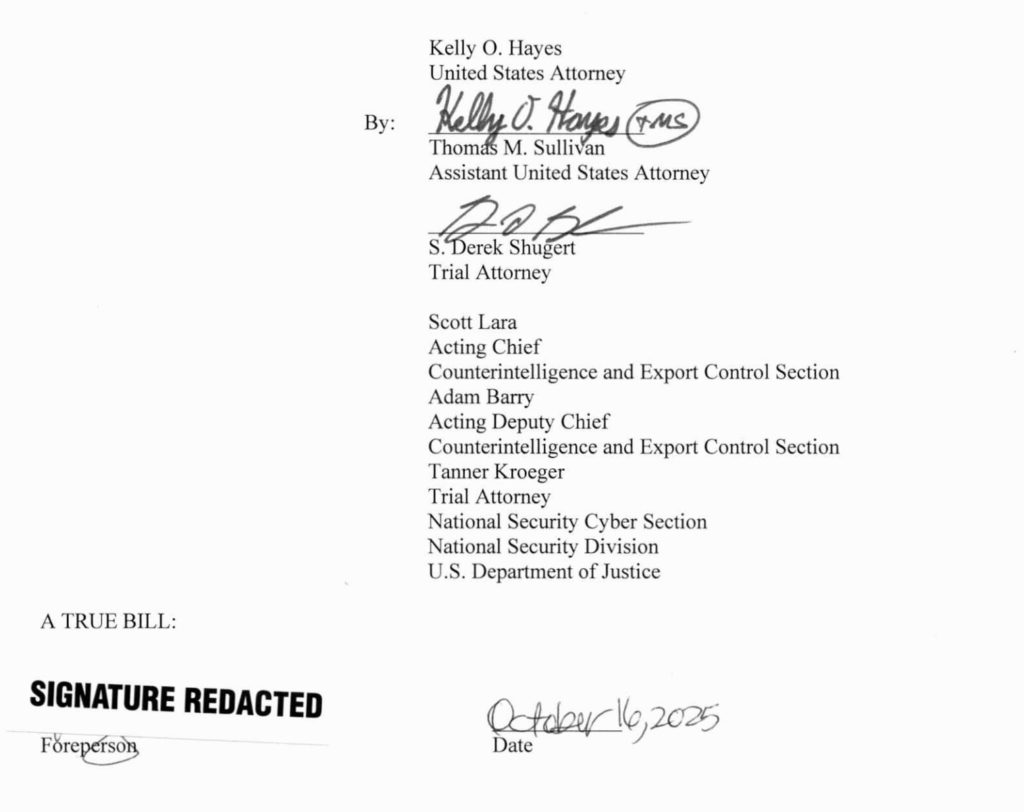
Bolton’s
indictment
is
signed
by
the
highly
competent
US
Attorney
for
Maryland,
Kelly
Hayes,
Thomas
Sullivan,
Chief
of
the
District’s
National
Security
and
Cybercrime
Section,
plus
four
more
lawyers:

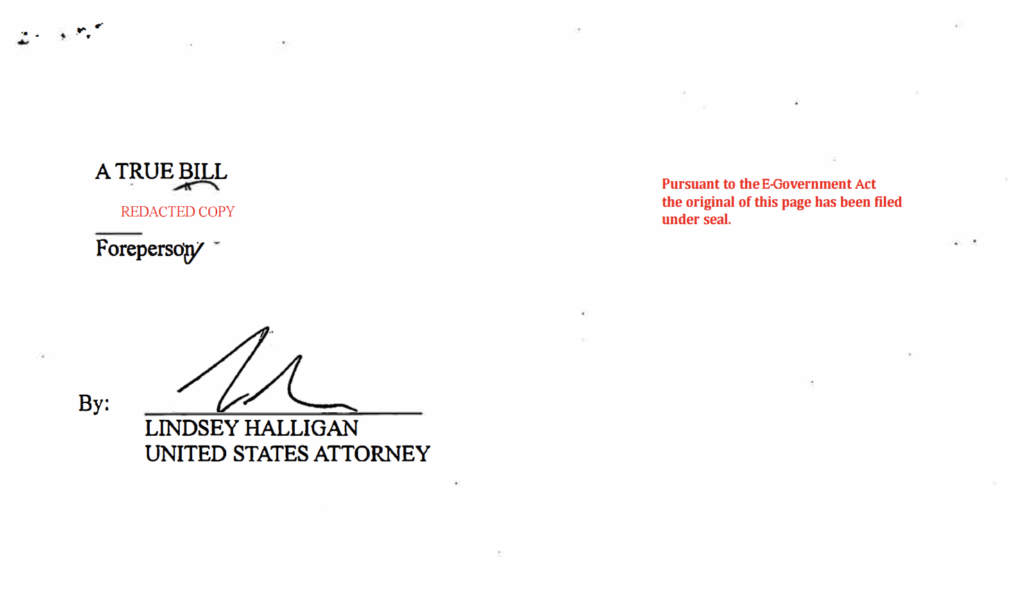
James’s
indictment
sig
block:

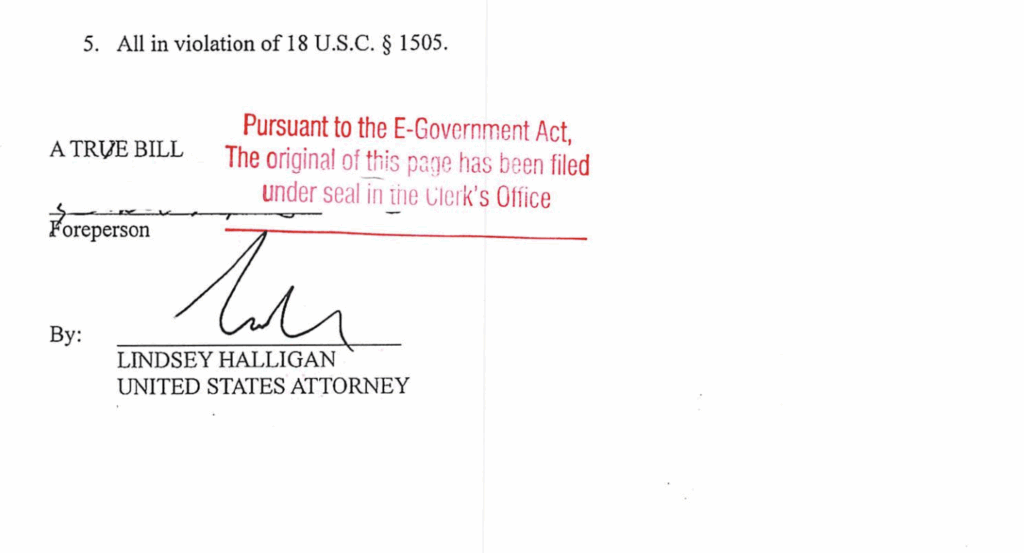
Comey’s
indictment
sig
block:

Abbe
Lowell,
who
is
representing
Bolton,
scoffs
that
there
is
nothing
here.

“These
charges
stem
from
portions
of
Amb.
Bolton’s
personal
diaries
over
his
45-year
career

records
that
are
unclassified,
shared
only
with
his
immediate
family,
and
known
to
the
FBI
as
far
back
as
2021,”
he
told
the

Washington
Post
.

And
that
may
be
true!
But
fact
that
a
whole
passel
of
lawyers
were
willing
to
put
their
names
on
it,
when
no
one
at
EDVA
would
touch
the
Comey
and
James
indictments
with
a
10-foot
pole,
suggests
that
Bolton
is
going
to
be
in
for
a
rough
ride.


US
v.
Bolton

[Docket
via
Court
Listener]


Liz
Dye
 lives
in
Baltimore
where
she
produces
the
Law
and
Chaos substack and podcast.

Clio Unveils Plan To Become An Everything App For Lawyers – Above the Law

“That
was
a
lot,”
muttered
someone
behind
me
as
we
shuffled,
along
with
2,700
other
attendees,
out
of
the
Hynes
Convention
Center’s
cavernous
main
stage.

It
was
an
apt
way
to
describe
Jack
Newton’s
opening
address
kicking
off
the
13th
annual
ClioCon.
Newton
came
out
in
a
trademark
blazer-on-t-shirt
look
and
proceeded
to
serve
the
audience
a
fire
hose
in
the
face
worth
of
information.
Looking
both
forward
and
backward,
Newton
walked
through
the
company’s
moves
over
the
last
year

and
its
pending
acquisition
of
vLex

Newton
stringing
everything
together
into
a
fairly
overwhelming
vision.
In
a
space
where
tech
providers
like
to
stake
out
a
cozy
niche,
Clio
is
going
to
do…
everything.

Well,
not

everything
,
but
most
everything.
Small
law
firm
practice
management
remains
at
the
core,
but
now
they
have
a
completely
separate
unit
working
on
Biglaw
and
large
corporate
legal
departments.
Business
of
law
remains
their
legacy,
but
now
they’re
a
practice
of
law
provider.
Legal
research?
Sure!
Law
firm
AI?
Why
not?
CRM?
Of
course!
One
clever
joke
at
8am’s
rebranding
aside,
by
the
end
of
the
presentation,
it
felt
as
though
Clio
isn’t
competing
against
other
practice
management
providers
anymore,
but
everyone
from
Thomson
Reuters
to
Harvey.

Legal
tech
doesn’t
have
a
history
of
anyone
being
all
things
to
all
people,
Newton
explained
that
we’ve
reached
a
crossroads
where
it’s
not
only
a
possible
approach,
but
an
essential
one.

Artificial
intelligence
runs
on
context.
Without
context,
it’s
just
hurling
words
at
a
dartboard
while
assuring
the
user
that
their
query
was
very
smart.
With
context,
the
algorithm
can
provide
better
responses
and
make
connections
across
the
workflow.
So
tear
down
the
silos
between
business
of
law
and
practice
of
law.
Allow
the
system
to
understand
the
calendar
and
exactly
what
that
means
for
drafting.

“With
Clio
Work,
we’re
launching
a
new
era
of
legal
productivity,”
Newton
explained.
“By
integrating
vLex’s
world-class
legal
research
library
and
Vincent
AI
directly
into
the
Clio
platform,
we’re
giving
legal
professionals
one
intelligent
workspace
to
manage
cases
and
execute
AI-powered
workflows,
all
without
switching
systems.
Clio
Work
leverages
more
context
than
any
legal
AI
in
the
world,
combining
your
matter
and
practice
data,
together
with
the
world’s
most
comprehensive
database
of
legal
data,
to
deliver
the
highest
quality
outcomes.
It’s
everything
a
lawyer
needs
to
think,
write,
and
win,
all
in
one
place.”
The
Intelligent
Legal
Work
Platform,
as
Clio
brands
it,
brings
Clio’s
core
products

Manage,
Grow,
Draft,
and
the
new
Work

into
a
single
AI
nervous
system.

But
this
horizontal
expansion
of
what
Clio’s
offering
its
small
and
solo
customers,
organically
inspired
the
vertical
expansion
into
Biglaw.
Getting
Clio
to
this
point
required
key
acquisitions.
Good
thing
the
company
had

gobs
of
money
.
Specifically,
Clio
went
out
and
picked
up
ShareDo
(revamped
as
Clio
Operate),
which
provided
an
operational
spine
for
massive
firms
built
to
make
managing
2,000
lawyers
feel
less
like
herding
cats
through
Outlook.
And
very
soon,
Clio
will
have
acquired
vLex
and
its
Vincent
AI
offering
that
rests
on
a
billion-plus
legal
document
archive
(becoming
Clio
Library).
The
thing
is,
these
were
already
enterprise-grade
tools
with
homes
in
Biglaw,
so
Clio
might
as
well
join
that
market
too.

Legal
tech
doesn’t
scale
up
from
small
law
to
Biglaw
very
often.
On
the
other
hand,
Clio
has
the
advantage
of
integrating
products
with
existing
Biglaw
relationships.
It’s
easier
to
close
the
deal
when
you’re
already
inside
the
door.

All
this
Biglaw
talk
could
have
alienated
the
small
law
crowd,
but
Newton
made
sure
to
assuage
those
fears.
Enterprise
won’t
steal
zero-sum
resources
from
Clio’s
small
law
work,
it’s
going
to
be
a
completely
separate
unit.
It’s
also,
he
explained,
going
to
funnel
key
insights
back
to
the
small
law
product.
By
solving
Biglaw’s
toughest
operational
puzzles,
Clio
plans
to
effectively
level
the
entire
profession.
When
a
2,000-lawyer
shop
demands
bulletproof
features,
the
same
code
improves
billing
for
the
10-lawyer
firm
down
the
street
who
otherwise
might
have
just
developed
its
own
nimble
workaround.

This
all
felt
a
bit
like
a
moonshot.
Legal
tech
vendors
don’t
generally
talk
like
this.
There’s
always
talk
of
exciting
updates
and
expansions,
but
Newton’s
vision
involves
fundamentally
rethinking
how
law
firms
divide
their
work.
It’s
all
about
the
execution,
of
course,
but
looking
around
the
convention
center
and
remembering
my
first
ClioCon
in
the
basement
of
a
Chicago
hotel
with
a
few
hundred
attendees,
it’s
difficult
to
bet
against
Clio’s
capacity
to
convert
on
its
ambitions.

Some Law Firms Punish Associates With Tough Assignments – Above the Law

Most
law
firms
typically
have
vast
portfolios
of
work
that
keep
associates
and
staff
busy. This
can
include
matters
that
extend
across
different
practice
areas
as
well
as
various
state
and
federal
courts. Sometimes,
associates
can
choose
the
types
of
matters
they
work
on,
but
most
of
the
time,
associates
are
assigned
matters
and
practice
areas
depending
on
the
needs
of
a
law
firm. In
some
circumstances,
law
firms
may
assign
unpleasant
work
assignments
to
associates
to
get
them
to
leave
a
law
firm
or
to
punish
them
for
not
meeting
expectations.

Pretty
much
every
law
firm
has
unpleasant
matter
that
the
firm
accepts
to
generate
revenue
and
keep
the
lights
on
at
a
shop. For
instance,
there
are
often
sexual
assault
cases
on
which
law
firms
work
involving
religious
organizations,
civic
groups,
and
other
types
of
defendants. These
types
of
matters
are
often
filed
in
waves,
so
at
any
given
time,
a
law
firm
hired
to
defend
these
types
of
cases
might
have
numerous
matters
connected
with
a
tragic
subject
matter. As
everyone
deserves
a
defense,
a
law
firm
usually
should
not
be
faulted
for
accepting
such
work.

However,
working
on
such
matters
might
be
much
more
unpleasant
than
working
on
other
types
of
cases. Sexual
abuse
cases
or
other
types
of
unappealing
matters
might
involve
difficult
topics,
uncomfortable
questions,
and
may
be
more
emotionally
draining
than
other
kinds
of
work.
One
way
law
firms
can
handle
the
emotional
load
of
such
matters
is
to
evenly
distribute
such
cases
so
that
no
one
associate
needs
to
spend
an
inordinate
time
on
such
matters.

However,
I
have
heard
stories
of
some
associates
being
assigned
to
handle
such
unpleasant
matters
as
their
primary
source
of
work. Since
associates
typically
have
billable
hour
requirements,
they
might
not
be
in
a
position
to
reject
such
matters
and
request
other
assignments
since
such
matters
might
be
the
only
way
they
can
meet
expectations. I
have
heard
several
stories
about
associates
who
were
assigned
such
unpleasant
matters
since
partners
hoped
this
would
compel
an
associate
to
depart
a
firm. Of
course,
this
is
difficult
to
confirm,
but
anyone
who
watches
“Seinfeld”
should
know
that
employers
might

make
life
difficult
for
employees
they
want
to
quit
.

This
strategy
seems
crass
and
irresponsible. Lawyers
often
have
mental
health
issues
at
baseline
since
the
conflict,
stress,
and
emotions
already
make
it
difficult
to
handle
legal
work. Adding
in
difficult
assignments
that
touch
upon
emotional
issues
might
have
a
significant
impact
on
the
mental
health
of
associates. Also,
not
giving
associates
a
choice
about
whether
they
will
have
to
work
on
unappealing
matters
can
eliminate
agency
of
associates
and
negatively
impact
morale.

Law
firms
also
typically
assign
better
matters
to
associates
who
are
more
favored
by
management
of
a
shop. For
instance,
I
once
worked
at
a
law
firm
that
did
not
pay
as
much
as
other
shops,
but
partners
at
the
firm
liked
me
and
seemingly
wanted
me
to
stay. They
assigned
more
interesting
assignments
to
me
than
the
average
associate
was
given.
I
also
argued
appeals,
handled
interesting
matters
in
federal
court,
and
completed
additional
tasks
that
other
associates
did
not. This
practice
might
also
be
pernicious
since
associates
might
not
be
happy
that
other
associates
are
being
given
privileges
that
are
not
available
to
everyone
at
a
shop.

All
told,
most
law
firms
have
unpleasant
matters
that
need
to
be
handled
so
that
the
firm
can
generate
money. However,
it
is
not
fair
in
most
circumstances
to
assign
such
matters
disproportionately
to
one
group
of
associates,
especially
if
it
is
being
done
to
punish
associates
or
get
them
to
quit. Law
firms
should
implement
safeguards
to
ensure
work
is
doled
out
equitably
to
all
associates.


Jordan
Rothman
is
a
partner
of 
The
Rothman
Law
Firm
,
a
full-service
New
York
and
New
Jersey
law
firm.
He
is
also
the
founder
of 
Student
Debt
Diaries
,
a
website
discussing
how
he
paid
off
his
student
loans.
You
can
reach
Jordan
through
email
at 
jordan@rothman.law.

Nonprofit Beefs Up Staff To Take The Legal Fight To Trump – Above the Law

(Photo
by
Win
McNamee/Getty
Images)

The
Trump
II
reign
has
been
characterized
by
repeated attacks
on
the
rule
of
law 
and
blatant

power
grabs
.
And
Biglaw
has
proven…
it
is

not
up
to
the
task
.
When

directly
confronted 
with unconstitutional Executive
Orders
targeting
firms
on
Trump’s
list
for
retribution,
more
than
twice
as
many
major
law
firms
were
willing
to
promise
the
president
nearly
a
billion
dollars
in pro
bono
payola
 for conservative
causes
or
clients
 as
were
willing
to
fight
the
EOs
in
court.
Not
a
great
look
for
the
supposed
best
in
the
legal
industry.

But,
that
doesn’t
mean
we’re
completely
screwed
as
a
society.
Small
law
and
boutiques

have
stepped
up
,
and
these
small
but
mighty
firms
are
poised
to
take
on
some
of
the
biggest
cases.
And
that
includes
the
Washington
Litigation
Group,
a
nonprofit
firm
created
earlier
this
year.
As Nathaniel
Zelinsky,
senior
counsel
at
the
Washington
Litigation
Group,
said,
“Every
day,
we
have
incoming
requests
of
people
who
need
representation,
and
we
can
take
on
some,
and
we
try
to
identify
the
ones
that
fit
within
our
core
mission…but
there
is
an
extraordinary
need
right
now
for
qualified
representation
and
to
make
sure
that
we’re
putting
forward
the
best
representation
in
the
most
important
cases.”

“We
take
on
cases
that
are
sort
of
core
to
the
rule
of
law.
So
we
defend
individuals,
institutions
who
are
under
attack,
and
we
combat
government
overreach,
but
we
are
at
our
core
lawyers,”
said
Zelinsky.
“Our
pedigree
is
really
people
from
[the]
government
and
people
in
private
practice.”

The
firm
was
created
by
a
mix
a
Biglaw
partners,
former
judges,
and
government
attorneys.
The
firm’s

website

touts
the
unique
pedigree
of
its
attorneys:

  • A
    former
    Acting
    Attorney
    General
    of
    the
    United
    States,
    and
    two
    former
    Deputy
    Assistant
    Attorneys
    General.
  • Multiple
    former
    Assistant
    United
    States
    Attorneys.
  • Defense
    attorneys
    who
    have
    represented
    clients
    from
    Watergate
    onward.
  • Multiple
    former
    law
    firm
    partners,
    including
    the
    head
    of
    a
    national
    white-collar
    defense
    practice,
    the
    head
    of
    a
    prominent
    Supreme
    Court
    and
    Appellate
    Practice,
    and
    the
    head
    of
    a
    national
    law
    firm’s
    D.C.
    office.
  • Former
    judges
    who
    served
    on
    the
    United
    States
    District
    Court
    for
    the
    District
    of
    Columbia
    and
    the
    District
    of
    Columbia
    Superior
    Court.
  • Lawyers
    who
    have
    argued
    at
    every
    level
    of
    the
    federal
    judiciary,
    including
    before
    the
    Supreme
    Court.

And
the
firm
is
growing.
It
recently
added
Kyle
Freeny,
a
Greenberg
Traurig
partner
who
previously
worked
on
Special
Counsel
Robert
Mueller’s
team

and
prosecuted
Paul
Manafort
in
that
role.
Her
experience
jives
well
with
the
high-profile
cases
its
taking
on,
as

reported
by

Law.com:

The
firm
has
already
taken
on
several
high-profile
cases,
including
representing
former
Merit
Systems
Protection
Board
member
Cathy
Harris,
who
was
fired
by
Trump
earlier
this
year,
serving
as
co-counsel
with
Milbank.
The
firm
also represents three
members
of
the
Federal
Oversight
and
Management
Board
for
Puerto
Rico
that
were
fired
by
Trump,
along
with
Cooley
and
Democracy
Defenders
Fund
as
co-counsel.

Zelinsky
notes
the
firm
will
continue
its
growth
in
the
“near-term
future.”
Which
checks
out

there’s
certainly
not
a
lack
of
work
fighting
the
Trump
administration.


Kathryn
Rubino
is
a
Senior
Editor
at
Above
the
Law,
host
of

The
Jabot
podcast
,
and
co-host
of

Thinking
Like
A
Lawyer
.
AtL
tipsters
are
the
best,
so
please
connect
with
her.
Feel
free
to
email

her

with
any
tips,
questions,
or
comments
and
follow
her
on
Twitter

@Kathryn1
 or
Mastodon

@[email protected].

Trump Sued Again For Illegally Destroying The Digital Equity Act (And A Bunch Of Useful Programs That Helped His Own Supporters) – Above the Law

(Photo
by
MANDEL
NGAN/AFP
via
Getty
Images)

Back
in
May we
noted
how
 Trump
illegally
declared
he
was
unilaterally
destroying
the
$2.75
billion Digital
Equity
Act
,
lying
repeatedly
that
the
law
was
“racist”
and
“unconstitutional.”
The law,
passed
as
part
of
the
infrastructure
bill,
was
slated
to
bring
millions
in
new
broadband
grants
and
digital
literacy
tools,
education,
and
training
to
Americans
(of
all
kinds).

The
bill
helped
everybody
(including
Trump-supporting
rural
veterans
and
rural
residents),
but
because
Trump’s
team
seemed
to
assume
that
the
word
equity
meant
“help
minorities,”
the
program
was
the
brutal
victim
of
our
mad,
incoherent,
con
man
king
and
his
army
of
mindless
earlobe
nibblers.

Back
in
June,
a
coalition
of
20
states sued
the
Trump
administration
,
correctly
stating
that
it’s
illegal
for
the
administration
to
unilaterally
dismantle
an
act
of
Congress
and
freeze
and
repurpose
funding
that
had
already
been
allotted.
That
case
is
winding
through
the
court
system,
but
the
damage
has
already
been
done
to
countless
traditionally
underfunded
programs
and
organizations
that
had been
told
they
were
getting
the
money
.

This
week
the
National
Digital
Inclusivity
Alliance
(NDIA) filed
another
lawsuit
against
the
government
,
again
(correctly) noting that
the
freezing
of
the
funds
is
illegal
and
violates
the
separation
of
powers
between
the
executive
and
legislative
branches
as
outlined
in
the
Constitution. 

The
NDIA
was
poised
to
receive
one
of
the
biggest
chunks
of
Act
funding;
a
$25.7
million
grant
it
was
going
to
use
to
help
connect
people
to
the
Internet
via
13
programs
across
11
states.
Not
only
via
direct
access
to
affordable
physical
equipment,
but
digital
literacy
training
for
seniors
and
vets
to
gain
access
to
online
education,
health
care,
and
other
essential
services:


“NDIA
is
taking
the
extraordinary
step
of
suing
the
federal
government
for
the
30,000
people
who
were
counting
on
our
Digital
Navigator
+
program
to
help
guide
them
through
submitting
job
applications,
accessing
telehealth,
attending
classes,
and
staying
safe
online.
Thousands
more
across
the
country
stood
to
benefit
from
Digital
Equity
Act
grants
through
other
trusted
community
organizations.
Let’s
be
very
clear,
the
Digital
Equity
Act
is
not
unconstitutional
nor
racist,
it
passed
with
overwhelming
bipartisan
support
to
ensure
the
United
States
can
compete
in
today’s
modern
economy.”

There’s
a
long
list
of
groups
that
were
also
planning
to
use
this
funding
to
help
their
communities
navigate
things
like
the
rising
number
of
online
scams
that tend
to
disproportionately
target
the
elderly
.
They’re
all
now
shit
out
of
luck
because
of
a
bunch
of
weird
racist
zealots
(who
like
to
pretend
they’re
saving
taxpayer
money
with
one
hand,
while setting
it
on
fire
with
the
other
).

A
driving
motivation
behind
these
attacks
on
online
equity
isn’t
“saving
money,”
it’s
dismantling
government
efforts
to
do
anything
about
the
problems
created
by consolidated
corporate
power
.
That
means lobotomizing
the
FCC
.
It
means killing
programs
that
gave
school
kids
free
Wi-Fi
.
It
means
undermining
efforts
to
protect
U.S.
citizens
(in
red
or
blue
states
alike)
from fraud
and
robocall
hell
.

Meanwhile,
Trump
continues
to
insist
his
random-ass
butchery
of
government
is
only
“impacting
Democrats”:

I’m
not
sure
whose
going
to
correct
the
misconceptions
of
freshly-fucked
Trump
supporters
in
red
states,
since Republicans
also
effectively
lobotomized
whatever
was
left
of
local
news
 via
a
frontal
assault
on
media
consolidation
limits.

I
was
not
previously
aware
that
the
President
of
the
United
States
could
unilaterally
destroy
an
act
of
Congress,
freeze
funding
for
beneficial
bipartisan
programs,
lie
about
the
impact
repeatedly,
and
face
absolutely
zero
repercussions
whatsoever.
Consider
me
properly
informed.


Trump
Sued
Again
For
Illegally
Destroying
The
Digital
Equity
Act
(And
A
Bunch
Of
Useful
Programs
That
Helped
His
Own
Supporters)


More
Law-Related
Stories
From
Techdirt:


Against
The
New
Feudalism
Of
Algorithms
And
Oligarchs


Vance’s
Double
Standard:
Nazi
Jokes
Are
“Kids
Being
Kids,”
But
Mocking
Charlie
Kirk
Gets
Your
Visa
Revoked


New
York
City
Sues
Instagram
Rather
Than
Teach
Kids
Filters
Aren’t
Real

Morning Docket: 10.17.25 – Above the Law

*
The
government
doesn’t
keep
track
of
its
“Kavanaugh
stops.”
Pro
Publica
decided
to
do
it
for
them.
[Pro
Publica
]

*
John
Bolton
got
indicted.
So
that
happened.
[National
Law
Journal
]

*
Supreme
Court’s
next
assault
on
voting
rights
is
definitely
happening.
[The
Nation
]

*
Steve
Bannon
throws
lawyer
under
the
bus
in
effort
to
get
out
of
the
whole
“breaking
the
law”
thing.
[Law360]

*
Bipartisan
judges
agree
that
Trump
can’t
randomly
send
troops
into
Chicago.
[Reuters]

*
Little
League
suspension
goes
to
court.
[ABA
Journal
]

Show Us The Money! – See Also – Above the Law

Ever
Wondered
How
Much
Small
And
Midsize
Practitioners
Make?:
We
wonder
too!
Let
us
know
so
we
can
share.
Coverage
From
The
Other
Side:
SCOTUSBlog
founder
is
headed
to
trial.
It’s
A
Matter
Of
Value:
See
which
law
schools
carry
the
most!
San
Francisco
Sends
Warnings
To
The
National
Guard:
You
can’t
beat
up
on
their
citizens
and
not
expect
the
law
to
get
you.