Jeanine Pirro Is The Biggest Loser – Above the Law

Jeanine
Pirro
(Photo
by
Win
McNamee/Getty
Images)

On
Thursday,
jurors
in
DC
threw
up
two
giant
middle
fingers
to
US
Attorney
Jeanine
Pirro.

Again.

In
fact,
it
was
the
fourth
time
the
residents
of
the
nation’s
capital
had
flipped
off
Pirro
in
the
same
case.

The
charges
involved
Sydney
Reid,
who
was
roughed
up
by
ICE
and
FBI
agents
on
July
22
while
filming
the
transfer
of
immigrants
from
DC’s
Metropolitan
Police
Department
to
federal
custody.
During
the
scuffle,
FBI
Agent
Eugenia
Bates
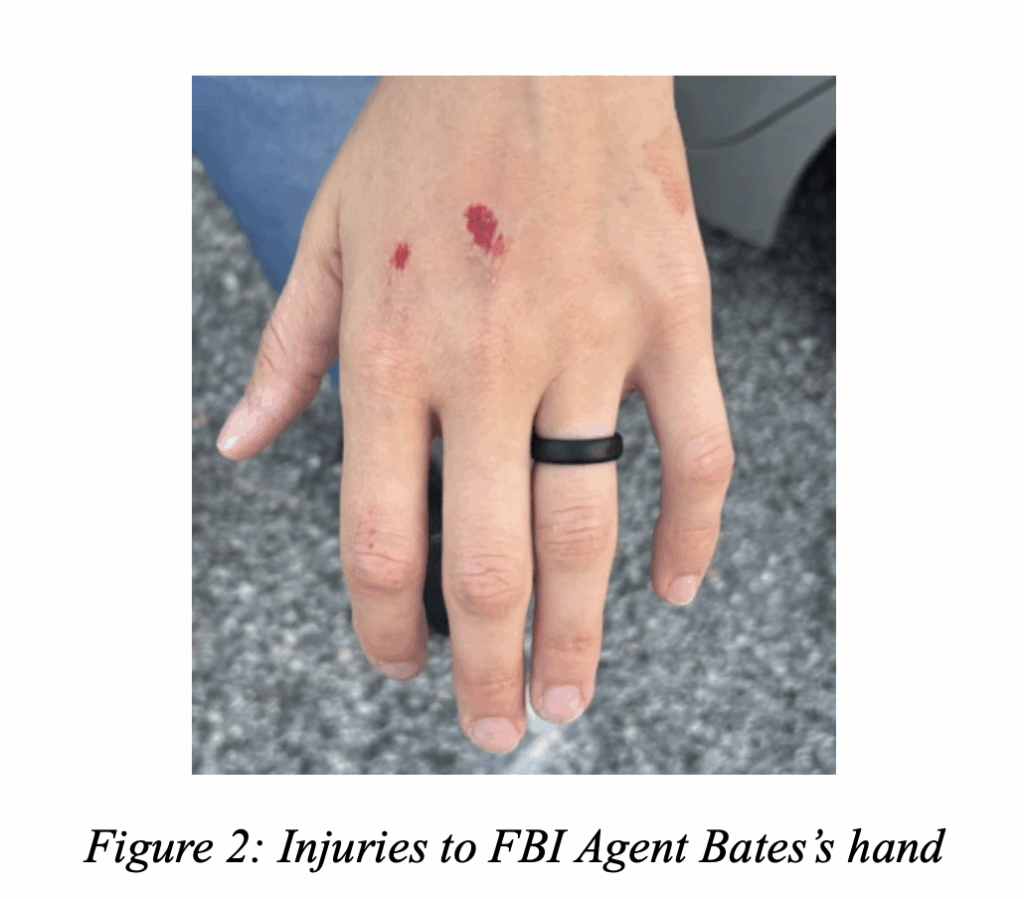
bruised
her
knuckles,
and
Pirro’s
office
charged
Reid
with
assaulting
an
officer


or
tried
to
anyway
.

After
wasting
the
magistrate’s
time
with
a

criminal
complaint
,
the
government
took
to
social
media
to
congratulate
themselves
for
being
so
big
and
tough.

“Assault
an
officer
or
agent

get
arrested.
It’s
not
rocket
science,”
ICE’s
official
account

tweeted
.

But
grand
jurors
had
other
ideas,
with
three
separate
panels
returning
a
no
bill
on
the
alleged
assault.

On
August
25,
with
the
30
days
to
indict
expiring,
the
DOJ
was
forced
to

walk
of
shame

itself
back
into
court
and
admit
that
it
had
come
up
empty.
To
save
face,
Pirro’s
office
announced
that
it
was
charging
Reid
with

misdemeanor
assault
,
which
doesn’t
require
a
grand
jury
to
sign
the
prosecution’s
permission
slip.

In
fact,
Pirro’s
office
has

gotten
no-billed

at
least
a
dozen
times
in
the
past
four
months

an
astonishing
record.
Pirro
raced
to
Fox
to
explain
that
this
is
because
jurors
in
DC
don’t
understand
the
lawless
hellhole
they
live
in.

“There
are
a
lot
of
people
who
sit
on
juries,
and
they
live
in
Georgetown
or
in
Northwest,
or
in
some
of
these
better
areas,
and
they
don’t
see
the
reality
of
crime
that
is
occurring,”
she

blathered
.
“And
my
office
has
been
instructed
to
move
for
the
highest
crime
possible
consistent
with
the
law,
the
statute
and
the
evidence.”

Reid
was
assigned
two
highly
competent
federal
public
defenders,
Tezira
Abe
and
Eugene
Ohm,
who
informed
the
court
that
she
would
not
be
waiving
her
speedy
trial
rights,

thankyouverymuch
.
She’d
like
to
go
to
trial
immediately,
while
the
memory
of
living
under
de
facto
military
obligation
was
fresh
in
her
fellow
citizens’
minds.

The
prosecution
was
an
epic
shitshow.
The
DOJ
filed
a

superseding
criminal
information

on
October
10,
claiming
that
Reid
assaulted
not
just
Bates,
but
also
ICE
Officer
Vincent
Laing
because,
while
being
manhandled,
Reid’s
knee
jerked
in
his
general
direction
leaving
him
in
fear
of
injury.
Judge
Sparkle
Sooknanan
eventually
threw
out
that
part
of
the
charge.

On
the
eve
of
trial,
the
prosecution
admitted
that
a
security
camera
which
they’d
claimed
was
inoperable
had
in
fact
captured
the
entire
event.

WUSA9
,
the
local
CBS
affiliate,
reports
that
Judge
Sooknanan
struck
a
government
witness
as
sanction
for
the
screw
up:

“Either
your
agent
lied,
or
DOC
lied,
or
someone
was
sloppy,”
Sooknanan
said.

Prosecutors
said
it
was
unclear
whether
the
video
was
ever
uploaded
to
a
server
by
the
DOC
and,
if
so,
if
it
was
ever
downloaded
by
the
U.S.
Attorney’s
Office.
Assistant
U.S.
Attorney
Travis
Wolfe
said
the
server
is
emptied
every
60
days
to
save
storage
space.

“Your
honor,
I’m
as
frustrated
as
you
are,”
Wolfe
said.

“Yeah,
but
you’re
prosecuting
a
defendant
in
a
criminal
case,
so
your
frustration
rings
a
little
hollow
compared
to
hers
or
mine,”
Sooknanan
said.

The
law
enforcement
agents
involved
also
sent
each
other
copious
text
messages
chortling
about
the
interaction
with
Reid
and
sharing
social
media
videos
of
the
scuffle.
Bates,
the
supposed
victim,
called
Reid
a
“libtard”
and
referred
to
the
scrapes
on
her
knuckles
as
“boo
boos.”

Per

WUSA9
:

In
the
new
messages
turned
over
Wednesday
morning,
Bates
was
discussing
Reid’s
arrest
with
another
ICE
agent,
Dinko
Residovic.
She
compliments
him
for
jumping
into
action,
saying,
“Your
cop
side
was
showing.”
He
responds,
“It’s
too
calm
at
the
fed
level.”

The
missing
message
was
her
response.
She
wrote,
“I
agree.
Everyone
is
scared
to
react.
So
much
respect!”

Prosecutors
requested
the
messages
from
Bates
several
times
over
the
past
two
weeks,
but
it
wasn’t
until
Wednesday
morning
that
Bates
actually
turned
over
the
messages.
Wolfe
argued
that
she
may
have
made
a
mistake
while
screenshotting
the
messages,
instead
of
intentionally
leaving
it
out.

“That
seems
to
be
a
common
theme
with
all
your
witnesses.
Did
they
lie,
or
did
they
continuously
make
mistakes?”
Sooknanan
told
Wolfe.

Judge
Sooknanan
issued
a
couple
of
key
rulings
in
the
defendant’s
favor,
including
with
respect
to
the
jury
instructions.
The
DOJ
was
forced
to

admit

that
there
was
no
template
for
an
instruction
charging
8
USC
§
111
as
a
misdemeanor,
since
no
prior
US
Attorney
would
have
bothered
to
go
to
trial
after
getting
no-billed
on
the
felony.
The
court
issued
an

instruction

requiring
the
jury
to
find
that
Reid
had
assaulted
Bates,
not
simply
obstructed
her
in
her
official
duties.

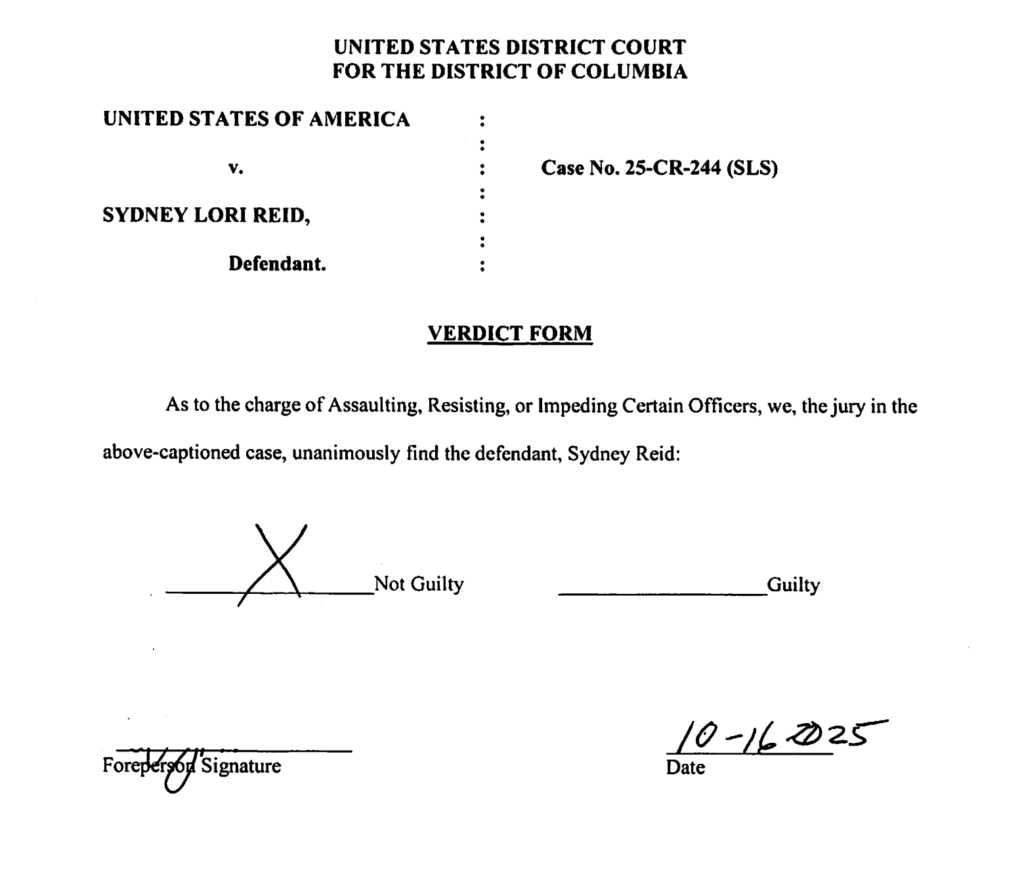
In
the
event,
it
took
the
jurors
less
than
two
hours
to
return
a
unanimous
verdict
of
not
guilty.
Pirro
did
at
least
manage
to
avoiding
insulting
the
citizens
of
the
District
this
time,
simply
releasing
a
statement
to


The
Independent

conceding
that
“the
jury
has
spoken
and
we
accept
their
decision.”

But
Reid’s
lawyers
issued
a
blistering
statement
rebuking
the
DOJ
for
bringing
“a
case
that
has
no
place
in
a
free
democracy.”

“The
Department
of
Justice
can
continue
to
take
these
cases
to
trial
to
suppress
dissent
and
to
try
and
intimidate
the
people,”
Abe
and
Ohm
told
the

Huffington
Post
.
“But
in
the
end,
as
long
as
we
have
a
jury
system,
our
citizens
will
continue
to
rebuke
the
DOJ
through
speedy
acquittals.”

Wow.
Sidney
Reid,
the
DC
woman
just
found
not
guilty
of
assaulting
an
FBI
agent,
issues
a
withering
and
gutsy
statement
on
Trump
through
her
attorneys.”I
feel
sorry
for
the
prosecutors
really,
who
must
be
burdened
by
Trump’s
irrational
and
unfounded
hatred
for
his
fellow
man.”It’s
a
must-read:


Dave
Jamieson
(@jamieson.bsky.social)


2025-10-16T21:34:12.919Z

Reid
called
the
president
“a
crazy
person,”
but
also
expressed
optimism
at
the
verdict:
“Knowing
that
I
can
stand
in
front
of
12
of
my
fellow
citizens
and
be
found
not
guilty
for
standing
up
for
basic
human
rights
makes
me
feel
like,
despite
the
scary
times
we
live
in,
we
have
hope
for
the
future.”

In
the
immediate
future,
the
DOJ
will
try
to
convict
another
notorious
miscreant,
Sean
“Hoagie
Hero”
Dunn,
who
threw
a
sub
at
a
CBP
agent
on
August
10.
Dunn
quickly
became
a
folk
hero,
and
Pirro’s
team
got
no
billed
when
it
tried
to
indict
him
for
assault.
As
with
Reid,
they

refiled

the
case
as
a
misdemeanor,
and
Dunn’s
trial
begins
on
November
3.

Pirro’s
office
is
also

locked
in
a
battle

with
DC
Magistrate
Judge
Zia
Faruqui,
who
blocked
the
US
Attorney
from
going
to
a
grand
jury
in
DC
Superior
Court
after
the
federal
grand
jurors
no-billed
charges
against
a
guy
who
got
caught
with
an
illegal
gun
in
his
car.
On
the
plus
side,
courts
are
out
of
money
now,
so
perhaps
Pirro
will
get
a
brief
reprieve
from
getting
her
ass
kicked
on
the
daily.


Subscribe
to
read
more
at
Law
and
Chaos….


Liz
Dye
 produces
the
Law
and
Chaos Substack and podcast.
 You
can
subscribe
to
her
Substack
by
clicking
the
logo:

Contract KPIs As A Path To Clarity And Measurable Success – Above the Law

In-house
counsel
often
pride
themselves
on
being
strategic
business
partners,
yet
many
cannot
answer
basic
questions
about
their
own
contract
portfolio.
What
is
the
average
turnaround
time
for
a
standard
agreement?
Which
clauses
generate
the
most
redlines?
How
often
do
negotiated
terms
deviate
from
the
company’s
standard
position?

Gary
Miles,
a
45-year
legal
veteran
and
coach
to
lawyers,
says
this
lack
of
visibility
is
a
serious
gap.
Speaking
with
me
on
Notes
to
My
Legal
Self
,
he
emphasized
that
measuring
the
right
key
performance
indicators
is
not
just
for
law
firm
billing.
It
is
an
essential
discipline
for
running
any
legal
function
like
a
business.

“A
lot
of
firms,
not
Biglaw
but
many
others,
just
work
and
do
not
know
how
to
run
their
business.
They
do
not
even
know
what
a
KPI
is.
They
do
not
know
what
data
to
measure
and
track,”
Miles
explained.
“I
want
to
give
them
guidance
about
how
to
run
their
operations
more
successfully,
knowing
what
to
focus
on
and
what
is
important.”


From
Litigation
Metrics
To
Contract
Metrics

Litigators
track
case
duration,
win
rates,
and
cost
per
matter.
In-house
commercial
lawyers
should
be
tracking
contract
cycle
time,
the
frequency
with
which
certain
clauses
are
negotiated,
the
percentage
of
deals
that
deviate
from
standard
templates,
the
time
it
takes
to
secure
stakeholder
approvals,
and
whether
the
company
complies
with
obligations
after
signature.
These
metrics
form
a
business
health
check
for
the
contracting
process,
revealing
patterns
that
no
amount
of
anecdotal
observation
can
match.


Why
KPIs
Matter
For
Clarity
And
Usability

Companies
that
rely
solely
on
qualitative
assessments
often
overengineer
contracts
to
guard
against
rare
risks
while
ignoring
common
delays
and
recurring
misunderstandings.
Data
shows
where
to
focus.
If
a
single
indemnity
clause
is
adding
days
to
every
negotiation,
it
is
worth
reassessing
your
fallback
position.
When
you
can
quantify
how
often
an
issue
slows
down
the
deal,
you
can
make
an
informed
choice
about
whether
the
fight
is
worth
it.

Platforms
like
TermScout
make
this
practical
by
turning
unstructured
contract
language
into
structured,
comparable
data.
This
enables
benchmarking
against
the
market,
quantifying
deviation
rates,
and
targeting
process
improvements
where
they
will
have
the
greatest
impact.


Getting
Started
With
Contract
KPIs

The
most
successful
legal
teams
start
small,
focusing
on
a
handful
of
meaningful
metrics
before
expanding.
They
make
the
data
visible
to
the
team
and
to
business
stakeholders
so
that
everyone
understands
the
current
situation.
They
use
the
numbers
to
diagnose
problems,
whether
in
intake,
review
staffing,
or
approval
bottlenecks.
And
they
adjust
playbooks
and
fallback
positions
based
on
what
the
data
reveals
about
real-world
negotiation
outcomes
rather
than
relying
on
theory.

Gary’s
core
message
applies
equally
to
in-house
counsel
and
private
practice:
when
you
measure
the
right
things,
you
can
manage
and
improve
them.
Contract
KPIs
are
not
about
creating
more
reports.
They
are
about
empowering
legal
teams
with
clarity
and
confidence
in
their
decision-making.

In
an
era
where
business
partners
expect
legal
to
move
at
the
speed
of
the
deal,
nothing
builds
credibility
faster
than
being
able
to
answer,
with
hard
numbers,
the
question:
How
are
we
doing?


Olga V.
Mack
 is
the
CEO
of 
TermScout,
an
AI-powered
contract
certification
platform
that
accelerates
revenue
and
eliminates
friction
by
certifying
contracts
as
fair,
balanced,
and
market-ready.
A
serial
CEO
and
legal
tech
executive,
she
previously
led
a
company
through
a
successful
acquisition
by
LexisNexis. Olga is
also
Fellow
at
CodeX,
The
Stanford
Center
for
Legal
Informatics
,
and
the
Generative
AI
Editor
at
law.MIT.
She
is
a
visionary
executive
reshaping
how
we
law—how
legal
systems
are
built,
experienced,
and
trusted. Olga 
teaches
at
Berkeley
Law
,
lectures
widely,
and
advises
companies
of
all
sizes,
as
well
as
boards
and
institutions.
An
award-winning
general
counsel
turned
builder,
she
also
leads
early-stage
ventures
including 
Virtual
Gabby
(Better
Parenting
Plan)
Product
Law
Hub
ESI
Flow
,
and 
Notes
to
My
(Legal)
Self
,
each
rethinking
the
practice
and
business
of
law
through
technology,
data,
and
human-centered
design.
She
has
authored 
The
Rise
of
Product
Lawyers
Legal
Operations
in
the
Age
of
AI
and
Data
Blockchain
Value
,
and 
Get
on
Board
,
with Visual
IQ
for
Lawyers (ABA)
forthcoming. Olga is
a
6x
TEDx
speaker
and
has
been
recognized
as
a
Silicon
Valley
Woman
of
Influence
and
an
ABA
Woman
in
Legal
Tech.
Her
work
reimagines
people’s
relationship
with
law—making
it
more
accessible,
inclusive,
data-driven,
and
aligned
with
how
the
world
actually
works.
She
is
also
the
host
of
the
Notes
to
My
(Legal)
Self
podcast
(streaming
on 
SpotifyApple
Podcasts
,
and 
YouTube),
and
her
insights
regularly
appear
in
Forbes,
Bloomberg
Law,
Newsweek,
VentureBeat,
ACC
Docket,
and
Above
the
Law.
She
earned
her
B.A.
and
J.D.
from
UC
Berkeley.
Follow
her
on 
LinkedIn and
X
@olgavmack.

Dr. Oz Says the Medicaid Program is Complicit in ‘Legalized Money Laundering’ – MedCity News

Medicaid
is
now
the

fastest-growing
expense

for
most
states,
oftentimes
crowding
out
funding
for
education
and
social
services.

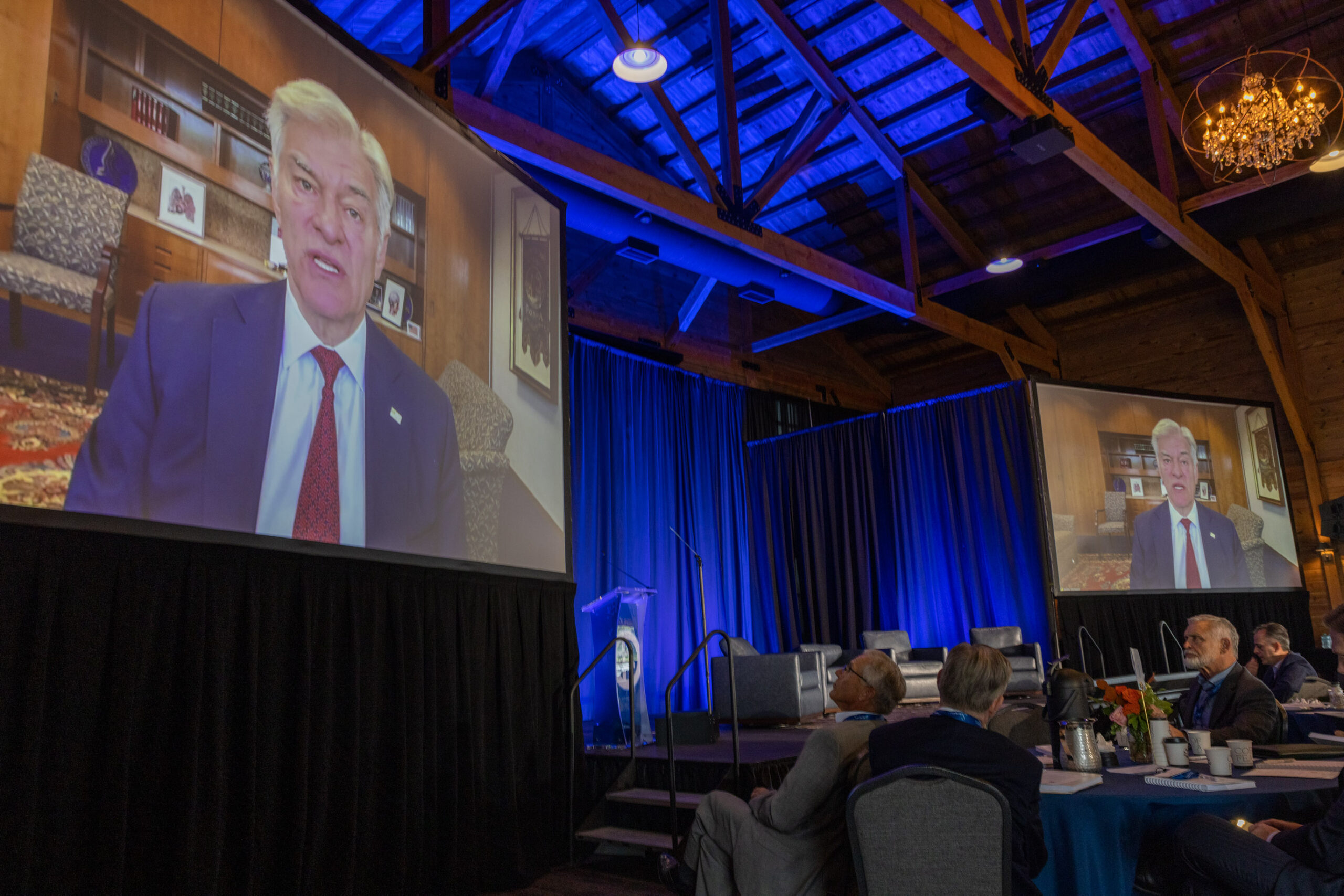
CMS
Administrator
Dr.
Mehmet
Oz
drew
attention
to
this
during
a
talk
this
week
at

Sanford
Health
’s

Annual
Summit
on
the
Future
of
Rural
Health
Care

in
Sioux
Falls,
South
Dakota.

He
noted
that
federal
Medicaid
spending
has
increased
by
50%
over
the
past
five
years,
with
much
of
this
being
tied
to
pandemic-era
policies
that
weren’t
rolled
back.
From
Dr.
Oz’s
perspective,
this
presents
opportunities
for
states
and
providers
to
“game”
the
system.

“Certainly
the
legalized
money
laundering
from
state-directed
payments
and
provider
taxes,
no
matter
what
you
might
think
about
them,
don’t
align
with
the
federal
government
and
with
state
governments.
They
do
quite
the
opposite.
It
was
a
grab
bag,
and
states
could
take
as
much
as
they
could
from
the
federal
government.
Oftentimes,
states
were
different
in
their
capabilities,
so
some
states
took
a
lot,
and
others
didn’t,”
he
remarked.

Essentially,
Dr.
Oz
is
criticizing
Medicaid’s
financing
mechanism
that
allows
states
to
draw
down
extra
federal
funds.
Many
states
levy
taxes
on
hospitals,
nursing
homes
and
other
healthcare
providers

and
then
use
that
revenue,
along
with
state-directed
payments,
to
trigger
additional
Medicaid
matching
funds
from
the
federal
government,
he
said.

During
his
address,
Dr.
Oz
also
said
that
fraud
in
the
Medicaid
and
Medicare
programs
is
abundant.
To
combat
this
fraud,
he
said
CMS
is
now
focusing
on
tracking
the
flow
of
money
rather
than
pursuing
individual
bad
actors.

“We’re
actually
chasing
the
money
now,
not
the
person.
And
we
have
joined
initiatives
with
the
Treasury
and
DOJ
to
address
some
of
these
issues
that
you’ll
be
hearing
more
about.
We
have
already
stopped
about
$4
billion
from
leaving
the
building
by
using
these
kinds
of
tactics,”
he
stated.

Overall,
Dr.
Oz
said
that
CMS
is
committed
to
working
with
other
departments
to
recover
misappropriated
funds
and
shut
down
schemes
that
exploit
systemic
loopholes. 

He
believes
this
strategy
allows
the
government
to
act
more
quickly
and
effectively,
ensuring
that
federal
health
dollars
reach
the
patients
and
programs
they
were
intended
to
serve.

“We
have
to
go
after
these
programs,
come
up
with
clever
ideas
to
help
the
good
people
who
are
trying
to
do
the
right
thing,
and
separate
the
wheat
from
the
chaff

from
folks
who
are
defrauding
the
country,
and
by
doing
that,
aggressively
change
the
incentives
around
some
of
these
businesses,”
Dr.
Oz.
declared.

In
his
eyes,
this
tightening
of
oversight
and
alignment
of
incentives
within
CMS
will
redirect
billions
of
dollars
toward
more
legitimate
care
delivery
efforts.


Photo:
Sanford
Health

Morning Docket: 10.20.25 – Above the Law

*
Federal
judiciary
begins
shuttering
some
operations
as
funds
dry
up.
[National
Law
Journal
]

*
George
Santos
has
sentence
commuted.
[Reuters]

*
What
does
a
future
associate
even
look
like?
[Law.com]

*
USPTO
director
taking
direct
control
of
patent
reviews.
There’s
no
way
this
ends
in
a
series
of
gifts
bestowed
on
an
elected
official
in
exchange
for
greased
wheels
on
patent
review,
right?
[Law360]

*
DOJ
lawyer
fired
over
Abrego
Garcia
case
speaks
to
60
Minutes.
[CBS
News
]

*
Tracing
the
Supreme
Court’s
journey
toward
immunizing
federal
goon
squad
tactics.
[Vox]

*
Goodwin
Procter
brings
home
massive
M&A
and
litigation
haul.
[Bloomberg
Law
News
]

HIV in Zimbabwe


Zimbabwe
 is
a
country
located
in
southern
Africa.
It
shares
its
borders
with
South
Africa
to
the
south,
Zambia
to
the
north,
Mozambique
to
the
east
and
Botswana
to
the
west.
Harare,
the
largest
city
and
at
the
same
time
the
capital,
lies
in
the
northeastern
part
of
the
land.

Zimbabwe’s
population
is
about
17
million,
with
the
average
age
of
a
citizen
being
18.
The
political
system
is
a
constitutional
democracy
and
most
of
its
population
practices
Christianity.
Despite
its
vast
size,
natural
beauty
and
rich
cultural
heritage,
HIV
in
Zimbabwe
remains
a
significant
public
health
challenge.

The
Prevalence
of
HIV

HIV
in
Zimbabwe is becoming
an
increasingly
 serious
problem.
In
2024,
about
1.3
million
people
were
living
with
the
virus,
most
of
whom
were
adults.
Notably,
women
made
up
a
significantly
larger
share
of
those
affected,
with
740,000
cases
compared
to
490,000
among
men.

Despite
the
progress
made
in
prevention
and
treatment,
economic
instability
and
limited
public
health
funding
continue
to
threaten
the
country’s
response
to
HIV.
The
national
currency’s
devaluation
and
rising
inflation
have
reduced
health
care
budgets
and
led
to
shortages
of
medicines
in
some
regions.

In
early
2025, cuts
and
freezes
 in
international
funding,
including
a
temporary
suspension
of
economic
support,
took
effect.
As
a
result,
several
HIV
clinics
closed
and
the
ARV
supply
was
interrupted,
leaving
thousands
without
help.
Experts
and
health
organizations
have
warned
that
such
disruptions
could
reverse
years
of
progress
in
HIV
control
and
treatment
adherence.

Key
Populations

In
Zimbabwe,
key
populations,
especially
female
sex
workers,
bear
a
substantially
higher
burden
of
HIV
than
the
general
population.
About
half
of female
sex
workers
 have
HIV
in
Zimbabwe.
The
prevention
is
difficult
because
many
in
the
key
population
don’t
even
know
their
HIV
status,
spreading
the
illness
further.

Women
and
girls,
despite
progress
in
some
areas
of
education,
remain
underrepresented
in
formal
employment
and
are
more
exposed
to
poverty.
Many
women
rely
on
the
informal
sector
for
income,
such
as
street
vending
and
odd
jobs,
which
often
yield
irregular
earnings,
making
it
difficult
to
afford
health
care,
clinic
transport
or
consistent
treatment.
In
some
cases,
the
urgency
to
provide
for
dependents
leads
to
“survival
sex”
or
informal
transactional
relationships.

Fighting
HIV

Zimbabwe
has
made
significant
progress
in
combating
HIV,
with
strong
backing
from
the
Global
Fund,
PEPFAR,
UNDP
and
local
civil
society
groups.
According
to
recent
reports,
about
93%
of
people
living
with
HIV
in
Zimbabwe
know
their
status,
98%
of
those
diagnosed
are
receiving
antiretroviral
therapy
(ART)
and
95%
of
those
on
ART
have
achieved
viral
suppression.
However,
sustaining
these
gains
remains
a
challenge.

Despite
substantial
external
support,
Zimbabwe
faces
a
funding
gap
of
about
$133
million
in
2024
to
fully
meet
the
resource
needs
outlined
in
its
strategic
HIV
plan.
Recent
freezes
and
reductions
in
donor
funding,
including
from
USAID,
have
raised
serious
concerns
about
maintaining
services,
clinics,
ART
supply
and
outreach,
particularly
for
vulnerable
and
marginalized
groups.

With
continued,
focused
commitment
from
international
partners
and
increased
domestic
investment,
Zimbabwe
aims
to
maintain
and
strengthen
HIV
prevention
and
treatment
services.
Key
elements
include
expanding
local
funding
sources,
ensuring
that
services
for
key
populations
remain
prioritized,
sustaining
supply
chains
for
ART
and
scaling
up
testing,
prevention
and
care
innovations.


Julia
Skowrońska

Julia
is
based
in
Wrocław,
Poland
and
focuses
on
Global
Health
for
The
Borgen
Project.

Source:


HIV
in
Zimbabwe


The
Borgen
Project

Post
published
in:

Featured

Contempt Is Such A Strong, If Entirely Accurate, Word – See Generally – Above the Law


Ed.
Note:
See
generally
is
our
quick
review
of
the
big
stories
from
last
week.
So
whether
you
missed
it
the
first
time
or
just
want
to
revisit
it,
let’s
look
back
on
what
happened.

Bold
Strategy,
Counselor.
Let’s
See
If
It
Pays
Off
(It
Does
Not):
Courtroom
decorum
lessons
came
fast
and
hard
for
one
lawyer
who
discovered
contempt
has
both
a
legal
and
a
personal
meaning.
San
Francisco
DA
Reminds
National
Guard
That
Excessive
Force
Is
Still
A
Crime:
Holding
law
enforcement
accountable
is
still
part
of
law
and
order.
Legal
Analyst
Begins
Process
Of
Normalizing
Presidential
Juntas:
Speaking
of
National
Guard
troops
performing
illegal
law
enforcement
tasks,
conservative
analysts
have
started
laying
the
preemptive
groundwork.
FASORP
Drops
Bullying
Suit
Because
Even
It
Got
Bored:
The
anti-DEI
crusaders
packed
up
their
nonsense
lawsuit
after
realizing
outrage
barely
covers
filing
fees.
Biglaw
Lost
In
Translation:
Another
global
firm
shutters
its
Japan
outpost.
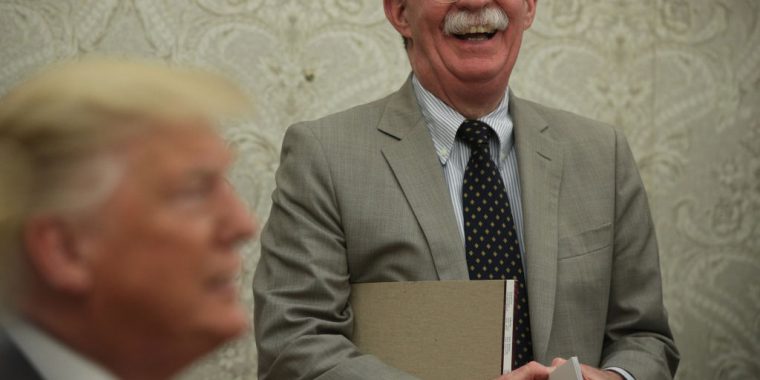
Donald
Trump
Prosecutes
John
Bolton
For
Doing
Less
Confidential
Document
Mishandling
Than
Him:
The
mustachioed
hawk
of
yesteryear
finally
found
a
misadventure
he
can’t
bomb
his
way
out
of.
Lawyer
Caught
Up
In
Young
Republicans
Racist
Texts
Scandal
Shocked
To
Find
Consequences
Are
Still
A
Thing:
The
political
operative
went
from
whisper
campaign
to
unemployment
line
in
record
time.
Clio
Announces
Plan
To
Be
Everything,
Everywhere,
All
At
Once:
The
legal
tech
giant
expands
its
offerings
and
its
client
base
and
looks
poised
to
begin
competing
with…
just
about
everyone
in
the
space.
Brace
Yourself
For
Law
School
Admissions
Hunger
Games:
Applications
are
spiking
again.
Please
Take
This:
Our
annual
small
law
firm
survey!

The Papertrail Always Comes Back – See Also – Above the Law

Get
A
Load
Of
John
Bolton’s
Emails:
Dude
talked
about
everything.
Not
All
Work
Is
Created
Equal:
Does
your
firm
punish
associates
with
hard
work?
Innovation
Matters!:
Is
your
law
school
one
of
the
most
innovative?
Washington
Litigation
Group
Is
Ready
To
Fight:
The
nonprofit
is
taking
on
cases
core
to
the
rule
of
law.
Now
That’s
What
I
Call
A
Lot
Of
Law
Students!:
The
boost
in
applications
means
easy
pickings
for
law
schools.
Clio
Wants
To
Be
A
One
Stop
Shop:
How
will
they
scale
up
from
small
law?

The Legacy Of This Long Gone Law School – Above the Law

(Image
via
Getty)


Ed.
Note:

Welcome
to
our
daily
feature

Trivia
Question
of
the
Day!


What
was
the
second
law
school
founded
in
the
United
States,
five
years
after
William
&
Mary
School
of
Law?


Hint:
Though
the
school
has
been
defunct
since
1833,
it
counts
two
U.S.
Vice
Presidents,
101
congressmen,
28
senators,
six
cabinet
secretaries,
three
justices
of
the United
States
Supreme
Court,
14
state
governors,
and
13
state
supreme
court
chief
justices
among
its
alumni.


See
the
answer
on
the
next
page.

Another Major Strike at Kaiser Permanente: What’s at Stake This Time – MedCity News

Roughly
31,000

Kaiser
Permanente

healthcare
workers
have
walked
off
the
job
this
week
in
California
and
Hawaii,
protesting
stalled
contract
negotiations
and
what
they
describe
as
unsafe
staffing
levels
that
put
patients
and
employees
at
risk. 

Their
strike
began
at
7
a.m.
Tuesday
and
will
go
until
7
a.m.
on
Sunday. 

The
workers
on
strike
are
members
of
the

United
Nurses
Associations
of
California/Union
of
Health
Care
Professionals
(UNAC/UHCP)
.
The
union
said
that

it
has
bargained

in
good
faith
with
Kaiser
since
May
to
try
to
address
dangerous
staffing
levels
and
stagnant
pay,
but
Kaiser
has
failed
to
offer
adequate
solutions.

Kaiser
said
it
has
been
working
with
the
union
for
months
to
reach
a
fair
deal
and
called
the
strike
“unnecessary
and
disruptive.”


Inside
the
dispute

Kaiser
is
one
of
the
largest,
most
well-resourced
health
systems
in
the
country.
It
operates
40
hospitals
and
more
than
600
medical
offices
across
eight
states
and
Washington,
D.C.,
with
a
workforce
of
more
than
200,000
employees.
It
also
runs
a
health
plan
with
12.6
million
members.

Last
year,
the
health
system

made

$115.8
billion
in
operating
revenue
and
generated
a
profit
of
nearly
$13
billion.
It
paid
CEO
Gregory
Adams
a
salary
of

$15.6
million
.

Kaiser
also

has
investments

totaling
more
than
$100
billion

both
domestically
and
abroad

in
areas
such
as
fossil
fuels,
for-profit
prisons,
alcohol
companies,
casinos
and
military
weapons.
In
the
past,
union
leaders
have

pointed
to

these
investments
as
evidence
that
Kaiser
has
ample
resources
to
address
workers’
demands
but
does
not
always
choose
to
prioritize
them.

The
health
system
is
no
stranger
to
labor
disagreements.
In
the
past
five
years,
it
has
faced
multiple
strikes
from
unionized
groups
of
nurses
and
other
healthcare
workers

mainly
over
staffing
shortages,
working
conditions
and
wages. 

Kaiser
is
currently
negotiating
contracts
with
the
Alliance
of
Health
Care
Unions,
which
is
a
coalition
of
23
unions
representing
about
60,000
Kaiser
employees.
Within
that
broader
negotiation,
UNAC/UHCP
members
are
the
ones
striking
this
week

other
unions
in
the
alliance
are
at
various
stages
of
bargaining,
and
most
are
not
striking
yet.

During
these
negotiations,
Kaiser
has
offered
wage
increases
of
21.5%
over
four
years,
but
UNAC/UHCP
is
demanding
“an
excessive
wage
increase”
of
25%
over
the
same
period,
the
health
system
said.

“The
seemingly
small
percentage
difference
between
the
two
proposals
actually
means
significantly
more
because
it
is
multiplied
across
60,000
employees
and
causes
related
benefit
increases
over
four
years.
The
difference
between
a
21.5%
and
a
25%
increase
is
about
$300
million
a
year
in
salary
alone
by
the
end
of
the
contract,”
Kaiser
said
in
a
statement.

Kaiser’s
current
payroll
for
employees
in
the
Alliance
of
Health
Care
Unions
is
$6.3
billion
per
year.
Its
proposed
wage
increase
would
raise
pay
by
a
total
of
$1.9
billion
over
four
years,
and
the
UNAC/UHCP’s
demand
would
increase
pay
by
more
than
$2.2
billion.

This
additional
cost
would
mean
more
rate
increases
for
Kaiser’s
members
and
patients,
the
health
system
stated.

UNAC/UHCP
sees
things
differently
than
Kaiser.

“Kaiser’s
public
messaging
highlights
a
‘21.5%
wage
increase
over
four
years,’
but
what
it
doesn’t
mention
is
years
of
wage
freezes
during
record
inflation,
cuts
for
new
union
members
and
the
real
daily
impact
these
conditions
have
on
patient
care,”
the
group
said
in
a

statement
.

The
union
also
pointed
out
that
Kaiser
has
consistently

increased

its
insurance
rates
over
the
years,
regardless
of
the
status
of
its
labor
contracts

arguing
that
these
raised
rates
are
caused
by
underlying
cost
pressures
within
the
healthcare
system,
such
as
skyrocketing
drug
prices
and
excessive
coverage
denials.

Additionally,
UNAC/UHCP
highlighted
the
fact
that
Kaiser
holds

$66
billion

in
reserves,
saying
that
it
is
“fighting
for
resources
to
go
to
patient
care,
not
Kaiser
executives
or
company
reserves.”


The
union
says
it’s
not
about
the
money

UNAC/UHCP
said
it
rejects
Kaiser’s
mischaracterization
of
the
dispute
as
one
that
is
just
about
wages.

“The
employer
is
putting
out
these
messages
— 
a
false
narrative,
an
untruth

about
why
we
are
outside
the
hospital,
outside
the
workplaces,
outside
the
clinics,
when
we
should
be
inside.
They’re
telling
the
public
that
it’s
about
the
money,
it’s
about
the
wages.
That’s
the
farthest
from
the
truth.
This
is
about
respect.
This
is
about
dignity.
This
is
about
ensuring
quality
patient
care,”
Charmaine
Morales,
a
Kaiser
nurse
and
president
of
UNAC/UHCP,
said
on
Tuesday
while
speaking
to
a
crowd
of
healthcare
workers
on
strike
outside
Kaiser’s
hospital
in
Baldwin
Park,
California.

She
acknowledged
that
the
strike
is
a
personal
sacrifice
for
employees
and
their
families,
given
Kaiser
doesn’t
pay
workers
on
strike

but
to
her
and
the
others
gathered
outside
the
picket
line,
it
is
a
necessary
step
to
secure
a
better
future
for
healthcare
workers.

Another
employee

Cameron
Cook,
a
nurse
anesthetist
at
Kaiser’s
hospital
in
Redwood
City,
California

said
that
he
and
the
other
nurses
in
his
unit
can
no
longer
tolerate
the
strain
that
chronic
understaffing
places
on
themselves
and
their
patients.

“We
lost
about
25%
of
our
colleagues
from
the
Kaiser
system
to
other
systems
within
the
Bay
Area.
We
are
now
seeing
more
workloads,
longer
patient
wait
times,
and
we
unionized
two
years
ago
to
elevate
our
voice
to
hopefully
force
Kaiser
to
address
these
issues.
In
response,
they
have
spent
the
last
18
months
at
the
bargaining
table

stalling,
delaying
and
essentially
retaliating
against
us
for
organizing,”
Cook
declared
during
a
Wednesday
morning
phone
interview
he
took
from
the
picket
line.

While
the
strike
may
disrupt
patient
care
in
the
short
term,
it
alerts
the
public
that
patient
care
is
already
being
compromised
and
could
continue
to
deteriorate
further
if
staffing
shortages
don’t
get
solved,
he
added.

In
his
view,
the
strike
is
meant
to
push
Kaiser
to
formally
acknowledge
the
staffing
and
patient
care
issues
in
a
contract
rather
than
making
informal
promises.

“Patients
suffer
when
there
are
gaps
in
care,”
Cook
remarked.
“Maybe
we
stay
extra
to
fix
that,
or
we
come
in
extra
tomorrow
to
help
out
our
colleagues.
Kaiser
has
taken
advantage
of
that
compassion.
They
have
taken
advantage
of
our
vigilance,
and
we
simply
have
recognized
over
the
last
two
years
that
we
cannot
continue
to
keep
doing
extra
to
float
Kaiser
so
that
they
can
continue
to
dole
out
million-dollar
bonuses
to
their
executives.”


Post-pandemic
labor
tensions
go
deeper
than
this

This
strike
fits
into
a

broader
post-pandemic
trend

of
labor
unrest
among
healthcare
workers,
driven
primarily
by
understaffing,
burnout
and
uncompensated
administrative
work,
noted
Gerald
Friedman,
a
labor
union
expert
and
economics
professor
at
the
University
of
Massachusetts.

Nurses
and
physicians
are
dealing
with
heavier
workloads
than
ever
before
due
to
increasingly
complex
administrative
requirements
and
a
lack
of
employees,
yet
their
pay
is

failing
to
keep
up
with
inflation
.
While
this
is
going
on,
executives’
salaries
are

getting
higher
and
higher

on
both
the
health
system
and
payer
sides.
All
of
this
is
a
sure
recipe
for
a
labor
movement,
Friedman
explained.

He
also
noted
that
Kaiser’s
strike
will
have
a
small
immediate
financial
effect
on
the
health
system.

“Healthcare
often
has
to
be
done
in
time.
For
building
cars
or
something,
before
the
strike,
you
stockpile,
and
after
the
strike,
you
speed
up,
maybe
do
a
little
overtime.
But
healthcare,
if
you
aren’t
taking
patients
in,
they
either
don’t
get
care
or
go
someplace
else,”
Friedman
remarked.

The
financial
impact
won’t
be
very
damaging,
though,
he
pointed
out,
as
the
strike
will
only
last
five
days.
Friedman
said
that
short-term
strikes
like
this
don’t
hurt
the
employer’s
pockets
that
much,
but
they
do
signal
the
seriousness
of
labor
demands.

In
his
eyes,
strikes
like
the
one
happening
across
Kaiser
facilities
this
week
will
continue
to
have
a
ripple
effect
across
the
U.S.
healthcare
system.

“There’s
a
lot
of
unrest
boiling
beneath
the
surface,”
he
declared.


A
signal,
not
a
shutdown

To
one
former
health
system
executive,
the
strike’s
brief
duration
indicates
that
the
union
is
likely
close
to
resolution
but
wants
to
show
how
serious
it
is
about
its
demands
to
both
Kaiser
and
its
own
members.

“When
the
union
announces
a
five
day
strike,
what
does
that
tell
you?
I
think
it
tells
you
that
they’re
probably
pretty
close
to
solving
the
issues,”
said
Chris
Olivia,
retired
former
executive
at
health
systems
including

Bon
Secours
Mercy
Health

and

Allegheny
Health
System
.

He
has
been
on
both
sides
of
healthcare
labor
disputes
throughout
his
career

as
a
health
system
C-suite
leader
as
well
as
a
physician
and
former
union
member
himself.
He
thinks
a
new
contract
will
be
reached
within
the
next
week
or
so.

While
short-term
strikes
like
this
week’s
tend
to
disrupt
elective
procedures
because
resources
get
shifted
toward
critical
patients,
hospitals
can
typically
manage
these
operational
impacts,
Olivia
noted. 

Kaiser
has
been
keeping
its
hospitals
and
medical
offices
open
during
the
strike,
though
it
is
moving
some
appointments
to
virtual
care
and
rescheduling
certain
elective
visits.
The
health
system
said
it
is
onboarding
up
to
7,600
temporary
staff
members
to
work
during
the
strike,
the
majority
of
whom
have
worked
at
Kaiser
before.

Olivia’s
number
one
piece
of
advice
to
health
system
leaders
going
through
contract
negotiations
with
their
workers
is
to
be
honest.

“One
of
the
strategies
I
used
was
to
be
brutally
honest
with
union
leadership
as
to
where
you
are
economically.
And
if
you
have
the
ability
to
give
the
increase,
ultimately,
you
want
to
show
that
you
are
a
good
fiduciary
and
steward
of
the
assets
in
a
hospital.
As
a
hospital
leader,
you
have
to
take
care
of
your
people
in
the
end,”
he
remarked.

He
highlighted
the
importance
of
transparency
and
partnership
with
unions,
including
integrating
union
input
into
some
of
the
health
system’s
leadership
decisions,
to
maintain
trust
and
achieve
outcomes
that
feel
more
fair.

Overall,
Olivia
believes
the
strike
taking
place
at
Kaiser
this
week
is
a
measured
action
to
send
a
signal

one
that
reflects
the
larger
struggle
across
the
U.S.
healthcare
system
to
retain
workers
and
ensure
safe,
quality
care.


Photo:
UNAC/UHCP

Stat(s) Of The Week: GenAI And The Billable Hour – Above the Law

As
with
many
things
AI,
a
new
study
shows
big
changes
on
the
horizon,
with
incremental
movement
in
the
current
day-to-day.  

A
survey
of
law
department
professionals
by
Everlaw
and
the
Association
of
Corporate
Counsel
titled
“Generative
AI’s
Growing
Strategic
Value
for
Corporate
Law
Departments”
reveals
that
most
organizations
(61%)
are
“somewhat”
or
“very”
likely
to
push
back
on
law
firm
pricing
models.

But
59%
report
being
unaware
of
whether
their
law
firms
are
currently
using
GenAI
for
their
matters,
and
80%
are
not
currently
encouraging
or
requiring
their
firms
to
use
the
technology.

Law
departments’
own
use
of
the
technology,
meanwhile,
has
more
than
doubled
in
the
past
year,
allowing
in-house
counsel
to
take
on
more
work
themselves.

“Momentum
is
building
against
the
billable
hour,”
Everlaw’s
Petra
Pasternak
writes
in
a
summary
of
the
report.
“Firms
that
connect
GenAI-enabled
efficiency
to
fair,
transparent
pricing
will
differentiate
themselves
as
modern,
client-first
partners.”

The
data
draws
on
responses
from
657
in-house
professionals
in
30
countries.  


In-House
Teams
Turn
to
GenAI
for
Efficiency,
Raising
New
Expectations
for
Law
Firms

[Everlaw]


Generative
AI’s
Growing
Strategic
Value
for
Corporate
Law
Departments

[Everlaw]


Jeremy
Barker
is
the
director
of
content
marketing
for
Breaking
Media.
Feel
free
to email
him
 with
questions
or
comments
and
to connect
on
LinkedIn
.