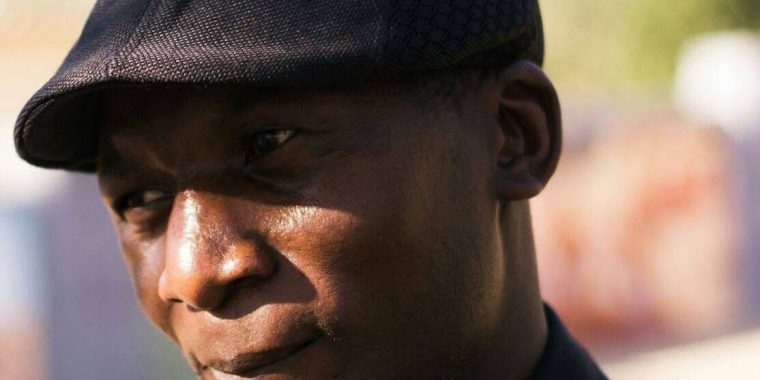
Nkulumane MP dies returning from parliament after vehicle rams into elephant

BULAWAYO

Nkulumane
MP
Desire
Moyo
(CCC)
died
early
Friday
after
he
drove
into
an
elephant
near
Shangani
on
the
Harare-Bulawayo
highway.

He
was
returning
from
parliament
in
Harare
with
four
colleagues
who
survived
the
crash.

Moyo,
a
first-term
MP,
former
teacher
and
acclaimed
poet,
was
confirmed
dead
at
the
scene.

His
colleagues
Madalaboy
Ndebele,
Senator
Rittah
Ndlovu,
Sethulo
Ndebele
and
Libion
Sibanda
sustained
injuries
and
were
being
treated
at
Gweru
General
Hospital.

Luveve
MP
Discent
Bajila,
who
said
he
last
saw
Moyo
in
parliament
at
around
8PM
on
Thursday,
said:
“Honourable
Moyo
has
been
confirmed
deceased
and
his
family
has
been
informed.”

Bajila
was
helping
the
injured
lawmakers
on
Friday.

“I
spoke
to
Honourable
Ndebele,
who
was
in
the
front
passenger
seat.
His
recollection
is
that
they
hit
the
elephant
on
its
backside.
After
the
impact,
he
remembers
the
elephant
turning
round
and
fighting
the
vehicle.
This,
he
believes,
is
what
did
the
most
damage
on
the
top
right
side
of
the
vehicle
and
ultimately
led
to
Honourable
Moyo’s
fatal
injuries,”
Bajila
said.

Moyo
was
a
popular
poet
and
culturalist
known
by
his
stage
name,
Moyoxide.

He
was
elected
MP
for
Nkulumane
in
the
2023
general
elections,
polling
9,880
votes.
The
second
place
finisher,
Phineas
Murechu
of
Zanu
PF,
had
2,402
votes.

The
late
former
Nkulumane
MP
Desire
‘Moyoxide’
Moyo

Harare Drive Section To Close Temporarily For Road Rehabilitation

The
closure
will
begin
on
Tuesday,
14
October
2025,
and
is
expected
to
last
until
Monday,
10
November
2025.

Motorists
travelling
from
Waterfalls,
Chitungwiza,
and
Masvingo
are
advised
to
use
the
Glen
Norah
(High
Glen)
route
via
the
Trabablas
Interchange
or
proceed
north
from
Houghton
Park
Roundabout
before
turning
into
Willowvale
Road.

Those
heading
to
the
Hunter
or
Craig
Allan
industrial
areas
should
access
the
roads
via
Orme
Road
from
Mangwende
Drive
East
or
Soutter
Road
from
Main
Street,
and
use
side
roads
parallel
to
Harare
Drive
and
Willow
Road.

At
the
Harare
Drive/Willowvale
intersection,
a
large
temporary
roundabout
will
be
created.
Drivers
are
urged
to
follow
all
signage
and
instructions
from
traffic
controllers.

The
Ministry
has
encouraged
motorists
to
plan
for
extra
travel
time,
exercise
patience,
and
take
caution
while
driving
through
the
affected
areas.

The DOJ Isn’t Getting Their Way – See Also – Above the Law

If
You
Fail
Once,
Try
Failing
A
Second
Time:
Good
luck
getting
a
local
statute
to
bind
the
federal
judiciary!
Trump
Admitted
To
Taking
The
Right
To
Free
Speech
Away:
Hard
to
get
more
anti-American
than
that.
Is
Your
Firm
Outsourcing
Recruitment
To
Law
Students?:
This
is
the
nonsense
that
happens
when
you
get
rid
of
NALP
guardrails.
He’s
Not
Like
Us,
Legally:
Federal
judges
dismisses
Drake’s
lawsuit
against
UMG.
Send
Us
Your
Bonus
Predictions!:
Take
our
survey
so
we
can
keep
everyone
up
to
date
on
bonuses.

Another Legal Norm Shattered – Above the Law


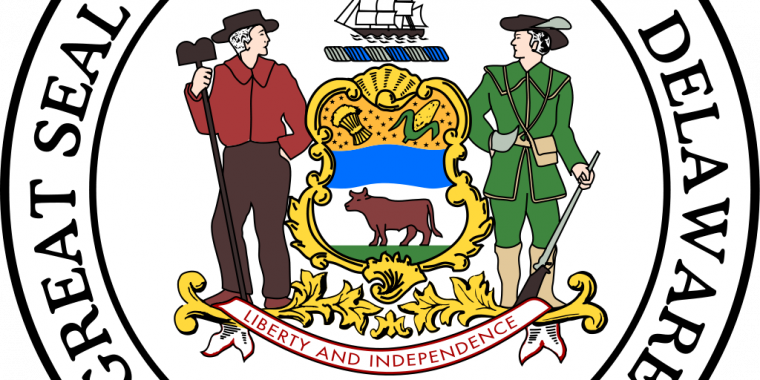
Delaware
is
a
special
place,
a
special
bar,
and
this
nomination
is
norm
shattering.


—Sen.
Chris
Coons
(D-Del.)

on
the
elevation

of
White
House
lawyer
Jennifer
Mascott
to
the
Third
Circuit,
Donald
Trump’s
third
appellate
judge
appointed
in
his
second
term.
Mascott
did
not
get
a
blue-slip
from
either
Delaware
senator
(the
tradition

of
seeking
home
state
senator
approval
before
confirming
a
judge,
which
the
first
Trump
administration

abandoned

to
get
more
lifetime
appointment
for
conservative
nominees),
and
is
not
even
a
member
of
the
Delaware
bar.
Mascott
was
confirmed
by
the
Senate,
50-47
with
Sen.
Lisa
Murkowski
(R-Alaska)
crossing
party
lines
to
vote
against
the
nomination.

A Masterclass On Building A Business Development System That Works – Above the Law

Getty
Images

Nancy
Fox
doesn’t
just
preach
strategy,
she
lives
it.

With
decades
of
experience
coaching
professionals
through
recessions,
tech
shifts,
and
structural
industry
changes,
she
brings
a
rare
blend
of
insight,
empathy,
and
actionable
advice.

If
you’re
looking
to
navigate
uncertainty,
improve
your
networking
game,
and
finally
build
a
business
development
system
that
works,
her
insights
are
a
masterclass.

Here
are
some
takeaways
from
her
recent
appearance
on
the
“Be
That
Lawyer”
podcast.


Embracing
Uncertainty:
Where
Growth
Actually
Begins

According
to
Nancy,
times
of
uncertainty
like
the
2008
recession
or
the
post-COVID
era
aren’t
just
disruptive.
They’re
opportunities.
The
lawyers
who
thrive
during
these
periods
are
the
ones
who
lean
in,
stay
agile,
and
spot
gaps
in
the
market
others
are
too
distracted
or
discouraged
to
see.

Whether
it’s
pivoting
your
messaging,
updating
your
services,
or
reaching
out
to
a
new
vertical
of
clients,
the
key
is
strategic
flexibility.

Waiting
for
stability
is
often
a
trap.

“Agility
is
not
necessarily
what
lawyers
are
trained
in,”
Nancy
says,
“but
it’s
something
all
of
us
really
need
to
look
at.”


Make
Business
Development
a
Daily
Habit:
Not
a
Crisis
Response

One
of
Nancy’s
most
powerful
strategies
is
deceptively
simple:
focus
on
daily
consistent
activity.
She
encourages
lawyers
to
dedicate
just
15
minutes
each
day
to
business
development
whether
that’s
messaging
contacts
on
LinkedIn,
sending
a
warm
check-in
email,
or
reaching
out
to
a
former
client.

Too
many
lawyers
treat
marketing
and
networking
like
fire
drills,
something
to
scramble
for
only
when
business
slows.
Nancy
believes
consistent,
manageable
effort
is
how
rainmakers
are
built.
She
also
warns
against
relying
solely
on
referrals,
emphasizing
the
importance
of
a
well-rounded
pipeline
that
includes
direct
decision-maker
relationships.


Listen
First:
It’s
the
Shortcut
to
Authentic
Connections

Nancy
shared
a
transformative
moment
from
her
own
journey:
the
first
time
she
walked
into
a
networking
event
and
made
a
conscious
decision
to
stop
thinking
about
herself.

Instead
of
worrying
about
what
to
say
or
how
she
was
coming
across,
she
really
listened.

That
shift
changed
everything.
Conversations
became
more
natural,
more
meaningful
and,
perhaps
not
surprisingly,
more
productive.
People
offered
their
business
cards
without
being
asked.
Opportunities
emerged
that
never
would
have
surfaced
in
a
more
self-focused
approach.

“It
took
away
a
lot
of
my
fear
and
self-consciousness,”
she
said.
“I
started
to
really
have
fabulous
conversations.”

“Agility
is
not
necessarily
what
lawyers
are
trained
in,
but
being
agile
and
being
flexible
is
something
that
I
think
all
of
us
really
need
to
look
at,”
Nancy
says.

If
you’re
showing
up
to
events
without
a
plan,
waiting
around
for
referrals,
or
letting
your
discomfort
with
uncertainty
keep
you
stuck,
it’s
time
for
a
reset.

Nancy
reminds
us
that
success
in
today’s
legal
landscape
doesn’t
come
from
knowing
everything

it
comes
from
being
willing
to
learn,
listen,
and
adapt.


Steve
Fretzin
is
a
bestselling
author,
host
of
the
“Be
That
Lawyer”
podcast,
and
business
development
coach
exclusively
for
attorneys.
Steve
has
committed
his
career
to
helping
lawyers
learn
key
growth
skills
not
currently
taught
in
law
school.
His
clients
soon
become
top
rainmakers
and
credit
Steve’s
program
and
coaching
for
their
success.
He
can
be
reached
directly
by
email
at 
[email protected].
Or
you
can
easily
find
him
on
his
website
at 
www.fretzin.com or
LinkedIn
at 
https://www.linkedin.com/in/stevefretzin.

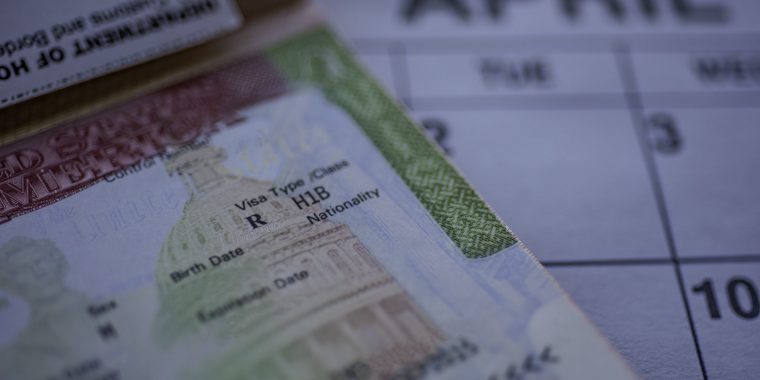
Why Healthcare Leaders Are Worried About the New H-1B Visa Fee  – MedCity News

The
Trump
administration’s
recent
changes
to
the
H-1B
visa
application
process
are
causing
concern
among
healthcare
experts,
with
many
worried
that
the
plan
could
make
the
industry’s
workforce
crisis
and
care
access
gaps
more
severe.

Last
month,
the
White
House

imposed
a
$100,000
fee

on
new
H-1B
visa
petitions.
Before,
the
fee
typically
ranged
between
$2,000
and
$5,000,
depending
on
the
employer.
This
new
fee
applies
only
to
new
H-1B
visa
applicants,
not
current
H1-B
holders
whose
employers
are
seeking
to
renew
their
visas.

The
H-1B
program,
established
in
1990,
was
created
to
allow
U.S.
employers
to
temporarily
hire
foreign
professionals
in
specialized
fields
like
healthcare,
technology
and
engineering
to
fill
workforce
gaps

but
the
White
House
argues
that
the
program
has
“been
deliberately
exploited
to
replace,
rather
than
supplement,
American
workers
with
lower-paid,
lower-skilled
labor.”

In
addition
to
the
fee,
the
White
House’s
plan
also
aims
to
prioritize
international
workers
with
higher
skills.
The
administration
is
establishing
a
weighted
lottery
system
that
favors
H-1B
applicants
with
higher
wages,
saying
this
will
protect
domestic
employees
from
wage
competition
as
well
as
ensure
that
H-1B
visas
are
used
to
fill
roles
that
require
highly
skilled
professionals.

While
these
changes
are
intended
to
curb
abuse
of
the
program,
the
blanket
fee
applies
to
all
industries
and
has
prompted
legal
concerns
about
the
administration’s
authority
and
its
adherence
to
policymaking
procedures.
Multiple
lawsuits
have
already
been
filed
to
contest
the
measure. 

For
instance,
a
coalition
of
healthcare
employers,
unions
and
religious
groups

filed
a
lawsuit

to
block
the
change
on
October
3,
and
a
group
of
higher
education
organizations

did
the
same

on
October
6.

The

American
Hospital
Association

has
urged
the
Department
of
Homeland
Security
to

make
healthcare
professionals
exempt

from
the
new
H-1B
visa
changes,
arguing
that
they
would
worsen
staffing
shortages
and
increase
burnout,
particularly
in
rural
and
underserved
communities.


Steep
costs
imposed
on
providers
that
can’t
afford
them

The
U.S.
healthcare
system
relies
heavily
on
clinical
workers
from
across
the
world,
with
data
from
the
Census
Bureau
and
Bureau
of
Labor
and
Statistics
showing
that
the
industry
employs
about

262,000
foreign-born
physicians

and
about

500,000
foreign-born
nurses
,
though
the
vast
majority
are
not
H-1B
visa
holders.

The
nation
is
supplementing
its
clinical
workforce
with
international
workers
at
this
scale
out
of
dire
necessity.
According
to
the
Health
Resources
and
Services
Administration’s
most
recent
data,
the
U.S.
is
expected
to
have
a
shortfall
of

187,130
full-time
equivalent
physicians

by
2037,
with
rural
areas
experiencing
the
most
severe
gaps.
For
nurses,
projections
from
the
National
Center
for
Health
Workforce
Analysis
indicate
a

6%
nationwide
shortage

by
2037,
rising
to
13%
in
non-metro
areas.

Most
of
the
country’s
foreign-born
clinicians
are
not
recipients
of
H-1B
visas

with
many
of
them
holding
green
cards,
using
other
temporary
visas
like
J-1
or
TN
visas,
or
being
naturalized
as
U.S.
citizens.
During
the
fiscal
year
2024,
only
8,492
of
the
approved
141,205
H-1B
visa
applications

went
to
workers
in
the
healthcare
field
,
and
another
8,445
of
258,190
the
H-1B
visas
approved
for
renewals
went
to
workers
in
this
sector,
according
to
the
Department
of
Homeland
Security.

Still,
many
providers
still
rely
on
H-1B
workers
to
keep
critical
services
running,
noted
Jimmy
Lai,
CEO
of
Oklahoma
City-based

Lai
&
Turner
Law
Firm
.

Unless
the
Department
of
Homeland
Security
grants
an
exemption
for
healthcare
providers,
the
new
fee
would
expose
these
provider
organizations
to
“seven-
or
even
eight-figure
annual
liabilities,”
Lai
said.

“For
community
hospitals,
clinics
and
mid-size
practices,
$100,000
per
new
hire
is
often
prohibitive.
These
employers
typically
rely
on
H-1B
clinicians
to
fill
critical
shortages,”
he
stated. 

Another
healthcare
immigration
attorney

John
Dawson
of
Cincinnati-based
law
firm

Musillo
Unkenholt


agreed
that
very
few
healthcare
providers
will
be
able
or
willing
to
pay
the
new
$100,000
fee
per
H-1B
hire.

Instead,
hospitals
could
be
forced
to
freeze
hiring,
increase
shifts
for
existing
staff
or
rely
more
on
costly
travel
nurses

or,
in
extreme
cases,
close
departments
or
facilities,
Dawson
explained.

He
finds
some
hope
in
the
legal
challenges
underway
to
block
the
imposition
of
the
new
fee.
The
lawsuits
are
challenging
whether
the
executive
branch
has
the
authority
to
institute
the
fee
without
approval
from
Congress,
with
plaintiffs
arguing
the
change
violates
the
Administrative
Procedure
Act. 

Various
institutions

including
healthcare
staffing
firms,
unions,
higher
education
groups,
nonprofits
and
religious
organizations

have
filed
lawsuits,
and
Dawson
thinks
more
legal
challenges
could
be
on
the
way,
though
many
are
waiting
for
clarification
on
exemptions.

“One
important
thing
that
we’re
looking
at
is
that
the
proclamation
talks
about
the
national
interest
exemption,”
he
remarked.
“We
still
don’t
have
basic
guidance
from
the
government
as
to
what
that’s
going
to
look
like,
but
we’re
hoping
that
there
will
be
a
number
of
healthcare-related
occupations
that
are
included
on
that
exemption
list
that
goes
through.”

Until
the
White
House
clarifies
which
roles
qualify
for
exemptions,
hospitals
and
clinics
could
be
forced
to
delay
hiring
or
reduce
services.


International
clinicians
stabilize
U.S.
providers

Healthcare
providers
rely
on
foreign-born
clinicians
not
only
to
address
workforce
shortages,
but
also
to
fill
experience
gaps,
pointed
out
Kara
Murphy,
president
of
healthcare
staffing
firm

PRS
Global
.
Her
firm
focuses
on
international
recruiting
and
integration,
primarily
for
Filipino
nurses
working
in
U.S.
hospitals.

H-1B
visas
cover
positions
that
require
at
least
a
bachelor’s
degree,
and
in
healthcare,
workers
receiving
this
visa
are
typically
specialty
nurses,
physicians,
medical
laboratory
scientists
and
physical/occupational
therapists,
Murphy
explained.
She
said
the
hospitals
that
PRS
Global
works
with
usually
hire
international
staff
for
areas
like
the
intensive
care
units,
emergency
department
and
other
departments
that
use
floating
staff
to
help
with
shortages.

Murphy
noted
that
hospitals
often
need
international
hires
to
mentor
new
domestic
graduates,
explaining
that
having
these
experienced
clinicians
to
lean
on
can
help
reduce
burnout.

“For
the
hospitals
[we
work
with],
as
they
bring
in
international
nurses,
they
actually
become
preceptors
pretty
quickly.
That
ends
up
supporting
the
new
grads
to
increase
retention,”
Murphy
explained.

Hospitals
are
facing
high
turnover
rates
among
nurses
who
are
recent
graduates

with
about

30%
leaving
during
their
first
year


due
to
rising
burnout
and
violence
within
hospital
units,
she
added.

One
Filipino
nurse
recruited
through
PRS
Global

who
spoke
anonymously
due
the
sensitive
nature
of
current
immigration
issues

said
she
knows
firsthand
that
rural
hospitals
will
struggle
to
fill
shifts
if
the
pipeline
of
foreign-born
workers
diminishes.

At
the
hospital
she
works
at
in
rural
Missouri,
about
30%
of
the
nursing
staff
comes
from
overseas,
she
stated.

“Without
international
nurses,
staffing
shortages
would
get
worse
very
quickly.
That
would
lead
to
higher
burnout
among
the
remaining
staff,
potentially
affecting
patient
safety
and
satisfaction,”
she
declared.


Potential
innovation
slowdown

In
addition
to
having
a
negative
impact
on
the
nation’s
clinical
workforce,
the
new
H1-B
visa
fee
could
also
slow
down
the
pace
of
innovation
in
the
domestic
healthcare
sector.


About
65%

of
H-1B
visa
holders
work
in
the
tech
sector,
which
often
has
significant
overlap
with
the
digital
health,
medical
device
and
pharmaceutical
industries.
The
majority
of
these
H-1B
workers
hail
from
India.

Making
it
more
difficult
for
foreigners
to
work
in
the
tech
sector
could
disrupt
the
speed
of
innovation
in
healthcare

including
the
development
of
new
drugs,
medical
devices
and
healthcare
AI
tools

because
a
meaningful
portion
of
the
workforce
driving
this
R&D
is
made
up
of
immigrant
talent,
noted
Sujay
Saha.
Twenty
years
ago,
he
came
to
the
U.S.
from
India
on
a
H-1B
visa
to
work
as
an
IT
consultant,
and
he
currently
serves
as
president
of

Cortico-X
,
a
business
consulting
firm.

“The
U.S.
is
going
to
lose
some
of
its
edge,
so
to
speak,
in
the
healthcare
tech
and
healthcare
innovation
space,”
Saha
remarked.

Down
the
road,
U.S.
companies
may
respond
to
the
new
fee
by
setting
up
satellite
innovation
centers
abroad
if
costs
become
too
prohibitive
to
bring
international
workers
to
the
U.S.,
he
added.

Until
the
Trump
administration
clarifies
exemptions
or
Congress
steps
in,
the
impact
of
these
changes
is
still
unclear.
But
without
clear
guidance,
the
combined
pressures
of
staffing
shortages
and
innovation
slowdowns
might
ripple
across
U.S.
healthcare
for
years
to
come.


Photo:
Evgenia
Parajanian,
Getty
Images

Zimbabwe pushes mineral processing as it takes aim at corruption

Stock
image.

Zimbabwe
pledged
to
crack
down
on
illicit
commodities
trading
and
introduce
rules
to
encourage
downstream
processing,
as
the
nation
seeks
a
greater
share
of
the
benefits
from
its
natural
resources.

Vice
President
Constantino
Chiwenga
told
mining
executives
in
the
country’s
second-biggest
city,
Bulawayo,
that
Zimbabwe
remains
“open
for
business,
not
for
extraction.”
He
said
corruption
and
illicit
“leakages”
were
“cancers,”
and
that
mining
must
drive
industrialization
and
create
jobs.

“To
the
processors
and
off
takers,
the
era
of
raw
mineral
exports
must
give
way
to
beneficiation
and
value
addition,”
Chiwenga
said.
“Government
will
implement
strict
regulations
and
oversight
mechanisms
to
ensure
that
corruption
within
the
mining
sector
is
effectively
addressed
and
eradicated.”

Resource
nationalism
is
strengthening
across
Africa
as
government
seek
a
bigger
share
of
the
revenue
and
profits
from
resources
mined
by
foreign
companies.
Mining
contributes
70%
of
Zimbabwe’s
export
earnings
through
shipments
of
gold,
platinum,
lithium
and
chrome.

However,
the
Treasury
loses
millions
of
dollars
in
tax
and
royalty
revenues
from
the
smuggling
of
gold
and
other
minerals.
Most
of
Zimbabwe’s
gold
is
produced
by
small-scale
miners,
who
at
times
get
paid
late
by
the
state’s
sole
authorized
buyer,
Fidelity
Gold
Refinery,
pushing
some
to
use
other
channels.

Exclusive: Biglaw Firms Farming Out Law School Recruitment Efforts To Current Law Students – Above the Law

Biglaw’s
recruitment
of
law
students
is
well
and
truly
broken.
That’s
not
a
shock

in
2018,

when
NALP
announced

it
was
eliminating
the

recruitment
guardrails
,
the

race
to
the
bottom

was
on.
Seven
years
later,

it’s
awful
out
there
.
Major
law
firms
are

peace-ing
out

of
on-campus
recruitment.
1Ls
are
securing
their
2L
summer
jobs
*before*
their
1L
summer
jobs.
Offers
for
summer
associate
jobs
that
explode
before
the
first
year
of
law
school
is
even
over
have
become
a
thing.
It’s
madness

and
it
uniquely
disadvantages
law
students
without
a
built-in
network
of
Biglaw
contacts,
those
that
think
a
Cravath
is
just
a

misspelling
of
an
Ascot-style

tie.

But
it’s
also
a
struggle
for
Biglaw
firms
trying
to
stack
their
summer
associate
classes
with
the
best
and
brightest.
At
least
two
Biglaw
firms
have
struck
upon
a
rather…
interesting
method
to
attract
talent.
According
to
Above
the
Law
tipsters
Sullivan
&
Cromwell
and
Paul
Weiss
have
tapped
law
students
to
handle
some
key
recruiting
functions
for
the
firms.
Upperclass
students
at
top
law
schools
(ATL
hasn’t
heard
of
the
practice
outside
of
the
T14)
that
already
accepted
offers
at
the
firms
have
been
given
the
authority
to
wine
and
dine
1Ls
as
part
of
the
firm’s
recruitment.
It’s
walking
around
money
for
3Ls
who
aren’t
yet
full
fledged
attorneys
to
treat
their
friends
to
the
benefits
of
a
Biglaw
expense
account.

Above
the
Law
reached
out
to
Paul
Weiss
and
Sullivan
&
Cromwell
for
a
comment,
but
have
not
heard
back.

It’s
a
bold
move
that,
on
the
one
hand,
frees
up
full-time
associates
to
continue
billing,
but
puts
the
important
screening
function
on
students
with
a
fundamentally
limited
experience
with
the
firm.
It’s
also
fascinating
that
the
firms
ATL
has
heard
of
participating
in
the
practice
are
ones
on
the
receiving
end
of
a
lot
of
MAGA-related
negative
publicity
(Paul
Weiss
was
the

first
Biglaw
firm

to
capitulate
to
Donald
Trump
and
ink
a
deal

providing
him

with

millions
in
pro
bono
payola

for
conservative
causes
and
clients,
S&C
is
representing

Trump
in
his
criminal
case

and
was
reportedly
involved

in
the
negotiation

of
Paul
Weiss’s
deal
with
Trump).
1Ls
don’t
have
the
most
experience
with
Biglaw,
but
the
Paul
Weiss
and
S&C
stories
have
crossed
over
into
mainstream
news.
Throwing
money
around
probably
helps
to
negate
some
of

those
negative
associations.

But
Biglaw
recruiting
is
cutthroat,
and
I
have
to
imagine
the
practice
will
spread…
if
it
hasn’t
already.

Do
you
have
experience
with
law
students
recruiting
on
behalf
of
Biglaw?
If
so,
email

ATL

with
your
story
or
info
on
other
firms
doing
the
same.
All
tipsters
are
kept
strictly
confidential.


Kathryn
Rubino
is
a
Senior
Editor
at
Above
the
Law,
host
of

The
Jabot
podcast
,
and
co-host
of

Thinking
Like
A
Lawyer
.
AtL
tipsters
are
the
best,
so
please
connect
with
her.
Feel
free
to
email

her

with
any
tips,
questions,
or
comments
and
follow
her
on
Twitter

@Kathryn1
 or
Mastodon

@[email protected].

From Startup To $2 Billion: EvenUp Is Transforming Personal Injury Practice – Above the Law

A
recent
legal
tech
funding
announcement
got
my
attention.

EvenUp
,
which
provides
several
AI
tools
for
personal
injury
(PI)
plaintiffs’
lawyers,

announced

it
had
raised
$150
million
in
funding
from
Bessemer
Venture
Partners
and
REV,
among
others.
REV
is
the
venture
capital
arm
of
RELX
which
owns
LexisNexis.
With
this
funding,
EvenUp
now
has
a
$2
billion
valuation.

This
isn’t
just
another
big
funding
round.
It
signals
that
AI
for
plaintiffs’
lawyers
has
perhaps
reached
a
tipping
point
and
is
now
an
important
market.


What
Is
EvenUp?

EvenUp
provides
all
sorts
of
AI-driven
tools
to
help
PI
lawyers,
who
primarily
get
paid
on
a
contingency
fee
basis,
in
efficiently
drafting,
reviewing,
and
strategizing
across
the
entire
case
lifecycle,
according
to
the
press
release
announcing
the
funding.

It’s
trained
on
thousands
of
PI
cases
and
millions
of
medical
records
(more
on
this
below).
According
to

Rami
Karabibar
,
CEO
and
co-founder
of
EvenUp,
“Legal
AI
is
no
longer
a
side
bet;
it’s
becoming
the
backbone
of
personal
injury
law.”


He’s
Right
About
That

I
think
Karabibar
is
right
about
that
for
several
reasons.
First,
AI
tools
enable
PI
lawyers
to
do
things
in
a
fraction
of
the
time
it
previously
took.
Since
they
spend
less
time
working
up
a
case,
their
profit
is
increased.
These
guys
don’t
bill
by
the
hour.
They
get
paid
based
on
the
result.
The
less
time
needed
to
get
to
the
result,
the
more
money
they
make.

Secondly,
because
they
can
do
things
with
EvenUp
in
less
time,
PI
lawyers
can
take
cases
that
would
not
have
previously
been
profitable
because
the
time
needed
to
work
up
the
case
would
exceed
the
foreseeable
recovery.
That
means
more
access
to
justice
for
folks
who
may
be
injured.

Raymond
Mieszaniec
,
the
co-founder
of
EvenUp
and
its
COO,
puts
it
this
way,
“Our
mission
remains
simple:
give
every
victim
a
fair
shot
at
justice.”

Finally,
one
of
the
driving
needs
of
PI
lawyers
is
to
move
cases
to
resolution
as
quickly
as
they
can.
Why?
They
don’t
get
paid
unless
and
until
the
case
resolves.
The
EvenUp
team
understands
this
and
created
tools
to
get
work
done
faster
and
indirectly
lead
to
faster
resolutions.


So???

So,
what’s
the
big
deal?
Lots
of
big
funding
announcements
these
days.
Here’s
why
this
resonates
with
me
as
a
former
defense
lawyer.

I
first
came
across
EvenUp
at
the
ILTA
startup
alley
in
2023
and

wrote
about

the
company
then.
I
heard
a
young
guy
talking
from
the
startup
stage
about
a
tool
that
would
automate
the
drafting
of
demand
letters
for
PI
lawyers.

My
first
reaction
was
ho-hum,
that
doesn’t
sound
like
a
big
deal.
But
then
I
talked
to
him.
It
turns
out
that
the
young
guy
was
Mieszaniec.
 He
was
driven
to
create
the
company
by
a
family
member’s
frustrating
experience
in
trying
to
recover
for
a
personal
injury
they
suffered.
That
experience
became
a
driving
force
and
passion
that
still
drives
a
lot
of
product
decisions.

What
Mieszaniec
and
EvenUp
were
doing
even
then
was
far
more
significant
and
a
harbinger
of
things
to
come:
they
were
using
AI
to
determine
valid
and
justifiable
demands.
It
worked
like
this:
a
lawyer
would
provide
EvenUp
with
all
the
relevant
facts
of
a
case
along
with
medical
and
employment
records,
and
any
other
important
information.
Using
AI
and
data
analytics,
EvenUp
would
compare
those
facts
to
verdicts
and
other
information.
(More
on
that
in
a
moment.)
The
tool
then
provided
a
realistic
demand
number
backed
by
data.

The
product
could
also
review
medical
records
and
other
materials
to
spot
inconsistencies
and
missing
information.


The
Key
Innovation:
Crowdsourced
Data

But
what
really
got
my
attention
was
that
Mieszaniec
convinced
a
number
of
plaintiffs’
lawyers
to
provide
EvenUp
with
access
to
actual
settlement
numbers
in
PI
cases
in
an
anonymized
way.
The
program
looked
not
only
at
actual
verdicts
in
cases
with
comparable
fact
patterns,
it
also
looked
at
settlements
in
cases
with
similar
fact
patterns. Since
most
cases,
then
and
now,
settle,
getting
that
information
in
that
way
was
truly
innovative
at
the
time.

I
saw
lots
of
value
that
could
come
from
the
tool
and
this
kind
of
thinking
not
only
for
plaintiffs’
lawyers
but
also
for
the
defense
side.
As
I

noted
at
the
time
,
this
ability
could
enhance
settlements
since
it
would
give
both
sides
access
to
good
case
valuations.
It
would
enable
insurance
companies,
who
typically
insure
defendants
in
personal
injury
cases,
to
better
determine
reserves
for
the
exposures
presented
by
cases.

Insurance
companies’
business
model
is
based
on
the
ability
to
determine
exposures
accurately
and
then
reserve
the
funds
needed
to
pay
those
exposures.
So,
the
sooner
they
can
get
their
hands
on
the
information
to
set
that
reserve,
the
sooner
they
can
talk
settlement.
Because
the
EvenUp
analysis
was
based
on
real
data,
I
thought
it
would
provide
the
kind
of
accurate
demand
that
would
help
adjusters
set
reserves
and
would
lead
to
more
prompt
settlements,
which
benefits
all.

Mieszaniec
also
recognized
back
then
that
the
key
to
all
this
is
building
trust.
All
sides
have
to
know
that
the
EvenUp
number
is
a
good
one
and
well
supported.

I
concluded
from
talking
to
him
in
2023
that
“EvenUp
has
a
pretty
cool
idea.”


So,
How’d
That
Work
Out?

Not
surprisingly,
since
the
founders
obviously
well
understood
how
PI
cases
work
and
the
dynamics
leading
to
resolution,
EvenUp
has
grown
by
leaps
and
bounds.
It
now
offers
a
whole
slew
of
products
including
drafting
tools,
the
ability
to
create
expedited
demands,
medical
chronology
tools,
workflow
processes,
an
AI
assistant
to
answer
inquiries,
a
case
and
strategy
preparation
tool,
a
negotiation
preparation
tool,
a
settlement
repository
of
similar
matters
and
results,
and
even
a
tool
to
manage
firm
performance.

EvenUp
also
recently
announced
something
called

Mirror
Mode

which
allows
lawyers
to
create
documents
in
an
author’s
or
firm’s
previous
language,
style,
and
structure
by
mirroring
those
previously
created
documents.
As
Mieszaniec
puts
it,
“We
started
by
transforming
how
demands
were
built

today,
our
AI
spans
the
entire
case
lifecycle.”


The
Beauty
of
What
EvenUp
Is
Doing

EvenUp’s
approach
enhances
the
ability
for
individual
users,
who
are
often
with
small
firms,
to
tap
into
the
data
of
other
plaintiffs’
PI
lawyers.
That
enables
them
to
better
litigate
with
larger
firms
and
better
compete
with
the
very
large
national
plaintiffs’
firms.

It’s
also
a
good
example
of
what
can
happen
when
a
legal
tech
company
is
founded
by
people
with
passion
and
experience
in
an
area.
Yes,
the
founders
are
zealous
about
plaintiffs’
PI
work
and
the
lawyers
involved.
But
they
also
understand
the
need
to
get
these
cases
resolved
quickly
and
efficiently.
And
that
means
thinking
about
the
needs
not
only
of
plaintiffs
but
also
of
those
on
the
defense
side.

Of
course,
the
standard
concerns
with
AI
tools
remain:
algorithmic
bias,
data
privacy,
and
for
EvenUp,
whether
its
tools
will
further
gum
up
the
court
system.

But
for
now,
congrats
to
EvenUp
on
its
impressive
journey
from
startup
to
$2
billion
valuation.


Stephen
Embry
is
a
lawyer,
speaker,
blogger,
and
writer.
He
publishes TechLaw
Crossroads
,
a
blog
devoted
to
the
examination
of
the
tension
between
technology,
the
law,
and
the
practice
of
law
.