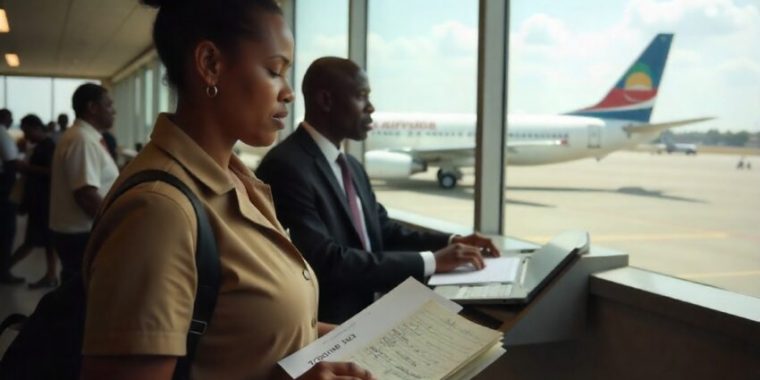
Air Zimbabwe Faces Backlash Over Handwritten Boarding Passes, Raising Security Concerns and Potential Impact on Tourism

Air
Zimbabwe,
the
national
airline
of
Zimbabwe,
has
recently
faced
widespread
criticism
over
its
practice
of
issuing
handwritten
boarding
pass,
a
move
that
has
sparked
security
concerns
and
raised
questions
about
the
airline’s
operational
efficiency.
This
issue
arises
at
a
time
when
Zimbabwe
is
striving
to
boost
its
tourism
industry,
which
relies
heavily
on
international
visitors
drawn
to
iconic
attractions
such
as
Victoria
Falls
and
Hwange
National
Park.
As
global
tourists
increasingly
seek
modern,
secure
travel
experiences,
the
airline’s
outdated
practices
may
impact
not
only
Zimbabwe’s
aviation
sector
but
also
the
broader
hospitality
and
tourism
industries.
Travelers
from
countries
with
stringent
security
standards
may
view
this
as
a
red
flag,
which
could
deter
them
from
visiting
Zimbabwe,
thereby
affecting
the
country’s
tourism
potential.


Concerns
Regarding
Air
Zimbabwe’s
Handwritten
Boarding
Passes

Air
Zimbabwe
is
under
criticism
for
issuing
handwritten
boarding
passes
for
several
reasons
including
security
risk
and
potential
impacts
on
the
country’s
tourism
reputation.
This
issue
comes
on
the
heels
of
Zimbabwe’s
attempts
to
position
itself
favorably
amidst
global
competition
and
challenges
in
the
aviation
sector.

Air
Zimbabwe
is
the
country’s
national
carrier.
Recently,
customers
have
been
receiving
boarding
passes
handwritten
in
blue
ink.
Although
this
isn’t
new
for
Zimbabwe,
the
practice
has
once
again
raised
security
concerns
with
overseas
travelers.
While
some
customers
might
find
it
quirky
or
nostalgic,
the
absence
of
digital
verification
centers
on
the
reliability,
potential
fraud,
and
inefficiencies
of
the
airline’s
business
processes.Most
airlines
provide
digital
boarding
passes.
These
are
faster
and
secure
as
they
check
if
the
actual
ticket
holder
gets
on
the
plane.
This
provides
confidence
to
the
airline
system.
In
the
case
of
Air
Zimbabwe,
the
manual
use
of
boarding
passes
and
lack
of
automated
boarding
scanners
is
a
big
problem.
Experts
say
the
lack
of
electronic
checks
allow
sneaky,
fraudulent
people
to
use
fake
tickets
and
board
a
plane.
This
puts
passengers
at
safety
risk.

Raising
Security
Concerns:
The
Impact
on
International
Travelers

When
it
comes
to
international
flights,
the
first
thing
people
think
of
is
safety
and
security.
That
is
why
passports
and
boarding
passes
are
needed
to
confirm
identity
and
authorize
a
passenger
to
board
a
flight.
In
Air
Zimbabwe’s
case,
the
risk
of
allowing
a
passenger
to
fly
with
forged,
fake,
or
invalid
documents
is
very
high,
since
those
handwritten
flight
passes
lack
automated
systems
that
could
check
them.

Travelers
coming
from
Europe,
North
America,
and
certain
parts
of
Asia
might
find
this
practice
unwelcoming.
The
U.S.,
U.K.,
and
Australia,
with
their
stringent
security
regulations,
require
all
flight
security
documents
to
be
uniform
and
all
verified
passports
to
be
stamped
in
a
particular
order.
Tourists
from
those
countries
who
are
used
to
streamlined
check-in
and
security
procedures
might
perceive
a
handwritten
boarding
pass
as
a
lack
of
fundamental
security
and
inefficient
systems,
which
might
dissuade
them
from
traveling
to
Zimbabwe.

Advertisement

This
impression,
regrettably,
might
be
generalized
to
the
rest
of
Zimbabwe’s
tourism.
Zimbabwe
is
one
of
the
beautiful
countries
in
the
region,
with
remarkable
natural
landscapes,
diverse
wildlife,
and
historical
sites,
and
is
focused
on
the
development
of
its
economy
and
infrastructure
after
declining
for
a
time.
Unfortunately,
issues
such
as
these
demonstrate
how
poorly
located
tourism
suffers.
Disorganized,
unsafe,
and
inefficient
systems
of
transportation
have
a
detrimental
effect
on
the
economy
and
tourism
flow
of
a
countries
in
Zimbabwe’s
region.

Efforts
By
Air
Zimbabwe
To
Modernize:
Will
It
Be
Enough?

Air
Zimbabwe
must
update
the
technological
infrastructures
in
their
systems.
There
is
a
need
to
update
the
handwritten
boarding
passes.
Time
and
security
tech
need
to
be
utilized.
Efficient
technology
must
be
adopted.
The
airline
is
working
to
update
their
systems.
They
now
have
mobile
check-in
and
are
working
on
implementing
digital
passes.
Unfortunately,
changing
systems
is
still
in
the
early
stages.
International
tourists
need
secure
and
trust
worthy
infrastructures.
This
is
the
only
way
to
regain
their
trust.

The
Effect
On
Zimbabwe’s
Tourism
Industry

Zimbabwe
is
a
top
tier
tourist
destination
in
Africa.
Tourists
have
the
opportunity
to
see
attractions,
like
the
awe
inspiring
Victoria
Falls,
Hwange
National
Park,
and
Great
Zimbabwe,
which
are
all
part
of
Zimbabwe’s
great
history.
Unfortunately,
worries
on
the
local
transportation
systems’
effectiveness
could
damage
the
tourism
sector
for
the
foreseeable
future.The
tourism
industry
already
has
its
fair
share
of
challenges:
underdeveloped
infrastructure,
few
flights,
and
political
instability.
The
World
Travel
and
Tourism
Council
(WTTC)
estimated
that
in
2024
Zimbabwe
tourism
contributed
about
7.6%
of
Zimbabwe’s
GDP.
With
the
likes
of
Kenya,
South
Africa,
and
Morocco
posing
competition,
Zimbabwe
should
be
positioning
itself
as
modern,
safe,
and
approachable
in
order
to
distinguish
itself
to
foreign
tourists.

The
recent
Air
Zimbabwe
issues
with
the
boarding
process
may
strengthen
already
negative
perceptions,
particularly
from
high-end
tourists,
about
the
industry
in
Zimbabwe
being
unmodernised.
Safe
and
comfortable
travel
is
prioritised
by
these
tourists
and
if
they
do
not
receive
it
from
Zimbabwean
services,
they
may
travel
to
Zimbabwe’s
competition.
Zimbabwe
tourism
and
hospitality
may
begin
to
feel
the
fallout
of
this
if
it
is
not
resolved
soon.

Must-Do
Travel
Tips
for
Zimbabwe

Here
are
some
travel
tips
is
you
are
planning
a
visit
Zimbabwe,
to
help
you
manage
your
expectations
and
still
have
a
pleasant
trip.


  1. Be
    in
    the
    Know
    About
    Your
    Flights
    :

Given
the
recent
issues
with
Air
Zimbabwe’s
procedures,
you
should
be
able
to
communicate
with
the
airline
for
updates
and
confirm
your
flights
in
the
days
leading
up
to
your
flight.


  1. Select
    Alternative
    Airlines
    If
    Available
    :
    Air
    Zimbabwe
    is
    the
    national
    carrier,
    but
    there
    are
    other
    international
    airlines
    that
    fly
    into
    Zimbabwe.
    British
    Airways,
    Emirates,
    and
    South
    African
    Airways
    service
    the
    main
    Harare
    and
    Victoria
    Falls
    airports.

  2. Allocate
    More
    Time
    at
    the
    Airport
    :
    Because
    of
    the
    manual
    check-in,
    it
    is
    smart
    to
    budget
    for
    more
    time
    at
    the
    airport,
    especially
    the
    smaller
    airports,
    where
    manual
    procedures
    may
    take
    longer.

  3. Get
    Travel
    Insurance
    :
    Make
    sure
    your
    travel
    insurance
    includes
    anything
    that
    may
    cause
    delays
    or
    cancellations,
    because
    there
    are
    still
    gaps
    in
    operations
    where
    something
    might
    be
    forecasted
    to
    happen
    and
    throw
    everything
    off
    track.

  4. Local
    Transportation
    :
    Zimbabwe’s
    transportation
    network
    is
    still
    in
    the
    process
    of
    being
    developed.
    Public
    transport
    is
    lackluster,
    and
    if
    you
    are
    going
    to
    a
    remote
    area
    like
    Hwange,
    or
    Great
    Zimbabwe,
    it
    is
    a
    good
    idea
    to
    pre-arrange
    transfers
    or
    privately
    contracted
    transport
    for
    a
    more
    seamless
    travel
    experience.

  5. Plan
    your
    Accommodations
    in
    Advance
    :
    Zimbabwe
    has
    great
    places
    to
    stay,
    but
    especially
    in
    Victoria
    Falls
    and
    Harare,
    these
    places
    tend
    to
    get
    full
    very
    quickly,especially
    during
    high
    season,
    so
    it
    is
    suggested
    that
    you
    plan
    ahead.

  6. Bring
    Extra
    Cash
    :

Although
most
Zimbabwean
institutions
accept
digital
payments,
some
places
still
prefer
cash.
It
might
be
best
to
take
a
combination
of
cash
and
cards
to
ensure
flexibility
while
traveling.

Flight
Details
for
Tourists
Visiting
Zimbabwe

Several
airlines
can
get
you
to
Zimbabwe,
and
here
are
some
of
the
best
to
consider:


  • Emirates
    :
    Most
    people
    traveling
    to
    Zimbabwe
    land
    in
    Harare
    and
    take
    an
    Emirates
    flight.
    Emirates
    airline
    is
    well-loved
    for
    its
    luxury
    service
    and
    flying
    amenities,
    and
    it
    offers
    daily
    flights
    from
    Dubai
    to
    Harare.
    Additionally,
    it
    has
    great
    connections
    to
    other
    parts
    of
    Europe,
    the
    Middle
    East,
    and
    Asia.

  • British
    Airways
    :
    For
    travelers
    coming
    from
    Europe,
    British
    Airways
    has
    a
    great
    flight
    option
    where
    you
    can
    take
    a
    direct
    flight
    from
    London
    Heathrow
    to
    Harare.

  • South
    African
    Airways
    :
    If
    you
    are
    traveling
    from
    Southern
    Africa,
    this
    airline
    is
    a
    perfect
    choice.
    It
    offers
    daily
    flights
    from
    Johannesburg
    to
    Harare,
    Victoria
    Falls,
    and
    other
    parts
    of
    Zimbabwe.

  • Kenya
    Airways
    :
    If
    you
    are
    from
    the
    East
    of
    Africa,
    you
    can
    also
    get
    a
    flight
    to
    Harare
    from
    Nairobi.

  • Air
    Zimbabwe
    :
    Air
    Zimbabwe
    has
    flights
    from
    Harare
    to
    Johannesburg
    and
    other
    local
    flights
    to
    Victoria
    Falls
    and
    Bulawayo.
    Recently,
    though,
    Air
    Zimbabwe
    has
    been
    issuing
    handwritten
    boarding
    passes,
    and
    potential
    passengers
    should
    check
    on
    the
    airline
    before
    buying
    tickets.

Air
Zimbabwe’s
recent
use
of
handwritten
boarding
passes
has
sparked
security
concerns,
raising
questions
about
the
airline’s
operational
efficiency.
This
issue
could
significantly
impact
Zimbabwe’s
tourism
industry,
already
working
to
regain
international
confidence.

A
Call
for
Change
in
Zimbabwe’s
Aviation
and
Tourism
Sector

The
tourism
industry
in
Zimbabwe
is
positioned
to
suffer
great
harm
due
to
Air
Zimbabwe’s
handwritten
boarding
passes.
Tourists
have
expectations
of
safety,
security,
and
efficiency,
and
Zimbabwe
will
need
to
quickly
update
its
aviation
systems
to
capture
the
tourism
dollars
that
other
countries
will
gladly
collect.
By
digitizing
systems
and
improving
the
ease
of
doing
business,
the
country
will
be
able
to
market
themselves
as
safe
and
easy
to
visit.

For
the
time
being,
tourists
to
Zimbabwe
will
want
to
be
assessed
the
most
most
recently
available
info,
purchase
tickets
for
the
flight
and
be
flexible
for
potential
interruptions.
From
the
breathtaking
Victoria
Falls
to
the
ancient
Great
Zimbabwe
Ruins,
Zimbabwe
has
a
lot
to
offer.

Source:


Air
Zimbabwe
Faces
Backlash
Over
Handwritten
Boarding
Passes,
Raising
Security
Concerns
and
Potential
Impact
on
Tourism


Travel
And
Tour
World

Post
published
in:

Business

Arrest Warrant Issued For Mwonzora Over Unpaid Child Maintenance

Attempts
by Masvingo
Mirror
 to
determine
why
Mwonzora
has
not
yet
been
arrested,
nearly
two
months
after
a
Harare
magistrate
issued
the
warrant,
were
unsuccessful.

National
Police
spokesperson
Commissioner
Paul
Nyathi
had
promised
to
respond
to
the
publication
but
had
not
done
so
by
the
time
of
going
to
press.

Mwonzora
told
Masvingo
Mirror
that
he
was
unaware
of
the
warrant
of
arrest,
although
he
confirmed
the
civil
matter.
He
said:

“I
haven’t
received
the
warrant
of
arrest
you
are
talking
about.
I
don’t
deserve
any
warrant.
This
is
a
sniff
campaign.”

Mwonzora
was
ordered
by
the
courts
in
February
2024
to
pay
US$500
a
month
in
maintenance
for
his
10-year-old
son
with
Getrude
Chuma,
in
addition
to
school
fees.

The
arrest
warrant
relates
to
his
failure
to
pay
maintenance
from
March
to
July
2025.

The
total
arrears
have
now
ballooned
to
US$3,500
after
he
also
missed
payments
for
August
and
September.

Chuma
expressed
frustration
at
the
Harare
Central
Police
for
failing
to
serve
the
warrant
on
Mwonzora
for
the
third
time.

Mutoko mine killing sparks outrage amid rising anger over Chinese abuses

MUTOKO

Police
are
investigating
the
circumstances
under
which
a
Chinese
national
allegedly
shot
dead
a
Zimbabwean
worker
at
a
gold
mine
in
Mutoko
early
Thursday,
an
incident
that
has
reignited
tensions
over
abuses
by
Chinese
miners
across
the
country.

Zimbabwe
Republic
Police
(ZRP)
spokesman
Commissioner
Paul
Nyathi
said
the
incident
occurred
at
around
2AM
on
October
9
at
a
mine
in
Makosa
area.

“The
ZRP
is
investigating
the
circumstances
in
which
a
foreign
national,
Quijun
Yu,
43,
shot
Fungai
Nhau,
36,
at
a
mine
in
Makosa.
It
is
alleged
that
the
foreign
national
was
on
duty
when
several
people
pounced
at
the
boiler/carbon
room
resulting
in
the
shooting
incident.
The
foreign
national
has
been
arrested.
The
police
will
release
more
details
in
due
course,”
Nyathi
said
in
a
brief
statement.

The
shooting
took
place
at
China
Zhuhe
Mining,
which
later
issued
its
own
statement
claiming
the
incident
happened
during
an
attempted
robbery
by
“a
group
of
gangsters.”

According
to
the
company,
an
on-duty
Chinese
engineer
armed
with
a
registered
firearm
“fired
several
warning
shots
into
the
air
to
stop
the
criminal
act”
after
robbers
allegedly
climbed
over
the
mine’s
perimeter
wall.

At
around
7AM,
local
workers
reportedly
found
a
man
critically
injured
about
a
kilometre
from
the
mine.
The
company
says
the
man,
who
later
died,
admitted
to
being
part
of
the
gang
that
had
tried
to
rob
the
mine.

China
Zhuhe
said
police
were
called,
and
the
situation
briefly
turned
tense
when
“local
villagers,
unaware
of
the
truth,
saw
the
gangster’s
body
and
mistakenly
suspected
Chinese
employees
of
improper
conduct.”

Police
reportedly
intervened
and
restored
order.

“The
Chinese
engineer
involved
in
the
incident
is
actively
cooperating
with
the
police
investigation
and
awaiting
the
police’s
final
handling
decision,”
the
company
said.

But
the
mine’s
version
of
events
has
been
met
with
scepticism
and
anger
from
many
Zimbabweans,
including
opposition
politicians
and
activists,
who
accuse
Chinese
companies
of
widespread
exploitation
and
violence
against
local
workers.

Former
finance
minister
Tendai
Biti
condemned
what
he
called
“widespread,
unabated
and
vicious
crimes
of
extraction
being
perpetrated
by
Chinese
criminals
masquerading
as
miners
and
investors.”

“There
has
been
countless
stories
of
underpaid
black
workers
going
for
months
without
pay
and
viciously
assaulted
for
little
misdemeanours,”
Biti
said.

“As
of
now,
police
in
Mutoko
are
investigating
the
brutal
murder
of
a
Zimbabwean
worker,
shot
in
cold
blood
and
mercilessly
dragged
in
the
gravel
and
thorn-filled
bushes
of
Nyamuzuwe.”

Biti
said
Chinese
mining
operations
had
desecrated
graves,
sacred
mountains
and
rivers
across
the
country,
adding
that
the
government’s
silence
amounted
to
complicity
in
a
“new
Scramble
for
Africa.”

Environmental
rights
advocate
Farai
Maguwu
also
weighed
in,
warning
that
public
anger
was
rising
over
what
he
described
as
“abuses
by
Chinese
criminals.”

“Read
the
mood
of
the
people
of
Zimbabwe.
The
temperatures
are
rising.
People
are
saying
enough
of
these
abuses,”
Maguwu
said.

The
latest
incident
adds
to
a
growing
list
of
violent
encounters
involving
Chinese
mine
owners
and
local
workers
in
recent
years,
with
critics
accusing
authorities
of
failing
to
hold
foreign
investors
accountable.

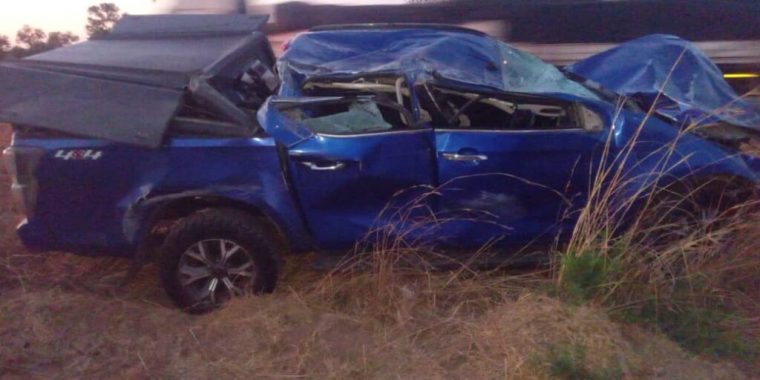
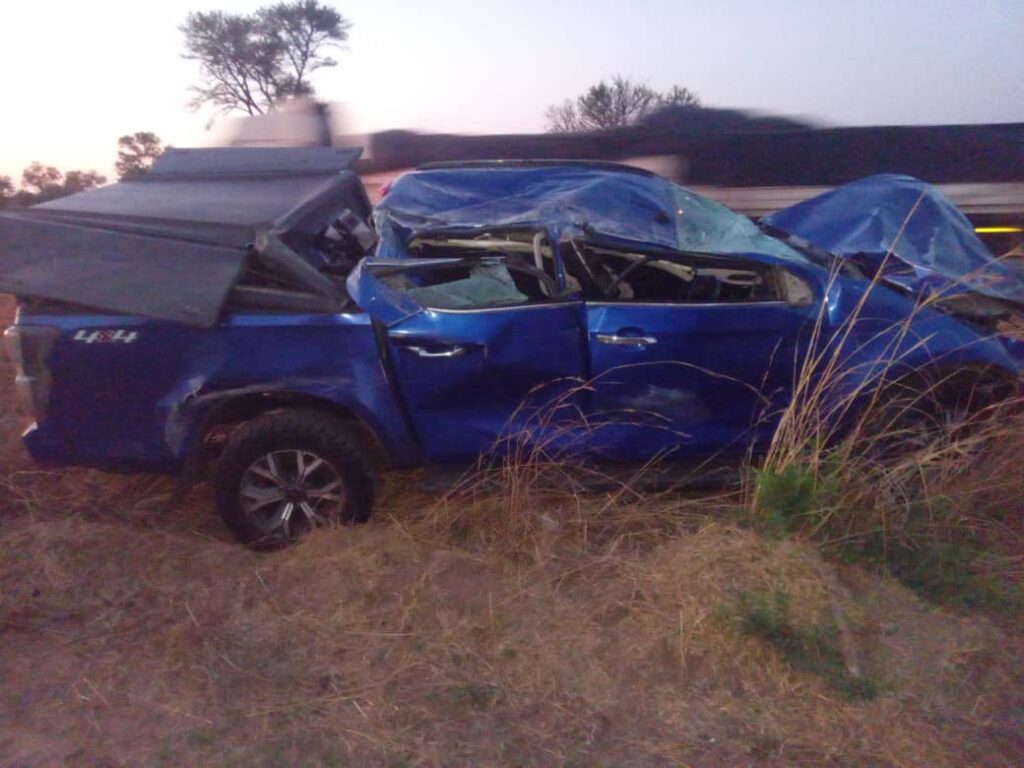
Bulawayo mourns Nkulumane MP Desire “Moyoxide” Moyo

The
City
of
Bulawayo
has
expressed
deep
sorrow
following
the
death
of
Nkulumane
Member
of
Parliament,
Desire
“Moyoxide”
Moyo,
who
died
early
Friday
morning
when
a
vehicle
carrying
five
lawmakers
struck
an
elephant
near
Shangani.

The
vehicle
the
legislators
were
travelling
in

His
colleagues,
Honourables
Madalaboy
Ndebele,
Senator
Rittah
Ndlovu,
Sethulo
Ndebele,
and
Libion
Sibanda,
sustained
injuries
and
are
receiving
treatment
in
hospital.

Luveve
MP
Discent
Bajila
confirmed
the
tragedy,
saying
the
lawmakers
were
returning
to
Bulawayo
from
Parliament
in
Harare
when
the
accident
occurred.

In
a
condolence
message
issued
on
Friday,
the
City
of
Bulawayo
described
Moyo
as
“an
iconic
leader,
poet
par
excellence
and
creative
who
strove
to
champion
the
arts
in
the
City
of
Bulawayo
and
beyond.”

“His
Worship
Senator
David
Coltart,
the
Mayor
of
the
City
of
Bulawayo,
Councillors,
the
Town
Clerk,
Mr
Christopher
Dube,
Heads
of
Council
Departments,
staff
and
residents
have
learnt
with
sadness
of
the
untimely
passing
on
of
Honourable
Desire
‘Moyoxide’
Moyo,”
said
Bulawayo
Town
Clerk
Christopher
Dube.

Dube
added
that
Moyo
“positively
impacted
the
City
through
his
various
roles
as
a
leader,
Member
of
Parliament
for
the
Nkulumane
Constituency
and
above
all
a
poet
who
protested
against
injustices
and
challenged
all
for
the
development
of
the
City
and
the
country.”

The
city
also
extended
its
“sincere
condolences
to
the
Moyo
family,
the
Bulawayo
community,
and
the
country
at
large
on
the
passing
of
Honourable
Desire
‘Moyoxide’
Moyo,”
and
wished
the
injured
legislators
a
speedy
recovery.

Moyo,
a
former
teacher
and
acclaimed
performance
poet,
was
known
for
blending
art
and
activism
to
confront
social
injustices.
Before
entering
Parliament,
he
was
deeply
involved
in
civic
initiatives
promoting
youth
empowerment
and
community
dialogue
in
Bulawayo.

“May
his
soul
rest
in
eternal
peace,”
the
City
of
Bulawayo
said.

Rev Kenneth Mtata Calls Benny Hinn A Danger To Africa

Hinn
visited
Zimbabwe
in
October
2025
for
a
highly
anticipated
National
Healing
Crusade
in
Harare,
marking
his
first
return
to
the
country
in
over
40
years.

Ahead
of
the
crusade,
Hinn’s
delegation
met
President
Emmerson
Mnangagwa
at
State
House
in
Harare.

They
praised
the
president
for
leading
major
development
initiatives
in
the
country,
suggesting
that
Zimbabwe’s
progress
should
serve
as
an
example
for
other
nations.

Commenting
on
Hinn’s
visit,
Mtata
said
such
trips
harm
the
progress
of
Christianity
in
Africa.
He
claimed
that
figures
like
Hinn
often
frame
issues
such
as
corruption,
poverty,
and
poor
governance
as
spiritual
rather
than
political
problems,
diverting
attention
from
citizens’
civic
responsibilities.
He
wrote
on
x:

“American
televangelist
Benny
Hinn
is
currently
in
Zimbabwe,
following
a
visit
to
Uganda.
This
is
not
his
first
trip
to
sub-Saharan
Africa

and
those
familiar
with
Paul
Gifford’s
research
will
know
that
such
visits
are
not
just
about
religion.

“Gifford’s
studies
have
shown
how
the
far-right
American
televangelists
like
Benny
Hinn
often
bring
to
Africa
a
form
of
Christianity
that
harms
its
progress.


They
do
so
in
seven
ways:
1.
Corruption,
poverty,
and
bad
governance
are
reframed
as
“spiritual”
rather
than
political
problems,
diverting
attention
from
civic
responsibility.


2.
Instead
of
building
institutions
or
demanding
accountability,
followers
are
urged
to
attend
mass
prayer
rallies
in
the
hope
for
“miraculous
solutions.”

“3.
Faith
becomes
about
personal
success
and
deliverance,
not
collective
transformation
or
justice.

“4.
Religious
and
political
power
is
presented
as
coming
from
God,
hence
discouraging
accountability
and
fostering
passive
submission.

“5.
Questioning
or
doubt
is
framed
as
sin,
eroding
the
intellectual
freedom
necessary
for
civic
engagement.

“6.
Wherever
he
goes,
Benny
Hinn
is
most
interested
in
close
proximity
to
political
power.
This
allows
him
to
trade
legitimacy
for
patronage,
blurring
the
line
between
faith
and
politics.

“7.
Benny
Hinn
represents
American
cultural
and
political
imperialism:
he
exports
American
religious
product
but
also
opens
up
intelligence
doors
normally
not
easy
to
open.”

Zimbabwe’s untouchables: A signature, a bribe and a blind eye 

On
a
hot
summer
morning,
I
sat
for
a
bit
watching
a
black-headed
heron
sifting
through
the
golden
stubble
of
a
newly
harvested
crop.
It
was
a
beautiful
day:
a
deep
blue
sky,
very
little
wind,
and
trees
alive
with
birds.
I
lingered
a
while,
letting
the
peace
and
beauty
soak
in,
gathering
my
wits
to
face
the
whispers
of
what
I
suspected
lay
ahead.

Zimbabwe
is
being
chipped
away,
one
shovel
at
a
time,
one
excavator
scoop
at
a
time,
one
mine
truck
at
a
time.
It’s
the
second
land
invasion,
people
say

but
is
that
really
what’s
going
on,
or
is
it
really
the
orgy
of
self-enrichment,
corruption,
and
plundering
by
people
in
positions
of
power
and
authority?

On
a
14km
stretch
of
road
just
beyond
Darwendale
village,
most
signs
of
normal
life
are
gone.
No
sign
of
farms,
crops,
villages
or
homes.

This
14km
stretch
of
road
leading
to
the
boundary
with
National
Parks’
Darwendale
Dam
is
an
ugly,
scarred
wasteland.

Huge
mine
dump
trucks
loaded
with
soil
and
rocks
roar
across
the
plains
leavings
clouds
of
red
dust
in
their
wake.

They
don’t
slow
down
as
they
reach
the
tar
road

so
watch
out,
because
these
are
the
untouchables.

The
Chinese
are
mining
here
and
their
chrome
pits,
trenches,
and
mounds
of
black
soil,
red
soil
and
rocks
stretch
as
far
as
the
eye
can
see
on
both
sides
of
the
road.


The
devastation
is
everywhere

Across
the
plains,
up
the
hillsides,
and
even
underneath
the
main
electricity
pylons
feeding
the
national
grid,
the
devastation
is
everywhere.
An
excavator
is
at
work
up
a
steep
hill,
swinging
its
long
arm
again
and
again
as
it
scrapes
up
our
precious
earth
and
dumps
it
into
waiting
trucks,
suffocating
dust
hanging
in
our
beautiful
blue
sky.

The
sight
of
it
makes
you
heartsore,
so
heartsore.

A
couple
of
brave
souls
are
trying
to
graze
their
cattle
among
the
abandoned
mounds
of
rocks
and
between
the
trenches,
but
it’s
a
treacherous
place.

People
say
that
when
a
cow
or
calf
falls
into
one
of
the
pits
or
trenches,
they
get
stuck
or
break
their
legs
and
there
is
no
way
to
get
them
out.

A
woman
tells
me
that
when
the
Chinese
do
their
blasting
at
night,
the
explosions
shake
their
windows
and
crack
the
walls
of
their
houses
2km
away.
“It’s
awful,
so
awful,”
she
says,
“everything
has
been
completely
destroyed.
These
people
don’t
care.
No
one
can
stop
them.”

You
can
see
the
march
of
the
Chinese
and
their
yellow
excavators
along
this
14km
stretch
of
road
by
the
trail
of
destruction
they
leave
behind.

There
is
no
sign
anywhere
of
any
attempt
at
reclamation
of
the
land. They
dig
their
holes,
pits
and
trenches,
extract
our
minerals,
and
then
leave,
doing
nothing
to
fill
holes,
flatten
mounds
or
re-establish
vegetation.

Take
this
picture
and
replicate
it
in
Hwange,
Mutoko,
Shamva,
Makoni,
Haruni,
Magunje,
Chihota,
Mazowe,
Chiadzwa,
Uzumba
and
so
many
other
places.
Take
it
into
mountains
and
escarpments
such
as
at
Boterekwa
in
Shurugwi,
the
Muvaradonha
Wilderness
in
Muzarabani,
and
now
even
in
Christmas
Pass.
Nowhere
is
safe
from
the
mining
scourge
now.


Who’s
to
blame?

It’s
easy
to
blame
the
Chinese
miners,
who
have
a
bad
human
rights
track
record
in
Zimbabwe

but
the
real
question
is:
how
are
they
getting
away
with
it,
why
are
they
untouchable,
who
is
protecting
them?

Former
energy
minister
Fortune
Chasi
this
week
spilled
the
beans.

“Local
officials
sign
the
licences,
local
elites
pocket
the
‘facilitation
fees’,
local
silence
allows
rivers
to
turn
into
sludge,”
he
said.

“Every
destroyed
riverbed
tells
a
local
story,
a
signature,
a
bribe,
a
blind
eye

This
isn’t
a
‘Chinese
problem.’
It
is
a
governance
problem
… The
Chinese
did
not
destroy
our
mountains
and
rivers.
Our
signatures
did.”

Stark
honesty
from
an
ex-minister,
but
it’s
a
shame
he
didn’t
say
it
when
he
was
still
in
office.


Long-term
loss

But
it’s
not
just
the
pits,
mounds
and
trenches
in
Darwendale,
or
the
sludge
in
rivers;
it’s
the
cyanide
and
mercury
poisoning
our
rivers
and
devastating
aquatic,
bird
and
wild
life;
the
long-term
soil
contamination,
the
loss
of
biodiversity
and
habitat,
and
the
widespread
erosion,
siltation
and
pollution.

Everywhere
communities
are
losing
their
ancestral
homelands
and
being
silenced
with
short-term,
cheap
‘compensation’
such
as
a
fence
or
a
pump
or
a
few
dirty
dollars.

Long
after
the
Chinese
miners
have
left
we
will
all
feel
the
effects
of
this
out-of-control
mining.

While
people
say
nothing,
do
nothing,
and
look
the
other
way
our
beautiful
country
is
being
torn
apart,
ravaged,
looted
and
destroyed
by
the
untouchables,
and
by
those
in
power
in
Zimbabwe
who
give
them
permission
to
do
so.

Please
use
your
voice
to
share
this
news
and
help
us
to
stop
this
before
it’s
too
late.

©
Cathy
Buckle

Travel Turmoil Impacts Africa, Including Zimbabwe, Botswana, and South Africa, as Emirates, Fastjet, Delta, and Other Airlines Suspend 12 Flights, Disrupting Passengers Across Johannesburg and Harare


Travel
turmoil
is
sweeping
across Africa,
leaving
passengers
stranded
and
frustrated.
The
recent suspension
of
12
flights
 by
major
airlines
such
as EmiratesFastjetDelta,
and
others
has
caused
widespread
disruptions.
This
chaos
is
particularly
affecting
travelers
in ZimbabweBotswana,
and South
Africa
,
with Johannesburg and Harare seeing
the
worst
of
the
delays.

These
suspensions
come
at
a
time
when
air
travel
is
already
challenging,
further
complicating
the
situation.
The
impacts
are
felt
not
only
in
the
cities
of
Johannesburg
and
Harare
but
throughout
Africa,
with
people
struggling
to
navigate
the
confusion.
As
the
disruption
continues,
many
are
left
waiting
for
updates
on
when
normal
service
will
resume.

Affected
Cities
and
Airports

The
affected
several
key
cities
and
airports
in
Africa. Johannesburg is
represented
by OR
Tambo
International
Airport
 in
South
Africa,
a
major
hub
for
both
domestic
and
international
flights. Harare is
represented
by Harare
International
Airport
 in
Zimbabwe,
another
significant
airport
for
air
travel
in
the
region.
Additionally,
the
table
includes Ivato
International
Airport
 in Antananarivo,
Madagascar,
which
serves
as
the
main
gateway
for
international
travel
to
and
from
the
country.
These
airports,
located
in
prominent
African
cities,
play
crucial
roles
in
connecting
passengers
across
the
continent
and
beyond,
with
many
airlines
experiencing
disruptions
that
have
impacted
travelers
in
these
areas.

Flight
Cancellations


Airport

Airline

Cancelled
(Flights)

Delayed
(Flights)

OR
Tambo
Int’l
Air
Zimbabwe
2 0
Air
Botswana
1 2
Delta
Air
Lines
1 0
South
African
Airlink
1 81

Harare
International
Fastjet
Zimbabwe
2 4
Air
Zimbabwe
2 0

Ivato
Int’l
Emirates 2 0
Air
France
1 0

Affected
Airlines

The
affected
several
notable
airlines
that
operate
in
Africa
and
internationally.
These
include Air
Zimbabwe
,
the
national
carrier
of
Zimbabwe,
and Air
Botswana
,
which
serves
Botswana. Delta
Air
Lines
,
a
major
U.S.-based
airline,
also
features
in
the
table,
along
with South
African
Airlink
,
a
regional
airline
serving
South
Africa.
Additionally, Fastjet
Zimbabwe
 provides
low-cost
services
within
Zimbabwe,
while Emirates,
based
in
the
United
Arab
Emirates,
operates
globally.
Lastly, Air
France
,
a
prominent
European
airline,
is
also
listed,
offering
international
flights
to
and
from
Africa.
These
airlines
play
a
significant
role
in
connecting
various
parts
of
Africa
with
the
rest
of
the
world.

Overview
of
Flight
Cancellations

The
flight
cancellations
highlighted
significant
disruptions
in
air
travel
across
key
airports
in
Africa.
At OR
Tambo
International
Airport
 in
Johannesburg,
South
Africa,
multiple
airlines
such
as Air
Zimbabwe
Air
Botswana
Delta
Air
Lines
,
and South
African
Airlink
 are
experiencing
cancellations.
Notably, Air
Zimbabwe
 saw
2
canceled
flights,
with
all
of
its
scheduled
flights
disrupted,
while South
African
Airlink
 had
a
notable
81
delayed
flights,
though
only
1
flight
was
canceled.
The
highest
flight
cancellation
comes
from Air
Zimbabwe
,
which
had
2
canceled
flights,
representing
100%
of
its
scheduled
flights.
In Harare
International
Airport
 (Zimbabwe), Fastjet
Zimbabwe
 canceled
2
flights,
impacting
the
region’s
connectivity.
Furthermore, Ivato
International
Airport
 in Antananarivo,
Madagascar,
had Emirates and Air
France
 with
no
delayed
flights,
but Emirates saw
2
flights
canceled,
causing
disruption
for
passengers.
These
cancellations
indicate
broader
challenges
facing
African
aviation,
affecting
both
domestic
and
international
connectivity.

What
to
Do
if
Your
Flight
Gets
Cancelled:
A
Quick
Guide

Flight
cancellations
can
be
frustrating,
but
knowing
the
right
steps
to
take
can
help
minimize
stress.
Here’s
what
you
can
do
if
you
find
yourself
in
this
situation:


Stay
Updated

Monitor
your
email,
phone,
and
the
airline’s
app
for
rebooking
confirmation
or
further
announcements.


Stay
Calm
and
Check
for
Updates

As
soon
as
you
learn
your
flight
is
canceled,
stay
calm
and
check
for
updates.
Many
airlines
will
notify
you
via
text,
email,
or
their
app.
Visit
the
airline’s
website
for
real-time
updates
on
the
situation.


Contact
the
Airline

Reach
out
to
the
airline’s
customer
service
either
in
person
at
the
airport
or
over
the
phone.
If
you’re
at
the
airport,
head
to
the
service
desk.
If
you’re
not,
try
calling
or
using
the
airline’s
online
chat
system
to
avoid
waiting
in
long
queues.


Know
Your
Rights

Familiarize
yourself
with
the
airline’s
policies
regarding
cancellations.
Many
airlines
offer
rebooking
options
or
compensation,
especially
if
the
cancellation
is
within
their
control.
In
the
EU,
for
example,
passengers
are
entitled
to
compensation
under
certain
conditions.


Consider
Alternative
Flights

Ask
the
airline
about
the
next
available
flight.
If
you
can’t
find
a
suitable
option,
consider
booking
a
new
flight
through
another
airline,
or
check
for
other
forms
of
transport
like
trains
or
buses.

While
airlines
strive
to
manage
operations
effectively,
external
factors
and
internal
challenges
continue
to
affect
service
reliability.
Passengers
are
encouraged
to
stay
informed,
plan
ahead,
and
maintain
flexibility
when
traveling
in
the
region.

Source:


Travel
Turmoil
Impacts
Africa,
Including
Zimbabwe,
Botswana,
and
South
Africa,
as
Emirates,
Fastjet,
Delta,
and
Other
Airlines
Suspend
12
Flights,
Disrupting
Passengers
Across
Johannesburg
and
Harare


Travel
And
Tour
World

Post
published
in:

Featured

Zimbabwe Vigil Diary 11th October 2025


13.10.2025


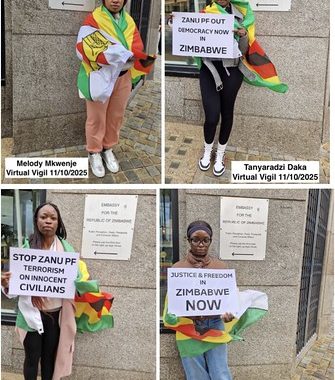
18:50

Another
virtual
Vigil
today
continues
our
protest
against
the
human
rights
abuse
and
lack
of
democracy
in
Zimbabwe. 


https://www.flickr.com/photos/zimbabwevigil/54849497833/sizes/m/


Our
virtual
Vigil
activists
today
were
Tanyaradzi
Daka,
Anna
Katsande,
Trish
Paidamoyo
Matsikira
and
Melody
Mkwenje.
They
carried
placards
expressing
their
dissatisfaction
with
ZANU
PF,
Zimbabwe’s
ruling
regime.  Photos:https://www.flickr.com/photos/zimbabwevigil/albums/72177720329619217.

For
Vigil
pictures
check: http://www.flickr.com/photos/zimbabwevigil/.
Please
note:
Vigil
photos
can
only
be
downloaded
from
our
Flickr
website.


Events
and
Notices:  


  • Next
    Vigil
    meeting
    outside
    the
    Zimbabwe
    Embassy. 
    Saturday
    18th October
    from
    2

    5
    pm.
    We
    meet
    on
    the
    first
    and
    third
    Saturdays
    of
    every
    month.
    On
    other
    Saturdays
    the
    virtual
    Vigil
    will
    run.

  • The
    Restoration
    of
    Human
    Rights
    in
    Zimbabwe
    (ROHR)
     is
    the
    Vigil’s
    partner
    organisation
    based
    in
    Zimbabwe.
    ROHR
    grew
    out
    of
    the
    need
    for
    the
    Vigil
    to
    have
    an
    organisation
    on
    the
    ground
    in
    Zimbabwe
    which
    reflected
    the
    Vigil’s
    mission
    statement
    in
    a
    practical
    way.
    ROHR
    in
    the
    UK
    actively
    fundraises
    through
    membership
    subscriptions,
    events,
    sales
    etc
    to
    support
    the
    activities
    of
    ROHR
    in
    Zimbabwe.

  • The
    Vigil’s
    book
    ‘Zimbabwe
    Emergency’
     is
    based
    on
    our
    weekly
    diaries.
    It
    records
    how
    events
    in
    Zimbabwe
    have
    unfolded
    as
    seen
    by
    the
    diaspora
    in
    the
    UK.
    It
    chronicles
    the
    economic
    disintegration,
    violence,
    growing
    oppression
    and
    political
    manoeuvring

    and
    the
    tragic
    human
    cost
    involved. It
    is
    available
    at
    the
    Vigil.
    All
    proceeds
    go
    to
    the
    Vigil
    and
    our
    sister
    organisation
    the
    Restoration
    of
    Human
    Rights
    in
    Zimbabwe’s
    work
    in
    Zimbabwe.
    The
    book
    is
    also
    available
    from
    Amazon.


  • Facebook
    pages:   


        Vigil : 
https ://www.facebook.com/zimbabwevigil 


ROHR: https://www.facebook.com/Restoration-of-Human-Rights-ROHR-Zimbabwe-International-370825706588551/

ZAF: https://www.facebook.com/pages/Zimbabwe-Action-Forum-ZAF/490257051027515

The
Vigil,
outside
the
Zimbabwe
Embassy,
429
Strand,
London
meets
regularly
on
Saturdays
from
14.00
to
17.00
to
protest
against
gross
violations
of
human
rights
in
Zimbabwe.
The
Vigil
which started
in
October
2002
will
continue
until
internationally-monitored,
free
and
fair
elections
are
held
in
Zimbabwe.

Post
published
in:

Featured

ZANU PF Warns Delegates Against Heckling Leaders At Upcoming Conference

The
warning
comes
amid
social
media
reports
suggesting
that
some
party
members
may
plan
to
heckle
Vice
President
Constantino
Chiwenga
during
the
event,
as
debates
over
succession
continue
to
intensify.

Chiwenga
was
heckled
at
the
National
Heroes
Acre
during
the
burial
of
national
hero
Justin
Mupamhanga
on
27
January
2025.

Information
Technology
Minister
Tatenda
Mavetera,
leading
the
Young
Women
4
ED
group
aligned
with
Mnangagwa,
led
chants
targeting
Chiwenga.

They
sang
“mupanduki
mupanduki
chera
mwena
nguva
yakwana”

which
translates
to
“sellout,
sellout,
dig
a
hole,
the
time
has
come”.

Chiwenga
is
widely
seen
as
the
frontrunner
to
succeed
President
Emmerson
Mnangagwa
in
2028,
when
his
second
term
expires,
although
Mnangagwa’s
loyalists
are
pushing
for
an
extension
of
his
tenure
to
2030.

ZANU
PF
Director
of
Communications,
Farai
Marapira,
stressed
that
the
National
People’s
Conference
is
a
formal
meeting
of
delegates,
leaving
no
room
for
heckling.
He
said:

“We
are
not
going
to
a
rally.
We
are
going
to
a
conference.
This
is
not
a
free-for-all.
This
is
a
meeting
of
delegates.
This
is
a
meeting
of
leadership.
There
is
no
time
to
heckle.

“This
is
just
once
again
social
media
trying
its
best
to
push
agendas
on
us
as
ZANU-PF.
But,
of
course,
it
will
fail.”

In
recent
days,
social
media
has
been
flooded
with
claims
that
ZANU
PF
youths
are
being
bused
to
Mutare
in
Manicaland
province
with
the
sole
purpose
of
booing
Chiwenga.

Marapira
dismissed
such
reports,
saying
those
promoting
the
claims
are
ignorant
of
the
party’s
internal
procedures.
He
said:

“This
issue
of
being
bused
to
boo,
how
are
they
going
to
enter
when
they
are
not
accredited?
We
are
not
accrediting
crowds,
we
are
accrediting
delegates.

“This
is
mischief
being
created
by
people
who
are
ignorant
of
the
ways
of
the
party
and
how
it
conducts
its
conferences.”

The
alleged
plans
to
heckle
Chiwenga
come
as
the
Vice
President
has
repeatedly
spoken
out
against
corruption,
which
he
describes
as
a
threat
to
national
security.

He
has
consistently
condemned
“zvigananda”,
a
term
meaning
leeches,
referring
to
individuals
who
flaunt
wealth
acquired
through
the
siphoning
of
public
resources
via
inflated
government
tenders.

The trouble with Zanu PF’s Resolution Number 1

A
YEAR
ago,
at
its
annual
Conference,
Zanu
PF
passed
the
notorious
Resolution
No.
1.
The
resolution,
a
vulgar
piece
of
unmitigated
buffoonery,
attempts
to
extend
President
Emmerson
Mnangagwa’s
tenure
beyond
the
term
fixed
by
congress
in
2022
and
effectively
calls
for
subverting
the
national
constitution
to
achieve
that
end.

The
measure
is
both
egregious
and
unlawful,
chiefly
because
it
conflicts
with
Zanu
PF’s
own
constitutive
instruments.


Congress
v
Conference

Zanu
PF’s
congress,
which
meets
once
every
five
years,
is
the
party’s
supreme
decision‑making
body.

Depending
on
which
of
the
three
un-ratified
2022
constitutions
one
reads,
this
authority
is
set
out
in
section
23
or
27
in
materially
similar
terms.
The
provision
confers
on
congress
the
following
powers:


“Congress
shall
be
the
supreme
policy
making
organ
of
the
Party
and
shall
have
the
following
powers
and
functions:-


(1)
to
elect
the
President
and
First
Secretary
of
the
Party,
who
shall
automatically
become
the
sole
candidate
of
the
State
President
in
the
ensuing
elections;”

In
accordance
with
this
provision,
congress
in
2022
elected
Mnangagwa
as
Zanu
PF’s
candidate
for
the
2023
elections.
This
election
was
for
a
five-year
period.

By
design,
congress
is
the
body
that
meets
to
select
the
party’s
candidate
for
any
general
elections
and
Mnangagwa’s
incumbency
draws
its
lifeblood
from
the
2022
congress
resolution.
No
Zanu
PF
member
can
seek
or
maintain
state
or
party
power
as
the
president
post
2028
without
the
authority
of
congress.

Two
points
emerge
and
must
detain
me:


the
party
constitution
is
tailored
so
that
congress
precedes
a
general
election
for
the
purpose
of
selecting
a
presidential
candidate;
and


as
a
contractual
and
constitutional
instrument,
the
party
constitution
cannot
validly
contain
provisions
that
conflict
with
the
national
constitution
and
any
such
conflicting
provision
is
void.

Thus,
there
is
no
valid
basis
within
Zanu
PF’s
constitution
for
declaring
a
candidate
beyond
the
2028
elections
more
so
if
this
is
coming
from
an
organ
inferior
to
congress.
Any
attempt
to
do
so
would
violate
the
party’s
own
constitution
and
would
subordinate
congress
to
the
Mai
Welly-twerking-transactional
politics
that
we
now
see
on
display

The
national
conference
meets
annually
and
its
powers
include
receiving
central
committee
reports,
reviewing
implementation
of
central
committee
programmes,
making
resolutions
for
implementation
by
the
central
committee
declaring
the
president
elected
at
congress
as
the
party’s
state
presidential
candidate.

Outside
a
determination
made
by
congress
and
that
only
for
a
period
of
five
years,
the
national
conference
cannot
transact
any
business
bearing
on
the
question
of
a
national
leader
as
is
the
purport
of
Resolution
1.

Crucially,
the
national
conference
does
not
have
the
power
to
elect
the
party’s
presidential
candidate;
it
can
only
declare
an
election
already
made
by
congress.

Last
year’s
conference
resolution
purporting
to
elect
or
rather
select
Mnangagwa
for
a
period
outside
that
fixed
by
congress,
and
calling
for
subversion
of
congress’s
decision
to
achieve
the
purpose,
was
therefore
unlawful
under
any
of
the
three
constitutional
texts
that
are
fraudulently
used
by
Zanu
PF.

Mnangagwa’s
position
is
not
a
legitimate
matter
for
internal
debate
at
this
year’s
conference.
In
fact
concerned
Zanu
PF
members
can
stop
their
party—either
by
judicial
decree
or
through
legitimate
political
maneuvering—from
becoming
engaged
with
this
issue.

Put
in
very
simple
terms,
the
question
of
the
possible
extension
of
Mnangagwa’s
position
cannot
be
debated
by
the
national
conference.
It
is
an
act
ultra
vires.

Zanu
PF
must
abide
by
its
own
rules
and
by
the
national
constitution.
It
cannot
lawfully
transact
business
in
breach
of
those
instruments
or
call
for
their
subversion.
This
festival
of
absurdities
and
illegality
must
be
stopped.

The
men
within
Zanu
PF,
if
there
be
any
(not
vanoda
kuchengeta
vana),
should
confront
these
breaches
and
insist
on
adherence
to
both
the
party
constitution
and
the
constitution
of
the
land.


Thabani
Mpofu
is
an
advocate
in
Zimbabwe’s
superior
courts