So Long, Farewell, Elon Musk: After 7 Long Years As A Tesla Shareholder, I’ve Liquidated My Position – Above the Law

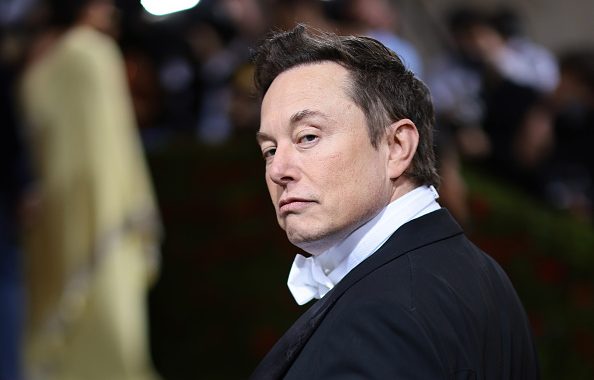
(Photo
by
Dimitrios
Kambouris/Getty
Images
for
The
Met
Museum/Vogue)

It
was
May
of
2018.
“Avengers:
Infinity
War”
was
in
theaters.
Prince
Harry
and
Meghan
Markle
got
married,
which
people
cared
about
for
some
reason.
Mike
Pence
was
the
vice
president,
and
no
one
had
tried
to
hang
him
yet.

As
for
me,
there
I
was,
hustling
as
an
associate
litigator
out
in
the
wild
with
something
to
prove.
I
was
still
a
few
months
away
from
penning

my
first
substantive
column

for
this
site,
building
street
cred
not
only
as
a
lawyer
but
as
an
investor,
when
I
made
a
little
gamble
on
a
few
shares
of
an
electric
automaker
called
Tesla.

And
a
gamble
it
was.
If
you’ve
followed
this
column
from
the
beginning,
you
know
that
I
don’t
consider
buying
individual
stocks
to
be
much
more
economically
productive
than
wandering
a
casino
floor.
Tesla
was
no
exception:
in
2018,
the
company
was

still
two
years
away

from
achieving
its
first
full
year
of
net
income,
and
most
of
that
from
selling
regulatory
credits
to
other
automakers
rather
than
from
actually
selling
vehicles.

At
the
time,
however,
I
considered
it
worth
the
financial
risk
to
invest
a
little
money
in
companies
like
Tesla
as
a
sort
of
moral
imperative.
Since
I
am
not
a
dolt,
I
accept
the
reality
of
climate
change.
For
those
like
me
with
a
little
extra
money
to
invest,
and
an
appetite
for
risk,
helping
along
the
only
American
car
company
that
was
actually
making
electric
vehicles
cool
seemed
a
worthwhile
pursuit
for
the
planet
if
not
necessarily
for
one’s
stock
portfolio.

Then
there
was
the
matter
of
Tesla’s
young,
promising
CEO
Elon
Musk.
Now
just
hang
on,
hear
me
out
before
you
start
launching
rotten
vegetables
in
my
direction.

Remember,
this
was
early
2018
Elon
Musk!
What
the
man
actually
believes,
if
anything,
is
incredibly
difficult
to
ascertain
at
this
point.
There
is

a
whole
(lengthy)
Wikipedia
page

dedicated
solely
to
Musk’s
shifting,
shimmering,
often
contradictory
views.

Things
did
not
seem
so
complicated
in
2018.
Yes,
Musk
was,
even
then,
an
incredibly
rich
person
(he
wouldn’t
become
the
world’s
wealthiest
person
until
2021).
Yet,
stories
kept
coming
out
about
how
he
lived
like
a
monk.
He
spoke
out
passionately
about
the
risks
of
climate
change.
He
had
publicly
supported
the
presidential
campaigns
of
Barack
Obama
and
Hillary
Clinton.
For
a
CEO,
the
guy
was
pretty
likable.
Charismatic,
even.
He
was
daring
to
do
with
his
companies
what
everyone
else
said
was
impossible.

Then

the
infamous
420
tweet

happened.
Musk’s
relationship
with
the
musician
Grimes
fell
apart.
His
oldest
child
(nearly
tied
for
oldest
with
her
twin,
to
be
precise)
came
out
as
transgender
and
disowned
him
because
of
the
way
he’d
treated
her.
He
was
sucked
into
the
darkest
corners
of
Twitter
during
the
pandemic.
The
ketamine,
the
unsatisfactorily
explained
black
eyes,
the
repeated
unfunny
attempts
at
comedy,
working
for
Donald
Trump

to
pointlessly
destroy
the
lives
of
thousands
of
federal
workers

while
he
waved
around
a
chainsaw
on
stage
like
a
lunatic;
something

a
lot
of
things

went
terribly,
terribly
wrong.

Meanwhile,
Tesla’s
share
price
during
this
period
was
as
volatile
as
its
CEO’s
life.
At
first,
and
for
quite
a
while,
it
looked
like
I
was
going
to
lose
it
all.
Then,
right
about
the
time
when

Musk
was
revealing
his
rightward

pivot,
the
stock
soared.
It
cratered
after
that,
only
to
ascend
again,
creating
a
chart
reminiscent
of
the
jagged
EKG
readout
of
a
patient
whose
heart
is
about
to
explode.

Of
course,
I
changed
too
over
the
past
seven
years.
We
all
did.
For
instance,
a
number
of
my
early
ATL
columns
focused
largely
on
praising
Musk.
Then
somewhere
along
the
line
I
found
myself
more
often
defending
him.
Until
I
finally
just

settled
on
the
skewering

he
deserves.

Still,
I
can’t
complain
about

the
returns
on
my
Tesla
investment

over
the
course
of
this
story
arc.
If
you’re
wondering
how
I
did,
well,
you
can
take
my
initial
capital
from
May
of
2018,
multiple
it
by
23,
and
you’ll
come
out
almost
to
the
penny
at
where
I’m
at
after
liquidating
my
position
on
Monday.

I’m
happy
with
the
money.
You
know
what
pleases
me
even
more
than
that
though?
I
like
the
person
I
am
today
better
than
the
one
I
was
in
May
of
2018.
I
don’t
think,
if
he’s
really,
brutally
honest,
Musk
could
say
the
same.


Jonathan
Wolf
is
a
civil
litigator
and
author
of 
Your
Debt-Free
JD
 (affiliate
link).
He
has
taught
legal
writing,
written
for
a
wide
variety
of
publications,
and
made
it
both
his
business
and
his
pleasure
to
be
financially
and
scientifically
literate.
Any
views
he
expresses
are
probably
pure
gold,
but
are
nonetheless
solely
his
own
and
should
not
be
attributed
to
any
organization
with
which
he
is
affiliated.
He
wouldn’t
want
to
share
the
credit
anyway.
He
can
be
reached
at 
[email protected].

Former SCOTUS Justice Anthony Kennedy Rejects ‘Swing Vote’ Label In New Memoir – Above the Law

Justice
Anthony
M.
Kennedy
(Image
via
Getty)


Ed.
note
:
Welcome
to
our
daily
feature,

Quote
of
the
Day
.


The
cases
swung,
not
me
.


Former
Supreme
Court
Justice

Anthony
Kennedy
,
in
a
passage
written
in
his
upcoming
memoir,

“Life,
Law
and
Liberty”

(affiliate
link)
set
to
be
published
on
October
14.
Kennedy,
who
stepped
down
from
the
high
court
in
2018,
often
found
himself
at
the

center
of
the
nation’s
most
polarizing
issues
,
ranging
from
abortion
to
gay
rights
to
campaign
finance.


Staci Zaretsky


Staci
Zaretsky
 is
the
managing
editor
of
Above
the
Law,
where
she’s
worked
since
2011.
She’d
love
to
hear
from
you,
so
please
feel
free
to

email

her
with
any
tips,
questions,
comments,
or
critiques.
You
can
follow
her
on BlueskyX/Twitter,
and Threads, or
connect
with
her
on LinkedIn.

New digital platform eases processes, powers investment in Zimbabwe

The
portal
provides
with
investors
with
clear,
step-by-step
guidance
on
how
to
start
and
formalize
a
business
in
Zimbabwe,
covering
everything
from
licenses
and
permits
to
tax
registration
and
social
security.

It
was
carried
out
with
UN
Trade
and
Development
(UNCTAD)
and
the
United
Nations
Institute
for
Training
and
Research
(UNITAR),
through
the
joint digital
government
programme
,
as
well
as
support
from
the
European
Union.

For
the
landlocked
African
country,
the
portal
is
a
foundational
step
to
making
itself
a
more
competitive
and
investor-friendly
destination.

Developed
by
the Zimbabwe
Investment
and
Development
Agency
(ZIDA) in
collaboration
with
21
government
departments,
the
portal
integrates
62
procedures
into
a
single,
user-friendly
interface.

It
eliminates
the
need
for
multiple
visits
to
government
offices
and
offers
a
reliable
information
source
on
required
documents
and
processes.

This
marks
the
first
time
Zimbabwe
has
mapped
the
entire
formalities
for
investors,
allowing
the
government
to
identify
and
remove
redundant
steps.
The
result?
A
more
transparent
and
efficient
system
that
benefits
both
investors
and
public
officials.

The
portal’s
launch
is
part
of
Zimbabwe’s
broader
digital
transformation
agenda.
The
next
phase
will
focus
on
creating
a transactional
single-window
system for
investment
and
business
procedures,
further
enhancing
ease
of
doing
business.

“The
portal
is
designed
to
improve
the
transparency,
accessibility
and
efficiency
of
investment-related
administrative
procedures
in
Zimbabwe,”
says
ZIDA
CEO
Mr. Tafadzwa
Chinamo
stated,

“It
represents
a
significant
step
towards
enhancing
the
ease
of
doing
business
and
positioning
our
country
as
a
competitive
investment
destination.”

More
coming
up
at
UNCTAD16

More
efforts
in
this
area
will
be
discussed
during
a
session
titled “Investment
facilitation:
Progress,
prospects
and
policy
options
” at
the
16th
session
of
the
United
Nations
Conference
on
Trade
and
Development
(UNCTAD16)
set
for
20
to
23
October
in
Geneva.

The
session
will
examine
how
countries
are
adopting
measures
to
enhance
transparency,
streamline
investment
procedures
and
leverage
digital
tools

such
as
single
windows

to
lower
transaction
costs
and
build
more
predictable,
efficient
and
accountable
investment
environments.

Source:


New
digital
platform
eases
processes,
powers
investment
in
Zimbabwe
|

UN
Trade
and
Development
(UNCTAD)

African Development Bank Group funds new Tax Collection and Revenue Management System

The
Government
of
Zimbabwe
has
completed
the
deployment
of
a
new
online
Tax
and
Revenue
Management
System
(TaRMS),
in
a
bold
reform
effort
supported
by
the
African
Development
Bank
Group.

The
new
system
was
formally
launched
on
18
August
2025
in
Harare
by
the
country’s
Deputy
Finance
Minister,
Kudakwashe
David
Mnangagwa,
the
culmination
of
a
process
that
kicked
off
in
2023
and
has
been
implemented
in
phases
since
then.

The
Tax
and
Revenue
Management
System
was
developed
under
a
$10.4
million
Tax
and
Accountability
Enhancement
Project
supported
by
the
African
Development
Bank
as
part
of
efforts
to
support
the
government’s
efforts
to
enhance
domestic
resource
mobilization.

The
Bank
provided
a
grant
of
$7
million
for
the
design
and
development
of
the
online
system,
while
the
Zimbabwe
government
funded
the
procurement
of
the
hardware.
The
project
also
included
training
for
internal
and
external
stakeholders
and
users,
as
well
as
change
management
activities.

According
to
the
Zimbabwe
Revenue
Authority
(ZIMRA),
revenue
collected
from
new
taxpayers
increased
by
238%
in
2024—the
first
full
year
following
commencement
of
rollout
of
the
new
system—compared
to
2023.

Mnangagwa
described
the
innovation
as
a
bold
step
in
the
country’s
economic
reform
agenda,
aimed
at
enhancing
revenue
mobilization,
improving
taxpayer
experience,
and
building
a
strong
foundation
for
sustainable
growth.

Zimbabwe’s
Deputy
Minister
of
Finance,
Economic
Development,
and
Investment
Promotion,
Kudakwashe
David
Mnangagwa,
demonstrating
the
new
online
tax
system.

In
his
remarks
at
the
event,
ZIMRA
Board
Chairperson
Anthony
Mandiwanza,
said;
“TaRMS
is
fundamentally
a
nation-building
instrument.
It
is
a
bridge
connecting
taxpayers
and
the
Authority,
cementing
trust,
transparency,
and
efficiency,
while
firmly
aligning
ZIMRA
with
the
aspirations
of
Vision
2030.”
Kelvin
Banda,
Officer-in-Charge
of
the
Bank
Group’s
Zimbabwe
country
office,
highlighted
the
significance
of
improving
the
efficiency
of
revenue
collection.

He
said,
“With
dwindling
development
assistance
and
donor
funding,
as
well
as
increased
difficulties
in
accessing
external
loans,
increased
domestic
resource
mobilization
is
an
essential
policy
mechanism
to
assist
African
countries
in
addressing
their
specific
development
challenges.
This
launch
is
a
landmark
milestone
not
only
for
the
Government
of
Zimbabwe
and
the
Zimbabwe
Revenue
Authority,
but
also
for
the
African
Development
Bank.”
Cross section of attendees at the ceremony marking the official launch of the country’s new Tax and Revenue Management System, in Harare.

Cross
section
of
attendees
at
the
ceremony
marking
the
official
launch
of
the
country’s
new
Tax
and
Revenue
Management
System,
in
Harare.

In
recent
years,
public
revenues
in
Africa
have
experienced
stagnation
and
setbacks,
amidst
weak
global
economic
growth
and
challenging
macroeconomic
conditions.
Revenue
to
GDP
levels
in
Africa
lag
those
of
other
regions,
with
average
tax-to-GDP
revenues
remaining
below
15
percent
for
more
than
half
of
the
continent’s
countries.

The
African
Development
Bank
estimates
that
the
median
African
tax-to-GDP
ratio
should
increase
from
its
current
level

about
14
percent

to
a
minimum
of
27.2
percent
to
close
the
estimated
annual
financing
gap
of
$402.2
billion
required
to
achieve
the
Sustainable
Development
Goals
and
the
African
Union’s
Agenda
2063.

The
introduction
of
TaRMS
is
expected
to
support
Zimbabwe
in
closing
revenue
leakages,
widening
the
tax
base,
and
making
it
easier
for
compliant
taxpayers
to
meet
their
obligations
through
reduced
paperwork,
faster
processes,
and
clearer
compliance
rules
for
businesses.

Source:


Zimbabwe:
African
Development
Bank
Group
funds
new
Tax
Collection
and
Revenue
Management
System

|
African
Development
Bank
Group

A Hundred Kilometres To Myself: What Zimbabwe’s Wilderness And Walking With It Taught Me

(Photo
Credit:
Pexels)

The
CEO
role
had
been
my
dream—my
opportunity
to
lead
with
impact
and
purpose.
To
the
outside
world,
I
had
arrived.
The
first
year
blurred
into
long,
exhilarating
days.
But
soon,
exhilaration
gave
way
to
exhaustion.
The
work
became
a
relentless
cycle
of
meetings
and
deadlines.
I
told
myself
this
was
what
leadership
demanded.
Big
dreams,
I
believed,
required
big
sacrifices.

One
night
over
dinner,
at
my
most
worn
out,
my
boyfriend
looked
across
the
table
and
said,
“You
need a
break
.
We
should
go
on
a
walking
safari
in
Zimbabwe.”
I
stared
at
him
in
disbelief.
I
could
barely
climb
a
flight
of
stairs
without
losing
my
breath.
I
said
no—more
than
once.
He
didn’t
push,
only
held
that
steady,
knowing
gaze.
Afraid
of
what
refusal
might
mean
for
us,
I
finally
gave
in.

Hitting
The
Ground
Running

Two
months
later,
we
landed
in Victoria
Falls
.
The
drive
from
the
small
city
to
our
guide
Leon’s
camp
felt
like
peeling
away
layers
of
noise
I
hadn’t
even
realised
I
was
carrying.
By
the
time
we
arrived,
my
phone
lay
forgotten.
The
only
real
challenge
was
wrestling
with
the
tangled
laces
of
my
brand-new
trekking
shoes.
That
first
day
on
foot
was
brutal.
My
boots
felt
like
bricks,
my
calves
burned,
and
my
heart
hammered
in
my
ears.
The
bush
didn’t
pause
for
me,
and
neither
did
Leon.
Surrounded
by
wilderness,
there
was
no
choice
but
to
keep
walking.

zimbabwe
A
herd
of
elephants
lazing
around
(Photo
Credit:
Pexels)

Slowly,
I
began
to
notice
the
air
carried
scents
I
couldn’t
name.
Birds
called
from
unseen
branches.
Somewhere
ahead,
a
branch
snapped—something
large
was
moving.
Then
we
saw
them.
A
herd
of
elephants,
quietly
threading
their
way through
the
forest.
 We
stood
in
silence,
watching.
In
that
moment,
I
understood
what
it
meant
to
be
in
a
place
not
made
for
you,
yet
still
welcome
to
pass
through.

Following
The
Wild
In
Zimbabwe

Leon
had
been
guiding
safaris
on
foot
for
over
thirty
years.
He
could
track
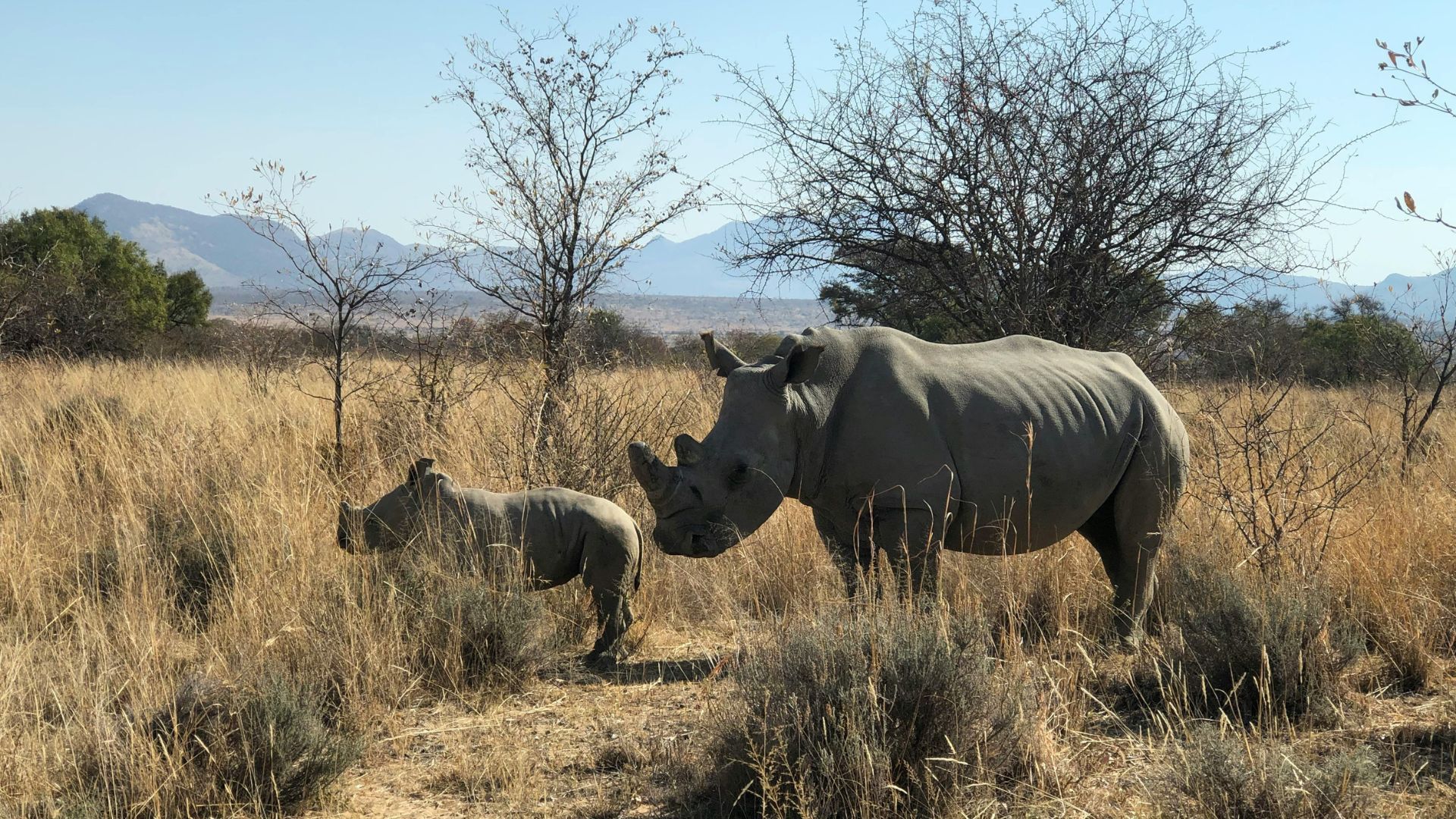
rhino from
a
single
footprint,
smell
buffalo
on
the
wind,
and
read
the
day’s
mood
from
the
curl
of
a
grass
blade.
His
pace
was
steady,
deliberate.
Over
time,
I
found
my
own
rhythm
walking
beside
him.

zimbabwe safari
Spotting
rhinoceros
on
the
safari
(Photo
Credit:
Pexels)

We
crossed
dry
riverbeds
marked
with
lion
and
antelope
prints,
paused
under
ancient
baobabs,
and
followed
hornbill
calls
through
sunlit
woodlands.
Each
day
felt
less
like
a
journey
and
more
like
an
apprenticeship—as
if
the
land
itself
was
teaching
me
how
to
move
differently,
how
to
pay
attention
in
ways
I
had
long
forgotten.

On
foot,
we
weren’t
above
the
wild
but
equal
to
it—one
species
among
others.
There
were
no
barriers.
The
path
itself
became
the
destination.
Every
step
was
a
conscious
choice
to
stay
present,
to
meet
the
land
on
its
own
terms.

The
Magic
You
Don’t
Plan

Over
a
week,
we
covered
more
than
120
kilometres.
A
herd
of
eighty
elephants
at
sunset,
their
silhouettes
immense
against
a
flaming
sky.
A
rhino
and
her
calf
grazing
in
the
dawn
light. African wild
dogs,
fanning
out
in
perfect
coordination.
Magic
at
every
turn—the
kind
you
can’t
plan
for
and
can
only
receive
with
humility.

zimbabwe
Campfire
during
the
safari
(Photo
Credit:
Pexels)

Evenings
at
camp
brought
us
closer
to
the
land.
Around
the
fire,
Leon
shared
stories
of
animal
behaviour,
bird migrations,
and
the
geology
beneath
our
feet.
He
spoke
like
someone
inviting
us
to
look
more
deeply,
to
notice
the
threads
that
connect
species,
seasons,
and
time.
Later,
we’d
lie
back
and
trace
constellations
of
the
Southern
Hemisphere—stars
we
would
never
see
at
home.
It
was
in
those
hours
that
I
realised
how
starved
I
had
been
for
wonder,
and
how
vital
wonder
is
to
feeling
whole.

In
Zimbabwe,
I
Returned
To
Myself

zimbabwe safari
Antelopes
grazing
(Photo
Credit:
Pexels)

By
the
final
day,
my
body
had
shifted.
My
breath
was
deeper,
my
shoulders
loose,
my
mind
clearer.
I
realised
I
had
built
a
cage
out
of
achievement
and
success—and
that
it
had
locked
me
away
from
my
own
purpose.
Here
in
Zimbabwe,
walking
on
earth
that
pulsed
with
life,
I
felt
free
again.
I
left
with
no
souvenirs.
Only
the
memory
of
walking
as
part
of
the
land,
among
other
living
things. The
forest 
rewired
me.
It
filled
my
bones
with
quiet
strength
and
gifted
me
an
energy
that
has
never
left.

For
anyone
carrying
the
invisible
weight
of
the
everyday,
time
away
is
not
indulgence—it
is
survival.
Step
into
a
place
where
your
feet
remember
the
earth,
and
your
soul
remembers
itself.
Listen
when
your
loved
ones
say
something
feels
off—they
may
be
handing
you
the
map
back
to
yourself.
I’m
glad
I
followed
mine.
That
boyfriend
who
once
coaxed
me
to
walk
100
kilometres
through
the
wild
is
now
the
man
I
happily
walk
through
life
with.

Source:


A
Hundred
Kilometres
To
Myself:
What
A
Safari
In
Zimbabwe
Taught
Me

Post
published
in:

Featured

Invictus Energy to Lead Zimbabwe Energies Summit on Gas, Mining and Energy Growth at AEW 2025

The
African
Energy
Week
(AEW):
Invest
in
African
Energies
conference

Africa’s
largest
energy
event
scheduled
for
September
29
to
October
3
in
Cape
Town

will
feature
the
highly-anticipated Invest
in
Zimbabwe
Energies
Closed
Door
Summit.
 Led
by
the
Government
of
Zimbabwe
and
with
 Invictus
Energy
as
partner,
the
session
provides
a
strategic
opportunity
for
investors,
project
developers
and
global
partners
to
gain
direct
insight
into
the
country’s
energy
and
mining
sectors.

As
one
of
Africa’s
final
oil
and
gas
frontiers
and
one
of
the
continent’s
biggest
mineral
producers,
Zimbabwe
offers
significant
opportunities
for
companies
across
both
the
natural
and
mineral
resource
sectors.
Strong
political
will
and
an
improved
business
have
strengthened
the
country’s
attractiveness
for
foreign
investment,
while
Zimbabwean
President
Emmerson
Mnangagwa’s
position
as
Chairperson
of
the
Southern
African
Development
Community
in
2025
reflects
a
commitment
to
working
with
regional
partners
to
advance
economic
development.
The Invest
in
Zimbabwe
Energies
Summit 
builds
on
these
efforts,
offering
a
platform
for
global
investors
to
connect
with
Zimbabwean
projects.


AEW:
Invest
in
African
Energies
is
the
platform
of
choice
for
project
operators,
financiers,
technology
providers
and
government,
and
has
emerged
as
the
official
place
to
sign
deals
in
African
energy.
Visit
www.aecweek.com
for
more
information
about
this
exciting
event.

While
Zimbabwe’s
energy
matrix
has
been
dominated
by
hydropower,
forays
into
natural
gas
exploration
show
the
promise
of
a
diversified
energy
portfolio.
The
country
has
emerged
as
one
of
Africa’s
top
frontier
gas
markets
in
recent
years,
with
ongoing
drilling
activities
led
by
Invictus
Energy
yielding
positive
results.
The
company
is
advancing
the
development
of
the
Cabora
Bassa
Project
in
northern
Zimbabwe

one
of
the
world’s
largest
untested
frontier
rift
basins

following
a
string
of
discoveries
made
in
2023
and
2024.
The
government
is
currently
the
Petroleum
Production
Sharing
Agreement
with
Invictus
Energy
and
has
recently
provides
National
Project
Status
to
the
Cabora
Bassa
development.

As
an
Australian
oil
and
gas
company
focused
on
the
Cabora
Bassa
Project,
Invictus
Energy
is
leading
Zimbabwe’s
gas
agenda.
The
company
secured
the
green
light
in
2025
to
begin
pilot
production
activities
in
the
country,
including
supplying
gas
to
the
Eureka
Gold
Mine.
This
not
only
underscores
the
potential
for
gas
utilization
in
the
country
but
reflects
opportunities
for
cross-sector
development.
As
one
of
the
country’s
biggest
contributors
to
GDP,
the
mining
industry
is
a
strategic
market
for
Zimbabwe.
Through
gas,
the
industry
is
well-positioned
to
advance
production
even
further.

Looking
ahead,
Invictus
Energy
is
preparing
to
drill
its
next
exploration
well
at
the
Musuma-1
site
in
H2,
2025,
backed
by
an
agreement
signed
with
Al
Mansour
Holdings
(AMH).
Signed
in
August
2025,
the
deal
will
see
AMH
acquire
a
19.9%
stake
in
Invictus
Energy,
mobilizing
up
to
$500
million
in
conditional
future
financing
to
support
exploration
activities
in
Zimbabwe.
Musuma-1
targets
up
to
1.2
trillion
cubic
feet
of
gas,
showcasing
the
level
of
potential
in
Zimbabwe’s
onshore
basins.
While
efforts
by
Invictus
Energy
have
unlocked
a
new
petroleum
province
in
southern
Africa,
most
of
the
country’s
natural
gas
market
is
underexplored.
The Invest
in
Zimbabwe
Energies
Summit
 will
spotlight
opportunities
in
gas
exploration
and
production.

Beyond
natural
gas,
Zimbabwe
continues
to
cement
its
position
as
an
emerging
energy
producer,
with
projects
in
coal
production,
renewable
energy
development
and
power
infrastructure
set
to
enhance
energy
access
and
security.
In
2025,
the
country
is
on
track
to
increase
coal
production
by
10.5%,
with
output
set
to
reach
6.3
million
tons
throughout
the
year.
In
tandem,
the
country
is
advancing
new
hydropower
developments,
with
key
initiatives
including
the
Lake
Mutirikwi
plant,
the
Batoka
Gorge
plant
and
the
Osborne
Dam
Mini-Hydro
project.
Across
these
sectors,
significant
gaps
remain,
presenting
a
unique
opportunity
for
project
developers
and
financiers.

Meanwhile,
Zimbabwe
is
consolidating
its
position
as
a
leading
mineral
producer,
with
the
anticipated
restructuring
of
the
Mines
and
Minerals
Amendment
bill
supporting
mining
activities.
As
Africa’s
largest
lithium
producer,
the
country
has
already
begun
to
play
a
central
role
in
global
supply
chains
and
is
poised
to
be
a
driver
for
Africa’s
energy
transition.
Recent
investments
signal
renewed
global
interest
in
the
country’s
lithium
prospects.
These
include
a
$310
million
investment
by
British
and
Chinese
firms
in
the
Sandawana
mine;
a
$300
million
upgrade
to
the
Bikita
mine;
and
a
$300
million
investment
by
ZHEJIANG
Huayou
Cobalt
at
the
Arcadia
mine.
Zimbabwe
is
also
emerging
as
a
front-runner
in
gold
and
platinum
group
metal
production.
Striving
to
reach
40
tons
in
gold
production
in
2025,
the
country
is
inviting
investments
across
the
gold
value
chain.
The Invest
in
Zimbabwe
Energies
Summit 
will
serve
as
a
vehicle
for
this
investment.

“Zimbabwe
is
positioning
itself
as
one
of
Africa’s
most
exciting
frontiers
for
both
energy
and
mining
investment.
The
country’s
emerging
natural
gas
potential,
combined
with
its
vast
mineral
wealth,
creates
opportunities
that
few
markets
can
rival.
Strong
political
will,
regulatory
reform
and
a
commitment
to
regional
integration
make
Zimbabwe
an
attractive
destination
for
capital.
Investors
who
move
now
will
be
well-placed
to
benefit
from
the
country’s
transformation
into
a
diversified
energy
and
mining
powerhouse”
says
NJ
Ayuk,
Executive
Chairman,
African
Energy
Chamber.

Source:


Invictus
Energy
to
Lead
Zimbabwe
Energies
Summit
on
Gas,
Mining
and
Energy
Growth
at
AEW
2025

African
Energy
Week
Cape
Town

|
AEC
Week

‘We’re All Jimmy Kimmel’ Could Hit A Little Closer To Home Than You Think – Above the Law

The
Jimmy
Kimmel
suspension
and
return
has
felt
more
rapturous
than
the
alleged
Rapture
was.
And
as
understandable
as
it
is
that
it
has
grabbed
many
people’s
attention,
it
isn’t
the
only
huge
attempt
at
chilling
free
speech
that
happened
this
week.
On
Monday,
the
White
House
announced
an
executive
order
that
designates
“antifa”
(short
for
anti-fascist)
as
a
domestic
terrorist
organization.
There’s
the
obvious:
anti-fascism
isn’t
an
organization

there’s
no
chain
of
command
or
locus
of
operation
that
an
organization
would
require
to
function.
It
is
merely
an
idea

if
you’re
against
a
populist
political
philosophy,
movement,
or
regime
that
exalts
nation
and
often
race
above
the
individual,
that
is
associated
with
a
centralized
autocratic
government
headed
by
a
dictatorial
leader,
and
that
is
characterized
by
severe
economic
and
social
regimentation
and
by
forcible
suppression
of
opposition

you’re
an
anti-fascist.
You’d
also,
for
a
good
part
of
our
country’s
history,
be
doing
your
part
as
a
patriot.
No,
this
is
a
practical
call
to
awareness
that
the
government
is
using
executive
orders
as
a
cudgel
to
free
speech,
and
you
might
be
next.

Recently,
a
man
in
Tennessee
was
arrested
over
Facebook
posts
about
Charlie
Kirk.

The
Tennessean

has
coverage:

[Charlie
Bushart]
has
been
arrested
and
charged
with
threat
of
mass
violence
in
connection
to
a
series
of
social
media
posts
he
made

about
conservative
commentator
Charlie
Kirk’s
assassination.


Perry
County
Sheriff
Nick
Weems
told
The
Tennessean
in
a
statement
that
participants
on
the
page
were
planning
to
host
a
Charlie
Kirk
vigil
in
Linden,
Tennessee
on
Sept.
23.

Bushart
posted
multiple
photos
in
the
comments
referencing
Charlie
Kirk’s
death,
which
Weems
called

“hate
memes,”

but
stated
were
“not
against
the
law
and
would
be
recognized
as
free
speech.”

The
meme
that
seemed
to
get
Bushart
in
trouble
included
a
direct
quote
from
Trump
responding
to
a
question
about
school
shootings
by
saying,
“We
have
to
get
over
[them].”
That
was
enough
to
make
people
think
that
he
was
talking
about
a
hypothetical
school
shooting
and
that
he
intended
to
“create
hysteria
within
the
community.”
What
a
fucking
reach!
If
only
police
departments
were
this
vigilant
whenever
a
victim
of
domestic
abuse
warns
the
department
that
they’re
being
stalked
or
that
someone
is
directing
threats
toward
them.

The
arrest
speaks
to
how
easy
it
would
be
for
the
government
to
use
social
media
as
a
surveillance
tool
to
gauge
if
the
thoughts
we
share
fall
out
of
line.
And
considering
the
recent
antifa
classification,
saying
something
as
simple
as
“The
president
and
the
media’s
insistence
on

blaming
Charlie
Kirk’s
murder
on
a
left-wing
‘they

before
there
was
any
shred
of
motive
was
an
obvious
attempt
to
create
division
that,
like
de-legitimizing
the
free
press
as
fake,
were

tactics
shared
by
Nazi
Germany

could
get
you
put
on
a
list
for
supporting
terrorism.
Thank
God
that
was
just
a
lengthy
hypothetical,
by
the
way.

The
go-to
thought
would
be:
Well,
that’s
good
advice
for
people
who
were
dumb
enough
to
say
anything
involving
Charlie
Kirk.
I’m
smart
enough
to
not
get
caught
up
in
that.
Good
for
you,
but
the
antifa
hunt
will
be
going
back
further
than
whatever
has
been
said
in
the
last
two
weeks:

If
you’re
reading
this
and
you’re
one
of
the
people
who
donated
to
Mangione’s
GoFundMe
to
help
ensure
that
he
was
able
to
afford
a
fair
trial,
you
may
want
to
make
sure
that
your
donation
was
anonymous.
Given
the
leeway
required
to
read
Jimmy
Kimmel’s
joke
about
Trump’s
architectural
pivot
as
“deplorable”
and
“disgraceful”

even
by
a
Republican
who
was
supporting
his
right
to
say
it
on
the
air

it
isn’t
too
much
of
a
push
for
the
state
to
argue
that
anyone
who
tweeted
a
pro-Mangione
message,
let
alone
donated
to
his
legal
defense
fund,
materially
benefited
a
“terrorist.”
The
scare
quotes
are
there
because
a
New
York
judge
literally
threw
out
the
terrorism
charges
on
the
basis
that
the
evidence
wasn’t
strong
enough,
but
I
doubt
that
a
little
thing
like
“facts”
will
prevent
the
title
from
flying
around.

What’s
next
on
the
domestic
terrorism
qualification
list?
Any
post
critical
of
ICE?
It’s
a
dangerous
downward
slope
for
free
speech
and
multimillionaire
late
night
show
hosts
aren’t
the
only
ones
that
should
be
worried
about
sliding
down
it.


Tennessee
Man
Arrested
In
Connection
To
Charlie
Kirk
Social
Media
Posts

[The
Tennessean]

Earlier:

Luigi
Mangione
Pulls
$300K
From
Grassroots
Funds
To
Bolster
His
Case


Luigi
Mangione’s
Terrorism
Charges
Recently
Dismissed


Chris
Williams
became
a
social
media
manager
and
assistant
editor
for
Above
the
Law
in
June
2021.
Prior
to
joining
the
staff,
he
moonlighted
as
a
minor
Memelord™
in
the
Facebook
group Law
School
Memes
for
Edgy
T14s
.
 He
endured
Missouri
long
enough
to
graduate
from
Washington
University
in
St.
Louis
School
of
Law.
He
is
a
former
boatbuilder
who
is
learning
to
swim, is
interested
in
critical
race
theory,
philosophy,
and
humor,
and
has
a
love
for
cycling
that
occasionally
annoys
his
peers.
You
can
reach
him
by
email
at [email protected]
and
by
tweet
at @WritesForRent.

Lawmakers Ask Paul Weiss And Kirkland To Explain Why Trump Work Isn’t Totally Illegal – Above the Law

(Photo
by
Justin
Sullivan/Getty
Images)

When
Donald
Trump
issued
an
executive
order
that
could
compromise
the
firm’s
ability
to
do
business,
Paul
Weiss
waved
away
the
option
of
challenging
the
illegal
act
of
retaliation
in
court
and
instead
pledged
$40
million
in
free
legal
services.
Eventually,
eight
other
firms
joined
in
with
bigger
pro
bono
deals.
In
response
to
legislative
inquiry,
the
firms
swore
up
and
down
that
these
services
would
only
go
toward
some

vaguely
defined
charitable
causes
,
even
while
the
Trump
administration
itself
bragged
that
it
would
be
able
to
call
upon
the
firms
to

work
directly
for
the
government
for
free
.

Back
in
August,
it
came
out
that
at
least
two
of
the
firms,
Paul
Weiss
and
Kirkland,
were

performing
free
legal
work
for
the
Commerce
Department
.
This
sort
of
direct
contradiction
of
the
firms’
earlier
representations
seemed
to
bound
to
rub
lawmakers
the
wrong
way.
But
a
retired
practitioner
reached
out
to
us
the
next
day
to
flag

Section
1342
of
Title
31
,
known
as
the
Antideficiency
Act,
which
bars
the
government
from
accepting
volunteer
services
outside
of
situations
“emergencies
involving
the
safety
of
human
life
or
the
protection
of
property.”

Since
negotiating
a
trade
deal
doesn’t
carry
life
or
death
stakes

at
least
not
“imminently,”
as
the
statutory
text
requires

this
seemed
like
a
problem.

Apparently,

folks
in
Congress
agreed
.
According
to
the
New
York
Times,
the
firms
received
letters
on
fancy
Capitol
Hill
letterhead
today:

The
top
Democrats
said
in
the
letters
to
the
firms
that
“as
you
are
certainly
aware,
providing
legal
services
to
the
Commerce
Department
without
compensation
may
violate
the
law.”
The
letters
cited
the
Antideficiency
Act,
which
“prohibits
the
government
from
accepting
voluntary
services
and
has
limited
exceptions
in
order
to
ensure
the
government
is
not
on
the
hook
for
financial
obligations
Congress
has
not
explicitly
appropriated.”

“Certainly”
provides
a
lot
of
sarcastic
structural
support.
What’s
worse
for
the
firms
in
this
situation?
It’s
possible
the
firms
really
didn’t
know
about
this
statute

it’s
not
a
law
that
generates
a
lot
of
action

but
do
they
want
to
admit
that
they
never
bothered
to
check
if
this
arrangement
was
even
legal?
An
embarrassing
admission,
but
better
than
having
to
explain
that
they

were

aware
of
the
law
and
did
it
anyway.

Neither
firm
responded
to
the
Times
when
asked
for
comment,
so
they’re
probably
mulling
over
this
exact
Scylla
and
Charybdis
of
pleading
ignorance
or
complicity.
And
hoping
to
come
up
with
a
not-immediately-apparent
third
solution.

Technically,
the
stakes
are
low
for
the
firms.
It’s
the
administration
that’s
actually
breaking
the
law
here

the
statute
bars
accepting
the
services,
not
offering
them.
And
the
penalties
aren’t
all
that
onerous
either.

That
said,
the
answers
the
firms
provide
could
embarrass
the
administration
and
given
how
it’s
responded
to
past
perceived
slights,
putting
the
wrong
foot
forward
here
could
land
the
firms
in
worse
trouble
than
they
thought
they
faced
when
they
sold
out
in
the
first
place.


Democrats
Investigating
Law
Firms
Over
Work
for
Trump’s
Commerce
Dept.

[New
York
Times]


Earlier
:

Paul
Weiss
&
Kirkland
Doing
Free
Trump
Commerce
Department
Work
As
Part
Of
‘Please
Don’t
Hurt
Us,
Daddy’
Deals


Trump’s
Biglaw
Bootlickers
Say
Quiet
Part
Out
Loud
In
Letters
To
Congress

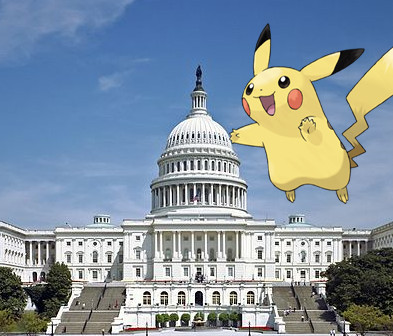
Gotta Deport ‘Em All? How Should Nintendo Respond To Immigrant-Hunting Social Media Post From DHS? – Above the Law

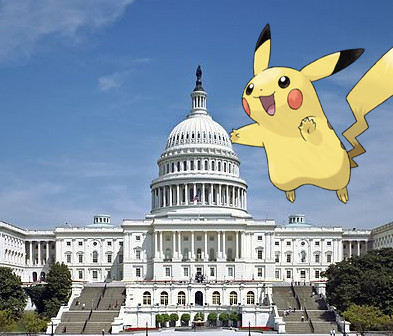
Last
Monday,
the
Department
of
Homeland
Security
(DHS)
posted
a
one-minute
video
on
X
(formerly
Twitter)
and
other
social
media
platforms,
splicing
together
clips
from
the
Pokémon
anime
intro
with
footage
of
border
patrol
agents
arresting
individuals,
all
set
to
the
first
season’s
theme
song.

The
post’s
caption
was
the
famous
tagline
“Gotta
Catch
‘Em
All!”
At
the
video’s
end,
it
displayed
Pokémon
cards
featuring
photos
of
convicted
criminals
facing
potential
deportation.

The
U.S.
Customs
and
Border
Protection
(CBP)
account
replied,
announcing
Pikachu
as
its
newest
recruit.

The
post
quickly
went
viral,
amassing
over
63.7
million
views
on
X
alone,
along
with
more
than
175,000
likes
and
15,000
replies.

Reactions
were
sharply
divided:
some
users
found
it
hilarious
and
praised
its
creativity,
while
others
condemned
it
as
dehumanizing
and
inappropriate,
especially
for
using
a
children’s
franchise
to
promote
immigration
enforcement.

Commenters
from
both
sides
speculated
on
how
Nintendo
would
respond,
given
the
company’s
reputation
for
aggressively
enforcing
its
intellectual
property
rights

evidenced
by
actions
like
issuing

DMCA
takedowns

against
over
8,500
GitHub
repositories
for
the
Yuzu
emulator
in
2024
and
targeting
hundreds
of
fan
games
on
platforms
like

Game
Jolt

in
multiple
waves
since
2016.
As
of
now,
Nintendo
and
The
Pokémon
Company
have
not
issued
any
public
statement
on
the
matter,
despite
requests
for
comment
from
media
outlets.
However,
Nintendo
has
at
least
three
viable
options.

The
first
is
to
do
nothing,
allowing
the
post
to
fade
from
public
attention
as
the
DHS
shifts
to
other
content.
This
approach
aligns
with
the
company’s
low-profile
strategy
on
publicity.

The
second
option
is
to
file
a
formal
copyright
complaint
with
social
media
companies
like
X,
requesting
the
post’s
removal.
While
rights
holders
can
submit
these
directly,
a
surge
of
user
reports
can
also
prompt
action.
Given
Nintendo’s
history,
this
could
be
effective
without
escalating
to
litigation.

The
third
option
is
to
sue
the
federal
government
for
copyright
infringement.
The
U.S.
government
has
waived
sovereign
immunity
for
patent
and
copyright
claims
under
statutes
like
28
U.S.C.
§
1498.
However,
limitations
apply:
the
case
must
be
filed
in
the
U.S.
Court
of
Federal
Claims
(which
lacks
jury
trials),
and
if
a
government
contractor
is
involved,
they
may
have
immunity,
redirecting
the
suit
to
the
government
itself.

So,
what
should
Nintendo
do?
Don
McGowan,
former
chief
legal
officer
for
The
Pokémon
Company,
argued
for
inaction
in
a
statement
to

IGN
:


“I
don’t
see
them
doing
anything
about
this
for
a
few
reasons.
First,
think
of
how
little
you
see
[The
Pokémon
Company
International]’s
name
in
the
press.
They
are
INSANELY
publicity-shy
and
prefer
to
let
the
brand
be
the
brand.
Second,
many
of
their
execs
in
the
USA
are
on
green
cards.
Even
if
I
was
still
at
the
company
I
wouldn’t
touch
this,
and
I’m
the
most
trigger-happy
CLO
I’ve
ever
met.
This
will
blow
over
in
a
couple
of
days
and
they’ll
be
happy
to
let
it.”

While
doing
nothing
might
seem
straightforward,
it
risks
alienating
fans
who
view
it
as
tacit
endorsement
of
the
Trump
administration’s
policies,
potentially
leading
to
backlash.
Moreover,
the
post’s
massive
virality
could
encourage
DHS
to
produce
more
Pokémon-themed
content.

Conversely,
suing
the
government
would
likely
exacerbate
the
situation.
Litigation
is
typically
slow,
costly,
and
could
draw
unwanted
negative
publicity
to
Nintendo.

Filing
a
copyright
complaint
with
social
media
platforms
appears
the
most
balanced
approach.
The
post’s
high
visibility
might
prompt
swift
moderator
action.
There
are

precedents

of
DHS
posts
incorporating
others’
IP
being
removed,
though
it’s
often
unclear
if
this
was
voluntary
or
enforced.

In
deciding,
Nintendo
must
weigh
its
customer
base’s
reactions
amid
ongoing
gaming
culture
wars.
Vocal
factions
include
progressive
“woke”
advocates
and
anti-“woke”
critics
chanting
“go
woke,
go
broke.”
Offending
either
could
spark
boycott
calls,
though
these
groups
often
represent
a
minority.
The
silent
majority
tends
to
prioritize
gameplay
over
politics.

Still,
political
messaging
has
partially
contributed
to
financial
flops,
such
as
Sony’s
Concord

a
hero
shooter
with
an
estimated
development
budget
of
between
$200
million
and
$400
million.
It
sold
only
about
25,000
units
across
PS5
and
PC
before
being
pulled
offline
just
two
weeks
after
its
August
2024
launch
due
to
poor
sales
and
reviews.

Pokémon
remains
the
world’s
highest-grossing
media
franchise,
with
cumulative
revenue
exceeding
$113.7
billion
as
of
2025,
driven
by
games,
cards,
merchandise,
and
more.
It’s
highly
unlikely
Nintendo
would
permit
DHS
to
use
Pikachu
as
a
mascot
or
equate
Pokémon
with
convicted
criminals.
To
preserve
this
brand’s
immense
value,
Nintendo
must
respond

or
not

strategically,
even
if
it
means
tuning
out
the
loudest
voices.


Steven
Chung
is
a
tax
attorney
in
Los
Angeles,
California.
He
helps
people
with
basic
tax
planning
and
resolve
tax
disputes.
He
is
also
sympathetic
to
people
with
large
student
loans.
He
can
be
reached
via
email
at


[email protected]
.
Or
you
can
connect
with
him
on
Twitter
(
@stevenchung)
and
connect
with
him
on 
LinkedIn.

ABA Puts Troubled Law School On Probation Over Its Bar Exam Passage Rates – Above the Law

Passing
the
bar
exam
is
the
ultimate
rite
of
passage
for
would-be
attorneys,
but
for
one
law
school,
bar
exam
passage
rates
continue
to
serve
as
an
albatross,
and
the
American
Bar
Association
has
finally
decided
to
do
something
about
it.

Longtime
Above
the
Law
readers
will
recall
the
trials
and
tribulations

Cooley
Law
School

has
had
with
its
bar
exam
passage
rates,
and
now,
he
ABA
has
officially
placed
the
school
on
probation
over
its
bar
exam
woes.
Specifically,
the
ABA
Section
of
Legal
Education
and
Admissions
to
the
Bar
found
that
the
school
was
out
of
compliance
with
Standard
316,
which
requires
a
passage
rate
of
at
least
75%
within
a
two-year
timeframe.
It
seems
that
Cooley
has
been
out
of
compliance
since
2020,
and
the
ABA
found
that
the
school
failed
to
take
appropriate
action.
In
its
probation
notice,
the
ABA
notes
that
Cooley’s
noncompliance
is
“sufficiently
serious
that
it
raises
concerns
about
the
quality
of
the
student
learning
experience
provided
by
the
Law
School.”

Cooley
Law
was
first
found
to
be
out
of
compliance
with
the
bar
passage
rate
standard
five
years
ago,
and
was
given
two
years
to
make
things
right.

Law.com

has
the
details
on
what
happened
next:

In
2022,
the
council
determined
the
school
was
still
out
of
compliance
and
granted
a
good-cause
extension
of
up
to
three
years.

The
extension
required
the
law
school
to
submit
a
plan
to
come
into
and
remain
in
compliance
and
“make
the
significant
financial
investment
it
has
pledged
to
implement”
in
its
plan,
according
to
the
notice.

During
its
August
meeting,
however,
the
council
found
Cooley
had
not
made
the
required
improvements.

The
council
of
the
ABA
Section
of
Legal
Education
and
Admissions
to
the
Bar
has
found
Western
Michigan
University’s
Thomas
M.
Cooley
Law
School
to
be
not
compliant
with
law
school
accreditation
standards.

From
2018
to
2022,
Cooley
Law’s
bar
passage
rates
have
ranged
from
62.3%
to
57.4%,
with
2022’s
passage
rate
being
the
lowest
among
all
ABA-accredited
law
schools.

Dean
James
McGrath
told
the
ABA
Journal
he
was
“surprised”
that
the
school
had
been
placed
on
probation.
“While
we
cannot
predict
the
future,
Cooley
is
confident
that
when
the
nationwide
results
of
the
July
2025
bar
examination
are
known,
Cooley
will
be
able
to
definitively
prove
compliance
with
Standard
316,”
he
said.
“Our
program
is
solid,
and
our
improved
bar
exam
results
are
just
one
metric
to
prove
it.”

Cooley
Law
will
make
its
case
before
the
ABA
in
February
2026

and
hopefully,
this
is
a
test
the
school
is
able
to
pass.


Cooley
Law
School
found
noncompliant
with
ABA
accreditation
standard

[ABA
Journal]


ABA
Places
Cooley
Law
School
on
Probation
Over
Low
Bar
Pass
Rates

[Law.com]


Staci Zaretsky


Staci
Zaretsky
 is
the
managing
editor
of
Above
the
Law,
where
she’s
worked
since
2011.
She’d
love
to
hear
from
you,
so
please
feel
free
to

email

her
with
any
tips,
questions,
comments,
or
critiques.
You
can
follow
her
on BlueskyX/Twitter,
and Threads, or
connect
with
her
on LinkedIn.