U.S. Appeals Court Denies Pauline Newman’s Bid To Challenge Suspension – Above the Law

(Photo
by
Bill
O’Leary/The
Washington
Post
via
Getty
Images)

Pauline
Newman’s
saga
of
keeping
her
enemies
closer
continues.
Despite
proving
her
capability
with

numerous
mental
evaluations
,

Supreme
Court
affirmations

and

highly
visible
lectures
on
the
intricacies
of
IP
,
the
US.
Court
of
Appeals
has
maintained
that
she
is
unable
to
perform
her
duties
because
of
her

heart
attack

failure
to
submit
to
their
cherry
picked
means
of
evaluation.
Newman
has
since
made
repeated
attempts
to
appeal,
her
most
recent
one
was
heard
by
a
U.S.
appeals
court.

Reuters

has
coverage:

A
U.S.
appeals
court
on
Friday
denied
a
bid
by
U.S.
Circuit
Judge
Pauline
Newman
to
reinstate
a
lawsuit
challenging
her
suspension
from
serving
on
the
U.S.
Court
of
Appeals
for
the
Federal
Circuit,
where
she
had
heard
cases
since
1984.

A
three-judge
panel
of
the
U.S.
Court
of
Appeals
for
the
District
of
Columbia
Circuit
rejected
Newman’s
argument
that
the
law
governing
her
suspension
was
unconstitutional.

Responding
to
the
ruling,
Newman
appears
more
adamant
than
ever
about
her
cause:

“The
issues
of
judicial
independence
that
are
at
stake
here
seem
to
loom
larger
and
larger
with
each
decision
adverse
to
me,”
Newman
said.
“I
just
don’t
see
how,
in
good
conscience,
I
can
walk
away
from
this,
no
matter
how
fed
up
I
am
with
everything
that’s
going
on.”

A
small
silver
of
hope
is
that
panel

in
about
the
most
“this
is
bullshit
but
what
can
you
do
shrug
emoji”
way
that
a
judicial
panel
could
acknowledge
that
their
hands
are
forced
in
an
opinion,
had
this
to
say:

[E]ven
though
Newman
had
raised
“important
and
serious”
constitutional
questions
about
her
treatment,
it
could
only
consider
her
challenge
to
the
law
governing
judicial
suspensions,
and
that
“any
recourse
for
Judge
Newman
must
come
from
a
judicial
council
or
from
the
Judicial
Conference.”

Newman
has
no
plans
to
stop.
Let’s
hope
that
the
U.S.
Court
of
Appeals
for
the
Federal
Circuit
changes
their
opinion
before
she
rings
in
her
centennial;
I
doubt
she’s
going
anywhere
soon.


98-YearOld
US
Appeals
Judge
Loses
Bid
To
Revive
Lawsuit
Over
Her
Suspension


Earlier
:

U.S.
Appeals
Court
Renews
Judge
Pauline
Newman’s
Suspension


Pauline
Newman
Speaks:
ATL
Interviews
The
Judge
Who’s
Fighting
To
Do
Her
Job


D.C.
Circuit
Judge
Panel
Uses
Pauline
Newman
Oral
Argument
To
Flesh
Out
Advisory
Opinion
On
Comatose
Judges


Chris
Williams
became
a
social
media
manager
and
assistant
editor
for
Above
the
Law
in
June
2021.
Prior
to
joining
the
staff,
he
moonlighted
as
a
minor
Memelord™
in
the
Facebook
group Law
School
Memes
for
Edgy
T14s
.
 He
endured
Missouri
long
enough
to
graduate
from
Washington
University
in
St.
Louis
School
of
Law.
He
is
a
former
boatbuilder
who
is
learning
to
swim, is
interested
in
critical
race
theory,
philosophy,
and
humor,
and
has
a
love
for
cycling
that
occasionally
annoys
his
peers.
You
can
reach
him
by
email
at [email protected]
and
by
tweet
at @WritesForRent.
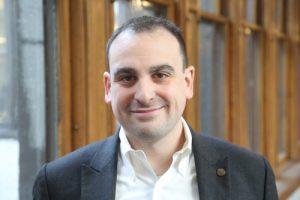
How Litera Is Building Deeper Lawyer-Client Relationships – Above the Law

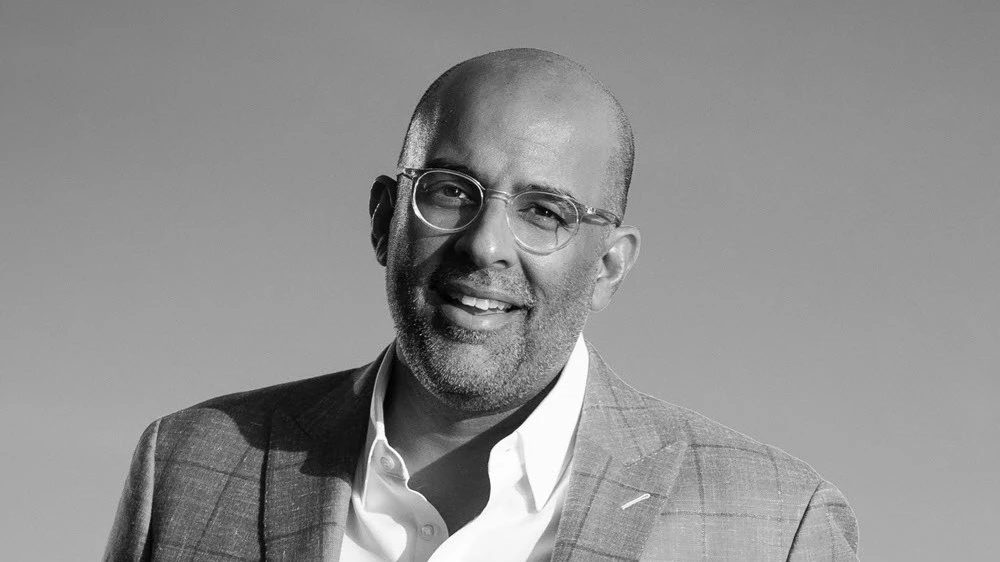
Litera
CEO
Avaneesh
Marwaha

It’s
long
been
a
mantra
in
legal
tech:
“Streamline
the
mundane
tasks
so
lawyers
can
better
focus
on
high-level
work.”

Indeed,
attendees
at
this
year’s
ILTACON

saw
just
how
far
the
industry
has
come

in
this
regard,
with
forward-thinking
technology
featured
throughout. 

For
Litera’s
CEO
Avaneesh
Marwaha,
however,
these
types
of
technology
will
be
table
stakes
for
a
modern
law
firm. 

Without
revenue
growth,
the
efficiency
gains
could
even
threaten
profitability
and
utilization
rates. 

Ironically,
then,
lawyers
looking
to
differentiate
themselves
in
a
high-tech
era
will
need
to
get
back
to
the
basics. 

“The
more
time
lawyers
spend
with
their
clients
and
less
in
front
of
a
computer
screen,
I
think
that’s
better,”
he
said.
“That’s
just
better
for
society
and
better
for
where
we
want
to
go.”

Marwaha’s
remarks
came
during
a
company
update
for
Litera
during
lLTACON,
where
he
was
joined
by
Microsoft’s
WW
Strategy
and
Business
Ops
Leader
Gbenga
Ige
and
Litera’s
Chief
Product
Officer
Adam
Ryan.  

Speakers
at
the
event
outlined
how
technology
can
go
beyond
enabling
efficiency
gains
and
truly
help
modern
law
firms
increase
top-line
revenue,
while
detailing

Litera’s
flurry
of
new
product
releases. 

Here
are
some
takeaways
from
the
presentation. 


There’s
Tough
Competition 

For
large
firms
in
particular,
advances
in
legal
technology
have
brought
about
a
difficult
competitive
landscape.

A
partner
could
leave
with
a
few
associates
and
start
a
competitor
firm
with
the
help
of
technology,
for
example. 

“Those
weren’t
situations
that
we
had
a
while
ago,”
Marwaha
said.
“So
how
are
you
going
to
build
a
firm
that
is
competitive
for
the
long-term
and
not
just
the
short
term?”

To
remain
competitive,
particularly
as
legal
work
becomes
more
streamlined,
law
firms
must
grow
their
revenue. 

The
good
news
is
that
there’s
a
lot
of
room
for
improvement
in
this
area. 

At
most
law
firms,
cross-selling
just
isn’t
happening,
Marwaha
said. 

He
recalled
his
own
past
experience
with
outside
counsel
who
neglected
to
reach
out
about
potential
compliance
work
after
advising
his
company
on
a
major
transaction. 

“There’s
so
much
unmet
work
sitting
out
there
that
if
your
partners
just
did
something
about
that,
you
would
naturally
grow
your
top-line
revenue,”
he
said. 


Client
Service
Is
Key

This
type
of
business
development
goes
hand-in-hand
with
a
focus
on
client
service. 

“We’ve
been
thinking
about
defining
what
our
belief
system
is
for
this
industry,
and
it’s
this
idea
of
‘maniacal
client
service,’”
Marwaha
said.
“This
is
a
mirror
of
how
we
view
ourselves
today.”

Everyone
at
Litera
is
mandated
to
utilize
AI.
But
it’s
being
used
to
improve
customer
service,
as
opposed
to
a
primary
focus
on,
say,
profitability. 

Law
firms
that
take
a
similar
tack
will
deepen
their
client
relationships
and
grow
their
revenue
as
a
result,
Marwaha
said. 

“Essentially,
what
you
want
to
do
is
focus
on
relationship-building,”
he
said.
“I
think
lawyers
and
partners
should
spend
their
time
with
their
clients.
I
think
that’s
smart.” 

“It’s
not
just
thinking
about
automation
day
in
and
day
out.”


Tech
Is
a
Differentiator

So
how
can
tech
enable
deeper
client
relationships?

Litera’s
focus
on
delivering
the
right
data,
in
the
right
place,
at
the
right
time
will
deliver
this
result,
Marwaha
said. 

Litera
One
operates
directly
within
the
Microsoft
ecosystem,
eliminating
the
need
to
juggle
between
products.
It
prioritizes
proprietary
firm
data
gathered
in
its
Foundation
system,
and
the
Peppermint
CRM
solution
integrates
with
Microsoft
for
client
outreach. 

Marwaha
gave
the
example
of
a
law
firm
partner
receiving
an
email
asking
how
much
experience
a
firm
has
in
a
particular
type
of
matter. 

“How
is
that
question
answered
today?”
he
said.
“Does
the
partner
just
guess?
Do
you
go
ask
someone?
How
do
you
get
that
information?”

Litera
One,
by
contrast,
will
proactively
provide
an
answer
to
that
question,
right
within
Outlook.
It
does
this
by
using
artificial
intelligence
and
experience
data
gathered
within
the
Foundation
system.  

“We
can
now
give
you
that
information
as
an
email
comes
in,”
Marwaha
said.
“So
that,
to
me,
is
the
right
data
at
the
right
place
at
the
right
time.” 


Litera
Is
All-In
on
Microsoft

Marwaha
described
the
Microsoft
ecosystem
as
the
most
safe
and
secure
way
to
conduct
professional
work. 

“Why
go
against
the
leading
company
in
the
space?”
he
said. 

“Everything
that
we
do
is
safe
and
secure
and
built
on
Microsoft.
I’m
so
committed
to
that
right
now,”
he
said.


Evaluating
Your
Firm

Curious
to
see
Litera
One
in
action?
Discover
how
the
industry’s
first
fully
connected
legal
workflow
solution
can

transform
your
practice
here
.

To
explore
some
of
Litera’s
other
groundbreaking
solutions
trusted
by
99%
of
the
AmLaw
100
and
75%
of
the
legal
industry
worldwide,
you
can

book
a
demo
here.
 

If
you’d
like
to
see
the
full
company
update,

you
can
view
it
here.


Jeremy
Barker
is
the
director
of
content
marketing
for
Breaking
Media.
Feel
free
to email
him
 with
questions
or
comments
and
to connect
on
LinkedIn
.

Regulatory Shift Paves Way for AI-Driven Heart Disease Diagnosis – MedCity News

In
his
new
book,


Super
Agers:
An
Evidence
Based
Approach
to
Longevity
,
renowned
cardiologist

Eric
Topol

highlights
a
revolutionary
development
in
heart
disease
prevention:
the
use
of
AI
to
predict
an
individual’s
risk
of
a
fatal
heart
attack
years
before
symptoms
occur.
As
Dr.
Topol
notes,
AI-enhanced
imaging
of
the
fat
surrounding
the
coronary
arteries
now
enables
doctors
to
see
inflammation,
the
previously
invisible
underlying
driver
of
heart
attacks
and
stroke.  

Topol
predicts
American
cardiologists
will
soon
use
these
AI 
tools
to
identify
high-risk
individuals
long
before
conventional
methods
detect
disease,
potentially
saving
tens
of
thousands
of
lives. 

How
radical
is
this
development?
Just
consider.
For
decades,
our
approach
to
coronary
artery
disease
(CAD)
has
revolved
around
identifying
and
treating
blockages
in
coronary
arteries

visible
obstructions
to
blood
flow,
such
as
plaque.
But
recent
advances
in
medical
research
and
technology
are
driving
a
fundamental
reassessment
of
this
approach.
We
now
know
that
the
initial
driver
of
heart
attacks
and
strokes
is
not
plaque
alone
but
rather
plaque
in
combination
with
inflammation
of
the
coronary
arteries.
And
new
anti-inflammatory
drugs
provide
a
proven
treatment
for
the
condition.

Despite
this
understanding,
“the
cardiovascular
community
has
not
moved
on
to
change
practice,
acknowledging
our
ability
to
detect
inflammation
and
to
do
something
about
it,”
writes
Topol. 

Mostly
that’s
because
we
have
lacked
the
technology
to
diagnose
and
quantify
inflammation
in
the
coronary
arteries. 

That’s
finally
beginning
to
change.
As
Topol
points
out,
thanks
to
breakthroughs
in
AI
that
enable
the
visualization
of
inflammation
on
standard
CT
scans,
and
significant
new
regulatory
changes,
the
U.S.
is
on
the
cusp
of
integrating
the
diagnosis
of
coronary
inflammation
into
routine
clinical
practice. 

If
the
approach
is
eventually
widely
adopted,
as
Topol
foresees,
the
result
will
be
a
sea-change
in
cardiovascular
medicine,
enhancing
not
only
patient
outcomes
but
how
we
diagnose
and
manage
CAD.


Inflammation:
The
invisible
driver
of
heart
disease

Cardiologists
have
long
understood
that
coronary
inflammation
is
a
key
driver
of
both
plaque
formation
and
instability
leading
to
blockages
and
heart
attacks.
Yet
our
diagnostic
tools
have
focused
only
on
identifying
obstructions
rather
than
the
underlying
inflammation.
And
for
good
reason.
Traditional
stress
tests
and
nuclear
imaging
are
great
when
it
comes
to
assessing
arterial
blockages
but
cannot
measure
the
inflammatory
response
behind
the
physical
symptoms. 

An
important
example
of
this
limitation
turned
up
in
a
major
study
in


The
Lancet
.
Researchers
examined
cardiac
CT
scans
from
40,000
patients
and
found
that
only
one-third
of
cardiac
events
over
the
next
seven
years
happened
to
those
with
obstructive
CAD. 

In
other
words,
two-thirds
of
patients
were
sent
home
believing
they
were
at
low
risk
for
a
heart
attack,
only
to
suffer
one
in
the
next
few
years. 

The
study
highlights
the
vast
unmet
need
for
diagnostic
tools
to
detect
silent
coronary
inflammation,
which
precedes
the
development
of
obstructive
CAD.


Technological
breakthroughs:
AI
and
cardiac
inflammation

The

Lancet

study
took
advantage
of
pioneering
research
by
a
team
of
cardiologists
from
the
University
of
Oxford.
In
2017,
Charalambos
Antoniades,
Professor
of
Cardiovascular
Medicine
at
Oxford,
introduced
the

Fat
Attenuation
Index
(FAI)
,
a
method
for
detecting
coronary
inflammation
in
cardiac
CT
scans
by
analyzing
the
perivascular
fat
that
surrounds
arteries.
Subsequent
research

including
the
aforementioned
Lancet
study

has
provided
definitive
proof
that
the
FAI
Score
can
accurately
predict
patient
risk
up
to
a
decade
in
advance.

The
practical
application
of
this
knowledge
is
just
beginning.
Several
AI
solutions
visualize
plaque
on
CT
scans

but
none
yet
approved
by
the
FDA
can
visualize
inflammation,
which
would
enable
a
far
more
complete
view
of
arterial
plaque
burden
than
was
previously
possible.
Research
by
the
Oxford
team
led
to
the
development
of
the
world’s
first
AI
capable
of
visualizing
coronary
inflammation.
Already
approved
for
use
in
the
UK,
EU,
and
Australia,
this
technology
is
currently
awaiting
FDA
clearance
in
the
United
States. 


Regulatory
changes
clear
the
way
for
clinical
adoption

Along
with
advances
in
technology,
widespread
clinical
adoption
is
supported
by
the
development
of
new
regulatory
and
reimbursement
frameworks.
Two
recent
policy
changes
in
the
U.S.
have
set
the
foundation
for
integrating
AI-powered
inflammation
analysis
into
routine
practice:

The
American
Medical
Association
released
a
new
Category
3
CPT
code
for
billing
and
reimbursement:
Beginning
in
2026,
this
code
will
allow
providers
to
bill
for
the
use
of
AI
in
analyzing
cardiac
CT
scans
for
the
presence
of
coronary
inflammation,
ensuring
that
hospitals
and
clinics
have
financial
incentives
to
adopt
the
technology.

Also
beginning
in
2026,
the
Centers
for
Medicare
&
Medicaid
Services
(CMS)
will
nearly
double
current
reimbursement
for
cardiac
CT
scans.
That
will
enable
healthcare
providers
to
prioritize
CT-based
diagnostics
over
traditional
stress
tests,
which
have
shown
significant
limitations
in
predicting
cardiovascular
risk.

Together,
these
regulatory
changes
are
already
accelerating
the
transition
toward
inflammation-focused
diagnostics,
ensuring
that
more
patients
benefit
from
the
new
AI
analysis
of
CT
imaging.


A
new
standard
in
cardiovascular
care

These
changes
have
profound
implications.
The
primary
reason
heart
disease
remains
the
leading
global
killer
is
our
inability
to
identify
high-risk
individuals
before
they
suffer
major
cardiac
events.
Now,
with
the
ability
to
measure
coronary
inflammation
through
AI-enhanced
CT
scans
and
to
more
accurately
determine
a
person’s
risk
of
heart
attack,
we
can
intervene
earlier
and
more
effectively.
This
represents
a
tremendous
shift
in
how
we
detect
and
prevent
heart
attacks.

Now,
patients
can
receive
earlier
interventions
and
improved
prevention,
reducing
the
risk
of
sudden
cardiac
events.
Physicians
finally
have
a
tool
that
goes
beyond
detecting
blockages
to
assess
the
full
spectrum
of
heart
disease
risk.
And
our
healthcare
system
can
dramatically
reduce
the
financial
burden
of
cardiovascular
disease
by
proactively
preventing
major
acute
cardiovascular
events.

What
once
seemed
like
a
theoretical
concept

that
coronary
inflammation
could
be
visualized
and
measured

has
now
become
a
key
to
driving
preventive
care.
With
clinically
proven
AI-powered
diagnostics
and
expanded
reimbursement
policies,
cardiovascular
medicine
is
entering
a
new
era. 

The
next
challenge
is
to
ensure
these
innovations
are
rapidly
adopted
and
made
available
to
the
millions
of
patients
who
can
benefit
from
them.


Author
bio:


Frank
Cheng

is
CEO
of

Caristo
Diagnostics
.
Over
the
last
20
years
he
has
led
multiple
digital
health
companies.
Frank
previously
led
two
venture-backed
companies
as
CEO
and
held
executive
positions
with
GE,
Roche,
Hillrom,
and
Stereotaxis.
Prior
to
Caristo,
he
was
President
and
Chief
Commercial
Officer
of
a
diagnostic
company
with
autonomous
AI
technology
that
was
FDA-cleared,
Medicare-reimbursed,
supported
by
a
new
Category
1
CPT
code,
and
adopted
around
the
world.


Image:
Magicmine,
Getty
Images

What If Inflation Is The Big Issue In 2026? – Above the Law

Is
it
possible
that
inflation
will
be
the
big
issue
in
2026?

Inflation
was
certainly
a
big
issue
in
2024,
and
it
played
against
the
Democrats. Might
inflation
now
play
against
the
Republicans?

I’m
thinking
primarily
of
the
price
of
essentials: food
and
electricity. I
suspect
that
the
price
of
food
will
go
up
noticeably
between
now
and
the
middle
of
next
year. The
Trump
administration
is
deporting
people
left
and
right. Many
of
those
people
are
farmworkers. If
you
get
rid
of
a
lot
of
farmworkers,
one
of
two
things
happens: Either
vegetables
rot
in
the
fields
or
farmers
pay
more
to
attract
employees
to
harvest
the
crop.

If
vegetables
are
unnecessarily
rotting,
prices
are
going
up. If
farmers
are
paying
more
to
harvest
the
crop,
prices
are
going
up.

Inflation.

At
the
same
time,
Trump
is
imposing
massive
tariffs
on
food
that
we
import
from
other
countries. Trump
is,
for
example,
charging
about
17%
tariff
 on
Mexican
tomatoes. He’s
imposing
50%
tariff
 on
beef
from
Brazil. He’s
even
imposed
a
15%
tariff
on
French
wines,
although,
in
less
trying
times,
wine
is
not
quite
as
essential
as
tomatoes
and
beef.

These
tariffs
are
foolish

we’re
not
protecting
essential
American
industries
by
raising
the
price
of
food

but
that’s
not
my
point. The
combination
of
deporting
the
farm
workforce
and
imposing
tariffs
on
imported
food
is
basically
guaranteed
to
inflate
grocery
prices
over
the
coming
six
months.

Couple
that
with
a
likely
increase
in
electricity
prices. Demand
for
energy
is
skyrocketing. Training
artificial
intelligence
models
requires
running
thousands
of
processors
to
perform
complex
computations
for
weeks
or
months. This
massive
demand
for
electricity
is
already
straining
the
grid,
and
the
boom
in
artificial
intelligence
is
just
starting. The
Trump
administration
is
simultaneously
doing
everything
possible
to
strangle
new
sources
of
energy. Trump
has
suspended
issuing
permits
for
wind
and
solar
projects
on
public
land. He’s
eliminated
investment
tax
credits
that
previously
supported
alternative
energy
sources. And
the
Interior
Department
now
engages
in
burdensome,
multilevel
reviews
of
new
alternative
energy
projects,
delaying
the
approval
process.

You
can
“drill,
baby,
drill”
as
much
as
you
like,
but
it’s
hard
to
replace
the
renewable
energy
sources
that
have
accounted
for
much
of
the
recent
growth
in
electric-generating
capacity.

If
I’m
right,
and
the
cost
of
both
food
and
electricity
is
about
to
increase,
won’t
this
become
a
political
issue? And
shouldn’t
Democrats
be
delighted?

After
all,
Trump
made
the
price
of
eggs
a
huge
issue
in
the
2024
campaign,
proposed
no
policies
that
might
actually
reduce
those
prices,
and
won
office. Democrats
could
note
the
increased
cost
of
essentials
and
actually
propose
policies
that
would
change
things

eliminate
tariffs
on
food
(at
least),
restore
sanity
to
the
deportation
process,
and
revive
government
support
for
renewable
energy.

That
is,
quite
literally,
a
kitchen-table
issue.
It
should
play
with
all
but
the
very
rich,
who
are
basically
immune
to
price
increases.
Perfect!

But
Democrats
must
then
avoid
alienating
swing
voters
who
probably
disagree
with
the
far
left
on
social
issues.
Don’t
insist,
as
Democrats
did
during
the
primaries
in
2020,
that
America
should
essentially
have
open
borders.
Instead,
agree
with
Republicans
that
a
country
must
control
its
borders
and
criticize
only
the
way
in
which
Trump
has
gone
about
deporting
innocent
multitudes
without
due
process.
Don’t
insist
that
boys
who
have
passed
puberty
should
be
allowed
to
transition
and
then
compete
in
girls’
sports.
Instead,
explain
that
we
should
not
discriminate
against
anyone
but,
for
reasons
of
fairness,
we
simply
cannot
permit
biological
males
to
compete
against
biological
females.
In
this
situation,
we
must
discriminate
against
either
women
or
trans
women,
depending
on
what
we
decide.
On
this
one
issue,
trans
women
lose.
Don’t
insist,
as
Democrats
did
in
2020,
that
we
should
defund
the
police.
People
don’t
like
crime;
talk
about
ways
to
improve,
rather
than
starve,
law
enforcement.

If
economics
holds
true,
food
(and
energy)
prices
should
be
shooting
up
like
a
cornstalk
next
summer.
Democrats
should
focus
on
that
nonpartisan
pocketbook
issue
in
an
effort
to
win
back
the
House
of
Representatives.


Mark Herrmann spent
17
years
as
a
partner
at
a
leading
international
law
firm
and
later
oversaw
litigation,
compliance
and
employment
matters
at
a
large
international
company.
He
is
the
author
of 
The
Curmudgeon’s
Guide
to
Practicing
Law
 and Drug
and
Device
Product
Liability
Litigation
Strategy
 (affiliate
links).
You
can
reach
him
by
email
at 
[email protected].

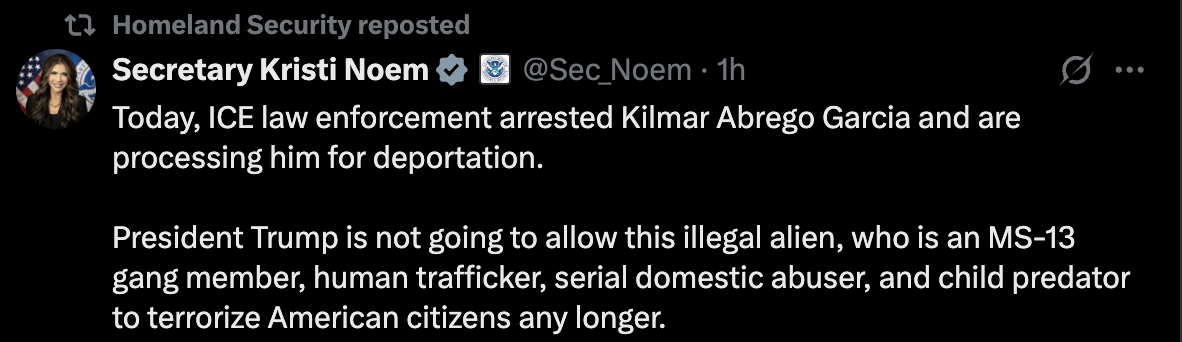
Abrego Garcia Being Wrongfully Deported AGAIN Because Trump Admin Too Scared To Go To Court – Above the Law

(Photo
by
Nathan
Posner/Anadolu
via
Getty
Images)

The
Trump
administration’s
haphazard
deportation
scheme
sent
Kilmar
Abrego
Garcia
to
an
El
Salvadoran
slave
prison…
by
accident.
OOPS!
After
a
federal
lawyer
was
forced
to
admit
the
mistake

because
he
didn’t
want
to
lie
to
the
court

the
administration
promptly
fired
the
attorney.
The
Supreme
Court
unanimously
ordered
the
government
to
bring
Abrego
Garcia
back
to
the
United
States,
which
the
administration
tried
to
lie
about


possibly
with
AI
hallucinated
misquotes


before
eventually
giving
in
and
bringing
him
back
to
the
United
States
and
charging
him
with
human
trafficking
in
Tennessee.

But
the
Tennessee
charges
were
sufficiently
flimsy
that
the
government
couldn’t
prove
a
compelling
reason
to
keep
Abrego
Garcia’s
in
custody
and
the
judge
ordered
his
release
pending
trial.
He
returned
to
Maryland
where
he
would
be
subject
to
ICE
supervision
under
his
pre-existing
status.

Pursuant
to
that
order,
he
showed
up
for
his
check-in
today
and
got
arrested.
According
to
the
official
Homeland
Security
X
account,
Abrego
Garcia
“will
be
processed
for
removal
to
Uganda,”
a
country
where
he
has
no
ties
at
all,
but
presumably
they’ve
bought
Trump
Memecoin
or
something.

A
humble
suggestion:
if
he’s
“an
MS-13
gang
member,
human
trafficker,
serial
domestic
abuser,
and
child
predator,”
then
FUCKING
PROVE
IT.
If
this
guy
is
Hannibal
Lecter
in
a
Bulls
hat,
then
it
shouldn’t
be
hard,
armed
with
the
awesome
power
of
the
Department
of
Justice,
to
stop
being
so
chickenshit
and
go
secure
a
conviction!

But
there’s
a
reason
Noem
and
her
department
are
so
committed
to
trying
Abrego
Garcia
exclusively
in
the
court
of
“Elon
Musk’s
Home
for
Wayward
Bots
And
Racists
(And
Racist
Bots!).”
They’ve
got

nothing
.
The
only
smoking
gun
these
Keystone
Kops
managed
to
come
up
with
was
a
tattoo
and
they
even
had
to
invent
fake
captions
to
make
that
look
incriminating.
Total
amateur
hour.
They
showed
up
to
court
with
their
proverbial
genitals
in
their
hands
and
when
the
judge
refused
to
go
along
absent
any
evidence,
Homeland
Security
tossed
a
dart
at
a
map
and
decided
to
send
him
to
Uganda.

They’re
too
chickenshit
to
go
back
to
court,
so
they’re
dumping
Abrego
Garcia
in
Uganda
and
hoping
everyone
forgets
about
him.
The
Supreme
Court’s
original
order
demanding
his
return
provided
few
details
about
how
each
justice
saw
the
case,
but
did
focus
on
the
administration
overlooking
a
preexisting
order
forbidding
his
deportation
to
El
Salvador.
While
the
substance
of
his
case
hasn’t
really
changed
in
the
meantime,
the
administration
hopes
that
a
majority
of
the
Supreme
Court
would
be
willing
to
toss
their
concerns
about
due
process
and
leave
it
at
“Uganda
is
not
El
Salvador,
so
no
harm
no
foul.”

The
only
advantage
of
the
unchecked
expansion
of
executive
authority
right
now
is
that
the
next
president,
assuming
they
actually
get
in
office
by
2029,
should
face
no
obstacles
to
systematically
firing
and
prosecuting
everyone
involved
in
this
disgrace.

Meanwhile,
Abrego
Garcia
is
going
to
be
treated
like
a
Carmen
Sandiego
prop,
shipped
from
country
to
country
in
the
hope
that
people
stop
asking
why
the
Trump
administration
are
too
scared
to
go
into
a
courtroom.


Earlier
:

Kristi
Noem
Thinks
Habeas
Corpus
Is
A
Deportation
Spell


DOJ
Makes
Up
Fake
Supreme
Court
Quote
About
Deportation
Hoping
No
One
Notices


HeadshotJoe
Patrice
 is
a
senior
editor
at
Above
the
Law
and
co-host
of

Thinking
Like
A
Lawyer
.
Feel
free
to email
any
tips,
questions,
or
comments.
Follow
him
on Twitter or

Bluesky

if
you’re
interested
in
law,
politics,
and
a
healthy
dose
of
college
sports
news.
Joe
also
serves
as
a

Managing
Director
at
RPN
Executive
Search
.

Of Course Trump Is Appealing His Final Biglaw Executive Order Loss – Above the Law

(Photo
by
Win
McNamee/Getty
Images)

Donald
Trump’s efforts
to
defend
the

executive
orders
targeting
Biglaw
firms
that
have
earned
his
ire
 are
loser
cases.
Four
different
district
court
judges
from across
the
political
spectrum
 have
all
ruled
that
EOs
aimed
at Perkins
Coie
, Jenner
&
Block
WilmerHale,
and Susman
Godfrey
,
respectively,
are
unconstitutional
on
a
variety
of
grounds.
Yet,
the
administration
is appealing
the
Jenner
&
Block
case
,
and
the

WilmerHale

case,
and
the

Perkins
Coie
one

too.
So,
not
terribly
surprising
that,
on
Friday,
the
Department
of
Justice
filed
an
appeal
in
the
fourth
Biglaw
EO
case

the
one
targeting
Susman
Godfrey.

Susman’s
spokesperson
came
out
swinging
in
response
to
the
appeal,
saying,
“The
courts
have
spoken
clearly
and
decisively:
the
administration’s
executive
orders
targeting
law
firms
violate
the
Constitution
and
undermine
Americans’
right
to
choose
a
lawyer
without
fear.
Susman
Godfrey
challenged
this
order
because
we
believe
in
the
rule
of
law.
That
belief
continues
to
guide
us
as
we
fight
the
administration’s
unwarranted
appeal
and
continue
to
defend
the
rights
of
our
clients
and
our
colleagues.”

But
the
rub
is
that
the
Supreme
Court
is

disturbingly
willing

to
eschew
legal
norms
and
bend
over
backwards
for
Trump,
so
what
should
be
an
easy
call
at
the
High
Court
becomes
an
open
question.
And

Trump
is
hoping
to
capitalize
on
that

and
is
pushing
to
get
in
front
of

his
favorite
justices
.
These
EOs
are
pretty
obviously
an
affront
to
legal
institutions
and
the
very
rule
of
law —
let’s
hope
the
majority
of
the
Court
sees
that
too.


Kathryn
Rubino
is
a
Senior
Editor
at
Above
the
Law,
host
of

The
Jabot
podcast
,
and
co-host
of

Thinking
Like
A
Lawyer
.
AtL
tipsters
are
the
best,
so
please
connect
with
her.
Feel
free
to
email

her

with
any
tips,
questions,
or
comments
and
follow
her
on
Twitter

@Kathryn1
 or
Mastodon

@[email protected].

Lawyers Hold Newborn For Ransom In Scheduling Dispute – Above the Law

In
the
grand
tradition
of
turning
every
shred
of
human
decency
into
a
bargaining
chip,
a
motion
in
a
bankruptcy
action
seeks
a
filing
extension
from
the
court
after
the
words
“my
wife
is
in
the
hospital
being
medically
induced
eight
months
into
pregnancy”
were
apparently
met
with:

Sure

but
only
if
you
cave
on
this
other
procedural
demand
we’ve
been
pestering
you
with.

Nothing
says
professionalism
and
collegiality
like
a
hostage
negotiation
with
a
newborn
as
collateral!

Let’s
back
up.

Byju
Alpha

is
a
Chapter
11
proceeding
in
Delaware.
As
the
defendants
prepared
a
reply
for
the
motion
to
dismiss,
Delaware
counsel
learned
that
his
wife’s
pregnancy
required
a
medically
necessary
induction.
Between
hospital
delays,
shuttling
back
and
forth
with
Maternal
Fetal
Medicine,
and
the
whole
“bringing
an
actual
human
life
into
the
world”
thing,
counsel
wasn’t
in
a
position
to
assist
with
the
reply
brief
and
sought
an
extension.
This
is
not
a
frivolous
extension
to
go

watch
football

or

catch
a
baseball
game
.
An
induced,
8-month
pregnancy
is
no
joke.

On
August
18,
counsel
asked
the
other
side
for
another
couple
days
to
get
everything
in
order.
According
to
the
filing,
here’s
what
happened
next.

7.
Plaintiffs’
counsel
replied
to
Defendants’
counsel’s
Request
that
Plaintiffs
would
agree
to
an
extension
if
Defendants’
counsel
would
agree
on
an
omnibus
hearing
for
all
outstanding
motions
in
this
Action

a
proposal
Plaintiffs’
counsel
had
first
made
to
Defendants’
counsel
last
week.

8.
Defendants’
counsel
understood
that
Plaintiffs’
counsel
was
conditioning
its
support
for
the
Request
on
Defendants
providing
them
with
an
answer
concerning
Plaintiffs’
omnibus
hearing
proposal.
Defendants’
counsel
therefore
stated
in
response
that
Defendants
could
not
agree
to
an
omnibus
hearing,
but
that
it
would
make
an
alternative
proposal
to
Plaintiffs
for
the
upcoming
hearings.
In
the
same
email
Defendants’
counsel
thanked
Plaintiffs
for
agreeing
to
the
Request.

9.
Plaintiffs’
counsel
responded
that
it
had
not
agreed
to
Defendant’s
Request,
and
that
it
only
would
do
so
if
Defendants
agreed
to
an
omnibus
hearing.

You’ve
got
to
appreciate
that
counsel
“understood
that
Plaintiffs’
counsel
was
conditioning
its
support,”
but
went
ahead
and
“thanked
Plaintiffs
for
agreeing
to
the
Request.”
You
miss
100
percent
of
the
shots
you
don’t
take.
And,
presumably,
he
thought
providing
opposing
counsel
an
opportunity
to
come
to
their
senses
might
provide
everyone
an
off-ramp.
Instead,
they
doubled
down.

It’s
unclear
who
ordered
this
unprofessional
code
red.
The
other
side
is
represented
by
Quinn
Emanuel,
Kirkland,
and
Young
Conaway.
One
would’ve
hoped
some
lawyer
in
that
triumvirate
would’ve
stepped
up
to
counsel
against
acting
like
douchebags,
but
here
we
are.

Deadlines
matter,
of
course,
but
this
is
not
a
discovery
dispute
where
someone
“forgot”
to
review
a
million
emails.
This
is
the

emergency
birth
of
a
child
.

Judges
shouldn’t
need
to
police
this.
If
I
were
asked
to
waste
my
time
on
an
extension
the
parties
should’ve
worked
out
themselves,
I’d
be
pretty
pissed
to
learn
it
got
held
up
because
one
side
tried
to
use
the
lawyer’s
personal
emergency
as
leverage
to
make
the
client
compromise
their
rights.
According
to
the
docket,
there’s
now
an
omnibus
hearing
scheduled,
but
just
because
everyone
ultimately
agreed
doesn’t
make
it
acceptable
to
condition
the
extension
on
it
in
the
first
place.

This
is
just
asshole
behavior.
This
is
why
no
one
likes
lawyers.

Thankfully,
the
couple’s
second
child
was
born
on
August
16
and
have
already
been
released
from
the
hospital.


(Check
out
the
filing
on
the
next
page…)


HeadshotJoe
Patrice
 is
a
senior
editor
at
Above
the
Law
and
co-host
of

Thinking
Like
A
Lawyer
.
Feel
free
to email
any
tips,
questions,
or
comments.
Follow
him
on Twitter or

Bluesky

if
you’re
interested
in
law,
politics,
and
a
healthy
dose
of
college
sports
news.
Joe
also
serves
as
a

Managing
Director
at
RPN
Executive
Search
.

7 Questions In-House Counsel Must Ask Before Launching An AI Product – Above the Law

Launching
an
AI
product
without
a
rigorous
in-house
review
is
like
sending
a
driverless
car
onto
the
highway
without
checking
the
brakes.
It
might
work
perfectly.
Until
it
doesn’t.

The
most
successful
AI
launches
I’ve
seen
share
a
common
thread:
in-house
counsel
who
know
exactly
what
to
ask
before
anyone
hits
“go.”
These
questions
don’t
just
uncover
compliance
gaps.
They
often
help
shape
the
product
into
something
more
ethical,
more
defensible,
and
more
competitive.

Here
is
the
conversation
every
in-house
lawyer
should
have
with
an
AI
product
before
launch
day.


1.
What
Exactly
Are
You?

Before
you
can
manage
launch
risks,
you
need
a
plain-language
description
of
the
AI
system
itself.
Is
it
generating
new
content
or
making
predictions?
What
decisions
or
outputs
will
it
influence?
What
business
need
is
it
addressing?

Too
often,
in-house
teams
hear
about
“the
AI”
in
vague,
hype-filled
terms.
Without
clarity
on
the
model’s
type
and
scope,
your
launch
strategy
is
shooting
in
the
dark.


2.
Where
Did
You
Learn
This?

Every
AI
has
a
training
history.
You
need
to
know
whether
that
data
came
from
licensed
sources,
open
datasets,
internal
archives,
or
less
reliable
sources
like
mass
web
scraping.

For
an
in-house
launch
review,
data
provenance
is
not
just
a
nice-to-have.
It
is
often
the
hinge
point
in
IP
disputes,
privacy
claims,
and
regulatory
investigations.


3.
Which
Rules
Apply
To
You?

No
AI
product
launches
into
a
legal
vacuum.
It
enters
a
patchwork
of
global
and
sector-specific
laws.
Map
out
every
jurisdiction
where
the
product
will
operate
and
what
each
requires.

Some
frameworks,
like
the
EU
AI
Act,
focus
on
risk
classification.
Others,
like
financial
or
health
care
regulations,
demand
strict
explainability
and
audit
trails.
Knowing
this
before
launch
prevents
costly
redesigns
after
the
fact.


4.
Can
You
Prove
You’re
Fair
And
Accurate?

Before
launching,
confirm
how
the
AI
performs
across
different
demographic
groups
and
scenarios.
If
one
group
consistently
receives
worse
outcomes,
that
is
not
a
mere
technical
issue.
It
is
a
legal
and
reputational
liability.

Your
prelaunch
testing
should
be
designed
to
uncover
problems,
not
to
validate
optimistic
assumptions.


5.
Can
You
Explain
Yourself?

If
you
can’t
explain
how
an
AI
reached
its
decision,
be
prepared
for
skepticism
from
regulators,
courts,
and
your
own
executives.
Black-box
models
might
be
fine
for
recommending
playlists,
but
they
won’t
survive
scrutiny
in
hiring,
lending,
or
health
care
contexts.

In-house
counsel
should
ensure
transparency
plans
are
in
place
before
launch,
including
technical
documentation
for
auditors,
plain-language
summaries
for
users,
and
thorough
internal
records.


6.
Who
Owns
The
Output
And
The
Data
Trail?

Ownership
and
governance
questions
should
never
be
left
until
after
launch.
Who
controls
the
AI’s
outputs?
Can
they
be
reused,
sold,
or
licensed?
How
is
input
data
stored,
and
for
how
long?

If
external
vendors
are
involved
in
the
launch
process,
confirm
their
contractual
obligations
align
with
your
company’s
risk
tolerance
and
compliance
requirements.


7.
What’s
The
Plan
When
Something
Goes
Wrong?

Even
the
most
carefully
prepared
launch
will
encounter
surprises.
The
question
is
not
whether
your
AI
will
make
an
error,
but
how
your
in-house
team
will
respond.

A
solid
launch
plan
includes
escalation
protocols,
predrafted
regulatory
responses,
designated
decision-makers,
and
clear
user
communication
strategies.
These
should
be
tested
before
they
are
needed.


Final
Check
Before
You
Launch

If
your
in-house
team
can
confidently
answer
all
seven
questions,
your
AI
product
is
far
more
likely
to
launch
smoothly
and
stay
out
of
trouble.
If
not,
the
smartest
move
may
be
to
pause
and
fix
the
gaps
before
they
become
public
or
legal
crises.

For
in-house
counsel,
these
questions
are
not
about
slowing
innovation.
They
are
about
launching
responsibly,
building
trust,
and
ensuring
your
AI
can
survive
legal
scrutiny,
market
pressure,
and
the
unpredictable
nature
of
machine
learning.

When
in-house
lawyers
lead
with
the
right
questions,
the
launch
conversation
shifts
from
“Can
we
do
this?”
to
“How
do
we
do
this
well?”


Olga
V.
Mack
 (Opens
in
a
new
window) is
the
CEO
of 
TermScout (Opens
in
a
new
window),
an
AI-powered
contract
certification
platform
that
accelerates
revenue
and
eliminates
friction
by
certifying
contracts
as
fair,
balanced,
and
market-ready.
A
serial
CEO
and
legal
tech
executive,
she
previously
led
a
company
through
a
successful
acquisition
by
LexisNexis.
Olga
is
also
Fellow
at
CodeX,
The
Stanford
Center
for
Legal
Informatics
 (Opens
in
a
new
window),
and
the
Generative
AI
Editor
at
law.MIT.
She
is
a
visionary
executive
reshaping
how
we
law—how
legal
systems
are
built,
experienced,
and
trusted.
Olga 
teaches
at
Berkeley
Law
 (Opens
in
a
new
window),
lectures
widely,
and
advises
companies
of
all
sizes,
as
well
as
boards
and
institutions.
An
award-winning
general
counsel
turned
builder,
she
also
leads
early-stage
ventures
including 
Virtual
Gabby
(Better
Parenting
Plan)
 (Opens
in
a
new
window), 
Product
Law
Hub
 (Opens
in
a
new
window), 
ESI
Flow
 (Opens
in
a
new
window),
and 
Notes
to
My
(Legal)
Self
 (Opens
in
a
new
window),
each
rethinking
the
practice
and
business
of
law
through
technology,
data,
and
human-centered
design.
She
has
authored 
The
Rise
of
Product
Lawyers
 (Opens
in
a
new
window), 
Legal
Operations
in
the
Age
of
AI
and
Data
 (Opens
in
a
new
window), 
Blockchain
Value
 (Opens
in
a
new
window),
and 
Get
on
Board
 (Opens
in
a
new
window),
with Visual
IQ
for
Lawyers (ABA)
forthcoming.
Olga
is
a
6x
TEDx
speaker
and
has
been
recognized
as
a
Silicon
Valley
Woman
of
Influence
and
an
ABA
Woman
in
Legal
Tech.
Her
work
reimagines
people’s
relationship
with
law—making
it
more
accessible,
inclusive,
data-driven,
and
aligned
with
how
the
world
actually
works.
She
is
also
the
host
of
the
Notes
to
My
(Legal)
Self
podcast
(streaming
on 
Spotify (Opens
in
a
new
window), 
Apple
Podcasts
 (Opens
in
a
new
window),
and 
YouTube (Opens
in
a
new
window)),
and
her
insights
regularly
appear
in
Forbes,
Bloomberg
Law,
Newsweek,
VentureBeat,
ACC
Docket,
and
Above
the
Law.
She
earned
her
B.A.
and
J.D.
from
UC
Berkeley.
Follow
her
on 
LinkedIn (Opens
in
a
new
window) and
X
@olgavmack.

Morning Docket: 08.25.25 – Above the Law

*
Federal
government
takes
roughly
10
percent
stake
in
Intel
with
Skadden’s
help.
Wonder
if
Skadden
did
it
pro
bono…
[Bloomberg
Law
News
]

*
Inmate
moved
out
of
low-security
prison
after
publicly
criticizing
the
idea
of
moving
a
convicted
sex
trafficker
into
the
facility.
They’re
going
to
keep
Ghislaine
Maxwell
from
talking
about
Donald
Trump
no
matter
how
many
people
get
in
the
way.
[Daily
Mail
]

*
Justice
Gorsuch
scolded
lower
courts
for

not
treating
shadow
docket
orders
as
binding
precedent
.
In
the
words
of
the
iconic
commercial
“that’s
not
how
any
of
this
works.”
[One
First
]

*
JP
Morgan
paying
$330
million
over
1MDB
case.
[Bloomberg
Law
News
]

*
Musk
settles
half
billion
dollar
suit
over
wrongful
Twitter
terminations.
[Law.com]

*
Judge
blocks
White
House
efforts
to
cut
off
funds
to
cities
Trump
doesn’t
like.
[Reuters]

*
D.C.
Circuit
denies
Judge
Newman’s
appeal
of
her
suspension
on
jurisdictional
grounds,
but
said
the
case
raises
constitutional
concerns.
What
with
it
being
an
illegal
pocket
impeached
of
a
sitting
federal
judge
and
all.
[National
Law
Journal
]

No Matter How Biglaw Firm Spins It, 2400 Is A Lot Of Hours – See Generally – Above the Law


Sponsored


The
Law
Firm’s
Guide
To
Trust
Accounting
And
Three-Way
Reconciliation

Proper
trust
accounting
and
three-way
reconciliation
are
essential
for
protecting
client
funds
and
avoiding
serious
compliance
risks.
In
this
guide,
we
break
down
these
critical
processes
and
show
how
legal-specific
software
can
help
your
firm
stay
accurate,
efficient,
and
audit-ready.