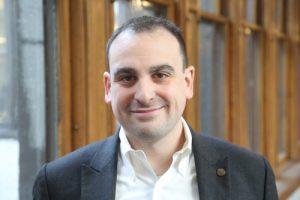
Recently,
a
high-level
delegation
from
Harare,
led
by
Jacob
Mafume,
Mayor
of
Harare,
visited
China.
It
included
members
from
the
City
of
Harare,
the
Ministry
of
Local
Government
and
Public
Works,
and
LAISON
local
partners.
The
visit
provided
the
delegation
with
an
opportunity
to
engage
in
exchanges
in
the
water
sector
and
to
witness
the
handover
of
the
first
batch
smart
water
meters
for
Harare
project.
During
the
visit
to
China,
the
Harare
delegation
conducted
on-site
visits
to
key
segments
of
the
smart
water
supply
chain.
They
gained
in-depth
insights
into
China’s
practices
in
Water
Treatment
Equipment
and
Operations,
Water
Loss
Management,
Smart
Metering,
and
Wastewater
Treatment
etc.
They
also
engaged
in
detailed
discussions
on
Harare’s
current
situation
and
development
needs,
laying
the
foundation
for
future
cooperation
in
improving
water
services
and
promoting
sustainable
development.
Image
credit:
LAISON
The
delegation
also
visited
LAISON’s
smart
water
meter
production
plant,
observing
the
production
processes
of
smart
water
meters
and
gaining
a
firsthand
understanding
of
the
company’s
technological
capabilities,
quality
management
practices,
and
the
reliability
and
innovation
embedded
in
its
products.
Image
credit:
LAISON
As
a
highlight
of
the
visit,
the
delegation
attended
the
First
Batch
Smart
Meter
Handover
Ceremony.
During
the
ceremony,
Raymond
Zheng,
Chairman
of
LAISON,
emphasized
that
the
smart
water
meter
project
would
improve
Harare’s
water
supply,
enhance
the
operational
efficiency
of
the
city’s
water
department,
and
advance
urban
digital
transformation.
Following
this,
Jacob
Mafume,
Mayor
of
Harare,
expressed
his
hope
that
the
cooperation
would
not
only
provide
residents
with
more
reliable
and
higher-quality
water
services
but
also
lay
the
foundation
for
a
strong
and
lasting
partnership
between
the
Harare
government,
water
utilities,
and
Chinese
enterprises.
Image
credit:
LAISON
The
event
featured
a
brief
and
solemn
ribbon-cutting
and
unveiling
ceremony,
followed
by
the
official
signing
and
delivery
of
the
smart
water
meters.
This
milestone
marks
the
project’s
transition
into
the
implementation
stage
and
will
help
reduce
non-revenue
water
(NRW),
increase
water
supply
capacity,
and
improve
water
supply
quality
for
residents—thereby
enhancing
Harare’s
overall
water
services
and
operational
efficiency.
Image
credit:
LAISON
This
visit
not
only
deepened
mutual
trust
between
Harare
and
LAISON,
but
also
opened
a
new
chapter
for
cooperation
in
smart
water
projects
and
innovation.
LAISON
will
continue
leveraging
its
expertise
and
high-quality
solutions
to
enhance
urban
water
services,
contributing
to
sustainable
development
in
Harare
and
across
Zimbabwe.
“Special”
Bonuses
Lose
Their
Spark
The
Longer
You
Wait:
Where
is
the
money?!
Don’t
Be
Afraid
To
Ask
For
Salary
Increase:
A
very
timely
article.
Now
Trump
Cares
About
Protecting
Classified
Documents:
It
only
matters
when
it
makes
him
look
bad.
Justice
Jackson
Has
Comical
Words
For
Her
Colleagues:
And
it’s
no
laughing
matter.
$500M
Mass
Layoff
Suit
Ends
In
Settlement:
Elon
Musk
has
been
costing
Twitter
money
since
day
1!
The
U.S.
healthcare
system
is
good
at
outreach,
but
engagement
is
another
story.
A
startup
looking
to
change
that
raked
in
millions
of
dollars
on
Thursday.
Currently,
the
healthcare
system
tries
to
“engage”
with
patients
through
a
series
of
infrequent
and
often
annoying
outreach
messages,
noted
Wellth
CEO
Matt
Loper.
“We
are
constantly
told
what
to
do
by
doctors
and
care
teams,
then
we
receive
text
messages
reminding
us
to
pick
up
our
prescriptions
at
the
pharmacy
or
pay
our
bills.
Soon,
we
will
be
inundated
by
AI
chatbots
and
care
companions
asking
us
to
connect. All
of
this
outreach
overwhelms
us,
raising
our
stress
and
cortisol
levels,”
he
explained.
This
type
of
outreach
fails
to
motivate
people
to
accomplish
their
care
goals
or
establish
healthy
habits,
Loper
added.
Typically,
people
only
interact
with
the
healthcare
system
when
they
feel
ill
or
injured
—
that’s
how
the
country
ended
up
with
a
“sick
care”
system,
he
pointed
out.
Interventions
come
too
late,
leading
to
hundreds
of
billions
of
dollars
in
preventable
costs
—
as
well
as
widespread
human
suffering
and
premature
death.
Wellth,
which
was
founded
in
2014,
has
developed
a
“daily
care
motivation
platform”
that
gives
users
a
rewarding,
positive
experience
each
day
that
encourages
them
to
prioritize
their
health
—
instead
of
just
inundating
them
with
outreach,
Loper
said.
The
app
motivates
its
members
to
build
healthy
daily
habits
by
combining
small
financial
incentives
with
personalized
nudges
that
resonate
with
their
personal
goals.
Wellth
typically
offers
users
small
cash
rewards
or
gift
cards
for
doing
things
like
confirming
they
took
their
medication
or
recording
a
vital
sign.
These
financial
incentives
act
as
an
initial
hook
to
help
people
consistently
engage
with
their
health,
but
the
goal
isn’t
to
pay
users
forever.
Over
time,
as
members
form
routines
and
experience
the
benefits
of
healthier
habits,
the
external
rewards
are
gradually
outweighed
by
intrinsic
motivators
like
feeling
better
or
wanting
to
stay
healthy
for
family.
Wellth’s
app
is
designed
to
provide
daily
dopamine,
Loper
added.
“We
all
know
the
feeling
of
waking
up
first
thing
in
the
morning
and
checking
Instagram
or
Tiktok
—
or
binging
8
hours
of
Netflix
and
thinking,
‘Where
did
the
time
go?’
The
main
reason
that
these
digital
experiences
are
so
addictive
is
because
they
give
us
a
ton
of
dopamine
every
time
we
use
them.
Instead
of
inundating
members
with
stressful
cortisol-inducing
outreach,
Wellth
creates
the
same
sort
of
daily
positive
reinforcement
through
dopamine
that
is
achieved
with
the
most
addictive
social
media
interactions,”
he
explained.
This
allows
Wellth
to
have
91%
daily
engagement
rates
—
even
from
previously
nonadherent
Medicare,
Medicaid
and
dual-eligible
members,
Loper
said.
The
platform
has
engaged
more
than
100,000
members
to
date,
with
more
than
50
million
daily
behaviors
being
completed
by
users.
As
a
result
of
this
sticky
daily
engagement,
Wellth
can
help
health
plans
and
providers
improve
end
metrics.
For
example,
Loper
said
the
platform
has
measured
statistically
significant
reductions
in
inpatient,
emergency
department
and
overall
costs,
as
well
as
improvement
in
key
quality
metrics
like
Medicare
Advantage
star
ratings
and
care
gap
closure
rates.
Wellth
partners
with
health
plans
and
risk-bearing
providers
that
have
financial
risk
at
stake
for
both
the
cost
of
care
and
quality
outcomes,
he
stated.
“We
help
quantify
the
business
case
upfront
of
how
much
savings
and
quality
we
can
drive
based
on
their
actual
metrics. We
identify
exactly
which
member
cohorts
need
to
change
their
behaviors
to
realize
the
business
case. Then
we
put
our
fees
at
risk
for
actually
driving
that
behavior
change
and
end
ROI,”
Loper
remarked.
Investors
seem
to
believe
that
the
company’s
dopamine-driven
model
can
deliver
healthier
patients
—
and
healthier
margins.
Elon
Musk’s
social
media
company
X
has
reached
a
settlement
with
former
employees
who
sued
for
$500
million
in
severance
pay.
These
workers
sued
the
company
over
their
terminations
and
severance
packages,
after
around
6,000
workers
—
more
than
half
the
workforce
—
were
laid
off
when
Musk
first
took
over
the
company
in
2022.
Court
documents
filed
by
both
sides
state,
“The
parties
have
reached
a
settlement
agreement
in
principle
and
began
negotiating
the
terms
of
a
long
form
settlement
agreement,”
according
to
the
BBC.
Details
of
the
settlement
have
not
been
made
public.
Employees
were
contractually
entitled
to
a
severance
package
of
two
months
base
pay
and
a
week
of
pay
for
each
full
year
of
employment.
While
the
details
of
the
settlement
are
under
wraps,
I
hope
that
the
fired
employees
get
what
they
expected,
along
with
enough
money
to
encourage
Musk
to
listen
to
his
“hardcore”
litigation
team
before
he
reads
a
Grok-generated
list
of
the
dumbest
things
he
can
do
and
does
whatever
is
at
the
top
because
there
is
a
#1
in
front
of
it.
Chris
Williams
became
a
social
media
manager
and
assistant
editor
for
Above
the
Law
in
June
2021.
Prior
to
joining
the
staff,
he
moonlighted
as
a
minor
Memelord™
in
the
Facebook
group Law
School
Memes
for
Edgy
T14s
.
He
endured
Missouri
long
enough
to
graduate
from
Washington
University
in
St.
Louis
School
of
Law.
He
is
a
former
boatbuilder
who
is
learning
to
swim, is
interested
in
critical
race
theory,
philosophy,
and
humor,
and
has
a
love
for
cycling
that
occasionally
annoys
his
peers.
You
can
reach
him
by
email
at [email protected]
and
by
tweet
at @WritesForRent.
In
our
first
year
as
a
merged
firm,
we
have
delivered
strong
results
while
making
important
investments
in
our
business,
including
reshaping
the
firm
to
ensure
we
are
optimally
positioned
to
meet
client
needs.
We
have
created
a
significantly
enhanced
proposition
for
our
clients:
when
global
businesses
face
their
most
pressing
strategic
needs,
they
need
counsel
that
can
deliver
seamlessly
across
markets
and
industries.
That’s
exactly
what
we’ve
built.
—
Hervé
Ekué,
A&O
Shearman’s
global
managing
partner,
in
a
statement
concerning
the
firm’s
revenue
of
$3.7
billion
in
its
first
financial
year
post-merger.
Ekué
went
on
to
say
that
the
firm’s
financial
record
“reflect[s]
both
the
strength
of
the
firm’s
single,
integrated
global
partnership
and
a
year
of
investment
in
the
newly
combined
firm.”
Staci
Zaretsky is
the
managing
editor
of
Above
the
Law,
where
she’s
worked
since
2011.
She’d
love
to
hear
from
you,
so
please
feel
free
to
email
her
with
any
tips,
questions,
comments,
or
critiques.
You
can
follow
her
on Bluesky, X/Twitter,
and Threads, or
connect
with
her
on LinkedIn.
Just
over
a
year
ago,
former
Trump-appointed
federal
judge
Joshua
Kindred
suddenly resigned
from
the
District
of
Alaska
bench,
only
four
years
into
his
lifetime
appointment.
Pretty
quickly,
it
was
obvious
there
were
shocking
allegations
against
the
jurist.
According
to
the
Special
Committee
appointed
by
the
Ninth
Circuit
to
investigate
ethics
complaints
against
the
judge,
Kindred
engaged
in
sexual
misconduct,
creating
a
sexualized
relationship
with
one
of
his
clerks
and
a
hostile
work
environment
for
others.
The
report
specifically
noted
an
Assistant
United
States
Attorney
“with
whom
he
had
a
flirtatious
rapport”
sent
Kindred
nude
photographs
(later
identified
as
Karen
Vandergaw,
who
says
she
was
pressured
into
sending
the
judge
the
explicit
photos),
and
she
continued
to
appear
before
Kindred.
Yesterday,
the
Alaska
Bar
Association’s
Disciplinary
Board
adopted
a
recommendation
to
disbar
Kindred
for
violating
three
of
the
Alaska
Rules
of
Professional
Conduct;
two
related
to
false
statements
during
the
investigation
into
his
conduct,
one
related
to
the
allegation
of
sexual
harassment
in
his
chambers.
Alaska
disciplinary
counsel
argued
the
facts
“support[]
disbarment
from
the
practice
of
law
for
dishonesty
and
for
the
hostile
work
environment
that
took
a
personal
and
professional
toll
on
multiple
law
clerks.”
Kindred
has
not
responded
to
any
of
the
disciplinary
charges
against
him,
and
thus,
they
are
admitted
under
Alaskan
law.
As
reported
by
Bloomberg
Law,
the
revelations
about
the
misconduct
by
Kindred
have
struck
a
nerve
with
the
public:
Louise
Driscoll,
a
bar
disciplinary
counsel,
said
at
Thursday’s
hearing
that
bar
regulators
in
Alaska
began
getting
“lots
of
calls”
after
the
findings
against
Kindred
were
made
public.
She
said
that
“people
were
outraged”
and
asked,
“why
aren’t
you
doing
anything.”
Bar
regulators
have
been
working
on
discipline
for
Kindred,
though
this
does
not
represent
the
end
of
the
process.
The
Disciplinary
Board’s
recommendation
now
moves
to
the
Alaska
Supreme
Court
for
the
final
word
on
Kindred’s
disbarment.
Kathryn
Rubino
is
a
Senior
Editor
at
Above
the
Law,
host
of
The
Jabot
podcast,
and
co-host
of
Thinking
Like
A
Lawyer.
AtL
tipsters
are
the
best,
so
please
connect
with
her.
Feel
free
to
email
her
with
any
tips,
questions,
or
comments
and
follow
her
on
Twitter
@Kathryn1 or
Mastodon
@[email protected].
Early
this
morning,
FBI
director
Kash
Patel
cheekily
posted
on
social
media
“NO
ONE
is
above
the
law…@FBI
agents
on
mission”
as
raids
were
conducted
on
the
Maryland
home
and
Washington,
D.C.
office
of
John
Bolton,
Donald
Trump’s
national
security
adviser
in
his
first
term.
The
raid
was
reportedly
related
to
a
classified
documents
probe
Apropos
of
ABSOLUTELY
NOTHING
AT
ALL,
since
Bolton
was
fired
in
September
2019,
he’s
been
a
thorn
in
Trump’s
side.
Bolton’s
2020
book
“The
Room
Where
It
Happened,”
was
sharply
critical
of
Trump’s
lack
of
knowledge
on
all
things
foreign
policy-related.
Trump
threatened
to
jail
Bolton
over
the
book,
and
the
DOJ
launched
an
investigation
into
Bolton
over
the
possibility
that
he
“unlawfully
disclosed
classified
information”
in
said
book.
That
investigation
was
closed
under
President
Joe
Biden.
Trump
also
lashed
out
at
the
media
for
“constantly
quoting
fired
losers
and
really
dumb
people
like
John
Bolton.”
And
Trump
canceled
Bolton’s
Secret
Service
detail
(provided
in
the
wake
of
a
assassination
plot)
shortly
after
taking
office
in
his
second
term.
Sources
close
to
Bolton
now
call
the
current
raids
“retribution,
pure
and
simple.”
And
of
course,
the
irony
meter
is
off
the
charts
with
news
the
Trump
administration
actually
cares
about
how
classified
documents
are
handled.
In
any
sane
judicial
system,
Donald
Trump
himself
would
have
stood
trial
for
his
handling
of
classified
documents
after
his
loss
in
the
2020
presidential
election.
But
the
case
against
Trump
was
assigned
to
Trump-appointed
district
judge
Aileen
Cannon,
who
dismissed
the
case
last
summer
on
the,
ermmm,
novel
theory
that
special
counsels
are somehow
illegal.
The
dismissal
was
on
appeal
to
the
Eleventh
Circuit
when
Trump
took
office,
after
which
the
Department
of
Justice
dropped
the
appeal.
Kathryn
Rubino
is
a
Senior
Editor
at
Above
the
Law,
host
of
The
Jabot
podcast,
and
co-host
of
Thinking
Like
A
Lawyer.
AtL
tipsters
are
the
best,
so
please
connect
with
her.
Feel
free
to
email
her
with
any
tips,
questions,
or
comments
and
follow
her
on
Twitter
@Kathryn1 or
Mastodon
@[email protected].
“Sooner
or
later,
all
our
games
turn
into
Calvinball,”
Calvin
once
said
of
textualism
and
originalism.
Actually,
he
was
talking
about
a
football
game
gone
off
the
rails,
but
the
sentiment
fits
right-wing
legal
philosophy
just
as
well.
Justice
Ketanji
Brown
Jackson
has
now
made
sure
to
enshrine
this
comparison
for
future
generations,
including
it
in
yesterday’s
dissenting
opinion
in
National
Institutes
of
Health
v.
American
Public
Health
Assn.
For
those
who
missed
the
cultural
reference
because
their
childhood
was
crushed
under
Ayn
Rand
book
reports,
Calvinball
was
a
recurring
game
in
the
iconic
Calvin
&
Hobbes
comic
strip
with
no
fixed
rules
other
than
the
rules
can
never
be
the
same
twice.
Bill
Watterson
invented
the
game
as
satire.
The
Federalist
Society
took
it
as
a
guiding
philosophy.
Between
me
and
Liz
Dye,
Above
the
Law
has
referred
to
late
stage
conservative
jurisprudence
as
“Calvinball”
at
least
eight
times
and
a
number
of
other
publications
have
also
used
the
term.
It’s
a
powerful
distillation
of
the
mentality
behind
any
juridical
approach
that
respects
precedent…
until
it
doesn’t.
Sticks
strictly
to
the
text…
until
it
doesn’t.
Or
privileges
ideas
“deeply
rooted
in
the
nation’s
history
and
tradition”…
until
it
doesn’t.
It’s
one
thing
for
outside
analysts
to
brand
right-wing
jurists
as
pre-pubescent
boys
making
up
rules
with
their
imaginary
friends
(“the
Framers”),
but
another
to
see
it
in
the
official
reporter:
In
a
broader
sense,
however,
today’s
ruling
is
of
a
piece
with
this
Court’s
recent
tendencies.
“[R]ight
when
the
Judiciary
should
be
hunkering
down
to
do
all
it
can
to
preserve
the
law’s
constraints,”
the
Court
opts
instead
to
make
vindicating
the
rule
of
law
and
preventing
manifestly
injurious
Government
action
as
difficult
as
possible.
Id.,
at
_
(JACKSON,
J.,
dissenting)
(slip
op.,
at
21).
This
is
Calvinball
jurisprudence
with
a
twist.
Calvinball
has
only
one
rule:
There
are
no
fixed
rules.
We
seem
to
have
two:
that
one,
and
this
Administration
always
wins.
The
NIH
decisions
—
there
were
two
issues
here
and
that
will
be
important
later
—
were
another
“shadow
docket”
special.
The
NIH
has
pulled
a
number
of
scientific
grants
since
the
Trump
administration
launched.
Some
were
justified
as
“anti-DEI,”
others
for
“gender
ideology”
and
others
because
RFK
Jr.
wants
to
replace
medicine
with
crystals
and
acai
berries.
All
of
these
moves
scream
“arbitrary
and
capricious”
—
the
standard
under
the
Administrative
Procedure
Act
that
prevents
the
government
from
issuing
sweeping
changes
scribbled
on
the
back
of
a
cocktail
napkin
based
on
something
Greg
Gutfeld
said
while
trying
to
reclaim
the
word
“Nazi”
among
friends.
But
Brett
Kavanaugh
said
“hold
my
beer”
and
then
disagreed
on
the
grounds
of…
well,
he
couldn’t
really
say
but
he
assured
us
that
it
was
“for
reasons
that
the
Government
persuasively
explained
in
its
application
to
this
Court,”
before
citing
a
string
of
non-sequiturs
about
the
government
not
having
to
explicitly
define
“DEI”
before
wildly
slashing
research
focused
on
preventing
HIV
among
Black
people.
Meanwhile,
Gorsuch
huffed
and
puffed
that
“Lower
court
judges
may
sometimes
disagree
with
this
Court’s
decisions,
but
they
are
never
free
to
defy
them,”
by
citing
Dept
of
Ed.
v.
California,
which
WAS
ITSELF
A
SHADOW
DOCKET
EMERGENCY
APPLICATION,
adding
a
whole
other
layer
to
the
Calvinball
analogy.
As
Jackson
notes
in
her
opinion,
“As
it
turns
out,
the
Court’s
decision
was
an
even
bigger
mistake
than
I
realized….
That
case’s
ipse
dixit
now
apparently
governs
all
APA
challenges
to
grant-funding
determinations
that
the
Government
asks
us
to
address
in
the
context
of
an
emergency
stay
application.”
What
Jackson
didn’t
realize
is
that
the
California
order
is
binding
precedent
because
Gorsuch
wore
a
mask
that
inning!
Five
justices
decided
that
the
NIH
cuts
already
made
can
go
forward
(to,
maybe,
eventually
get
challenged
in
the
Court
of
Federal
Claims),
while
five
decided
that
the
underlying
stay
barring
the
government
from
making
more
of
these
cuts
remains.
Amy
Coney
Barrett
flip-flopped
between
these
inseparable
positions
by
living
on
her
own
private
administrative
law
island
where
a
plaintiff
has
to
go
to
two
different
courts
—
“sequentially
rather
than
simultaneously”
—
to
first
get
a
ruling
that
the
cut
was
arbitrary
and
capricious
and
then
a
ruling
from
the
other
court
that
the
cut
should
be
reversed
based
on
that.
Chief
Justice
Roberts
wrote
separately
to
point
out
that
Barrett’s
logic
was
—
to
paraphrase
with
the
technical
legal
terminology
—
stupid.
And
if
the
District
Court
had
jurisdiction
to
vacate
the
directives,
it
also
had
jurisdiction
to
vacate
the
“Resulting
Grant
Terminations.”
Obviously.
Yet,
we’re
in
this
boat
because
Roberts
has
let
this
court
bless
executive
orders
issued
with
all
the
coherence
of
a
drunk
improv
troupe.
When
Jackson
writes
that
the
other
rule
of
GOP
jurisprudence
is
“and
this
Administration
always
wins,”
it’s
particularly
biting
because
at
least
Hobbes
occasionally
got
one
over
on
Calvin.
Jackson
concludes:
The
approach
the
Court
adopts
today
(which,
again,
no
party
advocated
for)
neither
coheres
legally
nor
operates
practically.
So,
unfortunately,
this
newest
entry
in
the
Court’s
quest
to
make
way
for
the
Executive
Branch
has
real
consequences,
for
the
law
and
for
the
public.
Fortunately,
at
least
for
the
law,
this
order
is
not
the
last
word,
as
it
is
not
“conclusive
as
to
the
merits.”
Alas,
as
she
already
noted
when
addressing
the
California
issue,
her
colleagues
respect
that
these
orders
are
not
conclusive
as
to
the
merits…
until
they
don’t.
Calvinball.
All
the
way
down.
And
unlike
the
comic
strip,
there’s
no
punchline
here
—
just
real
medical
breakthroughs
slipping
down
the
drain
to
own
the
libs.
As
we
transition
into
the
second
part
of
our
series,
“The
Strategic
Value
of
Presenting
a
CLE,”
we
shift
our
focus
from
the
mechanics
of
crafting
a
CLE
to
the
broader,
strategic
advantages
that
come
with
presenting
one.
The
foundational
work
done
in
Part
1
—
carefully
selecting
your
topic,
structuring
your
content,
and
engaging
your
audience
—
now
serves
as
the
springboard
for
leveraging
CLEs
for
strategic
gains.
This
new
series
will
delve
into
how
CLEs
can
serve
as
powerful
tools
not
just
for
education,
but
for
advancing
your
career,
expanding
your
network,
and
growing
your
practice.
Each
article
in
this
series
will
explore
a
different
facet
of
the
strategic
benefits
CLEs
offer,
from
building
your
professional
reputation
to
leveraging
networking
opportunities
and
client
development.
By
the
end
of
this
series,
you’ll
have
a
comprehensive
understanding
of
how
to
maximize
the
impact
of
your
CLE
presentations
far
beyond
a
conference.
In
this
first
article,
we’ll
explore
how
leveraging
CLEs
can
elevate
your
professional
reputation,
paving
the
way
from
the
podium
to
meaningful
partnerships.
Establishing
Authority
and
Expertise
When
you
step
up
to
deliver
a
CLE,
you’re
doing
more
than
just
teaching
a
class
—
you’re
positioning
yourself
as
an
authority
in
your
field.
The
podium
is
a
powerful
symbol
of
leadership
and
expertise,
and
the
way
you
handle
your
presentation
can
significantly
impact
how
others
perceive
you.
Why
Authority
Matters:
•
Perception
as
a
Leader:
Leading
a
CLE
positions
you
as
someone
who
not
only
understands
the
nuances
of
your
practice
area
but
also
has
the
confidence
and
capability
to
educate
others.
This
perception
can
lead
to
greater
trust
from
peers,
clients,
and
industry
leaders.
•
Credibility:
By
discussing
complex
topics
and
providing
actionable
insights,
you
reinforce
your
credibility.
Attendees
will
leave
with
the
impression
that
you
are
a
go-to
expert
in
your
area
of
law.
The
ultimate
goal
of
any
CLE
should
go
beyond
education—it
should
be
about
building
relationships.
The
knowledge
you
share
during
a
CLE
is
just
the
beginning
of
a
conversation
that
can
lead
to
long-term
partnerships.
Transforming
Education
into
Trust:
•
Becoming
a
Trusted
Advisor:
CLEs
give
you
the
platform
to
demonstrate
not
just
your
knowledge
but
your
ability
to
provide
strategic
advice.
This
positions
you
as
a
trusted
advisor,
someone
clients
and
peers
can
turn
to
when
they
need
guidance.
•
Starting
Relationships:
After
a
CLE,
attendees
often
reach
out
with
follow-up
questions
or
comments.
These
interactions
are
the
seeds
of
potential
client
relationships,
collaborations,
and
partnerships.
By
being
approachable
and
responsive,
you
can
turn
a
one-time
presentation
into
ongoing
professional
relationships.
Leveraging
Your
Marketing
Team
Presenting
at
CLEs
doesn’t
just
help
you
build
your
reputation;
it
also
opens
doors
to
new
opportunities.
Visibility
within
your
professional
community
can
lead
to
invitations
to
speak
at
other
events,
contribute
to
publications,
or
even
lead
industry
initiatives.
While
presenting
a
CLE
offers
immediate
benefits
in
terms
of
authority
and
networking,
the
visibility
of
your
efforts
shouldn’t
end
once
the
CLE
concludes.
By
strategically
collaborating
with
your
firm’s
marketing
department,
you
can
significantly
amplify
the
impact
of
your
presentation,
reaching
a
broader
audience
and
reinforcing
your
reputation
as
a
thought
leader.
•
Announce
Your
CLE:
Work
with
your
marketing
team
to
create
a
buzz
around
your
upcoming
CLE.
Promote
it
on
LinkedIn,
Twitter,
and
other
social
media
platforms
where
your
professional
network
is
active.
This
not
only
increases
attendance
but
also
positions
you
as
an
active,
engaged
leader
in
your
field.
•
Email
Campaigns:
Utilize
your
firm’s
mailing
list
to
send
out
invitations
or
reminders
about
the
CLE.
Personalizing
these
emails
to
specific
client
segments
can
make
your
outreach
even
more
effective.
•
Create
a
Post-CLE
Summary:
After
the
event,
coordinate
with
marketing
to
craft
a
summary
or
blog
post
that
highlights
the
key
takeaways
from
your
CLE.
This
content
can
be
shared
on
your
firm’s
website,
LinkedIn,
and
other
channels
to
keep
the
conversation
going
and
reach
those
who
couldn’t
attend
the
live
session.
•
Highlight
Reel
or
Video
Recap:
If
the
CLE
was
recorded,
consider
creating
a
highlight
reel
or
a
short
video
recap.
Your
marketing
team
can
help
edit
and
distribute
this
content,
showcasing
your
presentation
skills
and
the
value
you
provided.
These
videos
can
be
powerful
tools
for
increasing
your
visibility
and
attracting
future
speaking
engagements.
•
Client
Follow-Up:
Collaborate
on
a
follow-up
email
campaign
that
includes
links
to
the
summary
or
video,
along
with
an
invitation
to
connect
for
further
discussions.
This
keeps
the
momentum
going
and
opens
the
door
for
deeper
client
relationships.
Maximizing
Long-Term
Impact
By
engaging
your
marketing
department
before
and
after
your
CLE,
you
ensure
that
your
efforts
reach
the
widest
possible
audience.
This
collaboration
not
only
enhances
your
immediate
visibility
but
also
helps
establish
a
long-term
presence
as
a
thought
leader
in
your
field.
As
you
prepare
to
present
your
next
CLE,
think
beyond
the
immediate
goal
of
delivering
a
successful
presentation.
Consider
how
each
aspect
of
your
CLE—from
the
content
you
create
to
the
way
you
engage
with
your
audience—can
serve
as
a
stepping
stone
toward
building
long-term
partnerships
and
growing
your
practice.
In
the
next
article,
we’ll
delve
into
how
you
can
leverage
the
networking
opportunities
that
CLEs
provide,
turning
those
initial
connections
into
lasting
professional
relationships.
Checklist
for
Part
2,
Article
1:
Establishing
Authority:
✔️
Ensure
your
CLE
content
is
well-researched
and
provides
actionable
insights. ✔️ Present
confidently,
positioning
yourself
as
a
leader
and
expert
in
your
field.
Building
Relationships:
✔️
Engage
with
your
audience
during
and
after
the
CLE
to
start
building
trust. ✔️
Be
approachable
and
responsive
to
follow-up
questions
or
comments.
Maximizing
Visibility:
Pre-CLE
Promotion:
✔️
Announce
your
CLE
on
LinkedIn,
Twitter,
and
other
social
media
platforms
to
generate
buzz. ✔️
Use
your
firm’s
mailing
list
to
send
targeted
invitations
or
reminders
about
the
CLE.
Post-CLE
Amplification:
✔️
Create
a
post-CLE
summary
or
blog
post
with
key
takeaways
to
share
on
your
firm’s
website
and
social
media
channels. ✔️
Consider
producing
a
highlight
reel
or
video
recap
of
your
CLE
to
showcase
your
presentation
skills
and
content. ✔️
Collaborate
with
marketing
on
a
follow-up
email
campaign,
including
links
to
the
summary
or
video,
to
continue
engaging
with
attendees.
With
the
right
approach,
your
CLE
can
be
a
powerful
tool
not
just
for
education
but
for
transforming
your
practice
by
building
strong,
lasting
partnerships.
Sejal
Bhasker
Patel is
a
Rainmaking
Consultant
and
Author
of Rainmaker:
Unleashed
—
a
sharp,
strategic
playbook
for
attorneys
who
don’t
fit
the
traditional
mold.
She’s
the
founder
of
Sage
Ivy,
a
consulting
firm
that
works
directly
with
law
firms
and
attorneys
to
turn
relationships
into
revenue
—
without
selling
their
soul.
Her
work
is
blunt,
tailored,
and
built
on
one
core
belief:
Authenticity
isn’t
a
liability
—
it’s
your
strongest
competitive
edge. www.sageivyconsulting.com















 Kathryn