Once
again
Vigil
activists
met
outside
the
Zimbabwe
Embassy
in
London
to
continue
our
protest
against
the
human
rights
abuse
and
lack
of
democracy
in
Zimbabwe
perpetrated
by
ZANU
PF,
the
ruling
regime.
Zimbabweans
are
being
kicked
out
of
South
African
hospitals
because
they
are
foreign.
Vigil
activists
were
appalled
by
the
heart-rending
image
of
a
Zimbabwean
father
who
got
turned
out
of
a
hospital
and
died
by
the
hospital
gate
with
his
daughter
helplessly
tending
his
lifeless
body.
We
call
upon
the
Zimbabwe
authorities
to
do
more
to
ensure
health
care
is
accessible
to
all
its
citizens
so
they
don’t
have
to
go
to
foreign
countries
for
medical
treatment.
The
proceeds
of
mining
and
agricultural
deals
could
be
used
to
address
this.
Next
Vigil
meeting
outside
the
Zimbabwe
Embassy. Saturday
16th August
from
2
–
5
pm.
We
meet
on
the
first
and
third
Saturdays
of
every
month.
On
other
Saturdays
the
virtual
Vigil
will
run.
The
Restoration
of
Human
Rights
in
Zimbabwe
(ROHR) is
the
Vigil’s
partner
organisation
based
in
Zimbabwe.
ROHR
grew
out
of
the
need
for
the
Vigil
to
have
an
organisation
on
the
ground
in
Zimbabwe
which
reflected
the
Vigil’s
mission
statement
in
a
practical
way.
ROHR
in
the
UK
actively
fundraises
through
membership
subscriptions,
events,
sales
etc
to
support
the
activities
of
ROHR
in
Zimbabwe.
The
Vigil’s
book
‘Zimbabwe
Emergency’ is
based
on
our
weekly
diaries.
It
records
how
events
in
Zimbabwe
have
unfolded
as
seen
by
the
diaspora
in
the
UK.
It
chronicles
the
economic
disintegration,
violence,
growing
oppression
and
political
manoeuvring
–
and
the
tragic
human
cost
involved. It
is
available
at
the
Vigil.
All
proceeds
go
to
the
Vigil
and
our
sister
organisation
the
Restoration
of
Human
Rights
in
Zimbabwe’s
work
in
Zimbabwe.
The
book
is
also
available
from
Amazon.
The
Vigil,
outside
the
Zimbabwe
Embassy,
429
Strand,
London
meets
regularly
on
Saturdays
from
14.00
to
17.00
to
protest
against
gross
violations
of
human
rights
in
Zimbabwe.
The
Vigil
which started
in
October
2002
will
continue
until
internationally-monitored,
free
and
fair
elections
are
held
in
Zimbabwe.
*
Trump
administration
officials
meeting
with
VP
to
develop
“unified”
strategy
for
dealing
with
Epstein
evidence.
[CNN]
*
House
committee
subpoenas
the
Epstein
files,
but
throw
in
Clinton
subpoenas
too
just
to
make
sure
the
focus
isn’t
entirely
on
the
inevitable
Trump
redactions.
[Bloomberg
Law
News]
*
Sheldon
Whitehouse
accuses
D.C.
Circuit
judges
of
stalling
contempt
proceedings
to
corruptly
aid
Emil
Bove’s
nomination
just
because
they
are
in
fact
stalled
contempt
proceedings
to
corruptly
aid
Emil
Bove’s
nomination.
[Reuters]
*
Federal
judge
who
issued
TRO
with
fake
facts
in
it
has
declined
to
offer
any
explanation
—
*cough*
ChatGPT
*cough*
[ABA
Journal]
*
Airport
officials
told
a
lawyer
to
“soften”
the
language
in
her
sexual
harassment
practice
ad.
Which
sounds
a
lot
like
the
mentality
behind
sexual
harassment.
[Syracuse.com]
*
Speaking
of
AI,
Harvey
announces
$100M
ARR
—
which
is
kind
of
an
ephemeral
statistic,
but
startups
love
it
so
here
we
are.
[Artificial
Lawyer]
*
Trump
administration
officials
meeting
with
VP
to
develop
“unified”
strategy
for
dealing
with
Epstein
evidence.
[CNN]
*
House
committee
subpoenas
the
Epstein
files,
but
throw
in
Clinton
subpoenas
too
just
to
make
sure
the
focus
isn’t
entirely
on
the
inevitable
Trump
redactions.
[Bloomberg
Law
News]
*
Sheldon
Whitehouse
accuses
D.C.
Circuit
judges
of
stalling
contempt
proceedings
to
corruptly
aid
Emil
Bove’s
nomination
just
because
they
are
in
fact
stalled
contempt
proceedings
to
corruptly
aid
Emil
Bove’s
nomination.
[Reuters]
*
Federal
judge
who
issued
TRO
with
fake
facts
in
it
has
declined
to
offer
any
explanation
—
*cough*
ChatGPT
*cough*
[ABA
Journal]
*
Airport
officials
told
a
lawyer
to
“soften”
the
language
in
her
sexual
harassment
practice
ad.
Which
sounds
a
lot
like
the
mentality
behind
sexual
harassment.
[Syracuse.com]
*
Speaking
of
AI,
Harvey
announces
$100M
ARR
—
which
is
kind
of
an
ephemeral
statistic,
but
startups
love
it
so
here
we
are.
[Artificial
Lawyer]
*
Trump
administration
officials
meeting
with
VP
to
develop
“unified”
strategy
for
dealing
with
Epstein
evidence.
[CNN]
*
House
committee
subpoenas
the
Epstein
files,
but
throw
in
Clinton
subpoenas
too
just
to
make
sure
the
focus
isn’t
entirely
on
the
inevitable
Trump
redactions.
[Bloomberg
Law
News]
*
Sheldon
Whitehouse
accuses
D.C.
Circuit
judges
of
stalling
contempt
proceedings
to
corruptly
aid
Emil
Bove’s
nomination
just
because
they
are
in
fact
stalled
contempt
proceedings
to
corruptly
aid
Emil
Bove’s
nomination.
[Reuters]
*
Federal
judge
who
issued
TRO
with
fake
facts
in
it
has
declined
to
offer
any
explanation
—
*cough*
ChatGPT
*cough*
[ABA
Journal]
*
Airport
officials
told
a
lawyer
to
“soften”
the
language
in
her
sexual
harassment
practice
ad.
Which
sounds
a
lot
like
the
mentality
behind
sexual
harassment.
[Syracuse.com]
*
Speaking
of
AI,
Harvey
announces
$100M
ARR
—
which
is
kind
of
an
ephemeral
statistic,
but
startups
love
it
so
here
we
are.
[Artificial
Lawyer]
*
Trump
administration
officials
meeting
with
VP
to
develop
“unified”
strategy
for
dealing
with
Epstein
evidence.
[CNN]
*
House
committee
subpoenas
the
Epstein
files,
but
throw
in
Clinton
subpoenas
too
just
to
make
sure
the
focus
isn’t
entirely
on
the
inevitable
Trump
redactions.
[Bloomberg
Law
News]
*
Sheldon
Whitehouse
accuses
D.C.
Circuit
judges
of
stalling
contempt
proceedings
to
corruptly
aid
Emil
Bove’s
nomination
just
because
they
are
in
fact
stalled
contempt
proceedings
to
corruptly
aid
Emil
Bove’s
nomination.
[Reuters]
*
Federal
judge
who
issued
TRO
with
fake
facts
in
it
has
declined
to
offer
any
explanation
—
*cough*
ChatGPT
*cough*
[ABA
Journal]
*
Airport
officials
told
a
lawyer
to
“soften”
the
language
in
her
sexual
harassment
practice
ad.
Which
sounds
a
lot
like
the
mentality
behind
sexual
harassment.
[Syracuse.com]
*
Speaking
of
AI,
Harvey
announces
$100M
ARR
—
which
is
kind
of
an
ephemeral
statistic,
but
startups
love
it
so
here
we
are.
[Artificial
Lawyer]
The
polyethylene
terephthalate
(PET)
plant,
which
is
located
in
Bulawayo,
has
been reported for
being
fundamental
to
the
region’s
re-industrialisation
drive
and
has
been
lauded
by
officials
as
a
forward
move
for
the
city’s
ecosystem
and
its
brewing
sector.
Ingwebu
Breweries
has
historically
been
known
for
its
sorghum
beer
packaged
in
traditional
containers,
however
now
that
the
company
is
expanding
into
PET
packaging,
it
is
expected
to
“improve
product
preservation
while
catering
for
modern
consumer
preferences”.
Owned
by
the
Bulawayo
Municipal
Commercial
Undertaking,
Ingwebu’s
investment
is
being
hailed
for
being
a
“state-of-the-art
facility”
which
“marks
a
strategic
shift
from
traditional
returnable
containers
to
modern,
recyclable
PET
bottles,
thereby
improving
efficiency,
sustainability
and
product
accessibility”.
Ingwebu
Breweries
special
advisor
to
the
president
responsible
for
monitoring
implementation
of
government
programmes,
Dr
Jorum
Gumbo
said:
“Government
support
to
the
private
sector
is
multi-faceted,
with
a
top
priority
being
the
creation
of
a
conducive
and
enabling
environment
that
allows
business
to
not
only
operate,
but
to
thrive.”
The
project
was
funded
through
a
US$1,95
million
loan
facility
from
Ecobank
Zimbabwe
and
ZB
Bank,
and
has
been
complemented
by
Ingwebu’s
internal
resources.
Dr
Gumbo
explained:
“Ingwebu’s
PET
plant
is
a
beacon
of
employment
creation,
rural
empowerment
and
industrial
modernisation.
This
project
is
not
only
creating
jobs
and
stimulating
economic
activity
but
also
contributing
to
our
nation’s
development
goals.
As
such
I
commend
the
private
sector
for
their
commitment
to
excellence
and
their
role
in
driving
our
economy
forward,
brick
by
brick,
stone
upon
stone.”
Minister
of
state
for
provincial
affairs
and
devolution
in
Bulawayo,
Judith
Ncube
added:
“As
a
province,
we
are
pleased
with
the
Ingwebu
Breweries
PET
packaging
plant
because
it
has
created
more
jobs
and
increased
employment
opportunities,
contributing
to
the
local
economy
and
stimulating
economic
growth.”
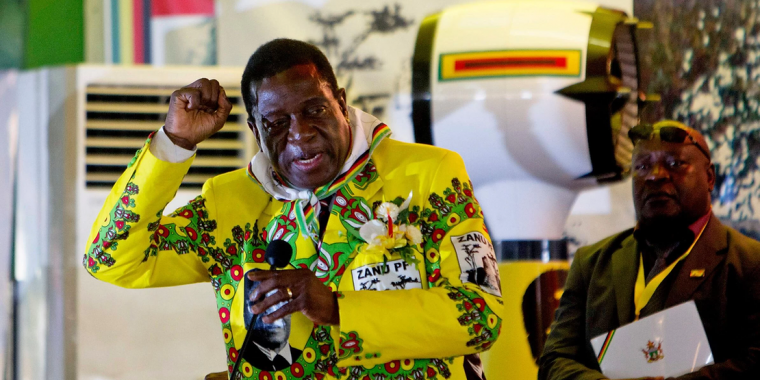
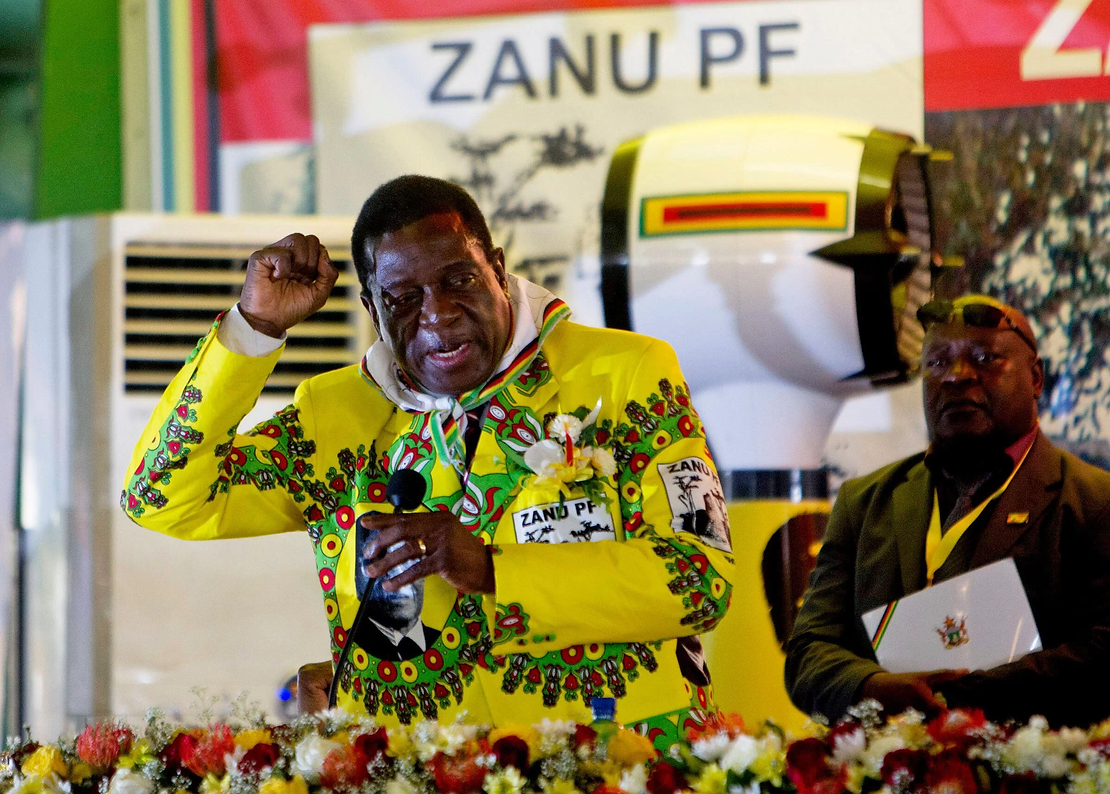
Emmerson
Mnangagwa
at
a
Zanu
PF
conference
in
Masvingo.
Photo
by
AP
Photo/Tsvangirayi
Mukwazhi
/
Alamy
Zimbabwe’s
brutal
regime,
under
President
Emmerson
Mnangagwa,
is
using
social
media,
particularly
X,
to
smear
and
silence
mostly
female
anti-government
political
activists
and
human
rights
defenders
in
the
country.
President
Mnangagwa’s
army
of
paid
pro-government
social
media
trolls
is
known
as
the
Varakashi
–propaganda
stormtroopers–with
some
using
names
of
prominent
people
to
open
fake
X
accounts
without
their
knowledge.
One
ghost
X
account
uses
the
name
of
Zimbabwe’s
former
vice
president,
Joice
Mujuru.
Even
President
Mnangagwa’s
spokesperson,
George
Charamba
–
who
is
also
a
senior
government
employee
–
runs
two
toxic
ghost
X
accounts
–
@Jamwanda2
and
@dhonzamusoro007
–
which
he
uses
to
attack
and
post
completely
fabricated
and
malicious
information
about
female
human
rights
defenders
and
political
activists
in
Zimbabwe.
The
first
of
these
accounts
was
suspended
in
2022
but
was
reinstated
after
Elon
Musk
acquired
Twitter
and
renamed
it
X.
In
the
past
year
there
has
been
a
proliferation
of
toxic
X
accounts
in
the
country
and
they
are
flourishing.
At
times,
these
X
accounts
incite
physical
and
sexual
violence
against
female
political
and
human
rights
activists.
In
one
post,
a
ghost
X
account
threatened
a
prominent
human
rights
activist
that
“[I’m]
waiting
to
rape
you.”
The
post
drew
outrage
from
X
users,
and
it
was
later
deleted.
And
in
a
study
published
in
2023,
Constance
Kasiyamhuru
from
the
University
of
Johannesburg
in
South
Africa
said
the
Varakashi
in
Zimbabwe
operate
mostly
on
Twitter/X
to
“shut
down”
the
political
opponents
of
the
governing
Zanu
PF
party.
“Through
trolling,
name-calling,
threats,
mocking,
mobbing,
labelling,
ridicule,
casting
aspersions,
delegitimation,
disinforming,
and
other
strategies,
Varakashi
seek
to
regulate,
censure,
and
‘discipline’
anti-musangano
[anti-ruling
party]
online
discourse,”
Kasiyamhuru
wrote.
Tendai
Ruben
Mbofana,
a
Zimbabwe
based
social
justice
advocate
and
writer,
said
the
systematic
deployment
of
online
trolls
–
particularly
targeting
female
human
rights
defenders
and
political
activists
–
has
become
a
chilling
hallmark
of
repression
in
Zimbabwe.
“These
smear
campaigns
are
not
just
personal
attacks;
they
are
part
of
a
broader
strategy
to
delegitimize
our
work,
intimidate
us
into
silence,
and
discredit
our
credibility
in
the
eyes
of
the
public,”
Mbofana
said.
He
added
that
the
abuse
often
takes
on
a
deeply
misogynistic
tone,
laced
with
gendered
insults,
threats
of
sexual
violence,
and
false
accusations
designed
to
shame
and
isolate
women.
“It
creates
a
climate
of
fear
and
forces
many
women
out
of
digital
spaces
that
should
otherwise
be
used
to
amplify
their
voices
and
advocacy,”
he
said.
Sophia
Gwasira,
who
was
elected
as
the
first
female
mayor
for
Mutare
City
in
eastern
Zimbabwe
in
August
2023,
told
Index
on
Censorship
that
the
fear
of
being
smeared
and
attacked
on
social
media
platforms
by
Zanu
PF
social
media
trolls
was
forcing
many
women
to
abandon
opposition
politics
and
activism.
She
said
social
media
platforms
were
no
longer
safe
places
for
women
in
opposition
politics
in
Zimbabwe,
with
the
attacks
affecting
both
them
and
their
families.
“It’s
affecting
us
not
only
physically
but
emotionally
too.
We
are
trying
to
find
ways
of
countering
these
attacks.
But
currently
we
don’t
have
any
protection
from
our
own
political
parties
or
from
the
government,”
Gwasira
said.
But
Gwasira
said
she
will
continue
to
fight
for
the
people
and,
given
the
opportunity,
she
would
contest
the
general
elections
slated
for
2028.
Gwasira
and
many
other
opposition
mayors,
MPs
and
councillors
were
recalled
in
late
2023
after
her
party,
the
Citizens
Coalition
for
Change
(CCC)
was
hijacked
by
President
Mnangagwa’s
ruling
party
Zanu
PF
through
its
proxy,
Sengezo
Tshabangu.
This
forced
the
CCC
leader
Nelson
Chamisa
to
abandon
the
opposition
party
and
he
took
a
sabbatical
from
party
politics
in
January
2024.
Promise
Mkwananzi,
spokesperson
for
opposition
party
Citizens
Coalition
for
Change
–
which
is
still
loyal
to
former
leader
Nelson
Chamisa
–
told
Index
on
Censorship
that
as
opposition,
they
have
been
identifying
and
exposing
some
of
these
social
media
ghost
accounts
and
to
direct
their
members
to
counter
the
toxic
narratives
on
X.
“It
must
be
noted
also
that
these
trolls
are
paid
using
taxpayers’
money
to
denigrate
women
and
bully
voices
of
the
alternative
on
social
media,”
Mkwananzi
said.
But
Mkwananzi
was
quick
to
add
that
his
party
will
continue
to
fight
and
mobilise
people
for
a
better
Zimbabwe.
“We
are
also
educating
our
members
to
be
strong
and
to
remain
focused
on
recruiting
mobilising,
educating
and
radicalising
the
base.”
Although
women
are
the
main
target,
men
critical
of
the
ruling
party
are
also
targeted.
“In
my
own
experience,
I
have
faced
repeated,
coordinated
attacks
on
X,
particularly
from
anonymous
accounts
believed
to
be
run
or
supported
by
high-ranking
government
officials,
including
the
president’s
spokesperson.
These
attacks
are
aimed
at
silencing
dissent
and
discouraging
public
engagement.
But
we
will
not
be
silenced.
If
anything,
these
attacks
only
reinforce
the
urgency
of
our
work,”
said
Tendai
Ruben
Mbofana
Mbofana.
When
President
Mnangagwa
seized
power
through
a
military
coup
from
Zimbabwe’s
long-time
dictator,
Robert
Mugabe
in
2017,
President
Mnangagwa
promised
sweeping
reforms;
economic
and
political
reforms,
including
upholding
human
rights
and
rule
of
law
in
the
country.
However,
Zimbabwe
has
become
worse
under
President
Mnangagwa
than
Mugabe;
political
opponents
to
Zanu
PF
have
been
brutalised,
tortured
and
killed
and
corruption
is
widespread.
A
recent
report
by
Human
Rights
Watch
said
authorities
in
Zimbabwe
have
continued
to
restrict
civic
space
and
the
rights
to
freedom
of
expression,
association,
and
peaceful
assembly
and
the
human
rights,
political
and
economic
situation
in
Zimbabwe
continues
to
deteriorate.
Under
the
current
constitution,
President
Mnangagwa’s
term
of
office
–
his
second
and
last
term
–
ends
in
2028
but
his
party
is
now
planning
to
amend
the
constitution
to
keep
him
in
office
till
2030.
Meanwhile,
Mnangagwa’s
Varakashi
are
flooding
social
media
with
messages
in
support
of
the
extension
of
his
term
and
touting
his
“achievements”
so
far.
Paul
Bryant’s
Accusations
Were
Carried
To
LinkedIn:
Yes,
Donald
Trump
is
involved
somehow.
No
Problem
With
Punching
Up:
Pam
Bondi
doesn’t
take
too
kindly
to
Chief
Justice
Roberts.
Welcome
To
The
Stage!:
Three
cheers
for
the
newest
Biglaw
firm,
McDermott
Will
&
Schulte!
Florida
Declares
War
On
DEI.
Again:
This
time
the
AG
is
targeting
law
firms.
Hawaii
Needs
Your
Help!:
They’re
opening
their
doors
to
public
defenders!
According
to
analysis
by
Reuter,
during
the
surge
of
immigration
litigation
during
Trump’s
first
term,
2.5%
of
those
cases
were
handled
by
top
100
Biglaw
firms.
During
Trump’s
second
term,
and
a
similar
surge
in
immigration
litigation,
what
percentage
of
those
cases
have
representation
by
top
100
firms?
Hint:
Donald
Trump’s
war
on
Biglaw
firms
over
representations
that
displease
him
has
had
a
stark
impact
on
Biglaw’s
willingness
to
take
on
immigration
cases
Now
that
we
have
crossed
the
halfway
point
of
2025,
it
is
as
good
a
time
as
any
to
take
a
look
at
the
numbers
underlying
modern
patent
litigation.
Making
this
exercise
more
timely
and
useful
is
the
recent
floating
by
Trump
administration
officials
of
a
“patent
tax”
to
replace
the
current
maintenance
fee
system.
Under
the
(admittedly
sketchy
at
best)
details
of
that
proposal,
patent
holders
would
pay
between
1%-5%
of
patent
value
as
a
tax
—
immediately
raising
the
question
of
how
patent
valuation
would
be
handled
under
the
proposed
new
scheme.
While
we
can
speculate
as
to
whether
this
trial
balloon
will
float
toward
a
successful
implementation
or
get
popped
before
really
taking
flight,
we
do
have
concrete
data
as
to
how
patent
owners
can
use
the
litigation
process
to
generate
value
from
their
infringed
patents. That
data,
available
in
Lex
Machina’s
Damage
Awards
Litigation
Report
2025,
helps
us
better
understand
just
what
kind
of
results
one
can
expect
from
successful
patent
assertion.
As
with
my
prior
takes
on
other
Lex
Machina
reports,
what
follows
are
three
idiosyncratic
takeaways
based
on
my
review
of
their
newest
release.
First,
the
report’s
context
on
the
“dramatic
growth”
of
patent
litigation
awards
relative
to
other
areas
of
litigation
deserves
further
consideration.
Second,
the
continued
rise
in
both
the
average
and
median
jury
award
in
patent
cases
is
pretty
wild.
Third,
the
sharp
decline
in
damages
awarded
in
cases
before
the
WDTX’s
Judge
Albright,
as
well
as
the
dominance
of
SDNY
judges
at
the
top
of
the
“Total
Damages
Awarded”
chart,
provides
an
interesting
denouement
to
what
seemed
an
unstoppable
Waco-based
patent
train
just
a
few
years
ago.
To
start,
I
commend
a
full
read
of
the
report’s
“Executive
Summary,”
with
its
discussion
of
the
interplay
between
the
litigation
and
insurance
industries
as
framed
by
the
current
debate
around
“social
inflation.”
In
an
environment
where
across-the-board
damages
awards
are
increasing,
disagreements
as
to
the
cause
of
that
growth
are
bound
to
occur.
For
insurers,
“social
inflation”
is
the
bogeyman,
as
it
has
“resulted
in
rapid
increases
in
claim
costs
for
key
liability
insurance
lines.”
Likewise,
defendants
in
patent
cases
and
their
allies
have
raised
the
alarm
for
years
about
the
ill
effects
engendered
by
the
introduction
of
third-party
litigation
funding
into
the
patent
litigation
mix.
In
that
vein,
as
the
report
notes,
litigation
funding
and
sophisticated
plaintiff
persuasion
tactics
“may
have
recently
allowed
damage
awards
to
flourish”
at
a
rate
exceeding
even
that
of
inflation.
Yet,
the
report
suggests
caution
is
warranted
in
terms
of
assuming
that
there
is
a
“clear
answer
about
whether
and
to
what
extent
‘social
inflation’
applies
across
various
types
of
civil
litigation.” Undergirding
that
suggested
caution
is
the
fact
that
“[p]ractice
areas
differ
wildly
in
terms
of
changing
values
of
damage
awards
from
2015-2024.”
So
even
though
“patent
infringement
and
trade
secrets,
have
experienced
dramatic
growth”
in
terms
of
damages
awarded,
other
areas
of
law
have
seen
less
action,
with
decreases
“in
both
volume
and
value.”
Further,
the
report
suggests
that
the
current
period
of
generally
rising
damages
awards
could
be
“a
normal
fluctuation
not
in
and
of
itself
sufficient
evidence
of
changing
societal
norms
about
lawsuits.”
In
short
the
proverbial
jury
is
out,
with
the
only
assurance
that
the
debate
will
continue
to
rage.
Second,
the
report’s
insights
into
the
“dramatic
growth”
in
patent
damages
awards
are
worthy
of
further
investigation.
Perhaps
the
biggest
driver
of
that
growth
is
the
increasing
willingness
of
juries,
especially
post-Covid,
to
award
large
damages
to
patent
owners
that
are
able
to
shepherd
their
cases
to
trial
and
verdict.
To
illustrate
this
growth,
let’s
take
a
look
at
a
few
numbers
disclosed
in
the
report.
Prior
to
2020,
2017
was
the
year
that
saw
the
most
patent
cases
get
to
a
jury
verdict,
with
34
such
verdicts.
In
2023
and
2024,
however,
the
number
of
cases
where
a
jury
awarded
damages
leapt
up
to
50
each
year,
which
means
that
we
are
getting
at
least
one
more
patent
case
a
month
going
to
trial
successfully
for
plaintiffs,
than
we
did
in
the
best
year
for
such
results
pre-Covid.
Likewise,
prior
to
Covid,
2018
was
the
year
with
the
highest
average
jury
award
for
patentees,
to
the
tune
of
a
bit
over
$32
million.
Since
trials
resumed
in
2020?
We
have
not
seen
a
year
where
the
average
jury
verdict
was
less
than
close
to
$39
million
—
and
the
numbers
for
2022-2024
are
staggering,
with
average
jury
awards
at
$74
million,
$58
million,
and
$83
million
respectively.
Dramatic
growth
indeed,
with
more
cases
getting
to
verdict
and
juries
awarding
ever-higher
verdict
amounts
as
well. While
it
seems
clear
that
the
demanding
standards
of
both
contingency
law
firms
and
third-party
litigation
funders
may
be
contributing
to
better
case
selection
and
more
staying
power
for
patent
plaintiffs,
it
also
seems
like
patent
trial
lawyers
and
their
damages
experts
are
doing
a
better
job
than
ever
getting
juries
to
reward
patent
owners
at
trial.
All
these
effects
are
linked,
at
least
to
some
extent,
because
one
of
the
ways
a
patent
case
becomes
attractive
to
contingency
lawyers
and
funders
is
where
the
damages
potential
is
sky
high,
leading
to
more
cases
going
to
trial
against
large
defendants,
whose
revenues
from
sales
of
infringing
products
contribute
to
large
damages
awards.
And
so
the
circle
continues
to
turn
with
no
end
in
sight,
subject
of
course
to
the
Federal
Circuit’s
wielding
of
its
mega
horsepower
damages
award
weed
whacker,
which
it
is
not
shy
about
doing.
Lastly,
it
is
a
humbling
reminder
for
the
patent
bar
that
while
we
may
handle
large
cases,
when
it
comes
to
generating
headline-worthy
verdicts,
big-ticket
class
action
cases
continue
to
generate
the
largest
damages
awards.
With
a
real
concentration
of
the
biggest
such
cases
in
the
Southern
District
of
New
York,
it
is
no
surprise
to
see
SDNY
judges
at
the
top
of
the
charts
in
terms
of
damages
awards
from
2022-2024
nationwide.
The
only
“patent
judge”
in
the
top
10,
WDTX’s
Judge
Alan
Albright,
actually
saw
a
big
decline
in
damages
awarded
year
over
year
from
2022-2024.
After
a
high-water
mark
of
$1.44
billion
in
2022,
2024
saw
only
$318
million
in
damages
awarded
in
his
court,
which
is
a
large
number.
But
that
number
is
more
comparable
nowadays
to
a
single
healthy
EDTX
patent
verdict,
rather
than
evidence
that
WDTX
juries
are
super
willing
to
reward
patentees
at
trial.
It
will
be
interesting
to
see
if
the
WDTX
can
keep
pace
with
EDTX
going
forward
on
this
front,
or
if
the
decline
in
jury
awards
will
cement
EDTX’s
“top
spot
as
the
leading
venue
for
patent
litigation
in
the
United
States.”
Ultimately,
we
once
again
can
see
from
the
report’s
presentation
of
data
that
modern
patent
litigation
remains
a
vibrant
and
challenging
pursuit
for
both
plaintiffs
and
defendants.
At
the
same
time,
the
continued
changes
in
the
patent
space,
both
implemented
and
being
proposed,
promise
to
make
the
upcoming
years
even
more
exciting
—
and
if
the
amount
of
damages
awarded
in
patent
cases
continues
to
increase,
even
more
lucrative
for
successful
litigants,
their
counsel,
and
the
litigation
funders
that
were
fortunate
enough
to
have
backed
the
winners.
I
am
sure
that
many
in
this
readership
feel
the
same
way.
Thanks
once
again
to
Lex
Machina
for
pulling
together
and
presenting
the
data
in
a
way
that
highlights
how
well
our
little
area
of
law
continues
to
adapt
and
grow.
Please
feel
free
to
send
comments
or
questions
to
me
at
[email protected]
or
via
Twitter:
@gkroub.
Any
topic
suggestions
or
thoughts
are
most
welcome.
Gaston
Kroub
lives
in
Brooklyn
and
is
a
founding
partner
of Kroub,
Silbersher
&
Kolmykov
PLLC,
an
intellectual
property
litigation
boutique,
and Markman
Advisors
LLC,
a
leading
consultancy
on
patent
issues
for
the
investment
community.
Gaston’s
practice
focuses
on
intellectual
property
litigation
and
related
counseling,
with
a
strong
focus
on
patent
matters.
You
can
reach
him
at [email protected]or
follow
him
on
Twitter: @gkroub.