At
this
point,
we
need
to
consider
the
possibility
that
complaining
about
Martha’s
Vineyard
is
just
Dershowitz’s
kink.
He’s
spent
years
bemoaning
the
fact
that
nobody
on
the
famed
vacation
spot
likes
him
and
even
threatening
legal
action
for
perceived
slights.
Rather
than
just
spend
his
summers
in
MAGA
country
where
his
role
as
a
Trump
apologist
wouldn’t
cause
a
stir,
he
persists
in
returning
to
the
island
where
he
is
so
egregiously
silenced
leaving
his
voice
no
other
outlet
than
his
bestselling
books
and
173,000+
YouTube
subscribers.
Last
week,
he
told
his
fans
“I’m
suing,”
after
a
pierogi
vendor
refused
to
sell
to
him
because
of
Dershowitz’s
politics
and
who
he’s
represented.
Such
a
lawsuit
may
sound
frivolous
—
because
it
is,
as
political
beliefs
are
not
a
protected
class
—
but
it
does
make
for
a
snappy
podcast
title!
Over
the
weekend,
more
details
emerged
with
Crooked
Media
correspondent
Matt
Berg
securing
a
copy
of
the
police
report
and
writing
about
it
for
his
newsletter
(snippet
included
on
his
social
media).
Scoop:
I
got
the
(hilarious)
police
report
on
Alan
Dershowitz’s
pierogi
dispute.
“Dershowitz
stated
he
was
going
to
spread
the
word
to
others
at
the
market
to
not
buy
from
the
pierogi
booth.”
The
cop
warned
him
not
to.
And
if
you’re
just
imagining
what
it
must
look
like
for
the
Harvard
Law
Emeritus
to
devote
his
vacation
time
to
venting
about
pierogies,
you
don’t
have
to.
Because
as
the
description
notes,
there’s
a
video
of
his
conversation
with
the
police!
Timeline
cleanse:
Insta
video
of
Allen
Dershowitz
being
told
by
Martha’s
Vineyard
police
to
stop
harassing
vendors
or
be
charged
with
trespassing
after
three
different
sellers
refused
him
service.
1/3www.instagram.com/reel/DMvVG1S…
Should
the
principal
of
a
public
school
be
able
to
go
into
a
student’s
locker
and
open
their
sealed
letters
whenever
they
want
to?
Probably
not.
Opening
the
locker
is
fair
game
—
that
belongs
to
the
school
after
all,
but
barring
some
exigent
circumstances,
students
should
have
a
reasonable
expectation
of
privacy
with
regard
to
snooping
in
their
messages.
Right?
A
recent
case
out
of
Kansas
is
testing
that
common
sense
assumption
about
student
privacy
at
public
schools.
Lawrence
Times
has
coverage:
Nine
current
and
former
students
have
filed
a
federal
civil
rights
lawsuit
against
Lawrence
Public
Schools,
alleging
the
district’s
use
of
a
controversial
AI
surveillance
tool
violates
student
privacy.
The
AI
tool,
called
Gaggle,
sifts
through
anything
connected
to
the
district’s
Google
Workspace
—
which
includes
Gmail,
Drive
and
other
products
—
and
flags
content
it
deems
a
safety
risk,
such
as
allusions
to
self-harm,
depression,
drug
use
and
violence.
But
Gaggle
also
censors
“messages
containing
innocuous
phrases
such
as
‘called
me
a,’
‘called
her
a,’
‘very
uncomfortable,’
and
‘my
mental
health’,”
the
lawsuit
alleges.
Should
be
an
open
and
shut
case
right?
Well,
it
gets
worse
—
the
lawsuit
alleges
that
the
tool
was
used
to
intercept
attempts
at
student
journalism:
“Students’
journalism
drafts
were
intercepted
before
publication,
mental
health
emails
to
trusted
teachers
disappeared,
and
original
artwork
was
seized
from
school
accounts
without
warning
or
explanation,”
said
Harrison
M.
Rosenthal,
an
attorney
representing
the
students.
You
may
wonder
how
this
should
pan
out
considering
that
it’s
an
AI
program
opening
the
emails
instead
of
a
zealous
principal.
The
hope
is
that
AI
doing
the
filtering
shouldn’t
change
the
nature
of
the
peeping
in
any
real
way
given
that
it
is
being
done
on
the
district’s
behalf.
And
if
some
judge
bungles
this
case
up
and
rules
in
the
school’s
favor,
it
could
set
precedent
for
other
public
high
schools,
or
even
colleges,
to
use
AI
to
snoop
through
their
students’
communications.
Given
that
we’ve
already
crossed
the
“you
face
deportation
for
writing
opinion
pieces
contrary
to
state
doxa”
part
of
the
alt-right
take
over,
the
chilling
effect
that
that
could
have
on
student
journalists
nationwide
is
mind-boggling.
In
the
meantime,
the
Kansas
students
would
probably
be
better
off
communicating
on
Signal
or
—
God
forbid
—
using
pen
and
paper.
Chris
Williams
became
a
social
media
manager
and
assistant
editor
for
Above
the
Law
in
June
2021.
Prior
to
joining
the
staff,
he
moonlighted
as
a
minor
Memelord™
in
the
Facebook
group Law
School
Memes
for
Edgy
T14s
.
He
endured
Missouri
long
enough
to
graduate
from
Washington
University
in
St.
Louis
School
of
Law.
He
is
a
former
boatbuilder
who
is
learning
to
swim, is
interested
in
critical
race
theory,
philosophy,
and
humor,
and
has
a
love
for
cycling
that
occasionally
annoys
his
peers.
You
can
reach
him
by
email
at [email protected]
and
by
tweet
at @WritesForRent.
2,200+
Subscribers
From
49
States
and
55
Countries
2,500+
Unique
Reader
Views
Weekly
1
new
puppy
–
scroll
to
the
end
to
meet
Bertie,
who
arrived
in
our
household
last
week
Thank
you
for
joining
me
on
this
journey.
To
celebrate
the
LER’s
second
birthday,
I’m
sharing
some
shoutouts
from
subscribers
over
the
past
year
before
we
cover
last
week’s
headlines
(again
15,
even
though
I
tried
hard
to
keep
it
at
10).
For
the
rest
of
August,
I’ll
be
putting
the
Roundup
on
pause
to
catch
up
on
a
few
writing
projects
and
spend
time
with
family.
But
don’t
worry,
I’ll
be
back
after
Labor
Day
to
help
navigate
whatever
emerges
in
the
field
of
legal
ethics!
Now
for
the
shoutouts.
Here
are
some
of
the
great
things
subscribers
have
been
saying
in
the
LER’s
second
year.
“I
support
your
work
because
I
taught
ethical
precepts
to
thousands
of
law
students
over
my
35
year
career
as
a
professor
of
law
and
I
believe
that
legal
ethics
are
essential
to
protection
of
democracy
and
the
rule
of
law.”
“Great
way
to
keep
up
with
important
developments
in
the
field.
“Love,
love,
love
what
you’re
doing!”
“I
appreciate
being
able
to
keep
up
with
the
latest
ethics
news.”
“Great
place
to
go
to
keep
up
with
ethics
developments.
I
also
like
hearing
about
your
journey
in
the
law.”
“I’m
teaching
Professional
Responsibility
from
a
public
interest
perspective
and
find
the
Roundup
to
be
the
best
source
of
‘ethics
in
the
news’
which
I
use
each
week
to
start
the
class.”
“Keeps
me
up
to
date
on
national
developments
and
trends.”
Do
you
know
someone
who
would
love
the
LER
as
much
as
these
readers?
If
so,
please
share
it.
#1.
“Trump
Ally
Jeffrey
Clark
Should
be
Disbarred
Over
2020
Election
Effort,
DC
Panel
Says.”
From
the
Associated
Press:
“Jeffrey
Clark,
the
former
Justice
Department
official
who
aided
President
Donald
Trump’s
efforts
to
overturn
the
results
of
the
2020
election,
should
be
stripped
of
his
law
license,
a
Washington
disciplinary
panel
ruled
on
Thursday.
Clark,
who
is
now
overseeing
a
federal
regulatory
office,
played
a
key
role
in
Trump’s
efforts
to
challenge
his
election
loss
to
Joe
Biden
and
clashed
with
Justice
Department
superiors
who
refused
to
back
his
false
claims
of
fraud.
The
D.C.
Board
of
Professional
Responsibility’s
recommendation
will
now
go
to
the
D.C.
Court
of
Appeals
for
a
final
decision.
Under
the
second
Trump
administration,
Clark
has
been
serving
as
acting
head
of
the
Office
of
Information
and
Regulatory
Affairs,
a
part
of
the
Office
of
Management
and
Budget
that
is
responsible
for
reviewing
executive
branch
regulations.”
Read
more
here.
#2
“Hundreds
Sign
Amicus
Briefs
in
Support
of
Maryland’s
Federal
Judges.”
From
the
Maryland
Daily
Record:
“Hundreds
of
lawyers
and
pro-democracy
groups
have
signed
amicus
briefs
in
support
of
Maryland’s
federal
judges,
who
are
facing
an
unprecedented
lawsuit
by
the
Trump
administration
over
a
standing
order
that
seeks
to
preserve
due
process
for
people
facing
deportation.
Three
amicus
briefs,
endorsed
by
groups
across
the
political
spectrum,
support
the
judges.
…
Eleven
retired
federal
judges,
who
were
appointed
by
both
Republican
and
Democratic
presidents,
state
in
an
amicus
brief
that
the
lawsuit
‘threatens
the
judicial
role
to
its
core.’
…
Lawyers
Defending
American
Democracy
and
the
Lawyers
Society
for
the
Rule
of
Law
Institute,
along
with
retired
federal
appellate
Judge
J.
Michael
Luttig
—
a
prominent
anti-Trump
conservative
who
was
appointed
to
the
bench
by
President
George
H.W.
Bush
—
also
filed
an
amicus
brief
asking
for
the
case
to
be
tossed.”
Read
more
here.
#3
“US
Appeals
Court
Extends
Suspension
of
98-Year-Old
Judge
in
Fitness
Probe.”
From
Reuters:
“The
U.S.
Court
of
Appeals
for
the
Federal
Circuit
said
on
Monday
that
it
would
extend
its
suspension
of
98-year-old
judge
Pauline
Newman
for
another
year
after
determining
that
she
had
not
complied
with
an
internal
investigation
into
her
fitness
to
serve
on
the
Washington,
D.C.-based
court.
A
committee
of
the
court’s
active
judges
determined
that
reports
from
doctors
chosen
by
Newman
did
not
eliminate
the
need
for
her
to
undertake
‘a
full
neuropsychological
battery
of
tests’
to
ascertain
whether
she
was
capable
of
continuing
to
serve.”
Read
more
here.
#4
“Legal
Watchdog
Files
Bar
Complaints
Against
Justice
Dept.
Lawyers.”
From
the
New
York
Times:
“A
legal
watchdog
group
accused
three
Justice
Department
lawyers
of
professional
misconduct
on
Thursday,
saying
they
had
made
false
statements
to
a
federal
judge
in
a
high-profile
case
challenging
the
Trump
administration’s
efforts
to
dismantle
the
Consumer
Financial
Protection
Bureau.
The
accusations
by
the
group,
the
Legal
Accountability
Center,
were
formally
filed
with
the
grievance
committees
of
bar
associations
in
Washington
and
other
cities
where
the
lawyers
lived
or
practiced.
The
move
represented
a
rare
attempt
to
seek
professional
sanctions
against
rank-and-file
department
lawyers
who
have
appeared
in
court
on
behalf
of
the
federal
government.
‘The
rule
of
law
is
under
direct
assault
right
now,
and
its
greatest
threat
comes
when
those
within
the
legal
system
fail
to
do
their
duties
and
stand
up
against
the
attack,’
said
Michael
Teter,
the
executive
director
of
the
group.”
Read
more
here
(gift
link).
#5
“Weak
Ethics
and
Deep
Politics
at
DOJ
in
the
Epstein
Case.”
From
Executive
Functions:
“As
explained
by
the
Department
of
Justice,
the
Deputy
Attorney
General’s
job
is
to
‘advise[]
and
assist[]
the
Attorney
General
in
formulating
and
implementing
departmental
policies
and
programs
and
then
providing
overall
supervision
and
direction
to
all
organizational
units
of
the
Department.’
For
this
reason,
it
is
extraordinary
that
the
current
DAG,
Trump’s
former
lawyer
Todd
Blanche,
is
leading
the
administration’s
response
to
the
Epstein
controversy.”
Read
more
here.
#
6.
“Apparent
AI
Mistakes
Force
Two
Judges
to
Retract
Separate
Rulings.”
From
Fox
News:
“Two
U.S.
judges
in
separate
federal
courts
scrapped
their
rulings
last
week
after
lawyers
alerted
them
to
filings
that
contained
inaccurate
case
details
or
seemingly
‘hallucinated’
quotes
that
misquoted
cited
cases
—
the
latest
in
a
string
of
errors
that
suggest
the
growing
use
of
artificial
intelligence
in
legal
research
and
submissions.
In
New
Jersey,
U.S.
District
Judge
Julien
Neals
withdrew
his
denial
of
a
motion
to
dismiss
a
securities
fraud
case
after
lawyers
revealed
the
decision
relied
on
filings
with
‘pervasive
and
material
inaccuracies.’
…
In
Mississippi,
U.S.
District
Judge
Henry
Wingate
replaced
his
original
July
20
temporary
restraining
order
that
paused
enforcement
of
a
state
law
blocking
diversity,
equity
and
inclusion
programs
in
public
schools
after
lawyers
notified
the
judge
of
serious
errors
submitted
by
the
attorney.”
Read
more
here.
#7
“Barrister
Loses
Appeal
Against
Disbarment
for
Sexual
Harassment.”
From
Legal
Futures:
“A
barrister
disbarred
for
sexual
harassment
has
lost
his
appeal
against
the
sanction.
Robert
Michael
Kearney,
who
was
called
in
1996,
admitted
to
sexually
harassing
a
woman
during
a
mini
pupillage
and,
separately,
two
pupils
at
social
events.
A
Bar
disciplinary
tribunal
said
misconduct
such
as
this
‘needs
to
be
deterred.’
It
was
actually
the
second
time
he
had
been
disbarred
for
these
actions,
after
the
High
Court
overturned
the
original
decision
on
the
basis
of
apparent
bias
on
the
part
of
the
tribunal
panel
and
ordered
a
fresh
sanction
hearing.”
Read
more
here.
#8
“Woman
Suffers
a
Cardiac
Arrest
While
Taking
the
Bar
Exam
—
and
Proctors
Allegedly
Didn’t
Stop
to
Provide
Help.”
From
People
Magazine:
“A
test
taker
suffered
a
cardiac
arrest
while
taking
the
bar
exam
—
and
proctors
administering
the
evaluation
allegedly
did
not
stop
in
order
to
provide
an
assist.
The
incident
occurred
on
July
30,
as
the
New
York
State
Board
of
Law
Examiners
was
administering
the
New
York
State
Bar
Examination
at
Hofstra
University
in
Hempstead,
N.Y.,
a
spokesperson
for
the
college
told
People.”
Read
more
here.
#9
“University
of
Michigan
Law
Professor
Loses
Race,
Sex
Bias
Appeal.”
From
Bloomberg
Law:
“The
University
of
Michigan
and
a
former
dean
of
its
law
school
defeated
a
Black
female
law
professor’s
bid
to
revive
her
race
and
sex
discrimination
lawsuit.”
Read
more
here.
#10
“Focusing
on
‘People
Law,’
State
Chief
Justices
Encourage
‘Innovative
Pathways’
to
Law
License,
New
Report
Says.”
From
the
ABA
Journal:
“Changing
the
requirements
for
a
law
license
and
supporting
financial
help
for
public-interest
lawyering
are
among
the
ways
that
state
supreme
courts
can
help
address
‘staggering’
unmet
legal
needs,
according
to
a
report
by
a
group
of
state
chief
justices
and
court
administrators
released
Wednesday.
The
report
also
cites
a
need
to
address
‘a
concerning
gap
in
practice
skills’
affecting
‘critical
competencies,’
such
as
client
communication,
legal
writing
specific
to
practice
tasks,
negotiations
and
oral
advocacy.
‘The
report
details
the
urgent
challenges
we
are
facing
in
meeting
the
legal
needs
of
the
public
and
provides
a
roadmap
for
how
state
courts
can
lead
in
addressing
those
needs
and
advancing
the
profession,’
says
New
Hampshire
Supreme
Court
Chief
Justice
Gordon
J.
MacDonald,
who
commented
in
an
emailed
response
to
the
ABA
Journal’s
questions.”
Read
more
here.
#11
“5th
Circ.
Allows
Challenge
To
Nonprofit
Political
Pro
Bono
Ban.”
From
Law360:
“The
Fifth
Circuit
said
Monday
a
free
speech
nonprofit
has
the
right
to
sue
members
of
the
Texas
Ethics
Commission
in
an
attempt
to
conduct
pro
bono
work
for
a
political
organization,
saying
the
commissioners
do
not
have
sovereign
immunity
in
their
official
roles
and
must
face
the
suit.”
Read
more
here.
#12
“Georgia
Lawyer
Wins
Revival
of
Race
Bias
Case
Against
State
Bar.”
From
Bloomberg
Law:
“A
Georgia
lawyer
can
proceed
with
claims
of
racial
discrimination
in
the
State
Bar’s
handling
of
professional
discipline,
after
the
Eleventh
Circuit
revived
her
case
on
jurisdictional
grounds.
The
Georgia
Supreme
Court’s
authority
to
adjudicate
lawyer
disciplinary
matters
doesn’t
preclude
federal
courts
from
hearing
related
federal-law
claims,
a
three-judge
panel
of
the
US
Court
of
Appeals
for
the
Eleventh
Circuit
said.
They
sent
the
case
back
to
the
lower
court
for
further
proceedings.
Marsha
W.
Mignott,
a
Black
attorney
based
in
Atlanta,
sued
the
State
Bar
of
Georgia’s
Office
of
General
Counsel
and
related
defendants
…
.”
Read
more
here.
#13
“Conflict
U.:
Two
Dozen
Federal
Judges
Did
Not
Recuse
in
Cases
Involving
the
Universities
Where
They
Teach.”
From
Fix
the
Court:
“As
an
appeals
court
judge,
Amy
Coney
Barrett
included
both
the
University
of
Notre
Dame
and
Notre
Dame
Law
School
on
her
recusal
list.
That
meant
if
the
Seventh
Circuit’s
case-assigning
software
was
about
to
assign
her
a
case
in
which
either
was
a
party,
the
software
would
instead
skip
her.
Conflict
avoided.
It
sounds
simple,
but
it
appears
that
Barrett
is
an
outlier.
According
to
a
new
report—
‘Conflict
U.’
—
released
today
by
Fix
the
Court,
two
dozen
federal
judges
who
teach
at
law
schools
have
recently
participated
in
cases
involving
those
schools’
parent
universities.”
Read
more
here.
#14
“Partner
Struck
Off
After
Sticking
‘Head
in
the
Sand’
Over
Bill.”
From
Legal
Futures:
“A
partner
whose
‘head
in
the
sand’
approach
meant
a
case
spiraled
out
of
control
after
he
failed
to
serve
points
of
dispute
on
a
bill
of
costs
in
time
has
been
struck
off.
The
Solicitors
Disciplinary
Tribunal
(SDT)
said
Daniel
James
Skinner,
who
at
the
time
was
a
partner
at
South
London
firm
Capsticks,
had
been
dishonest
in
what
he
told
his
client
once
they
learned
directly
from
the
opposing
solicitors
that
a
default
costs
certificate
(DCC)
had
been
issued.”
Read
more
here.
#15
“Citing
Inappropriate
Social
Media
Posts,
Mayer
Brown
Fires
Partner
Less
Than
2
Months
After
Hiring
Announcement.”
From
the
ABA
Journal:
“Mayer
Brown
fired
a
lateral
funds
formation
partner
in
early
July
after
a
report
surfaced
of
inappropriate
social
media
posts
with
sexually
explicit
language
on
X,
formerly
known
as
Twitter,
according
to
a
report
by
Law.com.”
Read
more
here.
Did
you
miss
the
300+
job
postings
from
previous
weeks?
Find
them
all
here.
Did
you
miss
an
announcement
from
previous
weeks?
Find
them
all here.
Say
hello
to
the
newest
addition
at
the
Knake
Jefferson
household
–
Bertie!
She’s
a
nine-week-old
maltipoo
havanese.
While
she
is
not
named
after
a
poet
(like
our
microlabradoodle
Rilke),
we
picked
her
name
based
on
our
happy
memories
from
living
in
Albert
Park,
an
oceanside
village
in
Melbourne,
Australia,
and
on
Albert
Avenue
in
East
Lansing.
Renee
Knake
Jefferson
holds
the
endowed
Doherty
Chair
in
Legal
Ethics
and
is
a
Professor
of
Law
at
the
University
of
Houston.
Check
out
more
of
her
writing
at
the Legal
Ethics
Roundup.
Find
her
on
X
(formerly
Twitter)
at @reneeknake or
Bluesky
at legalethics.bsky.social.
[I’m]
not
shocked
that
there
are
deferrals
happening
[and]
not
sure
this
is
going
to
be
the
last
firm
that’s
going
to
decide
to
defer.
[The
slowness
in
VC
work
is]
an
unhealthy
canary
in
the
coal
mine.
—
Kate
Reder
Sheikh,
a
partner
in
the
associate
practice
group
at
recruiting
firm
Major
Lindsey
&
Africa,
in
comments
given
to
Law.com,
concerning
A&O
Shearman’s
recent
deferral
of
associates.
Sheikh
went
on
to
say
that
M&A
had
recently
made
fewer
than
500
associate
hires
compared
to
more
than
2,000
litigation
associate
hires,
and
that
she’d
“never
seen
such
an
imbalance.”
Staci
Zaretsky is
the
managing
editor
of
Above
the
Law,
where
she’s
worked
since
2011.
She’d
love
to
hear
from
you,
so
please
feel
free
to
email
her
with
any
tips,
questions,
comments,
or
critiques.
You
can
follow
her
on Bluesky, X/Twitter,
and Threads, or
connect
with
her
on LinkedIn.
Look
at
the
remarkable
uses
to
which
President
Donald
Trump
has
put
his
apparently
unbridled
power
to
impose
tariffs.
Six
months
ago,
Trump
said
that
he
would
impose
tariffs
on
Canada
for
failure
to
control
the
supposed
flow
of
fentanyl
from
Canada
into
the
United
States.
I
guess
that
problem
is
now
solved,
but
another
one
popped
up:
Trump
just
announced
that
Canada’s
recent
proposal
to
recognize
a
Palestinian
state
would
make
it
“very
hard”
to
reach
a
trade
agreement.
Canada’s
not
alone
in
this
regard.
Back
in
January,
Colombia
said
that
it
wouldn’t accept
flights of
deported
migrants
flown
on
military
planes.
Trump,
in
turn,
said
that
he’d
impose
a
25%
tariff
on
Colombia,
rising
to
50%
after
a
week. Colombia
agreed
to
accept
the
flights.
India
says
that
it
will
import
oil
from
Russia.
Trump
says
that
he’ll
hit
India
with
tariffs.
Russia
hasn’t
agreed
to
peace
in
Ukraine.
Trump
says
that,
if
Russia’s
obstinance
continues,
he’ll
impose
tariffs.
Prosecutors
in
Brazil
are
pursuing
Jair
Bolsonaro
for
having
had
his
supporters
storm
government
buildings
and
having called
for
a
coup. Trump
likes
guys
who
have
their
supporters
storm
government
buildings
and
try
to
engage
in
a
coup;
Trump’s added
40% (to
the
existing
10%)
tariff
on
Brazil
expressly
because
Brazil’s
prosecuting
Bolsonaro.
I
don’t
pretend
to
be
knowledgeable
about
the
laws
governing
American
international
trade.
Generally,
I
thought
that
tariffs
were
supposed
to
be
set
by
Congress,
with
exceptions
permitting
the
president
to
intervene
only
to
protect
against
import
surges,
to
preserve
industries
essential
to
national
security,
to
prevent
unfair
foreign
practices,
and
arguably
to
mitigate
economic
emergencies.
I
understand
that
Trump
can
say
that
Brazil
prosecuting
Bolsonaro
falls
into
one
of
those
categories,
but
I
don’t
understand
why
any
sentient
person
would
think
that
was
true.
If
Trump
really
has
the
power
to
impose
tariffs
for
anything
—
Canada’s
recognition
of
Palestine;
India’s
decision
to
import
oil
from
Russia;
Brazil’s
decision
to
prosecute
Bolsonaro
—
where
does
that
power
stop?
Trump
is
asserting
the
power
to
interfere
both
in
other
countries’
foreign
policy
decisions
and
their
domestic
affairs. Doesn’t
that
seem
a
little
expansive?
Trump
has
said
he
wants
Canada
to
become
the
51st
American
state. Could
Canada’s
unwillingness
to
acquiesce
become
yet
another
stumbling
block
to
trade? Could
we
pick
up
Iceland
and
the
Panama
Canal
simply
by
imposing
crippling
tariffs
on
the
relevant
countries?
What
if
Qatar
were
to
renege
on
its
offer
to
give
Trump
a
used
Boeing
747? Impose
tariffs
until
Qatar
turns
over
the
plane?
What
if,
for
instance,
Serbia
says
that
it
won’t
change
its
zoning
laws
to
permit
the
building
of
a
Trump
Tower
in
Belgrade? A
billion
percent
tariffs
until
the
bastards
comply?
This
is
no
way
to
run
a
country. It’s
remarkably
silly
and
more
than
a
little
bit
dangerous.
I’m
not
intimately
familiar
with
the
legal
issues,
but
last
Thursday,
the
parties argued
a
case before
the
U.S.
Court
of
Appeals
for
the
Federal
Circuit
challenging
Trump’s
unrestrained
ability
to
impose
tariffs
for
damned
near
anything.
Watch
that
case
closely
for
two
reasons. First,
hope
that
the
courts
will
once
again
come
to
America’s
rescue,
limiting
the
power
of
Trump,
and
future
presidents,
to
do
whatever
comes
into
their
heads. Second,
watch
the
stock
markets. Some
people
will
make
a
killing
by
acting
quickly
if
the
court
decides
to
restrict
Trump’s
unilateral
tariff
power.
But
now
that
we
know
she’s
alive,
we
can
get
back
to
the
other
glaring
issue:
What
in
the
actual
hell
is
wrong
with
the
people
running
this
exam?
When
we
first
covered
this
story,
we
called
the
Board
of
Law
Examiners
seeking
a
statement
and
learned
that
they
weren’t
answering
their
phones
because
—
apparently
—
they’re
out
of
the
office
the
rest
of
the
week
after
the
bar
exam.
Because
why
might
anyone
need
to
contact
the
people
running
the
bar
exam
immediately
after
the
bar
exam?
However,
the
Board
eventually
did
make
a
statement
claiming
that
their
“priority”
was
the
candidate
suffering
a
medical
emergency.
The
passive
voice…
the
last
refuge
of
the
scoundrel.
Witnesses
—
plural
—
disagree
with
this
assessment.
Several
examinees
took
to
social
media
to
describe
the
situation
and
while
details
differ,
the
consistent
theme
is
that
test-takers
sounded
the
alarm
that
someone
needed
help
and
the
proctors
seemed
temporarily
reluctant
to
act
and
in
all
events
refused
to
stop
the
test
as
if
firing
up
the
defibrillator
and
yelling
“clear”
was
just
another
ambient
noise
on
par
with
a
cough
or
dropped
pencil.
Note
that
the
test-taker
they
got
on
camera
appears
to
be
using
a
pseudonym.
Bar
examiners
signaled
during
COVID
that
they
were
willing
to
retaliate
against
critics,
making
people
reluctant
to
call
them
out.
Aside
from
everything
else,
the
fact
that
examinees
even
entertain
the
idea
that
speaking
up
for
someone
who
almost
died
might
cost
them
their
license
amounts
to
a
genuine
legitimacy
crisis.
If
the
bar
examiners
can’t
be
trusted
to
accept
“perhaps
don’t
let
people
die”
as
a
note,
their
reputation
as
a
good
faith
actor
is
shot.
On
day
two
of
the
bar
(MBE
day)
about
15
minutes
before
the
end
of
the
AM
session
a
young
woman
sitting
about
ten
feet
from
where
I
was
sitting
collapsed.
Initially,
people
around
her
thought
she
was
experiencing
a
seizure,
but
it
soon
became
clear
that
it
was
more
serious
than
that.
The
proctors
urged
everyone
in
the
area
to
continue
their
exam
and
began
to
attend
to
her,
but
there
was
nobody
on
hand
with
medical
expertise.
The
proctors
did
not
make
an
announcement
asking
if
there
was
a
medic
in
the
room
(of
which
there
almost
certainly
was
given
that
there
were
over
a
thousand
examinees
in
the
room)
as
they
would
on
an
airplane.
Examinees
did
not
have
their
phones
and
so
could
not
call
911
and
proctors
were
hesitant
to
do
so
for
some
reason,
only
calling
for
help
after
students
begged
them
to.
It
took
about
ten
minutes
until
campus
security
arrived
and
began
to
administer
CPR
and
another
couple
of
minutes
until
a
defibrillator
was
brought.
All
the
while,
examinees
were
told
to
continue
their
exam
and
stay
in
their
seats.
I
literally
saw
students
scribbling
away
on
their
exam
papers
at
the
table
right
behind
the
young
woman,
just
inches
away
from
where
medics
were
administering
chest
compressions
to
try
to
save
her
life.
Proctors
didn’t
bother
moving
the
examinees
in
the
immediate
proximity
to
clear
space
for
the
medical
personnel
once
they
arrived.
Only
after
the
session
was
over
did
they
allow
people
to
leave
their
seats.
So
when
the
Board
says
the
tests
were
“quickly
collected
and
the
candidates
were
dismissed
for
lunch”
it’s
like
saying
the
Titanic
“concluded
its
journey
early.”
It’s
trying
to
create
the
impression
that
the
proctors
put
a
stop
to
the
test
as
opposed
to
the
event
happening
close
to
the
scheduled
end
of
the
session.
That’s
just
clumsy
ass-covering
because
it’s
an
easily
discoverable
detail.
It’s
also
such
a
stupid
deception.
A
breakdown
that
delays
medical
attention
carries
series
legal
implications
so
they
can
be
expected
to
spin
that
response,
but
the
decision
to
stop
the
test
for
everyone
else
during
the
emergency
is
a
separate
matter.
If
they
said,
“we
think
our
proctors
dealt
with
the
medical
emergency
appropriately,
but
we
acknowledge
that
in
the
future
the
test
should
have
been
immediately
suspended
for
the
other
examinees
and
will
develop
new
protocols
for
this”
they
wouldn’t
be
conceding
anything
while
showing
at
least
some
sense
of
the
gravity
of
the
situation.
But
they
couldn’t
bring
themselves
to
do
that
because
it
would
require
admitting
—
for
even
a
second
—
that
something
might
be
more
important
than
this
dumb
test.
That,
more
so
than
even
the
response
in
the
moment,
is
the
real
indictment
of
the
bar
exam
as
an
institution.
They’ve
had
time
to
think
about
this
and
they
still
can’t
comprehend
a
response
that
might
involve
stopping
the
test.
The
ritual
cannot
be
compromised!
The
woman
survived.
But
the
legitimacy
of
the
bar
exam
remains
in
the
toilet.
And
if
the
best
the
Board
can
offer
is
a
press
release
version
of
“we
did
everything
right,”
then
maybe
they’re
more
out
of
touch
than
we
even
thought.
Major
conferences
like
ILTACON
spotlight
the
transformative
tools
that
are
making
waves
in
industry.
But
sometimes
these
tools
can
advance
faster
than
firms
can
support
them,
particularly
if
infrastructure
is
overlooked.
Aiden
—
a
AI
solution
designed
to
automate
backend
work
while
reducing
IT
headaches
—
bridges
this
gap.
Aiden
provides
stronger
security
and
compliance,
frees
up
your
IT
team
to
focus
on
strategic
work,
and
drives
employee
satisfaction
by
keeping
all
of
their
devices
running
smoothly.
Here,
Aiden’s
leaders
share
some
detail
about
their
booth
(spoiler
alert:
there’s
a
golf
competition),
the
sights
to
see
in
D.C.,
and
how
law
firms
can
get
the
most
out
of
their
IT
team
and
infrastructure.
In
a
few
words,
please
introduce
your
company
and
what
sets
you
apart.
Aiden
is
intelligent
automation
purpose-built
for
modern
IT
teams
—
especially
in
law
firms
where
security,
compliance,
and
efficiency
are
mission-critical.
We
simplify
and
secure
Windows
device
management
by
automating
app
packaging,
patching,
and
provisioning
into
one
seamless
process.
No
manual
scripts.
No
duct
tape
fixes.
Just
scalable,
reliable
tech.
Our
Full-Provisioning™
approach
delivers
a
hands-free
experience
that
keeps
every
device
secure,
compliant,
and
consistently
configured
—
without
the
usual
IT
burden.
Can
you
provide
some
more
detail
on
the
problems
you
solve
and
the
benefits
you
provide?
Aiden
eliminates
the
pain
of
managing
Windows
endpoints
at
scale.
No
more
manual
scripting,
packaging
bottlenecks,
or
risky
misconfigurations.
With
Aiden’s
Full-Provisioning™
approach,
application
packaging,
patching,
and
provisioning
are
fully
automated
—
keeping
every
device
secure,
compliant,
and
consistent.
The
result:
•
Hardened
security
posture •
Fewer
tickets
&
escalations •
Faster
time-to-resolution •
More
time
for
IT
to
focus
on
strategic
initiatives
Is
there
anything
new
you’re
showcasing
at
ILTACON
this
year?
Anything
on
the
horizon
you’d
like
to
spotlight?
Aiden
is
making
endpoint
management
radically
easier
—
and
we’re
bringing
major
innovations
to
ILTACON
this
year.
Live
Demos:
•
Zero-touch
provisioning
–
Fully
automated
setup,
patching,
and
app
delivery
with
Full-Provisioning™ •
Policy-driven
compliance
&
patching
–
No
manual
scripts,
just
clean
execution •
Real
workflows
for
legal
IT
–
See
how
firms
cut
support
tickets
and
save
hours
per
device
Introducing
AidenRescue.
If
ransomware
hits
or
you
just
need
to
refresh
or
rebuild
a
device
—
AidenRescue
lets
you
recover
any
Windows
machine
from
anywhere.
Whether
you’re
restoring
from
a
major
incident
or
wiping
and
starting
fresh,
AidenRescue
is
there.
On
the
Horizon
PolicyEditor
–
Gives
IT
admins
direct
control
to
adjust
Aiden’s
policy
file
for
their
environment
—
no
waiting
on
support.
What
do
you
think
the
legal
tech
industry
is
doing
well?
And
what
might
it
be
missing?
Legal
tech
is
making
waves
in
AI,
automation,
and
client
engagement
—
but
infrastructure
often
gets
overlooked.
Tools
are
advancing
faster
than
firms
can
support
them.
Aiden
bridges
that
gap
by
automating
the
unglamorous
but
essential
backend
work
—
ensuring
every
app,
update,
and
policy
is
enforced,
silently
and
reliably.
What’s
one
thing
lawyers
can
do
to
be
more
tech
savvy?
Get
comfortable
asking
questions.
You
don’t
have
to
know
how
everything
works,
but
understanding
what’s
possible
(and
what
isn’t)
can
help
you
make
smarter
decisions,
protect
your
clients,
and
avoid
preventable
headaches.
Also,
talk
to
your
IT
team
like
they’re
human.
They’ll
thank
you
for
it.
What
can
ILTACON
attendees
expect
when
they
stop
by
your
booth?
Stop
by
for
a
hands-on
experience
—
our
golf
simulator
is
back
(and
yes,
we’re
keeping
score).
Grab
premium
swag,
enjoy
a
lightning-fast
demo,
and
see
how
Full-Provisioning™
gives
your
IT
team
time
back
and
your
firm
better
results.
Bonus
points
for
best
victory
dance
after
a
hole-in-one.
Is
there
anything
else
you’d
like
ILTACON
attendees
to
know
about
you?
Aiden
isn’t
just
software.
It’s
peace
of
mind
for
your
IT
team,
your
attorneys,
and
your
CISO.
We
bring
enterprise-level
automation
to
firms
of
all
sizes,
helping
them
stay
secure
and
productive.
Plus,
we
like
to
have
fun
doing
it.
(Exhibit
A:
golf
simulator.)
We’re
proud
to
support
some
of
the
world’s
most
security-conscious
law
firms.
Whether
you’re
looking
to
modernize
or
just
want
a
smoother
IT
experience,
Aiden’s
the
partner
you’ve
been
waiting
for.
Will
you
be
seeing
the
sights
in
Washington,
D.C.
this
year?
Between
the
museums,
the
monuments,
and
a
snack
or
two
(or
10)
from
a
DC
food
truck,
we’ll
be
perfecting
our
sightseeing
game.
We
firmly
believe
in
mixing
a
little
fun
into
every
business
trip,
and
we’re
open
to
sightseeing
recommendations
(or
the
best
spot
for
a
coffee
break!)
If
you’re
considering
applying
to
law
school,
one
of
the
things
you
may
want
to
consider
in
your
search
is
finding
a
place
where
diversity
is
embraced,
including
among
its
faculty.
As
our
readers
know,
the
latest
Princeton
Review
law
school
rankings
are
out,
and
today,
we’ll
focus
on
a
category
that’s
important
for
students
who
are
looking
for
an
institution
that
shares
their
values
when
it
comes
to
diversity
and
inclusion:
The
law
schools
with
the
most
diverse
faculty.
Which
schools
do
you
think
rose
to
the
top
of
this
ranking?
First,
we’ll
begin
with
the
methodology
Princeton
Review
used
to
determine
which
law
schools
have
the
most
diverse
faculty.
This
ranking
was
based
on
both
school-reported
data
—
the
percent
of
law
school
faculty
from
an
underrepresented
minority
group
—
and
student
surveys,
specifically,
their
answers
to
a
survey
question
on
whether
the
faculty
comprises
a
broadly
diverse
group
of
individuals.
Per Princeton
Review,
these
are
the
law
schools
with
the
most
diverse
faculty:
University
of
Hawaii
at
Manoa
William
S.
Richardson
School
of
Law
(ranked
#5
last
year)
University
of
Miami
School
of
Law
(ranked
#8
last
year)
City
University
of
New
York
(CUNY)
School
of
Law
(ranked
#1
last
year)
Loyola
University
New
Orleans
School
of
Law
(ranked
#2
last
year)
Florida
International
University
College
of
Law
(ranked
#7
last
year)
UC
Davis
School
of
Law
(ranked
#3
last
year)
Southern
University
Law
Center
(ranked
#4
last
year)
UCLA
School
of
Law
(unranked
last
year)
University
of
the
District
of
Columbia
David
A.
Clarke
School
of
Law
(ranked
#6
last
year)
UC
Irvine
School
of
Law
(unranked
last
year)
Did
your
law
school
make
the
cut?
If
it
did,
do
you
think
it
was
ranked
fairly?
If
it
didn’t
make
the
list
for
most
diverse
faculty,
do
you
agree
with
that
assessment?
Please email
us or
text
us
(646-820-8477)
your
thoughts.
Staci
Zaretsky is
the
managing
editor
of
Above
the
Law,
where
she’s
worked
since
2011.
She’d
love
to
hear
from
you,
so
please
feel
free
to
email
her
with
any
tips,
questions,
comments,
or
critiques.
You
can
follow
her
on Bluesky, X/Twitter,
and Threads, or
connect
with
her
on LinkedIn.
Jack
Smith
(Photo
by
Tom
Brenner
for
The
Washington
Post
via
Getty
Images)
The
over-the-top
bullying
of
the
Trump
II
reign
continues.
Over
the
weekend
it
was
revealed
the
Office
of
Special
Counsel
opened
an
investigation
into
former
special
prosecutor
Jack
Smith,
otherwise
known
as
a
thorn
in
the
side
of
Donald
Trump.
When
Trump
was
a
mere
wannabe
authoritarian,
that
is,
during
his
most
recent
candidacy,
Smith
brought
two
different
criminal
cases
against
him.
One
alleged
Trump
conspired
to
overturn
the
results
of
the
2020
election,
the
other
was
about
classified
documents
found
at
Mar-A-Lago.
And
Trump’s
retaliatory
bend
has
targeted
Smith
before,
so
perhaps
it
is
not
shocking
that
there’s
now
this
investigation
into
Smith’s
political
activity
in
violation
of
the
Hatch
Act.
But
this
latest
move
of
retribution
might
not
work
out
for
Trump.
Former
federal
prosecutor
Andrew
Weissmann,
who
worked
on
the
Mueller
investigation, appeared
on
MSNBC,
pointing
out
the
potential
downside
for
Trump
himself.
“If
they
were
actually
to
bring
a
case,
this
is
the
last
thing
that
you
would
think
the
Trump
administration
and
Trump
himself
would
want,”
Weissmann
said.
“Trump
spent
years
trying
to
avoid
—
and
largely
being
successful
at
avoiding
—
any
of
these
cases
going
to
trial.
And
if
he’s
going
to
have
a
trial
here,
that’s
going
to
be
a
forum
for
Jack
Smith
and
people
to
put
on
the
evidence
that
he
has
tried
for
so
long
to
avoid,”
he
continued.
You
can
watch
the
full
segment
below.
Kathryn
Rubino
is
a
Senior
Editor
at
Above
the
Law,
host
of
The
Jabot
podcast,
and
co-host
of
Thinking
Like
A
Lawyer.
AtL
tipsters
are
the
best,
so
please
connect
with
her.
Feel
free
to
email
her
with
any
tips,
questions,
or
comments
and
follow
her
on
Twitter
@Kathryn1 or
Mastodon
@[email protected].
Across
the
globe,
legal
professionals
are
under
increasing
pressure
to
deliver
high-quality
work
faster—without
sacrificing
accuracy
or
compliance.
But
for
many,
the
day-to-day
realities
of
modern
legal
work
involve
toggling
between
applications,
navigating
siloed
tools,
and
responding
to
growing
client
demands.
The
result?
Time
lost,
workflows
disrupted,
and
burnout
on
the
rise.
Up
until
recently,
the
technology
ecosystem
supporting
this
work
has
not
always
kept
pace.
Many
legal
professionals
still
rely
on
a
patchwork
of
tools,
switching
between
platforms
to
complete
different
parts
of
a
single
task.
An
increasing
number
of
lawyers
rely
on
multiple
devices
to
create
and
deliver
legal
work
on
the
go;
however,
their
technology
is
siloed
and
unavailable
in
native
workflows
or
on
the
go.
What’s
intended
to
be
support
becomes
friction.
In
this
environment,
streamlining
the
drafting
and
review
process
is
more
than
a
convenience—it’s
a
strategic
imperative.
A
Unified
Approach
to
Legal
Workflows Rather
than
introducing
another
standalone
tool,
the
next
evolution
in
legal
tech
focuses
on
consolidation
and
integration.
That’s
where
a
unified
interface
like
Litera
One
can
help.
Designed
to
bring
drafting,
document
review,
and
AI-powered
insights
into
a
single
interface
in
native
lawyer
workflows,
Litera
One
reflects
a
shift
toward
smarter,
more
seamless
experiences.
By
embedding
these
capabilities
directly
into
Microsoft
365
and
modern
browsers,
legal
professionals
can
work
wherever
they
are,
across
Word,
Outlook,
and
browser-based
tools
with
consistency—without
breaking
their
flow.
It’s
not
about
reinventing
how
lawyers
work,
but
enhancing
it.
From
Task
Management
to
Lifecycle
Thinking The
legal
drafting
process
isn’t
limited
to
a
single
step.
It
spans
everything
from
initial
edits
to
final
PDF
delivery—and
touches
multiple
team
members
along
the
way.
A
unified
platform
can
streamline
this
entire
lifecycle.
Consider
key
areas:
Efficiency:
Automation
eliminates
repetitive
steps,
allowing
lawyers
to
focus
on
high-value
work
Accuracy:
Litera
AI+
summarizes
redline
changes
and
provides
answers
to
document
queries,
while
maintaining
document
context
Security
&
Compliance:
With
enterprise-grade
safeguards
and
smart
defaults,
risk
is
reduced
without
extra
effort
User
Experience:
A
consistent
interface
embedded
in
native
workflows
and
available
across
devices—on
Mac
or
PC,
desktop
or
web—lowers
the
barrier
to
adoption
across
firms
One
IT
director
at
a
global
law
firm
noted,
“Litera
One
has
reduced
the
number
of
tools
we
manage,
but
more
importantly,
it’s
changed
how
our
teams
collaborate.
We’re
seeing
fewer
errors,
faster
turnaround,
and
better
alignment.”
Modular
Capabilities,
Tailored
to
Firm
Needs Recognizing
that
every
legal
team
is
at
a
different
point
in
their
technology
journey,
Litera
One
is
tiered
to
meet
varying
needs:
Draft
Base:
Offers
reliable
comparison
tools
wherever
lawyers
work—on
desktop
and
web—that
integrate
directly
into
Outlook,
Word,
and
browsers.
It’s
a
streamlined
starting
point
for
teams
looking
to
reduce
tool-switching
and
improve
consistency
Draft
Pro:
Adds
AI-powered
automation
to
help
legal
professionals
redline,
proof,
and
format
with
greater
speed
and
accuracy.
The
AI
works
alongside
lawyers—summarizing
changes,
providing
verifiable
answers
to
document
questions,
and
suggesting
follow-up
queries
based
on
context
Draft
Advanced:
Expands
the
toolkit
further
with
intelligent
clause
libraries,
metadata
cleaning,
and
end-to-end
document
lifecycle
management.
Ideal
for
firms
seeking
deeper
insights
and
more
strategic
knowledge
management
Why
Simplicity
Still
Matters Even
the
most
powerful
legal
tech
falls
short
if
it
isn’t
adopted.
That’s
why
ease
of
use
is
becoming
a
non-negotiable.
Today’s
legal
professionals
want
tools
that
work
the
way
they
do—intuitively,
flexibly,
and
without
the
need
for
extensive
training.
Litera
One’s
approach
emphasizes
thoughtful
design:
a
minimal
learning
curve,
smart
defaults,
and
native
integrations
that
align
with
existing
workflows.
For
IT
leaders,
fewer
add-ins
mean
reduced
maintenance
and
greater
control.
A
Strategic
Shift,
Not
Just
a
Tech
Upgrade As
law
firms
and
legal
departments
continue
to
modernize,
the
way
they
approach
drafting
and
document
workflows
will
play
a
key
role
in
shaping
operational
success.
The
ability
to
deliver
faster,
more
accurate
work
without
adding
risk
or
complexity
can
create
a
powerful
competitive
advantage—especially
in
a
region
where
expectations
are
high,
and
differentiation
is
hard-won.
Tools
like
Litera
One
represent
more
than
new
functionality—they
reflect
a
mindset
shift
toward
operational
clarity,
efficiency,
and
adaptability.
In
an
environment
where
time,
accuracy,
and
client
expectations
are
all
tightening,
a
unified
approach
tolegal
work
may
no
longer
be
a
luxury—it’s
essential.
If
you’re
interested
in
joining
the
future
of
legal
tech
stop
by
Booth
#711
at
ILTACON
2025.
You
can
also
schedule
a
demo
of
Litera
One
with
Litera
experts
here.


 Joe
Joe









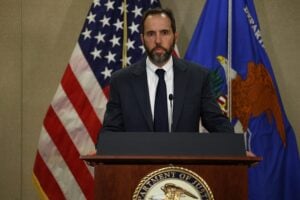
 Kathryn