One
of
the
challenges
of
the
bar
exam,
curses
upon
its
name,
is
grabbing
blindly
at
personal
jurisdiction
concepts
you
haven’t
really
thought
about
seriously
since
1L
year
under
timed
conditions.
This
goes
just
as
well
for
the
elements
of
battery,
the
mirror
image
rule,
and
all
the
other
stuff
you
need
to
show
you
know
before
you
go
on
to
do
transactional
work
and
never
touch
the
stuff
again.
With
careers
and
abilities
to
pay
off
the
hundreds
of
thousands
of
dollars
in
debt
on
the
line,
test
takers
pray
for
more
time
to
prove
their
minimum
compentency.
Thankfully
(?),
a
growing
number
of
those
prayers
are
being
answered.
The
Wall
Street
Journal
has
coverage:
More
aspiring
young
lawyers
are
asking
for—and
getting—extra
time
to
finish
the
bar
exam,
according
to
a
Wall
Street
Journal
analysis.
In
California,
for
instance,
where
more
people
take
the
bar
than
in
any
other
state,
14%
of
the
nearly
8,000
test
takers
last
July
received
accommodations,
up
from
4%
a
decade
earlier,
according
to
the
state
bar.
In
Washington,
D.C.,
the
number
has
exceeded
one
in
seven.
The
development
follows
one
already
coursing
through
high
schools
and
colleges:
More
students
have
diagnoses
for
disabilities
like
ADHD
and
receive
extra
time
for
classwork
or
the
SAT.
Now,
as
this
generation
enters
the
workforce,
the
phenomenon
has
reached
professional
licensing
exams—and
law
firms
are
adapting,
launching
programs
to
support
young
associates
with
diagnoses.
I
am
generally
all
for
accommodations
—
so
much
so
that
I
think
people
who
think
they’re
totally
fine
should
still
get
check-ups
every
once
in
a
while.
One
of
the
funny
things
about
having
a
disability
is
that
you
don’t
need
to
know
you
have
one
for
it
to
impact
you.
Speaking
personally,
I
thought
that
stop
sign
lights
were
supposed
to
look
like
Christmas
lights
before
I
got
my
first
pair
of
glasses
in
kindergarten.
I
was
lucky
to
get
the
help
I
needed
early
in
my
education;
a
member
of
my
cohort
found
out
that
they
needed
glasses
to
see
the
board
in
law
school!
Their
experience
isn’t
uncommon
either.
While
it
can
be
hard
to
pay
attention
to
assigned
readings,
it
shouldn’t
be
that
hard;
there’s
a
community
of
adults
who
found
out
that
they
have
attention
deficit
disorders
and
the
like
as
they
were
going
about
their
studies.
And
they
should
get
accommodations
during
the
test,
that’s
what
they’re
there
for,
after
all.
But
there
is
a
concern
that
wealthy
people
who
don’t
actually
need
them
are
faking
the
funk
to
get
extra
time
on
their
exams.
Perry
Zirkel,
a
disability-law
scholar
and
former
Lehigh
University
dean,
said
the
need
for
testing
accommodations
for
truly
disabled
students
is
real,
but
he
worries
about
unfairness.
Savvy
families
that
can
pay
thousands
of
dollars
for
private
disability
assessments,
he
said,
gain
advantages
by
gaming
the
system.
“This
gives
a
benefit
to
those
who
already
have
power
and
privilege,
and
once
they
get
good
at
it,
they
just
simply
keep
playing
the
game,”
Zirkel
said.
If
you’re
sick
and
tired
of
being
sick
and
tired
of
expecting
meritocracy
just
to
find
veiled
plutocracy,
you
aren’t
the
only
one.
The
numbers,
though
inconclusive,
make
for
an
interesting
story:
At
some
affluent
high
schools
today,
more
than
30%
of
students
have
disability
diagnoses
and
receive
testing
accommodations.
Some
colleges
reflect
this
surge:
At
Hampshire
College,
Pace
University
and
Smith
College,
more
than
one
in
three
students
claim
a
disability,
according
to
federal
data.
By
contrast,
less
than
3%
of
students
at
Springfield
Technical
Community
College,
20
miles
from
Smith,
claim
disabilities.
Does
that
mean
that
a
third
of
students
at
Hampshire,
Pace,
and
Smith
are
big
fakers
and
community
college
attendees
know
some
secret
to
keep
disabilities
at
bay?
Of
course
not!
The
numbers
could
be
telling
us
that
people
with
more
monied
backgrounds
are
better
able
to
get
diagnostics
tests
or
even
that
they
are
more
likely
to
disclose
disabilities
if
they
are
aware
of
them.
There
aren’t
any
deductions
to
make,
but
the
inference
that
students
coming
from
money
can
fib
test
results
and
game
the
system
in
ways
that
less
well-off
students
can’t
is
entirely
plausible.
And
who
knows!
The
rising
trend
might
be
explained
in
part
by
the
brain
damage
virus
we
all
pretend
stopped
so
the
market
could
pick
back
up.
If
anyone
is
concerned
that
the
rich
can
cheat
the
system
to
exploit
time
exam
limits
on
the
bar,
I’d
like
to
remind
everyone
that
they
can’t
exploit
the
bar
exam
if
it
is
abolished.
Chris
Williams
became
a
social
media
manager
and
assistant
editor
for
Above
the
Law
in
June
2021.
Prior
to
joining
the
staff,
he
moonlighted
as
a
minor
Memelord™
in
the
Facebook
group Law
School
Memes
for
Edgy
T14s
.
He
endured
Missouri
long
enough
to
graduate
from
Washington
University
in
St.
Louis
School
of
Law.
He
is
a
former
boat
builder
who
is
learning
to
swim
and
is
interested
in
rhetoric,
Spinozists
and
humor.
Getting
back
in
to
cycling
wouldn’t
hurt
either.
You
can
reach
him
by
email
at
[email protected]
and
by
Tweet/Bluesky
at @WritesForRent.
Each
year,
thousands
of
students
enter
law
school
with
their
sights
set
not
on
Biglaw
bonuses,
but
on
public
service.
They’re
drawn
to
careers
in
government,
whether
that
means
prosecuting
crimes,
shaping
policy,
protecting
vulnerable
populations,
or
enforcing
the
laws
that
keep
society
running.
From
aspiring
public
defenders
to
future
regulators
and
agency
counsel,
these
students
are
motivated
by
impact
over
income.
While
many
begin
with
government
ambotions,
only
a
select
few
will
ultimately
land
roles
that
align
with
those
goals,
and
the
path
often
starts
with
choosing
the
right
law
school.
The National
Jurist’s
preLaw
magazine recently
released
its
specialty
ranking
of
the
best
law
schools
for
trial
advocacy
on
its
Government
Law
Honor
Roll,
highlighting
schools
for
the
strength
of
their
programs.
Here’s
the
methodology
that
was
used:
preLaw
magazine
grades
law
schools
based
on
the
breadth
of
their
curricular
offerings.
The
scores
are
figured
as
follows:
30%
for
a
concentration,
24%
for
a
clinic,
12%
for
a
center,
12%
for
an
externship,
9%
for
a
journal,
8%
for
a
student
group,
5%
for
a
certificate
and
added
value
for
additional
offerings.
Without
further
ado,
according
to
preLaw
magazine,
these
are
the
law
schools
that
earned
A+,
A,
and
A-
grades
for
their
government
law
programs:
Staci
Zaretsky is
the
managing
editor
of
Above
the
Law,
where
she’s
worked
since
2011.
She’d
love
to
hear
from
you,
so
please
feel
free
to email her
with
any
tips,
questions,
comments,
or
critiques.
You
can
follow
her
on Bluesky, X/Twitter,
and Threads, or
connect
with
her
on LinkedIn.
The
battle
to
replace
Pam
Bondi
is
already
underway.
The
former
Attorney
General’s
picture
is
barely
cold
in
the
trashcan,
and
already
her
would-be
replacements
are
jockeying
to
be
the
next
lawyer
to
land
headfirst
in
the
rubbish,
with
only
a
pile
of
congressional
subpoenas
to
cushion
the
blow.
Jeanine!
Alina!
Harmeet!
The
gang’s
all
here.
This
job
is
objectively
a
shit
sandwich.
An
increasingly
demented
and
desperate
president
is
staring
down
the
likely
loss
of
at
least
one
House
of
Congress
in
the
midterms
and
a
wildly
unpopular
war
that
refuses
to
end
no
matter
how
much
he
shitposts
at
it.
The
one
thing
Trump
wants
from
the
DOJ
is
the
scalps
of
his
enemies
—
a
prize
that
moves
ever
further
out
of
reach
as
statutes
of
limitations
run.
The
problem
isn’t
that
Pam
Bondi
lacked
“smarts
and
guts,”
as
Trump
reportedly
complained.
The
former
county
prosecutor
and
Florida
state
AG
worked
like
hell
to
give
her
boss
the
perp
walks
he
demanded.
The
problem
is
that
the
American
legal
system,
battered
as
it
is,
retains
a
stubborn
capacity
to
distinguish
between
actual
crimes
and
the
president’s
personal
grievances.
Darn
you,
grand
juries!
Darn
you,
federal
judges!
Darn
you,
probable
cause!
This
is
a
problem
familiar
to
Jeanine
Pirro,
Trump’s
second
choice
to
lead
the
US
Attorneys
Office
in
DC.
After
Ed
Martin
failed
to
win
Senate
confirmation,
Trump
tapped
the
former
Fox
News
host
for
the
job.
Pirro
was
a
former
state
prosecutor
in
New
York,
but
her
chops
are
a
little
rusty.
She’s
gotten
no-billed
dozens
of
times
by
grand
juries,
suffered
an
embarrassing
string
of
losses
related
to
DHS’s
“surge”
into
DC,
and
her
subpoena
for
the
Federal
Reserve
got
quashed
by
Chief
Judge
James
Boasberg,
who
found
that
the
DOJ’s
“justifications
are
so
thin
and
unsubstantiated
that
the
Court
can
only
conclude
that
they
are
pretextual.”
For
the
case
against
lawmakers
who
posted
a
video
reminding
service
members
of
their
obligation
to
disregard
illegal
orders,
Pirro
brought
in
a
ringer
—
a
retired
state
prosecutor
currently
working
as
a
dance
photographer.
But
his
presentation
fell
flat,
and
not
a
single
grand
juror
voted
to
indict.
The
Atlantic
reports
that
Pirro
is
undeterred,
and
is
actively
lobbying
for
the
job
at
Mar-a-Lago.
She’s
joined
by
Trump’s
sparklemagic
lawyer,
Alina
Habba,
who
recently
relocated
to
Florida
to
be
closer
to
the
action.
The
former
dress-up
US
Attorney
for
New
Jersey
is
theoretically
a
senior
Justice
Department
official
advising
on
US
Attorneys
Offices.
She’s
never
prosecuted
a
federal
case
in
her
life,
but
Caligula
made
his
horse
a
consul
so
…
sure,
why
not?
Other
reported
contenders
include
EPA
Administrator
Lee
Zeldin,
who
practiced
law
for
three
whole
years
in
Long
Island
before
being
elected
to
the
New
York
State
Senate.
Trump
has
referred
to
Zeldin
as
his
“secret
weapon,”
thanks
to
Zeldin’s
uncanny
ability
to
pump
out
expedited
permits
for
hydrocarbon
extraction,
which
is
just
like
running
the
world’s
largest
law
firm.
CBS
reports
that
Harmeet
Dhillon,
another
of
Trump’s
personal
lawyers,
is
in
the
mix,
too.
Dhillon
presided
over
the
evisceration
of
the
DOJ’s
Civil
Division,
reorienting
the
office
to
hunt
trans
kids
and
protect
white
men
from
academic
and
workplace
“discrimination.”
But
unlike
Bondi,
who
understood
that
social
media
is
just
a
tool
for
pumping
out
content
to
keep
sweet
with
the
White
House,
Dhillon
isn’t
in
on
the
joke.
She
actually
boasted
once
to
the
Wall
Street
Journal
that
she
wakes
up
and
scrolls
X.com
for
“a
list
of
new
horrors,”
after
which
“I
text
my
deputies,
and
we
assign
cases,
and
we
get
cranking.”
She
could
turn
the
DOJ
into
an
anti-DEI
machine
without
blinking.
(Because
she
never
blinks.)
I’ve
been
stuck
at
the
same
level
of
followers
on
this
account
pretty
much
since
I
started
my
government
job.
What,
am
I
chopped
liver
over
here?
What
kind
of
content
do
my
folks
want
to
see
more
of
to
like
and
share?
Senators
Mike
Lee
and
Eric
Schmitt
are
mentioned
as
possible
candidates
as
well,
but
the
real
man
to
beat
is
Deputy
AG
Todd
Blanche,
yet
another
of
Trump’s
former
personal
lawyers.
In
the
post
announcing
that
Bondi
would
be
relocated
to
a
farm
upstate
where
she
could
run
around
and
chase
squirrels
with
the
other
discarded
former
lawyers
—
say
hi
to
Rudy!
—
Trump
said
“our
Deputy
Attorney
General,
and
a
very
talented
and
respected
Legal
Mind,
Todd
Blanche,
will
step
in
to
serve
as
Acting
Attorney
General.”
Graded
on
the
Trump
curve,
Blanche
is
comparatively
qualified:
He
worked
as
a
prosecutor
at
SDNY
early
in
his
career.
He
has
actual
experience
in
Justice
Department
leadership.
He’s
not
obviously
delusional.
But
if
Blanche
wasn’t
able
to
make
those
political
prosecutions
happen
as
the
second-in-command
at
DOJ,
why
would
he
be
able
to
do
it
from
the
big
chair?
He’s
also
got
some
stink
on
him
from
the
Epstein
files,
another
grenade
Bondi
tried
and
failed
to
diffuse
for
the
president.
Blanche
interviewed
Epstein’s
accomplice
Ghislaine
Maxwell
in
person,
right
around
the
time
she
found
herself
transferred
from
Florida
to
a
cushy
facility
in
Texas
that
categorically
bars
sex
offenders.
It
was
at
this
meeting
that
Maxwell
remembered
that
Trump
was
always
a
perfect
gentleman
when
she
knew
him
—
an
amazing
coincidence
Blanche
will
certainly
be
asked
about
in
a
congressional
hearing
if
he
takes
the
top
job.
Will
he
be
reduced
to
screeching
about
the
stock
market
when
asked
about
his
boss’s
former
buddy?
Bondi
crashes
out
over
Epstein:
“The
Dow
is
over
50,000
dollars!
I
don’t
know
why
you’re
laughing.
You’re
a
great
stock
trader
as
I
hear,
Raskin.
The
Dow
is
over
50,000
right
now.
The
S&P
at
almost
7,000,
and
the
Nasdaq
smashing
records.
That’s
what
we
should
be
talking
about.”
There
is
one
more
potential
wrench
in
the
works.
Senator
Thom
Tillis,
the
North
Carolina
Republican
who
doomed
Ed
Martin’s
nomination
by
making
sure
he
never
got
out
of
the
Judiciary
Committee,
says
he’s
a
“no”
on
anyone
who
downplays
the
January
6
attack
on
the
Capitol.
“For
me,
the
threshold
for
somebody
following
Pam
Bondi
ends
the
moment
I
hear
they
said
one
thing
that
excused
the
events
of
January
the
6th.
I’ve
been
very
clear
on
that,”
he
told
CNN’s
Kaitlan
Collins.
“So
I
hope
whoever
they
have
in
mind
to
follow
General
Bondi
is
very
clear-eyed
on
my
position
on
Jan.
6.”
So
…
none
of
the
above?
Whoever
succeeds
Bondi
will
preside
over
an
institution
that’s
been
gutted
during
her
14-month
tenure.
More
than
6,400
employees
were
either
fired,
resigned,
or
took
early
retirement.
The
Civil
Rights
Division
lost
roughly
three-quarters
of
its
attorneys.
The
share
of
top
law
school
graduates
applying
to
work
at
DOJ
has
plummeted,
and
US
Attorneys
are
reduced
to
asking
anyone
with
a
MAGA
hat
and
a
bar
card
to
slide
into
their
DMs.
Worst
of
all,
judicial
deference
to
the
government
is
decimated,
thanks
to
the
terrible,
mendacious
arguments
Bondi
forced
her
employees
to
make
during
the
past
14
months.
“I
won’t
believe
it
until
you
testify.
That’s
what
has
happened
to
the
credibility
of
your
office,”
New
Jersey
Judge
Zahid
Quraishi
excoriated
a
hapless
AUSA
in
March.
“Generations
of
Assistant
U.S.
Attorneys
had
built
the
goodwill
of
that
office
for
your
generation
to
destroy
it
within
a
year.”
None
of
that
will
change
for
whichever
lickspittle
slobbers
his
or
her
way
to
the
top
of
Main
Justice.
Bondi’s
successor
may
be
a
better
manager,
or
have
a
clearer
understanding
of
how
federal
prosecutions
work.
But
he
or
she
won’t
be
able
to
magic
up
crimes
by
Trump’s
enemies
where
none
exist.
The
only
thing
different
is
the
name
on
the
next
portrait
to
wind
up
in
the
trash.
For
two
decades
federal
loans
functioned
as
something
close
to
a
guarantee
that
law
school
could
be
financially
accessible.
Even
those
facing
modest
salary
outcomes
could
borrow
what
they
needed,
repay
on
an
income-driven
schedule,
and
utilize
forgiveness
programs
to
eventually
become
debt-free.
Starting
this
July,
new
federal
regulations
are
eliminating
the
Graduate
PLUS
loan
for
new
borrowers
and
cap
how
much
graduate
students
can
borrow
through
federal
loan
programs.
This
will
leave
many
law
students
with
a
gap
between
federal
aid
and
their
actual
expenses.
Those
without
family
money
or
significant
scholarships
are
left
with
private
loans
as
their
financing
option.
And
private
lending
presents
a
very
different
scenario.
Why
Private
Loans
Are
Harder
to
Navigate
Graduate
PLUS
loans
allowed
students
to
borrow
up
to
the
full
cost
of
attendance
with
the
barest
of
credit
requirements
–
something
opponents
of
the
program
often
cited
as
problematic.
Interest
rates
were
fixed
at
the
same
levels
for
every
borrower.
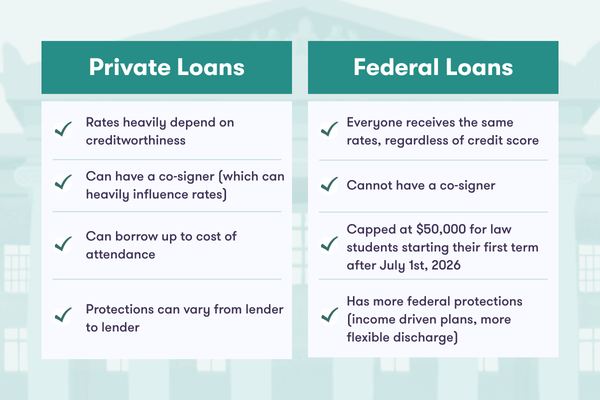
Private
loan
approval
and
rates
heavily
depend
on
the
creditworthiness
of
the
borrower.
Law
students
in
their
early
to
mid-twenties
may
struggle
to
meet
minimum
credit
length
requirements
even
if
they
have
done
no
damage
to
their
credit.
There
is
going
to
be
an
increased
need
for
creditworthy
cosigners
for
borrowers
who
are
unable
to
secure
financing
based
on
their
own
history.
Given
the
20-year
availability
of
the
Graduate
PLUS
loan,
the
financial
education
surrounding
private
loan
selection
has
been
missing
from
the
conversation.
For
instance,
many
borrowers
do
not
realize
that
shopping
around
for
a
student
loan
rate
is
highly
advantageous
as
rate
ranges
on
school
lender
lists
do
not
give
solid
information
on
where
a
borrower
will
fall
in
that
range.
According
to
Experian
and
MyFICO,
multiple
student
loan
applications
do
not
impact
your
FICO
score
when
applications
are
completed
within
a
14-45
day
timeframe.
While
federal
loans
all
follow
the
same
set
of
rules
and
regulations,
the
terms
of
a
private
loan
can
vary
significantly
from
lender
to
lender.
Borrowers
must
navigate
disclosures
carefully
to
ensure
they
understand
the
differences
between
products.
Here
are
a
few
key
items
to
take
into
consideration
when
comparing
products:
Interest
rate
and
APR
Term
Length
Repayment
options
(deferred,
fixed,
interest
only,
full
repayment)
Cosigner
release
availability
(if
applicable)
Death
and
disability
discharge
Clerkship
deferment
availability
Discounts
(autopay,
graduation,
etc.)
Juno’s
Group
Negotiation
Model
Juno
was
built
on
a
straightforward
premise:
borrowers
negotiating
together
have
leverage
that
borrowers
negotiating
alone
never
will.
Juno
isn’t
a
lender.
It’s
a
collective
bargaining
group
for
borrowers.
The
idea
is
simple:
lenders
are
often
willing
to
offer
better
deals
to
groups
than
to
individuals.
From
November
to
May,
Juno
encourages
as
many
students
as
possible
to
sign
up
for
the
negotiation
group
to
maximize
impact.
New
deals
secured
through
negotiation
are
released
each
June
and
students
can
see
personalized
rates
based
on
their
credit
score
through
a
soft
credit
check.
Over
the
past
8
years,
Juno
has
helped
its
members
navigate
the
process
resulting
in
negotiated
group
deals
to
the
tune
of
over
$1B
in
student
loans
and
student
loan
refinancing.
Past
negotiations
have
resulted
in:
Discounted
rates
and
exclusive
benefits:
lenders
offered
Juno
members
reduced
rates
or
cash
back,
making
Juno
an
obvious
choice
for
borrowers.
Broader
eligibility
—
In
2025,
85%
of
approved
Juno
members
secured
loans
without
a
cosigner,
compared
to
~20%
of
the
broader
market.
A
rate
match
guarantee:
borrowers
who
found
a
lower
rate
through
an
eligible
lender
were
able
to
get
the
rate
matched
and
1%
of
their
loan
value
in
cash
back.
Federal
loans
built
a
degree
of
equity
into
the
system.
Credit
(or
lack
thereof)
and
family
wealth
didn’t
determine
whether
you
could
become
a
lawyer.
As
those
protections
shrink,
there’s
a
real
risk
that
private
lending
becomes
the
new
gatekeeper
to
the
legal
profession.
Juno’s
model
doesn’t
wait
for
policy
to
change.
It
works
within
the
existing
private
market
to
give
borrowers
more
power
—
and
in
doing
so,
helps
keep
legal
education
within
reach
for
more
people
The
information
provided
in
this
article
is
current
as
of
April
1,
2026,
and
is
intended
for
general
informational
purposes
only.
It
does
not
constitute
legal,
financial,
or
tax
advice.
Readers
should
consult
their
own
advisors
before
making
any
decisions.
Terms
and
conditions
may
apply
to
the
loan
products
discussed.
Federal
student
loans
offer
certain
borrower
protections
and
benefits—such
as
income-driven
repayment
plans
and
potential
forgiveness
options—that
are
important
to
consider.
To
learn
more,
visit studentaid.gov.
Leah
Young
is
the
Student
Success
Resource
Lead
at
Juno.
She
has
nearly
20
years
of
experience
in
student
financial
aid
and
financial
literacy
initiatives.
Leah
served
as
a
Law
School
Director
of
Admissions
and
Financial
Aid
and
was
an
Accredited
Financial
Counselor®
for
a
legal
education
non-profit
prior
to
joining
Juno’s
efforts
to
expand
quality
private
loan
options
post-OBBBA.
Ed.
note:
Please
welcome
Renee
Knake
Jefferson
back
to
the
pages
of
Above
the
Law.
Subscribe
to
her
Substack,
Legal
Ethics
Roundup,here.
Welcome
to
what
captivates,
haunts,
inspires,
and
surprises
me
every
week
in
the
world
of
legal
ethics.
Hello
First
Monday!
What
is
a
“First
Monday”
edition? Every
Monday
here
at
the
LER
you
receive
a
summary
of
the
top
ten
legal
ethics
headlines.
But,
on
the
first
Monday
of
the
month,
you
get
lots
more
—
the
headlines
plus
reading
recommendations,
legal
ethics
in
pop
culture,
job
postings,
events,
and
other
features.
Enjoy!
Did
you
see
the
launch
of NASA’s
Artemis
2 last
week?
As
a
kid
who
watched
the Challenger
disaster live
on
a
TV
wheeled
into
my
6th
grade
math
class,
I
was
surprisingly
emotional
about
the
whole
thing
and
it
was
inspiring
to
observe.
The
full “Pink
Moon” was
an
added
bonus,
and
we
got
a
nice
view
of
it
from
the
ground
in
Austin.
Full
Moon
in
Austin
(photo
by
Renee
Jefferson)
Highlights
from
Last
Week –
Top
Ten
Headlines
#1
“Politicians
Would
Appoint
NC
Lawyer
Discipline
Board
Under
Proposed
Reforms.” From The
News
&
Observer: “North
Carolina’s
system
for
investigating
and
disciplining
lawyers
would
be
overhauled
under
recommendations
formally
approved
on
Wednesday
by
a
legislative
committee.
The
recommendations,
crafted
by
the
State
Bar
Grievance
Review
Committee,
would
allow
elected
Republicans
to
appoint
a
majority
of
the
members
of
the
Disciplinary
Hearing
Commission,
which
decides
whether
and
how
to
punish
lawyers
accused
of
ethical
violations.
Currently,
those
appointments
are
mostly
made
by
the
State
Bar.”
Read
more here.
#2
AI
Ethics
for
Lawyers.
Two
headlines
for
#2.
First, from
the ABA
Journal:
“Sanctions
Ramping
Up
in
Cases
Involving
AI
Hallucinations.” —
“The
use
of
monetary
sanctions
against
attorneys
is
seemingly
on
the
rise
as
courts
continue
to
address
artificial
intelligence-generated
hallucinations
in
case
documents.”
Read
more here. Second,
from NPR:
“Penalties
Stack
Up
as
AI
Spreads
Through
the
Legal
System.” —
“When
it
comes
to
using
AI,
it
seems
lawyers
just
can’t
help
themselves.
Last
year
saw
a
rapid
increase
in
court
sanctions
against
attorneys
for
filing
briefs
containing
errors
generated
by
artificial
intelligence
tools.
The
most
prominent
case
was
that
of
the
lawyers
for MyPillow
CEO
Mike
Lindell,
who
were
fined
$3,000
each
for
filing
briefs
containing
fictitious,
AI-generated
citations.
But
as
a
cautionary
tale,
it
doesn’t
seem
to
have
had
much
effect.
‘Recently
we
had
10
cases
from
10
different
courts
on
a
single
day,’
says Damien
Charlotin,
a
researcher
at
the
business
school
HEC
Paris
who
keeps
a worldwide
tally of
instances
of
courts
sanctioning
people
for
using
erroneous
information
generated
by
AI.”
Read
more
and
listen here.
#3
“Judges
are
Increasingly
Using
AI
to
Draft
Rulings
and
Prepare
for
Hearings.” From The
Washington
Post: “A
study
found
over
60
percent
of
surveyed
judges
have
used
AI
in
their
work,
even
as
some
experts
worry
AI’s
unreliability
could
compromise
their
authority.”
Read
more here (gift
link).
#4
“Why
a
98-Year-Old
Federal
Judge
is
Asking
the
Supreme
Court
for
Her
Job
Back.” From NPR: “A
federal
judge
who
has
been
sidelined
for
three
years
over
questions
about
her
competency
is
asking
the
Supreme
Court
to
throw
her
a
lifeline. Judge
Pauline
Newman is
98
years
old
—
and
she
wants
a
chance
to
hear
cases
again.”
Read
more
and
listen here.
#5
“Rude
Texas
Judge
Facing
More
Trouble
Amid
Backlash
Over
Viral
Video.” From TMZ: “The
Texas
judge
going
viral
for
all
the
wrong
reasons
has
even
more
problems
…
he’s
facing
fines
for
missed
filings
with
the
Texas
Ethics
Commission.”
Read
more here.
And
from ABC
News,
watch
one
of
the
viral
video
clips here.
#6
“Syracuse
Judge
Disciplined
for
Refusing
to
Marry
Same-Sex
Couple,
But
She
Will
Keep
Her
Job.” From Syracuse.com: “A
Syracuse
City
Court
judge
is
being
disciplined
for
refusing
to
officiate
a
same-sex
marriage,
actions
that
state
officials
said
constitute
serious
misconduct
and
damaged
trust
in
courts.
The
state
Commission
on
Judicial
Conduct
announced
its
decision
Monday
that Judge
Felicia
Pitts-Davis should
be
censured
for
refusing
to
perform
a
scheduled
courthouse
wedding
involving
a
same-sex
couple
on
Nov.
16,
2024.
A
censure
is
a
formal
public
reprimand,
meaning
Pitts-Davis
is
officially
disciplined,
but
she
keeps
her
position
as
judge.”
Read
more here.
#7
“Pam
Bondi
is
Out
as
Attorney
General
—
But
the
Damage
She
Has
Done
to
the
DOJ
is
Profound.” An
op-ed
from Richard
Zitrin in
the San
Francisco
Chronicle: “President
Donald
Trump has
used
the
Department
of
Justice
as
if
it
were
his
own
personal
law
firm.
And Pam
Bondi,
in
her
zeal
to
help
her
boss,
often
seemed
as
if
she
were
Trump’s
personal
lawyer,
a
role
she
once
played,
instead
of
the
attorney
general
of
the
United
States.
…
The
priorities
of
the
department
have
been
upended.
An
open
letter
in
October
from
295
former
employees
put
it
plainly:
‘The
Justice
Department
cannot
uphold
the
rule
of
law
when
it
carries
out
the
President’s
retribution
campaign
and
protects
his
allies;
violates
court
orders
and
evades
due
process
requirements;
directs
attorneys
to
violate
their
ethical
responsibilities;
and
fires
its
employees
without
notice
or
cause.
It
also
cannot
keep
our
country
safe.’
…
Bar
complaints
have
been
mounting
against
Trump’s
entourage
of
Justice
Department
lawyers,
and
there’s
no
longer
any
internal
ethics
review.
Still,
Bondi
proposed
a
new
rule
that
would
prevent
state
disciplinary
authorities,
who
have
clear
authority
to
discipline
federal
lawyers,
from
investigating
their
conduct
until
the
Justice
Department
does
an
internal
—
and
ill-defined
—
review
that
could
take
years.
This
effort,
too,
will
not
succeed.”
Read
more here.
#8
“ABA
Suit
Over
Trump’s
Crackdown
On
Firms
Moves
Forward.” From Law360: “A
D.C.
federal
judge
has
ruled
the
American
Bar
Association
may
pursue
a
challenge
to
the
Trump
administration’s
series
of
executive
orders
targeting
law
firms.”
Read
more here.
#9
“Department
of
Justice
Proposes
Putting
its
Attorneys
Above
the
Law.” An
op-ed
from Mark
Recktenwald (former
Chief
Justice
of
the
Hawaii
Supreme
Court)
in The
Hill: “One
of
the
most
effective
checks
on
the
Trump
administration
has
been
the
federal
courts.
Not
surprisingly,
the
administration
is
now
trying
to
limit
the
courts’
ability
to
curb
its
excesses.
It
is
doing
so
by
trying
to
loosen
the
ethical
controls
on
the
Department
of
Justice
lawyers
who
represent
the
government,
making
it
easier
for
them
to
evade
accountability
and
achieve
the
administration’s
political
goals.”
Read
more here.
#10
“Khalil
Seeks
Bove’s
3rd
Circ.
Recusal
Over
Ex-DOJ
Roles.” From Law360: “Mahmoud
Khalil,
a
lawful
permanent
resident
targeted
for
deportation,
asked
a
Third
Circuit
judge, U.S.
Circuit
Judge
Emil
Bove,
to
recuse
himself
from
en
banc
review
of
a
decision
allowing
for
Khalil’s
detention,
saying
Wednesday
that
the
judge
was
likely
involved
in
decisions
related
to
the
case
while
at
the
Department
of
Justice.”
Read
more here.
Recommended
Reading
So
much
great
reading
in
legal
ethics
is
out
in
the
world
right
now.
These
four
articles
will
keep
you
thinking
long
after
you
read
them.
“Private
Equity’s
Law
Firm
Workaround:
MSOs,
Rule
5.4,
and
the
Governance
Gap” by Lev
Breydo (William
&
Mary).
From
the
abstract:
Private
equity
is
moving
aggressively
into
the
legal
profession—and
its
oversight
infrastructure
is
wholly
unprepared
for
this
generational
shift.
To
work
around
prohibitions
against
nonlawyer
ownership,
investors
are
repurposing
the
management
services
organization
(MSO):
a
split-entity
model
in
which
attorneys
retain
the
regulated
practice,
but
investors
acquire
the
firm’s
operating
platform.
This
Essay
provides
the
first
systematic
account
of
PE
investment
in
law
firms
and
the
governance
gap
in
which
it
is
occurring—a
vacuum
unrecognized
by
the
ABA,
state
bars,
or
the
courts.
The
playbook
is
well-trodden,
and
the
risks
are
not
hypothetical.
In
just
a
few
years,
private
equity
fundamentally
reshaped
accounting
through
hundreds
of
transactions,
with
regulators
scrambling
only
after
the
fact.
Law
is
next.
The
MSO
model
rests
on
the
fragile
assumption
that
“business
operations”
and
“legal
practice”
can
be
clearly
and
durably
separated.
Healthcare
and
accounting
experience
proves
otherwise,
with
similar
split-structures
consistently
exhibiting
formality
erosion
and
investor
“control
creep”
through
financial
and
operational
pressure.
Governance
tensions
also
run
deep:
the
structurally
conflicted
MSO
board
must
build
value
while
policing
its
own
influence
over
the
interlinked
law
firm.
The
problem
is
not
the
MSO
per
se,
but
the
transactions
proliferating
in
darkness
without
guardrails.
This
Essay
proposes
a
three-part
governance
framework:
(i)
structural
safeguards
limiting
MSOs
to
genuine
support
functions;
(ii)
independent
directors
and
a
board
ethics
committee;
and
(iii)
ongoing
compliance
monitoring.
The
costs
of
the
governance
gap—compromised
representation
and
reduced
independence—will
fall
on
the
public,
not
investors.
The
window
to
act
is
closing
fast.
“Legal
Ethics
As
Confederate
Memorial” by Pilar
Margarita
Hernández
Escontrías (Seattle).
From
the
abstract:
In
this
article,
I
excavate
the
white
supremacist
history
of
the
legal
ethics
rules
and
demonstrate
how
the
emergence
of
the
1908
Canons
of
Professional
Conduct
was
a
project
of
anti-Black
solidarity
between
whites
in
the
South
and
the
North
following
Reconstruction.
In
Part
I,
I
embark
on
the
story
of
codification
by
beginning
my
historical
inquiry
in
1861
in
Alabama,
where
Confederate
major
and
New
South
Redeemer
Thomas
Goode
Jones
spent
evenings
during
the
war
reading
legal
texts.
He
went
on
to
study
law
with
a
southern
secessionist
and
a
pro-slavery
Chief
Justice
of
the
Alabama
Supreme
Court.
I
then
detail
how
he
led
the
Alabama
Bar
Association
in
adopting
the
first
code
of
attorney
conduct
in
the
nation.
In
Part
II,
I
detail
Jones’
vision
of
federalism
as
seen
through
speeches,
letters
between
him
and
President
Theodore
Roosevelt,
and
legal
opinions.
Exploring
these
archives
expose
Jones’
thinking
and
communication
as
a
federal
judicial
officer,
foregrounding
his
fervent
belief
in
states’
rights
and
white
supremacy.
Not
unlike
other
secessionists,
Jones’
federalism
sanctioned
anti-Black
violence
in
the
name
of
states’
rights.
This
approach
to
federalism
in
his
legal
practice
inspired
his
approach
to
leading
the
profession
as
it
adopted
its
1908
Canons.
In
Part
III,
I
argue
that
our
legal
ethics
rules
and
the
regime
that
followed
is
a
Confederate
memorial.
In
his
attempt
to
unify
the
white
North
and
South
following
the
Civil
War,
Jones
ethics
rules
hold
the
characteristics
of
Confederate
memorials:
they
emerged
in
the
violent
context
of
post-Reconstruction
United
States,
and
their
presence
elides
a
racially
violent
history
in
service
of
purportedly
neutral
or
colorblind
principles
of
competence,
honor,
respect,
and
integrity,
among
other
professional
values.
When
understood
in
political
economic
context,
legal
ethics
rules
and
the
disciplinary
regime
associated
with
these
rules
are
memorials
to
a
violent,
anti-Black
past
within
our
settler
nation
and
within
our
profession.
As
Confederate
memorials,
they
perpetuate
the
anti-Black
solidarities
that
animated
their
promulgation
in
the
first
instance.
“Advice
without
Lawyers?
Immigrants,
Legal
Deserts,
and
Reflections
on
Who
Can
Practice
Law” by Jayanth
K.
Krishnan (Indiana).
From
the
abstract:
The
recent
immigration
surge
in
Minneapolis
evoked
deep
anger
and
despair,
not
just
within
Minnesota
but
among
many
observers
across
the
country.
Indeed,
the
plight
of
immigrants
suffering
under
such
federal
enforcement
has
a
long
history.
Immigrants
who
face
removal
do
not
have
a
right
to
government-appointed
counsel.
For
those
in
detention,
their
time
behind
bars
can
be
extensive,
and
they
are
often
placed
in
overcrowded
and
unclean
holding
cells,
disconnected
from
family
and
other
forms
of
community
support.
Today,
millions
of
immigrants
remain
vulnerable,
with
their
ability
to
access
justice
as
unattainable
as
ever.
Unfortunately,
immigrants
encounter
particularly
difficult
circumstances
in
“legal
desert”
communities,
where
there
are
effectively
no
lawyers
at
all.
Alternative nonlawyer advocates
have
emerged,
however,
filling
the
gap
and
offering
valuable
legal
services.
Yet
bar
associations
and
attorneys
general
in
many
states
have
responded
by
prohibiting
such
assistance
on
the
basis
that
it
constitutes
the
unauthorized
practice
of
law.
Adding
weight
to
those
who
oppose
nonlawyers
is
the
Second
Circuit,
which
in
September
2025
ruled
that
the
state
of
New
York
could
forbid
these
workers
from
participating
in
the
legal
services
space.
The
court
emphasized
consumer
protection
in
its
decision
and
found
that
the
state’s
regulations
complied
with
an
intermediate
scrutiny
analysis
under
the
First
Amendment.
Other
jurisdictions,
though,
have
taken
a
different
approach
from
the
Second
Circuit
and
embraced
various
nonlawyer
programs.
This
Article
sides
with
those
states
that
have
welcomed
nonlawyer
entrepreneurialism
by
arguing
for
a
tiered
“Justice
Advocate”
framework.
Under
this
appropriately
regulated
model,
which
would
protect
consumer
interests,
certified
nonlawyers
could
provide
narrowly
defined
legal
assistance.
This
framework
also
more
justly
accommodates
the
free
speech
rights
of
nonlawyers
and
ultimately
delivers
greater
access
to
legal
services—especially
for
those
immigrants
who
live
in
legal
deserts.
“‘No
Further
Discussion
Necessary’:
Compliance
As
Professionalism
In
Legal
Education” by Sarah
Schendel (Suffolk).
From
the
abstract:
Since
2009,
the
Virginia
Board
of
Bar
Examiners
has
published
a
formal
dress
code
for
bar-exam
takers.
For
several
years,
it
ended
with
a
telling
line:
“Recognizing
the
high
caliber
of
professionalism
that
has
traditionally
characterized
the
bar,
the
Board
is
confident
that
no
further
discussion
of
this
topic
will
be
necessary.”
The
sentence
was
eventually
removed,
but
its
intent
and
legacy
remain,
revealing
how
the
legal
profession
often
equates
professionalism
not
with
ethical
judgment
but
with
unquestioned
compliance.
This
seemingly
trivial
example
exposes
something
central
about
how
lawyers
are
made.
Legal
education
does
more
than
teach
doctrine;
it
socializes
students
into
a
professional
identity
built
on
hierarchy,
restraint,
and
deference.
From
orientation
to
the
bar
exam,
students
are
taught
that
composure
signals
competence,
that
neutrality
means
fairness,
and
that
disagreement
threatens
professionalism.
The
result
is
a
culture
that
prizes
conformity
over
conscience.
Legal
Ethics
in
Pop
Culture
—
“Billboards
and
the
Billable
Hour:
A
lawyer’s
take
on
a
Netflix
series
about
Las
Vegas
litigation”
From Adam
Banner in
the ABA
Journal:
“Every
so
often,
a
legal
show
comes
along
that
makes
me
ask
one
important
question:
WTF
am
I
watching?
That’s
roughly
the
experience
of
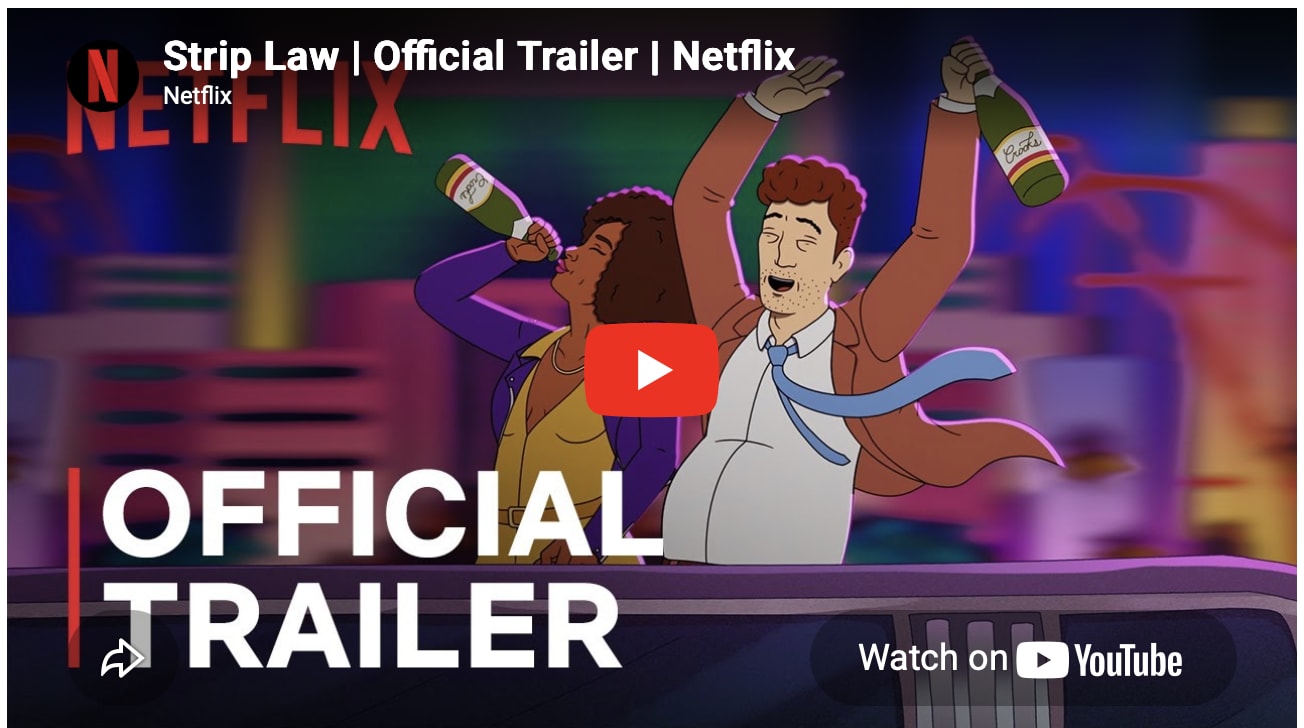
viewing Strip
Law,
the
latest legal
comedy
on
Netflix.
The
adult
animated
sitcom
centers
on
a
group
of
flamboyant
attorneys
who
take
on
outrageous
cases
and
market
themselves
with
all
the
subtlety
of
a
monster-truck
rally
and
the
restraint
of
a
sleazy
stand-up
comedian.
I
approached
the
show
with
skepticism.
After
all,
television
lawyers
usually
fall
somewhere
between Atticus
Finch’s saintly
demeanor
and Saul
Goodman’s theatrical
chaos. Strip
Law plants
its
flag
firmly
in
the
latter
territory—then
replaces
the
flagpole
with
a
neon
billboard,
pushes
all
the
chips
to
the
middle,
and
lights
the
poker
table
on
fire
in
a
way
that
only
an
animated
comedy
could.
And
honestly,
I’m
kind
of
a
fan.
Kind
of.”
Read
more here.
And
watch
the
official
trailer here.
Get
Hired
Did
you
miss
the
500+
job
postings
from
previous
weeks?
Find
them
all here.
Conflicts
Attorney,
Lewis
Brisbois
—
Las
Vegas,
NV. From
the
posting:
”This
role
is
responsible
for
reviewing
and
analyzing
conflicts
check
reports
for
new
firm
matters,
lateral
attorney
hires,
and
legal
support
staff
hires.
The
Conflicts
Attorney
will
identify
potential
conflicts
issues
and
work
closely
with
firm
attorneys
and
staff
to
resolve
and
clear
conflicts
of
interest.”
Learn
more
and
apply here.
Ethics
Attorney,
General
Services
Administration
—
Washington
DC. From
the
posting:
”Work
with
the
Ethics
Law
Division
on
providing
advice
and
opinions
on
complex
matters
related
to
the
Standards
of
Ethical
Conduct
for
Employees
of
the
Executive
Branch
and
the
criminal
conflict
of
interest
statutes.”
Salary
starts
at
$108,173.
Learn
more
and
apply here.
Ethics
Commission
Advisory
Attorney
—
Columbus,
OH. From
the
posting:
“Serves
as
a
management
level
attorney
providing
legal
counsel
&
advice
to
public
officials,
Chief
Advisory
Attorney,
Executive
Director,
Commissioners
on
policy
development
and
implementation
relating
to
advisory
functions
of
the
Ethics
Commission.”
Learn
more
and
apply here.
Litigation
Counsel,
Illinois
Attorney
Registration
and
Disciplinary
Commission
—
Chicago. From
the
posting:
”The
ARDC
is
currently
seeking
three
full-time
Litigation
Counsel
to
join
our
dedicated
litigation
team
in
the
Chicago
office.
Litigation
counsel
facilitate
attorney
compliance
with
the
Rules
of
Professional
Conduct
and
when
necessary,
prosecute
formal
disciplinary
matters.
Staff
attorneys
have
a
diverse
and
challenging
caseload
within
the
context
of
a
fast-paced
work
environment,
balancing
the
rights
of
attorneys
and
protecting
the
public
and
the
courts.
This
is
an
exciting
opportunity
to
engage
in
challenging
and
meaningful
public
service
work
while
making
a
difference
in
the
lives
of
fellow
Illinoisans
and
advancing
the
ethical
and
competent
practice
of
law.”
Salary
range
$110,000-130,000.
Learn
more
and
apply here.
Unauthorized
Practice
of
Law;
UPL
Counsel,
State
Bar
of
Michigan
—
Lansing,
MI. From
the
posting:
”As
UPL
Counsel,
you
will
manage
and
direct
all
aspects
of
the
Bar’s
Unauthorized
Practice
of
Law
program
—
from
investigation
and
litigation
to
education
and
policy
development”
Salary
range
$80,000-110,000.
Learn
more
and
apply here.
Upcoming
Ethics
Events
&
Other
Announcements
️
Did
you
miss
an
announcement
from
previous
weeks?
Find
them
all here.
April
13,
10-11AM
Pacific.
Stanford
Law
School
Rhode
Center
on
the
Legal
Profession. Lawyers’
Monopoly
Webinar
Series
2:
Lessons
from
the
Field:
On-the-Ground
Efforts
to
Effect
Positive
Regulatory
Innovations.
Learn
more
and
register here.
April
16,
5-7PM
Pacific.
Gonzaga
Law
School
Clarke
Prize
in
Legal
Ethics. Scott
Cummings
(UCLA)
and
I
will
be
discussing
“Good
Faith
and
Public
Trust
in
an
Erosive
Era.”
Learn
more
and
register here.
April
22-24.
American
Bar
AssociationSpring
2026
National
Legal
Malpractice
Conference,
Coral
Gables. Learn
more
and
register here.
May
13,
10-11AM
Pacific.
Stanford
Law
School
Rhode
Center
on
the
Legal
Profession. Lawyers’
Monopoly
Webinar
Series
3:
The
Comparative
Lens.
Learn
more
and
register here.
May
27-29.ABA
51st
Conference
on
Professional
Responsibility,
UCLA
Meyer
and
Renee
Luskin
Conference
Center,
Los
Angeles.
Learn
more here.
May
29-30.
ABA
41st
National
Forum
on
Client
Protection,
UCLA
Meyer
and
Renee
Luskin
Conference
Center,
Los
Angeles.
Learn
more here.
June
24,
10-11AM
Pacific.
Stanford
Law
School
Rhode
Center
on
the
Legal
Profession. Lawyers
Monopoly
Webinar
Series
#4:
Charting
the
Future
of
Legal
Services.
Learn
more
and
register here.
June
25-26.
International
Association
of
Legal
Ethics
Berlin
Conference: “The
Legal
Professions
in
Times
of
Rule
of
Law
and
Democratic
Backsliding.”
Learn
more here.
October
15-16.
Complex
Litigation
Ethics
Conference,
UC
Law
San
Francisco. The
conference
is
the
fourth
annual
event
addressing
Complex
Litigation
Ethics.
It
will
bring
together
luminaries
in
the
field—judges,
scholars,
lawyers,
and
others—to
discuss
a
cutting-edge
topic
that
is
of
critical
importance
to
our
justice
system.
Learn
more here.
December
9-11.
International
Legal
Ethics
Conference,
National
University
of
Singapore,
Faculty
of
Law. Learn
more here.
Keep
in
Touch
News
tips?
Announcements?
Events?A
job
to
post?Reading
recommendations? Email [email protected] –
but
be
sure
to
subscribe
first,
otherwise
the
email
won’t
be
delivered.
Do
you
have
colleagues
who
care
about
legal
ethics? Please
share
the
Roundup
with
them.
I’d
love
to
see
our
community
continue
to
grow!
Renee
Knake
Jefferson
holds
the
endowed
Doherty
Chair
in
Legal
Ethics
and
is
a
Professor
of
Law
at
the
University
of
Houston.
Check
out
more
of
her
writing
at
the Legal
Ethics
Roundup.
Find
her
on
X
(formerly
Twitter)
at @reneeknake or
Bluesky
at legalethics.bsky.social.
A
federal
inquiry
into
the
financial
and
national
security
implications
of
pharmaceutical
imports
is
leading
President
Trump
to
impose
steep
new
fees,
but
they
won’t
touch
the
medicines
that
most
Americans
take
—
at
least
not
yet.
While
the
coming
pharmaceutical
tariffs
cover
brand
name
drugs,
they
exempt
the
generic
medications
that
represent
the
vast
majority
of
U.S.
prescriptions.
The
exemptions
also
include
some
less-prescribed
products.
Rare
disease
drugs
and
certain
types
of
cancer
therapies
are
spared,
as
are
fertility
drugs,
cell
and
gene
therapies,
and
medicines
for
chemical,
biological,
and
nuclear
threats.
But
for
biopharmaceutical
companies
covered
by
the
president’s
new
policy,
the
cost
is
steep:
a
100%
tariff
for
branded
products
and
pharmaceutical
ingredients
that
enter
the
country
from
abroad.
Trump
has
been
pursuing
tariffs
on
multiple
fronts.
In
February,
the
U.S.
Supreme
Court
ruled
the
president
does
not
have
the
authority
to
impose
tariffs
under
the
International
Emergency
Economic
Powers
Act.
Trump
is
basing
the
new
pharma
tariffs
on
the
findings
of
an
investigation
by
the
U.S.
Department
of
Commerce.
Under
Section
232
of
the
Trade
Expansion
Act
of
1962,
the
department
secretary
may
investigate
the
effect
of
imports
on
national
security.
Trump
successfully
used
such
investigations
to
justify
tariffs
on
aluminum
and
steel
during
his
first
presidential
term.
A
year
ago,
he
announced
a
Section
232
investigation
into
pharmaceuticals
and
their
ingredients,
both
branded
and
generic
products.
In
a
presidential
proclamation,
Trump
cited
FDA
figures
stating
that
53%
of
patented
drugs
distributed
in
the
U.S.
come
from
outside
the
country
and
just
15%
of
active
pharmaceutical
ingredients
(APIs)
by
volume
are
produced
in
the
U.S.
for
the
domestic
market.
The
Commerce
Department’s
report
concluded
that
reliance
on
drug
imports
threatens
to
limit
U.S.
access
to
life-saving
medicines
if
there
is
a
global
supply
chain
disruption.
Reliance
on
drugs
and
APIs
from
overseas
is
a
security
matter,
Trump
said.
“The
Secretary
found
that
patented
pharmaceuticals
and
associated
pharmaceutical
ingredients
are
essential
to
the
United
States’
military
and
civilian
healthcare,”
the
proclamation
states.
“A
self-sufficient
domestic
manufacturing
and
industrial
base
for
pharmaceutical
products
is
vital
for
the
ability
to
support
national
defense
requirements
and
maintain
public
health
security
during
a
national
emergency
or
wartime.”
Trump
had
already
been
trying
to
address
drug
and
API
production
with
policy,
though
not
in
partnership
with
Congress.
Last
summer,
he
issued
an
executive
order
directing
the
government
to
stockpile
APIs
for
certain
medicines
“critical
to
the
health
and
security
of
the
nation.”
He
has
also
been
goading
pharmaceutical
companies
to
reshore
their
drug
manufacturing
operations.
The
threat
of
tariffs
was
the
stick
that
brought
companies
to
the
negotiating
table.
Pfizer
was
first
to
strike
a
deal,
agreeing
last
September
to
match
the
price
of
certain
medicines
to
a
product’s
lowest
price
in
a
comparable
developed
nation,
which
is
called
most-favored
nation
(MFN)
pricing.
The
pharma
company
also
agreed
to
invest
in
domestic
manufacturing.
Several
other
companies
have
followed
with
their
own
MFN
deals.
Those
that
have
cut
such
deals
are
exempt
from
Section
232
tariffs
for
the
remainder
of
Trump’s
term.
A
reduced
tariff
rate
applies
to
companies
that
have
an
administration-approved
onshoring
plan.
Rather
than
facing
a
100%
rate
on
imported
products,
the
rate
for
these
companies
will
be
20%.
But
if
they
don’t
eventually
strike
a
formal
MFN
deal,
their
rates
will
increase
to
100%
within
four
years
of
the
proclamation.
Lower
rates
apply
to
companies
in
countries
or
regions
where
the
U.S.
has
a
trade
deal,
such
as
the
European
Union,
Japan,
and
South
Korea.
The
zero
tariff
rate
for
generic
drugs
also
applies
to
biosimilars
and
their
ingredients.
But
for
both
generics
and
biosimilars,
exemption
from
Section
232
tariffs
could
be
temporary.
The
proclamation
states
that
within
one
year,
the
commerce
secretary
may
inform
the
president
of
any
necessary
policy
changes
for
these
drugs
and
their
ingredients.
Industry
trade
groups
do
not
like
the
new
tariff
policy.
PhRMA
contends
tariffs
will
jeopardize
the
U.S.
capital
investments
that
biopharmaceutical
companies
have
announced
in
the
past
year.
In
a
prepared
statement,
PhRMA
President
and
CEO
Stephen
Ubl
said
every
dollar
spent
on
tariffs
is
a
dollar
that
can’t
go
toward
those
investments.
John
Crowley,
president
and
CEO
of
the
Biotechnology
Innovation
Organization,
said
in
a
prepared
statement
that
tariffs,
MFN
pricing,
and
an
uncertain
policy
environment
work
against
goals
of
business
expansion
in
the
U.S.
He
added
that
the
tariff
risks
are
acute
for
small
and
mid-size
biotech
companies
that
often
lack
the
capital
to
build
dedicated
manufacturing.
“While
we
appreciate
the
administration’s
recognition
of
the
need
for
tariff
exemptions
for
certain
critical
biotech
products,
the
reality
is
that
any
tariffs
on
America’s
medicines
will
raise
costs,
impede
domestic
manufacturing,
and
delay
the
development
of
new
treatments
—
all
while
doing
nothing
to
enhance
our
national
security,”
Crowley
said.
More
tariffs
are
looming.
In
a
fact
sheet
explaining
the
new
policy,
the
Trump
administration
said
Section
232
investigations
are
ongoing
in
sectors
adjacent
to
pharmaceuticals:
personal
protective
equipment,
medical
consumables,
and
medical
equipment
and
devices,
and
robotics.
“These
investigations
will
help
ensure
that
harmful
imports
in
any
strategic
sector
do
not
compromise
national
security,”
the
White
House
said.
The
government
has
removed
restrictions
on
land
use
changes
across
Zimbabwe.
As
a
result,
local
authorities
can
now
make
planning
decisions
independently.
Previously,
a
Conditional
Moratorium
limited
these
powers.
That
moratorium
had
been
in
place
since
May
2025.
However,
authorities
can
now
approve
land
use
changes
and
reservation
adjustments.
This
marks
a
major
shift
in
urban
and
regional
planning
governance.
Minister
Announces
Policy
Shift
In
an
official
notice,
Minister
Daniel
Garwe
confirmed
the
changes.
He
addressed
mayors,
council
chairpersons,
and
senior
local
authority
officials.
He
stated
that
councils
are
no
longer
restricted
from
exercising
planning
powers.
These
powers
were
previously
suspended
under
the
moratorium.
The
minister
said:
“It
is
hereby
notified
that
the
Minister
of
Local
Government
and
Public
Works,
has,
with
effect
from
31st
March
2026
withdrawn
the
Conditional
Moratorium
which
had
been
imposed
in
terms
of
Section
69
of
Regional,
Town
and
Country
Planning
Act
Chapter
29:12
on
change
of
uses
(section
26
(3)
and
change
of
reservations
(section
49
(3)
and
(4)
applications
which
was
issued
on
the
2nd
day
of
May
2025.
“With
this
withdrawal
of
the
Conditional
Moratorium,
local
authorities
are
no
longer
prohibited
from
exercising
the
above-quoted
Local
Planning
Authority
powers
in
respect
of
change
of
use
and
change
of
reservation
which
the
moratorium
had
imposed.”
Improved
Capacity
Drives
Decision
Garwe
explained
that
improved
local
authority
capacity
influenced
the
decision.
Authorities
have
strengthened
planning
and
development
control
systems.
Therefore,
the
government
believes
councils
can
now
manage
land
development
effectively.
He
added:
“The
decision
to
withdraw
has
been
taken
after
careful
appraisal
and
assessment,
which
generally
show
that
local
authorities
have
significantly
improved
their
internal
planning
and
development
control
capacity,
including
compliance
with
conditions
stipulated
therein.
“The
Ministry
is
satisfied
that
the
measures
put
in
place
are
adequate
to
address
the
challenges
that
had
caused
the
moratorium
to
be
imposed.
“Local
Authorities
are
encouraged
to
continue
strengthening
the
newly
established
Departments
of
Spatial
Planning
and
to
exercise
robust
development
control
measures.
“Further,
the
Ministry,
through
its
Inspectorate
Department,
shall
ensure
compliance
with
the
array
of
measures
which
Local
Authorities
undertook
to
abide
by
in
order
to
achieve
the
objectives
of
orderly
and
functional
settlements.”
In
a
recent
interview,
Ziyambi
explained
that
once
the
90-day
period
has
passed,
starting
the
week
of
18
May,
he
will
be
in
a
position
to
formally
introduce
the
bill
in
the
National
Assembly
and
give
notice
of
its
presentation.
“What
is
next,
basically,
is
that
the
committees
that
were
going
right
around
the
country
soliciting
the
views
of
the
people,
be
it
orally
or
in
writing,
will
then
come
back
to
Parliament,
sit
as
a
committee,
look
at
all
the
submissions
that
they
received,
and
then
come
up
with
committee
reports.
“The
committee
reports
that
they
prepare
will
then
be
presented
in
the
National
Assembly
during
the
second
reading
speech,
after
I
present
the
bill.
“So
what
will
happen
between
now
is
once
the
90
days
have
lapsed—which
is
the
week
beginning
the
18th
of
May—I
will
now
be
in
a
position
to
go
and
formally
introduce
the
bill
in
the
National
Assembly
and
give
a
notice
of
presentation
of
the
bill.
“Thereafter,
I
would
then
give
my
second
reading
speech.
Basically,
the
second
reading
speech
is
when
I
formally
unpack
the
bill
in
the
National
Assembly,
explaining
the
rationale
behind
the
bill,
explaining
the
clauses.
“And
then
after
that,
I
will
move
that
the
bill
be
read
the
second
time,
opening
up
for
debate
in
the
National
Assembly.
“That’s
when
the
committee
chairs
will
then
present
their
committee
reports
about
the
consultations
that
they
undertook
and
the
recommendations
pursuant
to
the
public
consultations,”
said
Ziyambi.
Ziyambi
dismissed
claims
that
electing
the
president
through
Parliament
would
undermine
the
liberation
struggle
principle
of
“one
man,
one
vote”.
He
insisted
that
Zimbabwe
didn’t
have
direct
presidential
elections
between
1980
and
1990,
adding
that
“those
that
are
arguing
that
by
having
an
indirect
election
we
are
eroding
the
gains
of
the
liberation
struggle,
we
are
removing
‘one
man,
one
vote’,
are
totally
misplaced.”