But
what’s
next
on
the
career
path
for
associates
that
made
a
principled
stand?
It’s
a
tightening
lateral
market
and
they
have
no
book
of
business
to
port
to
another
firm.
Plus
there’s
always
a
risk
the
firm
they
jump
to
decides
to
cave
next
under
pressure
from
Trump,
though
some
have
found
a
home
a
firms
that
have
already
taken
a
stand
against
Trump.
Former
Simpson
Thacher
associate
Taylor
Wettach
is
taking
a
different
path.
Though
Simpson’s
cowardice
radically
changed
his
career
path,
he’s
out
there
making
lemonade
out
of
those
lemons.
Today
the
seventh
generation
Iowan
announced
he’s
running
for
Congress
“to
take
back
Iowa’s
1st
Congressional
District.”
In
his
opening
“elevator
pitch”
campaign
video,
Wettach
explains
how
Simspon’s
capitulation
to
Trump
derailed
his
legal
career
(and
slyly
refers
to
his
T14
legal
education)
and
now
he’s
focused
on
the
political
sphere
and
trying
to
enact
real
change
for
Iowans.
It’s
an
enticing
pitch
for
those
feeling
lost
and
helpless
by
the
country’s
recent
swing
towards
authoritarianism.
Let’s
see
if
it
plays
well
in
Iowa.
Watch
the
campaign
video
below.
Kathryn
Rubino
is
a
Senior
Editor
at
Above
the
Law,
host
of
The
Jabot
podcast,
and
co-host
of
Thinking
Like
A
Lawyer.
AtL
tipsters
are
the
best,
so
please
connect
with
her.
Feel
free
to
email
her
with
any
tips,
questions,
or
comments
and
follow
her
on
Twitter
@Kathryn1 or
Mastodon
@[email protected].
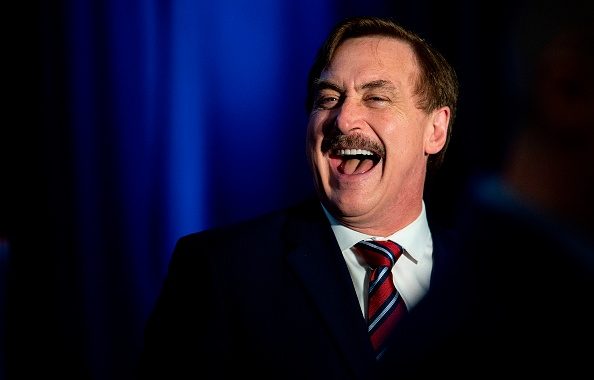
Given
Mike
“MyPillow”
Lindell’s
history
of
claims
about
the
2020
election,
it’s
a
fair
question
whether
turning
his
legal
filings
over
to
generative
AI
might
actually
reduce
the
hallucinatory
nonsense.
Alas,
the
court
did
not
engage
in
that
comparative
analysis
and
slapped
Rule
11
fines
on
two
of
the
pillow
purveyor’s
lawyers
—
Christopher
Kachouroff
and
Jennifer
DeMaster —
over
a
series
of
fake
cites
and
quotes
in
Lindell’s
filings.
Specifically,
Judge
Nina
Wang’s
order
noted
that
the
issue
arose
after
argued
a
motion
in
limine
and
asked
if
there
was
anything
else
the
judge
wanted
him
to
address.
At
that
point
Judge
Wang
discussed:
[M]isquotes
of
cited
cases;
misrepresentations
of
principles
of
law
associated
with
cited
cases,
including
discussions
of
legal
principles
that
simply
do
not
appear
within
such
decisions;
misstatements
regarding
whether
case
law
originated
from
a
binding
authority
such
as
the
United
States
Court
of
Appeals
for
the
Tenth
Circuit;
misattributions
of
case
law
to
this
District;
and
most
egregiously,
citation
of
cases
that
do
not
exist.
That
may
sound
bad,
but
then
you
notice
the
order
reads
“The
discussed
errors
included
but
were
not
limited
to.”
(emphasis
added).
The
mistakes,
of
course,
originated
with
generative
AI,
but
it’s
still
not
fair
to
blame
the
technology.
Westlaw
isn’t
responsible
if
your
bad
search
brought
up
a
case
that
doesn’t
fit.
The
problem
is,
and
always
has
been,
lawyers
who
treat
“verify
your
work”
as
a
suggestion
instead
of
a
professional
obligation.
Maybe
Lindell
saw
the
bill
and
thought
it
read
“verify
your
WOKE”
and
refused
to
pay?
On
the
subject
of
Westlaw
being
responsible
for
errors,
the
lawyers
defended
themselves
by
pointing
to
a
“Westlaw
Report”
that
analyzed
the
brief
and
suggested
better
cases.
According
to
contemporaneous
email
correspondence,
DeMaster
told
Kachouroff
that
the
report
“didn’t
flag
us
for
any
obviously
bad
case
law.”
They
then
claim
that
the
Westlaw
Report
allowed
them
to
fix
the
final
version
but
that
they
then
accidentally
filed
an
earlier
broken
version.
The
judge
didn’t
see
it
that
way,
noting
that
the
version
referred
to
in
the
Westlaw
Report
email
seems
to
have
the
same
mistakes
as
the
filed
version.
“Put
simply,
neither
defense
counsel’s
communications
nor
the
‘final’
version
of
the
Opposition
that
they
reviewed
corroborate
the
existence
of
the
‘correct’
version.”
But
either
way,
the
defense
seems
to
be
“we
used
a
different
tech
tool
to
do
the
cite
checking
for
us,”
which
is
still
not
really
the
same
as
CITE
CHECKING.
The
judge
fined
each
$3000.
Lindell’s
attorneys
should
be
ecstatic
they’re
getting
off
this
easy.
In
2023’s
legal
ChatPocalypse
Mata
v.
Avianca,
a
hapless
New
York
lawyer
who
took
ChatGPT’s
word
for
it
that
all
those
suspiciously
perfectly
tailored
precedents
were
real
and
not
AI
shamelessly
sucking
up
to
him
like
the
AI
from
Her.
While
ruthless
professional
mockery
took
its
toll,
the
court
cut
that
guy
some
slack
for
being
the
first
unlucky
sod
to
fall
for
generative
AI.
It
was
a
teachable
moment
and
a
$5,000
slap
on
the
wrist
seemed
fine.
But
we’ve
had
that
moment.
This
is
a
sequel
—
and
everyone
knows
sequels
have
a
higher
body
count.
Actually,
this
is
the
sequel
of
a
sequel
of
a
sequel
in
a
case
with
substantial
public
notoriety
because
the
litigant
is
a
Pillow
Pitching
loon.
In
light
of
Avianca,
lawyers
making
this
mistake
today
are
clearly
dissuaded
by
the
possibility
of
a
$5000
sanction
much
less
a
$3000
one.
We
recently
saw
a
$31,000
sanction
for
a
generative
AI
error.
That’s
far
more
in
line
with
where
we
are
right
now.
Without
higher
stakes
for
lawyers
making
this
mistake
—
one
that
everyone
has
full
and
fair
warning
about
—
there’s
no
incentive
for
lawyers
to
get
it
right.
Indeed,
$3000
is
chump
change
if
turning
a
blind
eye
to
the
AI-juiced
brief
convinces
a
judge
to
side
with
the
client.
As
much
as
we
all
rely
on
judges
to
act
as
an
impermeable
firewall
for
fakery,
a
judge
just
fell
for
AI
cases
in
Georgia.
No
one
ever
took
DoNotPay
up
on
its
offer
to
pay
$1
million
to
anyone
willing
to
use
their
AI
system
to
argue
a
Supreme
Court
case.
It
was
a
wild
swing
from
a
company
that
couldn’t
even
successfully
get
their
system
into
traffic
court.
But
we
always
appreciated
the
gumption.
The
Supreme
Court
oral
argument
is
an
academic
circle
jerk
before
the
majority
decides
to
Trump
can
just
disappear
people
and
that
they
will
not
dwell
on
any
counterarguments,
so
why
not
let
ChatGPT
take
a
stab
at
it?
And
at
the
time
we
suggested
DoNotPay
aim
slightly
lower
and
set
up
an
experiment
to
moot
an
upcoming
Supreme
Court
case.
They
didn’t
go
ahead
with
that.
Because…
well,
the
FTC
stuff
happened.
Jenner
&
Block’s
Adam
Unikowsky
decided
to
go
ahead
and
perform
an
experiment
on
his
own
using
the
top
consumer-facing
AI
tools
out
there
right
now.
Taking
his
own
oral
argument
from
Williams
v.
Reed
(which
he
won,
providing
his
post
a
bonus
humblebrag
element),
Unikowsky
fed
the
briefs
and
key
precedent
into
Claude
4.0
Opus,
asked
it
the
questions
posed
by
the
real
justices
and
hit
the
button.
And
if
you
don’t
want
to
read
the
transcript,
he
employed
ChatGPT’s
new
“Advanced
Voice
Mode,”
and
piped
in
a
synthetic
ElevenLabs
voice
spliced
in
with
the
justices
and
made
an
audio
track
of
the
whole
argument.
Unikowsky
says:
My
conclusion:
Supreme
Court
litigators
can’t
think
of
a
billable
rate
high
enough
to
make
them
want
to
sit
through
these
extended
oral
argument
times.
If
you
needed
more
confirmation
that
the
Supreme
Court
bar
is
losing
patience
with
devoting
a
half
day
of
time
to
play
“this
could’ve
been
an
email
(brief)”
with
a
crop
of
justices
just
voting
the
party
platform…
here
it
is.
And
in
that
world,
AI
actually
makes
a
lot
of
sense.
As
an
exercise
in
dressing
up
GOP
policy
goals
with
a
few
asides
about
out-of-print
dictionaries
and
cherry-picked
18th
century
pamphleteers,
artificial
intelligence
might
be
uniquely
positioned
to
excel.
In
fact,
one
Republican
appellate
judge
has
already
foreshadowed
the
future
of
Originalist
AI,
using
bots
to
comb
massive
amounts
of
dubiously
relevant
material
to
find
references
to
reverse
engineer
results.
Not
every
case
falls
into
that
rut
—
Williams
v.
Reed,
for
example,
brought
a
pair
of
conservatives
across
ideological
lines
—
but
the
justices
pick
their
own
cases
and
the
most
consequential
matters
get
there
so
they
can
grind
their
political
axes.
The
Republican
justices
on
Supreme
Court
have
reduced
the
process
to
a
game
of
Mass
Effect:
review
the
choice
laid
out
in
one
brief,
review
the
choice
laid
out
in
the
other
brief,
smash
that
Renegade
button.
Once
the
algorithms
can
figure
out
how
to
send
Clarence
and
Sam
on
luxury
vacations,
the
bots
will
have
mastered
the
Supreme
Court
game.
Maybe
we
can
replace
the
justices
next…
Justice
Roboto
Lives.
But
even
without
the
well-earned
cynicism
for
the
Court,
Unikowsky
makes
a
strong
case
that
oral
argument
is
the
ripest
spot
for
AI
to
level
up
in
litigation.
Human
judgment
can
build
the
case,
curate
the
materials,
craft
the
briefs,
but
when
a
judge
starts
lobbing
hypotheticals
pulled
from
their
childhood
nightmares,
an
unflappable,
context-rich
algorithm
is
going
to
be
much
better
at
pulling
page
cites
in
real
time.
It’s
worth
considering
turning
to
AI
for
oral
argument
for
no
other
reason
than
to
speed
up
a
process
dragged
down
by
advocates
flipping
through
binders.
But…
do
we
really
want
perfect
oral
argument?
Indistinguishably
polished
presentations
from
“mansplaining
as
a
service”
tools
(I
believe
that
term
belongs
to
Christine
Lemmer-Webber).
Batting
away
and
turning
around
hostile
questions
without
stumbling
sounds
a
lot
like
mechanically
perfected
bullshit
to
me.
Unikowsky
notes
that
an
advantage
to
experimenting
with
AI
at
oral
argument
carries
low
downside
risk
because
most
lawyers
agree
that
it
rarely
affects
the
outcome,
but
if
we
think
the
briefs
do
most
of
the
work,
then
oral
argument’s
primary
value
must
be
in
its
extemporaneous,
personal
qualities.
The
utility
might
be
the
stumble,
or
the
hesitation
in
defending
the
tougher
hypo,
or
the
blindspot
over
a
particular
aspect
of
the
record
that
calls
otherwise
sound
arguments
into
doubt.
Without
that
dimension,
is
there
even
a
point?
A
litigant
in
New
York
sprung
this
on
an
appellate
panel
earlier
this
year.
They
were
not
amused.
On
the
one
hand,
pro
se
litigants
seem
suited
for
AI
assistance.
On
the
other
hand,
there’s
a
“garbage
in,
highly
polished
garbage
out”
problem.
Nervousness
can
serve
the
pro
se
litigant.
You
know
who’s
confident?
Sovereign
Citizens.
And
no
one
has
a
lick
of
patience
for
their
jackassery.
But
a
nervous
and
confused
pro
se
litigant
can
earn
the
help
of
a
conscientious
judge
willing
to
tailor
questions
to
tease
out
answers
that
the
litigant
doesn’t
even
realize
can
help
them.
AI
will
march
confidently
off
the
cliff,
humans
can
get
a
life
preserver.
That’s
because
all
courts
are
really
maritime
courts
because
of
the
gold
fringe
on
the
flag,
am
I
right
Sovereigns?
In
the
New
York
case,
the
litigant
replaced
themselves
with
a
generically
attractive
white
bro.
Who
speaks
when
an
AI
handles
oral
argument?
Unikowsky,
an
accomplished
advocate,
created
a
voice
modeled
imperfectly
on
his
own.
Do
we
reify
existing
biases
when
we
turn
oral
argument
over
to
the
bots?
Parties
hire
a
lot
of
generic
white
dudes
now,
but
when
we
invent
our
own
advocates,
do
we
just
lean
even
harder
into
that?
Or,
potentially
worse,
will
parties
craft
their
avatars
to
subvert
the
optics
of
a
case.
Before
you
dismiss
the
unconscious
influence
a
fake
Black
advocate
could
have
cynically
defending
racial
gerrymandering,
remember
all
the
effort
that
went
into
putting
a
real
life
Black
person
on
the
Court
to
cynically
defend
racial
gerrymandering.
Which
is
to
say
it’s
always
possible
to
find
human
lawyer
to
act
on
these
unconscious
themes.
David
Goldberger
represented
the
Illinois
Nazis
and
while
his
being
Jewish
never
came
up
in
the
case,
it’s
the
sort
of
thing
that
sits
in
the
back
of
a
judge’s
mind
when
a
case
turns
on
“I
may
not
agree
with
what
you
say
but
…”
That
said,
AI
opens
the
bullpen
to
infinity.
Maybe
we
don’t
allow
AI
to
have
a
deepfake
face…
fair
enough.
Voices
trigger
implicit
stereotyping
too.
Hallucinations
continue
to
plague
AI
as
well.
Unikowsky
puts
a
lot
of
faith
in
telling
the
AI
“please
stop
hallucinating”
and
while
it’s
reasonable
to
put
more
faith
in
that
than
telling
the
Trump
administration
“please
stop
ignoring
due
process”
neither
seems
an
effective
prophylactic.
Legal
specific
AI
products
invest
a
lot
of
time
and
energy
into
solving
the
hallucination
problem
and
studies
suggest
they
can’t
avoid
it
entirely.
The
resulting
answer
is…
creative.
Unikowsky
reports
the
AI
resisted
answering
on
the
grounds
that
the
question
was,
in
fact,
dumb.
But
the
fact
that
it
relented
and
made
up
an
answer
demonstrates
what
happens
when
a
restriction
on
hallucinating
runs
headlong
into
trying
to
confidently
comply
with
whatever
ridiculous
question
a
judge
asks.
Turning
oral
argument
over
to
the
bots
seems
almost
as
bad
an
idea
as
turning
driving
over
to
a
Tesla.
But
the
merits
Unikowsky
identifies
can’t
be
ignored.
The
technology
will
continue
to
improve
and
the
profession
needs
to
stay
ahead
of
it.
A
hybrid
model
allowing
advocates
to
consult
with
their
AI
—
if
only
to
streamline
the
process
of
rifling
through
documents
to
find
the
right
quote
—
seems
like
common
sense
already.
The
time
is
now
to
brainstorm
the
right
regulations.
Requiring
voices
to
be
the
human
on
the
brief?
Mandating
both
sides
have
equal
access?
Certifications
for
acceptable
tools?
Unikowsky
offers:
Yeah…
not
exactly
filled
with
confidence
that
in
his
defense
of
turning
AI
over
to
legal
his
AI
drew
a
guy
talking
into
the
back
of
a
helmet.
The
height
of
summer
is
nearly
upon
us,
but
law
students
have
their
future
careers
on
their
minds.
With
so
many
things
to
take
into
account
when
considering
their
livelihoods,
how
can
law
students
create
meaningful
distinction
between
firms?
Perhaps
they
can
take
a
look
at
the
firms’
pro
bono
numbers
—
which
at
some
firms,
has
become
a
battle
over
money
versus
morals.
Pro
bono
work
has
taken
on
a
different
hue
now
that
Trump
is
in
the
White
House,
with
some
firms
afraid
to
take
on
work
that
may
be
frowned
upon,
and
others
pledging
hundreds
of
millons
of
dollars’
worth
of
pro
bono
payola
to
conservative
causes.
But
over
the
course
of
the
last
year,
before
pro
bono
work
became
a
controversial
topic,
members
of
the
legal
profession
sprang
into
action
to
deal
with
crisis
after
crisis
after
crisis,
offering
their
services
without
cost
to
those
in
need.
From
immigration
and
asylum
work
to
racial
justice
initiatives
to
protecting
reproductive
rights
in
America’s
post-Dobbs legal
landscape,
lawyers
across
the
country
were
inspired
to
do
their
very
best
to
help
those
who
needed
their
assistance
the
very
most.
But
which
law
firms
were
able
to
contribute
the
most
to
society?
The
American
Lawyer
has
compiled
a
ranking
of
Am
Law
200
firms
based
on
their
pro
bono
work
in
2024.
Half
of
their
scores
come
from
the
average
number
of
pro
bono
hours
per
lawyer,
while
the
other
half
represents
the
percentage
of
lawyers
who
performed
more
than
20
hours
of
pro
bono
work.
It
should
be
noted
that
at
each
firm
listed,
the
average
attorney
performed
more
than
100
hours
of
pro
bono
work
last
year,
and
the
Am
Law
200
as
a
whole
contributed
about
5.12
million
hours
of
pro
bono
work.
These
numbers
are
down
slightly
from
2021,
2022,
and
2023,
and
lag
behind
the
hellish
year
that
was
2020
(when
the
Am
Law
200
contributed
5.45
million
hours
of
pro
bono
work),
but
leaders
in
the
pro
bono
space
know
that
meaningful
pro
bono
work
is
still
widely
available
for
attorneys.
Congratulations
to
the
Biglaw
firms
where
attorneys
chose
compassion
during
yet
another
busy
year.
Your
efforts
will
not
be
forgotten.
Staci
Zaretsky is
a
senior
editor
at
Above
the
Law,
where
she’s
worked
since
2011.
She’d
love
to
hear
from
you,
so
please
feel
free
to
email
her
with
any
tips,
questions,
comments,
or
critiques.
You
can
follow
her
on Bluesky, X/Twitter,
and Threads, or
connect
with
her
on LinkedIn.
Last
week,
I
presented
Part
I
of
my
written
interview
with
a
product
manager
and
researcher
at
Free
Law
Project
(FLP),
Stephanie
Taube.
That
column
presented
her
answer
to
the
first
of
my
three
questions
and
focused
on
FLP’s
newest
offering,
RECAP
Search
Alerts
for
PACER.
What
follows
are
Stephanie’s
answers
to
my
remaining
two
questions.
As
usual,
I
have
added
some
brief
commentary
to
her
answers
below,
but
have
otherwise
presented
her
answers
as
she
provided
them.
Gaston
Kroub:
For
younger
lawyers
and
even
those
in
law
school,
what
can
they
do
to
increase
their
facility
with
FLP’s
various
tools?
Stephanie
Taube:
CourtListener
is
an
open
source
legal
research
platform
that
lawyers
and
law
students
can
use
to
access
our
immense
collection
of
case
law,
federal
court
documents
and
dockets,
judges
and
their
financial
disclosures,
and
oral
arguments.
CourtListener
supports
highly
advanced
Boolean
queries,
allowing
users
to
build
complex
searches.
Users
can
set
search
alerts
for
those
queries,
or
set
docket
alerts
to
follow
particular
dockets.
We
also
offer
several
options
for
those
who
want
to
build
their
own
systems
with
our
data,
including
APIs,
webhooks,
bulk
data,
and
database
replication.
Did
you
know
that
PACER
is
the
largest
paywall
on
the
internet?
Our
mission
is
to
advance
open
access
to
the
courts,
and
we
have
several
tools
that
make
PACER
data
available
for
free.
Our
users
love
the
RECAP
Extension
—
it’s
used
by
tens
of
thousands
of
people.
With
the
extension,
your
PACER
purchases
will
be
automatically
added
to
the
RECAP
Archive
in
CourtListener,
and
anything
another
user
has
added
to
the
archive
will
be
available
to
you
for
free
—
right
in
PACER
itself.
One
of
our
newer
features
is
the
Pray
and
Pay
Project.
Users
can
“Pray”
for
PACER
documents
they
want,
and
others
can
grant
those
prayers
by
purchasing
those
documents
on
their
behalf.
Since
PACER
waives
your
first
$30
of
purchases
each
quarter,
we
encourage
our
users
to
spend
some
of
it
on
the
community’s
most-wanted
documents.
In
the
first
few
months
since
the
feature
launched,
several
thousands
of
dollars’
worth
of
prayers
have
already
been
fulfilled.
The
participation
from
our
users
has
been
really
incredible.
GK:
When
I
get
contacted
by
law
students
or
recent
graduates
asking
for
advice
on
how
to
get
a
job
practicing
IP
litigation,
one
of
my
go-to
answers
is
to
try
to
figure
out
which
firms
have
been
active
filing
IP
cases
in
the
recent
past
—
since
they
may
be
likelier
to
anticipate
needing
junior
attorney
help
for
even
more
filings,
or
to
service
the
round
of
cases
that
they
just
filed.
I
think
I
am
suggesting
a
worthwhile
approach,
but
it
also
presumes
that
the
newer
or
aspiring
lawyer
has
some
facility
with
PACER,
so
that
they
can
perform
the
suggested
research
on
IP
cases,
which
are
overwhelmingly
filed
in
the
federal
courts.
There
is
no
doubt
in
my
mind
that
FLP’s
tools
are
a
must-add
to
any
aspiring
federal
court
litigator’s
toolbox,
so
the
earlier
one
learns
to
use
them
the
better.
GK:
What
challenges
do
you
and
your
team
at
FLP
look
forward
to
tackling
in
the
coming
years?
ST:We
run
some
of
the
largest
open
legal
systems
in
the
world,
and
we
have
an
ambitious
roadmap.
We’re
collaborating
with
organizations
like
the
University
of
Michigan,
Amazon
Web
Services,
courts
and
libraries
around
the
country
to
deliver
tremendous
value
to
our
users.
Some
of
our
highest-priority
initiatives
include
new
feature
development,
enhancing
our
search
engine,
and
expanding
our
data
and
coverage.
We
have
several
AI
initiatives
on
our
roadmap,
and
are
currently
developing
the
first
open-source
legal
citator,
in
partnership
with
several
startups.
On
that
note,
we’re
currently
seeking
legal
experts
to
help
shape
the
accuracy
and
integrity
of
the
Citator,
and
encourage
those
interested
in
volunteering
to
reach
out.
Another
project
we’re
working
on
is
a
platform
that
makes
legal
information
and
e-filing
more
user-friendly
and
accessible
for
self-represented
litigants;
we’re
actively
collaborating
with
courts
to
make
this
a
reality.
We
are
also
enhancing
our
search
engine,
with
features
like
semantic
search
coming
soon.
And
finally,
we
are
always
expanding
our
data
—
some
upcoming
projects
include
adding
SCOTUS
filings
and
dockets,
and
adding
transcripts
for
oral
arguments.
In
addition
to
our
stellar
staff,
our
incredible
partners
and
volunteer
contributors
help
make
all
of
this
possible.
GK:
Stephanie’s
list
of
FLP
projects
in
development
is
most
impressive.
It
will
be
very
interesting
to
see
how
the
FLP
team
brings
AI
tools
to
bear
on
the
huge
volume
of
data
generated
by
our
legal
system.
In
that
vein,
we
can
all
root
for
a
successful
outcome
with
their
Citator
project,
which
looks
to
leverage
AI
capabilities
in
service
of
what
has
been
a
costly
value-add
service
that
lawyers
and
firms
have
traditionally
been
forced
to
pay
for.
Likewise,
the
other
initiatives
mentioned
by
Stephanie
have
promise
–
and
I
for
one
would
welcome
easy
access
to
oral
argument
transcripts,
in
particular.
All
in
all,
it
is
clear
that
FLP’s
legacy
of
innovation
will
continue
for
some
time
to
come,
to
the
benefit
of
us
all.
My
thanks
to
Stephanie
for
the
insights
and
cooperation,
and
I
wish
her
and
her
FLP
colleagues
continued
success
with
their
important
work.
Those
inclined
to
provide
financial
support
for
FLP’s
efforts
will
be
making
an
impactful
choice.
We
appreciate
FLP’s
contributions
to
date
and
I
hope
that
we
will
continue
to
see
FLP
innovate
in
the
service
of
their
mission. I
am
always
open
to
conducting
interviews
of
this
type
with
other
IP
thought
leaders,
so
feel
free
to
reach
out
if
you
have
a
compelling
perspective
to
offer.
Please
feel
free
to
send
comments
or
questions
to
me
at
[email protected]
or
via
Twitter:
@gkroub.
Any
topic
suggestions
or
thoughts
are
most
welcome.
Gaston
Kroub
lives
in
Brooklyn
and
is
a
founding
partner
of Kroub,
Silbersher
&
Kolmykov
PLLC,
an
intellectual
property
litigation
boutique,
and Markman
Advisors
LLC,
a
leading
consultancy
on
patent
issues
for
the
investment
community.
Gaston’s
practice
focuses
on
intellectual
property
litigation
and
related
counseling,
with
a
strong
focus
on
patent
matters.
You
can
reach
him
at [email protected]or
follow
him
on
Twitter: @gkroub.
Karen
Dunn,
Bill
Isaacson,
Jessica
Phillips,
and
Jeannie
Rhee
made
headlines
when
they
left
Paul,
Weiss.
Their
(now
former)
Biglaw
home
inked
a
coward’s
deal
with
Donald
Trump
to
get
out
from
under
an
onerous
Executive
Order
rather
than
fight
the
unconstitutional
EO
in
court.
So,
they
picked
up
their
ball
and
bat
—
or
books
of
business
—
and
started
a
brand
new
firm,
unencumbered
by
the
terms
of
capitulation.
Since
they
announced
their
new
firm
(at
the
PW
partners
meeting,
no
less!)
they’ve
been
collecting
litigators
(a
number
of
which
also
spent
time
working
at
Boies
Schiller,
like
the
name
partners).
And
last
week
they
added
another
skilled
litigator
in
the
form
of
Meryl
Governski.
Like
many
joining
Dunn
Isaacson
Rhee,
Governski
most
recently
worked
at
a
firm
that
signed
a
deal
with
Trump,
this
time
Willkie
Farr.
Willkie
has
already
lost
a
number
of
litigators
because
of
their
capitulation
to
Trump.
But,
as
reported
by
Reuters,
Willkie
partner
Michael
Gottlieb
(who
has
worked
with
Governski
on
a
number
of
high-profile
representations
including
Drake,
Blake
Lively
and
the
Georgia
poll
workers
who
successfully
sued
Rudy
Giuliani
for
defamation)
had
a
different
spin
on
the
departure,
chalking
it
up
to
the
time
Governski
spent
working
at
Boies
Schiller:
Willkie
partner
Michael
Gottlieb
in
a
statement
said
the
firm
hoped
to
continue
working
with
Governski
at
her
new
firm.
He
said
it
was
“completely
unsurprising”
that
she
would
want
to
reunite
with
her
former
Boies
Schiller
colleagues.
Interesting
take.
But
my
hunch
is
that
if
Willkie
held
strong
and
defended
the
rule
of
law,
they’d
still
have
Governski
on
their
roll.
Kathryn
Rubino
is
a
Senior
Editor
at
Above
the
Law,
host
of
The
Jabot
podcast,
and
co-host
of
Thinking
Like
A
Lawyer.
AtL
tipsters
are
the
best,
so
please
connect
with
her.
Feel
free
to
email
her
with
any
tips,
questions,
or
comments
and
follow
her
on
Twitter
@Kathryn1 or
Mastodon
@[email protected].
The
landscape
has
definitely
changed…We’ve
always
been
somewhat
risk
averse,
but
the
level
of
risk
has
changed.
There’s
more
attention
now
to
the
matters
that
firms
are
taking
on
because
the
risk
scenario
has
changed
here,
and
that
may
be
only
temporary.
We’re
not
at
‘hair
on
fire’
risk
level
anymore,
but
more
on
a
‘walking
on
eggshells’
kind
of
risk
level…We’ve
gotten
some
matters
cleared
that
two
months
ago
I
would
not
have
gotten
cleared.
—
An
Am
Law
50
pro
bono
leader,
in
comments
given
to
the
American
Lawyer
on
background,
concerning
their
law
firm’s
internal
operations
in
the
wake
of
the
Trump
administration’s
overreach
into
the
world
of
pro
bono
work.
Nine
firms
that
capitulated
to
Trump
to
escape
actual
executive
orders
or
the
mere
threat
of
being
subjected
to
an
executive
order
pledged
nearly
$1
billion
in
pro
bono
payola
to
conservative
causes.
Staci
Zaretsky is
a
senior
editor
at
Above
the
Law,
where
she’s
worked
since
2011.
She’d
love
to
hear
from
you,
so
please
feel
free
to
email
her
with
any
tips,
questions,
comments,
or
critiques.
You
can
follow
her
on Bluesky, X/Twitter,
and Threads, or
connect
with
her
on LinkedIn.
Last
week,
Microsoft
announced
an
AI
Diagnostic
Orchestrator
tool
for
the
diagnosis
of
complex
cases
that
often
require
several
specialists
to
resolve.
Certainly,
there
are
plenty
of
differences
between
legal
and
medical
problems.
But
both
systems
have
become
bloated,
expensive,
and
hard
to
access
regardless
of
economic
status.
Tools
like
Microsoft’s
new
offering
could
help
bridge
that
gap
as
well
as
improve
the
quality
of
legal
services.
The
Microsoft
Tool
Microsoft
says
its
tool
nailed
diagnoses
in
85%
of
NEJM
cases.
Human
doctors?
Approximately
21%.
That’s
nearly
four
times
worse
than
the
Diagnostic
Orchestrator.
And
at
a
fraction
of
the
cost.
That
matters
since,
according
to
an
article
in
ZD
Net
about
the
Microsoft
announcement,
there
are
over
50
million
health
care
GenAI
searches
every
single
day.
(I
confess,
I’ve
made
inquiries
of
ChatGPT
from
time
to
time.)
By
weeding
out
cases
for
which
health
care
is
not
needed,
the
tools
can
save
a
lot
of
time,
energy,
and
money
all
the
way
around.
(The
ZD
Net
article
was
authored
by
Radhika
Rajkumar.)
But
it’s
not
just
what
the
Orchestrator
does
that’s
interesting.
Since
complex
medical
cases
can’t
be
solved
by
memorization,
Microsoft
created
a
process
called
a
Sequential
Diagnostic
Benchmark.
Sequential
diagnosis
is
the
process
by
which
doctors
first
evaluate
the
symptoms
of
a
patient
and
then
proceed
with
tests
and
further
questions.
By
pairing
the
Benchmark
with
LLMs,
Microsoft
says
the
LLM
becomes
a
virtual
panel
of
physicians
with
diverse
diagnostic
approaches
to
collaborate
to
solve
the
case.
The
tool
also
suggests
tests
that
may
be
needed
to
assist
it
in
making
an
accurate
diagnosis
and
it
provides
a
risk
benefit
and
cost
analysis
for
each
test
that
it
contemplates.
This
feature
would
come
in
pretty
handy
given
the
high
cost
of
medical
care
(although
I
shudder
what
application
of
this
tool
by
insurance
carriers
could
auger).
Application
to
Legal?
So,
you
say
that’s
all
well
and
good
for
medical
diagnoses
that
are
based
on
science,
but
it
couldn’t
be
done
for
legal,
right?
Legal
problems
require
experience
and
wisdom
to
be
analyzed
correctly,
right?
Maybe.
On
the
front
end
though,
think
about
the
cost
savings
and
peace
of
mind
a
legal
tool
like
Microsoft’s
Diagnostic
Orchestrator
could
deliver
for
everyday
legal
questions,
questions
that
already
are
being
routinely
answered
by
tools
like
ChatGPT.
A
tool
like
the
AI
Diagnostic
Orchestrator
would
also
enable
more
sophisticated
problems
to
be
analyzed
and
sorted
through
by
the
client
and
lawyer
who
could
then
make
more
informed
decisions.
It
could
help
determine
when
a
lawyer
would
be
needed,
what
speciality
would
be
required,
and
even
who
best
to
hire.
And
creating
a
tool
that
can
not
only
pass
the
bar
exam
by
memorizing
facts
but
could
reason
through
more
complex
legal
problems
and
apply
a
sequential-diagnosis-like
analysis
might
do
to
better
inform
the
public
and
even
in-house
counsel
of
likely
outcomes
and
advice
just
as
if
there
was
a
virtual
panel
of
lawyers
with
diverse
approaches.
Such
a
tool
could
be
used
to
sort
through
the
various
strategic
options
and
provide
a
breakdown
of
the
risks
and
benefits.
And
finally,
and
perhaps
most
importantly,
a
tool
that
could
recommended
what
steps
might
be
needed
to
solve
a
legal
problem
along
with
a
cost/benefit
analysis
could
likewise
inform
everyone
of
what
strategy
they
would
like
to
employ
in
an
informed
manner.
A
tool
that
could
assess
the
costs
of
taking
a
particular
deposition
and
the
risks
versus
benefit
of
that
depo
could
be
pretty
valuable.
Or
one
that
makes
a
similar
assessment
of
the
advisability
of
filing
certain
motions.
Certainly,
a
lawyer
and
the
client
still
need
to
be
the
final
decision
maker.
But
shouldn’t
the
lawyer
be
expected
to
say
to
the
client
here’s
the
cost,
here’s
the
benefit,
and
here’s
the
risk,
particularly
if
backed
by
sound
data
analytics
and
analysis.
No
question
that
this
is
a
different
approach
and
it’s
sometimes
risky
to
think
of
borrowing
an
approach
used
in
one
profession
for
use
in
another.
But
legal
could
look
to
the
medical
profession
to
deal
with
many
of
our
problems,
particularly
access
to
justice
and
its
cost.
The
Medical
Approach
v.
Legal
When
you
have
a
medical
problem
today,
you
typically
don’t
see
a
physician,
at
least
at
first.
You
see
a
nurse
practitioner
or
physician’s
assistant
who
makes
the
initial
assessment
to
aid
the
doctor.
Often
this
assessment
will
rule
out
the
need
for
a
doctor
at
all.
And
these
days,
doctors
don’t
take
vitals
or
run
basic
tests.
Trained
specialists
handle
that,
efficiently
and
at
lower
cost.
(We
don’t
call
them
“non-doctors,”
by
the
way.)
Why
Not
Legal
So,
the
notion
of
AI
tools
to
assist
with
some
part
of
the
work
needed
to
resolve
a
legal
problem
certainly
has
some
valuable
applications
to
legal.
And
tools
like
those
developed
by
Microsoft
are
just
an
additional
component
of
the
disaggregation
of
work
similar
to
what
the
medical
field
has
done.
Our
medical
systems
and
our
legal
systems
need
tools
to
reduce
cost
and
democratize
the
services
that
are
needed.
Is
legal
ready
for
an
AI
Diagnostic
Orchestrator?
Maybe
not.
But
don’t
be
surprised
if
Microsoft
builds
one
anyway.
Stephen
Embry
is
a
lawyer,
speaker,
blogger
and
writer.
He
publishes TechLaw
Crossroads,
a
blog
devoted
to
the
examination
of
the
tension
between
technology,
the
law,
and
the
practice
of
law.
Embeth
Davidtz,
Lexi
Venter
and
Rob
Van
Vuuren
in Don’t
Let’s
Go
to
the
Dogs
Tonight.Photo
by
Coco
Van
Oppens.
Courtsey
of
Sony
Pictures
Classics.
Embeth
Davidtz
remembers
the
violence
—
and
the
fear.
When
she
was
8,
she
moved
from
bucolic
New
Jersey,
with
its
rolling
green
hills
and
yellow
school
buses,
to
her
father’s
home
country
of
South
Africa.
Newly
off
the
plane,
she
remembers
walking
home
from
her
bus
stop
and
watching
as
police
“chucked”
and
“bundled”
a
Black
man
into
the
back
of
a
yellow
van
and
drove
off.
(His
crime
was
not
carrying
his
identification.)
Another
time,
Davidtz
was
at
a
roadhouse
with
her
parents
stopping
for
hamburgers
and
saw
a
Black
family
with
two
young
children.
Two
drunk
white
men
approached
the
father,
pulled
him
from
the
car
and
punched
him
as
his
kids
looked
on.
“It
leaves
an
imprint
on
you,”
Davidtz,
an
actor
known
for
starring
as
Helen
Hirsch
in Schindler’s
List,
said
in
an
interview
at
the
Sony
offices
in
New
York.
“I
feel,
on
a
cellular
level,
my
whole
being
was
sort
of
rewired
seeing
stuff
like
that.”
When
Davidtz
read
Alexandra
Fuller’s
2001
memoir, Don’t
Let’s
Go
to
the
Dogs
Tonight,
about
growing
up
in
Zimbabwe
during
and
after
its
War
of
Independence
in
the
1970s,
she
saw
a
world
she
recognized
and
optioned
it
for
a
film,
now
her
powerful
directorial
debut,
out
July
11.
She
spent
six
years
adapting
the
book
into
a
screenplay,
ultimately
deciding
to
reduce
its
scope
to
Fuller’s
early
childhood
in
1980,
the
year
Robert
Mugabe
was
elected
prime
minister.
It
was
a
moment
of
fear
that
Davidtz
herself
sensed
during
the
Soweto
Uprising
in
1976.
The
8-year-old
Fuller
—
called
Bobo,
and
played
by
outstanding
newcomer
Lexi
Venter
—
begins
the
film
in
voiceover
calling
Africans
terrorists,
parroting
the
language
of
her
mother,
played
by
Davidtz.
Telling
the
story
through
the
perspective
of
a
young
child,
Davidtz
hoped
to
convey
the
disconnect
she
felt
between
the
way
adults
speak
about
conflict,
and
the
world
children
see.
“I
would
see
humanity,
and
I
would
see
kindness,
and
I
would
see
people
being
treated
really
badly,”
Davidtz
said.
“I
knew
as
an
8-year-old,
there’s
something
discordant
about
this.”
The
project
took
on
new
urgency
for
Davidtz,
whose
husband
and
children
are
Jewish,
when
Hamas
attacked
Israel
on
Oct.
7
as
she
was
filming
in
South
Africa.
The
script
was
locked,
but
Davidtz
changed
her
approach
in
the
edit,
where
she
added
images
of
violence
on
the
television,
playing
in
the
background
while
Bobo
snacks
on
cookies
and
watches.
Embeth
Davidtz
in
the
director’s
chair. Photo
by
Coco
Van
Oppens.
Courtsey
of
Sony
Pictures
Classics.
“There
are
children
in
bomb
shelters
right
now
hearing
that
sound,”
Davidtz
said.
“There
are
kids
all
over
the
world
having
that
imprinted
in
them
right
now.
And
I
wanted
to
put
that
more
strongly
in
the
film,
because
the
horror
of
October
7,
I
could
not
shake
it.
I
couldn’t
shake
what
happened
there
and
I
can’t
shake
that
human
beings
do
this
to
each
other”
(She
believes
the
campaign
in
Gaza
needs
to
stop,
but
the
hostages
also
need
to
come
home.
“If
you
were
to
decorate
me
with
pins,
it
would
be
all
the
pins,
because
I
think
none
of
this
is
solving
the
problem.”)
Filming Schindler’s
List on
location
in
Poland,
Davidtz
remembers
seeing
antisemitic
graffiti
and
how
the
crew
hoped
the
project
would
move
the
world
forward.
After
Oct.
7,
she
wonders
if
dehumanization
is
once
again
winning.
The
child
who
shouts
“Goodbye
Jews”
as
the
Krakow
ghetto
is
liquidated
in
that
film,
absorbed
those
views
from
her
parents,
just
as
Bobo
learned
from
her
mother
not
to
speak
to
Africans
or
that
their
Black
servants
don’t
have
last
names.
But
as
formative
an
experience
as
the
Spielberg
set
was,
she
says
it
was
another
film
of
his,
1987’s Empire
of
the
Sun,
about
a
young
boy
coming
of
age
during
Japan’s
invasion
of
Shanghai,
that
served
as
a
major
touchpoint
for Don’t
Let’s
Go
to
the
Dogs.
“Empire
of
the
Sun gave
this
notion
of
a
child
who’s
been
cosseted
and
given
one
point
of
view
and
not
expanded
by
those
parents,”
Davidtz
said.
“And
if
it’s
one
thing
that
I’ve
tried
to
do
with
my
kids,
I
really
try
to
give
them
both
sides,
and
say,
‘You
have
to
look
at
the
world
in
its
full
entirety,
and
not
just
be
single
minded
in
one
thing.’”
Like
much
of
Spielberg’s
work, Don’t
Let’s
Go
to
the
Dogs excels
in
delivering
a
child’s-eye-view
of
the
world.
(Bobo
even
has
a
bike
like
the
kids
in E.T. —
though
hers
is
a
motorbike.)
“It’s
funny,
I
think
I
have
an
arrested
development
at
the
point
of
my
youth,
of
the
age
that
I
was
when
I
entered
the
world
that
I
cover
in
the
film,”
Davidtz
said.
“And
I
think
Steven
has
some
arrested
development
in
that
area
of
his
life.”
Shooting
in
South
Africa
with
a
mostly
Black
crew,
Davidtz
said
the
experience
was
liberating,
if
at
times
difficult
when
she
depicted
scenes
of
racist
violence.
(Zimbabwe,
she
hastened
to
add,
had
a
much
bloodier
process
of
decolonization,
though
South
Africa’s
“went
on
for
longer,
and
was
much
more
insidious.”)
Pulling
from
her
own
life,
she
worked
with
Fuller
to
recognize
commonalities
between
the
two
countries
and
underline
the
specificity
of
Zimbabwe’s
indigenous
culture,
including
a
Shona
hymn
on
the
soundtrack.
Asked
about
allegations
of
white
genocide
in
South
Africa
pushed
by
the
Trump
administration,
Davidtz
said
she
is
baffled
by
the
claim,
likening
it
to
what
she
heard
growing
up
—
or
Bobo’s
parents
might
say
—
as
opposed
to
what
she
knows
to
be
true
from
experience.
Davidtz
is
eager
to
direct
again,
but
is
looking
for
the
right
project,
noting
it
has
to
be
something
she
feels
a
personal
connection
to.
But
not
too
personal:
When
I
mentioned
Damon
Galgut’s The
Promise,
the
Booker-winning
novel
about
a
white
South
African
family,
with
a
Jewish
matriarch
who
willed
a
house
to
their
Black
maid,
she
recused
herself.
“He’s
my
best
friend
from
childhood,”
Davidtz
said
of
Galgut.”I
just
worry
about
our
friendship
if
I
were
the
person
trying
to
tell
the
story,
because
you
have
to
take
license.”
Davidtz
said
Spielberg
has
yet
to
see Don’t
Let’s
Go
to
the
Dogs,
but
his
cinematographer
Janusz
Kamiński,
who
first
collaborated
with
him
on Schindler’s
List,
has
read
the
script,
and
gave
some
good
advice
as
Davidtz
panicked
about
the
technical
stuff.
“He
said,
‘Embeth,
you
know
this
world
better
than
anybody.
You
will
know
what
the
world
needs
to
look
like.
So
don’t
worry.
Don’t
get
caught
up.
Don’t
let
your
cinematography
take
too
long
to
light.
Just
shoot,
shoot,
shoot,’”
Davidtz
recounted.
“I
sort
of
went,
‘I
can’t
doubt
myself.
What
I
know
is
I’ve
got
to
be
inside
this
child’s
face
and
head,
and
that’s
the
way
to
tell
the
story.’”
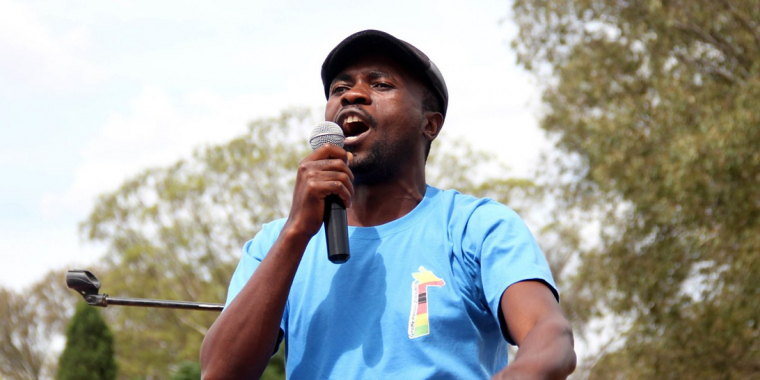
On
the
morning
of
9
March
2015,
five
men
abducted
Dzamara
from
a
barber
shop
in
the
capital
Harare’s
Glen
View
suburb.
The
men
accused
him
of
stealing
cattle
before
handcuffing
him
and
driving
off
with
him
in
a
white
truck
with
concealed
number
plates.
All
attempts
by
relatives
and
human
rights
lawyers
to
establish
his
whereabouts
have
been
unsuccessful.
“Itai
Dzamara’s
family
and
loved
ones
have
endured
ten
years
without
answers.
The
authorities
have
ignored
calls
for
information
and
investigation,
including
from
his
wife
Sheffra
Dzamara,”
said
Tigere
Chagutah,
Amnesty
International’s
Regional
Director
for
East
and
Southern
Africa.
“Zimbabwean
authorities
must
urgently
carry
out
an
effective
investigation
into
what
happened
to
Itai
Dzamara
and
end
their
official
silence
on
his
case.”
Dzamara
was
a
leader
of
the Occupy
Africa
Unity
Square,
a
pro-democracy
protest
group.
Two
days
before
his
enforced
disappearance,
Dzamara
addressed
an
opposition
rally
where
he
called
for
mass
action
against
Zimbabwe’s
deteriorating
economic
conditions.
“Itai
Dzamara’s
family
and
loved
ones
have
endured
ten
years
without
answers.
The
authorities
have
ignored
calls
for
information
and
investigation,
including
from
his
wife
Sheffra
Dzamara,”
–
Tigere
Chagutah,
Amnesty
International
Regional
Director
for
East
and
Southern
Africa
Immediately
after
Dzamara’s
abduction,
his
wife
filed
a
missing
person
report
at
Glen
Norah
Police
Station
in
Harare.
The
next
day,
Zimbabwe
Lawyers
for
Human
Rights
approached
the
High
Court
to
try
to
force
the
state
to
expend
all
available
resources
to
investigate
and
locate
Dzamara.
The
High
Court
of
Zimbabwe
ordered
police
and
state
security
agents
to
search for
Dzamara
and
report
on
their
progress
every
two
weeks.
However,
according
to
his
lawyer,
none
of
the
security
services
have
fully
complied
with
the
order.
Police
have
reportedly
not
given
any
substantial
information
on
the
details
of
their
supposed
investigation
when
they
submitted
reports
to
the
court,
and
have
stopped
submitting
reports.
“Authorities
have
yet
to
conduct
any
credible
inquiry
into
Itai
Dzamara’s
fate
or
whereabouts,”
said
Tigere
Chagutah.
“It
is
time
for
the
authorities
to
stop
pretending
and
get
serious
about
finding
Itai
Dzamara
and
holding
accountable
whoever
is
suspected
of
responsibility
for
his
enforced
disappearance.”
A
pattern
of
brutal
repression
Dzamara’s
enforced
disappearance
followed
months
of
persecution
after
he
submitted
a
petition
calling
on
Zimbabwe’s
then-President,
Robert
Mugabe,
to
resign
and
pave
the
way
for
elections.
In
November
2014,
anti-riot
police
beat
Dzamara
until
he
lost
consciousness
while
he
was
engaging
in
a
peaceful
protest
in
Harare. In
hospital,
Dzamara
collapsed
and
had
to
be
resuscitated
and
treated
in
the
intensive
care
unit.
It
is
time
for
the
authorities
to
stop
pretending
and
get
serious
about
finding
Itai
Dzamara.
–
Tigere
Chagutah,
Amnesty
International
Regional
Director
for
East
and
Southern
Africa
One
month
later,
unknown
men
abducted
Dzamara
and
two
other
activists,
allegedly
took
them
to
an
office
of
the
ruling
ZANU-PF
party
and
severely
beat
them
with
metal
rods
before
bringing
them
to
a
police
station.
The
police
let
the
abductors
go
free
without
charge.
Dzamara
and
the
two
activists
required
hospitalization
for
injuries
inflicted
during
the
abduction.
“Itai
Dzamara’s
enforced
disappearance
was
the
culmination
of
a
pattern
of
brutal
repression
of
his
peaceful
activism,”
said
Tigere
Chagutah.
Complete
impunity
Since
Dzamara’s
enforced
disappearance,
many
other
activists
and
human
rights
defenders
in
Zimbabwe
have
suffered
harassment,
intimidation
or
torture.
In
the
last
two
years
alone,
at
least
ten
opposition
activists
have
been
abducted.
Six
people
were
abducted
after
disputed
elections
in
2023,
including
opposition
activist
and
church
leader
Tapfumaneyi
Masaya
whose
body
was
later
found
dumped
on
a
farm.
Others
were
allegedly
tortured,
some
reported
being
injected
with
an
unknown
substance.
With
the
perpetrators
of
Itai
Dzamara’s
enforced
disappearance
enjoying
complete
impunity,
it
should
be
no
surprise
that
similar
human
rights
violations
continue
in
Zimbabwe.
–
Tigere
Chagutah,
Amnesty
International
Regional
Director
for
East
and
Southern
Africa
Last
year,
amid
a
massive
crackdown
on
dissent
before
a
regional
summit
held
in
Harare,
security
agents
pulled
four
activists
off
a
plane
and
reportedly
tortured
them
for
up
to
eight
hours.
Authorities
have
not
conducted
investigations
into
any
of
these
cases.
“With
the
perpetrators
of
Itai
Dzamara’s
enforced
disappearance
enjoying
complete
impunity,
it
should
be
no
surprise
that
similar
human
rights
violations
continue
in
Zimbabwe,”
said
Tigere
Chagutah.
“Zimbabwe’s
government
must
protect
human
rights
defenders,
activists
and
opposition
political
parties
to
ensure
they
are
able
to
do
their
work.”


 Kathryn