SCOTUS Pretends Pride Is Porn In Bigot Parents Case – Above the Law

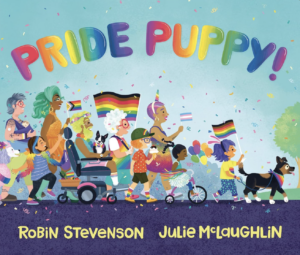
(Image
by
Julie
McLaughlin
and
Robin
Stevenson)

According
to
six
Supreme
Court
justices,

this

is
pornography.
In
fact,
the
very
existence
of
LGBTQ+
people
is
somehow
so
inherently
sexual
that
mentioning
it
to
children
amounts
to
indoctrination.
That
is
the

holding

of

Mahmoud v. Taylor
,
which
the
Court
dropped
on
June
27,
the
last
day
of
term,
right
before
getting
the
hell
out
of
Dodge.

The
decision
isn’t
exactly
a
surprise
— during
oral
argument,
Justice
Neil

“Turmeric”

Gorsuch
purported
to
believe
that
drag
queens
were
definitionally
sex
workers.

A
pre‑K
Pride
book
turned
fetish
narrative?
Are
we
sure
this
man
isn’t
a
replicant?

As
Jay
Willis
points
out
at

Balls
and
Strikes
,
Gorsuch
grossly
mischaracterized
this
children’s
picture
book,
just

as
he
did

with
the
facts
in

Kennedy
v.
Bremerton
School
District
,
AKA
the
praying
football
coach
case.
And
just
as

she

did
in
that
prior
“religious
liberty”
case,
Justice
Sotomayor
was
forced
to
include
an
appendix
full
of
pictures
to
disprove
the
florid
lies
told
by
her
conservative
colleagues.
This
time
she
included
every
page
of
the
children’s
picture
book

Uncle
Bobby’s
Wedding
,
a
story
about
a
little
girl
named
Chloe
who
is
sad
that
her
beloved
gay
uncle
is
getting
married.

In
writing
for
the
majority,
Justice
Alito
claimed
that

Uncle
Bobby’s
Wedding

“is
coy
about
the
precise
reason”
for
Chloe’s
distress.
This
is
either
an
outright
lie,
or
a
sign
that
this
Supreme
Court
justice
is
unable
to
comprehend
a
book
aimed
at
kindergarteners.
(Yet
another
reason
parents
shouldn’t
be
able
to
opt
their
kids
out
of
English
class!)
Chloe
is
sad
because
she
worries
that
her
uncle
will
have
no
time
for
her
if
he
gets
married
and
has
a
family
of
his
own.
Here’s
what
the
book
actually
says:

Once
she
realizes
that
she’ll
have

two

gay
uncles
to
spend
time
with,
they
all
live
happily
ever
after.
But
for
a
handful
of
parents
in
Montgomery
County,
Maryland
who
filed
this
lawsuit,
the
problem
wasn’t

not
enough

time
with
Uncle
Bobby
and
his
husband.
The
problem
was
their
kids
meeting
Uncle
Bobby

at
all
.
In
their
telling,
it’s
“coercive”
for
teachers
to
read
stories
featuring
LGBTQ+
characters
to
their
children,
because
normalizing
behavior
they
find
personally
offensive
supposedly
violates
their
religious
freedom.

“These
books—and
associated
educational
instructions
provided
to
teachers—are
designed
to
‘disrupt’
children’s
thinking
about
sexuality
and
gender,”
Alito
warns
ominously,
adding
“Like
many
books
targeted
at
young
children,
the
books
are
unmistakably
normative.
They
are
clearly
designed
to
present
certain
values
and
beliefs
as
things
to
be
celebrated
and
certain
contrary
values
and
beliefs
as
things
to
be
rejected.”

And
he’s
right!
It
is
affirmatively
the
job
of
public
schools
to
teach
children
American
values
like
tolerance
and
kindness.
Roughly

one
in
eleven

American
adults
identifies
as
LGBTQ+,
and
it
is

entirely
appropriate

for
educators
to
include
lessons
that
“normalize”
them,
particularly
in
light
of
entrenched
prejudice
against
LGBTQ+
people
in
culture
and
law.
But
some
religious
parents
demand
the
right
to
continue
this
stigma
by
shielding
their
kids
from
lessons
that
say
bigotry
is
wrong.

Of
course,
American
parents
are
entitled
to
teach
their
children
any
vile,
horrible
stuff
they
like
in
their
own
homes.
But
the
plaintiffs
here
want
to
veto
lessons
about
LGBTQ+
people
for

everyone’s

kids

or
at
least
slap
a
giant
NC-17
sticker
on
them
to
identify
them
as
weird
or
dirty
or
second
class.
And
the
Supreme
Court’s
conservatives
said
YES,
THAT.

“We
conclude
that
the
Board’s
introduction
of
the
‘LGBTQ+-inclusive’
storybooks,
combined
with
its
no-opt-out
policy,
burdens
the
parents’
right
to
the
free
exercise
of
religion,”
they
agreed.

The
logic
here
is
confounding.
The
majority
relies
on
the
1972
case

Wisconsin
v.
Yoder
,
in
which
the
Court
held
that
the
compulsory
school
attendance
until
age
16
violated
the
religious
freedom
of
Amish
parents,
who
wanted
to
keep
their
children
home
after
age
14.
But
the

Yoder

plaintiffs
never
demanded
that
the
public
school
system
conform
to

their

religious
beliefs;
they
wanted
to
pull
their
kids
out
of
school
two
years
early
so
they
could
work
on
the
farm.

From
this
majority
infers
a
right
for
these
parents
to
keep
their
kids

in

Montgomery
County
public
schools
and
receive
religious
accommodations.

The
Court’s
conservatives
reject
the
idea
that
the
religious
parents
should
educate
their
children
at
home
or
in
private
schools
if
they
want
to
inculcate
bigotry.
Instead,
building
on
prior
cases
where
they
ruled
that
it
did
not
violate
the
Establishment
Clause
to
require
states
to
offer
tax
subsidies
to
private
religious
schools,
the
majority
recasts
public
school
attendance
as
a
“public
benefit,”
and
says
parents
are
entitled
to
access
it
while
demanding
it
conform
to
their
religious
beliefs.

As
we
have
previously
held,
when
the
government
chooses
to
provide
public
benefits,
it
may
not
“condition
the
availability
of
[those]
benefits
upon
a
recipient’s
willingness
to
surrender
his
religiously
impelled
status.”
Trinity
Lutheran
Church
of
Columbia,
Inc.
v.
Comer,
582
U.
S.
449,
462
(2017)
(internal
quotations
marks
and
alterations
omitted).
That
is
what
the
Board
has
done
here.
Public
education
is
a
public
benefit,
and
the
government
cannot
“condition”
its
“availability”
on
parents’
willingness
to
accept
a
burden
on
their
religious
exercise.
Ibid.
Moreover,
since
education
is
compulsory
in
Maryland,
see
Md.
Educ.
Code
Ann.
§7–301(a–
1)(1),
the
parents
are
not
being
asked
simply
to
forgo
a
public
benefit.
They
have
an
obligation—enforceable
by
fine
or
imprisonment—to
send
their
children
to
public
school
unless
they
find
an
adequate
substitute.
§§7–301(a)(3),
(e).10
And
many
parents
cannot
afford
such
a
substitute.

But
this
logic
inverts
the
holding
in

Yoder

entirely.
The
parents
in

Yoder

weren’t
trying
to
force
the
public
school
to
cancel
“worldly”
lessons
and
teach
everyone’s
kids
how
to
churn
butter.
They
wanted
out
of
the
project
entirely.
Here
the
religious
parents
want
to

keep

their
kids
in
taxpayer-funded
schools,
while
exempting
them
from
lessons
of
general
applicability.

The
majority
makes
much
of
Montgomery
County’s
other
opt-outs,
where
parents
can
exempt
their
kids
from
things
like
sex-ed
and
religious
observances,
such
as
singing
Christmas
carols.
But
that
framing
bakes
the
stigma
into
the
question.
There’s
nothing
inherently
sexual
about
gay
people
getting
married,
which
they
are
entitled
to
do
in
every
state
of
the
union.
And
the
opt-outs
from
the
Christmas
concert
are
designed
to
protect
children

from

narrow,
sectarian
religious
coercion.
Acknowledging
that
trans
people
are
entitled
to
respect
isn’t
a
tenet
of
one
particular
religious
sect

it’s
basic
human
decency.

Seen
in
this
light,
Gorsuch
pretending
to
be
confused
about
drag
queens
seems
a
lot
less
funny.
Because
this
isn’t
parody,
it’s
precedent.
Likening
a
puppy
in
a
Pride
bandana
with
leather
daddies
and
equating
drag
with
sex
work
reduces
LGBTQ+
identity
to
mere
kink.
And
treating
gay
people’s
very

existence

as
something
presumptively
risqué
is
inherently
stigmatizing.

Indeed
that
was
the
animating
logic
of
the
Court’s
decision
in

Obergefell
v.
Hodges
,
where
the
majority
held
that
relegating
gay
couples
to
second-class
marriages
or
domestic
partnerships
“demeans
the
dignity
of
these
couples
for
no
legitimate
reason”
and
“humiliates
tens
of
thousands
of
children
now
being
raised
by
same-sex
couples.”
Here
the
Court
demands
that
schools
do
just
that,
segregating
lessons
about
LGBTQ+
characters
like
pornographic
magazines
and
dehumanizing
queer
kids
and
students
with
gay
parents
by
slapping
them
with
a
giant
warning
sticker
to
label
them
as
second
class.

In

Obergefell
,
Justice
Kennedy
wrote
that
“there
is
dignity
in
the
bond
between
two
men
or
two
women
who
seek
to
marry
and
in
their
autonomy
to
make
such
profound
choices.”
Just
ten
years
later,
the
Court
is
snatching
that
dignity
away.

In
truth,

Mahmoud
v.
Taylor

is
no
victory
for
religious
liberty.
It’s
a
win
for
moral
panic
masquerading
as
constitutional
protection.
Now
that
LGBTQ+
representation
itself
has
been
effectively
defined
as
pornographic,
the
likely
next
step
will
be
heavy
self-censorship.
Fearful
that
they
will
be
sued
by
parents
seeking
to
vindicate
this
newly-discovered
right
to
shield
their
children
from
anything
that
offends
their
religious
sensibilities,
schools
will
start
stripping
their
curricula
and
libraries
from
anything
that
normalizes
queer
people.

Books
with
LGBTQ+
characters
shouldn’t
require
a
trigger
warning
in
the
classroom
just
because
some
parents
insist
on
imposing
their
religious
prejudices
on
everyone
else.
And
Gorsuch’s
weird
fetish
fantasies
shouldn’t
distract
us
from
the
fact
that
the
Court’s
conservatives
just
enshrining
a
right
to
impose
bigotry
on
public
school
students
by
blaspheming
against
the
Establishment
Clause.


Subscribe
to
read
more
at
Law
and
Chaos….


Liz
Dye
 and Andrew
Torrez
 produce
the
Law
and
Chaos Substack and podcast.


You
can
subscribe
to
their
Substack
by
clicking
the
logo:
How Appealing Weekly Roundup – Above the Law


Ed.
Note
:

A
weekly
roundup
of
just
a
few
items
from
Howard
Bashman’s

How
Appealing
blog
,
the
Web’s
first
blog
devoted
to
appellate
litigation.
Check
out
these
stories
and
more
at
How
Appealing.


“Appellate
court
affirms
conviction
of
Katie
Magbanua
in
2014
Dan
Markel
murder-for-hire”:
 Jeff
Burlew
of
The
Tallahassee
Democrat
has this
report
.


“This
Is
the
Real
Impact
of
the
Supreme
Court’s
Planned
Parenthood
Decision”:
 Linda
Greenhouse
has this
guest
essay
 online
at
The
New
York
Times.


“Trump
urges
Supreme
Court
to
let
him
fire
members
of
the
Consumer
Product
Safety
Commission”:
 John
Fritze
of
CNN
has this
report
.


“US
Tells
Court
It
Can’t
Locate
Man
Wrongly
Sent
to
El
Salvador”:
 Robert
Burnson
of
Bloomberg
News
has a
report
 that
begins,
“The
Trump
administration
told
a
federal
appeals
court
it
has
been
unable
to
locate
a
man
wrongly
deported
to
El
Salvador
a
week
after
a
three-judge
panel
ordered
that
he
be
returned
to
the
US.”


“The
Supreme
Court
has
created
an
endless
summer
of
work
for
itself”:
 Nina
Totenberg
recently
had this
audio
segment
 on
NPR’s
“All
Things
Considered.”

From Surviving To Thriving – Above the Law


Why
Ongoing
Coaching
Matters
For
In-House
Lawyers

You’ve
made
the
transition
in-house

maybe
recently,
or
maybe
years
ago.
You’ve
learned
the
business,
built
relationships
across
that
business,
and
become
a
trusted
legal
advisor.
So
what’s
next?
How
do
you
continue
to
grow,
avoid
burnout,
and
ensure
your
role
continues
to
align
with
your
long-term
career
goals?

Get
a
coach.


Beyond
The
First
Transition

Many
lawyers
seek
coaching
during
career
transitions

especially
when
moving
from
private
practice
into
an
in-house
legal
role.
These
transitions
can
be
daunting,
and
coaches
provide
the
clarity,
structure,
and
encouragement
needed
to
navigate
unfamiliar
terrain.
Coaches
like

Billy
Rusteen

specialize
in
helping
lawyers
identify
transferable
skills,
build
a
targeted
resume,
and
develop
the
confidence
to
step
into
new
opportunities
through
platforms
such
as
his
My
In-House
Coach.

The
value
of
coaching
doesn’t
end
with
the
job
offer.
In
fact,
some
of
the
value
really
begins
once
you
are
in
the
in-house
lawyer
role.

It’s
one
thing
to
get
the
role;
it’s
quite
another
thing
to
excel
in
it.
This
is
where
coaches
continue
to
make
a
powerful
difference

guiding
you
through
the
ongoing
evolution
of
your
in-house
career,
helping
you
develop
as
a
leader,
and
ensuring
your
growth
doesn’t
stagnate
after
the
initial
transition.


The
Evolution

The
expectations
for
in-house
counsel
have
grown
exponentially.
No
longer
viewed
solely
as
risk
mitigators
or
compliance
gatekeepers,
today
in-house
lawyers
are
strategic
partners
who
influence
business
decisions
at
the
highest
levels.

That
shift
requires
more
than
legal
acumen.
It
demands
emotional
intelligence,
business
savvy,
and
the
ability
to
communicate
clearly
across
operational
teams
company
wide.
It
means
learning
how
to
lead
without
formal
authority,
how
to
set
boundaries,
and
how
to
advocate
for
your
own
advancement
without
waiting
to
be
“tapped
on
the
shoulder.”

A
coach
helps
you
refine
all
these
skills.

Whether
you’re
aiming
to
grow
into
the
general
counsel
role,
lead
a
legal
department,
or
simply
become
more
effective
in
your
current
position,
coaching
helps
you:

  • Build
    executive
    presence
    and
    credibility
  • Navigate
    corporate
    politics
    with
    integrity
  • Enhance
    time
    management
    and
    avoid
    burnout
  • Strengthen
    communication
    and
    influence
  • Cultivate
    emotional
    resilience
    in
    high-pressure
    environments

These
are
not
skills
typically
taught
in
law
school

but
they
are
essential
for
long-term
success
in-house.


Addressing
The
Invisible
Challenges

Many
in-house
lawyers
struggle
silently
with
imposter
syndrome,
perfectionism,
or
the
internal
pressure
to
constantly
prove
their
worth.
Couple
that
struggle
with
the
isolating
nature
of
an
in-house
role
when
you
are
often
the
only
lawyer
in
the
room,
and
the
toll
can
be
significant.

This
is
where
coaches
like

Olivia
Vizachero
(The
Less
Stressed
Lawyer)

and
Pamela
DeNeuve
shine.
They
go
beyond
traditional
career
coaching
to
address
the
mental
and
emotional
blocks
that
can
hold
lawyers
back.

Through
mindset
coaching
rooted
in
cognitive
behavioral
techniques,
Olivia
helps
clients
shift
how
they
think,
not
just
how
they
work.
Her
methods
have
helped
lawyers,
including
me,
manage
stress,
stop
overworking,
and
make
decisions
that
align
with
both
personal
and
professional
goals.


Pamela
DeNeuve
,
(Life
&
Productivity
Coach)
works
with
lawyers
facing
burnout,
career
uncertainty,
or
major
life
transitions.
Her
work
helps
legal
professionals
reconnect
with
their
purpose
while
building
the
confidence
and
systems
necessary
to
thrive

not
just
survive.

These
forms
of
coaching
recognize
a
critical
truth:
your
career
will
never
thrive
if
your
well-being
is
in
decline.
Long-term
success
requires
a
holistic
approach.


Coaching
As
A
Strategic
Investment

The
legal
industry
has
long
valued
self-reliance,
but
some
lawyers
translate
into
a
“figure
it
out
alone”
mentality
that
leads
to
isolation
and
stagnation.
Coaching
offers
something
different

a
structured,
judgment-free
space
to
clarify
your
goals,
gain
insight,
and
stay
accountable
to
your
growth.

Think
of
a
coach
as
your
confidential
thought
partner.
Someone
who
helps
you
work
smarter,
not
just
harder.
Someone
who
reminds
you
that
your
next
level
isn’t
reached
by
doing
more
of
the
same

but
by
doing
the
right
things,
with
clarity
and
confidence.

For
legal
departments
seeking
to
retain
top
talent,
investing
in
coaching
for
in-house
lawyers
can
also
improve
team
culture,
engagement,
and
performance.
It
signals
a
commitment
to
growth
and
development

not
just
at
the
organizational
level,
but
at
the
individual
one
as
well.


Ready
for
What’s
Next?

If
you’re
feeling
stuck,
plateaued,
or
unsure
how
to
move
forward,
coaching
may
be
the
strategic
edge
you
need.
It
offers
more
than
advice

it
provides
a
personalized,
actionable
roadmap
for
becoming
the
lawyer

and
leader

you
aspire
to
be.

Because
the
truth
is,
your
career
won’t
evolve
unless
you
do.
And
the
best
part?
You
don’t
have
to
do
it
alone.
I
didn’t.
You
don’t
have
to
either.

If
you
see
the
value
of
coaching,
but
you
are
not
ready
to
commit,
I
would
suggest
connecting
with

Billy
,

Olivia
,
and

Pamela

on
LinkedIn.


Lisa
Lang
is
an
accomplished
in-house
lawyer
and
thought
leader
dedicated
to
empowering
fellow
legal
professionals. She
offers
insights
and
resources
tailored
for
in-house
counsel
through
her
website
and
blog,
Why
This,
Not
That™
(
www.lawyerlisalang.com).
Lisa
actively
engages
with
the
legal
community
via
LinkedIn,
sharing
her
expertise
and
fostering
meaningful
connections.
You
can
reach
her
at


[email protected]
,
connect
on
LinkedIn
(
https://www.linkedin.com/in/lawyerlisalang/).

TN Govt. Saves School Children From Smut Like Magic Tree House, Calvin & Hobbes, & A Light In The Attic – Above the Law


Book
bans
 are
all
the
rage
these
days,
as
you
likely
well
know.
Far
too
many
people,
and
folks
in
government
more
importantly,
seem
to
have
read
Ray
Bradbury’s Fahrenheit
451
 not
as
a
lesson
in
the
dangers
of
new
media,
but
as
some
sort
of
instruction
manual
for
how
to
treat
literature.
But
the
real
story
here
is
that
a
bunch
of
cowardly
state
and
federal
politicians
are
placating
the
desires
largely
of
the
religious
right,
who
are
seeking
to
tightly
control
the
books
that
children
have
access
to
in
public,
secular
schools.
And
if
you
can’t
manage
to
understand
how
plainly
that
is
the
antithesis
of
our
form
of
government,
then
you’re
beyond
help.

But
because
authoritarianism
makes
a
fool
of
itself
as
a
habit,
and
religiously-based
authoritarianism
all
the
moreso,
then
end
result
of
these
attempts
at
censorship
always
eventually
reveal
themselves
as
absurd.
And
if
you
need
an
example
of
that,
you
need only
look
at
the
state
of
Tennessee
.


Magic
Tree
House author Mary
Pope
Osborne
,
children’s
poet Shel
Silverstein
 and Calvin
and
Hobbes cartoonist Bill
Watterson 
have
joined Judy
Blume,
Sarah
J.
Maas,
Eric
Carle
 and Kurt
Vonnegut
 on
a
mind-boggling
list
of
hundreds
of
books
purged
from
some
Tennessee
school
libraries.


The
removals
are
the
result
of
growing
political
movement
 to
control
information
through
book
banning.
In
2024,
the
state
legislature amended the
“Age-Appropriate
Materials
Act
of
2022”
to
specify
that
any
materials
that
“in
whole
or
in
part”
contain
any
“nudity,
or
descriptions
or
depictions
of
sexual
excitement,
sexual
conduct,
excess
violence,
or
sadomasochistic
abuse”
are
inappropriate
for
all
students
and
do
not
belong
in
a
school
library.
This
change
means
books
are
not
evaluated
as
a
whole,
and
excerpts
can
be
considered
without
context,
if
they
have
any
content
that
is
deemed
to
cross
these
lines.
This
leaves
no
room
for
educators
and
librarians
to
curate
collections
that
reflect
the
real
world
and
serve
the
educational
needs
of
today’s
students.

And
because
you
have
groups
of
far-right
activists
marching
around
looking
for
any
scintilla
of
material
over
which
they
can
manufacture
faux
outrage,
you
get
these
examples
of
books
being
banned
for
their
terrible,
awful,
smutty
content.
Such
as
Magic
Tree
House
,
book
that
was
banned
because
it
had
this
pornographical
image
on
its
cover:

Special
thanks
to
Mike
Masnick
for
briefly
allowing
me
to
post
porn
images
on
Techdirt.
And
for
all
of
you
whose
naughty
bits
are
currently
twitching
due
to
that
book
cover,
I
offer
you
my
sincerest
apologies.

But
if
you
thought that was
bad,
check
out
this
panel
image
from
Calvin
&
Hobbes
 book
that
got
it
banned.
Here
we
have
the
nude
image
of
a
child
on
full
display.

Now,
I
sure
hope
everyone
realizes
that
the
above
is
a
dalliance
into
sarcasm,
because
I
was
laying
it
on
quite
thick.
I
grew
up
on Calvin
&
Hobbes
,
not
to
mention
Shel
Silverstein’s A
Light
in
the
Attic
,
which
was
also
banned.
Why?
More
butts,
that’s
why.
And,
because
the
universe
is
not
without
a
sense
of
irony,
one
school
even
had
to
ban
a
book
authored
by
an
alumnus.


Oak
Ridge
Schools,
where
a
significant
number
of
the
bans
target
art
history
books,
even
removed Richard
Jolley:
Sculptor
of
Glass,
a
collection
of
works
by
the
artist,
who
graduated
from
Oak
Ridge
High
School.


“Regarding
the
book
written
by
Mr.
Jolley,
we
were
thrilled
to
feature
a
book
written
by
an
ORHS
alumni
on
our
shelves
and
were
equally
disappointed
to
have
to
remove
it,”
Molly
Gallagher
Smith,
an
Oak
Ridge
Schools
spokeswoman, told
WBIR
.
“Unfortunately,
as
an
artist,
Mr.
Jolley’s
book
features
depictions
of
the
human
body
that
are
in
direct
violation
of
the
law.”

There
are
more
and
the
bans
hit
all
the
notes
you
would
expect:
LGBTQ+
material,
books
about
the
Holocaust,
books
about
African
American
contributions
to
government
and
science,
and,
because
of
course, Fahrenheit
451
 itself.

Now,
this
is
indeed
all
absurd,
but
it
isn’t
remotely
funny.
There
is
a
ton
of
literature,
hundreds
of
books,
that
are
being
banned
under
this
Tennessee
law.
Many
of
them
reportedly
without
going
through
any
review
process.


And
many
of
the
bans
are
coming
without
any
review
or
discussion.
The
Tennessee
Association
of
School
Libraries found
in
a
survey
 of
its
members
that
in
20%
of
school
districts,
books
were
removed
from
the
shelves
at
the
command
of
district
leaders
without
any
sort
of
review
process.
“Librarians
and
educators
are
concerned
that
we
will
end
up
pulling
a
massive
amount
of
books
without
looking
at
the
books
as
a
whole,”
one
member
said
in
the
survey.
“It’s
a
slippery
slope,”
said
another,
“and
I’m
fearful
of
the
next
topic
that
will
be
regulated.”

Open
up
book
bans
to
the
frothy-mouthed
mob.
What
could
possibly
go
wrong,
other
than
keeping
valuable
literature
out
of
the
hands
of
our
children?


TN
Govt.
Saves
School
Children
From
Smut
Like
Magic
Tree
House,
Calvin
&
Hobbes,
&
A
Light
In
The
Attic


More
Law-Related
Stories
From
Techdirt:


Our
National
Robocall
Nightmare
Is
Getting
Worse
Under
Donald
Trump


Trump’s
Immigration
Enforcement:
Free
The
Criminals,
Jail
The
Innocent


The
NO
FAKES
Act
Has
Changed

And
It’s
So
Much
Worse

Morning Docket: 07.03.25 – Above the Law

*
Deal
market
boom
creates
M&A
lateral
feeding
frenzy.
[Bloomberg
Law
News
]

*
Abrego
Garcia
lawyers
detail
beatings
and
torture
at
El
Salvador
slave
labor
camp.
[NY
Times
]

*
Supreme
Court
leaned
into
culture
wars
this
Term.
You
think?
[Reuters]

*
Pour
one
out
for
your
local
immigration
lawyer
because
they’re
really
going
through
it
right
now.
[American
Lawyer
]

*
Prosecutor
disbarred
over
recordings.
[ABA
Journal
]

*
Lawsuit
says
DHS
arbitrarily
targeting
minorities
in
Los
Angeles.
The
allegations
are
so
shocking
it
makes
you
wonder
what
this
article
looked
like

before


the
AI
bias
bot
got
to
it
.
[Law360]

*
Wisconsin
Supreme
Court
ends
ancient
abortion
restriction.
[Mother
Jones
]

Prepare For More Days In The Office – See Also – Above the Law

Another
Firm
Adopts
The
Four-Day,
In-Office
Model:
Enjoy
three
days
while
you
can.
A&O
Shearman
is
changing
it
come
September.
The
“Big
Beautiful
Bill”
Could
Leave
An
Ugly
Mark
On
Your
Student
Loan
Plans:
Read
up
on
it
and
plan
accordingly.
He

Can

Get
Slowed
Down,
Actually:
Jury
issues
verdict
on
Diddy’s
five
charges.
BARBRI
Does
More
Than
Bar
Prep!:
Look
no
further
for
career
coaching,
CLEs,
and
AI
readiness!
This
Week
On
Thinking
Like
A
Lawyer:
There
go
universal
injunctions;
Sotomayor
holds
no
punches.

Law360 Using AI Bias Detector To Make Sure Stories Don’t Accidentally Tell The Truth – Above the Law

The
biggest
story
in
journalism
right
now
is
that

CBS
News
agreed
to
give
Donald
Trump
$16
million
in
a
legally
blessed
bribe
.
The
great
sin
of
“The
House
That
Edward
R.
Morrow
Built”
involved
60
Minutes
airing
a
run-of-the-mill
interview
with
Kamala
Harris
that
made
her
look
like
a
competent
public
servant
with
years
of
experience.
Since
Trump’s
interviews,
regardless
of
editing,
sound
like
a
dementia
patient
navigating
a
law
school
cold
call,
he
decided
CBS
had
committed
consumer
fraud
because
Harris
spoke
in
complete
sentences.

But
apparently
we
weren’t
done
with
today’s
“dystopian
assault
on
freedom
of
the
press”
news!
And
it
came
after
an
unlikely
target:
Law360.
I
certainly
didn’t
have
“legal
industry
trade
publication”
on
my
censorship
BINGO
card.
Then
again,

Biglaw
lateral
moves
have
suddenly
become
political
stories

so
perhaps
this
marks
inevitable
cowardice
creep
reaching
the
legal
press.

But
the
part
of
this
story
that
elevates
it
from
ominous
development
for
civil
liberties
to
comi-tragic
is
that
Law360
is
owned
by
LexisNexis
and
therefore
the
agent
of
Law360’s
doom
is…
an
AI
algorithm!
A
new
bias
detecting
ChatGPT
wrapper
slapped
together
by
some
LexisNexis
product
engineers
probably
taken
away
from

actually
useful
work

to
build
a
degenerative
AI
to
strip
news
articles
of
any
semblance
of
value.
2025,
man…
Does.
Not.
Miss.

NiemanLab,
Harvard’s
digital
journalism
center,
reports
that

Law360
has
ordered
its
reporters
run
their
stories
through
an
AI
bias
detector

designed
for
“applying
a
neutral
voice
to
copy”
and
to
be
mandatory
for
“headline
drafting,
story
tagging,
and
‘article
refinement
and
editing.’”

As
one
might
imagine
the
journalists,
represented
by
the
Law360
union,
object
to
this
half-baked
idea.
A
policy
this
ethically
bankrupt
could
only
arise
from
non-journalist
executive
input.

The
announcement
came
a
few
weeks
after
an
executive
at
Law360’s
parent
company
accused
the
newsroom
of
liberal
political
bias
in
its
coverage
of
the
Trump
administration.
At
an
April
town
hall
meeting, Teresa
Harmon
,
vice
president
of
legal
news
at
LexisNexis,
cited
unspecified
reader
complaints
as
evidence
of
editorial
bias.

Giving
uncritical
weight
to
squeaky
wheel
complaints,
especially
in
an
environment
where
a
government
official
weaponized
his
followers
to
act
on
their
every
grievance
up
to
and
including
STORMING
THE
FUCKING
CAPITOL,
is
a
dunderheaded
management
strategy
only
an
MBA
could
come
up
with.
But
it’s
almost
certainly
a
cynical
one.
If
we
all
start
writing
complaints
that
the
headlines
are
neutered
doublespeak,
will
Law360
be
ordered
to
reverse
course?
I’m
incredulous.

While
the
article
notes
that
there’s
not
an
established
throughline
from
those
remarks
to
the
implementation
of
the
policy,
it
speaks
to
a
mindset
that
clearly
got
out
of
hand.

But
let’s
put
aside
the
wisdom
of
the
policy
and
focus
on
the
fact
that
the
bias
detector
is
also
terrible
at
its
job.
Because
that’s
just
a
little
bit
more
fun.
Only
at
a
tech
company
could
someone
think
that
generative
AI
tools
being
developed
for
dedicated
legal
work
tasks
could
be
bolted
onto
the
editorial
process
of
a
news
publication.

Generative
AI
is
a
powerful
tool
in
the
same
way
a
screwdriver
is
a
powerful
tool.
But
you
wouldn’t
use
a
screwdriver
to
do
your
taxes.
Yet
that’s
the
thinking
involved
in
bringing
AI
into
an
editorial
process.
To
borrow
from
the
TV
series

Veep
,
it’s
like
using
a
croissant
as
a
dildo:
“It
doesn’t
do
the
job,
and
it
makes
a
fucking
MESS!”

She
also
criticized
the headline
of
a
March
28
story
 —
“DOGE
officials
arrive
at
SEC
with
unclear
agenda”

as
an
example.
In
the
same
town
hall,
Harmon
suggested
that
the
still
experimental
bias
indicator
might
be
an
effective
solution
to
this
problem,
according
to
two
employees
in
attendance.

But…
DOGE
officials

did

arrive
at
the
SEC
with
an
unclear
agenda.
The
White
House
couldn’t
be
clear

about
who
was
running
DOGE

let
alone
its
agenda.
This
is
just
a
factual
statement
that,
if
anything,
is
biased
in
favor
of
DOGE
since
its
suspected
agenda
to
steal
data
and
hamper
regulation
was
about
as
disguised
as
three
raccoons
in
a
trench
coat.

The
report
notes
another
story
about
the
Trump
decision
to
mobilize
the
California
National
Guard:

Several
sentences
in
the
story
were
flagged
as
biased,
including
this
one:
“It’s
the
first
time
in
60
years
that
a
president
has
mobilized
a
state’s
National
Guard
without
receiving
a
request
to
do
so
from
the
state’s
governor.”
According
to
the
bias
indicator,
this
sentence
is
“framing
the
action
as
unprecedented
in
a
way
that
might
subtly
critique
the
administration.”
It
was
best
to
give
more
context
to
“balance
the
tone.”

It

was

the
first
time
in
60
years
though!
That
is
the
relevant
context.
As
is
the
juxtaposition
with
the
civil
rights
era
since
the
last
time
a
president
did
this,
it
was
to
push
back
against
segregationists
while
this
time
it
was
about
breaking
up
a
conga
line.
Absent
that
context,
it
strips
a
radical
encroachment
on
state
sovereignty
of
its
newsworthiness.

The
algorithm
also
apparently
wanted
the
article
to
tone
down
its
characterization
of
Judge
Breyer’s
response:

Another
line
was
flagged
for
suggesting
Judge
Charles
Breyer
had
“pushed
back”
against
the
federal
government
in
his
ruling,
an
opinion
which
had
called
the
president’s
deployment
of
the
National
Guard
the
act
of
“a
monarchist.”
Rather
than
“pushed
back,”
the
bias
indicator
suggested
a
milder
word,
like
“disagreed.”

This
new
bot
would
have
reported
Watergate
as
a
tenant
association
dispute.

In
another
example,
BiasBot
told
Law360
that
its
coverage
of
a
case
should
“state
the
facts
of
the
lawsuit
without
suggesting
its
broader
implications.”
Given
that
the
law
is
still
ostensibly
a
function
of
precedent,
reporting
on
caselaw
is…

all
about
broader
implications
.

It’s
kind
of
the
whole
reason
LexisNexis
is
in
business,
actually!

As
a
sometimes
tech
reporter,
I
have
great
relationships
with
the
LexisNexis
folks
working
to
make
the
legal
profession
more
efficient.
But
that’s
because
my
contacts
aren’t
the
people
trying
to
micromanage
news
coverage
to
make
sure
every
article
earns
the
right-wing
podcaster
seal
of
approval
as
“fair.”
It
seems
to
me,
the
company
might
need
to
get
control
of
its
rogue
unit.

There
are,
admittedly,
opportunities
to
leverage
generative
AI
in
the
journalist
workflow.
Detecting
bias
is
not
one
of
them
for
several
reasons.
The
most
straightforward
and
technical
of
which
is
that
generative
AI
tools
are
designed
to
give
the
user
pleasing
answers
come
hell
or
high
water.
It’s
how

AI
hallucinates
cases
to
match
the
user’s
research
query
.
So
if
you
build
an
AI
to
“detect
bias”
it
guarantees
that
it
will
find
some
bias.
Probably
4
or
5
bulleted
examples
no
matter
what.
Does
it
really
have
a
problem
with
“pushed
back”
or
was
that
just
something
it
grabbed
to
fill
its
answer
quota?

But
the
more
philosophical
answer
is
that
objective
facts
often
have
a
lean.
When
99
percent
of
climate
scientists
say
climate
change
is
real,
do
news
outlets
have
to
give
equal
time
to
Professor
Daniel
Plainview
about
the
medicinal
benefits
of
drinking
crude
oil?
Because
the
algorithm
can’t
handle
that
nuance.
Based
on
the
examples
in
the
NiemanLab
piece,
it’s
just
performing
the
barest
level
of
sentiment
analysis
and
flagging
phrasing
that
carry
even
the
slightest
impact
beyond
the
superficial.
But
that
in
and
of
itself
is
an
act
of
bias.
I
used
to
tell
deponents
not
to
speculate
because
if
they
don’t
know
something

no
matter
how
much
they
think
they’re
helping

they’re
actually
lying
if
they
don’t
admit
that
they
don’t
know.

The
flip
side
is
also
true.
A
news
report
that
says
Charles
Breyer
had
a
tepid
disagreement
with
the
DOJ
is,
in
fact,
a
lie.
And
it’s
not
any
less
of
a
lie
because
you
asked
the
robot
to
say
the
lie
for
you.


HeadshotJoe
Patrice
 is
a
senior
editor
at
Above
the
Law
and
co-host
of

Thinking
Like
A
Lawyer
.
Feel
free
to email
any
tips,
questions,
or
comments.
Follow
him
on Twitter or

Bluesky

if
you’re
interested
in
law,
politics,
and
a
healthy
dose
of
college
sports
news.
Joe
also
serves
as
a

Managing
Director
at
RPN
Executive
Search
.

AI Won’t Replace Lawyers – But It Will Give Them More Work (And The Tools To Handle It) – Above the Law

With
the
rapid
development
of
Gen
AI
and
AI
tools,
there
is
also
the
ongoing
hand-wringing
over
what
these
tools
may
mean
for
lawyers.
Often,
the
consternation
isn’t
about
how
these
tools
might
change
the
practice
of
law
(where
it
should
be),
but
on
how
much
work
(aka
billable
hours)
AI
might
replace.

The
reality,
of
course,
is,
as
with
most
every
other
disruptive
technology,
the
fears
ignore
that
new
work
will
be
generated
by
the
technology;
work
that
doesn’t
exist
now
or
can’t
be
done.
Rather
than
shrinking
the
workload,
AI
may
dramatically
expand
the
range
and
amount
of
viable
legal
claims.
From
mass
torts
to
class
actions,
AI
and
automation
is
systematically
lowering
barriers
and
increasing
legal
work.


ATMs

The
classic
example
of
the
more
likely
impact
of
technology
on
work
is
ATM
machines.
When
ATMs
first
came
on
the
market,
there
was
a
great
hue
and
cry
that
these
machines
would
replace
banks
and
bank
tellers.
But
instead,
ATMs
made
it
cheaper
to
build
banks
and
actually
increased
the
number
of
bank
employees.
The
same
was
true
for
email
and
the
internet,
by
the
way.


AI
and
Litigation

Just
last
week,
I

wrote
about

how
technology
is
propelling
an
increase
in
mass
tort
litigation
and
the
need
for
more
lawyers
on
the
defense
side.
The
gist
of
my
article
was
that
technology
enhances
the
ability
to
ferret
out
and
assert
claims
that
might
otherwise
have
gone
unnoticed,
thanks
to
its
speed
and
scale.

This
spring,
I
also

wrote
about

a
presentation
by

Zach
Abramowitz

in
which
he
postulated
that
technology
and
automation
were
enabling
plaintiffs
lawyers
to
bring
more
cases,
resulting
in
more,
not
less
work
across
the
board.
It’s
in
part
an
example
of

Jevons
Principle
:
as
technology
reduces
the
cost
of
a
service,
demand
for
that
service
increases.
Lots
of
people
have
legal
issues
that
go
unresolved
because
the
cost
of
hiring
a
lawyer
exceeds
the
traditional
value
of
obtaining
a
solution.
Bring
down
the
cost
and
many
of
those
claims
will
be
brought.

Surveys
of
in-house
counsel
echo
this
belief:
that
technology
will
lead
to
more,
not
less,
legal
work,
as
I

previously
reported
.


Class
Actions
and
AI

And
just
last
week,
I
came
across
yet
another
set
of
technological
tools
that
will
similarly
impact
class
actions.
The
tools
are
being
offered
by
two
companies,

Darrow

and

Rain
,
and
promise
to
assist
lawyers
in
identifying
potential
class
actions.
Class
actions
typically
require
that
the
common
issues
of
the
members
of
a
potential
class
predominate
so
that
litigating
them
in
one
proceeding
makes
sense.

So
if
you
are
looking
to
find
a
class,
you
previously
had
to
do
a
lot
of
research.
You
had
to
identify
a
particular
issue

say,
a
medical
device
that
caused
harm
to
someone.
Then
you
had
to
painstakingly
research
how
many
others
had
used
the
device
and
suffered
similar
injuries.
And
be
ready
to
deal
with
a
whole
host
of
potential
non-common
issues.

It
was
hard
work
and
time
consuming.
And
for
claims
that
might
not
generate
the
greatest
liability,
the
work
required
was
often
simply
not
worth
the
potential
return.
Layered
on
top
of
this
was
the
fact
that
to
succeed,
speed
was
important.
While
it’s
not
necessarily
always
true
that
“first
to
file”
class
action
lawyers
and
plaintiffs
achieve
the
greatest
success,
it
certainly
doesn’t
hurt.
In
many
ways,
it’s
like
the
gold
rush
scenario
of
years
past:
the
first
one
to
strike
gold
and
file
the
claim
often
has
a
real
advantage.

The
result:
it’s
quite
possible
that
many
potential
class
actions
never
get
discovered
because
the
time
and
energy
required
to
find
them
is
too
great.
This
was
especially
true
for
claims
that
didn’t
get
the
same
publicity
or
notoriety
as
the
high-value
headline
cases.

Moreover,
the
most
lucrative
class
actions
often
would
fall
into
the
hands
of
those
well-heeled
plaintiffs
firms
that
have
the
resources
to
find
and
manage
the
cases.
Tools
like
those
of
Darrow
and
Rain
open
up
the
market
for
other
firms,
increasing
competition,
which
is
not
a
bad
thing.


The
New
Tools

These
tools
scrape
the
internet
for
consumer
complaints,
social
media
posts,
and
government
data
bases
looking
for
areas
where
there
might
be
sufficient
common
interests
and
issues
to
support
class
claims,
particularly
in
the
areas
of
privacy,
price
fixing,
labor,
product
labelling,
and
securities
fraud,
according
to
an

article

in
Law.com
by

Amanda
Bronstad
.
Other
areas
where
these
tools
can
be
useful
are
in
the
pharmaceutical
and
environmental
field.

The
Darrow
and
Rain
tools
analyze
mounds
of
data
in
various
fields
and
then
compare
them
in
ways
that
suggest
both
an
injury
and
potential
liability.
By
looking
for
patterns,
the
tools
can
then
identify
situations
that
have
common
issues.
For
example,
it
could
show
a
potential
correlation
between
cancer
rates,
uses
of
chemicals
or
certain
drugs,
and
social
media
commentary.
These
correlations
could
prompt
a
resourceful
plaintiffs
lawyer
to
launch
a
deeper
investigation
into
situations
they
might
have
otherwise
overlooked.
What
once
took
weeks
or
even
months,
now
takes
minutes.

Just
as
those
tools
that
enable
lawyers
to
generate
and
manage
individual
claims
more
efficiently
have
led
to
more
claims
being
brought,
the
same
phenomenon
may
happen
with
class
actions.


The
Defense
Side

Tools
like
this
are
valuable
not
only
to
plaintiffs
lawyers
but
also
to
in-house
counsel
and
enterprising
outside
litigation
attorneys.
If
in-house
lawyers
can
spot
patterns
that
might
trigger
future
class
actions,
they
can
take
steps
to
mitigate
harm,
build
defenses
early,
and
either
nip
the
cases
in
the
bud
or
be
better
prepared
to
defend
them.
Outside
counsel
might
be
better
positioned
to
spot
trends
across
lines
of
businesses
and
flag
the
next
potential
class
action,
advising
their
clients
in
advance
(and
of
course
having
a
leg
up
to
get
the
business
if
it
turns
into
a
case).


The
Future

Several
years
ago,
there
was
a
famous
commercial
which
showed
a
group
of
startup
founders
watching
the
internet
for
the
number
of
orders
of
their
product
being
placed
upon
launch.
At
first,
they
were
elated
as
the
number
of
orders
surged
within
minutes.
That
elation
quickly
turned
to
panic
as
they
watched
demand
skyrocket
beyond
their
capacity
to
keep
up.

The
same
may
be
true
for
litigators.
We’re
going
to
see
more
tools
that
enhance
the
opportunity
for
claims
and
cases
to
be
brought
that
couldn’t
be
brought
before.
For
litigators,
the
question
may
not
be
whether
AI
will
reduce
work.
The
question
may
be
how
we
are
going
to
get
all
the
work
done.

As
the
former
T.
Rowe
Price
CEO
Brian
Rogers
once
said,
“Statistically
speaking,
the
world
doesn’t
end
that
often.”

So
it
goes
for
litigators.


Stephen
Embry
is
a
lawyer,
speaker,
blogger
and
writer.
He
publishes TechLaw
Crossroads
,
a
blog
devoted
to
the
examination
of
the
tension
between
technology,
the
law,
and
the
practice
of
law
.

New Jersey Senators Say Alina Habba Has ‘Degraded’ The U.S. Attorney’s Office – Above the Law

(Photo
by
SAUL
LOEB/AFP
via
Getty
Images)


Ed.
note
:
Welcome
to
our
daily
feature,

Quote
of
the
Day
.


The
people
of
New
Jersey
deserve
a
US
Attorney
that
has
deep
experience
with
law
enforcement,
a
reputation
and
an
approach
that
puts
partisanship
to
the
side,
and
who
will
work
to
keep
our
communities
safe
and
impartially
pursue
justice.
In
her
short
tenure
as
interim
US
Attorney,
she
has
degraded
the
office
and
pursued
frivolous
and
politically
motivated
prosecutions.
It’s
clear
that
Alina
Habba
does
not
meet
the
standard
to
serve
the
people
of
New
Jersey.


A

statement

offered
by
Senators

Cory
Booker

and

Andy
Kim

(D-NJ),
in
response
to
Donald
Trump’s
decision
to
nominate

Alina
Habba
,
who
has
served
as
interim
U.S.
Attorney
for
the
District
of
New
Jersey
for
several
months,
to
a
four-year
term
in
the
role. 


Staci Zaretsky


Staci
Zaretsky
 is
a
senior
editor
at
Above
the
Law,
where
she’s
worked
since
2011.
She’d
love
to
hear
from
you,
so
please
feel
free
to

email

her
with
any
tips,
questions,
comments,
or
critiques.
You
can
follow
her
on BlueskyX/Twitter,
and Threads, or
connect
with
her
on LinkedIn.