Morning Docket: 07.02.25 – Above the Law

*
Latham
passes
Kirkland
in
M&A
leader
role.
[Bloomberg
Law
News
]

*
Diddy
jury
reaches
partial
verdict…
still
hammering
out
the
conspiracy
charge.
[Hollywood
Reporter
]

*
Trump
effort
to
strip
Haitian
immigrants
of
legal
status
blocked
by
federal
court
in
order
that
will
eventually
get
struck
down
when
Supreme
Court
decides
English
common
law
clearly
requires
the
courts
to
say
“Simon
Says”
three
times
first.
[Reuters]

*
Jury
slaps
Google
with
$314
million
verdict
over
data
use.
[Law360]

*
Law
firm
mergers
up
21
percent.
[American
Lawyer
]

*
Proskauer
lawyers
warn
corporate
legal
departments
that
the
“infinite
workday”
culture
carries
legal
risks.
Corporate
legal
responds
by
asking
ChatGPT
“can
AI
replace
my
employees
yet?”
[Corporate
Counsel
]

*
Supreme
Court
takes
up
case
that
suggested
internet
providers
can
be
liable
for
users.
[ABA
Journal
]

*
Jay-Z
suit
against
Tony
Buzbee
dismissed.
[NY
Times
]

Failure to invest in youth sexual health could cost Zimbabwe $3.6bn

The
study
calculates
the
total
cost
of
inaction
on
youth
sexual
and
reproductive
health
and
rights
(SRHR),
including
HIV,
to
be
US$3.6
billion
over
the
lifetime
of
the
current
adolescent
cohort.

That
figure
represents
12.9%
of
the
country’s
gross
domestic
product,
a
higher
percentage
than
the
combined
national
budgets
for
education,
health,
and
social
development
in
2021.

The
report, The
Cost
of
Inaction
,
warns
that
poor
access
to
youth-friendly
SRHR
services,
high
teenage
pregnancy
rates,
HIV
infections,
and
gender-based
violence
are
placing
a
growing
economic
burden
on
the
country.

“These
costs
need
to
be
compared
with
the
cost
of
different
policy
options
for
supporting
youth
SRHR,”
it
notes.
While
Zimbabwe’s
economy
is
smaller
than
South
Africa’s,
the
cost
of
doing
nothing
is
heavier
relative
to
the
size
of
the
economy.
“The
cost
of
inaction
totals
92.5%
of
the
total
Zimbabwean
Government
budget
for
2021,”
the
report
states.

Teenage
pregnancy
is
one
of
the
main
cost
drivers.
For
Zimbabwe,
early
pregnancies
among
girls
aged
15
to
19
account
for
US$2.95
billion
of
the
total.
The
figure
includes
financial
costs
to
the
health
system,
individual
out-of-pocket
expenses,
and
the
long-term
loss
of
income
for
both
adolescent
mothers
and
fathers
who
leave
school.

The
report
shows
that
55%
of
girls
in
Zimbabwe
drop
out
of
school
after
giving
birth,
and
only
one
in
ten
teenage
fathers
remains
in
school.
Girls
who
do
not
finish
secondary
school
earn
significantly
less
over
their
lifetime,
and
are
more
likely
to
live
in
poverty.
This,
in
turn,
lowers
productivity,
tax
revenues,
and
overall
economic
output.

The
report
explains,
“Lower
lifetime
earnings
and
higher
levels
of
unemployment
reduce
potential
tax
revenue
received
by
the
government
and
lead
to
lower
productivity.”

The
economic
loss
is
compounded
by
the
second-generation
effects.
Children
born
to
adolescent
mothers
are
more
likely
to
suffer
from
poor
health,
drop
out
of
school,
and
face
a
higher
risk
of
early
death.
While
these
outcomes
were
not
quantified
in
the
cost
analysis,
the
report
acknowledges
their
long-term
impact.

“There
are
consequences
for
the
children
of
adolescent
mothers,
who
are
more
likely
to
have
low
birth
weight,
poorer
health,
be
physically
abused,
struggle
academically
and
die
prematurely,”
it
states.

HIV
among
young
people
also
carries
a
heavy
price.
The
report
estimates
that
the
lifetime
cost
of
HIV
for
adolescents
and
young
adults
aged
15
to
24
in
Zimbabwe
is
US$710
million.
This
includes
the
cost
of
antiretroviral
treatment,
the
cost
of
accessing
health
facilities,
and the
prevention
of
mother-to-child
transmission.

Young
women
are
the
most
affected,
accounting
for
most
new
infections
in
this
age
group.
UNAIDS
warns
that
delayed
diagnosis
and
treatment
reduces
life
expectancy
and
increases
health
care
costs.
“As
a
result,
AIDS
is
the
leading
cause
of
adolescent
mortality
in
12
East
and
southern
African
countries,”
the
report
notes.

Gender-based
violence
remains
widespread,
but
Zimbabwe
lacks
reliable
data
to
calculate
its
full
economic
impact.
The
report
includes
estimates
from
South
Africa,
where
GBV
costs
the
country
over
US$12.4
billion.
This
includes
costs
to
survivors,
the
government,
civil
society,
and
businesses.

In
Zimbabwe,
GBV
is
also
closely
linked
to
teenage
pregnancies
and
HIV.
Girls
who
experience
violence
are
less
able
to
negotiate
safe
sex
or
refuse
unwanted
advances.
The
report
calls
for
stronger
gender
equality
policies
and
coordinated
efforts
to
reduce
violence.
“A
comprehensive
approach
tied
closely
to
gender
equality
goals
is
needed,”
it
says.

The
study
proposes
five
areas
where
Zimbabwe
can
act
to
reduce
these
costs.
These
include
integrating
comprehensive
sexuality
education
in
schools,
expanding
access
to
youth-friendly
SRHR
services,
keeping
girls
in
school,
reducing
GBV,
and
preventing
HIV.
The
report
urges
a
shift
from
reactive
to
preventative
approaches.

“Real
change
requires
a
proactive,
prevention-based
response
rather
than
a
reactive
one,”
it
states.
Investing
early
in
adolescent
health
and
education
will
not
only
reduce
long-term
costs
but
also
strengthen
the
country’s
workforce
and
future
growth.

The
report
stress
that
the
figures
presented
are
conservative
estimates.
Some
costs,
such
as
lost
productivity
from
opportunistic
infections
or
second-generation
effects
of
GBV,
were
excluded
due
to
data
limitations.
This
means
the
actual
cost
of
inaction
could
be
even
higher.
The
report
urges
decision-makers
to
include
the
cost
of
inaction
in
budget
planning
and
policy
design.

“The
cost
of
not
acting
is
high,”
it
concludes.
“This
is
an
investment
we
have
no
choice
but
to
make.”


High Court dismisses ZAPU bid to halt Gukurahundi hearings

The
hearings,
which
were
meant
to
start
on
26
June,
are
part
of
a
long-delayed
national
effort
to
address
the
atrocities
committed
in
the
1980s,
during
which
thousands
were
killed
in
a
military
crackdown
in
the
Matabeleland
and
Midlands
regions.

ZAPU
had
argued
that
the
process,
led
by
traditional
chiefs
under
the
National
Council
of
Chiefs,
lacked
legal
legitimacy
and
impartiality.
However,
High
Court
Judge
Justice
Munamato
Mutevedzi
dismissed
the
application.

“The
case
has
been
dismissed.
The
judge
said
the
matter
was
not
urgent,”
ZAPU
legal
advisor
Vuyo
Mpofu
told
journalists.
“He
argued
that
since
2019,
we
knew
that
the
President
and
the
Matabeleland
Collective
had
come
together
and
that
this
was
the
agreed
approach,
but
we
didn’t
act
at
the
time.”

President
Emmerson
Mnangagwa,
the
Minister
of
Local
Government,
and
the
National
Council
of
Chiefs
were
among
the
respondents
cited
in
the
case,
which
was
filed
over
the
weekend.

In
the
court
papers,
ZAPU
president
Sibangilizwe
Nkomo
challenged
the
legality
of
the
outreach
programme,
arguing
that
traditional
leaders
should
not
be
tasked
with
leading
a
national
process
of
such
sensitivity.

“The
Chiefs
are
unlikely
to
be
impartial
and
unbiased
in
the
conduct
of
the
process,”
Nkomo
argued
in
the
affidavit.

“We
believe
the
agreement
between
the
President
and
the
Matabeleland
Collective
has
no
legal
foundation
and
does
not
represent
the
victims
of
Gukurahundi.”

ZAPU
president
Sibangilizwe
Nkomo
addressing
journalists
outside
the
Bulawayo
High
Court

Outside
the
court,
Nkomo
said
his
party
would
continue
to
seek
justice
for
victims
of
the
Gukurahundi
atrocities.

“It
did
not
matter
that
we
didn’t
get
what
we
set
out
to
achieve,
stopping
the
hearings
but
we
will
continue
finding
other
ways
to
bring
this
matter
to
closure,”
he
said.

“We
want
justice
for
people
who
were
killed,
women
who
were
raped.
As
a
peace-loving
organisation,
we
seek
an
amicable
resolution.”

Tensions
were
high
at
the
court,
with
police
deployed
to
monitor
the
proceedings.

Nkomo
was
briefly
prevented
by
police
from
addressing
the
media
near
the
court
premises.

The
outreach
hearings,
originally
scheduled
to
begin
on
26
June,
were
delayed
amid
confusion.

Chief
Mtshane
Khumalo,
President
of
the
National
Council
of
Chiefs,
told CITE that
the
process
was
disrupted
by
another
official
event
attended
by
President
Mnangagwa
in
Bulawayo
on
the
same
day.
Some
local
chiefs
also
reported
they
had
not
yet
received
the
necessary
resources
to
begin
the
hearings.

Fury as judges to undergo training by Zanu PF’s Herbert Chitepo School of Ideology

HARARE

Chief
Justice
Luke
Malaba
has
ordered
all
judges
to
undergo
training
by
Zanu
PF’s
Herbert
Chitepo
School
of
Ideology
in
a
new
low
for
the
judiciary.

The
training,
set
to
be
held
on
July
4
and
5,
will
also
see
judges
sit
through
sessions
by
the
Central
Intelligence
Organisation
boss
Fulton
Mangwanya
and
the
chief
secretary
to
the
president
and
cabinet
Martin
Rushwaya,
according
to
a
programme
seen
by
ZimLive.

“This
desecration
of
constitutional
values
concerns
us
and
quite
frankly,
I
and
some
colleagues
I
spoke
to
feel
violated,”
a
judge
who
requested
not
to
be
named
said.

“The
independence
of
the
judiciary
is
a
cornerstone
of
our
democratic
system.
It
is
imperative
that
judges
and
judicial
officers
operate
free
from
any
political
influence
to
ensure
the
fair
and
impartial
administration
of
justice.”

Letters
sent
to
judges
state
that
the
training
has
been
organised
by
the
Office
of
the
President
to
familiarise
judges
with
the
“Integrated
Results
Based
Management
System
(IRBM)
relating
to
the
performance
evaluation
of
judges.”

The
judge
asked
rhetorically:
“What
is
performance
evaluation
of
judges
by
the
government?

“Training
programmes
that
are
linked
to
the
deep
state
and
to
political
entities
risk
compromising
our
independence
and
could
lead
to
perceptions
of
bias,
thereby
undermining
public
confidence
in
our
judicial
system.

“We
believe
that
training
for
the
judiciary
should
be
conducted
by
qualified,
non-partisan
professionals
who
are
committed
to
upholding
the
rule
of
law
and
the
principles
of
justice.
The
JSC
must
consider
alternative
arrangements
that
prioritise
the
integrity
and
impartiality
of
our
judicial
training.”

Judges
will
also
sit
through
a
presentation
by
finance
secretary
George
Guvamatanga
who
will
present
“an
overview
of
the
economic
outlook
for
the
remainder
of
2025
and
beyond”
and
Charles
Mujajati,
a
director
in
the
finance
ministry
who
will
speak
about
“achievements
and
challenges
under
National
Development
Strategy
1
and
National
Development
Strategy
2
road
map.”

The
judges
feel
they
are
being
subjected
to
political
propaganda,
and
are
despondent
over
Malaba’s
inaction
or
collusion
in
the
assault
on
judicial
independence.

Ishmael
Mada,
the
principal
of
the
Herbert
Chitepo
School
of
Ideology,
was
appointed
by
Zanu
PF
succeeding
Munyaradzi
Machacha,
now
the
party’s
secretary
for
the
commissariat.
Mada
will
be
addressing
the
judges.

Machacha
told
the
state-run
Sunday
Mail
in
2022
that
the
institution
was
a
“party
school
for
Zanu
PF
to
instil
“ideological
consciousness”
and
“national
orientation”
in
the
party
membership.

Said
the
judge:
“As
judges
we
are
deeply
disappointed
in
the
Chief
Justice’s
actions,
which
undermine
judicial
independence.
As
the
guardian
of
our
constitutional
framework,
he
has
a
critical
role
in
upholding
the
integrity
of
the
judiciary.
Instead,
his
actions
have
eroded
trust
and
compromised
the
institution’s
credibility.

“He
is
front
and
centre
of
these
crass
violations.
It’s
particularly
concerning
that
this
is
happening
in
his
final
months
in
office.
He
wants
to
leave
behind
a
judiciary
that’s
vulnerable
and
that
lacks
public
confidence.
This
shall
forever
define
his
legacy.”

Malaba
had
been
due
to
step
down
as
Chief
Justice
on
May
15,
2021,
when
he
reached
the
age
of
70
but
the
government
introduced
controversial
constitutional
amendments
to
extend
his
term,
despite
a
High
Court
ruling
that
the
change
of
term
limits
could
not
benefit
an
incumbent.

Malaba
had
the
High
Court
judgement
overturned
by
the
Constitutional
Court,
which
he
heads,
after
judges
refused
to
recuse
themselves.

Malaba
must
step
down
by
May
2026
beyond
which
his
term
cannot
be
extended.

Chatunga Mugabe freed on $200 bail as court hears of violent rampage

CONCESSION

Bellarmine
Chatunga
Mugabe,
the
son
of
the
late
former
President
Robert
Mugabe,
was
granted
US$200
bail
Tuesday
by
the
Concession
Magistrates
Court
after
spending
a
night
in
remand
prison
on
multiple
assault
charges
stemming
from
two
violent
incidents
in
Mazowe.

Mugabe
allegedly
directed
a
brutal
attack
on
five
security
guards
at
Ultimate
Mine
in
Mazowe
on
June
25,
accusing
them
harbouring
artisanal
miners
who
were
trespassing
on
their
neighbouring
farm.

But
it
was
not
until
June
30
that
he
was
arrested
after
allegedly
assaulting
a
school
groundsman
believed
to
be
connected
to
home
affairs
minister
Kazembe
Kazembe,
who
is
in
charge
of
police.

In
the
second
incident
Mugabe,
28,
along
with
his
two
bodyguards,
Tinashe
Mupawo,
40,
and
Brenan
Mateko,
26,
and
others
still
at
large
allegedly
attacked
Jorum
Ngirazi,
a
38-year-old
groundsman
at
Annaph
Secondary
School
near
Mazowe
Inn.

Ngirazi
had
approached
the
trio
while
looking
for
a
Grabber
truck
to
transport
gold
ore
but
was
told
not
to
come
any
closer.
As
he
turned
away
to
leave,
one
of
the
men
allegedly
grabbed
him
by
the
collar.

The
court
heard
that
Mugabe
reportedly
slapped
him
in
the
face,
and
the
bodyguards
joined
in.
Ngirazi’s
Huawei
Nova
8
mobile
phone
was
kicked
after
it
hit
the
ground.

Ngirazi
did
not
suffer
visible
injuries
but
later
reported
a
persistent
headache.

The
earlier
incident,
at
Ultimate
Mine,
involved
the
alleged
assault
of
five
security
guards
who
the
assailants
accused
of
failing
to
act
against
trespassers
who
entered
former
first
lady
Grace
Mugabe’s
nearby
farm.

The
victims

Ntandoyokuza
Nyati,
Philip
Chipara,
Elvis
Bvumbe,
Collen
Muchemwa
and
Waddington
Mutadza

were
reportedly
attacked
with
booted
feet,
fists,
iron
bars,
logs
and
water
by
Mugabe
and
his
associates.
A
gun
shot
was
fired.

Nyati
was
allegedly
struck
with
a
log
and
an
iron
bar
and
had
water
poured
on
him.

Bvumbe
was
beaten
with
a
baton
stick,
a
horse
pipe
and
an
iron
bar.
The
other
victims
were
also
reportedly
slapped,
kicked
and
struck
with
blunt
object
and
sustained
severe
injuries
including
fractured
skulls,
broken
hands,
scarred
backs
and
internal
injuries.

Police
summoned
Mugabe
to
Mazowe
Police
Station
following
the
mine
assault,
where
he
is
alleged
to
have
declared,
“I’m
the
real
President’s
son.
I’m
untouchable.”

The
prosecution
did
not
oppose
bail.
His
co-accused,
Mupawo
and
Peter
Fredson,
32,
were
also
granted
bail
under
the
same
conditions.

The
three
men
must
reside
at
the
addresses
they
provided
to
the
court,
report
once
a
week
to
Borrowdale
Police
Station,
and
not
interfere
with
State
witnesses.
They
get
to
keep
their
passports.

Mugabe
is
scheduled
to
appear
in
court
on
July
11,
15
and
17
for
separate
hearings
for
the
start
of
trial
in
three
separate
assault
cases.

In
a
counter-complaint,
Mugabe
has
accused
one
of
the
victims,
Elvis
Bvumbe,
of
assaulting
him
during
the
June
25
incident
by
tripping
him
and
causing
injury.

During
Tuesday’s
hearing,
Mugabe
appeared
in
a
black
hooded
jacket
and
attempted
to
avoid
media
cameras.
His
legal
team
complained
that
the
trio
were
denied
access
to
legal
representation
at
the
time
they
were
initially
charged.

Zimbabwe Independent Editor, Faith Zaba, Arrested Over Satirical Piece On Mnangagwa

The
charge
stems
from
a
satirical
column, Muckracker,
which
appeared
in
the
weekly
publication.
The
piece
mocked
Zimbabwe’s
recent
assumption
of
the
Southern
African
Development
Community
(SADC)
chairmanship,
describing
the
regional
bloc
as
a
“trade
union
of
dictators.”

Zaba’s
lawyer,
Chris
Mhike,
confirmed
her
detention,
saying
the
police
insisted
she
spend
the
night
in
custody
ahead
of
a
possible
court
appearance
provisionally
set
for
Wednesday,
02
July.
Said
Mhike:

Senior
journalist
and
editor
of
the
Zimbabwe
Independent,
Faith
Zaba
has
been
arrested
by
the
ZRP
today
on
allegations
of
undermining
the
authority
of
or
insulting
the
President.
The
charge
relates
to
a
satirical
Muckraker
article
published
last
Friday.

After
police
recorded
a
warned
and
cautioned
statement
from
Zaba,
they
insisted
on
detaining
her
overnight,
pending
a
court
appearance
provisionally
tomorrow.

We
are
deeply
disappointed
with
the
determination
of
the
authorities
to
lock
Zaba
up,
even
in
the
face
of
medical
confirmation
of
her
current
severe
illness.

Members
of
the
Criminal
Investigations
Department
(CID)
Law
and
Order
section
reportedly
made
two
attempts
to
locate
Faith
Zaba
at
the
offices
of
Alpha
Media
Holdings,
the
publishers
of
the Zimbabwe
Independent
,
but
were
unsuccessful.

Zaba
later
surrendered
herself
to
the
police,
accompanied
by
her
lawyer
Chris
Mhike
and
Alpha
Media
Holdings
legal
representative
Tatenda
Chikohora.

Police Arrest Seven Company Executives For Manufacturing Fake Alcohol

Some
of
the
illicit
brews,
including
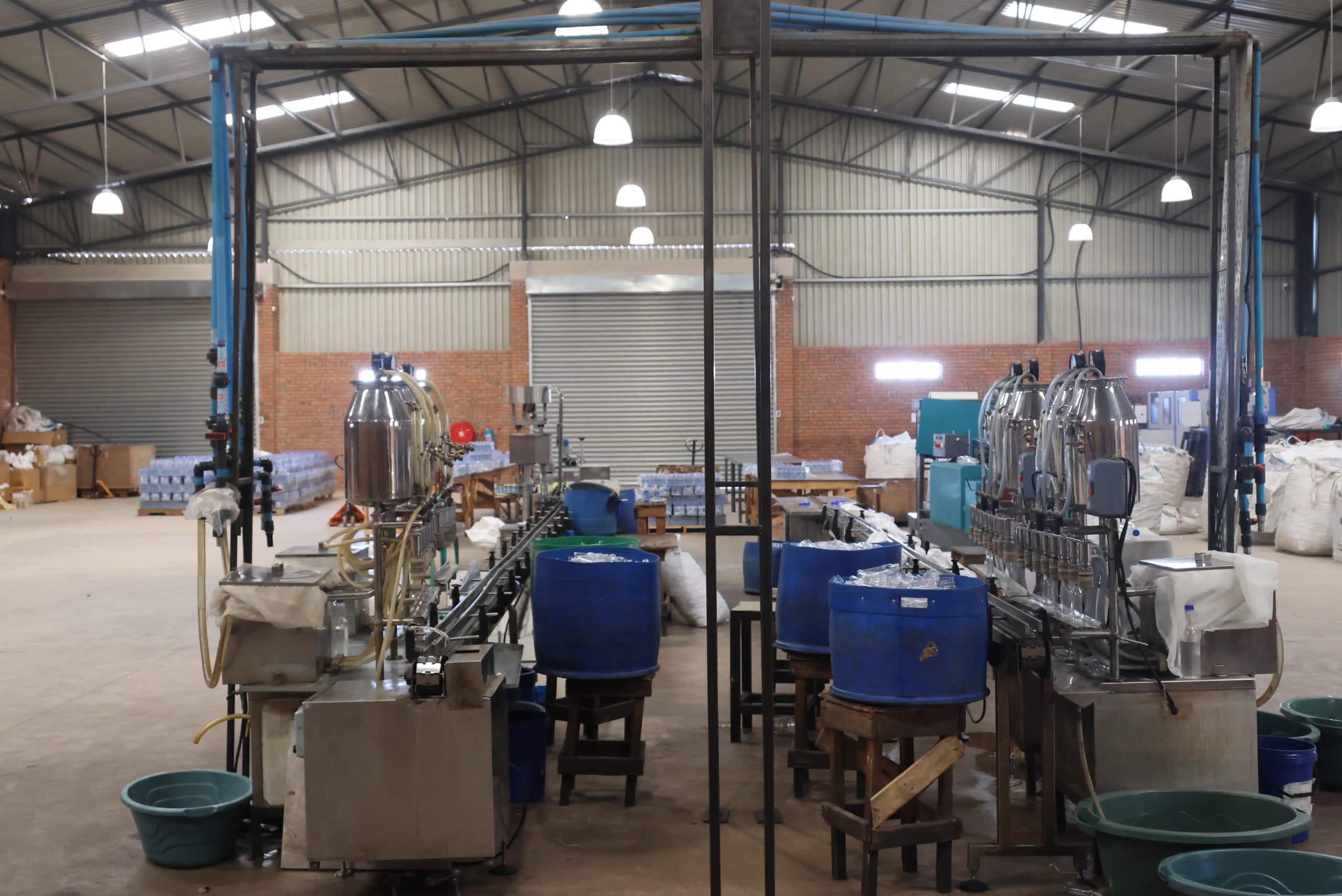
one
branded JAY-DOX,
were
reportedly
made
from
ethanol,
water,
and
flavouring
agents
before
being
sold
to
retail
outlets
and
unsuspecting
members
of
the
public.

In
a
statement,
the
ZRP
said
investigations
are
ongoing
and
more
details
will
be
released
in
due
course.

Meanwhile,
in
separate
operations,
police
made
a
series
of
arrests
related
to
drug
and
contraband
offences.

On
30
June
2025,
Evans
Manyanye
(38)
was
arrested
at
the
North
Bound
Bus
Terminal
in
Beitbridge
for
unlawful
possession
of
dagga.
He
was
apprehended
during
routine
stop-and-search
operations.

Later
that
day,
acting
on
a
tip-off,
officers
arrested
Prince
Piano
(33)
and
seized
a
large
consignment
of
unregistered
medicinal
products.

The
haul
included
540
bottles
of
Broncleer
cough
syrup
and
40
bottles
of
Astra
Pain
syrup,
which
had
been
concealed
inside
boxes
of
oats
and
full-cream
milk
on
a
bus
trailer.

On
1
July,
three
men,
Tuesday
Madoro
(43),
Walter
Magore
(42),
and
Wilson
Mukachana
(33),
were
arrested
at
the
Parks
illegal
crossing
point
with
10.5
kilogrammes
of
dagga
in
their
possession.

In
a
separate
case
the
same
day,
police
arrested
Shyleen
Johane
(35)
at
a
local
service
station,
also
for
unlawful
possession
of
dagga.

Faked It Till They Made It – See Also – Above the Law

Trial
Court
Judge
Ruled
On
AI-Hallucinated
Law:
Was
only
a
matter
of
time.
He
Doesn’t
Know
When
To
Quit:
The
DOJ
appeals
order
that
went
in
Perkin
Coie’s
favor.
Iowa,
The
Civil
Procedure
State:
See
if
you
can
count
all
of
the
errors!
UMG
Wants
To
Dismiss
Drake’s
Cry
For
Help
Lawsuit:
Drake
takes
rap
lyrics
seriously,
but
will
the
judge?
California
Knows
How
To
Legal!:
Check
out
the
most
prestigious
firms
in
the
state!

‘Adventures In Legal Tech’: Beyond Document Assembly – Above the Law

It’s
no
secret
that
lawyers
who
juggle
too
many
documents
face
problems
with
inefficiency
and
increased
risk
of
making
mistakes.

So
why
are
so
many
lawyers
still
bogged
down
in
documents
when
handling
matters
for
clients?
And
why
is
anyone
still
using
the
find
and
replace
function?

We
brought
on
Samuel
Smolkin,
the
founder
of
Offices
&
Dragons
(now
a
Litera
company),
who
joins
host
Jared
Correia
to
explore
all
things
document
automation
and
assembly.

Offices
&
Dragons
uses
generative
AI
and
automation
to
help
its
users
“power
through
hundreds
of
legal
documents,”
as
well
as
generate,
edit,
and
redline
bespoke
projects
and
templates.


From
Lawyer
to
Entrepreneur

As
a
lawyer
with
an
engineering
background,
Sam
grew
frustrated
with
repetitive
tasks
and
started
experimenting
with
ways
they
could
be
automated.
Here,
he
talks
about
his
journey
from
lawyer
to
tech
creator.


People
Power

As
Jared
notes,
if
a
firm
isn’t
using
a
technology
solution
for
document
assembly,
it’s
likely
that
it
will
to
turn
to
increased
manpower.

Here
are
Sam’s
thoughts
on
that
dynamic
and
the
limitations
of
this
approach.


The
Future
of
Doc
Assembly

How
are
modern
document
assembly
systems
changing
how
lawyers
work?
Here,
Sam
shares
the
potential
he
sees.


Hear
the
Full
Conversation

Curious
to
learn
more?
Check
out
this
episode
below.