Getting
accepted
to
a
T14
law
school
can
brings
lots
of
prestige.
It
can
also
bring
on
a
ton
of
debt.
Student
loans
aren’t
to
be
taken
lightly
—
the
hundreds
of
thousands
of
dollars
prospective
lawyers
take
out
for
school
can
set
back
other
milestone
life
goals
like
owning
a
home,
having
children
and
buying
groceries.
For
years,
relatively
low
interest
loans
from
the
government
were
a
godsend
for
students
that
wanted
the
career
opportunities
law
could
unlock
but
lacked
the
capital
needed
to
fund
their
educations.
Then
everything
changed
when
the
Fire
Nation
attacked;
the
Trump
administration
capped
annual
federal
loan
borrowing
for
professional
schools
to
$50k
a
year.
That
is
enough
if
you’re
attending
a
local
law
school,
but
you’re
headed
for
most
of
the
T14,
you
may
need
to
scrounge
up
the
rest
of
the
cash
elsewhere.
Reuters
has
coverage:
For
tens
of
thousands
of
aspiring
lawyers,
the
math
of
paying
for
a
U.S.
law
degree
changes
on
July
1,
2026,
when
a
new
cap
is
set
to
limit
federal
loans
for
professional
degree
programs
at
$50,000
a
year
and
$200,000
in
total.
The
change
could
force
more
students
to
obtain
higher-interest,
non-dischargeable
private
loans
in
the
coming
months,
seven
law
school
administrators
and
education
financing
experts
told
Reuters,
potentially
shutting
out
lower-income
students
and
increasing
the
overall
price
tag
of
a
law
degree. … “We
probably
will
have
better
answers
come
July
1,
but
there’s
still
a
lot
of
variables
we
don’t
know,”
said
Joseph
Lindsay,
assistant
dean
of
admissions
and
financial
aid
at
the
University
of
California,
Berkeley
School
of
Law,
where
current
tuition
and
living
costs
total
$104,145
and
students
borrowed
an
average
of
$64,087
in
federal
funds
last
year.
For
the
students
willing
to
take
on
debt
from
private
lenders,
the
cap
acts
as
a
subsidy
for
those
lenders.
For
those
who
aren’t,
it
may
mean
giving
up
on
their
dream
school.
The
practical
thing
may
be
to
look
past
the
prestige
or
personal
preference
held
for
your
costly
dream
school
and
see
the
investment
in
your
future
as
an
investment.
How
much
greater,
if
at
all,
would
the
ROI
on
attending
your
dream
school
be
compared
to
an
alternative
that
requires
less
debt?
If
you
make
HYS
(Harvard/Yale/Stanford)you
should
probably
go
to
HYS,
but
is
there
a
regional
option
that
performs
well
in
the
market
you
intend
to
work
in?
That
might
just
mean
picking
SLU
and
their
health
law
program
over
WashU.
There
are
of
course
other
options
—
a
generous
scholarship
from
WashU
may
tip
the
odds
back
in
their
favor.
It
could
also
mean
picking
WashU
over
a
higher
ranked
school
that
would
require
more
debt
to
finish.
A
great
resource
to
consider
in
your
decision
making
is
ATL’s
Interactive
Law
School
Ranking.
Unlike
our
competitors,
we
give
less
weight
to
inputs
(average
LSAT
scores
of
incoming
classes)
then
we
do
to
outcomes
(projected
costs,
were
you
able
to
get
a
damned
job).
Make
the
most
of
your
investment!
And
wherever
you
do
end
up,
ignore
the
impulse
to
not
care
about
Civ
Pro
or
Legal
Writing.
Chris
Williams
became
a
social
media
manager
and
assistant
editor
for
Above
the
Law
in
June
2021.
Prior
to
joining
the
staff,
he
moonlighted
as
a
minor
Memelord™
in
the
Facebook
group Law
School
Memes
for
Edgy
T14s
.
He
endured
Missouri
long
enough
to
graduate
from
Washington
University
in
St.
Louis
School
of
Law.
He
is
a
former
boatbuilder
who
is
learning
to
swim, is
interested
in
critical
race
theory,
philosophy,
and
humor,
and
has
a
love
for
cycling
that
occasionally
annoys
his
peers.
You
can
reach
him
by
email
at [email protected]
and
by
tweet
at @WritesForRent.
Last
week,
I
presented
Part
1
of
my
written
interview
with
a
former
litigator
turned
legal
funding
founder,
Lauren
Harrison.
That
column
presented
her
answer
to
the
first
of
my
three
questions
and
focused
on
the
lessons
from
her
practice
as
a
litigator
that
help
inform
her
current
work.
What
follows
are
Lauren’s
answers
to
my
remaining
two
questions.
As
usual,
I
have
added
some
brief
commentary
to
her
answers
below,
but
have
otherwise
presented
her
answers
as
she
provided
them.
Gaston
Kroub:
From
your
perspective
as
a
funder,
where
are
the
biggest
needs
for
IP
groups
and
boutiques
right
now
when
it
comes
to
adding
talent?
Lauren
Harrison:
The
single
biggest
need
I
see
is
for
firms
to
focus
on
nurturing,
valuing
and
hiring
meaningful
trial
talent.
There
is
a
growing
generational
divide
in
the
profession.
When
I
came
of
age
as
a
litigator,
my
mentors
were
seasoned
trial
lawyers
who
had
come
through
the
ranks
trying
dozens
of
cases
a
year.
The
industry
has
changed
and
those
opportunities
have
dwindled.
To
say
that
most
complex
commercial
and
IP
cases
resolve
before
trial
is
an
understatement.
The
statistics
are
stark.
Depending
on
which
resource
you
consult,
figures
show
that
1%
or
fewer
of
federal
and
state
court
civil
cases
that
don’t
settle
are
resolved
at
trial,
down
from
anywhere
from
5%
to
20%
decades
earlier.
Oftentimes
the
denial
of
dispositive
motions
prompts
settlement.
I’ve
seen
materials
suggesting
that
among
litigators
with
at
least
five
years’
experience,
fewer
than
30%
have
ever
been
to
trial,
and
fewer
than
10%
have
tried
two
or
more
cases.
I
don’t
know
how
accurate
those
figures
are,
but
they
are
consistent
with
what
I
have
seen
in
my
career.
From
a
funder’s
perspective,
the
experience
gap
matters.
The
cases
we
finance
require
not
just
strong
legal
theories
but
the
confidence
and
capability
to
take
a
case
through
verdict
if
necessary.
We
look
for
partners
who
have
the
appetite
to
try
cases,
who
are
comfortable
with
risk,
and
who
are
willing
to
bet
on
themselves
and
their
work.
Law
firms
and
especially
litigation
boutiques
should
be
intentional
about
cultivating
that
kind
of
talent.
Encourage
lawyers
to
take
responsibility
early
and
to
seek
courtroom
exposure.
Firms
that
invest
in
trial
training
and
real
advocacy
opportunities
will
distinguish
themselves
in
the
market,
and
we
already
see
that
in
both
the
funding
world
and
in
the
corporate
world,
where
companies
scramble
for
new
representation
when
it
looks
like
their
cases
actually
will
go
to
trial.
GK:
The
decline
of
trial
practice
opportunities
for
litigators
of
all
experience
levels
is
something
that
should
be
concerning
to
all
of
us.
What
is
striking
is
that
even
in
this
age
of
litigation
funding-driven
patent
litigation,
where
cases
are
vetted
and
deemed
trial-worthy
by
funders
with
a
rigor
that
would
have
been
considered
extreme
when
I
started
my
career,
the
numbers
of
IP
cases
that
actually
reach
a
jury
is
very
small
relative
to
the
number
of
cases
filed.
In
my
view,
it
is
unlikely
that
the
number
of
patent
cases
worthy
of
funding
will
magically
increase
over
time,
so
it
may
be
left
to
funded
clients
taking
the
decision
to
actually
get
their
cases
before
a
jury
for
us
to
see
more
opportunities
for
trial
practice
skill
development
among
the
current
crop
of
IP
litigators.
Alternatively,
IP
lawyers
that
want
to
try
cases
may
need
to
get
creative,
perhaps
by
moonlighting
as
prosecutors
or
handling
pro
bono
matters
as
a
way
of
getting
trial
experience
that
will
later
make
them
more
attractive
when
they
submit
their
IP
matters
for
a
funder’s
consideration.
GK:
What
can
corporate
legal
departments
do
to
maximize
the
benefits
of
litigation
funding
in
pursuit
of
monetizing
their
company’s
valuable
legal
claims?
Corporate
in-house
departments
absolutely
have
a
role
to
play.
Too
often,
valuable
commercial
claims
are
resolved
for
pennies
on
the
dollar
and
IP
assets
go
undervalued
because
litigation
is
viewed
purely
as
a
cost
center.
We
encourage
in-house
teams
to
think
strategically
about
their
claims,
to
recognize
when
an
asset
deserves
to
be
pursued
through
resolution,
and
to
partner
with
firms
who
are
equipped
to
do
that
–
which
are
the
firms
with
the
talent
and
trial
chops
to
share
risk
with
their
clients.
Funding
plays
a
role
here
too.
A
facility
from
a
funder
may
be
earmarked
to
pay
court
costs,
but
cash
is
fungible.
If
a
corporation
retains
a
law
firm
on
a
contingent
fee
basis
to
pursue
a
commercial
claim
or
to
generate
royalties
from
a
patent
portfolio,
they
can
use
litigation
funding
to
cover
expenses,
and
that
funding
facility
transforms
a
contingent
asset
to
cash
on
their
balance
sheet.
Both
counsel
working
on
a
contingent
fee
basis
and
the
funder
have
strong
incentives
to
vet
the
case’s
merit
before
filing
because
both
are
providing
resources
on
a
non-recourse
basis.
This
in
turn
provides
the
client
with
some
assurance
that
it
will
not
waste
internal
resources
pursuing
a
frivolous
claim.
If
the
case
succeeds,
in-house
counsel
have
turned
their
legal
department
into
a
profit
center.
In-house
IP
groups
and
other
counsel
should
encourage
this
sort
of
proactive
thinking
around
claims
as
assets,
and
litigation
boutiques
can
help
their
clients
to
identify
untapped
value.
At
the
end
of
the
day,
a
healthy
litigation
ecosystem
helps
businesses
by
ensuring
that
property
and
contract
rights
are
valued
and
vindicated
correctly.
Experienced
trial
lawyers
are
at
the
center
of
that
ecosystem,
and
I
believe
that
capital
markets
that
level
the
cost
playing
field
are
an
essential
part
of
it.
GK:
Lauren’s
answer
should
serve
as
food
for
thought
for
in-house
counsel
at
all
levels
of
the
business
world.
If
companies
gave
as
much
attention
to
thinking
about
how
to
deploy
their
IP
assets
as
they
do
accumulating
those
assets
in
the
first
place,
perhaps
the
sentiment
that
IP
legal
departments
are
cost
centers
can
be
shifted
to
a
more
balanced
view
among
nonlegal
corporate
executives.
As
Lauren
demonstrates,
in-house
counsel
can
and
should
be
reaching
out
to
funders
and
trial
counsel
for
evaluation
of
their
latent
“legal
assets,”
irrespective
of
whether
those
assets
consist
of
patent
monetization
opportunities
or
breach
of
contract
claims,
as
just
two
examples.
For
their
part,
funders
and
trial
lawyers
can
help
by
being
more
proactive
about
showcasing
examples
where
their
efforts
have
led
to
positive
recoveries
for
companies
that
have
entrusted
them
with
pursuing
their
legal
claims.
Another
benefit
of
highlighting
those
success
stories
is
to
help
counter
some
of
the
anti-litigation
funding
narratives
that
still
pervade
the
public
discourse.
I
am
sure
there
will
be
plenty
of
thought-provoking
and
diverse
perspectives
shared
along
these
lines
at
Signal
Peak’s
upcoming
symposium
on
February
26.
My
thanks
to
Lauren
for
the
insights
and
cooperation,
and
I
wish
her
and
her
colleagues
continued
success
with
their
new
litigation
funding
venture
and
the
upcoming
symposium.
On
a
personal
note,
it
feels
like
a
decade
has
passed
since
I
was
fortunate
to
join
Lauren
on
a
panel
at
a
litigation
funding
conference
just
a
few
years
ago,
illustrating
for
me
how
intensive,
interesting,
and
fast-moving
our
collective
adaption
as
IP
lawyers
has
been
to
the
possibilities
and
challenges
offered
by
the
availability
of
third-party
litigation
funding
for
our
clients
and
fellow
lawyers.
I
have
no
doubt
that
Lauren
and
Signal
Peak
will
help
shape
the
industry’s
progress
over
the
coming
years.
I
am
always
open
to
conducting
interviews
of
this
type
with
other
IP
thought
leaders,
so
feel
free
to
reach
out
if
you
have
a
compelling
perspective
to
offer.
Please
feel
free
to
send
comments
or
questions
to
me
at
[email protected]
or
via
Twitter:
@gkroub.
Any
topic
suggestions
or
thoughts
are
most
welcome.
Gaston
Kroub
lives
in
Brooklyn
and
is
a
founding
partner
of Kroub,
Silbersher
&
Kolmykov
PLLC,
an
intellectual
property
litigation
boutique,
and Markman
Advisors
LLC,
a
leading
consultancy
on
patent
issues
for
the
investment
community.
Gaston’s
practice
focuses
on
intellectual
property
litigation
and
related
counseling,
with
a
strong
focus
on
patent
matters.
You
can
reach
him
at [email protected]or
follow
him
on
Twitter: @gkroub.
The
results
are
in!
Voting
has
now
closed
and
your
votes
have
been
tallied
to
pick
the
15
legal
tech
startups
that
will
get
to
participate
as
finalists
in
the
10th-annual
Startup
Alley
at
ABA
TECHSHOW,
March
25-28,2026,
in
Chicago.
These
15
finalists
will
face
off
in
an
opening-night
pitch
competition
that
is
the
opening
event
of
TECHSHOW,
where
conference
attendees
will
get
to
vote
live
to
pick
the
top
winners.
The
first-place
winner
gets
a
package
of
marketing
and
advertising
prizes.
All
15
also
get
to
exhibit
in
a
special
Startup
Alley
portion
of
the
TECHSHOW
exhibit
hall.
In
November,
we
issued
the
call
for
entries.
From
all
the
entries
we
received,
a
panel
of
judges
narrowed
the
applications
down
to
25,
which
we
posted
on
Jan.
12
for
you,
the
readers,
to
select
the
final
15.
Based
on
all
the
votes
we
recieved,
here
are
the
15
winners
in
order
of
their
vote
tallies.
(The
descriptions
were
provided
by
each
company.
The
full
descriptions
can
be
read
on
the
original
ballot
page.)
Congratulations
to
all
the
finalists.
To
those
that
did
not
make
the
cut,
we
hope
to
see
you
again
next
year.
And
for
everyone
lse
reading
this,
head
over
right
now
and
register
for
TECHSHOW,
so
you
can
be
there
for
the
pitch
competition
and
all
the
other
great
stuff
the
conference
offers.
AI-native
evidence
analysis
and
claims
preparation
for
construction
disputes,
akin
to
a contractor-side
equivalent
of
what
EvenUp
does
for
PI
plaintiffs.
A
contractor
drops
project
materials
(contracts,
emails,
daily
logs).
Lawdify
OCRs,
parses
and
organizes
everything
by
parties,
dates
and
issues
(delays,
variations)
and
generates
a
claim
(or
defense)
pack
with
a
fact-checked
timeline,
a
structured
claim/response,
and
flags
for
weaknesses
in
evidence.
LegalBridge
is
AI-powered
case
management
built
exclusively
for
immigration
law
firms.
We
automate
the
entire
visa
workflow:
document
categorization,
cover
letter
drafting,
recommendation
letters,
exhibit
generation,
form
filling,
client
portals,
case
tracking,
invoicing,
and
final
export.
Attorneys
cut
case
prep
time
by
60%
while
doubling
client
capacity.
Serving
70+
U.S.
law
firms,
from
solo
practitioners
to
20-attorney
practices.
While
everyone
builds
chatbots,
Sonar
solves
the
real
pain:
formatting.
Every
lawyer
knows
the
frustration:
you
inherit
a
document
from
a
colleague,
and
spend
the
next
hours
fighting
with
the
ruler,
restarting
numbering
for
the
tenth
time,
or
succumbing
to
the
format
painter’s
dark
arts.
Sonar
eliminates
the
pain
with
one
click.
Your
house
styles,
applied
instantly,
perfectly,
inside
Microsoft
Word.
Candle
AI
is
the
legal
email
assistant
that
helps
small
and
mid-sized
law
firms
eliminate
email
overload,
freeing
up
hours
for
higher-value
work.
It
works
right
inside
Outlook/Gmail
and
1)
instantly
pulls
client
and
case
details
from
systems
like
Clio
and
Filevine
into
the
inbox,
2)
drafts
accurate,
context-aware
replies
in
seconds,
and
3)
manages
email
templates
so
you
can
respond
to
clients
faster.
Lawyers
and
paralegals
save
up
to
90
minutes
per
day
on
email
and
respond
to
clients
up
to
75%
faster.
Gut
instinct,
tradition,
and
billable
hours
currently
drive
the
process
in
determining
when
to
begin
settlement
negotiations
in
personal
injury
litigation.
Immediator
saves
both
sides
time
and
money
by
applying
data
analytics
to
signal
when
settlement
negotiations
are
likely
to
succeed.
Developed
by
experts
in
law,
data
science,
and
insurance,
Immediator
is
an
AI-driven
decision
support
tool
that
uses
data,
not
speculation,
to
provide
an
objective
method
for
evaluating
optimal
settlement
timing.
Bradwell
is
a
complete
AI
workspace
for
solo
and
small
law
firms
looking
to
move
faster,
integrating
domain-specific
legal
AI
into
daily
practice.
Built
for
modern
legal
teams,
Bradwell
unifies
drafting,
redlining,
and
research
in
one
secure
place.
It
gives
smaller
firms
big-firm
AI
capabilities
without
the
overhead
through
an
orchestration
layer
of
specialized
AI
agents.
Bradwell
learns
your
standards
and
prior
work
to
suggest
next
steps,
clauses,
and
tailored
client-ready
service
offers.
We
believe
that
if
negotiating
parties
have
a
safe
place
to
be
reasonable,
they
will
be.
StreamSettle
is
a
secure
platform
that
instantly
resolves
cases
by
acting
as
a
triple-blind
“deal
detector.”
Both
sides
confidentially
input
their
true
settlement
threshold.
Our
system
detects
if
an
overlap
exists.
If
it
does,
the
claim
settles
automatically
at
the
midpoint.
If
no
overlap,
the
data
remains
hidden,
and
no
fees
are
charged,
making
StreamSettle
truly
risk-free
for
both
sides.
CounselPro
is
the
AI
financial
intelligence
engine
for
legal
professionals.
We
instantly
structure
years
of
raw
PDF
financial
history
(bank
statements,
check
images,
and
credit
card
records)
into
audit-ready
data.
Whether
tracing
commingled
assets
or
auditing
bankruptcy
filings,
we
replace
weeks
of
manual
entry
with
instant
precision.
Our
platform
delivers
a
source-linked
audit
trail,
turning
chaotic
discovery
into
defensible
legal
strategy
in
minutes.
EstateMin
modernizes
trusts
and
estates
departments.
We
replace
pen-and-paper
and
fragmented
processes
with
a
structured,
digital
intake
workflow
that
captures
accurate
client
information
upfront,
reduces
administrative
burden,
and
improves
the
client
experience
from
first
contact.
VoiceScript
is
transforming
the
legal
market
with
the
industry’s
only
unified
litigation
productivity
platform
that
integrates
court
reporting
services
with
next-generation
AI
to
deliver
deposition
preparation
tools,
live
“Second
Chair”
assistance,
and
post-proceeding
analysis
for
attorneys.
TwinCounsel
is
an
AI
delegation
platform
for
solo
and
small
law
firms.
Our
AI
teammate
lives
in
the
lawyer’s
inbox,
automatically
building
case
context
from
emails
and
attachments.
Lawyers
delegate
tasks
like
drafting
subpoenas
or
financial
disclosures
in
plain
English
–
just
by
replying
to
an
email.
Every
fact
is
auditable
with
source
citations.
We’ve
proven
90%
time
savings,
cutting
90-minute
tasks
to
nine
minutes.
Litmas
is
an
AI
powered
tool
designed
specifically
for
litigation
attorneys
that
digitizes
the
workflows
litigators
use
to
move
a
case
through
the
litigation
process,
in
one
unified
platform.
Litmas
AI
enables
attorneys
to
responsibly
draft
motions,
pleadings,
discovery
documents,
organize
evidence
and
conduct
in-context
verifiable
case
law
research.
This
combination
of
AI
enhanced
workflows
results
in
substantial
time
savings
and
greater
accuracy
and
visibility.
The
world’s
first
solution
for
efficiently
drafting
and
automating
pleadings
and
documents
for
various
stages
of
litigation.
Our
dynamic
and
novel
selection
methodology
as
well
as
our
optional
AI
enables
you
to
build
custom
documents
without
the
need
for
vast
template
libraries.
CollBox
helps
law
firms
get
paid
40%
faster
without
turning
lawyers
into
bill
collectors.
We
automate
and
manage
accounts
receivable
using
smart
reminders,
integrated
workflows,
and
a
human-first
approach
that
reduces
write-offs,
shortens
payment
cycles,
and
improves
cash
flow
–while
preserving
client
relationships.
$100M+
recovered
for
small
to
mid-sized
firms.
Awarded
Best
Business
of
Law
App
in
the
2025
Clio
Integration
Awards.
EstateScribe
is
an
AI-powered
drafting
platform
built
specifically
for
estate-planning
attorneys.
We
turn
a
client
intake
data,
interviews,
and
client
documents
into
fully
formatted,
jurisdiction-specific
estate
plans
in
minutes,
using
context-aware
automation
designed,
built,
and
tested
within
an
estate
planning
law
firm. From
intake,
to
drafting,
and
client
funding
on
the
backend,
EstateScribe
automates
the
entire
process,
so
attorneys
can
focus
on
what
really
matters,
advising
their
clients.
Sometimes,
you
don’t
have
to
make
every
argument
in
the
alternative.
For
example,
the
prosecutors
in
Littlejohn
v.
State
of
Texas
had
a
number
of
avenues
to
challenge
a
competency
evaluation
request
from
the
defendant’s
counsel.
The
defense
sought
to
check
the
defendant’s
mental
competence
after
learning
that
the
court
clerk
observed
the
defendant
masturbating
during
testimony
at
the
punishment
phase
of
his
trial.
We’ve
all
heard
some
wanky
testimony
before,
but
this
takes
it
to
another
level.
The
judge
and
defense
counsel
both
said
they
hadn’t
seen
it.
The
jury
didn’t
report
seeing
it.
And
the
defendant
denied
it.
But
the
thing
about
someone
masturbating
under
a
table
is
that
they’re
probably
trying
to
keep
it
hidden.
So,
trusting
the
court
clerk’s
observation,
defense
counsel
requested
a
competency
evaluation.
The
judge
declined.
Littlejohn
was
sentenced
to
18
years,
which
was
not
the
happy
ending
he
hoped
for.
On
appeal,
the
defendant
argues
the
trial
court
should
have
conducted
an
informal
competency
inquiry
based
on
this
incident.
The
defendant
also
went
on
a
jag
about
everyone
trying
to
“voodoo”
him,
as
one
would
expect
from
a
totally
fit
party.
The
Harris
County
District
Attorney’s
office
filed
its
appellate
brief,
arguing
that
the
trial
court
didn’t
abuse
its
discretion.
Prosecutors
argued
that
the
clerk
never
formally
testified
to
having
seen
anything
(fair
enough),
disruptive
behavior
is
not
conclusive
of
incompetence
(makes
sense),
stopping
trials
for
competence
evaluations
for
every
act
like
this
could
incentivize
defendants
to
use
inappropriate
behavior
to
stall
or
derail
their
cases
(certainly
worth
considering)….
And
that
even
if
he
did
masturbate
in
open
court,
the
fact
that
he
kept
it
hidden
from
most
of
the
room
meant
“appellant’s
alleged
masturbation
is
not
some
evidence
suggesting
that
he
was
unable
to
display
appropriate
courtroom
behavior.”
Oh
come
on!
“If
a
defendant
masturbates
in
a
courtroom
and
no
one
is
around
to
see
it,
is
it
really
inappropriate?”
is
the
legal
Zen
koan
no
one
asked
for.
This
may
not
be
a
“make
O.J.
try
on
the
gloves”
level
of
overreach,
but
it’s
up
there.
After
just
arguing
that
treating
this
as
an
automatic
competency
evaluation
trigger
would
just
reward
acting
out
to
delay
justice,
there’s
nothing
to
be
gained
by
arguing
well,
actually,
it
was
so
discreet
that
it
shouldn’t
really
count
as
inappropriate.
Just
because
he
could
keep
it
to
himself
doesn’t—STOP.
You
know
what
I
mean,
get
your
minds
out
of
the
gutter.
Additionally,
appellant’s
ability
to
hide
his
actions
from
the
jury,
the
judge,
and
even
his
own
attorney
seated
3
feet
from
him
show
that
he
was
able
to
conceal
his
inappropriate
actions
from
the
participants
of
the
trial.
This
fact
shows
that
even
if
the
record
contained
a
suggestion
that
appellant
masturbated
during
his
trial,
he
did
so
in
a
way
that
did
not
disrupt
the
proceedings.
“Pics
or
it
didn’t
happen”
as
legal
standard.
Masturbating
in
court
probably
should
trigger
a
competency
evaluation.
If
he
passes,
he
passes,
but
why
not
err
on
the
side
of
“jacking
off
in
court
might
be
an
issue.”
Nonetheless,
the
prosecutors
presented
a
perfectly
viable
argument
that
this
either
didn’t
happen
or
if
it
did
the
court
was
within
its
rights
to
decide
the
action
wouldn’t
be
enough.
Adding
that
last
argument
in
the
alternative
just
makes
the
whole
thing
look
silly.
They
put
forward
a
credible
argument
and
then
they
introduced
just
enough
of
an
eye
roll
to
invite
skepticism
about
the
whole
brief.
They
explicitly
did
not
request
oral
argument,
so
we’re
judging
this
based
solely
on
what
was
inside
those
briefs.
Oh
no.
“Based
solely
on
the
filings,”
I
mean.
Senator
Nonhlanhla
Mlotshwa,
from
Matabeleland
South,
raised
the
concerns
during
a
recent
sitting
of
the
Senate,
warning
that
already
fragile
infrastructure
had
deteriorated
further,
leaving
some
communities
isolated
from
schools,
clinics
and
markets.
“In
light
of
the
ongoing
rains,
which
have
once
again
exposed
the
poor
state
of
our
roads
and
bridges
infrastructure,
particularly
in
rural
and
peri-urban
areas,
where
communities
have
been
cut
off
from
schools,
clinics
and
markets,
can
the
minister
inform
this
House
what
immediate
and
short-term
measures
the
Government
is
implementing?”
she
asked.
She
also
sought
clarity
on
how
preparedness
for
seasonal
rains
is
being
integrated
into
road
design,
maintenance
and
budgeting.
Responding,
the
Minister
of
Ministry
of
Transport
and
Infrastructural
Development,
Felix
Mhona,
acknowledged
that
the
rains
had
caused
widespread
damage
and
said
the
government
was
relying
on
the
Emergency
Road
Rehabilitation
Programme
II
(ERRP2)
as
a
key
intervention.
He
told
senators
that
the
programme,
introduced
through
Statutory
Instrument
47
of
2021
and
extended
to
December
31,
2026,
was
designed
to
address
roads
in
a
“sorry
state”.
“Yes,
we
thank
the
Almighty
for
the
rains
but,
in
terms
of
our
infrastructure,
it
has
been
damaged,”
Mhona
said.
He
said
most
rural
roads
fall
under
Rural
District
Councils
or
the
Rural
Infrastructure
Development
Agency
(formerly
the
District
Development
Fund),
while
urban
roads
are
managed
by
local
authorities.
Mhona
said
the
ministry
was
adopting
a
“holistic
approach”
to
road
rehabilitation
and
would
soon
commission
two
asphalt
plants,
one
in
Harare
and
another
in
Bulawayo,
to
speed
up
pothole
patching
and
maintenance.
“In
two
weeks’
time
we
are
going
to
be
commissioning
an
asphalt
plant.
The
asphalt
plant
provides
bituminous
products
so
we
can
address
road
pothole
patching
quickly,”
he
said.
He
added
that
the
ministry
was
working
with
local
authorities
to
make
roads
trafficable
and
was
assisting
councils
with
fuel
so
they
could
draw
on
the
Zimbabwe
National
Road
Administration
(ZINARA)
Fund
to
operate
their
plants.
Mhona
said
ZINARA
was
also
supporting
councils
to
procure
additional
equipment,
while
communities
were
being
encouraged
to
partner
with
government
in
maintaining
roads.
“Our
road
network
stretches
close
to
90
000
kilometres
and
there
is
no
way
we
can
administer
those
roads
at
once.
Therefore,
I
call
on
the
people
of
Zimbabwe
to
exercise
patience,”
he
said.
However,
Senator
Mlotshwa
pressed
the
minister
on
how
many
roads
and
bridges
nationwide
had
been
rendered
impassable
by
the
rains.
Minister
Mhona
said
he
could
not
immediately
provide
precise
figures
and
requested
that
the
question
be
submitted
in
writing
so
that
a
detailed
response
could
be
prepared.
Speaker
of
Parliament
Jacob
Mudenda
gazetted
the
bill
on
Monday,
16
February
2026,
formally
starting
a
90-day
public
consultation
process
that
will
culminate
in
a
vote
by
Members
of
Parliament
and
Senators.
The
bill
proposes
sweeping
changes
to
Zimbabwe’s
constitutional
architecture,
including
extending
presidential
and
parliamentary
terms
from
five
to
seven
years,
replacing
direct
presidential
elections
with
a
parliamentary
vote,
dissolving
the
Zimbabwe
Electoral
Commission
(ZEC),
and
restructuring
several
independent
commissions.
With
Zanu
PF
holding
a
two-thirds
majority
in
Parliament,
the
bill
may
pass
if
the
ruling
party
MPs
support
it.
When
the
CCC
was
established,
it
positioned
itself
as
a
staunch
defender
of
constitutionalism
and
electoral
reform.
However,
its
parliamentary
leadership
has
now
endorsed
the
proposed
amendments,
a
stance
observers
say
was
‘predictable,’
given
that
opposition
MPs
also
stand
to
benefit
from
a
two-year
extension
of
their
own
terms.
Sengezo
Tshabangu,
who
acts
as
Secretary-General
of
the
CCC
and
Leader
of
the
Opposition
in
Parliament,
said
the
party’s
position
is
“very
clear”
regarding
the
recently
gazetted
bill,
before
referring
questions
to
his
spokesperson.
In
an
interview
with
CITE,
Tshabangu’s
spokesperson,
Nqobizitha
Mlilo,
defended
the
proposed
reforms.
On
the
proposal
to
scrap
direct
presidential
elections
and
instead
allow
Parliament
to
elect
the
President,
Mlilo
said:
“In
principle,
we
agree
with
the
changes.
The
election
of
the
President
through
Parliament
strengthens
Parliament,
and
by
implication,
citizens’
oversight
over
the
conduct
of
the
executive.”
Under
the
current
Zimbabwean
electoral
framework,
the
President
derives
a
direct
mandate
from
the
electorate
and
critics
have
argued
that
shifting
this
power
to
legislators,
many
elected
through
party
lists
and
subject
to
party
discipline,
could
further
centralise
executive
influence.
Mlilo
dismissed
fears
that
extending
presidential
and
parliamentary
terms
from
five
to
seven
years
would
trigger
a
constitutional
crisis,
even
though
the
amendments
would
apply
immediately
to
current
office
holders.
“There
is
no
constitutional
crisis.
The
changes
will
and
should
be
done
in
strict
compliance
with
the
Constitution,”
he
said.
When
asked
whether
the
CCC
would
insist
that
the
term
extension
apply
only
to
future
office
holders,
Mlilo
was
unequivocal.
“In
principle,
we
have
no
problem
with
the
application
of
the
changes
immediately,”
he
said.
That
position
places
the
CCC
parliamentary
leadership
at
odds
with
a
significant
segment
of
the
public,
many
of
whom
argue
that
extending
the
terms
of
sitting
leaders
amounts
to
moving
the
goalposts
mid-game,
as
the
reforms
appear
designed
to
benefit
President
Emmerson
Mnangagwa,
whose
current
term
is
due
to
expire
in
2028.
The
amendment
bill
also
proposes
dissolving
the
Zimbabwe
Electoral
Commission
and
replacing
it
with
a
new
Zimbabwe
Electoral
Delimitation
Commission,
while
transferring
voter
registration
functions
back
to
the
Registrar-General’s
Office.
Mlilo
described
the
changes
as
long-overdue
reforms.
“The
changes
are
necessary
to
make
sure
that
the
credibility
of
the
election
is
secured.
ZEC
has
had
legitimacy
issues.
These
changes
are
the
necessary
electoral
reforms
we
have
been
calling
for,”
he
said.
However,
ZEC
has
often
been
criticised
by
opposition
parties,
including
the
CCC,
for
alleged
bias.
The
transfer
of
voter
registration
powers
to
the
Registrar-General,
a
role
historically
viewed
with
suspicion
by
opposition
actors,
departs
from
the
decentralised
model
introduced
in
the
2013
Constitution.
Further
controversy
surrounds
the
proposed
expansion
of
the
Senate
from
80
to
90
members,
including
10
additional
presidential
appointees.
Rather
than
opposing
the
move,
Mlilo
suggested
expanding
it
further.
“There
may
be
a
need
to
look
at
the
composition
of
the
Senate.
We
think
there
should
be
20
additional
senators,”
he
said.
“We
need
to
increase
the
pool
from
which
competent
and
talented
people
may
be
appointed
for
important
positions
by
the
President.
There
should
be
women
and
young
people
included.”
The
bill
also
seeks
to
abolish
the
Zimbabwe
Gender
Commission
and
the
National
Peace
and
Reconciliation
Commission,
transferring
their
functions
to
the
Zimbabwe
Human
Rights
Commission
(ZHRC).
Mlilo
argued
this
was
justified
due
to
duplication
of
roles
and
suggested
consolidation
could
improve
efficiency.
However,
he
did
not
directly
answer
follow-up
questions
on
whether
these
functions
would
be
adequately
protected
under
the
ZHRC,
or
what
the
move
signals
about
the
government’s
commitment
to
gender
equality
and
post-conflict
healing.
Mlilo
framed
the
amendments
within
a
broader
call
for
national
unity.
“It
is
important
that
these
proposed
changes
should
be
taken
to
the
people.
The
country’s
lasting
stability
is
important.
We
think
the
solution
to
our
national
challenges
is
the
establishment
of
a
Government
of
National
Consensus,”
he
said.
“Its
talk
should
be
to
unite
our
people,
create
economic
and
political
stability.
There
should
be
generational
transition.
The
old
should
prepare
the
young
to
govern.”
Mlilo
did
not
respond
to
questions
on
how
a
president
elected
solely
by
MPs
would
be
more
accountable
to
an
ordinary
voter
in
remote
constituencies,
or
whether
they
believe
the
current
MPs
and
the
President
elected
under
a
five-year
mandate
are
entitled
to
extend
their
stay
to
seven
years.
Meanwhile,
resistance
to
the
bill
is
mounting
in
other
quarters
with
six
liberation
war
veterans,
Reuben
Zulu,
Godfrey
Gurira,
Shoorai
Nyamangodo,
Joseph
Chinyangare,
Digmore
Knowledge
Ndiya
and
Joseph
Chinguwa,
filing
an
urgent
application
at
the
Constitutional
Court
on
Monday
seeking
to
block
President
Mnangagwa
from
advancing
the
bill.
Prepared
by
constitutional
law
expert
Professor
Lovemore
Madhuku,
the
application
challenges
Mnangagwa’s
participation
in
Cabinet
deliberations
on
the
amendments,
arguing
that
he
stands
to
benefit
personally
from
the
proposed
term
extension.
The
applicants
want
Cabinet
discussions
on
the
bill
declared
null
and
void
and
seek
to
bar
the
President
from
further
advancing
it.
The
dispute
surfaced
during
a
meeting
at
City
Hall
on
Monday,
where
officials
acknowledged
delays
in
signing
the
pledges
after
councillors
demanded
clearer
explanations
and
more
comprehensive
engagement
before
appending
their
signatures.
Bulawayo
council’s
senior
management
signed
the
integrity
pledges,
while
councillors
and
officials
from
Gwanda
Municipality
and
Plumtree
Town
Council
also
appended
their
signatures,
leaving
Bulawayo
councillors
among
those
yet
to
comply.
Ward
22
councillor
Bruce
Moyo
told
the
meeting
that
the
process
had
eroded
confidence
in
the
fairness
of
anti-corruption
efforts.
“When
it
comes
to
the
integrity
pledge
we
have
lost
hope
and
confidence
in
this
situation.
It
seems
those
who
are
considered
big
are
bigger
than
the
law,
which
is
something
your
commission
needs
to
address,”
he
said.
Ward
10
councillor
Khalazani
Ndlovu
said
the
time
allocated
to
study
the
pledge
was
unreasonable.
“The
short
time
you
have
given
us
to
read
something
we
do
not
understand
is
unreasonable.
At
least
you
should
have
given
us
a
day
or
two.
Right
now
we
feel
like
we
are
being
forced
to
sign
this
pledge,”
he
said.
Ward
9
councillor
Donaldson
Mabutho
argued
that
councillors
required
structured
training
before
committing
themselves.
“As
policy
makers
we
have
to
understand
what
we
are
signing.
The
major
reason
why
you’re
here
is
to
educate
us
on
how
to
prevent
corruption.
We
believe
we
need
a
proper
workshop,”
he
said.
David
Coltart,
the
mayor
of
Bulawayo,
backed
the
calls
for
more
time,
saying
even
senior
officials
were
unclear
about
the
contents
of
the
document.
“I
don’t
know
what
I
am
signing
myself,
whether
the
mistake
lies
with
ZAC
or
our
own
management.
These
points
are
valid.
If
we
talk
about
ethics,
part
of
ethics
is
respect
and
allowing
people
to
read,”
he
said.
ZACC
senior
compliance
officer
Kudzaishe
Kajese
urged
councillors
to
support
anti-corruption
initiatives,
arguing
that
the
pledge
reflected
commitments
they
had
already
made
to
voters.
“We
should
not
resist
when
we
are
fighting
corruption.
This
is
our
only
Zimbabwe
and
we
are
the
councillors
and
senators
and
we
represent
our
people,”
he
said.
The
integrity
pledges
form
part
of
ZACC’s
broader
strategy
to
promote
ethical
conduct
among
public
officials.
When
a
Trump-appointed
federal
judge
is
telling
Immigration
and
Customs
Enforcement
that
it
cannot
simply
toss
the
Constitution
in
the
shredder
because
compliance
is
“inconvenient,”
you
know
things
have
gone
seriously
off
the
rails.
U.S.
District
Judge
Nancy
Brasel
issued
a
blistering
decision
finding
that
ICE
is
violating
the
constitutional
rights
of
immigration
detainees
held
in
Minnesota’s
Whipple
Federal
Building
and
issued
a
temporary
restraining
order
telling
the
government
to
knock
it
off.
Immediately.
“The
Constitution
does
not
permit
the
government
to
arrest
thousands
of
individuals
and
then
disregard
their
constitutional
rights
because
it
would
be
too
challenging
to
honor
those
rights,”
Brasel
wrote
in
what
should
be
an
uncontroversial
statement
of
black-letter
law
but,
well,
2026
makes
fools
of
us
all.
The
plaintiffs,
noncitizen
detainees
and
a
nonprofit
that
represents
noncitizens,
didn’t
come
to
court
with
vibes
or
hypotheticals.
They
came
armed
with
detailed,
specific,
and
damning
evidence.
ICE,
meanwhile,
showed
up
with
what
Brasel
described
as
“threadbare
declarations,”
vaguely
insisting
that
everything
is
totally
fine
despite
the
hard
evidence
presented
by
plainitffs.
“The
gulf
between
the
parties’
evidence
is
simply
too
wide
and
too
deep
for
Defendants
to
overcome,”
Brasel
wrote.
Yikes.
As
described
in
the
order
(available
in
full
below),
what
ICE
has
implemented
at
the
Whipple
Building
reads
like
a
system
designed
specifically
to
be
hostile
to
constitutional
rights.
Detainees
are
processed
and
transferred
almost
immediately
and
without
notice,
making
it
virtually
impossible
for
attorneys
to
know
where
their
clients
are,
or
how
long
they’ll
remain
at
any
given
facility.
If
that
sounds
like
a
nightmare
for
due
process,
welp,
that
seems
like
a
feature,
not
a
bug
of
the
system.
But
it
gets
worse.
Phone
lists
provided
to
detainees
frequently
lack
information
identifying
which
organizations
actually
provide
legal
services.
The
phones
themselves
are
located
in
open
areas,
where
conversations
can
be
overheard
by
ICE
agents…
because
nothing
says
“right
to
counsel”
like
having
the
government
listen
in.
Attorneys
have
at
times
been
physically
barred
from
entering
the
building
altogether,
with
the
government
hand-waving
about
the
“chaos”
that
would
supposedly
ensue
if
lawyers
were
allowed
access
to
their
own
clients.
Plus
the
detainees
are
prohibited
from
sending
mail
or
email,
cutting
off
yet
another
potential
avenue
of
communication.
Judge
Brasel’s
TRO
mandates
that
detainees
be
given
access
to
in-person
visits
with
their
lawyers
seven
days
a
week,
along
with
free,
private,
and
unmonitored
telephone
calls
to
counsel
and
family
members
within
one
hour
of
detention,
and
before
any
out-of-state
transfer.
None
of
this
is
radical,
it’s
pretty
basic
constitutional
law.
But
the
fact
that
a
Trump
appointee
of
all
judges
had
to
spell
this
out
so
plainly
underscores
just
how
normalized
constitutional
shortcuts
have
become
in
immigration
enforcement.
Kathryn
Rubino
is
a
Senior
Editor
at
Above
the
Law,
host
of
The
Jabot
podcast,
and
co-host
of
Thinking
Like
A
Lawyer.
AtL
tipsters
are
the
best,
so
please
connect
with
her.
Feel
free
to
email
her
with
any
tips,
questions,
or
comments
and
follow
her
on
Twitter
@Kathryn1 or
Mastodon
@[email protected].
Everything’s
bigger
in
Texas
—
including
the
ambition
to
remake
higher
education
in
the
image
of
the
state
legislature.
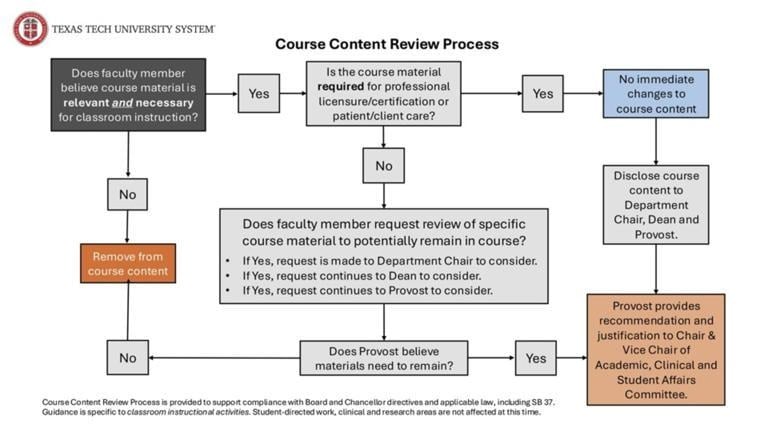
Over
the
past
several
years,
Texas
has
moved
from
griping
about
“woke
campuses”
to
fundamentally
restructuring
the
governance,
curriculum,
and
tenure
protections
of
its
public
universities.
The
cumulative
effect
is
not
reform.
It’s
consolidation
of
power.
And
the
target
is
the
traditional
independence
of
higher
education.
TL:DR
—
send
your
kids
to
Texas
public
universities,
and
it’s
like
having
the
Texas
legislature
teach
your
kids.
Of
course,
by
kids
I
mean
adults
who
have
a
right
to
a
top-notch
education,
but
I
use
the
word
kids
because
Texas
legislators
seem
hell-bent
on
infantilizing
them.
Let’s
walk
through
what’s
happened.
The
End
Of
DEI
Offices
—
Not
That
There
Was
DEI
In
2023,
Texas
enacted
Senate
Bill
17,
which
effectively
dismantled
diversity,
equity,
and
inclusion
offices
at
public
universities.
Institutions
shuttered
DEI
divisions,
laid
off
staff,
and
scrubbed
websites.
Faculty
were
warned
against
programming
or
hiring
practices
that
might
be
construed
as
DEI-adjacent.
Supporters
framed
the
move
as
viewpoint
neutrality.
But
eliminating
administrative
structures
that
facilitate
recruitment,
retention,
and
compliance
with
civil
rights
norms
doesn’t
create
neutrality.
It
shifts
institutional
power
away
from
professional
administrators
and
toward
political
overseers.
And
it’s
not
like
DEI
was
a
big
thing
in
Texas
ever. Looking
at
any
publicly
available
data,
faculty
at
Texas
public
universities
(with
rare
exception,
namely
HBCUs)
are
predominantly
white,
from
elite
schools.
Tenure,
On
A
Shorter
Leash
In
2023,
Texas
also
enacted
legislation
targeting
tenure
at
public
universities.
While
pitched
as
accountability
reform,
the
law
creates
new
layers
of
review
and
authorizes
governing
boards
—
political
appointees
—
to
play
a
more
active
role
in
evaluating
tenured
faculty.
Tenure
was
never
a
lifetime
guarantee
of
employment.
It
was
(and
is)
a
structural
protection
for
academic
freedom
—
the
ability
to
research,
teach,
and
speak
without
fear
that
political
winds
will
determine
your
livelihood.
Of
course,
it’s
easy
to
target
faculty
by
painting
them
all
as
lazy
communists
hell-bent
on
destroying
the
system
they
are
a
part
of
(and
yet
still
somehow
being
lazy).
Governing
Boards
As
Political
Instruments
In
2025,
the
Texas
Legislature
enacted
SB37,
a
piece
of
legislation
that
put
core
curriculum
content
under
political
control
while
purging
faculty
governance.
Using
SB37
as
a
springboard,
at
the
University
of
Texas
System,
the
Texas
A&M
University
System,
the
Texas
Tech
system,
and
the
University
of
Houston,
regents
and
administrators
have
increasingly
asserted
themselves
in
curriculum
without
expertise
or
foundation.
But
it’s
already
been
used
to
fire
people
for
ideas. Melissa
McCoul,
an
A&M
English
professor
who
encountered
an
unfriendly
student
during
a
lesson
in
gender
identity,
was
fired,
despite
a
faculty
panel
ruling
that
she
was
wrongly
fired. Prof.
Thomas
Alter
was
fired
from
Texas
State
University
for
allegedly
inciting
violence
at
*checks
notes*
a
conference.
You
might
remember
that
multiple
professors
across
the
country
were
fired
for
their
personal
views
about
Charlie
Kirk. Kirk’s
TPUSA
created
a
professor
watchlist. Being
on
the
watchlist
often
comes
with
threats
and
harassment. And
you
probably
remember
that
in
Oklahoma
a
graduate
student
was
relieved
of
teaching
duties
after
giving
zero
points
to
a
student
on
an
assignment. In
short,
it’s
not
just
Texas,
but
things
are
bigger
in
Texas.
Beyond
firing
people
for
their
personal
opinions
and
doing
their
jobs,
Texas
public
universities
have
been
working
hard
to
stifle
and
shrink
programs
and
thoughts
Texas
ultra-conservatives
don’t
like.
University
of
Texas
at
Austin
plans
to
“consolidate
four
departments,
including
African
and
African
Diaspora
Studies
and
Women’s,
Gender
and
Sexuality
Studies.”
Texas
Tech
and
Texas
A&M
have
deployed
curriculum
barriers
designed
to
prevent
any
discussion
of
race
and
gender.
It
closed
its
Women’s
and
Gender
Studies
programs. Martin
Peterson,
an
A&M
Philosophy professor,
was
told
to
cut
lessons
about
Plato
because
of
policies
limiting
discussions
of
race
and
gender.
University
of
Houston
recently
has
issued
“guidelines”
(admin
law
professors
—
is
it
a
guideline
if
it
is
mandatory?)
that
require
faculty
to
conduct
review
of
their
courses
and
certify
a
multilayered
self-assessment. It
includes
what
is
essentially
a
pledge
not
to
indoctrinate
students.
Apparently
one
way
UH
Graduate
School
of
Social
Work
has
already
shown
its
commitment
to
avoid
indoctrination
is
by
canceling
a
course
on
“Confronting
oppression
and
injustice.”
With
respect
to
the
University
of
Houston
pledge,
one
can
think
of
a
few
issues. First,
there’s
no
evidence
anywhere
that
faculty
are
doing
anything
of
the
sort:
academic
literature
does
not
support
the
notion
that
faculty
can
indoctrinate
anyone. Second,
and
more
problematic,
is
that
the
pledge
exceeds
what
is
required
by
an
already
oppressive
statute,
SB37. By
requiring
the
pledge,
administration
accuses
the
faculty
of
something
that
isn’t
happening
and
gives
ammo
to
the
people
with
the
flamethrowers. Third,
administrative
sycophantic
overcompliance
by
itself
just
shows
fealty:
Please,
take
our
lunch
money
again! But
it’s
constitutionally
problematic
in
terms
of
how
faculty
and
students
might
be
silenced
given
the
oppressive
atmosphere
this
will
create. Fourth,
genuflecting
to
legislators
who
aura
farm
by
burning
down
higher
education
will
only
lead
to
worse
oppression. To
invoke
Cory
Doctorow,
administration
and
regents
are
engaged
in
the
enshittification
of
Texas
universities.
Whatever
state
university
is
capitulating
for
the
sake
of
bonus
points,
regents
and
administrators
make
clear:
anticipate
legislative
preferences,
self-censor
accordingly,
and
expect
to
be
fired
the
minute
a
student
makes
you
famous. Some
are
deliberately
complicit
with
the
goals
of
those
holding
the
flame-throwers. Some
are
just
people
who
think
if
you
keep
giving
the
bully
lunch
money
you
stop
getting
bullied.
Beyond
that,
the
general
vibe
being
sent
to
faculty
is
to
just
give
up. Because
even
attempting
to
teach
what
you
think
is
required
compels
you
to
enter
a
rube-Goldbergesque
review
process,
as
this
Texas
Tech
chart
shows:
The
TL;DR
of
that
chart:
Give
up
hope.
Law
schools
have
been
(thus
far)
relatively
insulated,
but
I
do
not
expect
that
to
continue. Will
courses
disappear? Will
there
be
risks
to
teaching
employment
discrimination? Are
some
areas
of
Con
Law
dangerous
to
teach
now,
such
as
Bostock
or
Skrmetti?
And
does
one
think
it
will
just
involve
gender? History
shows
us
that
powerful
people
often
come
after
professors. Remember
the
attempt
to
fire
Oklahoma
professors
who
studied
earthquakes
related
to
fracking? And
recent
events
in
Louisiana
related
to
environment
and
“Cancer
Alley”
demonstrate
the
tremendous
pressures
professors
may
face.
Law
School
Accreditation
I
would
be
remiss
if
I
didn’t
mention
that
in
this
attack
on
higher
education
is
another
potential
trap
for
law
schools: The
elimination
of
the
ABA
as
an
accrediting
body. After
four
decades,
the
Texas
Supreme
Court
issued
an
order
that
essentially
eliminates
the
ABA
as
an
accrediting
body
for
Texas
law
schools. The
ABA,
as
an
aside,
has
been
under
attack
by
some,
including
the
FTC
chair,
for
having
“a
long
history
of
leftist
advocacy”
(really?
—
even
the
Antitrust
Section?)
as
well
as
attacks
on
the
Trump-Vance
administration
(namely,
wanting
a
rule
of
law).
I
refuse
to
be
put
in
an
awkward
position
of
defending
a
monopoly
—
one
that,
contrary
to
the
FTC
chair’s
opinion,
does
not
have
a
long
history
of
leftist
anything
(look
up
National
Lawyers
Guild).
But
I
am
concerned
that
as
states
get
on
this
bandwagon
there
will
be
50
monopolies
that
create
labor
market
barriers
greater
than
those
that
already
exist
in
the
legal
profession. Law
schools
seeking
to
comply
with
50
state
requirements would
likely
be
unable
to
do
so.
Why
This
Matters
Beyond
Texas
Texas
is
home
to
flagship
institutions
like
the
University
of
Texas
at
Austin,
Texas
A&M
University,
and
the
University
of
Houston.
When
a
state
as
big
as
Texas
recalibrates
its
relationship
to
academic
governance,
the
effects
ripple
nationally. You
see
those
effects
in
Ohio,
Oklahoma,
Florida,
and
elsewhere. And
not
just
in
“red”
states.
It
affects
students. Faculty
recruitment
becomes
harder.
Out-of-state
scholars
hesitate
to
come
here,
even
for
conferences. Scholars
already
here
seek
to
leave.
You
might
say
“good!” Until
you
realize
that
the
very
people
who
are
destroying
the
system
will
be
the
first
to
send
their
kids
outside
the
system
they
are
destroying.
If
the
goal
is
to
make
Texas
universities
more
politically
compliant,
these
reforms
are
perfectly
designed
to
create
sycophantic,
anti-intellectual
institutions. But
they
replace
institutions
that
were
once
great
halls
of
learning,
research,
and
academic
advancement
of
society.
Texas
has
taken
a
flamethrower
and
destroyed
that,
and
regents
and
university
administrators
seem
all
too
happy
to
help
burn
the
place
down.
There
are
First
Amendment
issues
lurking
here,
particularly
if
enforcement
drifts
into
viewpoint
discrimination
or
retaliation
for
protected
speech.
Public
universities
are
state
actors.
They
cannot
punish
faculty
for
constitutionally
protected
expression. But
it
seems
like
what
Texas
public
universities
are
doing
is
finding
ways
to
fire
faculty
by
making
them
walk
tightropes
of
pledges
and
curriculum
review.
Conclusion:
Goodbye,
Good
Universities
Once
higher
education
becomes
an
arena
for
direct
partisan
restructuring,
every
change
in
political
power
invites
another
structural
overhaul.
Universities
cease
to
be
stabilizing
institutions
and
become
spoils
systems.
That’s
not
reform.
That’s
disaster.
And
I
foresee
the
next
Texas
legislative
session
adding
more
gasoline
to
the
fire.
PS:
I
did
not
list
the
Texas
legislators
who
are
getting
their
kicks
tearing
down
higher
education.
Some
have
been
hired
by
Texas
universities!
I
don’t
help
people
aura
farm
at
the
expense
of
the
public
good.
LawProfBlawg is
an
anonymous law professor.
Follow
him
on X/Twitter/whatever (@lawprofblawg).
He’s
also
on
BlueSky,
Mastodon,
and
Threads
depending
on
his
mood. Email
him
at [email protected].
The
views
of
this
blog
post
do
not
represent
the
views
of
his
employer,
his
employer’s
government,
his
Dean,
his
colleagues,
his
family,
or
himself.
Appalachian
School
of
Law
has
recently
made
headlines
over
its
financial
straits.
The
school
was
so
pressed
for
money
that
it
floated
the
idea
of
merging
with
a
college
hours
away,
but
that
would
betray
the
school’s
mission
of
making
lawyers
in
the
community.
There
was
talk
of
the
County
granting
the
school
$6M
to
keep
the
doors
open,
but
recent
developments
suggest
that
number
has
been
dialed
down
quite
a
bit.
Cardinal
News
has
coverage:
Buchanan
County
supervisors
have
tentatively
agreed
to
provide
$3.4
million
to
help
keep
the
Appalachian
School
of
Law
afloat.
The
county
board
had
previously
been
asked
to
consider
providing
$6
million
to
the
small
private
school. … [S]upervisor
Trey
Adkins
—
who
was
recently
appointed
to
the
law
school’s
board
of
trustees
—
moved
to
provide
$3.4
million
to
the
county
Industrial
Development
Authority
to
help
boost
the
school’s
struggling
finances.
An
important
factor
in
the
push
to
keep
Appalachian
Law
open
is
job
preservation.
Faculty
and
staff
aren’t
the
only
beneficiaries
—
nearby
businesses
and
landlords
benefit
from
the
foot
traffic
and
lodging
students
getting
their
degrees.
As
important
as
it
is
to
consider
the
economic
benefits
that
spill
over
from
having
the
law
school,
the
school’s
reluctance
to
be
transparent
about
its
funding
can’t
inspire
much
faith
in
investors:
The
law
school
got
a
loan
from
the
Virginia
Coalfield
Economic
Development
Authority,
but
it
was
not
paid
back,
[Craig]
Stiltner
noted.
He
complained
that
the
law
school
has
been
reluctant
to
provide
financial
documents
to
the
county
without
signing
a
non-disclosure
agreement.
What?
Did
the
school
secretly
stake
Tom
Goldstein
or
something?
Showing
a
bit
of
paperwork
should
be
a
small
ask
when
millions
of
dollars
in
funding
on
the
line.
Given
the
school’s
recent
fiscal
history,
Stiltner
would
rather
see
the
school
ask
for
donations
or
work
on
their
headcount
than
rely
on
county
funding
to
stay
above
water.
As
for
the
$3.4M
on
the
table,
the
Industrial
Development
Authority
and
the
School
Board
still
need
to
sign
off
on
it.
The
school
also
needs
to
cough
up
a
financial
plan
by
March
2nd
to
receive
the
first
half
of
the
money.
Chris
Williams
became
a
social
media
manager
and
assistant
editor
for
Above
the
Law
in
June
2021.
Prior
to
joining
the
staff,
he
moonlighted
as
a
minor
Memelord™
in
the
Facebook
group Law
School
Memes
for
Edgy
T14s
.
He
endured
Missouri
long
enough
to
graduate
from
Washington
University
in
St.
Louis
School
of
Law.
He
is
a
former
boatbuilder
who
is
learning
to
swim, is
interested
in
critical
race
theory,
philosophy,
and
humor,
and
has
a
love
for
cycling
that
occasionally
annoys
his
peers.
You
can
reach
him
by
email
at [email protected]
and
by
tweet
at @WritesForRent.










 Kathryn