Artificial
intelligence
is
reshaping
litigation
faster
than
any
prior
wave
of
legal
technology.
From
discovery
and
case
strategy
to
billing
models
and
governance,
AI
is
changing
what
clients
expect
and
how
firms
compete.
Bringing
together
perspectives
from
senior
litigators,
innovation
leaders,
and
legal
technologists,
this
eBook
from
our
friends
at
Opus
2
asks
the
question:
In
the
future,
how
will
AI
transform
litigation,
and
what
should
law
firms
do
to
prepare?
Having
watched
the
Department
of
Justice
lose
scores
of
career
prosecutors
and
reduce
itself
to
taking
applications
over
DMs
and
bringing
dance
photographers
out
of
retirement,
the
Department
of
Defense
decided
to
get
in
on
the
action
by
cutting
future
military
lawyers
off
from
the
country’s
best
law
schools.
You
could
say
the
DOD
saw
the
DOJ
become
a
national
laughing
stock
of
legal
incompetence
and
said,
“hold
my
beer,”
except
you
can’t
imagine
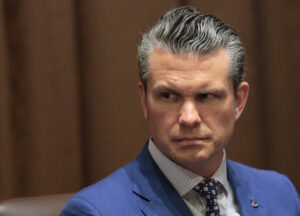
Secretary
of
Defense
Pete
Hegseth
putting
down
a
beer
that
easily.
Continuing
the
DOD’s
performative
anti-intellectual
purge
—
which
began
with
its
public
break
with
Harvard
University
—
the
Pentagon
has
informed
active-duty
service
members
that
over
30
elite
universities
are
now
deemed
“moderate
to
high
risk”
and
therefore
ineligible
for
DOD
tuition
assistance
programs.
An
email
sent
to
Funded
Legal
Education
Program
and
Unfunded
Legal
Education
Program
candidates
from
the
Judge
Advocate
Recruiting
Office
informed
the
FLEP
candidates
—
who
receive
funding
for
their
education
from
the
DOD
—
that
if
they
have
applied
or
been
accepted
by
any
of
the
schools
on
the
list,
they
must
withdraw
their
applications
and
reject
their
admissions.
As
the
almost
assuredly
flustered
JAG
officials
note,
candidates
need
to
do
this
immediately
because
“we
know
that
some
application
deadlines
have
passed.”
UFLEP
candidates
—
who
pay
out
of
pocket
for
school
while
remaining
active
duty
—
are
not
being
ordered
to
immediately
withdraw,
but
are
strongly
encouraged
to
do
so.
A
screenshot
posted
online
by
@CounterIntel
lays
out
the
list,
which
is
limited
to
private
institutions.
The
email
informs
candidates
that
a
list
of
banned
public
schools
will
follow…
even
further
beyond
application
drop
dead
dates:
Tough
break
for
Brown
and
Princeton
who
have
pissed
off
the
administration
so
much
that
it
banned
law
schools
that
don’t
even
exist.
Same
goes
for
Carnegie
Mellon
University,
MIT,
Tufts,
Johns
Hopkins,
Florida
Institute
of
Technology,
and
Hawaii
Pacific
University.
The
London
School
of
Economics
somehow
catches
a
wild
transatlantic
stray,
probably
because
some
middling
civilian
DOD
official’s
Cntrl+F
search
for
“Trans”
brought
up
the
LSE.
These
schools
probably
ended
up
in
this
email
because
the
JAG
office
copied
and
pasted
the
full
list
of
Hegseth’s
verboten
grad
schools
into
this
list
to
without
bothering
to
edit
it.
The
list
includes
the
entire
T14
except
for
the
University
of
Chicago
and
the
three
public
law
schools
among
the
top-tier
—
Berkeley,
Michigan,
and
UVA.
Presumably
all
three
of
the
public
schools
will
join
the
Trump
administration’s
banned
list
unless
somehow
BERKELEY
of
all
schools
escapes
Hegseth’s
bleary
eyed,
anti-woke
gaze.
Remember
when
Columbia
and
Northwestern
completely
capitulated
to
the
Trump
administration?
A
lot
of
good
that
did
them,
as
they
still
landed
on
this
list.
It’s
almost
as
though
negotiating
with
authoritarians
has
never
worked
in
the
history
of
ever.
The
Defense
Department
hopes
to
spin
this
as
taking
away
a
handout
to
elite
universities
that
teach
“globalist
and
radical
ideologies,”
but
these
programs
constitute
investments
in
the
military’s
legal
infrastructure
and
help
the
military
recruit
and
retain
the
best
and
brightest
prospective
lawyers
who
will
otherwise
bolt
for
the
private
sector.
If
you’re
a
young
officer
realizing
that
your
LSAT
score
could
earn
a
Yale
Law
education,
but
the
DOD
relegates
you
to
ASSLaw
or
Ave
Maria
—
you’re
bolting
as
soon
as
your
time
is
up.
America’s
military
thrives
by
enticing
elite
talent
to
serve
in
critical
roles.
And,
in
time,
this
often
spills
out
into
the
private
sector
when
skilled
JAG
officers
leave
the
military
armed
with
elite
degrees
and
practical
experience.
Personally,
I’ve
written
multiple
recommendations
on
behalf
of
former
students
both
to
get
into
the
FLEP
program
in
the
first
place
and
then
to
get
into
top
law
schools.
That
the
government
would
purge
its
future
ranks
of
lawyers
with
elite
resumes
speaks
to
the
administration’s
embrace
of
national
decline.
But
I
guess
if
they’re
going
to
reduce
the
JAG
corps
to
stop-gap
immigration
judges
—
and
punish
any
immigration
judges
exercise
independent
judgment
—
they
don’t
feel
they
need
smart
lawyers.
Unfortunately,
they’re
creating
a
lost
generation
of
stellar
attorneys
that
will
bypass
service
because
the
DOD
wants
to
penalize
universities
for
teaching
that
slavery
happened
and
researching
vaccines.
Of
note,
Hegseth
has
degrees
from
Princeton
and
Harvard,
driving
home
the
epic
levels
of
“I
got
mine,
screw
the
next
kid
on
the
ladder”
energy
radiating
off
this
policy.
“Let’s
not
forget:
officers
from
these
same
‘high
risk’
schools
formed
the
backbone
of
American
military
leadership
in
WWII
and
WWI,”
@CounterIntel,
an
open-source
intelligence
social
media
account
noted.
“Now
we’re
telling
our
best
and
brightest
they
can’t
follow
in
their
footsteps?”
A
military
source
speaking
to
CNN
offered
an
equally
blunt
assessment:
The
military
official
said
the
guidance
was
akin
to
prohibiting
officers
from
obtaining
a
top
tier
education,
and
said
it
amounted
to
the
Pentagon
“attempting
to
purge
intellect,
diversity
of
thinking,
and
critical
thought
from
the
military.”
“The
overall
concern
is
that
we
want
military
officers
and
non-commissioned
officers
to
have
the
ability
to
critically
think
and
challenge
ideas
…
and
some
of
these
institutions
are
great
places
to
do
that
whether
you
agree
with
liberal
or
conservative
thought
or
not,”
said
the
source
familiar
with
the
matter.
“It
seems
both
very
delicate
—
oh
these
words
and
ideas
scare
me,
so
I’ll
preclude
people
from
engaging
—
but
also
short-sighted
and
is
generating
confusion.”
Never
forget
that
the
conservative
is
the
most
delicate
snowflake
in
the
social
ecosystem.
Ed.
note:
This
article
is
part
of
Parental
Leave
&
The
Legal
Profession,
a
special
series
for
Above
the
Law
that
explores
the
realities
of
parental
leave
and
return-to-work
in
law
firms.
From
planning
leave
to
reintegration,
from
the
role
of
managers
to
the
mental
load
of
Biglaw
parents,
these
articles
bring
research,
clinical
insight,
and
practical
strategies
to
help
lawyers
and
the
firms
that
employ
them
navigate
one
of
the
most
critical
transitions
of
their
careers.
Biglaw
has
been
aware
for
years
that
women
leave
the
profession
at
higher
rates
than
men.
The
data
are
well
known.
Attrition
remains
stubbornly
gendered.
Leadership
remains
disproportionately
male.
Too
often,
however,
the
explanations
offered
for
this
pattern
point
back
at
women
themselves.
They
focus
on
confidence,
ambition,
preferences,
or
“choices.”
They
ask
why
women
pull
back,
opt
out,
or
stop
raising
their
hands
—
rather
than
asking
what
conditions
shape
those
decisions
in
the
first
place.
What’s
missing
from
the
conversation
is
an
honest
look
at
context.
In
our
last
article
we
explored
why
firms
cannot
afford
to
ignore
working
parents.
That
article
highlighted
firmwide
context.
Another
important
part
actually
sits
partially
outside
the
firm’s
walls
—
and
yet
it
directly
affects
what
happens
inside
them.
Work
and
home
are
not
separate
domains.
They
are
overlapping
systems.
You
cannot
fully
understand
women’s
career
trajectories
in
law
without
looking
at
what
is
happening
at
home
—
and
how
the
invisible
labor
of
running
a
household
collides
with
a
billable-hour
model
that
rewards
the
perception
of
constant
availability
and
uninterrupted
focus.
This
matters
because
women,
across
professions,
are
still
far
more
likely
to
be
default
caregivers
in
their
households.
Not
because
they
lack
ambition,
but
because
they
are
more
likely
to
carry
responsibility
for
making
life
run
smoothly
for
those
in
their
homes:
anticipating
needs,
coordinating
schedules,
managing
logistics,
and
absorbing
disruptions.
The
problem
is
not
the
dishes.
The
problem
is
who
is
responsible
for
making
sure
the
dishes
get
done
—
and
what
that
responsibility
quietly
costs.
Mental
Load,
Cognitive
Labor,
and
Emotional
Labor
—
What
We’re
Talking
About
“Mental
load”
is
often
used
as
shorthand,
but
it’s
helpful
to
be
more
precise.
Cognitive
labor
is
the
work
of
anticipating,
planning,
tracking,
and
coordinating.
It’s
holding
the
running
list
of
what
needs
to
happen
next
—
and
noticing
problems
before
they
surface.
Mental
load
is
the
ongoing
responsibility
for
that
system.
It’s
being
the
person
who
ensures
nothing
falls
apart.
Emotional
labor
is
the
work
of
regulating
emotions
—
your
own
and
others’
—
smoothing
relationships,
managing
conflict,
and
maintaining
stability
so
systems
keep
functioning.
These
forms
of
labor
are
invisible,
constant,
and
rarely
recognized.
And
across
both
home
and
work,
they
are
still
disproportionately
carried
by
women.
At
home,
this
looks
like
managing
school
communications,
homework,
childcare
logistics,
medical
appointments,
family
schedules,
social
networks,
and
contingency
plans.
Even
in
dual-career
households
where
tasks
are
divided,
women
are
more
likely
to
be
the
ones
maintaining
the
system.
At
work,
it
shows
up
differently
but
just
as
powerfully.
Women
lawyers
disproportionately
do
the
invisible
labor
of
the
firm:
managing
client
anxiety,
smoothing
team
conflict,
mentoring
junior
colleagues,
remembering
context,
tracking
interpersonal
dynamics,
and
regulating
emotion
in
high-stress,
highly
matrixed
environments.
None
of
this
is
captured
by
billable
hours.
All
of
it
is
essential.
What
the
Research
on
the
Motherhood
Penalty
in
Law
Shows
Research
examining
the
motherhood
penalty
in
legal
careers
makes
this
imbalance
visible.
Data
highlighted
through
a
Harvard
Law
School
panel
on
parenting
and
legal
careers
showed
that
women
lawyers
are
significantly
more
likely
than
men
to
be
responsible
for
day-to-day
caregiving
tasks,
including
school
communication
and
homework
help
—
even
when
both
partners
work
full
time.
At
the
same
time,
mothers
were
far
more
likely
than
fathers
to
report
being
perceived
as
less
committed
or
less
competent
after
becoming
parents.
Roughly
60
percent
of
mothers
reported
this
perception,
compared
with
about
25
percent
of
fathers.
This
gap
matters
because
perception
shapes
opportunity.
When
caregiving
is
assumed
to
limit
availability
—
and
invisible
labor
goes
uncounted
—
women
are
more
likely
to
be
passed
over
for
high-visibility
assignments,
not
because
they
can’t
do
the
work,
but
because
others
assume
they
shouldn’t
be
asked.
The
Invisible
Tax
on
Women
Lawyers
This
dynamic
creates
an
invisible
tax.
Women
in
Biglaw
are
often
doing
two
kinds
of
unrecognized
work
at
once:
carrying
more
of
the
mental
and
emotional
load
at
home,
and
doing
more
of
the
emotional
and
relational
labor
at
work
while
being
given
fewer
opportunities
to
excel.
This
does
not
mean
women
are
less
capable.
In
fact,
many
of
these
skills
—
anticipation,
emotional
regulation,
systems
thinking
—
are
part
of
what
makes
them
strong
lawyers
and
leaders.
The
problem
is
that
the
system
rewards
visible
output
while
quietly
relying
on
invisible
labor.
The
billable-hour
model
does
not
account
for
the
cost
of
holding
everything
together.
And
it
doesn’t
address
the
fact
that
women
doing
this
invisible
work
potentially
gets
in
the
way
of
doing
higher
profile
work.
Over
time,
that
tax
shows
up
as
exhaustion,
reduced
recovery
time,
fewer
opportunities
to
say
yes
to
“one
more
thing,”
and
a
growing
gap
between
effort
and
recognition.
A
Leadership
Pipeline
Issue,
Not
an
Individual
One
This
is
how
gender
gaps
in
leadership
are
built
—
not
through
lack
of
ambition,
but
through
unequal
load.
And
the
impact
is
not
just
on
her,
but
on
the
firm
as
a
whole.
They
lose
out
on
leadership
talent
and
potential
client
relationships.
Consider
a
composite
example
drawn
from
work
with
a
dual-career
couple
in
law.
Both
partners
are
ambitious.
Both
want
to
advance.
Both
receive
strong
reviews.
At
home,
however,
she
carries
more
of
the
cognitive
and
mental
load.
She
tracks
school
logistics,
manages
childcare
coordination,
anticipates
disruptions,
and
absorbs
the
emotional
fallout
when
plans
fall
apart.
He
helps
—
but
she
is
the
one
holding
the
system.
When
a
high-stakes
matter
arises
requiring
extended
availability,
he
takes
it
on.
She
declines,
already
operating
at
capacity.
The
outcome
is
predictable
but
rarely
named.
He
is
praised
for
commitment
and
leadership.
She
is
quietly
categorized
as
less
available.
Same
ambition.
Same
talent.
Different
outcomes.
This
is
not
a
personal
failing.
It
is
a
structural
one.
Why
Generous
Leave
Isn’t
Enough
Many
firms
now
offer
generous
parental
leave.
That
matters
—
and
it
is
a
critical
foundation.
What
most
firms
do
not
offer
is
ongoing
structural
support
for
working
parents
once
leave
ends.
There
is
often
little
guidance
around
return-to-work
expectations,
workload
management,
or
how
responsibilities
should
evolve
over
time.
Mental
load
does
not
end
when
leave
does.
Cognitive
labor
does
not
disappear
when
children
get
older.
Emotional
labor
at
work
often
increases
as
women
become
more
senior.
Without
changes
to
work
design,
expectations,
and
the
value
given
to
invisible
labor,
even
well-intentioned
policies
leave
parents
—
especially
mothers
—
vulnerable
to
burnout.
What
Actually
Helps
This
is
a
fixable
problem
—
but
not
with
platitudes.
If
firms
want
to
close
gender
gaps
in
leadership,
they
cannot
treat
household
labor
as
a
private
issue.
The
division
of
labor
at
home
directly
shapes
who
has
time,
energy,
and
flexibility
at
work.
Helping
men
and
women
understand
mental
load
—
and
redistribute
it
more
equitably
—
is
not
a
personal
favor.
It
is
a
leadership
intervention.
Effective
firm
investments
include:
Workshops
and
facilitated
conversations
(such
as
Fair
Play-based
approaches)
that
help
employees
and
their
partners
make
invisible
labor
visible
and
shared.
Manager
training
to
recognize
invisible
and
emotional
labor
at
work
and
ensure
high-impact
assignments
are
equitably
distributed.
Ongoing
working-parent
coaching
—
not
just
leave
and
return
support
—
to
address
boundaries,
expectations,
and
sustainability
over
time.
Supportive
benefits
that
outsource
cognitive
load
at
home,
such
as
household
logistics
or
virtual
assistant
services,
reducing
the
background
burden
that
disproportionately
falls
on
women.
Clear
and
evidence-based
norms
around
urgency
and
availability,
so
commitment
is
not
measured
by
constant
responsiveness
and
face
time,
recognizing
that
flexibility
around
when
and
where
work
is
done
can
allow
working
parents
to
be
more
efficient.
Seeing
the
Invisible
Is
the
Work
We
cannot
talk
honestly
about
women
in
leadership
without
talking
about
the
division
of
labor
at
home.
And
when
firms
—
not
just
individual
women
—
initiate
that
conversation,
everything
changes.
It
shifts
the
burden
from
private
negotiation
to
shared
responsibility.
It
reframes
caregiving
not
as
a
liability,
but
as
a
reality
that
must
be
designed
for.
And
it
keeps
talent
from
leaking
out
of
the
pipeline
under
the
weight
of
invisible
work.
Mental
load
is
not
a
women’s
issue.
It
is
a
design
issue.
And
in
Biglaw,
addressing
it
may
be
one
of
the
most
powerful
levers
firms
have
to
retain
women,
strengthen
leadership
pipelines,
and
build
careers
that
are
demanding
and
sustainable.
Marny
Requa,
JD is
an
academic,
coach,
and
consultant
with
global
experience
and
gender
equity
expertise. Dr.
Anne
Welsh is
a
clinical
psychologist,
executive
coach,
and
consultant
with
a
specialization
in
supporting
working
parents
in
law.
Both
are
certified
RETAIN
Parental
Leave
Coaches,
engaging
a
research-backed
methodology
to
support
and
retain
employees
as
they
grow
their
families.
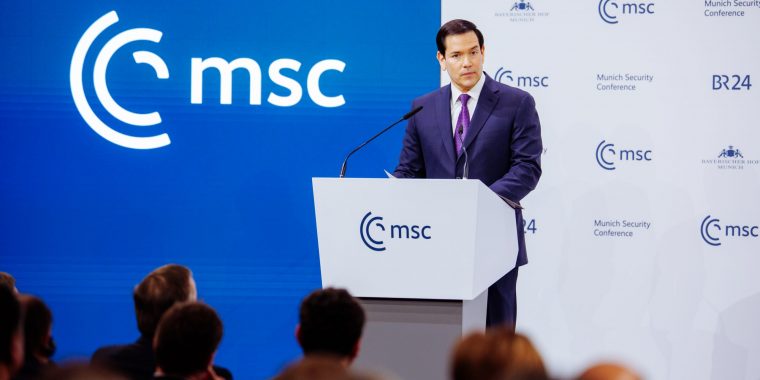
MUNICH
—
US
Secretary
of
State
Marco
Rubio
attempted
to
defuse
tension
with
European
allies
today,
telling
them
that
despite
headlines
saying
otherwise,
it
is
not
Washington’s
“goal,
nor
our
wish,”
to
end
the
transatlantic
era.
During
a
hotly
anticipated
speech
here
at
the
Munich
Security
Conference,
Rubio
said
“the
fate
of
Europe
will
never
be
irrelevant
to
our
own
national
security,”
offering
reassurance
to
a
region
on
edge
over
the
Trump
administration’s
combative
approach
to
issues
including
Greenland,
Arctic
security
and
trade.
“For
us
Americans,
our
home
may
be
in
the
Western
Hemisphere,
but
we
will
always
be
a
child
of
Europe.”
Rubio
largely
leaned
on
a
much
more
sensitive
style
and
oratory
compared
to
Vice
President
JD
Vance’s
controversial
speech
a
year
ago
at
this
same
event.
But
Rubio
also
did
not
come
bearing
only
flowers.
America’s
chief
diplomat
took
aim
at
what
he
framed
postwar
“delusion”
in
the
West
and
a
mass
migration
“crisis”
in
Europe,
echoing
terms
found
in
the
National
Security
Strategy
released
last
year.
He
also
called
out
a
lack
of
industrialization
and
took
shots
at
the
United
Nations
for
offering
“no
answers”
to
crises
situations
around
the
globe,
such
as
the
Gaza
war.
“It
was
American
leadership
that
freed
captives
from
barbarians
and
brought
about
a
fragile
truce,”
in
the
Palestinian
territory,
he
said,
while
paying
tribute
to
Washington’s
push
to
secure
a
peace
deal
in
Ukraine,
tearing
down
Iran’s
nuclear
program
through
operation
Midnight
Hammer,
and
bringing
“narco-terrorist
dictator,”
former
Venezuelan
President
Nicolás
Maduro
to
justice.
On
Ukraine
more
broadly,
Rubio
noted
that
“issues
that
need
to
be
confronted
to
end
this
war
have
been
narrowed”
but
“work
remains
to
be
done”
to
resolve
them.
In
a
comment
likely
appreciated
in
the
room,
he
did
admit
that
“We
don’t
know
[if]
the
Russians
are
serious
about
ending
the
war.”
Rubio
also
thanked
Europe
for
taking
steps
to
increase
support
for
Ukraine,
outlining
that
“American
weaponry
is
being
sold
for
the
Ukrainian
war
effort”
under
NATO’s
Prioritised
Ukraine
Requirements
List
(PURL)
initiative,
financed
by
European
allies
and
Canada.
There
is
no
“buying
of
time”
on
a
peace
deal,
Rubio
explained,
arguing
that
beyond
direct
talks,
other
measures
including
Washington
imposing
additional
sanctions
on
Russian
oil
and
a
verbal
commitment
from
India
to
stop
buying
more
of
the
product
from
Moscow,
have
gone
ahead
in
“the
interim.”
However,
Rubio’s
comments
seem
at
least
somewhat
at
odds
with
President
Donald
Trump,
who
told
reporters
outside
the
White
House
on
Friday
that
Ukraine
President
Volodymr
Zelenskyy
has
“to
get
moving.
Russia
wants
to
make
a
deal,
and
Zelensky’s
gonna
have
to
get
moving
—
otherwise
he’s
going
to
miss
a
great
opportunity.”
Rubio
also
reportedly
drew
scorn
from
European
leaders
for
skipping
a
key
meeting
with
them
on
Ukraine
ahead
of
MSC
at
short
notice.
“We
want
Europe
to
be
strong,”
Rubio
added.
“We
care
deeply
about
your
future
and
ours,
and
if
at
times
we
disagree,
our
disagreements
come
from
our
profound
sense
of
concern
about
a
Europe
with
which
we
are
connected,
not
just
economically,
not
just
militarily,”
but
spiritually
and
culturally.
The
immediate
impact
on
an
audience
that
included
the
European
Union’s
Head
of
Foreign
Policy
Kaja
Kallas,
and
former
NATO
Secretary
General
Jens
Stoltenberg
was
clear,
as
Rubio
received
light
applause
and
a
standing
ovation.
Reacting
to
the
speech
on
X,
former
Lithuanian
Foreign
Minister
Gabrielius
Landsbergis
wrote
that
“Rubio
brought
a
lot
of
white
paint…to
cover
the
cracks
caused
by
the
great
rupture.”
He
also
lamented
a
failure
to
talk
about
“democracy
or
true
freedom
of
speech,”
concluding,
“This
was
not
a
departure
from
the
general
position
of
the
US
administration.
It
was
simply
delivered
in
more
polite
terms.
I
am
not
sure
the
white
paint
will
hold.”
Innocent
Famauone,
32,
from
Mhundiwa
Village,
Chiware,
on
the
outskirts
of
Rusape,
was
found
in
possession
of
a
firearm
reportedly
taken
from
security
guards
during
the
heist.
He
appeared
at
Rusape
Magistrates’
Court
on
armed
robbery
charges.
Famauone’s
three
alleged
accomplices,
Tafadzwa
Gechi,
one
Nhari,
and
one
Melusi,
remain
at
large
and
have
been
declared
fugitives
from
justice.
The
accused
did
not
have
legal
representation
and
was
not
asked
to
plead
to
the
charges.
Rusape
Magistrate
Barbara
Mateko
denied
bail,
citing
the
seriousness
of
the
allegations.
According
to
the
prosecutor,
the
robbery
occurred
on
24
January
2026,
when
the
suspects
overpowered
security
guards
at
Delta
Beverages
in
Rusape.
Prosecutor
Mellisa
Saidi
told
the
court
that
Famauone
and
his
accomplices
used
violence
and
intimidation
to
steal
US$39,829.
Armed
with
a
hammer,
pistol,
iron
bar,
electric
shocker,
and
dynamite,
the
suspects
reportedly
cut
through
the
security
fence,
overpowered
the
guards,
Tendai
Daniel
and
his
colleagues,
and
tied
them
up,
locking
them
in
an
office
before
making
off
with
the
cash.
Said
Saidi:
“On
January
24,
2026,
at
around
1
am,
the
accused
person,
together
with
accomplices,
Tafadzwa
Gechi,
Nhari,
and
Melusi,
armed
with
a
hammer,
an
unknown
type
of
pistol,
an
iron
bar,
an
electric
shocker,
and
dynamite
explosive,
proceeded
to
Delta
Beverages,
Rusape,
where
they
cut
the
security
fence
to
gain
entry
into
the
yard.
“While
in
the
yard,
they
held
Tendai
Daniel
and
his
workmates
at
gunpoint,
tied
their
hands
with
shoelaces
and
locked
them
in
an
office
after
disarming
the
complainant.
“The
accused
forced
open
the
cash
office
door
using
an
iron
bar
and,
while
in
the
cash
office,
blasted
the
safe
using
dynamite
and
stole
cash
amounting
to
US$39
829.
“They
went
away
with
the
cash
and
a
Star
pistol,
serial
number
14199798,
which
belongs
to
Modern
Security
Company.”
JOHANNESBURG,
South
Africa
–
South
African
police
say
they
are
seeking
the
extradition
of
Zimbabwean
musician
Malloti,
who
is
wanted
on
an
outstanding
warrant
linked
to
a
2017
armed
robbery
case
in
Cape
Town.
The
warrant
was
issued
in
the
name
of
Namatai
Bhobho,
although
Malloti’s
real
name
is
Millicent
Tsitsi
Chimonyo.
Police
have
not
explained
the
discrepancy,
but
one
possibility
being
considered
is
that
she
may
have
used
a
false
identity.
Western
Cape
SAPS
spokesperson
Captain
F.C.
Van
Wyk
told
IOL
that
the
warrant
of
arrest
was
issued
by
the
Wynberg
Magistrate’s
Court.
“The
accused
is
wanted
on
a
case
of
robbery
with
a
firearm…
The
case
was
removed
from
the
court
roll
until
she
is
traced
and
arrested,”
Van
Wyk
said.
He
added
that
the
docket
is
now
with
the
Director
of
Public
Prosecutions,
whose
office
will
“make
arrangements
for
the
accused
to
be
traced
and
then
to
be
extradited
back
to
South
Africa.”
A
police-issued
“WANTED”
notice
bearing
the
name
Namatai
Bhobho
includes
a
photograph
of
a
woman
resembling
Malloti.
Wanted
poster
of
Namatai
Bhobho
Authorities
have
not
provided
details
on
how
the
musician
is
allegedly
linked
to
the
armed
robbery
investigation.
On
Monday
night,
Malloti
posted
a
video
of
herself
counting
money
on
Facebook,
accompanied
by
a
profanity-laced
caption
in
Shona
in
which
she
denounced
someone
identified
as
Kettina
and
“her
SAPS.”
“Don’t
you
get
tired
everyday
Malloti,
Malloti,
and
meanwhile
I’m
busy
enjoying
life
with
my
family
that
really
loves
me.
REST!!!”
she
wrote.
The
exchange
unfolded
during
question
time
when
Tendeukai
Matara,
a
Proportional
Representation
MP
for
Masvingo,
asked
the
minister
to
outline
government
policy
on
controlling
plastic
waste,
citing
its
economic
and
environmental
impact.
In
her
response,
Environment
Minister,
Dr
Evelyn
Ndlovu,
acknowledged
plastic
littering
had
become
widespread
across
the
country
and
warned
of
its
harmful
effects
on
ecosystems
and
livestock.
“Plastic
littering
is
prevalent
in
the
country
and
the
last
time
I
spoke
here,
I
also
raised
concerns
about
littering
by
all
of
us,”
she
said.
“The
majority
of
our
people
are
littering,
yet
they
are
actually
aware
that
plastic
littering
is
damaging
our
environment.
It
also
damages
our
livestock
because
if
they
eat
that
plastic,
most
of
them
die.”
Dr
Ndlovu
had
brought
a
reusable
flask
into
the
chamber
as
a
prop,
arguing
that
behaviour
change
was
central
to
tackling
the
crisis.
“I
am
carrying
this
flask
to
this
Honourable
House
to
demonstrate
to
all
of
us
that,
if
only
Parliament
could
put
up
a
container
outside,
we
can
only
stop
littering
if
we
do
not
use
these
plastic
bottles
and
we
use
containers,”
she
said.
She
added
Zimbabwe
currently
lacks
sufficient
production
of
thin,
biodegradable
plastics
that
dissolve
easily
and
is
still
reliant
on
hard
plastics.
“Unfortunately,
we
do
not
have
enough
thinner
plastics
that
are
disposable,
that
can
easily
dissolve.
We
still
have
hard
plastics
as
a
country
and
we
are
working
towards
banning
them
to
make
sure
that
littering
is
stopped,”
she
said.
However
it
was
her
call
for
targeted
civic
education
that
sparked
uproar.
“We
must
educate
our
people
on
the
dangers
of
plastics.
We
must,
as
Hon.
Members
of
Parliament,
educate
our
people,
especially
in
Bulawayo,”
Dr
Ndlovu
said.
Bulawayo
is
Zimbabwe’s
second-largest
city,
and
often
features
prominently
in
national
political
discourse,
as
references
to
it
can
carry
symbolic
weight.
Of
late,
Bulawayo
is
bearing
the
costs
of
rampant
littering,
which
has
also
blocked
waterways,
causing
flooding
during
heavy
rains.
However,
the
reference
to
Bulawayo
immediately
drew
a
point
of
order
from
Marondera
Central
MP
Caston
Matewu,
who
argued
the
minister
had
unfairly
singled
out
one
city
when
the
question
related
to
national
policy.
“My
point
of
order
is
the
Hon.
Minister
must
withdraw
where
she
said
Bulawayo
because
when
we
ask
questions,
we
are
asking
Government
policy
and
not
asking
her
to
accuse
one
city
of
littering,”
Matewu
said.
Matewu
insisted
the
minister
should
focus
on
outlining
policy
rather
than
directing
MPs
to
address
residents
of
a
specific
urban
centre.
“She
must
simply
state
what
Government
policy
is
towards
littering
and
not
tell
us
Hon.
Members
to
go
to
Bulawayo
and
tell
residents
to
stop
littering,”
Matewu
said,
before
adding
that
Dr
Ndlovu’s
response
was
“not
in
tandem
with
someone
who
is
at
the
level
of
a
Cabinet
Minister.”
This
prompted
immediate
intervention
from
the
Temporary
Speaker,
who
ruled
Matewu
out
of
order
and
instructed
him
to
withdraw
his
statement.
“You
cannot
say
she
is
not
ministerial
material,”
the
Temporary
Speaker
said.
Matewu
refused
to
withdraw
his
comment
unless
the
minister
retracted
her
reference
to
Bulawayo.
“I
will
only
withdraw
if
she
withdraws
what
she
said
about
Bulawayo,”
he
responded,
to
which
he
was
ordered
to
leave
the
chamber.
Matewu
was
subsequently
escorted
out
by
the
Sergeant-at-Arms.
“I
needed
your
protection.
Thank
you
very
much
for
protecting
me,”
Dr
Ndlovu
said
to
the
Temporary
Speaker
after
order
was
restored,
before
continuing
her
response.
The
minister
reiterated
government
policy
aims
to
phase
out
environmentally
harmful
plastics
and
promote
biodegradable
alternatives.
She
said
the
Environmental
Management
Agency
(EMA)
is
spearheading
public
education
campaigns
and
recycling
initiatives
nationwide.
“We
are
planning
to
phase
out
plastics
and
introduce
lighter
plastics,
which
are
biodegradable,”
she
said.
“We
are
working
on
that
programme
to
bring
new
types
of
equipment
that
will
produce
plastic
that
is
user-friendly
to
our
environment.”
In
response
to
a
supplementary
question
on
how
the
government
intends
to
hold
large
plastic
producers
and
retailers
accountable,
Dr
Ndlovu
said
her
ministry
has
engaged
companies
in
discussions
on
adopting
cleaner
technologies.
“We
have
asked
companies
like
retail
stores
and
plastic
generators
to
come
and
meet
with
us
to
discuss
their
plans
to
phase
out
non-degradable
plastics
and
bring
in
new
equipment,”
she
said.
She
added
bottle
manufacturers
have
shown
cooperation
in
meetings
aimed
at
transitioning
towards
biodegradable
production
methods.
During
her
previous
tenure
as
Resident
Minister
in
Matabeleland
South,
Dr
Ndlovu
said
several
engagements
were
held
to
push
for
technological
upgrades.
Another
MP
sought
clarity
on
how
the
public
education
programme
was
rolled
out
and
whether
it
had
already
commenced.
“The
programme
has
already
been
rolled
out.
We
have
started
teaching
people
on
the
dangers
of
plastics
to
our
wildlife
and
we
have
also
been
engaging
companies
which
are
producing
plastics
so
that
they
change
the
technology
that
they
are
using
and
embrace
bio-degradable
technology,”
said
Dr
Ndlovu.
She
said
plastics
made
from
non-degradable
materials
are
difficult
to
destroy
and
continue
to
pollute
both
urban
and
rural
environments.
As
part
of
the
behavioural
shift
she
advocates,
the
minister
proposed
practical
steps
within
Parliament
itself.
“As
a
Ministry,
we
are
also
teaching
people
to
use
flasks
in
order
to
eliminate
use
of
plastics,”
she
said.
“We
are
going
to
engage
Parliament
to
put
water
canisters
and
people
can
use
their
flasks
to
get
water
and
eliminate
plastics
in
this
House.”
Zimbabwe
is
wrestling
with
mounting
plastic
waste,
from
discarded
beverage
bottles
to
single-use
packaging
clogging
drainage
systems
and
grazing
lands.
Environmental
advocates
have
warned
that
without
stronger
enforcement,
public
education
and
corporate
accountability,
the
country
risks
long-term
ecological
damage.
The
Bulawayo
High
Court,
through
Judges
Evangelista
Kabasa
and
Dube,
ruled
in
favour
of
the
victims,
residents
of
Mangwe
in
Matabeleland
South
Province.
Both
minors,
aged
11
and
14
at
the
time
of
the
incidents
on
18
May
2022,
were
represented
by
lawyer
Prisca
Dube
of
the
Zimbabwe
Lawyers
for
Human
Rights
(ZLHR).
In
the
case
of
the
11-year-old,
ZLHR
filed
summons
on
14
August
2024,
seeking
damages
for
electrocution
caused
by
ZESA’s
subsidiary,
the
Zimbabwe
Electricity
Transmission
and
Distribution
Company
(ZETDC).
ZETDC
initially
denied
liability,
claiming
the
compensation
sought
was
excessive.
On
15
January
2026,
Justice
Dube
ordered
the
utility
to
pay
US$50 000
within
two
months.
The
14-year-old
minor
suffered
severe
electrical
burns
and
was
treated
initially
at
St
Anne’s
Hospital
in
Brunapeg
before
being
referred
to
United
Bulawayo
Hospitals
(UBH),
where
he
underwent
surgery
on
his
right
arm.
His
injuries
resulted
in
a
cumulative
disability
of
32%.
ZLHR
filed
a
summons
on
8
August
2024,
demanding
US$52 000
in
damages.
ZETDC
denied
responsibility
but
later
offered
a
settlement
of
US$16 000,
the
maximum
covered
by
its
insurance
policy,
which
the
minor’s
parents
accepted.
On
22
January
2026,
Justice
Kabasa
ordered
ZETDC
to
make
the
payment
within
60
days.
The
Constitution
of
Zimbabwe
Amendment
(No
3)
Bill,
2026,
was
published
in
a
Gazette
Extraordinary
this
afternoon.
It
proposes,
amongst
other
things:
that
the
President
should
be
elected
by
Parliament
rather
than
by
voters
in
a
general
election
that
the
President’s
term
of
office,
and
the
life
of
Parliament,
should
be
extended
by
two
years
that
these
changes
should
apply
to
the
current
President
and
Members
of
Parliament,
so
that
the
next
general
election
will
be
held
in
2030
rather
than
2028.
The
Bill
can
be
accessed
on
the
Veritas
website [link].
We
shall
issue
a
further
bulletin
in
the
near
future,
analysing
the
Bill
in
more
detail.
Veritas
makes
every
effort
to
ensure
reliable
information,
but
cannot
take
legal
responsibility
for
information
supplied
We
use
cookies
on
our
website
to
give
you
the
most
relevant
experience
by
remembering
your
preferences
and
repeat
visits.
By
clicking
“Accept
All”,
you
consent
to
the
use
of
ALL
the
cookies.
However,
you
may
visit
“Cookie
Settings”
to
provide
a
controlled
consent.