Layoffs, And Mergers, And Epstein, Oh My! – See Generally – Above the Law

Top
10
Biglaw
Firm
Decides
The
Future
Is
Smaller:
Hundreds
of
support
staff
are
out,
and
leadership
cites
AI
as
a
key
factor.
Should
lawyers
be
worried?
If
AI
comes
for
the
attorneys,
it’s
going
to
be
a
matter
of
the
firm’s
business
model.
You’ll
Never
Guess
Who
Ken
Starr
Called
“My
Friend,
My
Brother”:
Oh,
of
course
you
will…
it
was
Jeffrey
Epstein.
Those
Kathryn
Ruemmler
Emails
Deserve
A
Closer
Look:
The
soon-to-be-former
Goldman
Sachs
legal
chief
tried
to
downplay
her
Epstein
connections.
Here’s
why
they
still
mattered.
Biglaw
Pumps
The
Brakes
On
Early
Recruiting:
For
once,
law
students
may
get
to
finish
a
semester
before
firms
start
treating
them
like
draft
picks.
The
World’s
Richest
Law
Firm
Goes
Country:
Biglaw’s
financial
juggernaut
joins
Nashville
market.
Jeanine
Pirro’s
Office
Not
Ready
For
Its
Closeup:
The
latest
epic
fail
from
Pirro’s
tenure
as
U.S.
Attorney
involved
bringing
one
of
her
old
assistants
out
of
retirement
to
pursue
a
case
while
running
his
dance
photography
studio.
Perkins
Coie
Eyes
Retention
Bonuses
As
Merger
Nerves
Set
In:
Nothing
says
“we’re
excited
about
this
tie-up”
like
quietly
calculating
how
much
it
costs
to
keep
partners
from
bolting.
HBCU
Law
School
Told
“Black”
Is
Off-Limits
For
Black
History
Month:
In
latest
culture-war
absurdity,
administrators
thought
the
safest
word
is
no
word
at
all.

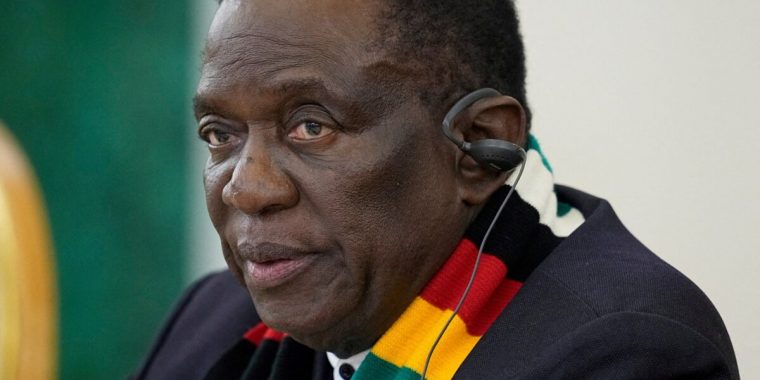
The Seven Year Itch: Parliament, Power and the Road to 2030


Emmerson
Mnangagwa

Is
this
the
anti-coup
of
the
decade,
or
merely
a
precedent?
The
most
consequential
change
is
the
proposal
to
repeal
direct
public
election
of
the
President
and
replace
it
with
election
by
Parliament.
At
the
same
time,
the
presidential
and
parliamentary
term
would
move
from
five
years
to
seven.

Other
amendments
would
adjust
the
role
of
the
Defence
Forces,
alter
aspects
of
judicial
appointments,
increase
the
number
of
senators
appointed
by
the
President,
transfer
delimitation
to
a
new
commission,
and
shift
certain
voter
registration
functions
to
the
Registrar
General.
Taken
together,
this
is
the
most
significant
reworking
of
the
2013
constitutional
settlement
to
date.

The
facts
are
not
in
dispute.
If
adopted,
the
President
would
no
longer
be
chosen
by
a
nationwide
ballot.
Members
of
Parliament
would
elect
the
President,
under
procedures
overseen
by
the
Chief
Justice
or
a
designated
judge
(hopefully
not
blessed
with
party
patronage
and
large
SUVs).
The
term
of
office
would
lengthen
to
seven
years.
The
President
would
appoint
ten
additional
senators.

The
language
describing
the
Defence
Forces’
function
would
shift
from
an
obligation
to
uphold
the
Constitution
to
a
duty
to
act
in
accordance
with
it.
The
Zimbabwe
Gender
Commission
would
be
absorbed
into
the
Human
Rights
Commission.
Public
interviews
for
certain
judicial
appointments
would
be
removed.
Electoral
delimitation
would
be
separated
from
the
partisan
Zimbabwe
Electoral
Commission
(ZEC)
and
placed
in
a
new
body.
Voter
registration
responsibilities
would
move.

Each
of
these
clauses
can
be
defended
in
isolation.
That
is
the
Government’s
position.
Stability,
policy
continuity,
administrative
clarity
and
alignment
with
comparative
models
are
the
stated
justifications.
A
parliamentary
presidency
exists
elsewhere.
South
Africa
elects
its
President
through
the
National
Assembly.
Botswana’s
President
emerges
from
parliamentary
majority
leadership.
Indirect
election
is
not
inherently
undemocratic.
It
is
a
design
choice.

Yet
the
reaction
has
been
swift
and
visceral.
Social
media
has
filled
with
warnings
of
democratic
regression.
Unsurprisingly,
the
dominant
narrative
online
is
that
this
is
a
calculated
move
to
extend
President
Mnangagwa’s
tenure
beyond
the
originally
anticipated
2028
end
date.
The
move
to
seven-year
terms
has
been
read
not
as
institutional
refinement
but
as
personal
extension.
Hashtags
resonate
strongly
with
2030.
Critics
describe
Parliament
as
a
rubber
stamp.
Civil
society
voices
raise
the
spectre
of
constitutional
manipulation
dressed
up
as
reform.

Legacy
media
has
amplified
that
concern.
Opposition
figures
and
rights
groups
have
spoken
of
vigilance
and
resistance.
Some
lawyers
already
argue
that
amendments
of
this
magnitude
need
the
peoples
consent;
a
referendum.
Others
argue
that
Parliament
actually
has
the
authority
to
amend
under
the
existing
constitutional
framework.

They
might
be
reminded
of
Mugabe’s
devastating
loss
in
February
2000. 
The
ruling
party
will
never
allow
a
repeat,
by
hook
or
by
crook.
The
debate
may
have
shifted
from
policy
to
legitimacy,
but
it’s
truly
academic
now.
Process
matters.
In
constitutional
politics,
perception
of
legality
is
as
important
as
text.

There
is
another
strand
to
the
reaction.
The
proposed
change
to
the
Defence
Forces’
role
has
reopened
the
memory
of
November
2017.
The
military
intervention
that
preceded
the
current
presidency
was
subsequently
validated
by
court
orders.
The
language
of
section
212
has
therefore
acquired
symbolic
weight.
Altering
that
language
now
invites
interpretation.
Is
this
a
technical
clarification?
Or
is
it
a
deliberate
closing
of
a
jurisprudential
door
that
once
stood
ajar?
Either
way,
the
shadow
of
2017
lies
across
the
page.

Judicial
appointments
have
also
come
into
focus.
Removing
public
interviews
is
viewed
by
critics
as
a
step
away
from
transparency
and
as
entrenching
capture.
Expanding
presidential
appointment
power
in
the
Senate
is
read
as
a
consolidation.
Shifting
electoral
functions
raises
concerns
about
independence.
Abolishing
a
standalone
commission
is
seen
by
some
as
a
dilution
of
oversight.
Individually,
these
moves
can
be
explained.
Collectively,
they
form
a
pattern
in
the
public
imagination.
Power
appears
to
be
concentrating,
not
dispersing.

And
yet,
once
the
temperature
drops,
the
structural
logic
demands
attention.
A
parliamentary
presidency
does
not
extinguish
electoral
politics
or
erode
democracy.
It
relocates
its
centre.
Instead
of
a
direct
presidential
race
determining
executive
leadership,
parliamentary
elections
become
decisive.
The
majority
in
the
House
selects
the
President.
That
is
the
simple
arithmetic.

Under
the
current
system,
an
opposition
might
theoretically
lose
Parliament
yet
win
the
presidency
through
a
national
vote.
Not
presently
likely!
That
may
be
a
big
threat,
although
difficult
to
understand
why. 
Zimbabwe’s
opposition
has
been
divided
and
pathetic.
Under
a
parliamentary
presidency
that
path
closes,
seemingly
overkill
in
reality.
Executive
authority
flows
through
the
legislative
majority.
The
battlefield
narrows
to
one
arena.
Parliament
becomes
everything.

This
leads
to
an
uncomfortable
but
inescapable
conclusion.
If
the
opposition
cannot
consolidate
and
secure
a
parliamentary
majority,
the
reform
is
largely
academic.
Whether
the
President
is
directly
elected
or
chosen
by
Members
of
Parliament,
executive
power
will
continue
to
reflect
the
dominant
party’s
strength.
The
decisive
variable
is
not
the
mechanism
but
the
numbers.

That
does
not
make
the
reform
irrelevant.
It
makes
it
conditional.
If
an
opposition
were
to
win
Parliament
under
the
new
dispensation,
it
would,
in
principle,
have
the
power
to
elect
its
own
President.
That
is
the
core
logic
of
parliamentary
systems.
Executive
survival
depends
on
legislative
confidence.
Lose
the
House,
and
you
lose
the
office.

But
transitional
mechanics
matter.
If
an
incumbent
President
elected
under
the
previous
system
remains
in
office
while
a
newly
elected
Parliament
sits,
friction
may
arise.
The
President
retains
substantial
powers.
He
appoints
ministers.
He
assents
to
legislation.
He
commands
the
Defence
Forces.
He
influences
senior
appointments.
He
may
refer
Bills
back
to
Parliament.
The
scope
and
override
thresholds
of
these
powers
become
crucial.

If
a
President
can
delay
legislation
and
override
requires
a
supermajority,
a
simple
parliamentary
majority
may
struggle
to
govern
effectively.
If
dissolution
powers
remain
broad,
instability
could
follow.
If
appointment
authority
is
concentrated,
administrative
resistance
may
blunt
legislative
intent.
These
are
not
speculative
anxieties.
They
are
structural
features
that
must
align
with
the
source
of
executive
legitimacy.

In
mature
parliamentary
systems,
removal
mechanisms
are
clear
and
attainable.
A
government
that
loses
majority
support
falls.
The
United
Kingdom
operates
through
collective
Cabinet
responsibility.
South
Africa
allows
the
National
Assembly
to
remove
a
President.
Botswana’s
model
reflects
majority
leadership.
Ethiopia’s
Prime
Minister
derives
authority
directly
from
Parliament.
In
each
case,
executive
authority
is
tied
to
legislative
confidence.

Zimbabwe’s
proposed
reform
retains
a
strong
presidency.
It
modifies
the
route
to
office
without
clearly
diluting
executive
capacity.
That
hybrid
quality
will
determine
its
success
or
strain.
If
executive
powers
are
not
harmonised
with
parliamentary
supremacy,
a
divided
system
could
produce
deadlock.
If
they
are
harmonised,
the
model
could
function
coherently.

There
remains
the
question
of
motive.
Extending
terms
from
five
to
seven
years
inevitably
alters
timelines.
If
transitional
provisions
result
in
President
Mnangagwa
remaining
in
office
two
years
longer
than
initially
anticipated,
this
will
be
read
as
unprecedented
in
Zimbabwe’s
constitutional
history.
Presidents
have
sought
to
remain
in
office
before.
But
altering
the
length
of
a
current
term
through
amendment,
rather
than
through
election,
carries
symbolic
weight.

Is
it
unprecedented
on
the
continent.
No.
African
constitutional
history
contains
examples
of
term
extensions,
resets
and
reinterpretations.
But
each
case
carries
its
own
context.
In
Zimbabwe,
where
the
2013
Constitution
was
adopted
after
prolonged
national
negotiation
and
referendum,
any
substantial
amendment
invites
comparison
with
that
foundational
moment.
The
scale
of
change
matters.

he
charge
that
these
reforms
aim
to
secure
an
additional
two
years
cannot
be
dismissed
outright.
It
is
a
plausible
reading
of
political
timing.
Yet
politics
has
always
been
about
moments.
The
deeper
question
is
whether
the
system
that
emerges
after
that
extension
will
allow
genuine
alternation
in
power.

Democracy
is
not
a
slogan.
It
is
a
mechanism.
It
is
the
ability
of
citizens
to
replace
leaders
through
lawful
means.
If
parliamentary
elections
remain
competitive,
if
opposition
parties
organise
freely,
if
courts
retain
independence,
and
if
removal
mechanisms
function,
then
a
parliamentary
presidency
need
not
erode
democratic
substance.
It
will
simply
change
the
route
by
which
authority
is
conferred.

If,
however,
parliamentary
elections
are
structurally
skewed,
if
party
discipline
renders
Members
mere
extensions
of
executive
will,
if
oversight
institutions
weaken,
then
indirect
presidential
election
becomes
an
internal
party
selection
process.
In
that
environment
the
reform
entrenches
rather
than
balances.

The
outrage
on
social
media
platform
X
reflects
distrust.
The
legal
debate
reflects
concern
for
process.
The
security
discussion
reflects
memory.
The
arithmetic
points
to
Parliament.
Each
strand
is
real.
Each
speaks
to
a
different
anxiety.

And
so
we
return
to
the
uncomfortable
truth.
Without
a
parliamentary
majority,
opposition
rhetoric
is
mere
theatre,
like
the
choreography
unfolding
over
Epstein.
With
a
parliamentary
majority,
the
reform
could
facilitate
the
transfer
of
executive
power.
Everything
turns
on
numbers;
and
the
people’s
will..

Two
years
matter.
Power
matters.
Precedent
matters.
But
ultimately,
the
decisive
question
is
whether
Zimbabwe’s
political
opposition
can
marshal
sufficient
support
to
control
the
House
and
break
the
ruling
party’s
46-year
hegemony.
If
they
cannot,
constitutional
design
is
actually
secondary.
If
they
can,
constitutional
design
will
shape
the
transition.

This
is
not
an
argument
for
complacency.
It
is
an
argument
for
clarity.
The
reform
may
well
be
driven
by
the
desire
to
extend
a
presidency.
It
may
also
be
framed
in
the
language
of
stability
and
comparative
practice.
Both
can
be
true.
The
constitution
is
being
recalibrated.
The
motives
are
debated.
The
reactions
are
intense.

Ultimately,
the
amendment
shifts
the
centre
of
gravity
to
Parliament.
But
with
a
divided
and
weak
opposition,
the
ruling
party’s
dominance
remains
unchallenged.
Whether
the
President
is
elected
directly
or
indirectly,
executive
power
will
continue
to
reflect
the
same
majority.
Until
the
opposition
consolidates,
constitutional
design
is
secondary,
an
academic
exercise
against
the
reality
of
a
well-entrenched
hegemony.

Post
published
in:

Featured

New Beginnings After Nearly 20 Years – See Also – Above the Law

Lowenstein
Sandler
Gets
A
New
Managing
Partner:
This
should
provide
more
bandwidth
for
leadership
and
management
of
the
firm.
Kathryn
Ruemmler
Resigns
From
Position
At
Goldman
Sachs:
That
didn’t
take
very
long.
So
Much
For
Draining
The
Swamp:
DOJ
gets
angry
over
expectation
that
its
employees
do
their
jobs
well.
Georgetown
Law
Just
Got
A
New
Dean:
Great
to
see
the
name
Liz
Magill
again!
Taylor
Swift
Launches
Lawsuit
Against
Bedding
Company:
Tune
in
to
a
high-stakes
battle
of
bad
penmanship!

The Alito Retirement Rumor Mill Is Swirling – Above the Law

(Photo
by
Alex
Wong/Getty
Images)


Ed.
Note:

Welcome
to
our
daily
feature

Trivia
Question
of
the
Day!


Speculation
that
Supreme
Court
Justice
Samuel
Alito
will
retire
is
ramping
up
given
the
timing
of
the
release
of
his
latest
book.
What
is
the
name
of
that
forthcoming
tome?


Hint:
The
book
is
set
to
release
October
6th,
the
first
Tuesday
in
October,
if
you
will.
That
means
his
book
promotion
would
have
to
be
done
right
as
the
next
Term
is
beginning.


See
the
answer
on
the
next
page.

Harvey Opens Brick-And-Mortar Shop In Dallas – Above the Law

Whether
it’s
the

$11B
valuation
,
taking
law
firms
by
storm,
or
making
its
model

the
go-to
learning
tool
for
top
law
schools
,
Harvey
has
been
proving
its
value
in
all
sorts
of
ways.
Next
on
the
list?
Opening
up
a
brick-and-mortar
shop
in
one
of
America’s
busiest
legal
markets.

Dallas
Innovates

has
coverage:

Slated
to
open
in
April,
the
Dallas
office
will
serve
what
Harvey
calls
“one
of
the
largest
and
most
influential
legal
markets
in
the
world.”

Harvey
said
its
new
Dallas
office
will
open
bring
the
company
closer
to
legal
teams
it
already
partners
with
across
Texas—including
ones
at
Dallas-based
AT&T
and
Houston
engineering
and
construction
firm
KBR,
as
well
as
law
firms
such
as
Vinson
&
Elkins,
Haynes
Boone,
Jackson
Walker,
Susman
Godfrey,
Kelly
Hart
&
Hallman
LLP,
Lynn
Pinker
Hurst
&
Schwegmann,
and
McKool
Smith.

Harvey
jumped
ahead
of
its
competitors
by
catering
to
law
firm
needs
and
few
things
say
customer
service
like

actually
being
there
.
Whether
that
translates
as
Harvey
having
an
easier
job
of
getting
boots
on
the
ground
to
proselytize
its
wares
or
giving
its
customers
a
place
to
go
when
troubleshooting
from
AI
chat
bots
just
doesn’t
cut
it,
it’s
a
great
opportunity
for
the
company
to
deepen
already
existing
relationships
with
law
firms
and
develop
new
customers.


$11B
San
Francisco
Legal
AI
Startup
Harvey
To Open
Dallas
Office

[Dallas
Innovates]


Earlier
:

Harvey
Snags
Even
More
Seats
In
The
T14!


When
Harvey
Talks
Competition,
Legal
Tech
Better
Listen


Chris
Williams
became
a
social
media
manager
and
assistant
editor
for
Above
the
Law
in
June
2021.
Prior
to
joining
the
staff,
he
moonlighted
as
a
minor
Memelord™
in
the
Facebook
group Law
School
Memes
for
Edgy
T14s
.
 He
endured
Missouri
long
enough
to
graduate
from
Washington
University
in
St.
Louis
School
of
Law.
He
is
a
former
boatbuilder
who
is
learning
to
swim, is
interested
in
critical
race
theory,
philosophy,
and
humor,
and
has
a
love
for
cycling
that
occasionally
annoys
his
peers.
You
can
reach
him
by
email
at [email protected]
and
by
tweet
at @WritesForRent.

To Retire Or Not? That Is The Question. – Above the Law


Ed.
note
:
This
is
the
latest
installment
in
a
series
of
posts
on
motherhood
in
the
legal
profession,
in
partnership
with
our
friends
at MothersEsquire.
Welcome
Jeanine
M.
Donohue
back
to
our
pages.
Click here if
you’d
like
to
donate
to
MothersEsquire.

Recently,
I
celebrated
my
60th
birthday,
and
my
children
have
headed
off
to
college.
Having
practiced
law
for
33
years,
I
still
love
what
I
do,
so
I
was
rather
surprised
when
people
began
asking
me
about
my
retirement
plans.
Honestly,
I
don’t
have
any
at
the
moment.
That
may
change
someday,
but
it
got
me
thinking
about
our
profession
and
the
idea
of
retirement

or
not?

According
to
the
ABA,
the
median
age
of
lawyers
practicing
in
the
U.S.
is
46,
compared
to
42.1
for
all
U.S.
workers.
Out
of
the
386
occupations
evaluated
by
the
U.S.
Bureau
of
Labor
Statistics,
lawyers
rank
among
the
oldest

only
surpassed
by
farmers.
Remarkably,
13%
of
lawyers

about
1
in
8

are
65
or
older,
whereas
only
7%
of
all
U.S.
workers
fall
into
that
age
group.

Most
lawyers
enter
the
profession
later
in
life,
usually
around
age
28.
For
those
who
become
“lawyer
moms,”
there
are
years
when
balancing
the
demands
of
a
thriving
legal
career
and
motherhood
limits
your
ability
to
focus
exclusively
on
your
practice.
For
me,
however,
a
new
chapter
has
opened.
After
20
years
of
juggling
these
roles,
I’m
now
able
to
focus
on
shaping
the
future
of
my
practice

taking
on
cases
that
challenge
my
knowledge,
learning
how
to
better
market
myself
and
my
firm
through
social
media
(including
understanding
SEO!),
and
mentoring
young
lawyers
eager
for
guidance.

Do
I
want
to
retire?
Nope!
I
have
too
much
I
want
to
accomplish
and
I’m
having
too
much
fun
doing
it. And
I
believe
I
have
a
lot
to
offer
still.

As
a
proud
Gen
Xer,
I
understand
that
our
generation
embodies
the
ability
to
blend
traditional
work
ethics
with
innovative
approaches.
We
act
as
a
bridge
between
older
and
younger
generations.
With
AI
advancing
rapidly,
it’s
crucial
to
recognize
not
only
its
power
but
also
its
limitations

something
we’ve
experienced
firsthand.
We’re
the
generation
that
first
encountered
personal
computers,
the
internet,
and
smartphones.

As
AI
evolves,
we
bring
patience

remember
waiting
for
a
letter
in
the
mail,
recording
a
song
off
the
radio
for
our
mixtapes,
or
waiting
for
a
fax
to
arrive?
We’ve
learned
to
email,
give
up
our
CD
collections
for
Spotify,
and
PDF
a
document
in
seconds.
That
mixture
of
tech-savviness
and
adaptability
makes
us
valuable
resources
for
younger
generations.
We
can
help
them
understand
that
not
everything
needs
to
be
instant
and
that
not
every
new
technology
must
be
adopted
immediately. We
are
a
generation
that
is
accustomed
to
technology
not
working
because
it
was
developed
during
our
lifetime
and
we’re
used
to
things
not
working
well. We
are
also
a
generation
that
experienced
the
dot-com
bubble
of
2001,
the
2008
economic
crises
and
a
worldwide
pandemic. We
need
to
share
with
future
generations
the
tools
of
resilience
and
adaptability
that
assisted
us
through
those
times.

Looking
ahead,
I
believe
that
continuing
to
evolve
as
a
lawyer
requires
embracing
change
and
staying
curious.
The
legal
landscape
is
shifting
faster
than
ever,
and
our
ability
to
adapt

while
still
grounded
in
the
core
principles
of
integrity
and
dedication

will
determine
our
lasting
impact.
I
see
retirement
not
as
an
endpoint
but
as
an
opportunity
to
redefine
what
it
means
to
be
a
seasoned
professional.
By
sharing
our
wisdom,
mentoring
the
next
generation,
and
leveraging
new
technologies
thoughtfully,
we
can
continue
to
serve
our
clients
effectively
while
also
finding
personal
fulfillment
in
this
ongoing
journey.

While
lying
on
a
beach
with
a
good
book
and
a
piña
colada
is
incredibly
appealing,
I
find
greater
fulfillment
turning
my
experience
and
skills
into
something
more

for
my
clients,
my
colleagues,
my
firm,
and
myself.  


Jeanine
M.
Donohue
is
a
member
of
Buchalter’s

Litigation
Practice
Group
and
Wineries,
Vineyards
and
Breweries
Practice
Group.
She
practices
in
the
firm’s
St.
Helena
and
San
Francisco
offices.


With
over
30
years
of
experience,
Jeanine
is
a
big
picture
strategist
who
quickly
appreciates
the
30,000
foot
major
issues,
while
also
being
attentive
to
the
nuances
and
important
details
of
each
matter
she
handles.


Jeanine
maintains
a
broad
litigation
practice
that
includes
insurance
recovery,
commercial,
real
estate
and
products
liability.


Since
2013,
Jeanine
has
served
as
Outside
General
Counsel
to
four
active
524(g)
settlement
trusts
with
over
$1
billion
in
assets.
She
manages
all
outside
trust
litigation
including
insurance
coverage
litigation,
bankruptcy
and
adversary
proceedings.

The Moment Legal Found Out What ‘Ready’ Really Means – Above the Law

A
year
or
so
ago,
most
legal
departments
were
still
testing.
AI
pilots.
Workflow
trials.
Small
process
experiments.
Everyone
was
learning
cautiously.
The
stakes
were
relatively
low,
and
the
work
was
labeled
“innovation,”
which
made
imperfection
forgivable.

Then
something
shifted.

Those
same
pilots
became
part
of
day-to-day
delivery,
and
the
business
started
relying
on
them.
Sometimes
intentionally,
because
early
results
looked
good.
Sometimes,
accidentally,
because
a
pilot
solved
a
real
pain
point.
And
sometimes
simply
because
the
business
heard
“AI”
and
assumed
it
was
already
part
of
how
work
gets
done.

That
shift
exposed
something
deeper
than
technology
readiness.
It
revealed
operating
maturity,
or
the
lack
of
it,
inside
legal
teams

day-to-day
work.


When
Readiness
Meets
Reality

Readiness
sounds
safe.
It
suggests
planning,
foresight,
and
measured
progress.
But
readiness
only
matters
until
reality
shows
up.

Once
an
experiment
becomes
part
of
daily
work,
the
question
changes.
It
is
no
longer
“Does
it
work?”
It
becomes
“Can
we
defend
how
it
works?”
and
“Can
we
sustain
it
when
the
pressure
rises?”

That’s
where
many
legal
teams
find
themselves
now:
early
wins
behind
them,
but
no
reliable
way
to
produce
the
same
result
twice
at
scale.
Not
because
the
work
is
too
hard,
but
because
the
surrounding
structure
was
never
meant
to
carry
ongoing
demand.
In
a
pilot,
teams
compensate
instinctively.
Once
work
is
live,
that
compensation
turns
into
inconsistency,
and
inconsistency
turns
into
risk.


Maturity
Is
the
Test

Maturity
is
not
about
more
tools
or
higher
adoption
rates.
It
is
about
whether
a
legal
department
can
operate
consistently
when
the
environment
stops
being
forgiving.

The
signs
of
maturity
are
easy
to
name
and
hard
to
maintain:


Work
enters
the
system
the
same
way
every
time.


Ownership
is
clear
when
judgment
is
required.


Metrics
explain
value,
not
just
activity.

Those
details
may
not
sound
revolutionary,
but
they
are
the
difference
between
a
team
that
can
scale
under
pressure
and
one
that
cracks
when
expectations
rise.

When
intake
varies
by
person
or
channel,
technology
tends
to
magnify
the
inconsistency.
When
ownership
is
unclear,
the
same
question
gets
answered
twice,
inconsistently,
or
not
at
all.
When
metrics
track
activity
instead
of
outcomes,
leadership
loses
the
ability
to
explain
performance
in
business
terms.
None
of
those
are
technology
problems.
They
are
operating
problems.


Structure
Protects
Judgment

In
the
early
days
of
experimentation,
flexibility
can
feel
like
freedom.
But
as
work
becomes
critical,
that
same
flexibility
starts
to
look
like
fragility.

Mature
organizations
understand
that
structure
does
not
slow
them
down.
It
protects
them.
Structure
gives
decisions
a
home,
makes
accountability
visible,
and
allows
judgment
without
confusion.
It
lets
legal
move
quickly
without
losing
credibility.

In
many
departments,
the
pressure
is
not
coming
from
AI
or
automation
at
all.
It
is
coming
from
expectations
that
outgrew
the
systems
supporting
them.
The
business
has
moved
on.
Legal
now
has
to
prove
it
can
keep
pace
without
losing
control.


The
Leadership
Shift

This
is
the
moment
when
leadership
stops
being
about
enthusiasm
and
starts
being
about
judgment.

The
leaders
who
stand
out
now
are
not
the
ones
chasing
every
new
tool.
They
are
the
ones
steadying
their
teams
through
the
shift
from
experimentation
to
work
the
business
now
depends
on,
and
asking
harder
questions:


What
does
“defensible”
look
like
when
outputs
influence
business
decisions?


How
do
we
measure
reliability
instead
of
novelty?


Where
are
the
gaps
our
early
success
is
currently
hiding?

These
are
maturity
questions.
They
are
not
glamorous,
and
they
do
not
fit
neatly
into
a
roadmap.
But
they
separate
organizations
that
are
learning
from
those
that
are
reacting.


AI
Did
Not
Make
Legal
Work
Harder

AI
did
not
create
new
problems.
It
revealed
the
ones
that
were
already
there.

It
exposed
where
processes
rely
on
individual
preference
instead
of
a
shared
standard.
It
showed
where
decisions
live
in
people’s
heads
instead
of
in
a
system
that
the
team
can
follow.
It
also
made
it
obvious
which
teams
could
explain
and
defend
how
work
gets
done,
and
which
teams
could
not.

Some
departments
found
that
what
looked
like
innovation
was
really
improvisation.
Others
found
that
their
discipline
held.
The
difference
was
not
technology.
It
was
credibility.
Maturity
is
not
a
new
phase
of
transformation.
It
is
proof
that
what
you
built
holds
up
under
scrutiny.


The
Real
Work
of
Maturity

Getting
“ready”
again
does
not
mean
starting
over.
It
means
stabilizing
what
is
already
in
motion
so
the
work
holds
up
when
it
is
relied
on
and
questioned.

That
can
be
as
simple
as
tightening
intake
so
matters
start
with
the
same
minimum
facts
every
time,
clarifying
ownership
so
decisions
stop
bouncing
between
teams,
and
setting
escalation
paths
so
judgment
has
a
home.
It
can
also
mean
retiring
metrics
that
track
busyness
but
do
not
explain
results
in
business
terms.

None
of
that
is
headline
material,
but
it
is
what
turns
early
success
into
consistent
results.


The
Bottom
Line

Legal
did
not
fail
at
innovation.
It
ran
into
accountability.

The
moment
the
business
started
depending
on
new
systems,
the
definition
of
“ready”
changed.
Now
the
test
is
not
speed
or
creativity.
It
is
whether
the
operating
environment
can
stand
when
the
pressure
hits.

Readiness
is
temporary.
Maturity
is
what
endures.


Stephanie
Corey is
the
co-founder
and
CEO
of
UpLevel
Ops.
She
also
serves
as
the
Global
Chair
of LINK
x
L
Suite

a
premier
community
of
General
Counsel
and
Legal
Operations
leaders
united
to
transform
the
legal
industry
through
collaboration,
innovation,
and
strategic
insight. Stephanie co-founded LINK
(Legal
Innovators
Network),
a
legal
ops
organization
exclusively
for
experienced
in-house
professionals,
and
previously
founded
the Corporate
Legal
Operations
Consortium
(CLOC),
where
she
served
as
an
executive
board
member.
She
is
a
recognized
leader
in
legal
operations
and
a
frequent
advisor
to
corporate
legal
departments
on
scaling
operational
excellence. Please
feel
free
to
connect
with
her
on
LinkedIn

Hubris Or Poor Judgment? As Epstein Files Loomed, The Clock Was Ticking On Brad Karp’s Power At Paul, Weiss – Above the Law

Brad
Karp
(Photo
by
John
Lamparski/Getty
Images)


Ed.
note
:
Welcome
to
our
daily
feature, Quote
of
the
Day
.


[W]hy
didn’t
Karp
quit
sooner?


How
could
he
not
have
anticipated
that
his
ties
to
Epstein
would,
sooner
or
later,
see
the
light
of
day?
The
timing
of
the
release
of
the
Justice
Department’s
Epstein
files
was
always
uncertain.
Months,
years.
No
one
was
sure.
But
there
was
a
wide
feeling
that
they
would
at
some
point
emerge,
a
fact
made
clearer
once
the
Epstein
Files
Transparency
Act
passed
a
Congressional
vote
in
November.


For
such
a
long-tenured,
shrewd
leader—one
noted
for
his
skill
in
navigating
crises
and
managing
the
media—the
failure
to
anticipate
publicity
around
his
involvement
with
Epstein,
and
its
likely
impact,
is
jarring.
At
best,
it
is
what
one
insider
called
“poor
judgment,”
and
at
worst,
it
was
a
hubristic
act
to
hold
onto
power
despite
the
huge
reputational,
even
moral,
implications.


— Krishnan
Nair
,
Managing
Editor
of
Law.com’s
international
arm,
in

commentary

concerning
Brad
Karp’s
desicison
to

step
down
from
his
leadership
role
at
Paul,
Weiss

once
his
ties
to
Jeffrey
Epstein
were
revealed
in
the
latest
tranche
of
documents
released
from
the
Epstein
files.


Staci
Zaretsky
 is
the
managing
editor
of
Above
the
Law,
where
she’s
worked
since
2011.
She’d
love
to
hear
from
you,
so
please
feel
free
to email her
with
any
tips,
questions,
comments,
or
critiques.
You
can
follow
her
on BlueskyX/Twitter,
and Threads, or
connect
with
her
on LinkedIn.

DOJ Flames Judiciary Over Impertinent Demand For Competent US Attorneys – Above the Law

The
Justice
Department’s
war
with
the
judiciary
over
US
Attorneys
continues
to
escalate,
with
Deputy
Attorney
General
Todd
Blanche
gleefully
pouring
gas
on
the
flames.
This
week’s
conflagration
involves
the
Northern
District
of
New
York,
which
has
been
officially
rudderless
since
January
8,
when
Judge
Lorna
Schofield

disqualified

John
Sarcone,
III
as
acting
US
Attorney.
She
also
quashed
the
subpoenas
he’d
issued
to
New
York
Attorney
General
Letitia
James
over
fraud
prosecutions
of
Trump
and
the
NRA

the
reason
he’d
been
hired
in
the
first
place,
despite
having
zero
prosecutorial
experience.

Because
of
the
Senate’s
blue
slip
rule,
Trump
is
unable
to
install
cronies
to
lead
prosecutors
offices
in
the
blue
states
where
his
enemies
tend
to
live.
That’s
a
huge
headache
for
Attorney
General
Pam
Bondi,
whose
job
depends
on
producing
the
abusive
indictments
her
boss
requires.

And
so
the
DOJ
has
resorted
to
various
wheezes,
including
appointing
said
cronies
as
special
attorneys
invested
with
all
the
power
of
a
US
Attorney
(wink,
wink).
Courts
have
uniformly
rejected
this
attempt
to
evade
the
requirement
of
Senate
confirmation,
and
eventually
Trump’s
personal
lawyers
Alina
Habba
and
Lindsey
Halligan
quit
pretending
to
be
prosecutors
and
wandered
off.
The
executive
and
judiciary
have
reached
an
uneasy
detente,
where
Bondi
leaves
said
crony
in
charge
as
the
First
Assistant
US
Attorney,
absent
the
prestige
and
job
title.

But
this
agreement
is
fragile,
thanks
to
28
USC
§
546(d),
which
allows
judges
in
the
district
to
appoint
a
lawyer
to
lead
the
office
if
the
position
is
vacant.
Pursuant
to
§
546(d),
Judges
in
the
Eastern
District
of
Virginia
happily
blessed
the
continued
tenure
of
Erik
Seibert,
the
career
prosecutor
pushed
out
in
favor
of
Halligan
after
he
refused
to
file
garbage
indictments
of
Tish
James
and
Jim
Comey.

But
when
judges
in
the
District
of
New
Jersey
refused
to
keep
Alina
Habba
and
installed
a
career
prosecutor
instead,
Bondi
angrily
accused
them
of
going
“rogue”
and
threatening
the
president’s
Article
II
powers.

Up
in
Albany,
the
judges
appear
to
have
tired
of
Sarcone,
whose
tenure
has
been
decidedly
lackluster.
Aside
from
the
debacle
with
the
subpoenas
for
AG
James,
Sarcone
seems
to
have

fabricated
details

of
an
“attack”
outside
a
hotel,
leading
reporters
to

discover

that
his
claimed
residence
was
vacant
and
boarded
up.
Back
in
July,
Sarcone

told

reporters
that
the
court
had
opted
to
retain
him,
prompting
the
judges
to
issue
a

press
release

stating
that
they’d
done
no
such
thing.
Perhaps
this
is
why
Trump
never
even
officially
nominated
Sarcone
for
the
job

in
fact,
he
never
nominated
anyone.
In
June,
Sarcone
told

Law.com

that
the
president
knew
he’d
never
get
a
US
Attorney
confirmed
because
of
the
blue
slip
rule,
but
would
soon
nominate
Sarcone
for
a
seat
on
the
federal
bench.
This
makes
complete
sense

if
you
have
no
idea
how
the
blue
slip
rule
works.

On
Wednesday,
after
months
of
waiting
for
the
executive
branch
to
rouse
itself
from
its
torpor,
the
district
judges
exercised
their
statutory
authority
to

appoint

Donald
Kinsella,
a
highly
competent
practitioner
with
five
decades
of
legal
experience.

At
which
point,
the
Justice
Department
lost
its
shit

again.

“Judges
don’t
pick
U.S.
Attorneys,
@POTUS
does,”
DAG
Blanche
tweeted,
announcing
that
he’d
fired
Kinsella
just
five
hours
after
his
appointment.
Of
course,
@POTUS

has
not

picked
a
US
Attorney.
And
even
if
he
had,
he’d
still
have
to
get
that
person
confirmed
by
the
Senate.

Blanche
is
currently

trying

to
get
the
judges
in
New
Jersey
to
anoint
his
30-year-old
chief
of
staff
as
US
Attorney
under
§
546(d).
But
at
this
point,
he’d
probably
have
better
luck
trying
to
bully
Judiciary
Chair
Chuck
Grassley
into
ditching
the
blue
slip
rule.

Oh,
well,
what’s
the
worst
that
can
happen
at
all
those
US
Attorneys
offices
in
three
more
years?


Liz
Dye
 produces
the
Law
and
Chaos Substack and podcast.
 You
can
subscribe
by
clicking
the
logo:


Zimbabwe grapples with shortages of birth certificates and ID papers

The
shortage
of
these
civil
documents
carries
far-reaching
consequences,
leaving
both
children
and
adults
unable
to
enrol
in
school,
sit
national
examinations,
secure
employment,
access
banking
services
or
obtain
passports
respectively,
effectively
undermining
their
fundamental
rights.

This
crisis,
confirmed
in
Parliament
on
February
11,
2026,
has
exposed
funding
bottlenecks
within
government,
with
officials
acknowledging
that
consumables
required
by
the
Registrar
General’s
Department
are
locally
produced
by
Fidelity
Printers
and
Refiners
but
remain
unpaid
for.

Fidelity
Printers
and
Refiners,
a
state-owned
entity
traditionally
associated
with
printing
secure
documents
and
refining
precious
metals,
manufactures
the
specialised
paper
used
for
official
civil
registration
documents.

The
shortage
came
under
scrutiny
during
a
tense
exchange
in
the
National
Assembly,
after
opposition
legislator,
Ropafadzo
Makumire,
demanded
answers
over
the
nationwide
crisis
in
issuing
civil
documents.

“Lack
of
resources
in
the
Registrar
General’s
Department
for
birth
certificates
and
identification
cards
is
something
that
has
gone
out
of
hand,”
Makumire
said.

“There
are
no
resources,
including
papers
to
print
birth
certificates,
receipt
books
et
cetera
in
the
whole
of
this
country.
What
strategies
is
the
Government
putting
in
place
to
address
this
challenge?”

The
Registrar
General’s
Department,
which
falls
under
the
Ministry
of
Home
Affairs
and
Cultural
Heritage,
is
responsible
for
registering
births
and
deaths
and
issuing
national
identity
documents,
services
that
underpin
citizenship,
voting
rights,
school
enrolment,
passport
applications
and
access
to
social
services.

Responding
to
the
concerns,
Home
Affairs
Minister,
Kazembe
Kazembe,
acknowledged
the
shortage
but
insisted
the
government
was
working
to
resolve
it.

“We
have
identified
the
problem
and
spelt
out
that
we
have
a
shortage
of
papers
to
print
birth
certificates
and
other
consumables,”
he
said.

“I
believe
the
Ministry
of
Finance
is
rectifying
that
issue
because
the
Registrar
General’s
Department,
if
they
want
money,
they
go
through
the
Treasury.”

Kazembe
suggested
the
ministry
would
seek
authority
to
retain
a
portion
of
its
own
revenue
in
future
to
avoid
similar
crises.

“This
will
enable
the
Registrar
General’s
Department
to
buy
such
things
when
they
run
short.
As
of
now,
the
money
is
directed
to
the
Treasury.
Now
we
are
engaging
the
Ministry
of
Finance
to
assist
us,”
he
said.

The
exchange
quickly
shifted
focus
to
the
Ministry
of
Finance,
Economic
Development
and
Investment
Promotion,
amid
accusations
that
centralised
control
of
revenue
was
choking
service
delivery.

Makumire
questioned
why
departments
that
generate
revenue
must
“beg”
the
Treasury
for
operational
funds.

“The
Minister
of
Finance
has
to
explain
to
us
why
they
want
these
departments
to
beg
from
them
to
get
money
so
that
they
can
do
their
work,
yet
their
Ministry
is
depositing
money
to
the
Treasury,”
he
said.

“Why
is
it
that
we
go
up
to
two
months
without
the
paper
to
print
birth
certificates?”

Deputy
Finance
Minister,
David
Kudakwashe
Mnangagwa,
defended
the
Treasury’s
processes,
outlining
how
government
revenue
is
collected
and
distributed.

“97
percent
of
it
comes
from
tax
revenue

income
tax,
VAT
and
all
those
taxes
that
we
pay.
That
money
goes
into
the
Consolidated
Revenue
Fund.
Then
three
percent
is
the
money
that
comes
from
non-tax
revenues,
including
Registrar
General,
ZINARA
and
other
fees
that
we
collect,”
Mnangagwa
explained.

He
said
all
collected
revenue
is
pooled
and
allocated
according
to
the
national
budget
passed
by
Parliament.

“All
the
money
that
is
collected
from
ministries
is
put
in
the
same
pot.
We
do
not
consider
where
the
money
is
coming
from.
That
is
the
money
that
is
used
to
pay
salaries
and
other
things,”
he
said.

Mnangagwa
added
revenue
collection
is
typically
lower
in
the
first
months
of
the
year,
limiting
immediate
disbursements.

“At
the
beginning
of
the
year,
the
money
is
not
enough.
In
the
first
two
to
five
months
we
normally
generate
low
revenue
to
pay
what
we
would
have
prioritised
at
the
end
of
the
previous
year.
At
the
end
of
the
year
that
is
when
we
will
be
collecting
a
lot
of
money
and
we
will
be
paying
up
some
of
the
things
that
would
not
have
been
covered,”
he
said.

However,
another
MP,
Corban
Madzivanyika
said
it
had
become
clear
that
bottlenecks
lay
within
the
Treasury.

“It
has
now
come
out
that
our
problem
pertaining
to
identification
cards
is
emanating
from
the
Ministry
of
Finance,”
he
said,
arguing
that
other
ministries
had
reportedly
received
allocations
exceeding
300
percent
of
their
budgets
in
2025
while
Home
Affairs
remained
constrained.

“Minister,
when
are
you
allocating
this
money
so
that
our
people
get
identification
cards
and
birth
certificates?”
Madzivanyika
asked.

Mnangagwa
maintained
prioritisation
lies
with
line
ministries
once
funds
are
allocated.

“The
ministries
are
the
ones
who
look
into
their
priorities
and
see
what
is
supposed
to
be
paid
first,”
he
said.

“Anything
that
comes
into
the
Ministry
of
Finance
coffers
we
will
disburse
it.
We
do
not
keep
large
sums
of
money.”

Pressed
on
when
the
crisis
would
end,
Mnangagwa
did
not
provide
a
timeline,
saying
that
disbursements
depend
on
available
revenue
flows.

Legislator,
Tendai
Nyabani,
suggested
universities
could
be
engaged
to
manufacture
the
required
materials,
citing
a
previous
shortage
of
vehicle
number
plates
that
was
resolved
through
local
innovation.

Kazembe
said
the
materials
in
question
are
already
produced
locally
but
payment
remains
the
obstacle.

“These
consumables
that
we
are
talking
about
are
produced
in
this
country
but
the
person
who
produces
them
needs
to
be
paid,”
he
said.

“The
paper
that
we
are
talking
about
is
produced
by
Fidelity
but
Fidelity
has
to
be
paid.”

This
prompted
Madzivanyika
to
press
when
that
money
would
be
channeled
to
the
Home
Affairs
Ministry
so
people
could
access
their
IDs
and
birth
certificates.

“We
understand
budgetary
constraints
but
when
are
we
going
to
get
this
problem
solved,
considering
it
is
an
attack
on
the
human
rights
of
citizens
of
this
country?”

Despite
the
heated
exchanges,
the
Temporary
Speaker
ruled
that
the
Finance
Ministry
had
sufficiently
responded
“that
if
the
money
gets
to
the
Treasury,
it
is
going
to
be
distributed.”