Constitutional regression in Zimbabwe: Robbing the country of its democratic sunrise

THE
law
is
an
ass.
It
has
no
intrinsic
values,
nor
does
it
have
any
inherent
moral
content.
It’s
a
tool;
a
weapon.
And
there
are
mercenaries,
men
and
women
ready,
willing
and
able
to
lend
service
to
other
men
and
women
of
wicked
intent
and
evil
schemes.
These
can
argue
anything,
the
absurd
even.
They
write
laws,
they
interpret
laws
and
they
enforce
laws
under
the
guise
of
constitutional
office
and
just
‘doing
my
job’.
They
are
undertakers;
enablers;
conspirators;
accomplices.

Then
there
is
the
other
side.
The
law
can
be
engineered
into
a
tool
for
justice;
for
the
fair
regulation
of
the
interaction
and
affairs
of
a
people;
for
the
collective
progress
of
a
society.
And
there
are
men
and
women,
ready,
willing
and
able
to
lend
service
to
these
ideals.

Why
possibly
would
a
person
choose
the
former
variety
of
the
law
and
legal
operation?
Justice
Minister
Ziyambi
Ziyambi
chose
that
route
when
he
presented
himself
as
a
willing
legal
mercenary
to
shepherd
on
his
boss’
behalf,
a
coterie
of
proposed
amendments
to
the
Constitution
under
Constitution
of
Zimbabwe
Amendment
No.
3
Bill
of
2026,
that
go
above
and
beyond
the
treacherous
Resolution
1
at
the
2024
Zanu
PF
National
People’s
Conference.

Men
and
women
who
oversee
Zimbabwe’s
governance
in
Cabinet
on
February
10,
2026,
chose
to
join
Ziyambi,
and
lent
their
souls,
wits
and
all
to
Zimbabwe’s
most
audacious
constitutional
scheme
yet
since
the
November
2017
coup.

The
struggle
for
a
new
constitution
has
been
long
and
odious,
from
the
women’s
movement
of
the
1980s,
to
the
economic-led
discourses
of
the
early
1990s,
to
the
civil
society-led
movement
that
culminated
in
the
referendum
of
2000,
to
the
political
party-led
processes
that
eventually
birthed
the
2013
constitution.
There
are
so
many
Zimbabweans
who
died
for
a
new
constitution,
literally.
They
are
dead
and
buried.

Imperfect
as
that
2013
document
was,
at
long
last
we
had
made
remarkable
progress.
The
ink
had
yet
to
dry
when
by
2017
we
were
witnessing
a
reversal
of
gains
with
the
first
regressive
amendments
to
the
constitution.

In
2021
we
were
to
see
another
round
of
the
same
breed:
controversy,
regression,
manipulations,
process
violations,
and
so
on.
Now
2026,
we
are
back
at
it
again.
But
now
it
is
different.
It
is
not
an
exaggeration
to
say
the
2017
coup
and
the
now-approved
Cabinet
memo
detailing
proposed
amendments
to
the
Constitution
of
Zimbabwe
are
the
most
defining
constitutional
moments
in
Zimbabwe’s
history
since
2013
when
that
constitution
was
voted
for
by
94.4
percent
of
our
people.

Men
who
came
to
power
through
a
coup
are
now
moving
to
remove
the
powers
of
the
miliary
to
“uphold”
the
constitution

as
if
anyone
had
told
the
coup-plotters
in
the
first
place
that
the
army
had
any
business
stepping
into
civilian
governance
and
taking
over
power.

They
now
want
to
change
the
electoral
system:
remove
popular
participation
in
electing
the
president
and
place
the
responsibility
on
parliament

a
borrowed
concept
from
electoral
systems
that
operate
at
a
totally
different
wavelength
to
ours.

They
want
a
7-year
term
for
the
president
and
parliament

a
total
of
14
years
if
one
does
two
terms.
They
are
incentivising
parliamentarians
to
vote
for
an
extended
presidency
for
selfish
reasons.

They
now
want
to
bring
back
even
greater
opportunities
to
manipulate
the
voters
roll
and
engage
in
gerrymandering.
They
now
want
to
remove
transparency
by
removing
the
public
interviews
in
the
selection
of
all
judges
of
the
Labour
Court,
Administrative
Court,
High
Court
and
Supreme
Court,
having
removed
such
transparency
in
the
appointment
of
the
Chief
Justice
Deputy
Chief
Justice
and
Judge
President
under
Amendments
1
and
2.

They
want
to
expand
the
senate
by
allowing
the
president
to
appoint
10
senators

whatever
benefit
that
brings
to
Zimbabwe!
They
want
to
eliminate
the
Zimbabwe
Gender
Commission
and
the
Peace
and
Reconciliation
Commission.

I
dare
say,
of
all
the
actions
of
President
Emmerson
Mnangagwa
since
the
coup
in
November
2017,
this
is
the
darkest
move
in
his
governance
agenda.
Whatever
rules
of
engagement
we
thought
as
a
nation
we
had
agreed
to
in
2013,
and
whatever
route
we
had
decided
for
our
nation,
Mnangagwa
and
team
have
arrived
to
change
course
at
will.

When
we
write
a
constitution,
we
do
so
for
the
nation
and
country.
Far
from
cosmetics,
a
constitution
is
an
existential
issue.
How
can
a
group
of
men
and
women
be
so
evil
to
bury
the
prosperous
future
of
a
nation
for
short
and
immediate
power
gain?
Oh,
what
vanity;
oh,
what
iniquity!

Long
after
Mnangagwa
and
all
those
who
will
mutilate
the
constitution
are
dead
and
buried,
there
shall
remain
a
country
called
Zimbabwe.
Surely,
what
possible
wisdom
could
there
be
to
take
Zimbabwe
decades
back
to
the
day
of
an
imperial
presidency,
nebulous
‘tap-on-the-shoulder’
judicial
appointments,
manipulated
elections,
long-term
presidency
and
other
such
dictatorship-like
trappings?

There
is
nothing
admirable,
defensible,
honorable
and
legal
about
this
entire
process.
This
is
not
good
or
proper
law;
this
is
not
good
politics.
This
is
not
societal
progress.
There
is
no
economic,
social
or
political
benefit
to
Zimbabwe
as
a
country
from
this
constitutional
manipulation.

This
whole
process
is
not
people-driven,
is
anti-people,
is
anti-progress,
is
a
naked
breach
of
the
social
contract,
is
a
subversion
of
the
will
of
the
people,
and
violates
the
spirit
of
the
constitution.
The
constitution
has
a
spirit;
it
is
not
just
about
the
words
written
on
paper
and
what
the
dictionary
says
they
mean.

There
is
something
called
unconstitutional
constitutional
amendments;
there
is
something
called
the
basic
structure
doctrine.
When
a
constitution
has
now
been
mutilated
out
of
recognition,
it
is
no
longer
the
original
document;
it
is
now
something
else.

These
regressive
amendments
is
not
what
Zimbabweans
want
or
asked
for

not
even
the
poor,
helpless,
hapless
long-suffering
foot
soldiers
of
Zanu
PF
forever
played
by
their
elite
masters.

However
Zanu
PF’s
spin-doctors
come
and
justify
their
own
annihilation
by
their
masters

for
whatever
pay
and
reward,
and
however
Zanu
PF,
Mnangagwa
and
Ziyambi
drink
champagne
to
celebrate
their
victory
over
the
people,
they
have
just
committed
a
grave
betrayal
to
Zimbabwe’s
future
that
will
take
long
to
reverse.

On
days
like
these,
I
am
ashamed
to
be
a
lawyer
in
Zimbabwe,
and
I
am
ashamed
of
my
government.
I
am
proud
I
never
voted
for
them,
but
I
am
ashamed
of
them.
Yet
for
my
country,
people,
beliefs
and
values,
I
will
remain
an
active,
vigilant
and
resourceful
citizen
in
search
of
the
Zimbabwe
we
want.
Many
other
citizens
too.
And
I
have
faith
that
Zimbabwe
will
be
found
through
the
mobilisation,
action,
and
perseverance
of
its
patriotic
children.


Musa
Kika
is
a
human
rights
and
constitutional
lawyer

Zimbabwe’s “2030” constitutional push: why now, who’s behind it, who resists, and how likely it is to pass

If
applied
to
the
current
cycle
as
advertised
by
critics
and
some
reporting,
it
could
keep President
Emmerson
Mnangagwa
 in
office to
2030
 instead
of
leaving
in
2028.

Why
now


  1. Succession
    pressure
    inside
    ZANU-PF
    has
    become
    acute.

    Reporting
    and
    political
    commentary
    around
    the
    “2030
    Agenda”
    ties
    the
    move
    to
    an
    intensifying
    succession
    struggle—especially
    the
    rivalry
    around
    Vice
    President Constantino
    Chiwenga
     and
    competing
    factions
    inside
    the
    ruling
    party.

  2. The
    government
    is
    packaging
    power-centralising
    reforms
    as
    “stability”
    and
    “efficiency.”

    The
    official
    justification
    is
    that
    longer
    terms
    reduce
    election
    disruption
    and
    improve
    policy
    continuity;
    shifting
    the
    presidential
    vote
    into
    Parliament
    is
    framed
    as
    adding
    “accountability”
    and
    “judicial
    oversight.”

  3. The
    legal
    groundwork
    is
    being
    formalised
    now.

    Justice
    Minister Ziyambi
    Ziyambi
     is
    publicly
    positioned
    as
    the
    process
    owner;
    Cabinet
    approval
    is
    the
    step
    that
    allows
    gazetting
    and
    parliamentary
    movement.

Who
initiated
it


Primary
initiators
(state):


  • Cabinet
     (approval
    of
    the
    draft
    legislation).

  • Justice
    Minister
    Ziyambi
    Ziyambi
     (the
    legal
    process
    and
    public
    consultations
    timeline).

  • Information
    Minister
    Jenfan
    Muswere
     (front-facing
    rationale
    and
    bill
    “selling”).


Political
initiators
(party):

  • The ZANU-PF
    conference/party
    machinery
     that
    has
    repeatedly
    revived
    or
    sustained
    the
    “2030”
    idea
    and
    pressured
    government
    to
    operationalise
    it.

Who
supports
it—and
why


  1. Mnangagwa-aligned
    ZANU-PF
    structures
    and
    delegates

    They
    argue
    continuity,
    stability,
    and
    (claimed)
    economic
    recovery
    justify
    extending
    the
    governing
    project.

  2. Ruling-party
    power
    brokers
    who
    benefit
    from
    delayed
    succession

    A
    longer
    runway
    reduces
    the
    urgency
    of
    succession
    bargains
    and
    keeps
    access
    to
    state
    resources
    concentrated
    in
    current
    networks—especially
    relevant
    in
    a
    factionalised
    party
    system.

  3. Parliament-centric
    elites

    Moving
    presidential
    selection
    into
    Parliament
    structurally
    empowers
    MPs
    and
    party
    leadership,
    reducing
    the
    uncertainty
    of
    a
    nationwide
    vote.

Who
confronts
it


  1. Opposition
    politicians
    and
    civic
    platforms

    They
    frame
    the
    initiative
    as
    unconstitutional
    and
    destabilising,
    pledging
    resistance
    and
    mobilisation.

  2. Anti-extension
    voices
    within
    or
    adjacent
    to
    ZANU-PF
    factions

    Reporting
    indicates
    the
    push
    has divided ZANU-PF,
    with
    a
    rival
    faction
    aligning
    around Chiwenga—a
    key
    sign
    that
    resistance
    is
    not
    only
    “opposition
    vs
    ruling
    party,”
    but
    also internal.

  3. Legal
    constraints
    embedded
    in
    the
    Constitution
    itself
  4. The
    Constitution disqualifies a
    person
    from
    election
    as
    President/Vice
    President
    after two
    terms
    .
  5. The
    amendment
    procedure
    requires notice
    +
    public
    consultation
    +
    two-thirds
    majorities
    in
    both
    houses
    .
  6. Most
    importantly: a
    term-limit
    extension
    cannot
    apply
    to
    someone
    who
    held
    the
    office
    before
    the
    amendment
    (anti-retroactivity
    rule).

That
last
clause
is
the
core
legal
minefield
for
any
attempt
to
tailor
the
reform
to
Mnangagwa
personally.

Consequences
if
pursued

Domestic
political
consequences


  • Escalation
    of
    intra-party
    conflict
    :
    the
    reform
    becomes
    a
    proxy
    battle
    for
    succession
    and
    control
    of
    security/patronage
    networks.

  • Legitimacy
    shock
    :
    removing
    direct
    presidential
    elections
    is
    a
    high-salience
    change
    that
    can
    catalyse
    protests,
    repression,
    and
    deeper
    polarisation.

  • Judicialisation
    of
    politics
    :
    the
    most
    likely
    battlefield
    is
    court
    challenges
    on
    constitutionality
    and
    retroactive
    benefit.

International
consequences


  • SADC/AU
    optics
    of
    “constitutional
    engineering”
    :
    increased
    reputational
    and
    diplomatic
    costs,
    especially
    if
    framed
    as
    democratic
    backsliding.

  • Investor
    risk
    premium
    rises
    :
    constitutional
    uncertainty
    +
    possible
    unrest
    typically
    worsens
    currency,
    capital
    flight,
    and
    long-term
    investment
    signals
    (even
    if
    the
    government
    argues
    “stability”).

Chances
to
pass:
“pass”
vs
“work
as
intended”

1)
Probability
the
bill
passes
Parliament: Medium–High

ZANU-PF’s
dominance
and
the
government’s
control
of
legislative
agenda
make procedural
passage
 plausible,
provided
party
discipline
holds.

2)
Probability
it
successfully
keeps
Mnangagwa
in
power
until
2030: Low–Medium

Even
if
Parliament
passes
an
amendment,
the anti-retroactivity
rule
for
term-limit
extensions
 is
a
direct
obstacle
to
applying
it
to
an
incumbent
or
prior
office-holder.
So
the
most
realistic
“successful”
outcome
is
either:


  • A
    diluted
    implementation
     that
    applies
    mainly
    to future
    presidents
    ,
    or

  • A
    contested
    implementation
     where
    the
    government
    tries
    a
    workaround
    (e.g.,
    reclassifying
    the
    change
    as
    “term
    length/electoral
    method”
    rather
    than
    “term-limit
    extension”),
    inviting
    litigation
    and
    political
    destabilisation.

3)
Key
swing
factor:
ZANU-PF
unity

If
the
Chiwenga-aligned
camp
treats
this
as
an
existential
succession
threat,
internal
sabotage
(quiet
defections,
procedural
delays,
elite
bargaining)
becomes
the
main
blocker—not
public
opinion
alone.


Chance
to
pass:
 likely as
a
bill
 (medium–high),
less
likely
to deliver
2030
for
Mnangagwa
 (low–medium)
because
the
constitutional
design
explicitly
tries
to
prevent
incumbent-benefiting
term-limit
alterations.

Source:


Zimbabwe’s
“2030”
constitutional
push:
why
now,
who’s
behind
it,
who
resists,
and
how
likely
it
is
to
pass


Robert
Lansing
Institute

Georgetown Law Hires New Dean With Experience Surviving GOP Witch-Hunt – Above the Law

Being
prepared
to
weather
a
Republican-led
culture
war
inquisition
wasn’t
always
a
requirement
to
lead
a
world-class
academic
institution,
but
times
have
changed.
Over
the
last
few
years,
between
the

Trump
administration’s
assault
on
higher
education
funding

and
congressional
hearings
designed
to
harass
institutions
over
“wokeness,”
anyone
hoping
to
lead
America’s
best
schools
learned
that
dealing
with
a
meddlesome

clicktatorship

is
now
part
of
the
job.

Georgetown
University
Law
Center
needed
a
new
dean
after
the
departure
of
Dean
William
Treanor

who
spent
his
final
year
in
the
job
telling

the
administration’s
dullest
hatchet
men
that
they
could
pound
sand


and
have
just
announced
their
selection.

Liz
Magill,
the
former
University
of
Pennsylvania
president
(and
Stanford
Law
dean),
will
take
over,

the
school
announced
on
Friday
.
Magill,
who
got
pushed
out
at
Penn
after
grandstanding
legislators
vilified
her
for
committing
the
unforgivable
sin
of…

accurately
describing
how
university
speech
codes
work
,
brings
that
battle-tested
experience
to
the
T14
institution
as
its
17th
dean.
She
will
take
over
effective
August
1.

Magill
wound
up
on
the
academic
waiver
wire
following
a
2023
House
hearing
alongside
the
presidents
of
MIT
and
Harvard.
Representative
Elise
Stefanik
asked
whether
“calling
for
the
genocide
of
Jews”
would
violate
Penn’s
code
of
conduct

a
curious
question
from
a
legislator
who
had
her
own

cozy
history
with
replacement
theory
.
Magill
gave
the
legally
accurate
answer
that
it
would
depend
upon
context,
igniting
a
class
of
lemming
donors
to
push
her
out.
Donors
who,
it
bears
mentioning,
seem
to
have
no
problem
with
Penn’s
continued
employment
of
Amy
Wax,
the
law
professor
who
says
Black
students
aren’t
generally

smart
enough
to
finish
in
the
top
half
of
the
school

and

invites
white
nationalists
to
campus
.

In
an

exclusive
interview
with
Politico
,
Magill
reflected
on
how
she
wishes
she
had
better
phrased
her
congressional
testimony
to
balance
the
legal
reality
with
the
concerns
of
students:

“My
testimony
in
Congress
left
people
distressed,
and
it
particularly
did
that
for
Jewish
students
back
on
the
Penn
campus,”
Magill
told
me.
“I
take
very
seriously
the
response
that
people
had
to
my
testimony,
and
I
regret
that
I
conveyed
a
lack
of
compassion
and
care
and
good
sense
to
those
people.”
She
added,
“I
want
every
Jewish
student,
a
student
of
every
faith,
every
view,
every
single
student
to
feel
they
are
in
a
secure
environment
and
they’re
in
a
place
where
they
can
flourish.”

Having
left
the
Penn
position,
the
former
Ginsburg
clerk
sought
out
a
new
position
with
a
school
more
willing
to
absorb
some
heat.
The
school
whose
last
dean
told
the
DOJ
to
get
bent
seemed
to
be
a
good
match.
In
the
announcement,
Magill
said
the
experience
at
Penn
“clarified
what
she
sees
as
the
essential
task
of
leadership:
stating
values
clearly
and
acting
consistently
on
them.”

Magill
has
proven
she
can
take
a
hit
and
keep
moving.
The
folks
who
thought
they
ended
her
career
with
viral
clips
only
succeeded
in
helping
one
of
the
top
law
schools
in
the
country
lock
down
a
new
dean.


HeadshotJoe
Patrice
 is
a
senior
editor
at
Above
the
Law
and
co-host
of

Thinking
Like
A
Lawyer
.
Feel
free
to email
any
tips,
questions,
or
comments.
Follow
him
on Twitter or

Bluesky

if
you’re
interested
in
law,
politics,
and
a
healthy
dose
of
college
sports
news.
Joe
also
serves
as
a

Managing
Director
at
RPN
Executive
Search
.

Traders support stricter penalties to stop city littering

Michael
Ndiweni,
executive
director
of
the
Bulawayo
Vendors
and
Traders
Organisation,
said
the
move
to
raise
littering
fines
is
necessary
to
ensure
polluters
take
responsibility
for
their
waste.

“I
agree
with
Bulawayo
City
Council
that
they
should
increase
fines
for
littering
because
it
then
becomes
a
deterrent
for
people
who
are
going
to
litter
and
throw
waste
everywhere,”
Ndiweni
said.

“Traders
must
be
educated
about
littering,
but
some
already
know
it
is
bad.
Yet,
for
one
reason
or
another,
there
seems
to
be
a
negative
attitude
toward
their
city.
People
throw
waste
out
of
car
windows
or
drop
things
like
banana
peels
and
ice-cream
wrappers
in
the
streets.”

Ndiweni
highlighted
the
waste
management
challenges
in
busy
commercial
zones
such
as
6th
Avenue,
noting
that
shared
responsibility
between
the
council
and
traders
is
essential.

“6th
Avenue
generates
a
lot
of
waste.
Traders
must
also
be
responsible
in
terms
of
paying
so
that
the
council
can
have
enough
resources
to
service
and
deploy
refuse
trucks
to
collect
waste
and
take
it
to
the
landfill,”
he
said.
“Cleaning
on
its
own
is
not
enough,
as
some
people
do
not
want
to
change
their
attitude.”

The
Bulawayo
City
Council
has
blamed
residents,
vendors
and
businesses
for
much
of
the
illegal
dumping
in
city
centres,
particularly
in
sanitary
lanes.

In
response,
the
council
is
now
strictly
enforcing
anti-litter
by-laws,
with
fines
ranging
from
US$30
to
US$100
depending
on
the
severity
of
the
offence.

Officials
say
stricter
penalties
aim
to
reduce
littering
and
promote
civic
responsibility,
following
a
series
of
clean-up
initiatives
intended
to
restore
public
spaces
and
encourage
sustainable
waste
management.

War veterans faction demands immediate dialogue on Constitution Amendment Bill

Andrease
Ethan
Mathibela,
National
Chairman
of
the
faction,
said
Zimbabwe
and
its
Constitution
belong
to
the
people,
any
attempt
to
amend
the
supreme
law
without
broad
public
consent
would
betray
the
founding
values
of
the
liberation
struggle.

“The
Zimbabwe
National
Liberation
War
Veterans
Association
stands
as
a
custodian
of
the
values,
sacrifices
and
aspirations
of
the
liberation
struggle,”
Mathibela
told
CITE.

“The
Constitution
of
Zimbabwe
is
not
merely
a
legal
document.
It
is
a
solemn
covenant
between
the
State
and
its
citizens,
born
out
of
historical
struggle,
national
dialogue
and
the
collective
will
of
the
people.”

The
proposed
amendment
Bill,
recently
backed
by
Cabinet,
seeks
to
extend
presidential
terms
and
alter
the
framework
of
executive
authority.

The
development
has
sparked
growing
political
and
civic
debate
over
constitutional
governance
and
democratic
accountability.

In
light
of
these
concerns,
the
war
veterans’
leader
called
for
an
immediate
and
inclusive
national
conversation
on
the
proposed
amendments.

“The
ZNLWVA
calls
for
an
immediate,
transparent
national
dialogue
on
any
proposed
constitutional
amendments,”
Mathibela
said.

“There
must
be
the
full
involvement
of
civil
society,
churches,
traditional
leaders,
youth,
women’s
groups
and
war
veterans.”

He
urged
Parliament
and
the
Executive
to
act
with
restraint
and
humility
and
respect
for
the
historic
responsibility
placed
upon
them.

“Zimbabwe
and
the
Constitution
belong
to
its
people.
No
amendment
that
weakens
democratic
accountability
or
sidesteps
popular
approval
can
claim
moral
or
historical
legitimacy,”
he
said.

Mathibela
also
called
on
citizens
to
remain
vigilant,
informed
and
engaged
in
defending
constitutional
governance.

“The
liberation
struggle
was
about
restoring
power
to
the
people.
That
principle
must
never
be
compromised,”
he
said.

Mathibela
said
any
constitutional
amendment
must
be
approached
“with
utmost
seriousness,
transparency
and
fidelity
to
democratic
principles.”

“Our
foundational
position
is
clear,”
he
said.

“The
ZNLWVA
is
firmly
and
unequivocally
opposed
to
any
attempt
to
subvert,
manipulate
or
amend
the
Constitution
of
Zimbabwe
without
the
express
approval
of
the
majority
of
the
people
of
Zimbabwe.”

He
argued
that
the
Constitution
derives
its
legitimacy
from
citizens
and
cannot
be
reshaped
to
suit
“transient
political
interests,
factional
ambitions
or
the
comfort
of
a
ruling
elite.”

“To
do
so
would
undermine
the
very
principles
for
which
thousands
of
gallant
sons
and
daughters
of
this
soil
sacrificed
their
youth,
their
freedom
and
in
many
cases
their
lives,”
Mathibela
said.

Invoking
the
spirit
of
the
liberation
struggle,
the
war
veteran
leader
stressed
the
fight
for
independence
was
not
about
entrenching
new
forms
of
domination.

“The
liberation
struggle
was
not
fought
to
replace
one
form
of
domination
with
another,”
he
said.
“It
was
fought
to
restore
dignity,
sovereignty
and
participatory
governance
to
the
people
of
Zimbabwe.”

Mathibela
added
that
constitutional
democracy
remains
the
backbone
securing
those
gains
for
present
and
future
generations.

“Any
constitutional
amendment
process
that
appears
designed
to
entrench
power,
weaken
accountability,
or
insulate
leadership
from
the
will
of
the
people
is
inconsistent
with
the
founding
ideals
of
the
struggle,”
he
said.

The
ZNLWVA
faction
pointed
to
Section
3
of
the
Constitution,
which
establishes
that
all
political
authority
derives
from
Zimbabweans.

“Therefore,
constitutional
amendments
must
be
driven
by
broad
national
consultation.
Citizens
must
be
fully
informed
of
the
implications
of
any
proposed
changes,”
Mathibela
said.

He
further
insisted
that
where
necessary,
amendments
must
be
subjected
to
a
transparent
and
credible
referendum
process.

“To
bypass
or
dilute
public
participation
is
to
undermine
constitutional
legitimacy,”
he
said.

Mathibela
described
the
current
push
to
amend
the
Constitution
as
appearing
to
serve
“the
narrow
interests
of
a
minority
ruling
elite
rather
than
the
collective
national
interest.”

“Constitutions
are
not
instruments
of
political
convenience,”
he
said.

“They
are
safeguards
against
abuse
of
power.
When
amendments
are
perceived
as
self-serving,
they
erode
public
trust
and
weaken
national
cohesion.”

Zimbabwe’s
long-term
stability,
he
added,
depends
not
on
extending
power
but
on
strengthening
institutions.

The
ZNLWVA
faction
reaffirmed
its
commitment
to
safeguarding
national
principles
and
constitutional
order.

“As
war
veterans,
we
remain
committed
to
defending
the
sovereignty
of
Zimbabwe,
protecting
the
integrity
of
the
Constitution,
upholding
democratic
accountability
and
ensuring
that
the
gains
of
independence
are
not
eroded
through
constitutional
manipulation,”
Mathibela
said.

“We
shall
continue
to
speak
without
fear
or
favour
when
national
principles
are
at
stake.”


Last
year
in
March
,
a
press
conference
organised
by
Mathibela
in
Bulawayo
descended
into
chaos
after
it
was
disrupted
by
a
group
of
youths
claiming
to
represent
an
organisation
called
Youth
Connect.

The
war
veterans,
who
had
gathered
to
address
the
state
of
governance
in
Zimbabwe
and
announce
a
planned
march
against
corruption,
tribalism,
and
economic
decline,
accused
the
youths
of
being
“hired
hands”
and
“state
agents”
sent
to
deny
them
press
freedom
and
freedom
of
expression.

Taylor Swift Sues Bedding Company For Using Cursive – Above the Law

(Photo
by
Axelle/Bauer-Griffin/FilmMagic)

You
don’t
have
to
step
on
Taylor
Swift’s
lawn
for
her
to
sue
you.
She’s
got
a
Reputation
for
taking

anyone
who
isn’t
running
the
White
House’s
social
media
account

to
court
over
the
smallest
chance
that
they’re
trying
to
piggyback
their
operations
off
her
IP


especially
if
you’re
on
Etsy
.
The
most
recent
target
of
Swift’s
swift
legal
action?
A
bedding
company.

Creative
Bloq

has
coverage:

In
her
most
recent

design
dispute
,
Miss
Swift
has
beckoned
the
US
government
to
stop
an
unexpected
rival.
No,
it’s
not
a
record
label
or
a
dodgy
merch
retailer,
but
a
humble
bedding
brand.

Alleging
that
Cathay
Home’s
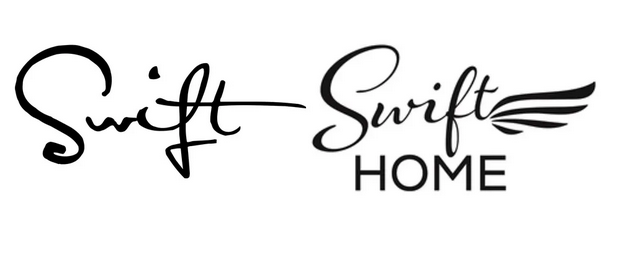
“Swift
Home”
brand
is
too
similar
to
her
signature,
Miss
Swift
has
attempted
to
counter
the
bedding
brand’s
recent
trademark
request.
While
the
result
of
this
legal
action
is
yet
to
be
settled,
it
adds
yet
another
dispute
to
the
over
300
trademark
filings
from
T
Swift’s
legal
team.

The
site
was
also
kind
enough
to
show
a
neat
side
by
side:

The
suit
claims
that
the
company’s
goofy
S
swoop
(I’m
paraphrasing
here)
looks
a
little
too
similar
to
Taylor’s
scribbles
and
people
could
mistake
a
connection
at
first
glance.
No
clue
how
representative
my
first
impressions
are
of
the
general
population’s,
but
my
initial
thoughts
consisted
of
“What
font
is
that
even?”
and
“What
the
hell
does
a
wing
have
to
do
with
a
bedding
company?”
Goes
to
show
how
much
I
know
about
trademarks
and
marketing.

Good
luck
to
Swift
Home!
If
you
lose
the
court
battle,
might
I
suggest
going
with
the
new
name
Bedding
(Swift’s
Version)?
Make
sure
that
it’s
all
in
Helvetica

wouldn’t
want
to
risk
getting
sued.


Chris
Williams
became
a
social
media
manager
and
assistant
editor
for
Above
the
Law
in
June
2021.
Prior
to
joining
the
staff,
he
moonlighted
as
a
minor
Memelord™
in
the
Facebook
group Law
School
Memes
for
Edgy
T14s
.
 He
endured
Missouri
long
enough
to
graduate
from
Washington
University
in
St.
Louis
School
of
Law.
He
is
a
former
boatbuilder
who
is
learning
to
swim, is
interested
in
critical
race
theory,
philosophy,
and
humor,
and
has
a
love
for
cycling
that
occasionally
annoys
his
peers.
You
can
reach
him
by
email
at [email protected]
and
by
tweet
at @WritesForRent.

Courtroom Competence Isn’t Included With A Law Degree – This Program Pays Law Students To Get It Right – Above the Law

Lindsey
Halligan,
the
former
insurance
attorney
who
spent
some
time
“masquerading”

to
use
a
federal
judge’s
words

as
the
U.S.
Attorney
for
the
Eastern
District
of
Virginia
attempted
to
ramrod
criminal
cases
against
Donald
Trump’s
political
enemies
and
failed
spectacularly.
Halligan

botched
the
grand
jury
process
,

submitted
an
indictment
that
the
full
grand
jury
never
saw
,
and

got
two
cases
dismissed
simultaneously
.
After
a
judge
ruled
that
she
held
the
position
illegally,
she
continued
signing
off
on
filings.
When
all
was
said
and
done,
another
federal
judge
wrote
that
she
escaped
a
disciplinary
referral
“in
light
of
her
inexperience.”
It
still

might
not
be
enough
to
shield
her
from
sanctions
.

Halligan
might
be
a
perfectly
passable
insurance
lawyer,
like

Alina
Habba
before
her
,
Halligan
learned
the
hard
way
that
courtroom
advocacy
requires
more
than
the
Trump
administration’s
“Have
Law
Degree,
Will
Prosecute”
approach
to
filling
key
positions.

Law
school
alone
can’t
prepare
someone
for
court,
but
practical
education
from
experienced
mentors
can.
And
law
students
can
get
paid
while
learning.

Once
again,
elite
litigation
boutique

MoloLamken

will
host
its

Advocacy
Academy
,
an
intensive
one-week
courtroom
training
program
for
12
rising
3Ls.
Applications
are
open
now,
and
if
you’re
a
current
2L
who
wants
to
learn
trial
and
appellate
advocacy
from
lawyers
who
have
collectively
tried
hundreds
of
cases
and
argued
hundreds
of
appeals,
check
out
this
program.

The
ML
Advocacy
Academy
runs
from
the
evening
of
Sunday,
August
3
through
Friday
afternoon,
August
8,
2026

dates
intentionally
chosen
to
avoid
conflicting
with
other
summer
associate
programs
or
government
and
public
interest
internships.
The
program
offers
stand-up
experience
examining
witnesses
and
making
trial
and
appellate
arguments
with
personalized
feedback
from
the
firm’s
partners,
including
co-founders
Steven
Molo
and
Jeffrey
Lamken.
And
MoloLamken
Scholars
receive
a
$4,500
cash
award,
with
travel
and
lodging
covered
for
participants
coming
from
outside
New
York
City.

We’ve

covered
the
Academy
since
its
launch
,
and
the
reviews
from
past
scholars
have
been
consistently
impressive.
Participants
have
called
the
program
“mind-blowing”
and
“invaluable,”
praising
the
low-pressure
environment
where
they
could
take
risks
and
get
direct,
honest
feedback.
One
described
learning
that
their
perceived
weakness

being
a
hand-talker

could
be
leveraged
into
a
courtroom
strength
after
watching
advocacy
videos
on
mute.
The
virtue
of
breaking
down
game
film!

As
we
noted
in
our

recap
of
last
year’s
program
,
attendees
were
particularly
struck
by
the
resources
the
firm
commits.
Partners
flew
in
from
every
MoloLamken
office
to
lead
sessions,
and
both
named
partners
made
themselves
consistently
present
for
individualized
feedback.

“It’s
difficult
for
lawyers
starting
out
to
get
practical
courtroom
skills
training,”
said
co-founding
partner
Jeffrey
Lamken.
“This
program
provides
outstanding
law
students
who
want
to
become
great
advocates
a
solid
grounding
based
on
our
real-world
experience.”

Partner
Megan
Church,
one
of
the
Academy’s
organizers,
added:
“It’s
important
for
us
to
stay
close
to
what’s
happening
with
law
students.
This
is
a
way
to
do
that
and
contribute
to
the
training
of
the
next
generation
of
great
advocates.”

The
gap
between
law
school
and
courtroom
competence
isn’t
closing
on
its
own.
If
anything,
with
AI
handling
more
of
the
grunt
work
traditionally
handled
by
junior
lawyers,
young
lawyers
will
need
to
become
assets
to
their
firms
as
an
advocate
earlier
than
ever.
Programs
like
this
one
offer
opportunities
that
law
students
don’t
often
get.

To
learn
more
and
apply,
visit

mololamken.com/academy
.
The

deadline
for
applications
is
March
3
.


HeadshotJoe
Patrice
 is
a
senior
editor
at
Above
the
Law
and
co-host
of

Thinking
Like
A
Lawyer
.
Feel
free
to email
any
tips,
questions,
or
comments.
Follow
him
on Twitter or

Bluesky

if
you’re
interested
in
law,
politics,
and
a
healthy
dose
of
college
sports
news.
Joe
also
serves
as
a

Managing
Director
at
RPN
Executive
Search
.

This Biglaw Firm Is Restructuring Its Top Leadership Role After Nearly 20 Years – Above the Law

For
nearly
two
decades,
leadership
at
Lowenstein
Sandler has
been
a
two-for-one
deal.
Since
2008,
Gary
Wingens
has
served
as
both
chairman
and
managing
partner

a
rare
stretch
of
dual
power
in
Biglaw.

That
changes
today.

The
firm
has
elected
Jonathan
Wishnia
as
its
first
new
managing
partner
in
18
years,
while
Wingens
remains
chairman.
It’s
a
significant
structural
shift
for
a
firm
that
has
grown
dramatically
under
a
unified
leadership
model,
nearly
tripling
revenue
during
Wingens’s
tenure
and
reshaping
its
practice
around
sector-focused
growth.

This
isn’t
a
firm
in
distress.
It’s
a
firm
planning
ahead.
As
Wingens
put
it
in
an
interview
with
the

American
Lawyer
,
“We
are
in
a
profession
that
is
changing
faster
than
it
ever
has
before.
The
changes
are
dramatic,
the
winners
and
losers
are
pretty
dramatic.”
The
decision
grew
out
of
a
strategic
planning
process,
with
leadership
concluding
that
splitting
the
roles
would
“provide
more
bandwidth
for
leadership
and
management
of
the
firm.”

By
splitting
the
roles,
Lowenstein
joins
the
many
Am
Law
firms
that
separate
strategy
from
day-to-day
management.
Wingens
will
turn
outward

focusing
on
clients,
long-term
vision,
and
institutional
knowledge

while
Wishnia
takes
over
operations
and
builds
out
a
new
management
committee
to
spread
leadership
responsibility.
As
Wishnia
noted
about
the
transition,
“The
goal
of
the
management
committee
is
to
create
leadership
bandwidth.”

Succession
planning
is
also
clearly
part
of
the
equation.
After
18
years
in
the
dual
role,
Wingens
acknowledged
the
timing
was
deliberate:

“I’ve
been
in
this
dual
role
for
18
years,
and
while
I’m
not
slowing
down
anytime
soon,
it
makes
a
lot
of
sense
to
make
sure
we’ve
got
other
folks
in
management
who
are
well-versed
in
other
operations
of
the
firm,”
Wingens
said.
“We
are
transitioning
my
knowledge
base
and
my
institutional
memory
to
other
people
at
a
time
where
we
can
do
it
at
our
own
pace
without
external
pressure
and
without
needing
to
rush
anything.”

If
anything,
the
firm’s
leadership
restructuring
reads
less
like
course
correction
and
more
like
future-proofing

particularly
in
a
market
increasingly
shaped
by
AI
investment
and
consolidation
pressures.
As
Wingens
framed
the
broader
bet:

“I
know
plenty
of
shrinking
firms
and
growing
firms,
and
it’s
more
fun
to
be
the
growing
firm
than
the
shrinking
firm.”

After
nearly
20
years
of
one
person
running
both
the
boardroom
and
the
engine
room,
Lowenstein
is
opting
for
more
hands
at
the
helm

not
because
it
has
to,
but
because
it
wants
to
stay
ahead.

Congratulations
to
both
Jonathan
Wishnia
and
Gary
Wingens
on
their
new
roles
at
Lowenstein
Sandler!


Lowenstein
Sandler
Elects
First
New
Managing
Partner
in
18
Years

[American
Lawyer]


Staci
Zaretsky
 is
the
managing
editor
of
Above
the
Law,
where
she’s
worked
since
2011.
She’d
love
to
hear
from
you,
so
please
feel
free
to email her
with
any
tips,
questions,
comments,
or
critiques.
You
can
follow
her
on BlueskyX/Twitter,
and Threads, or
connect
with
her
on LinkedIn.

Office Work Can Be Less Productive Than Work From Home – Above the Law

Most
of
us
within
the
legal
profession
remember
when
many
law
firms
permitted
attorneys
and
staff
to
work
from
home
during
the
COVID-19
era. For
the
most
part,
working
from
home
did
not
impact
law
firm
operations,
and
indeed,
many
law
firms
realized
record
profits
during
the
pandemic.
In
recent
years,
many
law
firms
have
mandated
that
employees
return
to
offices,
perhaps
due
to
old-school
notions
of
collaborations,
or
perhaps
since
they
don’t
want
their
expensive
office
spaces
to
go
unused. However,
even
though
managers
may
think
office
time
is
more
productive
than
working
from
home,
in
many
situations,
working
from
home
is
far
more
efficient.

Many
people
need
to
commute
significant
distances
to
travel
to
and
from
work. Sometimes,
even
though
an
office
is
not
located
far
away,
it
might
take
considerable
time
to
commute
to
and
from
the
workplace. When
I
was
working
as
an
associate
at
several
law
firms,
I
always
worked
within
10
miles
of
the
office,
but
it
usually
took
an
hour
or
more
to
commute
each
way. When
someone
works
from
home,
their
“commute”
is
as
easy
as
transitioning
from
their
bed
to
a
couch
or
home
office. Accordingly,
working
from
home
can
free
up
several
hours
each
day
that
attorneys
can
use
on
client
work
or
personal
tasks.

Moreover,
when
people
work
in
an
office,
significant
time
is
often
spent
socializing
around
the
workplace. This
is
usually
a
good
thing,
since
socializing
with
co-workers
is
a
great
way
to
increase
team
cohesion
and
promote
the
culture
of
an
office. However,
socializing
with
can
also
take
time
away
from
being
productive. 

I
worked
at
several
law
firms
in
my
career
in
which
people
spent
an
hour
or
more
a
day
chatting
with
people
around
the
office. It
is
very
difficult
for
managers
to
cut
down
on
such
unproductive
behavior
since
they
have
tasks
of
their
own,
and
it
can
be
unclear
which
conversations
are
work-related
and
which
are
not. When
someone
works
from
home,
they
generally
do
not
devote
too
much
time
for
socializing,
since
they
are
not
in
the
same
physical
space
as
co-workers,
thus
freeing
up
time
which
can
be
used
on
other,
more
useful
tasks.

Another
inefficient
part
of
working
in
an
office
is
the
wasted
time
needed
to
grab
lunch
and
eat
it
back
at
an
office. Some
people
bring
their
lunches
to
work,
which
is
a
great
way
to
save
money
and
can
lead
to
more
productivity
in
an
office,
however,
I
never
brought
my
lunch,
even
when
I
was
living
on
a
shoestring
budget
to
pay
off
my
student
loans. I
loved
to
break
up
my
office
day
by
going
outside,
picking
up
lunch,
and
eating
with
my
co-workers.

This
entire
process
usually
“ate”
up
about
an
hour
of
my
workday. First,
I
would
need
to
gather
my
co-workers
to
make
an
outing
to
pick
up
lunch,
and
then
we
would
need
to
travel
to
and
from
the
place
where
we
wanted
to
grab
lunch. Usually,
the
popular
lunch
places
were
packed
with
other
professionals
looking
to
grab
lunch
in
the
middle
of
the
day. Then,
we
would
typically
eat
lunch
back
at
the
office
and
sit
around
talking
after
we
had
finished
our
food. While
working
from
home,
people
usually
have
easy
access
to
food
in
their
own
refrigerators
and
do
not
need
to
spend
too
much
time
procuring
something
to
eat.

For
many
reasons,
attorneys
should
be
permitted
to
work
from
home,
since
this
arrangement
allows
lawyers
to
better
manage
their
personal
and
work
affairs. However,
managers
should
also
keep
in
mind
that
working
from
home
often
allows
attorneys
to
devote
more
time
to
billing
hours.


Jordan
Rothman
is
a
partner
of 
The
Rothman
Law
Firm
,
a
full-service
New
York
and
New
Jersey
law
firm.
He
is
also
the
founder
of 
Student
Debt
Diaries
,
a
website
discussing
how
he
paid
off
his
student
loans.
You
can
reach
Jordan
through
email
at 
jordan@rothman.law.

AI In Law: In-House Teams vs. Big Firms — The Real Disruption Coming – Above the Law

In
this
conversation,
I’m
joined
by
“The
Subscription
Attorney,”
Mathew
Kerbis,
to
discuss
how
AI
is
fundamentally
changing
the
power
dynamics
between
Biglaw
firms
and
their
sophisticated
in-house
clients.

This
isn’t
about
efficiency
gains
it’s
about
accountability,
transparency,
and
the
existential
threat
facing
traditional
billable
hour
models.

We
explore
how
purpose-built
AI
tools
are
empowering
in-house
legal
teams
to
benchmark
work,
question
billing
practices,
and
why
this
creates
an
unprecedented
challenge
for
large
law
firms
still
operating
on
legacy
business
models.


In-House
Teams
Will
Expose
Biglaw’s
Billing
Problem

Mathew
explains
why
sophisticated
in-house
legal
teams
pose
the
biggest
threat
to
traditional
Biglaw
billing.
These
teams
are
adopting
purpose-built
legal
AI
tools
and
will
start
asking
tough
questions.
Unlike
individual
clients
who
may
not
understand
the
nuance,
in-house
counsel
are
sophisticated
enough
to
benchmark
work
and
recognize
when
they’re
being
overcharged.


Purpose-Built
AI
vs.
General
AI:
The
Bonfire
vs.
Blowtorch
Analogy

Mathew
shares
a
powerful
analogy
from
Daza
Greenwood
about
the
difference
between
general
AI
tools
(ChatGPT,
Claude,
Gemini)
and
purpose-built
legal
AI.

General
AI
is
like
a
massive
bonfire—incredibly
powerful
and
versatile,
but
not
specialized.
Purpose-built
legal
AI
is
like
taking
that
fire
and
harnessing
it
into
a
blowtorch

you
can
now
weld
with
precision.


The
Flat
Fee
Trap:
Why
It
Won’t
Save
Biglaw

Steve
and
Mathew
tackle
the
question
many
law
firms
are
considering:
Can
they
escape
the
billable
hour
problem
by
switching
to
flat
fees?
The
answer
is
no.

Even
with
a
$100,000
flat
fee,
sophisticated
clients
can
calculate
that
if
the
work
only
took
2
hours
with
AI
assistance,
they’re
still
massively
overpaying.

This
reveals
the
“underscoping
and
overscoping
problem”

lawyers
struggle
to
accurately
price
fixed-fee
work,
which
is
exactly
why
flat
fees
never
replaced
the
billable
hour
in
the
first
place.

The
real
issue
isn’t
the
billing
model;
it’s
that
AI
has
made
the
actual
cost
of
legal
work
transparent,
and
no
pricing
structure
can
hide
that
reality.


Listen
to
the
latest
episode
of
“Be
That
Lawyer”
here.


Steve
Fretzin
is
a
bestselling
author,
host
of
the
“Be
That
Lawyer”
podcast,
and
business
development
coach
exclusively
for
attorneys.
Steve
has
committed
his
career
to
helping
lawyers
learn
key
growth
skills
not
currently
taught
in
law
school.
His
clients
soon
become
top
rainmakers
and
credit
Steve’s
program
and
coaching
for
their
success.
He
can
be
reached
directly
by
email
at 
[email protected].
Or
you
can
easily
find
him
on
his
website
at 
www.fretzin.com or
LinkedIn
at 
https://www.linkedin.com/in/stevefretzin.